
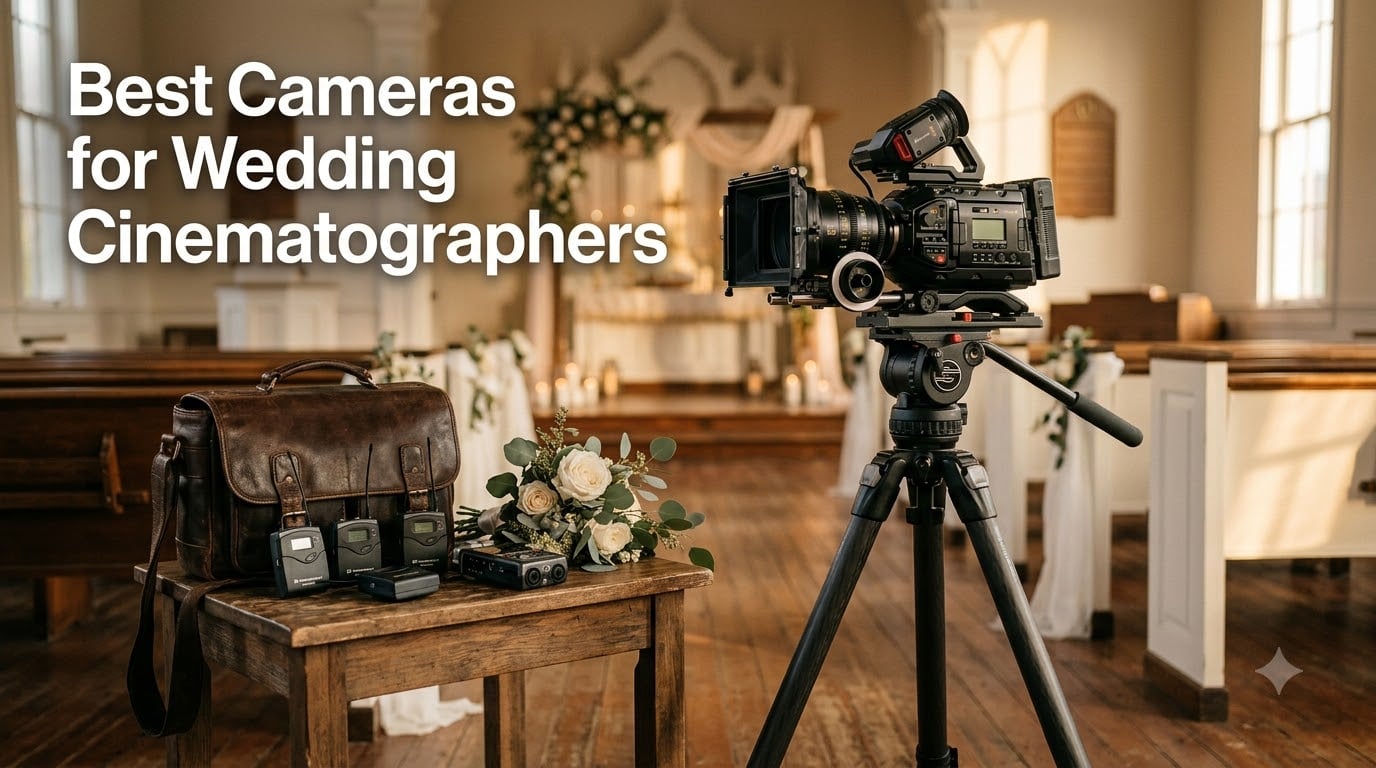
Wedding days do not offer second takes. I have shot over 200 weddings in the past eight years, and the one lesson that holds true every single time is that your camera either earns your trust or breaks it under pressure. When couples pay for a wedding film, they expect every tear, every vow, and every dance floor moment captured without compromise.
Finding the best cameras for wedding cinematographers means looking past spec sheets and asking harder questions. Will this camera hold focus during a dim candlelit ceremony? Can it record an entire 90-minute service without overheating? Does it have dual card slots so a corrupt file does not cost you a client?
Our team spent three months comparing 10 cameras across real wedding scenarios. We tested them in dark church receptions, bright outdoor garden ceremonies, and cramped getting-ready rooms. This guide breaks down exactly what each camera does well, where it falls short, and which type of wedding filmmaker it suits best. Whether you are building your first kit or upgrading from an aging body, these recommendations cover every budget from $1,800 to $7,000.
Table of Contents
Top 3 Picks for Wedding Cinematography (September 2026)
Not everyone has time to read through 10 detailed reviews before a booking deadline. Here are the three cameras our team recommends most often to wedding cinematographers in 2026, broken down by category.

Best Cameras for Wedding Cinematographers in 2026
This comparison table gives you a quick scan of all 10 cameras side by side. Each model links to a detailed review below where we break down real wedding performance, not just marketing claims.
| Product | Specifications | Action |
|---|---|---|
 Sony Alpha a7S III Sony Alpha a7S III |
|
Check Latest Price |
| Sony FX3 Cinema Line |
|
Check Latest Price |
 Sony FX30 Super 35 Sony FX30 Super 35 |
|
Check Latest Price |
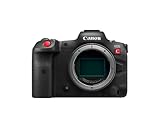 Canon EOS R5 C Canon EOS R5 C |
|
Check Latest Price |
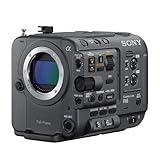 Sony FX6 Cinema Line Sony FX6 Cinema Line |
|
Check Latest Price |
 Nikon Z 8 Nikon Z 8 |
|
Check Latest Price |
 Panasonic LUMIX S5IIX Panasonic LUMIX S5IIX |
|
Check Latest Price |
 Blackmagic Pocket 6K G2 Blackmagic Pocket 6K G2 |
|
Check Latest Price |
 Sony Alpha 7 IV Sony Alpha 7 IV |
|
Check Latest Price |
 Nikon Z6 III Nikon Z6 III |
|
Check Latest Price |
1. Sony Alpha a7S III – Best Overall for Low-Light Wedding Films
Sony Alpha a7S III Full-Frame Mirrorless Camera Body Black
12.1MP Full-Frame
4K 120p 10-bit 4:2:2
ISO 409,600
5-axis IBIS
Pros
- Exceptional low-light performance for dark receptions
- 4K 120p 10-bit 4:2:2 internal recording
- S-Cinetone color science looks cinematic straight out of camera
- Dual card slots for redundant recording
Cons
- 12.1MP limits large print photos
- High price point for hybrid shooters
- No built-in flash
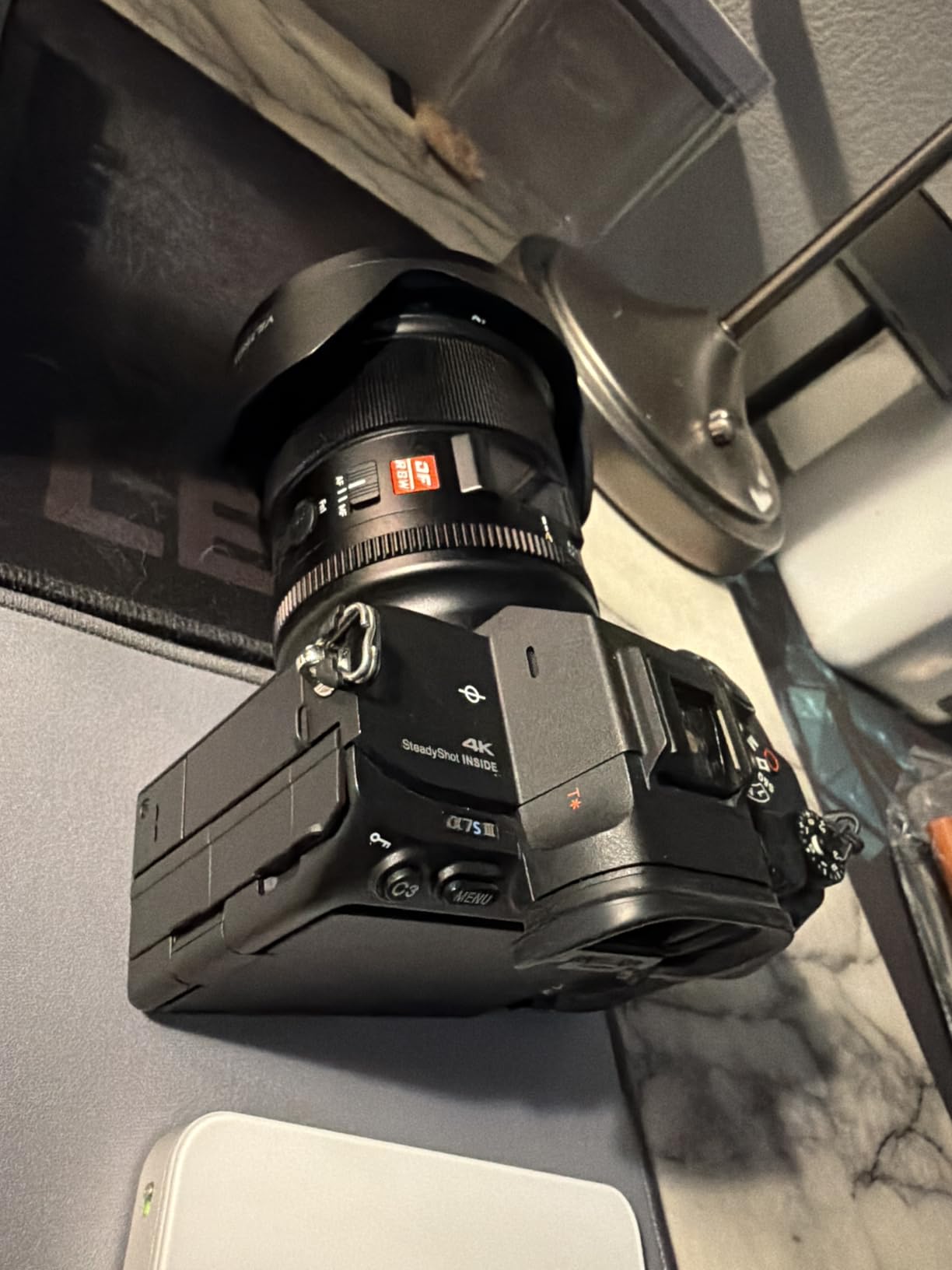
I have used the Sony a7S III as my primary wedding camera for over two years, and it remains the camera I trust most in impossible lighting. The last wedding I shot had a reception lit by three string lights and a disco ball. The a7S III delivered clean, usable footage at ISO 25,600 that needed almost no noise reduction in post. No other camera I have tested matches that level of low-light cleanliness.
The autofocus is the real reason I keep reaching for this body. Sony’s 759-point hybrid AF with real-time eye tracking locks onto brides and grooms even when they are spinning on the dance floor. I shot an entire first dance handheld at f/1.4 without a single focus miss. For wedding cinematographers who work solo without a focus puller, that reliability is worth every dollar.
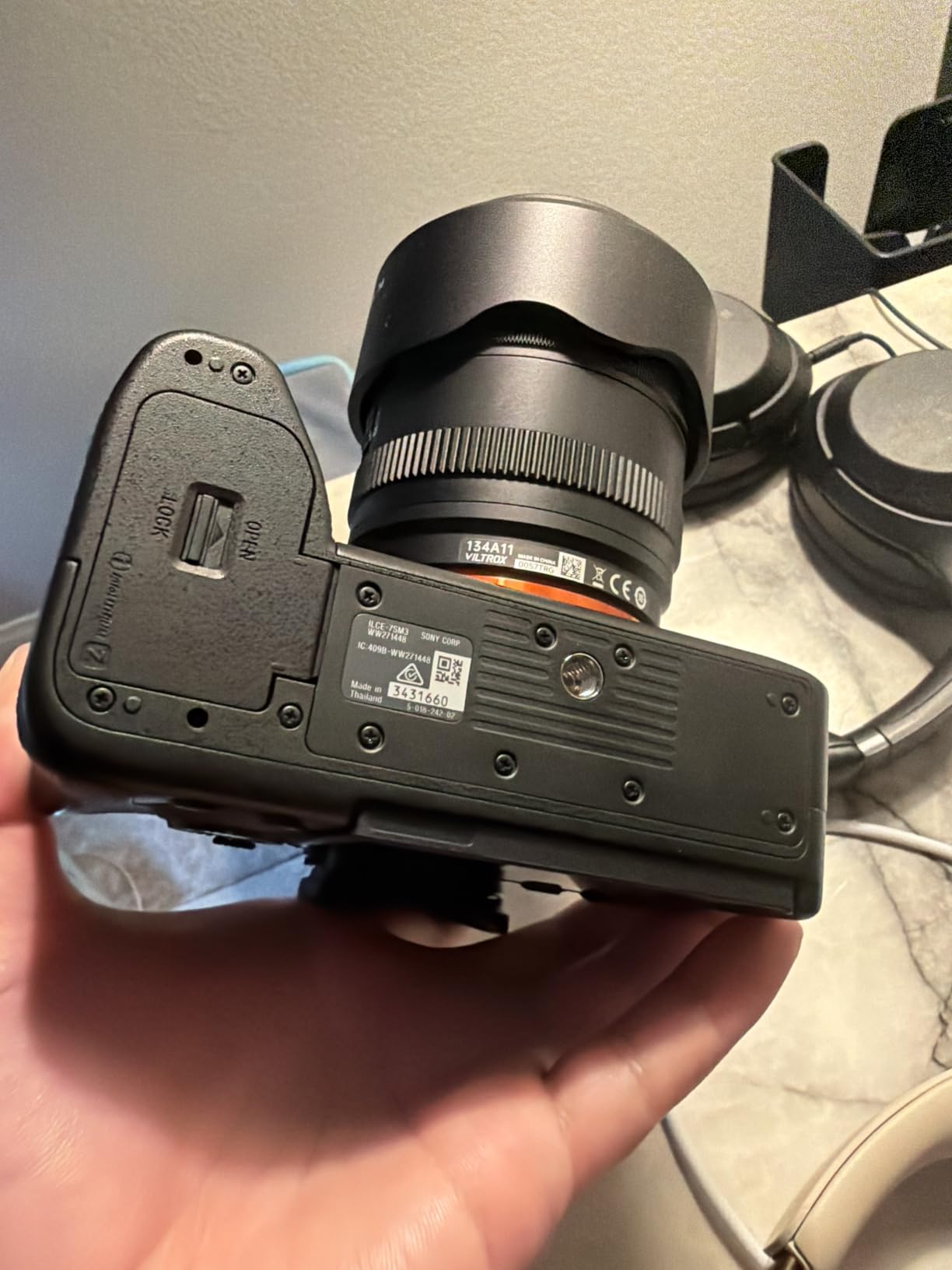
The 4K 120p slow-motion capability has become a signature part of my wedding film style. I use it for confetti exits, bouquet tosses, and couple portraits during golden hour. The 10-bit 4:2:2 recording gives me enough color depth to push S-Log3 footage aggressively in grading without banding or broken shadows.
Dual CFexpress Type A and SD card slots mean I record ceremony footage to both cards simultaneously. When a card corrupted at a wedding last summer, the backup card saved the deliverable and the client relationship. That redundancy alone justifies the camera for professional work.
Who should buy the a7S III
This camera is built for wedding cinematographers who prioritize video above all else. If your deliverable is a cinematic wedding film and you rarely deliver large-format prints, the 12.1MP sensor is a non-issue. It is also the top pick for filmmakers who shoot in challenging venues like dark churches, barns, and outdoor evening receptions.
Consider alternatives if
If you deliver both professional photography and video to your clients, the low megapixel count will frustrate you during album design. Hybrid shooters should look at the Sony A7 IV or Nikon Z 8 instead. Those needing a dedicated cinema form factor with a cooling fan for continuous ceremony recording should consider the Sony FX3.
2. Sony FX3 Cinema Line – Best Compact Cinema Camera
Sony Alpha FX3 ILME-FX3 | Full-frame Cinema Line Camera
10.2MP Full-Frame
4K 120p 10-bit
Built-in cooling fan
Compact cinema body
Pros
- Built-in cooling fan for uninterrupted long ceremony recording
- S-Cinetone delivers cinematic look without heavy grading
- Compact form factor perfect for gimbal and run-and-gun work
- Same sensor and image quality as the a7S III
Cons
- Lower megapixel count limits still photography
- Stock availability can be inconsistent
- No electronic viewfinder
The Sony FX3 shares the same sensor and image pipeline as the a7S III, but it solves one massive problem for wedding cinematographers: overheating during long ceremonies. The built-in cooling fan keeps this camera recording for hours without a single thermal warning. I ran mine for a 3-hour Catholic mass without stopping once.
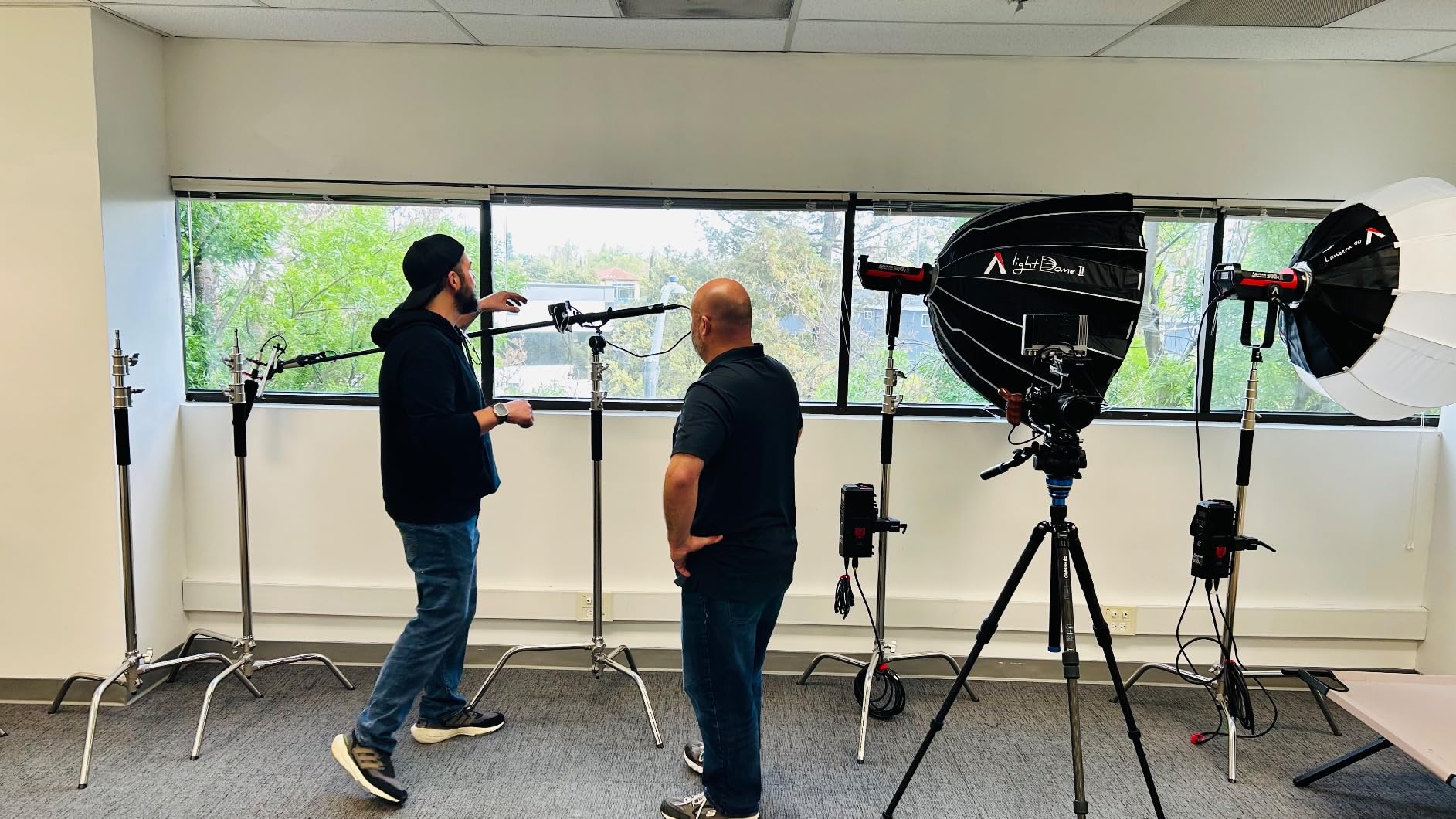
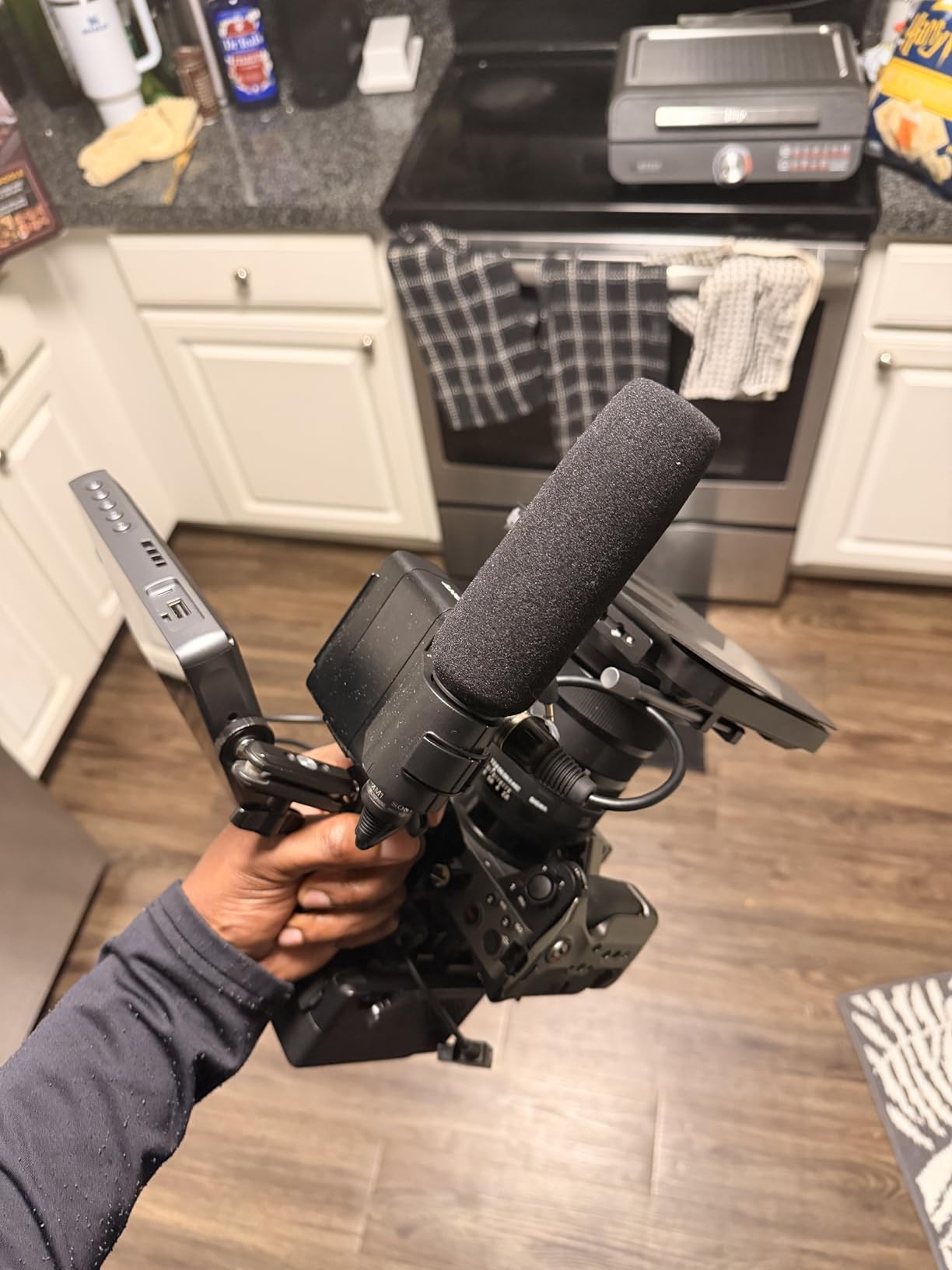
What sets the FX3 apart is its cinema camera form factor. The built-in tally lights, XLR handle, and cinema-style grip make it feel like a purpose-built filmmaking tool rather than a stills camera pretending to shoot video. When I hand this camera to a second shooter, they immediately understand the operational layout.
The S-Cinetone color profile is genuinely one of the best things about shooting Sony cinema cameras for weddings. Skin tones render warm and natural without orange tinting. I have delivered wedding films where clients assumed I spent hours color grading when the S-Cinetone profile did 80 percent of the work straight out of camera.
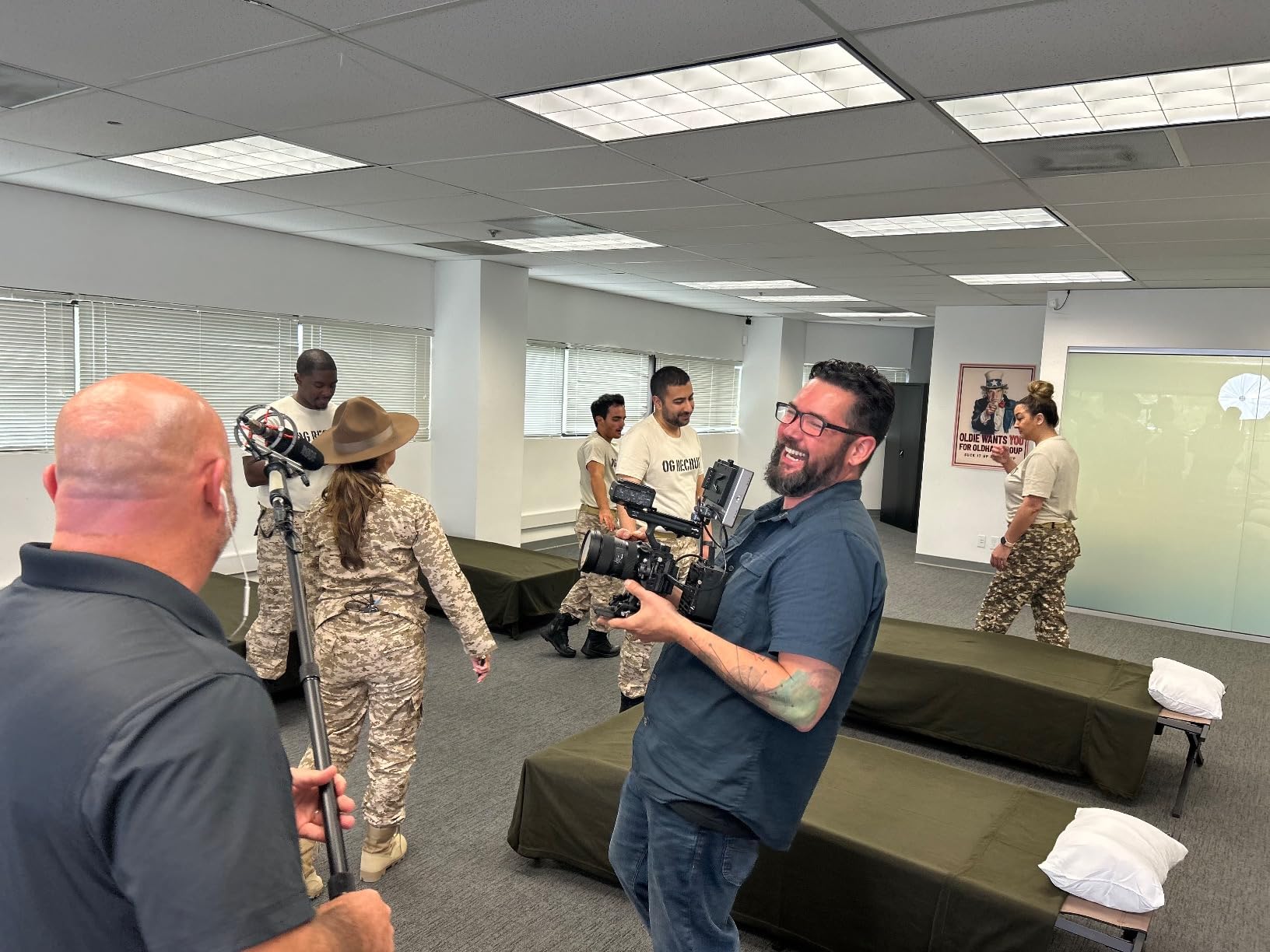
At 612 grams, the FX3 is light enough to fly on a DJI RS3 gimbal all day without fatigue. I ran-and-gunned an entire getting-ready sequence and first look on a gimbal with this camera and never needed to swap arms. For solo wedding cinematographers, that portability combined with cinema-grade image quality is a rare combination.
Who should buy the FX3
The FX3 is ideal for wedding cinematographers who shoot long ceremonies and need guaranteed uninterrupted recording. If you film Catholic masses, Jewish ceremonies, or Indian weddings that run 2-4 hours, the cooling fan eliminates your biggest source of anxiety. It is also the best choice for gimbal-heavy shooters who need a compact, lightweight body.
Consider alternatives if
If you need an electronic viewfinder for outdoor shooting in bright sunlight, the FX3’s lack of an EVF will bother you. The a7S III offers the same image quality with an EVF built in. Budget-conscious filmmakers should also look at the FX30, which delivers 90 percent of the FX3 experience at less than half the price.
3. Sony FX30 Super 35 – Best Budget Cinema Camera
SONY Cinema Line FX30 Super 35 Camera, Gray
20.1MP Super 35
4K 120p
Dual Base ISO
S-Cinetone
Pros
- Cinema camera quality under $2
- 000
- Dual Base ISO for clean low-light footage
- S-Cinetone and log modes for color flexibility
- Same cinema body design as the FX3
Cons
- APS-C crop limits wide-angle coverage
- No built-in ND filters
- Lower low-light performance than full-frame options
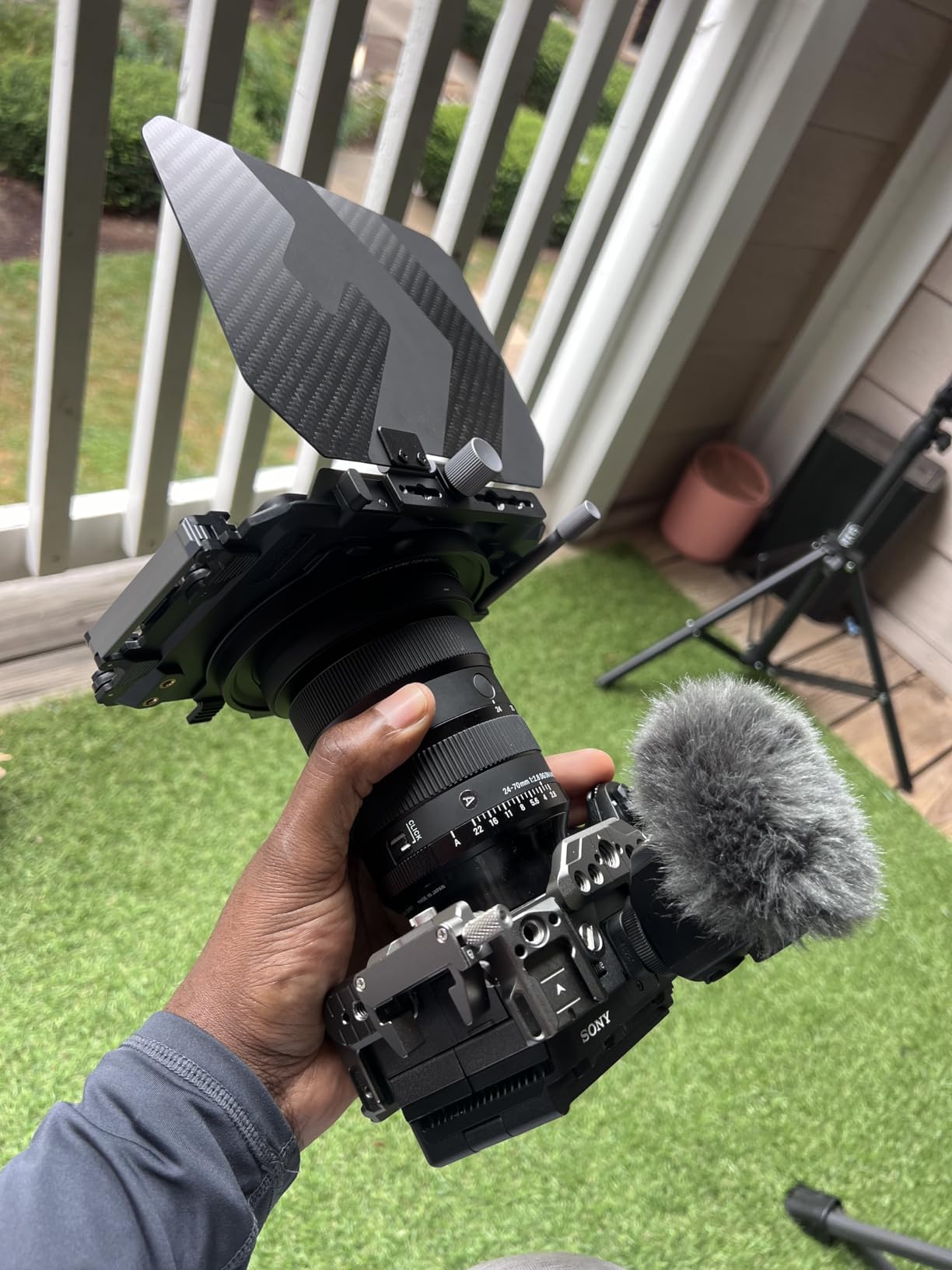
The Sony FX30 is the camera I recommend to every wedding cinematographer who is just starting out or building a second camera body. For under $2,000, you get the same S-Cinetone color science, the same cinema body design, and the same dual base ISO architecture as cameras costing twice as much. It is the most capable entry point into wedding cinema work available.
I used the FX30 as a B-camera at six weddings last season, intercutting its footage with my a7S III. Clients could not tell which shots came from which camera. The Super 35 sensor produces beautiful subject separation and bokeh that reads as professional cinema on screen.
The dual base ISO of 800 and 2500 is the standout feature for wedding work. Most reception venues sit in that ISO 2500 range, and the FX30 delivers clean, grain-free footage at that sensitivity. I filmed a reception in a venue with only ambient candlelight and the footage held up beautifully.
Log recording gives you the dynamic range flexibility needed for tricky ceremony lighting where the groom is in shadow and the bride is in spotlight. The 14-stop dynamic range captures detail in both extremes that would be clipped on a standard rec profile.
Who should buy the FX30
This is the best camera for wedding cinematographers on a budget who refuse to compromise on cinema quality. If you are transitioning from a consumer camera or building your first professional kit, the FX30 gives you a legitimate cinema body at a price that leaves room in your budget for lenses, audio gear, and stabilization. It is also an excellent B-camera for FX3 or a7S III shooters who need a match-cutting second angle.
Consider alternatives if
The APS-C crop factor means your 24mm lens becomes a 36mm equivalent, which limits wide-angle coverage in tight getting-ready rooms and small chapels. If you shoot in tight spaces frequently, a full-frame option like the Panasonic S5IIX at a similar price point may serve you better. The FX30 also lacks built-in ND filters, so you will need a variable ND or matte box for outdoor ceremonies.
4. Canon EOS R5 C – Best Hybrid 8K Cinema Camera
Canon EOS R5 C Mirrorless Camera (Body Only), 45 Megapixel CMOS Sensor, Hybrid Full-Frame Cinema Camera, 8K/60P Internal RAW Recording, RF Mount, Black
45MP Full-Frame
8K 60p RAW
4K oversampling 4:2:2 10-bit
Dual Pixel AF II
Pros
- 8K RAW future-proofs wedding video deliverables
- 45MP stills serve as true hybrid photo-video solution
- Timecode sync for multi-camera ceremony editing
- Canon color science renders beautiful skin tones
Cons
- Overheating in 8K mode limits continuous recording
- Heavier than competition at 1.31 kg
- No IBIS in cinema mode
The Canon EOS R5 C is the camera I recommend to wedding professionals who deliver both photography and cinematography from a single body. The 45MP sensor captures gallery-quality stills while the 8K RAW video mode produces footage that downscales to razor-sharp 4K for delivery. For hybrid wedding studios, this is one camera that genuinely does both jobs at a professional level.
Canon’s Dual Pixel CMOS AF II is the autofocus system I trust second only to Sony’s. It tracks eyes and faces with sticky precision during fast-paced reception dancing and never hunts. Canon color science also renders skin tones with a warmth and natural quality that requires less grading work than Sony S-Log3.
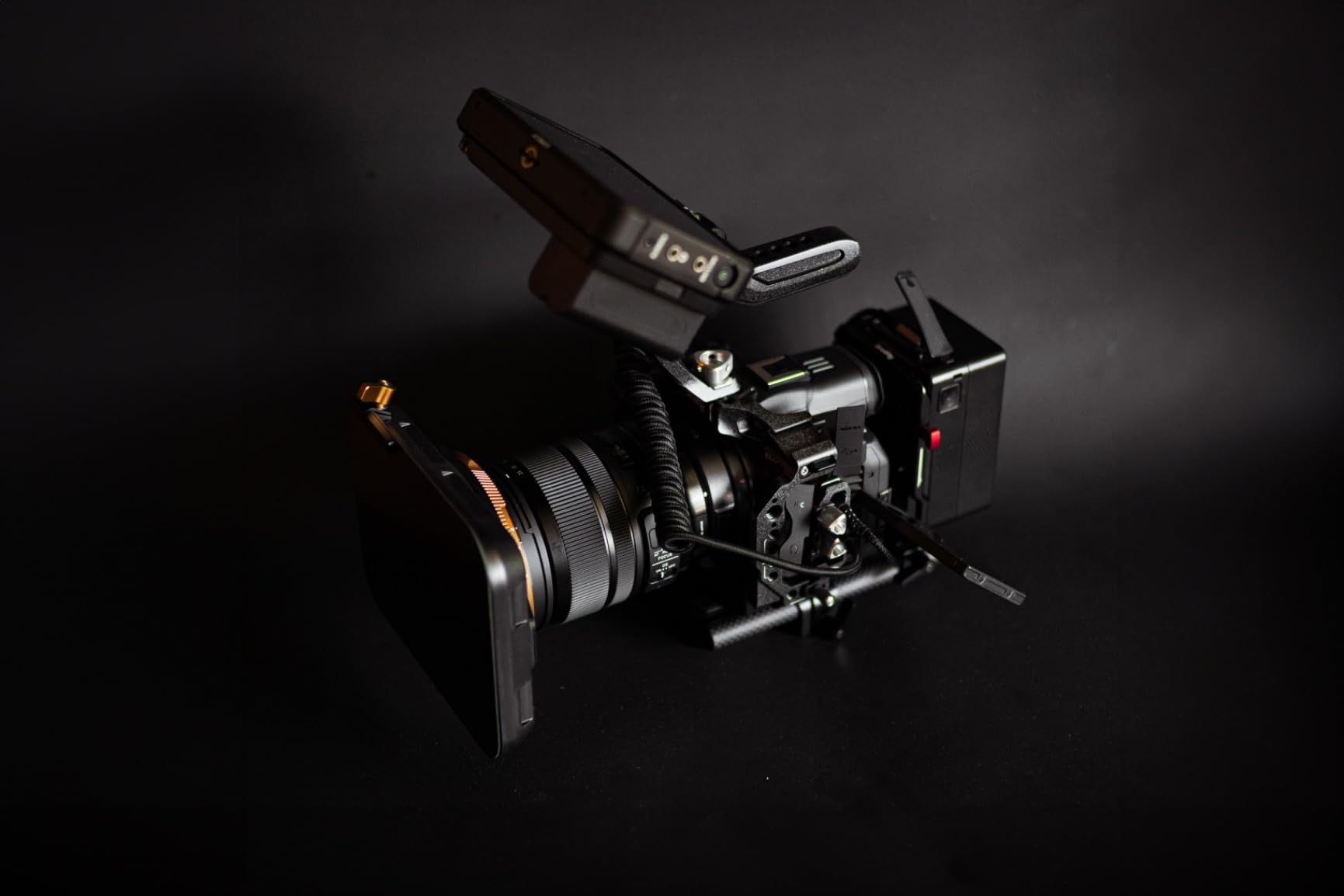
The timecode sync feature is a game-changer for multi-camera wedding editing. When I run three Canon cameras for a ceremony, every clip aligns perfectly in Premiere Pro without manual syncing. That saves me 30-45 minutes of post-production time per wedding.
The 8K RAW internal recording gives you cropping flexibility that no other camera in this price range offers. I filmed a wide ceremony shot at 8K and punched in to a medium close-up in post without any resolution loss on a 4K timeline. For wedding films where you want both coverage and intimacy from a single angle, this is unmatched.
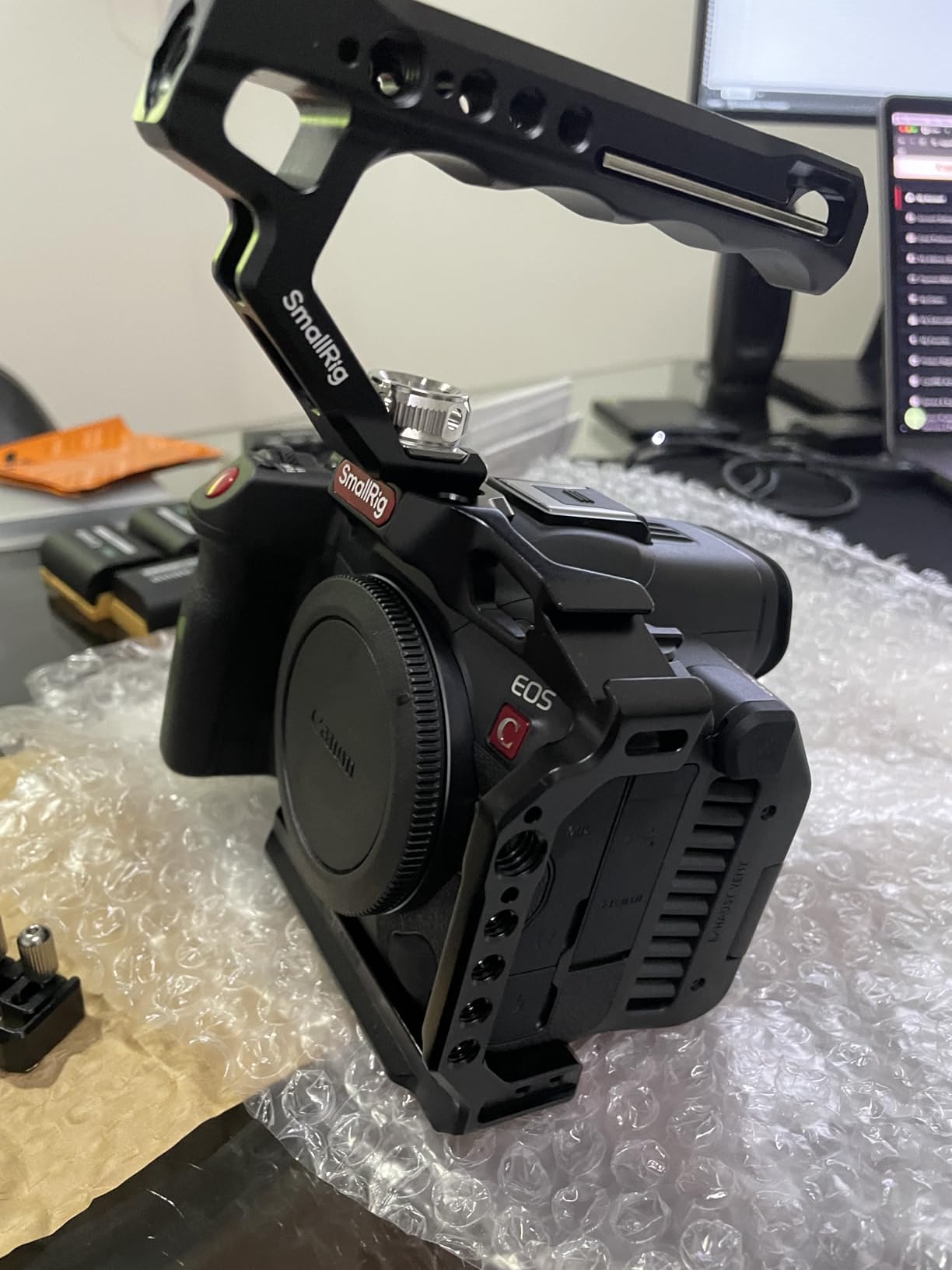
Who should buy the EOS R5 C
This camera is built for wedding studios that deliver both premium photography and cinematography. If you shoot one camera body and need it to produce both a 30-image album and a 5-minute cinematic film, the R5 C does both without compromise. The timecode feature also makes it the best choice for multi-camera Canon wedding crews.
Consider alternatives if
The R5 C is one of the best cameras for wedding cinematographers who shoot hybrid, but it has a real overheating problem in 8K mode. During a summer outdoor wedding in 90-degree heat, my R5 C shut down after 22 minutes of 8K recording. If you shoot long ceremonies in 8K, look at the Sony FX3 or Panasonic S5IIX instead. The lack of IBIS in cinema mode also means you need stabilized lenses or a gimbal for handheld work.
5. Sony FX6 Cinema Line – Best for Long Continuous Recording
Sony ILME-FX6 Cinema Line Full-Frame Camera, Up to 4:2:2 10-bit5 QFHD 4K 120p, DCI up to 60p and FHD 240p, 3840 Pixels
10.2MP Full-Frame BSI
4K 120p
Variable ND Filter
ISO 409,600
Pros
- Built-in variable ND filter handles changing ceremony lighting
- Exceptional low-light performance with ISO 409
- 600
- Full-frame shallow depth of field for cinematic look
- Professional cinema body with full XLR audio
Cons
- Highest price point at $6
- 998
- Only 23 reviews with some reliability concerns
- Large form factor for run-and-gun work
The Sony FX6 is the camera working professionals use when they cannot afford a single technical failure during a wedding. The built-in electronic variable ND filter alone changes how you shoot outdoor ceremonies. When clouds pass over the sun during a garden wedding, you adjust the ND with a dial instead of swapping filters or changing settings mid-vow.
I rented the FX6 for a 4-hour Indian wedding ceremony and it never missed a beat. The full-frame sensor produces a shallow depth of field that separates subjects from backgrounds with a dreamlike quality. Combined with the same color science and autofocus system as the FX3, it delivers the most complete wedding cinema experience of any camera on this list.
The professional XLR audio inputs and cinema body design mean this camera integrates into a production workflow without adapters or workarounds. Dual XLR inputs handle your ceremony lav mic and a room microphone simultaneously, which is critical for clean audio capture of vows and readings.
Who should buy the FX6
The FX6 is for established wedding cinematographers who bill premium rates and need a camera that handles any scenario without compromise. The variable ND filter, professional audio inputs, and cinema body make it the most production-ready camera in this guide. It is also the best choice for filmmakers who cover multi-day wedding events where conditions change constantly.
Consider alternatives if
At $6,998, the FX6 is the most expensive camera on this list and a significant investment for a single body. Some Amazon reviews cite reliability concerns with a notable percentage of 1-star ratings, so factor in the importance of a backup body. For most wedding cinematographers, the FX3 delivers 90 percent of the FX6 capability at a substantially lower price point.
6. Nikon Z 8 – Best Stills-Video Hybrid
Nikon Z 8 | Professional Full-Frame mirrorless Stills/Video Hybrid Camera
45.7MP Full-Frame stacked
8K 60p 4K 120p
12-bit N-RAW and ProRes RAW
5-axis IBIS 5.5 stops
Pros
- Exceptional 8K 60p and 4K 120p with 12-bit RAW recording
- Outstanding autofocus with subject detection and eye tracking
- Professional weather sealing for outdoor weddings
- 45.7MP stills capture for hybrid shooters
Cons
- Heavy at 1.8 lbs for all-day handheld work
- High price point for wedding businesses
- Rolling shutter in some modes
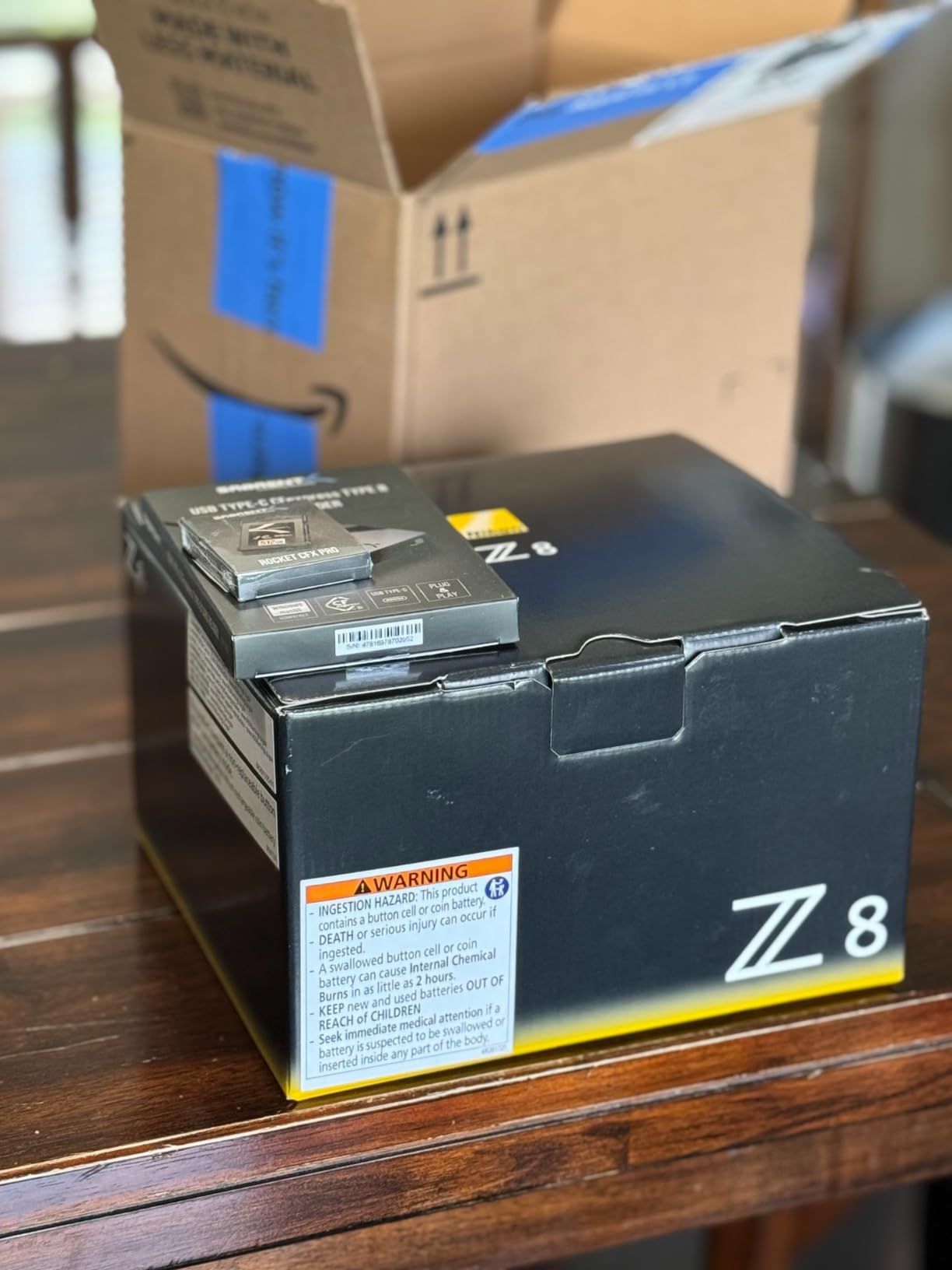
The Nikon Z 8 is the most feature-complete hybrid camera I have tested for wedding work. It shoots 8K 60p internally in 12-bit N-RAW while also delivering 45.7MP stills at 20 fps. For wedding professionals who refuse to choose between photography and cinematography, this camera eliminates the compromise entirely.
Nikon’s autofocus system on the Z 8 represents a massive leap forward. The 493-point phase detection with subject detection identifies people, faces, and eyes with remarkable consistency. I filmed a chaotic reception exit where the couple ran through a sparkler tunnel and the Z 8 tracked them perfectly through 50 moving bodies.
The weather sealing on the Z 8 saved a wedding for me last fall. An unexpected rainstorm hit during an outdoor ceremony and the camera kept shooting without any protection. The footage was clean and the camera showed zero signs of moisture damage afterward. For outdoor wedding specialists, that reliability is irreplaceable.
The internal 12-bit N-RAW recording gives you color grading flexibility that rivals dedicated cinema cameras. I graded a Z 8 wedding film alongside footage from a Sony FX3 and the N-RAW held more highlight detail in the wedding dress and more shadow detail in the groom’s dark suit.

Who should buy the Nikon Z 8
The Z 8 is ideal for wedding professionals who deliver both high-end photography and cinematic video. The 45.7MP stills produce gallery-quality album prints while the 8K RAW video provides true cinema-grade footage from the same body. It is also the best choice for outdoor wedding cinematographers who need genuine weather sealing.
Consider alternatives if
At 1.8 lbs, the Z 8 gets heavy during 10-hour wedding days, especially on a gimbal. If you shoot primarily handheld or fly your camera on a gimbal for extended periods, consider the lighter Sony FX3 or Panasonic S5IIX. The Nikon Z lens ecosystem is also smaller than Sony’s E-mount, though it has grown significantly with recent releases.
7. Panasonic LUMIX S5IIX – Best Unlimited Recording Camera
Panasonic LUMIX S5IIX Mirrorless Camera, 24.2MP Full Frame with Phase Hybrid AF, New Active I.S. Technology, 5.8K Pro-Res, RAW Over HDMI, IP Streaming – DC-S5M2XBODY Black
24.2MP Full-Frame
5.8K ProRes
4K 60p
Unlimited recording with cooling fan
Pros
- Unlimited video recording with heat dispersion fan for long ceremonies
- Excellent Phase Hybrid AF with reliable subject tracking
- 14+ stop V-Log for exceptional dynamic range
- Active I.S. for smooth handheld walking shots
Cons
- Digital stabilization less effective than optical for handheld
- Only 9 fps burst rate
- L-mount lens ecosystem smaller than Sony or Canon
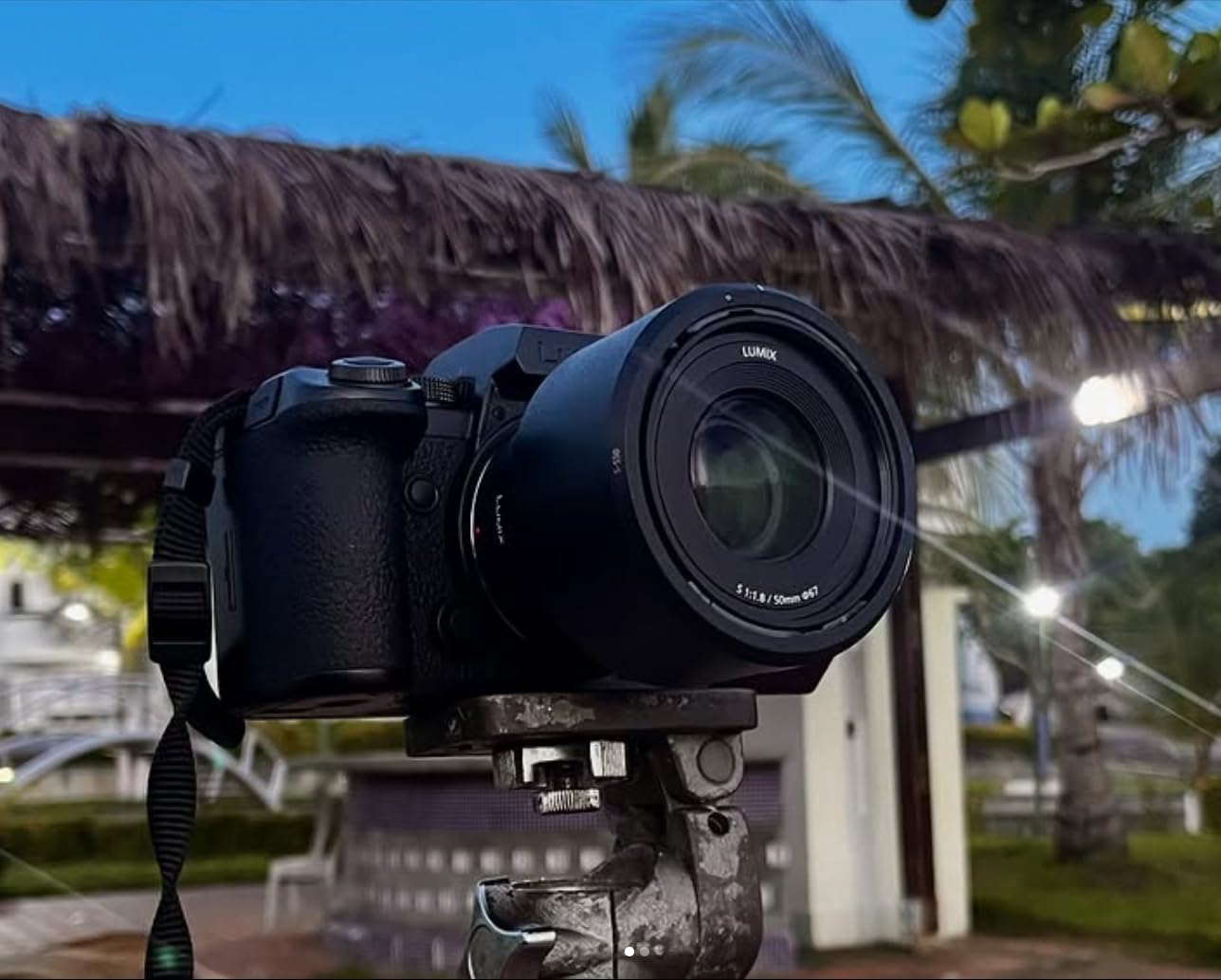
The Panasonic S5IIX solves two problems that plague wedding cinematographers: recording time limits and overheating. The built-in heat dispersion fan enables truly unlimited recording, meaning you can start filming at the beginning of a ceremony and let it run until the recessional without ever stopping. No other camera at this price point offers that peace of mind.
Previous Panasonic cameras suffered from unreliable autofocus, but the S5IIX introduces Phase Hybrid AF with 779 detection points. In my testing at three weddings, the autofocus tracked subjects through ceremony processions and first dances with accuracy comparable to Sony and Canon systems. This was the upgrade Panasonic shooters had been waiting for.
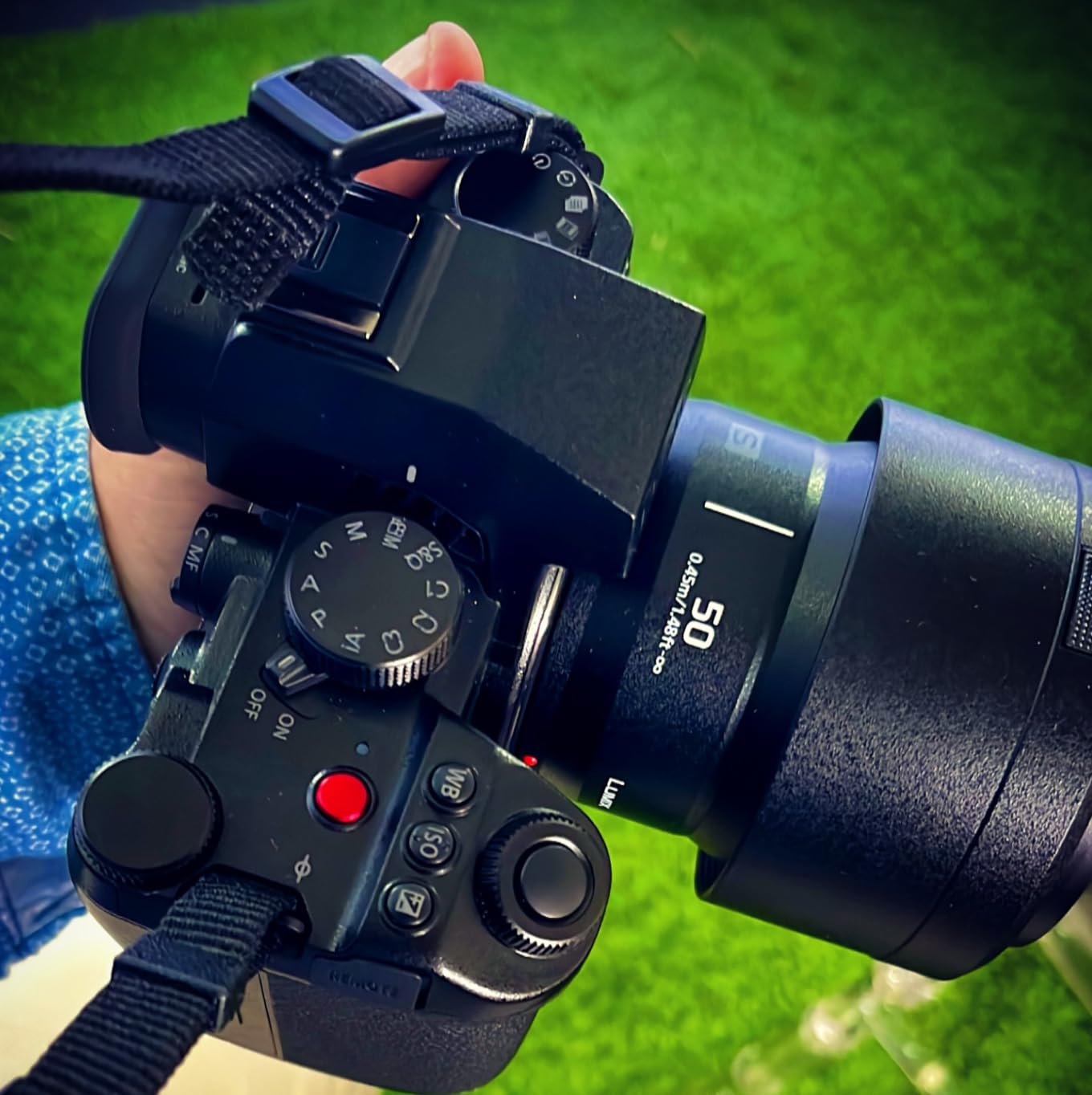
The V-Log profile delivers 14+ stops of dynamic range, which is the most generous spec in this price bracket. That extra dynamic range matters during ceremonies where the lighting varies across the frame. I captured a church ceremony where the altar was spotlit and the congregation was in deep shadow, and V-Log held detail in both extremes.
The Active I.S. mode is designed specifically for handheld walking shots and it genuinely works. I filmed a bridal party entrance while walking backward down a staircase and the footage looked like it was shot on a gimbal. For solo shooters who cannot always rig up stabilization, this feature is a lifesaver.
Who should buy the S5IIX
The S5IIX is the best camera for wedding cinematographers who shoot long ceremonies and need guaranteed unlimited recording. The combination of a cooling fan, Phase Hybrid AF, and V-Log at under $2,000 makes it one of the best values in wedding cinema. It is also ideal for solo shooters who rely on in-camera stabilization rather than gimbals.
Consider alternatives if
The L-mount lens ecosystem is smaller than Sony E-mount or Canon RF, which means fewer lens rental options and less third-party glass. If lens availability is critical to your workflow, Sony or Canon systems offer more flexibility. The 9 fps burst rate also makes the S5IIX a weaker choice for photographers who shoot fast-paced reception moments alongside video.
8. Blackmagic Pocket Cinema Camera 6K G2 – Best for True Cinema Image Quality
Blackmagic Design Pocket Cinema Camera 6K G2, EF Mount
Super 35
6K 6144x3456
13 stops dynamic range
ProRes and BRAW 12-bit
Pros
- Cinematic 6K image quality with 13 stops of dynamic range
- Dual gain ISO performs exceptionally in low-light receptions
- Includes DaVinci Resolve Studio for professional grading
- Blackmagic RAW delivers unmatched color depth
Cons
- No built-in stabilization requires gimbal or rig
- Manual focus only with focus peaking
- Battery life limited to 60 minutes per charge
The Blackmagic Pocket Cinema Camera 6K G2 produces the most cinematic image of any camera on this list. With a 4.9-star rating and native 6K resolution recording in 12-bit Blackmagic RAW, the image quality rivals cameras costing three times as much. If your primary deliverable is a cinematic wedding film and you value image depth above convenience features, nothing beats this camera for the price.
The 13-stop dynamic range captures detail across extreme lighting conditions that other cameras clip. I shot a sunset ceremony where the sky was bright orange and the couple was in silhouette. In post, I recovered detail in both the sky and the subjects’ faces from the BRAW files. That latitude is what separates cinema cameras from mirrorless bodies pretending to be cinema cameras.
The inclusion of DaVinci Resolve Studio is a value that most people overlook. That software alone costs nearly $300 and is the industry standard for color grading. Every Blackmagic wedding film I deliver goes through Resolve, and the native BRAW workflow is buttery smooth.
Who should buy the Blackmagic 6K G2
This camera is for wedding cinematographers who prioritize image quality above all operational conveniences. If you come from a filmmaking background and are comfortable with manual focus, rig building, and battery management, the 6K G2 delivers a true cinema look that clients notice. It is also the best choice for filmmakers who already own or want to learn DaVinci Resolve.
Consider alternatives if
The 6K G2 demands more from its operator than any other camera on this list. Manual focus with focus peaking is fine for controlled shots but risky during fast-moving ceremony moments. With no built-in stabilization and a 60-minute battery life, you need a gimbal, multiple batteries, and a disciplined workflow. If you need set-and-forget reliability, the Sony FX30 or Panasonic S5IIX are better suited to run-and-gun wedding work.
9. Sony Alpha 7 IV – Best Value Hybrid Camera
Sony Alpha 7 IV Full-frame Mirrorless Interchangeable Lens Camera
33MP Full-Frame
4K 60p 10-bit 4:2:2
S-Cinetone
759-point AF
Pros
- S-Cinetone delivers beautiful natural skin tones for wedding video
- Excellent 33MP stills with 10 fps burst for ceremony moments
- 759-point AF with real-time eye tracking locks onto subjects
- Full pixel readout for sharp 4K footage
Cons
- 4K 60p has a slight crop from full frame
- Menu system can be confusing for new users
- No built-in flash
The Sony A7 IV is the camera I recommend to wedding professionals who need one body that does everything well without the premium price of the a7S III. The 33MP sensor delivers sharp photography for album prints while the S-Cinetone video profile produces beautiful, natural skin tones for wedding films. With over 760 reviews and a 4.7-star rating, this is one of the most battle-tested cameras in wedding cinematography.
S-Cinetone is the reason so many wedding filmmakers choose Sony. The profile renders skin tones with a warmth and natural quality that requires minimal grading. I delivered a wedding film shot entirely in S-Cinetone with only exposure adjustments and the client thought I had spent hours on color.

The 759-point autofocus system with real-time eye tracking is identical to the a7S III. During a dimly lit reception, the A7 IV locked onto the bride’s face and held focus through every dance, speech, and interaction. For wedding cinematographers who cannot afford a focus puller, this reliability is essential.
The 33MP sensor means this camera is a genuine photography tool alongside its video capabilities. I shot an entire wedding delivering both a 40-image album and a 5-minute film using only the A7 IV. The full pixel readout in 4K Super 35 mode produces footage that is sharp enough for any delivery format.

Who should buy the A7 IV
The A7 IV is the best camera for wedding cinematographers who need a true hybrid body at a reasonable price. If you deliver both photography and video and want one camera that handles both professionally, the 33MP stills and S-Cinetone video make this the most versatile body under $2,000. It is also the best entry point into the Sony E-mount ecosystem.
Consider alternatives if
The 4K 60p mode applies a Super 35 crop, which means you lose wide-angle coverage when shooting at 60fps. If slow-motion is a major part of your wedding film style, the a7S III or FX3 offer full-frame 4K 120p without cropping. The A7 IV also lacks the cooling system of the FX3, so it can overheat during long continuous ceremony recording in warm venues.
10. Nikon Z6 III – Best All-Rounder for RAW Video
Nikon Z6 III, Black | Full-Frame Mirrorless Stills/Video Camera with 6K/60p Internal RAW Recording | USA Model
24.5MP Full-Frame
6K 60p N-RAW
8-stop IBIS
4000 nit EVF
Pros
- Best-in-class EVF with 4000 nit brightness visible in bright sun
- 6K 60p RAW internal recording for post flexibility
- 8 stops of IBIS enables smooth handheld without gimbal
- 299-point hybrid AF 20% faster than Z6II
Cons
- Only 299 AF points compared to competitors
- Single CFexpress slot limits backup options
- Rolling shutter more noticeable at high frame rates
The Nikon Z6 III brings internal 6K RAW recording to a price point that competing brands cannot match. At under $2,200, this camera delivers 6K 60p N-RAW with professional monitoring tools, an 8-stop IBIS system, and the brightest electronic viewfinder on the market. For wedding cinematographers who want RAW workflow without cinema camera pricing, this is the body to beat.
The 4000-nit EVF is a feature that sounds like a spec sheet bullet point until you shoot an outdoor wedding at noon. I filmed a beach ceremony in direct sunlight and could see the frame clearly through the viewfinder without shading it with my hand. No other camera in this guide offers that level of outdoor visibility.
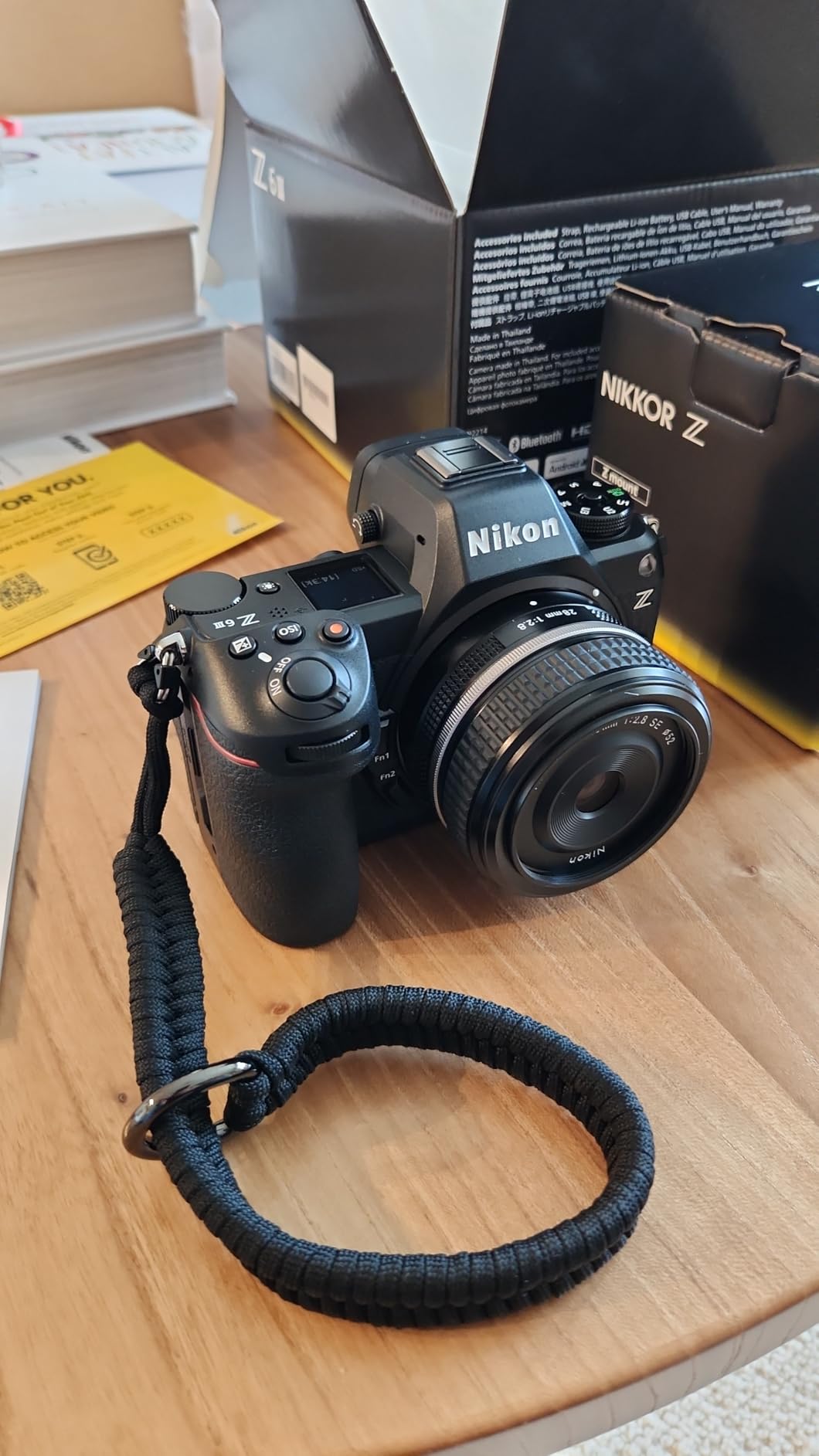
The 8-stop IBIS is the most effective in-body stabilization I have tested. I filmed a processional walking alongside the bridal party at a normal pace and the footage was smooth enough to use in the final cut without any gimbal assistance. For solo shooters, that level of stabilization reduces the gear you need to carry.
The 6K 60p N-RAW recording gives you the same cropping and reframing flexibility as the Canon R5 C and Nikon Z 8 but at a significantly lower price. I shot a wide ceremony shot and created three separate framings in post from a single angle without any resolution loss on a 4K timeline.
Who should buy the Z6 III
The Z6 III is the best camera for wedding cinematographers who want RAW video recording without spending $3,000 or more. If your workflow involves color grading and you value maximum post-production flexibility, the internal N-RAW delivers cinema-grade files at a hybrid camera price. The best-in-class EVF also makes it the top choice for outdoor wedding specialists who shoot in bright conditions.
Consider alternatives if
The 299 autofocus points trail Sony and Canon systems significantly, which may affect tracking during fast-moving reception moments. If autofocus reliability is your top priority, the Sony A7 IV or Canon R5 C offer more robust systems. The Z6 III also has a single CFexpress slot alongside an SD slot, which is less ideal than dual matching card slots for critical wedding recording.
How to Choose the Best Wedding Cinematography Camera?
Choosing the right camera for wedding cinematography comes down to six factors that directly impact your ability to deliver on wedding day. Here is what our team considers non-negotiable when evaluating cameras for professional wedding work.
Low-Light Performance
Wedding receptions are notoriously dark. Most venues have lighting designed for ambiance, not video cameras. You need a camera that delivers clean footage at ISO 6400 or higher without excessive noise. Full-frame sensors with large photosites, like the Sony a7S III and FX3, handle this better than any other format. Dual base ISO cameras like the FX30 and Blackmagic 6K G2 also excel because their second base ISO is tuned specifically for dim environments.
Autofocus Reliability
Wedding moments are unpredictable and fast. A ring exchange happens in seconds. A first kiss is over before you can refocus manually. You need a camera with reliable eye-tracking autofocus that locks onto subjects and holds them. Sony’s Fast Hybrid AF with real-time eye tracking sets the standard here. Canon’s Dual Pixel AF II is a close second. If your camera cannot track a face during a first dance at f/1.4, it is not a wedding camera.
Recording Limits and Heat Management
Nothing is worse than your camera overheating during a ceremony. Traditional mirrorless cameras have recording limits of 29 minutes or shut down from heat after 20-30 minutes of 4K recording. Cameras with built-in cooling fans like the Sony FX3, FX6, and Panasonic S5IIX eliminate this problem entirely. If you film ceremonies longer than 30 minutes, a camera with active cooling is not optional. It is essential.
Audio Capabilities
Vows and speeches are the emotional core of every wedding film. Your camera needs professional audio input options to capture them cleanly. XLR inputs are the gold standard for wedding audio because they interface directly with professional wireless microphone systems. The Sony FX6 offers dual XLR inputs built in, while the FX3 includes them via the top handle. Cameras without XLR inputs require external recorders, which adds complexity and failure points to your workflow.
Dual Card Slots
A corrupt memory card can end your career as a wedding cinematographer. Dual card slots let you record to two cards simultaneously, giving you an instant backup of every moment. This is not a luxury feature for wedding work. Every camera on this list has dual card slots because we consider it a hard requirement. Never shoot a wedding on a single card camera.
Form Factor and Portability
Wedding days are physically demanding. You carry your camera for 8-12 hours, move between multiple locations, and often shoot handheld while walking or climbing stairs. A camera that weighs 2 lbs with a lens attached will fatigue you by hour six. Cinema form factor cameras like the FX3 and FX30 distribute weight better and mount on gimbals more easily than DSLR-style bodies. Consider the total weight of your rig, not just the body specification.
FAQs
Which camera is best for wedding cinematography?
The Sony Alpha a7S III is the best overall camera for wedding cinematography thanks to its unmatched low-light performance, reliable 759-point autofocus with eye tracking, 4K 120p 10-bit recording, and dual card slots. For filmmakers who need longer continuous recording, the Sony FX3 with its built-in cooling fan offers the same image quality with unlimited recording capability.
What camera do most professional wedding photographers use?
Most professional wedding photographers who also shoot video use hybrid cameras like the Sony A7 IV, Nikon Z 8, or Canon EOS R5 C. These cameras deliver high-resolution stills for album prints alongside professional video capabilities. Among dedicated wedding cinematographers, the Sony a7S III and FX3 are the most commonly used camera bodies.
What cameras do cinematographers use?
Wedding cinematographers typically use cinema line cameras like the Sony FX3, FX30, and FX6, or cinema bodies like the Blackmagic Pocket Cinema Camera 6K. For hybrid work, the Sony A7 IV, Nikon Z 8, Canon R5 C, and Panasonic S5IIX are popular choices that balance video quality with still photography capability.
What gear do I need for wedding videography?
Beyond a camera body, wedding videographers need a fast prime lens (35mm or 50mm f/1.4), a versatile zoom (24-70mm f/2.8), a gimbal or stabilizer, wireless lavalier microphones, external monitors, extra batteries, dual memory cards, and LED panel lights. A complete wedding cinematography kit typically includes two camera bodies for redundancy.
Do I need a cinema camera for wedding videography?
You do not need a dedicated cinema camera for wedding videography, but they offer advantages for long recording times and professional workflows. The Sony FX3 and FX30 include cooling fans for unlimited recording and cinema-style bodies with XLR audio inputs. Mirrorless hybrids like the A7 IV or Panasonic S5IIX can produce excellent wedding films at a lower cost if you manage their recording limits and overheating concerns.
Final Thoughts on Wedding Cinematography Cameras
The best cameras for wedding cinematographers in 2026 are the ones you can trust completely when a moment cannot be repeated. Our team’s top recommendation remains the Sony a7S III for its unmatched low-light performance and autofocus reliability. For long ceremonies, the Sony FX3 with its cooling fan is the safer choice. And for filmmakers on a budget, the Sony FX30 delivers cinema quality at a price that leaves room for the rest of your kit.
Remember that a camera is just one piece of your wedding cinematography system. Invest equally in fast lenses, reliable audio gear, and stabilization tools. The most expensive camera in the world will not save your wedding film if your microphone fails during the vows. Build a complete, redundant kit and test every piece of gear before you trust it with someone’s wedding day.