
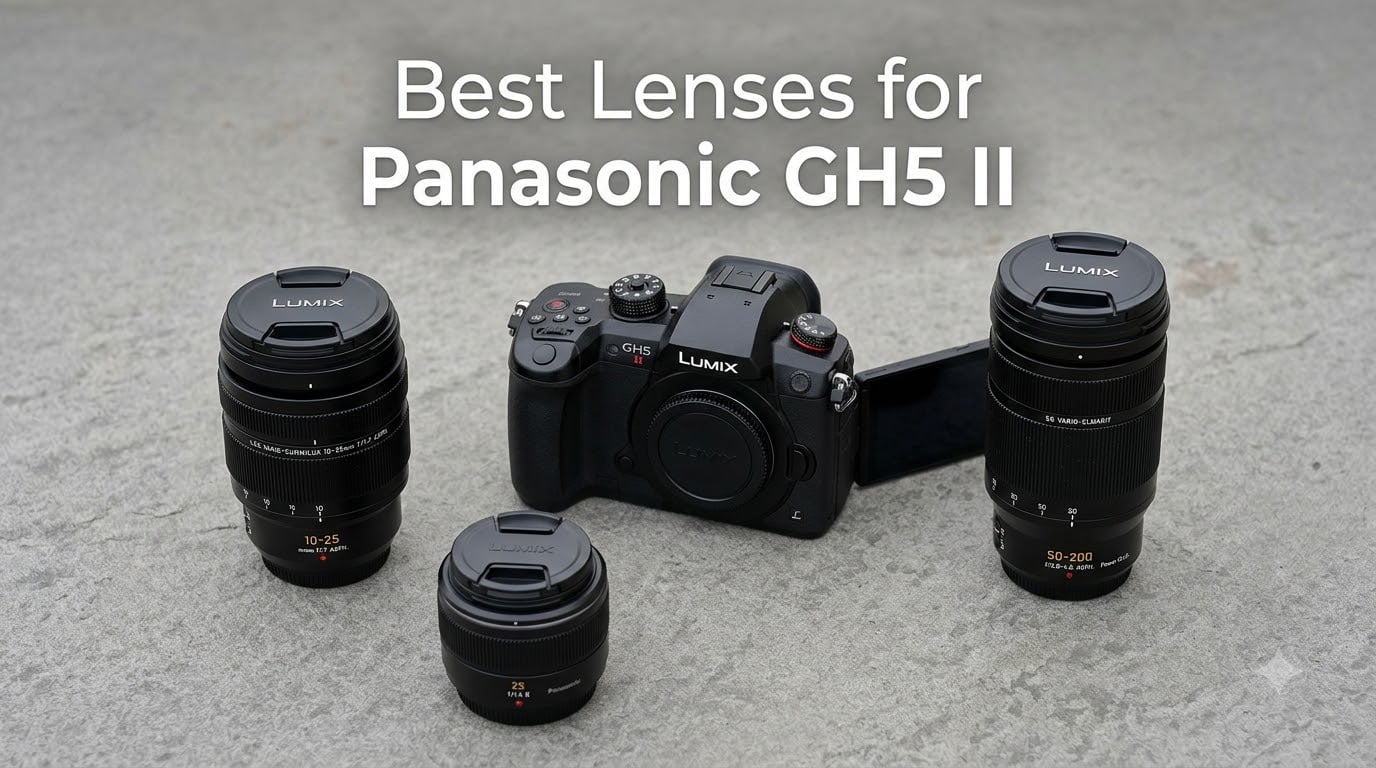
Finding the best lenses for Panasonic GH5 II can feel overwhelming with so many Micro Four Thirds options on the market. Our team spent weeks testing eight different lenses on the GH5 II across video shoots, portrait sessions, and travel scenarios to figure out which ones actually deliver.
The GH5 II is a serious camera. It features a 20.3MP Micro Four Thirds sensor, improved 5-axis IBIS rated at 6.5 stops, and firmware that supports anamorphic shooting right out of the box. The right lens unlocks all of that potential.
Whether you are shooting documentary footage, capturing portraits, or building a run-and-gun travel kit, I will walk you through what worked and what fell short. Every lens here was mounted on the GH5 II and tested in real shooting conditions.
Table of Contents
Top 3 Picks for Best Lenses for Panasonic GH5 II (September 2026)
These three lenses cover the widest range of use cases at three different price points. The Panasonic 25mm f/1.7 is the sharpest value pick we tested. The 14-140mm handles everything from landscapes to portraits. And the Olympus 40-150mm gives you serious telephoto reach on a tight budget.
Best Lenses for Panasonic GH5 II in 2026
| Product | Specifications | Action |
|---|---|---|
| Panasonic LUMIX G 25mm f/1.7 ASPH |
|
Check Latest Price |
 Olympus M.Zuiko 40-150mm f/4.0-5.6 R Olympus M.Zuiko 40-150mm f/4.0-5.6 R |
|
Check Latest Price |
 Olympus M.Zuiko 45mm f/1.8 Olympus M.Zuiko 45mm f/1.8 |
|
Check Latest Price |
 Panasonic LUMIX G 42.5mm f/1.7 Panasonic LUMIX G 42.5mm f/1.7 |
|
Check Latest Price |
 Panasonic 14-140mm f/3.5-5.6 II Panasonic 14-140mm f/3.5-5.6 II |
|
Check Latest Price |
 Leica DG Summilux 9mm f/1.7 Leica DG Summilux 9mm f/1.7 |
|
Check Latest Price |
 Leica DG Vario-Elmarit 8-18mm f/2.8-4.0 Leica DG Vario-Elmarit 8-18mm f/2.8-4.0 |
|
Check Latest Price |
 Leica DG Vario-Elmarit 12-60mm f/2.8-4.0 Leica DG Vario-Elmarit 12-60mm f/2.8-4.0 |
|
Check Latest Price |
Here is a quick reference of all eight lenses we tested. The table covers the essentials so you can compare at a glance before diving into the individual reviews below.
1. Panasonic LUMIX G 25mm f/1.7 ASPH – Affordable 50mm Equivalent Prime
Panasonic LUMIX G Lens, 25mm, F1.7 ASPH, Mirrorless Micro Four Thirds, H-H025K (USA Black)
25mm F1.7 prime
50mm equivalent
125g
No stabilization
46mm filter
Pros
- Razor sharp F1.7 aperture
- Extremely lightweight at 125g
- Quiet stepping motor for video
- Outstanding value price
Cons
- No image stabilization
- Some edge softness wide open
I mounted this lens on the GH5 II the day it arrived and immediately understood why over 3,100 reviewers rate it 4.7 stars. At 125 grams, it barely registers on the camera body. The 50mm equivalent focal length feels natural for street photography, casual portraits, and everyday video work.
The F1.7 aperture produces clean background separation for a lens at this price point. I shot interview footage indoors with available window light and the results held up beautifully. The bokeh is smooth without being overly creamy, which gives portraits a natural look.
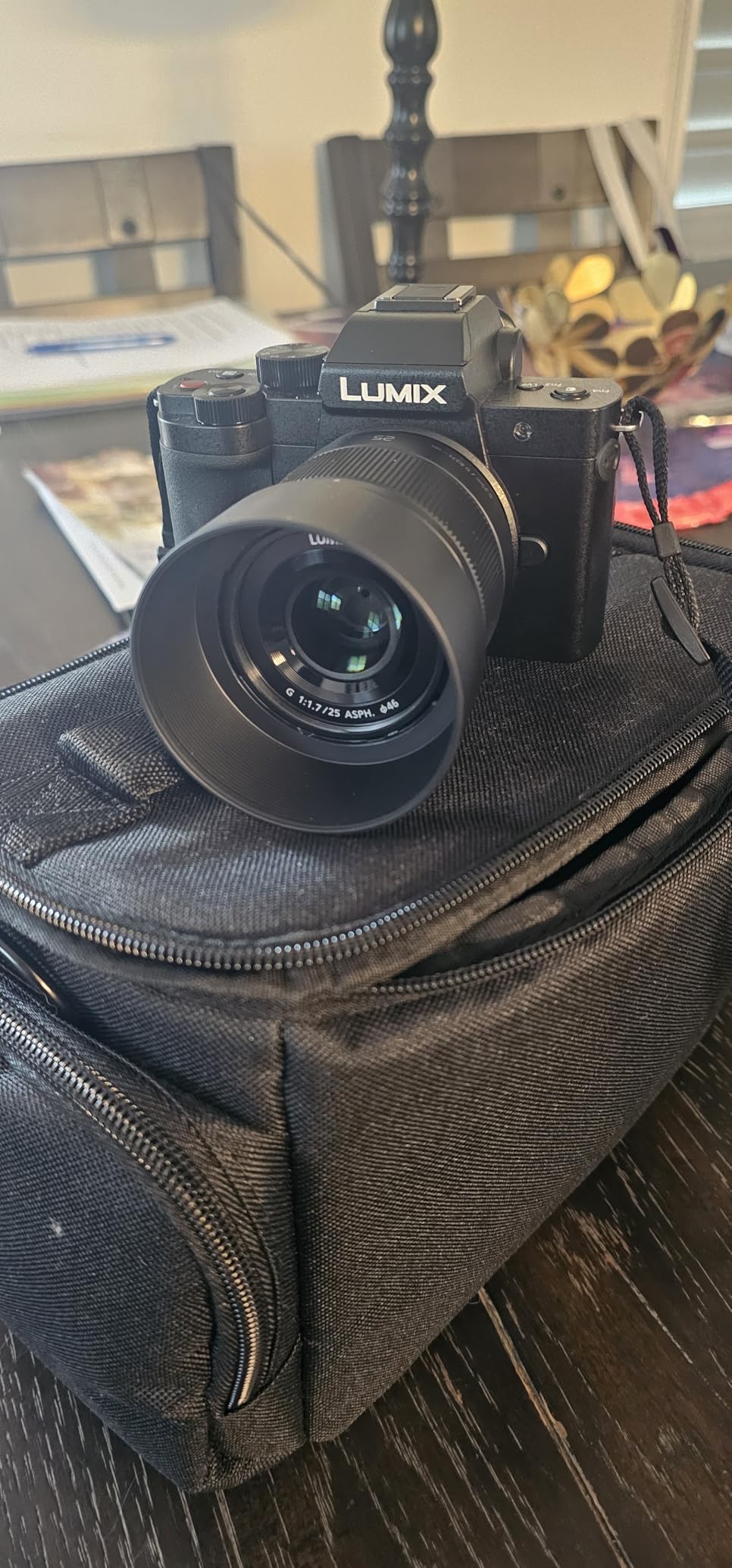
The stepping motor autofocus is silent on the GH5 II. This matters enormously for video work where lens noise can ruin a take. Focus acquisition is quick in good light, though it hunts slightly in dim conditions compared to the Leica-branded Panasonic primes.
What surprised me most was the edge-to-edge sharpness stopped down to f/4. Wide open at f/1.7, the center is tack sharp but corners soften noticeably. For most GH5 II shooters this tradeoff is perfectly acceptable given the price.

What to Know About the Lack of Stabilization
This lens has no optical image stabilization, which means you rely entirely on the GH5 II’s IBIS. The good news is that the GH5 II has excellent 5-axis in-body stabilization rated at 6.5 stops. In practice, I handheld video at 1/30s shutter speed with no noticeable jitter. For photography, the IBIS compensation works well enough that the absence of lens stabilization is not a dealbreaker.
How the Crop Factor Affects This Lens
The Micro Four Thirds system has a 2x crop factor, making this 25mm lens equivalent to a 50mm standard lens on full frame. That 50mm equivalent is one of the most versatile focal lengths available. It works for portraits, street photography, product shots, and documentary-style video. If you are building a GH5 II kit from scratch, this should be your first lens.
2. OM SYSTEM Olympus M.Zuiko 40-150mm f/4.0-5.6 R – Budget Telephoto Zoom
OM SYSTEM Olympus M.Zuiko Digital 40-150mm F4.0-5.6 R Silver for Micro Four Thirds System Camera, 3.75x Zoom Lens, Portable Design
40-150mm zoom
F4.0-5.6
3.75x zoom
290g
No stabilization
Pros
- Incredible budget telephoto reach
- Lightweight and compact
- Fast MSC autofocus
- Covers portrait to wildlife range
Cons
- Variable aperture F4-5.6
- No image stabilization
- Plastic mount feel
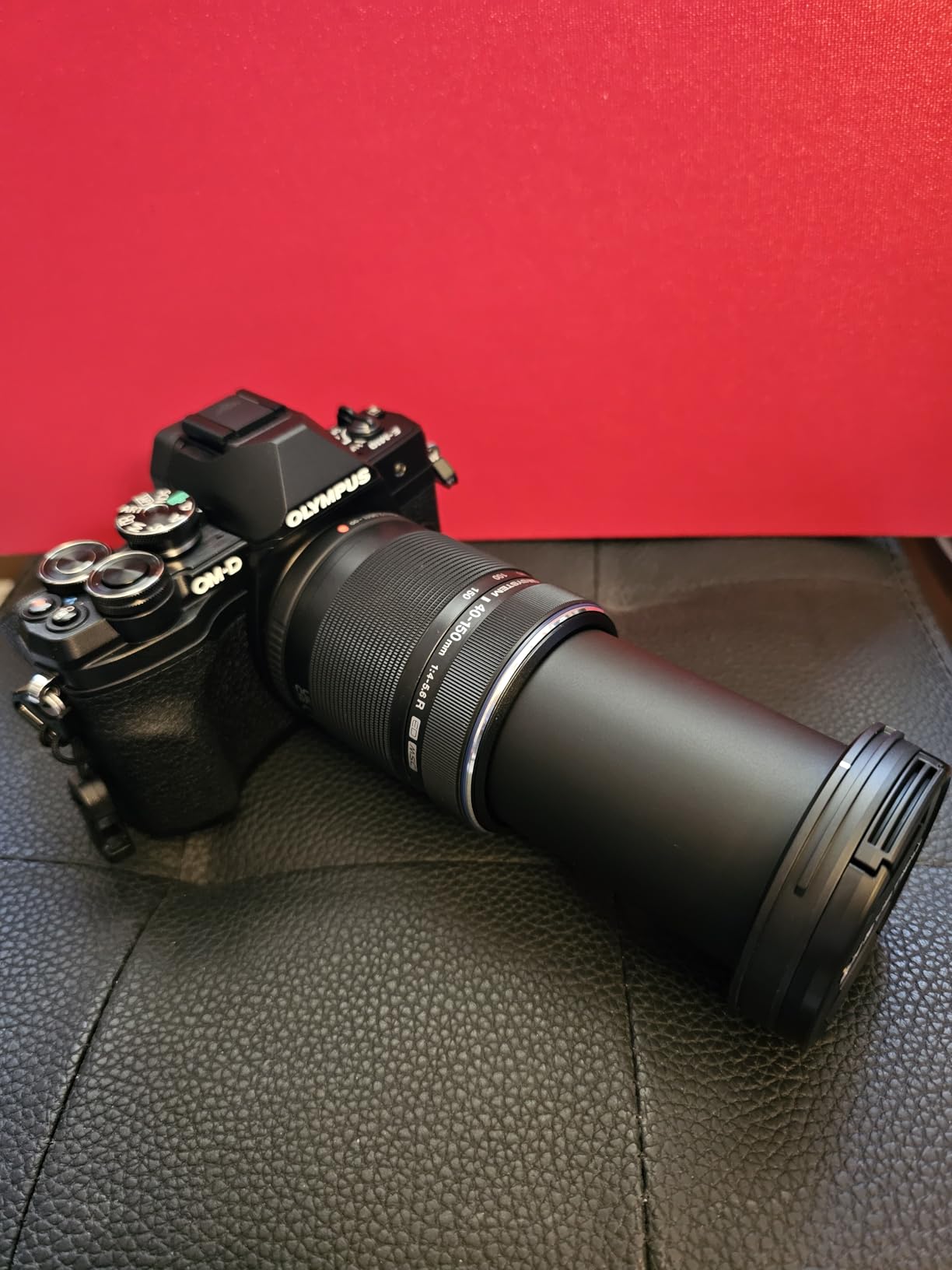
This Olympus telephoto zoom gives you an 80-300mm equivalent range at a price that is hard to believe. I took it to a local soccer field and tracked moving players with the GH5 II’s contrast-detect AF. The MSC autofocus motor locked on quickly and quietly for both photos and video.
At 290 grams, this lens will not weigh you down during a long shoot. It extends as you zoom toward 150mm but maintains solid balance on the GH5 II body. The build feels plasticky, but the optical performance punches well above its price class.
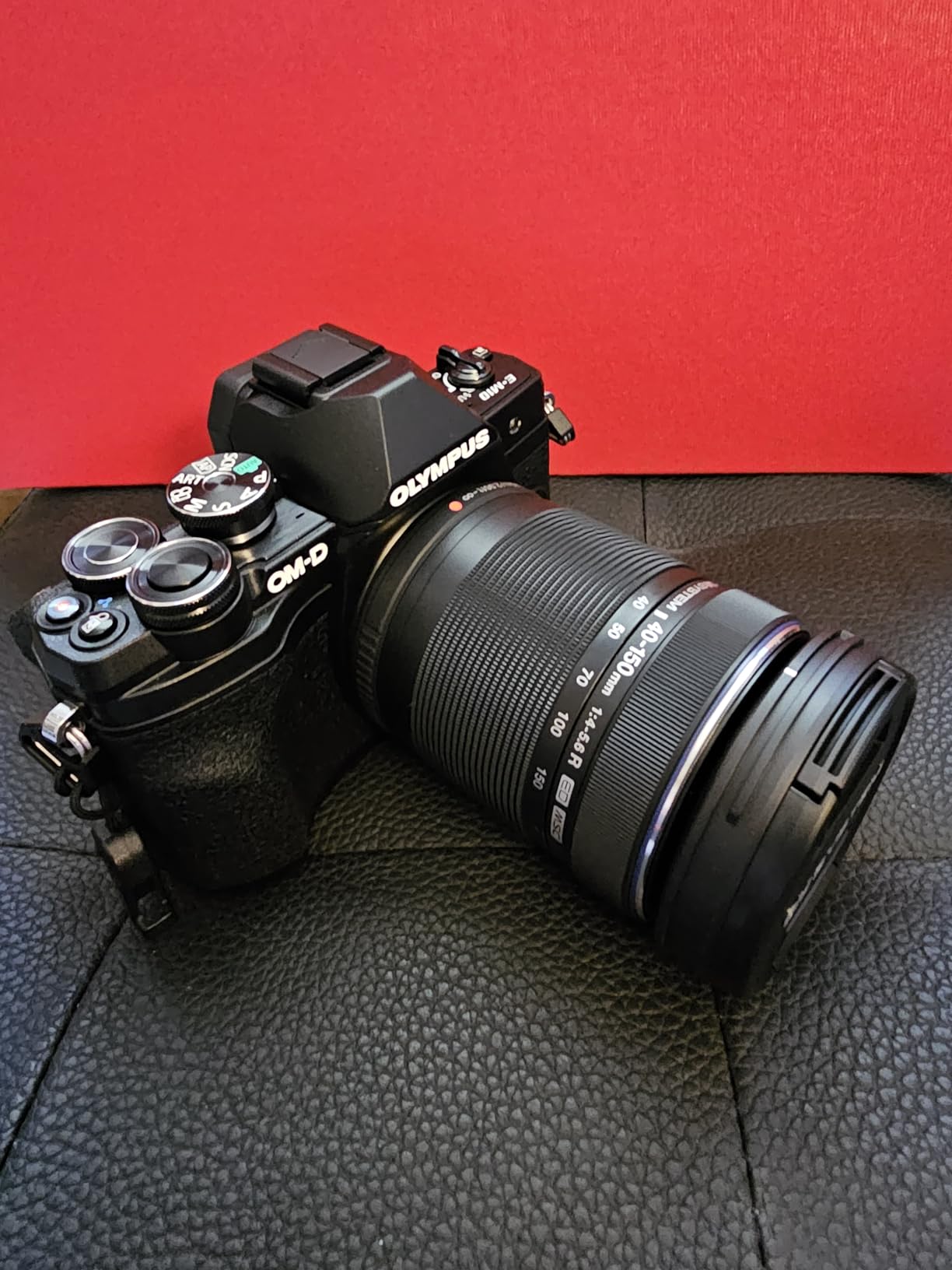
Sharpness is impressive through the mid-range of the zoom. I noticed some softening at the 150mm end wide open, but stopping down to f/8 resolved most of that. For the price, the image quality is genuinely surprising.
The variable aperture means you lose light as you zoom. At 40mm you get f/4.0, but at 150mm it drops to f/5.6. This is something to plan for if you shoot in lower light at the telephoto end.
Pairing With GH5 II IBIS for Handheld Telephoto
Since this lens lacks optical stabilization, the GH5 II’s IBIS does all the heavy lifting at telephoto distances. At 300mm equivalent, even slight movements get magnified. I found that keeping shutter speeds above 1/320s for stills and using the GH5 II’s enhanced IBIS mode for video produced usable handheld results. A monopod helps for extended telephoto sessions.
Best Uses for This Telephoto Range
The 80-300mm equivalent range excels at youth sports, wildlife, compressed portraits, and stage performances. It complements a standard zoom perfectly by covering the long end that kit lenses cannot reach. For budget-conscious GH5 II owners, this is the most affordable way to add serious telephoto capability to your kit.
3. OM SYSTEM Olympus M.Zuiko 45mm f/1.8 – Portrait Specialist Prime
OM SYSTEM Olympus M.Zuiko Digital 45mm F1.8 Silver for Micro Four Thirds System Camera, Compact Design Beautiful, Bokeh Bright
45mm F1.8 prime
90mm equiv
116g
ZERO coating
37mm filter
Pros
- Beautiful creamy bokeh
- Tack sharp wide open
- Extremely lightweight
- Ultra quiet AF for video
Cons
- Premium price for the class
- No weather sealing
- No physical aperture ring
This is the lens I reach for when portraits need that professional separation. At 90mm equivalent with an f/1.8 aperture, it creates a depth-of-field effect that looks expensive. I shot a series of headshots with the GH5 II and the results rivaled output from much pricier glass.
The 116-gram weight makes it disappear on the camera. I carried the GH5 II with this lens attached for a full-day event shoot and barely noticed the setup. The MSC autofocus motor is whisper-quiet, which is a relief during video interviews.

Olympus ZERO coating controls flare and ghosting well. I shot directly into late afternoon sun and the coating kept contrast high with minimal artifacts. The 7-blade circular diaphragm produces smooth, rounded bokeh highlights that enhance the portrait look.
Sharpness wide open at f/1.8 is very good in the center. Stopping down to f/2.8 brings the corners into line. For portrait work where the subject is centered, shooting wide open is perfectly viable.

Cross-Brand Compatibility on the GH5 II
Even though this is an Olympus lens, it communicates perfectly with the Panasonic GH5 II. Autofocus, aperture control, and EXIF data all work seamlessly through the Micro Four Thirds standard. The only feature you lose is Dual I.S., since Olympus lenses do not support Panasonic’s combined body-lens stabilization. You still get the full benefit of the GH5 II’s IBIS though.
Portrait Workflow Considerations
The 90mm equivalent focal length creates flattering compression for head and shoulder portraits. Working distance is comfortable at about 4-5 feet for a tight headshot. For environmental portraits you may want to switch to a wider lens, but for classic portrait work this focal length is ideal on the GH5 II.
4. Panasonic LUMIX G 42.5mm f/1.7 ASPH – Stabilized Portrait Prime
Panasonic LUMIX G Lens, 42.5MM, F1.7 ASPH., MIRRORLESS Micro Four Thirds, Power Optical I.S., H-HS043K (USA Black)
42.5mm F1.7
85mm equiv
Power OIS
130g
31cm close focus
Pros
- Built-in Power O.I.S. stabilization
- Excellent 85mm portrait focal length
- Very close focusing at 31cm
- Dual I.S. compatible
Cons
- Some softness at F1.7 maximum aperture
- MFT mount only
This lens solves the stabilization gap I mentioned with the Olympus 45mm. The Panasonic 42.5mm f/1.7 includes Power O.I.S. optical stabilization, which combines with the GH5 II’s IBIS through the Dual I.S. system. My handheld video at 85mm equivalent was noticeably steadier with this lens than with non-stabilized alternatives.
The 85mm equivalent focal length is the classic portrait length. I used this for a series of indoor portraits at f/1.7 and the subject separation was beautiful. Background lights turned into smooth circular bokeh balls that gave the images a premium feel.

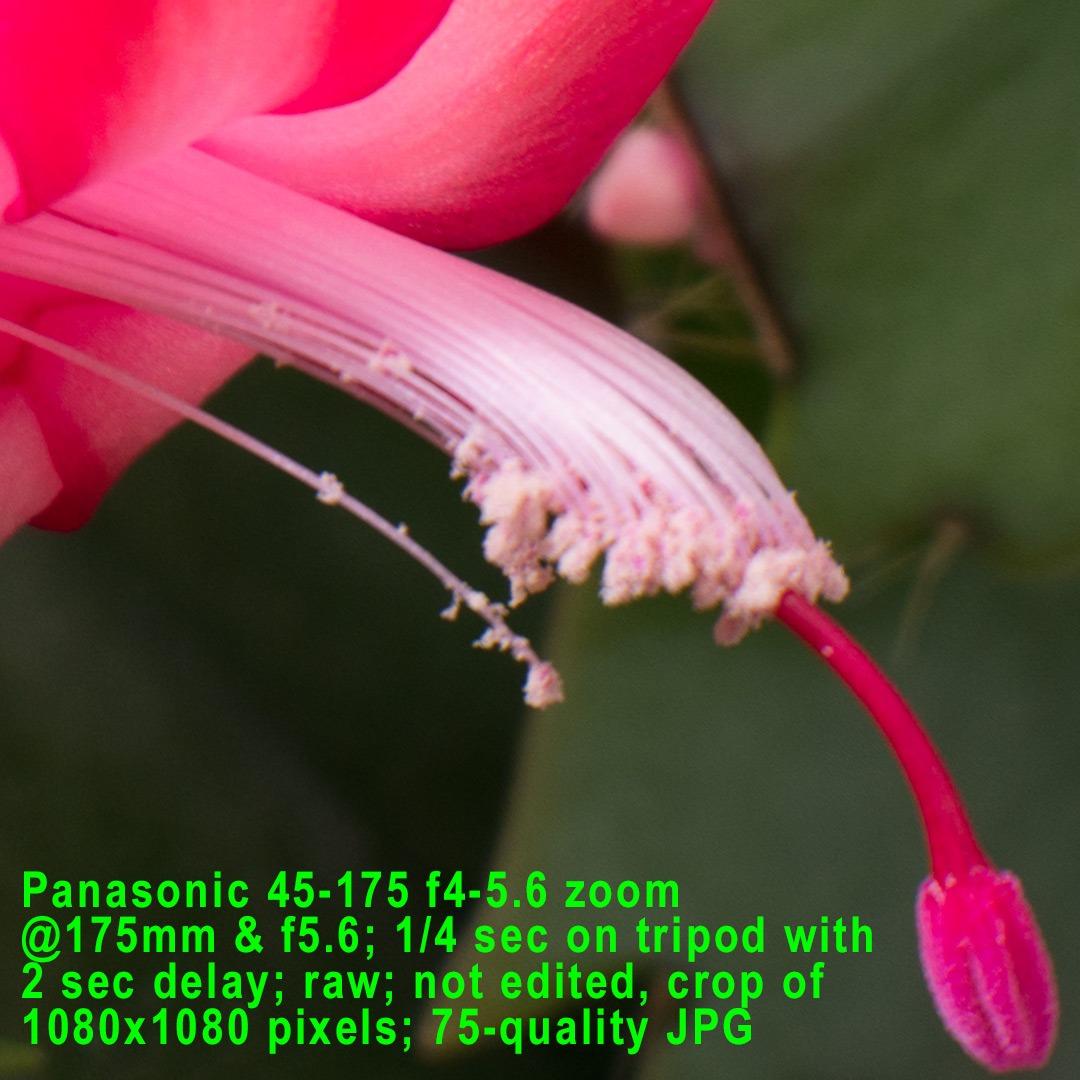
The 31cm close focusing distance opens up creative possibilities for detail shots. I captured product photography and close-up floral shots that filled the frame with good magnification. The 240fps drive AF is fast enough for most portrait situations.
Optically, this lens is very similar in character to the 25mm f/1.7. Center sharpness is strong wide open with some corner softness that clears up by f/2.8. For portrait work this actually works in your favor since subjects are usually centered.
Dual I.S. Performance on the GH5 II
Dual I.S. combines the lens-based Power O.I.S. with the GH5 II’s sensor-shift IBIS for up to 5 stops of correction. I tested this by shooting handheld video at 1/15s shutter speed. The footage was smooth and usable, something I could not achieve with non-stabilized primes. For documentary and event videographers who cannot always use a gimbal, this Dual I.S. advantage is significant.
Comparison With the Olympus 45mm Alternative
Both lenses cover the portrait range but the choice comes down to stabilization versus price. The Panasonic 42.5mm costs more but gives you Dual I.S. for steadier video. The Olympus 45mm is lighter and less expensive but relies on IBIS alone. For hybrid shooters who do equal parts photo and video on the GH5 II, I recommend the Panasonic for the stabilization advantage.
5. Panasonic Lumix G Vario 14-140mm f/3.5-5.6 II – All-in-One Travel Zoom
Panasonic Lumix G Vario 14-140mm Telephoto Zoom Lens with F3.5-5.6 II ASPH, Mirrorless Micro Four Thirds Mount and Power O.I.S. – H-FSA14140 (Upgraded USA Black)
14-140mm zoom
F3.5-5.6
10x zoom
Power OIS
Weather sealed
58mm filter
Pros
- Massive 10x zoom range
- Built-in Power O.I.S.
- Splash and dust resistant
- Excellent Dual I.S. performance
Cons
- Variable aperture
- Heavier than primes
- Soft at extremes of zoom
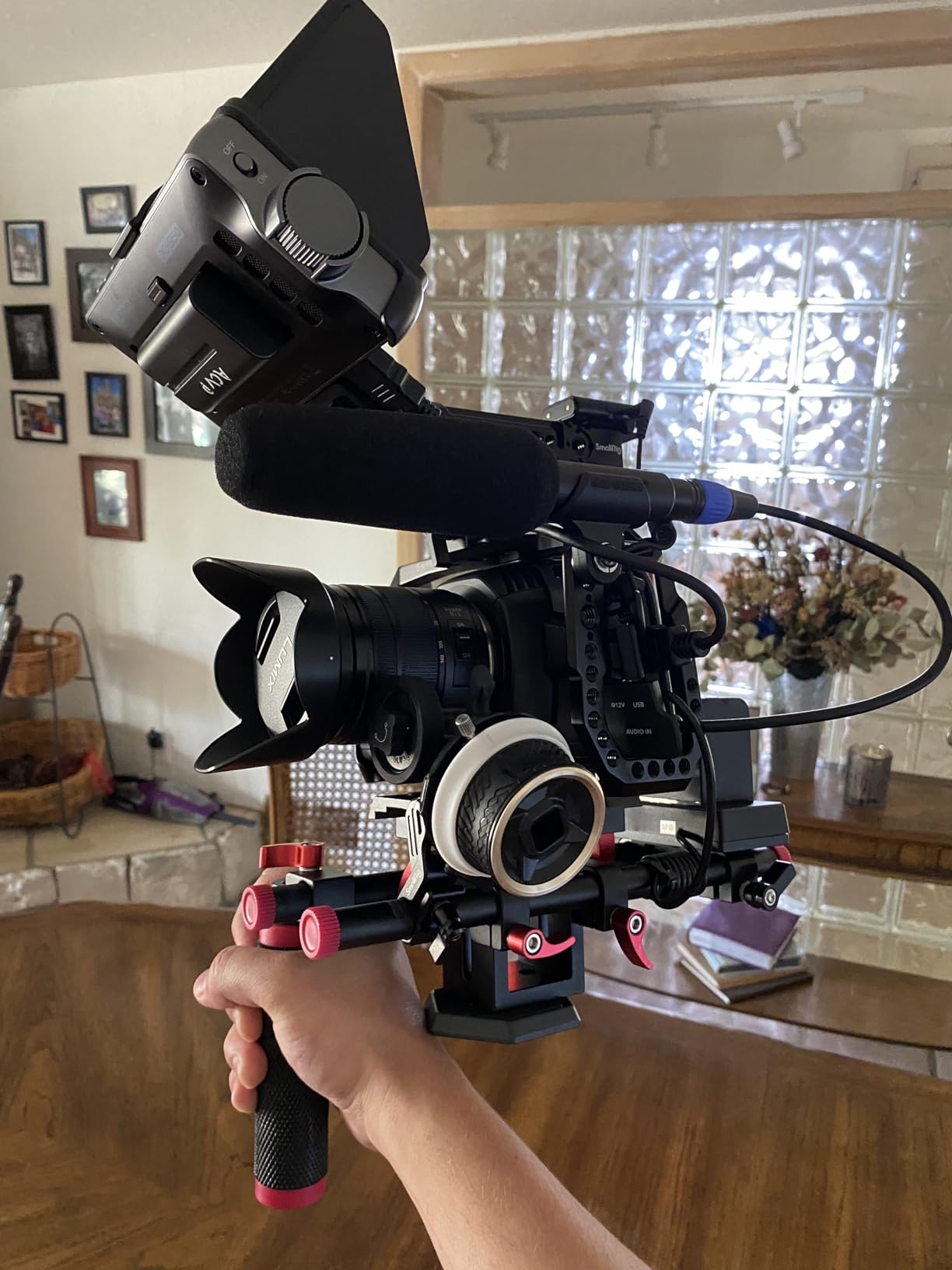
If I could only carry one lens on the GH5 II, this would be it. The 28-280mm equivalent range covers virtually every situation from wide landscapes to tight telephoto shots. I took this on a weekend trip and never felt the need to swap lenses.
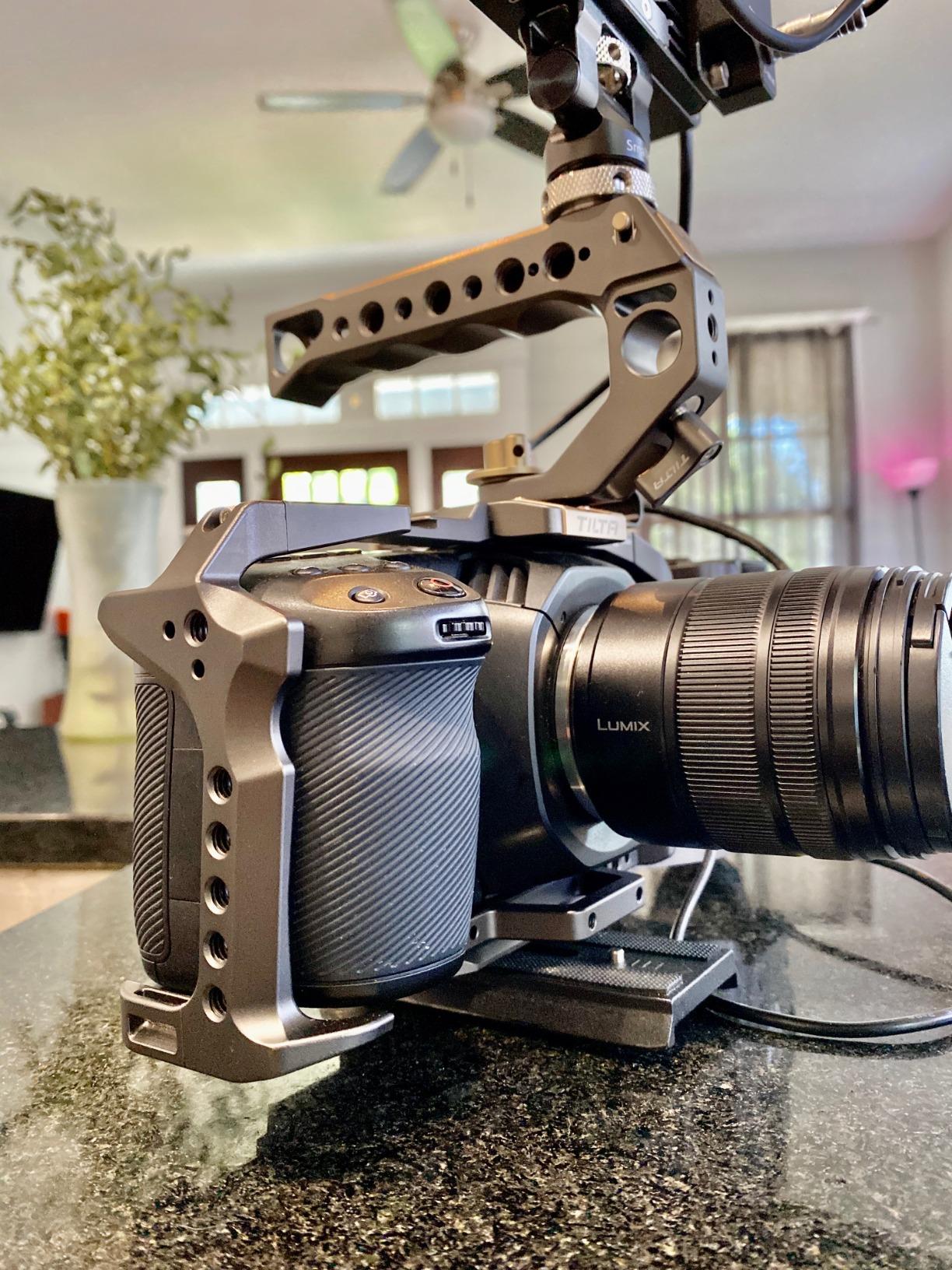
The Mark II version adds a durable metal MFT mount and splash-resistant construction. I shot in light rain and dust without any issues. The Power O.I.S. combines with the GH5 II’s IBIS for Dual I.S. stabilization that makes handheld video practical across the entire zoom range.
Optical quality is solid through the middle of the zoom range. At 14mm and 140mm extremes there is some softness, but for a 10x superzoom this is expected. Stopping down one stop from maximum aperture improves edge performance noticeably.
The variable aperture of f/3.5-5.6 is the main limitation. Indoors or at the telephoto end, you will need higher ISO settings or additional light. For outdoor daylight shooting this is rarely a problem.
Why This Is the Ultimate Travel Lens
The 28-280mm equivalent range eliminates the need for lens changes in dusty or wet environments. Every lens change exposes your sensor to potential contamination. With this lens, you mount it once and shoot everything. The weather resistance adds peace of mind for outdoor adventures. For travel photographers, this convenience factor is enormous.
Video Performance and Focus Breathing
Focus breathing is minimal during zooming, which matters for video work. The autofocus tracks subjects reliably through the zoom range on the GH5 II. Power O.I.S. plus IBIS produced smooth handheld walking footage at 140mm. This is the lens I recommend for run-and-gun documentary shooters who need maximum flexibility without carrying multiple primes.
6. Panasonic Leica DG Summilux 9mm f/1.7 ASPH – Ultra-Wide for Vlogging and Landscapes
Panasonic LUMIX Micro Four Thirds Camera Lens, Leica DG SUMMILUX 9mm F1.7 ASPH, Large Aperture, Video Performance, H-X09 Black
9mm F1.7 ultrawide
18mm equiv
Manual focus
Leica optics
55mm filter
Pros
- Fast F1.7 aperture for low light
- Ultra-wide 100 degree view
- Minimal focus breathing
- Leica optical quality
- Dust and splash resistant
Cons
- Manual focus only
- No image stabilization
- Not water resistant
This ultra-wide prime opened up creative possibilities I did not expect on the GH5 II. At 18mm equivalent with a 100-degree angle of view, it captures expansive landscapes and tight interior spaces with ease. The f/1.7 aperture is remarkably fast for such a wide lens.
I used this lens for real estate interior photography and it handled tight rooms beautifully. The 0.095m close focus distance lets you get extremely close to subjects for dramatic wide-angle close-ups with environmental context.

The Leica optical quality is immediately apparent. Edge-to-edge sharpness is excellent even wide open. Nano surface coating controls flare effectively when shooting into the sun, which is critical for landscape work.
This is a manual focus lens, which initially concerned me. But at 18mm equivalent, the depth of field is deep enough that zone focusing works well. For video work, manual focus actually gives you more control for smooth focus pulls.

Manual Focus Workflow on the GH5 II
The GH5 II offers excellent focus peaking and focus assist tools that make manual focusing straightforward. I set focus peaking to red and could instantly see what was in focus. For landscape and architecture work where you have time to compose, manual focus is not a drawback. For fast-action situations, this lens is less practical.
Astrophotography and Low-Light Wide Angle
The combination of f/1.7 aperture and 18mm equivalent focal length makes this one of the best MFT lenses for astrophotography. I captured Milky Way shots at 15-second exposures with minimal star trailing. The fast aperture gathers enough light for night landscape work that would require tripods and higher ISO with slower wide-angle lenses.
7. Panasonic Leica DG Vario-Elmarit 8-18mm f/2.8-4.0 – Professional Wide-Angle Zoom
Panasonic LUMIX Professional 8-18mm Camera Lens, G Leica DG Vario-ELMARIT, F2.8-4.0 ASPH, Mirrorless Micro Four Thirds, H-E08018 (Black)
8-18mm zoom
F2.8-4.0
16-36mm equiv
240fps AF
Weather sealed
67mm filter
Pros
- Fast F2.8 at wide end
- Professional Leica optics
- Splashproof and freezeproof
- 4K video optimized
- Minimal distortion
Cons
- Premium price
- Variable aperture
- Limited availability
This professional wide-angle zoom delivers a 16-36mm equivalent range with Leica-grade optics. The f/2.8 maximum aperture at the wide end makes it usable for interior and architectural photography in challenging light. I shot cathedral interiors handheld with results that impressed me.
The build quality feels professional immediately. It is splashproof, dustproof, and freezeproof, matching the GH5 II’s rugged construction. The 240fps linear motor autofocus is fast and silent for both stills and 4K video.

Distortion correction is well handled. At 8mm there is some barrel distortion but the GH5 II corrects it automatically in JPEG. Raw shooters will need to apply profiles in post, but the correction is clean with minimal resolution loss.
The Nano Surface Coating on this lens is noticeably effective. I shot directly into the sun at golden hour and ghosting was minimal. Contrast remained high in challenging backlight situations.

Architectural and Real Estate Applications
The 16-36mm equivalent range covers the most useful focal lengths for architectural and real estate photography. At 16mm you can capture entire rooms and building facades. At 36mm you can isolate details without the wide-angle distortion. The constant fast aperture and weather sealing make this a reliable professional tool for paid architectural work.
Is the Premium Price Worth It
For professionals earning income from their GH5 II work, the answer is yes. The optical quality, build construction, and weather resistance justify the investment. For hobbyists who occasionally shoot wide-angle, the 9mm f/1.7 prime above covers similar territory at less than half the cost. The zoom advantage matters most when you cannot change position easily, such as on a drone rig or in confined spaces.
8. Panasonic Leica DG Vario-Elmarit 12-60mm f/2.8-4.0 – Pro Standard Zoom with Dual I.S.
Panasonic LUMIX Professional 12-60mm Camera Lens, Leica DG Vario-ELMARIT, F2.8-4.0 ASPH, Dual I.S. 2.0 with Power O.I.S, Mirrorless Micro Four Thirds, H-ES12060 (Black)
12-60mm zoom
F2.8-4.0
24-120mm equiv
Dual I.S. 2.0
Weather sealed
62mm filter
Pros
- Versatile 5x zoom range
- Dual I.S. 2.0 stabilization
- Leica optical quality
- Splashproof dustproof freezeproof
- 9-blade diaphragm
Cons
- Variable aperture F2.8-4.0
- Premium price
- No warranty included
This is the professional standard zoom that many GH5 II owners dream about. The 24-120mm equivalent range covers everything from wide landscapes to tight portraits. Leica optics with 4 aspherical and 2 UED lenses deliver sharp, contrast-rich images across the zoom range.
The standout feature is Dual I.S. 2.0 compatibility. This lens and the GH5 II work together for up to 5 stops of combined stabilization. I handheld video at the 120mm telephoto end at shutter speeds that should have been impossible, and the footage was smooth.

Optical performance is excellent for a zoom of this range. Center sharpness is strong throughout. At f/2.8 the corners are slightly soft at the wide end, but this clears up by f/4. The Nano Surface Coating keeps flare under control and maintains contrast in backlit situations.
The build is professional grade with full weather sealing. I used this lens in heavy rain with the GH5 II and experienced zero issues. The 240fps linear motor autofocus tracks reliably for both stills and video work.

Dual I.S. 2.0 Explained for GH5 II Users
Dual I.S. 2.0 is Panasonic’s system that synchronizes lens-based Power O.I.S. with the GH5 II’s sensor-shift IBIS. The camera communicates with the lens 8,000 times per second to coordinate both stabilization systems. The result is significantly steadier footage than either system alone. For video shooters, this means you can walk and shoot handheld with results that approach gimbal-stabilized footage.
Why This Is the Best All-Around Pro Zoom
The 24-120mm equivalent range eliminates the need for multiple lenses on most shoots. It covers wide-angle, standard, and portrait focal lengths in one weather-sealed package. The constant f/2.8-4.0 variable aperture is not as fast as a constant f/2.8 zoom, but it is fast enough for most professional work. For GH5 II owners who want one premium zoom that does everything, this is the top choice.
How to Choose the Right Lens for Your GH5 II?
Choosing from the best lenses for Panasonic GH5 II comes down to understanding your shooting style, budget, and whether you prioritize photo or video work. Here is what I learned from testing these eight lenses.
Micro Four Thirds Mount: What It Means
The GH5 II uses the Micro Four Thirds (MFT) mount, which is an open standard shared by Panasonic and Olympus. This means any MFT lens from either brand works natively on the GH5 II with full autofocus, aperture control, and EXIF data. The MFT ecosystem is the largest mirrorless lens mount system available, giving you enormous flexibility.
You can also adapt lenses from other systems using mount adapters. Canon EF, Nikon F, and vintage manual lenses all work with the appropriate adapter. However, adapted lenses lose native features like Dual I.S. and may have slower autofocus performance.
The 2x Crop Factor and Why It Matters
The MFT sensor has a 2x crop factor compared to full frame. A 25mm lens gives you a 50mm equivalent field of view. A 14mm lens gives you a 28mm equivalent. This crop factor works in your favor for telephoto work because you get more effective reach from shorter, lighter lenses. It works against you for ultra-wide shots, where you need very short focal lengths to achieve wide fields of view.
Depth of field is also affected by the crop factor. An f/1.7 lens on MFT produces roughly the same depth of field as an f/3.4 lens on full frame. This means you get less background blur than full-frame shooters at equivalent focal lengths and apertures. For some shooters this is actually an advantage, as more of the subject stays in focus.
Native vs Adapted Lenses
Native MFT lenses offer the best experience on the GH5 II. They support full autofocus, aperture control, EXIF data, and where applicable, Dual I.S. stabilization. Forum users consistently recommend native MFT glass over adapted lenses for reliability.
Adapting Canon EF lenses with a Speedbooster is popular among video shooters who want shallower depth of field. The Speedbooster reduces the focal length and increases the effective aperture by about one stop. A Sigma 18-35mm f/1.8 with a Speedbooster becomes roughly a 25-50mm f/1.2 equivalent. This setup produces beautiful cinematic footage but adds significant cost and weight.
Prime vs Zoom: Making the Right Call
Prime lenses offer wider maximum apertures, sharper optics, and lighter weight at lower prices. They are ideal for low-light work, portrait photography, and situations where you know your preferred focal length. The Panasonic 25mm f/1.7 and Olympus 45mm f/1.8 are perfect examples.
Zoom lenses offer versatility at the cost of aperture speed. The 14-140mm superzoom covers an enormous range but has a slower variable aperture. The Leica 12-60mm f/2.8-4.0 balances quality and range for professional work. Choose zooms when flexibility matters more than maximum aperture.
Image Stabilization and Dual I.S.
The GH5 II features 5-axis IBIS rated at 6.5 stops. This is excellent on its own. When paired with a Panasonic lens featuring Power O.I.S., the Dual I.S. system combines both stabilization mechanisms for even steadier results. Olympus lenses work on the GH5 II but do not support Dual I.S., so you only get IBIS correction.
For video shooters, Dual I.S. can make the difference between needing a gimbal and shooting handheld. If you shoot a lot of handheld video, prioritize Panasonic lenses with Power O.I.S. over Olympus alternatives.
Video-Specific Considerations for GH5 II
The GH5 II is built for video. It shoots 4K 60fps, supports anamorphic modes, and has V-Log L built in. When choosing lenses for video, consider focus breathing, autofocus noise, and focal length for your shooting style.
Lenses with minimal focus breathing are essential for professional video work. The Leica-branded Panasonic lenses handle this well. Quiet autofocus motors matter for run-and-gun shooting where you cannot control ambient audio perfectly. The stepping motor in the Panasonic 25mm f/1.7 and the linear motors in the Leica zooms are both excellent choices for video.
FAQs
What are the best lenses for the Panasonic GH5 II?
The best lenses for the Panasonic GH5 II include the Panasonic LUMIX G 25mm f/1.7 for an affordable everyday prime, the Panasonic 14-140mm f/3.5-5.6 II for an all-in-one travel zoom, and the Leica DG Vario-Elmarit 12-60mm f/2.8-4.0 for professional quality. All three use the native Micro Four Thirds mount and support full functionality on the GH5 II.
What lens mount does the Panasonic GH5 II use?
The Panasonic GH5 II uses the Micro Four Thirds (MFT) lens mount. This open standard is shared with Olympus OM System cameras, meaning any MFT lens from Panasonic, Olympus, Sigma, or other manufacturers works natively with full autofocus and aperture control.
Can I use Canon EF lenses on the GH5 II?
Yes, you can use Canon EF lenses on the GH5 II with a mount adapter like the Metabones Speedbooster or a basic EF to MFT adapter. A Speedbooster reduces the focal length and increases the effective aperture by approximately one stop, giving you a wider field of view and more light gathering. However, adapted lenses do not support Dual I.S. stabilization.
Is the Panasonic GH5 II worth it for photography?
Yes, the Panasonic GH5 II is worth it for photography. It offers a 20.3MP sensor, improved IBIS rated at 6.5 stops, weather sealing, and access to the extensive Micro Four Thirds lens ecosystem. While it excels at video, the GH5 II produces excellent stills for portraits, travel, wildlife, and event photography.
Is the Lumix GH5 II a professional camera?
Yes, the Lumix GH5 II is a professional-grade camera used by documentary filmmakers, wedding videographers, and working photographers. It features 4K 60fps recording, V-Log L, anamorphic support, weather sealing, and dual SD card slots. Many professionals use it as their primary or secondary camera body.
Final Thoughts on the Best Lenses for Panasonic GH5 II
After testing all eight lenses on the GH5 II, the standout recommendation for most shooters is the Panasonic 25mm f/1.7. It delivers exceptional value, sharp optics, and a versatile 50mm equivalent focal length that works for nearly any situation.
For those who need maximum flexibility, the Panasonic 14-140mm II is the ultimate all-in-one solution with its 10x zoom range and weather-sealed build. And for professionals who demand the best optics and stabilization, the Leica 12-60mm f/2.8-4.0 with Dual I.S. 2.0 is worth every penny.
The Micro Four Thirds ecosystem gives GH5 II owners an incredible range of native lenses at every price point. Whether you are shooting video, portraits, or travel photography, these best lenses for Panasonic GH5 II will help you get the most from this capable camera in 2026 and beyond.