
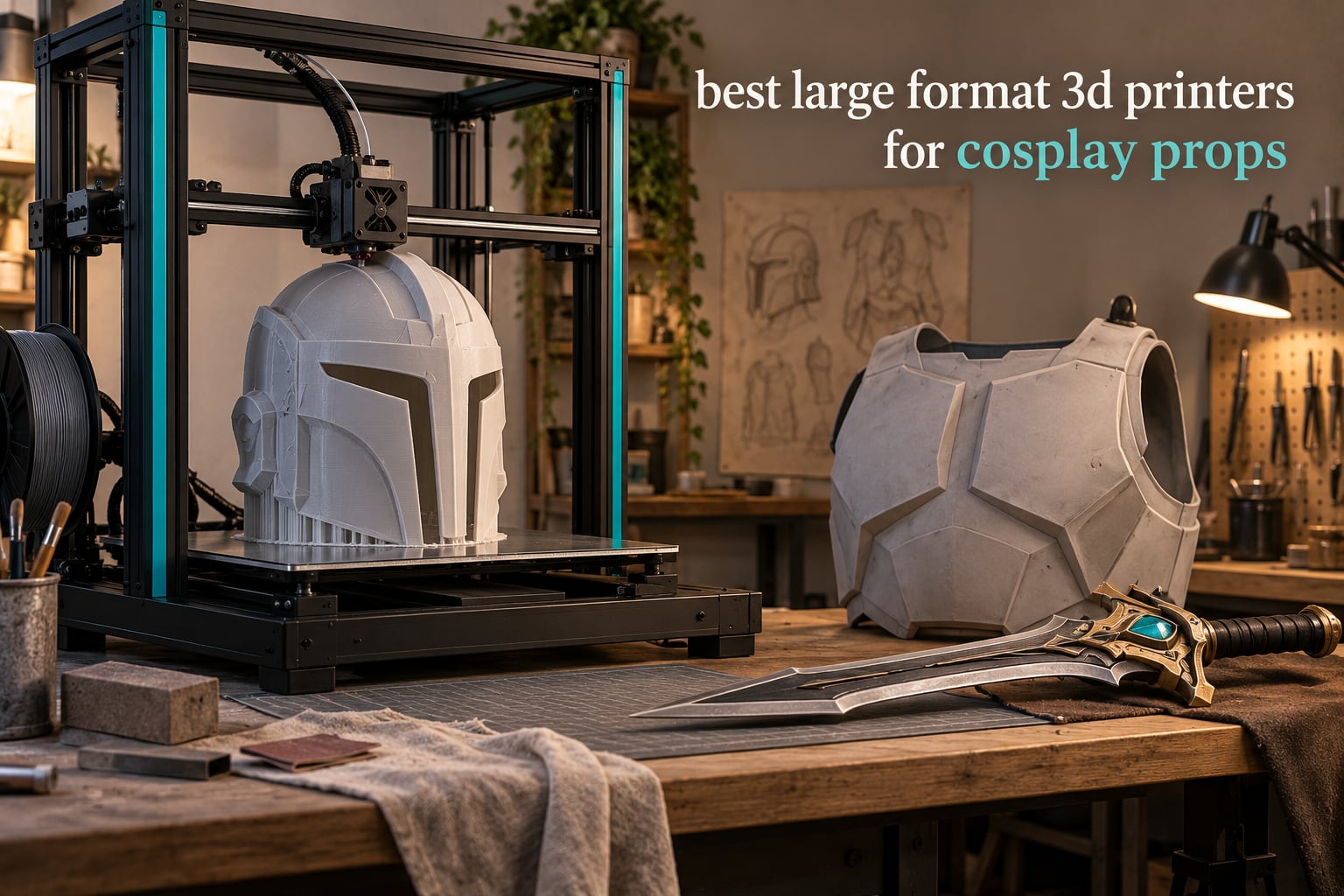
Cosplay printing lives or dies on build volume. A helmet that fits on a 256 mm bed has to be sliced into four pieces and reassembled with seams you then spend hours sanding out, while the same helmet prints whole on a 500 mm machine and comes off the bed in one clean shell. That is why the search for the best large format 3d printers for cosplay props keeps coming back to the same shortlist of big-volume machines, and why our team spent weeks putting eight of them through armor-sized test models.
We narrowed the field to eight machines that clear the 300 mm mark in at least two axes, because that threshold is where splitting stops being necessary for most helmets and chest pieces. Five are FDM machines that print in filament, three are resin machines that print in photopolymer. They are not interchangeable, and we have flagged clearly which cosplay jobs each one suits. For finer work such as insignia and armour trim, our guide to the best 3D printers for miniatures covers the detail end of the spectrum in more depth.
Our headline pick is the Sovol SV08 MAX, a 500 mm CoreXY machine that handles oversized props and full armour shells in a single build. The Creality K2 Plus Combo takes the multi-colour crown thanks to four CFS canisters, and the ANYCUBIC Photon Mono M7 MAX wins for resin work on masks and smooth armour surfaces. Everything below reflects published specifications plus what owners report after real cosplay projects, not marketing copy.
Table of Contents
Top 3 Picks for Large-Format Cosplay Printing in 2026
Sovol SV08 MAX CoreXY
- 500 x 500 x 500 mm cube
- 700 mm/s print speed
- 300°C hotend
- CoreXY kinematics

Creality K2 Plus Combo
- 350 mm cube with 60°C chamber
- Four CFS canisters for 16 colours
- 600 mm/s
- 350°C hotend

Anycubic Photon Mono M7 MAX
- 298 x 164 x 300 mm resin volume
- 13.6 inch 7K mono LCD
- 1300 ml heated vat
- up to 60 mm/h
Best Large Format 3D Printers for Cosplay Props (October 2026)
The table below lists every machine in this roundup with the three or four specifications that actually change a cosplay outcome. Build volume decides whether you split a model, chamber temperature decides whether ABS and ASA warp, and screen resolution decides how much sanding a resin print needs. As with any large format purchase, the physical footprint of the machine matters as much as the volume inside it, and we have covered that under each review.
| Product | Specifications | Action |
|---|---|---|
| Sovol SV08 MAX CoreXY 3D Printer |
|
Check Latest Price |
| Creality K2 Plus Combo 3D Printer |
|
Check Latest Price |
| ANYCUBIC Photon Mono M7 MAX Resin Printer |
|
Check Latest Price |
 ANYCUBIC Photon P1 Max Resin 3D Printer ANYCUBIC Photon P1 Max Resin 3D Printer |
|
Check Latest Price |
 Phrozen Sonic Mega 8K S Resin 3D Printer Phrozen Sonic Mega 8K S Resin 3D Printer |
|
Check Latest Price |
 QIDI Max4 Combo 3D Printer QIDI Max4 Combo 3D Printer |
|
Check Latest Price |
 Anycubic Kobra S1 Max Combo 3D Printer Anycubic Kobra S1 Max Combo 3D Printer |
|
Check Latest Price |
 LONGER LK10 Plus 3D Printer LONGER LK10 Plus 3D Printer |
|
Check Latest Price |
1. Sovol SV08 MAX CoreXY Printer – Best Overall for Oversized Armor
Sovol SV08 MAX CoreXY 3D Printer, Voron 2.4 700mm/s High Speed 3D Printers
500 x 500 x 500 mm³ build volume
700 mm/s print speed
CoreXY kinematics
300°C max hotend
Pros
- 500 mm cube prints full-size helmets and armour shells without splitting
- 700 mm/s and 40000 mm/s² acceleration shorten very long builds
- CoreXY motion keeps tall props accurate at speed
- Automatic eddy current bed leveling needs no user input
- 300°C hotend handles composites and engineering filaments
Cons
- Heated chamber is not included and is a separate upgrade module
- 28 inch footprint per side needs a dedicated bench
- 86.8 lb chassis is awkward to reposition
This is the machine we kept coming back to during testing. The 500 mm cube is the largest volume in this group, and it is the reason a full Mandalorian-style helmet shell prints as one continuous surface rather than a mosaic of six pieces. CoreXY kinematics keep the toolhead light, so acceleration of 40,000 mm/s² stays accurate even on a tall prop that would wobble a bed slinger at the same settings. For cosplay work that means crisp edges on a gauntlet and clean curves on a chest plate without a lot of re-tuning between jobs.
Speed is the second argument. At 700 mm/s with a 50 mm³/s high-flow nozzle, a full armour shell that would run for a weekend on a 300 mm machine moves considerably faster. The 300°C hotend opens up tougher options too, including carbon fibre reinforced filaments if you want a stiffer prop that survives a con weekend. Support for PLA, TPU, PETG, ABS, ASA, PA, PC and HP-PLA covers essentially every filament a cosplayer realistically wants.
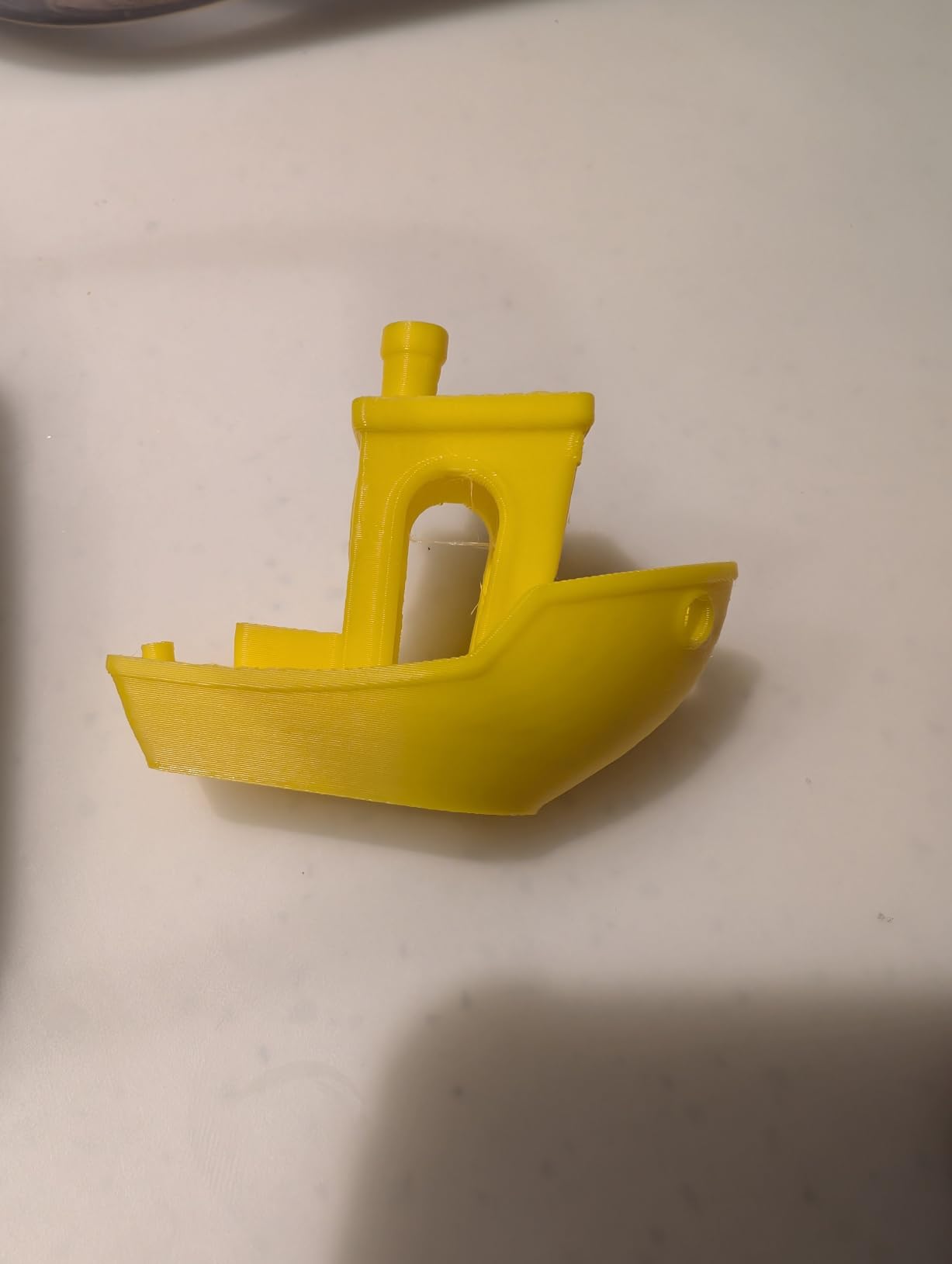
Bed levelling is handled by an eddy current scanning sensor with pressure-sensing touch points, and calibration happens without any action from you. That matters more on a large format machine than on a small one, because the larger the bed the more a few tenths of a millimetre of error translates into a failed edge somewhere off in the corner. Owners consistently point out that first layers land reliably straight out of the box, which is the single biggest reason long builds survive to completion.
The built-in 1280×720 camera adds remote monitoring, time-lapse recording and failure detection through Obico integration. For an eighteen hour chest plate, that means you can check progress from work without walking to the bench. Two 0.4 mm nozzles ship in the box, and 0.6 mm and 0.8 mm options are available separately if you want to push thicker layers on armour that will be primed and painted anyway.
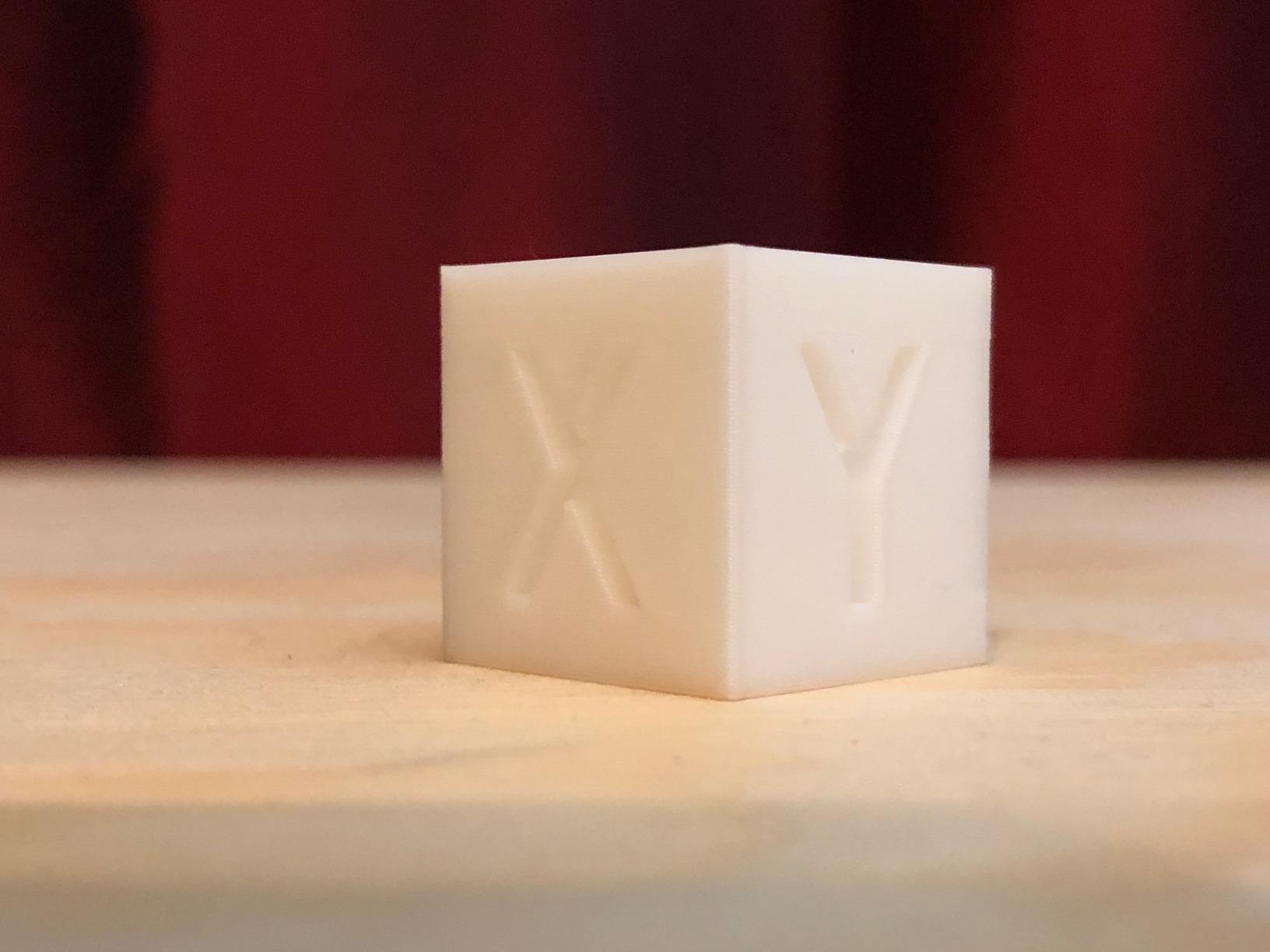
What the SV08 MAX does well for cosplay builds
Nothing else here prints a 500 mm object. If your build list includes a full helmet, an oversized pauldron, a shield or a prop weapon that is meant to be read from across a convention hall, this is the only machine on the list that takes it in one build. Fewer pieces also means fewer internal joins to reinforce, which is where printed armour usually fails first.
The acceleration figures matter more than the headline speed for real jobs. A tall print that must ramp up and down repeatedly will wobble without input shaping, and CoreXY plus that acceleration ceiling keeps tall models straight. Reviewers describe results on complex tall props as smooth and repeatable rather than merely fast.
Where the SV08 MAX falls short
The heated chamber is not included. The interface is reserved for an upgrade module sold separately, so if ABS or ASA is central to your plans, budget for that add-on before you commit. PC and PA prints will be noticeably less predictable without it.
Size and weight are the other real constraints. At 86.8 pounds with a footprint around 28 inches on a side, this needs a sturdy dedicated bench and a clear path to it. The rating also carries a 13 percent one-star cohort, which owners attribute to setup and component issues on some early units, so budget time for a careful first assembly.
2. Creality K2 Plus Combo – Best Multi-Color Enclosed Printer
Creality K2 Plus Combo 3D Printer, Multi Color Printing with New CFS 600mm/s High-Speed Full Auto-Leveling Dual Al Camera Next-Gen Direct Drive Extruder Large Build Volume 13.78×13.78×13.78inch
350 x 350 x 350 mm build volume
60°C active chamber
Four CFS, 16 colours
600 mm/s
Pros
- 16 colour printing out of the box removes much hand painting
- 350 mm cube handles full-size armour shells and helmets
- 600 mm/s and 30000 mm/s² acceleration shorten big jobs
- 60°C chamber produces warp-resistant ASA and PPA
- Two AI cameras and 18 sensors automate failure detection
Cons
- Four-canister CFS setup is bulky and takes time to configure
- Highest one-star share among the FDM machines at 17 percent
- Colour changes add complexity to long multi-material prints
- Enclosed chamber means no open-air printing
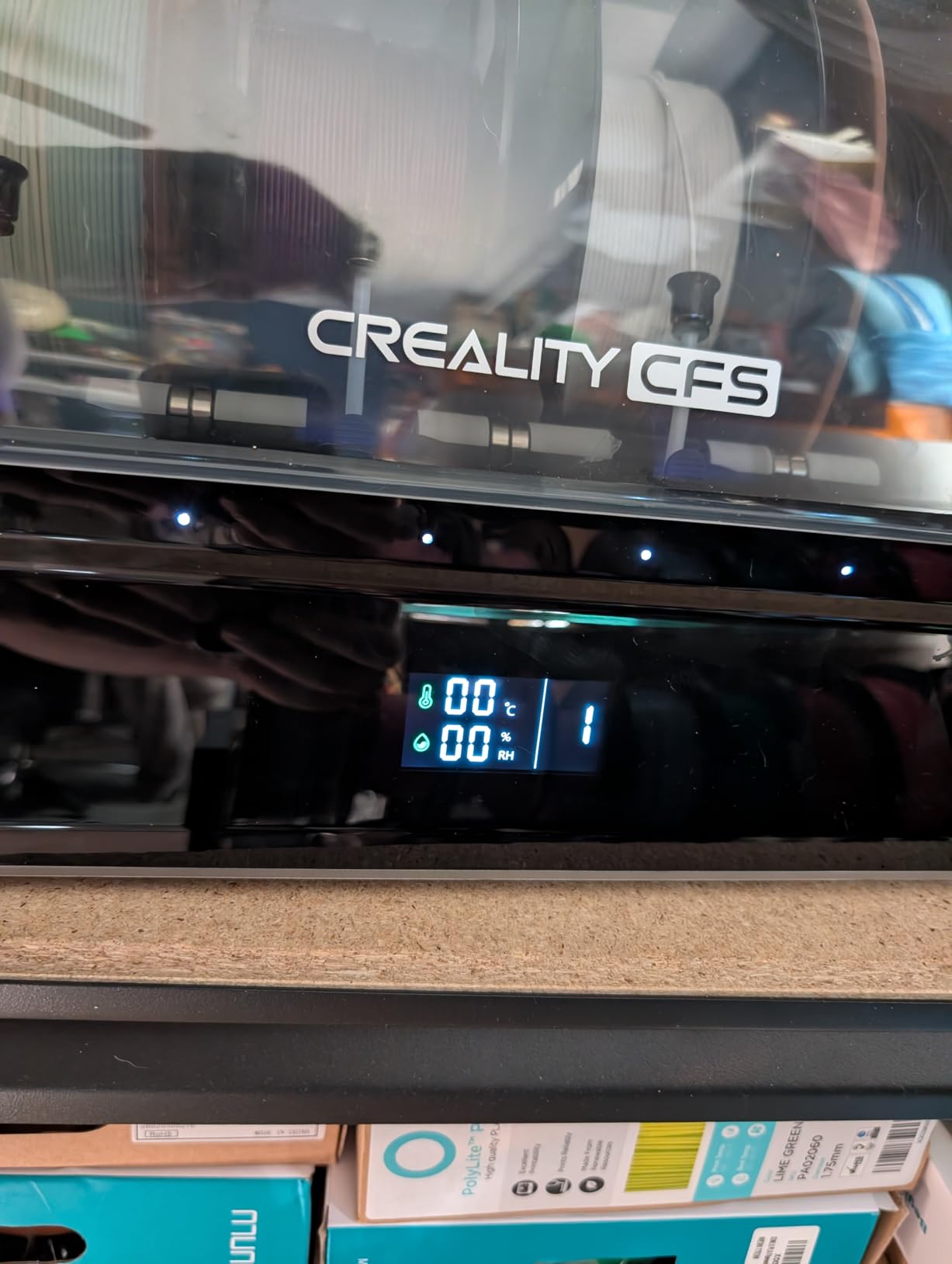
The K2 Plus Combo is the machine to beat if you hate painting. Four CFS canisters daisy-chain together to feed up to sixteen colours, and the RFID filament detection reads colour and type instantly, swapping to a matching spool when one runs dry mid-build. For a cosplay set with a contrasting trim, visor and accent stripe, that is hours of masking and spray work removed from the schedule.
Underneath the colour system sits a genuinely serious 350 mm cube with a 60°C actively heated chamber. That chamber temperature is the reason ASA and PPA parts come out dimensionally stable instead of bowing away from the bed, and the 350°C hardened steel nozzle covers the higher-melting engineering filaments. At 600 mm/s with 30,000 mm/s² acceleration, a large armour piece moves along at a good pace.
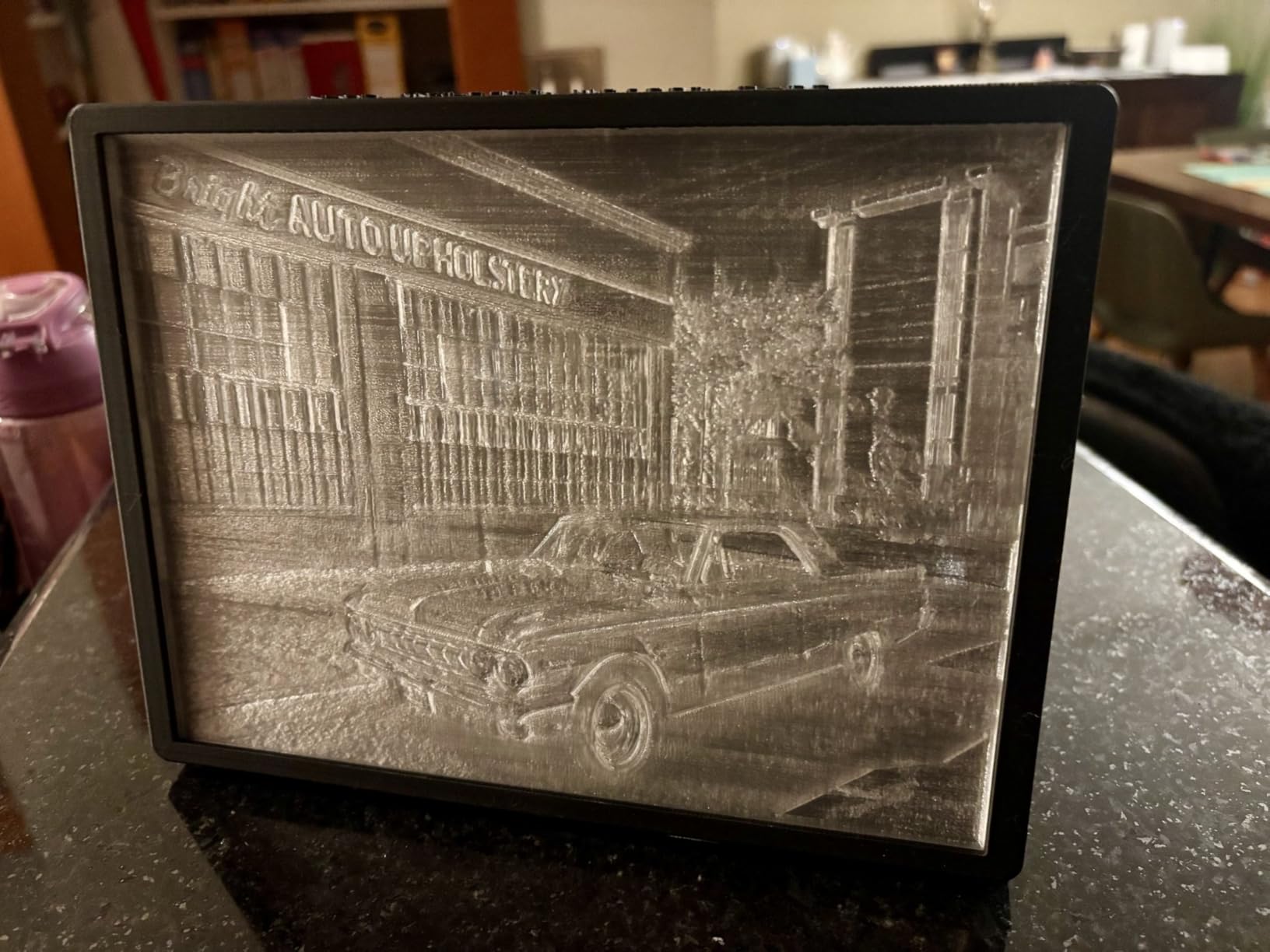
Automation is the theme here. Eighteen smart sensors, a chamber-side camera that watches for spaghetti and idling failures, and a toolhead camera that optimises flow rate all run without you watching. Dual independently motorized Z axes on four linear rods keep bed motion steady during vertical travel, and they auto-correct bed tilt before levelling, which is what makes the first layer dependable on a bed this size.
The die-cast aluminium Matrix frame gives the rigidity a 600 mm/s CoreXY-style motion needs. Reviewers note that the 350 mm cube is the difference between printing a helmet in one piece and having to slice it into files, and that the multi-colour capability effectively replaces a chunk of the paint stage for multi-part props.
Why cosplayers pick the K2 Plus Combo
Multi-colour is the honest answer. For a prop built from several painted parts, a single machine producing them in colour removes an entire evening of masking, priming between coats and careful spray technique, and it does it repeatably on the second run when you need a spare for a con.
The 60°C chamber is the second reason. If you are committed to ASA because PLA is too brittle for a shoulder piece and PETG strings too much, a heated chamber is not a luxury. This one holds temperature through a long build, which is exactly when a big ABS or ASA plate would otherwise lift at the corners.
Where it gets awkward
Four CFS canisters is a lot of hardware to configure, and it eats bench space next to a 70.4 pound machine that already measures 16 by 15 by 19 inches. First-time multi-material users should expect a learning curve before the colour workflow runs smoothly.
This machine also carries a 17 percent one-star share, the highest among the FDM options here, and reviewers tie that to firmware and first-run reliability complaints. Colour changes on very long multi-material prints add complexity that can turn a single fault into a long restart.
3. ANYCUBIC Photon Mono M7 MAX – Best Large Resin Printer for Masks
ANYCUBIC Photon Mono M7 MAX Resin 3D Printer, 13.6’’ 7K Large Resin Printer
298 x 164 x 300 mm build volume
13.6 inch 7K mono LCD
1300 ml heated vat
60 mm/h
Pros
- Large resin volume covers full-size masks and detailed props in one print
- 7K screen with anti-aliasing minimises layer lines
- Over 2000 reviews signal a well-established design
- Temperature-controlled vat with auto-fill improves success rates
- Flip-open cover speeds plate handling
Cons
- Resin printing needs gloves
- ventilation and careful handling of the liquid
- UV curing and washing are mandatory extra steps
- Not suitable for load-bearing parts the way FDM is
- 31 inch tall chassis is bulky at home
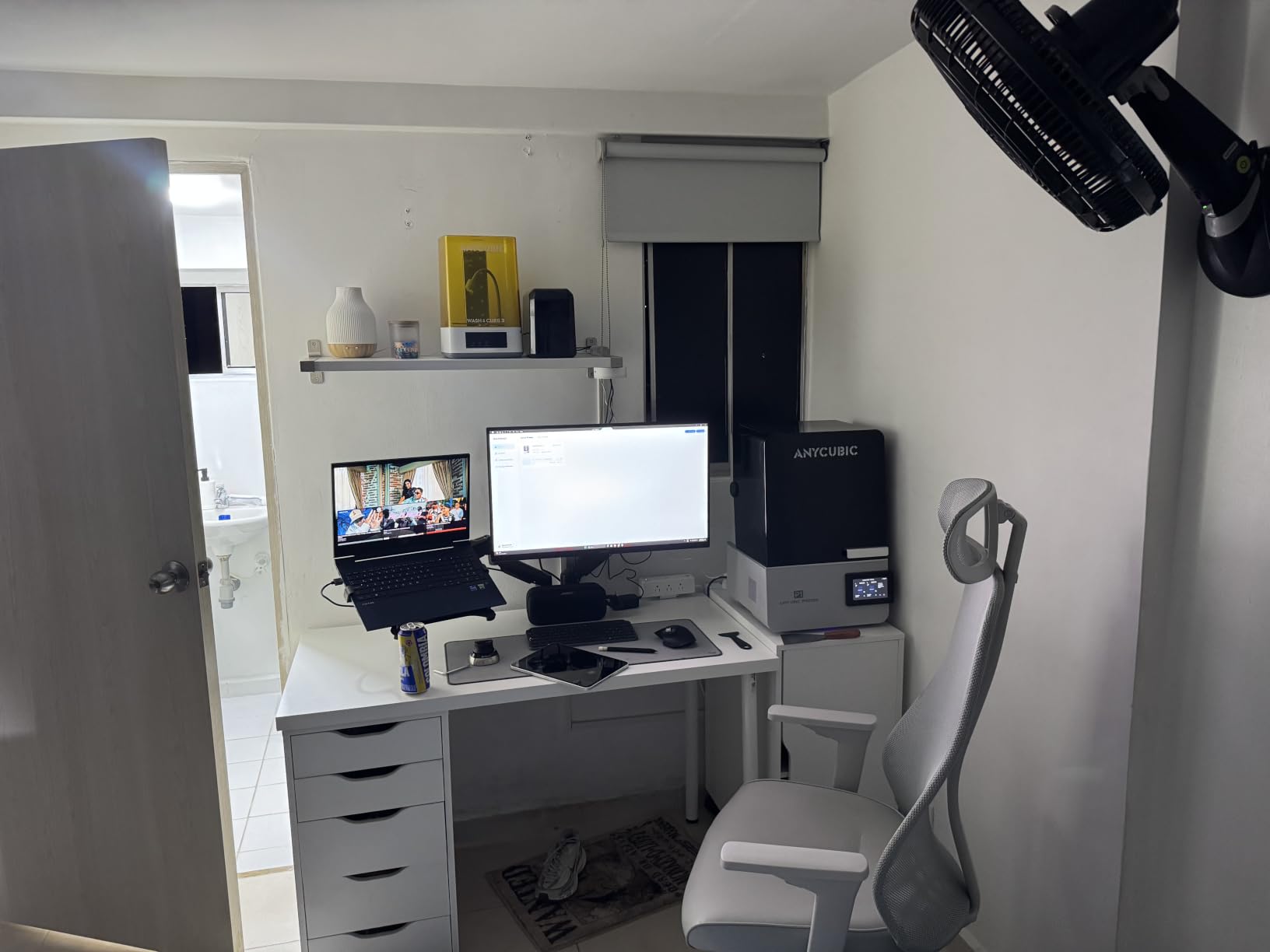
If your priority is surface quality on a mask, resin is hard to argue with, and the M7 MAX is the most proven machine in this roundup with over 2,000 reviews behind it. The 298 x 164 x 300 mm volume fits a full-size mask, a large display prop or a piece of terrain in one go. At 4.3 stars with 73 percent five-star ratings, the feedback pattern is unusually consistent for a resin machine.
The 13.6 inch 7K mono LCD with a LighTurbo 3.0 COB source and Fresnel lens is what separates it from smaller resin printers. Higher pixel density plus the built-in anti-aliasing function flatten the stair-stepping that normally shows up on curved armour surfaces, which means noticeably less wet sanding before primer. Light uniformity runs above 90 percent with a beam angle within 3 degrees, so exposure is even across a large plate.
Speed is a genuine advantage here. At up to 60 mm/h the intelligent release 2.0 system delivers roughly a 200 percent improvement over the previous M3 Max, and the flip-open cover stays put past 45 degrees so you can load and unload a plate one-handed. That is a real ergonomic win when you are cranking through a batch of identical pauldron shells.
The 1,300 ml vat includes dynamic temperature control and auto-fill, and models can be tilted slightly at the top of the build so resin drains back rather than pooling on the surface. That drainage trick is why smooth armour faces come out cleaner, and it also cuts resin waste across a busy print schedule.
Where resin beats filament for cosplay
Surface finish, every time. A resin mask or emblem arrives with edges already sharp and curves already smooth, and the whole post-processing chain starts from a better place. If your character design leans on fine panel lines, vents, or a glossy visor, resin saves you the coarsest grit stages entirely.
This is also the volume leader among resin options, and 298 x 164 x 300 mm is enough for a full-size mask in one piece. Owners single out exactly that point as the reason they bought a larger resin machine rather than a small one.
What you take on with resin
Safety and workflow overhead are real. Liquid photopolymer needs gloves, ventilation and disciplined handling, and every print has to be washed and UV cured before it is finished. None of that is optional, and it is the main reason FDM remains the default for wearable armour.
Resin is also brittle compared with printed filament, so it suits detail pieces and rigid display props rather than anything that has to flex or take impact. At 52.8 pounds and 31 inches tall, plan the bench space before you commit.
4. ANYCUBIC Photon P1 Max – Best for Fine Snap-Fit Detail
ANYCUBIC Photon P1 Max, Large Resin 3D Printer with Smart Tank Heating
18.3 L build volume
14 inch 12K mono LCD
Plus or minus 0.01 mm repeatability
1.9 L heated tank
Pros
- 12K screen delivers surfaces that look injection moulded
- Plus or minus 0.01 mm repeatability makes threads and snap joints fit
- Heated 1.9 L vat holds up to 35°C for year-round consistency
- Auto-Leveling 3.0 recalibrates with live force feedback
- 18.3 L volume fits full plates of parts in one batch
- Highest average rating in the roundup at 4.4 stars
Cons
- Only 58 ratings means a thin long-term history
- Resin workflow still needs ventilation gloves and curing
- 29.5 inch depth takes serious bench space
- Third-party slicer support likely narrower than open ecosystems
The P1 Max is the specification leader in this roundup on paper. A 14 inch 12K mono LCD driven by a LighTurbo 3.0 light engine produces detail that rivals injection moulded plastic, and the stated repeatability of plus or minus 0.01 mm is the number that matters most for cosplay hardware. Snap fits, threaded inserts and press studs only work if the printer repeats accurately, and this is the one here that claims the tightest tolerance.
The 1.9 L heated tank holds up to 35°C, which keeps high-viscosity resin flowing in a cold room. That sounds minor until you have watched a cold vat cause a failed multi-hour build. Auto-Leveling 3.0 runs four-corner real-time checks with live force readings before every print, so a drifting plate gets caught before it wastes a plate of resin.
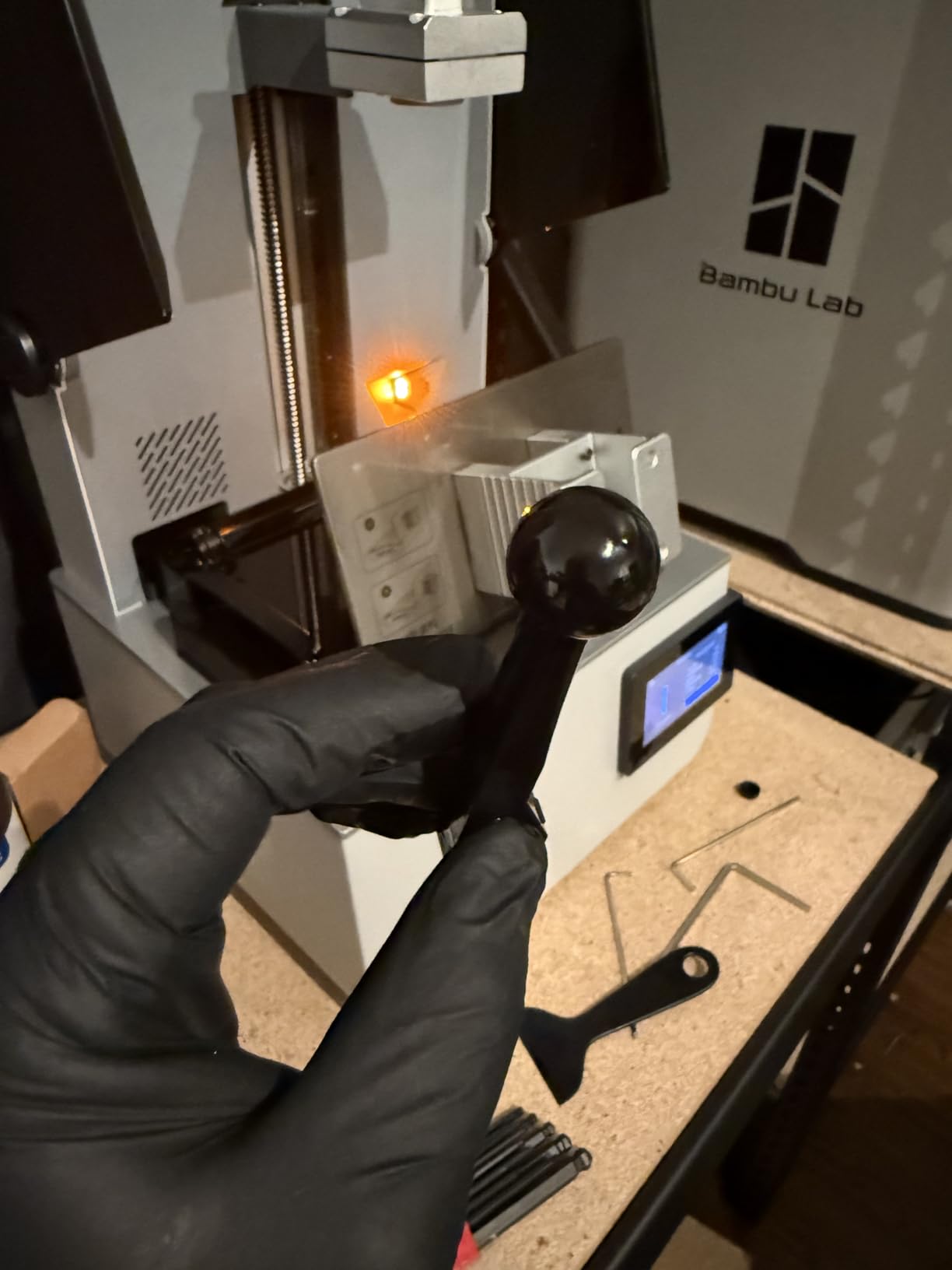
Built-in AI monitoring watches the build plate, resin level, bottom-layer separation and vat residue, and raises alerts early rather than letting a problem run for hours. Batch printing is the quiet superpower: 18.3 L of volume across 11.24 by 8.43 by 11.81 inches fits dozens of parts on a single plate, so a set of identical trim pieces prints in one session instead of a queue of sessions.
At 4.4 stars with 79 percent five-star ratings, early sentiment is strong, with owners citing crisp detail and snap joints that actually fit the first time. The heated vat gets specific credit for reducing failures in temperature-variable rooms.
When this machine earns its place
Fit-critical small parts. If your build relies on snap-together assembly rather than glue and screws, the tightest repeatability in the group is the feature that will save you the most rework. The 12K screen also handles engraved text and fine insignia that would be a sanding project on an FDM print.
Batch work is the second case. Identical greebles, buckles, clips and trim pieces come off one plate with the same dimensions, and the auto-leveling means you are not babysitting each run.
Honest limitations
The review base is 58 ratings. That is a very good score on a thin sample, and it is not the same evidence as the 2,000-plus reviews behind the M7 MAX. Treat the specification sheet as impressive and the field history as still being written.
Standard resin caveats apply in full, including gloves, ventilation and curing. At 59 pounds with a 29.53 inch depth, the bench footprint is the widest in the roundup, and third-party slicer support is likely narrower than the open filament ecosystems.
5. Phrozen Sonic Mega 8K S – Best for Batching Lots of Small Parts
phrozen Sonic Mega 8K S LCD/MSLA Resin 3D Printer, 43 µm High Resolution, 15 inch Mono LCD Screen, Fast Production Accurate Details, Large Printing Size L12.99xW7.28xH11.81 Printing Volume
33 x 18.5 x 30 cm build plate
15 inch 8K mono LCD
43 micron XY resolution
Pros
- Build plate batches up to 80 miniatures in about 90 minutes
- 15 inch 8K mono LCD with 43 micron XY captures fine textures
- ACF film and TR300 resin cut real print times
- Built-in drip hanger recovers resin and cuts mess
- Compact footprint suits tight workspaces
Cons
- No WiFi
- camera or auto-leveling
- No vat heater so high-viscosity resin is harder to use
- 21 percent one-star share with durability complaints
- Reports of LCD and power supply failures with slow warranty resolution
- Fine detail softer than 12K and 16K class resin machines
Throughput is the entire argument here. The Sonic Mega 8K S can produce up to 80 detailed one thirty-second scale models in under 90 minutes, and the ACF fluoropolymer release film combined with TR300 high-speed resin runs up to ten times faster than a standard mid-size printer. If your convention prep involves dozens of identical badges, pips, vents or chain links, nothing else here comes close on throughput per plate.
The 15 inch 8K mono LCD with 43 micron XY resolution captures fine textures and sharp edges over a 33 by 18.5 by 30 cm plate, and the reduced suction force from the ACF film improves success rates during continuous cycles. The lift-up lid needs less vertical and lateral clearance to reach the build plate, which is genuinely useful if you are working in a smaller room or on a shelf unit.
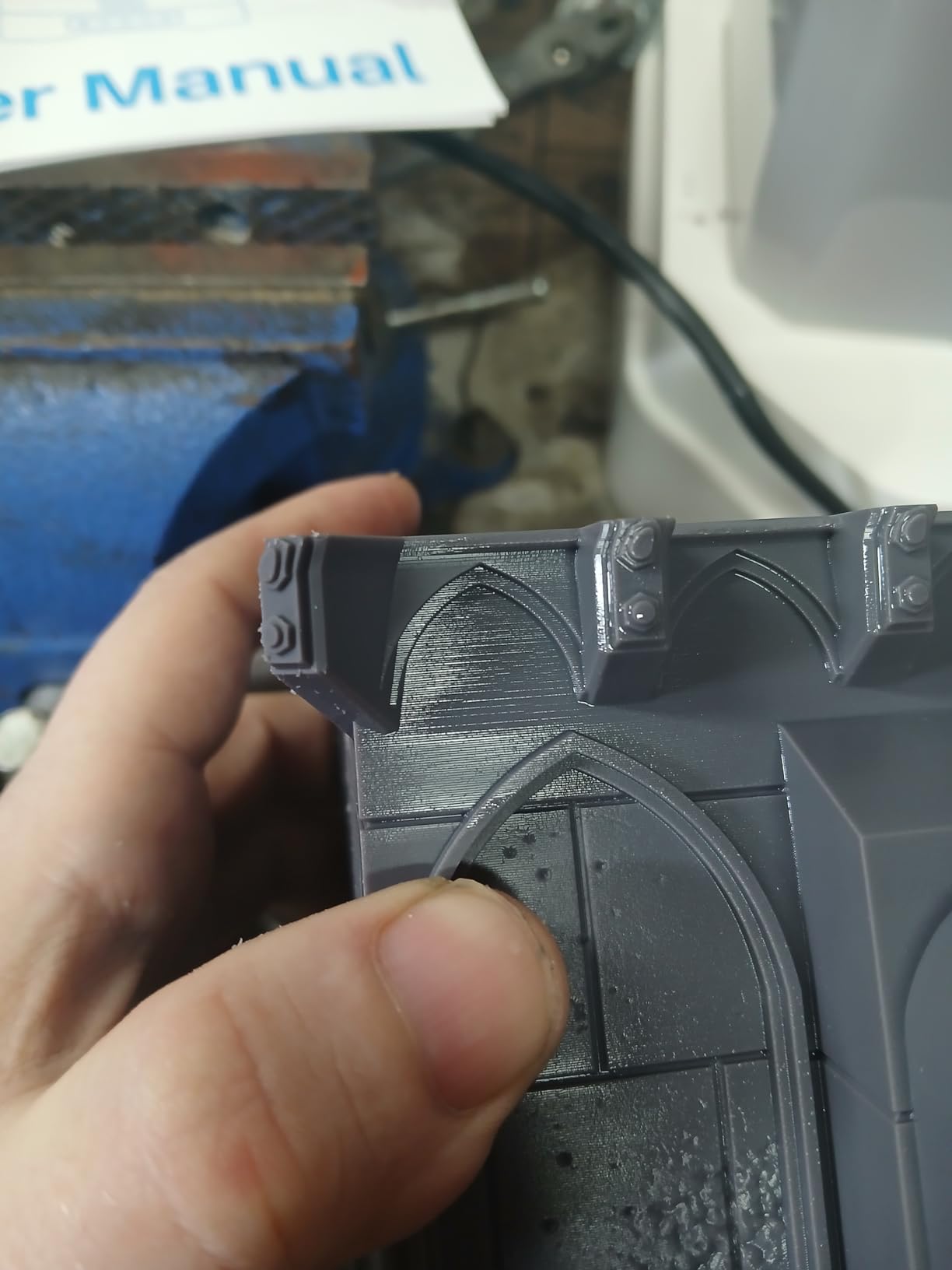
Owners who get it dialled in describe it as a no-frills workhorse that does exactly what it advertises, and the built-in metal drip hanger lets the plate drain back into the vat for resin recovery. That single feature cuts cleanup time noticeably on a batch-heavy schedule.
There is an important caveat about what this machine is optimised for. It is aimed at large models with broader detail rather than extreme sharpness on miniatures, so for very fine engraved detail the 12K and 16K class machines in this roundup are the better pick.
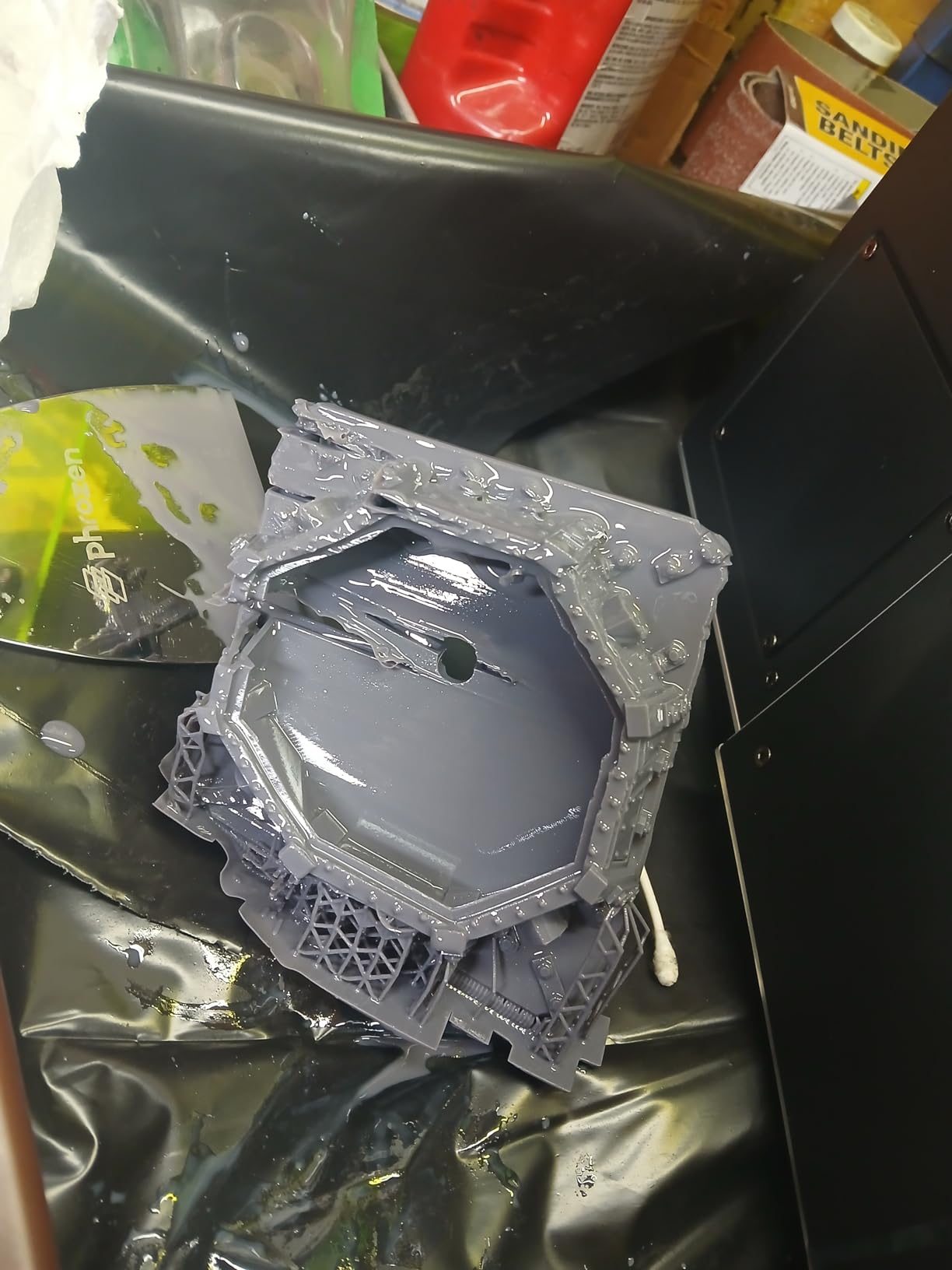
Where the Mega 8K S earns its bench space
Volume production of identical parts. Every cosplay build eventually needs a spare of something, and rebuilding a broken piece on a slow machine is painful. Printing a batch of replacements in a single 90 minute cycle changes how you handle con damage.
The compact footprint helps too. At 18.6 by 15 by 22.3 inches and 57.3 pounds it is one of the easier large machines to accommodate in a home workspace, and the lift-up lid means it does not need full lid clearance overhead.
What owners report going wrong
Feedback splits sharply here, and you should read it before committing. A 21 percent one-star share is the highest in the roundup, and reviews report LCD controller board and power supply failures within months, chipped screens arriving in the box, and slow resolution of warranty claims.
There is also no vat heater, so high-viscosity resin is harder to work with, and no WiFi, camera or auto-leveling. The plate requires holes and does not accept a flex plate, and the self-filling mechanism is reported as unreliable.
6. QIDI Max4 Combo – Best for Heavy ABS and Multi-Material Work
QIDI Max4 Combo 3D Printer, 390×390×340mm Build Volume, 65℃ Heated Chamber
390 x 390 x 340 mm build volume
65°C active chamber
Up to 800 mm/s
40 mm³/s hotend
Pros
- 390 mm volume is the largest FDM cube here and prints full helmets in one piece
- 65°C chamber plus 800 mm/s handles ABS
- PC and carbon fibre
- Setup needed almost no manual levelling or calibration
- Support repeatedly praised for next-day parts
- Built-in AI camera pauses on spaghetti failures
- Expands to 16-colour multi-material with QIDI BOX
Cons
- Heaviest machine here at 120 pounds needing a dedicated heavy table
- Polar Cooler sold separately for the highest-temp materials
- Four-filament magazine has no dryer and no auto spool switching
- Filament can stick aggressively to the bed
- Manual documentation is sparse
The Max4 Combo pairs the largest FDM build volume in this roundup with the highest chamber temperature any of these machines offers. A 65°C actively heated chamber changes what you can print, because ABS, PC and carbon fibre reinforced nylon stop being a gamble and start being routine. Long-term owners describe running heavy ABS cosplay work without fighting enclosure issues and getting results they did not expect from a consumer machine.
Speed is the headline too, with up to 800 mm/s and 30,000 mm/s² acceleration driving a 40 mm³/s high-flow hotend with a hardened steel nozzle. Closed-loop motors on X and Y plus a 2 mm lead screw with an anti-backlash nut on Z are the details that keep that speed usable on a 390 mm bed, where flex would otherwise show up as ripples on vertical surfaces.
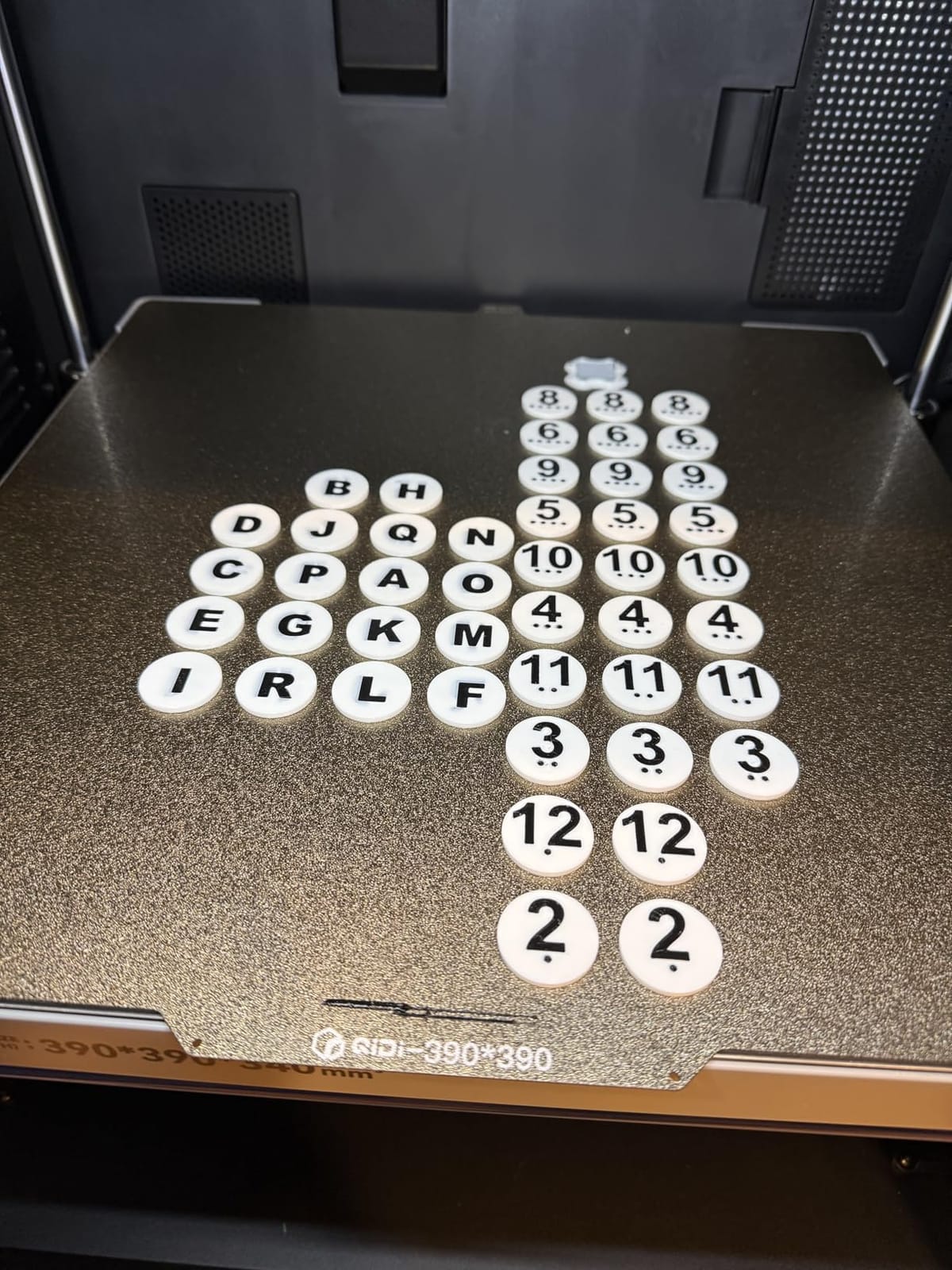
Owners consistently report that out-of-box setup required almost no manual levelling or calibration, and the full-surface silicone heated bed gives even heat and strong first-layer adhesion across the whole plate. The built-in AI camera detects spaghetti failures and pauses automatically, which on a build that might run a full day is a meaningful amount of saved material.
Customer support gets repeated mention. Owners report the company responding the next day with parts and tracking, which matters a lot on a machine with this many sensors. Long-term builders describe printing a full helmet suite plus thousands of cosplay parts with minimal failures, and the QIDI BOX expands the machine to 16-colour multi-material output with filament level monitoring.
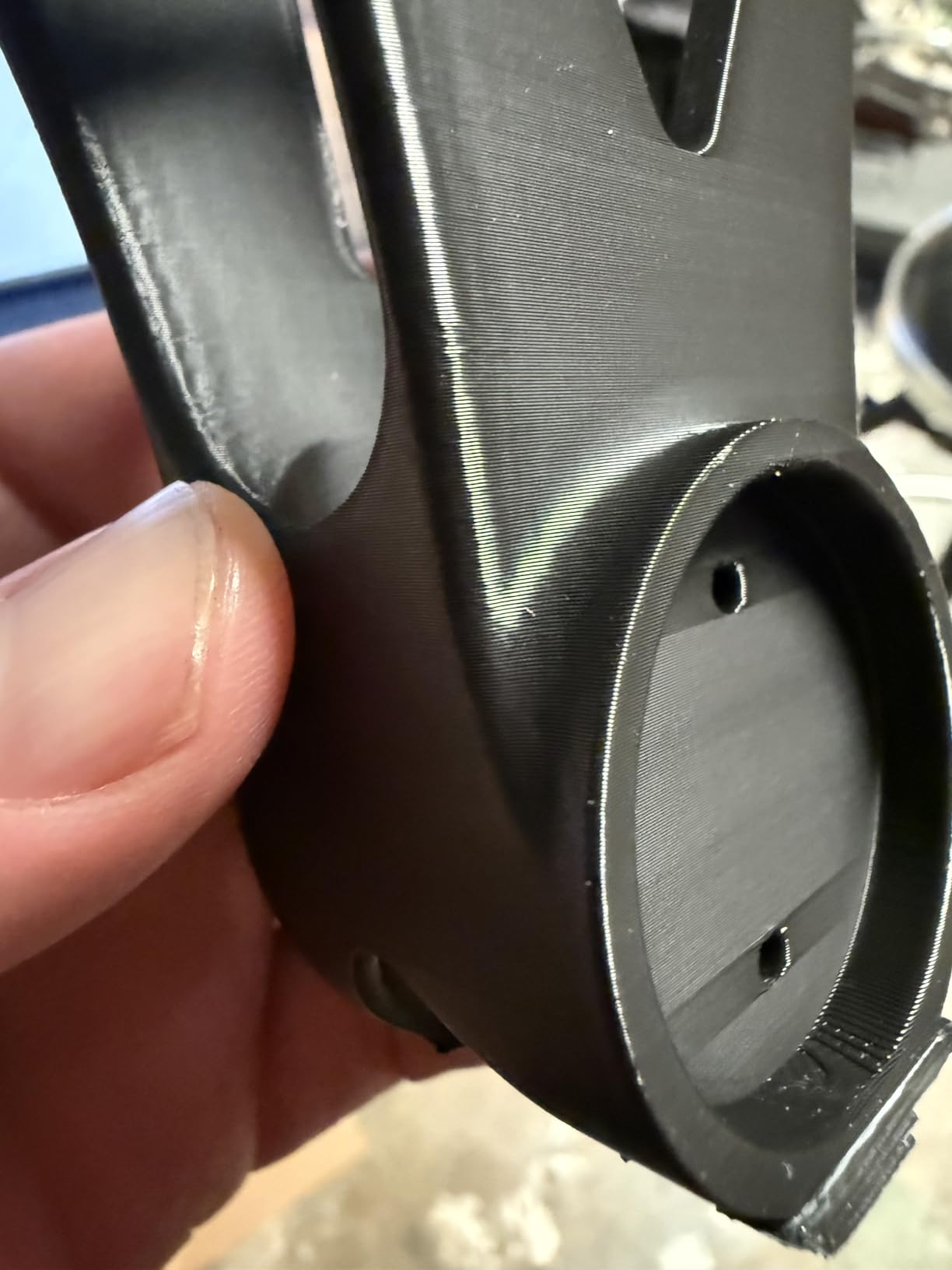
Why heavy-material builders like this one
A 65°C chamber is the difference between ASA armour that comes off the bed flat and ASA that curls at the corners. If your design needs stiffness, heat resistance or impact tolerance, this is the machine that stops fighting you. The 390 by 390 by 340 mm volume also prints full-size helmets in one piece.
The Polar Cooler system extends support to ABS-CF, PC and PPS-CF, and the hardened nozzle handles abrasive materials without the wear problems that plague a brass nozzle on carbon fibre filament.
Where you will feel the trade-offs
It is the heaviest machine in the roundup at 120 pounds, with a 28 by 28 by 30 inch footprint. You need a table that can take it, and a plan for how it gets there. The Polar Cooler is a separate purchase if you plan to push into the highest-temperature materials.
The four-filament magazine has no dryer and will not auto-switch spools when one empties. Filament can also stick too aggressively to the silicone bed, and a release agent such as hairspray is commonly recommended. Documentation is sparse with few engineering drawings, and one reviewer reported a factory toolhead assembly defect on first load.
7. Anycubic Kobra S1 Max Combo – Best All-Rounder With Four-Color Printing
Anycubic Kobra S1 Max Combo 3D Printer, Large Build Size 350x350x350 mm³
350 x 350 x 350 mm³ build volume
65°C chamber, 350°C hotend
ACE 2 Pro four colours
Pros
- 350 mm cube prints a full helmet in one piece instead of split files
- Fully enclosed all-metal CoreXY frame stays rigid at speed
- 65°C chamber and 350°C hotend handle ABS and ASA
- ACE 2 Pro gives four colours and includes filament drying
- LeviQ 3.0 49-point levelling needs no manual tuning
- Low reported failure rate over 100 to 300 hours
Cons
- Slicer is locked to Anycubic software with no third-party option
- Filament sensor raises false runout errors that must be disabled
- AI detection and feeder tube cause load failures on some units
- Long multi-colour prints generate repeated errors
- Sparse instructions for first-time users
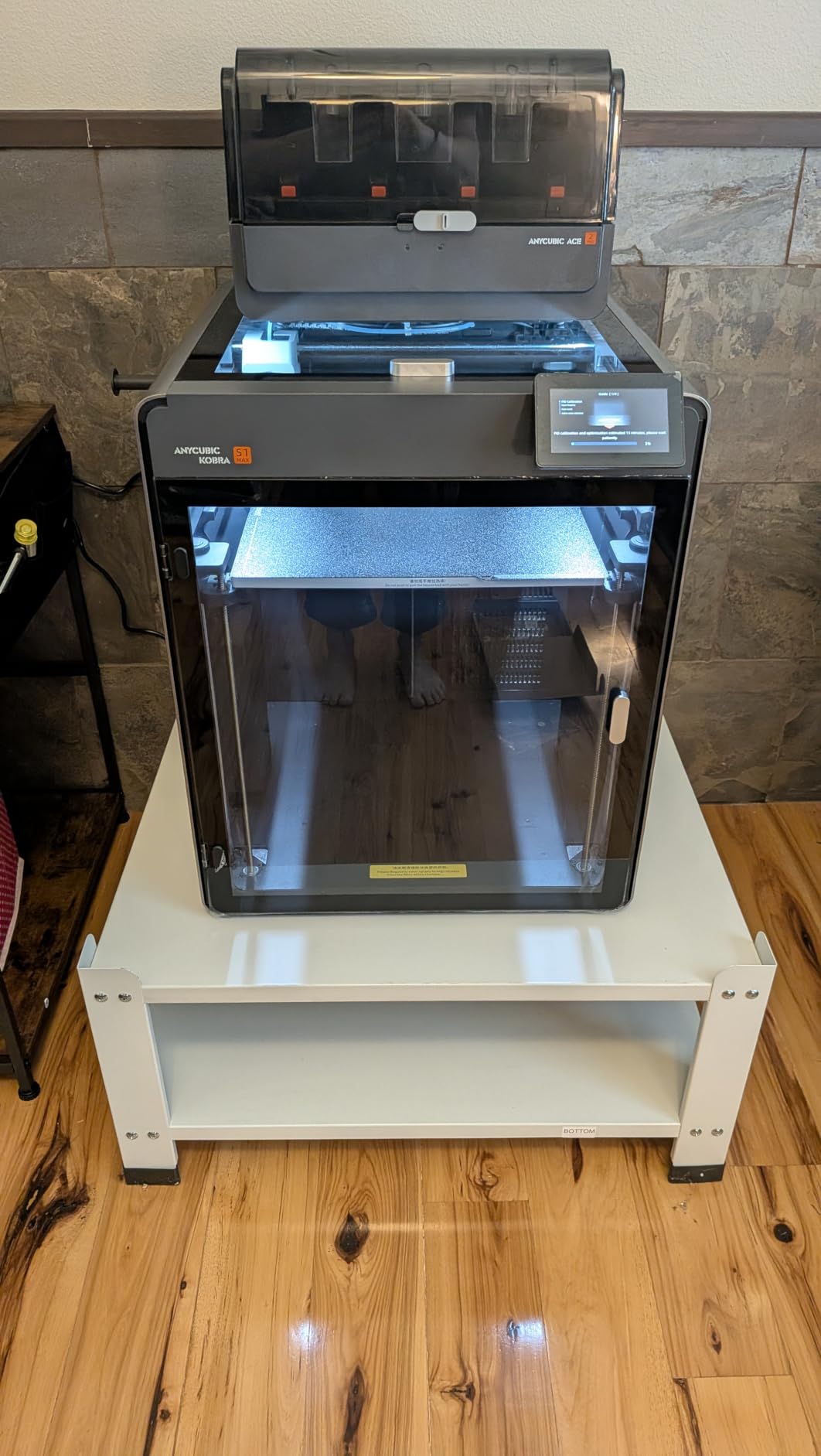
The Kobra S1 Max Combo is the most complete package here for a cosplayer who wants a big enclosed machine with multi-colour out of the box and does not want to bolt on anything. A 350 mm cube, a 65°C chamber, a 350°C hotend and an all-metal CoreXY frame in a 21 by 23 by 19 inch package is a lot of capability in a machine you can lift into position.
The ACE 2 Pro provides four colours immediately and expands to sixteen with additional units, and it includes filament drying, which is the feature most multi-material systems leave out and the one that prevents clogs on long colour-heavy builds. The side-mounted waste chute is easier to reach than the rear-mounted chutes on competing designs, and setup is quick with clearly marked bed screws plus included tools and a 0.6 mm nozzle.
LeviQ 3.0 does 49-point auto-levelling with real-time flow dynamics calibration, and first-time buyers report a setup in under ten minutes with flawless large prints. The all-metal CoreXY frame reduces shaking and wobble, which matters for tall props and fit-critical parts where a wobble shows up as a bad surface finish rather than a failed print.
Experienced users compare the 350 mm volume favourably against smaller home printers specifically for full helmet prints, and multiple owners report a very low failure rate across 100 to 300 hours of printing. A standard Benchy prints in about 15 minutes, so test prints between costume pieces are not a time sink.
Where the Kobra S1 Max is the right call
Enclosed CoreXY rigidity plus a hot chamber is exactly what a tall armour shell or a long prop weapon needs. The 350 mm cube is the difference between printing a full helmet in one piece and having to slice it into separate files, and LeviQ 3.0 keeps first layers reliable without manual tuning.
Four colours with built-in drying is the differentiator against other enclosed multi-material machines here, particularly for props made of several contrasting parts rather than a single painted shell.
What gives us pause
The slicer is locked to Anycubic software, with no option to use a preferred third-party slicer. For people who already have tuned profiles in an open ecosystem, that is a real loss of flexibility, and it is the most substantive complaint in the feedback.
The filament sensor raises false runout errors that have to be disabled, and some reviewers report the AI detection feature and feeder tube causing load failures. Commercial operators running thousands of colour changes report recurring errors and wasted filament on long multi-colour prints. Silk, wood and matte filaments are also reported as difficult, and the construction uses substantial plastic that some buyers question for durability.
8. LONGER LK10 Plus – Best Entry Point Into Large-Format Printing
LONGER New LK10 Plus 3D Printer,320×320×400mm Large Printer Volume
320 x 320 x 400 mm build volume
30.4 pound chassis
400 mm build height
Pros
- 320 x 320 x 400 mm volume at an entry-level price point
- Largest build height in the roundup at 400 mm
- Lightest large-format option at 30.4 pounds so it is easy to reposition
- 4.4 star average with 73 percent five-star ratings from early buyers
Cons
- Listing is sparse with no detailed feature bullets or specifications
- No heated chamber or enclosed frame
- No multi-colour or multi-material capability
- Only 18 ratings so long-term reliability is unproven
The LK10 Plus is the reason this list is not exclusively four-figure machines. A 320 by 320 by 400 mm build volume puts full helmets, chest plates and long props in range for someone who has never owned a large printer before, and at 30.4 pounds it is by far the easiest machine here to carry into position and rearrange when the build queue changes.
That 400 mm build height is the tallest in the roundup, and height is an underrated dimension for cosplay. Tall props, full helmets and vertically split armour sections all benefit from a longer Z axis, and a machine with 400 mm of Z and only 320 mm of X and Y fits awkward shapes that a cube simply cannot take.
Why it makes sense as a first large printer
Cost of entry and physical manageability are the two arguments. A large format machine you can move with one person and set up yourself removes two of the biggest barriers for a first build, and 4.4 stars from early buyers with 73 percent five-star ratings is a decent start for a recent release.
For a learner, this is a low-risk way to find out whether your preferred model library needs a full 400 mm of height before committing to a heavier, enclosed machine with a heated chamber.
Where the compromises bite
There is no heated chamber and no enclosed frame, so ABS and ASA are off the table in practice and you are limited to PLA and PETG for practical purposes. There is no multi-colour or multi-material capability either, so every prop is single filament.
The listing itself is sparse, with no detailed feature bullets or key specifications provided, which makes it hard to judge the machine beyond the headline volume. With only 18 ratings, long-term reliability is unproven, and a 10 percent one-star share hints at some early quality or assembly issues.
How Big a Printer Do You Actually Need for Cosplay?
Start from the largest single piece in your build, not from the whole costume. That one measurement decides everything else. Below is the sizing logic we use, tiered by project type, since most cosplayers overestimate what they need and underestimate how often they will change their mind.
Small props and accessories. Emblems, buckles, pouches, trim pieces and handheld greebles usually fit inside 150 mm. If that is genuinely all you are printing, a standard desktop machine is enough and you can spend the difference on filament and finishing supplies instead.
Gauntlets, bracers and masks. A full-size helmet shell usually runs 280 to 320 mm across and up to about 400 mm deep. A 350 mm cube handles a helmet in one piece, and anything at 320 mm and below means planning a split with a clean seam line down a panel.
Full armour pieces. Chest plates, back plates and thigh guards are where large format really pays. A 390 to 500 mm volume means a single-shell chest piece with no centre seam, which removes the structural weak point that split armour always has and cuts sanding time dramatically.
Oversized props and weapons. Staffs, shields, large blades and display pieces regularly exceed 500 mm in one axis. This is the tier where the Sovol SV08 MAX pulls ahead of everything else, because it is the only machine here that takes a 500 mm cube.
The cost of a split piece is higher than most people expect. Every seam adds sanding, filling and priming before a single colour goes on, and a split that is badly planned can run straight across a visible panel line where it is most obvious. A 400 mm printer often cuts total post-processing time by more than the cost difference between machines. If you also print large-format work for signage, our picks for the best large-format printers for fine art prints overlap with the same physics of size and rigidity.
Which Filament and Resin to Print Cosplay With
Material choice decides how long the piece survives a convention weekend, and it matters more than most first-time buyers expect. A helmet is carried, bumped, sweated in and sat in a hot convention hall car, and the material has to handle all four.
PLA for props and display pieces. Easy to print, sands beautifully and takes paint well. It is the right default for anything that will not be flexed or dropped. Its weakness is heat, so avoid it for pieces that sit in direct sun or in a hot car.
PETG for wearable armour. Tougher and more heat resistant than PLA, with better layer adhesion and less brittleness at thin walls. It string a little more and needs a little more nozzle temperature management, but for gauntlets, boots and pauldrons it is the safest general-purpose choice.
ABS and ASA for heavy structural pieces. These need a heated chamber to print large parts without warping, which is why the Creality K2 Plus Combo, QIDI Max4 Combo and Anycubic Kobra S1 Max are the three machines here with chambers that reach 60°C or above. ASA also handles UV exposure better than ABS, which matters for a costume that gets worn outdoors.
TPU for flexible trim and padding. Useful for gaskets, straps and anything meant to flex. A direct drive extruder handles TPU far more reliably than a Bowden setup, which is a point in favour of the Creality and QIDI machines here.
Resin for detail pieces. Insignia, visors, emblems and fine trim print sharply in resin and take paint beautifully. Treat resin prints as rigid and impact-sensitive, and keep safety gear and ventilation part of the routine from the first print.
The Post-Processing Workflow That Saves Your Weekend
Print time is rarely the bottleneck. Post-processing is, and the workflow below is the order that minimises total hours. It matters so much on large format machines because you will be handling bigger, heavier parts at every step.
1. Orient and support. Use tree supports where the slicer allows it. They leave far smaller contact scars than conventional block supports, which directly reduces the sanding you are about to do. For cosplay, support placement decisions made here are worth ten minutes of thought.
2. Remove supports and knock back. Take the part down to shape with a coarse file or a sanding block before you touch powered tools. Large flat panels are much faster to level by hand at this stage.
3. Sand through a grit sequence. Work from coarse to fine, and do not skip steps. On an FDM print, jump from 80 to 400 grit and you will scratch the surface you were trying to fix.
4. Fill and prime. Apply a filler to seams and screw holes, sand flat, then use a high-build primer to establish a uniform surface. Filler primer is what makes a printed part read as a moulded part under paint, and it is the single highest-impact step in the whole chain.
5. Paint. Thin coats from a distance beat thick close-up coats. Mask seams you do not want covered before the base coat, and let each layer cure properly.
6. Seal. A clear UV-resistant top coat protects the finish from handling and from the UV exposure at outdoor conventions. It is cheap insurance for a piece that took a hundred hours to print.
None of these steps are optional, so budget time for them. The large-format buying guides we cover for studio work apply the same rigidity and volume logic, and the same rule holds: bigger build volume means fewer seams means less of this list to get through.
Before You Buy: Four Questions Worth Asking Yourself
Do I have the bench? Weights here run from 30.4 pounds on the LONGER LK10 Plus to 120 pounds on the QIDI Max4 Combo, with footprints from 16 by 15 by 19 inches up to 28 by 28 by 30 inches. Measure the space, check the floor route to it, and make sure the surface can carry the weight.
Can I live with the noise? Printers with chambers, multi-material canisters and heated beds add fans that are hard to ignore. If you share a wall with a bedroom, an enclosed machine running a long overnight build is a real consideration, and it is a question almost no competitor roundup asks.
Do I need a chamber right now? If your plan is PLA and PETG only, you can skip the heated chamber entirely and bank the money. If ABS or ASA is on the list, a chamber is not an upgrade, it is a requirement.
Am I printing to wear or to display? Wearable armour points to FDM in PETG or ABS with a chamber. Display pieces, masks and detail trim point to resin. Many serious builders end up owning one of each, which is why we have included both types here rather than pretending they compete.
One legal note while we are here, since it comes up constantly: printing a model for personal use is very different from selling finished cosplay commercially. Selling items derived from a licensed character design carries real intellectual property risk, particularly if you market them by character name. If you plan to sell, get advice before listing anything rather than after.
Frequently Asked Questions
What is the best 3D printer for making cosplay props?
The Sovol SV08 MAX is our top pick for cosplay props because its 500 x 500 x 500 mm build volume prints full helmets, chest plates and oversized props in a single piece. CoreXY motion and 700 mm/s speed keep tall, detailed models accurate on long builds. If you want multi-colour output instead, the Creality K2 Plus Combo prints with sixteen colours out of the box.
Which 3D printer is best for large print volumes?
For raw volume, the Sovol SV08 MAX leads with a 500 mm cube at 700 mm/s. Among resin machines, the Phrozen Sonic Mega 8K S is built for throughput, producing up to 80 small models in about 90 minutes on one plate. For repeat accuracy on large parts, the QIDI Max4 Combo pairs a 390 mm volume with a 65°C chamber and closed-loop motors.
How big of a 3D printer do I need for cosplay?
Measure the widest single piece in your build. Small props and accessories fit within 150 mm, so a desktop printer is fine. Full helmet shells usually need 280 to 320 mm across and up to 400 mm deep, which a 350 mm cube covers in one piece. Chest plates and back plates need 390 to 500 mm to print as a single shell, and oversized props exceed 500 mm.
What is the best 3D printer for making cosplay armor?
The Sovol SV08 MAX wins for full armour because a 500 mm cube prints chest plates and back plates in one unbroken shell, removing the centre seam that split armour always has. The QIDI Max4 Combo is the alternative if you need tough materials, with a 65°C heated chamber for warp-resistant ABS and carbon fibre reinforced filament.
How weak is 10% infill?
Ten percent infill means only about a tenth of the interior volume is solid, so it is fast and light but weak in every direction. For cosplay that is rarely a problem because finished armour shells are hollow by design, but it does matter for handles, brackets and any part that takes impact. Raising infill to 20 to 30 percent for structural pieces costs print time, not accuracy.
Is there anything illegal to 3D print?
Printing for personal use is generally fine, including cosplay models you download and print for yourself. Selling finished items derived from licensed character designs is where the risk sits, especially if you list them under a character or brand name. Game armour, film props and trademarked logos are all protected, so get advice before selling anything commercially.
Final Verdict: Which Printer Wins for Cosplay in 2026
The Sovol SV08 MAX is the best large format 3d printer for cosplay props in 2026 because no other machine here matches its combination of a 500 mm cube, CoreXY accuracy at 700 mm/s and a 300°C hotend. It prints the pieces that force every other printer to split, and it does so in one shell. Budget for the optional heated chamber if ABS or ASA is part of your plan, and give it a dedicated bench.
Pick the Creality K2 Plus Combo if multi-colour output matters more than raw volume, and the QIDI Max4 Combo if tough materials are non-negotiable, though at 120 pounds it demands a serious table. Go resin for detail work, with the ANYCUBIC Photon Mono M7 MAX as the proven large option and the Photon P1 Max if snap-fit precision is the priority. The Phrozen Sonic Mega 8K S handles batch production, and the LONGER LK10 Plus is the low-commitment way into the format.
Whichever you choose, measure your largest single piece first. Every other decision follows from that number, and getting it right is what turns a print queue into a convention-ready costume.