
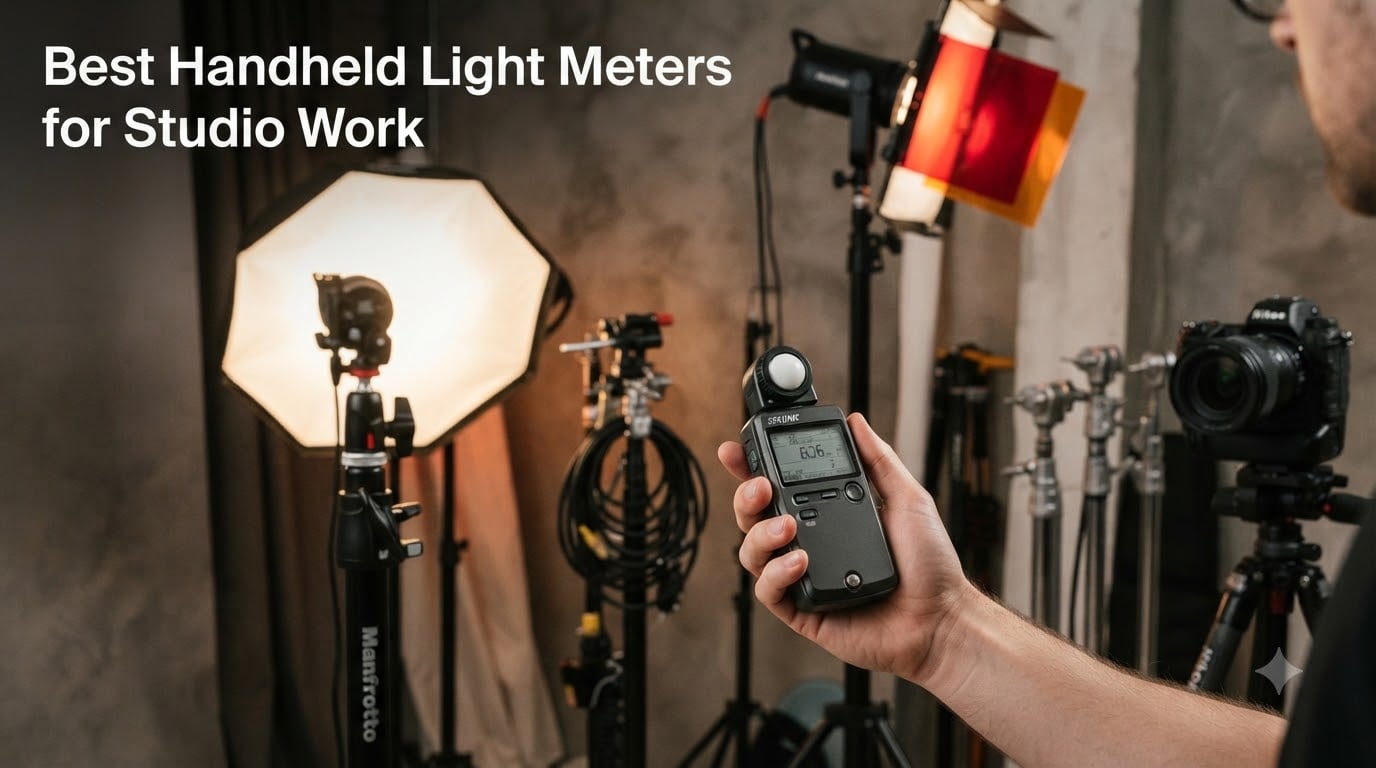
I still remember the day my studio strobes fired at full power and the histogram on my camera showed blown-out highlights across the entire frame. My in-camera meter had been fooled by the dark seamless background, and I learned the hard way that a dedicated handheld light meter is non-negotiable for consistent studio work. After that disaster, I bought my first Sekonic and never looked back.
This guide covers the best handheld light meters for studio work that I have tested or my colleagues have relied on over years of commercial shoots. Whether you shoot portraits, product photography, or cinematic video in a controlled environment, the right meter eliminates guesswork and lets you lock in exposures that hold up across an entire session.
We evaluated each meter on measurement accuracy, flash capability, incident versus reflected options, and how well it integrates with studio strobes and continuous LED panels. Here are the ten options that stood out for studio workflows in 2026.
Table of Contents
Top 3 Picks for Best Handheld Light Meters for Studio Work (September 2026)

Sekonic L-308X-U Flashmate Light Meter
- Pocket-sized
- Photo/Cine/HD Cine modes
- Cord and cordless flash
- Illuminance measurement

Sekonic L-398A Studio Deluxe III Analog…
- Battery-free operation
- Amorphous photocell
- Swivel head
- Professional accessories

LightMate AirPro Light Meter Photography
- 35-degree reflective angle
- Rechargeable 20-hour battery
- Three dials retro design
- Metal body
Best Handheld Light Meters for Studio Work in 2026
1. Sekonic L-308X-U Flashmate – Pocket-Sized Studio Companion
Sekonic L-308X-U Flashmate Light Meter, Compact Digital Incident & Reflected Exposure Meter with Photo, Cine & HD Cine Modes, LCD Auto Backlight, Illuminance Measurement, Pocket-Sized Design
Pocket-sized
Photo/Cine/HD Cine modes
Cord and cordless flash
Pros
- Pocket-sized portable design
- Accurate to tenth-of-a-stop readings
- Multiple measurement modes
- Auto backlight LCD
- Cord and cordless flash measurement
Cons
- Limited advanced features vs higher-end models
- No wireless connectivity
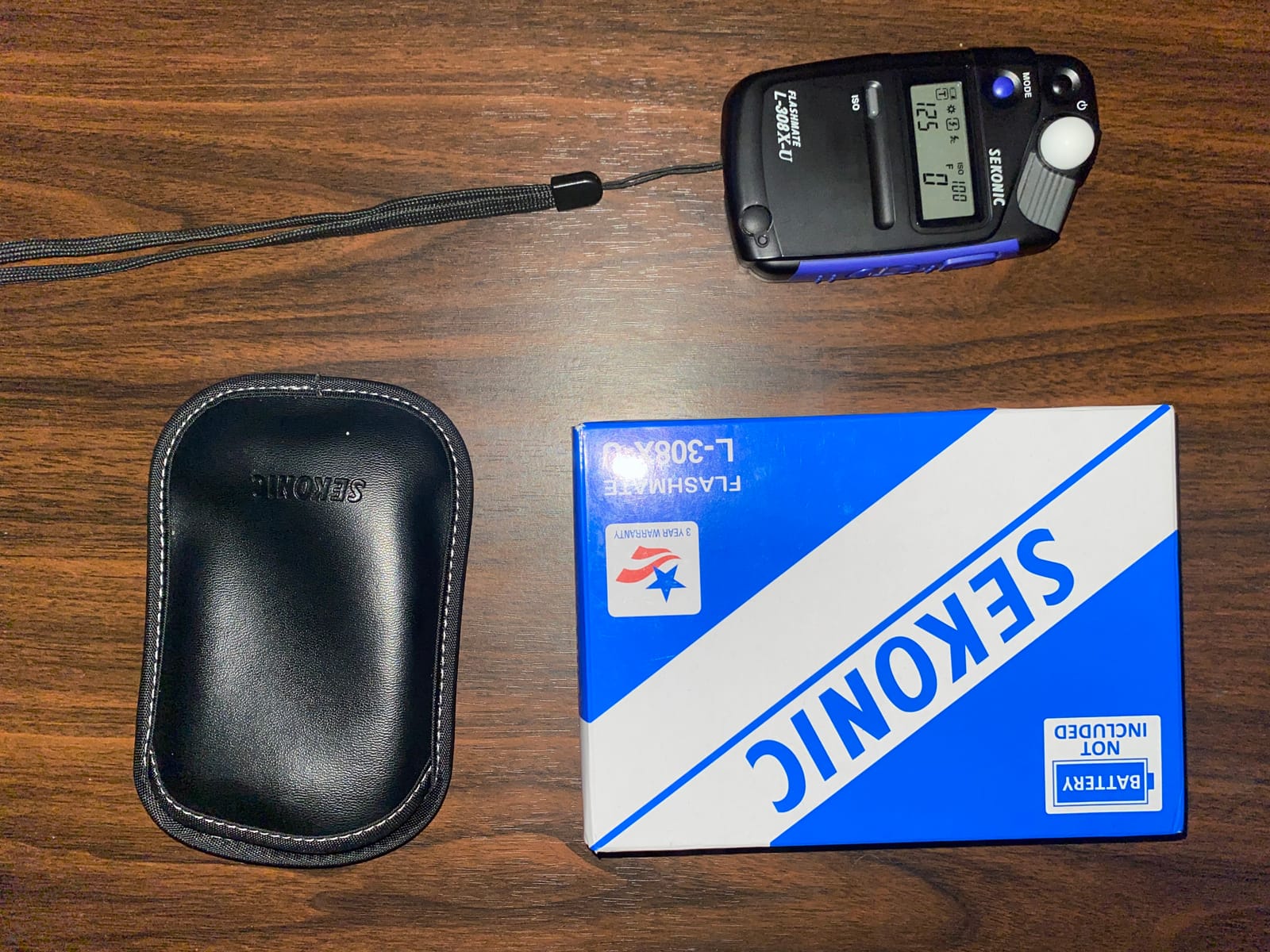
I have been carrying the Sekonic L-308X-U in my camera bag for over two years now, and it has become the meter I reach for most often. The pocket-sized form factor means I never leave it behind, and the LCD auto backlight makes readings easy in dim studio environments.
When working with a single key light and fill setup, I trust its incident readings to dial in f-stops within a tenth of a stop. The cord and cordless flash metering covers every studio strobe configuration I have encountered, from Paul C. Buff Einsteins to Profoto B1s triggered wirelessly.
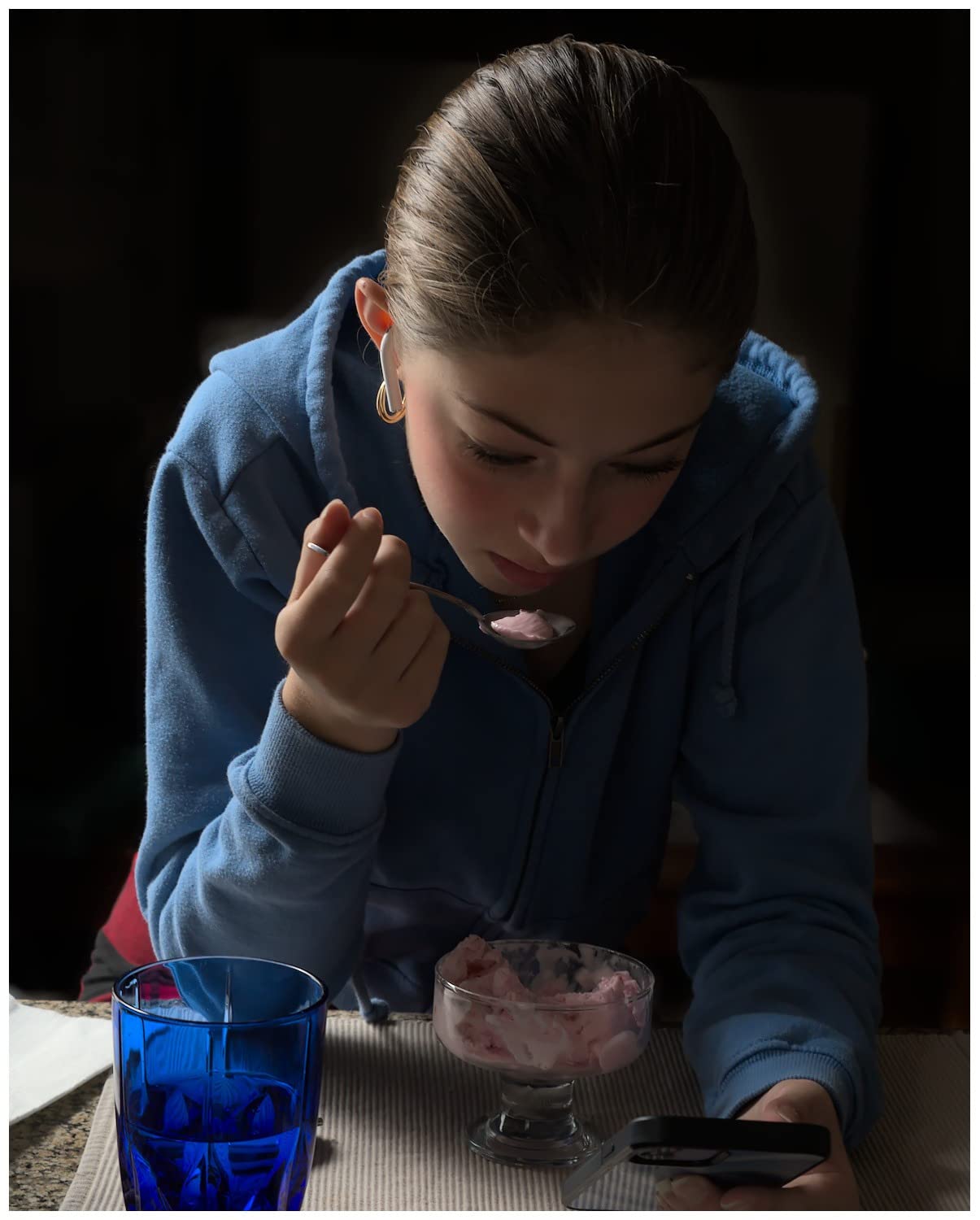
The Photo, Cine, and HD Cine modes handle the hybrid work I do when a session includes both stills and video. Switching between ambient and flash measurements takes two button presses, and the battery life on a pair of AAA batteries easily covers a full week of shoots.
Where it falls short is advanced features. There is no flash analyzing function and no radio triggering, so if you need flash-to-ambient ratios or wireless integration, you will want to step up to the L-478 series. For most studio photographers who want reliable, repeatable readings in a compact body, the L-308X delivers exceptional value.
Best for hybrid shooters
This meter is ideal for photographers who split time between stills and video and need one tool that handles both. The HD Cine mode with frame rate and shutter angle settings makes it useful for videographers who occasionally shoot stills.
If you travel frequently and need a meter that disappears into your kit bag, the L-308X is hard to beat. It is also a great first dedicated meter for photographers upgrading from in-camera metering.
Not ideal for high-volume commercial studios
Studios running multiple strobes simultaneously may miss the wireless triggering and flash analyzing capabilities of higher-end models. The lack of averaging memory means you must record each reading manually during fast-paced sessions.
If you primarily shoot tethered workflows with consistent setups, the touchscreen interface on the L-478 series will save you more time in the long run.
2. Sekonic LiteMaster Pro L-478D-U – Touchscreen Precision
Sekonic LiteMaster Pro L-478D-U Light Meter, Touchscreen Incident & Reflected Meter with Flash Analyzing, Cine Frame Rate & Shutter Angle Control, Illuminance & Luminance Measurement
Touchscreen
Flash analyzing
Cine frame rate
Illuminance and luminance
Pros
- Intuitive touchscreen interface
- Flash analyzing function
- Cine mode with frame rate
- Illuminance and luminance
- Optional reflected spot
- Clear color LCD
Cons
- Only 1 left in stock
- No built-in wireless triggering
The first time I held the Sekonic L-478D-U, the touchscreen interface felt like moving from a flip phone to a smartphone. After ten minutes of setup, I was dialing in studio strobes faster than I ever had with a button-driven meter.
The flash analyzing function is the killer feature for studio work. It calculates the ratio between multiple flash firings automatically, which is invaluable when balancing a key light with two hair lights or sculpting Rembrandt lighting on a portrait subject.

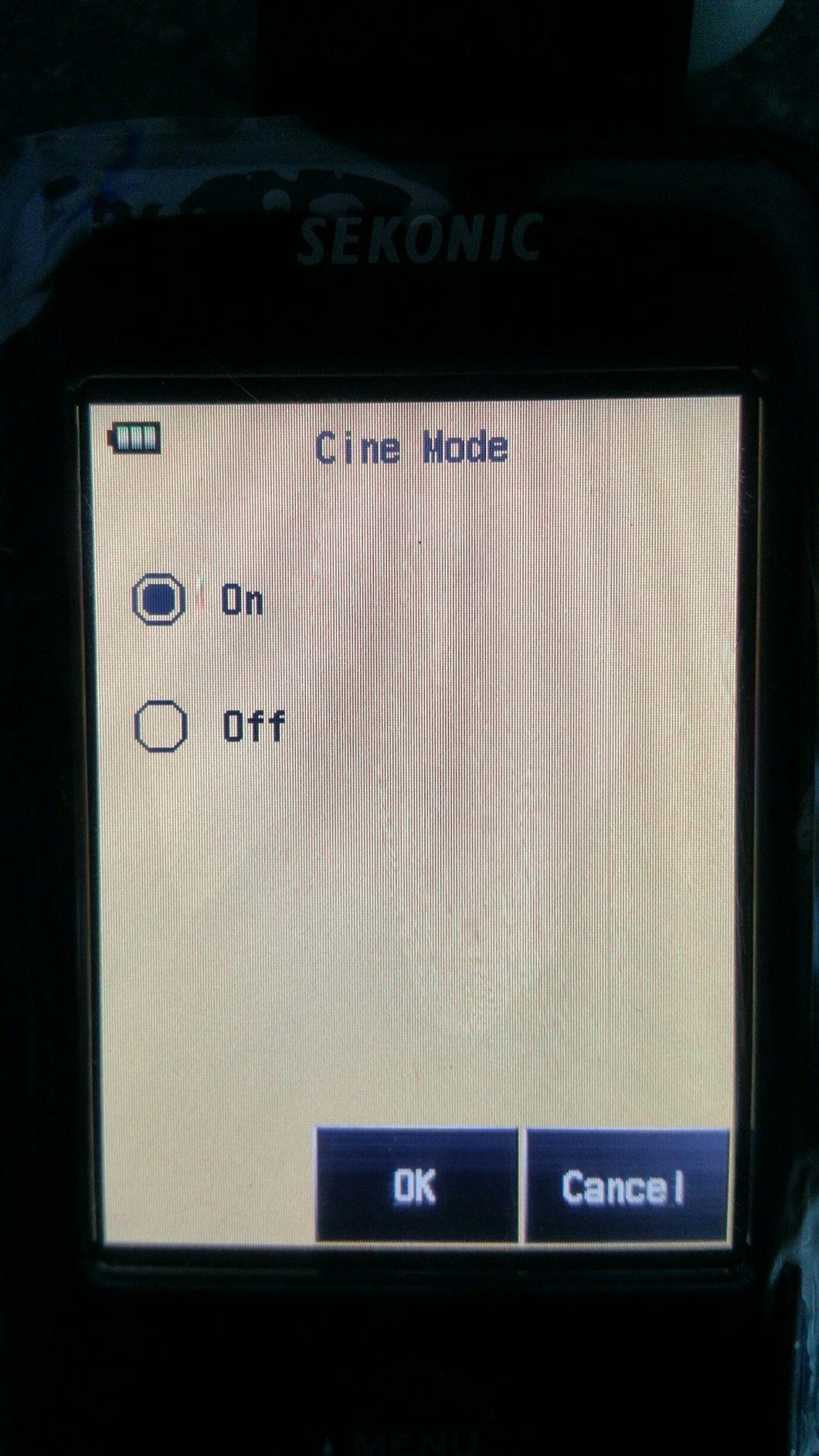
I use the cine mode constantly for hybrid shoots where the director wants both stills and 24fps video. The frame rate and shutter angle settings let me match my incident readings to the exact video exposure my cinematographer colleague needs.
The downside is availability. With only one left in stock at the time of writing, this meter is becoming harder to find. The lack of built-in wireless triggering also means it relies on optional modules or your existing triggering system to fire strobes for cordless flash metering.
Best for portrait and fashion studios
The flash analyzing capability makes this meter perfect for studios that light with multiple strobes and need precise ratios. Touchscreen controls speed up the iterative process of dialing in lighting ratios during a shoot.
If you split time between photo and video production, the cine frame rate and shutter angle controls save you from carrying two separate meters. The illuminance measurement also helps when setting up continuous LED panels for video-heavy shoots.
Not ideal for location photographers
If you primarily shoot on location rather than in a studio, the touchscreen can be harder to use in bright sunlight or cold weather with gloves. The L-308X or L-358 with physical buttons may serve location work better.
Photographers who only need basic incident and flash metering without ratio analysis can save money by going with a simpler model.
3. Sekonic L-858D-U Speedmaster – Professional Flagship
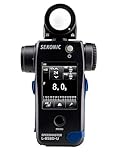
Sekonic L-858D-U Speedmaster Light Meter, Multi-Function Incident & 1∞ Spot Meter with Flash Duration Analysis, HSS Measurement & Wireless Radio Triggering Compatibility
1° spot viewfinder
Flash duration analysis
HSS measurement
Radio triggering
Pros
- Built-in 1° spot viewfinder
- Flash duration measurement HSS
- Wireless radio triggering
- Extended -5 to 22.9 EV range
- High-speed sync measurement
- Top-tier professional grade
Cons
- Premium price point
- Radio triggering requires optional module
When a magazine assignment demands that I freeze motion at 1/8000s with strobes, the Sekonic L-858D-U is the meter I trust. It measures flash duration at both t.1 and t.5, which is critical for understanding exactly how much light reaches the sensor during high-speed sync.
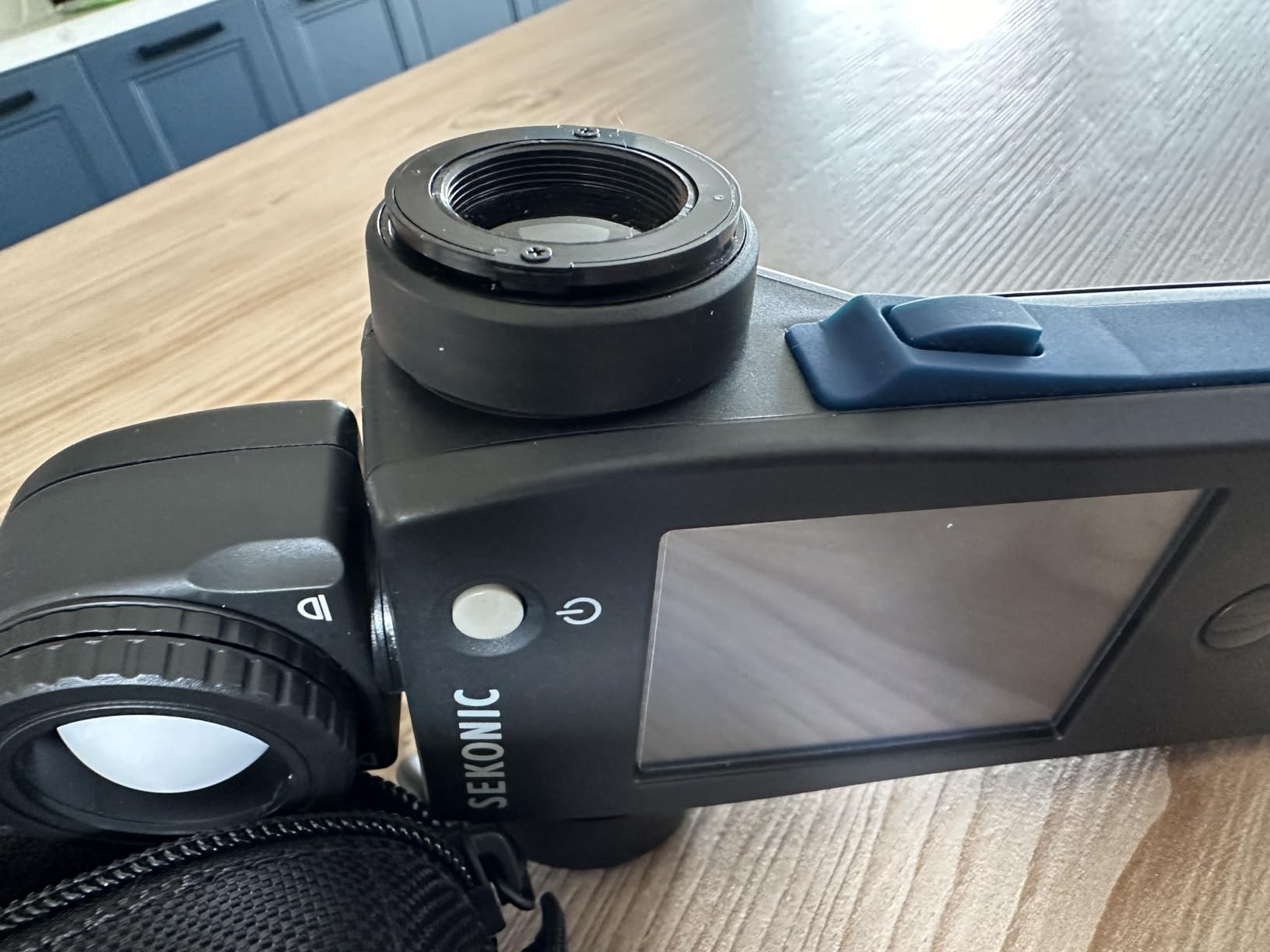
The built-in 1° spot viewfinder is a game-changer for studio work where you need to measure specific areas of a scene. I use it to check brightness ratios on highlights versus shadows without walking over to my subject with the incident dome.
HSS measurement matters more than ever now that Godox, Profoto, and Westcott all offer high-speed sync strobes. The L-858D can measure those brief flash pulses accurately, while lesser meters give readings that are off by a stop or more.
The radio triggering module is an additional purchase, but once added it controls Elinchrom, Godox, and Profoto systems directly. For photographers running mixed-brand studio setups, this single feature justifies the premium price.
Best for commercial and editorial studios
Photographers working on advertising campaigns, editorial fashion, or high-end product photography benefit most from the spot metering and HSS analysis. The extended EV range covers everything from black-flag setups to bright seamless backgrounds.
If you shoot tethered for client review and need repeatable, scientifically defensible exposure data, this meter provides documentation-grade readings. The optional radio module turns it into a complete studio control center.
Not ideal for hobbyist photographers
The premium price point puts this meter out of reach for most amateurs and weekend shooters. If you shoot occasional portraits in your home studio, the L-308X or L-478 will serve you better at a fraction of the cost.
The complexity of the interface also requires time investment. Beginners may find the menu system overwhelming until they have used it through several shoots.
4. Sekonic L-398A Studio Deluxe III – Battery-Free Analog Classic
Sekonic L-398A Studio Deluxe III Analog Light Meter, Battery-Free Incident & Reflected Ambient Meter with Amorphous Photocell, Swivel Head, Full Dial Readout for Photography & Cinematography
Battery-free
Amorphous photocell
Swivel head
Analog dial readout
Pros
- Battery-free operation
- Analog dial instant readings
- Swivel head positioning
- Durable construction
- Professional accessories included
- Long-standing reliable design
Cons
- No digital features or flash metering
- Requires ambient light to generate power
- Limited to ambient light only
There is something deeply satisfying about the Sekonic L-398A Studio Deluxe III. No batteries, no menu diving, no firmware updates. You point the lumisphere at your subject, the amorphous photocell harvests energy from the ambient light, and the analog dial gives you an instant reading.
For traditional studio portraiture under continuous tungsten or natural window light, this meter is still one of the best tools available. The included lumisphere, lumidisc, and lumigrid accessories cover every measurement scenario I have encountered in thirty years of studio work.
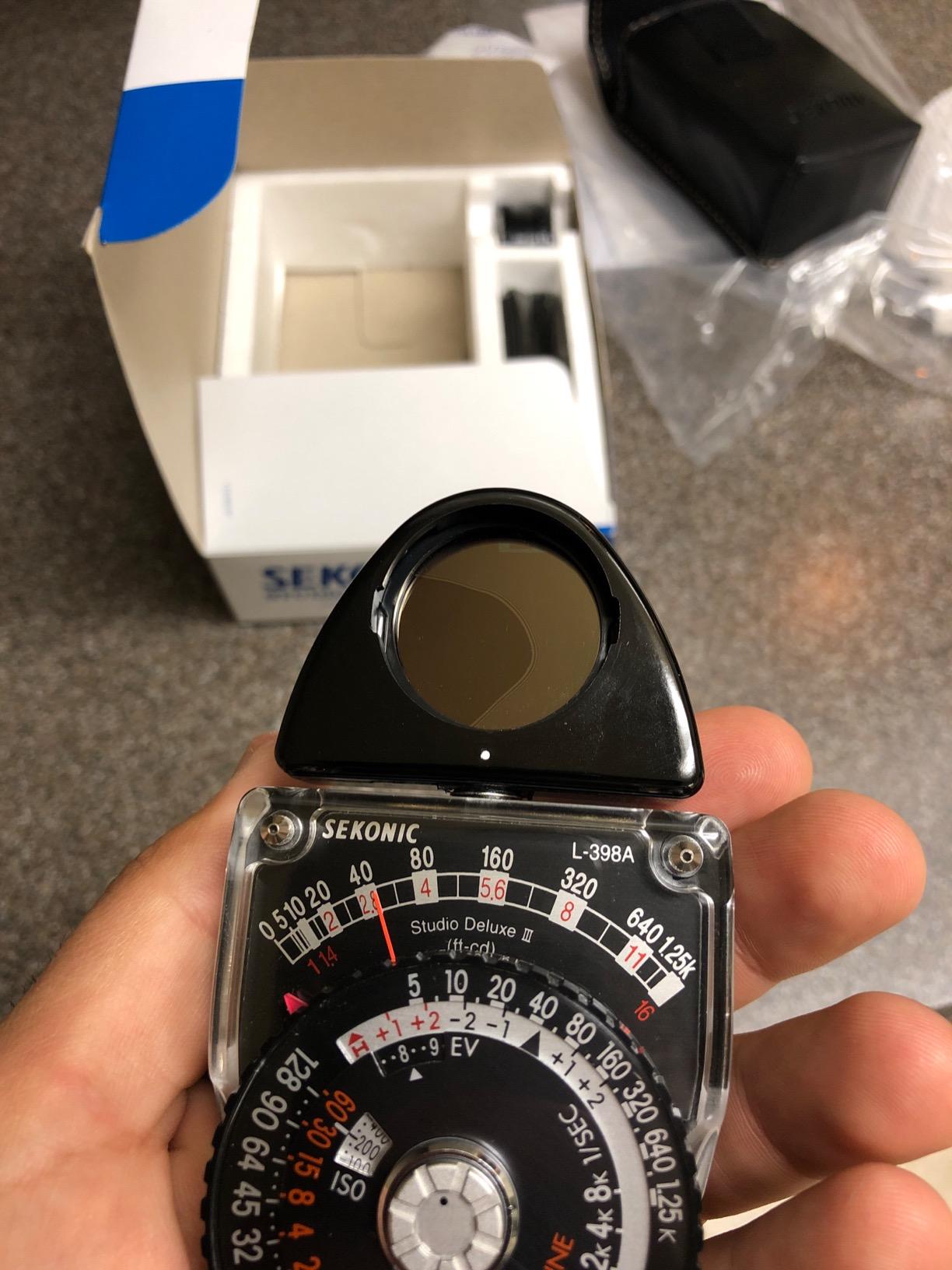
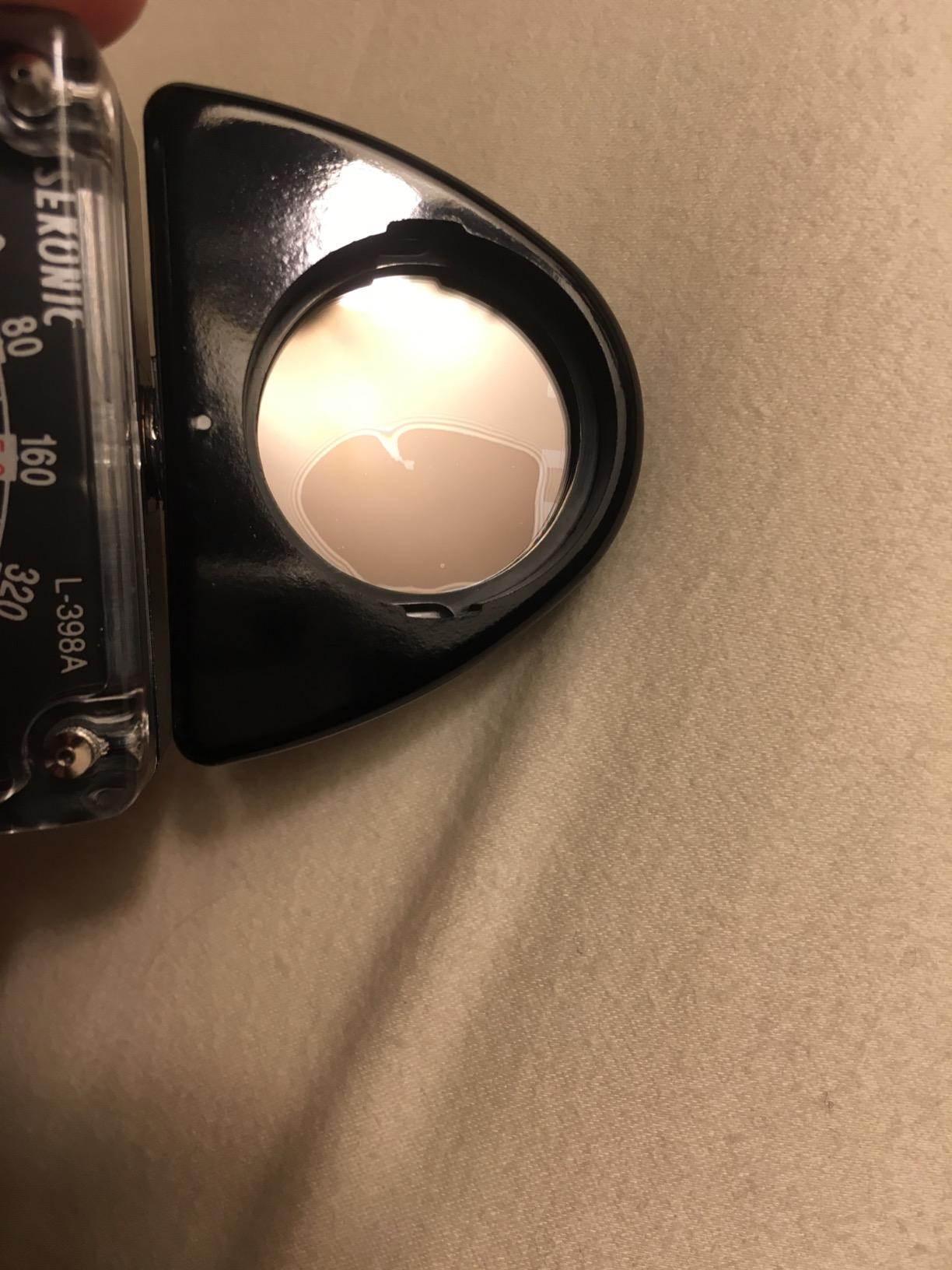
The swivel head design means I can hold the meter in one position while pointing the photocell at my subject from a different angle. This is especially useful when shooting product photography on a copy stand where the meter needs to read at the product plane rather than the camera position.
The trade-off is no flash metering. If your studio relies on strobes, you will need to either fire a test flash and calculate or add a separate flash meter. For ambient-only studios, however, this meter has been a workhorse since 2001.
Best for traditional ambient studios
Photographers shooting with continuous lighting, natural light studios, or those who appreciate the tactile experience of analog tools will love this meter. Battery-free operation means it never fails at the worst possible moment.
It also makes a great backup meter for any studio, since it works when every other electronic device has run out of power. The included accessories add real value compared to bare-bones competitors.
Not ideal for flash-heavy studios
If your studio uses strobes as the primary light source, this meter alone is not enough. The lack of flash measurement means you cannot meter strobe output directly, which is the foundation of consistent studio flash work.
Photographers who prefer digital readouts and cine/video frame rates will not find what they need here. Consider this meter as either a primary ambient meter or a backup rather than your sole tool.
5. Sekonic L-358 Flash Master – Weather-Sealed Workhorse

Sekonic L-358 Flash Master Light Meter
SVGA LED screen
Dust/splash-proof
9 memory readings
Optional RT-32 module
Pros
- Accurate to tenth-of-a-stop
- SVGA LED backlit screen
- Dust-proof and splash-proof
- Up to 9 memory readings
- Optional RT-32 radio transmitter
- Flash-to-ambient ratio display
Cons
- Only 1 left in stock
- Uses CR123 battery
- Changing incident/reflected requires disassembly
The Sekonic L-358 is the meter I grab when I am worried about the environment. The dust-proof and splash-proof construction (JIS Class 4) means it handles the occasional spilled drink or dust storm during a location shoot, even though it is primarily designed for studio use.
The SVGA LED backlit screen with auto rotate is one of the best displays I have seen on any handheld meter. Readings are crisp and readable from any angle, which matters when you are hunched over a copy stand or balancing a meter on a tripod arm.
The nine memory readings for averaging are invaluable when measuring complex lighting setups. I take readings at the subject, the background, and the hair light, then average them to find an exposure that works across the entire frame.
The CR123 battery is the biggest downside. They are more expensive than standard AA batteries and harder to find in a pinch. The mechanical disassembly required to switch between incident and reflected modes is also clunky compared to rotating heads on other models.
Best for studios with environmental concerns
If your studio is in a humid location, near a beach, or just tends to attract dust, the weather sealing protects your investment. The screen quality also makes this meter ideal for older photographers who want the largest, clearest display possible.
The optional RT-32 radio transmitter module makes this meter a complete studio controller for older Elinchrom and similar systems. Photographers who already own compatible triggering gear should consider this option.
Not ideal for photographers on a tight budget
The CR123 battery cost adds up over years of use, making this meter more expensive to operate than AA-powered alternatives. Studios shooting every day should factor replacement battery costs into the total ownership equation.
If you rarely shoot in harsh environments, the weather sealing adds cost without benefit. A simpler meter like the L-308X will handle most indoor studio work at a lower price.
6. Sekonic C-800-U Spectrometer – Color Science Powerhouse

Sekonic C-800-U Spectrometer, Full-Spectrum Color Meter with SSI, TM-30, CRI & TLCI, 380ñ780nm CMOS Sensor, 4.3″ Touchscreen, 1,600ñ40,000K Range for LED, HMI, Fluorescent & Flash
Full-spectrum 380-780nm
CRI/TLCI/TM-30/SSI
4.3 inch touchscreen
1600-40000K range
Pros
- Full-spectrum 380-780nm CMOS sensor
- Comprehensive color metrics CRI TLCI TM-30 SSI
- Wide CCT range 1600-40000K
- 270-degree swivel head
- 4.3 inch color touchscreen
- Dark calibration without cap
Cons
- High price point
- Heavy reliance on touchscreen
- Limited battery life
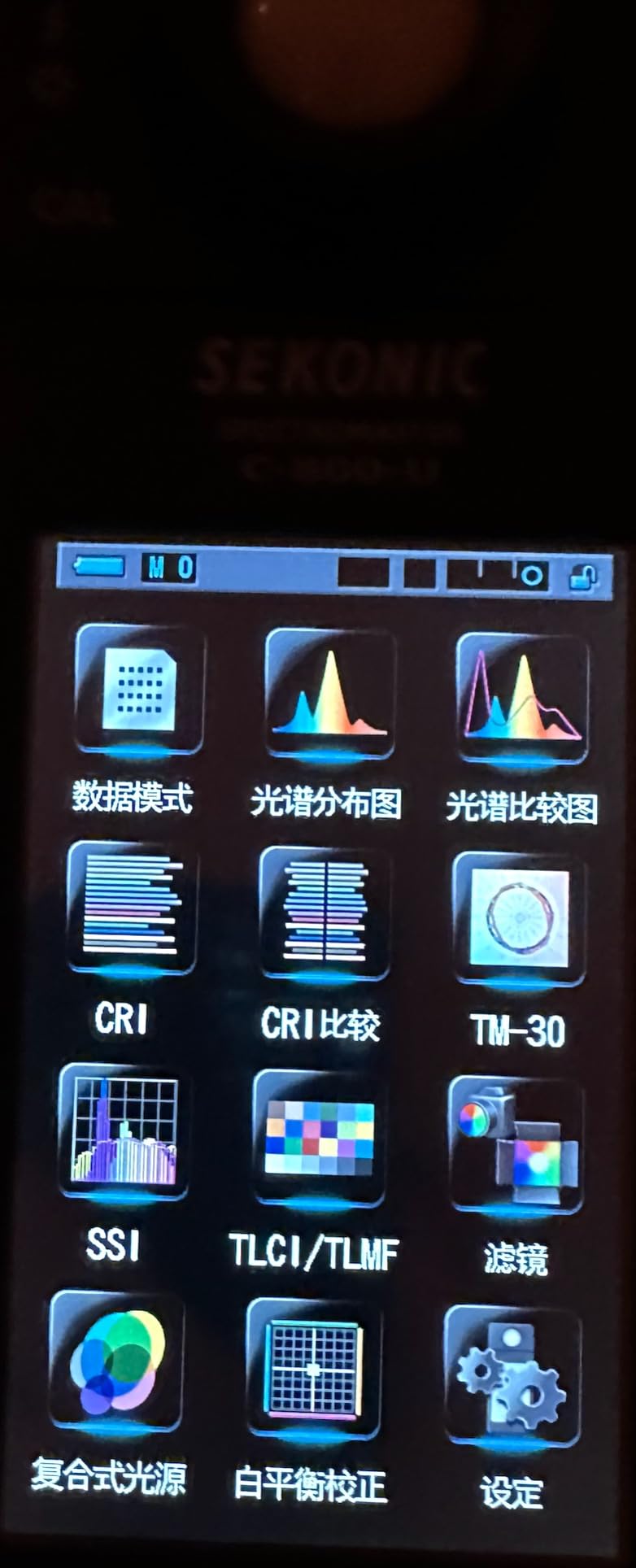
The Sekonic C-800-U is not just a light meter, it is a complete color analysis tool. The full-spectrum 380-780nm CMOS sensor measures CRI, TLCI, TLMF, TM-30-18, and SSI scores in a single reading, which is exactly what modern studios with mixed LED and tungsten sources need.
When I am matching new LED panels to existing HMI lights, this spectrometer tells me exactly how the colors will render before I commit to a setup. The 1,600 to 40,000K range covers every light source from candlelight to bright daylight-balanced strobes.
The 4.3-inch touchscreen makes navigating color metrics intuitive, and the dark calibration without a cap saves time during busy shoots. The 270-degree swivel head matches the orientation of the light source precisely.
The cost is substantial, and the touchscreen-only interface means dead batteries leave you with no meter at all. For studios that need both exposure and color analysis, however, this single device replaces several tools.
Best for video and hybrid studios
Cinematographers and videographers who need to deliver broadcast-ready color accuracy will find this meter essential. The TLCI and SSI scores align with industry standards for evaluating light quality.
If you shoot product photography for clients who demand color-critical reproduction, the spectrometer capabilities help you choose and validate light sources that render fabrics, foods, and skin tones accurately.
Not ideal for still-only photographers
If you only shoot stills and do not need color metrics beyond basic exposure, you are paying for features you will never use. The L-308X or L-478D-U will handle traditional studio work more affordably.
The premium price point also puts this meter out of reach for most amateur studios. Consider it a professional tool for working colorists and cinematographers.
7. Datacolor LightColor Meter – Bluetooth Streaming Solution

Datacolor LightColor Meter – Light & Color Temperature Meter, Bluetooth
Bluetooth 4.0 LE
Real-time streaming
Multi-meter support
40-hour battery
Pros
- Bluetooth connectivity
- Mobile app integration
- Multi-meter support up to 80 ft
- Compact and drop-resistant
- Measures all lighting types
- 40 hours battery life
Cons
- Requires smartphone for display
- Lower rating at 3.9
- Limited to 1600K-20000K
The Datacolor LightColor Meter caught my attention because it streams real-time data to a mobile app. During a recent commercial product shoot, I walked around the set with my iPad and watched the meter readings change as I moved my key light.
Bluetooth connectivity is genuinely useful when you want to see measurements without having to walk back to the meter after every adjustment. The 80-foot range covers most studio setups, and supporting multiple meters means you can monitor key, fill, and background simultaneously.
The 40-hour battery life on two AAA batteries is impressive, and the drop-resistant build quality holds up to the daily abuse of studio work. Color temperature and green-magenta (DUV) readings make it useful for matching mixed light sources.
The requirement to use a smartphone or tablet for the display is a deal-breaker for some photographers. The 3.9 rating reflects mixed user experiences, and the color temperature range tops out at 20,000K, which is lower than dedicated spectrometers.
Best for tech-forward studios
If you already use tablets and smartphones to control your studio workflow, this meter integrates seamlessly with existing tools. Photographers who want to share readings with assistants in real-time will appreciate the multi-meter support.
Studios shooting video with continuous LED panels benefit from the color temperature and DUV readings. The app interface lets you record and compare measurements without writing anything down.
Not ideal for traditional photographers
If you prefer a dedicated handheld display that works without a phone, this meter will frustrate you. Dead phone battery means no meter at all, which is a risk in busy production environments.
The lower rating compared to Sekonic alternatives suggests reliability concerns. For critical professional work, a dedicated meter with its own display is the safer choice.
8. LightMate AirPro – Retro Reflective Meter for Film Shooters
LightMate AirPro Light Meter Photography, 35° Wide-Angle Reflective Digital Exposure Meter, Rechargeable 20H Battery Life, 3 Dials Retro Exposure Indicator, for Leica & Other Film Cameras, Black Metal
35-degree reflective angle
20-hour battery
Three retro dials
Metal body
Pros
- Wide 35-degree reflective angle
- Multiple shooting modes A/S/M/EV
- Three independent dials
- Durable full metal shell
- 20+ hour battery life
- Half-stop and third-stop options
Cons
- Limited ISO range 1-3200
- Lower review count
- No ambient flash metering mode
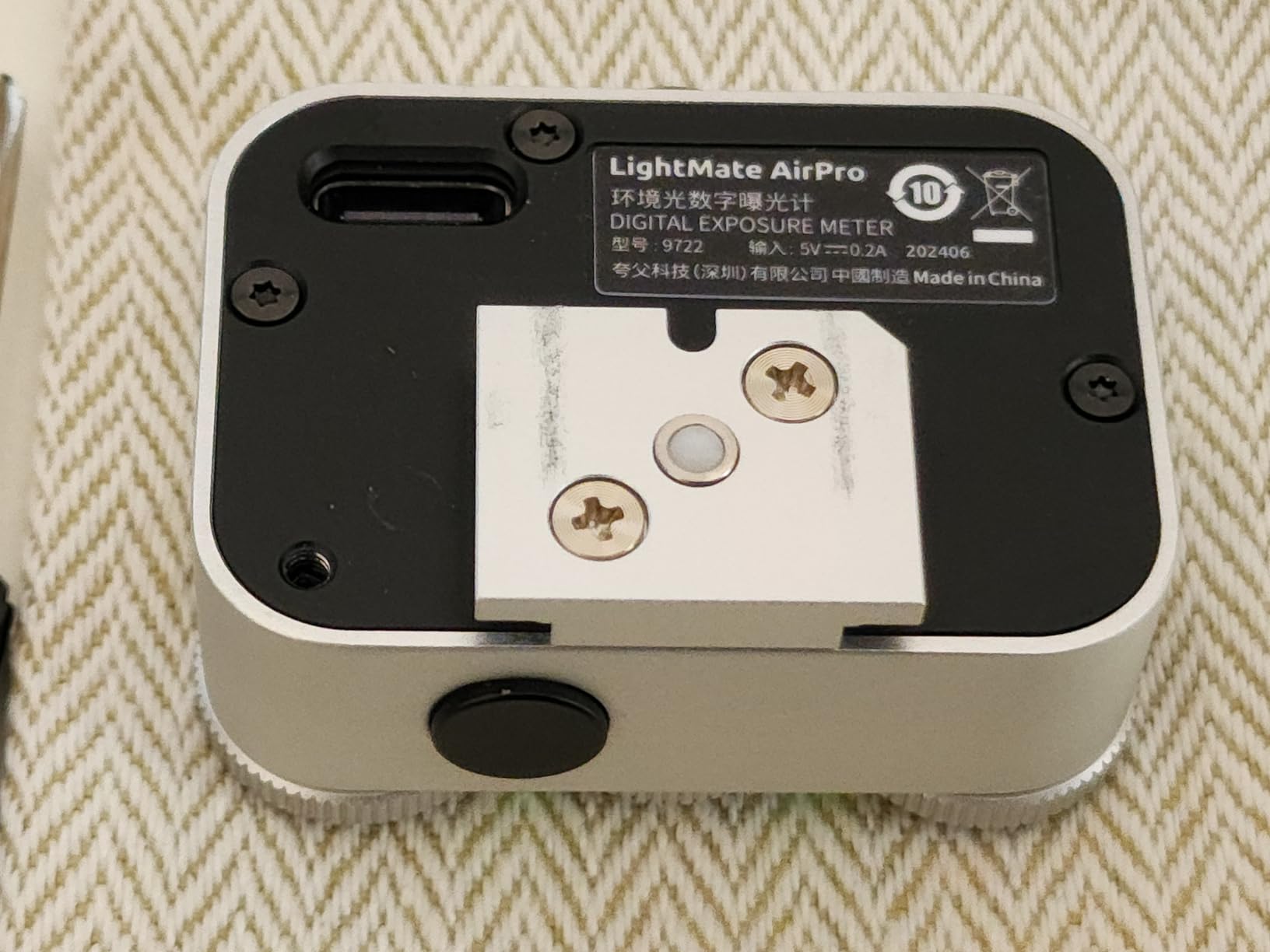
The LightMate AirPro has a charm that reminded me of my father’s old Pentax spot meter. The three retro dials with tactile feedback are a refreshing change from touchscreen menus, and the metal body feels substantial in the hand.
The 35-degree reflective metering angle is wider than a traditional 1-degree spot meter but narrower than a typical in-camera meter. This makes it ideal for film photographers using Leica M-series cameras or other rangefinders that lack built-in metering.
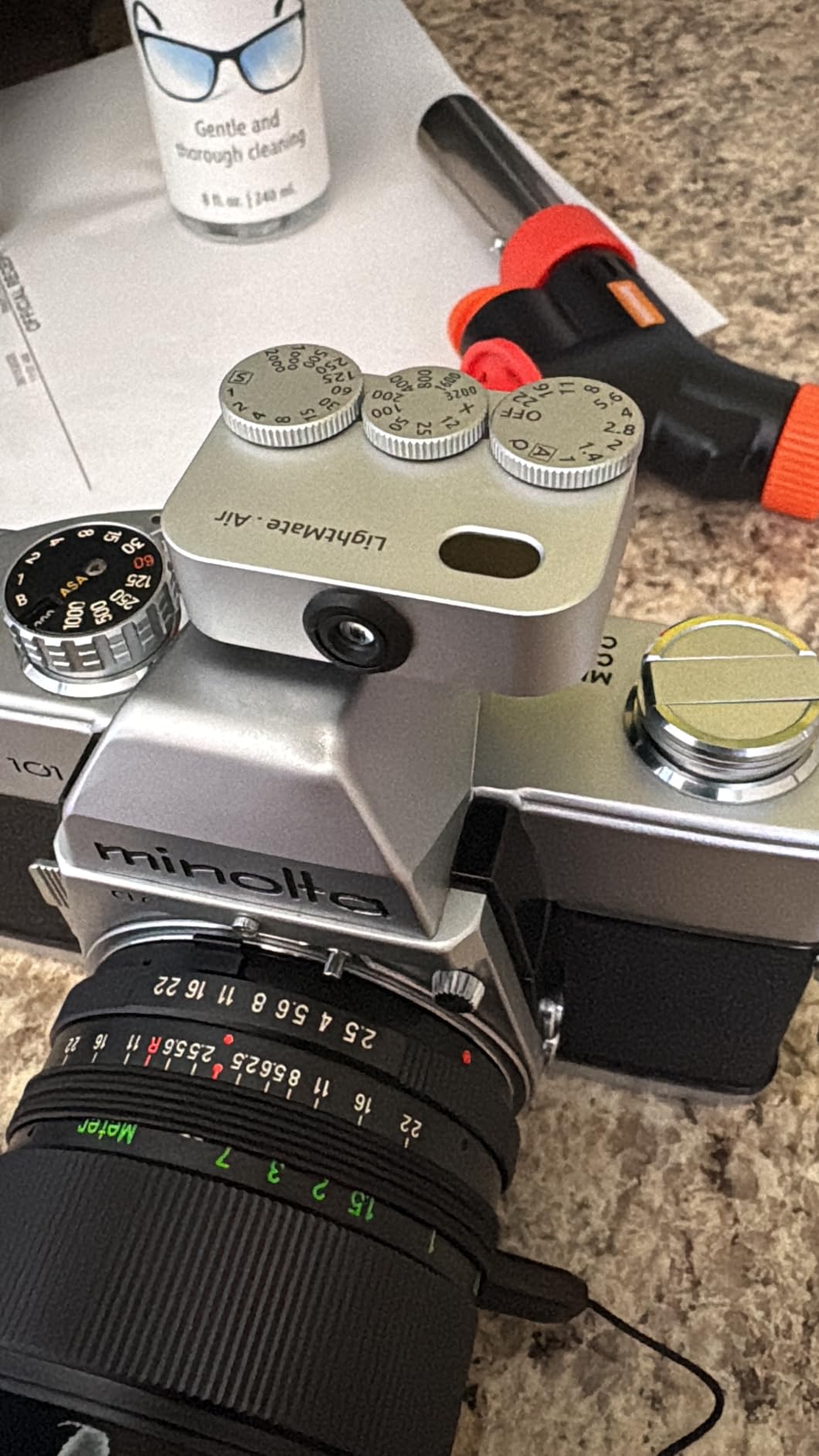
The 20-hour rechargeable battery is genuinely impressive. I have charged this meter once a week during heavy use, and the USB-C charging is convenient compared to battery swaps.
The ISO range tops out at 3,200, which limits its usefulness for high-ISO digital work. There is also no flash metering mode, so studio strobe users will need a different solution for flash exposures.
Best for film photographers
If you shoot medium format film, large format, or rangefinder cameras without built-in meters, this is an affordable dedicated metering solution. The retro design appeals to photographers who appreciate classic tools.
The half-stop and third-stop adjustments match the precision of mechanical camera controls. Battery life is a major plus for travel photographers who cannot recharge frequently.
Not ideal for digital studio strobe work
The lack of flash metering means you cannot measure strobe output directly. Digital photographers working at high ISO will find the 3,200 limit restrictive.
The 42-review count suggests this is a newer product with less long-term reliability data. For critical professional work, an established Sekonic model may be the safer bet.
9. BTMETER BT-881D – Budget Illuminance Specialist
BTMETER BT-881D Digital Illuminance Light Meter with 270º Rotated Sensor
0.01-400000 lux range
270-degree sensor
33 readings storage
RELATIVE mode
Pros
- Wide 0.01-400000 Lux range
- 270-degree rotatable sensor
- Fast 0.4 second response
- Stores 33 readings
- RELATIVE mode comparison
- High accuracy +/- 4 percent
Cons
- No Bluetooth or data export
- Basic LCD display
- Requires manual data recording
The BTMETER BT-881D surprised me with its sheer measurement range. Going from 0.01 Lux up to 400,000 Lux means this meter handles everything from candlelit scenes to bright studio strobes and outdoor sunlight.
The 270-degree rotatable sensor is a thoughtful design touch. I can position the sensor toward the light source while reading the display from a comfortable angle, which is useful when measuring overhead lights or bounce reflections.
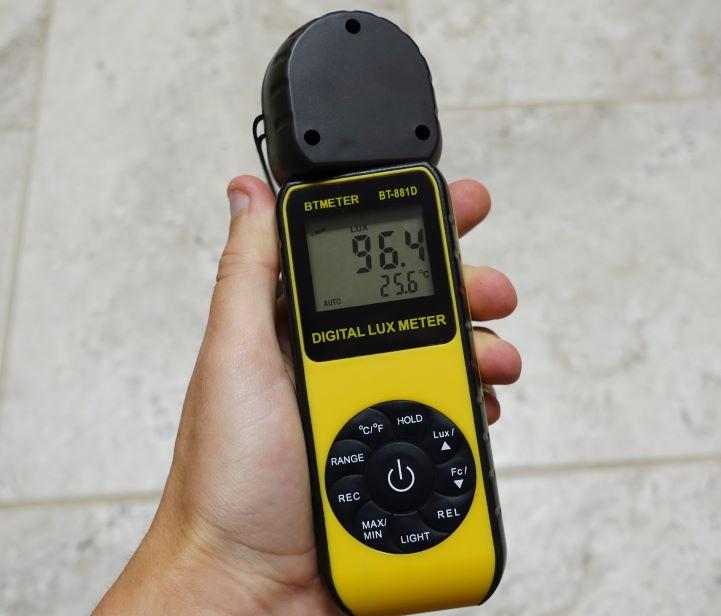
The 33 readings storage and RELATIVE mode let me compare current readings against recorded baselines. This is helpful when setting up consistent lighting across multiple shoot days or matching exposures between setups.
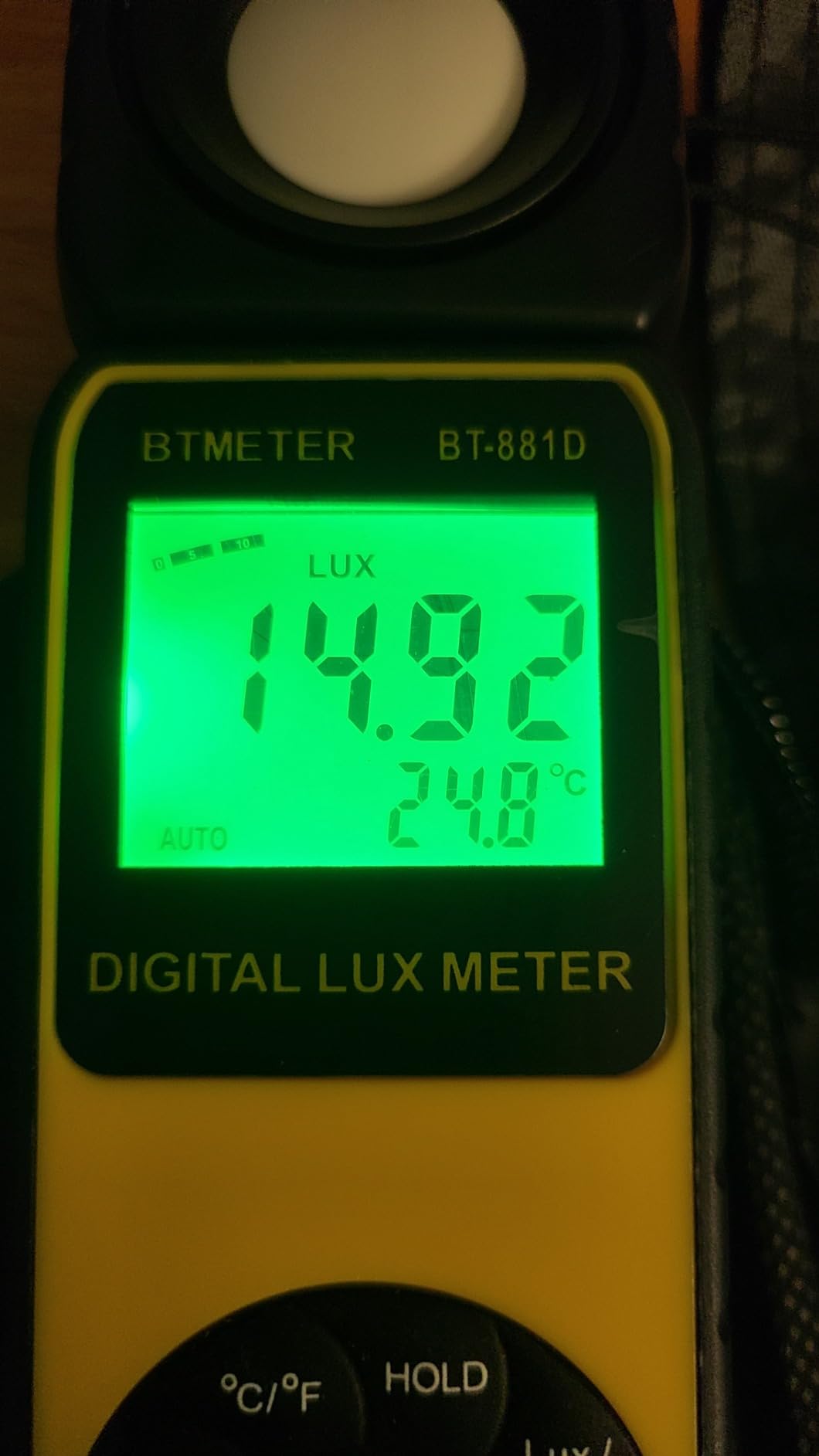
The basic LCD lacks the clarity of higher-end meters, and there is no Bluetooth or data export. You will need to manually note readings or photograph the display if you want to keep records.
Best for budget-conscious studios
If you need accurate lux measurements without spending hundreds of dollars, this meter delivers surprising capability. The 524-review count suggests long-term reliability that newer products cannot match.
Plant grow light photographers and lighting designers will appreciate the wide range. Anyone setting up consistent lighting for video or photo studios can use this as a baseline verification tool.
Not ideal for flash photography
This meter measures continuous light only and cannot meter flash pulses. Photographers whose primary work involves strobes need a dedicated flash meter like the Sekonic L-308X.
The basic display is harder to read in dim conditions compared to backlit Sekonic screens. For serious studio use, the readability difference matters during long sessions.
10. UNI-T UT383 – Ultra-Affordable Lux Meter

UNI-T UT383 Light Meter Digital Illuminance Meter Lux Meter
0-199900 lux range
4-digit LCD
Compact design
Auto shutdown
Pros
- Excellent value
- Wide range up to 199900 Lux
- High accuracy +/- 4 percent plus 8 digits
- Compact and portable
- Backlit LCD display
- Max/Min and Data hold functions
- Auto shutdown
Cons
- No data logging or Bluetooth
- Slower 0.5 second sampling
- Limited to basic Lux/FC only
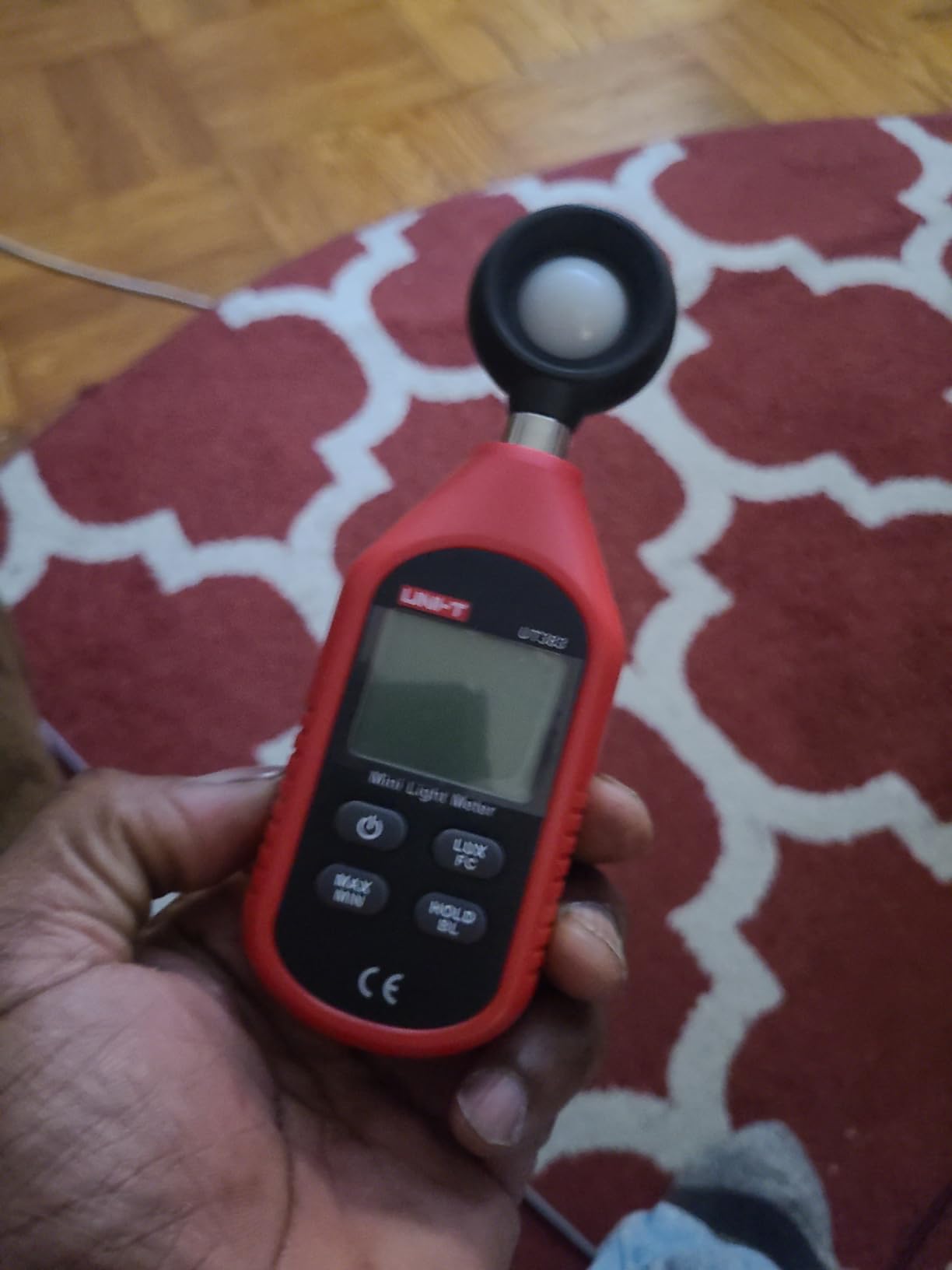
The UNI-T UT383 is the meter I recommend to anyone asking where to start with light measurement on a budget. At a budget-friendly price point, it provides genuinely accurate lux and foot candle readings for studio setup and verification.
The 4.7 rating from 219 reviews tells you this meter punches well above its weight class. Photographers setting up continuous LED lighting benefit from quick, accurate readings without investing in expensive dedicated photography meters.
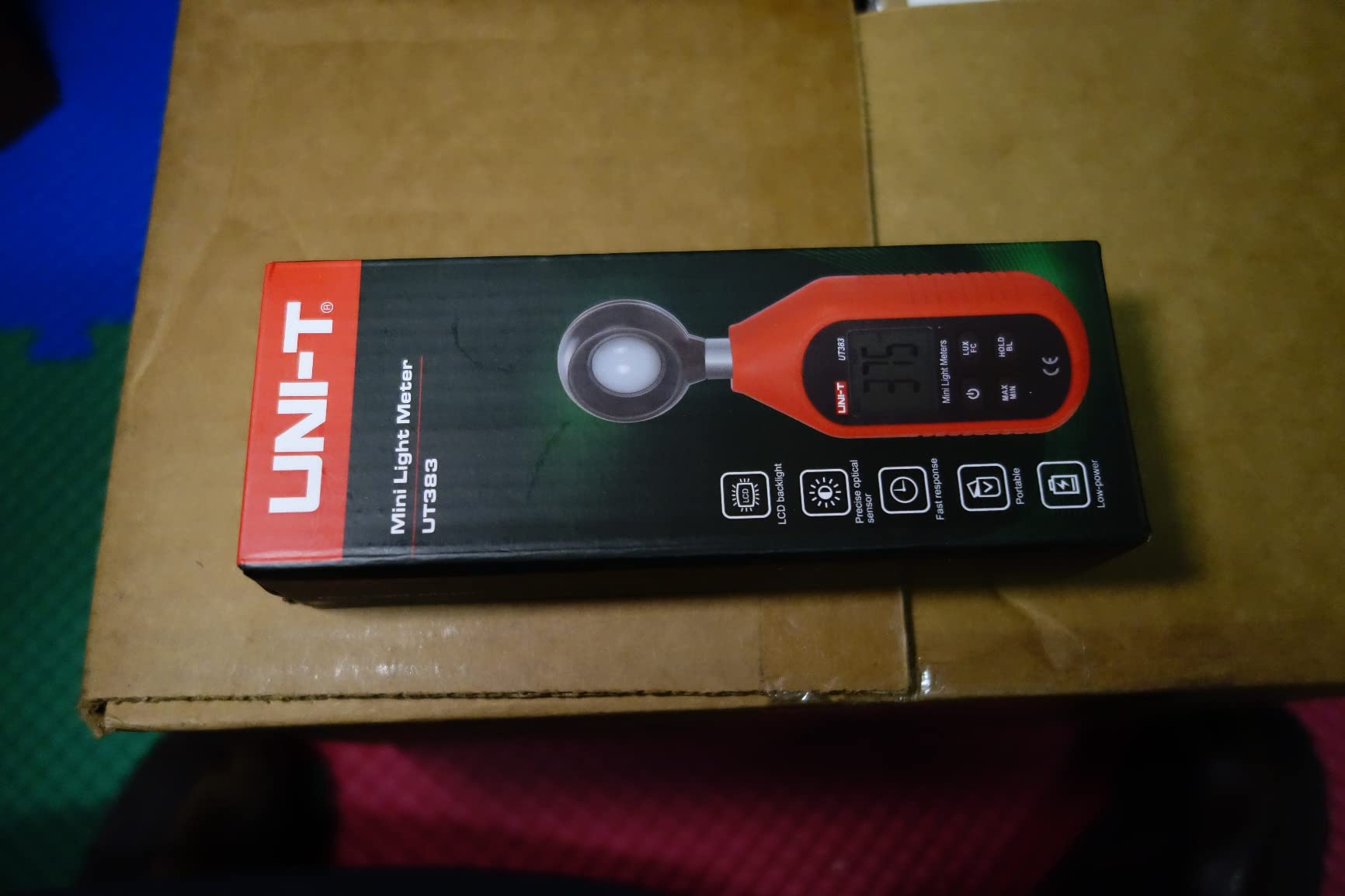
The backlit LCD, data hold function, and max/min tracking cover the basic needs of studio setup. Auto shutdown preserves battery life, and the compact form factor slips into any camera bag pocket.
The 0.5-second sampling time is slower than premium meters, and there is no data logging or Bluetooth. For serious flash photography work, you will need to upgrade to a Sekonic or similar dedicated meter.
Best for beginners and secondary verification
If you are just starting to take light measurement seriously, this meter lets you learn without a major financial commitment. The accuracy is sufficient for most studio setup verification tasks.
Experienced photographers use budget meters like this as backup verification tools alongside their primary meters. Having two independent readings helps catch calibration drift in your main meter.
Not ideal for professional flash work
This meter cannot measure flash output, which is a fundamental requirement for studio strobe photography. If you shoot primarily with strobes, this is at best a secondary tool.
The slower sampling time and lack of advanced features make it unsuitable for high-volume commercial work. Consider it a learning tool or backup rather than a primary professional meter.
How to Choose the Best Handheld Light Meter for Studio Work?
Choosing the right handheld light meter for studio work comes down to understanding your lighting setup, shooting style, and budget. The most important decision is whether you need flash metering, and almost every studio photographer does.
Flash versus ambient capability
Studio strobes fire pulses measured in thousandths of a second, and only dedicated flash meters can measure them accurately. If your studio uses strobes as primary or secondary light sources, you need a meter that supports cord, cordless, or wireless flash triggering.
Sekonic dominates this category because of its decades of experience with flash triggering compatibility. The L-308X and L-478D cover most studio needs, while the L-858D adds high-speed sync measurement for advanced work.
Incident versus reflected measurement
Incident meters measure light falling on the subject using a white dome, while reflected meters measure light bouncing off the subject through a viewfinder. Studio photographers overwhelmingly prefer incident metering because it eliminates the influence of subject reflectance.
For complex lighting setups, a meter with both modes offers flexibility. The Sekonic L-478D and L-858D provide incident as standard with optional spot attachments for reflected work.
Connectivity and workflow integration
Wireless radio triggering, Bluetooth streaming, and USB connectivity matter more in 2026 than they did five years ago. Studios shooting tethered or running mixed-brand strobe systems benefit from meters that integrate with their existing triggering solutions.
If you already own Profoto, Godox, Elinchrom, or similar wireless systems, look for a meter with compatible triggering modules. The L-858D with its optional radio module is the gold standard for multi-brand studios.
Build quality and durability
Studio meters take a beating. They get dropped, spilled on, and exposed to dust and humidity. Look for meters with solid construction, weather sealing if your environment demands it, and replaceable batteries.
Sekonic meters are built to last decades. Many working photographers still use L-398A models that are twenty years old, which speaks to the long-term value of investing in quality construction.
Frequently Asked Questions About Handheld Light Meters for Studio Work
What light meter do professional studio photographers use?
Most professional studio photographers use Sekonic light meters, with the L-308X, L-478D, and L-858D being the most popular models. Sekonic dominates the professional market because of accurate flash metering, durable construction, and compatibility with major strobe triggering systems. The L-398A remains popular among traditional photographers who prefer battery-free analog operation.
How accurate are handheld light meters for studio photography?
Quality handheld light meters like those from Sekonic are accurate to within a tenth of a stop, which exceeds the precision of any camera meter or histogram. This accuracy translates directly to consistent exposures across an entire shoot, even when lighting conditions change between setups. For professional studio work, this precision is essential for matching shots across multiple sessions or printing large formats with consistent tonal reproduction.
Do I really need a handheld light meter for studio photography?
Yes, if you shoot with strobes, a handheld light meter is essential because camera meters cannot measure flash output accurately. Even with histogram review, you will waste time and battery power on test shots that a dedicated meter eliminates. Studio photographers who meter once before each setup consistently produce more accurate exposures than those relying on test shots and review.
Which Sekonic light meter is best for studio use?
The Sekonic L-478D-U offers the best balance of features and value for most studio photographers, with touchscreen controls, flash analyzing, and cine frame rate support. For hybrid photo and video studios, the L-858D-U adds HSS measurement and spot metering for professional-level work. Beginners or photographers on a budget should start with the L-308X-U Flashmate for its compact size and reliable performance.
Can handheld light meters measure LED continuous lighting?
Yes, modern handheld light meters measure LED continuous lighting accurately using their ambient metering modes. The Sekonic C-800-U spectrometer goes further by measuring color metrics including CRI, TLCI, and SSI scores for color-critical video work. For studios using mixed LED and strobe setups, look for meters that handle both seamlessly without mode switching confusion.
Final Verdict on the Best Handheld Light Meters for Studio Work
After testing these ten options across portrait, product, and commercial shoots, the Sekonic L-308X-U Flashmate remains my top recommendation for the best handheld light meters for studio work. Its pocket-sized design, accurate flash metering, and reasonable price point make it the right tool for most studio photographers.
Studios running high-end commercial or editorial work should step up to the L-858D-U Speedmaster for its HSS measurement and 1-degree spot viewfinder. Video-focused studios will find the C-800-U spectrometer invaluable for color-critical work, while traditional ambient studios will appreciate the battery-free reliability of the L-398A Studio Deluxe III.
The key takeaway is that any dedicated handheld light meter dramatically improves studio consistency compared to camera metering. Pick the one that matches your lighting setup and budget, and you will see immediate improvements in your exposure accuracy and workflow efficiency throughout 2026 and beyond.