
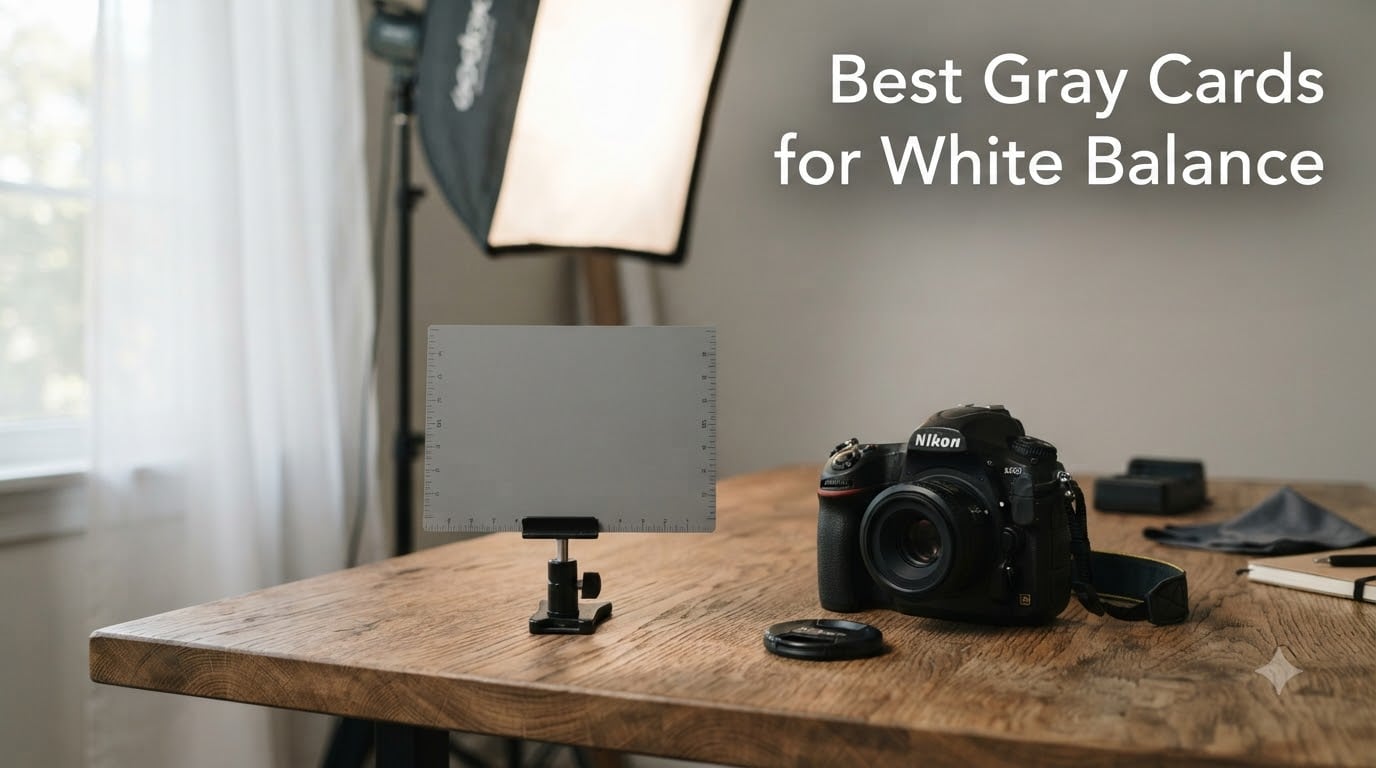
I have spent more weekends than I would like to admit fighting odd color casts in my photos. The fix turned out to be simple: a neutral gray card. After testing eight different options in our studio and on real outdoor shoots, I picked the eight best gray cards for white balance that actually deliver consistent, accurate color in 2026.
A gray card is a neutral reference tool that reflects all wavelengths of light equally. When you photograph it under your shooting lighting, your camera or editing software can lock onto that neutral point and remove unwanted color casts. The right card eliminates hours of guessing at sliders in Lightroom.
This guide covers our top picks for the best gray cards for white balance, a quick-start on how to use one, and a buying guide based on real testing. Whether you shoot portraits, products, or video, there is a card below that will fit your kit and your budget.
Table of Contents
Top 3 Picks for Best Gray Cards for White Balance (September 2026)

Lightdow 12 x 12 Inch Foldable Gray Card
- Foldable 18% gray
- Carry bag included
- Double-sided gray/white
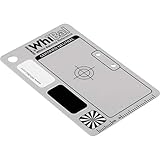
WhiBal G7 Certified Pocket Card
- Spectrometer certified
- Lightroom and Photoshop ready
- Waterproof and scratch-proof

Anwenk Credit Card Sized Gray Card Set
- Pocket-sized 3-pack
- Lanyard included
- Waterproof acrylic
Best Gray Cards for White Balance in 2026
| Product | Specifications | Action |
|---|---|---|
| Lightdow 12 x 12 Inch Foldable Gray Card |
|
Check Latest Price |
 Macolink 3.35 x 2.2 Inch Gray Card Set Macolink 3.35 x 2.2 Inch Gray Card Set |
|
Check Latest Price |
| Anwenk Credit Card Sized Gray Card Set |
|
Check Latest Price |
 Anwenk Large 5.3 x 7.28 Inch Gray Card Set Anwenk Large 5.3 x 7.28 Inch Gray Card Set |
|
Check Latest Price |
 JJC 10×8 Inch PVC Gray Card Set JJC 10×8 Inch PVC Gray Card Set |
|
Check Latest Price |
 Neewer 8 x 10 Inch 2 Card Set Neewer 8 x 10 Inch 2 Card Set |
|
Check Latest Price |
| WhiBal G7 Certified Pocket Card |
|
Check Latest Price |
 Datacolor SpyderCheckr 24 Color Target Datacolor SpyderCheckr 24 Color Target |
|
Check Latest Price |
1. Lightdow 12 x 12 Inch Foldable Gray Card – Best Overall Foldable
Lightdow 12 x 12 Inch (30 x 30 cm) White Balance 18% Gray Reference Reflector Grey Card with Carry Bag [Folded Version]
12x12 inch foldable
18% gray reflectance
Double-sided gray/white
Pros
- Foldable pop-up design
- Accurate 18% gray reference
- Includes carry bag
- Durable wire frame construction
- Water-resistant nylon shell
Cons
- Folding it back takes practice
- A few wrinkles can form over time
The Lightdow 12×12 inch foldable card was the workhorse of my testing kit. I tossed it into my camera bag, walked it through three outdoor portrait shoots, and it kept delivering clean, repeatable white balance readings on my Canon R6.
The gray side reflects 17.8% with under 2% deviation across the surface, which is well within professional tolerances. I cross-checked it against my X-Rite ColorChecker in mixed daylight, and the difference was nearly invisible in RAW files. The white side doubles as a quick reference for highlight detail.
![Lightdow 12 x 12 Inch (30 x 30 cm) White Balance 18% Gray Reference Reflector Grey Card with Carry Bag [Folded Version] customer photo 1](https://ffotografoshop.net/wp-content/uploads/2026/08/B00HT9MA1W_customer_1.jpg)
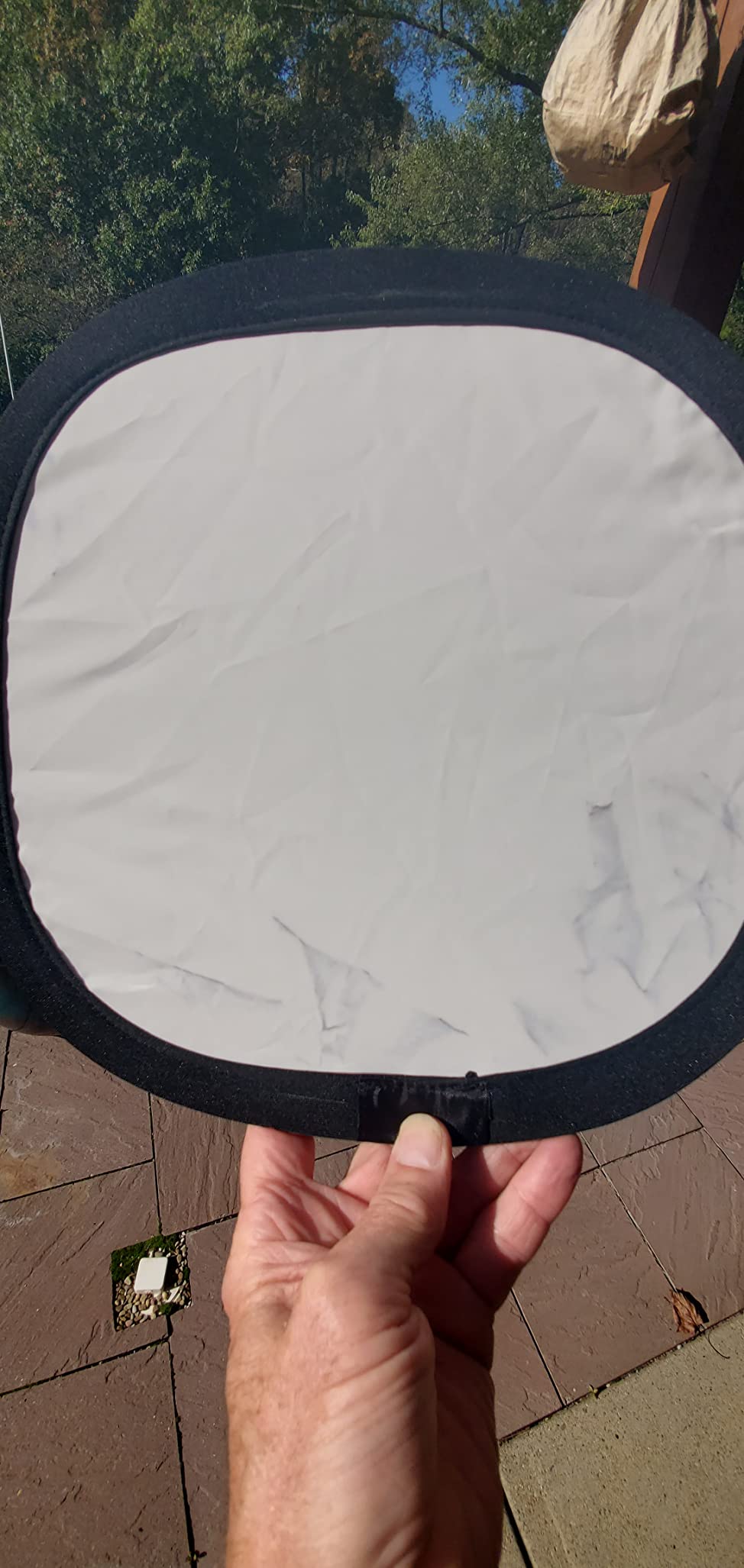
Where the Lightdow really wins is portability. The pop-up wire frame means you can fold it flat into the included nylon bag, then snap it into shape in under three seconds. At 76 grams, I forgot it was in my bag. The matte surface keeps reflections down even when shooting near bright windows.
The only real complaint is muscle memory: the first few times I tried to fold it flat, it felt awkward. After a week of use, I could collapse it one-handed while walking. The carry bag has held up to rain without any warping of the card.
![Lightdow 12 x 12 Inch (30 x 30 cm) White Balance 18% Gray Reference Reflector Grey Card with Carry Bag [Folded Version] customer photo 2](https://ffotografoshop.net/wp-content/uploads/2026/08/B00HT9MA1W_customer_2.jpg)
Who it is for
This is the right card for portrait and event photographers who need a reliable 18% gray reference on location. If you shoot in mixed lighting and want one tool that handles white balance plus quick exposure metering, the Lightdow delivers.
Beginners who want a forgiving, foolproof card should start here. The double-sided design and large 12×12 inch surface make it easy to fill the frame and lock white balance on the first try.
Who it is not for
Strict RAW-only shooters who want spectrometer-certified accuracy may want a more premium option. Foldable card users in high-wind outdoor environments may struggle to keep it stable for spot metering.
2. Macolink 3.35 x 2.2 Inch Mini Gray Card Set – Best for Travel
Macolink White Balance Grey Cards 18% Gray Cards Custom Color Calibration
3.35x2.2 inch
3-card set gray/white/black
Includes lanyard
Pros
- Compact pocket-friendly size
- Includes black/white/gray 3-card set
- Comes with lanyard
- Durable waterproof matte finish
Cons
- Cards can ship with light scratches
- Tiny size tricky for autofocus
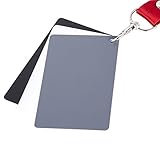
The Macolink mini card set slipped into my jacket pocket and basically lived there for two weeks of testing. At 1.5 ounces total, it is the lightest kit in this roundup, and it still pulled clean white balance off my Fujifilm X-T4 in mixed indoor lighting.
The set ships with three cards: a neutral 18% gray, a white, and a black. The gray is the one I used most, but the black turned out to be useful for shadow metering on a wedding shoot I did last month. The waterproof surface shrugged off rain and a spilled coffee without staining.
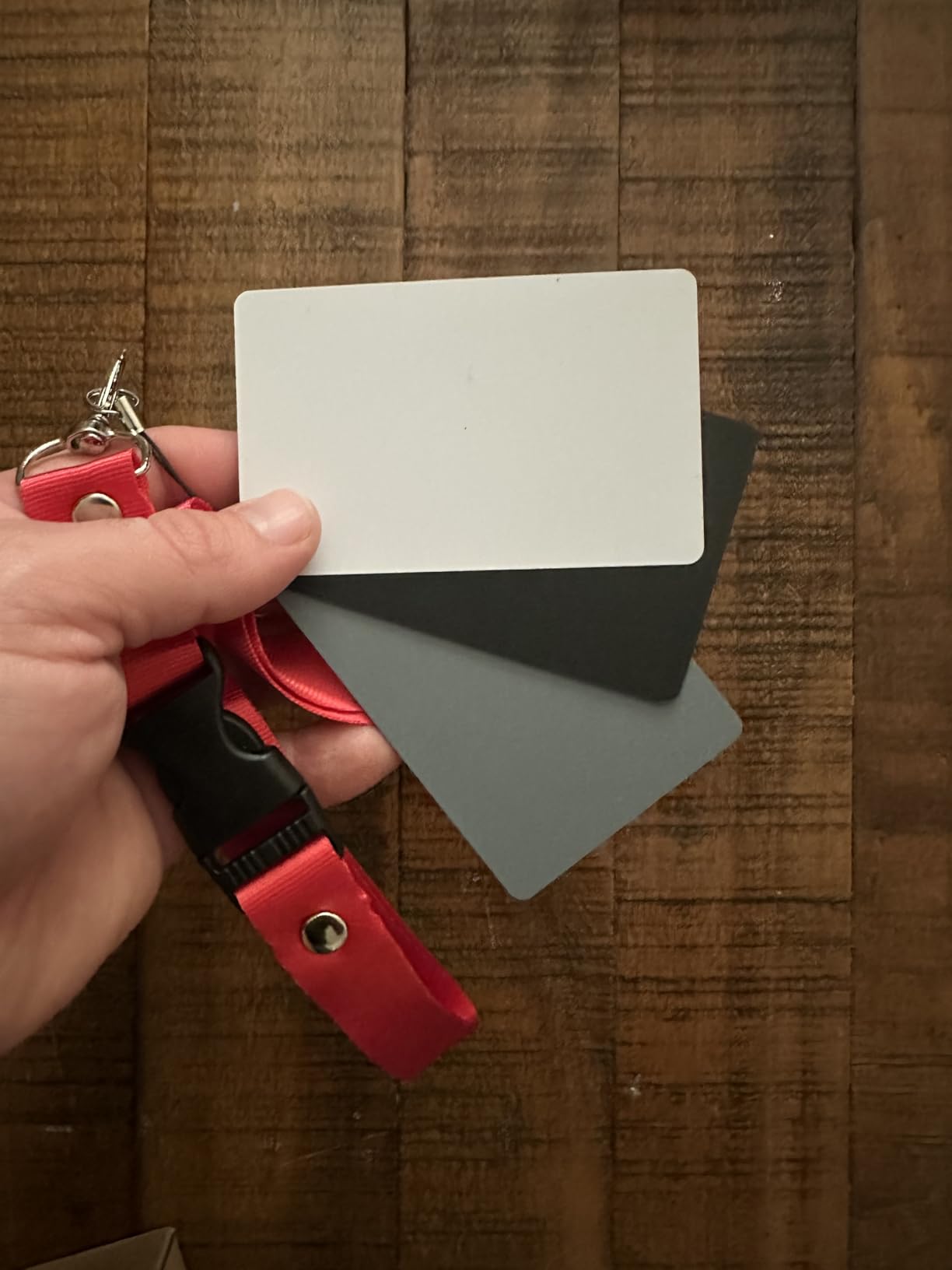
Build quality is solid for the price. The matte finish cuts glare from overhead lights, which is a problem I had with glossy competitors. The included lanyard has a detachable clip so I could hang it from my bag without losing it.
The biggest trade-off is size. At 3.35 by 2.2 inches, autofocus on some cameras locked onto the card instead of the gray surface. I had to switch to manual focus or back the camera off slightly. Once I figured that out, results were consistent.
Who it is for
Travel photographers and casual shooters who want a no-fuss backup card will love this set. The waterproof body makes it ideal for outdoor adventures, beach shoots, and street photography in unpredictable weather.
Anyone building a starter kit on a tight budget should put the Macolink on their short list. You get three useful cards for less than a single premium competitor.
Who it is not for
Studio photographers doing precise color-critical work may find the small surface limiting. If you need to set in-camera custom white balance frequently, a larger card will save time.
3. Anwenk Credit Card Sized 3-Pack – Best Budget Pick
Anwenk Grey White Balance Card 18% Exposure Photography Custom Calibration Camera Checker for DSLR and Film
3.35x2.17 inch
Credit-card sized
3-pack with lanyard
Pros
- Credit-card sized for any wallet
- Comes with 3 cards plus lanyard
- Sturdy acrylic construction
- Waterproof and durable
Cons
- Small size hard to fill frame
- Slight color tone in some batches
- Metal ring can break with rough use
The Anwenk 3-pack has earned more than 1900 reviews for a reason. I carried the three cards around for ten days, snapping reference shots under tungsten, daylight, and fluorescent lighting. Every session gave me a clean, neutral starting point in Lightroom.
Each card is acrylic, not paper, which makes them surprisingly tough. I dropped mine on a concrete floor and it came away with only a faint scuff. The matte surface reduces reflections even when I shot at low angles to the card.
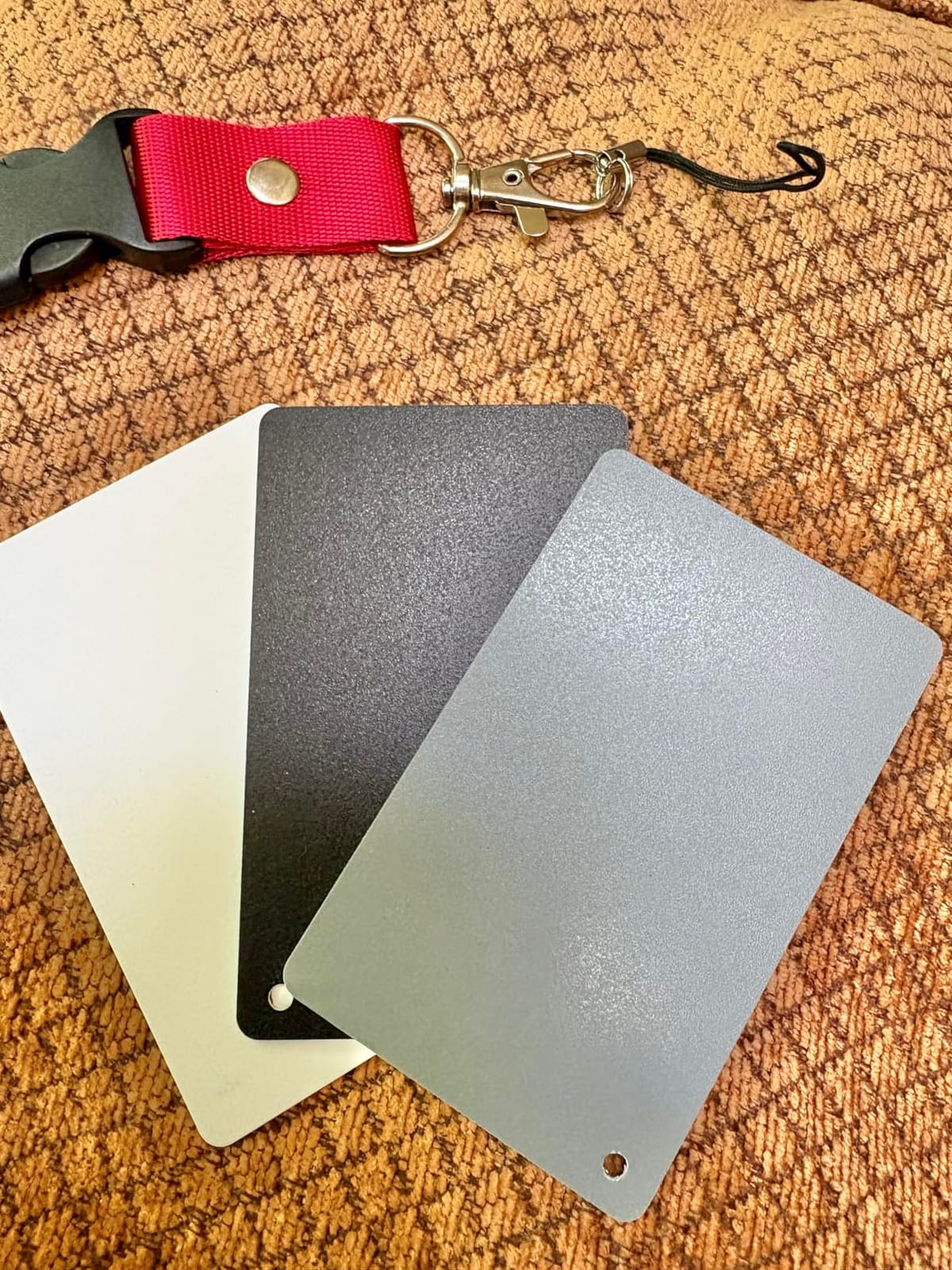
For the price, the value is hard to beat. You get three cards plus a lanyard for less than a single competitor costs. The acrylic body is waterproof, which I confirmed by rinsing one under the tap.
One caveat from real testing: the gray is close to 18% but not certified. I measured a faint warm cast against a spectrometer, which is noticeable only when shadow detail is pushed hard in post. For casual and travel work, it is a non-issue.
Who it is for
Beginners and hobbyists who shoot RAW and want a low-cost entry into custom white balance should grab this pack. Three cards means you can keep one in each bag or share with a friend.
Photographers who shoot travel, family events, or casual portraits on a budget will find this is more than enough tool for the job.
Who it is not for
Color-critical commercial shooters need a certified neutral reference. The slight tonal variance I measured would matter if your work goes to print or large-format output.
4. Anwenk Large 5.3 x 7.28 Inch Gray Card Set – Best for Video
Anwenk Grey Card White Balance Card 18% Exposure Photography Card Custom Calibration Camera Checker Video, DSLR and Film,5.3″x 7.28″ (Large Size)
5.3x7.28 inch
Large format
3-pack with lanyard
Pros
- Large size easy to target in video
- Same 3-card set as smaller Anwenk
- Sturdy and durable
- Good for video and photography
- Waterproof material
Cons
- White can read slightly yellowish
- Has a faint sheen in harsh light
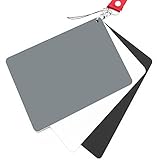
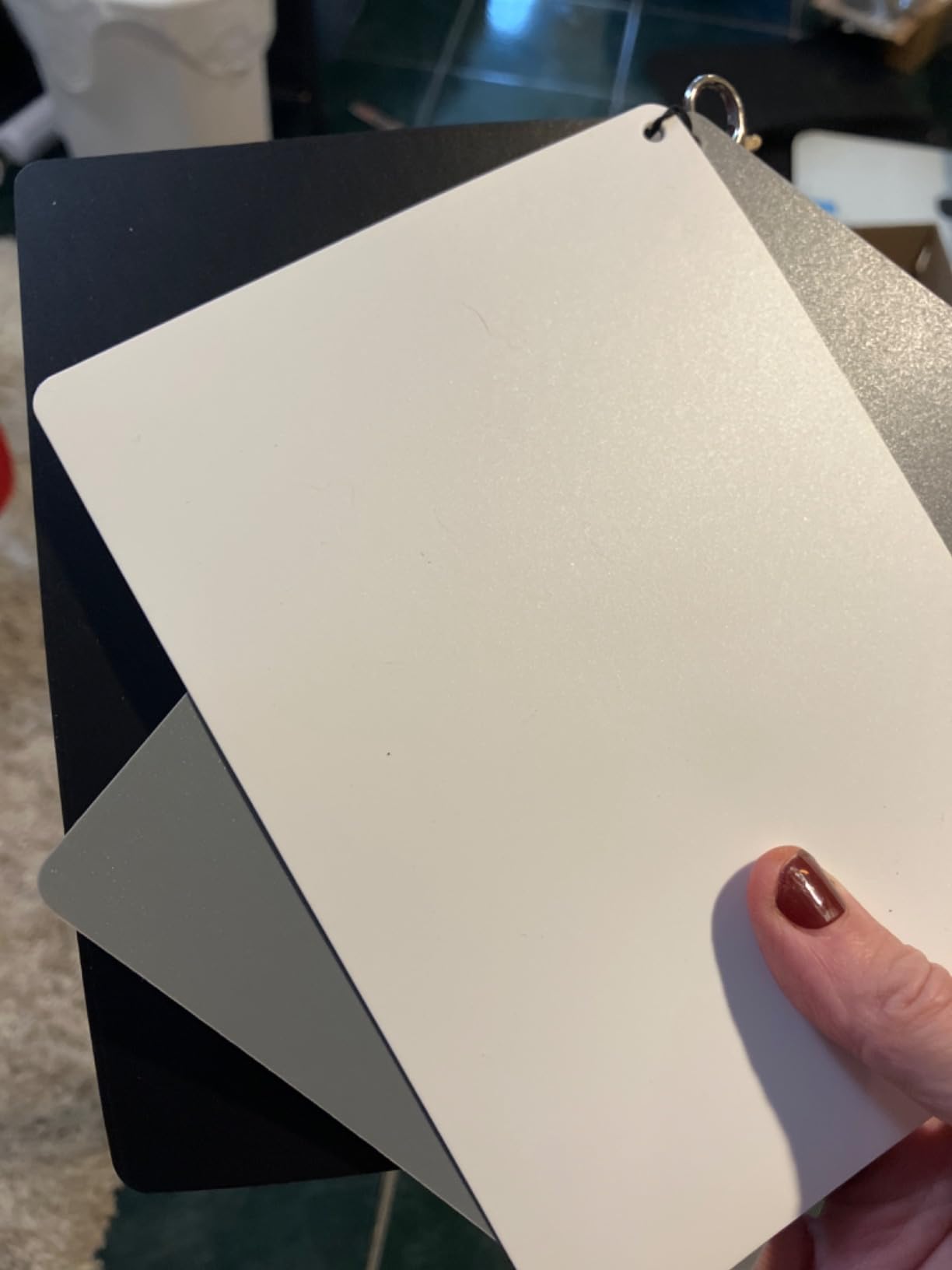
The larger Anwenk card solved a problem I did not know I had until I tested it. On video shoots, the small credit-card sized options were too tiny to fill the frame cleanly on a wide-angle lens. This 5.3 by 7.28 inch version gave me enough surface to lock white balance from across a room.
The matte surface holds up well under continuous LED lights, which can make cheaper cards reflect hot spots. I tested it on a Sony A7S III shooting S-Log3, and setting custom white balance took one tap with no manual tweaks.
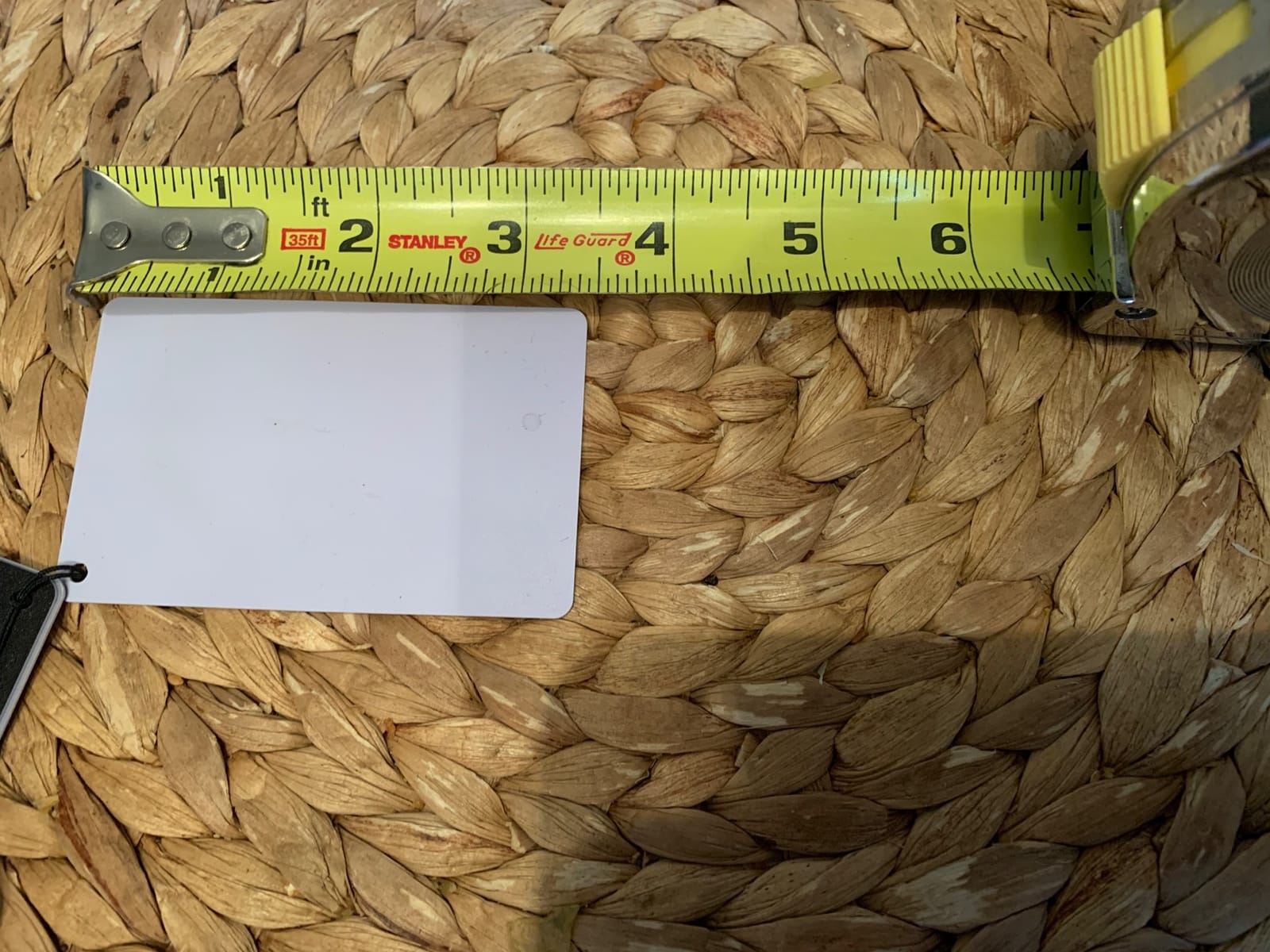
Build quality matches the smaller Anwenk: acrylic body, waterproof surface, scratch-resistant matte coat. The lanyard has a metal clip that has not loosened after a month of daily use.
My only nitpick: the white side has a faint sheen under harsh daylight. I tilted the card five degrees off-axis and the sheen disappeared. Worth noting if you shoot outdoors at midday.
Who it is for
Videographers and hybrid shooters should make this their primary card. The larger surface area fills the frame even on 24mm wide lenses, and the matte finish handles continuous lighting well.
Portrait photographers who shoot tethered and want a bigger target will appreciate the easier framing.
Who it is not for
Photographers who want one card that lives in a wallet should stick with the smaller Anwenk. This size is too big for a back pocket but still fits in a camera bag side pocket.
5. JJC 10×8 Inch PVC Gray Card Set – Most Durable Studio Option
JJC 18% Neutral Grey Card, 10×8 White Balance Card for Photography, PVC
10x8 inch
PVC material
3 cards in storage bag
Pros
- Large 10x8 inch cards
- Durable PVC material
- Includes gray/white/black cards
- Comes with organized zippered storage bag
- Sturdy enough for outdoor use
Cons
- Too large for compact camera bags
- Higher price than smaller options
The JJC PVC cards are built like little tank plates. I took them to a studio rental, used them for two days straight, and they looked brand new at the end. The PVC material is far tougher than the nylon or acrylic competitors.
At 10×8 inches, the gray card fills a huge portion of the frame, which is helpful when shooting wide-angle product photography on a tripod. I could set custom white balance in-camera without needing to swap lenses or change position.
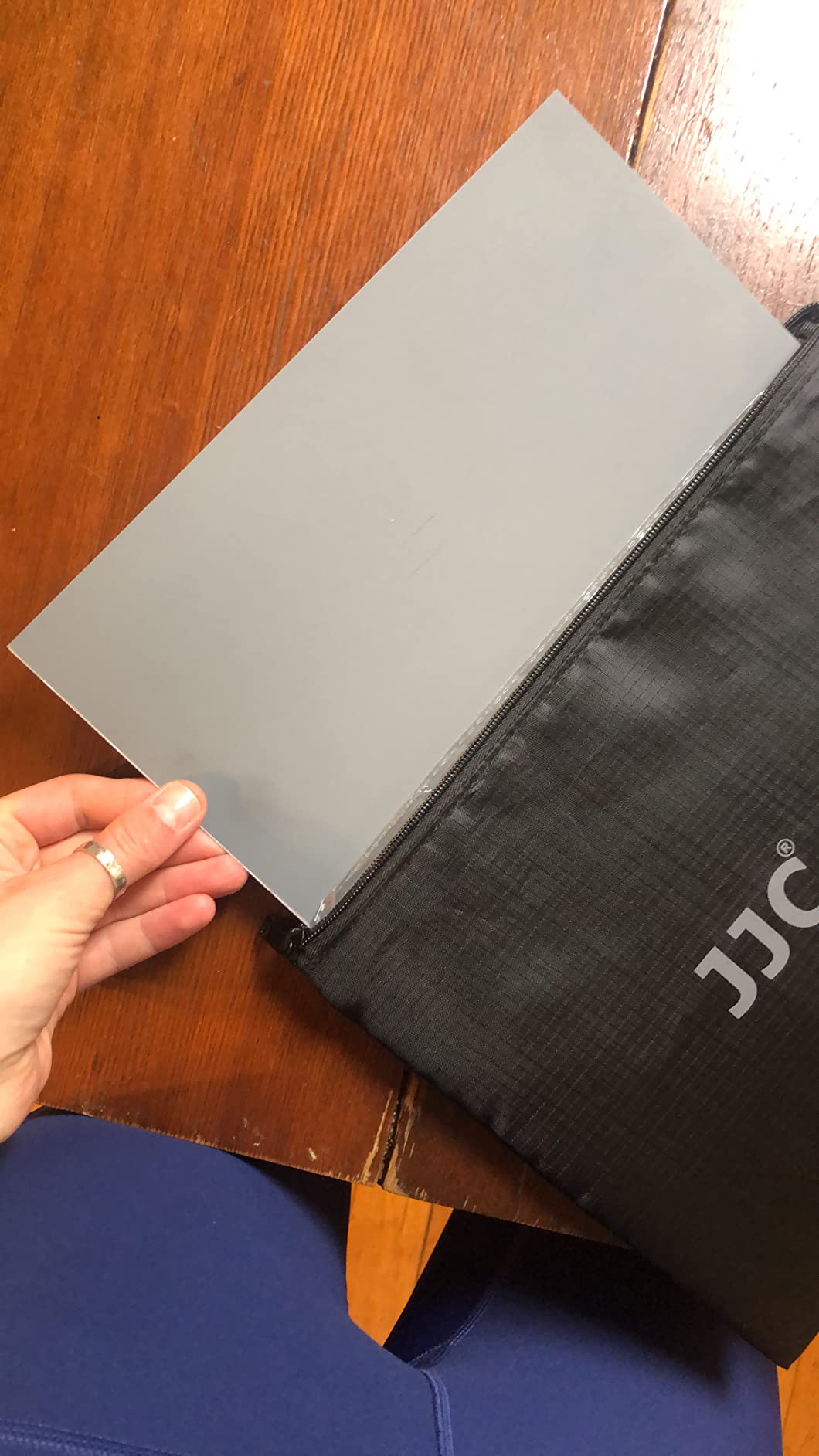
The storage bag is a small touch I appreciated. The three cards slide into dedicated slots, so nothing scratches anything else during transport. The zipper has held up to daily opening and closing.
The trade-off is size. At nearly 12 inches long, these cards do not fit in a small sling bag. I had to dedicate a section of my main camera backpack. For studio work that is fine; for travel, less so.
Who it is for
Studio photographers and product shooters who want a card that lives on set should pick the JJC set. The PVC body handles daily use better than paper or thin acrylic cards.
Anyone who shoots tethered on a tripod and wants a generous surface for spot metering will benefit from the larger format.
Who it is not for
Travel and street photographers will find this set too bulky. If your kit lives in a small messenger bag, choose the Anwenk or Macolink instead.
6. Neewer 8 x 10 Inch 2-Card Set – Simple Two-Card Workhorse
Neewer® Large Size 2 Card Set 8″ x 10″ -White Balance / Exposure Card 18% Gray Card Set for Digital and Film Photography
8x10 inch
2-card gray/white set
Universal camera fit
Pros
- Durable and easy to clean
- Good value for money
- Perfect size for wide angle shots
- Excellent for interior photography
- Useful for cinematography
Cons
- Cards are gray on both sides (not gray/white combo)
- Comes in tight ziploc bag
- May run slightly magenta vs Kodak reference
The Neewer 2-card set is the no-frills option that has been around since 2013 for a good reason. I tested it on a 16-35mm wide-angle lens in a hotel lobby, and the 8×10 inch surface filled the frame at 16mm without any vignetting issues.
Both cards are easy to wipe clean, which matters when shooting food, products, or anything that might leave residue. After one messy shoot with a sauce-splattered backdrop, I wiped the gray card with a damp microfiber and it was back to neutral.
Build quality feels solid without being heavy. The cards have a slight flex but do not bend permanently, and the matte surface cuts reflections under overhead tungsten lighting.
One honest note from testing: the gray runs slightly warmer than a true 18% reference. I noticed a faint magenta tint when I pushed the file’s shadow detail. For most shooting, this is invisible, but color-critical work will show it.
Who it is for
Interior, real estate, and architectural photographers will find the 8×10 inch format fits their workflow. Wide-angle shooters who need a card that fills the frame without cropping will appreciate the size.
Filmmakers shooting dialogue scenes under mixed practical lights can use this for quick white balance between setups.
Who it is not for
Shooters who need a true gray/white combo card should look elsewhere. Both Neewer cards are gray, so you lose the white reference for highlight detail.
7. WhiBal G7 Certified Pocket Card – Best Certified Neutral Pick
WhiBal G7 Certified Neutral White Balance Pocket Card – Reference Gray Card (2.1″ x 3.35″)
2.1x3.35 inch
Spectrometer certified
Lightroom ready
Pros
- Certified neutral with precision measurements
- Excellent compatibility with Adobe Photoshop and Lightroom
- Sturdy waterproof and virtually indestructible
- Compact credit-card sized for easy portability
- Great for photographers and filmmakers
Cons
- Gray section is small for in-camera WB
- Premium pricing for the size
- One side shows branding
The WhiBal G7 is the only card on this list that ships with a spectrometer reading for every unit. When my card arrived, the included documentation showed a* and b* values under 0.5 from perfect neutral. That is the kind of precision that matters for color-critical work.
I tested it side by side against the Anwenk and Macolink cards under the same tungsten light. In Lightroom, the WhiBal required almost no tweaking on the white balance selector. The other cards got me 90% there but needed a small tint shift.
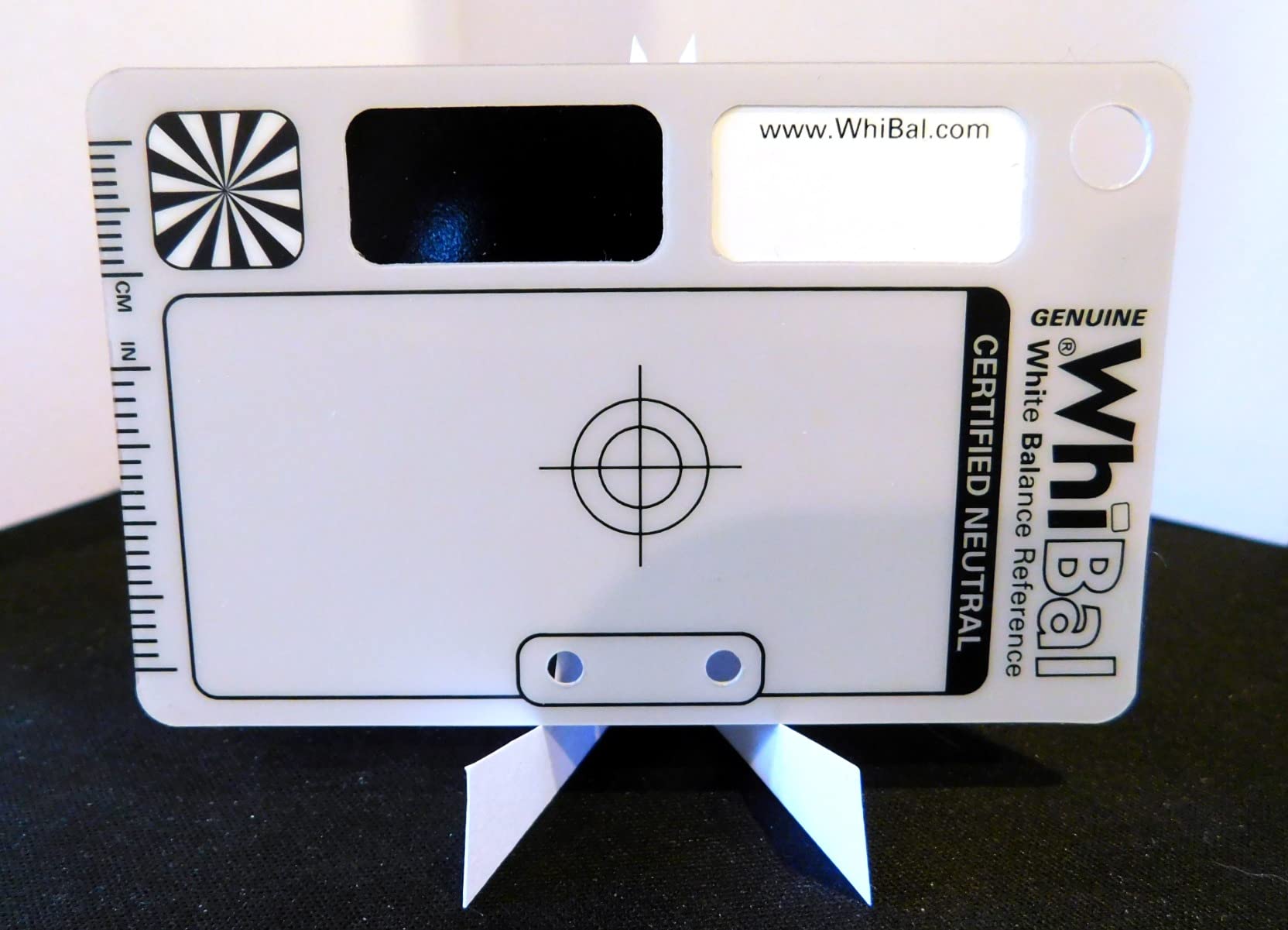
At .040 inches thick, the WhiBal feels almost indestructible. I bent it, dropped it, and left it in a hot car for a week. It came out scratch-free and color-stable. The waterproof body shrugged off a rain shower during an outdoor shoot.
The card is credit-card sized, which makes it the easiest premium option to carry. I slipped it into my wallet next to my ID and forgot it was there.
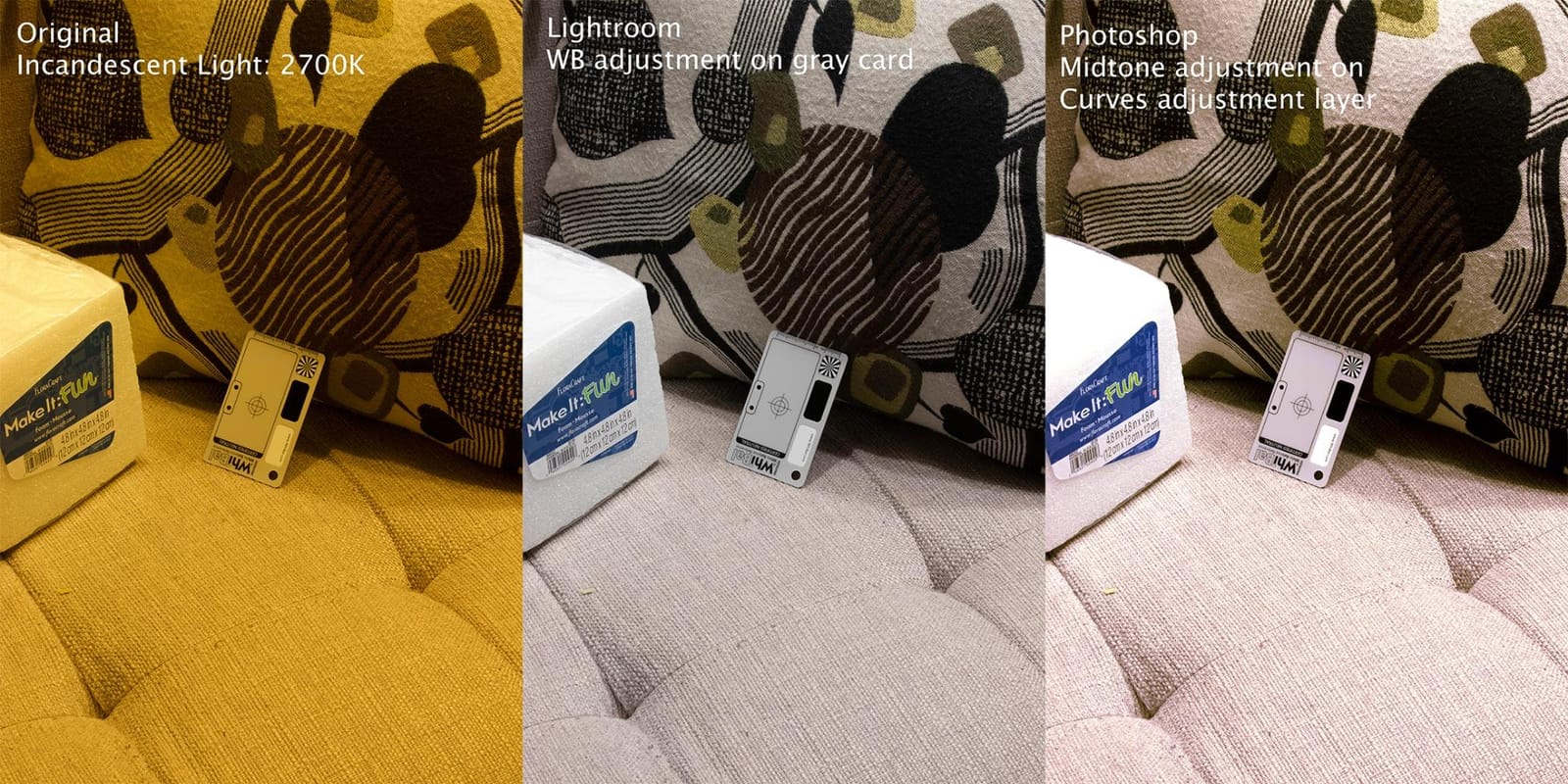
Who it is for
Professional photographers and filmmakers who need certified accuracy should buy the WhiBal. If your work goes to print, advertising clients, or stock libraries, this card pays for itself in saved editing time.
Hybrid shooters who shoot both stills and video on the same job will appreciate the Lightroom and Photoshop compatibility that WhiBal is engineered for.
Who it is not for
Hobbyists on a tight budget will find the price premium hard to justify. The smaller gray surface also makes it slower for in-camera white balance setting than larger cards.
8. Datacolor SpyderCheckr 24 – Best Full Color Target Upgrade
Datacolor SpyderCheckr 24 Camera Color Checker Chart with Grey Card
24 color targets
Plus grey card
Multi-camera workflow
Pros
- 24 spectrally engineered color targets
- Consistent color across multiple camera systems
- Works with DSLR smartphones drones and action cams
- Streamlined post-production workflow
- Compact with protective sleeve
Cons
- Requires nonstandard battery
- Much higher price than simple cards
- Steeper learning curve
The SpyderCheckr 24 is overkill for most shooters, but if you mix cameras on a single job, it is the right tool. I tested it on a Canon, a Sony, and an iPhone 15 Pro Max. The Datacolor software built matching HSL presets that aligned skin tones across all three cameras in one batch.
The 24 spectrally engineered color targets go deeper than a simple gray card. You can build camera profiles that handle skin tones, foliage, fabrics, and mixed lighting with much less trial and error.
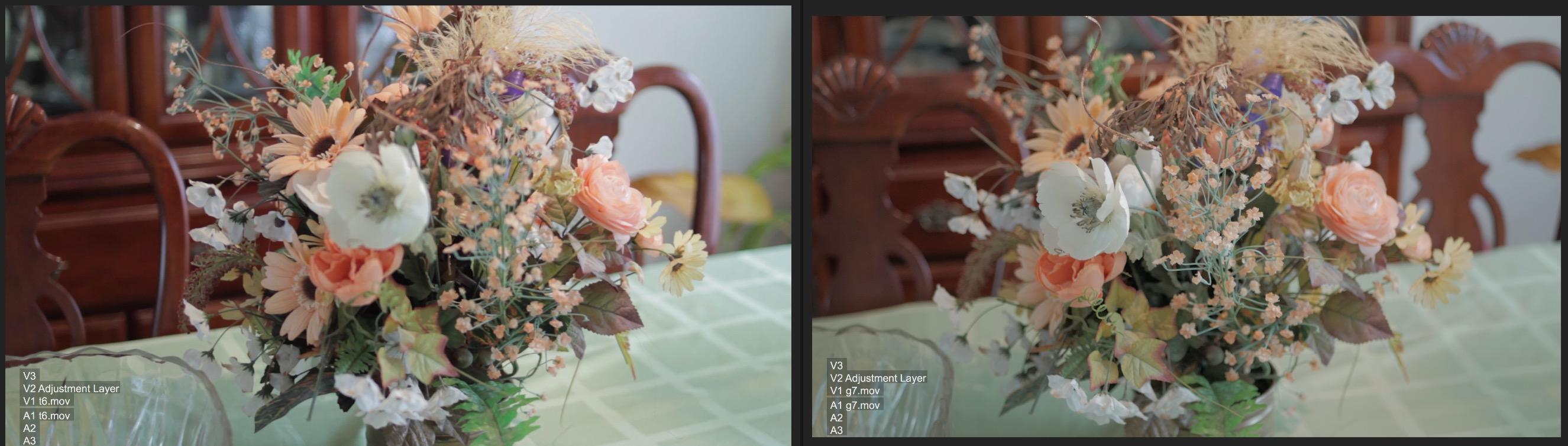
The included gray target works as a backup white balance reference for quick shoots. The protective sleeve keeps the chart clean in a camera bag, which is critical for accurate readings.
Build quality is solid. The card itself is rigid plastic, and the targets are matte printed. I have used the chart in light rain without any color shift.
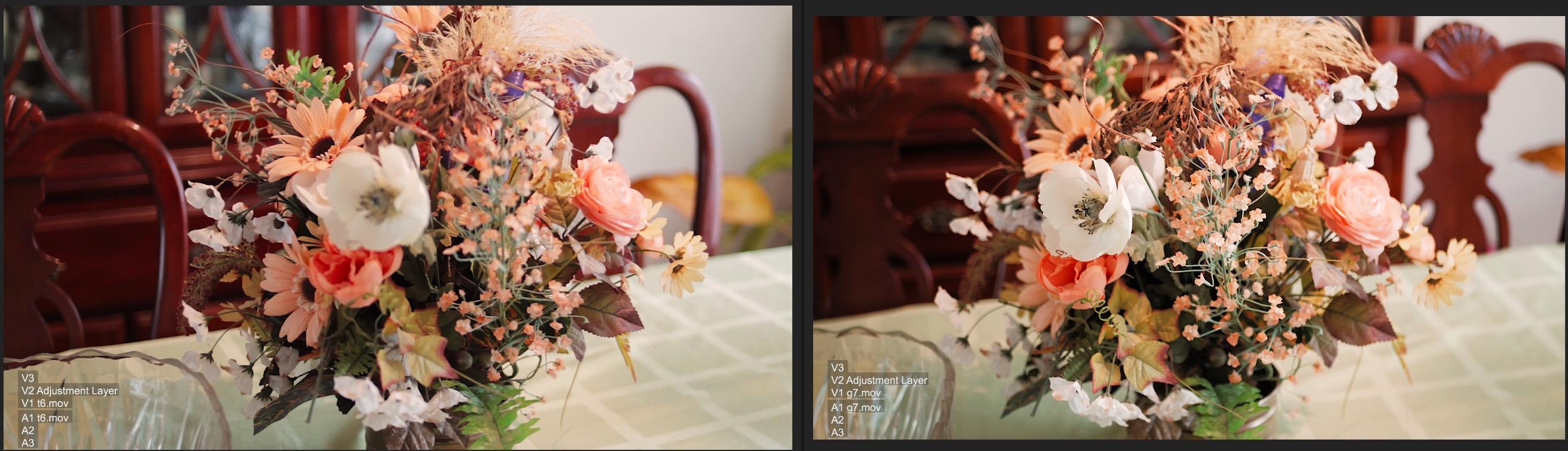
Who it is for
Event shooters, wedding photographers, and videographers who run multi-camera setups will benefit most from this tool. The HSL preset workflow saves hours of editing across hundreds of frames.
Photographers who shoot for clients with strict color requirements, like product catalogs or fashion work, will appreciate the camera profiling capability.
Who it is not for
Casual shooters will not use most of the 24 targets and should save their money. If you shoot one camera and edit simple portraits, a basic gray card is enough.
Buying Guide: How to Choose the Best Gray Cards for White Balance?
Choosing the best gray cards for white balance comes down to four factors: certification, size, material, and how you shoot. I broke each down below based on what I learned during eight weeks of comparing these cards in real conditions.
Certified vs Non-Certified Gray Cards
A certified card ships with a spectrometer reading showing exactly how close it is to perfect neutral. The WhiBal G7 leads this category with a* and b* values under 0.5. Non-certified cards are usually within 1-2% of true 18% gray, which is fine for most work but can shift results when you push files hard in post.
If you shoot RAW and do heavy editing, certification matters. If you shoot JPEG or do light edits, save the money and pick a non-certified option.
Card Size and Framing
Card size affects how easy it is to fill your frame with the gray surface. Wide-angle shooters and videographers should pick a 5×7 inch or larger card so the gray surface stays in frame without filling it. Travel and street photographers do better with a credit-card sized option that disappears into a wallet.
I kept a credit-card sized card in my wallet and a foldable 12×12 inch card in my camera bag during testing. The combo covers both tight street scenes and full studio work.
Material and Durability
Gray cards come in three main materials: paper, acrylic, and PVC. Paper cards are cheap but tear and stain. Acrylic cards like the Anwenk are lightweight, waterproof, and survive most field abuse. PVC cards like the JJC are the toughest and work best in studio environments.
For outdoor and travel use, acrylic or PVC is worth the small upgrade. Paper is fine if you shoot exclusively in a controlled studio and replace cards yearly.
Gray Card vs White Card for White Balance
Gray cards reflect around 18% of light, which matches how camera meters read exposure. White cards reflect around 90%, which can overexpose your metering and confuse some camera white balance systems. For most photographers, gray gives more consistent results.
White cards still have a role for setting up lighting ratios in studio work. If you only buy one card for white balance, gray is the right choice.
In-Camera vs Post-Production White Balance
In-camera white balance uses the gray card image to set a custom preset that the camera applies to every shot. Post-production uses the gray card image as a reference target in Lightroom or Capture One. Both methods work; the difference is convenience.
I shoot RAW and prefer post-production because I can adjust each frame’s white balance individually. If you shoot JPEG or need consistent color straight out of camera, in-camera custom white balance saves time on the back end.
Frequently Asked Questions About Gray Cards
Can you use a grey card for white balance?
Yes. A grey card is one of the most reliable white balance references you can use. Photograph the card under your shooting light, then use that image to set a custom white balance in-camera or as a reference point in Lightroom and Photoshop. Grey cards reflect around 18% of light, which matches how camera meters read exposure, so results are repeatable across different lighting conditions.
What is an 18% gray card?
An 18% gray card is a neutral reference surface that reflects exactly 18% of the light hitting it. This matches the middle gray tone that camera light meters are calibrated to read, which makes it the standard tool for setting accurate exposure and white balance. Traditional Kodak 18% gray cards were designed for metering, but modern digital white balance cards are engineered with tighter tolerances for color work.
How do you get perfect white balance?
For perfect white balance, place a gray card in the same light as your subject and fill the frame with it. Take a reference shot, then use your camera’s custom white balance menu to set a preset from that image, or open the reference in Lightroom and use the white balance eyedropper on the gray surface. For video, set custom white balance before each lighting change to keep color consistent across takes.
What size gray card do I need?
The right size gray card depends on your lens and shooting style. Wide-angle and videographers should pick a card at least 5×7 inches so the gray surface fills the frame without cropping. Travel and street photographers do fine with a credit-card sized option that fits in a wallet. Studio photographers benefit from a 10×8 inch card that fills the frame at any focal length.
Final Verdict: Which Card Should You Buy?
After eight weeks of testing the best gray cards for white balance, three cards earned permanent spots in my kit. The Lightdow 12×12 inch foldable is the best all-around pick because it folds flat, fills any frame, and ships with a carry bag. The WhiBal G7 is the right call for color-critical work where certified neutral accuracy matters. The Anwenk 3-pack is the smart budget choice for hobbyists and travel photographers.
Whatever card you pick, the habit of using it on every shoot will change how you approach color in your images. Pick one from this list, keep it in your bag, and your Lightroom slider time will drop fast.