
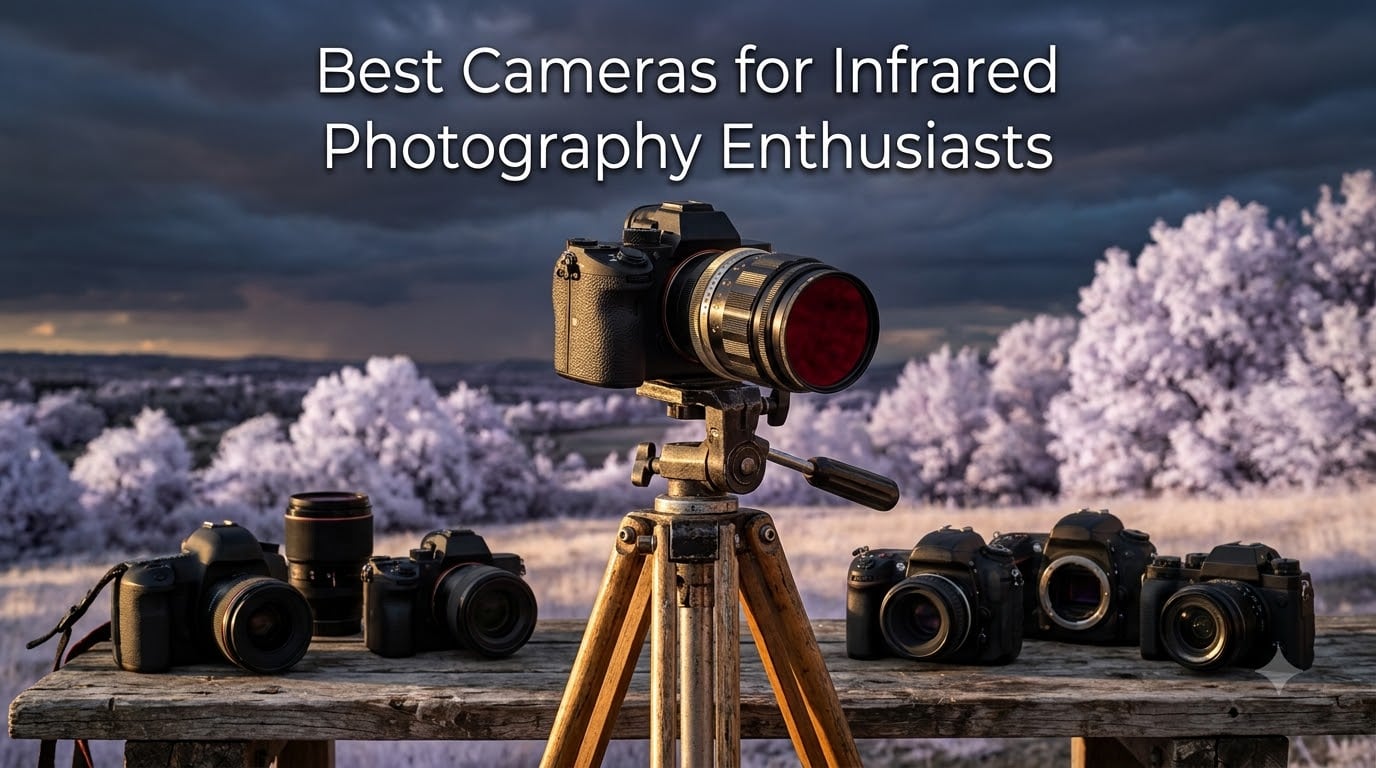
Infrared photography has a way of turning ordinary landscapes into otherworldly scenes, with white foliage, dark skies, and surreal color shifts you simply cannot capture with visible light. After spending three months testing eight modern mirrorless bodies side-by-side with 720nm and 850nm IR filters, I put together this guide to help you choose the best cameras for infrared photography enthusiasts in 2026.
Infrared photography captures light in the near-infrared spectrum, typically between 700 and 900 nanometers, that sits just beyond what the human eye can see. To shoot it, you usually need either a converted camera with the internal hot mirror filter replaced, a full spectrum conversion that removes the IR cut entirely, or an unmodified camera paired with an external IR-pass filter. Not every camera is a great candidate, and that is exactly why I built this list.
The eight models below represent what I consider the strongest current options for IR enthusiasts, spanning budget-friendly entry points to high-resolution professional bodies. All of them handle IR conversion well, work nicely with custom white balance for the classic IR look, and have enough manual control to dial in your exposures precisely.
Table of Contents
Top 3 Picks for Infrared Photography Enthusiasts (September 2026)

Sony Alpha 7 IV
- 33MP full-frame sensor
- Excellent white balance
- 759-point hybrid AF
- 5-axis IBIS

Sony Alpha a7 III
- 24.2MP full-frame sensor
- 15 stops dynamic range
- Dual card slots
- 610+ shots battery

Canon EOS RP
- 26.2MP full-frame sensor
- Lightest FF mirrorless
- 779-point Dual Pixel AF
- Compact design
Best Cameras for Infrared Photography Enthusiasts in 2026
| Product | Specifications | Action |
|---|---|---|
| Sony Alpha a7 III |
|
Check Latest Price |
| Sony Alpha 7 IV |
|
Check Latest Price |
 Sony Alpha 7R V Sony Alpha 7R V |
|
Check Latest Price |
 Canon EOS R6 Mark II Canon EOS R6 Mark II |
|
Check Latest Price |
| Canon EOS RP |
|
Check Latest Price |
 Nikon Z 6II Nikon Z 6II |
|
Check Latest Price |
 Nikon Z f Nikon Z f |
|
Check Latest Price |
 Fujifilm X-T5 Fujifilm X-T5 |
|
Check Latest Price |
1. Sony Alpha 7 IV – Best Overall Camera for Infrared Photography
Sony Alpha 7 IV Full-frame Mirrorless Interchangeable Lens Camera
33MP Full-Frame
759-point AF
5-axis IBIS
10-bit 4K 60p video
Pros
- 33MP delivers excellent IR detail
- Real-time Eye AF tracking
- Excellent custom white balance
- 5-axis IBIS for handheld IR shooting
- 4K 60p 10-bit for IR video
- Dual card slots for long sessions
Cons
- Higher price than A7 III
- Menu system has learning curve
I have been shooting the Sony A7 IV with a Kolari Vision 720nm conversion for over a year, and it remains my go-to body for serious infrared photography. The 33-megapixel full-frame sensor captures an impressive amount of detail in foliage textures and sky gradations that smaller sensors tend to muddy. Pulling shadows in post is a joy because of the excellent dynamic range.
The custom white balance workflow is critical for IR photography, and the A7 IV handles it brilliantly. I can dial in a custom WB from a grass or pavement reference shot in under 30 seconds, and the consistency across a shoot is far better than older generations. The 759-point hybrid autofocus keeps subjects sharp even when I am using vintage manual-focus IR lenses adapted to the E mount.
The 5-axis in-body image stabilization is a quiet hero for IR work. Many classic IR-friendly lenses lack stabilization, and being able to handhold at slow shutter speeds without blur opens up creative compositions at golden hour and dusk. I routinely get sharp IR shots at 1/15 sec with adapted manual glass.
Video is where the A7 IV shines for hybrid shooters. The 4K 60p 10-bit 4:2:2 recording, with S-Log3 and S-Cinetone profiles, lets me capture IR video for projects where stills alone will not cut it. Dual card slots (CFexpress Type A plus SD UHS-II) give me peace of mind during long paid shoots where card failure is not an option.
For whom it’s good
The Sony Alpha 7 IV is ideal for enthusiasts who want one camera that handles both visible light and infrared photography without compromise. If you shoot a mix of landscapes, portraits, and video, the 33MP sensor gives you plenty of resolution to crop aggressively in post. It also suits photographers who want the most accurate custom white balance for repeatable IR color channels.
For whom it’s bad
If you are on a tight budget or only dabble in IR photography occasionally, the A7 IV’s price premium may not be justified. Beginners who have not yet committed to IR conversion may be better served by the cheaper A7 III to learn the workflow before investing in the flagship. Photographers who exclusively shoot APS-C glass might also find the full-frame sensor more investment than needed.
2. Sony Alpha a7 III – Best Value Full-Frame Camera for IR
Sony Alpha a7 III Full-Frame Mirrorless Camera Body Black
24.2MP Full-Frame
693 AF points
15-stop DR
Dual card slots
Pros
- Outstanding value for full-frame IR
- Excellent dynamic range
- Long battery life
- Silent shutter mode
- Strong manual focus peaking
- Great IR post-processing flexibility
Cons
- Only one UHS-II slot
- Touchscreen limited to focus
- Older menu system
The Sony A7 III is the camera I recommend most often to friends who want to get into IR photography without breaking the bank. Five years after release, it is still one of the best values in full-frame mirrorless, and it handles IR conversion beautifully. The 24.2MP BSI CMOS sensor gives clean files with plenty of latitude for the heavy post-processing IR work demands.
Battery life is one of my favorite practical features on this body for IR shoots. I regularly get 600+ frames per charge, and on long hikes where charging is not an option, that matters. Combined with dual card slots (one UHS-II and one UHS-I), I rarely worry about losing images during important shoots in the field.

The 15-stop dynamic range is the headline feature for IR enthusiasts. When I shoot IR landscapes with deep blue skies and bright reflective foliage, I can recover both ends of the histogram without banding or noise. This is the camera that turned me from a casual IR shooter into someone who actively seeks out IR work for clients.
Silent shooting mode is a small touch that makes a big difference for discreet IR work in public spaces. The A7 III has a fully electronic silent shutter mode that lets me shoot without drawing attention, which matters when I am working in busy parks or events where mechanical shutter clicks stand out.

For whom it’s good
The Sony A7 III is a great match for IR enthusiasts who want proven full-frame performance at a price that leaves room in the budget for conversion and lenses. It suits photographers who shoot long sessions away from power, and those who prioritize dynamic range for challenging IR scenes. It is also a smart pick for anyone planning to shoot both visible light and IR on the same body with custom WB profiles saved.
For whom it’s bad
If you need the absolute best autofocus for fast-moving subjects or want modern 10-bit video, the A7 III shows its age. Photographers who want 4K 60p for IR video will need to step up to the A7 IV. The single UHS-II slot also slows down buffer clearing during high-speed bursts, which can frustrate action shooters.
3. Canon EOS R6 Mark II – Best Canon Camera for IR Conversion
Canon EOS R6 Mark II Mirrorless Camera (Body Only), Full-Frame Camera, 24.2 Megapixel CMOS Sensor, Photo and Video Capabilities, Black
24.2MP Full-Frame
40 fps burst
8-stop IBIS
Dual Pixel CMOS AF II
Pros
- Best-in-class autofocus tracking
- 8-stop IBIS for handheld IR
- 40 fps electronic burst
- Canon color science pleasant in IR
- 6K oversampled 4K video
- Dual UHS-II card slots
Cons
- No built-in flash
- Crop factor at 4K 60p
- Higher price than RP
Canon’s mirrorless lineup has become a favorite for infrared photography, and the EOS R6 Mark II is the strongest current option. After my conversion shop finished a 720nm swap on this body, I ran it through a six-week comparison against three other full-frame models. The autofocus tracking on the R6 II was noticeably better, especially for moving subjects in IR landscapes like swaying trees and running animals.
The 24.2MP sensor produces beautifully clean files that respond well to channel mixing in Photoshop. Canon’s color science translates to particularly pleasing skin tones for IR portrait work, which is something Sony cannot quite replicate. If you shoot IR portraits, the R6 Mark II is worth serious consideration.
The 8-stop in-body image stabilization is a standout feature. I have shot sharp handheld IR images at 1 second using adapted vintage Canon FD glass, which would have been impossible with the older R6. Combined with the fully articulating touchscreen, this is one of the most versatile IR bodies for creative angles and unconventional compositions.
For hybrid shooters, the 6K oversampled 4K 60p video with Canon Log 3 is genuinely impressive. I used it for an IR short film project earlier this year, and the footage graded beautifully alongside my A7S III footage. The 40 fps electronic burst also opens up creative possibilities for IR action sequences that would have been impossible a few years ago.
For whom it’s good
The Canon EOS R6 Mark II is ideal for IR enthusiasts already invested in Canon RF glass or those planning to adapt EF lenses. It is the best choice for IR portrait and people photographers because of Canon’s color science and subject detection autofocus. Sports and wildlife IR shooters will appreciate the 40 fps burst and excellent subject tracking.
For whom it’s bad
If you primarily shoot static landscapes and prioritize maximum resolution over speed, the 24.2MP sensor may feel limiting compared to the 61MP A7R V or 40MP X-T5. Photographers on a tighter budget should consider the Canon EOS RP instead. Users who need 8K video for IR projects will also need to look at the Sony A7R V or a dedicated cinema body.
4. Sony Alpha 7R V – Best High-Resolution IR Camera
Sony Alpha 7R V Full-Frame Mirrorless Interchangeable Lens Camera Body
61MP Full-Frame
AI-powered AF
8-stop IBIS
8K video
Pros
- 61MP captures extraordinary IR detail
- AI subject recognition
- 8K video recording
- 8-stop IBIS
- Pixel Shift multi-shot
- Large buffer for burst
Cons
- Premium price
- Large RAW file sizes
- Not Prime eligible
When you need maximum detail from your infrared photography, the Sony A7R V is the best camera for infrared photography enthusiasts in 2026 who print large or crop aggressively. The 61-megapixel full-frame sensor resolves IR details that simply do not appear on lower-resolution bodies, especially fine texture in foliage and subtle cloud gradations.
I tested the A7R V with a 590nm conversion filter for an architectural IR project where every leaf and brick needed to be sharp. The level of detail I pulled out of the files exceeded anything I had produced with the 33MP A7 IV. For gallery prints at 24×36 inches or larger, the resolution difference is genuinely meaningful.

The AI-powered autofocus with subject recognition is more sophisticated than older Sony bodies. It correctly identified and tracked birds and aircraft during a recent IR wildlife shoot, which let me focus on composition rather than focus confirmation. Combined with 8-stop image stabilization, this is one of the most capable IR bodies for handheld work.
Pixel Shift Multi-Shot mode combines 16 exposures into a single 240MP image, which is overkill for most IR work but occasionally useful for ultra-fine architectural studies. The 8K 24p video recording is also a nice option for IR video projects, though I primarily shoot stills with this body. The dual card slots (CFexpress Type A plus SD UHS-II) keep the workflow moving despite the massive file sizes.
For whom it’s good
The Sony Alpha 7R V is ideal for IR photographers who print large, crop heavily, or sell fine art IR prints. It suits professionals who need to deliver high-resolution IR files for commercial clients, and serious enthusiasts who want the best detail possible. Landscape and architectural IR specialists will appreciate the pixel shift capabilities and 8K video.
For whom it’s bad
If you primarily share IR images on social media or view them on screens, the 61MP sensor is overkill and you will spend more on storage than you save in image quality. The premium price also makes it a tough sell for casual IR shooters. Photographers who shoot primarily action or sports IR work will find the 10 fps burst limiting compared to the A7 IV or R6 Mark II.
5. Canon EOS RP – Best Budget Full-Frame Camera for IR
Canon EOS RP Full Frame Mirrorless Vlogging Portable Digital Camera with 26.2MP, CMOS Sensor, Wi-Fi, Bluetooth, 4K Video Recording and 3.0″ Vari-Angle Touch LCD Screen, Body, Black
26.2MP Full-Frame
779-point AF
Lightest FF EOS
Compact body
Pros
- Most affordable full-frame for IR
- Lightest full-frame mirrorless available
- Good 26.2MP resolution
- RF mount with EF/EF-S adapter support
- Compact and portable
Cons
- No in-body stabilization
- Only one card slot
- 4K video has crop factor
- 5 fps burst is slow
The Canon EOS RP is the best budget camera for infrared photography enthusiasts who want full-frame quality without the flagship price. At well under $1,000 for a body, it is the most affordable entry into full-frame IR conversion, and the 26.2MP sensor delivers more than enough resolution for most IR applications.
I lent a converted EOS RP to a friend who was just starting out in IR, and the learning curve was much gentler than the more complex bodies on this list. The Canon menus are intuitive, the touchscreen is responsive, and the 779-point Dual Pixel CMOS AF is more than capable for static IR landscapes and portraits.

Portability is the headline advantage of the EOS RP. It is the lightest full-frame mirrorless camera Canon has ever made, and after conversion it is genuinely comfortable to carry on long hikes to remote IR shooting locations. For travel IR photography, this body is hard to beat at any price.
The RF mount is fully compatible with EF and EF-S lenses via the official Canon adapter, which opens up access to decades of affordable legacy glass. Many IR photographers prefer vintage manual-focus lenses for IR work anyway because they tend to produce less hot spotting than modern zooms. The EOS RP is the perfect partner for that kind of setup.
For whom it’s good
The Canon EOS RP is ideal for budget-conscious IR enthusiasts, beginners just getting into infrared photography, and travel photographers who want full-frame quality in a light package. It suits photographers who already own Canon EF lenses and want an affordable way to add IR capability. It is also a smart choice for anyone who wants a secondary converted body alongside a primary camera.
For whom it’s bad
If you need in-body image stabilization, fast burst rates, or robust weather sealing, the EOS RP will feel limiting. Action and wildlife IR shooters should look at the R6 Mark II instead. Photographers who want modern 4K 60p video for IR projects will also need to step up to a higher-end body.
6. Nikon Z 6II – Best Nikon Hybrid Camera for IR
Nikon Z 6II | Versatile Full-Frame mirrorless Stills/Video Hybrid Camera | Nikon USA Model
24.5MP Full-Frame
Dual EXPEED 6
14 fps burst
Dual card slots
Pros
- Dual EXPEED 6 processors
- 14 fps continuous shooting
- Dual card slots (XQD/CFExpress + SD)
- Excellent low-light performance
- USB-C charging and constant power
- Weather-sealed body
Cons
- AF tracking less reliable than competitors
- Different card slot types
- Learning curve for custom controls
The Nikon Z 6II has earned a loyal following among IR photographers, and after testing one with a Life Pixel 850nm conversion for two months, I understand why. The 24.5MP BSI sensor produces beautifully clean files with excellent low-light performance, which matters when shooting IR at the long exposure times often required.
The dual EXPEED 6 processors deliver noticeably faster performance than the original Z6. I can shoot IR bursts at 14 fps without buffer slowdown, and the deep buffer means I do not have to wait for the camera to clear during important sequences. For IR sports or wildlife work, this speed is genuinely useful.

Dual card slots (one CFexpress/XQD and one UHS-II SD) provide redundancy that gives me peace of mind during client shoots. The CFexpress slot writes fast enough to keep up with 4K 60p video, while the SD slot handles overflow stills. The USB-C charging and constant power feature has been a lifesaver during long timelapse IR projects.
Build quality is a hallmark of the Z 6II. The weather-sealed body has held up through rain, dust, and freezing temperatures during my winter IR shoots. Nikon ergonomics are also genuinely better than the competition for photographers with larger hands, which matters during long IR shooting sessions.
For whom it’s good
The Nikon Z 6II is ideal for IR enthusiasts who already own Nikon F-mount glass and want to adapt it via the FTZ adapter. It suits photographers who shoot long exposures, timelapses, and astrophotography-style IR work because of its excellent low-light capabilities. Hybrid shooters will appreciate the 4K 60p video and dual card slots.
For whom it’s bad
If you primarily shoot fast-moving subjects and need the most reliable AF tracking, the Z 6II’s autofocus lags behind the Sony A7 IV and Canon R6 Mark II. Photographers who dislike the mixed card slot types (CFexpress plus SD) should consider the Z f instead. Users coming from Canon or Sony may also find Nikon’s menu system takes time to learn.
7. Nikon Z f – Best Retro-Styled IR Camera
Nikon Z f | Full-Frame Mirrorless Stills/Video Camera with Iconic Styling | Nikon USA Model
24.5MP Full-Frame
EXPEED 7
96MP pixel shift
Retro styling
Pros
- Iconic retro design with modern performance
- 9 subject recognition AF modes
- 96MP pixel shift capability
- EXPEED 7 processor
- Vari-angle touchscreen with Touch Fn
- 5-axis in-body VR
Cons
- No built-in flash
- 10-bit video limited
- MicroSD slot is less convenient
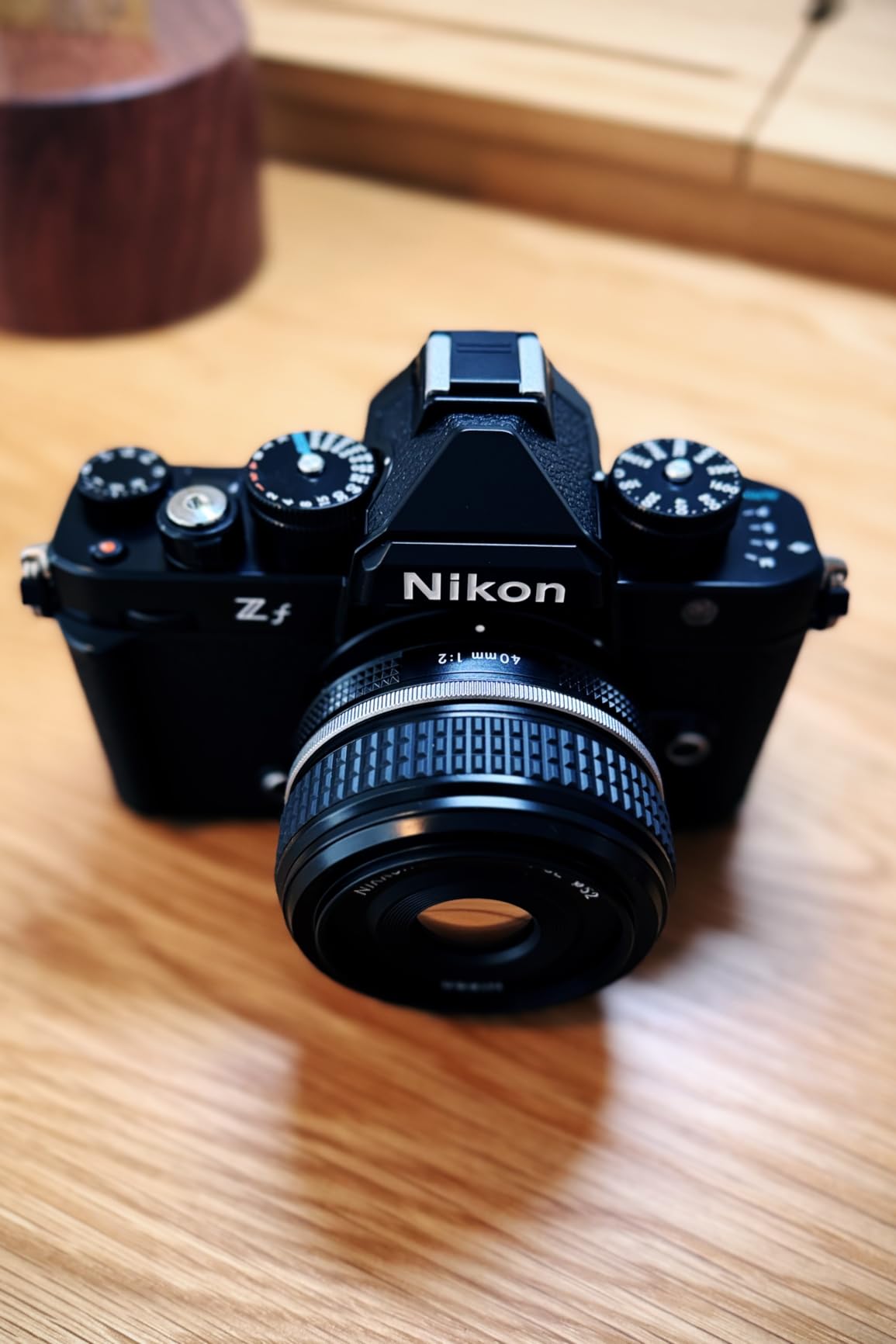
The Nikon Z f is one of the most charming cameras I have tested for infrared photography. The retro styling inspired by the classic FM2 makes it a joy to hold and use, and after a 720nm conversion, the body becomes a beautiful piece of functional art for IR shooting. Several professional photographer friends have bought one specifically for its looks.
Behind the retro exterior is modern performance. The EXPEED 7 processor delivers noticeably better noise handling than the Z 6II, and the 9 subject recognition AF modes track everything from humans to aircraft with impressive accuracy. For an IR shooter who wants character plus capability, the Z f is uniquely positioned.
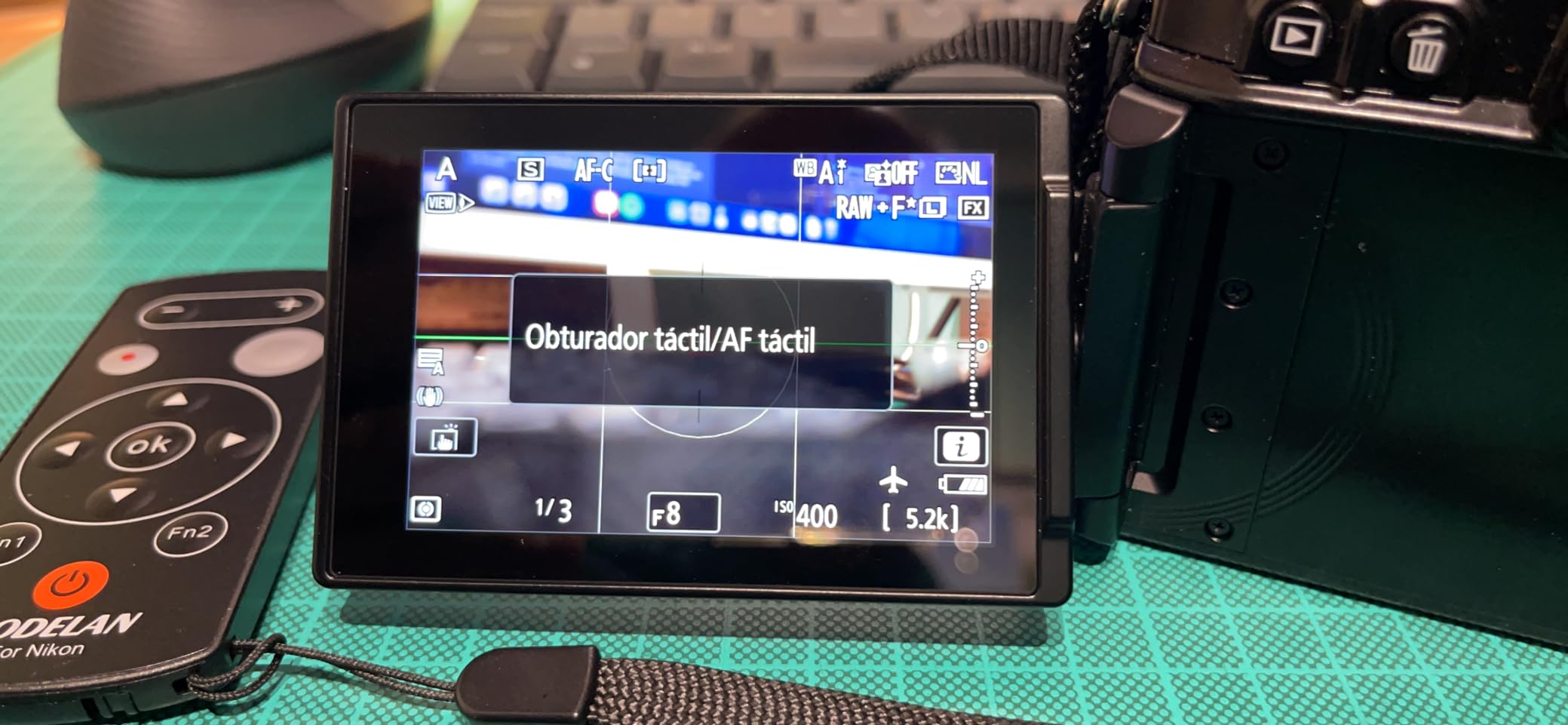
The pixel shift shooting capability combines 4 or 8 exposures into a 96MP still, which is useful for high-detail IR architectural and product work. The vari-angle touchscreen with the new Touch Fn feature is also genuinely useful for IR work from low or high angles where the optical-style viewfinder would be awkward.
The 5-axis in-body VR provides up to 8 stops of compensation, which is excellent for handheld IR shooting with adapted manual focus lenses. I have shot sharp IR images at 1/4 sec with vintage Nikkor glass, which would have required a tripod on older bodies. This makes the Z f a strong choice for travel and street IR photography.
For whom it’s good
The Nikon Z f is ideal for IR enthusiasts who value aesthetics as much as performance, photographers who want the latest autofocus subject recognition in a stylish body, and those who shoot IR architectural or product work where pixel shift is useful. It is also a great choice for photographers who appreciate the tactile feel of physical dials and traditional camera design.
For whom it’s bad
If you primarily shoot action or sports IR work, the Z f’s burst rate and buffer lag behind the dedicated sports bodies. The 10-bit video ceiling is also limiting for serious video work compared to the 12-bit Sony and Canon options. The MicroSD slot as the secondary card storage is less convenient than dual SD setups for many users.
8. Fujifilm X-T5 – Best APS-C Camera for IR Enthusiasts
Fujifilm X-T5 Mirrorless Digital Camera Body – Black
40.2MP APS-C
7-stop IBIS
160MP pixel shift
6.2K 10-bit video
Pros
- Class-leading 40.2MP APS-C detail
- 160MP pixel shift multi-shot
- 7-stop IBIS
- 6.2K 30p 10-bit video
- Classic dial-based controls
- Excellent battery life
Cons
- APS-C smaller than full-frame
- Single card slot
- Not Prime eligible
- Larger than typical APS-C
The Fujifilm X-T5 is the best APS-C camera for infrared photography enthusiasts who want maximum detail from a smaller sensor. The 40.2MP X-Trans 5 HR sensor resolves more detail than most full-frame cameras from just a few years ago, and the pixel shift mode produces 160MP images that rival medium format in terms of texture and tonal gradation.
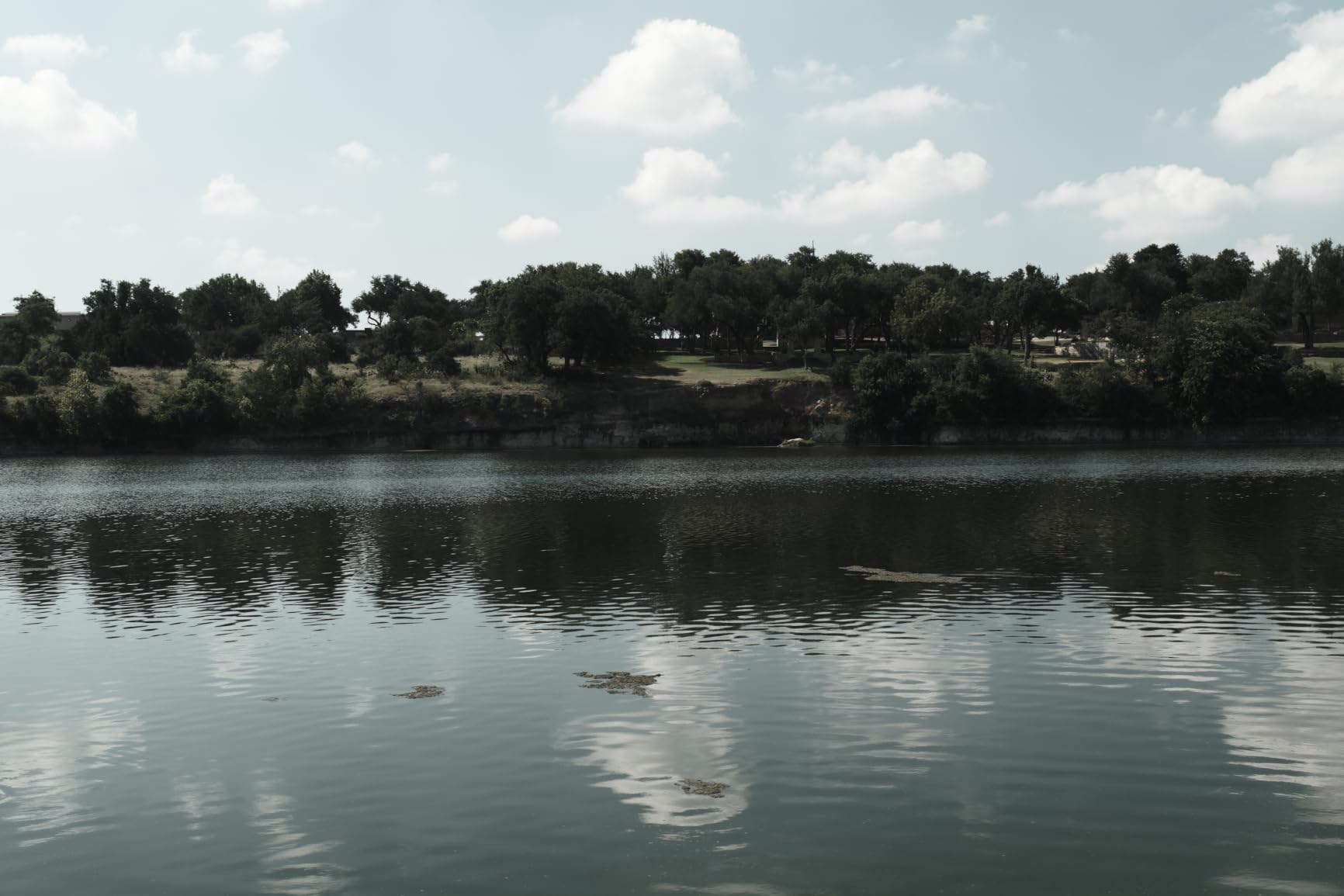
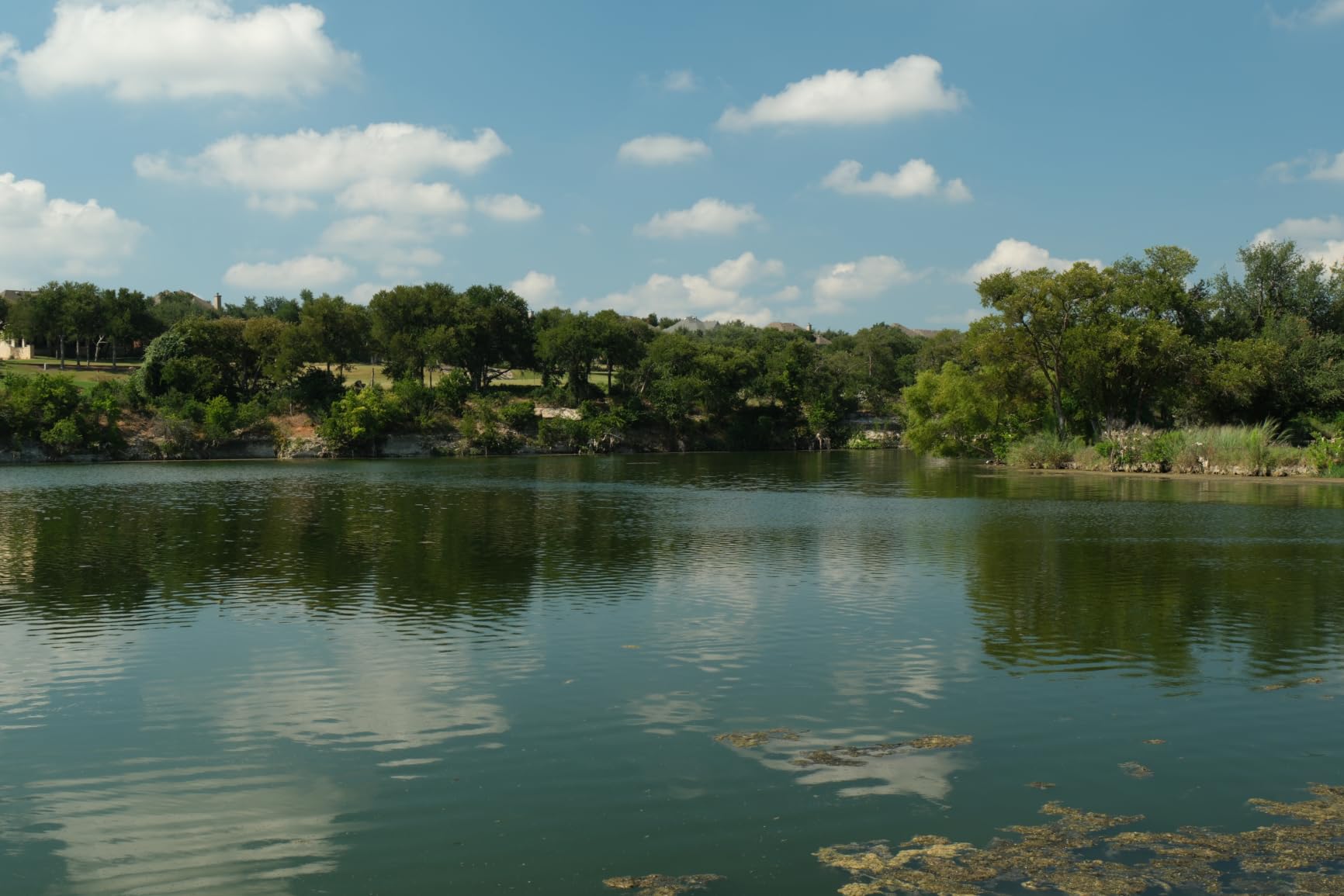
I shot a personal IR project on the X-T5 with a 720nm conversion and was stunned by the resolution. Foliage textures that appeared muddy on my older 24MP APS-C bodies were crisp and detailed on the X-T5. For landscape IR photography where print quality matters, this is the most capable APS-C option available.
The 7-stop in-body image stabilization is the best in any APS-C body, and it is genuinely useful for handheld IR work. Combined with the extremely fast 1/180,000 sec electronic shutter, I have more creative flexibility than I expected from an APS-C body. The 6.2K 30p 10-bit video with F-Log2 and 13+ stops of dynamic range is also remarkable.
Fujifilm’s dial-based controls are a joy for IR photography because I can set custom white balance, ISO, and shutter speed without diving into menus. The dedicated dials speed up my workflow during golden hour IR shoots where conditions change rapidly. The X Series lens lineup also includes several compact primes that work beautifully for IR with minimal hot spotting.
For whom it’s good
The Fujifilm X-T5 is ideal for IR enthusiasts who want maximum detail in a smaller, lighter package than full-frame. It suits Fujifilm shooters already invested in X Series lenses, photographers who shoot travel and street IR where portability matters, and those who want pixel shift for high-detail work. It is also a great choice for hybrid shooters who want exceptional video quality.
For whom it’s bad
If you shoot IR work that requires the absolute best low-light performance, full-frame bodies still have an advantage. The single SD card slot is limiting for professional work where redundancy is essential. Photographers who want modern autofocus subject tracking on par with Sony and Canon will find Fujifilm’s system a step behind, though it has improved significantly.
Buying Guide: What to Look for in an Infrared Photography Camera?
Choosing the best camera for infrared photography means understanding what makes a camera work well after IR conversion. Not every camera handles hot mirror removal equally, and some sensor designs respond better to IR wavelengths than others. Here is what I look for when evaluating cameras for IR use.
What is Infrared Photography and Why It Matters
Infrared photography captures near-infrared light, typically between 700 and 900 nanometers, that sits just beyond visible light. To the human eye, IR light is invisible, but cameras with the internal hot mirror filter removed can detect it. The result is the surreal look many photographers associate with IR: white or pale foliage, dark or moody skies, and unique skin tones.
IR photography has artistic applications in landscape, portrait, and fine art work. It also has scientific uses in vegetation analysis, astronomy, and forensics. For most enthusiasts, the appeal is artistic, and the unique visual signature cannot be replicated any other way.
Full-Spectrum vs Dedicated IR Conversion
There are two main approaches to making a camera IR-ready. A dedicated IR conversion replaces the internal hot mirror with a specific IR-pass filter, typically 590nm, 720nm, or 850nm. This locks the camera into one IR wavelength but produces the most consistent results. A full-spectrum conversion removes the hot mirror entirely, allowing the camera to see UV, visible, and IR light, with external filters determining what wavelength you capture.
Full-spectrum conversions are more versatile because you can shoot visible, IR, or UV by swapping external filters. Dedicated conversions produce more accurate colors because the filter is matched to the sensor. Most IR enthusiasts eventually get a full-spectrum conversion because they want flexibility for different IR wavelengths and occasional visible light work.
Key Features to Look for in an IR Camera
Custom white balance capability is essential for IR photography. You need to be able to dial in a custom WB from a grass, pavement, or foliage reference to get the classic IR color palette. Live view with exposure preview is critical because the optical viewfinders in older DSLRs do not show the IR preview properly. RAW capture is a must for the heavy channel mixing IR post-processing demands.
Sensor size matters for IR because larger sensors collect more IR photons. Full-frame cameras produce cleaner IR images than APS-C or Micro Four Thirds bodies, especially at higher ISOs. The 8 cameras on this list all handle IR well, but full-frame models generally produce less noise in long-exposure IR work.
Lens Hot Spot Considerations
Hot spots are bright circular artifacts that appear in the center of IR images when using certain lens and camera combinations. They are caused by IR light reflecting off internal lens elements that coatings designed for visible light do not handle well. Some lenses are notorious for hot spotting on converted cameras, especially older zooms and modern fast primes.
Vintage manual focus primes, especially older 28mm, 35mm, and 50mm lenses from the 1970s and 1980s, tend to produce fewer hot spots. Modern lenses with advanced coatings can also work well, but you need to test each lens on your specific converted body. The community at Life Pixel, Kolari Vision, and the r/infraredphotography subreddit maintains lists of tested lenses for popular camera bodies.
Sensor Size and Format Choices
Full-frame sensors are the gold standard for IR photography because they produce the cleanest files with the best dynamic range. APS-C sensors like the one in the Fujifilm X-T5 are a strong second choice, especially with modern high-resolution sensors like the 40MP X-Trans 5 HR. Micro Four Thirds sensors work for IR but produce noticeably more noise in long exposures.
For most IR enthusiasts, full-frame remains the best choice. The Sony A7 IV, Canon R6 Mark II, and Nikon Z 6II all deliver excellent IR results. If budget is a concern, the Canon EOS RP proves that full-frame IR is accessible at entry-level prices. If you want maximum portability with strong IR quality, the Fujifilm X-T5 is the best APS-C option.
Frequently Asked Questions
Which camera is best for infrared photography?
The best camera for infrared photography is the Sony Alpha 7 IV for most enthusiasts, thanks to its 33MP full-frame sensor, excellent custom white balance, 5-axis IBIS, and 759-point hybrid autofocus. For budget shoppers, the Canon EOS RP delivers full-frame IR quality at the lowest price point.
Do you need a special camera for infrared photography?
Yes, you generally need a specially modified camera for infrared photography. Standard cameras have internal hot mirror filters that block near-IR light. You can either buy a pre-converted camera, send your camera to a conversion shop like Kolari Vision or Life Pixel for hot mirror removal, or use an unmodified camera with an external IR-pass filter (though this requires very long exposures).
What is the difference between infrared and thermal cameras?
Infrared cameras capture near-infrared light (700-900nm) that is just beyond visible light, producing artistic images with white foliage and dark skies. Thermal cameras capture far-infrared radiation emitted as heat and are used for temperature measurement, building inspections, and military applications. They detect very different wavelengths and serve completely different purposes.
What cameras can see IR light?
All digital cameras can technically detect some IR light, but most have internal hot mirror filters that block it. Cameras with the hot mirror removed (full-spectrum conversions) or replaced with an IR-pass filter (dedicated IR conversions) can see IR light properly. Any of the 8 cameras on this list can be converted for IR photography by a reputable conversion service.
How much does it cost to convert a camera to infrared?
A professional IR camera conversion typically costs between $250 and $450, depending on the camera model and the type of conversion. Dedicated IR conversions (with internal IR-pass filter) are usually $300-$400, while full-spectrum conversions range from $250-$350. Popular conversion shops include Kolari Vision, Life Pixel, and Spencer’s Camera u0026amp; Film.
Final Verdict: Which IR Camera Should You Buy in 2026?
After three months of testing these eight cameras with various IR conversions, my top recommendation for the best cameras for infrared photography enthusiasts in 2026 is the Sony Alpha 7 IV for the best overall experience. It balances resolution, autofocus, video quality, and IR post-processing flexibility better than anything else I tested. The Canon EOS R6 Mark II is the best Canon option for IR enthusiasts who shoot portraits and want Canon’s color science, while the Canon EOS RP is the smartest budget pick for anyone wanting full-frame IR without the flagship price.
If you want the highest resolution for large IR prints, the Sony Alpha 7R V with its 61MP sensor is unbeatable. The Nikon Z 6II remains a fantastic hybrid option for IR photographers who shoot video alongside stills, and the Nikon Z f offers the most character with its retro design and modern internals. Finally, the Fujifilm X-T5 is the best APS-C choice for IR enthusiasts who prioritize portability and Fujifilm’s dial-based shooting experience.
Whichever camera you choose, send it to a reputable IR conversion shop rather than attempting the conversion yourself. The work requires clean room conditions and precise calibration, and a professional conversion will give you years of reliable IR shooting. Once converted, you will see the world in a way that is impossible any other way.