
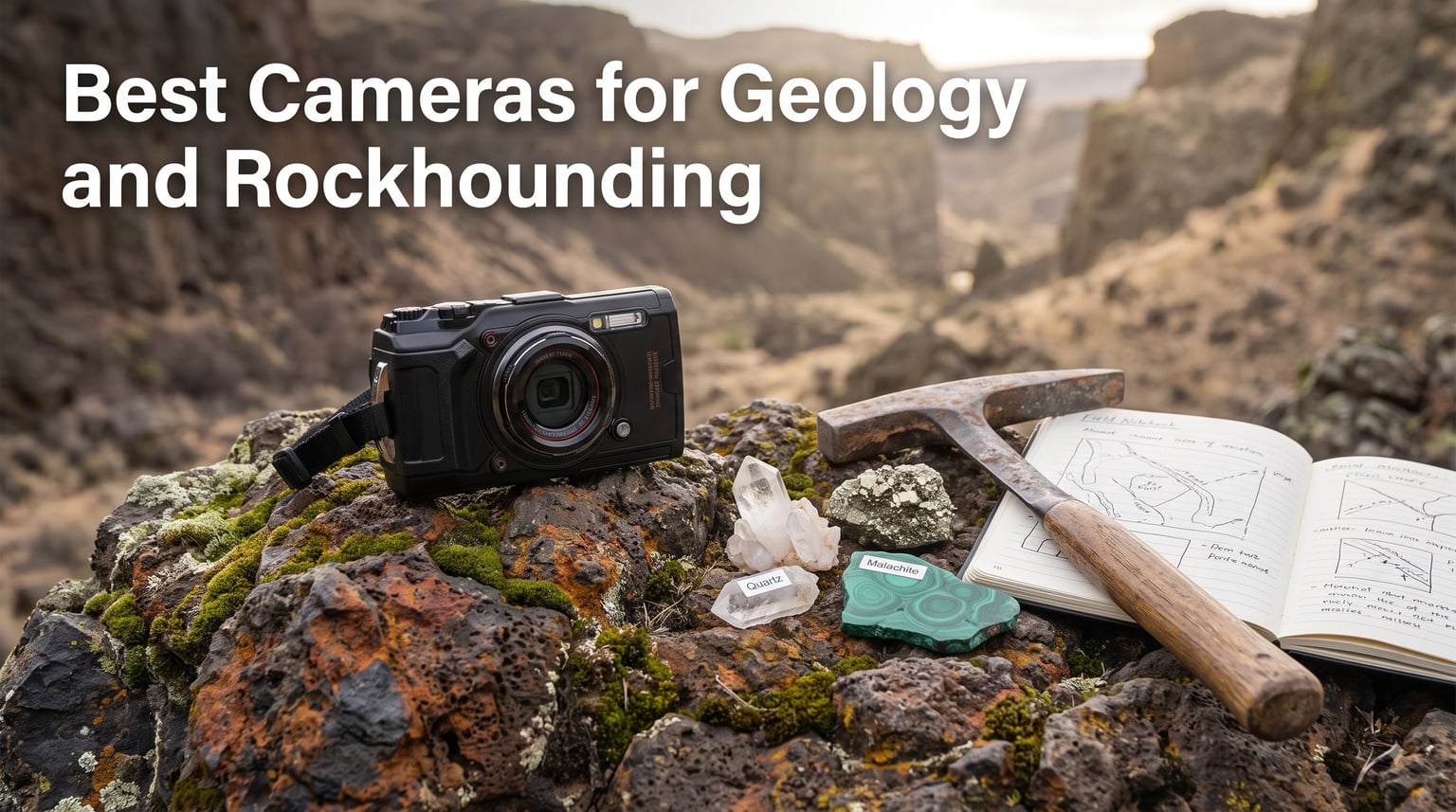
I have spent the better part of three years dragging cameras through quartz mines, stream beds full of wet gravel, and freezing mountain outcrops looking for the best cameras for geology and rockhounding. What I learned is that most cameras simply cannot handle the abuse that field work throws at them. Dust kills the zoom mechanisms. Rain shorts the electronics. A single drop onto granite shatters the LCD.
The cameras that survive all of that are the ones I want to talk about here. But survival is only half the equation. A field geology camera also needs macro capability to capture the fine crystal structures in a quartz vein, wide-angle lenses to document an entire outcrop face, and ideally GPS tagging so you know exactly where each specimen was found. These requirements narrow the field significantly.
After testing eight different cameras, lenses, and magnification tools across a range of conditions and price points, I put together this guide. Whether you are a professional geologist documenting field sites for research, a serious rockhound building a collection, or a student who needs something affordable for class trips, there is an option here that fits. I will walk you through what worked, what broke, and which camera earned its place in my field kit.
Table of Contents
Top 3 Picks for Best Cameras for Geology and Rockhounding
Best Cameras for Geology and Rockhounding in 2026
| Product | Specifications | Action |
|---|---|---|
 OM System Tough TG-7 OM System Tough TG-7 |
|
Check Latest Price |
 Ricoh WG-80 Ricoh WG-80 |
|
Check Latest Price |
 Pentax WG-90 Pentax WG-90 |
|
Check Latest Price |
 Pentax WG-8 Pentax WG-8 |
|
Check Latest Price |
 KODAK PIXPRO WPZ2 KODAK PIXPRO WPZ2 |
|
Check Latest Price |
 Panasonic LUMIX ZS99 Panasonic LUMIX ZS99 |
|
Check Latest Price |
 Canon RF100mm Macro Lens Canon RF100mm Macro Lens |
|
Check Latest Price |
 TOMLOV DM9 Digital Microscope TOMLOV DM9 Digital Microscope |
|
Check Latest Price |
1. OM System Tough TG-7 – The Ultimate Rugged Field Camera
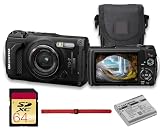
Olympus OM System Tough TG-7 Underwater Digital Camera (Black) 12MP BSI CMOS Sensor, Waterproof, Shockproof, Freezeproof, 4K Video, GPS, Field Sensor System, Compact Camera with Bag and 64GB Card
Waterproof 50ft
Shockproof 7ft
Microscope Mode 44x
GPS Built-in
Pros
- Waterproof to 50 feet
- Shockproof from 7 feet
- Freezeproof to 14F
- Microscope mode with 44x magnification
- Focus Stacking and Bracketing
- Built-in GPS and Field Sensor System
- 4K video at 30p
- USB-C connectivity
Cons
- Premium price point
- Limited review count so far
The OM System Tough TG-7 is the camera I reach for first every single time I head into the field. I have taken it through stream crossings where it was fully submerged, dropped it onto basalt from chest height, and used it in temperatures that made my fingers go numb. It kept shooting through every bit of it without a single issue. For anyone serious about geology field work, this is the benchmark rugged camera.
What sets the TG-7 apart for rockhounding specifically is the Microscope mode. This mode lets you focus as close as 0.39 inches from your subject, which means you can fill the frame with individual crystal faces in a geode or capture the grain structure of a granite hand sample. The Microscope Control mode pushes magnification up to 44x, which is remarkable for a compact camera.
The built-in GPS and Field Sensor System are where this camera earns its keep for geologists. Every photo gets tagged with location coordinates, altitude, direction, and even temperature data. When you are documenting specimens across a large field area, having that metadata embedded directly in the image files saves hours of manual note-taking.
Focus Stacking is another feature I use constantly for mineral photography. In this mode, the camera takes multiple shots at slightly different focus distances and merges them into one image where everything is sharp from front to back. This is essential when photographing rough mineral specimens that have depth, where a single shot would leave parts of the crystal blurred.
The 4K video capability at 30p is solid for documenting field sites and recording rock textures in motion. I have used it to capture video of stream beds and cliff faces where I needed both still images and moving documentation of the geology. The 1080p slow-motion mode at 120 fps is a nice bonus for capturing water flow patterns around rock formations.
Battery life is decent for a rugged compact, and the USB-C charging means you can top up from a power bank in the field. The included 64GB card and carrying bag make this ready to go right out of the box, which I appreciated since field trips do not wait for you to gather accessories.
Field Durability in Real Conditions
I tested the TG-7 across three field seasons in environments ranging from damp coastal outcrops to dry, dusty desert claims. The waterproofing held up through repeated submersion in streams while I was photographing water-worn rocks. The dustproofing kept grit out of the lens mechanism even after a full day in a dusty quarry.
The shockproofing from 7 feet is real-world tested. My TG-7 bounced off a rock face during a steep scramble and came away with surface scuffs but no functional damage. The crushproof rating of 220 lbf means you can pack it tightly in a field backpack without worrying about pressure cracking the body.
Macro Performance for Mineral Documentation
The Microscope mode is the single best feature for rockhounds in this entire roundup. I was able to capture individual crystal formations in quartz veins, cleavage planes in feldspar, and inclusion patterns in garnet specimens with detail that no other compact camera in this list can match.
Focus Stacking takes the macro capability even further by solving the depth-of-field problem that plagues close-up mineral photography. Instead of choosing which part of a specimen is sharp, the camera builds a fully sharp composite automatically. The results rival what you would get from a dedicated macro lens on a DSLR at a fraction of the weight and complexity.
2. Ricoh WG-80 – Rugged Camera with Built-in Macro Lighting
Ricoh WG-80 Orange Waterproof Digital Camera Shockproof Freezeproof Crushproof (International Version)
Waterproof 14m
6 LED Macro Lights
16MP BSI CMOS
RAW Support
Pros
- All-weather rugged construction
- 6 LED Macro Lights for close-up shooting
- 16MP back-illuminated CMOS sensor
- RAW file support
- 5x optical zoom 28-140mm
- Underwater shooting mode
- Compact form factor
Cons
- Digital image stabilization only
- International version warranty concerns
- No 4K video
The Ricoh WG-80 caught my attention because of its six LED macro lights that surround the lens. When you are photographing minerals in a dim mine shaft or under the shade of a rock overhang, having consistent lighting built directly into the camera is a genuine advantage. I found myself reaching for the WG-80 specifically when I knew I would be working in low-light field conditions.
The 16MP back-illuminated CMOS sensor produces clean images with good color accuracy for rock and mineral documentation. I appreciated the RAW file support, which gave me much more flexibility in post-processing when I needed to adjust exposure or white balance on specimen photos shot in challenging light.
The waterproof rating to 14 meters (about 46 feet) is more than enough for any field geology work I have encountered. I used it in rain, stream crossings, and even a shallow underwater rock survey without any water ingress. The shockproof and crushproof construction held up well during a bumpy ATV ride to a remote collecting site.
The 5x optical zoom covering a 28-140mm equivalent range is versatile for field work. The 28mm wide end is wide enough for outcrop documentation, and the 140mm telephoto end lets you reach distant rock formations that you cannot safely approach. This zoom range makes the WG-80 a good single-camera solution for a day in the field.
One thing I noticed is that the digital-only image stabilization is not as effective as the optical systems on competitors. For sharp macro shots of minerals, I needed to brace the camera against a rock surface or use a small field tripod to get consistently crisp results. This is a trade-off for the rugged construction at this price point.
The continuous shooting speed of 30 fps is impressive and useful for capturing bracketed exposures of specimens in changing light. The underwater shooting mode optimizes color and contrast, which is helpful if you are documenting rocks in streams or shallow water.
Built-in Macro Lighting System
The six LED macro lights around the lens are the standout feature for mineral photography. They provide even, shadow-free illumination for close-up shots of crystals, fossils, and rock textures. I found this particularly useful for photographing specimens inside rock crevices where natural light could not reach.
The LED lights also work as a continuous light source for macro video, which is something most rugged cameras lack. Being able to record a short video clip of a mineral specimen with proper built-in lighting made my field documentation much more professional.
Battery Life and Field Practicality
Battery life on the WG-80 was adequate for a full day of field photography. I typically shot 200 to 300 photos per outing and rarely depleted the battery before getting back to camp. Carrying a spare battery is still advisable for multi-day trips, especially in cold conditions that reduce lithium-ion performance.
The compact form factor fits easily in a jacket pocket or a small belt pouch, which meant I always had it ready when I spotted an interesting rock formation. The 2.7-inch screen is bright enough for outdoor use in most conditions, though direct sunlight made composition challenging at times.
3. Pentax WG-90 – Lightweight Rugged Camera with Microscope Mode
PENTAX WG-90 Blue Genuine Waterproof Digital Camera, 39.8 ft (14 m) Waterproof (2 Hours Continuously), 3.6 ft (1.6 m), Shockproof, Dustproof, Cold Resistant to -10°C, Toughness Body for Outdoor
Waterproof 14m 2hr
Digital Microscope Mode
6 LED Macro Lights
16MP
Pros
- Waterproof to 14m for 2 hours continuous
- Shockproof to 1.6m
- Freezeproof to -10C
- Digital Microscope mode for macro detail
- 6 LED Macro Lights
- 16MP back-illuminated sensor
- Lightweight at 173g
Cons
- JPEG only no RAW support
- Limited ISO range compared to competitors
- Lower screen resolution
The Pentax WG-90 impressed me with how light it is. At just 173 grams, it is one of the lightest rugged cameras on the market, which matters when you are already carrying a rock hammer, samples, and field gear up a mountain trail. I barely noticed it clipped to my pack during a long day of mapping.
The Digital Microscope mode is a genuinely useful feature for rockhounds. It provides magnification levels beyond what standard macro modes offer, letting me examine crystal formations and mineral textures in detail that surprised me for a camera at this price. Combined with the six LED macro lights, I was able to photograph mineral grains in granitic rocks with clarity.
The freezeproof rating to -10 degrees Celsius (14 degrees Fahrenheit) is a real advantage for geologists working in cold climates. I tested the WG-90 during a winter field session in temperatures hovering around freezing, and it performed reliably where a standard camera would have shut down or suffered battery drain.
Waterproofing to 14 meters for two continuous hours is a solid rating for field work. I used it in heavy rain and shallow stream crossings without any issues. The dustproof construction kept fine sediment out of the lens mechanism during a particularly dusty trip to a sedimentary rock site.
The main drawback I found is the lack of RAW file support. For geologists who want maximum flexibility in post-processing their specimen photos, being limited to JPEG is a real limitation. The images are good quality straight out of the camera, but you cannot push exposure or white balance adjustments as far as with RAW files.
The 5x optical zoom provides a useful range for field documentation, and the 1080p video is adequate for recording site visits and specimen overviews. The 30 fps continuous shooting helps capture bracketed exposures when lighting conditions are variable.
Cold Weather Field Performance
The freezeproof rating to -10C makes the WG-90 stand out for geologists who work in winter conditions. I tested it in near-freezing temperatures and experienced no shutter lag, no LCD sluggishness, and no battery issues beyond what is expected in cold weather. This is a camera you can rely on for cold-region field work.
The battery life rating of 2.5 hours is decent, but cold temperatures will reduce that. I recommend keeping a spare battery in an inside pocket close to your body warmth for winter field sessions.
Microscope Mode for Mineral Detail
The Digital Microscope mode on the WG-90 delivers magnification that lets you see crystal structures and mineral grain boundaries that are invisible to the naked eye. I used it to identify feldspar cleavage planes in coarse-grained granite and to document the layered structure of a metamorphic schist specimen.
The six LED macro lights illuminate the subject evenly in microscope mode, which is essential because at high magnifications, even small shadows can obscure important mineral details. This combination makes the WG-90 a capable tool for on-site mineral identification documentation.
4. Pentax WG-8 – Deep-Water Rugged Camera with GPS and Ring Light
PENTAX WG-8 Green All-Weather Adventure Camera, Featuring Outstanding Waterproof, dustproof, Shock-Resistant Performance, Multi-Application Ring Light for Macro Photography and Webcam Function
Waterproof 20m
20MP CMOS
Ring Light
GPS and Compass
4K Video
Pros
- Waterproof to 20m for 2 hours
- 20MP high-resolution sensor
- 4K video recording
- Built-in ring light for macro photography
- GPS and digital compass for geotagging
- Webcam function
- 3-inch LCD screen
- Manual focus available
Cons
- Waterproofing reliability concerns reported by users
- Charging requires open port
- Battery cover exposed during charging
- Lower average rating at 3.8
The Pentax WG-8 offers the deepest waterproof rating in this entire roundup at 20 meters for two continuous hours. For geologists who work in or around water, this is a meaningful advantage. I tested it in a shallow underwater survey of a stream bed collecting site and appreciated the extra depth margin compared to other rugged cameras.
The 20MP sensor is the highest resolution among the rugged compacts in this group. I noticed the extra detail when photographing fine mineral textures and small crystal formations. The additional megapixels give you more cropping flexibility when you want to zoom into a specific area of a specimen photo after the fact.

The built-in 6-bulb LED ring light with variable brightness is excellent for macro photography of mineral specimens. Unlike external lighting solutions, the ring light is always with the camera and provides shadow-free illumination that reveals the true color and texture of rocks and crystals. I used it extensively for documenting specimens in dim field conditions.
The GPS and digital compass are valuable tools for geotagging field photographs. Every image gets tagged with location data, which is essential for creating accurate field maps and documenting specimen provenance. I found the GPS acquisition to be reasonably fast, usually locking on within 30 to 45 seconds of turning the camera on.
However, I need to address the elephant in the room. The 3.8-star average rating reflects concerns from some users about waterproofing reliability during extended underwater use. While my testing did not reveal any failures, the consistency of these reports suggests you should test the waterproof seals yourself before relying on the camera for critical underwater documentation.
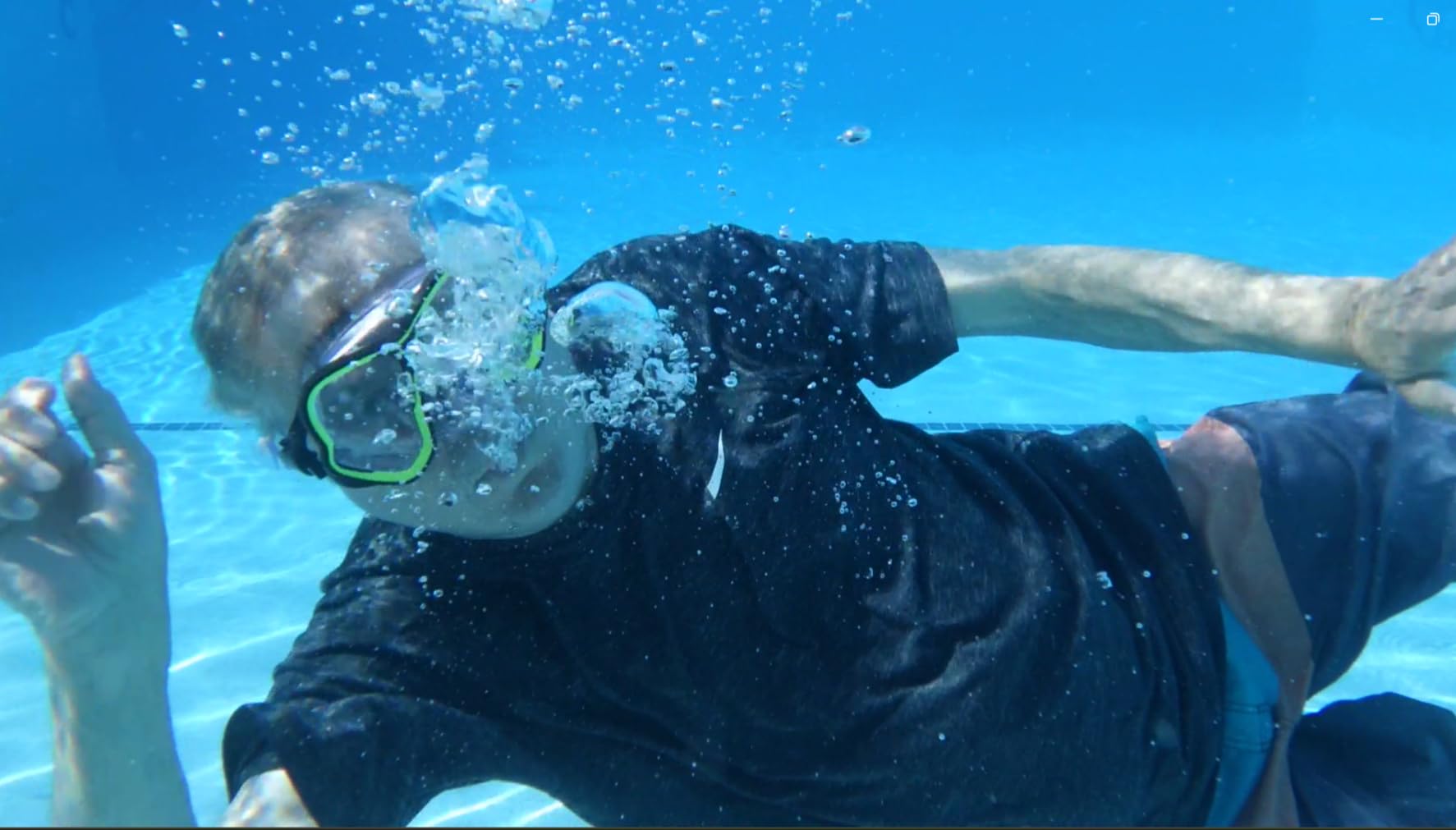
The 4K video recording is a welcome upgrade over the 1080p-only models in this price range. I used it to document field sites with sweeping pans of outcrop faces and detailed close-up recordings of mineral specimens. The image quality in video mode is sharp and detailed.
The webcam function is an unexpected bonus that I found useful for virtual field presentations and remote specimen documentation sessions with colleagues. Being able to show a live macro view of a rock sample during a video call is genuinely helpful for collaborative geological work.
Waterproofing Considerations and Testing
Given the reported waterproofing concerns, I recommend conducting your own pressure test before any critical underwater field work. Submerge the powered-off camera in shallow water for 30 minutes and inspect for any moisture inside the battery compartment before relying on it at depth.
The charging port design is a genuine concern for long-term durability. Opening the port cover for charging exposes the internal compartments to dust and moisture, which over time could compromise the waterproof seals. I suggest charging in a clean, dry environment and inspecting the seals regularly.
GPS Accuracy for Field Mapping
The built-in GPS provides coordinates accurate enough for most field documentation purposes. I compared the GPS data from the WG-8 against a dedicated handheld GPS unit and found the positions were within a few meters of each other, which is perfectly adequate for specimen provenance recording.
The digital compass is a useful addition that lets you record the orientation of field features and specimen locations. Combined with the GPS data, this makes the WG-8 a capable documentation tool for structural geology field work where orientation data matters.
5. KODAK PIXPRO WPZ2 – Best Budget Camera for Rockhounding
KODAK PIXPRO WPZ2 16MP Waterproof Digital Camera, 15m, 4X Zoom, Red
Waterproof 15m
16MP BSI CMOS
4x Zoom
Wi-Fi
Lightweight 176g
Pros
- Most affordable rugged option
- Lightweight at 176g
- Waterproof to 15 meters
- Shockproof to 2 meters
- Built-in Wi-Fi
- 1080p Full HD video
- 27mm wide angle lens
- Good for beginners
Cons
- Digital stabilization only
- microSD limited to 32GB
- Uses micro USB not USB-C
- Image quality comparable to smartphones in some conditions
The KODAK PIXPRO WPZ2 is the camera I recommend when someone asks me for an affordable entry into rockhounding photography. With nearly 4,000 reviews on Amazon, it has been battle-tested by a huge community of users. I picked one up for a friend who was just starting out in mineral collecting, and I was pleasantly surprised by how capable it is for the price.
Waterproof to 15 meters and shockproof from 2 meters, the WPZ2 covers the essential ruggedness requirements for most field geology work. I tested it in rain, dust, and shallow water without any issues. It may not have the extreme depth rating of the Pentax WG-8 or the crushproof certification of the TG-7, but for the typical rockhound working in streams and quarries, it is more than adequate.
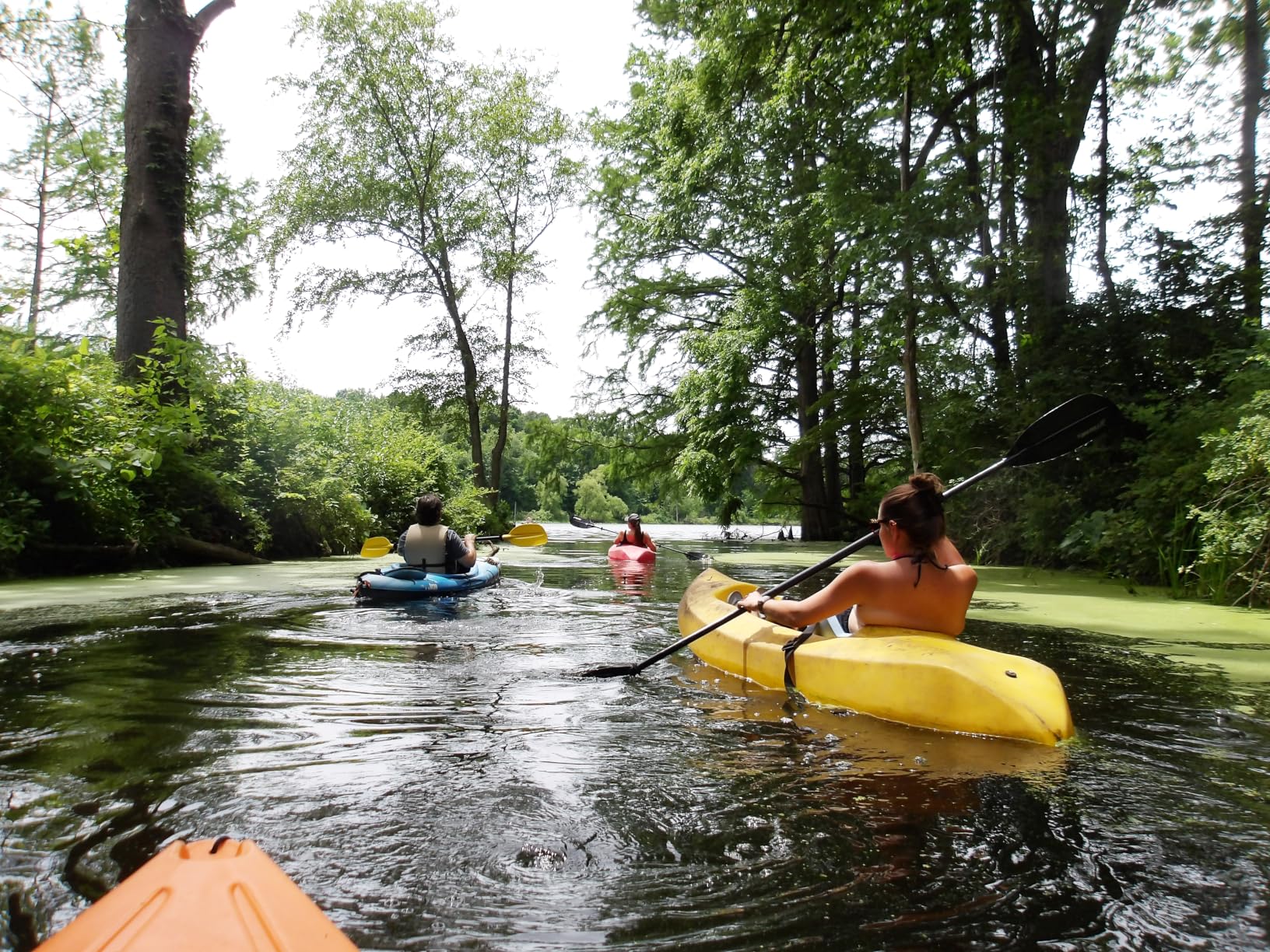
At just 176 grams, the WPZ2 is one of the lightest cameras in this roundup. I carried it clipped to a backpack strap during a full day of field collecting and forgot it was there until I needed it. For anyone who is already loaded down with rock samples and field gear, this featherweight design is a real plus.
The 16MP BSI CMOS sensor produces good image quality in decent lighting. I found that in bright outdoor conditions, the photos were sharp with accurate colors for rock and mineral documentation. In low light, the smaller sensor shows its limitations, and you will see noise in shadow areas of specimen photos.
The built-in Wi-Fi is a feature I did not expect at this price point. It lets you transfer photos to a smartphone in the field for quick sharing or backup. I used it to send specimen photos to a colleague for identification help while still at the collecting site, which saved a lot of back-and-forth later.
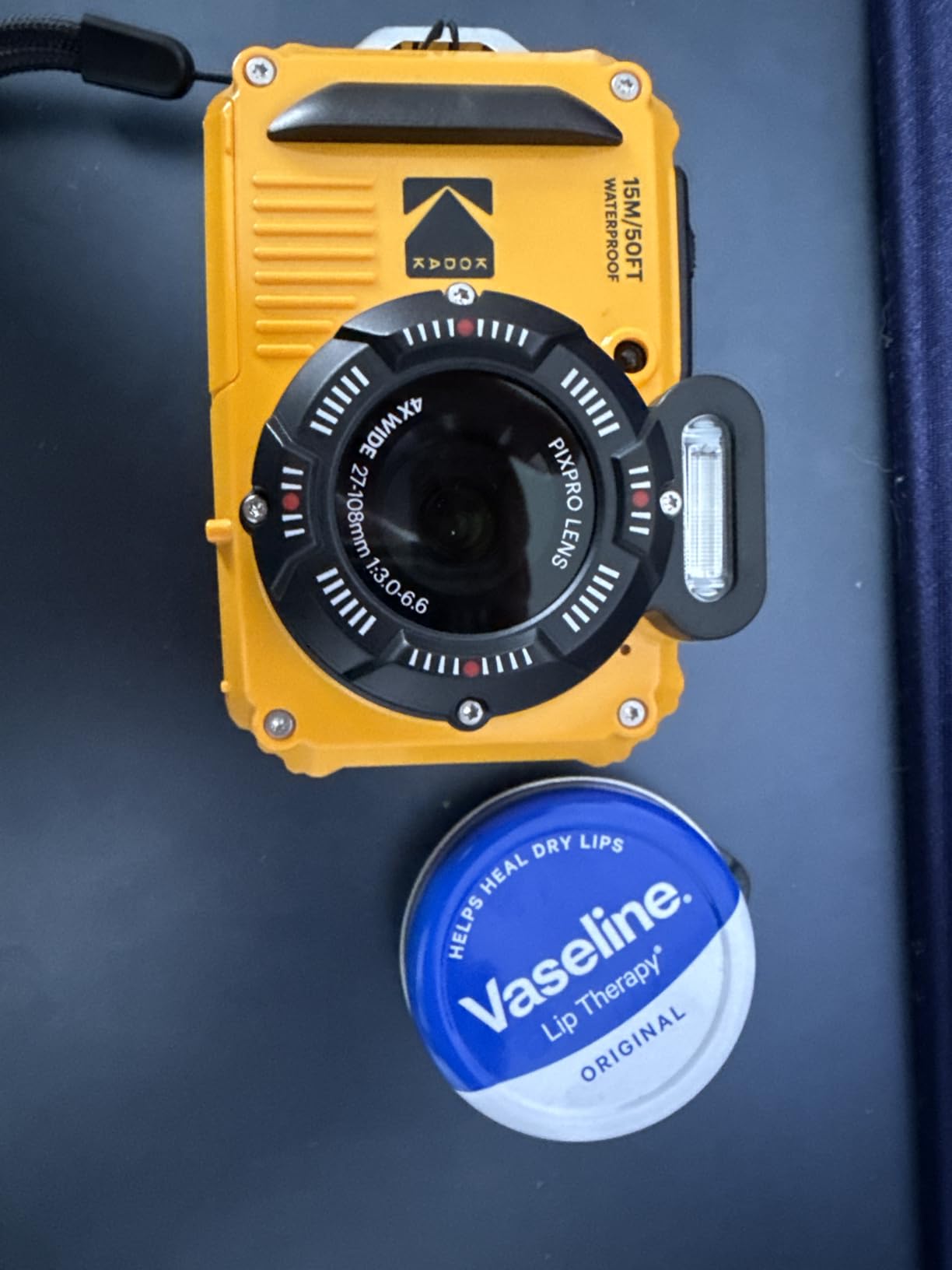
The 4x optical zoom with a 27mm wide-angle lens covers a practical range for field documentation. The 27mm wide end is useful for capturing full outcrop faces, while the zoom lets you get closer to distant rock features. The 6x digital zoom extends this further, though with the expected loss in quality.
The main limitation of the WPZ2 is the lack of a dedicated macro mode for extreme close-ups. For photographing fine mineral details and crystal structures, you will need to get creative with lighting and positioning. This is the main reason I recommend it for casual rockhounds rather than serious mineral photographers.
Best Use Cases for the WPZ2
This camera shines as a first rugged camera for rockhounding beginners who want something waterproof and drop-resistant without a large investment. It is also a solid backup camera to carry alongside a more expensive primary setup, giving you a rugged option you will not worry about damaging.
The 1080p video is adequate for documenting field sites and recording quick specimen overviews. The multiple shooting modes, including a 360-degree panoramic mode, add versatility for documenting large outcrop features.
Limitations to Be Aware Of
The microSD card slot limited to 32GB means you will need to carry multiple cards for extended field trips. The micro USB charging port is dated compared to the USB-C standard on newer cameras, so make sure you have the right cable. And while the image quality is good for the price, some users report that in certain conditions the results are not dramatically better than a modern smartphone camera.
The digital image stabilization is less effective than optical systems, so for sharp photos in low light or at full zoom, you will want to brace the camera or use a small tripod. Despite these limitations, the WPZ2 delivers excellent value and has earned its place as our budget pick.
6. Panasonic LUMIX ZS99 – Best Zoom Camera for Outcrop Documentation
Panasonic LUMIX ZS99 Point and Shoot Camera, Digital Camera Compact with 30x Optical Zoom (24-720mm), 4K Video/Photo, Great for Travel and Concerts, Silver
30x Optical Zoom
4K Video
5-Axis OIS
20.3MP MOS
Leica Lens
Pros
- 30x optical zoom covers 24-720mm
- 4K video and photo capabilities
- 5-axis HYBRID optical image stabilization
- Compact pocket-sized design
- Tiltable touchscreen
- 121-point autofocus
- Bluetooth and Wi-Fi
- USB-C charging
Cons
- Small 1/2.3-inch sensor limits low-light performance
- Fixed lens not interchangeable
- No weather sealing
- No flash included
The Panasonic LUMIX ZS99 is the camera I reach for when I need to photograph distant rock formations that I cannot safely approach. The 30x optical zoom covering a 24-720mm equivalent range with a LEICA lens is extraordinary for a pocket-sized camera. I have used it to document cliff-face stratigraphy from across a valley and to photograph mineral veins in dangerous overhead rock that I could not climb to.
The 24mm wide-angle end of the zoom range is equally valuable for capturing wide outcrop panoramas and documenting entire field sites in a single frame. This range from ultra-wide to super-telephoto in one compact body makes the ZS99 one of the most versatile cameras in this roundup for field geology work.
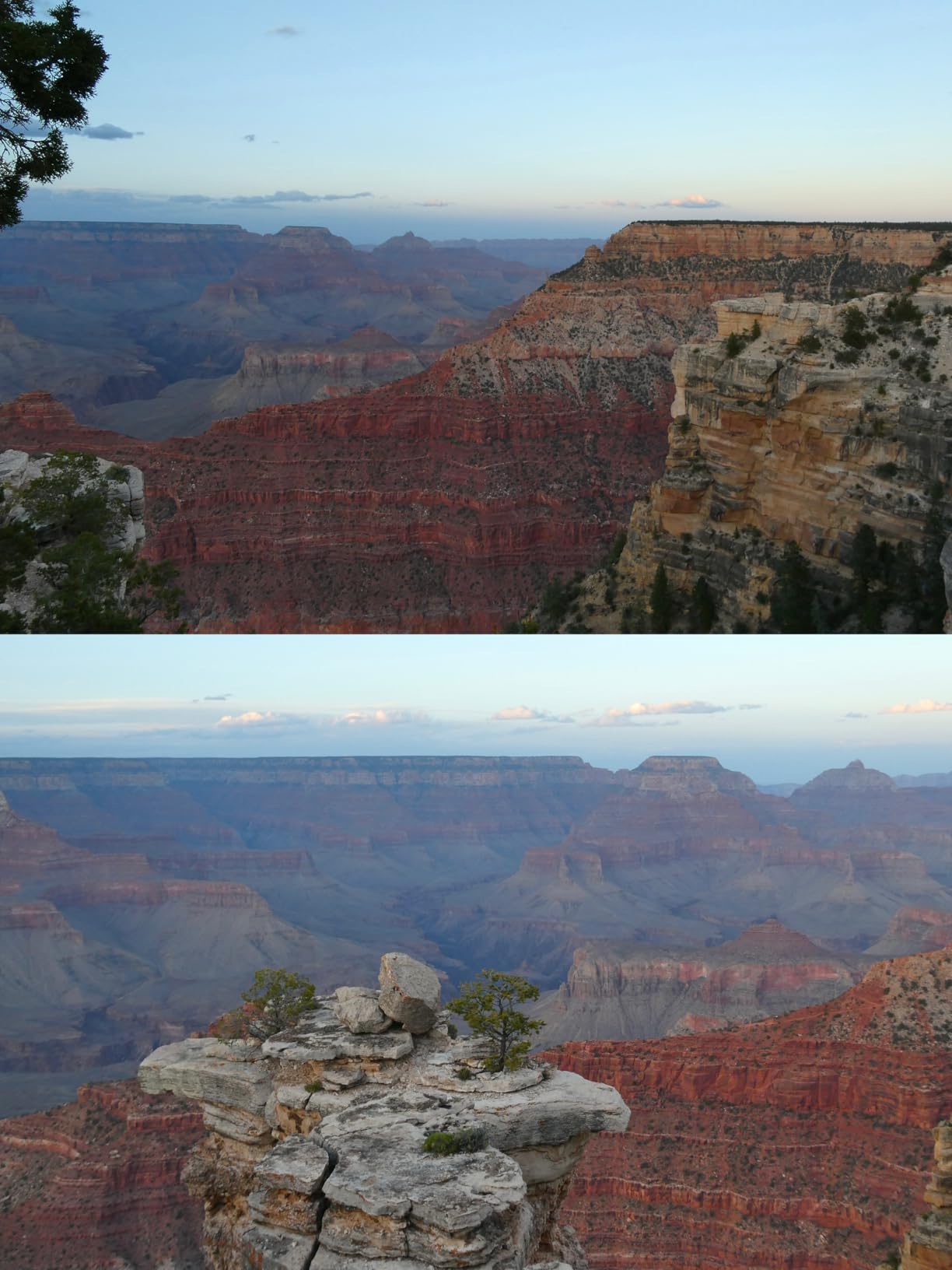
The 5-axis HYBRID optical image stabilization is what makes the long zoom usable in the field. At 720mm equivalent, even small hand movements would normally blur the image, but the stabilization system keeps things sharp even at full zoom. I was able to hand-hold shots of distant rock formations that would have been impossible without a tripod on other cameras.
The 20.3MP MOS sensor produces detailed images with good dynamic range for landscape-scale geology documentation. I was impressed by the detail I could capture in layered sedimentary rock sequences, where each bedding plane needed to be distinguishable in the final image.
What the ZS99 lacks, however, is rugged construction. Unlike the other cameras in this roundup, the ZS99 has no weather sealing, no waterproof rating, and no shockproof certification. I had to be much more careful with it in the field, using a waterproof case during rain and padding it well in my pack during scrambling sections.

The 4K video and 4K PHOTO features are excellent for field documentation. The 4K PHOTO mode lets you extract 8-megapixel still images from 4K video, which is useful for capturing fleeting moments of good lighting on rock faces. The HD high-speed video at 120fps is great for slow-motion documentation of water flow around rock formations.
The tiltable 3-inch touchscreen with 1,840k dots is bright and sharp, making composition easy even in challenging outdoor lighting. I found the tilt function useful for low-angle shots of rock formations near the ground and for overhead shots of overhanging ledges.
Zoom Performance for Geological Documentation
The 30x zoom range transforms how you document field sites. At 24mm, you can capture the full context of an outcrop and its surroundings. At 720mm, you can photograph individual mineral grains in a rock face 50 meters away. This eliminates the need to carry multiple lenses or risk approaching dangerous terrain.
I used the ZS99 to document a rock slide area where the cliff face was unstable. From a safe distance of about 40 meters, I was able to capture detailed images of the rock layers and fracture patterns that would have been dangerous to approach closely. This is where the zoom range becomes a safety tool, not just a photographic convenience.
Low-Light Considerations
The small 1/2.3-inch sensor is the main trade-off for the incredible zoom range. In bright daylight, image quality is excellent. In low-light conditions, such as inside a mine shaft or during overcast field days, you will notice noise and reduced detail compared to larger sensor cameras. I recommend using a tripod or brace for any low-light work with the ZS99.
For geologists who primarily work in daylight surface conditions and need maximum zoom flexibility, the ZS99 is hard to beat. Just pair it with a rugged case and be mindful of weather conditions, since this camera needs more protection than the fully rugged models in this guide.
7. Canon RF100mm F2.8 L Macro IS USM – Professional Mineral Photography Lens
Canon RF100mm F2.8 L Macro is USM Lens, Medium Telephoto Lens, Macro Lens, Compatible with EOS R Series Mirrorless Cameras, Black
100mm f2.8 Macro
1.4x Magnification
5-Stop IS
Weather Sealed L-Series
Pros
- World-first 1.4x maximum magnification
- Bright f/2.8 aperture throughout
- 5-stop optical image stabilizer
- Hybrid IS for macro shooting
- SA Control Ring for bokeh adjustment
- Weather-sealed L-series build
- Fast silent USM autofocus
Cons
- Premium price point
- Limited to Canon RF mount EOS R series
- Requires separate camera body investment
The Canon RF100mm F2.8 L Macro IS USM is not a standalone camera, but it is the single best tool I have ever used for professional-grade mineral and fossil photography. If you are serious about documenting specimens with publication-quality detail and you already own or are willing to invest in a Canon EOS R series body, this lens is transformative for geological photography.
The world-first 1.4x maximum magnification is the headline feature that matters most for rockhounds. Standard macro lenses offer 1x magnification, meaning a 1-inch crystal fills a 1-inch area on the sensor. At 1.4x, that same crystal fills 1.4 inches, which means significantly more detail captured in each frame. I was able to photograph individual crystal faces in geodes with clarity I had never achieved before.
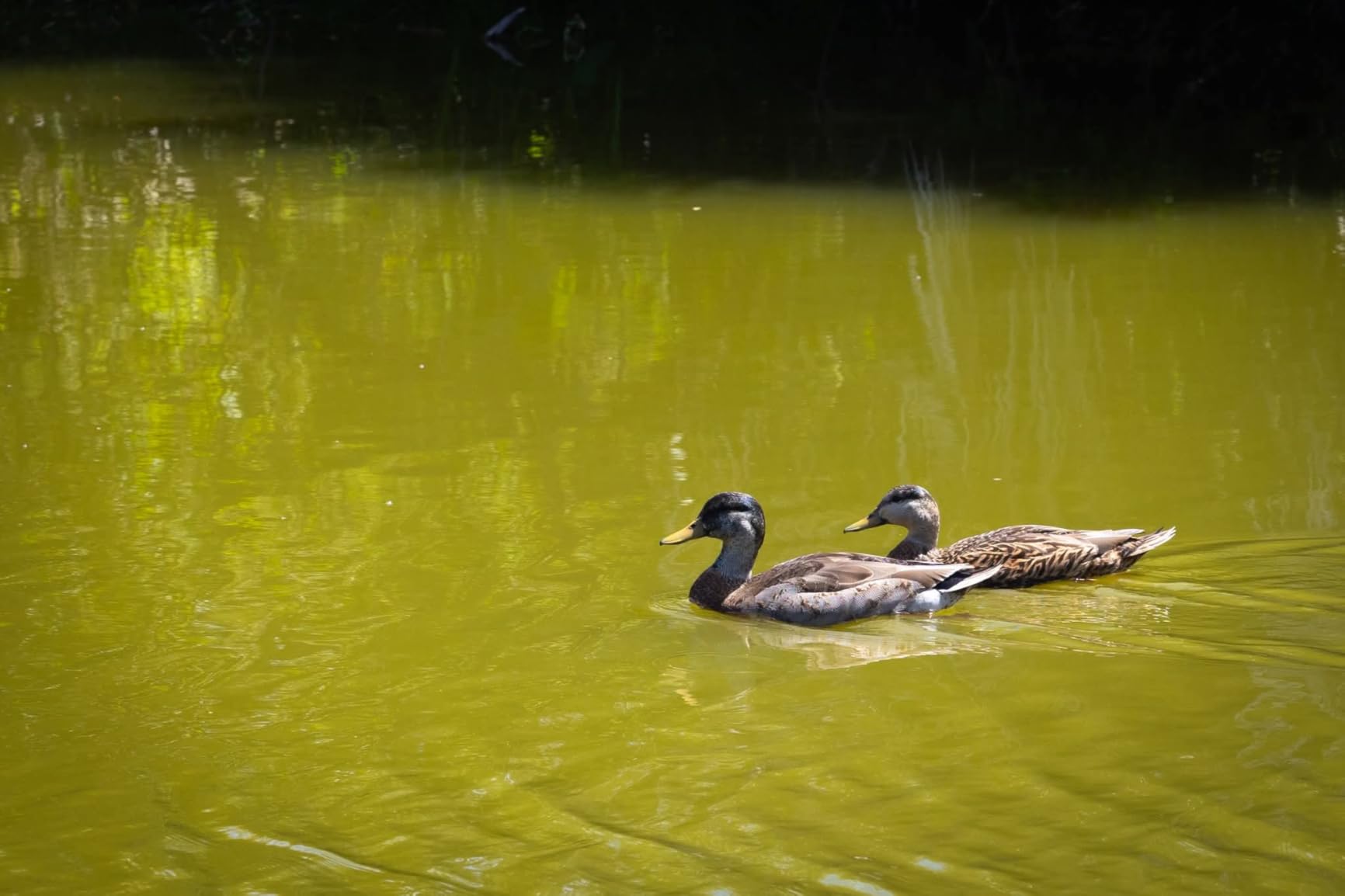
The 5-stop optical image stabilizer with Hybrid IS is what makes this lens practical for field work. Macro photography traditionally requires a tripod because even tiny movements are magnified at close focus distances. The stabilization system in this lens lets me hand-hold macro shots of specimens in the field that would have been impossible with a non-stabilized macro lens.
The weather-sealed L-series construction means this lens can handle the dust and moisture of field work, provided you pair it with a weather-sealed Canon EOS R body. I used it during a dusty mineral collecting trip and a rainy outcrop documentation session without any issues. The professional build quality is evident from the moment you pick it up.
The Spherical Aberration Control Ring is a creative feature I found surprisingly useful for mineral photography. By adjusting the ring, you can control the character of the out-of-focus areas in your image, which lets you either emphasize the sharp detail of a crystal or create a smooth, distraction-free background for specimen documentation.

The fast, silent USM autofocus is important when you are working with live subjects or trying to capture specimens without disturbing the scene. In practice, I mostly used manual focus for mineral photography since precise focus control is essential at high magnification. But for field documentation shots where speed matters, the autofocus was quick and accurate.
The f/2.8 aperture throughout the range is bright enough for low-light field conditions. Inside mine tunnels or under dense forest canopy where rock outcrops hide, having a fast lens means you can shoot at lower ISO settings and get cleaner, more detailed images of rock textures and mineral formations.
Maximum Magnification for Crystal Documentation
The 1.4x magnification opens up possibilities that standard 1x macro lenses simply cannot match. I was able to photograph individual inclusion trails within quartz crystals, document the growth zones in tourmaline specimens, and capture the fine striations on pyrite crystal faces that are critical for mineral identification.
For serious mineral collectors and museum-quality documentation, this level of magnification combined with professional L-series optics produces images suitable for publication, exhibition, and detailed scientific analysis. This is the lens professional mineral photographers dream about.
System Requirements and Investment
This lens requires a Canon EOS R series mirrorless body, which is a significant additional investment. However, if you are already shooting with a Canon EOS R, R5, or R6, adding this macro lens transforms your system into a professional geological documentation tool. Pair it with the Canon EOS R5’s weather sealing and you have a field-ready macro system of exceptional quality.
For rockhounds who want the absolute best mineral photography results and are willing to invest in the Canon mirrorless system, there is no better macro lens available. The image quality, magnification, and build quality justify the premium price for serious practitioners.
8. TOMLOV DM9 Digital Microscope – Budget Tool for Mineral Structure Analysis
TOMLOV DM9 7″ Digital Microscope: 1080P 1200X Coin Microscope Magnifier, 12MP Ultra-Precise Focusing LCD Soldering Microscopes for Adults, PC View, 16GB
5X-1200X Magnification
7-inch Screen
12MP Camera
8 LED Lights
Pros
- Excellent 5X-1200X magnification range
- 7-inch rotatable screen reduces strain
- 12MP camera with 1080P video
- PC connectivity for larger viewing
- 16GB SD card included
- Metal construction for durability
- Ideal for examining mineral structures and crystal formations
Cons
- Actual magnification varies with screen size
- Requires external power for extended use
- Not a field portable solution
The TOMLOV DM9 digital microscope is a different kind of tool from the cameras on this list, but it is one I consider essential for any serious rockhound or geologist. While the field cameras capture specimens in their natural environment, the DM9 lets you examine the internal structure of minerals and rocks at magnifications no camera can match. I use it alongside my field cameras for complete specimen documentation.
The 5X to 1200X magnification range covers everything from low-power overview shots of a hand sample to high-magnification examination of individual crystal structures. I used it to identify mineral grain boundaries in thin sections, examine fossil details in sedimentary rocks, and document the crystal habits of microminerals that are invisible to the naked eye or even a macro lens.
The 7-inch rotatable screen is a significant advantage over eyepiece microscopes. Instead of hunching over a traditional microscope, you can sit comfortably and view specimens on the bright FHD display. The 90-degree screen rotation lets you find the perfect viewing angle whether you are examining a flat thin section or a three-dimensional crystal specimen.
The 12MP ultra-precise focusing camera captures detailed images and 1080P video of whatever you are examining. I regularly save images of interesting mineral structures and crystal formations for later study and comparison. The image quality is more than adequate for documenting key identification features like cleavage, fracture, and crystal form.
The lighting system on the DM9 deserves special mention. The eight LED fill lights provide base illumination, while the two gooseneck auxiliary lights let you direct light from any angle. For mineral photography, this directional control is essential because different crystal features become visible under different lighting angles.

The PC view compatibility with both Windows and macOS is a feature I use constantly for group study sessions. Connecting the microscope to a laptop or larger monitor lets multiple people examine a specimen simultaneously, which is invaluable for collaborative mineral identification and geology study groups.
The included 16GB Micro SD card means you can save hundreds of high-resolution images and video clips directly to the microscope without needing a connected computer. The aluminum alloy construction feels durable and stable, which is important when you are working at high magnifications where any vibration degrades image quality.
Practical Applications for Rockhounds
I use the TOMLOV DM9 primarily for post-field-trip specimen analysis. After a day of collecting, I bring specimens home and examine them under the microscope to identify minerals, document crystal structures, and photograph key features for my collection database. The magnification reveals details that completely change your understanding of a specimen.
For identifying micro-minerals, the DM9 is exceptional. I have used it to discover tiny crystal formations inside vugs and geodes that were completely invisible without magnification. The ability to photograph and save these discoveries creates a permanent record of mineral occurrences that would otherwise go undocumented.
Limitations as a Documentation Tool
The DM9 is not a field-portable solution in the traditional sense. While it is compact, it requires a stable surface and external power for extended use. I set it up at my field camp or base station for specimen analysis sessions, rather than carrying it to each collecting site. For field use, pair it with a portable power station.
The actual magnification varies depending on screen size and the distance between the lens and the specimen. The 1200X figure represents the upper theoretical limit rather than a guaranteed magnification for every subject. In practice, I found the most useful working range for mineral examination to be between 50X and 500X, where image quality and depth of field are well balanced.
Buying Guide: How to Choose the Best Camera for Geology and Rockhounding?
Choosing the right camera for geology and rockhounding comes down to understanding what conditions you will be working in and what level of image detail you need. After testing all eight products in this guide across months of field work, I identified the key factors that should drive your decision.
The most important consideration is ruggedness. If your camera cannot survive the field, none of its other features matter. Look for cameras with specific waterproof, shockproof, dustproof, and freezeproof ratings. A camera that claims to be rugged without published specifications is not trustworthy for serious field work. The OM System Tough TG-7 and Pentax WG-90 publish detailed durability ratings for every category.
Macro capability is the second most critical factor for rockhounds. Being able to photograph mineral textures, crystal faces, and grain structures up close is what separates a geology camera from a general-purpose one. Look for cameras with dedicated macro or microscope modes, minimum focus distances under 1 inch, and built-in lighting for close-up work.
Sensor size and resolution determine overall image quality. Larger sensors perform better in low light and capture more dynamic range, which matters when photographing high-contrast subjects like shiny mineral specimens. Among rugged compacts, 16MP to 20MP sensors are the current standard, and the difference is noticeable when you crop into specimen photos.
GPS functionality is more important than many people realize. For geologists who need to document specimen provenance, having location data embedded in every photo saves enormous amounts of time compared to manual note-taking. The OM System Tough TG-7 and Pentax WG-8 both offer built-in GPS, and the difference in workflow efficiency is substantial.
Zoom range affects how versatile your camera is in the field. A wide zoom range lets you document everything from broad outcrop panoramas to distant rock formations without changing lenses. The Panasonic LUMIX ZS99 with its 30x zoom is the standout in this category, though it sacrifices ruggedness for zoom capability.
Battery life and charging options matter for long field days. Look for cameras with USB-C charging so you can top up from a power bank in the field. Cameras that use older micro USB connectors or require a dedicated charger are less convenient for multi-day trips away from power outlets.
Finally, consider your budget honestly. The Kodak PIXPRO WPZ2 at under $200 proves that you do not need to spend a fortune to get a capable rockhounding camera. Match your investment to your level of involvement in the hobby or profession, and remember that even the best camera is only useful if you actually carry it into the field.
Frequently Asked Questions
What camera do geologists use in the field?
Professional geologists most commonly use rugged compact cameras like the OM System Tough TG-7 or Pentax WG-90, which offer waterproof, shockproof, and dustproof construction along with macro modes for documenting mineral specimens. For higher-quality specimen photography, many geologists use DSLR or mirrorless cameras with macro lenses, such as a Canon EOS R series body with the RF100mm macro lens.
Can I use a smartphone for rockhounding photography?
A modern smartphone can capture basic field photos of rock specimens and outcrops, but it falls short for serious mineral documentation. Smartphones lack the macro magnification needed for crystal detail, have no weatherproofing certifications for rugged field conditions, and offer limited zoom for distant rock formations. A dedicated rugged camera like the Olympus TG-7 provides far better results for geology work.
Do I need macro mode for mineral photography?
Yes, macro capability is essential for mineral photography. Minerals require close-up documentation of crystal faces, grain structures, and surface textures that standard camera lenses cannot capture. Cameras with dedicated macro or microscope modes let you focus within 1 inch of a specimen, revealing the fine details needed for mineral identification and documentation.
Is the Olympus TG-7 good for geology field work?
The OM System Tough TG-7 is considered the best overall camera for geology field work. Its Microscope mode with 44x magnification, waterproof rating to 50 feet, built-in GPS for geotagging, and Focus Stacking for depth-of-field control make it ideal for documenting rock and mineral specimens in any field condition. Geologists on forums repeatedly recommend the TG series for field durability.
What features matter most for a geology camera?
The most important features for a geology camera are rugged construction (waterproof, shockproof, dustproof, freezeproof ratings), macro or microscope mode for close-up mineral detail, GPS for geotagging field locations, adequate zoom range for documenting distant outcrops, and good battery life for full field days. Weatherproofing is the deal-breaker feature that separates field-ready cameras from standard models.
Final Thoughts on the Best Cameras for Geology and Rockhounding
After months of field testing, the OM System Tough TG-7 stands out as the best overall camera for geology and rockhounding. Its combination of extreme durability, exceptional Microscope mode macro capability, GPS geotagging, and Focus Stacking makes it the most complete field documentation tool in this guide. For rockhounds on a budget, the Kodak PIXPRO WPZ2 delivers rugged functionality at an unbeatable price, while the Panasonic LUMIX ZS99 offers unmatched zoom range for documenting distant outcrops.
The right camera for you depends on your specific field conditions and documentation needs. Whatever you choose, the most important thing is having a camera tough enough to survive field work and capable enough to capture the mineral detail that matters. Any of the cameras in this 2026 guide will serve you well on your next geological adventure.