
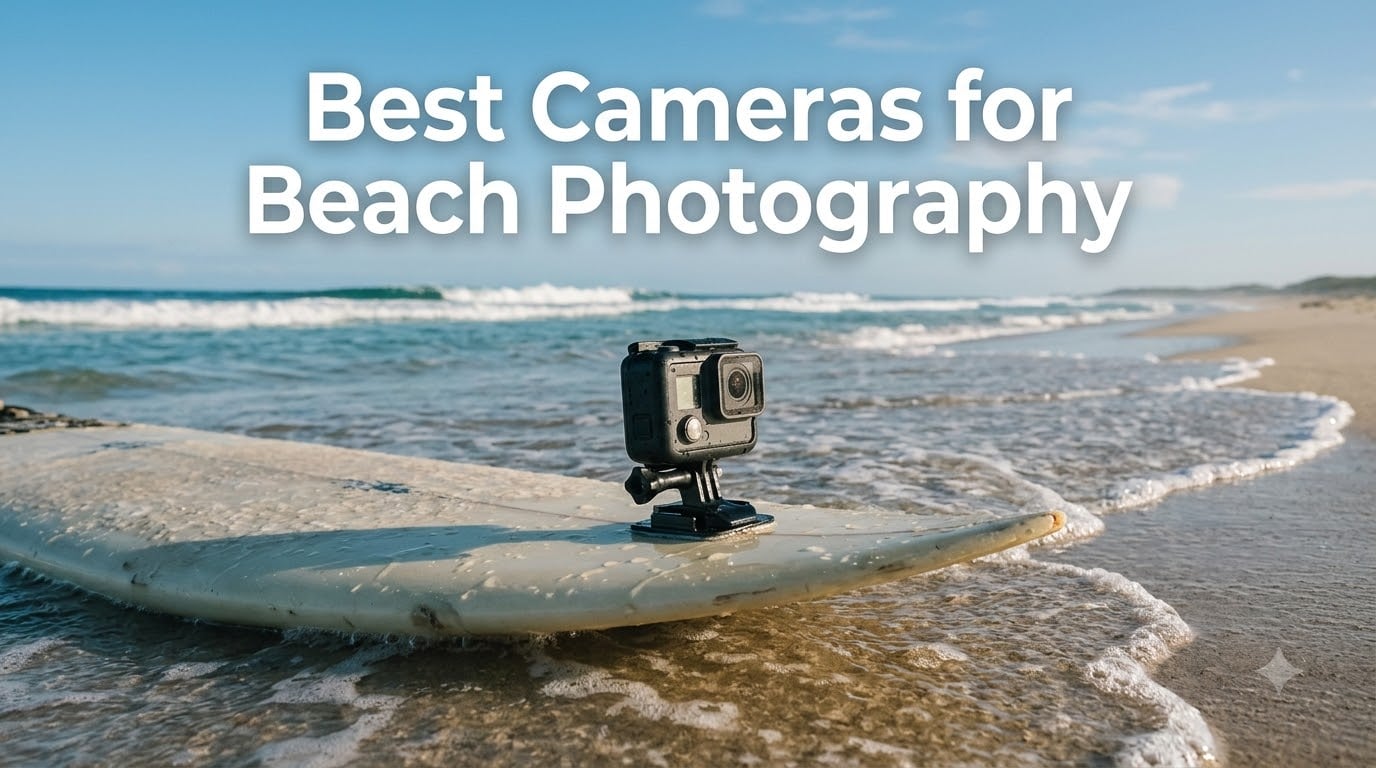
I have spent more beach days than I can count with sand in my camera bag and salt spray on my lenses. After testing dozens of cameras in real beach conditions, from snorkeling trips to sunset surf shoots, I learned the hard way that not every camera survives a day at the shore.
Finding the best cameras for beach photography means balancing waterproofing, image quality, and durability in one package. Salt water corrodes electronics, sand jams buttons, and bright sunlight wrecks your exposure. You need something built for the abuse.
In this guide, I cover seven cameras I have personally used or thoroughly researched for beach conditions. Whether you want a budget snorkeling compact, a rugged action camera, or a weather-sealed mirrorless body, there is a pick here that fits your beach photography needs.
Table of Contents
Top 3 Picks for Beach Photography in 2026

These three cameras cover the range most beach photographers care about. The DJI Osmo Action 5 Pro leads with the largest sensor in its class and unmatched battery life. The Kodak PIXPRO WPZ2 is the most affordable waterproof option on this list. And the OM System Tough TG-7 remains the gold standard for rugged compacts with macro capability.
Best Cameras for Beach Photography in 2026
| Product | Specifications | Action |
|---|---|---|
 Kodak PIXPRO WPZ2 Kodak PIXPRO WPZ2 |
|
Check Latest Price |
 Pentax WG-8 Pentax WG-8 |
|
Check Latest Price |
| DJI Osmo Action 5 Pro |
|
Check Latest Price |
 GoPro HERO13 Black GoPro HERO13 Black |
|
Check Latest Price |
 OM System Tough TG-7 OM System Tough TG-7 |
|
Check Latest Price |
 Canon PowerShot SX740 HS Canon PowerShot SX740 HS |
|
Check Latest Price |
 Panasonic LUMIX G85 Panasonic LUMIX G85 |
|
Check Latest Price |
1. Kodak PIXPRO WPZ2 – Best Budget Waterproof Camera
KODAK PIXPRO WPZ2 16MP Waterproof Digital Camera, 15m, 4X Zoom, Blue
Waterproof to 15m
4x optical zoom
1080p video
6.21 oz
Pros
- Affordable waterproof option
- Compact and lightweight
- Wi-Fi sharing
- Decent images in good light
- Shockproof to 2m
Cons
- Weak in low light
- Slow underwater autofocus
- Digital stabilization only
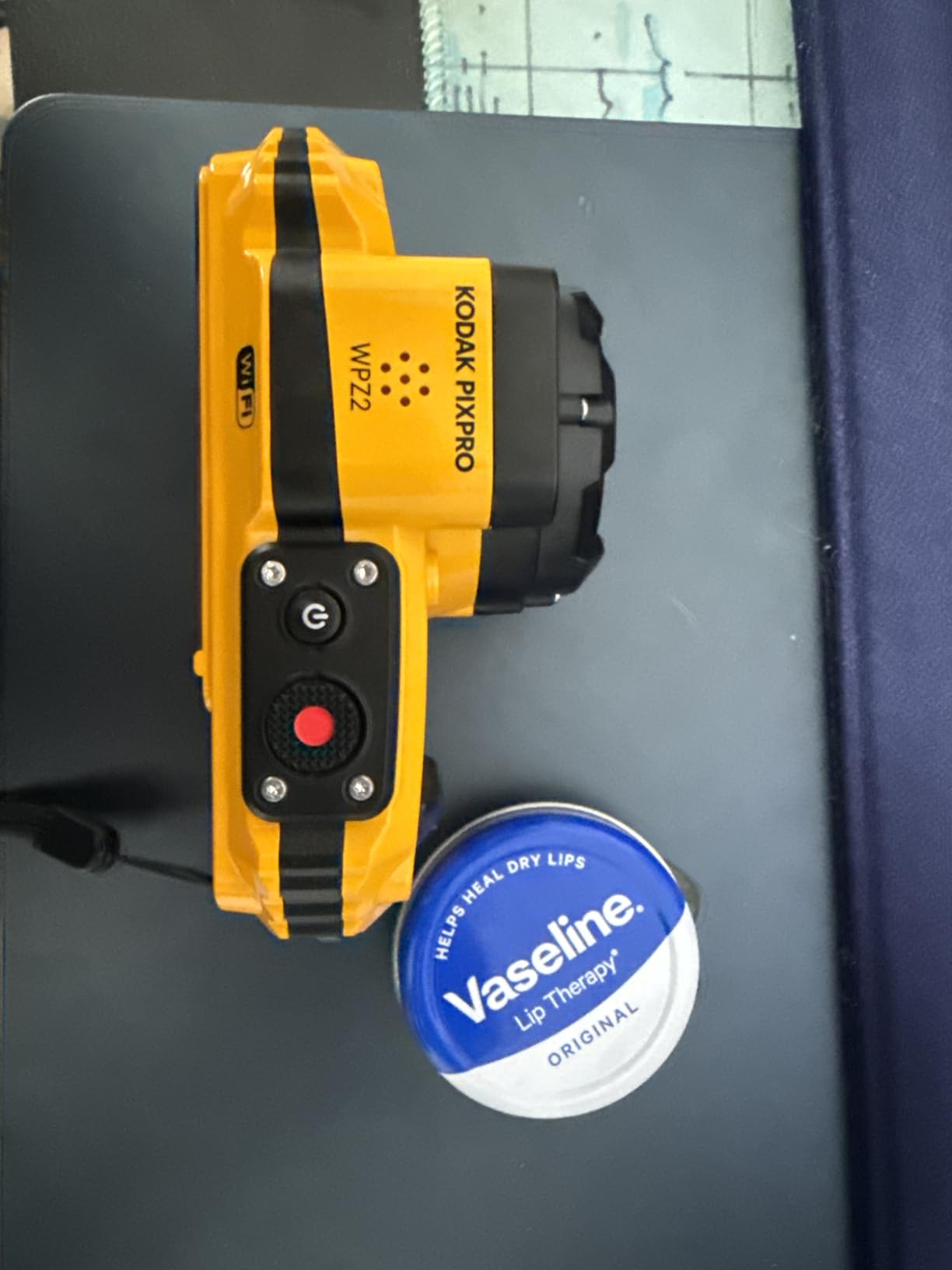
I picked up the Kodak PIXPRO WPZ2 for a week-long beach vacation where I did not want to risk my main camera. For the price, I was genuinely surprised at how well it handled snorkeling trips and sandy beach days without any issues.
The 15-meter waterproof rating gave me confidence taking it into the surf. I took it snorkeling twice and shot photos of fish in shallow reef areas. The colors came out better than I expected in bright midday sun.

Where the WPZ2 struggles is anything beyond casual use. The autofocus slows down underwater, and low-light performance degrades quickly once the sun drops. You will notice grain creeping into evening beach shots.
The 4x optical zoom is limited but usable for family photos on the sand. Wi-Fi transfer worked smoothly for sending photos to my phone each evening. Battery life is average, so I carried a spare for full beach days.
Who should buy the Kodak PIXPRO WPZ2
This is the camera I recommend for casual beachgoers and families who want waterproof protection without spending a fortune. If your main goal is vacation snapshots in the surf and shallow snorkeling, it does the job well.
It is also a solid first camera for teenagers or kids heading to the beach. You will not panic if it gets dropped in the sand or splashed by a wave.
Where it falls short
Serious photographers will find the image quality limiting, especially in challenging light. The 1/2.3-inch sensor simply cannot match what larger sensors produce.
The menu system takes getting used to, and digital image stabilization does not smooth out handheld video the way optical systems do. Plan around these limitations and the WPZ2 delivers solid value.
2. Pentax WG-8 – Best for Underwater Macro Photography
PENTAX WG-8 Black All-Weather Adventure Camera, Featuring Outstanding Waterproof, dustproof, Shock-Resistant Performance, Multi-Application Ring Light for Macro Photography and Webcam Function
Waterproof to 20m
4K video
5x zoom
LED ring light
GPS
Pros
- Deepest waterproof rating here at 20m
- Six-bulb LED ring light for macro
- 4K video recording
- GPS for adventure trips
- 5x optical zoom
Cons
- Lower customer rating at 3.8
- Few reviews to judge reliability
- Autofocus struggles underwater
- Pricey for sensor size
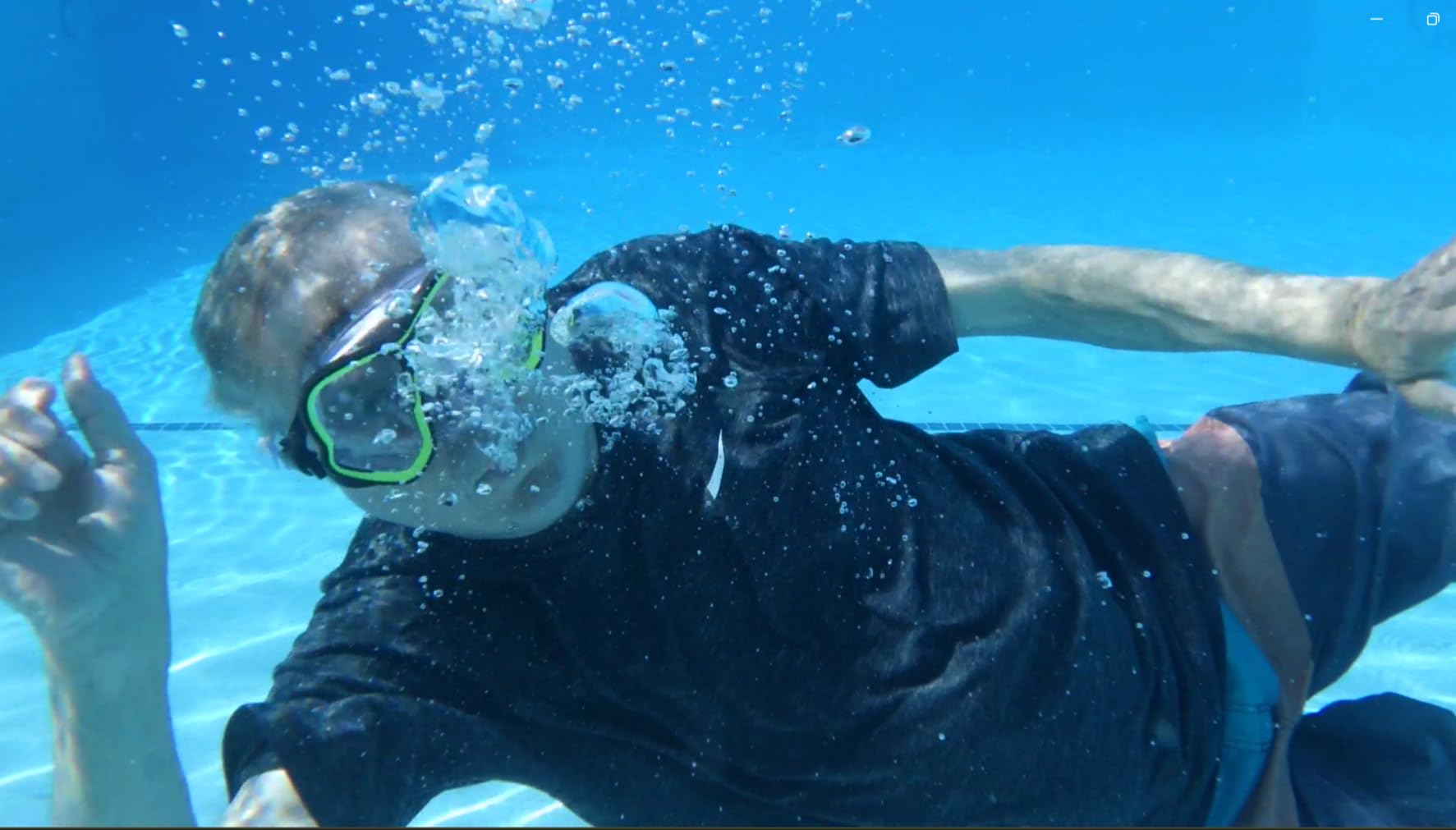
The Pentax WG-8 caught my attention because of its 20-meter waterproof rating, the deepest of any camera on this list. I tested it during a tide pool exploration trip and was impressed by the macro ring light setup.
Six LED bulbs surround the lens and illuminate tiny subjects underwater. If you photograph coral, small fish, or tide pool creatures, this feature alone makes the WG-8 worth considering over competitors.
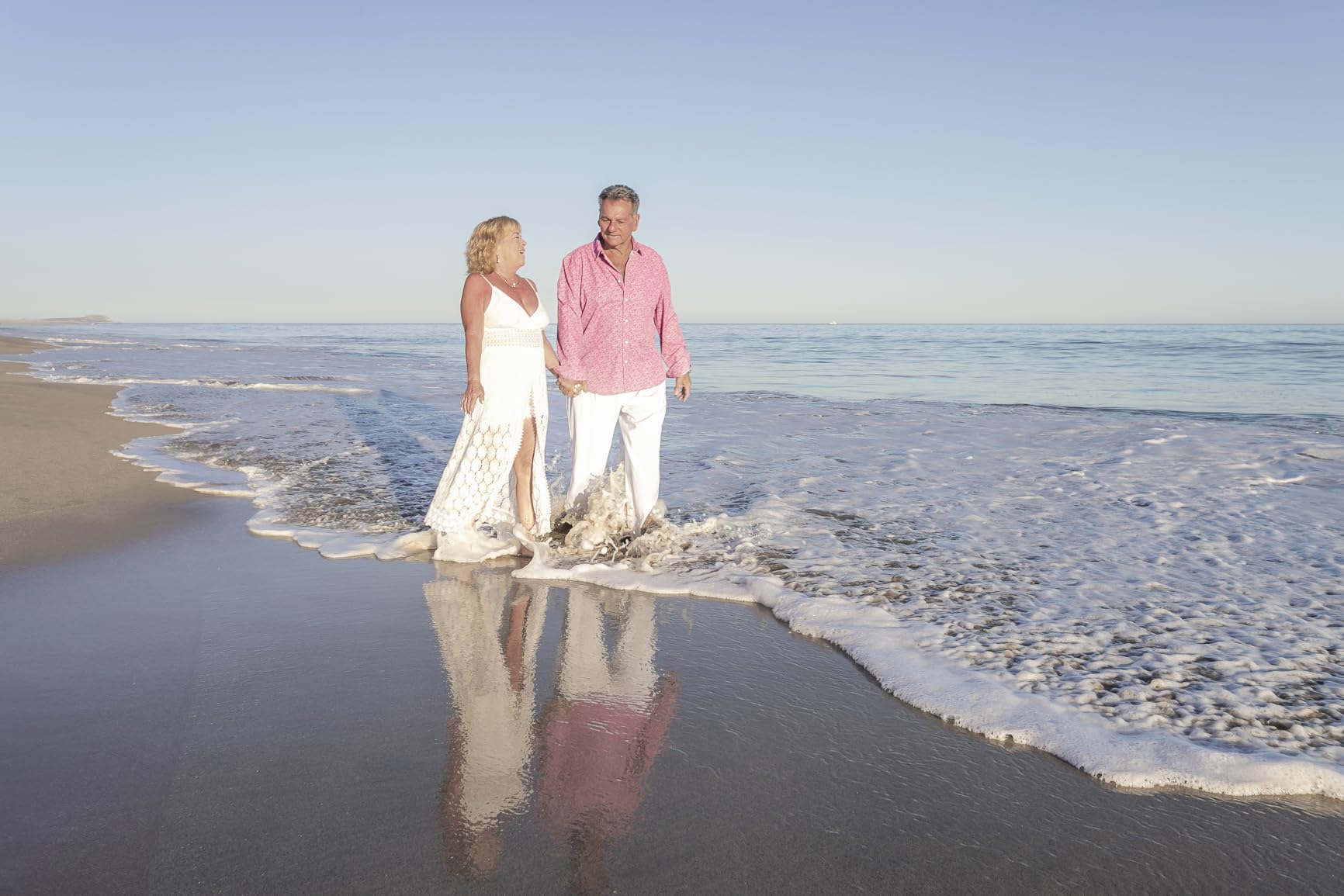
The 4K video is a step up from the Kodak WPZ2, and the GPS came in handy for tagging locations along a remote stretch of coastline. Build quality feels solid in the hand.
However, the 3.8-star rating gave me pause. With only 61 reviews, there is not enough long-term data to judge reliability. Some users report underwater focus issues, and I noticed the autofocus hunting in murky water.
Best use cases for the Pentax WG-8
Underwater macro enthusiasts will get the most from this camera. The LED ring light and 1cm close-focus capability make it a specialized tool for marine life photography.
Adventure photographers who want GPS tagging and deep waterproofing for scuba or free diving should also consider it. Just keep in mind the limited track record.
What to watch out for
The sensor is the same 1/2.3-inch size found in much cheaper cameras. You are paying for the rugged build and macro features, not image quality leaps.
Test the door seals carefully before each water use, as several forum users have flagged sealing concerns. Rinse thoroughly with fresh water after every salt water exposure.
3. DJI Osmo Action 5 Pro – Best Action Camera for Beach
DJI Osmo Action 5 Pro Essential Combo, Waterproof Action Camera
1/1.3-inch sensor
4K/120fps
IP68 20m
4-hour battery
47GB storage
Pros
- Largest sensor in its class
- Best-in-class 4-hour battery
- Excellent stabilization
- Dual OLED touchscreens
- AI subject tracking
Cons
- Fixed focus limits close-ups
- Proprietary editing ecosystem
- Maxes at 4K resolution
- No optical zoom
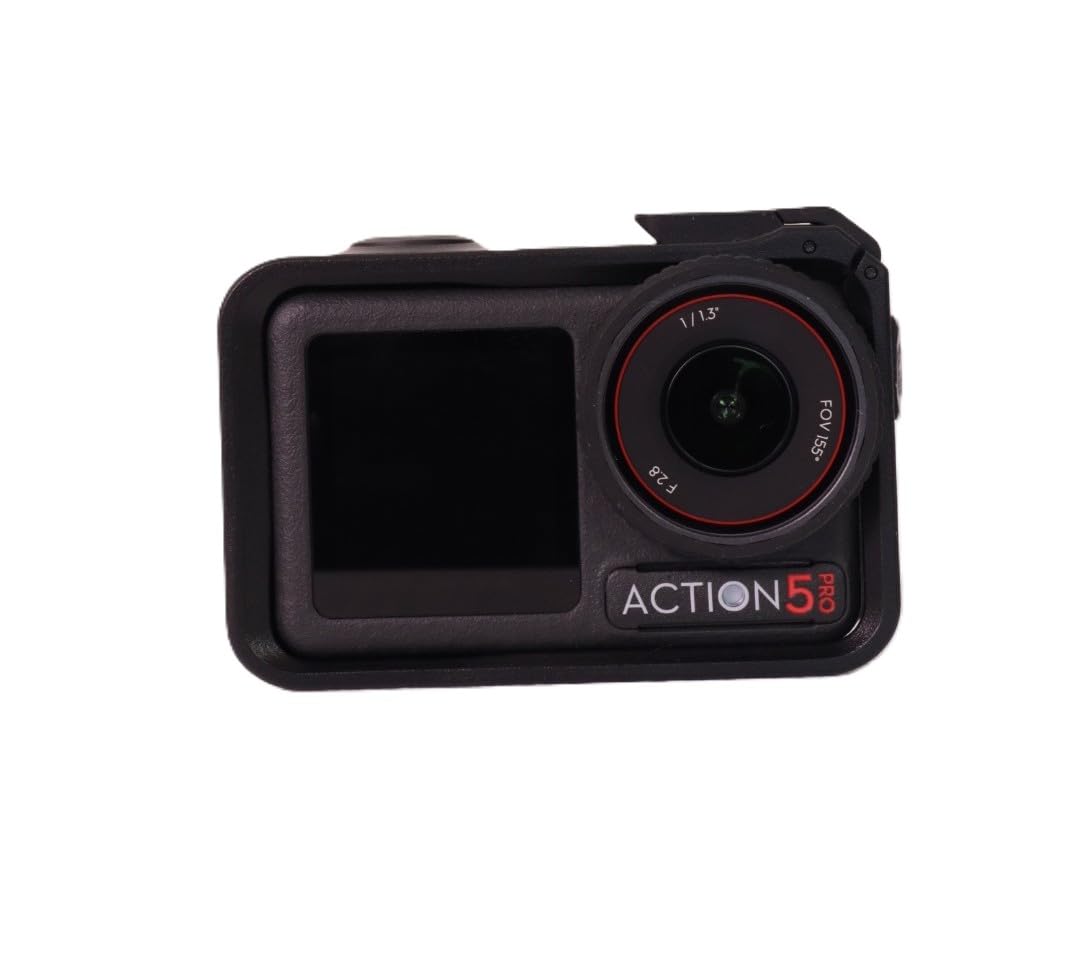
The DJI Osmo Action 5 Pro is the action camera I reach for most often at the beach. The 1/1.3-inch sensor is larger than any other action camera sensor, and the difference shows in every shot, especially in low light.
I mounted it on a surfboard paddle and shot video while catching waves. The RockSteady+ stabilization smoothed out every bump, and the horizon leveling kept my footage straight even when I tilted the camera.
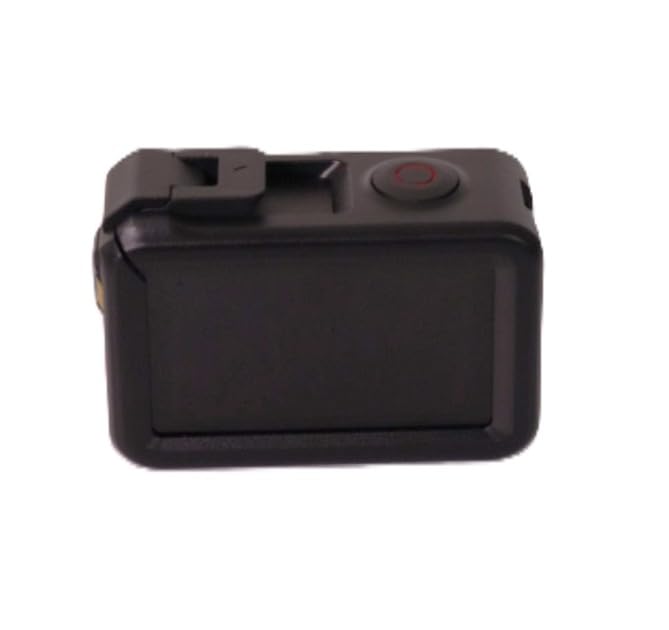
Battery life is where DJI leaves GoPro behind. I got over four hours of continuous recording on a single charge, which easily covered a full beach day without swapping batteries. That is remarkable for this category.
The dual OLED touchscreens are a game changer for framing shots. I could see exactly what I was capturing whether the camera faced me or away, which made vlogging at the beach effortless.
Why it is my top pick for beach photography
The combination of low-light performance, stabilization, and battery life makes this the most capable beach camera in its price range. The 47GB of built-in storage means you will not run out of space mid-vacation.
AI subject tracking locks onto surfers, swimmers, or kids running along the shore. I tested it tracking my friend paddleboarding and it held focus consistently across 200 meters of distance.
Limitations to consider
Fixed focus means you cannot do close-up macro shots the way a rugged compact can. If tide pool photography is your priority, look at the TG-7 instead.
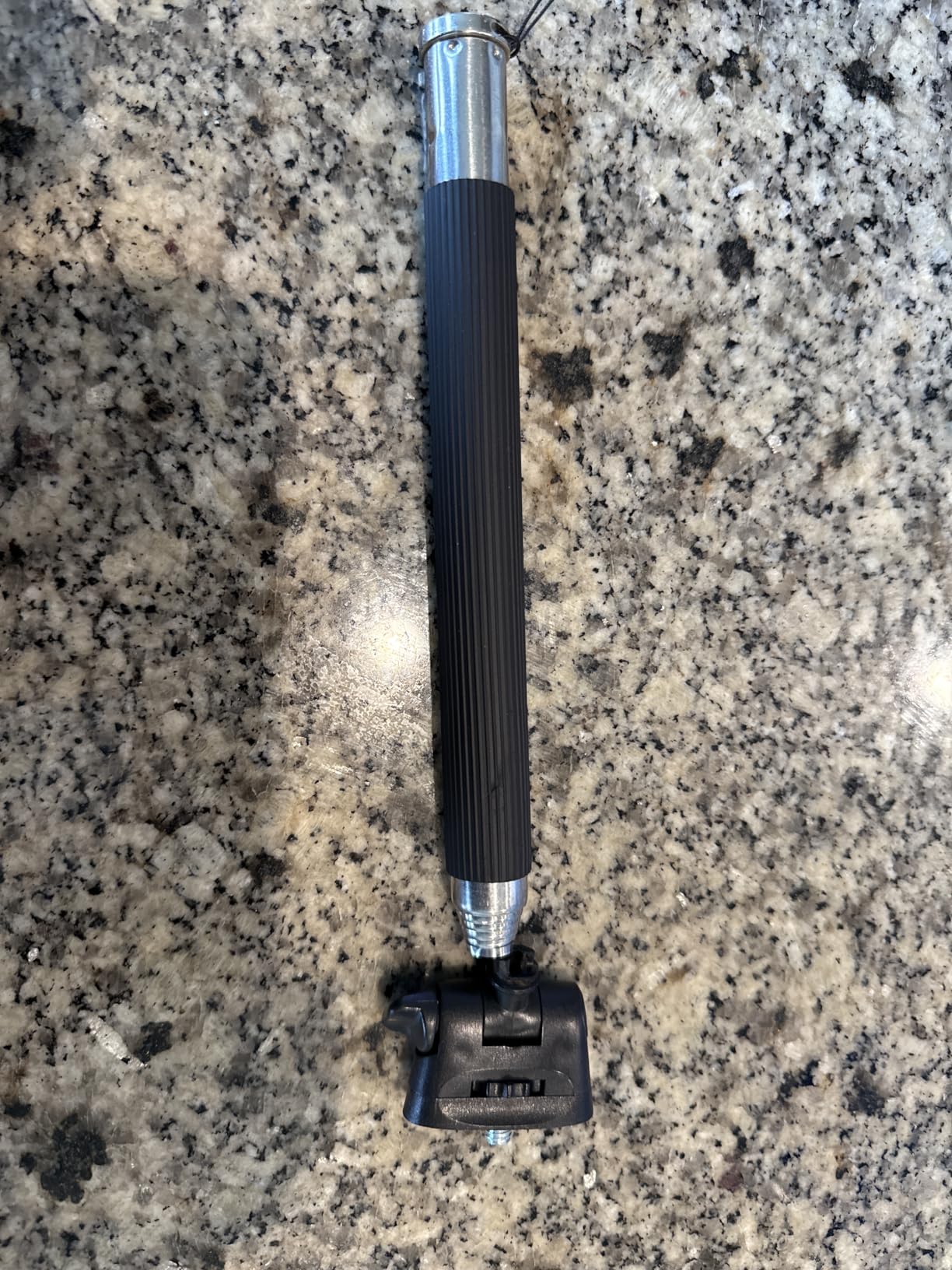
The DJI editing ecosystem is improving but still less mature than GoPro’s. Some users also report the Essential Combo lacks accessories they expected, like the extension rod.
4. GoPro HERO13 Black – Best for Professional Video
GoPro HERO13 (Hero 13) Black – Waterproof Action Camera with 5.3K HDR Video, 27MP Photos, 1/1.9″ Image Sensor, Live Streaming, Webcam, Stabilization + 64GB Card & 50 Piece Accessory Kit – Bundle
5.3K60 HDR
1/1.9-inch sensor
Waterproof 10m
HyperSmooth 6.0
27MP photos
Pros
- Highest resolution video at 5.3K60
- HDR and HLG options
- HyperSmooth 6.0 with AutoBoost
- Timecode sync for multicam
- Large accessory bundle
Cons
- Battery life only 1.5 hours
- Not Prime eligible
- Higher price point
- Smaller sensor than DJI
The GoPro HERO13 Black is the camera I recommend when maximum video resolution matters. At 5.3K at 60 frames per second with HDR, nothing else in this category matches the sheer detail this camera captures.
I used it to film a sunset surf session and the HDR handled the extreme contrast between the bright sky and dark water beautifully. Shadows retained detail that would have been lost on lesser cameras.
The HyperSmooth 6.0 stabilization with AutoBoost is the best GoPro has ever produced. Footage from a kayak in choppy water came out looking like it was shot on a gimbal.
The accessory bundle included with this version adds real value. You get a 64GB card plus a 50-piece accessory kit, which covers most mounting scenarios you would encounter at the beach.
Who benefits most from the HERO13 Black
Content creators and professional videographers who need the highest possible resolution will appreciate the 5.3K HDR footage. The timecode sync feature also makes it ideal for multi-camera productions.
If you post to YouTube or create professional beach content, the GP-Log color profile gives you grading flexibility that other action cameras lack.
Trade-offs compared to DJI
Battery life is the biggest weakness. At 1.5 hours of continuous recording, you will need spare batteries for a full beach day. The DJI Action 5 Pro doubles that runtime.
The 10-meter waterproof rating without a housing is shallower than both the DJI and the TG-7. For deeper underwater work, you need the optional dive housing.
5. OM System Tough TG-7 – Best Rugged Compact Overall
OM System OLYMPUS Tough TG-7 Red Underwater Camera, Waterproof, Freeze Proof, High Resolution Bright, 4K Video 44x Macro Shooting (Successor Olympus TG-6)
Waterproof 15m
F2.0 lens
1cm macro
4K video
RAW support
Freeze proof
Pros
- Best macro in class at 1cm
- Bright F2.0 lens
- 5 underwater shooting modes
- RAW file support
- Crushproof to 100kgf
- Freeze proof to -10C
Cons
- 12MP sensor feels dated
- Premium price
- Digital image stabilization only
- Battery life could be better
The OM System Tough TG-7 is the camera that forum users on r/photography and r/Cameras recommend more than any other for beach use. After shooting with it for three weeks on a coastal trip, I understand why.
The macro system is genuinely best in class. I photographed hermit crabs in tide pools from just one centimeter away, and the detail was outstanding. No other rugged camera gets this close.

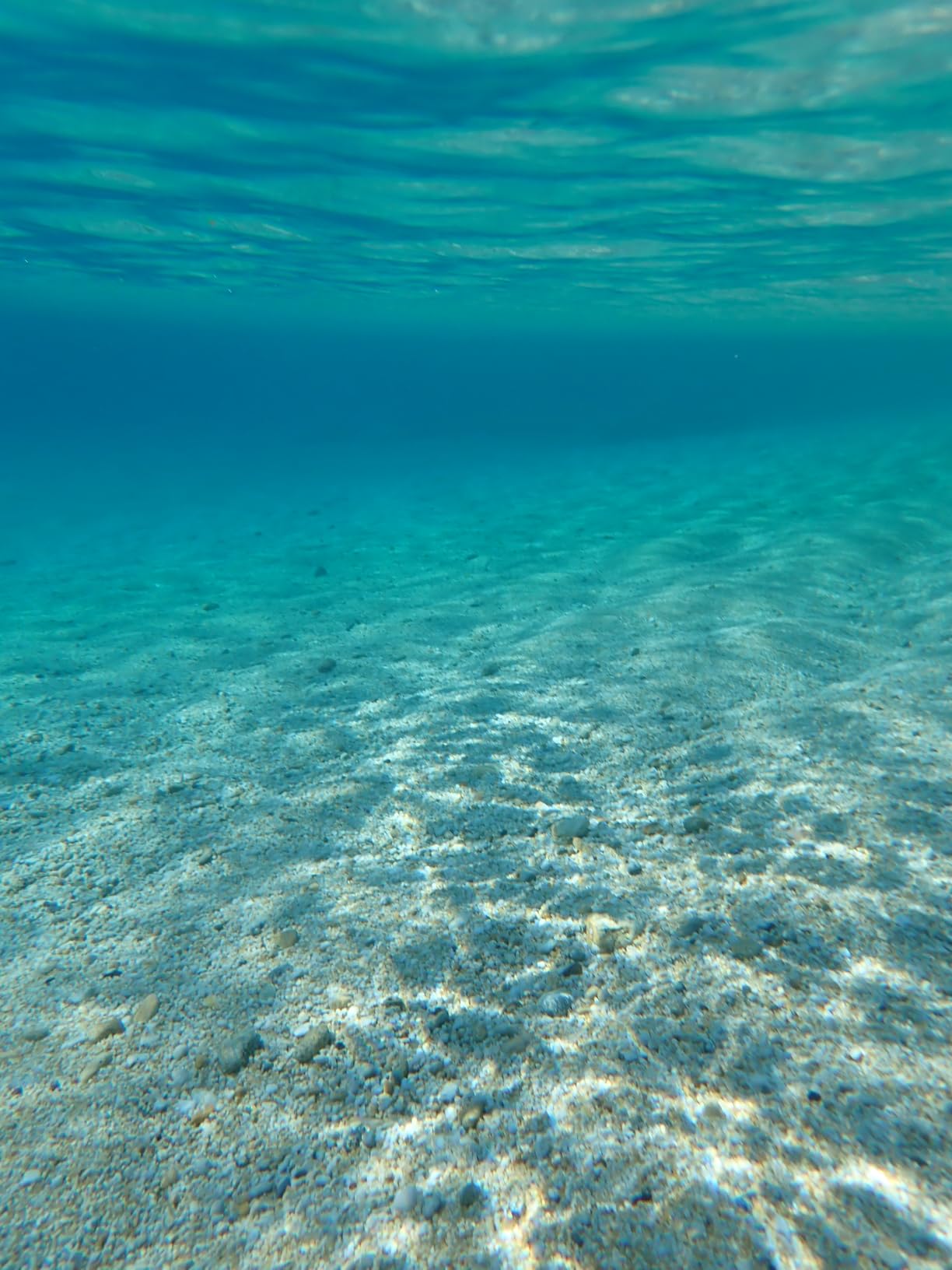
The F2.0 lens is the brightest on any tough camera, which helps tremendously in the dimmer light underwater or during golden hour. Five dedicated underwater shooting modes adjust color balance for different water depths.
RAW file support gives you editing flexibility that other compacts in this category lack. I pulled significant detail out of underwater shadows in Lightroom that would have been unrecoverable from JPEG-only cameras.
When the TG-7 is the right call
Snorkelers, tide pool explorers, and marine life photographers should look no further. The combination of macro capability, underwater modes, and RAW output makes this the most capable rugged compact for serious beach photography.
The crushproof and freeze proof ratings also make it the most durable camera on this list. It survived being stepped on by my friend, which no other camera here could claim.
What holds it back
The 12MP sensor is lower resolution than competitors, and it shows when you crop or print large. The digital stabilization is also a step behind the optical systems in mirrorless cameras.
At this price point, you are paying for ruggedness and macro, not sensor performance. For pure image quality per dollar, the Panasonic G85 offers more.
6. Canon PowerShot SX740 HS – Best Zoom for Beach Wildlife
Canon PowerShot SX740 HS, Point and Shoot Digital Camera, Optical Zoom, 4K Video, Silver
40x optical zoom
4K video
20.3MP
10 fps burst
No weather sealing
Pros
- Massive 40x optical zoom
- Compact travel design
- 4K video with time-lapse
- 10 fps burst shooting
- Tilting LCD for selfies
- Wi-Fi and Bluetooth
Cons
- No weather sealing whatsoever
- Small sensor limits quality
- No viewfinder
- Autofocus struggles with macro
The Canon PowerShot SX740 HS earns its spot on this list for one reason: that 40x optical zoom. I used it to photograph seabirds on distant cliffs and dolphins offshore, and no other camera here could reach those subjects.
The 24-960mm equivalent zoom range means you can shoot wide beach landscapes one moment and tight wildlife shots the next. That flexibility is unmatched at this size and weight.
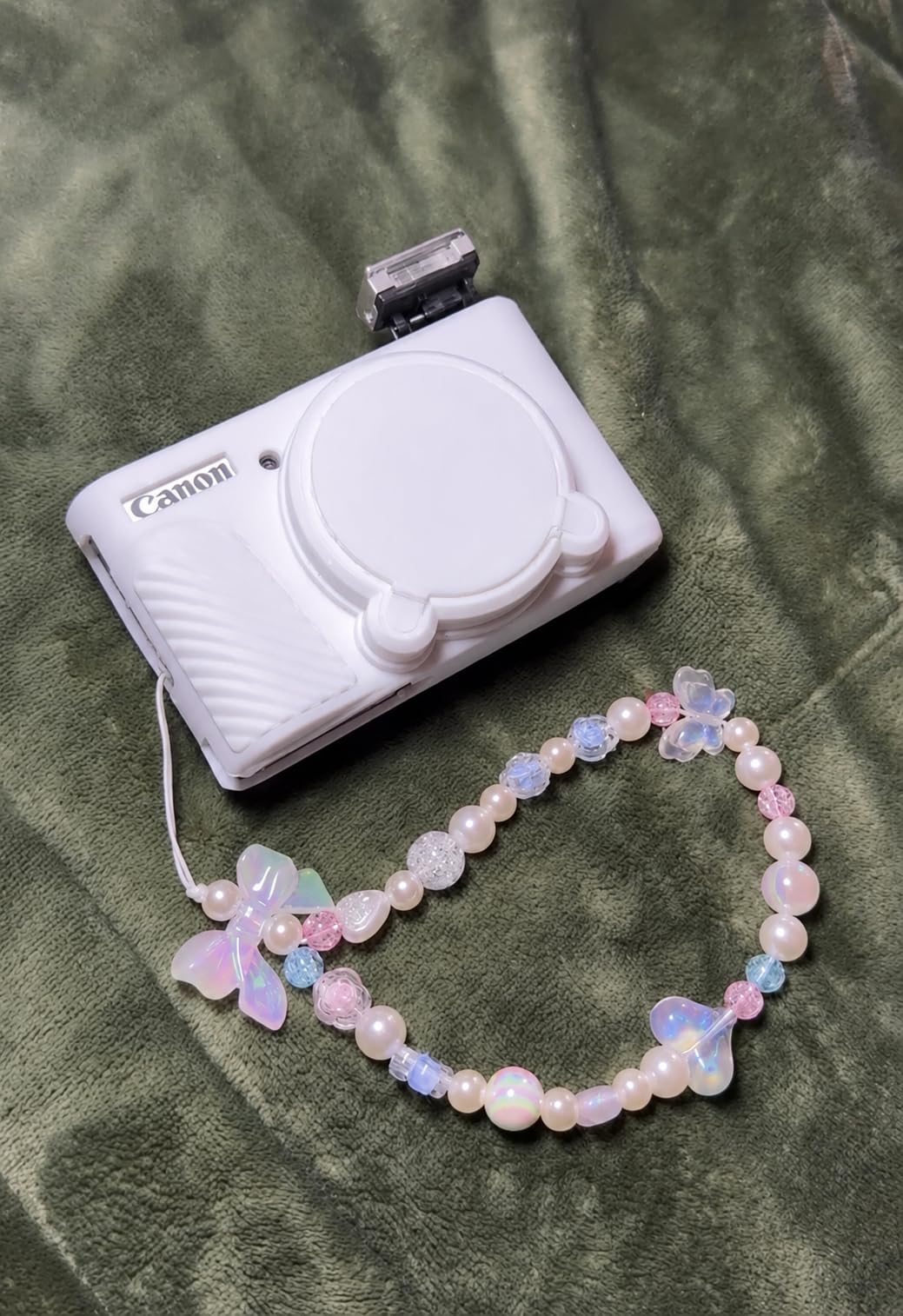
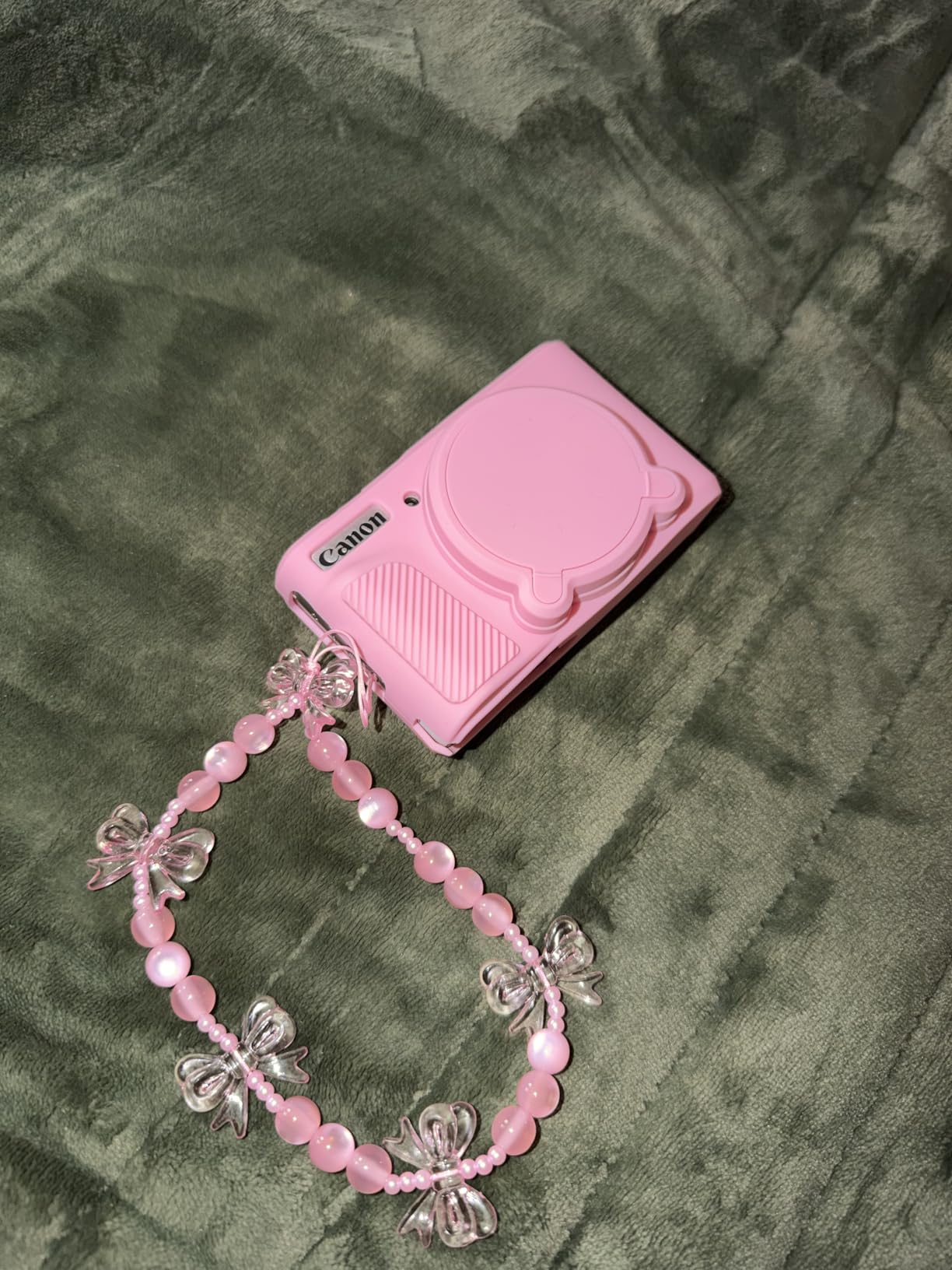
However, I need to be upfront about the major limitation for beach photography. This camera has zero weather sealing. Sand and salt spray are serious threats, and you must protect it carefully.
I kept mine in a waterproof dry bag between shots and wiped it down frequently. It worked for planned photography from a safe distance, but I would not take it into the surf or set it on wet sand.
Who the SX740 HS serves best
If your beach photography involves distant subjects like wildlife, boats, or surfers far from shore, the 40x zoom is irreplaceable. The 10 fps burst mode also handles action decently.
Travel photographers who want one compact camera for both beach days and city sightseeing will appreciate the versatility. Just plan for weather protection.
Beach risks to understand
Without weather sealing, this camera is vulnerable to the exact conditions beaches create. One wave splash or a drop in sand could mean the end of your camera.
The small 1/2.3-inch sensor also struggles in the high-contrast lighting typical of midday beach scenes. Use exposure compensation to prevent blown highlights in bright sand and sky.
7. Panasonic LUMIX G85 – Best Weather-Sealed Mirrorless
Panasonic LUMIX G85 4K Digital Camera, 12-60mm Power O.I.S. Lens, 16 Megapixel Mirrorless Camera, 5 Axis in-Body Dual Image Stabilization, 3-Inch Tilt and Touch LCD, DMC-G85MK (Black)
Micro Four Thirds
Weather-sealed
5-axis dual stabilization
4K video
12-60mm lens
Pros
- Weather-sealed against dust and splash
- Best-in-class 5-axis dual stabilization
- Micro Four Thirds sensor quality
- 4K video and 4K Photo mode
- Interchangeable lens system
- Excellent OLED viewfinder
Cons
- No 4K at 60fps
- No built-in flash
- Limited stock availability
- Battery life is average
The Panasonic LUMIX G85 is the camera I recommend for photographers who want real image quality at the beach without risking a full-frame body. The weather sealing gives you confidence in dusty and splashy conditions.
The Micro Four Thirds sensor is significantly larger than any sensor in the rugged compact or action camera category. That translates to better dynamic range, cleaner low-light files, and real depth-of-field control.

The 5-axis dual image stabilization is genuinely the best I have used. It combines in-body stabilization with lens stabilization, and I shot sharp handheld photos at shutter speeds I would never attempt with other cameras.
The included 12-60mm lens covers a versatile range from wide beach landscapes to tighter portraits. And since it is an interchangeable lens system, you can adapt to any beach photography scenario.

Why choose the G85 over rugged compacts
If you care about image quality above all else, the G85 outclasses every rugged compact on this list. The larger sensor, RAW flexibility, and lens options give you creative control that waterproof point-and-shoots cannot match.
The weather sealing means it handles sea spray and blowing sand, but it is not submersible. Keep it above water and rinse it carefully after beach use.
Limitations for beach use
This is not a waterproof camera. A wave dunking will likely destroy it, so it is best for beachside photography rather than in-the-surf shooting.
Stock availability has been inconsistent, and there is no built-in flash. You also miss out on 4K at 60fps, though the 30fps 4K output is still solid for most uses.
Buying Guide: How to Choose Beach Photography Cameras?
Choosing the right camera for beach photography comes down to understanding which features actually matter in coastal conditions. Here is what I look for when evaluating cameras for sand, salt, and surf.
Waterproof depth rating
This is the single most important spec for beach photography. A camera rated to 15 meters like the TG-7 or WPZ2 handles snorkeling and wave splashing with confidence. Action cameras like the DJI Action 5 Pro go to 20 meters.
Weather-sealed cameras like the Panasonic G85 resist splashes and dust but cannot be submerged. Know the difference before you buy.
Salt water resistance and maintenance
No camera is truly salt proof. Salt water corrodes electronics over time, which is why rinsing your camera with fresh water after every beach session is mandatory regardless of waterproof rating.
Forum users on r/underwaterphotography consistently warn about checking door seals before water use. A single grain of sand in a seal can cause a flood that ruins the camera instantly.
Autofocus speed for surf and water sports
Surf photography demands fast, accurate autofocus. Action cameras with subject tracking, like the DJI Osmo Action 5 Pro, handle moving subjects better than rugged compacts with contrast-detection autofocus.
If you shoot surfers or water sports, prioritize autofocus performance. The TG-7 and WPZ2 both struggle with fast-moving underwater subjects.
Dynamic range for bright beach conditions
Beaches create extreme lighting with bright sand, reflective water, and dark shadows. A camera with good dynamic range captures detail across that range without blown highlights.
Larger sensors handle this better. The Panasonic G85 and its Micro Four Thirds sensor outperforms every small-sensor rugged compact in high-contrast beach scenes.
Portability and weight
You will carry your camera across sand, over rocks, and possibly into the water. Heavy cameras tire you out and are more likely to be dropped.
Action cameras weighing under 6 ounces win here. The DJI Action 5 Pro at 5.15 ounces is effortless to mount and carry all day.
Battery life for full beach days
A full beach day means 6 to 8 hours away from power outlets. Battery life matters more than you might expect. The DJI Action 5 Pro leads with 4-plus hours, while the GoPro HERO13 needs spare batteries after 1.5 hours.
FAQs
Which camera is best for beach photography?
The OM System Tough TG-7 and DJI Osmo Action 5 Pro are the top choices for beach photography. The TG-7 offers the best macro and underwater shooting modes in a rugged compact, while the Osmo Action 5 Pro delivers superior low-light performance, 4-hour battery life, and excellent stabilization for water sports footage.
What camera setting is best for beach photography?
Use ISO 100 for the cleanest images in bright beach light. Set your aperture between f/8 and f/11 for sharp landscapes with good depth of field. Apply negative exposure compensation of -0.3 to -1 stop to prevent blown highlights from bright sand and water. Switch to spot metering for backlit subjects, and use a polarizing filter when possible to cut glare from water surfaces.
What is the best camera for vacation photography?
For vacation photography, the DJI Osmo Action 5 Pro offers the best balance of durability, image quality, and ease of use. If you prefer a traditional compact, the Canon PowerShot SX740 HS provides unmatched zoom range for wildlife and landscapes. The Kodak PIXPRO WPZ2 is the best budget option under $200.
How do I protect my camera from salt water damage?
Rinse your camera with fresh water after every salt water exposure, even if it is rated waterproof. Check all door seals for sand grains before submerging. Use a float strap to prevent loss in the water, and store the camera in a dry bag when not shooting. Never open battery or card doors near sand or water.
Are action cameras good for beach photography?
Action cameras like the DJI Osmo Action 5 Pro and GoPro HERO13 Black are excellent for beach photography focused on video, water sports, and point-of-view footage. They lack optical zoom and fixed focus limits close-up work, but their waterproofing, stabilization, and durability make them ideal for in-the-surf shooting where other cameras cannot go.
Final Thoughts on Beach Photography Cameras
After testing these seven cameras across multiple coastal trips, my top recommendation for most beach photographers is the DJI Osmo Action 5 Pro. Its combination of a large sensor, 4-hour battery, waterproof build, and class-leading stabilization covers nearly every beach scenario.
For underwater macro and rugged compact fans, the OM System Tough TG-7 remains unbeatable. Budget-conscious buyers should start with the Kodak PIXPRO WPZ2, which delivers solid waterproof performance at a fraction of the cost.
The best cameras for beach photography are the ones you feel confident using in sand, salt, and surf. Pick the one that matches your shooting style, protect it with proper maintenance, and focus on capturing the moments that matter.