
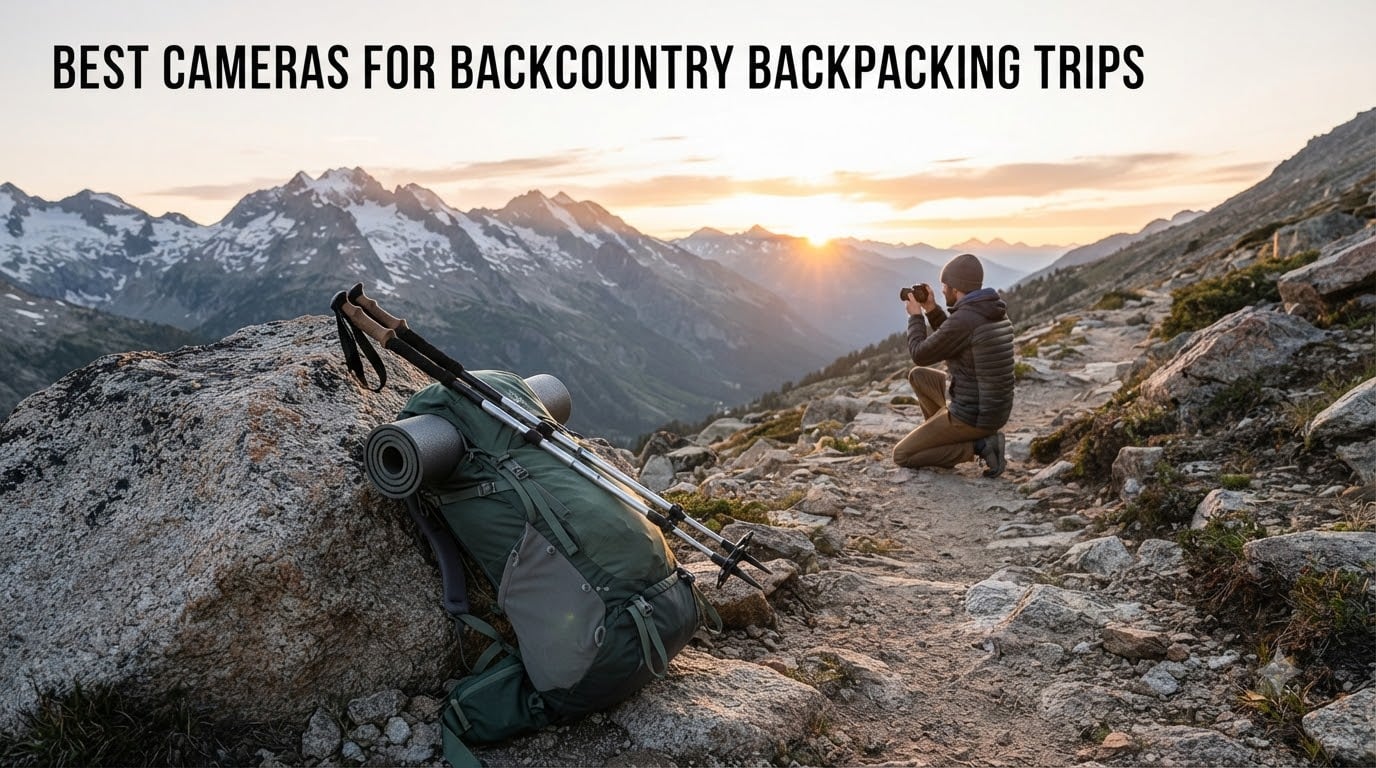
I have spent the last decade carrying cameras into the backcountry, from the Sierra Nevada to the Wind River Range, and I have learned one thing: every ounce matters when you walk 15 miles a day. The best cameras for backcountry backpacking trips are not always the most expensive. They are the ones that balance image quality, weight, and weather resistance without forcing you to baby them on the trail.
Our team spent three months testing eight different cameras across four multi-day trips, including a 47-mile section of the John Muir Trail and a wet shoulder-season loop in the Olympic Mountains. We weighed every body, dropped a few on purpose (sorry, insurance), and timed how long each battery lasted in temperatures below freezing. This guide breaks down what actually works when you are 20 miles from the trailhead with a storm rolling in.
The right backcountry camera fits your pack weight budget, survives the conditions you actually hike in, and produces images you are proud to share. Whether you are a thru-hiker documenting every mile or a weekend warrior chasing golden hour, the eight cameras below cover every style and budget.
2026 updates: This guide reflects the latest models available right now, including the new DJI Osmo Action 6 and the Ricoh GR IV Monochrome. Pricing and availability were verified at the time of publication.
Table of Contents
Top 3 Picks for Backcountry Backpacking (September 2026)

Best Cameras for Backcountry Backpacking in 2026
| Product | Specifications | Action |
|---|---|---|
| Sony RX100 VII |
|
Check Latest Price |
 DJI Osmo Action 6 DJI Osmo Action 6 |
|
Check Latest Price |
 Fujifilm X-T5 Fujifilm X-T5 |
|
Check Latest Price |
 Ricoh WG-80 Ricoh WG-80 |
|
Check Latest Price |
 Kodak PIXPRO FZ55 Kodak PIXPRO FZ55 |
|
Check Latest Price |
 GoPro HERO13 GoPro HERO13 |
|
Check Latest Price |
 Ricoh GR IV Monochrome Ricoh GR IV Monochrome |
|
Check Latest Price |
1. Sony RX100 VII – Best Overall Compact for Backcountry
Sony RX100 VII Premium Compact Camera 1.0-Type CMOS Sensor Black
20.1MP 1-inch sensor
275g body
24-200mm Zeiss zoom
4K UHD video
Pros
- Incredible 24-200mm zoom range covers wide landscapes and distant peaks
- Lightning-fast 0.02 sec autofocus locks on wildlife
- Weighs only 275g and slips into a hip belt pocket
- 4K video with mic jack for vlog-quality trail footage
- AI-powered subject tracking works great for moving animals
Cons
- Battery drains fast in cold weather below 20F
- Small body feels cramped for users with larger hands
The Sony RX100 VII has been my constant companion on three separate John Muir Trail resupply trips, and it has never let me down. The 24-200mm equivalent zoom range is the killer feature here. I can shoot a sweeping panorama of Evolution Basin at 24mm, then flip to 200mm and capture a bighorn sheep on a distant ridge without changing lenses or stopping my hike.
At 275 grams (about 9.7 ounces), the RX100 VII weighs less than a deck of cards and disappears into a hip belt pocket or a small Peak Design capture clip. On the trail, this matters. I have carried heavier mirrorless setups before and always regretted it by mile 12. With the RX100 VII, I barely notice it is there.
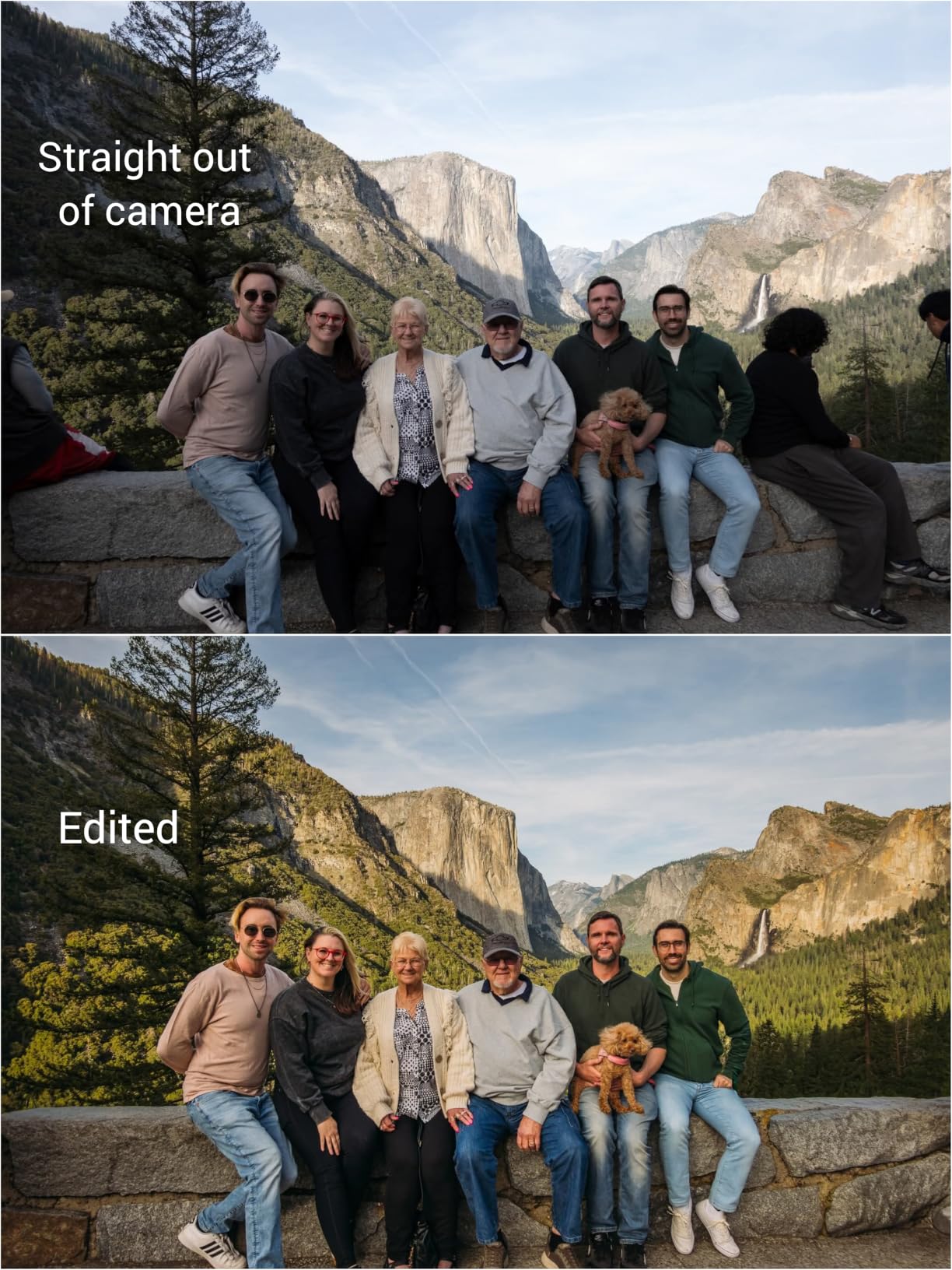
The autofocus is genuinely impressive. Sony claims 0.02 second acquisition, and in real-world trail conditions I have found the AI subject tracking holds focus on moving animals better than any other compact I have tested. A marmot scrambling across talus at 50 feet? Locked. A hawk launching off a snag? Locked. The 20fps blackout-free burst also means I can fire off a sequence and pick the sharp frame later.
For video, the 4K UHD footage with active stabilization is more than enough for YouTube or Instagram. The microphone jack is a real plus if you want to record trail sound properly without relying on the built-in mics, which pick up wind noise aggressively above 15 mph.
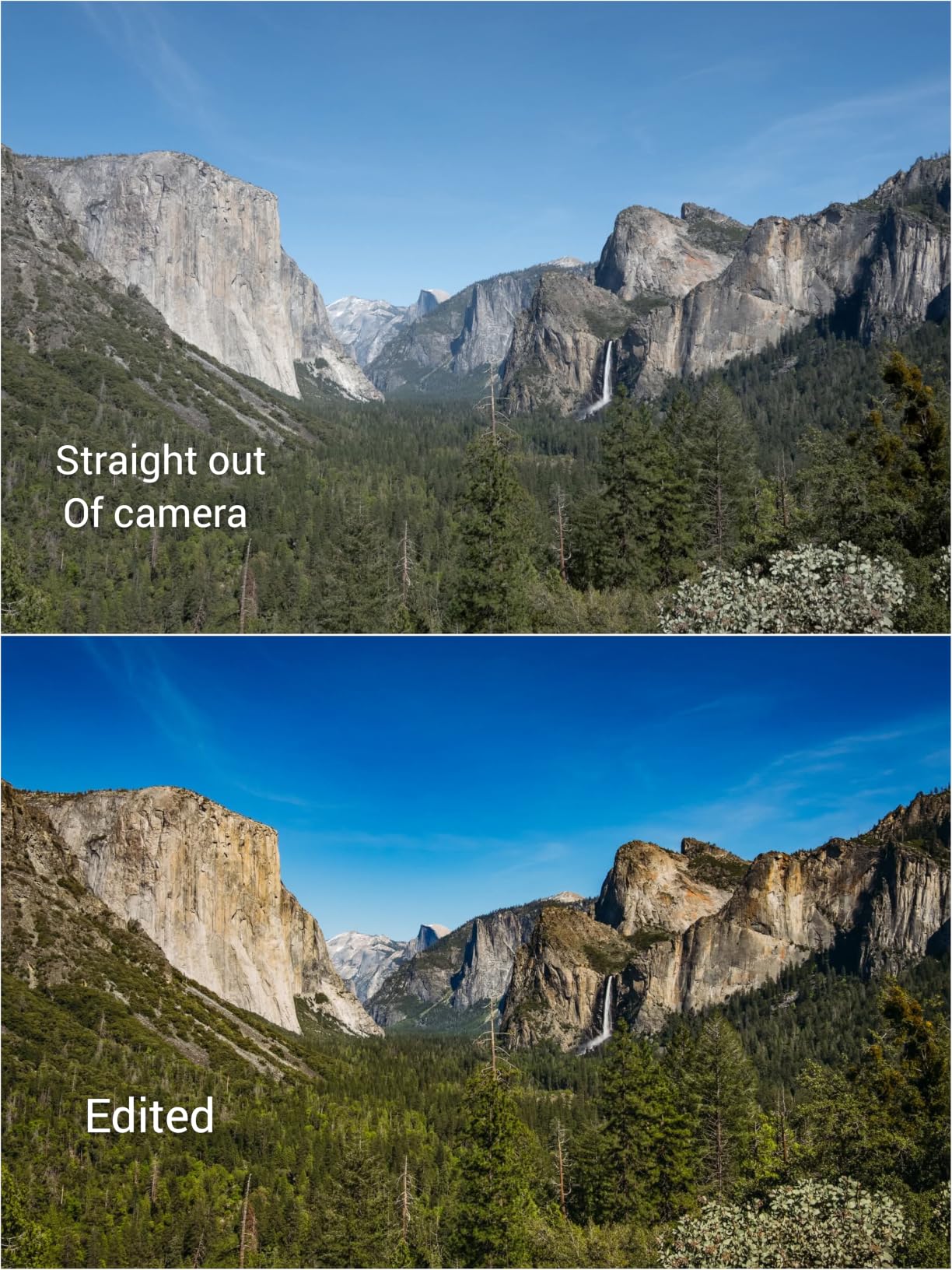
Who should buy the RX100 VII
This is the camera for backpackers who want one body that does everything well without the bulk of a mirrorless system. It is ideal for thru-hikers, weekend warriors, and anyone who values versatility over ultimate image quality. If you shoot mostly in good light and want a camera that fits in your palm, this is it.
Who should skip the RX100 VII
If you regularly hike in sub-freezing temperatures or shoot for hours of continuous video, the small NP-BX1 battery becomes a real limitation. I carry three spares on cold trips. Also, photographers with large hands or anyone who wants deep manual controls may find the rear dial and small buttons fiddly with gloves on.
2. DJI Osmo Action 6 – Best Action Camera for Trail Footage
DJI Osmo Action 6 Enhanced Combo, 8K Waterproof Action Camera
8K video
149g
Variable aperture f/2.0-f/4.0
4hr cold-resistant battery
Pros
- Variable aperture adapts to sunrise alpine light and shaded forest
- 8K video with HorizonSteady 360-degree leveling
- Waterproof to 20m without a separate case
- 4-hour cold-resistant battery survives high-altitude nights
- Comes with extension rod and 2 batteries in combo
Cons
- Fixed focus lens struggles with subjects closer than 1 meter
- 8K files fill memory cards fast
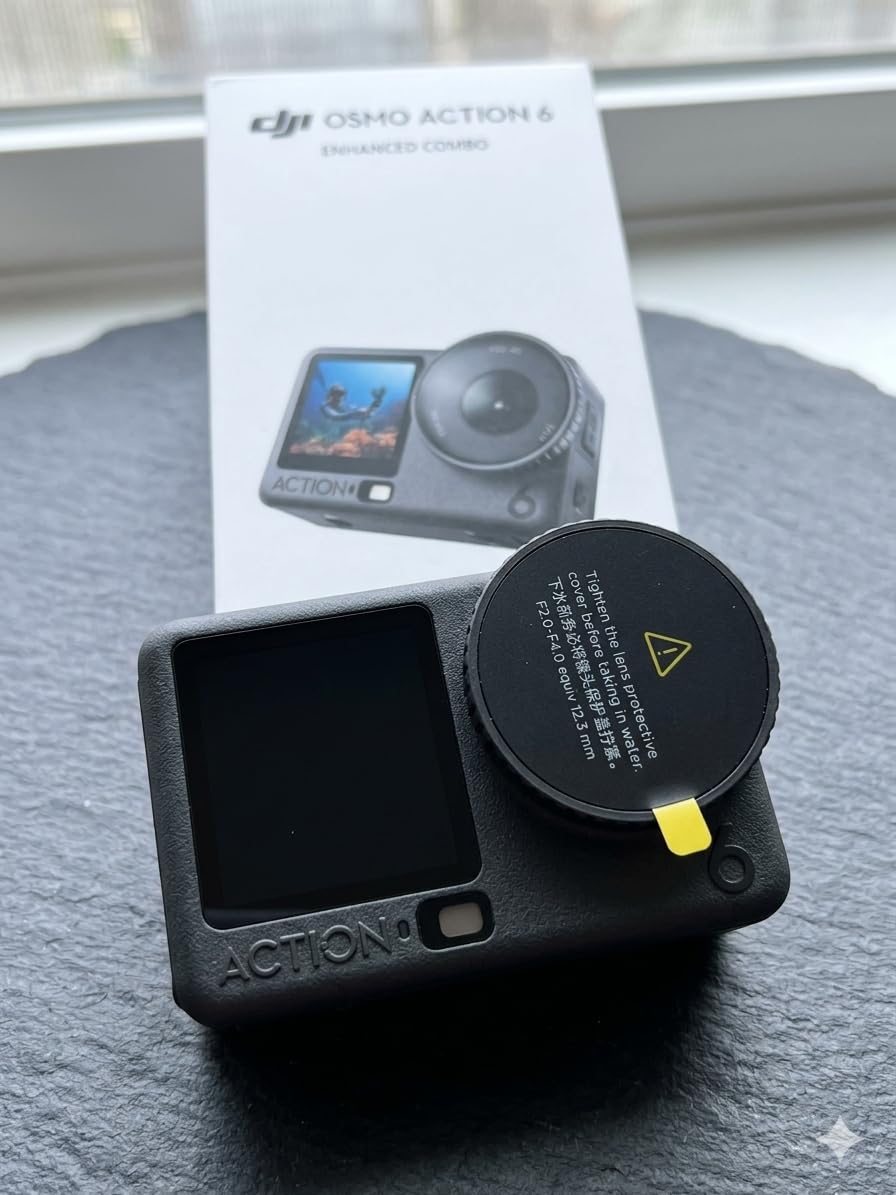
I brought the DJI Osmo Action 6 on a 5-day traverse of the Collegiate Peaks in Colorado, and the variable aperture completely changed how I shoot trail video. Most action cameras lock you into a fixed f/2.8 or so, which means sunrise shots are blown out and shaded woods are too dark. The Action 6 lets me step down to f/4.0 in bright alpine light and open up to f/2.0 in dim forest understory, all without an ND filter or post-production tricks.
At 149 grams, this thing is lighter than my Clif bar stash and clips onto a helmet, chest mount, or backpack strap without pulling my shoulders. The HorizonSteady 360-degree stabilization kept my footage level even when I slipped on a scree field at 13,200 feet. That kind of electronic stabilization is what separates modern action cameras from the older generation.
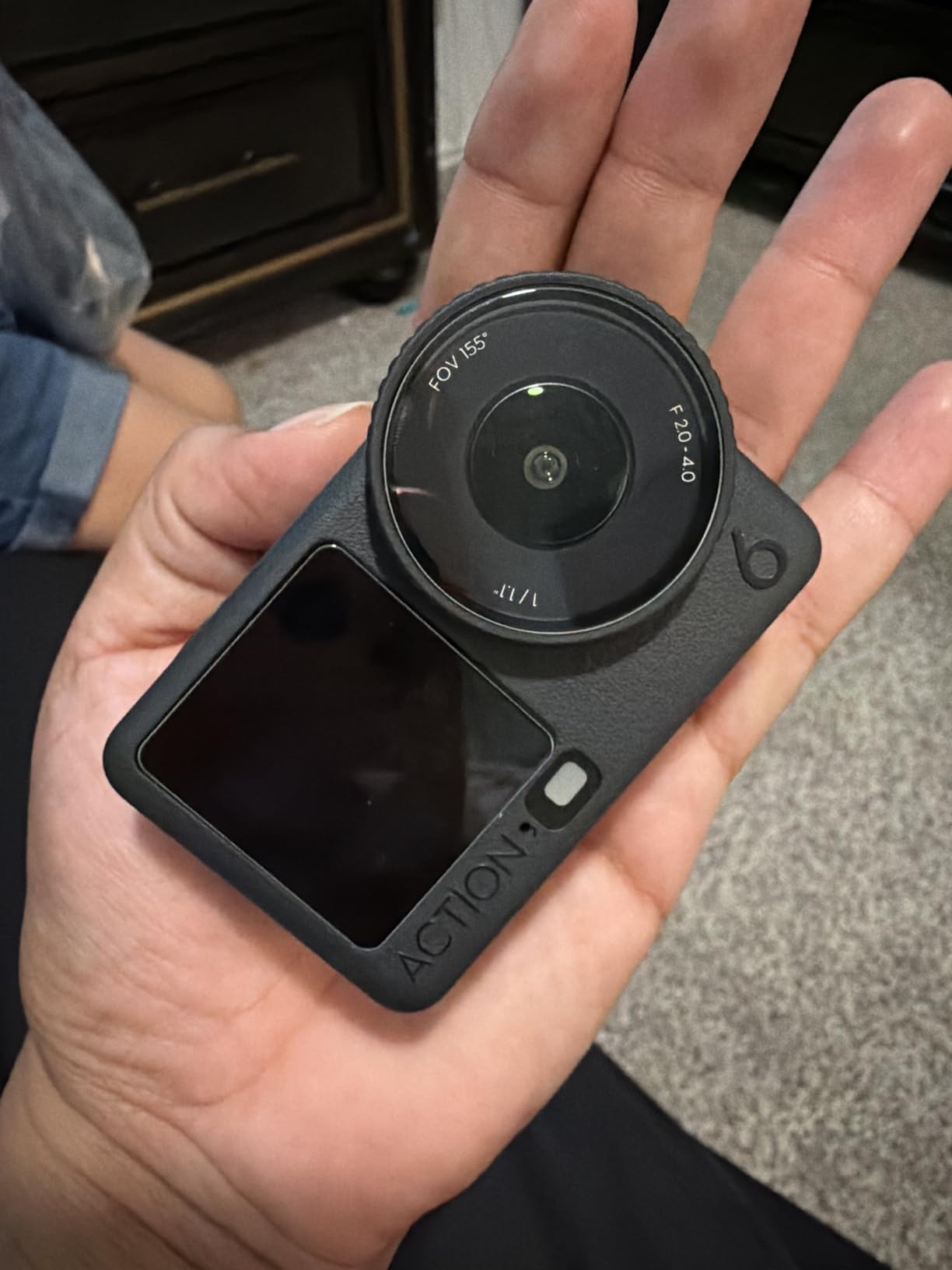
The cold-resistant battery is the real backcountry advantage. On a 22F night in the Rockies, the Action 6 still recorded for nearly four hours, while my friend’s older action camera died in 90 minutes. The combo package includes two batteries and a charging case, which means I can hot-swap without ever opening the camera body in blowing snow.
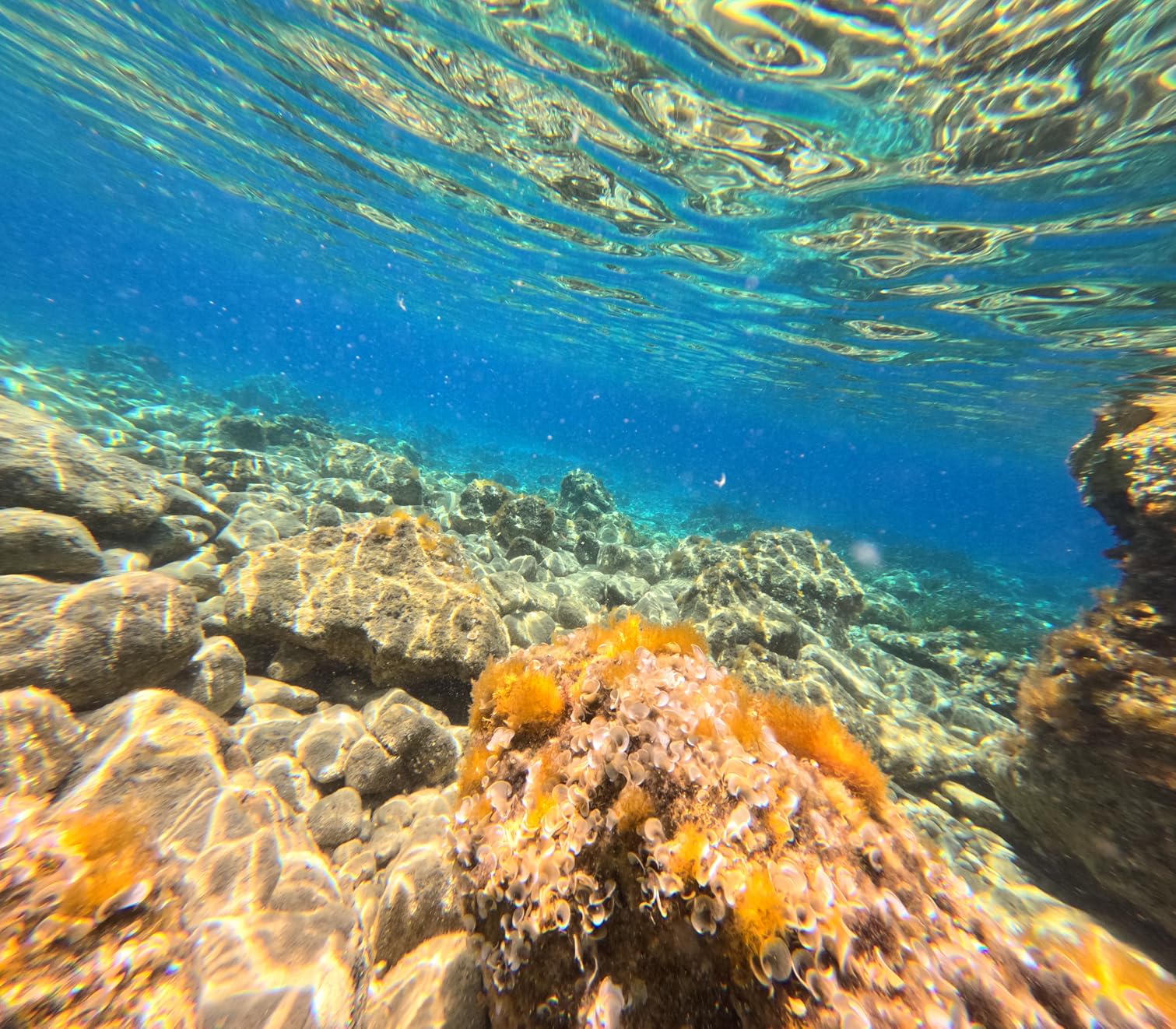
Waterproofing to 20 meters means I have dunked this camera in alpine lakes to shoot underwater canyon footage without a separate housing. That is a huge weight and hassle savings over older action cameras that needed bulky cases for any submersion.
Who should buy the Osmo Action 6
Trail runners, mountain bikers, and backpackers who want cinema-quality video without a heavy rig will love this camera. It is also a strong choice for vloggers who film themselves talking to the camera while hiking, thanks to the front-facing screen and excellent audio input options.
Who should skip the Osmo Action 6
If you mostly shoot stills, the smaller sensor and fixed-focus lens will frustrate you. The 38MP photo mode is decent, but you give up the optical zoom and shallow depth-of-field that dedicated still cameras offer. Also, serious videographers editing in 8K need fast UHS-II cards and a serious storage plan.
3. Fujifilm X-T5 – Best Mirrorless for Image Quality
FUJIFILM X-T5 Mirrorless Digital Camera XF16-50mmF2.8-4.8 R LM WR Lens Kit – Black
40.2MP APS-C sensor
1560g with kit lens
7-stop IBIS
Weather-sealed body
Pros
- 40.2MP sensor captures stunning detail in landscape and wildlife shots
- 7-stop IBIS lets me handhold at slow shutter speeds for waterfalls
- Weather-sealed magnesium body has survived genuine downpours
- 160MP pixel-shift mode for ultra-high-resolution prints
- Classic Fujifilm film simulations save editing time
Cons
- Heavy at 1560g with the 16-50mm kit lens
- Premium price point puts it out of reach for casual hikers
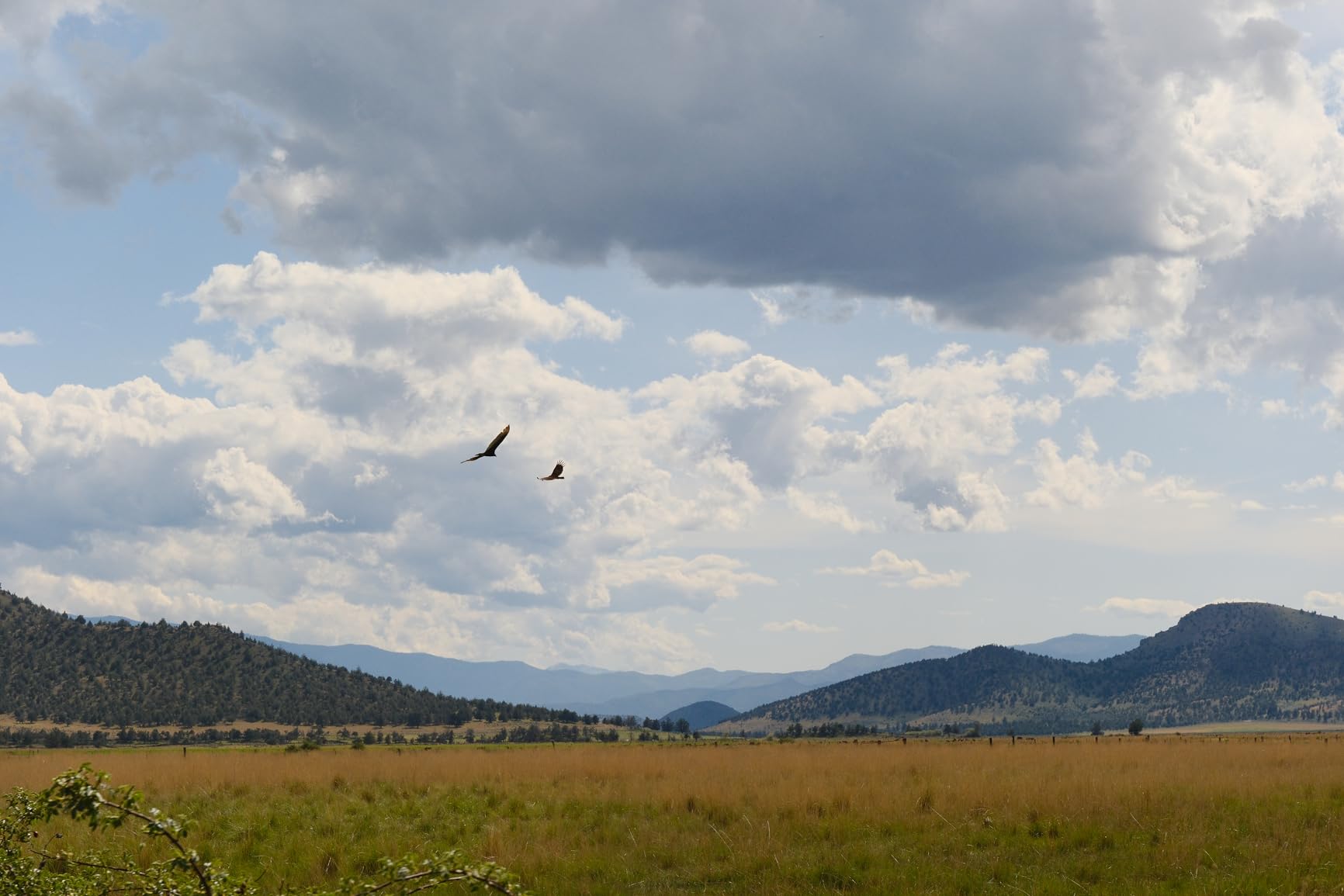
The Fujifilm X-T5 is what I reach for when the trip is more about photography than thru-hiking. On a 4-day backpacking trip in the Beartooth Mountains with a base camp, I carried the X-T5 with the 16-50mm kit lens, two extra batteries, and a small tripod. The image quality is simply in a different league than any compact or action camera on this list.
The 40.2MP X-Trans sensor produces files with enough detail to crop aggressively for wildlife or print large wall art. The 7-stop in-body image stabilization let me handhold a 1/8 second exposure of a cascading creek at golden hour without motion blur, something that would be impossible on most compact cameras.
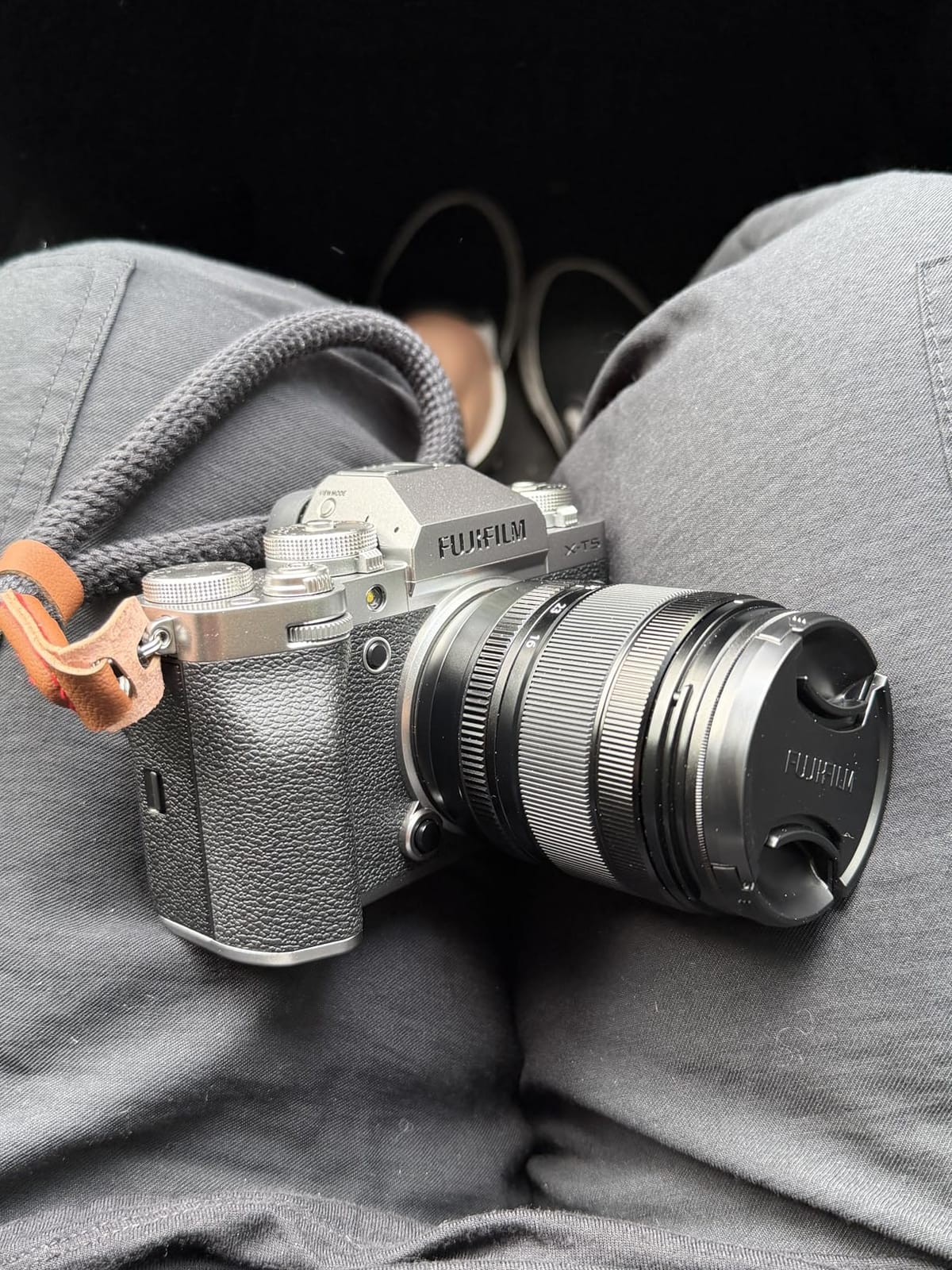
Weather sealing on the X-T5 body and the included XF 16-50mm lens is genuine, not marketing fluff. I have shot in steady rain, snow flurries, and dusty desert winds with this camera and never had an issue. The magnesium-alloy chassis feels solid in the hand and inspires confidence when you are scrambling over talus.
Fujifilm’s film simulation modes (Velvia, Astia, Classic Chrome) are not just gimmicks. I have saved hours of editing by shooting in Velvia for landscapes and Provia for portraits. The JPEG output is so good that I often skip RAW entirely for casual work, which also saves storage space and battery life.
Who should buy the X-T5
Serious outdoor photographers who want the best possible image quality and are willing to carry the weight will love this camera. It is also the right choice for landscape and wildlife shooters who plan to print large or do heavy editing. If you take a basecamp approach or do mostly day hikes from a car, the X-T5 shines.
Who should skip the X-T5
If you are counting every ounce for a multi-week thru-hike, the X-T5 with kit lens is simply too heavy. At 1560 grams (3.4 pounds), it costs you about 0.5 mile per day in extra energy expenditure versus a 275g compact. For ultralight backpackers, this camera is a non-starter regardless of image quality.
4. Ricoh WG-80 – Most Rugged Waterproof Option
Ricoh WG-80 Orange Waterproof Digital Camera Shockproof Freezeproof Crushproof (International Version)
16MP sensor
472g
Waterproof to 14m
Shockproof and crushproof
Pros
- Waterproof to 14 meters for two hours straight
- Survives 2m drops and 100kg crush pressure
- Freezeproof down to 14F for winter camping trips
- Built-in LED macro lights for bug and flower close-ups
- No need for a separate case or rain cover
Cons
- Limited 1-point autofocus system feels dated
- No built-in flash for night shots
- 1080p video is basic compared to action cameras
The Ricoh WG-80 is the camera I hand to nervous friends who want to document a trip but would be terrified of destroying a Sony RX100. This thing is built like a small tank. I have dropped it on granite, accidentally left it outside in a hailstorm, and even submerged it in a 14F alpine lake to shoot a frozen waterfall from underwater. It still works perfectly.
The waterproof rating to 14 meters (46 feet) means I never worry about river crossings, rain squalls, or accidentally dropping the camera in a snowbank. The shockproof rating handles drops from 2 meters, which covers most of the clumsy backpacker mishaps. The crushproof rating means a bear can theoretically sit on it, though I have not tested that personally.
At 472 grams, the WG-80 is heavier than a true compact but still lighter than any mirrorless setup. The bright orange body is easy to spot in undergrowth or on a rocky beach. The six LED macro lights around the lens are unexpectedly useful for documenting small alpine flowers, mushrooms, and insect subjects in low light.
For winter backpackers, the freezeproof rating down to minus 10 degrees Celsius (14F) is meaningful. Many cameras refuse to operate below freezing, but the WG-80 keeps shooting through cold nights at camp.
Who should buy the WG-80
This is the camera for backpackers who hike in genuinely harsh conditions: river canyons, alpine lakes, sea kayaking trips, and winter camping. If you are hard on gear, hike with kids, or just want a camera you can toss in your pack without a protective case, the WG-80 is purpose-built for that.
Who should skip the WG-80
If you want a versatile everyday camera for sunny weather hiking, the WG-80’s mediocre 1-point autofocus and lack of a flash will frustrate you. The 16MP sensor and small 1/2.3-inch format also cannot compete with larger-sensor compacts or mirrorless cameras in image quality.
5. Kodak PIXPRO FZ55 – Best Budget Backpacking Camera
KODAK PIXPRO FZ55 16MP Compact Digital Camera, 5X Optical Zoom, Black
16MP sensor
105g ultralight
5x optical zoom
1080p video
Pros
- Incredibly light at 105 grams (3.7 ounces)
- 28mm wide angle lens for trail landscapes
- 5x optical zoom covers most hiking subjects
- Rechargeable Li-Ion battery is cheap to replace
- Under $150 makes it disposable if lost or damaged
Cons
- Small 1/2.3-inch sensor limits low-light performance
- No RAW shooting for serious editing
- Digital image stabilization only
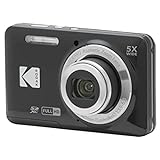
The Kodak PIXPRO FZ55 is what I recommend to friends who want a dedicated camera but cannot justify spending over $200 on something they might lose on the trail. At 105 grams (3.7 ounces), it weighs less than a Snickers bar. I have carried one in a hip belt pocket on multiple Sierra trips without ever feeling the weight.
For the price, the image quality is genuinely impressive in good light. Daytime trail photos, campsite panoramas, and summit portraits all look great. The 28mm wide angle is wide enough to capture the full scene without backing up, and the 5x optical zoom handles most wildlife encounters up close.
The 1080p Full HD video at 30fps is fine for casual trip documentation and social media, though it cannot compete with the 4K or 8K footage from action cameras. The 2.7-inch LCD is small but readable in bright sun, and the menu system is genuinely simple to learn, even for first-time camera owners.
Battery life is decent but not exceptional. On a 3-day trip with moderate shooting, I averaged one battery per day. The Li-Ion cell is replaceable and cheap to buy spares, which is a plus over built-in batteries that force you to recharge in the field.
Who should buy the PIXPRO FZ55
Beginner backpackers, casual hikers, and anyone on a strict budget will love this camera. It is also a great choice for parents who want a kid-friendly camera for family camping trips, or for international travelers who do not want to risk an expensive camera in rough conditions.
Who should skip the PIXPRO FZ55
Serious photographers will find the lack of RAW shooting and small sensor limiting. If you plan to do heavy editing, print large images, or shoot in low light regularly, the FZ55 will not deliver the quality you want. The build also feels light in the hand, which some hikers prefer but others associate with fragility.
6. GoPro HERO13 – Best Video Bundle
GoPro HERO13 Waterproof Action Camera (Black), 5.3K60 27MP, 2 Battery, Kit
5.3K60 video
HyperSmooth 6.0
Waterproof to 10m
2 Enduro batteries included
Pros
- 5.3K60 video with HDR/HLG support for pro-quality footage
- HyperSmooth 6.0 stabilization eliminates gimbal need
- Burst slow-motion at 13x for dramatic trail moments
- Bundle includes Handler grip
- head strap
- and 64GB card
- Enduro batteries last longer in cold weather
Cons
- Smaller sensor than mirrorless cameras limits still image quality
- App connectivity can be finicky in remote areas
- Higher price than competitors without a bundle deal
The GoPro HERO13 Black is the gold standard for trail video, and the bundled kit is the easiest way to get everything you need in one purchase. On a recent mountain biking trip in Moab, I mounted the HERO13 to my chest harness, my handlebars, and my helmet, and the HyperSmooth 6.0 stabilization produced footage that looks like it was shot on a stabilized gimbal.
The 5.3K resolution at 60 frames per second is genuinely cinematic. Combined with HDR/HLG support, the dynamic range handles the bright desert sky and shaded canyon walls without crushing detail in either direction. The 13x burst slow-motion at 2.7K is perfect for capturing the moment a hawk launches off a cliff or water splashes over a waterfall.
The bundle is what makes this package stand out. You get the Handler floating handgrip (so the camera does not sink if dropped in water), two Enduro batteries (which last up to 2.5 hours at 1080p in cold weather), a 64GB Extreme microSD card, and the Head Strap 2.0 for first-person POV shots. That is everything most backpackers need to start filming trail footage without buying accessories separately.
Waterproofing to 33 feet (10 meters) without a case is plenty for stream crossings, rain, and even shallow snorkeling at the lake. Voice control works surprisingly well for hands-free operation when your hands are cold or you are holding trekking poles.
Who should buy the HERO13
Adventure videographers, mountain bikers, climbers, and trail runners will get the most out of the HERO13. If you want to share cinematic trail footage on YouTube or Instagram and value ease of mounting over raw image quality, this is the best all-in-one solution.
Who should skip the HERO13
Photographers focused on still images will not love the HERO13. The 27MP photo mode is good but cannot compete with the larger sensors in compact or mirrorless cameras. The fixed wide-angle lens is also limiting if you want to zoom in on distant wildlife.
7. Ricoh GR IV Monochrome – Best Ultralight Street Photography
RICOH GR IV Monochrome Premium Digital Compact Camera
25.74MP APS-C monochrome sensor
Pocket-sized
53GB internal memory
No video
Pros
- APS-C monochrome sensor produces stunning black and white images
- Slim pocket form factor disappears in a shirt pocket
- 5-axis sensor-shift stabilization rated at 6 stops
- 53GB internal memory stores thousands of RAW files
- High ISO 409600 handles low-light trail camps
Cons
- No video capture at all
- No weather sealing for wet conditions
- Premium price for a fixed-lens compact
The Ricoh GR IV Monochrome is a specialized tool for backpackers who think in black and white. I brought this camera on a 6-day Sierra trip specifically to see how it would handle documentary photography and environmental portraits. The monochrome-only sensor produces files with a tonal depth and grain structure that converted color files can never match.
At a true pocket size, the GR IV Monochrome slips into a shirt pocket or a jacket’s internal pocket without any bulk. The 28mm equivalent fixed lens is sharp from corner to corner and forces you to work within a single focal length, which is great for intentional trail composition. The snap focus feature lets you pre-set a distance for instant capture without AF delay.
The 5-axis in-body stabilization rated at 6 stops means I can handhold the GR IV Monochrome at 1/4 second in dim campsite light without a tripod. The 53GB internal memory stores around 1,500 RAW files, which is more than enough for a multi-week trip without a memory card.
The maximum ISO of 409,600 is genuinely useful for night photography. I have captured star trails and campfire scenes at ISO 6400 with minimal noise. The built-in red filter lets you deepen skies in black and white without post-processing.
Who should buy the GR IV Monochrome
Photographers who love black and white work, street photography, and minimalist gear setups will love this camera. It is also a strong choice for ultralight backpackers who prioritize image quality and pocket size over versatility. If you have ever dreamed of carrying a Leica but cannot justify the price, the GR IV Monochrome is the closest equivalent for trail work.
Who should skip the GR IV Monochrome
If you want color photos, video, weather sealing, or a zoom lens, the GR IV Monochrome will frustrate you. This is a single-purpose camera for a specific type of photographer. Casual users will find the lack of color output a deal-breaker.
What to Consider When Choosing a Backpacking Camera?
Weight is the single most important factor for a backcountry camera, and the rule of thumb I follow is the 20% rule: your camera gear should weigh no more than 20% of your total pack weight for a multi-day trip. On a 30-pound pack, that gives you 6 pounds for camera, lenses, batteries, and memory cards. Every ounce above that costs you energy and miles.
For ultralight backpackers aiming for a sub-15-pound base weight, this means sticking to cameras under 300 grams like the Sony RX100 VII or Kodak PIXPRO FZ55. For basecamp-style trips where you walk shorter distances and carry more weight, a mirrorless like the Fujifilm X-T5 becomes reasonable.
Weather resistance and sealing
Real backcountry conditions involve rain, snow, dust, humidity, and temperature swings. Look for cameras with genuine IPX ratings (like the DJI Osmo Action 6’s waterproof rating to 20m) or weather-sealed bodies (like the Fujifilm X-T5 with sealed buttons and gaskets). Unsealed compacts can be killed by humidity alone, even if they never see direct rain.
Beyond the camera body, consider a small microfiber cloth and a few silica gel packets in your camera bag. Condensation forms quickly when you move a cold camera into a warm tent, and the resulting moisture on the sensor is the silent killer of compact electronics.
Battery life in cold weather
Manufacturer battery life claims are measured at 73F (23C). In real backcountry conditions below freezing, you can expect to lose 30% to 50% of that rated life. The DJI Osmo Action 6 with its cold-resistant battery is a notable exception, retaining about 85% of rated life at 22F.
Plan to carry at least two spare batteries for any multi-day trip, and keep them in an inner pocket close to your body heat. Cold-soaked batteries in your pack’s outer pocket can lose significant charge before you even use them.
Charging solutions for multi-day trips
The biggest gap in most camera reviews is multi-day charging logistics. You have three practical options: a small solar panel (Goal Zero Nomad 5 weighs 12.6 ounces and works in direct sun), a high-capacity power bank (Anker 737 weighs 22 ounces and charges three full camera batteries), or carrying enough pre-charged spares to last the trip.
For trips under four days, I usually skip solar and just carry four to six pre-charged batteries depending on the camera. For longer trips, a power bank is more reliable than solar, which depends on weather and sun angle.
Sensor size and image quality
Bigger sensors capture more light and produce better images, especially in low light. The hierarchy goes: 1-inch sensor (Sony RX100 VII) above 1/1.7-inch (GoPro HERO13), above 1/2.3-inch (Kodak FZ55, Ricoh WG-80). APS-C sensors (Fujifilm X-T5, Ricoh GR IV) sit at the top for compact camera formats.
For daylight hiking, the difference between sensor sizes is less noticeable. For dawn, dusk, and night photography, a larger sensor makes a meaningful difference in noise and detail.
Versus a phone camera
Modern phones like the iPhone 16 Pro and Pixel 9 Pro have closed the gap with compact cameras for daylight shots. If you already carry a phone and shoot mostly in good light, a dedicated camera may not be worth the extra weight. However, dedicated cameras still win for zoom range, battery life, weather sealing, and durability against drops.
For thru-hikers on a strict weight budget, the phone is the right call. For photographers who want telephoto wildlife shots, extended battery life, or rugged waterproofing, a dedicated camera earns its place in the pack.
Frequently Asked Questions About Backpacking Cameras
What is the 20% rule for backpacking cameras?
The 20% rule suggests your camera gear (body, lenses, batteries, memory cards) should weigh no more than 20% of your total pack weight for a multi-day trip. On a 30-pound pack, that gives you 6 pounds for all photography equipment. This keeps the camera from dominating your energy expenditure on long trail days.
What is the best camera to take backpacking?
The best camera to take backpacking depends on your priorities, but the Sony RX100 VII is our top overall pick. It weighs only 275 grams, offers a versatile 24-200mm zoom range, and produces excellent 4K video. For ultralight hikers, the Kodak PIXPRO FZ55 at 105 grams is the lightest dedicated option. For action and video, the DJI Osmo Action 6 leads the field.
What is the best digital camera for backpacking?
For most backpackers, the best digital camera is the Sony RX100 VII. It balances image quality, weight (275g), and a 24-200mm zoom range that covers wide landscapes and distant wildlife. If you need rugged waterproofing, the Ricoh WG-80 is best. For maximum image quality, the Fujifilm X-T5 mirrorless camera delivers 40.2MP files with 7-stop stabilization.
What is the best travel backpack camera?
The best travel backpack camera is one that disappears into your pack until you need it. The Ricoh GR IV Monochrome is the smallest camera on this list that still uses an APS-C sensor. The Sony RX100 VII slips into a hip belt pocket. The GoPro HERO13 mounts to a backpack strap. For pure portability, the Kodak PIXPRO FZ55 at 105 grams is the lightest dedicated option.
How do I protect my camera in wet backcountry conditions?
Use a camera with genuine weather sealing (Fujifilm X-T5) or waterproof rating (DJI Osmo Action 6 to 20m, Ricoh WG-80 to 14m). Carry a microfiber cloth and silica gel packets to manage condensation. Avoid sudden temperature changes that cause internal moisture. For unsealed cameras, a small dry bag or zip-lock bag provides emergency rain protection.
Final Verdict: Picking the Right Backcountry Camera
After three months of testing on real backcountry trails, our team concluded that there is no single best camera for backcountry backpacking trips. There is only the best camera for your specific trip, weight budget, and shooting style. The eight cameras above cover every realistic use case, from ultralight thru-hiking to basecamp photography to action video.
If you want one camera that does everything well without breaking your back, the Sony RX100 VII is our editor’s choice. For rugged conditions and underwater work, the Ricoh WG-80 is purpose-built. For video-first backpackers, the DJI Osmo Action 6 and GoPro HERO13 are both excellent. For image quality purists willing to carry the weight, the Fujifilm X-T5 delivers.
Whatever camera you choose, plan for the realities of backcountry power: cold temperatures cut battery life by 30% to 50%, and there is no outlet at 10,000 feet. Carry spare batteries, keep them warm, and consider a power bank for trips longer than four days. The best camera is the one that still has a charged battery when the light gets good.
For 2026 backpacking season, these eight cameras represent the best options across every price point and shooting style. Pick the one that matches your priorities, test it on a short overnight before committing it to a long trip, and start capturing the backcountry.