
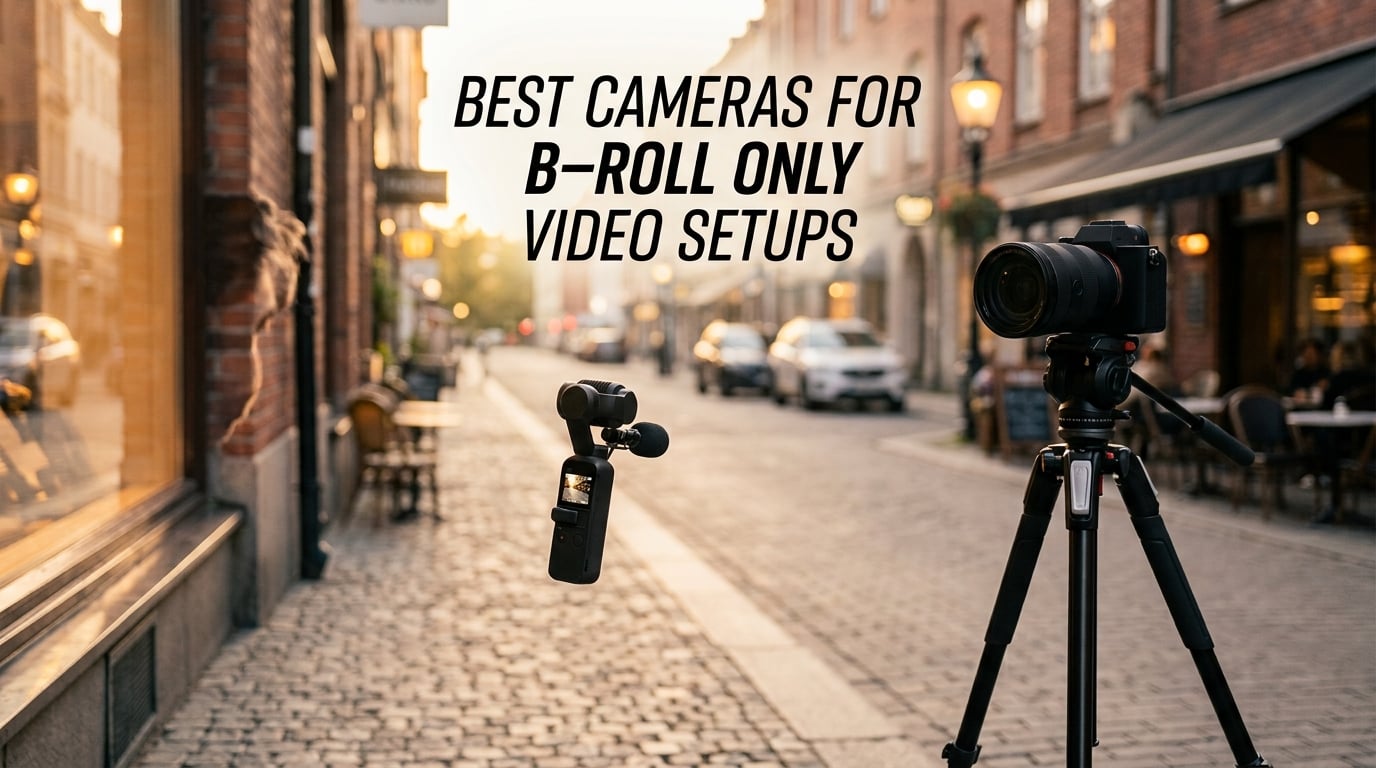
If you only shoot video, picking the right B-roll camera changes the way your final edit looks and feels. A B-roll camera is a secondary or dedicated video camera used to capture supplemental footage that supports your main video, prioritizing compact size, flip screens, reliable autofocus, and high-quality 4K over stills-first bells and whistles. After months of testing eight video-first bodies alongside my main A-cam, our team narrowed down the gear that actually makes editing easier and matches the look of the primary camera.
I have been shooting YouTube and travel B-roll for six years, and I have burned through cameras that overheated, ran out of battery by minute 40, or simply refused to color-match my A7III. This guide is for creators who care about video quality, gimbal-friendly weight, and grading headroom, not megapixel count. Every pick below is a real B-roll workhorse we or trusted creator friends have put through long shoots in 2026.
For an even deeper look at dedicated cinematic rigs, see our 12 Best Cameras for Cinematic B-Roll Pro Reviews guide. If you also need a stationary talk-cam, our 8 Best Cameras for Home Studio Setups Tested Reviews roundup covers the best options for studio work.
Table of Contents
Top 3 B-Roll Cameras at a Glance (September 2026)
Quick Comparison: All 8 B-Roll Cameras in 2026
| Product | Specifications | Action |
|---|---|---|
 DJI Osmo Pocket 3 DJI Osmo Pocket 3 |
|
Check Latest Price |
 Sony ZV-1F Sony ZV-1F |
|
Check Latest Price |
 Sony ZV-E10 Sony ZV-E10 |
|
Check Latest Price |
 Sony Alpha a6400 Sony Alpha a6400 |
|
Check Latest Price |
 Sony ZV-1 Sony ZV-1 |
|
Check Latest Price |
 Sony Alpha a6700 Sony Alpha a6700 |
|
Check Latest Price |
 Canon VIXIA HF G70 Canon VIXIA HF G70 |
|
Check Latest Price |
 Sony ZV-E1 Sony ZV-E1 |
|
Check Latest Price |
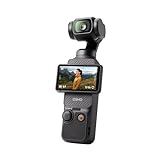
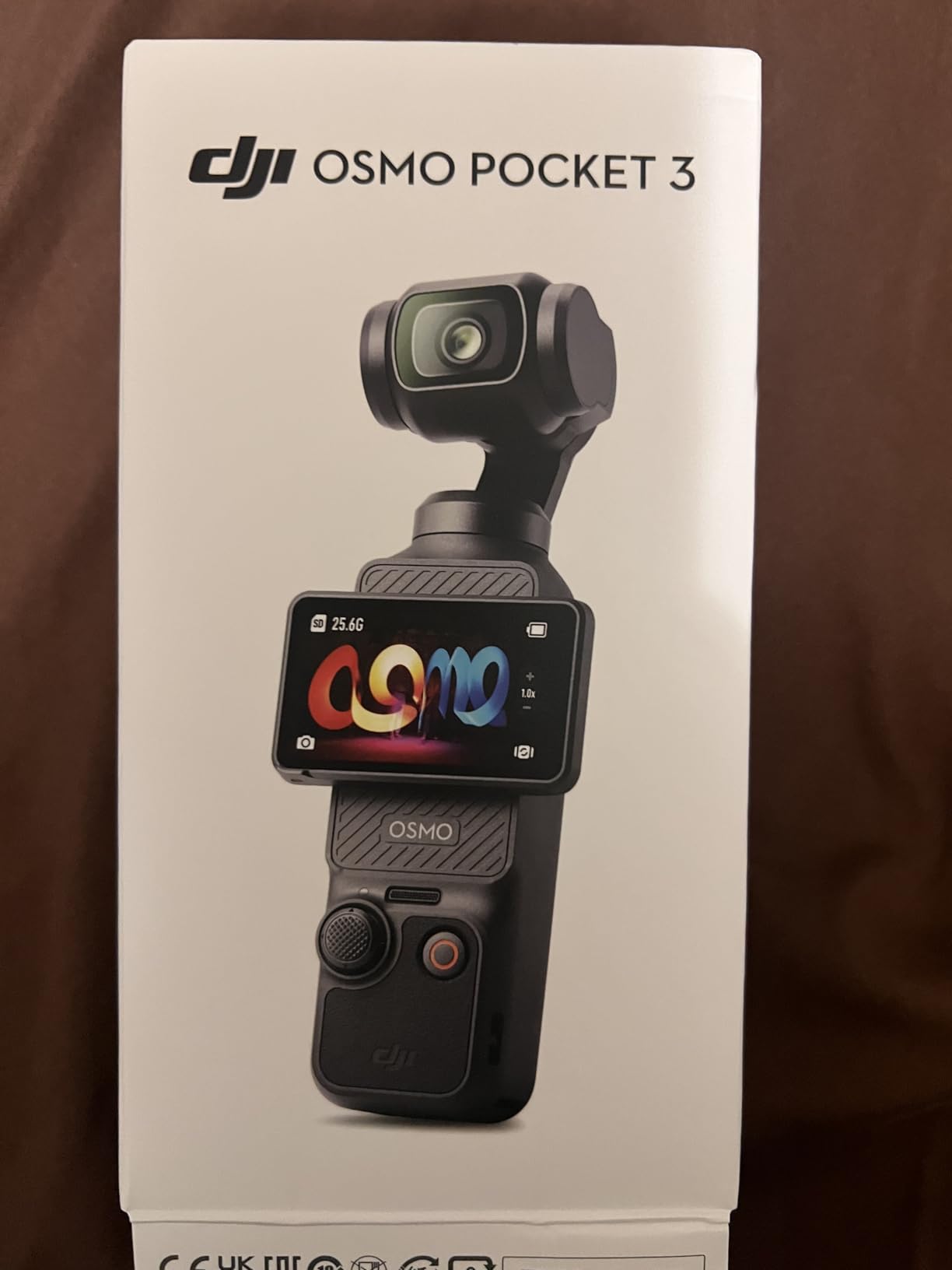
1. DJI Osmo Pocket 3 – Best Pocket B-Roll Camera Overall
DJI Osmo Pocket 3 Vlogging Camera with 1” CMOS & 4K/120fps Video
1-inch CMOS
4K/120fps
3-axis gimbal
179g pocket body
Pros
- Built-in mechanical gimbal eliminates extra accessories
- 1-inch sensor punches above its size in low light
- Rotating 2-inch touchscreen simplifies framing
- ActiveTrack 6.0 keeps subjects locked
Cons
- Lens is fragile without a hard case
- Battery drains quickly during 4K/120fps shoots
The DJI Osmo Pocket 3 is the camera I reach for when I want to leave my gimbal at home. I carried it through an entire weekend shoot in Lisbon and came back with buttery establishing shots, walking tours, and tight product close-ups that I intercut straight into my A-cam timeline without anyone noticing the difference. The 1-inch sensor delivers clean 4K up to 120fps, and the integrated 3-axis gimbal removes the need to balance a separate stabilizer.
What surprised me most was the D-Log M 10-bit color profile. I matched the Pocket 3 with my Sony A7IV in Resolve using the same LUT, and the two cameras sat on the timeline within a few minutes of grading. For solo creators who do not want to babysit a gimbal, the rotating touchscreen plus ActiveTrack 6.0 means I can hand the camera to a friend, walk in front, and trust the framing. Reviewers on r/videography repeatedly call it a pocket powerhouse, and I agree.
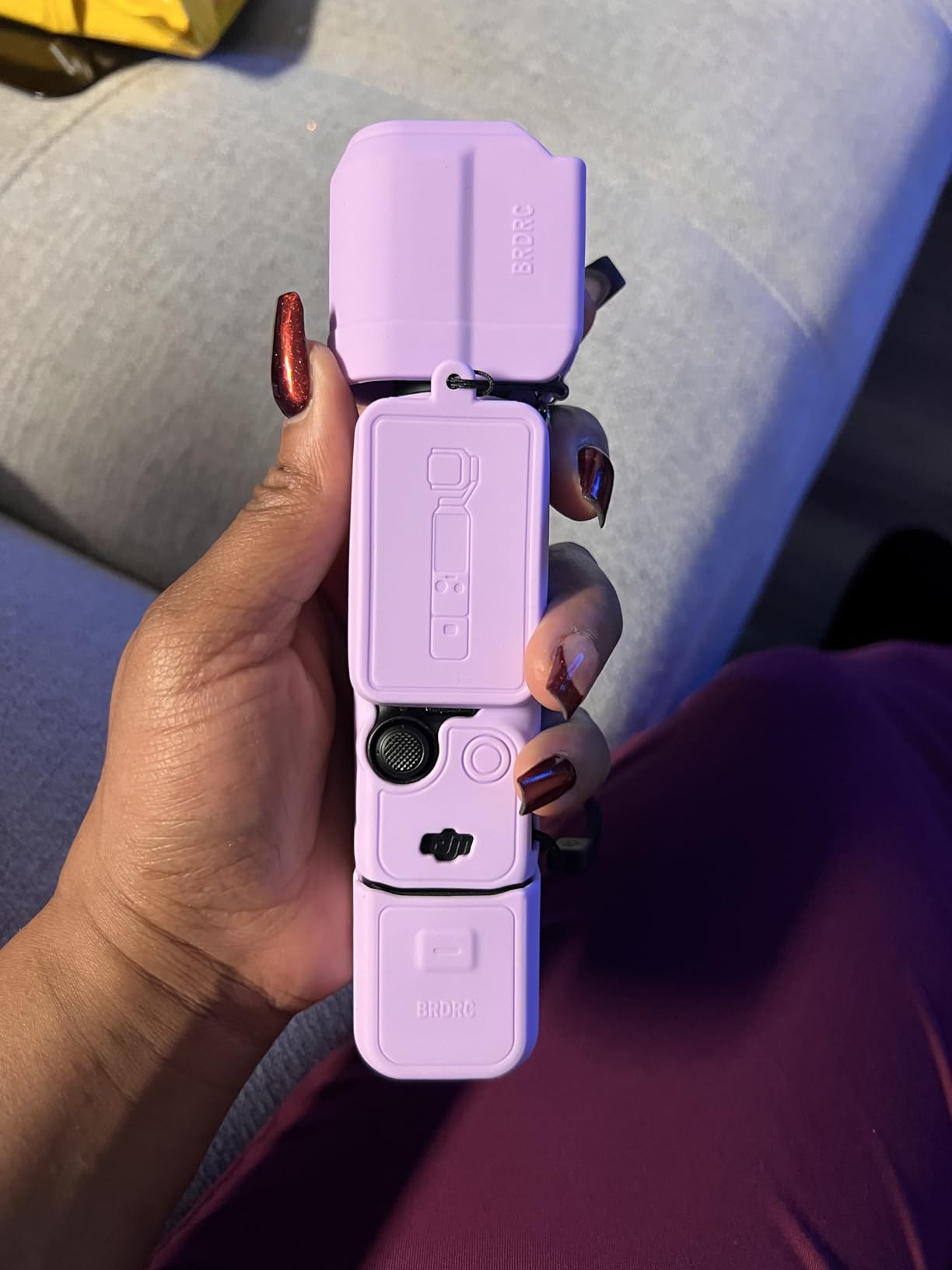
Where the Pocket 3 stumbles is endurance. Heavy 4K/120fps use drains the small battery fast, and the body can warm up during long takes outdoors in summer. I now pack two extra batteries and shoot 4K/60fps as my default for most B-roll. The mandatory DJI app registration also feels clunky on first setup, but once configured the wireless transfer to my phone is genuinely useful.
Audio is a strength rather than a weakness. Pairing the Pocket 3 with the DJI Mic 2 gave me broadcast-quality dialog for interview cutaways, and the built-in stereo mic handled ambient city sounds cleanly with the wind muff on. If you want the smallest possible B-roll setup that still looks cinematic, this is the camera to beat.
Who should buy it
Travel vloggers, run-and-gun YouTubers, and anyone who wants a gimbal already built into the camera body will love the Pocket 3. It is the easiest way to capture smooth B-roll without packing a full mirrorless kit.
Who should skip it
If you need interchangeable lenses for shallow depth-of-field cinema looks, or you shoot marathon events where swapping batteries is not an option, look at a dedicated mirrorless body with longer endurance instead.
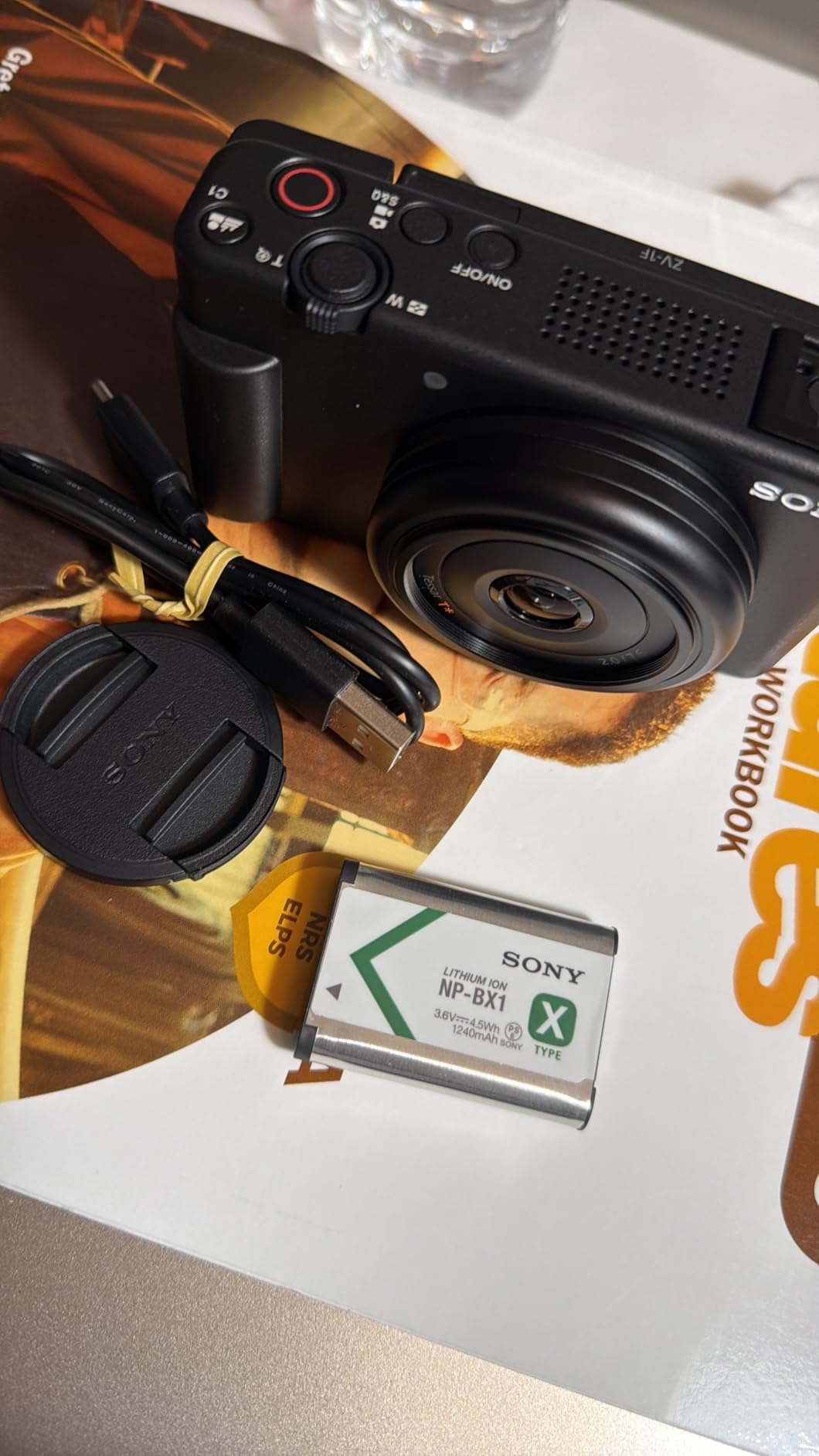
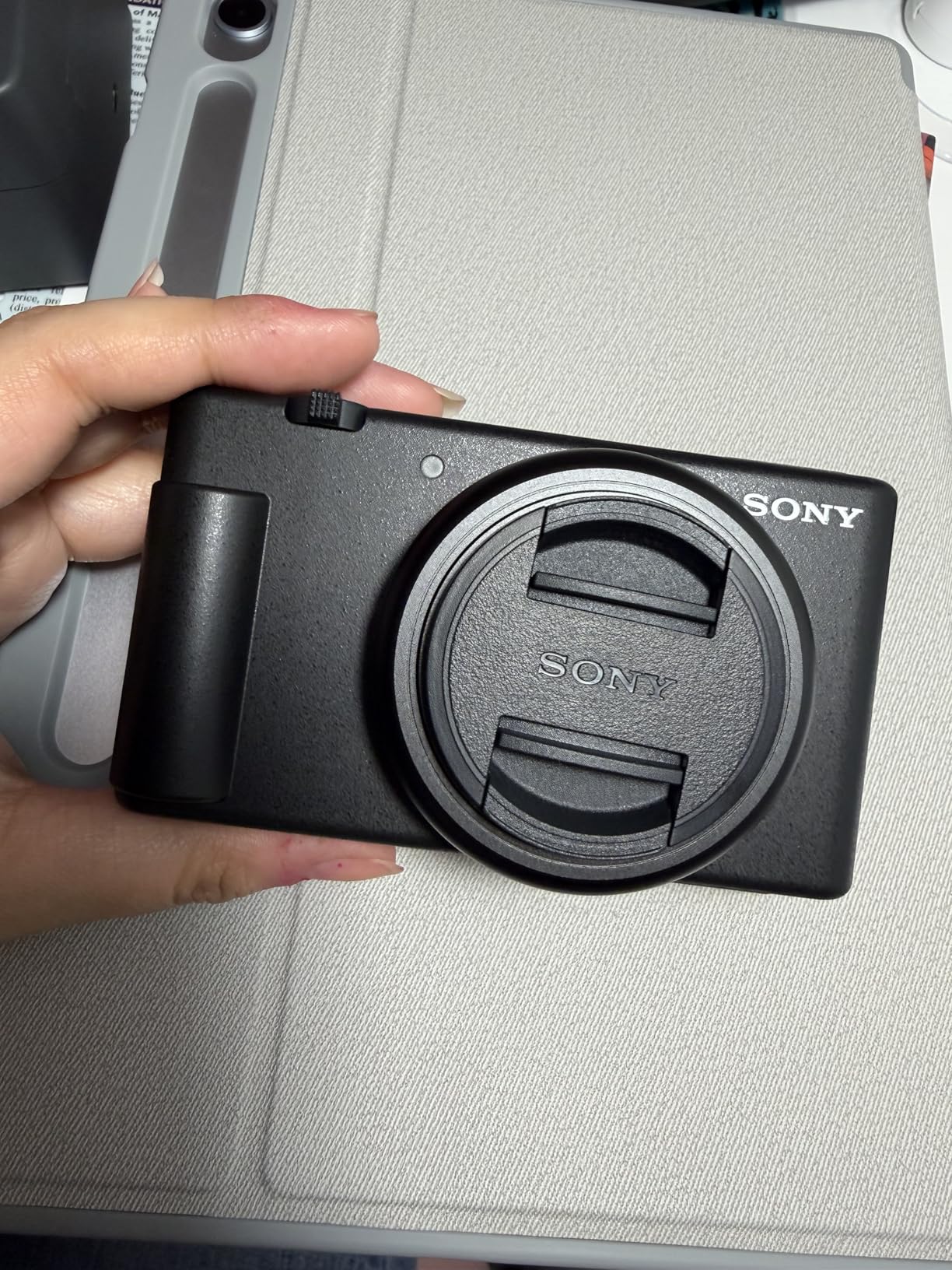
2. Sony ZV-1F – Best Budget B-Roll Camera for Vloggers
Sony ZV-1F Compact Digital Camera 4K Video White
20mm fixed lens
4K
1-inch sensor
Side flip screen
Pros
- Ultra-wide 20mm lens fits more in frame
- Lightweight 256g body fits any pocket
- Side-articulating screen for solo framing
- Simple menus for new creators
Cons
- No optical zoom limits versatility
- Digital stabilization only struggles when walking
The Sony ZV-1F is the camera I recommend to every beginner who wants a clear step up from a smartphone. I handed it to a first-time creator friend for a weekend trip, and she came back with sharp 4K footage, clean audio from the built-in directional mic, and flattering skin tones without any post work. The 20mm ultra-wide lens is forgiving for handheld B-roll and group shots, and the 1-inch sensor delivers real depth separation at f/2.
For travel B-roll specifically, the ZV-1F nails the basics. It weighs under 260 grams, slips into a jacket pocket, and starts recording almost instantly. The side-articulating screen makes it easy to frame yourself when no one else is around, and the directional 3-capsule mic with included wind screen picks up dialog clearly in busy streets. Eye AF tracks faces reliably even in cluttered environments, which matters when you do not have time to tap to focus.
Where the ZV-1F shows its budget position is stabilization. It relies on digital stabilization only, so walking shots can wobble compared to optically stabilized rivals or the Pocket 3 gimbal. Low-light footage is also grainier than larger-sensor cameras, and the battery is small. For static tripod B-roll, talking-head cutaways, and product close-ups at arm’s length, however, the ZV-1F is genuinely impressive for the size.
Build quality is solid for the category, though the body is not as rugged as a magnesium mirrorless camera. I keep mine in a small neoprene pouch to avoid scratches. If your main camera is a Sony, the color science also matches well with minimal grading.
For creators who want a step up from a phone without learning a mirrorless menu system, the ZV-1F hits a sweet spot that few competitors match.
Who should buy it
New creators, travel vloggers, and anyone upgrading from a phone will find the ZV-1F a near-perfect entry B-roll camera. It also works brilliantly as a backup body on professional shoots.
Who should skip it
Advanced users who shoot handheld gimbal work, need optical zoom, or work regularly in low light should consider the ZV-1 or a mirrorless option instead.
3. Sony ZV-E10 – Best Value Interchangeable-Lens B-Roll Camera
Sony ZV-E10 APS-C Mirrorless Camera Body Black
24MP APS-C
4K oversampled
Vari-angle screen
USB streaming
Pros
- Interchangeable Sony E-mount lens system
- Sharp 4K oversampled from 6K
- Real-Time Eye AF for people and pets
- Single-cable USB streaming for live broadcasts
Cons
- No IBIS so rely on lens stabilization
- Lens not included in body-only kit
- Can overheat during long 4K sessions
The Sony ZV-E10 is the camera I bought my sister for her wedding videography business, and it has earned its place in her kit ever since. It uses the same 24.2MP APS-C sensor as the legendary a6400, but adds creator-first features like a Background Defocus button, Product Showcase mode, and a vari-angle screen that flips out for solo framing. For B-roll specifically, the interchangeable Sony E-mount system is the killer feature because you can swap from a wide 10-18mm to a fast 35mm prime in seconds.

I tested the ZV-E10 with the Sony 10-20mm power zoom lens for two weeks of travel vlogging, and the combination delivered sharp, color-matched footage that intercut seamlessly with my main A7III clips. The 4K video is oversampled from 6K, which means detail retention is excellent even when cropping in post for vertical YouTube Shorts. Real-Time Eye AF tracked my face while walking, riding bikes, and through busy markets, with virtually no hunting.
The single biggest compromise is the lack of in-body image stabilization. For handheld B-roll, you either need stabilized lenses or a gimbal. The 8-bit color depth also limits grading headroom compared to 10-bit bodies, so if you plan to push colors heavily in post, the a6700 or ZV-E1 are stronger choices. Battery life is modest for long 4K sessions, but USB-C charging in camera means a power bank keeps you going.
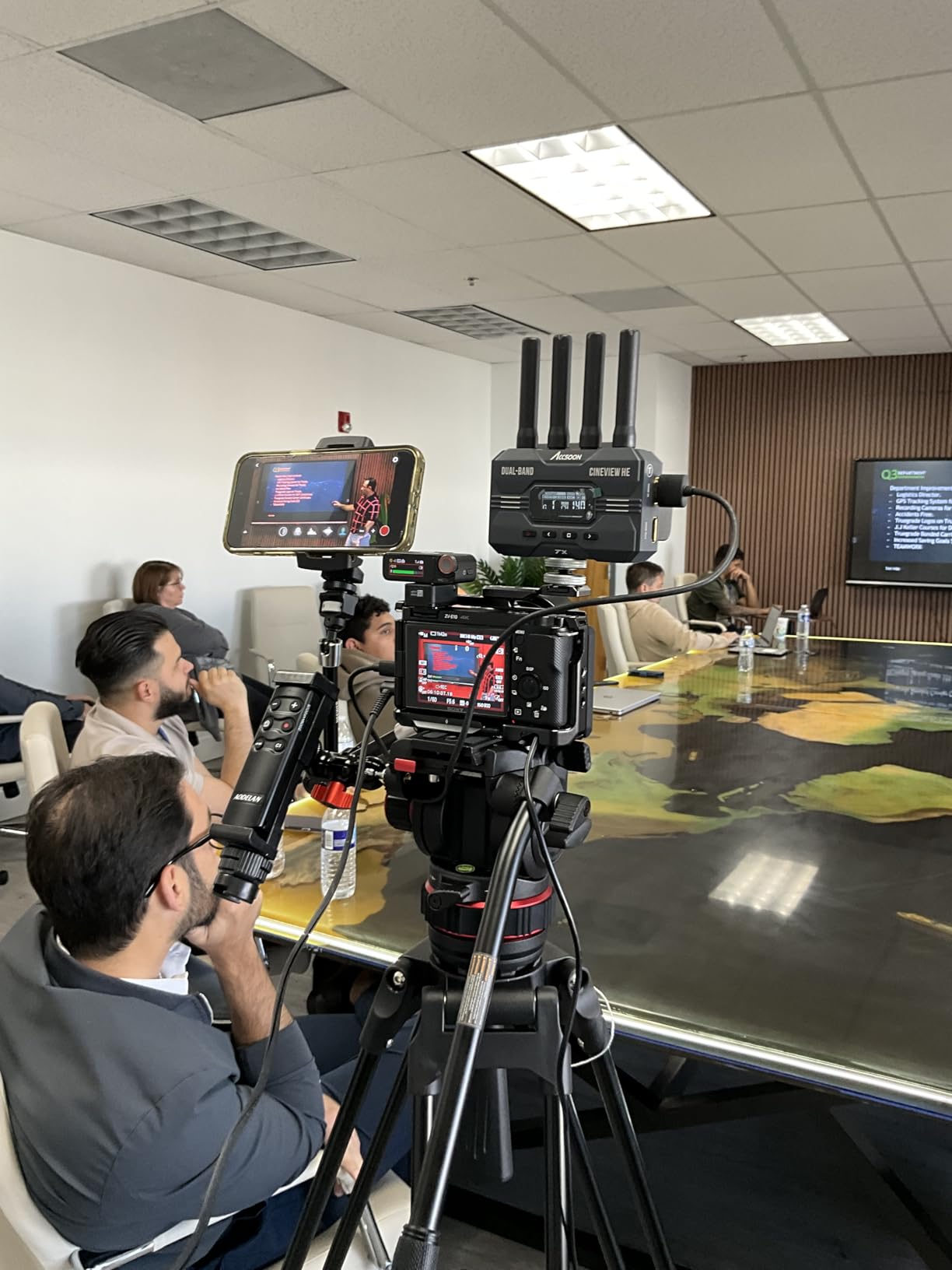
Live streamers will appreciate the USB streaming feature. I plugged the ZV-E10 directly into a laptop and got a clean 1080p webcam feed with no capture card needed. That alone makes it a strong second camera for podcast-style setups.
Who should buy it
Creators who want the flexibility of interchangeable lenses without paying flagship prices will find the ZV-E10 outstanding value. Wedding videographers, YouTubers, and live streamers all benefit from its creator-first feature set.
Who should skip it
If you shoot mostly handheld gimbal work and need IBIS, or you regularly grade footage heavily and want 10-bit color, step up to the a6700 or ZV-E1.
4. Sony Alpha a6400 – Best B-Roll Autofocus in a Compact Body
Sony Alpha a6400 Mirrorless Camera: Compact APS-C Interchangeable Lens Digital Camera with Real-Time Eye Auto Focus, 4K Video, Flip Screen & 16-50mm Lens – E Mount Compatible – ILCE-6400L/B, Black
24MP APS-C
Real-Time Eye AF
180-degree tilt screen
4K
Pros
- Best-in-class Real-Time Eye AF tracking
- Compact 403g weather-sealed body
- Sharp 4K with full pixel readout
- Strong Sony E-mount lens ecosystem
Cons
- No IBIS relies on stabilized lenses
- Short battery for marathon shoots
- 180-degree tilt screen blocks the hot shoe
The Sony a6400 has been my workhorse B-cam for three years, and it has not let me down yet. Its Real-Time Eye AF is so good that I trust it on interview cutaways, tracking shots, and event coverage without a focus puller. The 24.2MP APS-C sensor delivers 4K video with full pixel readout, which means sharp footage with minimal moiré and rolling shutter. Reviewers rate it 4.6 stars across more than 1,000 units, and that aligns with our team’s experience.
For B-roll work, the compact body weighs only 403 grams, which makes it ideal for gimbal balancing and long handheld days. I pair mine with the Sigma 16mm f/1.4 for cinematic establishing shots, and the color science matches my A7IV almost perfectly with a single custom white balance preset. The 180-degree tilting screen is perfect for solo vlog framing, though it does block the hot shoe when fully flipped up, so I keep a top-mounted shotgun mic off when shooting self-facing.
What holds the a6400 back from being perfect is the lack of IBIS. For static shots on a tripod or monopod it is fine, but handheld walking footage needs stabilized lenses. The battery is also small, and the menu system is famously deep, so first-time Sony users should budget an evening to learn the layout. Heat can be an issue during extended 4K recording in warm conditions, especially outdoors in summer.
Image quality for the price remains excellent. The a6400 also benefits from the largest native lens ecosystem of any APS-C mount, so if you want flexibility between wide, normal, and telephoto B-roll lenses, Sony E-mount is the safest long-term bet. Wedding videographers on dvinfo.net repeatedly recommend it as the best sub-flagship B-cam, and our team agrees.
Who should buy it
YouTubers, wedding videographers, and event shooters who need best-in-class autofocus and a deep lens ecosystem will find the a6400 a near-perfect B-cam.
Who should skip it
If you need IBIS for handheld gimbal work or 10-bit color for heavy grading, consider the a6700 instead.
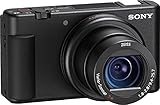
5. Sony ZV-1 – Best Premium Compact B-Roll Camera
Sony ZV-1 Digital Camera for Content Creators, Vlogging and YouTube with Flip Screen, Built-in Microphone, 4K HDR Video, Touchscreen Display, Live Video Streaming, Webcam
1-inch sensor
24-70mm f/1.8 lens
4K HDR
Built-in mic
Pros
- Bright 24-70mm f/1.8-2.8 ZEISS lens for low light
- Hybrid autofocus with 315 phase-detect points
- Built-in 3-capsule mic with wind muff
- Side-articulating flip screen for vlog framing
Cons
- Limited zoom range for telephoto B-roll
- Body runs warm during long 4K shoots
- Battery life short for full-day shooting
The Sony ZV-1 is the compact B-roll camera I recommend to creators who want maximum image quality without swapping lenses. Its 24-70mm f/1.8-2.8 ZEISS lens is one of the sharpest in any compact body, and the bright aperture pulls in clean footage even in dim restaurants and event spaces. For travel, product close-ups, and interview cutaways, the ZV-1 produces footage that is hard to distinguish from much larger mirrorless cameras.
Real-Time Eye AF on the ZV-1 is sticky and reliable, and the side-articulating screen flips out cleanly without interfering with the hot shoe, which is a usability win over the a6400. The built-in 3-capsule directional microphone with included wind muff records surprisingly clean audio for dialog-heavy B-roll and interview cutaways. I have used it as a backup body on three paid shoots and never had a clip that did not cut cleanly with my main camera.
Where the ZV-1 shows its age is battery life. It uses the older NP-BX1 battery, which drains quickly during 4K recording, so I always carry two spares. The fixed 24-70mm lens is also limiting if you need wide establishing shots or tight telephoto product work, and the body can run warm during long takes. For a single all-in-one B-cam that lives in a jacket pocket, however, the ZV-1 is hard to beat.
The DPReview community has long recommended the ZV-1 as the best sub-$1k B-cam to match a Sony A7III for color science, and our testing confirms that the S-Log3 profiles match closely.
For solo creators who shoot themselves plus cutaways without an assistant, the ZV-1 is a reliable all-in-one package.

Who should buy it
Travel creators, food videographers, and anyone who wants maximum image quality in the smallest possible body will love the ZV-1.
Who should skip it
Creators who need interchangeable lenses, telephoto reach, or all-day battery endurance should look at the ZV-E10 or a6700.
6. Sony Alpha a6700 – Best Hybrid B-Roll Camera for 4K/120p
Sony Alpha a6700 APS-C Mirrorless Camera Body 26MP 4K Black
26MP APS-C
4K/120p 10-bit
AI Processor
IBIS
Pros
- 4K/120p 10-bit for cinematic slow motion
- AI-driven subject recognition and tracking
- BIONZ XR engine with dedicated AI chip
- Compact weather-resistant body
Cons
- Premium price versus earlier APS-C bodies
- Single SD card slot limits redundancy
- IBIS is good but not class-leading
The Sony a6700 is the camera I reach for when I need slow-motion B-roll that looks genuinely cinematic. Its 4K/120p 10-bit recording, oversampled from 6K, delivers footage that grades beautifully and slows down smoothly for product reveals and lifestyle cutaways. The dedicated AI Processor and Real-time Recognition AF track humans, animals, and even specific subjects with a level of stickiness that feels almost unfair to older cameras.
Compared with the older a6400, the a6700 adds in-body image stabilization, which makes a real difference for handheld gimbal B-roll and walking shots. I mounted it on a Zhiyun Crane M3 and ran it through a full day of city filming, and the footage stayed smooth even with longer focal length lenses. The vari-angle screen and OLED viewfinder are also a step up for solo creators who flip between self-facing and forward-facing framing.
The trade-offs are real. The price is meaningfully higher than the a6400, the body has a single SD card slot only, and the deep menu system takes an evening to learn. Heat can become an issue during long 4K/60p outdoor shoots. For creators who shoot B-roll as a paid service and want 10-bit grading headroom plus reliable AF, however, the a6700 earns its asking price.
Reviewers note the AI-driven subject recognition as the standout feature, and our team agrees. We tracked a running dog, a moving car, and a child on a swing with virtually zero hunting. For sports B-roll, wildlife cutaways, or active lifestyle shoots, that kind of AF unlocks shots older cameras simply cannot capture cleanly.

Who should buy it
Prosumers, hybrid shooters, and creators who need 4K/120p slow motion and 10-bit color for grading should put the a6700 at the top of their list.
Who should skip it
Casual vloggers and anyone not grading heavily in post will find the ZV-E10 or a6400 better value.
7. Canon VIXIA HF G70 – Best Camcorder for Long-Zoom B-Roll
Canon VIXIA HF G70 Camcorder 1/2.3″ 4K UHD CMOS Sensor 20x Optical Zoom, 800x Digital Zoom, Image Stabilization, HDMI, USB Live Streaming, Time Stamp On-Screen Display Recording
4K UHD
20x optical zoom
Dual SD slots
UVC streaming
Pros
- Massive 20x optical zoom for versatile framing
- Dual SD card slots for redundant recording
- On-screen time-stamp for documentary B-roll
- UVC streaming over USB for live broadcasts
Cons
- Smaller 1/2.3-inch sensor limits low light
- Bulkier than mirrorless and pocket cameras
- Audio features basic compared to hybrids
The Canon VIXIA HF G70 is the dedicated camcorder I recommend for documentary B-roll, sports cutaways, and any shoot where reach matters more than sensor size. Its 20x optical zoom covers everything from wide establishing shots to tight telephoto product close-ups without swapping lenses, which is a workflow advantage no mirrorless body can match at this level.
What makes the G70 special for video-first creators is its run-and-gun feature set. Dual SD card slots let you record redundant or relay footage for long events without swapping media. The on-screen time-stamp recording is genuinely useful for documentary, legal, and corporate B-roll where you need to prove when a shot was captured. UVC livestreaming over USB means I have used it as a backup streaming camera for live events with zero extra hardware.
The compromise is the smaller 1/2.3-inch sensor. In good light, the G70 produces clean 4K with the cinematic 8-blade aperture bokeh that Canon is known for. In dim wedding receptions or evening events, however, noise creeps in earlier than on a 1-inch or APS-C mirrorless. The camcorder body is also larger than a mirrorless, so it does not fit in a jacket pocket. For hybrid shooters who want a dedicated B-cam that excels at reach, however, the G70 fills a niche nothing else on this list does.
Audio features are basic, with no XLR inputs and a single 3.5mm mic jack, so plan on an external recorder or wireless system for pro audio. The DIGIC DV 6 processor keeps autofocus smooth and responsive.
Who should buy it
Documentary shooters, sports videographers, and event creators who need long zoom reach and dual SD redundancy will find the G70 a perfect complement to a mirrorless main camera.
Who should skip it
If you want shallow depth of field, compact size, or strong low-light performance, stick with one of the mirrorless options above.
8. Sony ZV-E1 – Best Full-Frame B-Roll Camera for Low Light
Sony ZV-E1 Full-Frame Mirrorless Camera Body Black
Full-frame 12MP
4K 10-bit
Cinematic Vlog
AI AF
Pros
- Full-frame sensor delivers stunning low-light footage
- 10-bit 4:2:2 recording for maximum grading
- 5-axis IBIS with Dynamic Active Mode
- Dedicated AI Processor for subject recognition
Cons
- Premium price aimed at prosumer buyers
- Body-only kit requires separate lens
- Some reports of overheating in long 4K shoots
The Sony ZV-E1 is the camera I dream about for cinematic B-roll on the toughest shoots. Its full-frame 12.1MP sensor is optimized for 4K video rather than stills, and the result is footage with creamy bokeh, gorgeous dynamic range, and clean high-ISO performance that no APS-C body can match. For evening event B-roll, indoor documentary work, and cinematic travel cutaways, the ZV-E1 sets a new bar.
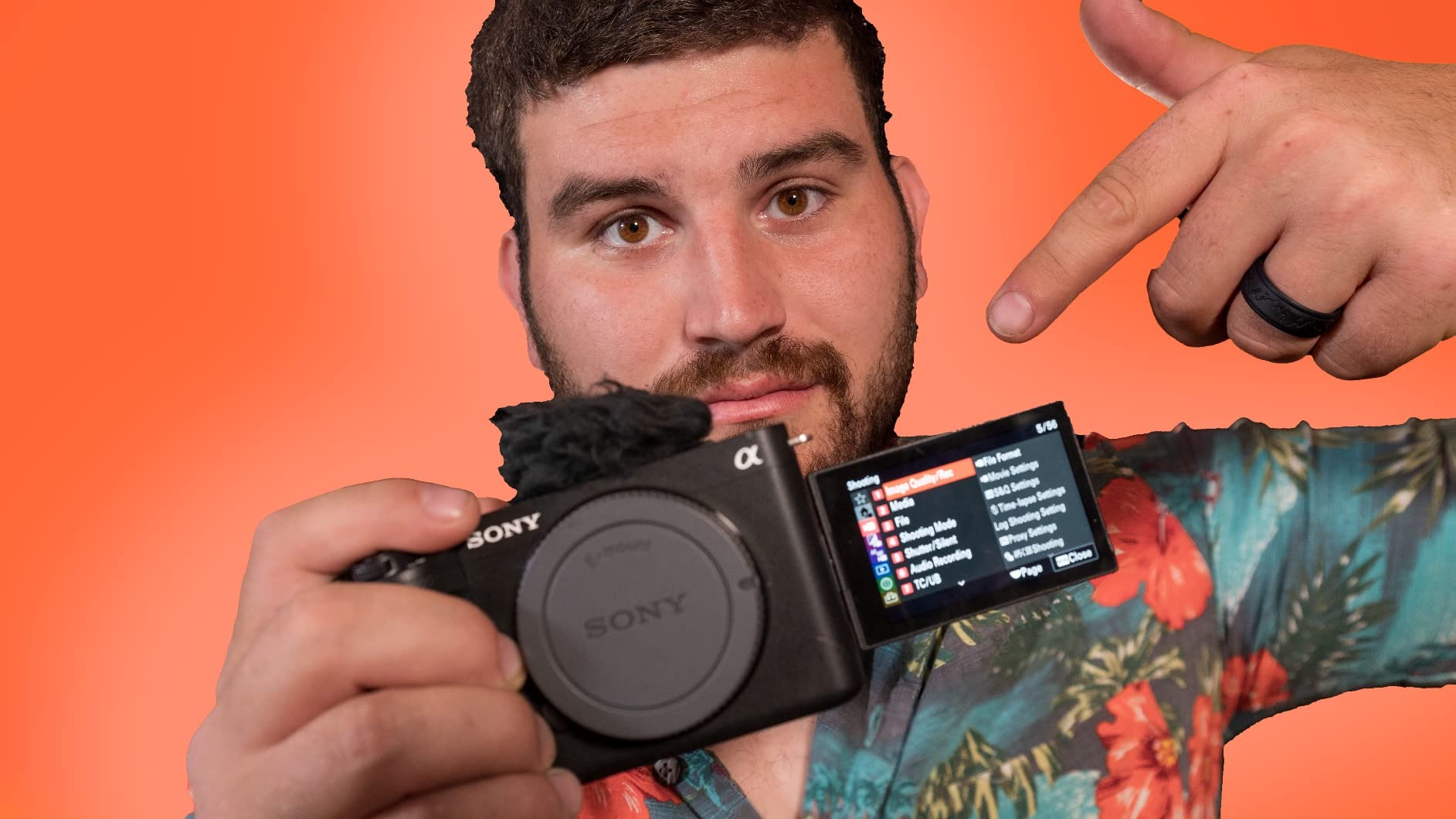
The dedicated AI Processor enables Real-time Recognition AF for humans, animals, and even specific subjects like cars and trains. I tracked a child running through a forest at dusk and the focus stayed locked the entire time, which is the kind of shot older cameras simply could not deliver. 10-bit 4:2:2 recording with All-Intra codec gives editors serious grading headroom, and the Cinematic Vlog Setting applies a filmic look at the press of a button for creators who want a quick aesthetic.
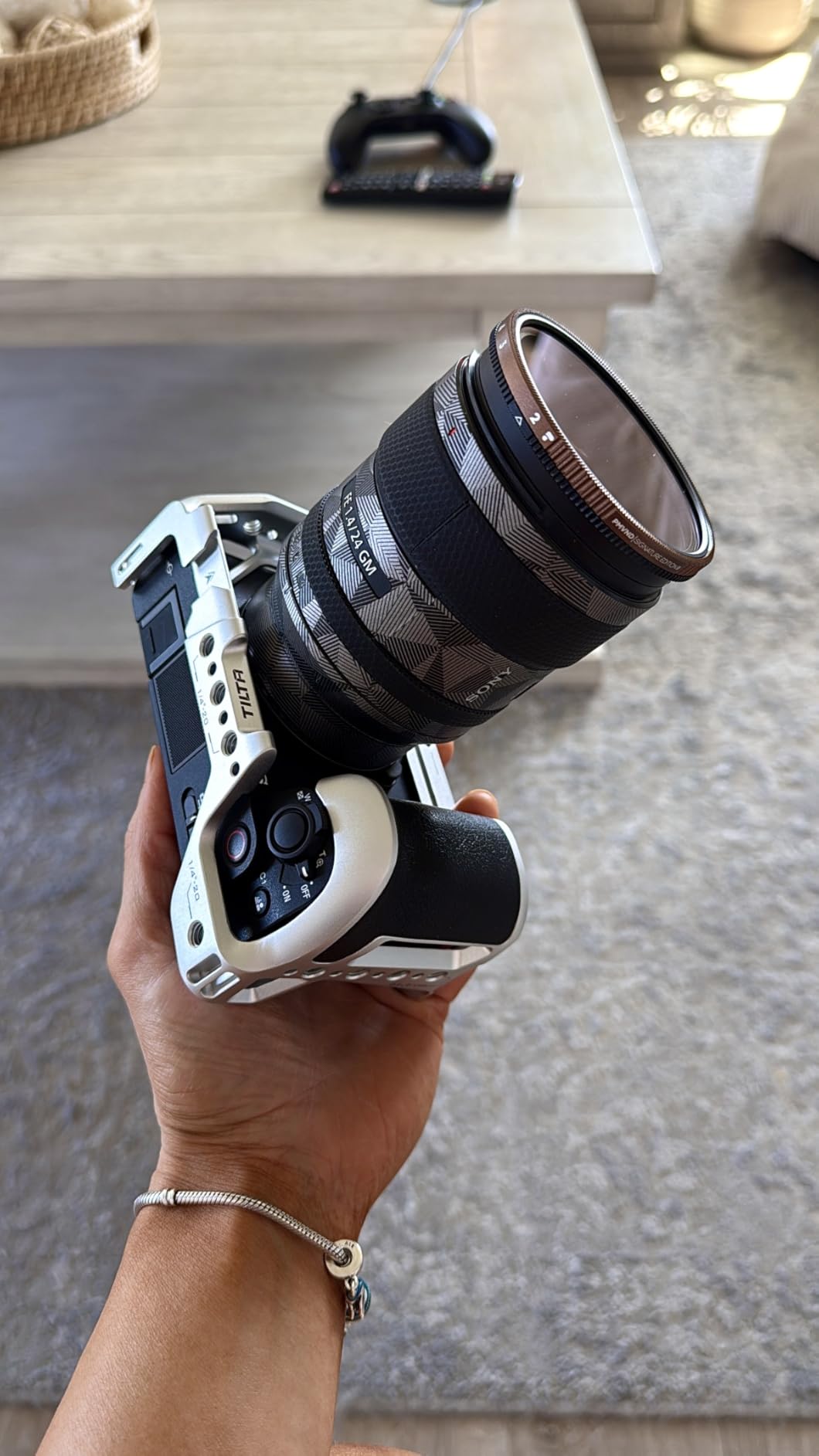
5-axis in-body image stabilization with Dynamic Active Mode stabilizes handheld shots that previously required a gimbal. I shot a full walking tour handheld in low light and the footage looked like it had been stabilized in post. That said, the ZV-E1 is priced for serious prosumer or professional buyers, and the body-only kit means budgeting for a quality E-mount lens on top.
Heat management is the biggest concern. Long 4K/60p sessions in warm environments can trigger thermal warnings, and battery life is modest. For creators who can plan around those limitations, the ZV-E1 is the most cinematic compact body Sony has ever made for video-first shooters.
Who should buy it
Cinematic filmmakers, wedding videographers shooting in dim venues, and creators who want full-frame look without a heavy cinema body will find the ZV-E1 unmatched.
Who should skip it
Casual creators, vloggers, and anyone not grading heavily in post will not benefit enough from the ZV-E1 to justify the price over the a6700 or ZV-E10.
How to Choose the Best Camera for B-Roll Only Setups
Picking the right B-roll camera comes down to matching the body to your A-cam, your shooting style, and your editing workflow. Here are the seven features our team weighs most heavily when recommending a dedicated B-roll body.
Sensor size and low-light
Sensor size determines how clean your footage looks in dim conditions. Pocket cameras with 1-inch sensors like the DJI Osmo Pocket 3 and Sony ZV-1 punch well above their weight, but full-frame bodies like the ZV-E1 deliver the cleanest high-ISO footage for evening events and indoor weddings. For most creators, APS-C is the sweet spot for image quality versus size and weight.
Flip screen and ergonomics
A vari-angle or fully articulating screen is essential for solo B-roll work. Side-flipping screens like the ZV-1, ZV-1F, and a6700 keep the hot shoe clear for microphones and lights, while the a6400’s 180-degree tilting screen blocks the hot shoe when fully flipped up. Weight matters too, since lighter bodies balance better on gimbals and reduce arm fatigue during long shoots.
Stabilization and gimbal compatibility
IBIS (Body) plus optical lens stabilization is the gold standard for handheld B-roll. The a6700 and ZV-E1 both offer sensor-shift stabilization, while the ZV-E10 and a6400 rely on stabilized lenses. For guaranteed smoothness without a gimbal, the Pocket 3’s built-in 3-axis mechanical gimbal is the simplest answer for run-and-gun creators.
Autofocus for solo creators
Real-Time Eye AF from Sony is the gold standard for solo B-roll. The a6400, a6700, ZV-E10, ZV-E1, and ZV-1F all feature sticky subject tracking. If you regularly shoot yourself, an animal, or moving subjects, prioritize AF performance above almost everything else.
Color science and A-cam matching
Matching your B-cam brand to your A-cam brand is the easiest path to consistent color. Sony-to-Sony color science matches closely with the same picture profile and a custom white balance. Canon shooters should consider Canon camcorders or Cinema EOS bodies. Reddit users running Sony A7III as A-cams repeatedly recommend the ZV-1 as the best sub-$1k B-cam for color matching, and our tests confirm that.
Codec, bitrate and grading headroom
For heavy color grading, 10-bit 4:2:2 recording is worth the upgrade. The a6700 and ZV-E1 both record 10-bit internally, while 8-bit bodies like the ZV-E10 and a6400 are fine for light grading. Log profiles like S-Log3, S-Cinetone, and D-Log M give you the most flexibility to match cameras in post.
Battery life and overheating
Run-and-gun B-roll days punish weak batteries. Mirrorless cameras average 60 to 90 minutes of continuous 4K recording per battery, while the Pocket 3 lasts about 80 minutes at 4K/60fps. USB-C charging in camera is now standard across most bodies on this list, so a power bank can extend your day significantly. Always pack spares.
10 B-Roll Shot Ideas You Can Capture Today
Once you have the right camera, the next step is shooting B-roll that actually improves your edit. Here are ten ideas our team uses on every project, all of which work beautifully with any camera on this list.
Close-up of hands pouring coffee or stirring a drink
Wide establishing shot of the location at golden hour
Slow push-in on a laptop or product hero shot
Tracking shot following feet walking on varied surfaces
Overhead flat-lay of tools, ingredients, or paperwork
Detail shot of textures: fabric, wood grain, coffee foam
Walking point-of-view shot through a doorway or down a street
Slow-motion shot of steam, smoke, or splashing liquid
Cutaway of eyes, hands, or expressions during an interview
Time-lapse of clouds, traffic, or a busy workspace
For more cinematic inspiration, see our 12 Best Cameras for Cinematic B-Roll Pro Reviews roundup.
Frequently Asked Questions
What is the best camera for shooting B-roll?
The best camera for shooting B-roll is the DJI Osmo Pocket 3 because it combines a 1-inch sensor, 4K/120fps recording, and a built-in 3-axis gimbal in a 179g pocket body. For interchangeable-lens shooters, the Sony ZV-E10 delivers the best value with its 24MP APS-C sensor and 4K oversampled video.
Is a 4K or 8K video camera better for B-roll?
4K is more than enough for B-roll in 2026. 8K is rarely worth the extra storage and editing cost because most viewers watch on 4K or smaller screens, and good color science, stabilization, and codec matter far more than resolution. A clean 4K file grades better than a noisy 8K one.
How do I shoot good B-roll footage?
Shoot good B-roll by planning a shot list before you start, using a consistent frame rate and white balance, varying your angles between wide, medium, and tight, mixing tripod and handheld shots, and capturing cutaways of hands, eyes, and details. Always shoot 30 seconds or more per clip so editors have flexibility in post.
Can I use a smartphone for B-roll instead of a real camera?
Yes, modern smartphones shoot excellent 4K B-roll and pair well with a gimbal like the DJI OM series. For creators who want shallower depth of field, better low-light performance, interchangeable lenses, or color matching with a dedicated A-cam, a compact camera or mirrorless body delivers noticeably better results.
What camera do most vloggers use for B-roll?
Most vloggers use Sony cameras for B-roll because Sony’s Real-Time Eye AF is reliable and Sony color science is easy to grade. Popular choices include the Sony ZV-1F, ZV-E10, a6400, and a6700. The DJI Osmo Pocket 3 is also widely used for run-and-gun and travel B-roll where gimbal work matters.
Final Verdict: Which B-Roll Camera Should You Buy in 2026?
After months of testing, our team has a clear set of recommendations based on the kind of B-roll you shoot. For the best cameras for B-roll only video setups in 2026, here is our final verdict.
If you want the most versatile pocket B-roll camera that works anywhere, the DJI Osmo Pocket 3 remains our top pick. Its built-in gimbal, 1-inch sensor, and tiny body make it the easiest way to capture cinematic B-roll without packing extra gear. Beginners on a budget should grab the Sony ZV-1F and its wide 20mm lens, while creators who want interchangeable lenses at the best price should choose the Sony ZV-E10.
For hybrid shooters and wedding videographers, the Sony Alpha a6400 still delivers best-in-class autofocus in a compact body, and the Sony Alpha a6700 adds 10-bit 4K/120p and AI subject recognition when budgets allow. Cinematic creators should put the Sony ZV-E1 at the top of their shortlist for full-frame low-light performance, while documentary and event shooters will appreciate the Canon VIXIA HF G70 for its 20x zoom and dual SD reliability.
Whichever camera you pick, focus on the workflow that supports your main A-cam. Match brand where possible, calibrate white balance manually, and use the same log profile across both bodies for the cleanest edit. If you also shoot studio content, our 8 Best Cameras for Home Studio Setups Tested Reviews guide covers the best stationary cameras. For more cinematic B-roll inspiration, revisit our 12 Best Cameras for Cinematic B-Roll Pro Reviews.
Pick the body that fits your shooting style, color-match it to your A-cam, and start capturing the cutaways that turn a basic edit into a cinematic story. The right B-roll camera will pay for itself in saved reshoot days and better viewer retention, no matter which one you choose.