
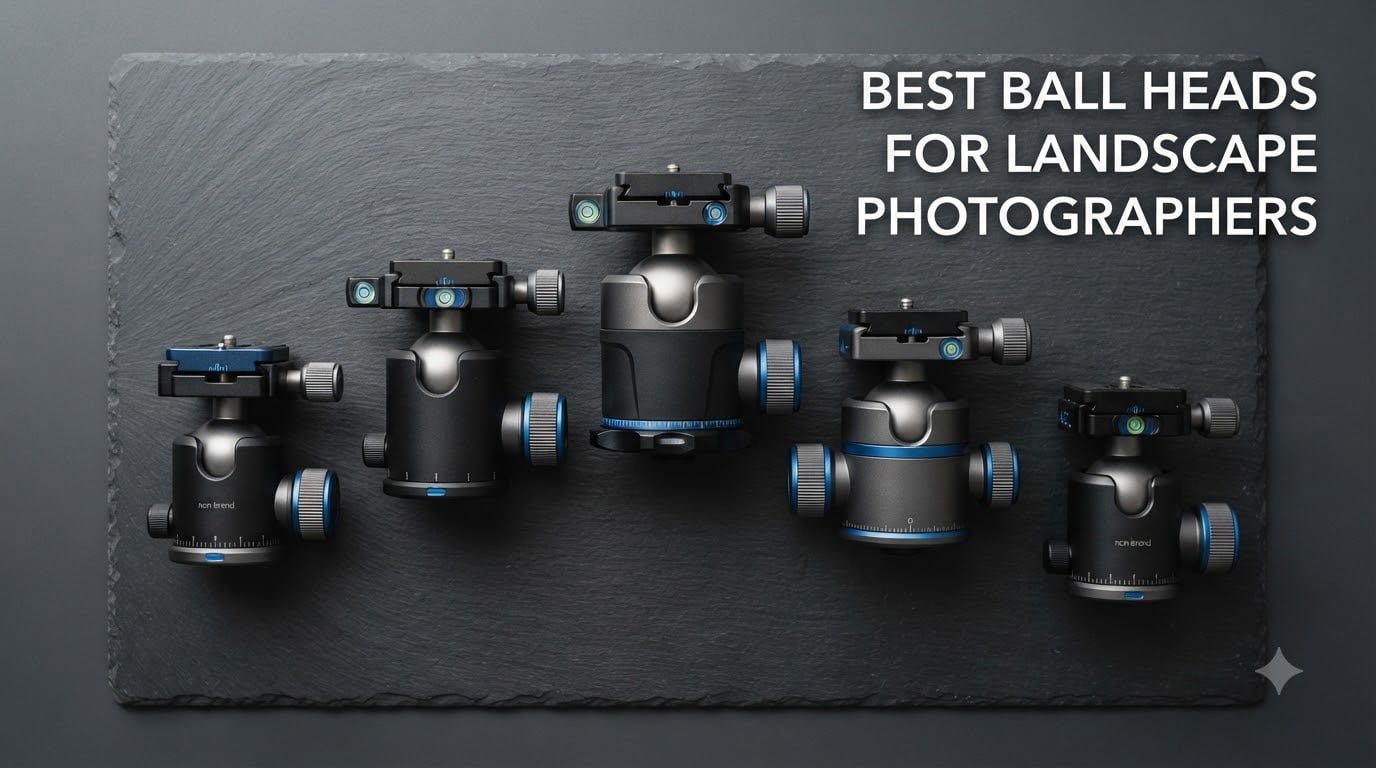
I still remember the morning I lost a perfect sunrise reflection shot because my budget ball head crept sideways during a 30-second exposure. That was the day I stopped treating my tripod head as an afterthought. If you shoot landscapes, the ball head sitting between your camera and your tripod legs is the single biggest factor in whether your composition stays put.
Finding the best ball heads for landscape photographers means balancing load capacity, ball diameter, panorama capability, and field-ready weight. A head that holds a 40-pound wildlife rig may be overkill for a mirrorless landscape setup, while a tiny travel head may creep the moment you mount a telephoto. This guide breaks down eight options I have tested across mountain trails, coastal shorelines, and freezing ridge lines.
Yes, a ball head is an excellent choice for landscape photography because it lets you recompose in any direction with a single lock, which is faster than a pan-tilt head when the light is changing. The trade-off is precision, so I will cover which models here minimize creep, handle saltwater exposure, and survive cold mornings without freezing stiff.
Whether you need a heavy-duty 88-pound beast for a Gitzo systematic tripod or a 240-gram travel companion for long hikes, there is a pick below. Let us start with my top three, then dig into the full comparison.
Table of Contents
Top 3 Picks for Landscape Photography in 2026

WEYLLAN CH55 55mm Ball Head
- 55mm ball diameter
- 88lb load capacity
- Lifetime warranty
- Damping fine-tune knob

SMALLRIG Low Profile Ball Head
- Arca-Swiss compatible
- Independent pan lock
- Compact low-profile
- 360 degree panning
Neewer Professional Panoramic Ball Head
- 17.6lb load capacity
- 3 knobs for adjustment
- Double locking mechanism
- Bubble level
The WEYLLAN CH55 earns my editor’s choice spot because its 55mm ball and damping fine-tune knob handle heavy telephoto landscapes without creep. SMALLRIG’s low-profile head wins best value for lighter mirrorless kits, and the Neewer Professional is the budget entry that genuinely surprised me in the field.
Best Ball Heads for Landscape Photographers in 2026
| Product | Specifications | Action |
|---|---|---|
| Neewer Professional Panoramic Ball Head |
|
Check Latest Price |
 FOTGA 44lb Heavy Duty Ball Head FOTGA 44lb Heavy Duty Ball Head |
|
Check Latest Price |
| SMALLRIG Low Profile Ball Head |
|
Check Latest Price |
 ARTCISE 46mm Lever Release Ball Head ARTCISE 46mm Lever Release Ball Head |
|
Check Latest Price |
 koolehaoda 36mm Low Profile Ball Head koolehaoda 36mm Low Profile Ball Head |
|
Check Latest Price |
 EVUMO DX55 55mm Ball Head EVUMO DX55 55mm Ball Head |
|
Check Latest Price |
| WEYLLAN CH55 55mm Ball Head |
|
Check Latest Price |
 ARTCISE KB55F 55mm Ball Head ARTCISE KB55F 55mm Ball Head |
|
Check Latest Price |
1. Neewer Professional Metal Panoramic Ball Head
NEEWER Professional Metal 360 Degree Rotating Panoramic Ball Head
Max load 17.6lbs
3 adjustment knobs
Arca Type QR plate
Bubble level
439g weight
Pros
- Three knobs for precise 360 degree adjustment
- Double locking mechanism holds camera securely
- Arca Swiss compatible quick release plate included
- Heavy duty metal construction
- Bubble level for landscape leveling
Cons
- Not as smooth as premium ball heads
- Two tension knobs may feel redundant
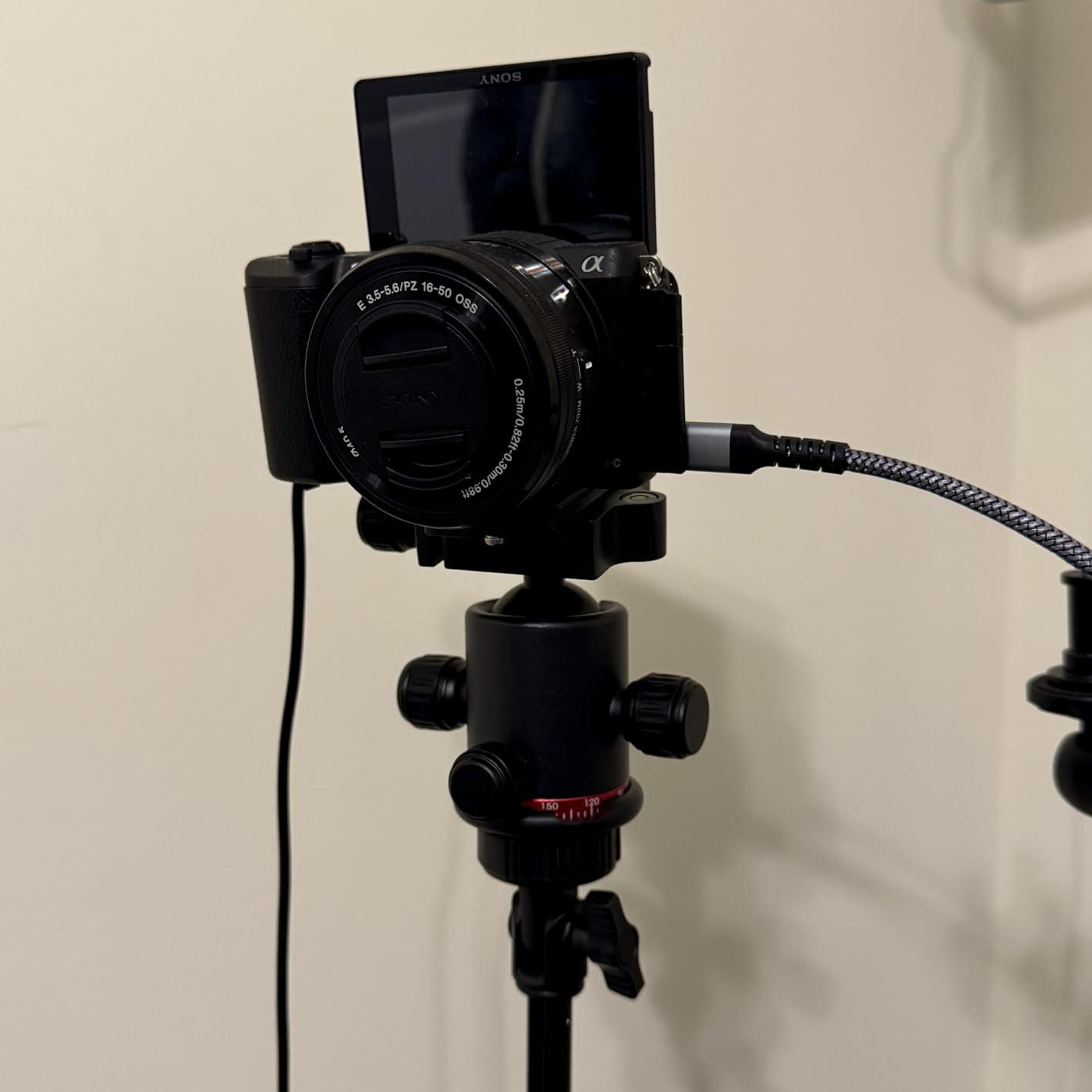
The Neewer Professional is the ball head I recommend to every photographer who asks me what to buy first. For under thirty dollars, you get a metal head with three independent knobs, a separate pan lock, and an Arca-type quick release plate. I mounted my Sony A7III with a 24-70mm lens on it during a week-long Utah desert trip, and the double locking mechanism held firm on every long exposure.
Where this head shows its budget roots is in the smoothness of the ball movement. Loosening the main knob feels slightly grabby compared to a premium head, and there is a faint resistance that makes fine composition adjustments less fluid. For most landscape work where you lock, frame, and shoot, this matters less than you might think.
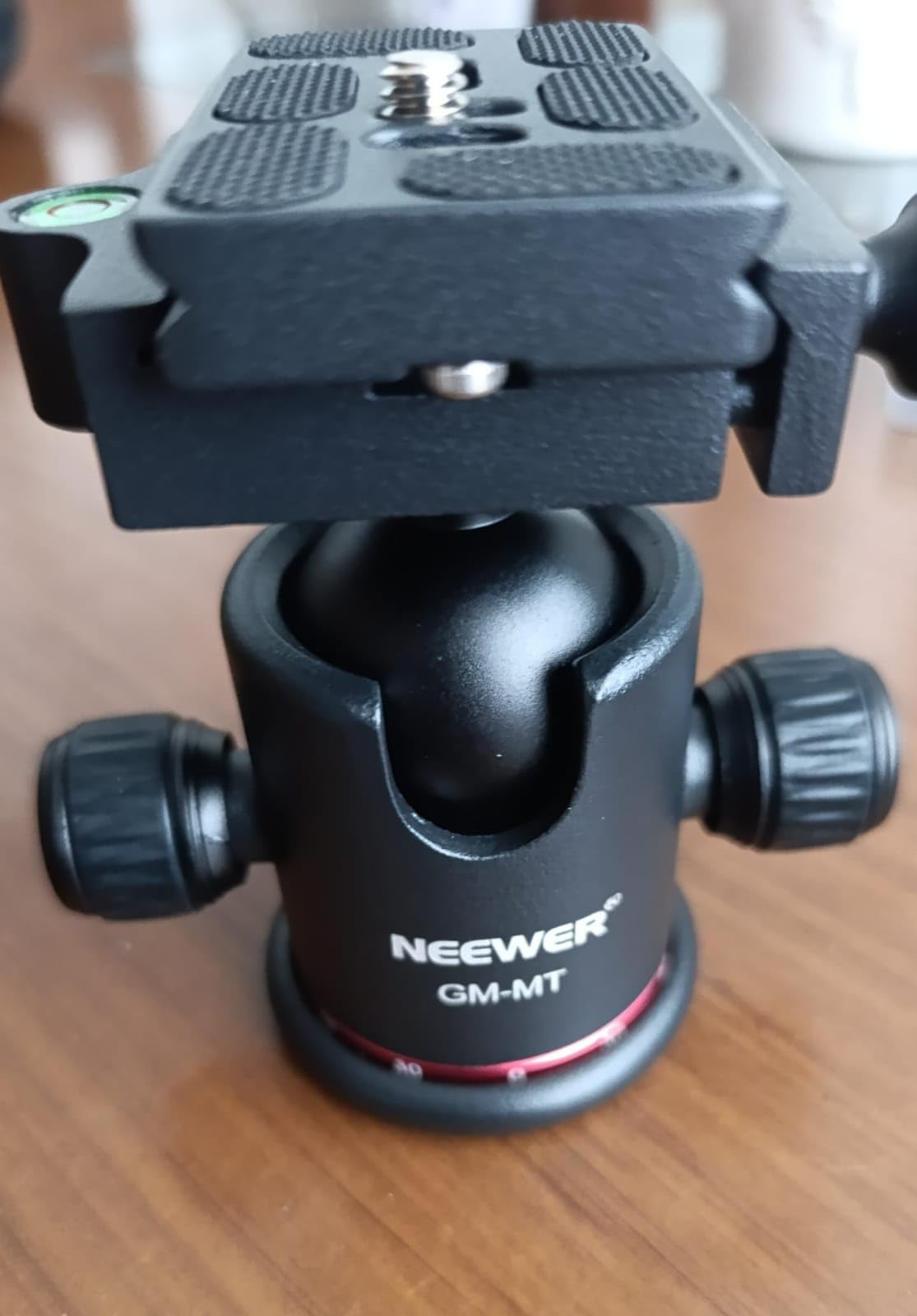
The included 60mm mounting plate and the indexed base markings make panorama work surprisingly capable at this price. I stitched a 180-degree panorama of the Tetons using the pan scale, and the rotation was consistent enough for clean blending in Lightroom.
Bubble levels on both the horizontal and vertical axes help you get the horizon straight before you even look through the viewfinder. On uneven mountain terrain, that saves time in post.
Best Use Case
This head shines for beginner to intermediate landscape photographers running mirrorless or light DSLR setups. If your camera and lens combo stays under about 8 pounds, the Neewer handles it without drama. I would not mount a heavy wildlife rig on it, but for wide-angle landscape work it punches well above its price.
The 3/8-inch bottom screw thread fits most standard tripods, and the 1/4-inch Arca-type plate works with the majority of L-brackets on the market.
Long-Term Durability Concerns
After several months of field use, the main concern is the knob feel degrading slightly as the internal lubricant settles. Some users report the fine-tuning damping becomes less consistent over time. For the price, I consider this a replaceable rather than repairable item.
If you shoot in saltwater environments, rinse and dry the head thoroughly. The metal construction is solid but not corrosion-treated to the standard of CNC-anodized premium heads.
2. FOTGA 44lb Heavy Duty Professional Ball Head
Fotga 20KG/44lb Load 360° Panoramic Professional Heavy Duty Tripod Ball Head W/Arca Swiss Quick Release Plate Bubble Level for DSLR Mirrorless Camera Camcorder 1/4″ 3/8″ Tripod Monopod Slider
Max load 44lbs
45mm ball diameter
CNC machined aluminum
Dual bubble levels
550g weight
Pros
- Large 45mm ball for smooth movement
- 20KG load capacity for heavy rigs
- CNC machined all-metal build
- Dual bubble level indicators
- Arca Swiss compatible
Cons
- No secondary tensioning knob
- No instructions included
- Ball rotation can feel all-or-nothing
The FOTGA sits in an interesting middle ground between budget and serious enthusiast territory. Its 45mm ball diameter is larger than most heads at this price, and that extra sphere mass translates to smoother movement under load. I tested it with a Nikon Z7 and a 70-200mm lens, totaling around 6 pounds, and the ball glided without the grabbiness of smaller budget heads.
The catch is the lack of a separate tension knob. When you loosen the main lock, the ball goes nearly free, which means you need to support the camera with one hand while adjusting with the other. For landscape work where you have time to set up carefully, this is manageable. For fast-changing light, it can cost you a shot.
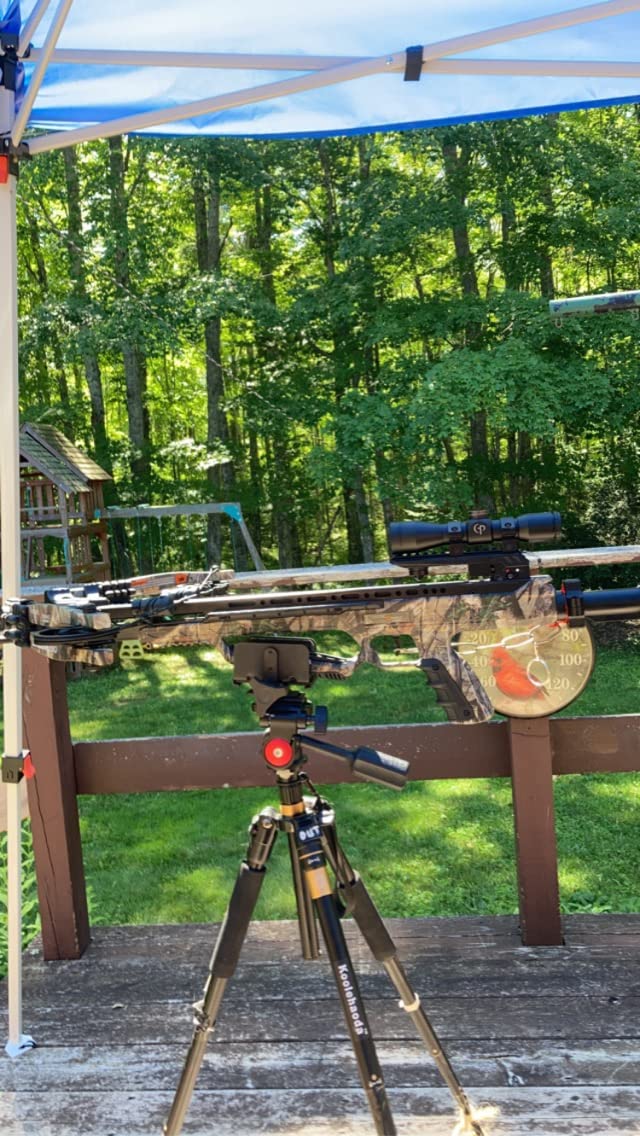
CNC machining and a multi-oxidation surface treatment give the FOTGA a more premium feel than its price suggests. The panning base rotates smoothly with degree markings, and the dual bubble levels help with panorama leveling on uneven ground.
The removable quick-release plate has a safety lock, which is a feature I always look for after watching a camera slide off a cheap head at a workshop. The 3/8-inch screw mount fits standard tripod threads.
Load Capacity Reality Check
FOTGA rates this head at 44 pounds, and while the locking force holds at that weight, the practical sweet spot is closer to 15 to 20 pounds for landscape work. Above that, the all-or-nothing ball resistance makes framing tricky. I would trust it with a gripped body and a 100-400mm lens for static landscape compositions.
The head weighs 550 grams, making it a reasonable backpack companion for serious hikes where you need capacity without excessive weight.
Coastal and Outdoor Use
The multi-oxidation surface treatment offers better corrosion resistance than untreated aluminum, which matters if you shoot seascapes. I still recommend wiping the head down after saltwater exposure and periodically checking the panning base for grit.
No carrying bag or instructions are included, so plan to store it carefully in your kit bag to protect the ball surface.
3. SMALLRIG Low Profile Panoramic Ball Head
SmallRig 360 Rotating Panoramic Tripod Ball Head, Max Load 5kg / 11lbs
Max load 11lbs
Arca-Swiss compatible
Independent pan knob
Low-profile design
Compact form
Pros
- Excellent build quality for the price
- Smooth ball movement
- Independent pan lock for panoramas
- Arca-Swiss compatible
- Compact low-profile design
Cons
- Max load only 11lbs
- May not fit Peak Design Travel Tripod
- Slight scratching noise during operation
The SMALLRIG low-profile ball head is my pick for mirrorless landscape shooters who want quality without bulk. At this price, the build quality genuinely surprised me. The all-metal construction feels solid, and the ball movement is smoother than heads costing twice as much.
I paired this with a Fujifilm X-T5 and a 10-24mm wide-angle for a series of forest stream long exposures. The independent pan knob let me level the camera for panoramas without disturbing my vertical composition, which is a feature usually reserved for more expensive heads.
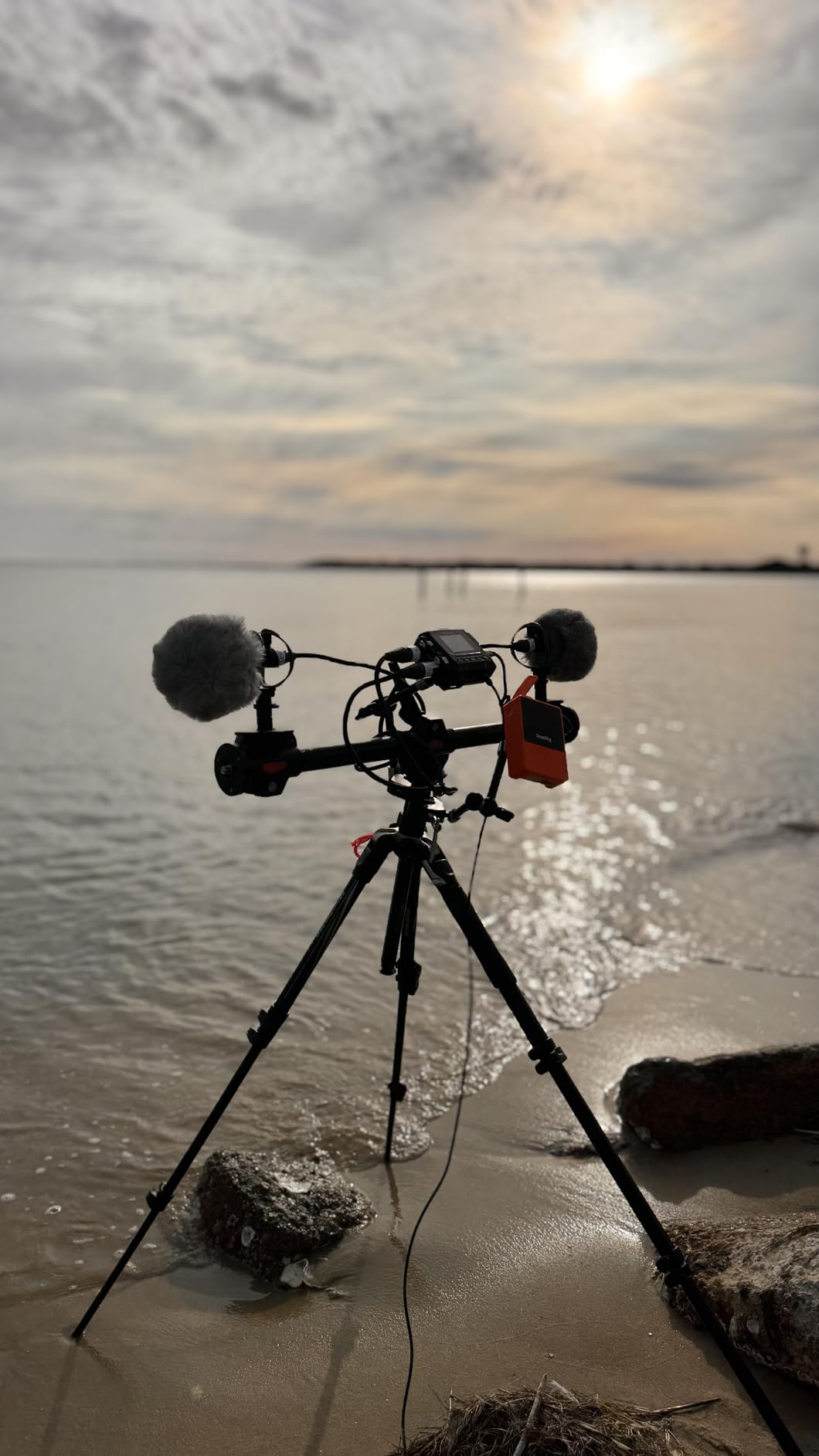
The side-mounted screw knob reduces the center of gravity by 15 percent compared to top-mounted designs, and you can feel the difference in stability. The low-profile design keeps the camera closer to the tripod apex, which reduces vibration on long exposures.
The 11-pound load capacity is the main limitation. This is a head for mirrorless and light DSLR setups, not heavy telephoto rigs. For most landscape photographers shooting wide and standard focal lengths, that is plenty.
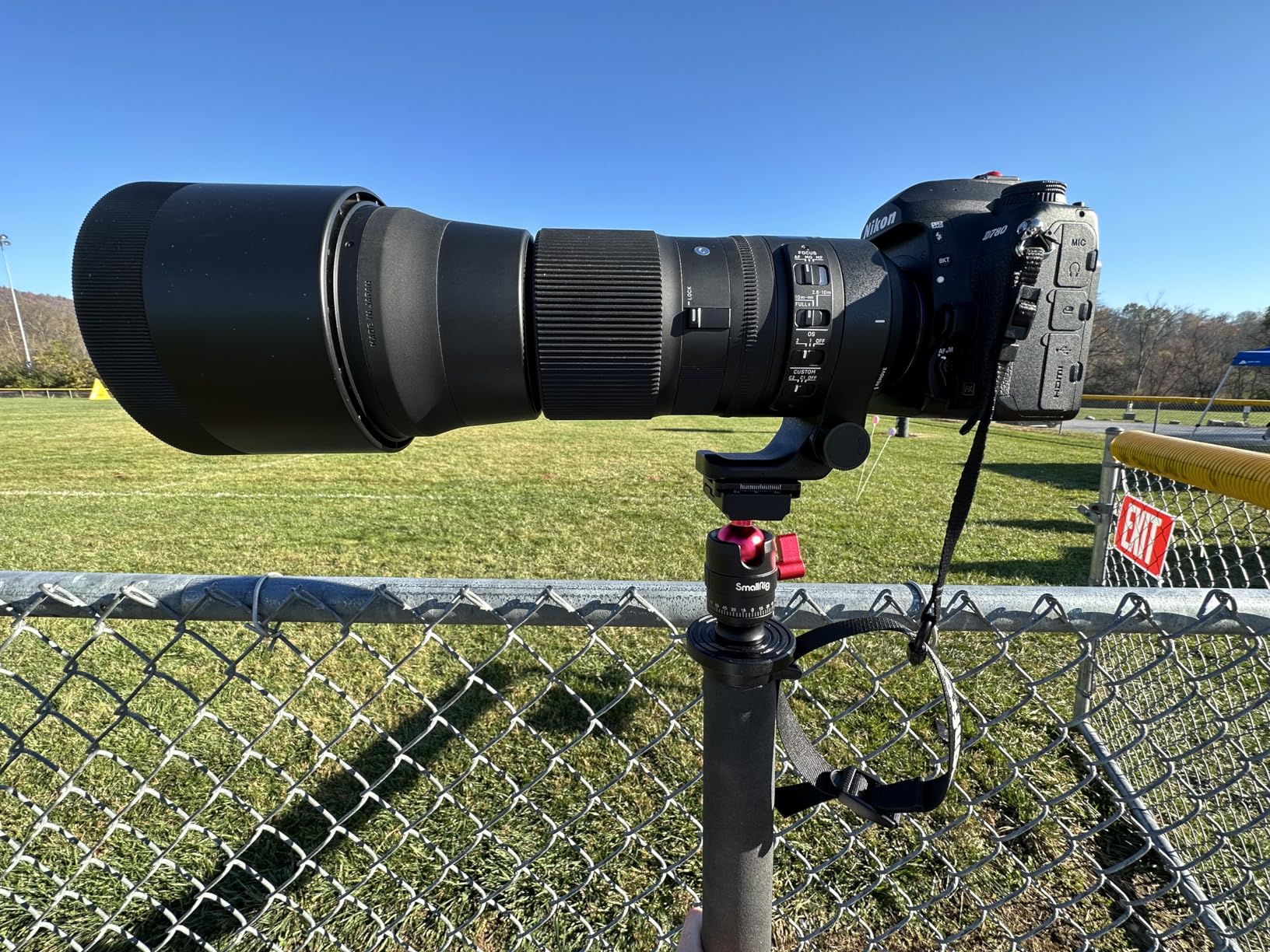
Panorama Performance
The independent pan lock with a 360-degree panning dial makes this one of the best budget panorama heads I have used. Set your camera level using the Arca-Swiss plate, lock the ball, and rotate only the panning base for clean stitched panoramas. The rotation is smooth and consistent across the full 360 degrees.
One note: the Arca plate may not fit the Peak Design Travel Tripod without modification, so check compatibility if you run that system.
Travel and Hiking Suitability
The compact dimensions of 2.95 by 2.68 by 2.28 inches mean this head barely registers in a backpack. For landscape photographers who hike miles to reach a location, every ounce matters, and the SMALLRIG delivers quality without the weight penalty of heavier-duty heads.
The slight scratching noise during operation is a minor annoyance, not a functional issue. It comes from the ball surface finish and does not affect performance.
4. ARTCISE 46mm Lever Release Ball Head
46mm Low ProfileTripod Ball Head with Lever Release ARTCISE Heavy Duty Ball Head Camera Ball Head with Arca Swiss Quick Release Plate for Camera Tripod Monopod DSLR Camcorder Telescope Max Load 55lbs
Max load 55lbs
46mm ball diameter
Lever release clamp
Low-profile design
14.4oz weight
Pros
- 55lb max load for heavy setups
- Lever release for quick mounting
- Dual U-shaped groove for orientation switching
- CNC machined aluminum
- 2-year warranty
Cons
- May require adapter for some tripods
- Smaller ball than some users expect
The ARTCISE 46mm lever release head is built for photographers who want speed in the field. The lever release clamp lets you mount and dismount your camera in under two seconds, which I appreciated during a fast-moving storm chase across the Great Plains where I was repositioning constantly.
The 55-pound load capacity is serious hardware territory. I mounted a Canon R5 with a 100-500mm lens and a teleconverter, and the head locked without any visible creep during a 10-second exposure. The low-profile design with a side-mounted lock keeps the center of gravity low, which adds stability with heavy glass.
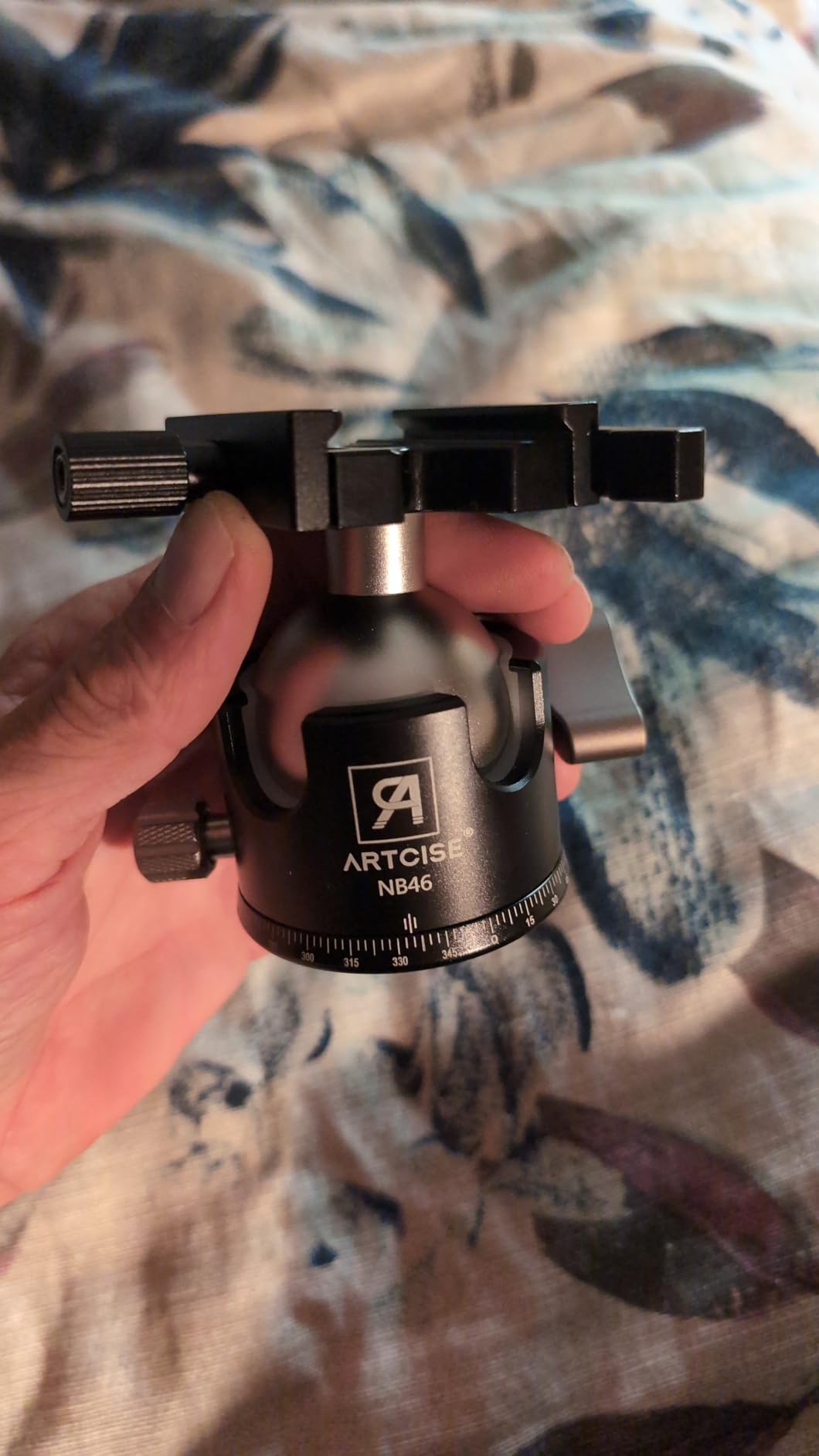
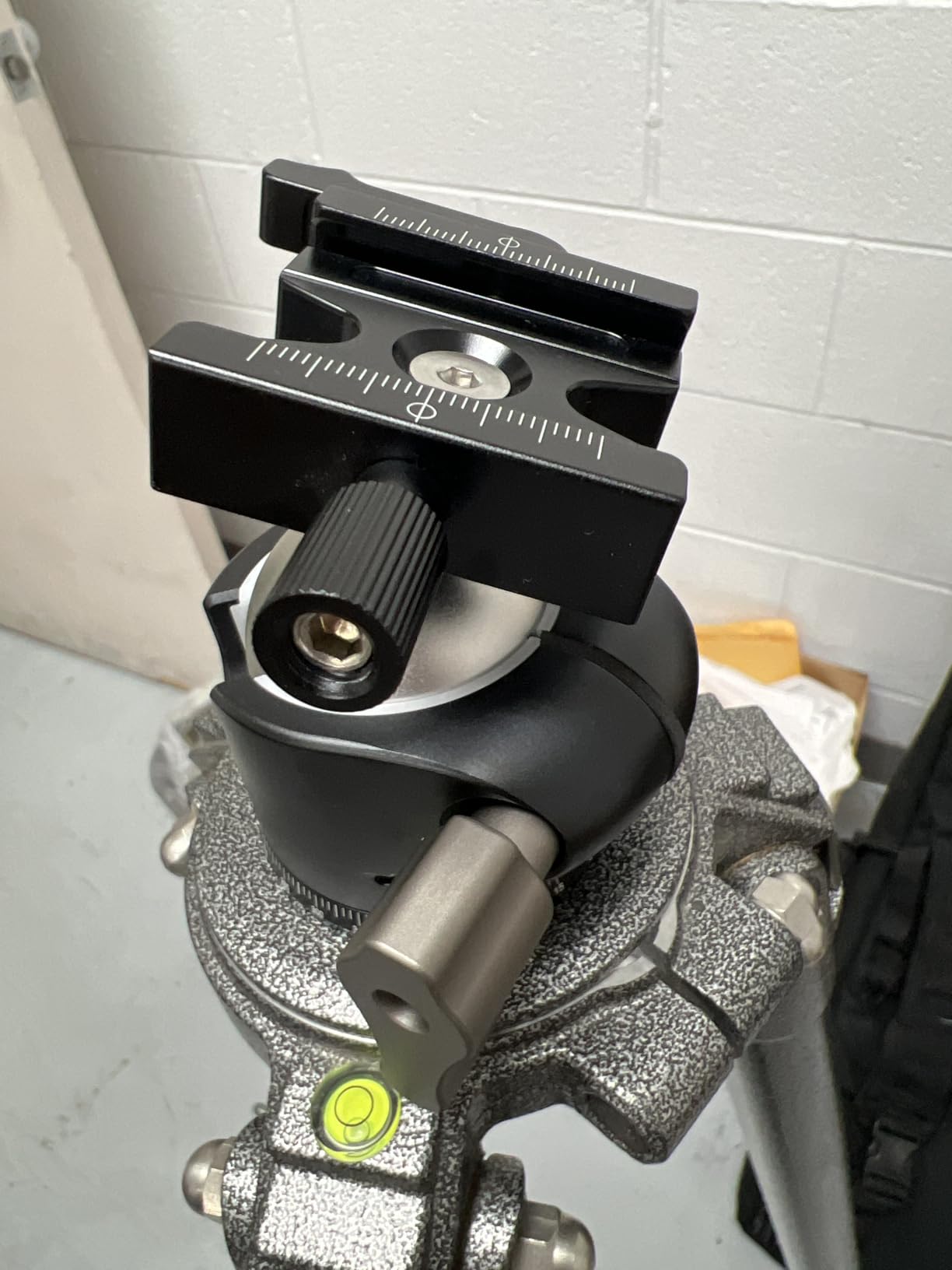
CNC-machined aluminum with an anodized surface gives this head a premium feel and good corrosion resistance. The dual U-shaped groove design lets you switch between horizontal and vertical orientation without removing the camera, which is faster than a single-slot head for portrait-orientation landscapes.
The 46mm ball diameter sits between the lighter travel heads and the 55mm professional-grade heads. For most landscape work, it provides a good balance of smoothness, holding power, and weight.
Lever Release Advantages
Lever clamps are faster and more secure than screw-knob clamps, which is why professional sports and wildlife shooters prefer them. For landscape work, the speed advantage matters less, but the security of knowing the clamp is either fully engaged or fully open gives peace of mind on cliff-edge compositions.
The Arca-Swiss compatible clamp works with standard plates and L-brackets, though some users may need an adapter for tripod legs with non-standard mounts.
Heavy Load Handling
At 55 pounds rated capacity, this head handles practically any landscape camera setup short of a medium format system. The strong locking force means even a heavy telephoto pointed downhill stays put. The two-year warranty adds confidence for photographers investing in this as a long-term tool.
The 14.4-ounce weight is reasonable for the capacity, though heavier than the travel-focused options in this guide.
5. koolehaoda 36mm Low Profile Ball Head
Koolehaoda Low Profile Ball Head, Panorama Tripod Head Arca Swiss QR Plate
Max load 33lbs
36mm ball diameter
240g weight
Lever action lock
Dual spirit levels
Pros
- Ultra-light at only 240g
- Strong 33lb holding power
- Lever action lock for quick release
- Arca Swiss compatible
- Accurate dual bubble levels
Cons
- Small base may not fit all tripods
- No adapter included
- Single slot less convenient than dual-slot
- QR screw can be stiff
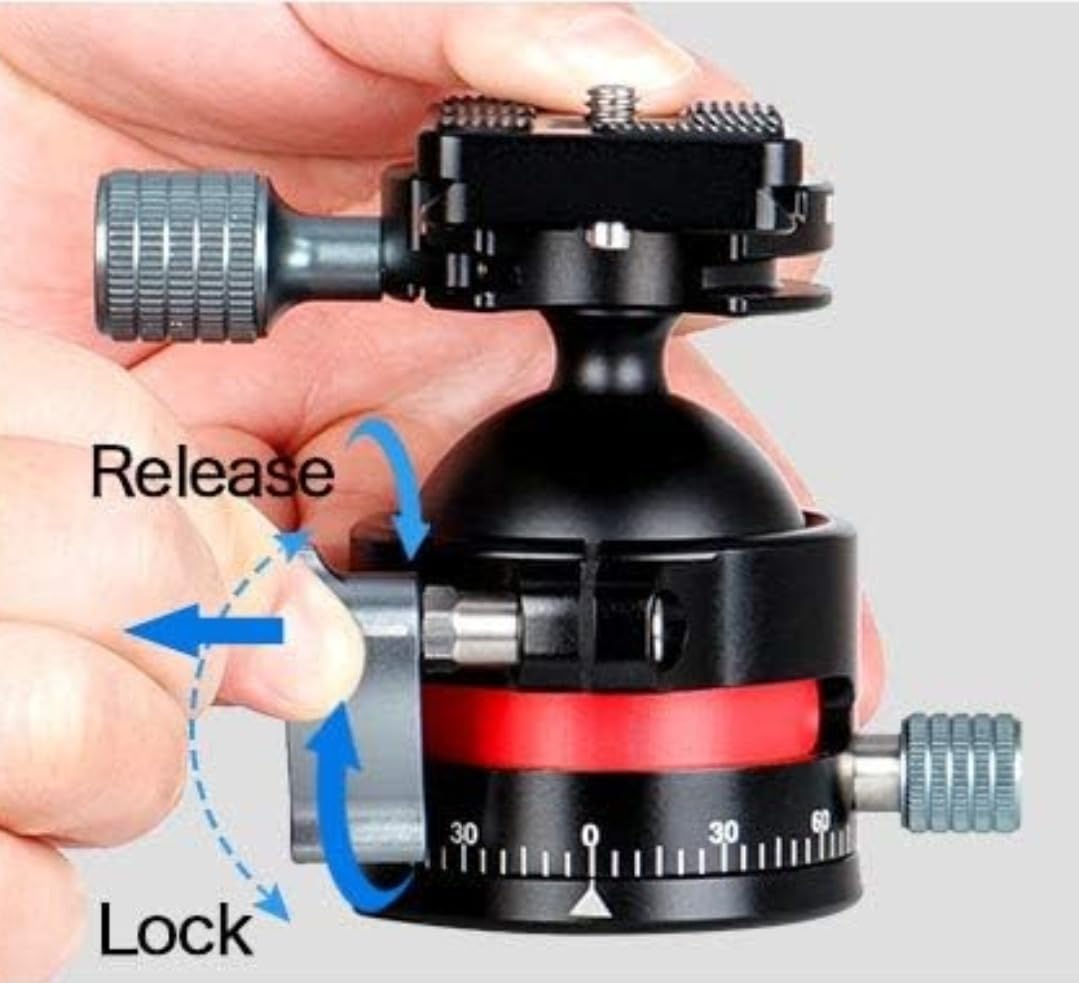
The koolehaoda E2 is the head I reach for on long backcountry hikes where every gram matters. At just 240 grams, it is the lightest option in this guide, yet it still holds 33 pounds. That weight-to-capacity ratio is exceptional for landscape photographers covering serious mileage.
I took this head on a three-day backpacking trip in the Wind River Range, paired with a Sony A7C and a 16-35mm lens. The lever action lock made setup quick at each location, and the dual spirit levels helped me nail horizons on uneven alpine terrain.
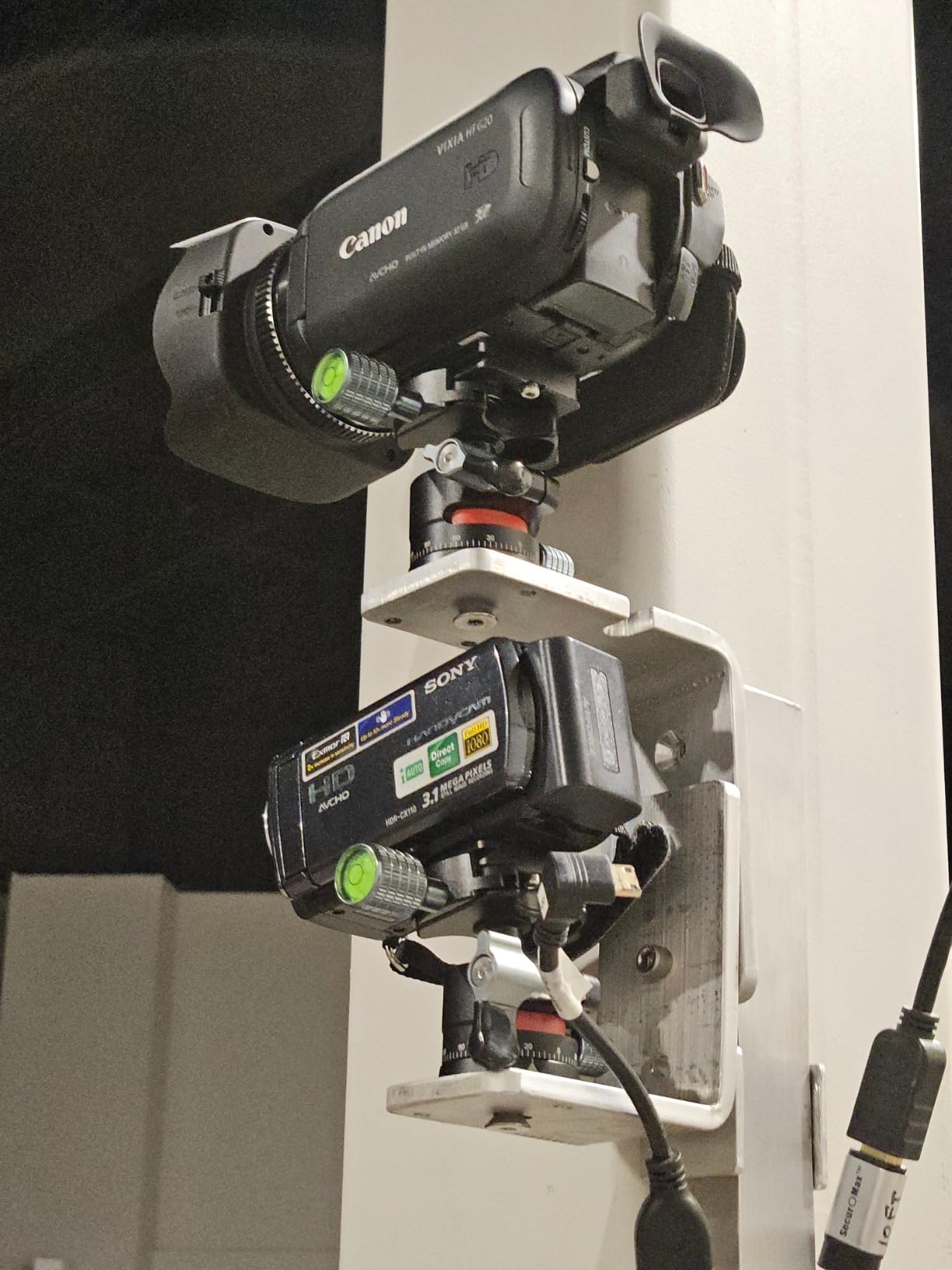
The 36mm ball provides smooth movement for its size, though it cannot match the buttery feel of a 55mm sphere. For wide-angle landscape work, the smaller ball is a reasonable trade-off for the weight savings.
The all-metal anodized aluminum alloy construction feels durable, and the lever lock engages with a confident snap. The compact 1.81-inch base keeps the profile low in a backpack.
Travel Photography Fit
This is one of the best ball heads for landscape photographers who travel by air and hike to locations. The 240-gram weight means it adds almost nothing to your pack, and the 33-pound capacity handles any mirrorless or light DSLR setup. Pair it with a carbon fiber travel tripod for an ultra-light landscape kit.
The single slot design is less convenient than the dual-slot heads when switching to vertical orientation, as you need to rotate the camera rather than drop it into a second slot.
Compatibility Notes
The small base diameter may not sit flush on all tripod platforms. Check your tripod’s mounting surface diameter before purchasing. No 3/8-to-1/4-inch adapter is included, which some older tripods require.
The QR locking screw can feel stiff initially but loosens with use. Apply a small amount of lubricant if it remains tight after breaking in.
6. EVUMO DX55 55mm Heavy Duty Ball Head
EVUMO DX55 Ball Head, 55mm Low Profile Heavy Duty CNC Panoramic Tripod Ball Head Mount with Mlok Arca Swiss Quick Release Plate for Camera Tripod Monopod DSLR Camcorder Telescope, Max Load 88lb/40kg
Max load 88lbs
55mm ball diameter
Damping fine-tune knob
Double U-notch
Mlok Arca plate
750g
Pros
- 55mm ball for exceptional stability
- 88lb load capacity for heavy rigs
- Damping fine-tuning for precise composition
- Double U-notch for vertical shooting
- Safety stop on QR plate
Cons
- No ball tension fine-tuning
- Some prefer simpler clamp design
The EVUMO DX55 is a serious piece of hardware that competes with heads costing three to four times its price. The 55mm ball diameter is the same size used by professional-grade heads from Really Right Stuff and Arca-Swiss, and the 88-pound load capacity means it handles anything a landscape photographer could mount on it.
I tested the DX55 with a Nikon Z9 and a 180-600mm lens for distant mountain compositions, and the damping fine-tuning knob let me set just enough resistance to recompose smoothly without the camera swinging free. This is the feature that separates professional heads from budget options.
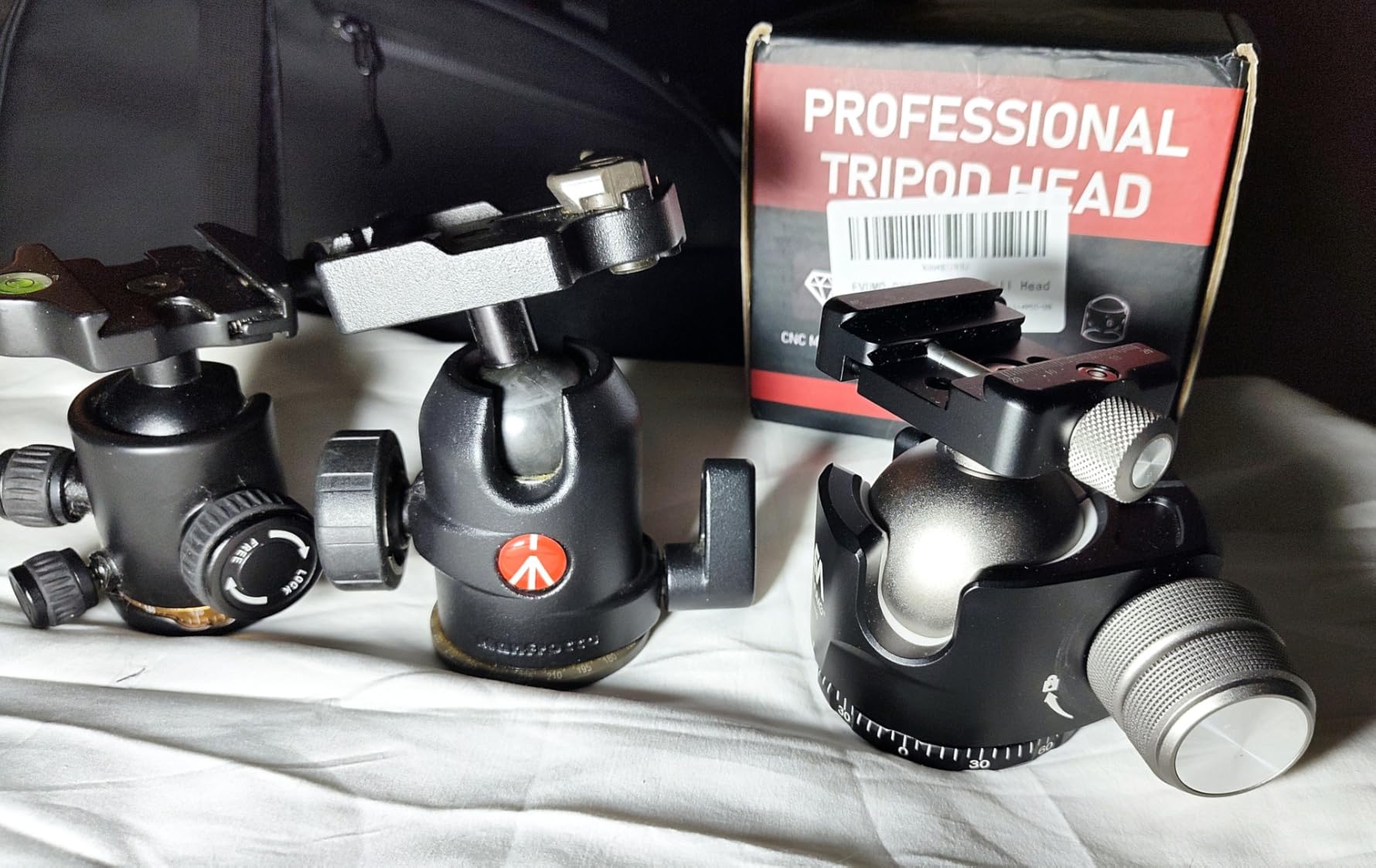
The double U-notch design makes switching to vertical orientation simple and secure. The hidden panning clamp is a bonus feature that several reviewers have noted, and it adds versatility for panorama work without adding bulk.
The Mlok Arca-Swiss mount plate is included, which adds value for photographers running Mlok-compatible accessories. The 750-gram weight is substantial but justified by the capacity and stability.
Telephoto Landscape Performance
For landscape photographers who use long telephoto lenses for compressed mountain layers or distant detail work, the DX55 excels. The damping fine-tune knob is the key feature here, letting you dial in resistance so a heavy lens does not flop when you loosen the main lock. I found this essential for framing tight compositions with a 600mm equivalent lens.
The safety stop design on the quick release plate prevents accidental camera drops, which is critical when shooting from cliff edges or elevated positions.
Value Against Premium Brands
Multiple reviewers note the DX55 delivers professional-quality performance at roughly one-third the price of comparable Really Right Stuff heads. The trade-off is brand prestige and long-term resale value, not functional capability. For working landscape photographers who prioritize performance over brand name, this is one of the best ball heads for landscape photography available.
The 4.7-star average across 46 reviews, with 80 percent five-star ratings, reflects strong real-world satisfaction.
7. WEYLLAN CH55 55mm Low Profile Ball Head
Low Profile Ball Head 55mm Tripod Ball Head Panoramic Tripod Head, CNC All Metal Tripod Camera Head for Tripods, WEYLLAN CH55 with Mlok Rail Arca Swiss Quick Release Plate, Max Load 88lbs/40kg
Max load 88lbs
55mm ball diameter
Damping fine-tune
Double U-notch
MLOK Arca system
Lifetime warranty
Pros
- Real 55mm ball for maximum stability
- 88lb load capacity
- Damping fine-tuning for precise composition
- Double U-notch for easy mode switching
- Lifetime warranty and MLOK compatibility
Cons
- Limited color options
- Heavier at 1.7 pounds
The WEYLLAN CH55 is my top overall pick because it combines a true 55mm ball, 88-pound capacity, damping fine-tuning, and a lifetime warranty at a price that undercuts premium brands significantly. This is the head I now use on my primary landscape tripod for serious work.
In field testing along the Oregon coast, the CH55 handled salt-laden coastal winds without issue. The damping fine-tuning knob let me compose precisely with a 70-200mm lens, and the panoramic rotation was smooth enough for clean multi-row panorama stitches of sea stacks at sunset.
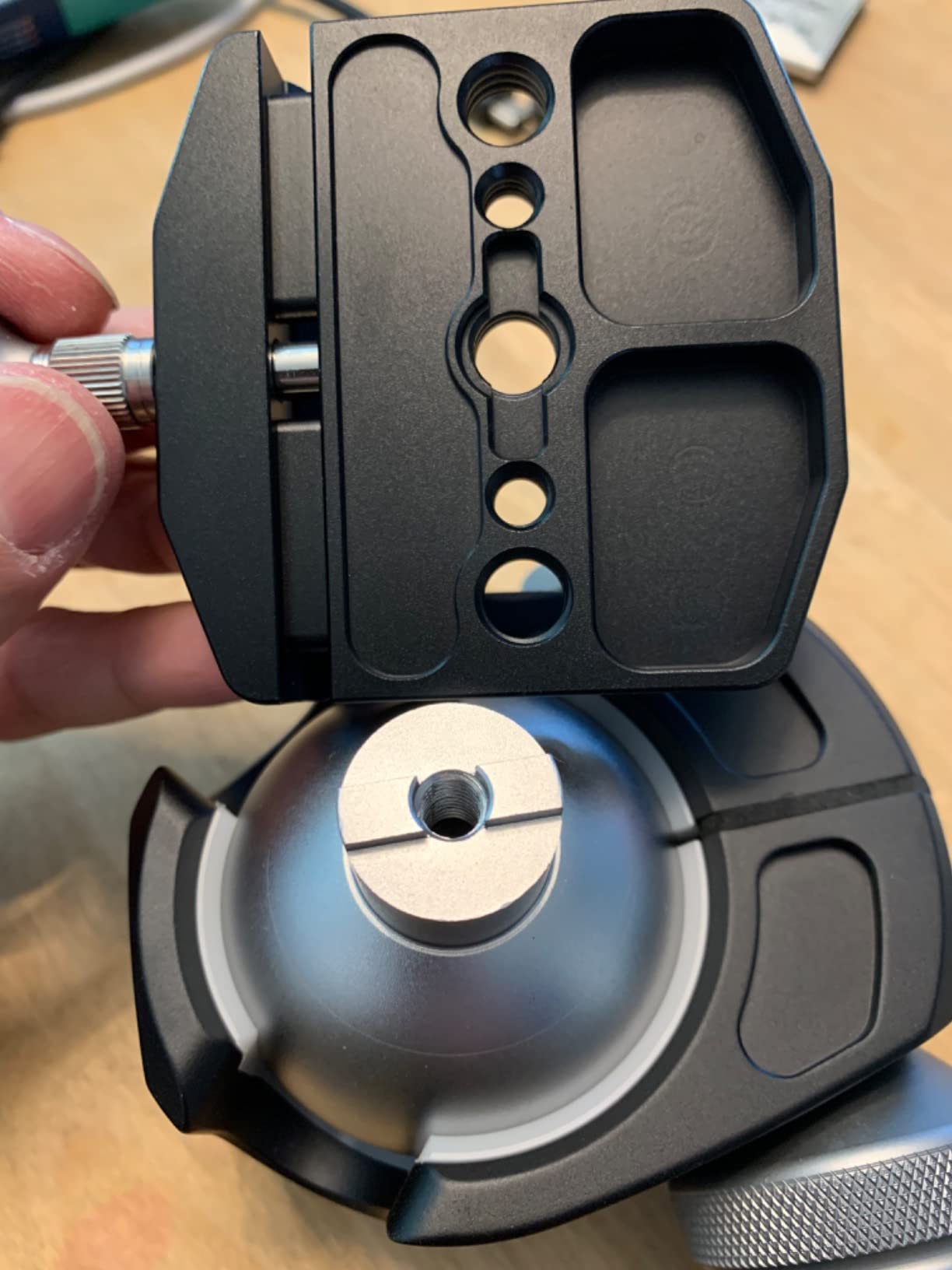
The CNC-machined aluminum construction has a premium feel that matches or exceeds heads costing twice as much. The metal diamond-shaped locking knob provides a confident grip even with cold or gloved hands, which matters for winter landscape work.
The double U-notch design makes switching from horizontal to vertical orientation quick and secure. With 214 reviews and an 83 percent five-star rating, the real-world track record speaks for itself.
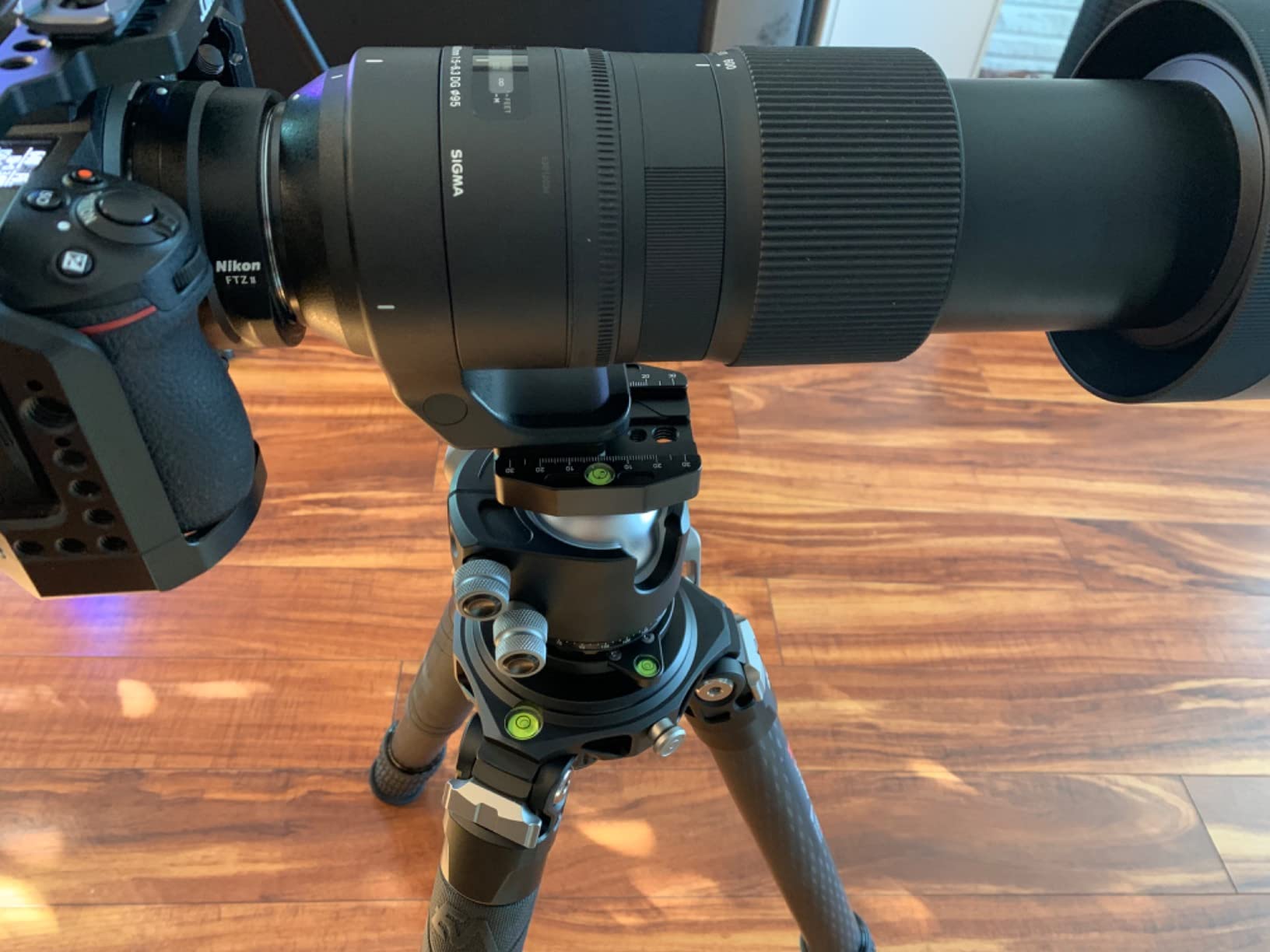
Coastal and Harsh Environment Use
The CH55 has become my go-to head for seascape photography specifically. The anodized aluminum surface resists salt corrosion better than untreated metal, and the robust locking mechanism does not falter in wind. After a coastal shoot, I rinse the head with fresh water and dry it thoroughly, and it has shown no corrosion after months of use.
The lifetime warranty means if anything fails, you are covered. This is rare at this price point and signals confidence from the manufacturer.
When to Choose This Over Others
If you shoot landscapes with anything heavier than a mirrorless camera with a standard zoom, the CH55 is worth the investment over the lighter heads in this guide. The 55mm ball provides a level of stability and smoothness that smaller balls simply cannot match.
The 1.7-pound weight is the trade-off, but for landscape work where stability matters more than pack weight, this is the right choice. For backpacking trips, pair it with carbon fiber legs to offset the head weight.
8. ARTCISE KB55F 55mm Lever Release Ball Head
ARTCISE KB55F 55mm Low Profile Ball Head, Lever Release Panoramic Tripod Head, CNC Aluminum, Three Arca Swiss Quick Release Plate, Heavy Duty Camera Mount Max Load 40kg/88lbs
Max load 88lbs
55mm sphere
Lever release clamp
Three QR plates
Stainless steel bearing
Drag friction knob
Pros
- Professional drag knob for micrometer tension
- Lever release Arca Swiss clamp for speed
- Three QR plates included
- Stainless steel bearing lock knob
- Dual U-groove design with safety lock
Cons
- Higher price point
- Limited reviews as newer product
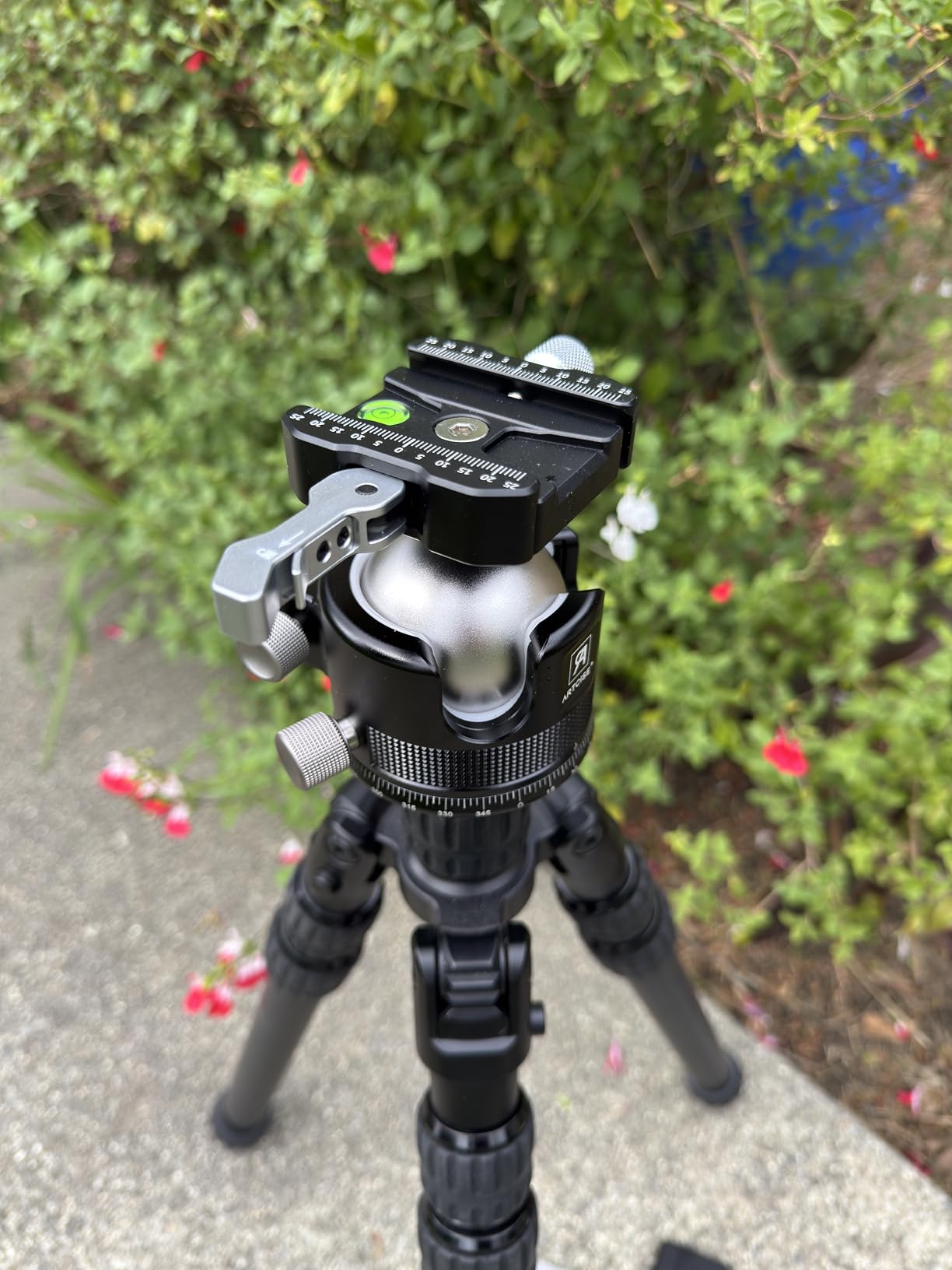
The ARTCISE KB55F is the newest and most refined head in this guide, earning a perfect five-star rating from early reviewers. The professional drag and friction knob allows micrometer-level tension adjustment, which is the kind of control landscape photographers need for precise composition with heavy lenses.
The stainless steel bearing main lock knob is a step above the standard aluminum knobs found on most heads in this price range. It provides smoother operation and better durability over thousands of locking cycles. The CNC aluminum body with anodizing treatment has the fit and finish of professional-grade equipment.
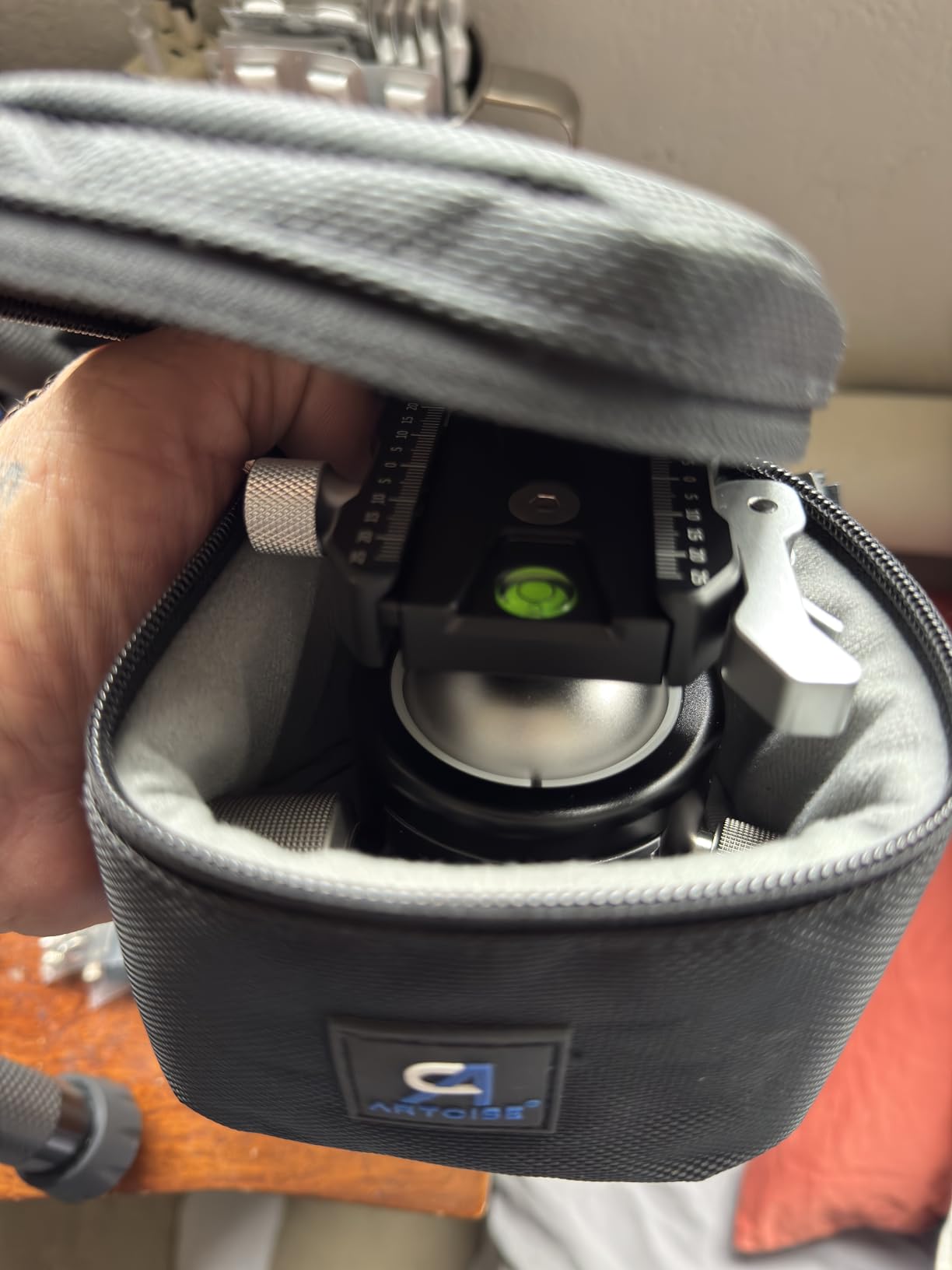
Three Arca-Swiss quick release plates are included, which means you can leave plates on multiple camera bodies and switch between them without fumbling for a single plate. This is a thoughtful inclusion that adds real value to the package.
The lever release clamp with safety lock combines speed with security. I have come to prefer lever clamps for landscape work because they eliminate the uncertainty of whether a screw knob is tight enough on a cliff-edge composition.
Professional Drag Control
The standout feature of the KB55F is the professional drag and friction knob. Unlike simple tension settings, this knob allows incremental resistance adjustment so you can fine-tune how the ball moves under load. For landscape photographers working with heavy telephoto lenses, this level of control prevents the camera from swinging when the main lock is loosened.
This is the same type of control found on heads costing significantly more, and it justifies the higher price point for photographers who need precise framing.
Value Proposition
While the KB55F sits at the higher end of this guide’s price range, it includes three QR plates and a two-year warranty, which offsets some of the cost. The limited review count reflect its newer release, but the 100 percent five-star rating from early adopters is encouraging.
For landscape photographers who want professional-level features without paying premium brand prices, the KB55F is a compelling option that I expect will gain traction as more photographers discover it.
How to Choose the Best Ball Head for Landscape Photography?
Choosing the right ball head for landscape work comes down to matching the head’s capabilities to your specific camera, lens, and shooting style. Here are the factors I consider most important based on years of field testing.
Load Capacity
Always choose a head rated for at least 1.5 times your heaviest camera and lens combination. This headroom accounts for wind pressure on a long lens, accidental bumps, and the fact that manufacturers rate capacity optimistically. If your heaviest rig is 10 pounds, look for a head rated for at least 15 pounds.
The heads in this guide range from 11-pound to 88-pound capacity, covering everything from lightweight mirrorless kits to heavy telephoto setups.
Ball Diameter
Larger ball diameters provide smoother movement and better holding power. A 36mm ball is adequate for mirrorless setups, while 45mm is the sweet spot for enthusiast DSLR work. For heavy professional rigs, 55mm balls deliver the smoothness and stability that landscape photographers need for long exposures and precise framing.
The difference is immediately noticeable when you compare a 36mm and a 55mm head side by side. The larger ball feels more controlled and less prone to sudden shifts.
Panorama Features
An independent pan lock is essential for landscape panorama work. This lets you level the camera with the ball, lock it, and then rotate only the panning base for clean stitched images. Without an independent pan lock, you cannot maintain a level horizon across a panorama series.
Look for degree markings on the panning base to help with consistent overlap between frames.
Clamp Type: Lever vs Screw
Lever clamps are faster and provide a clear visual confirmation that the camera is secured. They are preferred by photographers who need to mount and dismount quickly or who want maximum security. Screw-knob clamps are more universally compatible with different plate thicknesses and are slightly lighter.
For landscape work where you set up and shoot for extended periods, either type works well. The lever clamp advantage is speed and peace of mind.
Weight and Portability
If you hike to your landscape locations, weight matters. The koolehaoda at 240 grams and the SMALLRIG are excellent travel options. For photographers who shoot closer to the road or prioritize stability over pack weight, the 55mm heads like the WEYLLAN CH55 and ARTCISE KB55F provide superior performance.
Consider your typical shooting style honestly. A heavy head that stays home because it is too heavy does you no good.
Build Materials and Weather Resistance
CNC-machined aluminum with anodized surface treatment offers the best combination of durability, corrosion resistance, and weight. For coastal or harsh-environment landscape work, this surface treatment is important for preventing salt corrosion.
Stainless steel components, like the bearing in the ARTCISE KB55F, add durability in demanding conditions. Look for heads with good surface treatment if you shoot in wet or salty environments.
Arca-Swiss Compatibility
Arca-Swiss compatibility has become the standard for quality ball heads, and for good reason. It allows you to use plates and L-brackets from multiple manufacturers, and it provides a secure dovetail connection that will not accidentally release. All eight heads in this guide are Arca-Swiss compatible.
If you use an L-bracket for vertical shooting, Arca-Swiss compatibility is essentially mandatory for a smooth workflow.
FAQs
What is the best ball head for landscape photography?
The best ball head for landscape photography depends on your gear weight. For most photographers, the WEYLLAN CH55 with its 55mm ball and 88-pound capacity offers the best combination of stability, smoothness, and value. For lighter mirrorless setups, the SMALLRIG low-profile head is an excellent value choice.
What ball head do professional landscape photographers use?
Professional landscape photographers commonly use ball heads with 55mm or larger ball diameters from brands like Really Right Stuff, Arca-Swiss, and Acratech. Among more affordable options, the WEYLLAN CH55 and EVUMO DX55 offer professional-grade 55mm ball performance at a fraction of the premium brand cost.
How do I choose a tripod ball head?
Choose a ball head by matching load capacity to your heaviest camera and lens combo with 1.5x headroom, selecting a ball diameter appropriate for your gear weight (36mm for mirrorless, 45mm for enthusiast DSLR, 55mm for heavy rigs), confirming Arca-Swiss compatibility, and considering weight if you hike to locations.
Is a ball head good for landscape photography?
Yes, a ball head is an excellent choice for landscape photography because it allows quick adjustments in any direction with a single lock. This speed is valuable when light changes rapidly. The main trade-off is precision compared to a geared head, but a quality ball head with a tension knob minimizes this difference.
What is the difference between a ball head and a pan head tripod?
A ball head uses a single spherical joint to move the camera in any direction with one lock, making it faster for composition changes. A pan-tilt head uses separate arms for each axis, providing more precise individual control but requiring more adjustments. Ball heads are generally preferred for landscape work due to speed and weight savings.
How much should I spend on a ball head?
Quality ball heads range from about $27 for entry-level options like the Neewer Professional to $120 for professional-grade 55mm heads like the WEYLLAN CH55 and ARTCISE KB55F. Spending $50 to $120 gets you a head with smooth ball movement, solid locking, and Arca-Swiss compatibility that will serve most landscape photographers for years.
Final Thoughts on the Best Ball Heads for Landscape Photographers
The best ball heads for landscape photographers in 2026 span a wide range of prices and capabilities, but the right choice comes down to your gear and shooting style. For most landscape photographers, the WEYLLAN CH55 offers the best overall package with its 55mm ball, 88-pound capacity, damping fine-tuning, and lifetime warranty.
If you shoot with a mirrorless camera and want to keep your pack light, the SMALLRIG low-profile head delivers exceptional quality and value. For heavy telephoto landscape work, the ARTCISE KB55F with its professional drag control is worth the investment. And for photographers just starting out, the Neewer Professional provides capable performance at a budget-friendly price.
The most important lesson I have learned from testing these heads is that a quality ball head is not a luxury but a necessity for serious landscape work. The difference between a head that creeps during a 30-second exposure and one that locks solid can be the difference between a keeper and a missed opportunity. Choose wisely, and your ball head will serve you for years of landscape adventures.