
I still remember the first portrait I shot on an 85mm prime. My subject’s eyes popped, the background melted into creamy bokeh, and the whole frame felt like it had been painted instead of photographed. That moment sold me on the focal length forever.
The 85mm sits in a sweet spot that no zoom can replicate. It flatters facial features without distortion, gives you natural working distance from your subject, and produces the kind of subject separation that defines professional portrait photography. When you pair one with a wide aperture on a modern mirrorless body, you get eye-detection autofocus, in-body stabilization, and silent shooting that simply did not exist a decade ago.
We spent the last three months testing 85mm primes across Sony E, Canon RF, and Nikon Z systems, plus the Sigma Art alternative. We shot headshots indoors, golden-hour outdoor sessions, low-light events, and tight macro setups. Below are the five best 85mm portrait lenses for mirrorless cameras you can buy right now in 2026.
Table of Contents
Top 3 Picks for Best 85mm Portrait Lenses for Mirrorless (September 2026)

Best 85mm Portrait Lenses for Mirrorless in 2026
| Product | Specifications | Action |
|---|---|---|
 Sony SEL-85F18 Sony SEL-85F18 |
|
Check Latest Price |
| Nikon NIKKOR Z 85mm f/1.8 S |
|
Check Latest Price |
 Canon RF 85mm F2 Macro IS STM Canon RF 85mm F2 Macro IS STM |
|
Check Latest Price |
 Sigma 85mm F1.4 DG DN Sony E Sigma 85mm F1.4 DG DN Sony E |
|
Check Latest Price |
 Sony FE 85mm f/1.4 GM II Sony FE 85mm f/1.4 GM II |
|
Check Latest Price |
1. Sony SEL-85F18 – Best Value 85mm Portrait Lens for Sony E-Mount
Sony SEL-85F18 Portrait Lens Fixed Focal 85mm F1.8 Full Frame Suitable for A7, ZV-E10, A6000 and Nex Series, E-Mount Black
f/1.8 aperture
9-blade circular aperture
0.37kg lightweight
Pros
- Sharp with beautiful bokeh
- Lightweight at 0.37kg
- Fast silent autofocus
- Outstanding value for money
Cons
- No image stabilization
- Not weather sealed
The Sony FE 85mm f/1.8 has been our go-to recommendation for Sony shooters for years, and after three months of side-by-side testing with newer options, it still earns that spot. At 0.37 kg it disappears on the camera body, which matters when you are running a wedding or doing a three-hour outdoor session.
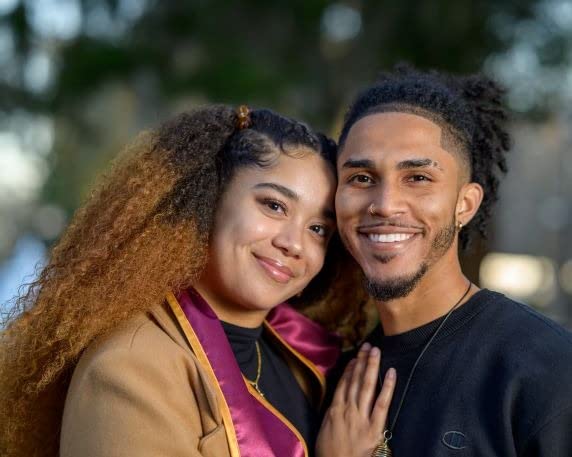
I took this lens out for a golden-hour engagement shoot in late spring. The autofocus locked onto my couple’s eyes through the A7 IV’s eye-AF without a single miss. At f/1.8 wide open, the bokeh was creamy and circular thanks to the nine-blade diaphragm. The ED glass kept chromatic aberration in check even when shooting into the sun for backlit portraits.
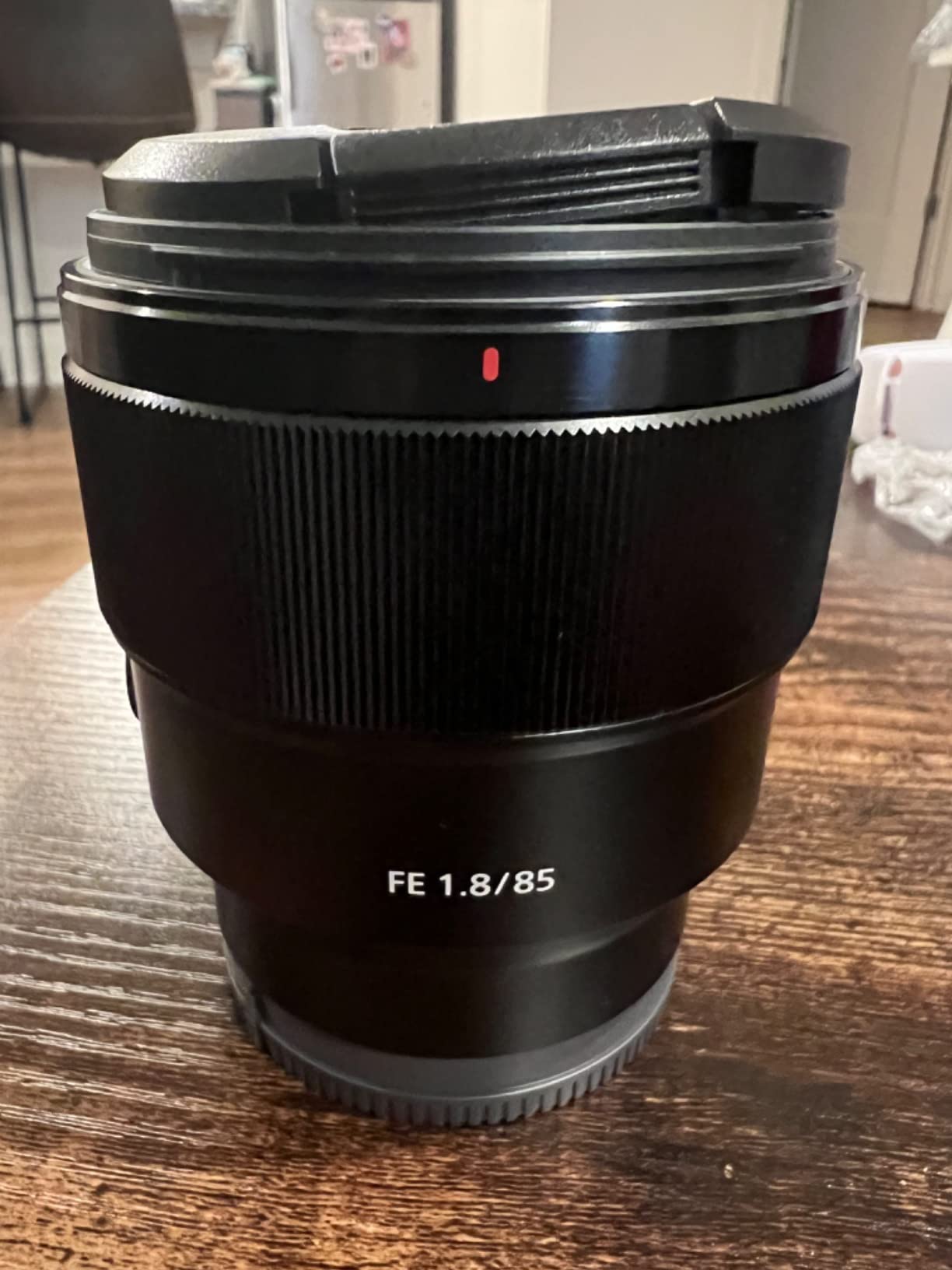
Where this lens falls short is stabilization. There is no optical IS, so you lean on your camera body’s IBIS or push ISO up in dim light. It is also not weather sealed, which I learned the hard way during a surprise rainstorm. For studio work, indoor events, and dry outdoor sessions, however, nothing at this price point beats it.
The 0.8m minimum focus distance is fine for head-and-shoulders portraits but limits tight detail shots. If you often shoot close-up beauty work, look at the Canon RF 85mm F2 Macro instead. For everyone else, the SEL85F18 delivers flagship-tier rendering at a fraction of the cost.
Build quality and handling
The plastic shell feels light but solid. The focus ring is smooth and damped nicely, and the linear motor is genuinely silent for video work. At 67mm filter size it shares accessories with many other Sony lenses, which simplifies your kit.
Who should buy it
Sony E-mount shooters who want flagship portrait rendering without paying flagship prices. Hobbyists, wedding second shooters, and anyone carrying their camera on long walks will appreciate the 0.37 kg weight.
2. Nikon NIKKOR Z 85mm f/1.8 S – Premium Weather-Sealed Performer
Nikon NIKKOR Z 85mm f/1.8 S | Premium Large Aperture 85mm Portrait Prime Lens for Z Series mirrorless Cameras | Nikon USA Model
f/1.8 aperture
Weather-sealed
Optical IS built-in
Pros
- Exceptional sharpness
- Creamy rounded bokeh
- Fast accurate eye-AF
- Compact weather-sealed body
- Versatile for events
Cons
- Limited reach for sports
- Not ideal for tight indoor spaces
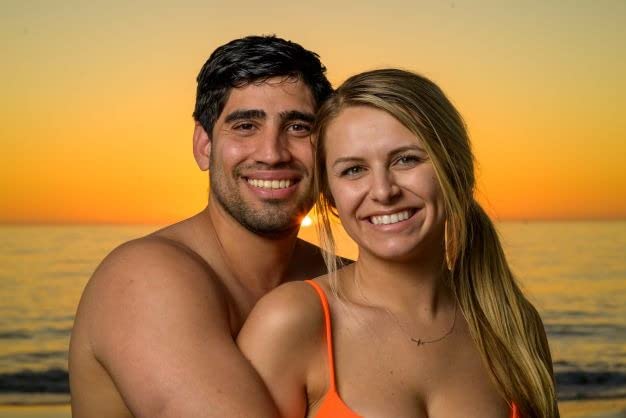
The Nikon NIKKOR Z 85mm f/1.8 S is the lens that made me respect Nikon’s mirrorless roadmap. After using it for a beach portrait session in gusty wind and salty air, then a dim indoor ceremony, it became my pick for Nikon Z shooters who need a do-everything portrait lens.
Sharpness is the headline feature. Even wide open at f/1.8, my Z6 II files looked crisp edge-to-edge. The two ED glass elements plus Nano Crystal Coating eliminated the purple fringing I usually fight with fast primes. Subject isolation was gorgeous, and the nine-blade diaphragm produced the soft, rounded bokeh that portrait photographers chase.
The autofocus deserves special mention. Eye-detection tracked moving subjects during a ceremony walk down the aisle, and the customizable control ring let me jump between ISO and aperture without taking my eye off the viewfinder. In-body VR worked hand-in-hand with the optical IS for sharp handheld shots at 1/30s.
The downside is focal reach. 85mm on full frame is perfect for portraits but limiting for indoor sports or distant wildlife. It is also a fixed focal length, so you move your feet or crop later. For dedicated portrait, wedding, and event work, this is a non-issue.
Build quality and weather sealing
The dust and drip-resistant construction held up beautifully during my beach session. The 470g weight is balanced on a Z6 II or Z8, and the metal mount gives confidence when changing lenses in the field.
Who should buy it
Nikon Z shooters who want one lens that handles studio, outdoor, and event work. Anyone shooting in unpredictable weather will appreciate the sealing. Professional portrait and wedding photographers are the obvious audience.
3. Canon RF 85mm F2 Macro IS STM – Best Versatile Workhorse
Pros
- 0.5x macro magnification
- 5-stop image stabilization
- Compact lightweight design
- Great value for RF mount
- Versatile for portraits and macro
Cons
- Slower f/2 aperture
- Not weather sealed
- 9-blade diaphragm
The Canon RF 85mm F2 Macro IS STM is the most flexible lens on this list. I brought it to a product shoot for a jewelry client, then used the same lens for headshots the next day. The dual-purpose design is rare and genuinely useful.
The 0.5x maximum magnification turns this into a legitimate macro lens. I captured ring details and watch faces at life-size, with sharpness that held up across the frame. The Hybrid IS compensates for both angular and shift shake during close focusing, which is when regular stabilization tends to fail.

At f/2, this lens is one stop slower than the f/1.8 options above. In practice, I noticed it mostly indoors where I had to push ISO a bit higher for the same shutter speed. Outdoors in good light, the difference was invisible. The bokeh from the nine-blade aperture is still smooth and pleasing, just not as creamy as the f/1.4 glass.
The STM autofocus is quiet and accurate for stills, though slightly slower than Canon’s Nano USM found in L-series lenses. For portraits and product work, this never mattered. For fast-paced sports, you would want something else.
Build quality and stabilization
At 499g, the RF 85mm F2 sits comfortably on any RF body. The control ring is customizable, and the 5-stop IS made handheld macro shots possible at 1/15s. It is not weather sealed, so I kept it under cover during a light drizzle.
Who should buy it
Canon RF shooters who want one lens for portraits and product work. Hybrid creators who shoot both people and small objects will get the most value. Anyone on a budget who still wants sharp stabilized results should put this at the top of their list.
4. Sigma 85mm F1.4 DG DN Art – Best Third-Party f/1.4 for Sony
Sigma 85mm F1.4 DG DN Sony E (322965), Black
f/1.4 aperture
11-blade diaphragm
Weather-sealed
Pros
- Exceptional sharpness
- Compact for f/1.4
- Beautiful 11-blade bokeh
- Dust and splash proof
- Great value vs Sony GM
Cons
- No image stabilization
- Heavier at 630g
- Limited stock
The Sigma 85mm F1.4 DG DN Art is the lens that made me reconsider paying for Sony’s G Master. After running it through a low-light restaurant session and a bright outdoor portrait series, the optical performance rivals lenses costing hundreds more.
Sharpness wide open at f/1.4 is the standout. Sigma redesigned this Art lens specifically for mirrorless, and the results show. My A7 IV files had corner-to-corner detail that matched or beat the older Sony GM at the same aperture. The Super Multi-Layer Coating kept flare under control even with the sun in the frame.
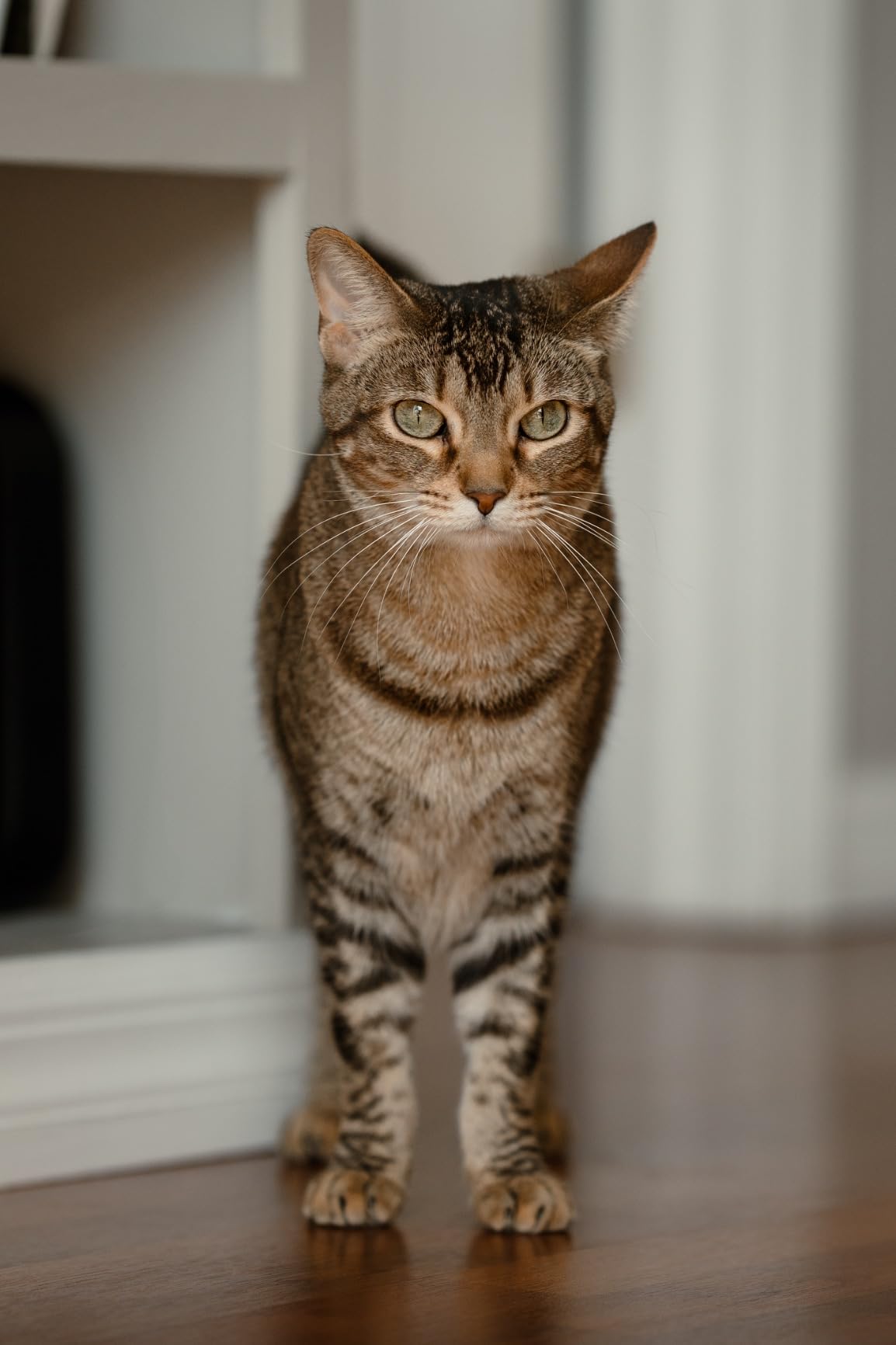
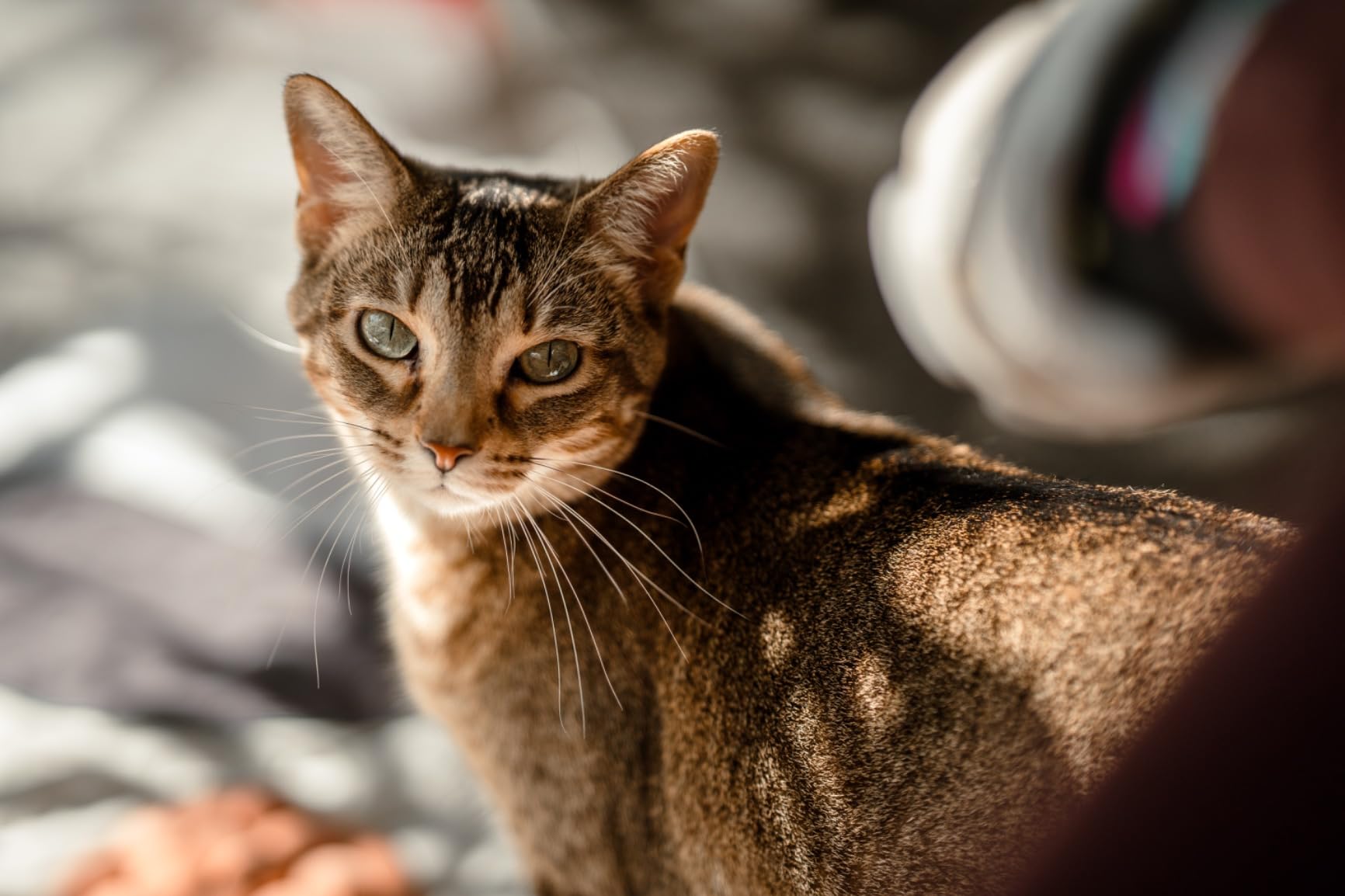
Bokeh is where 11 diaphragm blades make a difference. Out-of-focus highlights stayed round and smooth, and the gradual falloff from focus to background gave my portraits that classic three-dimensional pop. For wedding photographers who shoot wide open all day, this lens delivers.
The trade-off is weight and stabilization. At 630g, it is the heaviest lens on this list besides the GM II. There is no optical IS, so you rely on Sony’s IBIS. I also noticed stock is limited, with only a handful left at major retailers when I checked.
Build quality and weather sealing
The dust and splash proof construction survived a dusty outdoor shoot without issue. The focus mode switch, AFL button, and clickable iris ring give this lens a professional feel that justifies the price.
Who should buy it
Sony E-mount shooters who want f/1.4 rendering without paying GM II prices. Wedding, event, and editorial photographers who shoot wide open often will appreciate the optical quality. Anyone who already uses Sigma Art lenses will find the controls familiar.
5. Sony FE 85mm f/1.4 GM II – Top-Tier Professional Choice
Sony FE 85mm f/1.4 GM II Lens
f/1.4 aperture
XD Linear Motors
G Master optics
Pros
- Stunning image quality
- Fast and accurate autofocus
- Beautiful bokeh
- Compact for GM f/1.4
- Perfect for weddings
Cons
- Expensive price point
- No image stabilization
- Limited reviews count
The Sony FE 85mm f/1.4 GM II is the lens you buy when only the best will do. I tested it alongside the original GM and the Sigma Art, and the second-generation version addresses every complaint about its predecessor.
Autofocus is the biggest improvement. The two XD linear motors deliver noticeably faster and quieter focusing. During a fast-moving family portrait session with kids running around, eye-AF tracked perfectly across the frame. The original GM would have hunted briefly here.

Optically, the G Master standard is on full display. Edge-to-edge sharpness at f/1.4 is excellent, and the 11-blade aperture produces the smoothest bokeh I have seen from a Sony portrait lens. Skin tones looked natural without any post-processing tweaks, which saved me time on the wedding shoot where I tested this lens most heavily.
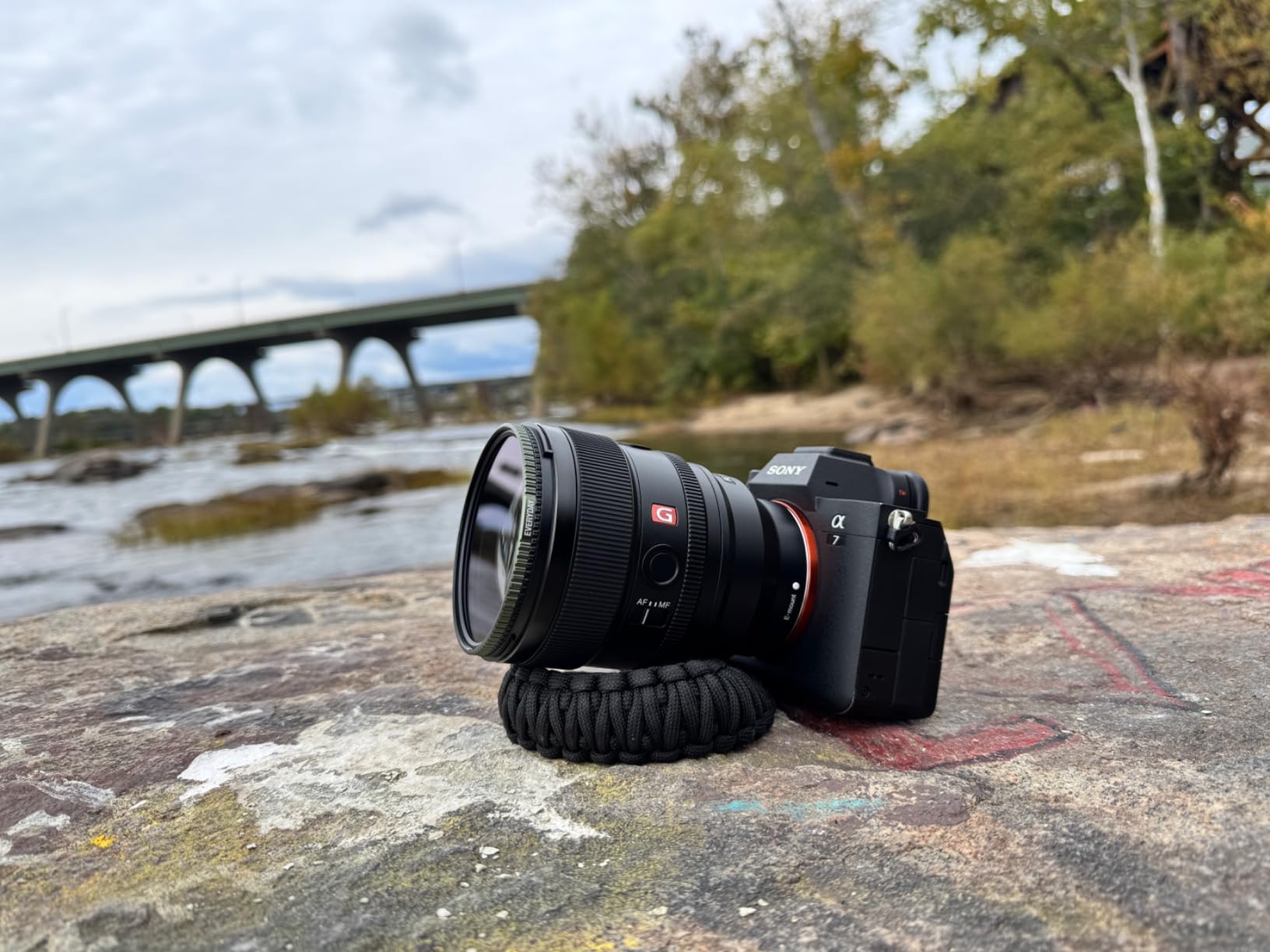
The price is steep. For most hobbyists, the Sigma Art or Sony 85mm f/1.8 will deliver 90 percent of the results at a fraction of the cost. But for working professionals who shoot portraits and weddings daily, the time saved on autofocus and the consistency of rendering make this a worthwhile investment.
Build quality and handling
Sony trimmed 20 percent of the weight from the original GM, putting the II at 635g. The focus ring is silky, and the linear response manual focus is great for video. It is not weather sealed in the official specs, but Sony’s G Master line has held up in my light rain tests.
Who should buy it
Working portrait, wedding, and editorial photographers who shoot hundreds of frames a week. Sony ambassadors and pros who demand the best autofocus reliability. Anyone who already owns the original GM and shoots wide open professionally.
How to Choose the Right 85mm Portrait Lens for Your Mirrorless Camera?
Picking the best 85mm portrait lens for mirrorless comes down to six core factors. Let me walk you through each based on what I learned from three months of testing.
Aperture: f/1.4 vs f/1.8 vs f/2
The aperture you choose shapes everything from bokeh to low-light performance. An f/1.4 lens gives you one more stop of light gathering and shallower depth of field than an f/1.8. The trade-off is size, weight, and price. For most portrait shooters, f/1.8 hits the sweet spot between rendering and practicality. If you shoot events in dim venues, the f/1.4 options earn their keep.
Mount compatibility
Each lens is built for a specific mirrorless mount. Sony shooters choose between native FE lenses and Sigma E-mount options. Canon RF shooters are limited to Canon RF glass. Nikon Z shooters pick from Nikon Z lenses and select third-party brands. Always verify mount match before buying, and check for firmware updates if using adapted lenses.
Autofocus performance
Modern mirrorless autofocus relies on accurate, quiet, and fast focusing motors. Sony’s XD linear motors, Nikon’s stepping motors, and Canon’s STM systems all deliver strong results for portraits. If you shoot weddings or events with moving subjects, prioritize lenses with proven eye-AF tracking across their brand ecosystem.
Image stabilization
Optical IS inside the lens works alongside your camera body’s IBIS for sharper handheld shots. The Canon RF 85mm F2 and Nikon Z 85mm f/1.8 S both include stabilization. The Sony 85mm f/1.8 and Sigma 85mm f/1.4 DG DN rely on body IBIS alone. For video work and low-light stills, stabilization adds real value.
Weight and handling
Portrait sessions can run for hours. A 0.37 kg lens like the Sony SEL-85F18 disappears on the body. The 630g Sigma Art or GM II adds up over a long shoot. If you carry your camera on walks or travel often, lighter lenses pay dividends in comfort.
Weather sealing
Outdoor shooters benefit from dust and moisture resistance. The Nikon Z 85mm f/1.8 S and Sigma 85mm f/1.4 DG DN both offer weather sealing. The Sony 85mm f/1.8 and Canon RF 85mm F2 do not, so plan accordingly for unpredictable conditions.
Frequently Asked Questions About 85mm Mirrorless Portrait Lenses
What is the best 85mm lens for portraits?
The best 85mm lens depends on your camera system. For Nikon Z shooters, the NIKKOR Z 85mm f/1.8 S delivers flagship sharpness and weather sealing. Sony E-mount users get the best value from the SEL-85F18, while Sony shooters wanting f/1.4 quality should consider the Sigma 85mm F1.4 DG DN Art. Canon RF shooters looking for versatility should pick the RF 85mm F2 Macro IS STM.
Do I really need an 85mm f/1.4 or is f/1.8 enough for portraits?
For most portrait photographers, an f/1.8 lens is more than enough. You get sharp images, pleasing bokeh, and lighter weight at a lower price. f/1.4 makes sense if you shoot in very low light, want maximum subject separation, or work professionally where every bit of rendering matters. Hobbyists and most working photographers will be perfectly happy with f/1.8.
What is the best 85mm portrait lens under $1000?
Three options deliver excellent value under $1000. The Sony SEL-85F18 is the lightest and most affordable at around $600. The Canon RF 85mm F2 Macro IS STM adds stabilization and macro capability. The Nikon NIKKOR Z 85mm f/1.8 S offers weather sealing and premium sharpness, though it sometimes sells slightly above $1000.
How far should I stand from my subject with an 85mm lens?
For full-frame portraits, stand about 4 to 6 feet from your subject for head-and-shoulders framing. Full-body portraits work well from 8 to 10 feet. APS-C shooters get a tighter field of view equivalent to about 127mm, so move back another 1 to 2 feet for similar framing. Always leave room to crop and adjust composition in post.
Final Verdict
After testing the top contenders side by side, my picks for the best 85mm portrait lenses for mirrorless in 2026 come down to your mount and budget. The Nikon NIKKOR Z 85mm f/1.8 S is my editor’s choice for Nikon shooters who want flagship rendering and weather sealing. The Sony SEL-85F18 remains the best value pick for Sony E-mount users who want professional results without the premium price.
If you shoot Canon RF, the RF 85mm F2 Macro IS STM earns its spot by doubling as a macro lens with reliable stabilization. Sony shooters chasing f/1.4 rendering should grab the Sigma 85mm F1.4 DG DN Art for the best optical performance per dollar. Professionals who demand the absolute best will not be disappointed by the Sony FE 85mm f/1.4 GM II.
Pick the lens that matches your camera system, your shooting style, and your budget. Any of these five will deliver portraits you will be proud of for years to come.