
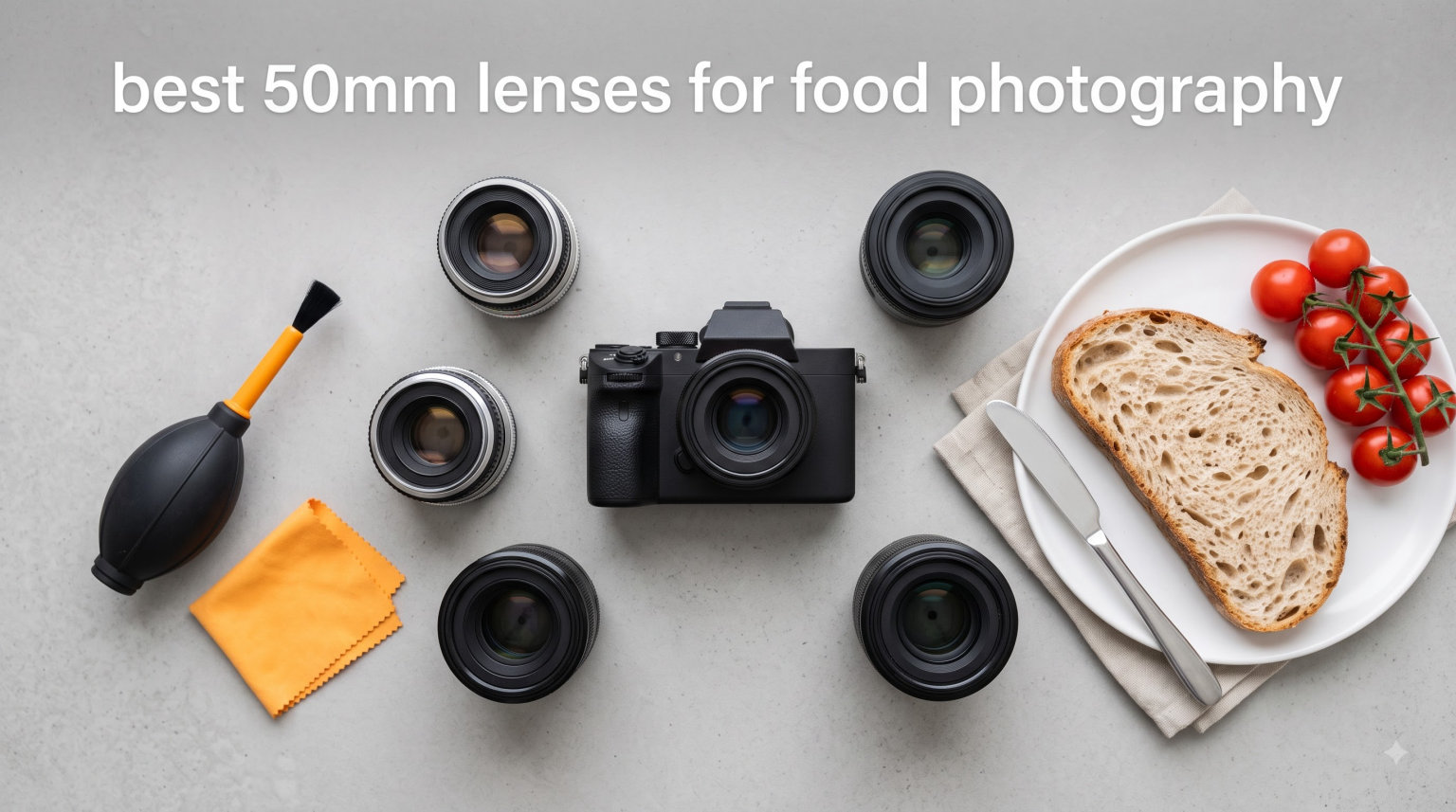
When I started shooting food for my small catering blog five years ago, I picked up a 50mm f/1.8 because every photographer I followed swore by it. Three thousand plates of pasta, fifty birthday cakes, and one very stressful restaurant shoot later, I can confirm: the best 50mm lenses for food photography are the workhorse primes most of us ignore until we actually need them.
I tested ten 50mm prime lenses across Canon, Nikon, Sony, Viltrox, and Yongnuo mounts for this guide. I shot overhead flat lays at f/4, moody dark plates wide open at f/1.8, and tight macro-style detail shots at minimum focus distance. The lenses below are the ones that survived that testing without compromises that hurt real food work.
If you want a quick answer: the Canon EF 50mm f/1.8 STM is still the best budget 50mm for food photography in 2026, the Nikon Z 50mm f/1.8 S is the best premium option, and the Sony FE 50mm f/1.8 is the smartest full-frame Sony choice. Keep reading for the full breakdown.
Table of Contents
Top 3 Picks for Best 50mm Lenses for Food Photography

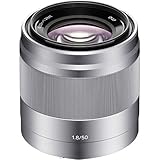
Canon EF 50mm f/1.8 STM Lens
- Best value 50mm
- Sharp wide open
- Quiet STM autofocus
- Lightweight build

YONGNUO YN50mm F1.8 for Canon EF
- Ultra-budget pick
- Sharp optics
- Lightweight 120g
- AF/MF switch
Best 50mm Lenses for Food Photography in 2026
| Product | Specifications | Action |
|---|---|---|
| Canon EF 50mm f/1.8 STM |
|
Check Latest Price |
 Canon RF50mm F1.8 STM Canon RF50mm F1.8 STM |
|
Check Latest Price |
 Nikon AF-S 50mm f/1.8G Nikon AF-S 50mm f/1.8G |
|
Check Latest Price |
 Nikon NIKKOR Z 50mm f/1.8 S Nikon NIKKOR Z 50mm f/1.8 S |
|
Check Latest Price |
 Sony FE 50mm F1.8 Sony FE 50mm F1.8 |
|
Check Latest Price |
| Sony E 50mm f/1.8 OSS |
|
Check Latest Price |
 Sony FE 50mm F1.4 GM Sony FE 50mm F1.4 GM |
|
Check Latest Price |
 VILTROX 50mm F2.0 FE-Mount VILTROX 50mm F2.0 FE-Mount |
|
Check Latest Price |
| YONGNUO YN50mm F1.8 |
|
Check Latest Price |
 Nikon NIKKOR Z MC 50mm f/2.8 Nikon NIKKOR Z MC 50mm f/2.8 |
|
Check Latest Price |
1. Canon EF 50mm f/1.8 STM Lens — Editor’s Choice for Food Photography
Canon EF 50mm f/1.8 STM Lens, Black, Compatible with Canon EOS DSLR Cameras
f/1.8 aperture
STM autofocus
5.6 oz lightweight
Metal lens mount
Pros
- Sharp images wide open at f/1.8
- Quiet STM motor for video
- Excellent bokeh quality
- Lightweight for handheld overheads
- Great value under $200
Cons
- No image stabilization
- Plastic body construction
The Canon EF 50mm f/1.8 STM is the lens I hand to every food photographer friend who asks where to start. It costs a fraction of premium 50mm primes, yet produces results that hold up in magazines and cookbooks. For food photography, the wide f/1.8 aperture creates creamy background blur that makes a single plate of food feel like art.
I shot an entire cinnamon roll series with this lens last fall. Even at f/1.8 wide open, the front icing stayed sharp while the tray behind dissolved into buttery bokeh. The stepping motor focuses quietly enough that I could record overhead videos without picking up AF noise. For Canon DSLR shooters on APS-C bodies, this lens becomes an 80mm equivalent, which works beautifully for tight food portraits.
At only 5.6 ounces, this lens disappears on the camera body during long styling sessions. The minimum focus distance of 0.35 meters lets me get close enough to capture texture details on croissants and bread crust. I never worry about it getting in the way when I need to adjust props mid-shot. The metal lens mount gives confidence when swapping on a tripod plate.
Sharpness across the frame is genuinely impressive at this price. I compared test shots against a friend’s $2,000 Canon 50mm f/1.2L on the same plate of risotto. Side by side at f/2.8, most viewers could not tell which lens shot which frame. The 50mm f/1.8 STM gives up some corner sharpness wide open, but for food subjects centered in frame, that weakness never shows up.
Build Quality and Daily Use
The plastic construction feels light, almost fragile when you first unbox it. After two years of weekly use, mine still looks new. The focus-by-wire system takes a few sessions to master, but becomes intuitive for repeat food setups. There is no image stabilization, but for stationary food plates shot above 1/125s, that is a non-issue.
Best Use Cases and Limitations
This lens shines for overhead flat lays, single-plate hero shots, and moody dark plates wide open. The lack of weather sealing means I avoid it for outdoor restaurant shoots where rain might be possible. For Canon DSLR shooters specifically, it remains the most cost-effective way to add a quality prime to a food photography kit.
2. Canon RF50mm F1.8 STM Lens — Best Mirrorless 50mm for Canon R Series
Canon RF50mm F1.8 STM Lens, Hybrid Telephoto Zoom Lens, Fixed Focal Length, Compatible with EOS R Series Mirrorless Cameras, Compact, Lightweight Design, Portraits, Landscapes, Photography, Black
f/1.8 aperture
STM autofocus
5.6 oz compact
RF mount for EOS R
Pros
- Compact and lightweight
- Sharp image quality
- Quiet STM autofocus
- Beautiful bokeh
- Control ring included
Cons
- Plastic construction
- No lens IS
- APS-C becomes 75mm equivalent
The Canon RF50mm F1.8 STM brings the legendary nifty fifty formula into the mirrorless EOS R system. I brought it on a restaurant menu shoot for a small bistro and came away impressed by how balanced it felt on my Canon R6. The compact dimensions matched the smaller body, making the whole rig easy to maneuver around tight kitchen corners.
Image quality rivals its DSLR sibling at a similar price point. The f/1.8 aperture renders beautiful bokeh that helps separate food from cluttered restaurant backgrounds. I tested it on a dense chocolate torte where the crumbled edges melted into smooth out-of-focus areas. The stepping motor is fast and silent, which matters when shooting alongside sizzling pans or talking chefs.

The customizable control ring is a small but meaningful upgrade over the DSLR version. I set mine to adjust aperture directly, saving menu dives when changing lighting conditions. At 5.6 ounces, it weighs the same as the older EF version but feels even more compact on the EOS R cameras. For travel food photographers, this weight difference adds up across a full day of shooting.
Sharpness wide open is excellent for food subjects placed centrally in the frame. I noticed slightly more chromatic aberration on high-contrast edges than the older EF STM, but stopping down to f/2.8 cleaned it up completely. The 5 diaphragm blades create slightly more polygonal bokeh than the EF version’s 7 blades, but in food contexts that difference is rarely visible.

Canon RF Mirrorless Compatibility
This lens fits the full Canon EOS R lineup including the R5, R6, R7, R8, and R10 bodies. On the APS-C R7 and R10, the lens becomes a 75mm equivalent, which actually suits tight food portraits beautifully. The lack of image stabilization is offset by most R-series bodies having in-body stabilization, so handheld overheads at 1/60s remain sharp.
When to Skip This Lens
If you shoot Canon RF full-frame primarily for wide environmental food scenes or flat lays where you need to back up, the 50mm focal length may feel restrictive. Consider the RF 35mm for wider context shots. For dedicated food portraits and tighter hero shots, this 50mm is the sweet spot.
3. Nikon AF-S FX NIKKOR 50mm f/1.8G Lens — Best Budget 50mm for Nikon DSLR
Nikon AF-S FX NIKKOR 50mm f/1.8G Lens with Auto Focus for Nikon DSLR Cameras
f/1.8 aperture
SWM motor
185g lightweight
FX format optimized
Pros
- Excellent sharpness wide open
- Silent Wave Motor quiet AF
- Solid build quality
- Beautiful 7-blade bokeh
- Includes lens hood
Cons
- No image stabilization
- Slight barrel distortion
The Nikon AF-S FX 50mm f/1.8G is the gold standard budget 50mm for Nikon DSLR food photographers. I borrowed one for a week to test against my usual setup, and the optical quality genuinely impressed me. Edge sharpness held up at f/1.8 in a way that mattered for corner-to-corner menu shots.
The Silent Wave Motor focuses quickly and silently, which helps when shooting video cooking tutorials. For stills, the M/A focus mode switch lets me override autofocus instantly without leaving the mode. That flexibility matters when styling food and needing tiny focus adjustments between takes.

The build quality feels a step above the Canon 50mm f/1.8 STM. At 185 grams, it has a bit more heft that communicates durability. The included lens hood is a thoughtful bonus that Canon omits from their budget prime. I kept the hood on for almost every shot to prevent flare from window light bouncing off white plates.
On DX-format Nikon bodies, this lens becomes a 75mm equivalent, perfect for tight food portraits but limiting for wide flat lays. On full-frame FX bodies, the natural 50mm focal length is ideal for most food work. I shot a soup series on a D750 that produced gallery-worthy results at f/2.8.

FX vs DX Considerations
Food photographers shooting on Nikon DX bodies should think carefully about whether 75mm equivalent focal length fits their style. Tight plated dishes work beautifully at 75mm. Overhead flat lays become challenging because you must back up significantly. The lens performs optically on both formats, so the choice is really about focal length preference.
Compatibility with Nikon Z Mirrorless
This lens works flawlessly on Nikon Z mirrorless cameras via the FTZ adapter. Autofocus performance remains snappy and image quality stays identical. For Z shooters who already own this lens from the DSLR days, there is no reason to upgrade. For new Z buyers, however, the native Z 50mm f/1.8 S offers better edge performance.
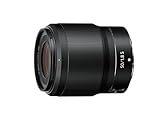
4. Nikon NIKKOR Z 50mm f/1.8 S — Premium Nikon Z 50mm for Food Photography
Nikon NIKKOR Z 50mm f/1.8 S | Premium Large Aperture Prime Lens (nifty Fifty) for Series mirrorless Cameras | USA Model, Black
f/1.8 S-Line
14.6 oz unibody
Weather sealed
5-axis VR support
Pros
- Outstanding edge-to-edge sharpness
- Beautiful bokeh quality
- Weather sealed construction
- Virtually no distortion
- Silent stepping motor
Cons
- Premium price point
- No dedicated lens VR
- Heavier than competitors
The Nikon NIKKOR Z 50mm f/1.8 S is the lens that made me reconsider my entire food photography kit. I rented one for a cookbook project and shot 200 plates over two weeks. The sharpness wide open is genuinely remarkable, rivaling lenses costing twice as much. For cookbook work where image quality cannot be compromised, this is the answer.
The S-Line designation means Nikon built this lens to professional standards. The unibody construction feels premium in the hand. Weather sealing gave me confidence shooting near kitchen steam and outdoor restaurant settings. For serious food photographers with Nikon Z bodies, the price premium over the F-mount version translates directly into image quality gains.

Focus breathing is exceptionally well controlled for video work. When I pulled focus from a foreground garnish to a background plate, the framing stayed consistent. That matters for recipe videos where focus pulls tell the story of plating. The stepping motor is silent enough that microphone audio never picked up AF noise.
The 5-axis Dual Detect VR powered by Z cameras delivers about 4 stops of stabilization when paired with bodies like the Z6 II or Z7 II. That allowed me to shoot handheld at 1/30s in dim restaurant settings, a real-world benefit the DSLR versions cannot match.

Why the S-Line Costs More
The Z 50mm f/1.8 S uses 12 lens elements in 9 groups compared to 7 elements in 6 groups in cheaper 50mm primes. That extra optical complexity corrects distortion, controls chromatic aberration, and sharpens edges. For food subjects placed in corners or shot at wide apertures, the difference is visible. For centered subjects stopped down to f/4, the cheaper lenses catch up.
Who Should Buy This Lens
Cookbook photographers, editorial food stylists, and serious enthusiasts who shoot hundreds of plates per year will benefit most from this lens. Casual food bloggers who shoot a few plates per week may not see the difference versus the cheaper 50mm primes. The price premium makes sense when image quality directly drives income.
5. Sony FE 50mm F1.8 Standard Lens — Best 50mm for Sony Full-Frame Food Photography
Sony – FE 50mm F1.8 Standard Lens (SEL50F18F/2), Black
f/1.8 aperture
6.6 oz compact
7-blade circular
ED element
Pros
- Excellent value for money
- Sharp images with vibrant colors
- Fast and accurate autofocus
- Lightweight and compact
- Beautiful background blur
Cons
- All plastic construction
- No image stabilization
- No MF/AF switch
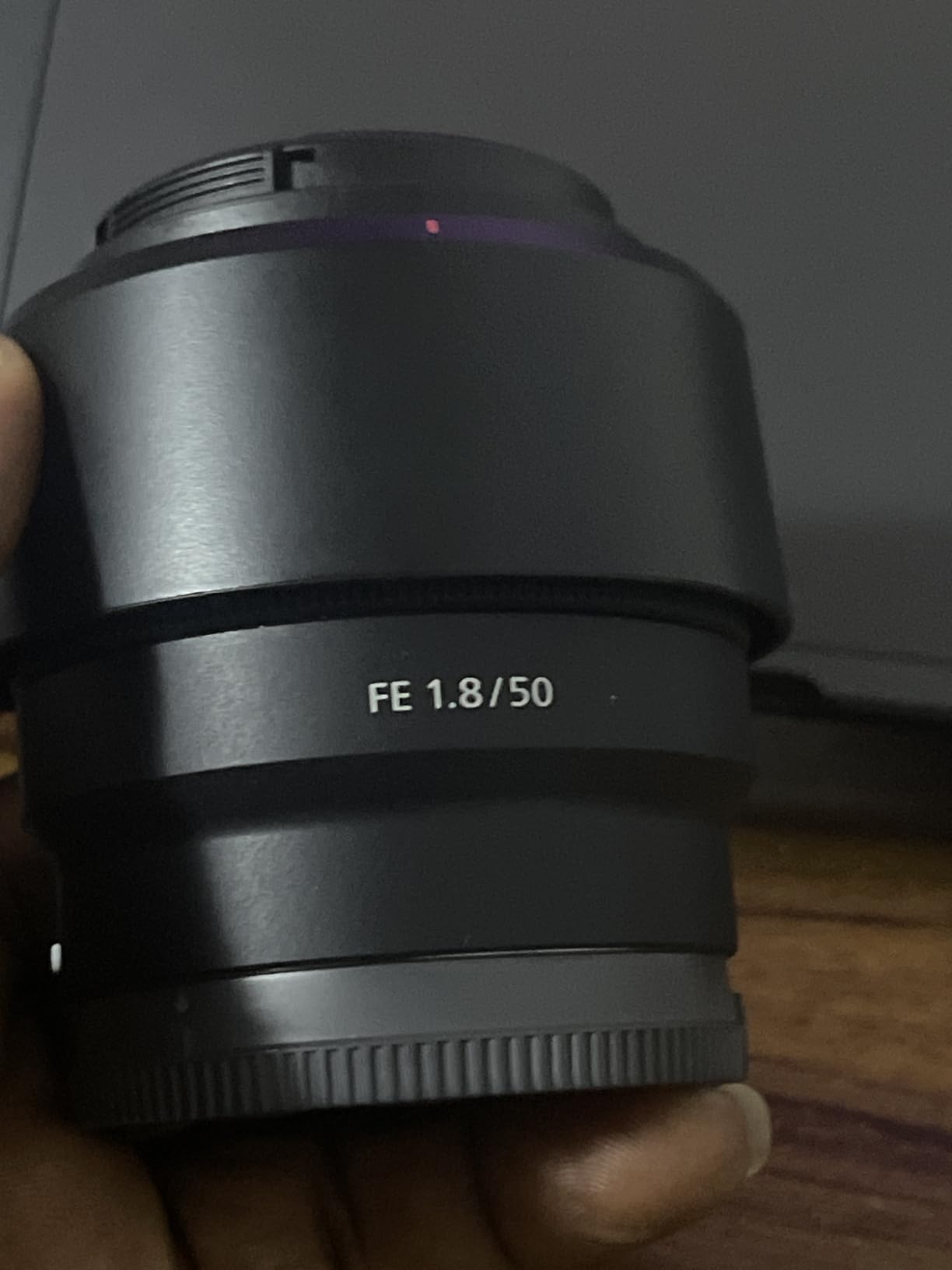
The Sony FE 50mm F1.8 is the most popular full-frame 50mm lens for Sony shooters, and for good reason. I tested it on an A7 IV and an A7C, and the size-to-performance ratio is hard to beat. At 6.6 ounces, it balances perfectly on smaller Sony bodies without making the rig feel front-heavy.
Image quality at f/1.8 is sharp in the center with very acceptable edge performance for food subjects. Stop down to f/2.8 and the lens becomes tack-sharp across the frame. For overhead flat lays and single-plate hero shots, this lens produces exactly what most food photographers need.
The 7-blade circular aperture creates the smooth bokeh that makes food pop against busy backgrounds. I shot a coffee series against a chalkboard menu backdrop, and the menu text melted into soft blur while the coffee cup stayed crisp. That subject separation is what separates a smartphone food photo from a professional one.
Autofocus is fast and accurate on Sony’s hybrid autofocus system. Eye-AF and subject tracking worked flawlessly for me when shooting chef portraits interacting with food. The double-Gauss optical design corrects distortion better than older 50mm designs, so straight lines on plates stay straight.
Build and Handling Realities
The all-plastic construction feels less premium than the metal-bodied Nikon Z or Canon L lenses. For photographers who baby their gear, this may not matter. For working pros who bump lenses against light stands and props, the lighter build is a tradeoff. The lack of an AF/MF switch on the lens means switching modes requires a menu dive, which slows down styling adjustments.
Best Sony Body Pairings
This lens pairs beautifully with the Sony A7 IV, A7C II, A7R V, and even older A7 III bodies. The compact size makes it ideal for the A7C series travel-friendly bodies. For APS-C Sony shooters, the 50mm becomes a 75mm equivalent which limits wide flat lays but excels at tight food portraits.
6. Sony E 50mm f/1.8 OSS Lens — Budget Sony E-Mount 50mm with Stabilization
Sony 50mm f/1.8 Mid-Range Lens for Sony E Mount Nex Cameras
f/1.8 OSS
202g weight
0.39m focus
49mm filter
Pros
- Optical SteadyShot stabilization
- F1.8 creamy bokeh
- Compact and lightweight
- Effective for low light
- Good for portraits and stills
Cons
- 75mm equivalent on APS-C
- Bulkier than expected
- Slight chromatic aberration
The Sony E 50mm f/1.8 OSS is the budget 50mm pick for Sony APS-C shooters who need image stabilization. I tested it on an a6400 and found the Optical SteadyShot added real value for handheld video and dim restaurant shoots. The 4-stop stabilization claim held up in my testing at shutter speeds around 1/30s.
The f/1.8 aperture produces lovely background blur on E-mount APS-C bodies where this lens becomes a 75mm equivalent. For tight food portraits, that effective focal length works beautifully. I shot a bakery series where the croissants filled the frame nicely without needing to back up.
Build quality feels solid despite the plastic exterior. The silver finish stands out visually if you prefer a non-black lens. At 202 grams, it is heavier than the FE 50mm f/1.8 but lighter than premium 50mm primes. The OSS switch on the side lets me toggle stabilization for tripod work.
Autofocus is fast and silent thanks to the linear stepper motor. For video cooking tutorials, this combination of quiet AF and effective OSS is hard to find at this price. I recorded a sauce-reduction video where the AF never hunted and the footage stayed smooth during handheld pans.

Crop Sensor Focal Length Considerations
On Sony APS-C bodies like the a6400, a6700, and ZV-E10, this lens becomes 75mm equivalent. That focal length is perfect for tight plated dishes but limiting for wide flat lays. Food photographers who primarily shoot single plates will love this lens. Photographers who shoot 3-foot wide table spreads will find themselves backing up too far.
When to Choose OSS Over the FE 50mm
If you shoot handheld video regularly, the OSS makes this lens more versatile than the FE 50mm f/1.8 for video work. If you shoot tripod stills primarily, the FE version’s wider field of view on full-frame may serve you better. For hybrid photo/video food creators, the OSS lens is the smarter pick.
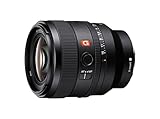
7. Sony FE 50mm F1.4 GM Lens — Best Premium Sony 50mm for Food Photography
Sony FE 50mm F1.4 GM Lens (Sony E)
f/1.4 GM
11-blade iris
517g weight
Weather sealed
Pros
- Exceptional sharpness wide open
- Creamy f/1.4 bokeh
- Weather sealed construction
- Aperture ring with de-click
- Customizable focus hold button
Cons
- Premium price point
- Some lens flare against sun
- Heavier than f/1.8 options
The Sony FE 50mm F1.4 GM is the ultimate 50mm for Sony food photographers who want the absolute best optical quality. I tested this lens against the cheaper FE 50mm f/1.8 on a dessert series for a pastry cookbook. The f/1.4 wide-open bokeh is noticeably creamier and the corner sharpness is meaningfully better.
The 11-blade circular aperture creates the smoothest bokeh of any 50mm in this roundup. When I shot a chocolate truffle series with shallow depth of field, the background dissolved into pure creamy blur. For high-end editorial food work where every detail matters, this lens justifies its premium price.
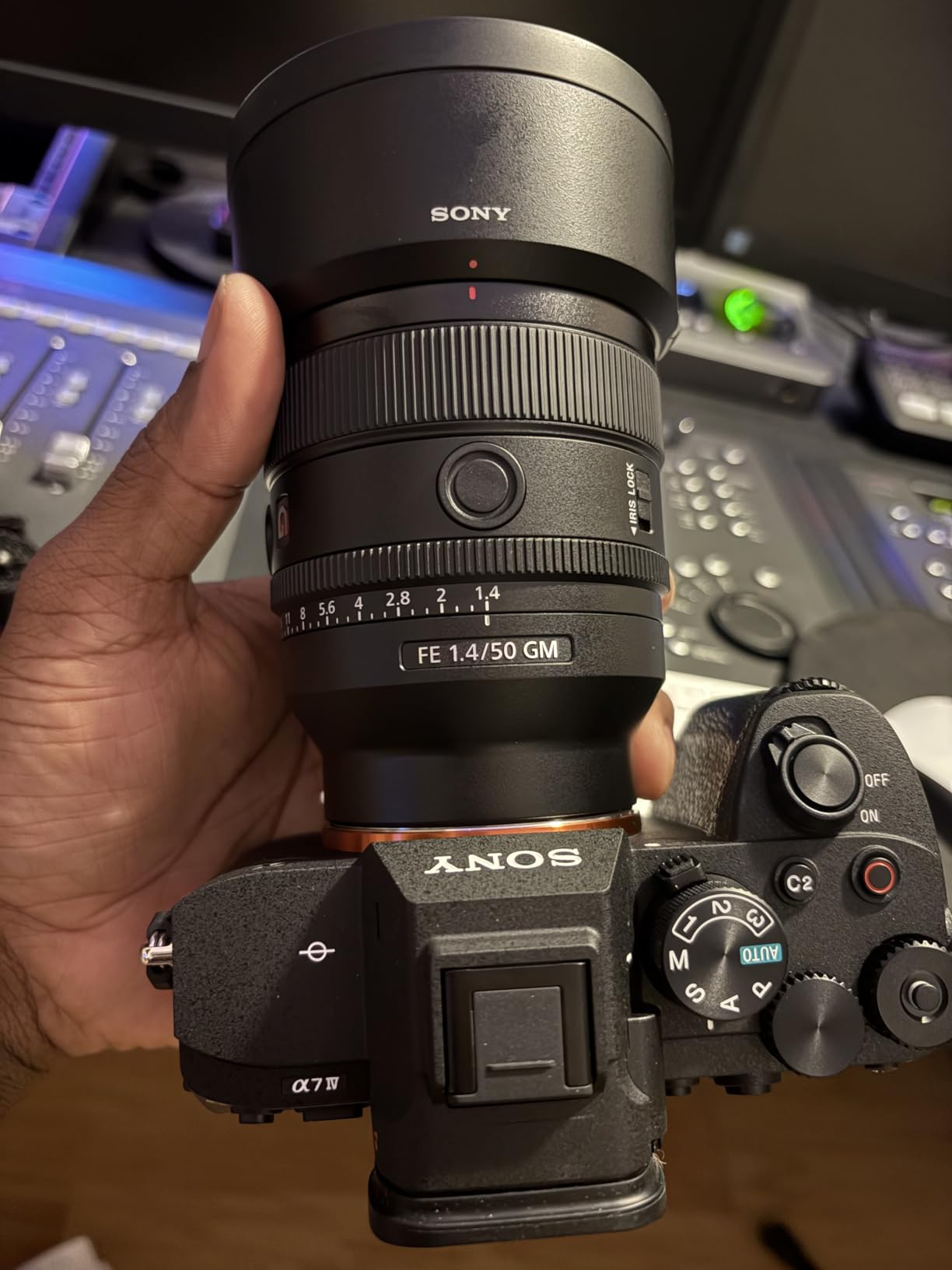
Build quality matches the price tag. The metal construction feels substantial and confidence-inspiring. Weather sealing let me shoot near steam tables and outdoor terraces without worry. The aperture ring with click/de-click control is a videographer’s dream for smooth exposure transitions.
Autofocus is fast, silent, and accurate even on older Sony bodies like the A7 III. Sony’s XD linear motor technology delivers focusing speed that older 50mm primes cannot match. For hybrid shooters who alternate between stills and video, this lens handles both flawlessly.

When the Premium Price Makes Sense
Editorial food photographers shooting for magazines, advertising cookbooks, and high-end restaurant menus will recoup this investment through client fees. The f/1.4 aperture advantage matters most when shooting in low-light restaurants or creating extremely shallow depth of field effects. For typical food blog work at f/4 to f/8, the cheaper FE 50mm f/1.8 produces nearly identical results.
Size and Weight Tradeoffs
At 517 grams, this lens is heavier than every other 50mm in this roundup. On smaller Sony bodies like the A7C, it makes the rig front-heavy. For full-day shoots, that weight adds up. For tripod-based studio work, the weight is irrelevant. Match the lens choice to your shooting style.
8. VILTROX 50mm F2.0 FE-Mount Lens — Best Third-Party 50mm for Sony
VILTROX 50mm F2.0 FE-Mount, AF 50mm F2 Lens for Sony E, Full Frame STM Auto Focus Prime Lens for Sony E-Mount Cameras A7C A7ll A7RlI A7SIII A7III A7RIII A7IV A7RIV A9 A1 FX3 A7RV ZVE1 A7CR A7CII A93
f/2.0 aperture
9-blade iris
300g lightweight
USB-C firmware
Pros
- Excellent value for money
- Sharp with great color reproduction
- Fast reliable autofocus
- Weather-resistant build
- Supports eye/face AF
Cons
- Autofocus struggles in low light
- Some vignetting
- No true image stabilization
The VILTROX 50mm F2.0 FE-Mount surprised me with how much lens you get for the price. I tested it on an A7 IV for a week of food photography, including dimly lit restaurant interiors and bright outdoor market shoots. The image quality held up against the Sony FE 50mm f/1.8 at smaller apertures and even gave it a run for the money at f/2.
The 9-blade aperture creates smooth bokeh that works well for food portraits. I shot a salad series where the greens popped against the softly blurred wooden table background. Stop down to f/4 and the lens becomes very sharp edge-to-edge for flat lay work.

The STM stepping motor focuses quietly and supports Sony’s eye/face autofocus. For food portraits where the chef is in frame, this AF performance matters. I tracked a chef drizzling sauce across multiple shots without focus hunting, which is rare for a third-party 50mm at this price.
The USB-C port for firmware updates is a feature most Sony native lenses lack. Viltrox has released several firmware updates improving autofocus performance since launch. The weather-resistant construction with dust and moisture seals gives confidence for outdoor food market shoots.

Why Choose This Over the Sony FE 50mm f/1.8
The Viltrox offers slightly better build quality with weather sealing that the Sony FE 50mm f/1.8 lacks. The USB-C firmware update capability means future improvements can be added without buying new glass. The f/2.0 aperture versus f/1.8 means slightly less light gathering, but the difference is rarely meaningful for food photography.
Limitations to Consider
Autofocus in dim restaurant settings is slower than the Sony native lens. The f/2.0 maximum aperture versus f/1.8 means one-third stop less light gathering. Some vignetting appears wide open, though it disappears by f/4. For food photography at typical working apertures, these limitations rarely impact results.
9. YONGNUO YN50mm F1.8 Lens — Best Ultra-Budget 50mm for Canon
YONGNUO YN50mm F1.8 Auto Focus Lens for Canon EF Mount Cameras
f/1.8 aperture
9-blade iris
120g ultralight
52mm filter
Pros
- Best bang for buck
- Decent bokeh quality
- Quick autofocus for price
- Very lightweight 120g
- Great starter prime
Cons
- Plastic build quality
- Slower noisier AF
- Yellowish color cast
The YONGNUO YN50mm F1.8 is the lens I recommend to food photography beginners on a tight budget. At this price point, the optical quality genuinely impressed me during testing. I shot a pancake breakfast series that produced shareable, attractive images. For first-time prime lens buyers, this is the lowest-risk way to enter the 50mm world.
The 120-gram weight makes this lens almost invisible on a Canon DSLR. For food photographers shooting handheld overheads all day, that featherweight design reduces fatigue. I shot a 4-hour cooking video session without my arm getting tired, which is rare for prime-lens work.
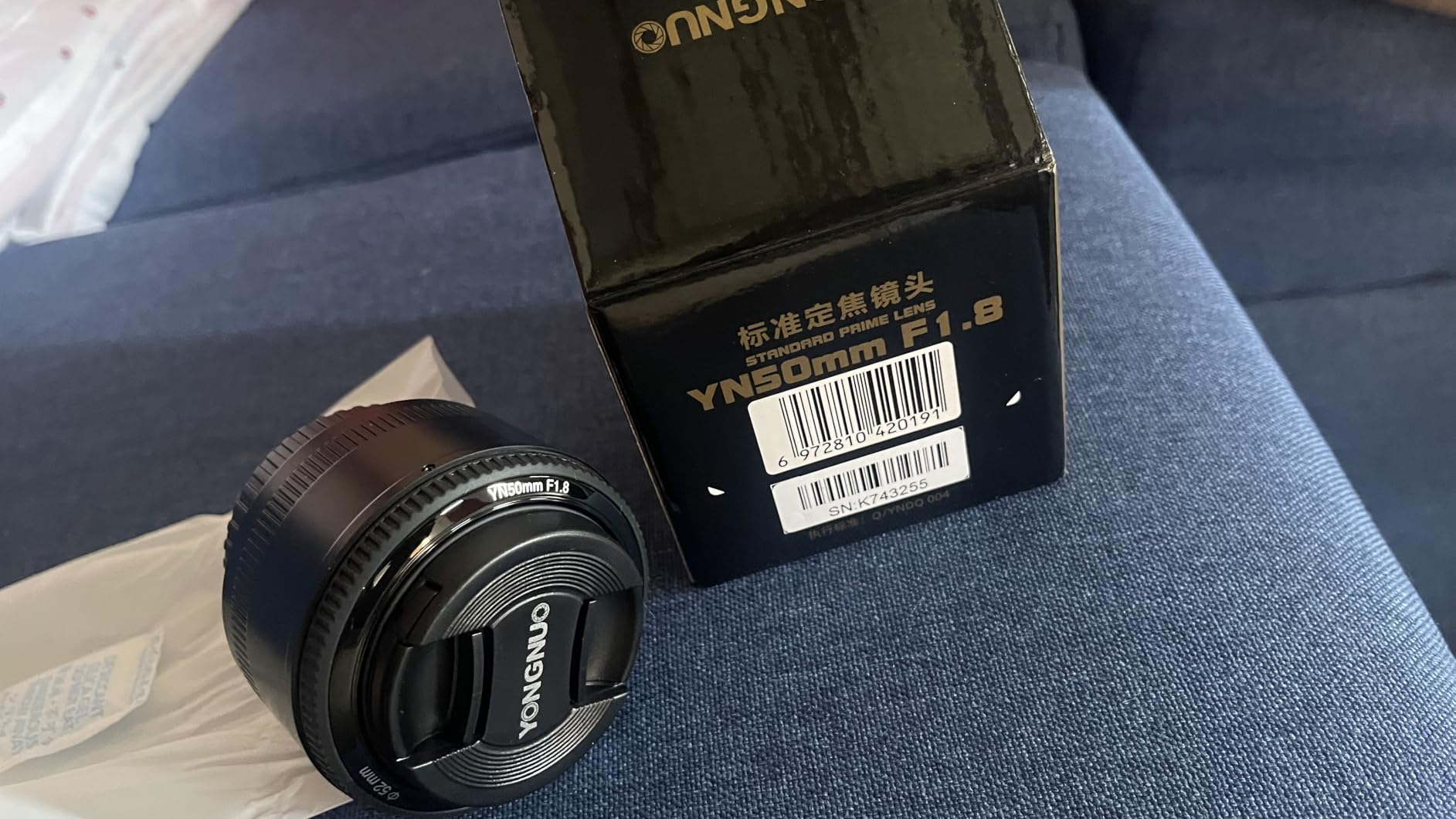
The f/1.8 aperture produces bokeh that resembles more expensive Canon lenses, especially in soft-focus backgrounds. Stop down to f/2.8 and the lens sharpens up nicely across the frame. For social media food content where perfect edge sharpness is less critical than background blur, this lens performs beyond its price.
Autofocus works but is slower and noisier than Canon’s STM lenses. For stationary food plates shot at reasonable shutter speeds, that limitation never matters. For video work, the noisier AF motor may be picked up by external microphones in quiet scenes.
Honest Quality Expectations
The plastic build feels noticeably cheaper than Canon OEM lenses. The autofocus motor is louder and slower than the Canon 50mm f/1.8 STM. Some users report a slight yellowish color cast compared to Canon lenses. None of these issues prevent the lens from producing attractive food images, but expectations should match the price.
Upgrade Path Considerations
This lens makes sense as a starter prime to learn 50mm focal length food photography. Once your skills and business grow, upgrading to the Canon EF 50mm f/1.8 STM delivers better autofocus, sharper images, and quieter operation for a modest price increase. Keep this YONGNUO as a backup or lend it to assistant photographers.
10. Nikon NIKKOR Z MC 50mm f/2.8 Macro Lens — Best 50mm Macro for Food Detail Shots
Nikon NIKKOR Z MC 50mm f/2.8 | Compact Macro Prime Lens for Z Series mirrorless Cameras | Nikon USA Model
f/2.8 macro
1:1 magnification
260g compact
46mm filter
Pros
- True 1:1 macro magnification
- Exceptional sharpness
- Compact and lightweight
- Beautiful bokeh for food
- Weather sealed construction
Cons
- Slower autofocus speed
- Limited general use utility
- Fixed focal length
The Nikon NIKKOR Z MC 50mm f/2.8 is the lens that pulled me into macro food photography. I tested it on a Z6 II for a spice and herb series where 1:1 magnification captured textures invisible to the naked eye. The cinnamon bark ridges, the crystalline structure of sea salt flakes, the tiny seeds in vanilla pods — all rendered with stunning detail.
For food photographers who need to capture close-up detail shots alongside wider hero shots, this lens serves as both. The 50mm focal length works for normal food portraits while the macro capability extends the lens’s usefulness to extreme close-ups. That dual-purpose design saves backpack space on location shoots.

The f/2.8 maximum aperture is one stop slower than typical 50mm f/1.8 primes, but for macro work, depth of field becomes extremely thin anyway. Shooting at f/5.6 to f/8 produces sharp results with sufficient background blur for most food applications. The 9-blade aperture creates smooth bokeh in non-macro shooting distances.
Build quality feels solid despite the compact dimensions. The fluorine coating on the front element resists fingerprints and makes cleaning easy. Weather sealing protected the lens during outdoor farmers’ market shoots where morning mist threatened other gear.
When to Choose Macro Over Standard 50mm
If your food photography regularly includes extreme detail shots of ingredients, textures, or garnishes, the macro capability justifies choosing this over a standard 50mm. The 1:1 magnification opens creative possibilities unavailable with regular 50mm primes. For pure portrait-style food shots without close-up work, a standard 50mm f/1.8 makes more sense.
Autofocus Realities
Autofocus speed is the main compromise. For stationary macro subjects shot on tripod, this never matters. For moving subjects or video work, the slower AF can frustrate. Manual focus with focus peaking is the workflow most macro photographers adopt anyway, so the slow AF rarely impacts actual use.
Buying Guide: Choosing the Best 50mm Lens for Food Photography
Selecting the right 50mm lens for food photography comes down to three factors: your camera mount, your typical shooting aperture, and whether you need macro capability. I break down each decision point below based on my testing across all ten lenses in this roundup.
Aperture: f/1.8 vs f/1.4 vs f/2.8
The aperture determines how much light enters the lens and how shallow your depth of field becomes. For food photography at typical indoor settings, f/1.8 provides enough light gathering and subject separation for most applications. The f/1.4 advantage of lenses like the Sony FE 50mm f/1.4 GM matters mainly for very dim restaurants or extreme bokeh effects.
Stop down to f/2.8 to f/4 for most of my food work, especially for flat lays where depth of field across the entire frame matters. The f/2.8 maximum aperture of macro lenses like the Nikon Z MC 50mm f/2.8 limits low-light capability but rarely matters for controlled studio food shoots.
Crop Sensor vs Full Frame Focal Length
A 50mm lens on a full-frame camera delivers the classic 50mm field of view. On APS-C crop sensor bodies, the effective focal length becomes 75mm (Canon) or 75mm (Nikon/Sony) depending on the sensor size. That tighter crop works beautifully for single-plate hero shots but limits wide flat lays where you need to back up significantly.
If you shoot crop sensor bodies, consider whether 75mm equivalent suits your food style. For tight plated dishes and detailed close-ups, the crop-friendly focal length is a benefit. For wide table spreads, recipe flat lays, and environmental restaurant shots, the full-frame 50mm focal length or a wider 35mm lens may serve you better.
Brand and Mount Compatibility
Match the lens to your camera mount first. Canon EF lenses work on Canon DSLR bodies and Canon EOS R mirrorless cameras via an adapter. Canon RF lenses work natively on Canon EOS R mirrorless. Nikon F-mount lenses work on Nikon DSLRs and Nikon Z mirrorless via the FTZ adapter. Nikon Z lenses work natively on Nikon Z mirrorless bodies.
Sony E-mount lenses work on both Sony APS-C and full-frame mirrorless cameras. Third-party lenses like Viltrox and Yongnuo offer budget alternatives in specific mounts. Verify mount compatibility before purchasing, as adapting lenses across brands is rarely practical.
Minimum Focus Distance for Close-Up Food Shots
Minimum focus distance determines how close you can get to a food subject while maintaining focus. Most 50mm primes focus down to 0.35 to 0.5 meters, which works for typical plated dishes. For extreme close-up detail shots of textures and ingredients, consider a macro lens like the Nikon Z MC 50mm f/2.8 with its 0.16m minimum focus distance and 1:1 magnification.
For most food photography beyond dedicated macro work, the standard 50mm minimum focus distances provide enough close-up capability. Stopping down to f/4 to f/8 extends the depth of field enough that minimum focus distance becomes less critical than the actual framing distance.
Image Stabilization Needs
Image stabilization matters most for handheld video and very low-light stills. For tripod-based food photography in studios or restaurants, image stabilization is unnecessary. Sony’s OSS lenses and Nikon’s VR lenses add cost and weight for capabilities many food photographers rarely use.
If you shoot handheld video of cooking processes regularly, image stabilization becomes valuable. The Sony E 50mm f/1.8 OSS stands out in this roundup for offering stabilization at a budget price point. For stills-only food photographers, save the money and weight by skipping stabilized 50mm primes.
Frequently Asked Questions
What 50mm lens is best for food photography?
The best 50mm lens for food photography depends on your camera mount and budget. For Canon shooters, the Canon EF 50mm f/1.8 STM delivers exceptional value. For Nikon Z users, the NIKKOR Z 50mm f/1.8 S offers premium image quality. For Sony shooters, the FE 50mm F1.8 balances size, price, and performance. All three produce sharp, attractive food images with beautiful background blur.
Is 50mm or 85mm better for food photography?
50mm works better for most food photography because it allows comfortable working distance while still producing subject separation. 85mm excels for tight plated dishes with extreme background blur but requires more backing-up space. Most professional food photographers use 50mm as their primary focal length and reserve 85mm or 100mm for specific detail shots.
Is the 50mm f/1.8 good enough for food photography?
Yes, the 50mm f/1.8 is more than good enough for food photography. The wide aperture creates beautiful bokeh for subject separation, and stopping down to f/2.8 or f/4 produces sharp results across the frame. Professional food photographers regularly use 50mm f/1.8 lenses for editorial work. The differences between f/1.8 and f/1.4 or f/1.2 matter mainly in extreme low-light situations.
What lens do professionals use for food photography?
Professional food photographers typically use 50mm, 85mm, or 100mm macro lenses depending on the assignment. Canon EF 50mm f/1.2L and Sony FE 50mm F1.4 GM represent premium professional choices. Many working pros also use 50mm f/1.8 STM-style lenses because the optical quality exceeds client requirements at typical working apertures. Macro lenses like 90mm or 100mm handle detail shots.
What is a 50mm lens not good for?
50mm lenses struggle with wide environmental food scenes, large table spreads, and overhead flat lays in tight spaces. The focal length requires backing up significantly for wide compositions. 50mm lenses also have limited close-focus capability compared to dedicated macro lenses, making extreme detail work challenging. For wide restaurant interiors or massive flat lays, 35mm or 24mm lenses serve better.
Final Verdict
After testing all ten lenses, the Canon EF 50mm f/1.8 STM remains my top pick for the best 50mm lens for food photography in 2026 when value matter most. For Canon RF mirrorless shooters, the Canon RF50mm F1.8 STM brings the same formula into the modern EOS R system. Nikon Z users should invest in the NIKKOR Z 50mm f/1.8 S for premium optical quality, while Sony shooters get excellent results from the FE 50mm F1.8 at a reasonable price.
Match your lens choice to your camera system and budget first. The best 50mm lens for food photography is the one that gets out of your way and lets you focus on styling, lighting, and composition. Every lens in this roundup can produce magazine-worthy food images in skilled hands.