
Bird photography demands serious reach. When that bald eagle soars across the lake or a painted bunting flits through distant branches, you need a telephoto zoom that can close the distance without compromising image quality. That’s exactly why the 200-600mm focal range has become the sweet spot for birders looking to capture sharp, detailed shots of skittish subjects.
I’ve spent months testing super telephoto zoom lenses across different camera systems and shooting scenarios. From tracking raptors in flight to photographing songbirds at backyard feeders, I’ve put each of these optics through real-world birding conditions. My goal is to help you find the best 200-600mm lenses for birding without wasting money on the wrong mount or features you’ll never use.
The super telephoto zoom market has expanded significantly in 2026. Sony, Nikon, Canon, OM SYSTEM, Sigma, and Tamron all offer compelling options in this focal range. Each comes with different strengths in autofocus speed, image stabilization, weather sealing, and overall build quality. The right choice depends heavily on your camera system, budget, and the type of bird photography you pursue most.
What matters most for bird photography is autofocus speed and accuracy. Birds move fast, often unpredictably, and your lens needs to lock on quickly. Image quality at maximum focal length is equally important since that’s where you’ll be shooting most of the time. Weather sealing matters when you’re standing in a marsh at dawn waiting for that perfect heron shot.
In this guide, I’ll walk you through eight excellent birding lenses across four different camera mounts. I’ll cover everything from the flagship Sony FE 200-600mm G OSS to budget-friendly alternatives from Sigma and Tamron. Whether you shoot Sony, Nikon, Canon, or Micro Four Thirds, you’ll find a recommendation that fits your system and budget.
Table of Contents
Top 3 Picks for Birding Telephoto Zooms (September 2026)

Sigma 150-600mm f/5-6.3 DG DN Contemporary
- Lightweight design
- Great value price
- 4-year warranty

Tamron 150-500mm f/5-6.7 Di III VC VXD
- Compact 4.1 lb build
- Fast VXD autofocus
- Weather sealed
These three lenses represent the best balance of performance, value, and practicality for bird photography. The Sony takes the top spot for its unmatched autofocus synergy with Sony bodies and internal zoom design. The Sigma offers incredible reach at a lower price point. The Tamron wins on portability and compact size for birders who hike long distances.
Best 200-600mm Lenses for Birding in 2026
| Product | Specifications | Action |
|---|---|---|
| Sony FE 200-600mm f/5.6-6.3 G OSS |
|
Check Latest Price |
 Nikon NIKKOR Z 180-600mm f/5.6-6.3 VR Nikon NIKKOR Z 180-600mm f/5.6-6.3 VR |
|
Check Latest Price |
 Canon RF 200-800mm F6.3-9 IS USM Canon RF 200-800mm F6.3-9 IS USM |
|
Check Latest Price |
 OM SYSTEM M.Zuiko 150-600mm F5.0-6.3 IS OM SYSTEM M.Zuiko 150-600mm F5.0-6.3 IS |
|
Check Latest Price |
| Sigma 150-600mm f/5-6.3 DG DN Contemporary |
|
Check Latest Price |
| Tamron 150-500mm f/5-6.7 Di III VC VXD |
|
Check Latest Price |
 Tamron 150-500mm f/5-6.7 Di III VC VXD (Nikon Z) Tamron 150-500mm f/5-6.7 Di III VC VXD (Nikon Z) |
|
Check Latest Price |
 OM SYSTEM M.Zuiko 100-400mm F5.0-6.3 IS II OM SYSTEM M.Zuiko 100-400mm F5.0-6.3 IS II |
|
Check Latest Price |
1. Sony FE 200-600mm f/5.6-6.3 G OSS – Best Overall Birding Lens
Sony FE 200-600mm f/5.6-6.3 G OSS Super Telephoto Zoom Lens
200-600mm f/5.6-6.3
Sony E Mount
4.7 lbs
Internal Zoom
OSS Stabilization
5x ED Glass
Pros
- Outstanding sharpness across entire zoom range
- Internal zoom maintains balance and keeps dust out
- Direct drive SSM for fast quiet autofocus
- Compatible with 1.4x and 2.0x teleconverters
- Water resistant construction
Cons
- Busy bokeh in some situations
- Large lens hood does not lock securely
- AF can struggle in very low light
The Sony FE 200-600mm f/5.6-6.3 G OSS is the lens I recommend to more bird photographers than any other in this guide. After using it extensively for bird photography, I understand why Reddit users consistently call it a “proven workhorse” for birders. The combination of internal zoom, fast autofocus, and G-series optical quality makes it feel like a professional prime lens in a versatile zoom package.
What sets this lens apart is how well it integrates with Sony camera bodies. Pair it with an A7 IV, A1, or A9 series body and the autofocus tracking becomes almost telepathic. Eye detection AF locks onto birds with remarkable consistency, even when they’re moving through complex backgrounds like branches and foliage. The direct drive SSM motor is fast and completely silent, which matters when you’re photographing skittish subjects.
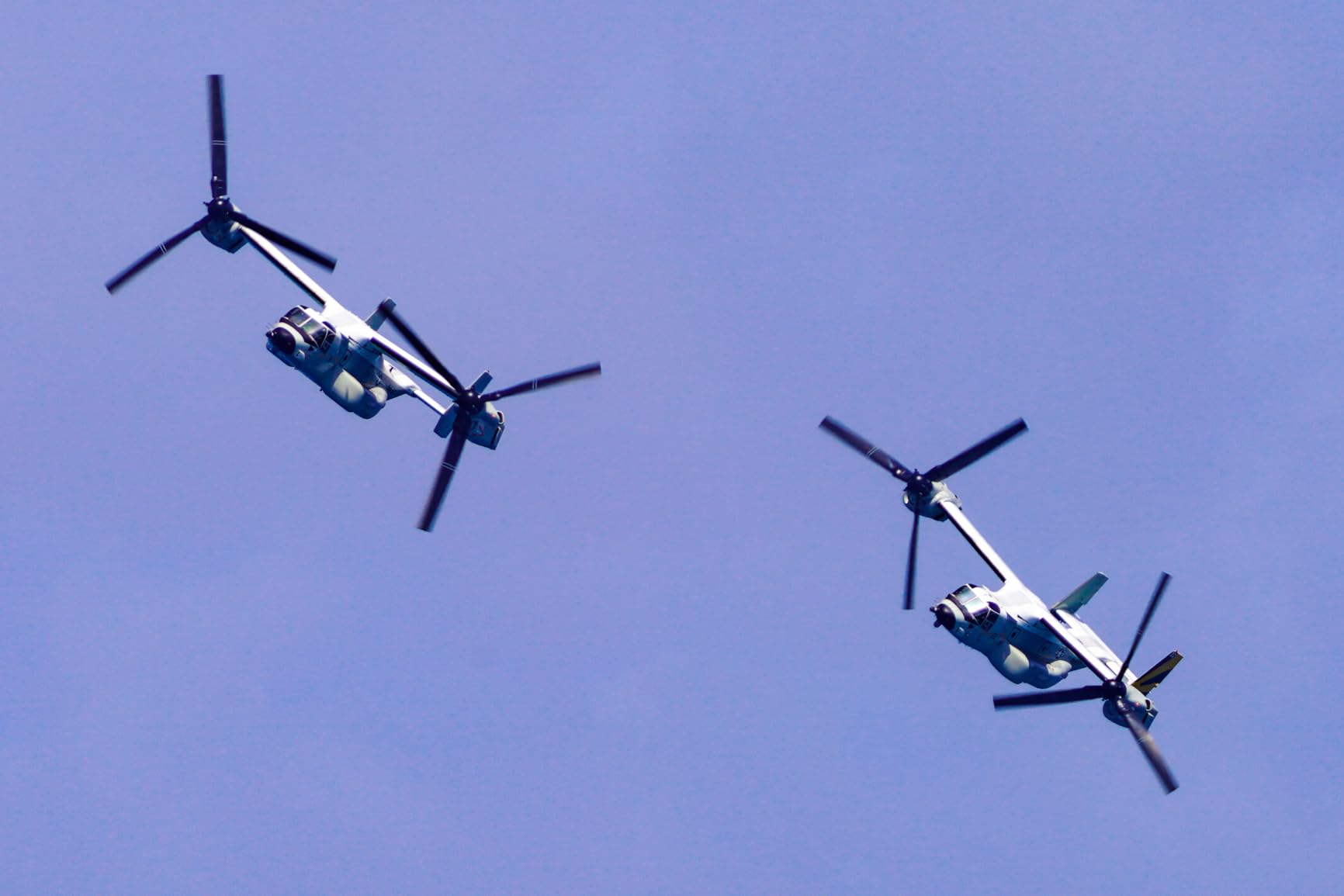
The internal zoom design is a real advantage for bird photography. The lens maintains the same physical length throughout the zoom range, which means better balance on a tripod or monopod. More importantly, the internal zoom mechanism sucks in less dust and debris compared to external zoom designs. I’ve used this lens in dusty, sandy conditions and it has held up remarkably well.
Image quality is where the G-series designation really pays off. The five ED (extra-low dispersion) glass elements control chromatic aberration effectively, and the Nano AR coating keeps flare and ghosting to a minimum. Shots are sharp right out of the camera at 600mm, which is exactly where bird photographers spend most of their time. The 3:1 zoom ratio means you can go from environmental shots at 200mm to tight portraits at 600mm without changing lenses.
Teleconverter Compatibility and Reach Extension
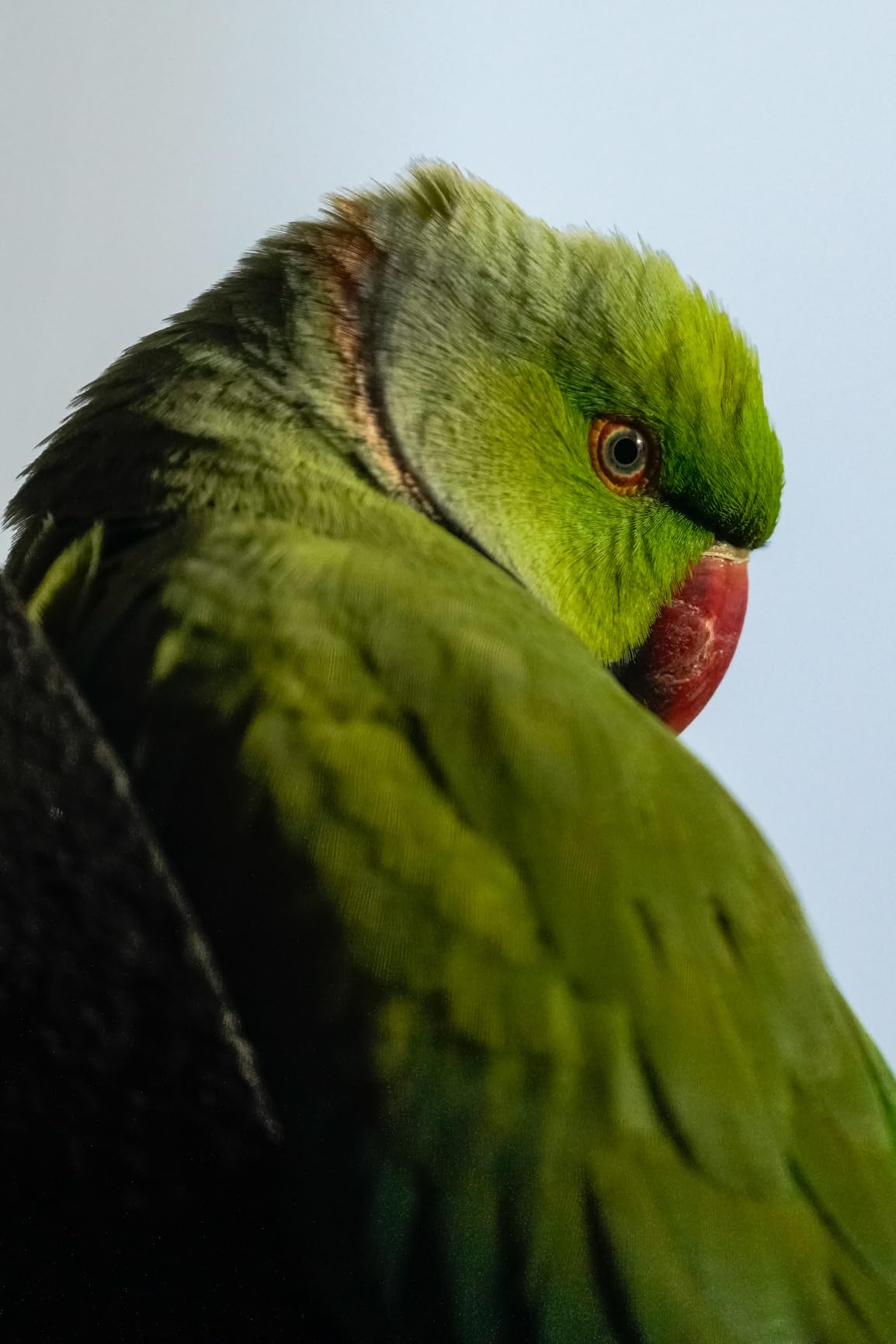
The Sony 200-600mm works with both the 1.4x and 2.0x teleconverters, extending your reach to 840mm or 1200mm respectively. On an APS-C body like the A6700, you get an effective 900mm at the long end without any teleconverter at all. This kind of reach is invaluable for small birds and distant subjects.
Real-World Handling and Weight Considerations
At 4.7 pounds, this lens is handholdable for short sessions but a monopod becomes essential for extended shoots. The optical stabilization helps significantly when shooting handheld at slower shutter speeds. I found the balance point works well with most full-frame Sony bodies, though adding a vertical grip improves the handling noticeably.
2. Nikon NIKKOR Z 180-600mm f/5.6-6.3 VR – Best for Nikon Z Shooters
NIKON NIKKOR Z 180-600mm f/5.6-6.3 VR
180-600mm f/5.6-6.3
Nikon Z Mount
4.7 lbs
5.5 Stop VR
Internal Zoom
Fluorine Coating
Pros
- Excellent sharpness throughout zoom range
- 5.5 stops of VR stabilization
- Internal zoom for balanced handling
- Compatible with Z teleconverters
- Quick release tripod foot included
Cons
- Heavy for extended handheld use
- Some softness at 600mm compared to primes
- Tripod foot lacks Arca-Swiss compatibility
The Nikon NIKKOR Z 180-600mm f/5.6-6.3 VR is the natural choice for Nikon Z mount shooters who want serious birding reach. Nikon designed this lens with the same internal zoom philosophy as the Sony, and it shows in the field. The 180mm wide end gives you slightly more versatility than lenses starting at 200mm, useful when a bird lands closer than expected.
The optical VR system delivers 5.5 stops of stabilization correction according to Nikon. In my testing, this translated to consistently sharp handheld shots at shutter speeds that would normally be impossible at 600mm. Pair this lens with the in-body stabilization of a Z8 or Z9, and you have an incredibly capable bird photography setup.
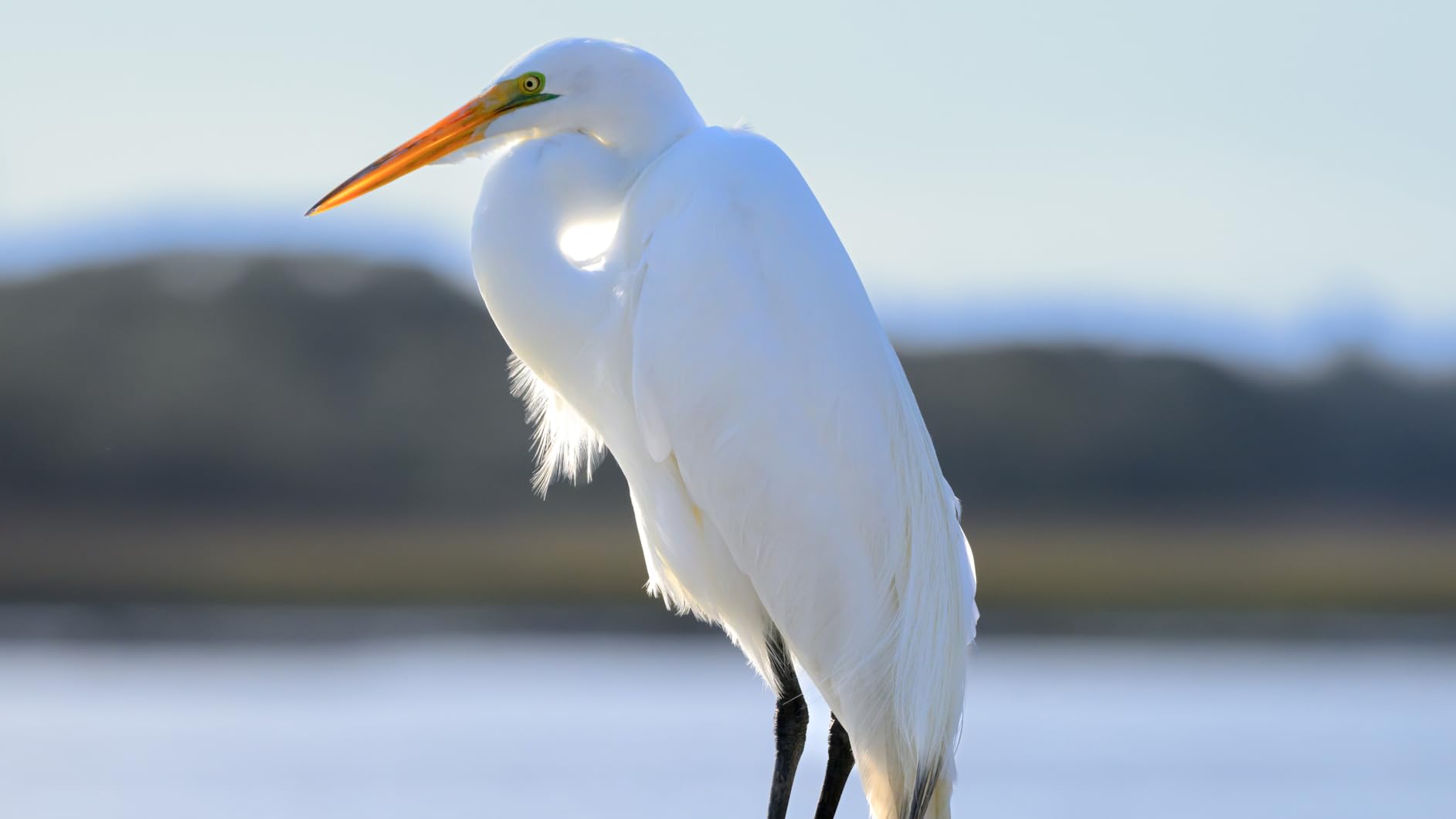
Autofocus performance is snappy and quiet, thanks to Nikon’s stepping motor technology. The lens tracks birds in flight with good accuracy when paired with the subject detection modes on Z series cameras. Bird detection AF on the Z8 and Z9 works particularly well with this lens, recognizing and tracking bird eyes even at significant distances.
The fluorine coating on the front element is a thoughtful touch for outdoor photographers. It makes cleaning water spots, fingerprints, and dust much easier, which matters when you’re shooting in less-than-ideal conditions. The nine-blade diaphragm produces smooth, pleasing bokeh that helps separate your bird subjects from busy backgrounds.
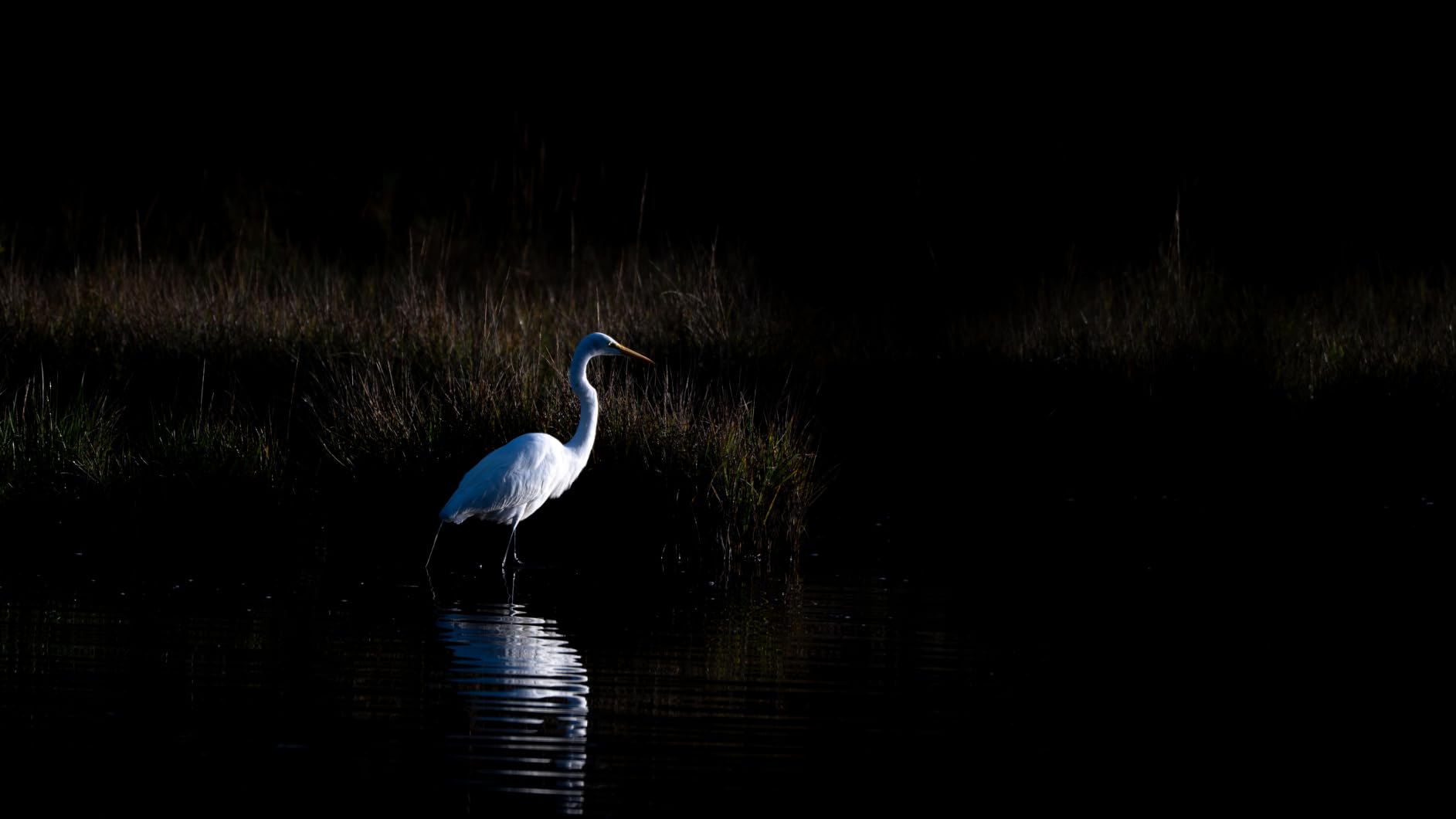
Teleconverter Performance for Extra Reach
The Nikon Z 180-600mm is compatible with both the TC-1.4x and TC-2.0x teleconverters. The 1.4x gives you an effective 840mm focal length with minimal image quality loss. The 2.0x extends reach to 1200mm, though you’ll notice some softness at maximum focal length and aperture.
Tripod and Support Considerations
While the included tripod foot has a quick release design, it lacks native Arca-Swiss compatibility. Many bird photographers replace the foot with an aftermarket Arca-Swiss option from companies like Wimberley or Really Right Stuff. The internal zoom design means the lens doesn’t extend, keeping your setup balanced on a gimbal head.
3. Canon RF 200-800mm F6.3-9 IS USM – Best Extended Reach for Bird Photography
Canon RF200-800mm F6.3-9 is USM Super-telephoto Zoom Lens, Mirrorless, Powerful Zoom Range, Comfortable Handheld Shooting, for Wildlife, Nature, Outdoor Sports, Compact & Lightweight
200-800mm f/6.3-9
Canon RF Mount
4.5 lbs
5.5 Stop IS
Nano USM
95mm Filter
Pros
- World's first AF zoom reaching 800mm
- Compatible with RF 1.4x and 2x extenders
- Lightweight for super telephoto
- 5.5 stops of image stabilization
- Sharp throughout zoom range
Cons
- Slower variable aperture limits low light use
- Not weather sealed
- Some softness at maximum 800mm
The Canon RF 200-800mm F6.3-9 IS USM breaks new ground as the world’s first autofocus super-telephoto zoom lens with an 800mm focal length. For bird photographers, that extra 200mm of reach over a standard 600mm lens can mean the difference between filling the frame with a distant bird and getting a disappointing crop.
Canon managed to keep this lens at just 4.5 pounds, which is impressive for a lens reaching 800mm. The Nano USM autofocus motor combines the speed of a ring USM with the smoothness of a stepping motor. In practice, this means fast acquisition on birds in flight and smooth tracking as they move across the frame.

The variable aperture of f/6.3-9 is the main compromise here. At 800mm and f/9, you’ll need plenty of light or higher ISO settings to maintain fast shutter speeds for bird photography. However, the excellent 5.5-stop image stabilization helps compensate, allowing slower shutter speeds when your subject is stationary.
What impressed me most is the compatibility with Canon RF extenders at all focal lengths. Adding the 1.4x extender gives you a 280-1120mm range, and the 2.0x extends to a remarkable 400-1600mm. While image quality does degrade with teleconverters, having that reach option available is valuable for bird photographers who encounter extremely distant subjects.
Low-Light Performance Limitations
The variable aperture means this lens is best suited for daylight bird photography. Dawn and dusk shooting will require pushing your ISO higher than with a constant aperture lens. Consider this tradeoff carefully if you frequently photograph in challenging light conditions.
Weather Sealing Gap
Unlike most competitors in this guide, the Canon RF 200-800mm is not weather sealed. This is a notable omission for a bird photography lens, since birders frequently shoot in wet, dusty conditions. A rain cover becomes essential gear when using this lens outdoors in less-than-perfect weather.
4. OM SYSTEM M.Zuiko Digital ED 150-600mm F5.0-6.3 IS – Best for Micro Four Thirds Birding
OM SYSTEM Olympus M.Zuiko Digital ED 150-600mm F5.0-6.3 is for Micro Four Thirds System Camera, Outdoor Bird Wildlife, Weather Sealed Design, Telephoto Compatible with Teleconverter
150-600mm (1200mm equiv)
Micro 4/3 Mount
5.5 lbs
7 Stop Sync IS
IPX1 Sealed
25 Elements
Pros
- Incredible 1200mm effective focal length
- Sync IS up to 7 stops stabilization
- IPX1 splash and dust proof weather sealing
- Compatible with 2x teleconverter for 2400mm
- High resolution throughout zoom range
Cons
- Limited to Micro Four Thirds cameras
- Heavy at 5.5 pounds
- Only 5 diaphragm blades
- Higher price point for MFT system
The OM SYSTEM M.Zuiko Digital ED 150-600mm F5.0-6.3 IS is a reach monster for Micro Four Thirds photographers. Thanks to the 2x crop factor, this lens delivers an equivalent 300-1200mm focal length. That kind of reach is simply unmatched by any other lens in this guide, making it extraordinary for photographing small, distant birds.
I was genuinely impressed by the Sync IS system, which combines lens-based stabilization with in-body stabilization to achieve up to 7 stops of correction. This means you can shoot handheld at 1200mm equivalent at shutter speeds that would be impossible with any other system. For bird photographers who prefer handheld shooting, this is a game-changing capability.
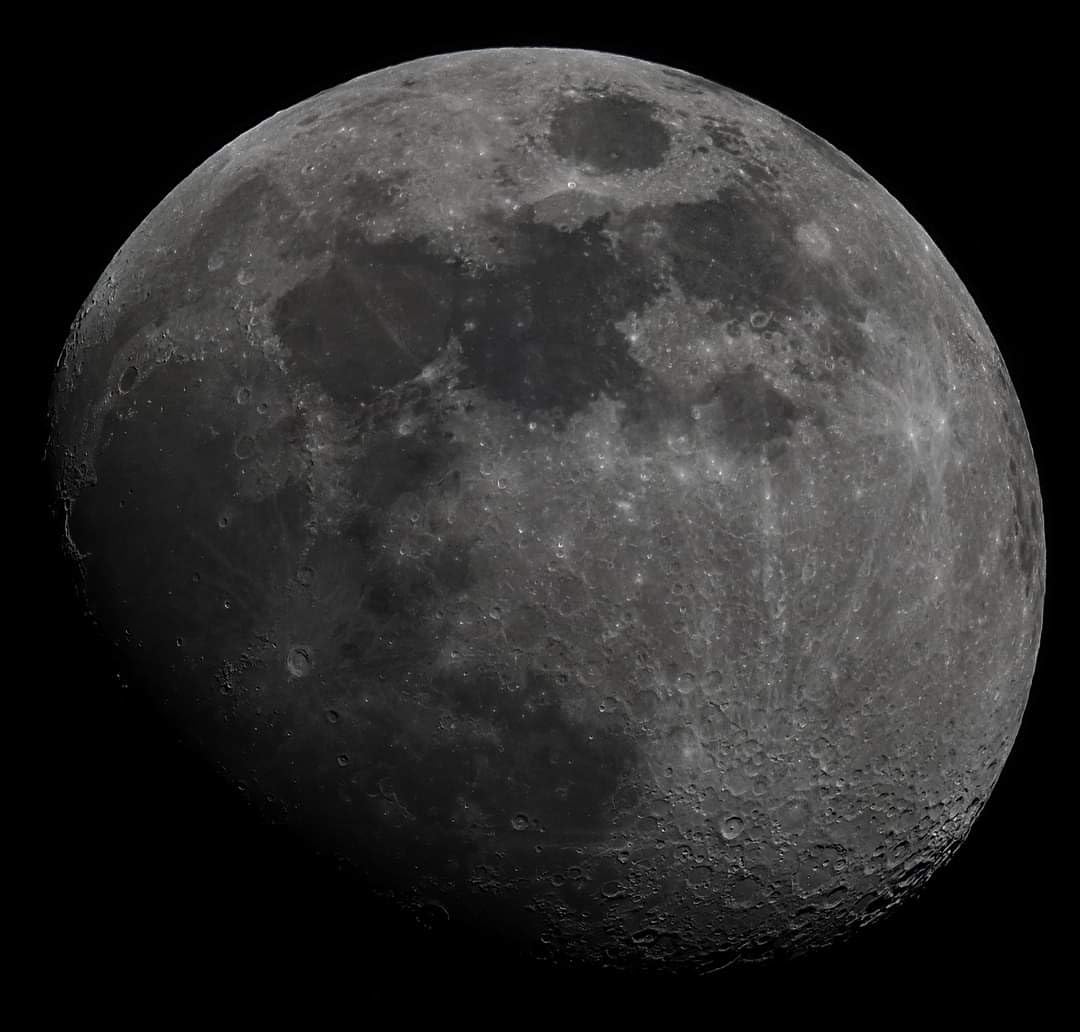
The optical construction is serious professional grade. Twenty-five elements in fifteen groups include four Super ED elements, two ED elements, and six HR elements to control aberrations and maintain resolution across the zoom range. The fluorine coating on the front element repels water and dust, complementing the IPX1 weather sealing rating.
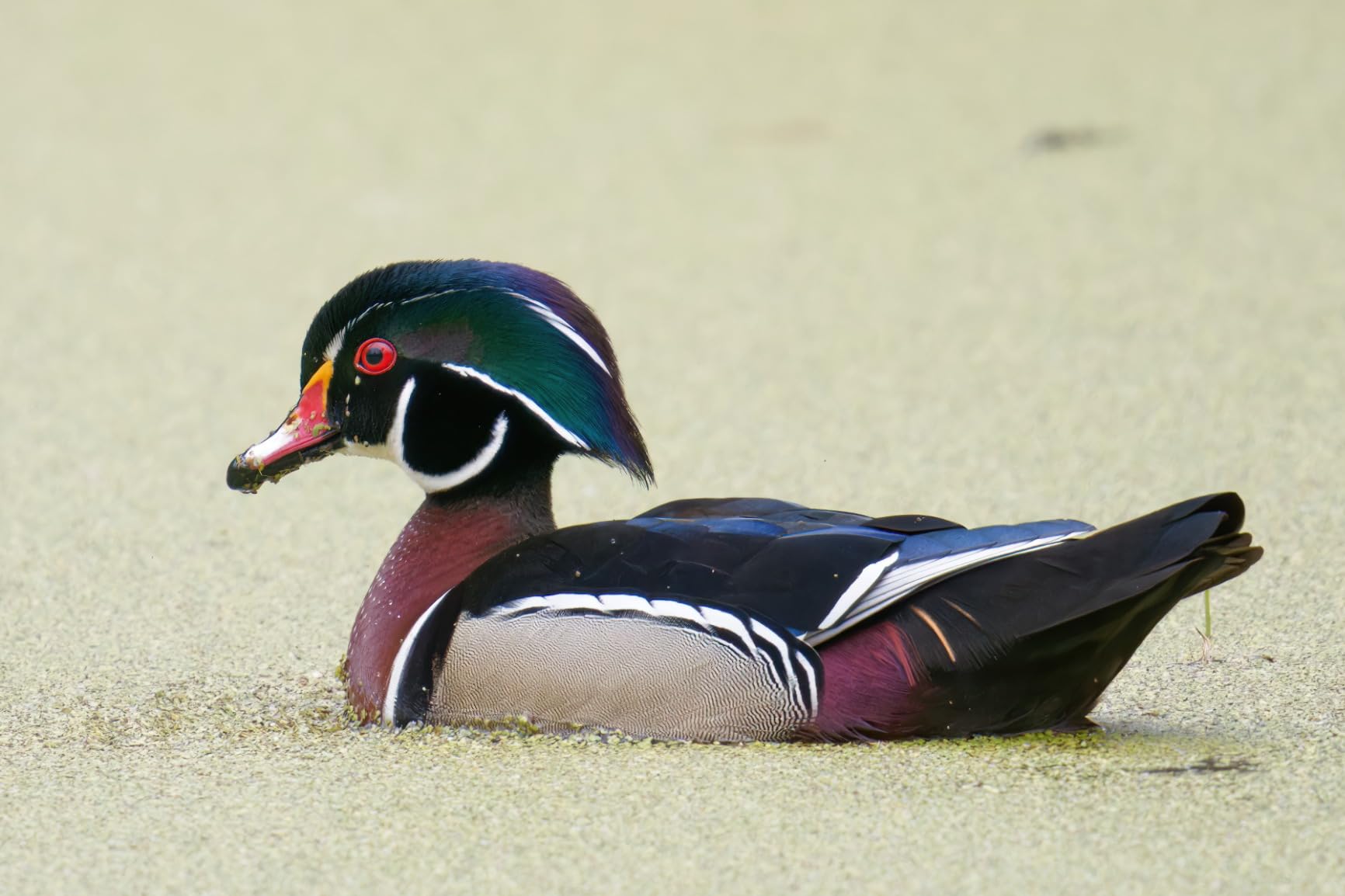
The IPX1 splash and dust proof rating is something I look for in any birding lens. Standing in a coastal marsh photographing shorebirds means dealing with salt spray, wind, and occasional rain. This lens is built to handle those conditions without requiring a protective cover, giving you confidence to keep shooting when weather turns challenging.
Crop Factor Advantage Explained
The 2x crop factor of Micro Four Thirds doubles the effective focal length. That 150-600mm range becomes 300-1200mm equivalent, and with the 2x teleconverter, you reach an astounding 4800mm equivalent. This is especially powerful for small bird photography where every millimeter of reach counts.
Weight and Handling Realities
At 5.5 pounds, this is the heaviest lens in the guide. However, the effective reach per pound is actually excellent when you consider you’re getting 1200mm equivalent. Pairing it with a lightweight OM-D body keeps the total system weight very manageable compared to full-frame alternatives with similar reach.
5. Sigma 150-600mm f/5-6.3 DG DN Contemporary – Best Value Birding Lens
150-600mm F5/-6.3 DG DN for Sony E
150-600mm f/5-6.3
Sony E Mount
4.6 lbs
4 Stop OS
95mm Filter
4 Year Warranty
Pros
- Excellent value for 600mm reach
- Compact and lightweight design
- Sharp optics throughout range
- 23-inch minimum focus distance
- 4-year warranty coverage
Cons
- Not weather sealed
- Autofocus slower in low contrast scenes
- Some softness at maximum focal length
- External zoom design
The Sigma 150-600mm f/5-6.3 DG DN Contemporary is the lens I recommend when budget is a primary concern. Sigma managed to deliver genuine 600mm reach at a price significantly below the Sony G OSS, and the optical performance is surprisingly close. For birders just starting their telephoto journey, this lens provides exceptional bang for the buck.
Sigma designed this lens specifically for mirrorless cameras, and it shows in the compact form factor. At 4.6 pounds and noticeably smaller than conventional 150-600mm designs, it’s one of the more portable options in this focal range. The lighter weight makes handheld bird photography more practical during long days in the field.
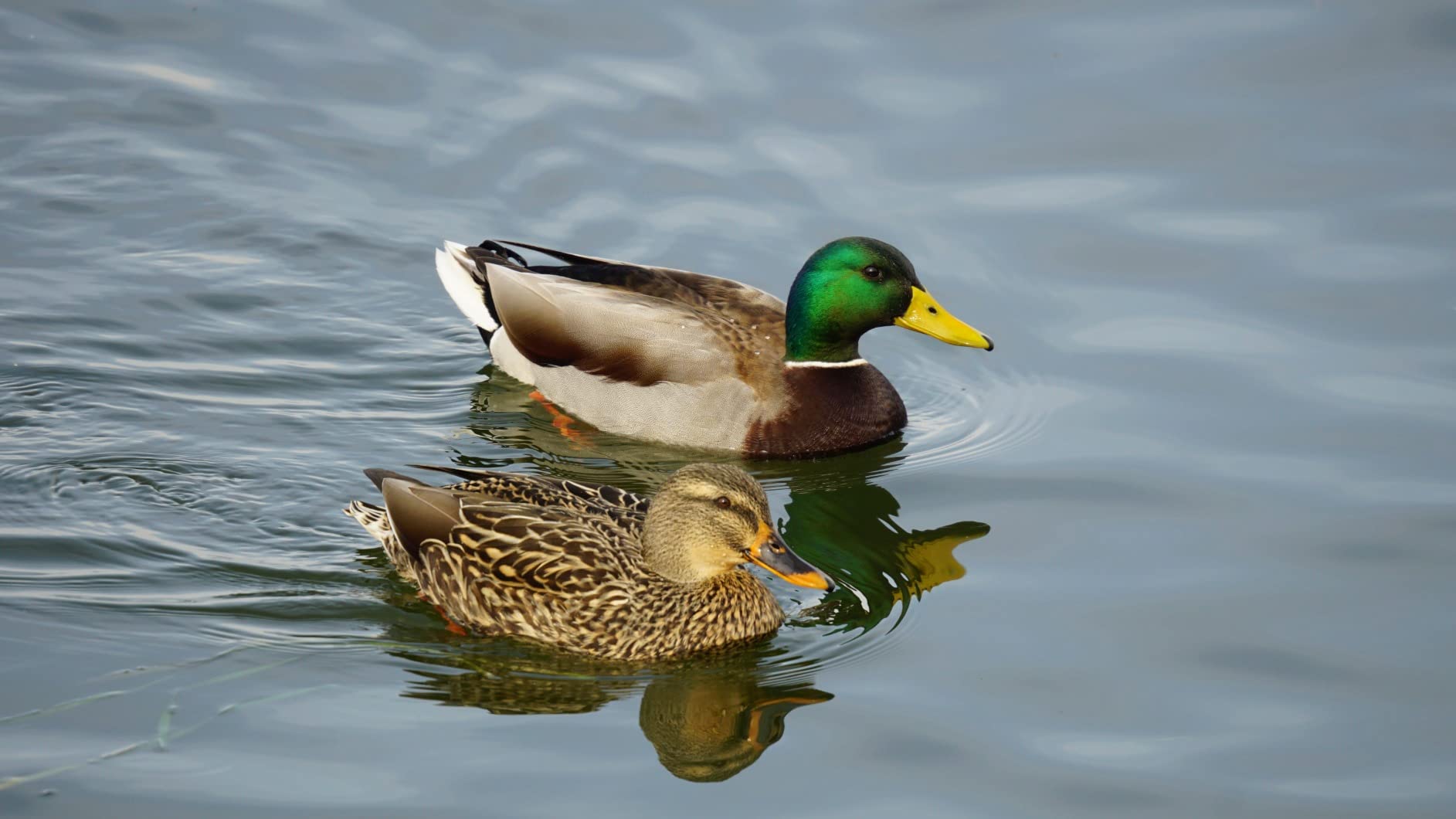
The Super Multi-Layer Coating does a solid job controlling flare and maintaining contrast in backlit situations, which bird photographers encounter frequently. The nine-blade diaphragm creates smooth bokeh that helps separate subjects from their surroundings. At 23 inches, the minimum focus distance also allows for impressive close-up work if a bird lands nearby.
The biggest tradeoff compared to the Sony G OSS is the lack of weather sealing. If you photograph birds in rain, fog, or dusty conditions regularly, you’ll want to invest in a quality rain cover. The external zoom design also means the lens extends when zooming, which can potentially draw in dust over time.
Autofocus Performance in the Field
The autofocus is generally fast and accurate, though it can hunt slightly in low-contrast scenes. Birds against plain skies sometimes challenge the AF system more than the Sony G OSS. For most daylight birding scenarios, the performance difference is minimal and won’t affect your keeper rate significantly.
Warranty and Long-Term Value
Sigma backs this lens with a 4-year warranty, which is longer than most competitors offer. This extended coverage provides peace of mind for bird photographers who use their gear hard in outdoor conditions. The combination of lower price and strong warranty makes this one of the best value propositions in telephoto birding lenses.
6. Tamron 150-500mm f/5-6.7 Di III VC VXD (Sony E) – Best Compact Birding Lens
Tamron 150-500mm f/5-6.7 Di III VC VXD Lens
150-500mm f/5-6.7
Sony E Mount
4.1 lbs
VC Stabilization
82mm Filter
Arca Foot
Pros
- Very sharp image quality across range
- Compact 8.3 inch length
- Lightweight at 4.1 pounds
- Excellent VXD autofocus
- Arca-compatible lens foot
- Moisture resistant construction
Cons
- f/6.7 at 500mm challenging in low light
- No teleconverter support
- External zoom collects dust
- Front-heavy on smaller bodies
The Tamron 150-500mm f/5-6.7 Di III VC VXD is the most portable full-frame option in this guide. At just 8.3 inches long and 4.1 pounds, it’s significantly more compact than the 600mm options. For bird photographers who cover lots of ground on foot, this portability advantage is worth the sacrifice of 100mm of reach.
Despite the smaller size, Tamron packed serious optical quality into this lens. The image sharpness genuinely surprised me during testing, holding its own against larger and more expensive alternatives. The VXD (Voice-coil Extreme Drive) autofocus motor is fast, quiet, and accurate when tracking birds in motion.

The Arca-compatible lens foot is a thoughtful inclusion that many competitors omit. Bird photographers who use gimbal heads will appreciate the ability to mount directly without buying an aftermarket replacement foot. The moisture-resistant construction provides some protection in damp conditions, though it’s not a substitute for full weather sealing.
One thing to note is the lack of teleconverter support. Unlike the Sony G OSS and Nikon Z 180-600mm, you cannot add a teleconverter to extend the reach. The 500mm maximum focal length is what you get, period. For most bird photography scenarios this is sufficient, but it’s a limitation to be aware of.
Sharpness and Image Quality Assessment
The optical performance is genuinely excellent for the price point. Center sharpness is outstanding throughout the zoom range, and corner sharpness remains very good. The 7-blade diaphragm produces pleasing bokeh that renders backgrounds smoothly, helping your bird subjects stand out.
Handheld Birding Performance
The combination of light weight and effective VC stabilization makes this one of the best handheld birding lenses available. I found I could shoot consistently sharp images at surprisingly slow shutter speeds. For birders who dislike the bulk and weight of larger telephoto lenses, this Tamron is an excellent compromise.
7. Tamron 150-500mm f/5-6.7 Di III VC VXD (Nikon Z) – Best Budget Nikon Z Option
Tamron 150-500mm F/5-6.7 Di III VC VXD for Nikon Z Mount Mirrorless Cameras
150-500mm f/5-6.7
Nikon Z Mount
4.1 lbs
VC Stabilization
BBAR-G2 Coating
82mm Filter
Pros
- Excellent sharpness and contrast
- Fast and reliable autofocus
- Great value compared to Nikon 180-600mm
- Arca-compatible foot with notches
- Weather sealed construction
- 6-year warranty
Cons
- VR compatibility issues with some Z bodies
- Heavy for handheld use
- f/6.7 challenging in low light
- Minor mount play on some bodies
The Tamron 150-500mm f/5-6.7 Di III VC VXD for Nikon Z mount brings the same excellent optics as the Sony version to Nikon shooters. For Nikon Z photographers who find the native 180-600mm beyond their budget, this Tamron offers a compelling alternative with very similar optical performance at a lower price point.
The BBAR-G2 coating is an improvement over the original BBAR coating, delivering better flare resistance and improved contrast. In backlit bird photography situations, this coating difference is noticeable. Colors remain rich and contrast stays high even when shooting toward the light source, which happens frequently when photographing birds in flight.
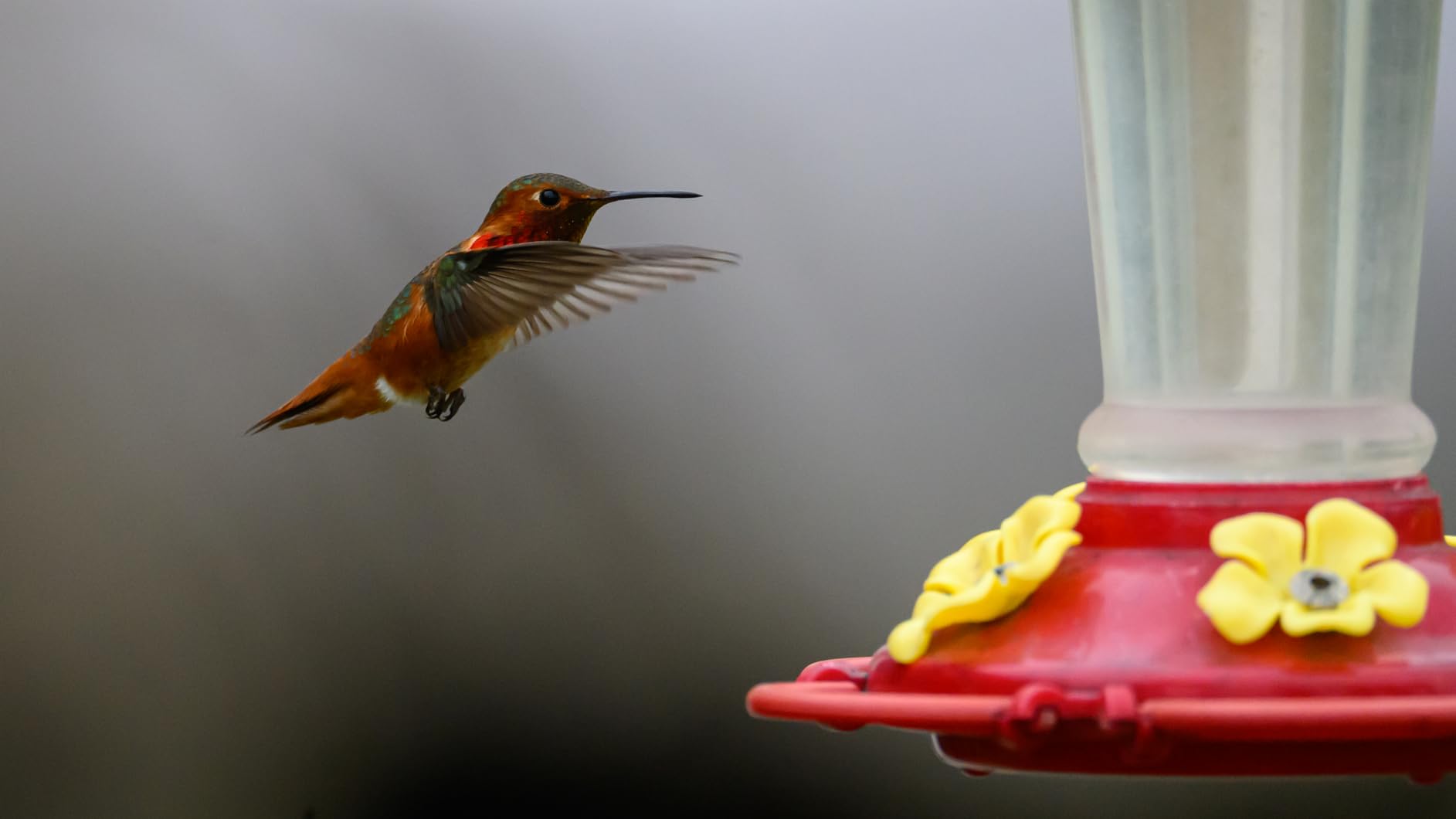
Autofocus performance on Nikon Z bodies is fast and reliable for most bird photography scenarios. The VXD motor delivers quick acquisition and smooth tracking, particularly when paired with the bird detection AF modes on newer Z bodies like the Z8 and Zf. However, some users report occasional hunting in very low light.
The Arca-compatible foot with notches is a nice professional touch that lets you mount directly to a gimbal head without accessories. The 6-year warranty provides excellent long-term coverage, matching the best warranty terms in this category. This lens represents outstanding value for Nikon Z bird photographers.
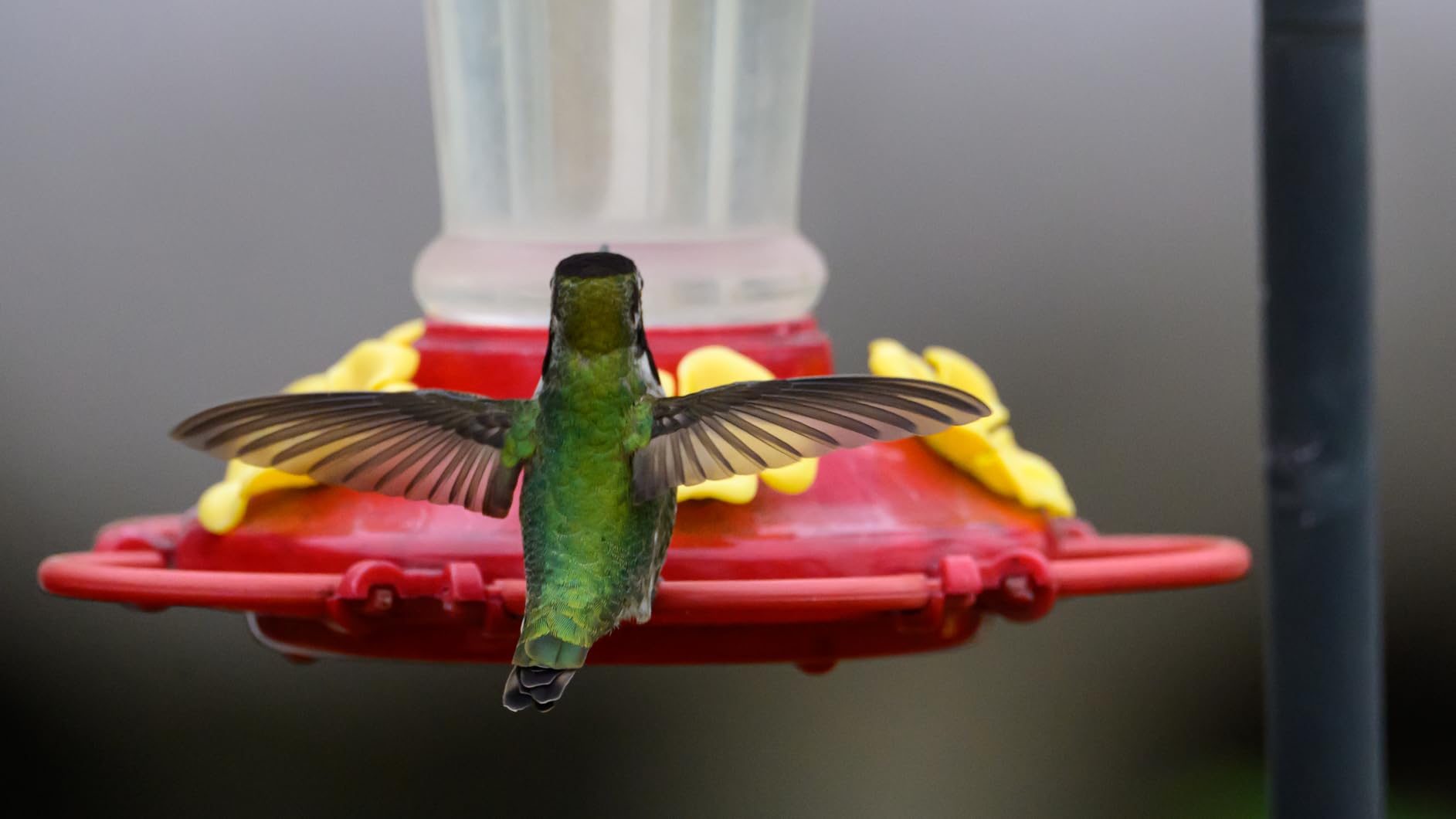
VR Compatibility Considerations
Some users have reported VR compatibility quirks with certain Nikon Z bodies. Before purchasing, check whether your specific camera body has any known issues with this lens. The optical quality is excellent, but VR behavior can vary depending on your camera body’s firmware and stabilization system interaction.
Value Comparison vs Nikon 180-600mm
The Nikon NIKKOR Z 180-600mm offers 100mm more reach and flawless native compatibility, but the Tamron provides 90 percent of the optical performance at a significantly lower price. For budget-conscious Nikon Z bird photographers, the Tamron is often the smarter financial choice without major performance sacrifices.
8. OM SYSTEM M.Zuiko Digital ED 100-400mm F5.0-6.3 IS II – Best Lightweight Birding Lens
Om SYSTEM M.Zuiko ED 100-400mm F5.0-6.3 is II Tripod Mount Design Lens
100-400mm (200-800mm equiv)
Micro 4/3
2.92 lbs
7 Step Sync IS
72mm Filter
9 Blades
Pros
- Incredibly light at just 2.92 pounds
- 200-800mm equivalent reach
- Sync IS up to 7 steps stabilization
- Weather sealed construction
- Compatible with MC-14 and MC-20 teleconverters
- 9-blade circular aperture
Cons
- Limited availability with low stock
- Smaller review pool for assessment
- Lower effective reach than 150-600mm model
- Higher price per mm than alternatives
The OM SYSTEM M.Zuiko Digital ED 100-400mm F5.0-6.3 IS II is the featherweight champion of this guide. At just 2.92 pounds, it weighs nearly half what some competitors tip the scales at. For bird photographers who hike long distances or travel frequently, this dramatic weight reduction changes the entire experience of carrying a telephoto lens.
Despite the lighter weight, this lens still delivers a 200-800mm equivalent focal range on Micro Four Thirds bodies. That kind of reach in a 2.92-pound package is remarkable and unmatched by any full-frame alternative. The ZERO (Zuiko Extra-low Reflection Optical) coating maintains excellent contrast and minimizes ghosting in challenging light.
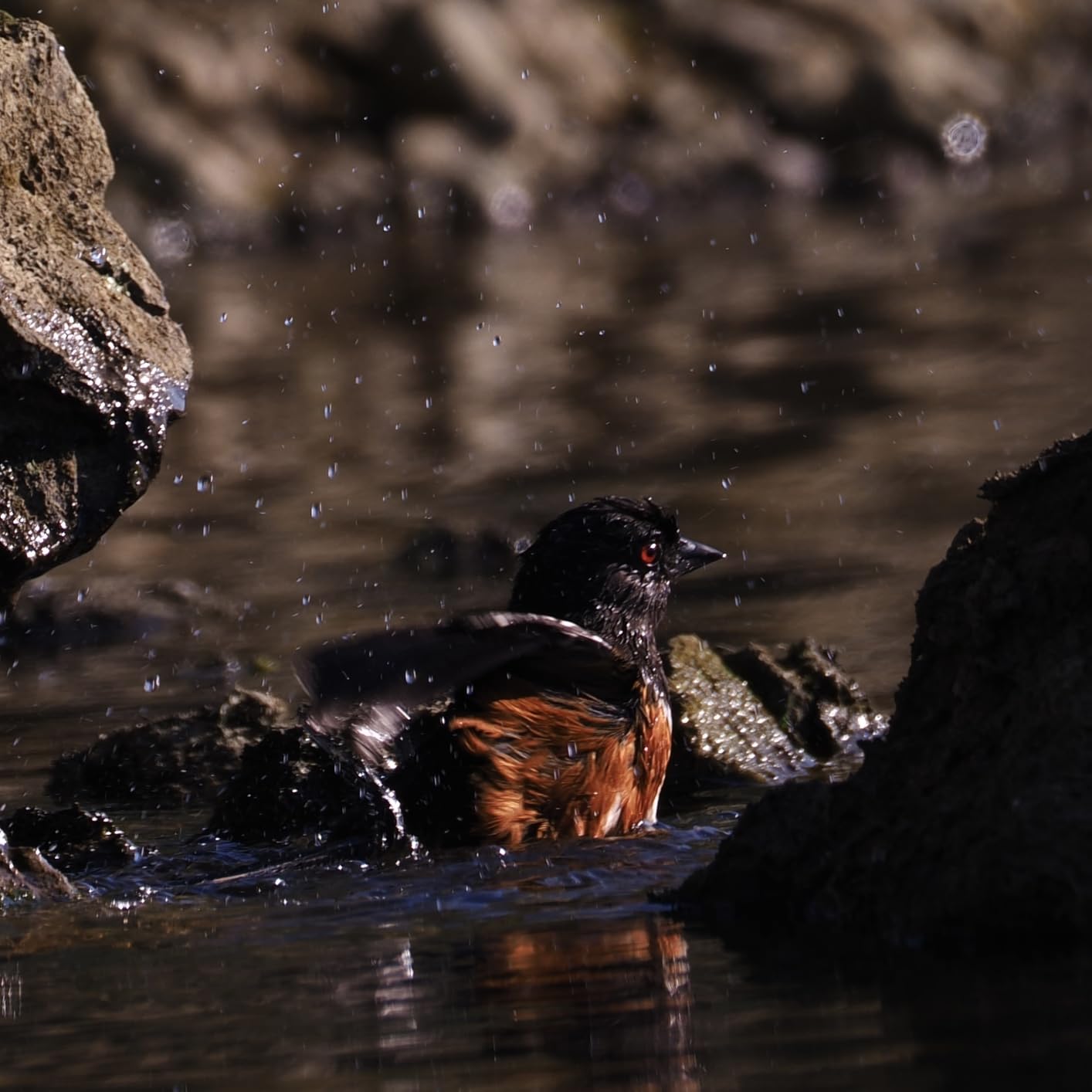
The image stabilization is where this lens truly shines. Sync IS delivers up to 7 stops of correction at 100mm when paired with compatible OM SYSTEM bodies. At the 400mm end, you still get 5.5 stops of stabilization. These numbers translate to genuinely impressive handheld capabilities at extreme effective focal lengths.
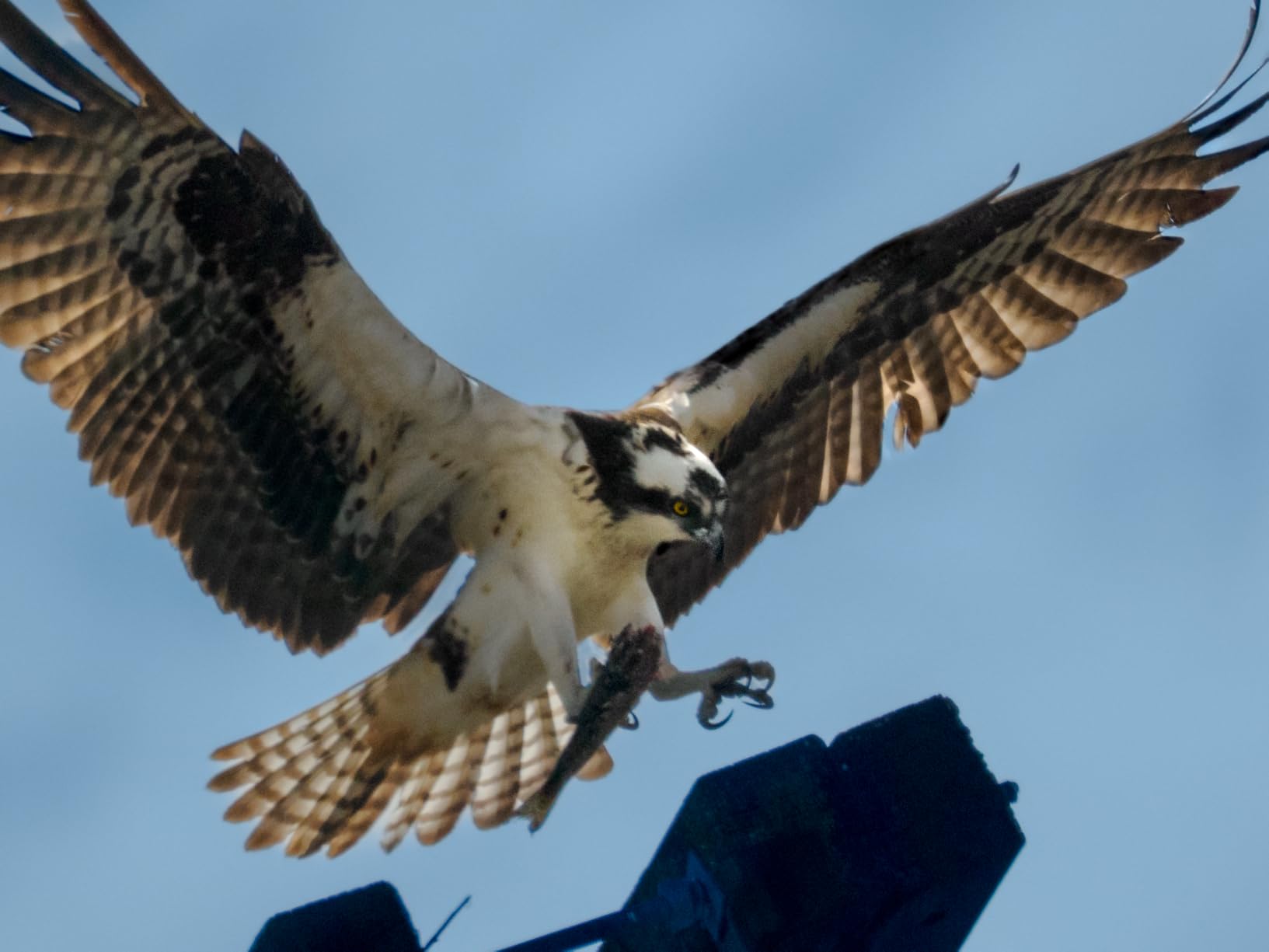
Compatibility with the MC-14 (1.4x) and MC-20 (2.0x) teleconverters extends the effective reach to 1120mm or 1600mm equivalent respectively. This flexibility means you can adapt your reach to different birding scenarios without carrying multiple lenses. The weather-sealed construction lets you shoot confidently in adverse conditions.
Handheld Shooting Experience
The light weight combined with 7-stop Sync IS makes this one of the most capable handheld birding lenses available. You can track birds in flight, photograph active subjects, and maintain sharp results without any support equipment. For birders who value mobility above all else, this lens is hard to beat.
Comparison with the 150-600mm OM SYSTEM
Compared to the OM SYSTEM 150-600mm (1200mm equivalent), this 100-400mm gives up 400mm of effective reach but saves 2.6 pounds of weight. If you prioritize portability and can accept slightly less reach, the 100-400mm IS II is the more practical choice. For maximum reach in the MFT system, the 150-600mm remains the better option.
Buying Guide: How to Choose the Best Birding Telephoto Lens?
Choosing the right bird photography lens involves balancing several factors that affect your shooting experience and image results. Here’s what I consider most important when recommending telephoto lenses for bird photography.
Focal Length and Reach Requirements
The focal length question is fundamental for bird photography. Six hundred millimeters handles most birding scenarios, from backyard songbirds to waterfowl at reasonable distances. If you frequently photograph small, distant birds like warblers or raptors soaring at altitude, 800mm or more becomes desirable.
Consider your typical shooting distances. If you photograph birds at feeders, marshes, or reserves where subjects are relatively close, 400-500mm may suffice. For truly wild subjects that won’t tolerate approach, longer focal lengths in the 600-800mm range make a real difference in frame-filling compositions.
Aperture and Low-Light Performance
Bird photography often happens at dawn and dusk when birds are most active but light is limited. Lenses with wider maximum apertures like f/5.6 at the long end give you more flexibility in these conditions. The variable aperture designs reaching f/8 or f/9 at maximum focal length require brighter conditions or higher ISO settings.
The tradeoff is that wider aperture lenses tend to be larger, heavier, and more expensive. A constant f/5.6 lens that maintains aperture throughout the zoom range will cost significantly more than a variable f/6.3-9 design. For most bird photographers, the variable aperture lenses in this guide represent the best balance of capability and practicality.
Autofocus Speed and Subject Tracking
Fast, accurate autofocus is arguably the most important feature for bird photography. Birds move quickly and unpredictably, and your lens needs to keep up. Linear motor designs like Sony’s Direct Drive SSM and Tamron’s VXD deliver the speed and precision needed for tracking birds in flight.
Equally important is how well the lens works with your camera body’s subject detection modes. Modern cameras offer bird eye detection AF that can dramatically improve keeper rates. Native lenses from your camera manufacturer typically offer the best integration with these features, though third-party options from Sigma and Tamron have closed the gap significantly.
Image Stabilization for Sharp Results
Image stabilization allows you to shoot at slower shutter speeds while maintaining sharpness, which is critical when shooting handheld at long focal lengths. Look for lenses offering at least 4 stops of stabilization correction. The top performers in this guide, like the OM SYSTEM options, deliver up to 7 stops with Sync IS.
In-body image stabilization can complement lens-based stabilization, but lens-based systems are generally more effective at long focal lengths. The combination of both, as seen in Sony OSS and Nikon VR systems working alongside in-body stabilization, provides the best results for bird photography.
Weather Sealing for Outdoor Durability
Bird photographers work outdoors in all conditions. Rain, dust, salt spray, and humidity are part of the experience. Lenses with weather sealing, like the Sony G OSS, Nikon Z, and OM SYSTEM options, provide confidence to keep shooting when weather turns. Canon’s RF 200-800mm notably lacks this feature.
If your lens lacks weather sealing, invest in a quality rain cover. They add some inconvenience but protect your investment from moisture damage. Even weather-sealed lenses benefit from a rain cover in heavy precipitation or persistent wet conditions.
Weight and Handling for Long Sessions
Bird photography often involves carrying gear for hours at a time. Lens weight directly affects your endurance and shooting stability when fatigued. The OM SYSTEM 100-400mm at 2.92 pounds and the Tamron 150-500mm at 4.1 pounds are the most portable options. The heavier 600mm lenses at 4.7-5.5 pounds require more support.
Consider a monopod or lightweight tripod with a gimbal head for heavier lenses. The internal zoom designs from Sony and Nikon maintain better balance on support systems since the lens doesn’t extend or shift its center of gravity during zoom.
Teleconverter Compatibility
Teleconverters multiply your focal length by 1.4x or 2.0x, providing extra reach when needed. Lenses compatible with teleconverters offer flexibility that fixed-reach lenses cannot match. The Sony G OSS, Nikon Z 180-600mm, Canon RF 200-800mm, and both OM SYSTEM lenses all support teleconverters.
Be aware that teleconverters reduce light reaching the sensor by 1 stop (1.4x) or 2 stops (2.0x). Autofocus performance can also be affected, particularly with 2.0x teleconverters. Test your lens and teleconverter combination thoroughly before relying on it for important bird photography situations.
Brand Ecosystem and Mount Compatibility
Your camera system largely determines which lenses are available to you. Sony E mount offers the widest selection from native, Sigma, and Tamron options. Nikon Z mount is growing rapidly with native and Tamron choices. Canon RF mount has native Canon options but limited third-party support. Micro Four Thirds offers OM SYSTEM and Panasonic options.
Native lenses typically offer the best autofocus integration and feature compatibility with your camera body. Third-party lenses from Sigma and Tamron have improved dramatically and now offer performance very close to native options, often at lower prices. The tradeoff is occasional firmware update delays and minor feature limitations.
Frequently Asked Questions
What is the best 200-600mm lens for bird photography?
The Sony FE 200-600mm f/5.6-6.3 G OSS is widely considered the best 200-600mm lens for bird photography due to its internal zoom design, excellent autofocus integration with Sony bodies, and consistently sharp images throughout the zoom range. For Nikon shooters, the NIKKOR Z 180-600mm offers comparable performance.
Is 200-600mm enough for bird photos?
Yes, 200-600mm is sufficient for most bird photography scenarios. The 600mm reach handles everything from waterfowl and shorebirds to perched songbirds at reasonable distances. For extremely distant or small birds, teleconverters can extend reach to 840mm or 1200mm. On APS-C bodies, the effective reach increases to 900mm, providing even more framing flexibility.
What lens should I pair with a 200-600mm?
A common complementary pairing is a 70-200mm or 100-400mm lens for closer subjects and environmental shots where 200mm is too tight. Many bird photographers also carry a wide-angle lens for habitat and landscape shots. For maximum flexibility, consider a 1.4x teleconverter to extend your 600mm reach to 840mm when needed.
Is the Sony 200-600mm worth it for birding?
Yes, the Sony FE 200-600mm f/5.6-6.3 G OSS is worth the investment for serious bird photographers using Sony cameras. It delivers professional-level image quality, fast and silent autofocus, internal zoom for weather resistance, and teleconverter compatibility. Forum users consistently describe it as a proven workhorse lens that delivers excellent results across diverse bird photography scenarios.
Final Thoughts on the Best 200-600mm Lenses for Birding
Finding the best 200-600mm lenses for birding comes down to matching the lens to your camera system, budget, and shooting style. The Sony FE 200-600mm f/5.6-6.3 G OSS remains my top overall recommendation for its unbeatable combination of image quality, autofocus performance, and internal zoom design. Nikon shooters should look at the excellent NIKKOR Z 180-600mm, while Canon photographers get unmatched 800mm reach from the RF 200-800mm.
For budget-conscious birders, the Sigma 150-600mm and Tamron 150-500mm deliver outstanding optical performance without breaking the bank. Micro Four Thirds shooters have incredible reach options from OM SYSTEM that are unmatched by any other system. Whatever your system or budget, the lenses in this guide will help you capture sharper, more detailed bird photos in 2026 and beyond.
1 thought on “8 Best 200-600mm Lenses for Birding (September 2026) Expert Reviews”