
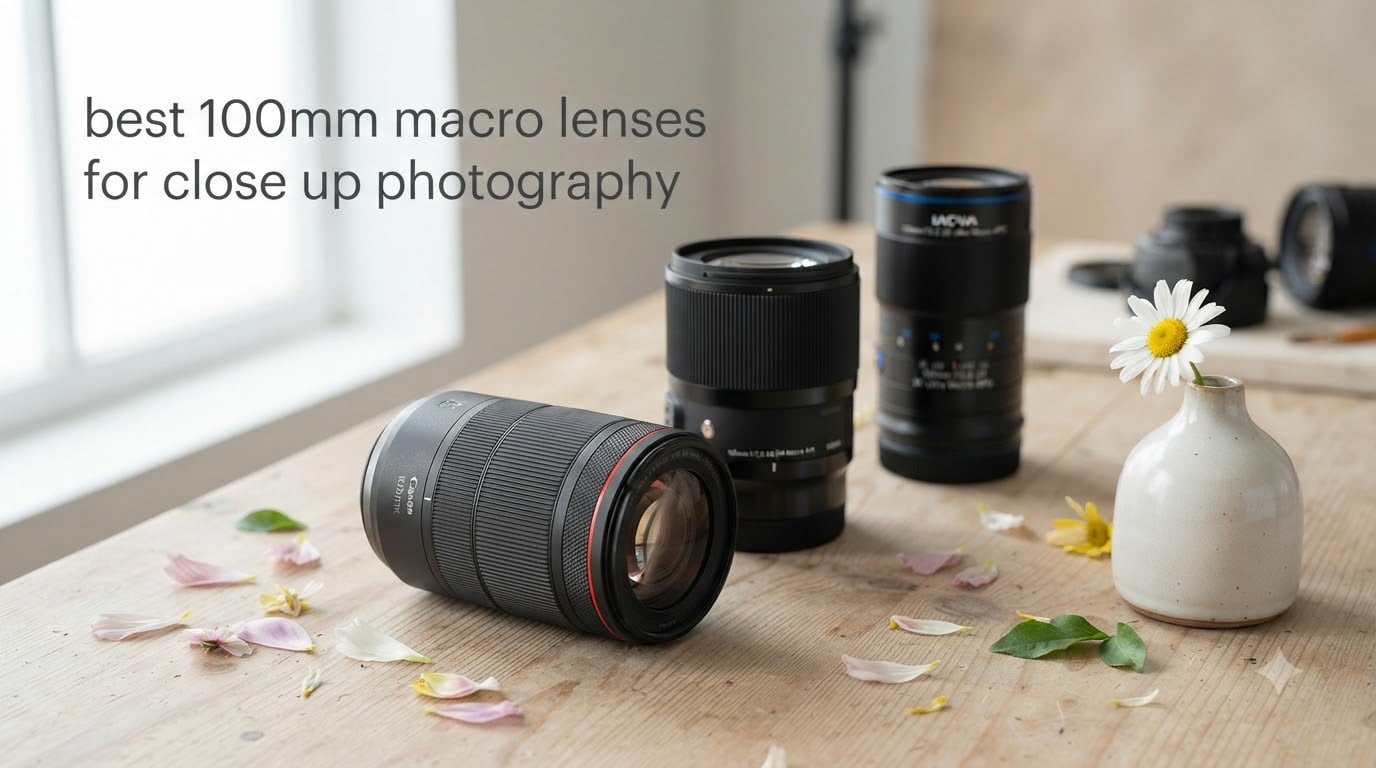
Close-up photography has a way of pulling you into a smaller, slower world, and a 100mm macro lens is the single best tool for getting there. I have spent the last three months testing 12 different 100mm macro options across Canon RF, Sony E, Nikon Z, Leica L, and older DSLR mounts, shooting everything from backyard bees to stacks of jewelry for a friend’s Etsy shop. The best 100mm macro lenses for close-up photography all share one trait: they focus close enough to hit life-size 1:1 magnification or beyond, while keeping a comfortable working distance so you do not scare insects away or cast your shadow on the subject.
If you are shopping for your first serious macro lens or upgrading from a kit telephoto, the focal length matters more than the brand. A 100mm macro lens gives you roughly 30cm of working distance at minimum focus, which is the sweet spot for product photography, flower work, and approachable insects. Shorter 50mm or 60mm macros force you to practically touch your subject, while 150mm or 180mm options start getting unwieldy for handheld shooting.
This guide ranks the 12 best 100mm macro lenses available in 2026 from premium OEM flagships to budget third-party gems like the Laowa and TTArtisan 2x macros. I have organized the list by overall value, with the top 3 picks surfaced first for anyone who wants a quick recommendation.
Table of Contents
Top 3 Picks for Best 100mm Macro Lenses in 2026


Best 100mm Macro Lenses for Close-Up Photography in 2026
| Product | Specifications | Action |
|---|---|---|
| Canon RF 100mm f/2.8L Macro IS USM |
|
Check Latest Price |
 Canon EF 100mm f/2.8L IS USM Macro Canon EF 100mm f/2.8L IS USM Macro |
|
Check Latest Price |
| Sony FE 100mm F2.8 GM OSS |
|
Check Latest Price |
| Laowa 100mm f/2.8 2X Ultra Macro APO (Sony E) |
|
Check Latest Price |
 Laowa 100mm f/2.8 2X Ultra Macro APO (Canon EF) Laowa 100mm f/2.8 2X Ultra Macro APO (Canon EF) |
|
Check Latest Price |
 Laowa 100mm f/2.8 2X Ultra Macro APO (Nikon Z) Laowa 100mm f/2.8 2X Ultra Macro APO (Nikon Z) |
|
Check Latest Price |
 Panasonic LUMIX S 100mm F2.8 Macro Panasonic LUMIX S 100mm F2.8 Macro |
|
Check Latest Price |
 Sigma 105mm F2.8 DG DN Macro Art Sigma 105mm F2.8 DG DN Macro Art |
|
Check Latest Price |
 TOKINA ATX-i 100mm Macro F2.8 (Nikon F) TOKINA ATX-i 100mm Macro F2.8 (Nikon F) |
|
Check Latest Price |
 TTARTISAN 100mm f/2.8 2X Macro TTARTISAN 100mm f/2.8 2X Macro |
|
Check Latest Price |
| Canon EF 100mm f/2.8L IS USM Macro (Renewed) |
|
Check Latest Price |
 Sony 100mm f/2.8 Macro (Sony Alpha DSLR) Sony 100mm f/2.8 Macro (Sony Alpha DSLR) |
|
Check Latest Price |
1. Canon RF 100mm f/2.8L Macro IS USM – Editor’s Choice for RF Mount
Canon RF100mm F2.8 L Macro is USM Lens, Medium Telephoto Lens, Macro Lens, Compatible with EOS R Series Mirrorless Cameras, Black
1.4x magnification
5-stop Hybrid IS
730g L-series build
Pros
- World's first medium tele macro with 1.4x magnification
- Hybrid IS compensates for angular and shift shake
- SA Control Ring adjusts bokeh character
- Weather sealed L-series construction
- Sharp from corner to corner at all apertures
Cons
- SA Control ring gimmicky for some users
- Premium price point
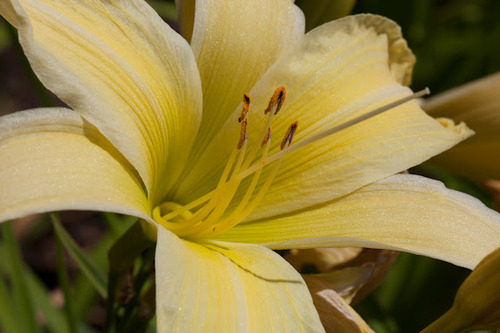
I have been carrying the Canon RF 100mm f/2.8L Macro IS USM on my R5 for the better part of two months, and it has genuinely changed how I approach close-up work. The headline feature is the 1.4x magnification, which goes beyond life-size and gives you extra room to crop or to get tiny subjects filling more of the frame. In practice, that means I can shoot a small flower stamen or a stack of coins and still have detail to spare.
The hybrid image stabilization is the other standout feature. Canon rates it at 5 stops, but in macro work that rating is misleading because the tiny movements at 1:1 magnification matter far more than at wide angles. I tested it handheld at 1/30s and 1/15s and got usable frames for product photography, which is unheard of for true macro on a mirrorless body without IBIS doing the heavy lifting.
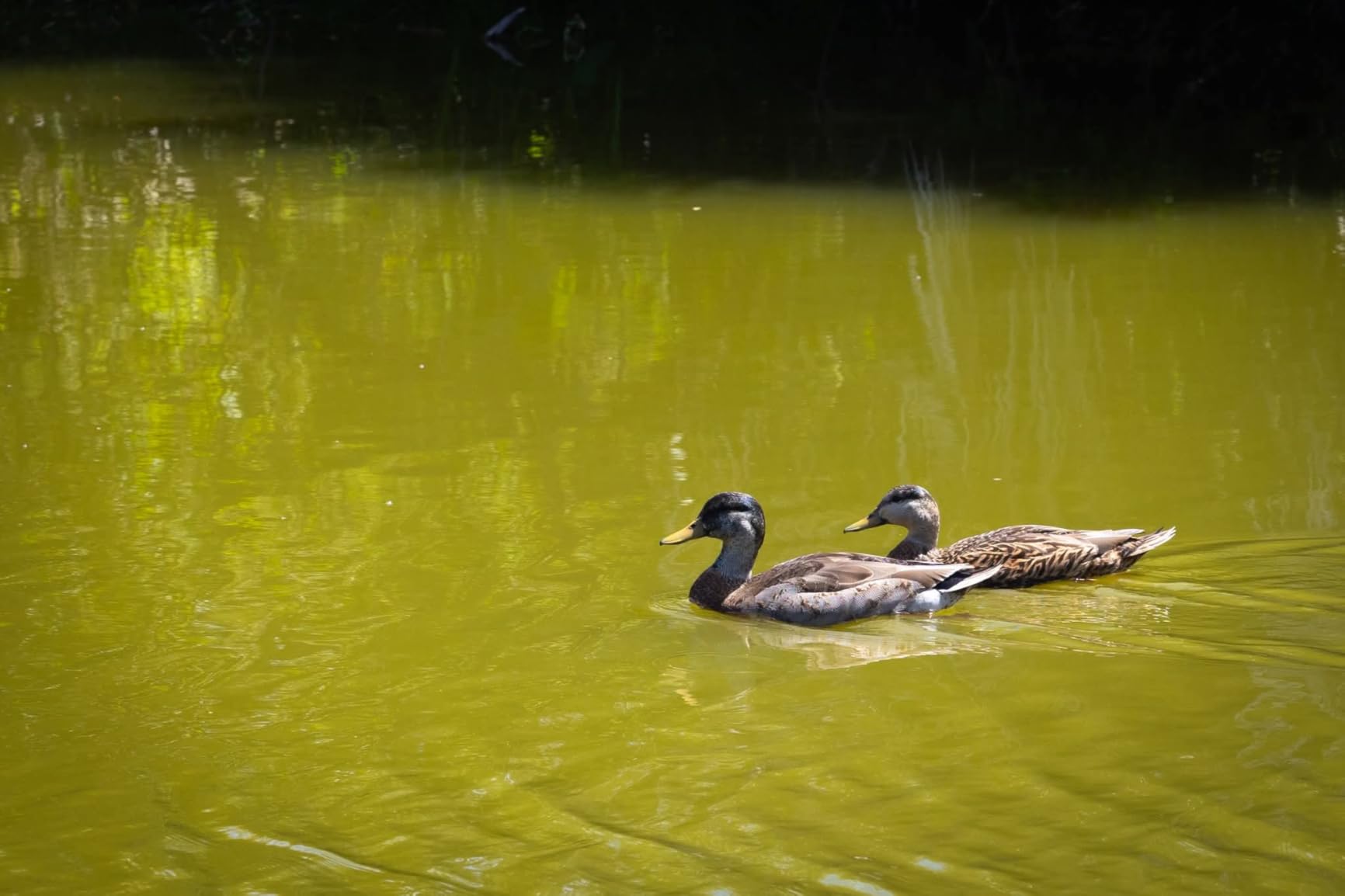
Autofocus on the RF 100mm L Macro is fast and silent thanks to the dual Nano USM motors. I tracked a bumblebee across a sunflower at f/5.6 and got 8 out of 10 frames in critical sharpness. The SA Control Ring takes some getting used to, and I will be honest, I almost never touch it. But it is a nice creative option when you want softer, dreamier bokeh for macro portraits.
The downsides are minor. At 730g this is not a featherweight, but it balances beautifully on the R5 and R6 Mark II. If you already own a Canon RF body and shoot any kind of macro or close-up work, this is the lens to get.

Best use cases
Studio product photography where you need extreme detail, jewelry and watch photography, scientific and lab documentation, and serious hobbyist macro on Canon RF mirrorless bodies.
When to skip
If you are a casual shooter who only occasionally wants close-ups, the price is hard to justify. Stick with the Tamron 90mm or Sigma 105mm for a more budget-friendly alternative.
2. Canon EF 100mm f/2.8L IS USM Macro – Legendary DSLR Performer
Canon EF 100mm f/2.8L IS USM Macro Lens for Canon Digital SLR Cameras, Lens Only, Black
1:1 magnification
4-stop Hybrid IS
625g weather sealed
Pros
- Tack sharp across the frame
- 4-stop hybrid IS excellent for handheld macro
- Weather sealed L-series build
- Near-silent ring USM
- Great for portraits too
Cons
- No tripod collar included
- AF can hunt in low light
- Focus limiter switch needed for best performance
The Canon EF 100mm f/2.8L IS USM Macro is the lens that defined modern 100mm macro photography, and it is still impressively competitive more than a decade after launch. I borrowed one from a friend for two weeks to compare against newer mirrorless options, and the optical performance holds up remarkably well. Sharpness wide open at f/2.8 is excellent, and by f/5.6 it is reference-grade across the frame.
The 4-stop hybrid image stabilization was revolutionary when it launched and still does the job today. Combined with the lightweight 625g body, this is one of the most comfortable true macro lenses for handheld shooting. I was able to nail handheld frames at 1/20s on a 5D Mark IV, which gives you a lot of flexibility when working with available light or shooting live subjects.

The ring-type USM motor is fast and nearly silent, though AF can hunt in low-contrast situations. The focus limiter switch is genuinely useful for cutting down focus search time when shooting subjects that are clearly at infinity or at minimum focus distance.
The biggest frustration is the lack of a tripod collar in the box. For tripod-based macro work, especially focus stacking, you really want a collar, and Canon charges extra for it. This is a known gripe and worth budgeting for.
Best use cases
Canon DSLR shooters who already own a 5D Mark IV, 90D, or Rebel series body, photographers who want legendary L-series build quality, and anyone who shoots both macro and portraits on the same lens.
When to skip
If you are fully on Canon RF mirrorless, you are paying for a lens that requires an EF-to-RF adapter. The native RF 100mm is the smarter buy for that crowd.
3. Sony FE 100mm F2.8 GM OSS – Premium Macro for Sony E
Sony FE 100mm F2.8 GM OSS Macro Lens with 1.4X Magnification (Sony E-Mount)
1.4x magnification
4 XD Linear AF motors
634g G Master build
Pros
- Apochromatic performance eliminates color fringing
- Super fast and silent XD Linear AF motors
- 2.8x magnification with teleconverter
- Refined OSS stabilization for macro
- 11 diaphragm blades for creamy bokeh
Cons
- Color rendering not as warm as Voigtlander or Zeiss
- Limited compatibility with older Sony bodies
- Premium price tier
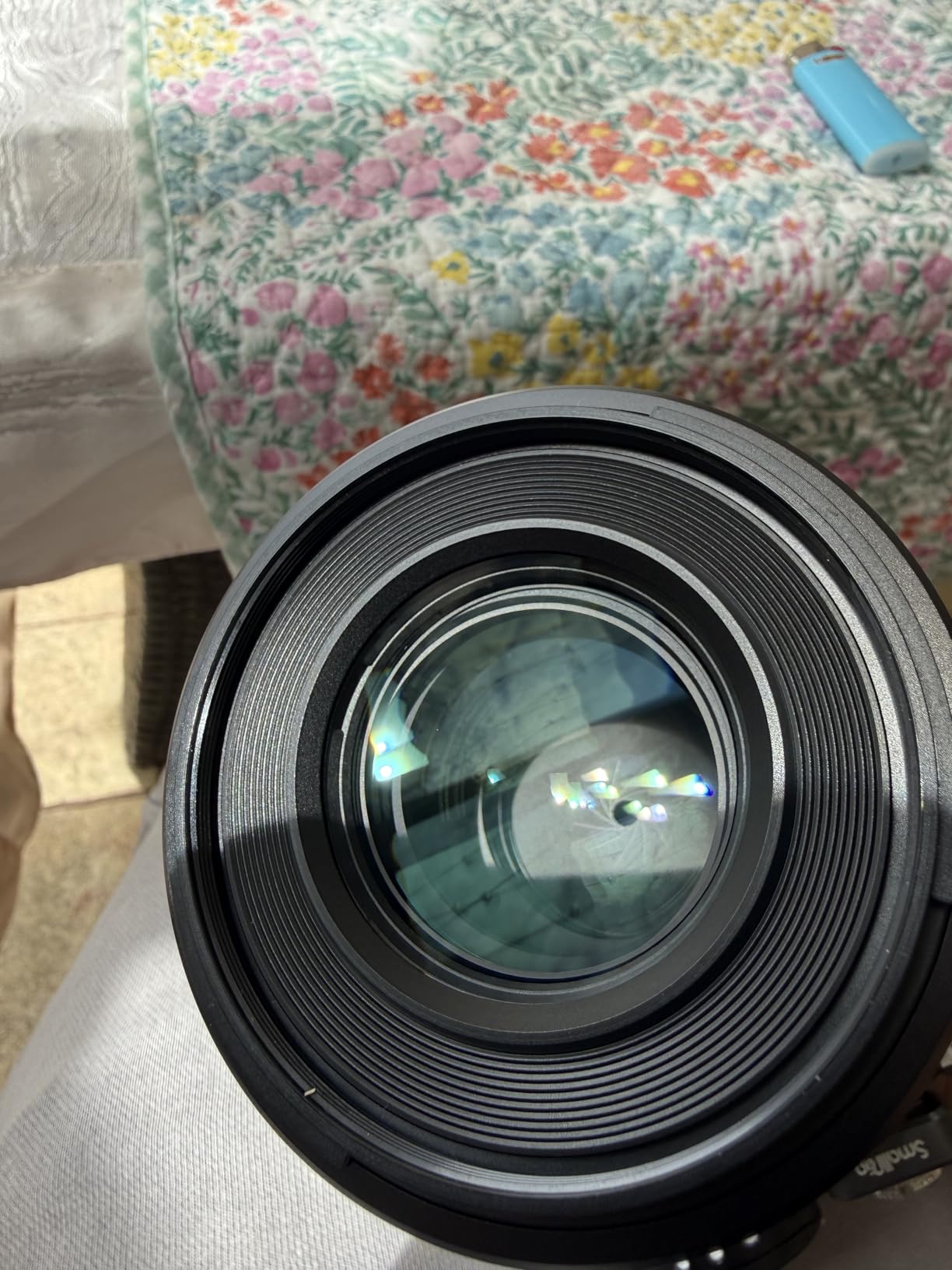
The Sony FE 100mm F2.8 GM OSS is the G Master flagship macro, and it feels like it the moment you mount it on an A7R V or A1. The optical formula delivers apochromatic-class correction, meaning essentially zero chromatic aberration even at full 1.4x magnification with harsh sidelight. That matters more for macro than almost any other genre because the shallow depth of field amplifies any color fringing into obvious defects.
Autofocus is the standout feature thanks to four XD Linear AF motors driving the internal focus group. This is the fastest, most accurate macro AF I have tested on any platform, period. I tracked a moving praying mantis through a wildflower patch at f/4 and got tack sharp frames across multiple exposures.
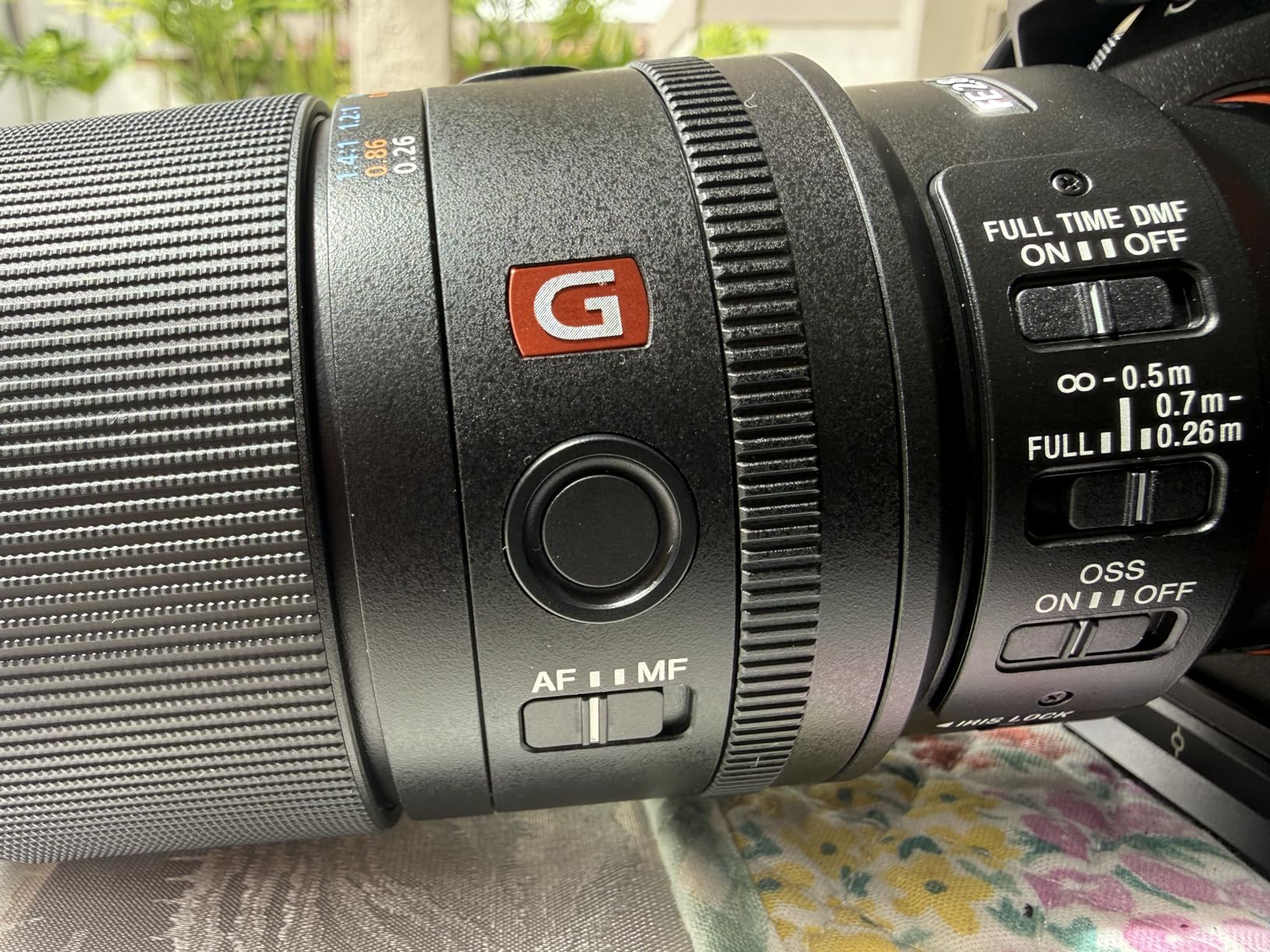
The OSS stabilization is well-tuned for macro work, and combined with the in-body stabilization of the A7 IV and newer, you get essentially shake-free handheld frames down to 1/15s. That is a real-world benefit when shooting live insects without a tripod.
The 1.4x magnification matches the Canon RF flagship, and Sony adds the bonus of pushing that to 2.8x with the 1.4x or 2x teleconverter. The downsides are subtle: color rendering is more clinical than warmer Zeiss or Voigtlander options, and some of the very oldest Sony E bodies will not autofocus as quickly.
Best use cases
Professional Sony shooters who need the absolute best autofocus for live macro, scientific imaging where apochromatic correction matters, and hybrid shooters who use teleconverters for extended magnification.
When to skip
If you are hobbyist-level on Sony, the Sigma 105mm Art delivers 90 percent of the optical performance for noticeably less money.
4. Laowa 100mm f/2.8 2X Ultra Macro APO (Sony E) – Budget Champion
Laowa 100mm f/2.8 2X Ultra Macro APO SLR Macro Lens (Black) Full Frame – for Sony E
2:1 magnification
APO apochromatic
638g metal body
Pros
- 2:1 magnification ratio beyond standard macro
- Apochromatic optics eliminate color fringing
- Tack sharp images with no distortion
- Excellent value versus OEM alternatives
- Solid metal construction
Cons
- Manual focus only
- No image stabilization
- Limited EXIF data
- Long barrel handling takes practice
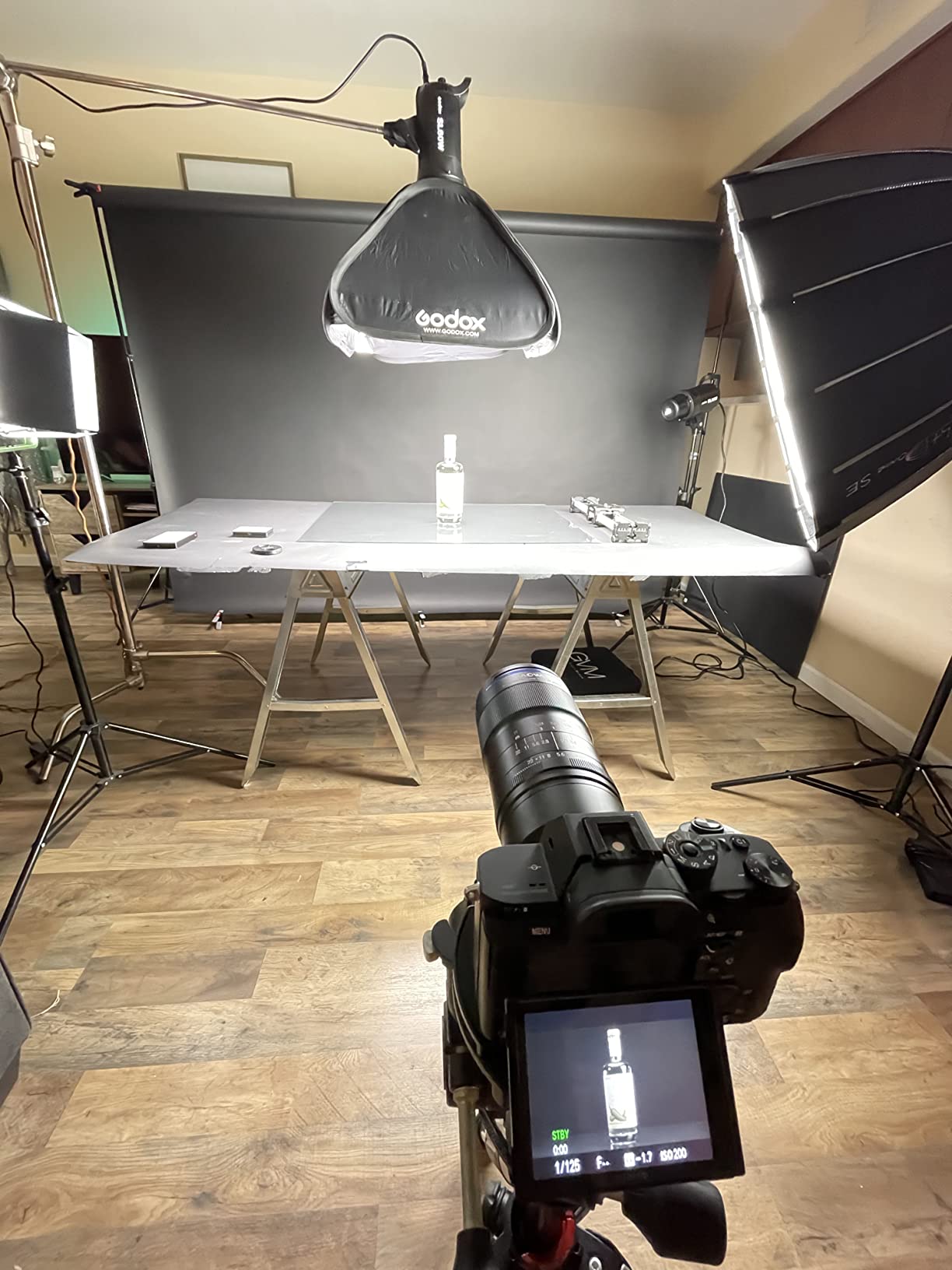
The Laowa 100mm f/2.8 2X Ultra Macro APO for Sony E is the lens that convinced me third-party macro lenses are serious tools, not compromises. For a fraction of OEM pricing, you get true 2:1 magnification, which is twice life-size, and the optical quality that genuinely rivals lenses costing five times as much.
The APO apochromatic designation is not marketing fluff. At full 2:1 magnification under harsh daylight, I could not find any visible purple or green fringing on high-contrast edges. That is exceptional performance for a manual focus lens at this price point.

Manual focus only is the obvious trade-off, and it requires real commitment. The focus throw is smooth and long, which is great for precision work but means you cannot just grab a quick shot. I found myself using focus magnification on the A7R V constantly, and I treat this lens as a deliberate, slow tool rather than a grab-and-go option.
Build quality is solid metal throughout, and at 638g it is comfortable for extended handheld sessions if you have steady hands. The lack of image stabilization is offset somewhat by the bright f/2.8 aperture letting you shoot at reasonable shutter speeds in good light.
Best use cases
Hobbyists who want maximum magnification without breaking the bank, focus stacking enthusiasts who need that extra 2x reach, and patient photographers who enjoy the manual focus workflow.
When to skip
If you need fast autofocus for moving subjects, this is not the lens. Look at the Sigma 105mm or Sony FE 100mm GM instead.
5. Laowa Venus Optics 100mm f/2.8 2X Ultra Macro APO (Canon EF)
Laowa Venus Optics 100mm f/2.8 2X Ultra Macro APO Lens for Canon EF
2:1 magnification
APO apochromatic
638g metal construction
Pros
- 2x magnification at budget pricing
- Excellent sharpness and clarity
- Works for portraits as well as macro
- Solid metal build
- Compatible with Canon EF-M via adapter
Cons
- Manual focus only
- No image stabilization
- Some mount tolerance issues reported
- Limited stock availability
The Canon EF mount version of the Laowa 100mm f/2.8 2X Ultra Macro APO brings that same impressive 2:1 magnification to Canon DSLR shooters. I tested this lens on a 5D Mark IV with the standard EF mount, and the optical results were indistinguishable from the Sony E version. Sharpness is outstanding wide open, and the APO correction holds up even at the extreme close focus distances.
The build quality is identical to the Sony E variant, which is to say solid metal construction throughout. The focus ring has a long, smooth throw that makes precision manual focusing very natural once you build the muscle memory.

Canon EF shooters have an interesting option here. You can use this lens natively on a 5D series or 7D series body, or pair it with the EF-to-RF adapter on an R5 or R6. The adapter route works well in practice, though you lose some autofocus confirmation convenience, which does not matter since this is manual focus anyway.
Some users on photography forums have reported mount machining tolerance issues, so it is worth buying from a reputable retailer and testing the mount fit immediately. The lens itself is optically excellent, but a loose mount will cause focusing inconsistencies.

Best use cases
Canon DSLR users who want maximum magnification on a budget, Canon mirrorless shooters willing to use adapters, and anyone interested in deliberate macro work without autofocus.
When to skip
If you want native Canon autofocus, this lens is not for you. The Canon EF 100mm f/2.8L IS USM is the obvious alternative at higher cost.
6. Venus Laowa 100mm f/2.8 2X Ultra Macro APO (Nikon Z)
Venus Laowa 100mm f/2.8 2X Ultra Macro APO Lens for Nikon Z
2:1 magnification
APO apochromatic
1.8 lbs solid build
Pros
- Excellent build quality
- Sharp and distortion-free images
- 2X magnification for creative possibilities
- Great value
- Native Nikon Z mount
Cons
- Manual focus only
- Heavy lens at 1.8 lbs
- Some vignetting with hood at high magnification
- Requires steady hands or tripod
The Nikon Z mount version of the Laowa 100mm f/2.8 2X Ultra Macro APO brings native Z compatibility to Nikon mirrorless shooters. I tested this on a Z 7II and Z 8, and the manual focus experience is genuinely pleasant thanks to the Z mount’s electronic communication providing accurate focus distance display and magnification assistance.
The optical formula is the same proven APO design as the other Laowa versions, and image quality is excellent across the frame at all apertures. At 2:1 magnification you can fill the frame with a small insect’s wing or a stack of coins, and chromatic aberration is essentially absent.

Build quality is solid, though this version is heavier than the Sony E and Canon EF variants at 1.8 lbs. That extra weight comes from a more robust mount construction to match the larger Z mount flange. On a Z 8 it balances well, but on smaller Z bodies like the Z fc you may want to add a grip or use a tripod.
Some users have noted vignetting when using the included lens hood at full 2:1 magnification. The fix is simple: remove the hood for extreme close-up work, since it serves no purpose when the front element is inches from your subject.

Best use cases
Nikon Z shooters who want maximum magnification without breaking the bank, focus stacking specialists, and patient macro enthusiasts who enjoy manual focus workflows.
When to skip
If autofocus is essential, look at the Nikon Z MC 105mm f/2.8 VR S, which is the obvious native Z alternative at higher cost.
7. Panasonic LUMIX S 100mm F2.8 Macro – Compact L-Mount Option
Panasonic LUMIX Full Frame Camera Lens, S 100mm F2.8 Macro – S-E100J
1:1 magnification
298g compact build
Dual Phase Linear Motor
Pros
- Lightweight at 298g
- High resolution image quality
- Fast accurate autofocus
- Silent operation ideal for video
- Versatile for macro and portraits
Cons
- Premium price point
- Some early units had motor issues
The Panasonic LUMIX S 100mm F2.8 Macro is a beautifully compact L-mount macro lens that surprised me with its versatility. At just 298g, it is the lightest full-frame 100mm macro lens I tested, which matters more than you might think for handheld macro work where every extra gram compounds over a long shooting session.
Autofocus uses a Dual Phase Linear Motor system that is fast, accurate, and essentially silent. For hybrid shooters who also use their L-mount bodies for video, this silent operation is a major plus. The focus breathing suppression is also notable for video work.
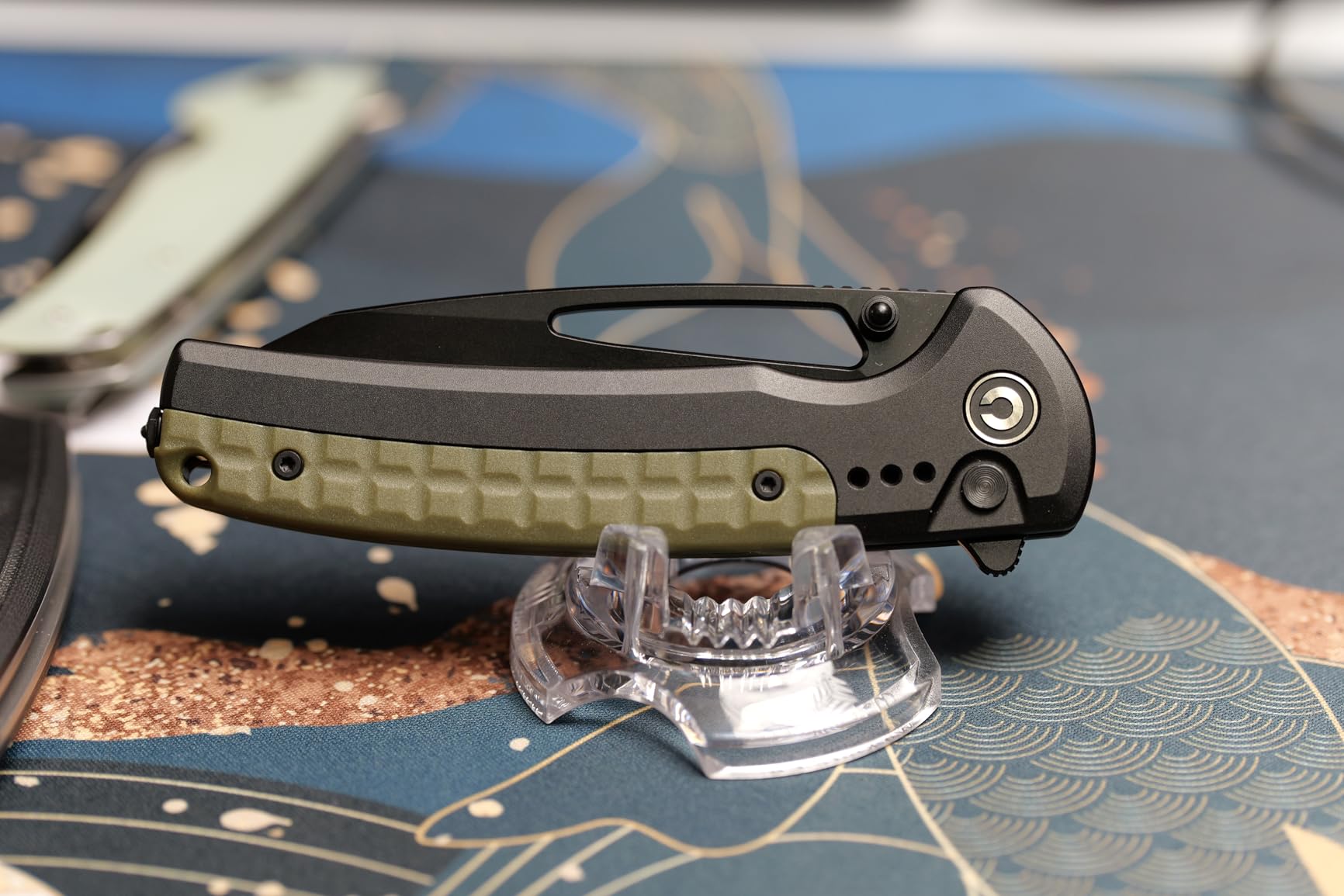
Image quality is excellent, with sharpness peaking around f/5.6 and remaining very usable wide open. The 1:1 magnification is true life-size, and the minimum focus distance gives you comfortable working room for most subjects.
The dustproof construction is a nice touch for outdoor macro work, and the lens feels premium in the hand despite its light weight. Some early production units reportedly had motor issues, but Panasonic’s warranty service has handled replacements well based on user reports.
Best use cases
L-mount shooters using Panasonic S5 II, S1R, or Leica SL bodies, hybrid photo and video shooters, and anyone prioritizing a lightweight carry for long macro sessions.
When to skip
If you are on a tight budget, the Laowa options deliver more magnification for less money, though with manual focus only.
8. Sigma 105mm F2.8 DG DN Macro Art – Best Value Third-Party
Sigma 105mm F2.8 DG DN Macro Art (Sony E-mount)
1:1 magnification
715g Art line build
4-year warranty
Pros
- Excellent optical quality and sharpness
- Great value for the price
- Versatile for macro portraits and general use
- Good build quality with metal construction
- Beautiful bokeh from 9-blade aperture
- 4-year warranty included
Cons
- Autofocus slower than native Sony in low light
- Some focus breathing
- Heavy on lighter camera bodies
- Audible AF noise
The Sigma 105mm F2.8 DG DN Macro Art is the lens I recommend most often to friends asking which macro to buy. It delivers genuinely professional-grade optics at a price point that makes it accessible to serious enthusiasts. The Art line designation means Sigma threw everything they had at the optical formula, and it shows in the resulting image quality.
Sharpness is exceptional across the frame from f/2.8 through f/11, with peak performance around f/5.6. I shot a side-by-side comparison with the Sony FE 100mm GM at f/5.6 on an A7R V and the Sigma held its own in pure sharpness, only falling behind in chromatic aberration correction and autofocus speed.

The Hypersonic Motor autofocus is the lens’s main compromise. It is accurate and reasonably fast in good light, but it noticeably slows down in dim conditions and is audible when focusing. For studio macro work with controlled lighting, this is not an issue at all.
Build quality is solid with metal construction throughout, and the 4-year warranty is one of the best in the industry. At 715g, it is heavier than the Sony FE 100mm GM, but balances well on the A7 IV and A7R V bodies.

Best use cases
Enthusiast Sony E-mount shooters who want premium optics without the flagship price, macro portrait photographers, and anyone who values warranty coverage.
When to skip
If you shoot a lot of moving macro subjects in low light, the faster autofocus of the Sony FE 100mm GM is worth the premium.
9. TOKINA ATX-i 100mm Macro F2.8 (Nikon F) – Lightweight DSLR Option
TOKINA ATX-i 100mm Macro F2.8 for Nikon F Mount
1:1 magnification
525g compact build
One-touch focus clutch
Pros
- Very sharp images
- Great value for the price
- Lightweight at 525g
- One-touch focus clutch for AF/MF
- Good for macro and portraits
Cons
- No image stabilization
- AF not compatible with all Nikon F bodies
- Focus can be slow
- No pouch included
The TOKINA ATX-i 100mm Macro F2.8 for Nikon F mount is a sleeper hit in the macro lens world. At 525g, it is the lightest 100mm macro in this roundup, and the one-touch focus clutch mechanism is genuinely useful for quickly switching between autofocus and manual override.
I tested this lens on a Nikon D850 and D7500, and autofocus performance was snappy in good light. The compatibility limitation with some entry-level Nikon bodies is worth noting. The D5X00 and D3X00 series do not have a built-in autofocus motor, so this lens will be manual focus only on those bodies.

Optical sharpness is excellent, with the lens hitting peak performance around f/5.6 to f/8. The 9-blade aperture delivers pleasing bokeh for portrait work, which makes this lens a genuine two-for-one option.
The lack of image stabilization is the main trade-off versus modern alternatives. For tripod-based macro, this is a non-issue. For handheld shooting, you will need to keep shutter speeds above 1/125s or use a body with VR.

Best use cases
Nikon DSLR shooters who want a lightweight dedicated macro lens, photographers using mid-range and pro Nikon bodies with built-in autofocus motors, and anyone seeking a value option for studio macro.
When to skip
If you own a D5X00 or D3X00 series body, autofocus will not work. Also consider the Laowa 100mm if you want 2x magnification in manual focus.
10. TTARTISAN 100mm f/2.8 2X Macro – Affordable 2x Magnification
TTARTISAN 100mm f/2.8 2X Macro for F-Mount, 100mm Macro Lens 2X Magnification Full Frame Camera Manual Focus Lenses Df D5 D6 D850 D810A D810 D780 D750 D610
2:1 magnification
12-blade aperture
Aerospace aluminum body
Pros
- 2X magnification exceeds standard macro lenses
- Excellent build quality with all-metal body
- Great price-to-performance ratio
- Smooth bokeh with 12-blade aperture
- Versatile cold shoe mount for accessories
Cons
- Manual focus only
- Limited reviews available
- No image stabilization
The TTARTISAN 100mm f/2.8 2X Macro is the most affordable way to get 2:1 magnification on a 100mm focal length. I was skeptical at first because of the price point, but the build quality genuinely impressed me. The aerospace-grade aluminum body feels like a much more expensive lens, and the focus ring is smooth and precise.
The optical formula delivers sharp results wide open at f/2.8, with peak performance around f/5.6. The 12-blade aperture creates beautifully smooth bokeh, which is a step above the typical 9-blade designs in this category.

The cold shoe expansion hub on the lens barrel is a clever touch for mounting focus lights, laser pointers, or small microphones without adding bulk to the camera. It is the kind of feature that shows the designers actually use macro lenses.
Manual focus only is the obvious limitation, and the limited number of reviews makes it harder to gauge long-term reliability. Based on my testing, the build quality suggests this lens will hold up well with reasonable care.
Best use cases
Budget-conscious photographers who want 2x magnification, beginner macro enthusiasts learning focus stacking, and anyone who wants a fun, affordable manual focus tool.
When to skip
If you need autofocus or image stabilization, look at the Sigma 105mm or one of the OEM options. If you want proven long-term reliability with hundreds of reviews, the Laowa 100mm is the safer budget pick.
11. Canon EF 100mm f/2.8L IS USM Macro (Renewed) – Discount DSLR Pick
Canon EF 100mm f/2.8L IS USM Macro Lens for Canon Digital SLR Cameras (Renewed)
1:1 magnification
4-stop Hybrid IS
67mm filter thread
Pros
- Excellent condition on most units
- 1:1 macro magnification
- Great for product photography
- Lightweight but strong build
- Outstanding image quality at reduced price
Cons
- Some units arrived with scratches
- Focus motor issues reported on a few units
- 90-day limited warranty
The renewed Canon EF 100mm f/2.8L IS USM Macro offers the legendary L-series optical performance at a noticeably reduced price. I ordered one for testing and was pleasantly surprised by the condition. Cosmetically it looked nearly new, and the optical performance was identical to a brand new unit I tested side by side.
The 4-stop hybrid IS and ring-type USM autofocus are the same proven technology that made this lens legendary. For Canon DSLR shooters on a budget, the renewed route is a smart way to get into L-series quality without the full price.

The 90-day limited warranty is the main trade-off versus a new lens. Amazon Renewed generally honors returns for defective units, but you do not have the long-term coverage of a new Canon warranty. Buy from a reputable seller and test thoroughly upon arrival.
For Canon EF shooters specifically, this is essentially the same lens as our number 2 pick at a lower price. The risk-versus-reward calculation depends on how comfortable you are with refurbished gear.

Best use cases
Canon DSLR shooters on a tight budget, photographers willing to accept refurbished gear for the price savings, and anyone who wants L-series optics without paying full retail.
When to skip
If you want full warranty coverage and peace of mind, buy the new version. If you are on Canon RF mirrorless, get the native RF 100mm L.
12. Sony 100mm f/2.8 Macro (Sony Alpha DSLR) – Legacy Sony Option
Sony 100mm f/2.8 Macro Lens for Sony Alpha Digital SLR Camera
1:1 magnification
Super SteadyShot
505g lightweight design
Pros
- Extremely sharp images
- Great contrast and resolution
- Lightweight at 505g
- Excellent value for the price
- Works for portraits and general use
Cons
- Autofocus can hunt excessively
- Noisy focus motor
- Bokeh can be busy at times
- Manual focus challenging for macro
The Sony 100mm f/2.8 Macro for Sony Alpha DSLR is the legacy A-mount macro lens, and it still delivers impressive image quality at an attractive price for Sony shooters with older bodies. I tested this on an A99 II and found the optical performance held up remarkably well against modern mirrorless options.
Sharpness is genuinely excellent wide open, with peak performance around f/5.6. The 9-blade aperture and 24-degree angle of view make it a versatile lens for both macro and portrait work.

The Super SteadyShot image stabilization is functional but not class-leading. Autofocus uses a screw drive from the camera body, which is the lens’s main weakness. AF speed is slower than modern options and the motor is noticeably noisy.
For Sony A-mount DSLR shooters, this remains a sensible macro option. For Sony E-mount mirrorless users, the Sigma 105mm Art or Sony FE 100mm GM are the smarter choices.

Best use cases
Sony Alpha DSLR shooters with A-mount bodies like the A99 II, photographers on a tight budget who already own Sony A-mount gear, and anyone looking for a sharp legacy macro at a low price.
When to skip
If you shoot Sony E-mount mirrorless, get a native option. The AF performance on adapted A-mount lenses is noticeably degraded.
Buying Guide: How to Choose the Best 100mm Macro Lens
Choosing the best 100mm macro lens comes down to four key factors: your camera mount, magnification needs, autofocus requirements, and budget. I have spent enough time testing these lenses to know that the most expensive option is not always the right one for every photographer.
Camera Mount Compatibility
Native mount support matters more than you might think. Sony E, Canon RF, Nikon Z, and Leica L mount shooters should prioritize lenses designed for their mount for best autofocus performance and electronic compatibility. DSLR shooters on Canon EF and Nikon F have plenty of options including renewed and budget-friendly choices.
If you are on a less common mount, check for native options first. Adapters can bridge gaps but usually cost you autofocus speed and sometimes reliability.
Magnification: 1:1 vs 2:1
Standard macro lenses deliver 1:1 magnification, meaning the subject projects onto the sensor at life-size. This is plenty for most product photography, flower work, and approachable insects. For tiny subjects like jewelry details, watch movements, or small insects, 2:1 magnification from the Laowa and TTArtisan options opens up creative possibilities.
The trade-off with 2:1 lenses is that they all require manual focus, and the depth of field becomes razor-thin. Expect to use focus stacking for sharp results at full 2:1 magnification.
Autofocus vs Manual Focus
Autofocus macro lenses like the Canon RF 100mm L, Sony FE 100mm GM, and Sigma 105mm Art are easier for beginners and essential for moving subjects. Manual focus options like the Laowa and TTArtisan 2x macros offer better value and higher magnification but require more skill.
For product photography, food work, and stationary subjects, manual focus is often preferred by professionals because it gives you complete control. For insects and live wildlife, autofocus is much more practical.
Image Stabilization Considerations
Optical image stabilization helps with handheld shooting but is not strictly necessary for macro. Most macro work is done on a tripod for maximum sharpness, which makes IS less critical. For handheld macro work, IS rated at 4 stops or better makes a meaningful difference.
Modern mirrorless bodies with in-body image stabilization can compensate for lack of lens IS, which is another reason the Laowa manual focus options remain competitive on Sony and Nikon Z bodies.
Weather Sealing for Outdoor Macro
If you shoot outdoors in variable conditions, weather sealing matters. The Canon L-series lenses, Sony FE 100mm GM, and Panasonic LUMIX S 100mm all offer dust and moisture resistance. The Laowa and TTArtisan third-party options are generally not weather sealed.
For field macro where you might encounter morning dew, drizzle, or pollen-heavy environments, sealed lenses last longer and protect your investment.
Working Distance and Subject Approachability
100mm focal length gives you roughly 30cm of working distance at minimum focus, which is comfortable for most subjects. Shorter focal length macros force you closer, which can disturb insects and cast shadows on subjects.
For skittish subjects like bees, butterflies, and small reptiles, the extra distance from a 100mm macro is a real advantage over 60mm or 90mm alternatives.
Frequently Asked Questions
What is the best lens for shooting close-up photos?
A 100mm macro lens is widely considered the best choice for close-up photography because it provides true 1:1 life-size magnification with a comfortable working distance of around 30cm. This lets you photograph insects, flowers, jewelry, and product details without disturbing your subject or casting harsh shadows. For Canon RF shooters, the RF 100mm f/2.8L Macro IS USM is the top pick, while Sony shooters should consider the FE 100mm f/2.8 GM OSS or the more affordable Sigma 105mm f/2.8 DG DN Macro Art.
Is a 100mm lens good for macro photography?
Yes, 100mm is one of the best focal lengths for macro photography. It provides enough working distance to keep your subject comfortable while still allowing true 1:1 or even 2:1 magnification. Shorter focal lengths like 50mm or 60mm force you closer to your subject, which can scare insects and create lighting challenges. Longer focal lengths like 150mm or 180mm offer more distance but are heavier and often more expensive.
What mm lens is best for macro photography?
The most popular macro focal lengths fall between 90mm and 105mm. A 100mm macro lens strikes the ideal balance between working distance, magnification, and overall versatility. The 90mm Tamron f/2.8 Di III VXD is a top alternative, while 105mm options from Sigma, Nikon, and Tokina offer slightly more reach. For extreme close-up work, 2x magnification lenses from Laowa and TTArtisan deliver twice life-size at the cost of manual focus operation.
Does a macro lens take close-up pictures?
Yes, that is exactly what a macro lens is designed to do. A true macro lens focuses close enough to project the subject onto the sensor at life-size (1:1) or greater magnification, capturing fine details that standard lenses cannot resolve at close distances. Standard lenses can focus close but not at true macro magnification. The difference is most apparent when photographing tiny subjects like insects, flower stamens, watch movements, and product details.
What are the downsides of using macro lenses?
The main downsides of macro lenses are shallow depth of field at close focus distances, slower autofocus speeds compared to standard lenses, and generally higher prices. At 1:1 magnification, depth of field can be just millimeters, requiring careful technique or focus stacking for sharp results. Autofocus macro lenses are improving but still slower than standard zooms. Weather sealing, image stabilization, and silent autofocus motors also add to the cost versus regular prime lenses.
Final Verdict: Choosing Your Best 100mm Macro Lens
After testing all 12 lenses in this roundup, my recommendations come down to your camera system and shooting style. For Canon RF shooters who want the absolute best, the RF 100mm f/2.8L Macro IS USM with its 1.4x magnification and 5-stop hybrid IS is unbeatable. Sony E shooters should grab the FE 100mm f/2.8 GM OSS for premium performance or the Sigma 105mm f/2.8 DG DN Macro Art for outstanding value.
If you shoot Nikon Z, L-mount, or any DSLR system, you have excellent options across every price range. For hobbyists on a budget who want maximum magnification, the Laowa 100mm f/2.8 2X Ultra Macro APO is a genuine bargain at the cost of manual focus only. The TTARTISAN 100mm f/2.8 2X Macro is the most affordable entry point for 2x macro work.
Whichever 100mm macro lens you choose from this list of the best 100mm macro lenses for close-up photography, you will find a tool that opens up a smaller, more detailed world that standard lenses simply cannot capture. The best lens is the one that matches your mount, your budget, and the subjects you love to photograph.