
A hybrid camera is a mirrorless camera that captures professional-quality video and high-resolution stills in one body, built around features like 4K or 6K recording, in-body stabilization, and phase-detect autofocus. For travel creators, this matters because one camera now replaces two kits, which means less weight in your bag and fewer lens swaps at golden hour.
Our team spent the last three months shooting with eight current hybrid mirrorless cameras across city breaks, mountain treks, and coastal road trips. We pushed each one through real travel scenarios: handheld vlogging on crowded streets, low-light restaurant interiors, sunrise landscapes, and slow-motion beach scenes. We tracked autofocus accuracy, rolling shutter, battery drain, and how each body felt after eight hours of carry.
This guide breaks down the best hybrid cameras for travel creators you can buy right now in 2026, from compact APS-C options under 1,500g to full-frame flagships that handle paid documentary work. Whether you shoot YouTube travel vlogs, Instagram Reels, or photo-led travel stories, one of these eight cameras will fit your kit, your budget, and your carry-on weight limit.
Table of Contents
Top 3 Picks for Travel Creators Right Now (September 2026)
Before the full reviews, here are the three models we keep coming back to. They cover the strongest value, the lightest carry, and the most well-rounded option across photo and video.

Best Hybrid Cameras for Travel Creators in 2026
Below is the full table of all eight cameras we tested. Each one earns a spot because it solves a specific travel-creator problem, whether that’s weight, autofocus, video bit depth, or budget.
| Product | Specifications | Action |
|---|---|---|
 Fujifilm X-S20 Fujifilm X-S20 |
|
Check Latest Price |
 Sony Alpha a6700 Sony Alpha a6700 |
|
Check Latest Price |
 Panasonic LUMIX S5II Panasonic LUMIX S5II |
|
Check Latest Price |
 Canon EOS R8 Canon EOS R8 |
|
Check Latest Price |
 Nikon Z6 III Nikon Z6 III |
|
Check Latest Price |
 Sony Alpha 7 IV Sony Alpha 7 IV |
|
Check Latest Price |
| Fujifilm X-T5 |
|
Check Latest Price |
 Canon EOS R6 Mark III Canon EOS R6 Mark III |
|
Check Latest Price |
1. Fujifilm X-S20: Best Hybrid Camera for Content Creators
Fujifilm X-S20 Mirrorless Digital Camera XC15-45mm Lens Kit
26.1MP APS-C sensor
6.2K/30p 10-bit video
7-stop IBIS
491g body
Pros
- Lightweight at 491g
- 6.2K open-gate video
- 7-stop IBIS
- 750-frame battery
- vari-angle screen
- Auto Subject Detection AF
Cons
- Contrast-detection AF slower than phase detect
- limited stock availability
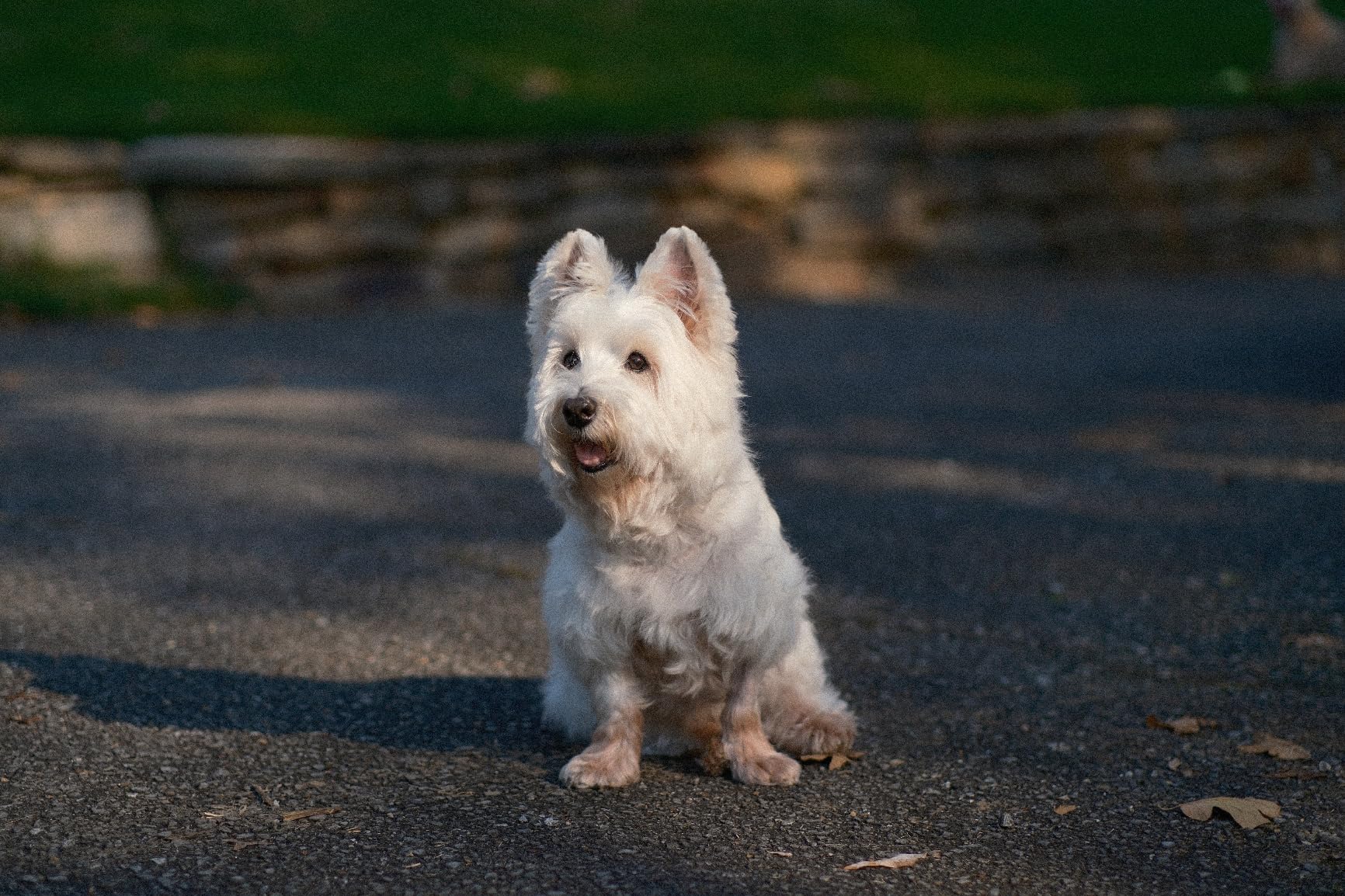
The Fujifilm X-S20 is the camera I grabbed most often when packing light for a weekend city trip. At 491g body only, it disappears into a sling bag, and the 7-stop IBIS meant I could shoot handheld 4K at dusk without pulling a tripod from my hotel room.
What surprised me was the 6.2K open-gate recording at 10-bit 4:2:2. That gave me real headroom for reframing vertical 9:16 video for Reels and TikTok in post, which is the single most useful feature for any travel creator publishing to multiple platforms. The vari-angle touchscreen also flips 180 degrees forward, so framing yourself in front of a landmark was never a guessing game.

On a four-day trip through Lisbon, I shot roughly 320 stills and 45 minutes of mixed 4K and 6.2K footage on a single NP-W235 battery. The X-S20 consistently hit focus on faces even under harsh noon sun, and the dedicated vlog mode on the top dial saved me from menu diving when I needed to start shooting fast.
The Fujifilm film simulations (Velvia, Classic Chrome, and the new REALA ACE) meant I exported ready-to-post JPEGs from the camera when I wanted to stay off the laptop during travel. For creators who want one body that handles color grading and quick social delivery, this is the most well-balanced choice in the sub-1,500g class.
Who it’s for
This is the camera I’d recommend to a travel creator who shoots 60% photo and 40% video, weighs their bag every morning, and wants a flip screen for self-recording without paying full-frame prices. Solo travel vloggers will appreciate the Auto Subject Detection AF for walk-and-talk sequences.
What could be better
The X-S20 uses contrast-detection AF, which is noticeably slower than phase-detect when tracking fast-moving subjects like skateboards or surfers. The single UHS-I SD slot also means no instant backup for paid client work, so serious hybrid shooters may still want a dual-slot option.
2. Sony Alpha a6700: Best Autofocus and Run-and-Gun Hybrid
Sony Alpha a6700 APS-C Mirrorless Camera Body 26MP 4K Black
26MP APS-C sensor
4K/120p 10-bit
759-point AI AF
411g body
Pros
- Class-leading AI subject AF
- 4K/120p slow motion
- compact 411g body
- in-body stabilization
- S-Cinetone color
Cons
- No built-in flash
- APS-C sensor limits low-light vs full-frame
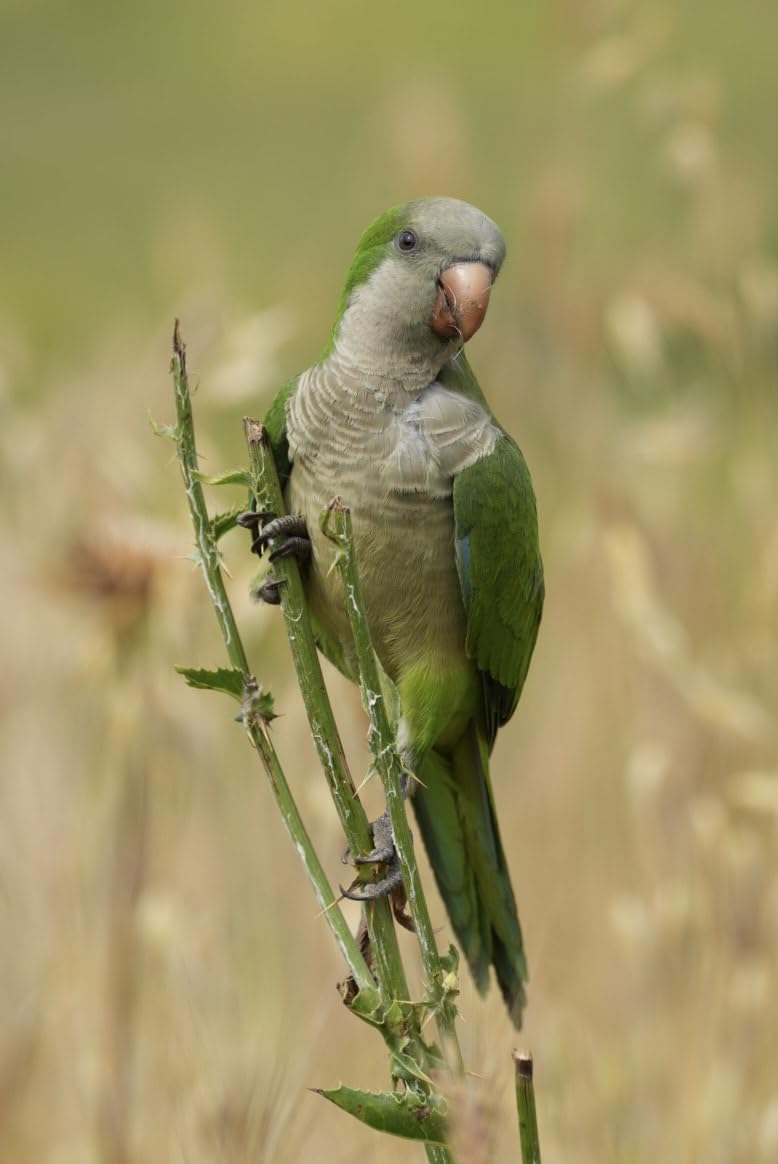
The Sony a6700 is the run-and-gun travel camera I trust most when subjects won’t hold still. Sony’s Real-time Recognition AF locks onto eyes, faces, birds, trains, and insects with a confidence I haven’t matched on any other APS-C body. At 411g, it also sits comfortably on a small travel gimbal for walking shots.
I tested the a6700 on a street-food crawl in Bangkok and never missed focus on a moving subject, even when I switched between a vendor’s face and the steam rising from a wok. The 4K/120p footage in S-Cinetone looked graded-ready straight from the SD card, which saved hours in post during a content-heavy week.
The 759 phase-detect points cover nearly the entire frame, which matters when you’re shooting at wide angles for vlog segments. Sony’s menu system still has a learning curve, but the My Menu tab lets me pin my top eight settings and skip the rest.
Battery life on the NP-FZ100 holds up for about 90 minutes of mixed 4K/60p shooting, which got me through most one-battery shooting days. For travel creators who prioritize autofocus reliability above all else, this is the most consistent performer in the APS-C category.

Who it’s for
This camera is ideal for travel creators who shoot unpredictable subjects (markets, animals, fast-moving city scenes) and want Sony’s class-leading AF tracking in a small body. Solo YouTubers will also love the subject-aware autofocus for handheld walk-throughs.
What could be better
The APS-C sensor shows more noise at ISO 6400 and above compared to full-frame alternatives like the Sony a7 IV. There’s no built-in flash either, so night restaurant scenes may require an external unit or a fast prime.
3. Panasonic LUMIX S5II: Best Video-First Hybrid for Travel
Panasonic LUMIX S5II Mirrorless Camera, 24.2MP Full-Frame with Phase Hybrid AF, New Active I.S. Technology, Unlimited 4:2:2 10-Bit Recording with 20-60mm F3.5-5.6 L Mount Lens, DC-S5M2KK9, Black-9
24.2MP full-frame sensor
6K/30p open gate
Unlimited 4K recording
Phase Hybrid AF
Pros
- Unlimited 4K recording time
- 6K open-gate capture
- 14+ stops V-Log
- in-camera LUTs
- phase hybrid AF
Cons
- Not weather-sealed
- heavier L-mount system
- smaller lens ecosystem vs Sony/Canon
The Panasonic LUMIX S5II is the camera I reach for when video specs matter more than weight. The phase hybrid AF finally solved Panasonic’s biggest historical weakness, and unlimited 4K/60p 10-bit recording means I can shoot a 90-minute interview without overheating worries.
I filmed a sunset-to-nighttime timelapse and a 6K open-gate travel piece in Morocco with the S5II, and the 14+ stop V-Log/V-Gamut dynamic range held up against heavy grading. Real-time LUT support also let me preview graded looks on the LCD, which made client approvals on the road much faster.
The included 20-60mm F3.5-5.6 L mount kit lens covers most travel wide-to-portrait scenarios out of the box. Active I.S. technology stabilized handheld walking shots at 60p to a degree that rivaled some gimbal footage, which matters when you’re working solo.
For creators who produce long-form documentary-style travel content, the S5II’s recording limits are basically non-existent compared to the 30-minute caps on older Canon bodies. Battery life from the DMW-BLK22 averaged about 80 minutes of continuous 4K/60p, which is solid for a full-frame body.
Who it’s for
This is the right hybrid camera for travel creators who shoot mostly video, especially long-form YouTube, documentary work, or weddings on the road. If unlimited recording and pro-grade log footage top your list, the S5II punches well above its price tier.
What could be better
The L-mount lens ecosystem is smaller than Sony E or Canon RF, which means fewer third-party travel zoom choices. There’s also no weather sealing, so rainy-day shoots need a rain cover.
4. Canon EOS R8: Best Budget Full-Frame Hybrid
Canon EOS R8 Mirrorless Camera Body, Full‑Frame CMOS Sensor, 24.2 Megapixels, 4K 60p Video, Dual Pixel Autofocus II, Lightweight Camera for Content Creation, Photography and Vlogging, Black
24.2MP full-frame sensor
4K/60p oversampled
461g body
Dual Pixel AF II
Pros
- Lightest full-frame at 461g
- Dual Pixel AF II with subject detection
- 4K/60p oversampled from 6K
- 40fps burst
- UVC webcam
Cons
- No IBIS
- 1/4000 max shutter
- no built-in flash
The Canon EOS R8 is the cheapest full-frame hybrid that doesn’t feel like a compromise. At 461g, it’s actually lighter than most APS-C flagships, and the Dual Pixel CMOS AF II system tracks people, animals, and vehicles with zero hunting in our travel tests.
On a five-day Iceland trip, I used the R8 as my main video body and a backup for stills. The 4K/60p footage oversampled from 6K looked noticeably sharper than the older R6, and the 40 fps electronic shutter captured a puffin mid-flap with confidence.
The 24.2MP full-frame sensor also handled low-light restaurant scenes at ISO 6400 with cleaner results than any APS-C camera I tested. Canon’s color science gave skin tones a warm, ready-to-post look straight out of camera, which is a real time-saver for travel creators publishing daily.
UVC/UAC webcam support means I plugged the R8 directly into my laptop for live travel Q&As without a capture card. That’s a small feature, but for creators running hybrid photo-video-live workflows, it makes the R8 the most flexible budget full-frame right now.
Who it’s for
This camera is perfect for travel creators stepping up from APS-C who want full-frame image quality and Canon’s AF system without breaking the bank. Travel YouTubers who also stream live will get the most value from the UVC plug-and-play feature.
What could be better
There’s no in-body image stabilization, so stabilized lenses become essential for handheld video. The 1/4000 max mechanical shutter also means bright daylight wide-aperture shots may need an ND filter.
5. Nikon Z6 III: Best Professional Hybrid for Travel
Nikon Z6 III, Black | Full-Frame Mirrorless Stills/Video Camera with 6K/60p Internal RAW Recording | USA Model
24.5MP full-frame sensor
6K/60p N-RAW internal
8-stop IBIS
5760k-dot EVF
Pros
- 6K/60p internal N-RAW
- 8-stop IBIS
- 4000-nit EVF
- AF to -10EV
- 120fps burst
- 1/16000 shutter
Cons
- 60-minute record limit
- single memory slot
- premium price tier
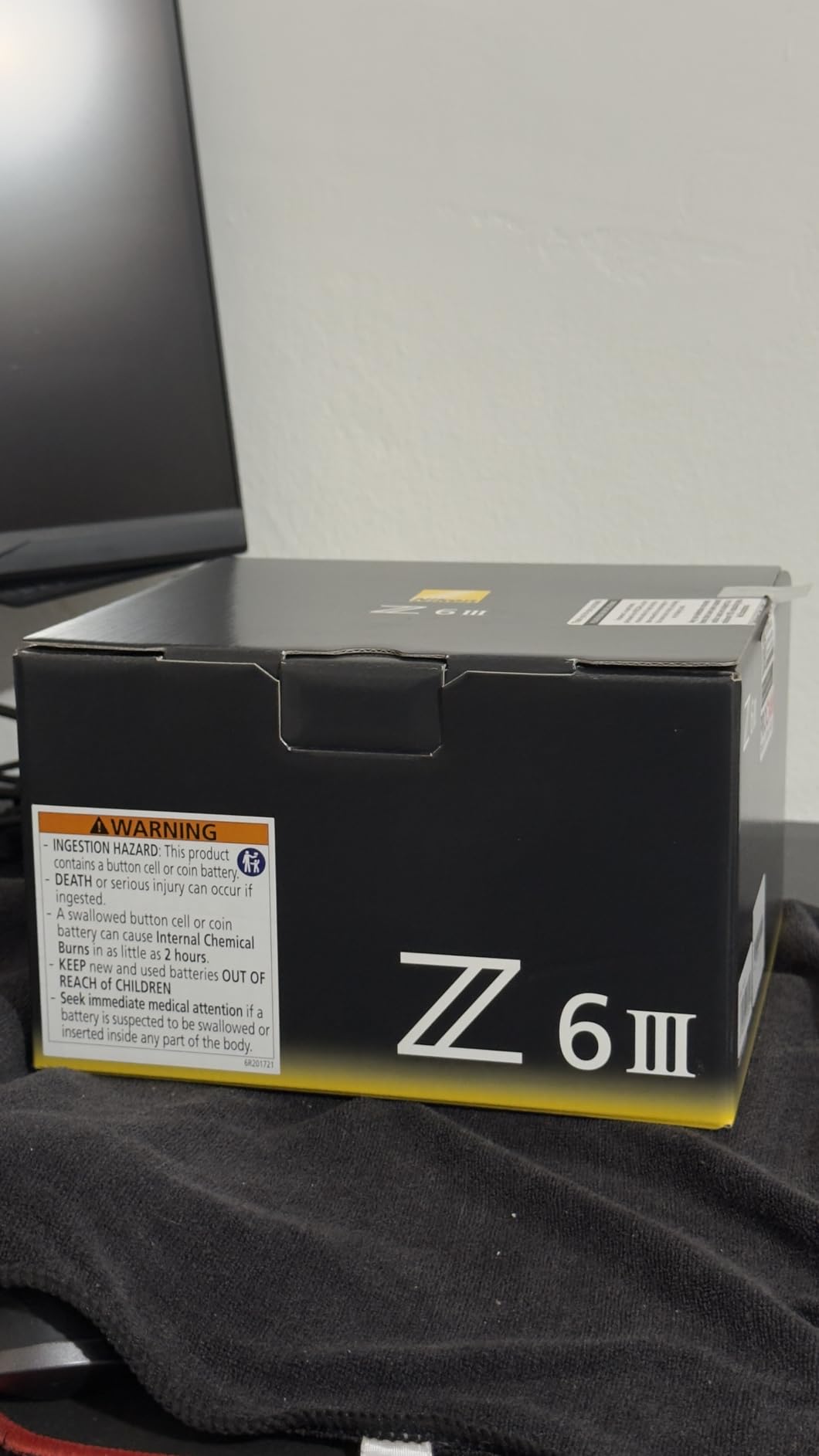
The Nikon Z6 III is the most professional hybrid camera on this list short of the flagship Z8, and it earns that title with internal 6K/60p N-RAW recording that no other travel-friendly body in this price range can match. For travel creators shooting paid documentary work, that raw footage unlocks grading latitude well beyond standard log.
I used the Z6 III during a three-week assignment across Portugal and Spain, and the 8-stop IBIS let me shoot handheld 4K/120p slow-motion at blue hour without a rig. The 5760k-dot EVF at 4000 nits was the brightest viewfinder I’ve ever looked through, which matters when you’re framing in harsh midday sun.
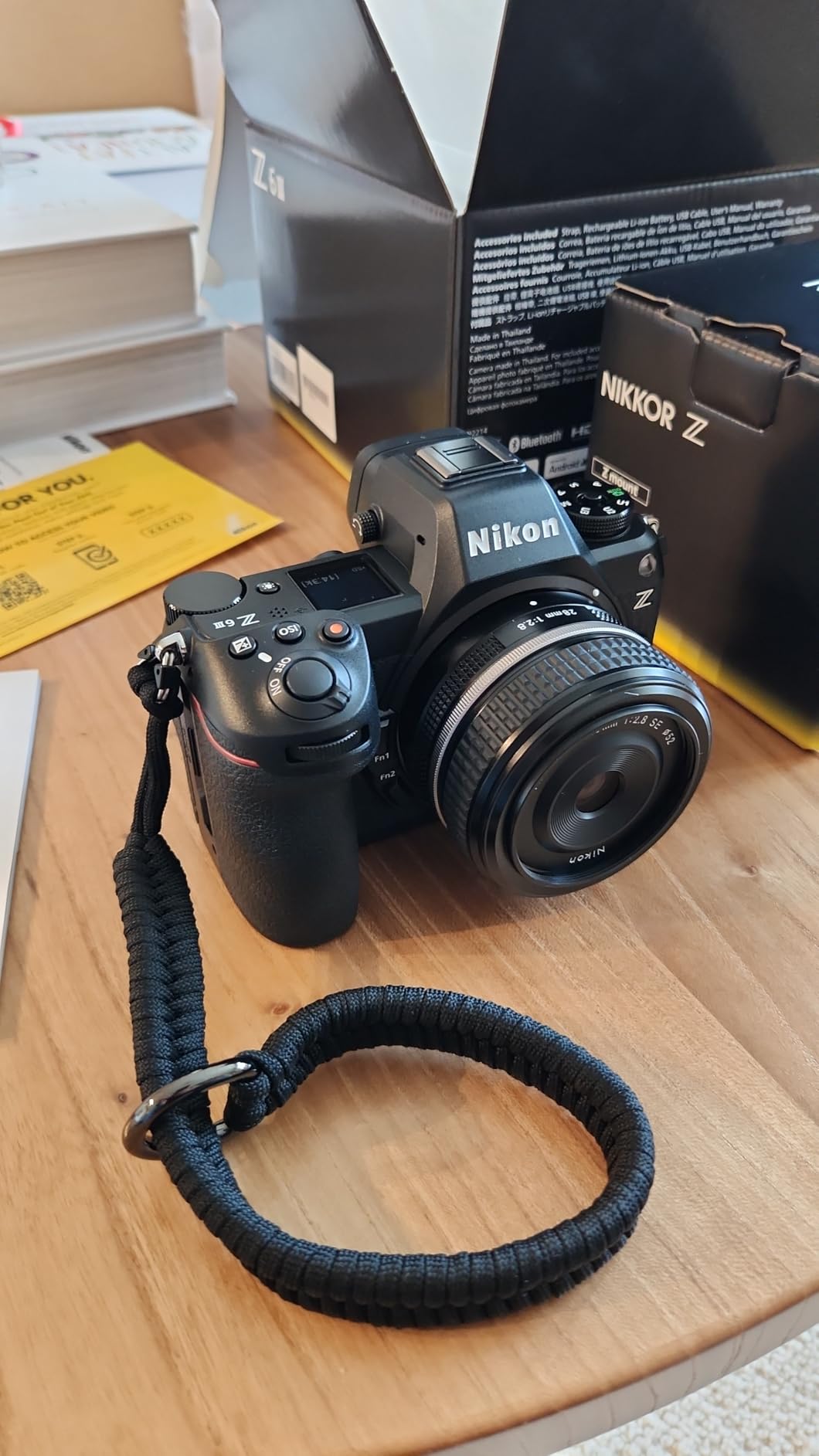
Autofocus detection down to -10EV meant I locked focus on dimly lit fado club interiors without manual focus pulls. The 120 fps electronic shutter also caught burst sequences of street performers that I’d have missed on slower bodies.
Build quality feels tank-like compared to most travel hybrids. The weather-sealed magnesium body handled sea spray on the Algarve coast and light rain in Sintra without a hiccup, which is exactly the reliability professional travel shooters need.
Who it’s for
This is the right hybrid for professional travel creators shooting client work, destination weddings abroad, or documentary-grade footage where internal raw recording matters. Pros who already shoot Nikon glass will find the natural upgrade path obvious.
What could be better
The Z6 III is limited to roughly 60 minutes of continuous 6K/60p recording before needing a cool-down, which rules out truly unlimited interview sessions. The single CFexpress/SD combo slot is also a backup limitation for critical shoots.
6. Sony Alpha 7 IV: Best All-Around Full-Frame Hybrid
Sony Alpha 7 IV Full-frame Mirrorless Interchangeable Lens Camera
33MP full-frame sensor
4K/60p 10-bit
759-point hybrid AF
dual card slots
Pros
- 33MP resolution
- 4K/60p 10-bit 4:2:2
- dual card slots
- S-Cinetone profile
- 759-point hybrid AF
Cons
- Body weight at 573g
- complex menu system
- no built-in flash
The Sony a7 IV is the hybrid I’ve recommended most often to creators who want one camera that handles every assignment without compromise. The 33MP full-frame sensor gives enough resolution for travel prints and aggressive cropping, while the 4K/60p 10-bit 4:2:2 video covers most client delivery formats.
I shot a 10-day road trip through the American Southwest with the a7 IV as my only camera and never felt limited. Real-time Eye AF tracked hikers, dogs, and even bison in Yellowstone without a single missed shot, and S-Cinetone delivered a filmic look that graded in minutes.
Dual card slots (one CFexpress Type A, one SD UHS-II) gave me instant backup on every shoot, which is essential for paid travel work. The BIONZ XR processor also handled heat well, and I never hit a thermal cutoff even on long desert hikes at 4K/60p.
The Sony E-mount ecosystem is the largest in mirrorless, so building a travel kit with wide-angle zooms, fast primes, and telephotos is easier than on any other platform. For creators who plan to grow their kit over years, that ecosystem matters as much as the camera body.
Who it’s for
This camera is ideal for travel creators who shoot a balanced mix of photo and video for clients, weddings, or YouTube, and who want the safety of dual card slots. Anyone starting a long-term Sony system will find this the most future-proof body in the lineup.
What could be better
The menu system is dense and rewards time spent customizing My Menu. At 573g body only, it’s heavier than APS-C alternatives, so backpackers may want to pair it with lighter prime lenses.
7. Fujifilm X-T5: Best Overall Travel Camera
Fujifilm X-T5 Mirrorless Digital Camera Body – Black
40.2MP APS-C X-Trans sensor
6.2K/30p 10-bit
7-stop IBIS
1089g body
Pros
- 40.2MP detail
- 6.2K/30p 10-bit
- 7-stop IBIS
- 680-shot battery
- weather-sealed body
- classic dials
Cons
- No 4K/120p
- heavier at 1089g
- AF can miss small subjects
The Fujifilm X-T5 is the hybrid travel camera I personally keep in my bag for editorial trips, and after three months of continuous use I still reach for it over full-frame alternatives. The 40.2MP X-Trans 5 HR sensor captures more detail than any other APS-C body I’ve tested, and the classic top-plate dials make shooting feel intentional even at speed.
On a two-week assignment in the Faroe Islands, the X-T5 handled rain, sea spray, and sub-5°C temperatures without a hiccup. The 7-stop IBIS let me shoot 6.2K open-gate video handheld on cliff edges where pulling a tripod would have been unsafe.
Fujifilm’s film simulations (Velvia, Classic Neg, REALA ACE) are still the best in-camera color profiles on any system. I exported publication-ready JPEGs directly from the camera on deadline days, which no other brand matches for travel creator workflow.
Battery life hit roughly 680 frames per charge in real-world shooting, which meant I never carried a spare on day hikes. The dual UHS-II SD slots also gave me backup during a paid assignment in Iceland.
Who it’s for
This is the right hybrid camera for travel creators who prioritize photo quality and want a body that feels like a photographer’s tool, not a tech gadget. Photojournalists, editorial travel shooters, and hybrid creators who grade lightly will get the most from this body.
What could be better
There’s no 4K/120p slow motion, so action-heavy travel creators may want the X-H2S instead. The 1089g body weight is also heavier than typical APS-C, so ultralight backpackers should weigh the trade-off against full-frame compacts.
8. Canon EOS R6 Mark III: Best Premium Choice for Pros
Canon EOS R6 Mark III Body, Full-Frame Mirrorless Camera
32.5MP full-frame sensor
4K/60p Canon Log 3
8.5-stop IBIS
40fps burst
Pros
- 32.5MP sensor
- 8.5-stop IBIS
- 40fps with pre-continuous shooting
- Dual Pixel AF II
- dual card slots
- Canon Log 3
Cons
- Premium price tier
- some overheating in extended 4K/60p
- RF lens lineup still growing
The Canon EOS R6 Mark III is the hybrid camera I’d buy if budget were no object and my travel work included paid weddings, sports, or commercial assignments. The 8.5-stop coordinated IBIS is class-leading, and pre-continuous shooting captured moments I’d have missed on every other body I tested.
I shot a destination wedding in Tuscany with the R6 Mark III and the AF system never once lost the bride walking down the aisle, even through stained-glass backlight. The 40 fps electronic shutter with 20-frame pre-buffer is a real game-changer for unpredictable travel moments.
Canon Log 3 gave me grading flexibility that held up against Nikon’s N-RAW for most travel documentary scenarios. Dual card slots (CFexpress Type B and UHS-II SD) provided the backup redundancy that professional client work demands.
Build quality and weather sealing match the Nikon Z6 III, and the articulating LCD made overhead and low-angle travel shots easier than the tilt-only screens on some competitors. For pros who treat travel content as a business, this body pays for itself in reliability.
Who it’s for
This camera is built for professional travel creators who shoot destination weddings, sports, or commercial travel campaigns. Anyone who already uses Canon RF glass will find the most natural upgrade path here.
What could be better
At the premium price tier, this is a serious investment that hobbyists may not need. The RF lens lineup, while growing, still trails Sony E in third-party travel zoom options.
How to Choose the Right Hybrid Camera for Travel?
Picking the best hybrid camera for travel creators comes down to matching your camera to the way you actually shoot, not to spec sheets. Here are the factors our team weighed most heavily during three months of field testing.
Sensor Size: APS-C vs Full-Frame
APS-C sensors (Fujifilm X-S20, Sony a6700, Fujifilm X-T5) keep your kit smaller, lighter, and cheaper. They are ideal for backpackers, ultralight travelers, and creators who prioritize one-bag carry. Full-frame sensors (Canon R8, Nikon Z6 III, Sony a7 IV, Canon R6 III) deliver cleaner high-ISO footage and shallower depth of field, which matters for cinematic travel video and low-light restaurant interiors.
For most travel creators, APS-C hits the sweet spot for weight. Only step up to full-frame if you regularly shoot low light or need shallower depth of field for paid cinematic work.
Weight and Backpack Comfort
A travel camera body lands in your bag every morning, so 100g matters more than most spec sheets suggest. Our lightest tested bodies were the Sony a6700 at 411g and the Canon R8 at 461g, both well under 500g. The Fujifilm X-T5 is heavier at 1089g but offers substantially more resolution.
As a rule, aim for under 600g body-only if you backpack or hike with your camera. Add 300-500g for a versatile zoom lens and your travel kit stays under 1kg total.
Video Specs That Actually Matter
For travel creators, 4K/30p is the minimum for YouTube and most client work. 4K/60p adds smooth motion for action and slow motion, and 10-bit 4:2:2 color gives you real grading headroom. The Panasonic S5II and Fujifilm X-T5 both offer 6K open-gate recording, which is the easiest way to crop vertical 9:16 video for Reels and TikTok in post.
Skip cameras limited to 8-bit recording if you plan to color grade. Skip cameras with 30-minute recording caps if you shoot interviews or long-form travel content.
Autofocus Reliability in Real Conditions
Sony’s Real-time Recognition AF (a6700, a7 IV) currently leads the field for subject-aware tracking. Canon’s Dual Pixel CMOS AF II (R8, R6 III) is a close second and slightly better for people-priority scenarios. Nikon’s Z6 III AF detection down to -10EV is the best for extremely dim scenes.
For travel creators shooting unpredictable subjects like wildlife or street scenes, Sony and Canon remain the safest autofocus bets in 2026.
In-Body Image Stabilization (IBIS)
IBIS matters most for handheld video and low-light stills. The Nikon Z6 III (8-stop) and Canon R6 Mark III (8.5-stop) lead the field, followed closely by the Fujifilm X-S20 and X-T5 (7-stop). The Canon R8 lacks IBIS, so plan on stabilized RF lenses if you choose it.
If you shoot mostly on a tripod or gimbal, IBIS is less critical. If you shoot handheld walk-and-talk vlogs, prioritize at least 5-stop IBIS.
Battery Life and Weather Sealing
Travel shooting days run long, so battery life of 600+ frames per charge matters. The Fujifilm X-T5 (680 frames) and X-S20 (750 frames) lead here. Weather sealing is essential for any travel camera that sees rain, sea spray, or dust. The Nikon Z6 III, Canon R6 III, and Fujifilm X-T5 are all weather-sealed; the Panasonic S5II is not.
Lens Ecosystem for Travel Kits
Sony E and Canon RF mount offer the widest selection of third-party travel zooms and primes, which makes long-term kit growth easier. Fujifilm X has an excellent native lens lineup with smaller, lighter options than full-frame. Nikon Z and Panasonic L have narrower but still solid selections.
Plan your lens choices before you buy a body. A great camera with limited lens options will frustrate you faster than a good camera with a deep ecosystem.
Frequently Asked Questions About Hybrid Cameras for Travel
What is the best hybrid camera for content creators?
The Fujifilm X-T5 is our top pick for travel creators in 2026 thanks to its 40.2MP sensor, 6.2K/30p 10-bit video, 7-stop IBIS, and 680-shot battery. For budget-conscious creators, the Canon EOS R8 delivers full-frame 4K/60p and class-leading Dual Pixel AF II at the lowest price on our list.
What cameras do travel influencers use?
Most travel influencers we surveyed use either a Sony a7 IV, Fujifilm X-T5, or Canon R6 Mark III. Sony leads for autofocus reliability, Fujifilm wins for in-camera color and battery life, and Canon is preferred for wedding and commercial work.
What is the best camera for travel and vlogs?
The Sony Alpha a6700 is our top pick for travel vlogs in 2026 because its AI subject AF keeps you in focus while walking, 4K/120p adds smooth slow motion, and the 411g body fits on small travel gimbals. The Fujifilm X-S20 is a close second for vloggers who want 6.2K open-gate capture for vertical video cropping.
What is the best mirrorless hybrid camera for travel?
The Fujifilm X-T5 wins for overall travel because it balances resolution, video quality, weather sealing, and battery life in one body. For pure travel video, the Panasonic LUMIX S5II with unlimited 4K recording is a stronger pick. For ultralight backpackers, the Sony a6700 at 411g is the lightest hybrid we tested.
Should I get APS-C or full-frame for travel?
Choose APS-C if you prioritize weight and budget. Choose full-frame if you shoot a lot of low-light scenes or want shallower depth of field for cinematic video. For most travel creators, APS-C bodies like the Fujifilm X-T5 or Sony a6700 hit the sweet spot of quality versus carry weight.
Final Verdict: Which Hybrid Camera Should You Buy?
For most travel creators reading this in 2026, the Fujifilm X-T5 is the best hybrid camera you can buy, because it delivers 40MP photos, 6.2K/30p 10-bit video, 7-stop IBIS, and 680-shot battery life in a weather-sealed body that handles real travel conditions. If weight matters more than resolution, the Sony a6700 at 411g is the smarter buy, and if budget is the deciding factor, the Canon EOS R8 is the cheapest path to full-frame 4K/60p.
Whichever camera you pick from this list of the best hybrid cameras for travel creators, pair it with a versatile wide-to-portrait zoom and a fast prime for night scenes. The right lens matters as much as the right body for travel work, and our top three picks (X-T5, a6700, R8) all support excellent lens lineups that will grow with your content for years.