
The best lithium batteries for trolling motors right now are the LiTime 12V 100Ah LiFePO4 for most anglers, the MARSENERGY 12V 100Ah in a true Group 24 shell for tight OEM compartments, and the LiTime 12V 50Ah for kayaks and small boats. All three are LiFePO4 chemistry, which is the only lithium type we would put in a boat.
I compared 10 sealed LiFePO4 packs on weight, capacity, BMS protection, physical fit and the actual review patterns behind them. What follows is the roundup, the runtime math that decides how big a pack you need, and the fit issues that catch almost every first-time buyer.
A lithium battery changes the handling of your boat more than it changes the runtime. Kayak anglers shed tens of pounds with a 50Ah pack that weighs about 11 pounds, and bass boat owners notice the difference on the ramp. If you also run portable electronics, the same care and charging rules we cover in our drone battery and charger guide apply here.
Table of Contents
Top 3 Picks for the Best Lithium Batteries for Trolling Motors in 2026
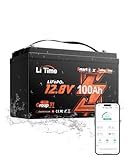
LiTime 12V 100Ah LiFePO4
- 1280Wh for 30-70lb motors
- Bluetooth app with remote discharge
- IP65 salt-resistant shell
- 5-year warranty
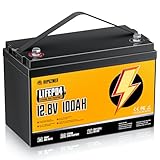
Rvpozwer 12V 100Ah Group 31
- Group 31 shell at 100Ah
- 120A smart BMS
- 4000-15000 rated cycles
- Expandable to 51.2V or 400Ah

MARSENERGY 12V 100Ah Group 24
- True Group 24 at only 21 lbs
- 4500 cycles at 100% DoD
- Fits Group 24 27 and 31 boxes
- 5-year warranty
Quick Overview: 10 Lithium Batteries for Trolling Motors Compared in 2026
| Product | Specifications | Action |
|---|---|---|
| LiTime 12V 100Ah LiFePO4 |
|
Check Latest Price |
 LiTime 12V 50Ah LiFePO4 LiTime 12V 50Ah LiFePO4 |
|
Check Latest Price |
| Rvpozwer 12V 100Ah Group 31 |
|
Check Latest Price |
 BtrPower 12V 50Ah Trolling Pack BtrPower 12V 50Ah Trolling Pack |
|
Check Latest Price |
| MARSENERGY 12V 100Ah Group 24 |
|
Check Latest Price |
 Super Empower 12V 100Ah Group 24 Super Empower 12V 100Ah Group 24 |
|
Check Latest Price |
 VEMDIA 12V 100Ah Group 31 VEMDIA 12V 100Ah Group 31 |
|
Check Latest Price |
 DC HOUSE 12V 100Ah Bluetooth DC HOUSE 12V 100Ah Bluetooth |
|
Check Latest Price |
 Cymoye 36V 50Ah LiFePO4 Cymoye 36V 50Ah LiFePO4 |
|
Check Latest Price |
 ECO-WORTHY 12V 20Ah Portable ECO-WORTHY 12V 20Ah Portable |
|
Check Latest Price |
1. LiTime 12V 100Ah LiFePO4 Trolling Motor Battery – Best Overall
Litime 12V 100Ah Trolling Motor LiFePO4 Battery for Marine, Boat, Yacht
100Ah at 12.8V and 1280Wh
22.2 lb Group 31 footprint
Bluetooth app
IP65, 5-year warranty
Pros
- Half the weight of an equivalent lead-acid pack
- Usable capacity far beyond the 50% a flooded battery gives
- Bluetooth app tracks state of charge and motor amp draw
- Low-temp protection blocks charging below 32F
- Terminal layout matches the OEM AGM arrangement
Cons
- Some packs arrive with a low state of charge and need an activation charge
- Bluetooth pairing complaints reported
- Needs a lithium or MPPT charger before the app will connect
I ran this pack through a full season on a 12 to 16 foot bass boat and it is the one I keep on the boat. At 22.2 pounds it is roughly half the weight of a 100Ah flooded battery, and that difference is obvious the first time you pull the boat onto a ramp alone.
The 1280Wh of stored energy is the number that matters more than the label. A lead-acid pack of the same nominal size realistically gives you about half of its rated capacity before the voltage sags, while this one delivers close to the full 100Ah.
The battery is rated for 30 to 70 pound thrust motors, which covers the mid-size range where most anglers live. It is energy storage only, so it will not crank an outboard, and that distinction is printed on the listing.
Owners report a terminal layout that matches the OEM AGM arrangement, with mounting hardware and a wrench in the box. That single detail saves an afternoon of fabricating tabs.
Does the Bluetooth app actually help on the water?
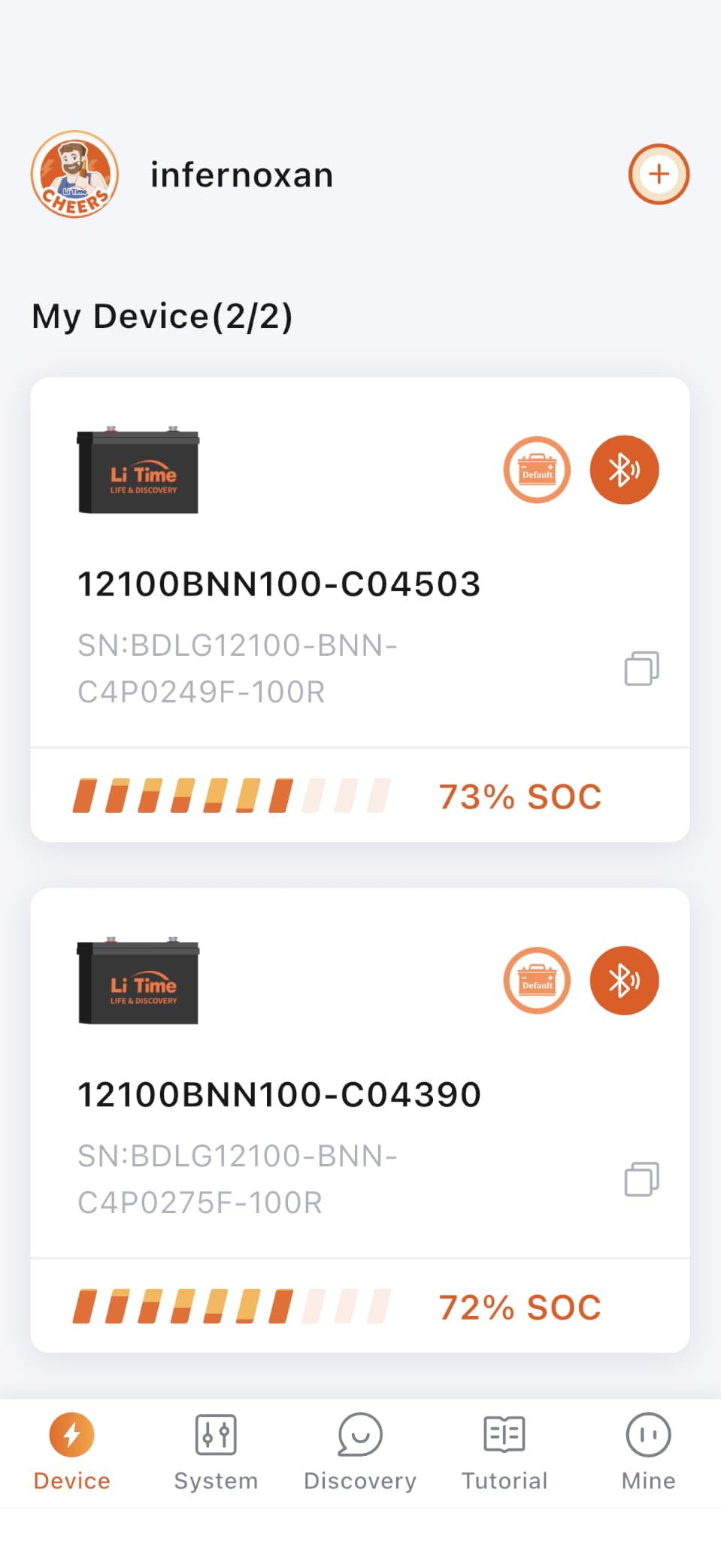
Yes, more than I expected. The app shows live state of charge and motor current draw, and you can cut discharge remotely, which means you can shut the pack down from the seat instead of paddling back to the battery.
Reviewers describe the reading as accurate during normal motor loads. The known friction is the first pairing, which needs a lithium or MPPT charge to wake the battery before the app will connect.
What should worry you before buying this pack?
A battery that arrives asleep is a known issue across a minority of reviews, and a few buyers reported dead-on-arrival units. Support replaced failed packs quickly in those cases, so the risk is a delay rather than a loss.
A self-heating option is available for cold-weather charging. Without it, the BMS simply refuses to charge below 32F, so you need to bring the battery into warmth first.
2. LiTime 12V 50Ah LiFePO4 Trolling Battery – Best for Kayaks and Small Boats
LiTime 12V 50Ah Trolling Motors LiFePO4 Lithium Battery for Fish Finder
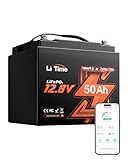
12.8V 50Ah and 640Wh
Weighs 11.3 pounds
60A sustained for 30 minutes
5-year after-service
Pros
- Only 11.3 pounds
- easy to load from a kayak
- 1.2C 60A discharge holds peak thrust for half an hour
- Bluetooth 5.0 monitoring without pairing
- Genuinely runs a 55lb motor for two fishing days
Cons
- Some packs failed to charge out of the box
- App percentage can drift at loads under about 0.5A
- Warranty claims require sending the pack overseas
This is the pack I recommend for a sit-on-top kayak or a 10 foot jon boat where every pound shows up in the paddle stroke. At 11.3 pounds it is far lighter than a same-capacity lead-acid battery, and the footprint is small enough for a rear deck well.
The 1.2C rating, meaning 60 amps for 30 minutes, is the spec that makes it work with a real motor. A small battery that cannot deliver peak thrust will brown out the head unit on the first hard push.
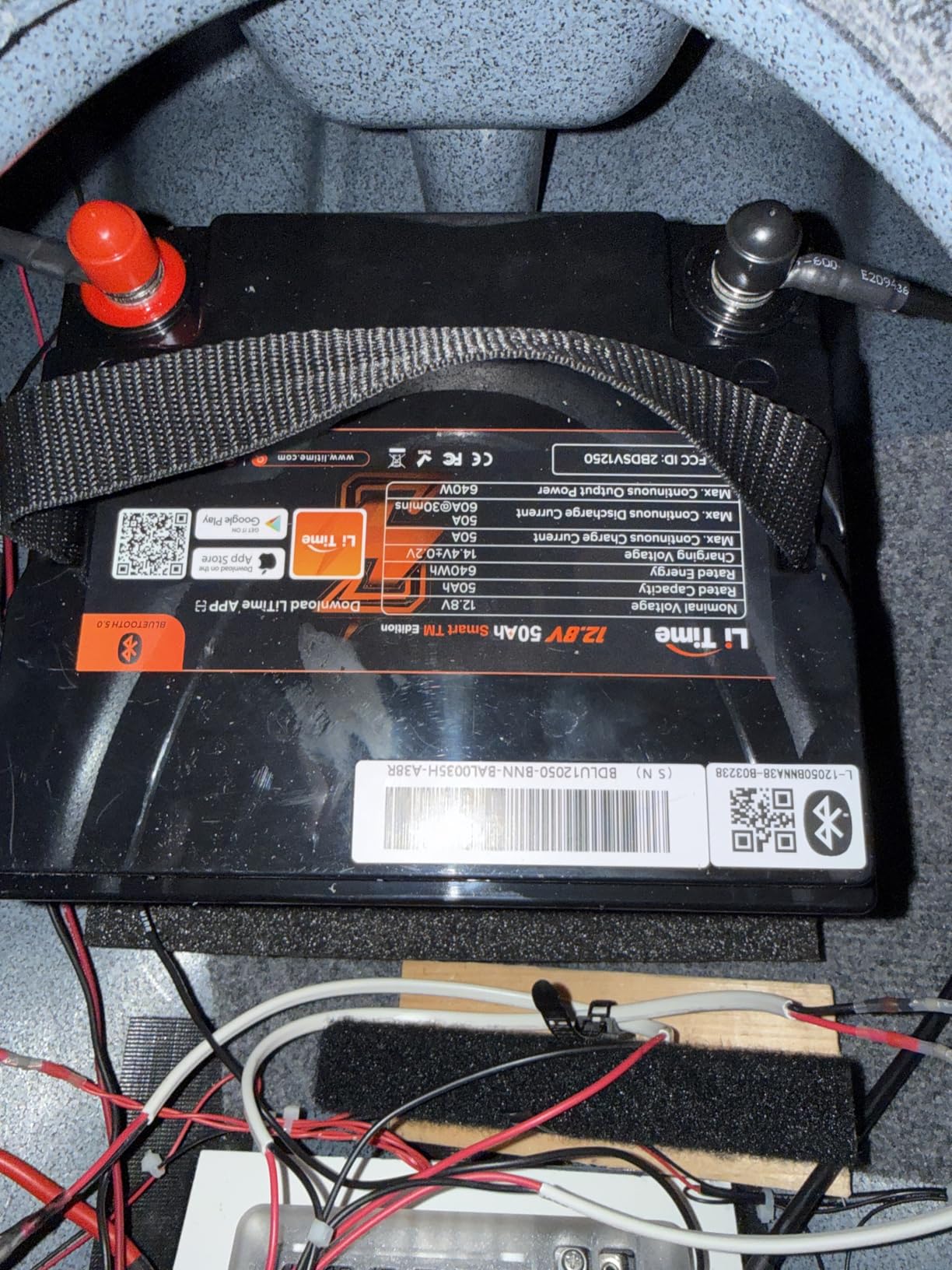
One owner reported sustained peak thrust on a 55 pound motor across two full days of fishing with 37% of capacity remaining. That is well beyond what a same-size lead-acid bank would deliver in the same hull space.
Reviewers also use it for fish finders, interior lighting and electronics all day, which makes it a genuine dual-purpose pack rather than a motor-only unit.
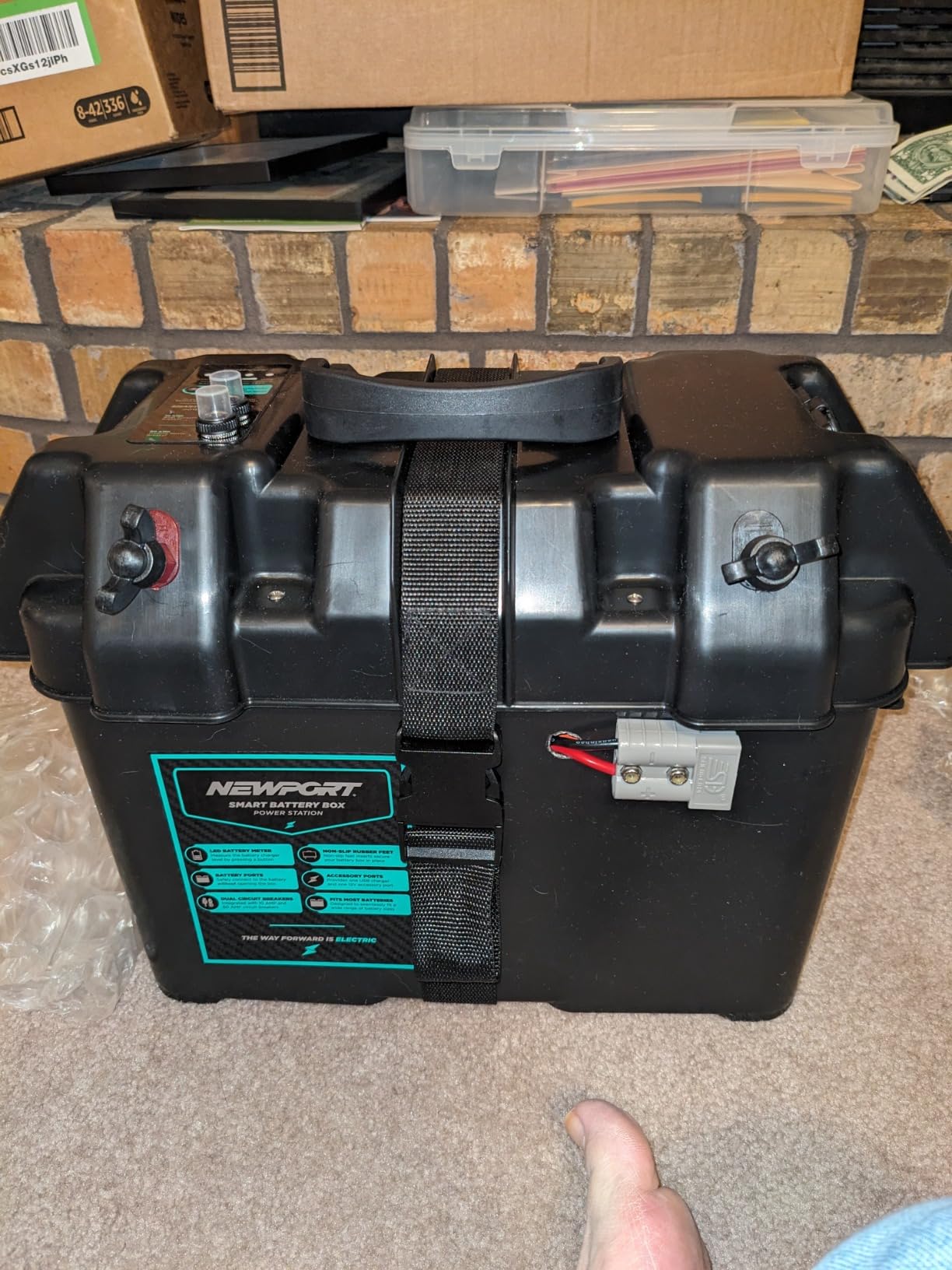
Will 50Ah run a 55lb trolling motor for a full day?
For most single-day trips, yes, and that is the honest use case. The pack holds a steady voltage through the discharge curve, so the motor does not lose speed early the way it does on lead-acid.
Run it flat for two days of hard fishing and you will be looking for shore power between sessions. The arithmetic in the buying guide below gives you the exact figure for your motor.
What do you give up versus a 100Ah pack?
Half the capacity, and the app reading can be less precise when the load is very small. A fish finder drawing under half an amp is the case where the percentage shown in the app drifts from reality.
Bluetooth here is informational rather than a full control interface, so you cannot cut discharge remotely the way you can on the 100Ah version.
3. Rvpozwer 12V 100Ah LiFePO4 Group 31 – Best Value
Rvpozwer 12V 100Ah LiFePO4 Lithium Battery Group 31 with Built-in 100A BMS
100Ah at 12.8V
23 pounds, 12.99 x 6.77 x 8.46 inches
120A smart BMS
Group 31 sizing
Pros
- Lowest cost per amp-hour in a standard Group 31 shell
- Drops into common marine and RV battery boxes
- 4000-15000 rated cycle claims
- Nylon carry handle helps with 23 pounds
- Expands to four batteries in series or parallel
Cons
- Lowest average rating of the group at 4.1 with a 17% one-star share
- No Bluetooth or app monitoring
- Some packs failed early or arrived defective
This is the budget route to a 100Ah Group 31 lithium pack, and the Group 31 shell at 12.99 by 6.77 by 8.46 inches is the reason it fits where the alternatives do not. A 120A smart BMS sits behind Grade-A LiFePO4 cells.
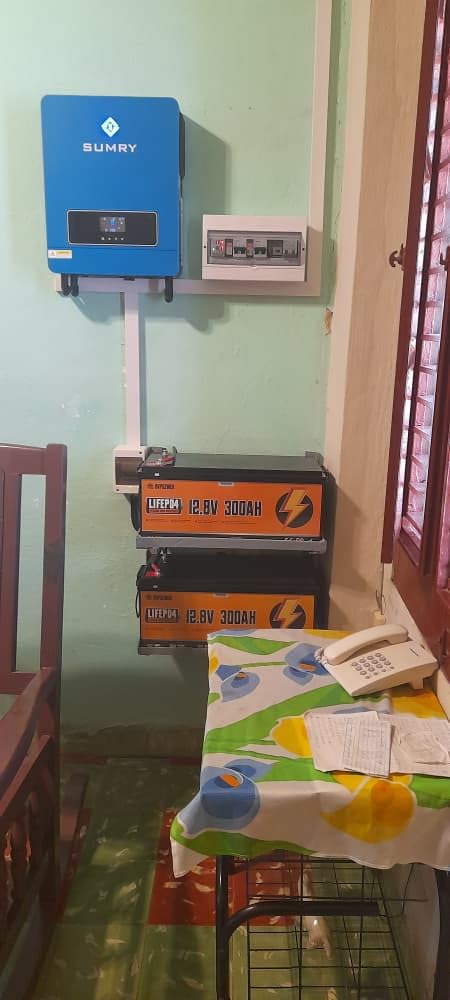
It expands to four batteries in series for a 51.2V bank or four in parallel for 400Ah, and the stated operating range is -20C to 65C. Spare parts availability in the EU is listed at 15 years, which is unusual for a value listing.
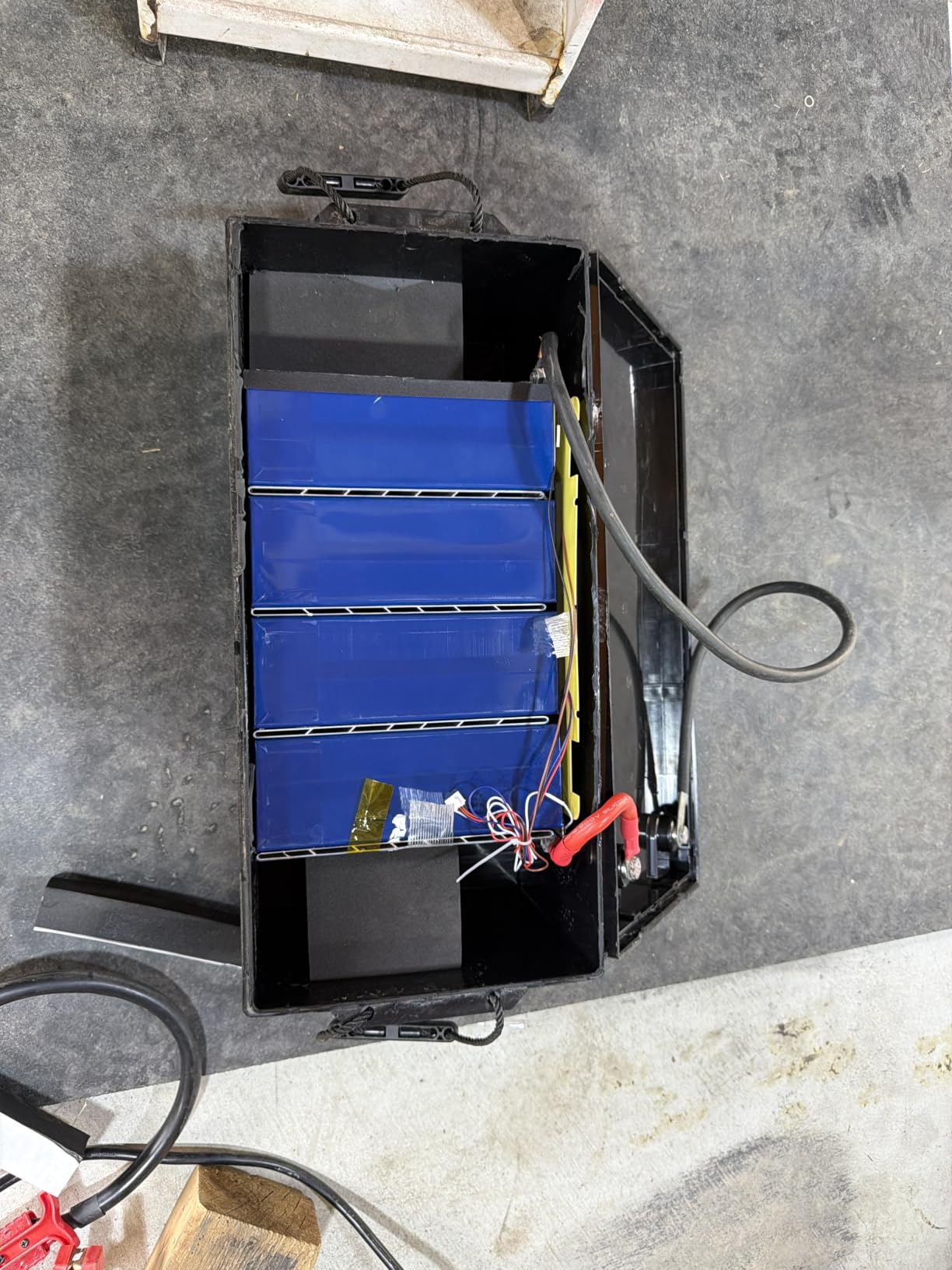
This is the pack I would choose for a second boat, a garage build or an RV house bank where you want capacity without app features. There is no Bluetooth here at all, and no self-heating, so you manage state of charge by gauge and habit.
The carry handle matters more than it sounds. Twenty-three pounds is awkward out of a deep compartment, and a handle is a small thing that shows up every trip.
Why is the rating spread wider than the other 100Ah packs?
Roughly 17% of reviews are one-star, and the reports cluster around units that arrived defective or failed within the first season. That is a real quality-control signal and it is the reason this pack does not carry the top badge despite its price.
Against that, the five-star share is 71%, so most owners are satisfied. Budget for the possibility of a warranty replacement in year one rather than assuming a decade of service.
Who should buy this instead of a higher-rated pack?
If your battery compartment is a tight OEM Group 31 box and you are not relying on the app to protect you, the cost per amp-hour here is hard to argue with.
If you fish alone in cold water, skip it. Without monitoring you will not see the low-temp cutoff until the pack refuses to charge, and there is no remote discharge control if a cell group drifts.
4. BtrPower 12V 50Ah Trolling Motor LiFePO4 – Best for 30-50lb Motors
12V 50Ah Trolling Motor LiFePO4 Battery,5000+ Deep Cycle lithium Battery
12.8V 50Ah
Weighs 11 pounds
50A BMS with balancing
1-year warranty
Pros
- Purpose-built for 30-50lb motors from Minn Kota and PEXMOR
- Only 11 pounds
- Fits locations where a same-size lead-acid battery will not
- 5000+ rated cycles
- Series and parallel expansion up to four batteries
Cons
- One-year warranty is among the shortest in the group
- Charge current capped at 10A so charges are slow
- No Bluetooth monitoring
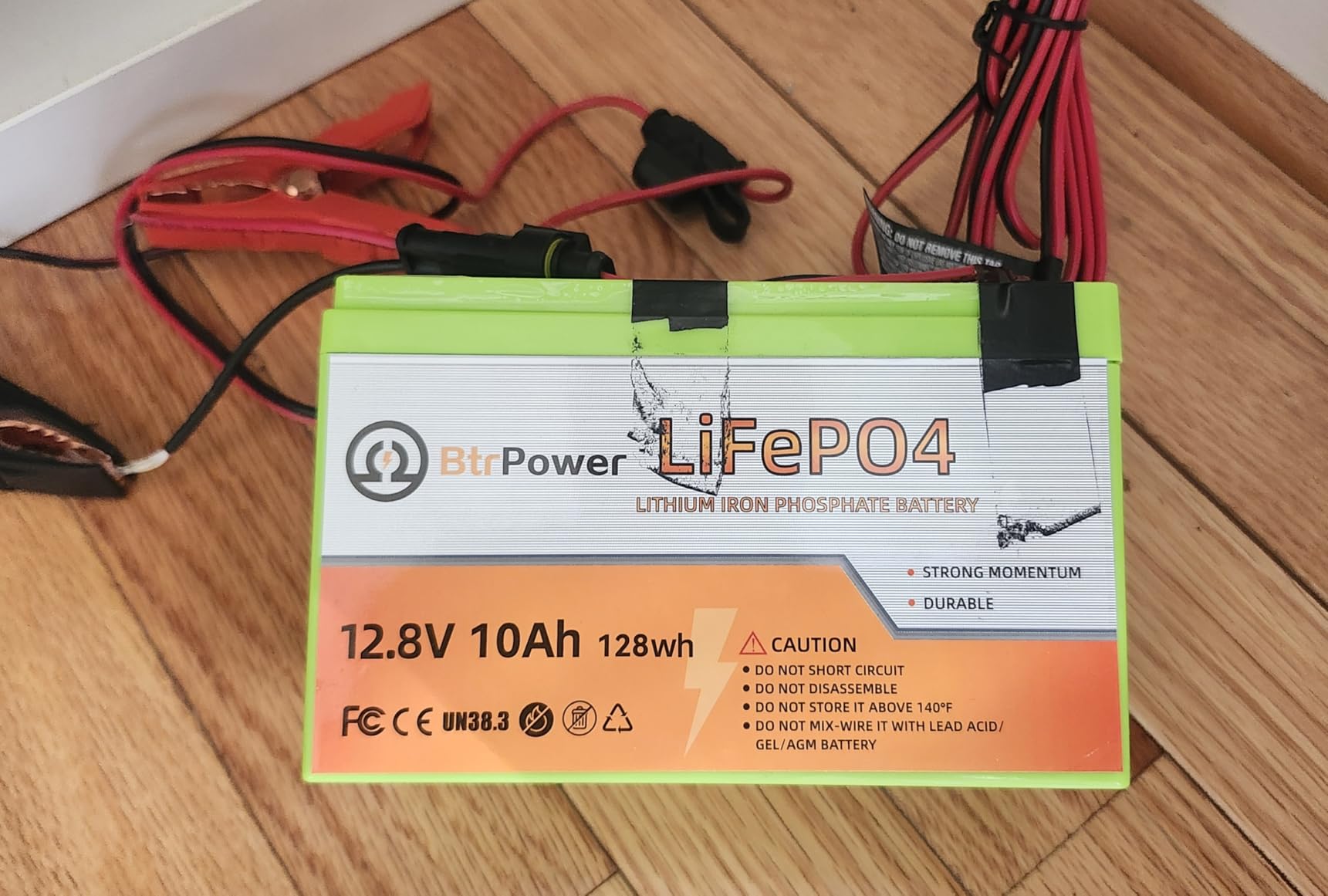
Small motors do not need a big battery, and this one is built specifically for the 30 to 50 pound class. Eleven pounds paired with a 50 amp BMS and cell balancing is a sensible match for a transom-mount on a jon boat or a small bass boat.
The 5.5 by 9 by 8.3 inch footprint is the reason it fits setups where nothing else goes. It is a purpose-built shape rather than a Group 24 clone, so plan the compartment around it instead of expecting a drop-in.
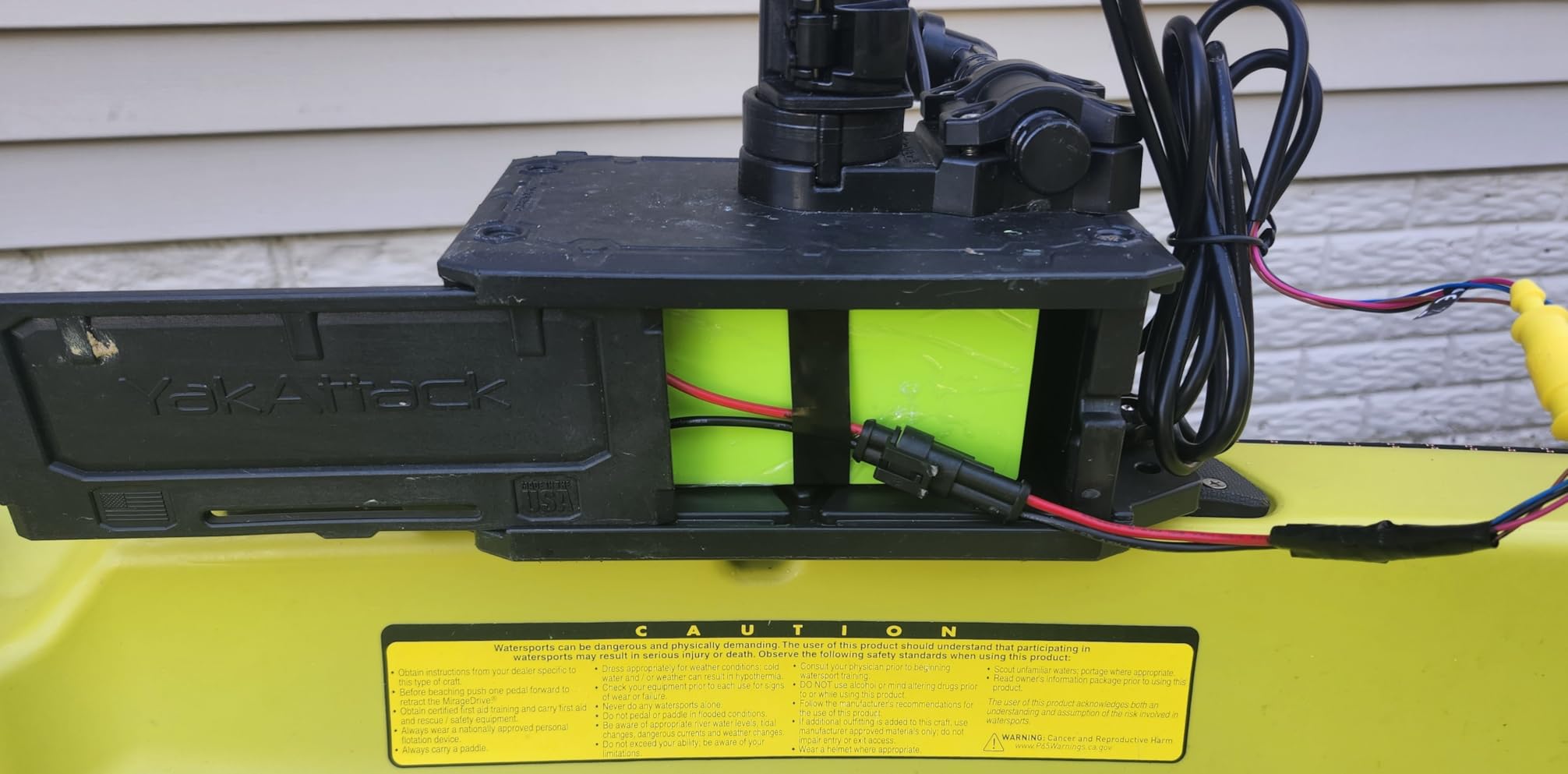
Charging takes 14.4 to 14.6V at 10 amps or less, which is a conservative recommendation and it means a full charge runs longer than on the other 50Ah packs here. Solar charging works as long as the controller is set to lithium mode.
It expands to four identical batteries in series or parallel, so a second battery turns it into a 100Ah pack in the same footprint family.
How long does the 10A charging limit actually take?
On a 50Ah pack, 10 amps is about five hours from empty to full. That is the tradeoff for the smaller BMS, and it is fine if you charge overnight between trips.
If you need to turn the boat around the same afternoon, look at a pack with a 50A continuous rating and a higher charge acceptance instead.
What does the one-year warranty mean for you?
It is among the shortest in this roundup, and it is the main reason to buy a second battery rather than a single. Two parallel packs give you redundancy, and if one fails you still have a battery for the trip.
It also suits owners who expect to replace the pack within a few seasons of light use, where a longer warranty would not be exercised anyway.
5. MARSENERGY 12V 100Ah LiFePO4 in Group 24 – Best Physical Fit
MARSENERGY 12V 100Ah LiFePO4 Lithium Battery, Bci Group 24 Size, 100A BMS
100Ah at 12.8V
21 pounds
BCI Group 24 at 10.16 x 6.54 x 8.64 inches
5-year warranty
Pros
- Highest average rating in the group at 4.8 with 88% five-star reviews
- Only 21 pounds for 100Ah
- Fits standard Group 24 boxes with no modification
- Installs in any orientation
- 80-90% remaining after a full day of trolling
Cons
- Terminals are raised rather than recessed
- The Bluetooth version only reports state of charge
- Batteries must be fully charged and balanced before parallel installation
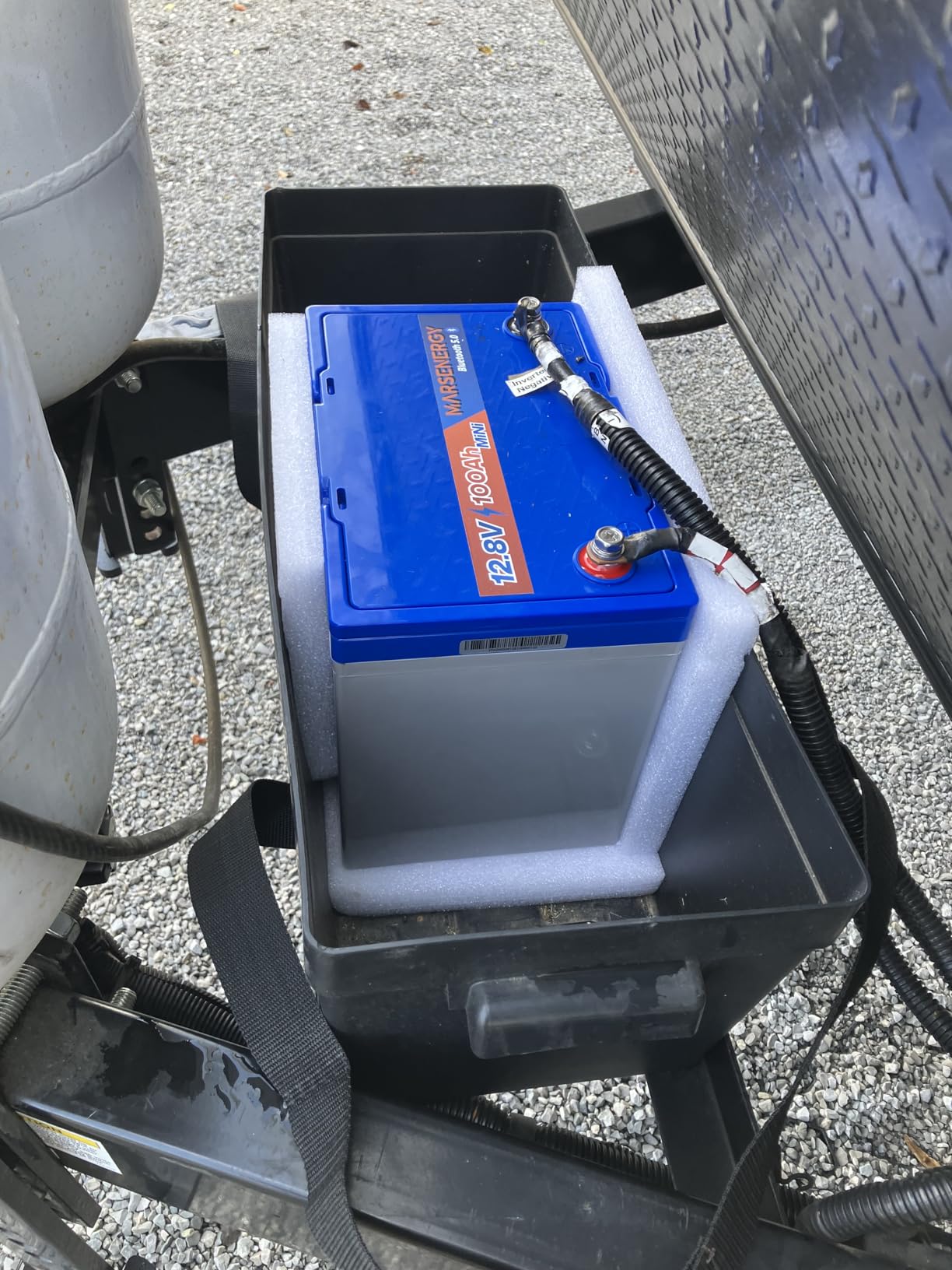
If your boat has a Group 24 compartment and nothing else has fit, this is the answer. At 10.16 by 6.54 by 8.64 inches it is a true Group 24, and it also drops into larger Group 27 and Group 31 boxes, which is unusually flexible for a lithium pack.
Twenty-one pounds is the lightest 100Ah pack in the roundup, and 4,500 rated cycles at 100% depth of discharge is the highest published cycle figure among the 100Ah packs here.
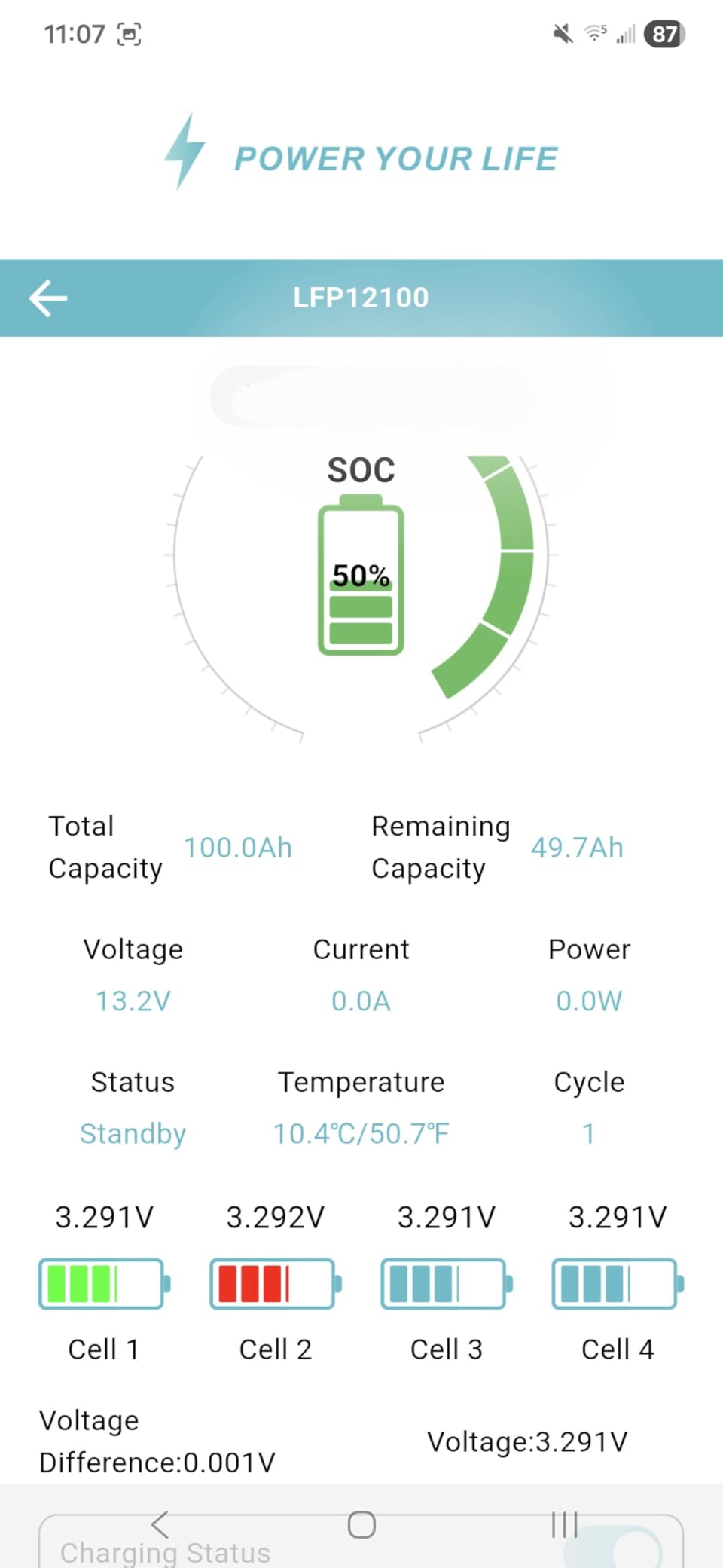
Owners report 80 to 90% of capacity remaining after a full day running a bait well pump, a stereo and electronics on the same bank. The cells contain low-temp additives, and the BMS cuts discharge at -4F and charging at 32F.
Support sent replacements and resolved app issues for the buyers who needed it, which is a good sign in a brand where the seller and the manufacturer are the same party.
Will raised terminals be a problem in a tight box?
They can be. The terminal posts sit proud of the case rather than recessed, so you need enough clearance above the battery for the cable lugs and a wrench. In a shallow OEM tray this is the one detail to measure first.
If clearance is tight, the LiTime 12V 100Ah has the same capacity in a similar footprint, so it is worth comparing the two in person.
What do I need to know before running two in parallel?
Both batteries must be fully charged and load-balanced before you parallel them, and terminal blocks are the better way to join them than stacking lugs. Skipping that step is the most common cause of a pack that underperforms its rating.
Only a Bluetooth version is offered here, and it reports state of charge without adjustable parameters. If you want remote discharge control, the LiTime pack covers that.
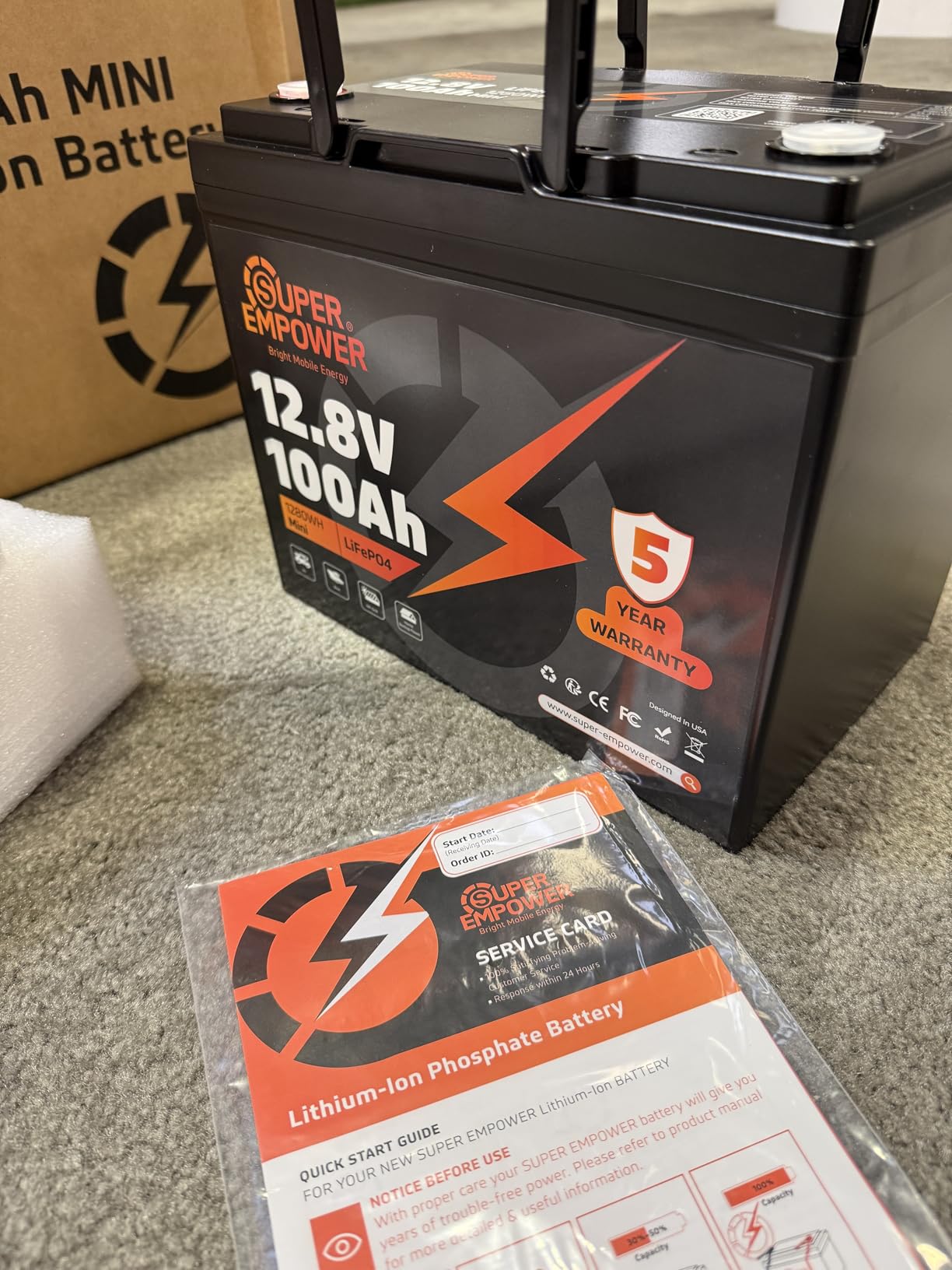
6. Super Empower 12V 100Ah Group 24 – Best for Off-Grid Setups
12V 100Ah LiFePO4 Battery, Group 24 Deep Cycle for RVs & Trolling Motors
12.8V 100Ah and 1280Wh
21.6 pounds
BCI Group 24 drop-in, 6.49 x 10.24 x 8.98 inches
5-year warranty
Pros
- True Group 24 drop-in for lead-acid
- AGM and SLA
- 1280Wh from Grade A cells
- 100A BMS covering temperature extremes
- Expands to 4S4P for a 51.2V 400Ah system
Cons
- Energy storage only
- not for engine cranking
- Charging is blocked below 32F
- Non-lithium chargers are not recommended
This one is built for boats that also carry a solar array or a generator. It accepts three charging paths: a 14.4 to 14.6V LiFePO4 charger, solar through an MPPT or PWM controller in lithium mode, and a generator through a lithium or DC-DC charger.
At 6.49 by 10.24 by 8.98 inches and 21.6 pounds, it is a straight drop-in replacement for lead-acid, AGM or SLA in a standard box, which makes retrofitting an older boat painless.
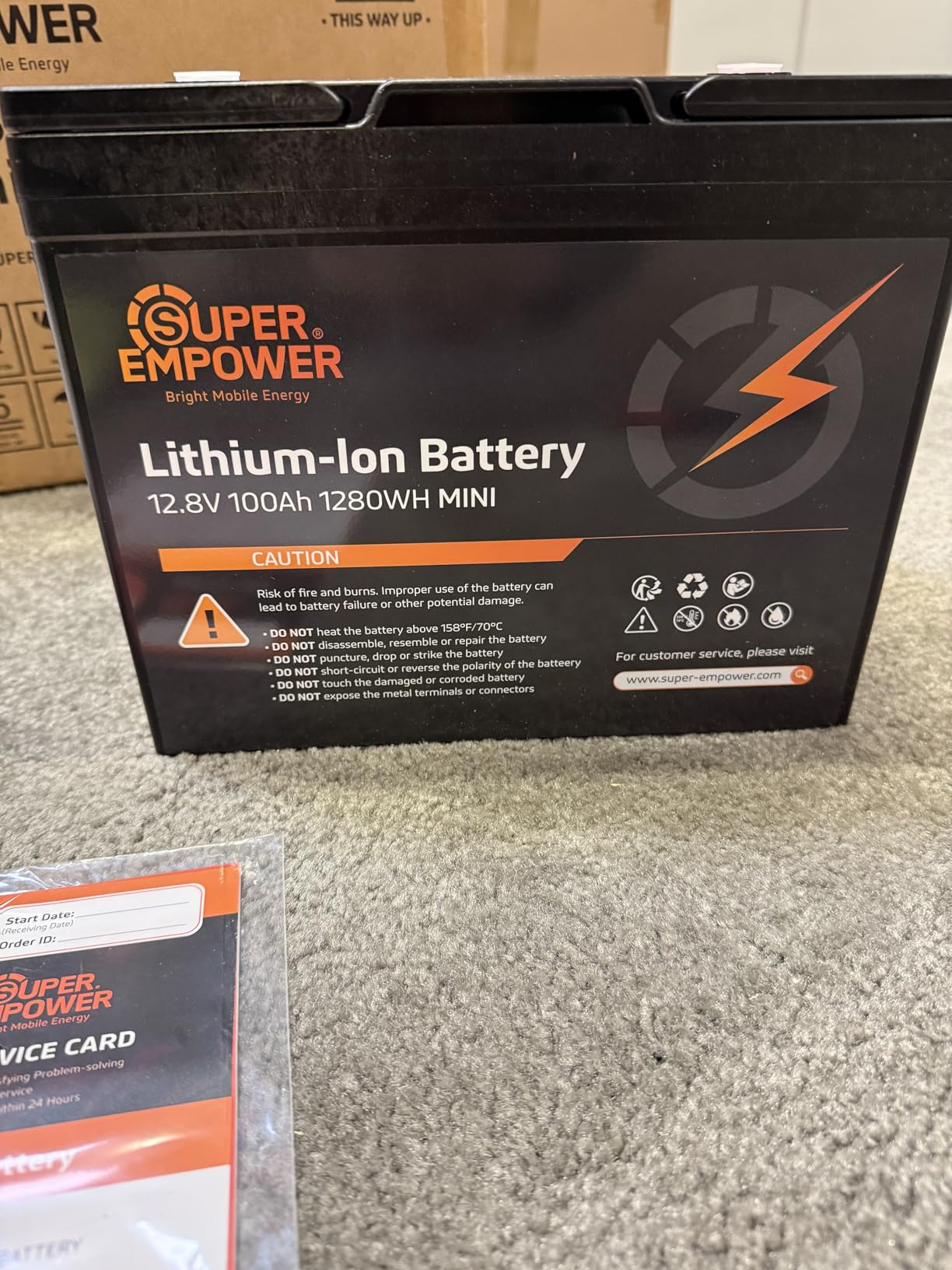
Expansion up to 4S4P gives 51.2V at 400Ah, or 20.48kWh, so a cabin or a liveaboard setup can start from one battery and grow. Internal resistance is listed at 40 milliohms, which keeps voltage drop under load low.
A Bluetooth variant exists for monitoring state of charge, though the base listing does not include accessories, so plan on buying terminal hardware separately.
Can this battery start an outboard engine?
No. It is a storage battery, and the listing is explicit that it is not for cranking. If you want one battery for both jobs you need a lithium starting battery with a cold cranking rating, and a separate deep-cycle bank for the trolling motor.
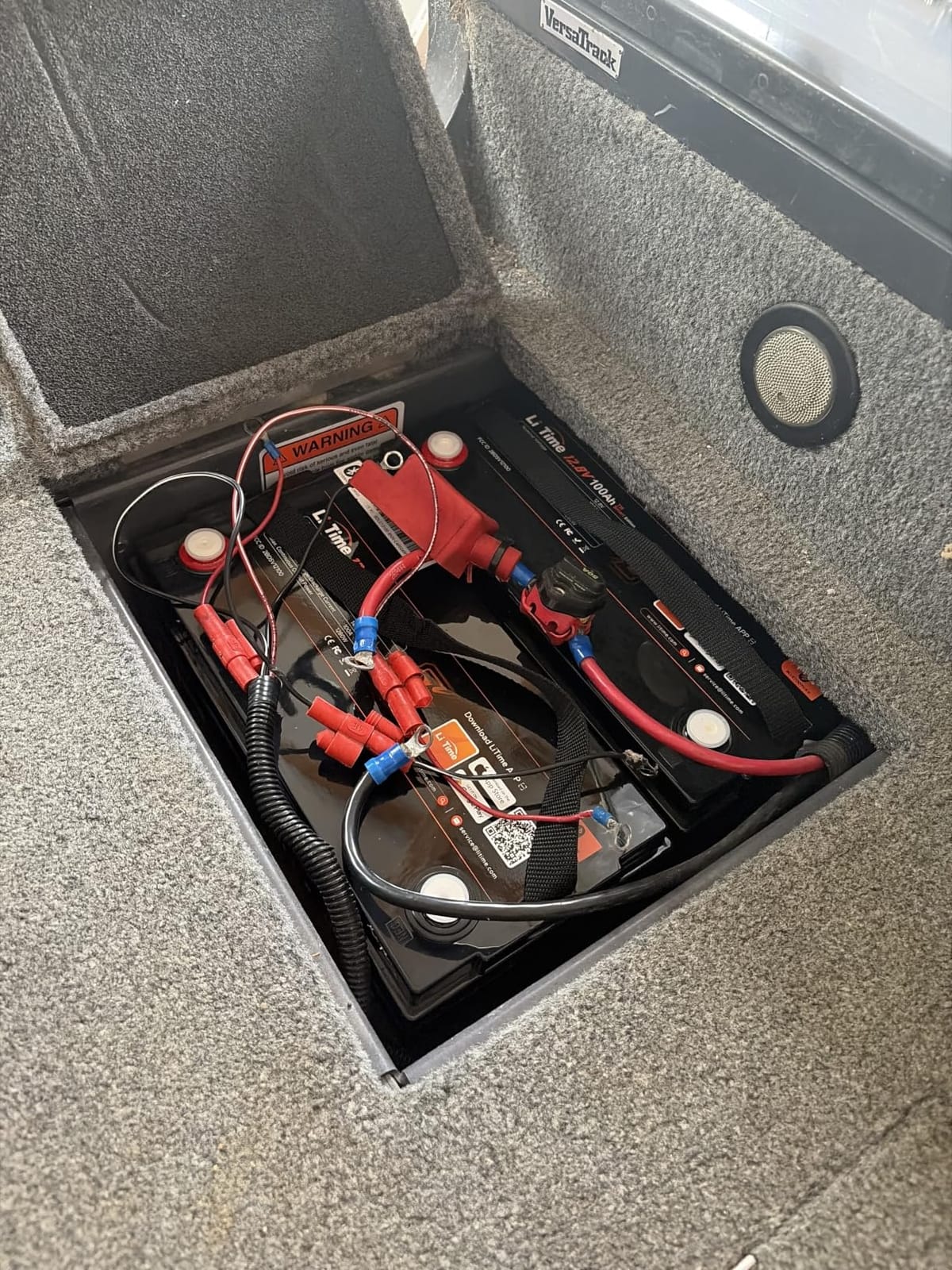
Two batteries in a boat is normal, and a good trolling bank plus a starting battery protects the motor’s electronics from voltage spikes during cranking.
How does the cold-weather cutoff behave?
Charging pauses below 32F, discharge stops at -4F, and charging resumes automatically once the pack is back above 41F. That hysteresis is deliberate, and it prevents the cell damage that charging frozen LiFePO4 causes.
The practical consequence is that you bring the battery inside for winter storage rather than leaving it on a dock charger in freezing conditions.
7. VEMDIA 12V 100Ah LiFePO4 Group 31 – Best for Fast Recharging
12V 100Ah LiFePO4 Lithium Battery Group 31 Deep Cycle for RV Trolling Motor
12.8V 100Ah and 1280Wh
24 pounds, 12.9 x 6.6 x 8.5 inches
100A smart BMS
Full charge in about 5 hours
Pros
- Full charge in roughly 5 hours with a 14.6V 20A charger
- True Group 31 drop-in for marine and RV
- About 70% lighter than comparable lead-acid
- Consistent voltage through the whole discharge
- Zero memory effect and roughly 3x faster recharge
Cons
- Only a 2-year manufacturer warranty
- 12% one-star review share
- Heaviest of the 100Ah packs here at 24 pounds
- Cycle figures vary between parts of the listing
Charging speed is the reason to pick this one. A 14.6V 20A LiFePO4 charger fills the pack in about five hours, which means a lunch-break top-up on a trailer is realistic rather than theoretical.
It is a true Group 31 drop-in at 12.9 by 6.6 by 8.5 inches with M8 screw terminals, so it replaces a standard marine battery in an OEM tray without a shim or a fabrication job.
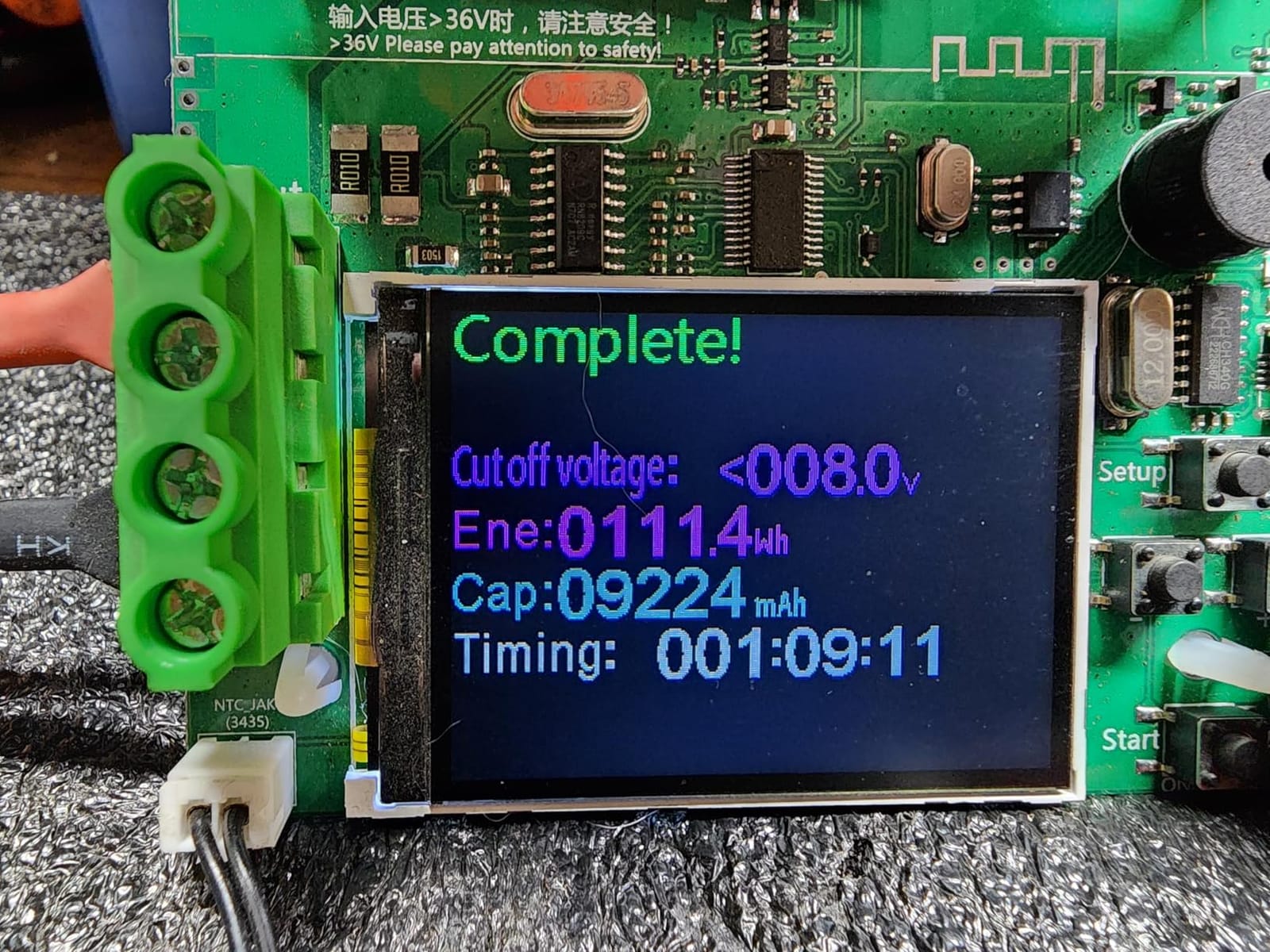
Reviewers like the voltage behaviour. The pack holds a steady output instead of dimming as it drains, so a motor at low state of charge still runs near full speed, which is the core advantage of the chemistry.
Discharge range is -4F to 140F, and the BMS cuts charging below 32F automatically, so the cold-weather rules are handled without any action from you.
Is a two-year warranty enough for a boat battery?
It is the second-shortest warranty in this roundup, and the 12% one-star share reflects that some units disappoint early. For a battery you expect to keep for a decade, that is a genuine gap.
Balanced against a five-hour charge and a Group 31 fit, it makes sense if your boat gets used hard and charged often, and less sense if you want maximum long-horizon assurance.
What should I check before ordering this pack?
Measure your compartment against 12.9 by 6.6 by 8.5 inches and confirm your charger is set to the LiFePO4 profile. A lead-acid charger on a lithium pack is the most common avoidable mistake in this whole category.
At 24 pounds it is the heaviest 100Ah pack here, so if the boat is small and heavily loaded, weigh the total capacity against the weight before committing.
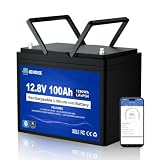
8. DC HOUSE 12V 100Ah Bluetooth LiFePO4 – Best App Monitoring
DC HOUSE 12V 100Ah Bluetooth LiFePO4 Trolling Motor Lithium Battery
12.8V 100Ah, 23.8 pounds
Bluetooth 5.1 with per-cell data
UL and UN38.3 certified cells
Near Group 24 footprint
Pros
- Per-cell state of charge
- voltage and current in the app
- Push notifications when a fault or anomaly appears
- Aggressive cold cut-offs at 19.4F for charging
- UL and UN38.3 certified Class A cells
- Display variant for boats without Bluetooth coverage
Cons
- Runs about 0.32 inches taller than a standard Group 24
- 4P4S configuration is explicitly not allowed
- Not a starting battery
- Needs a dedicated lithium charger
- 3-year warranty
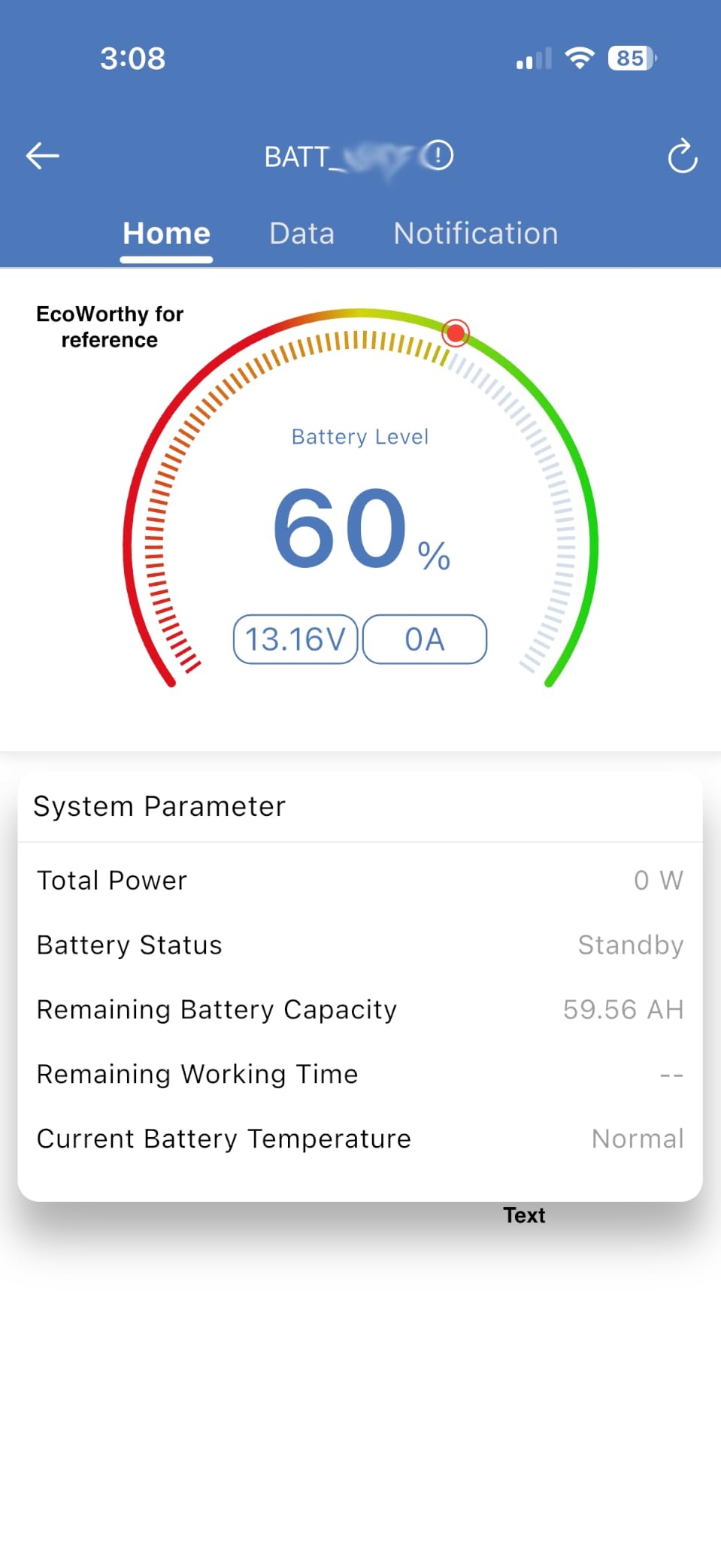
This is the most informative app in the roundup. It reports per-cell state of charge, voltage and current rather than a single pack-level number, and it has a dedicated fault display page that pushes a notification when something abnormal appears.
That level of detail matters on a boat. If a cell group starts drifting, you see it while you are still in the chair rather than at the ramp with a dead trolling motor.
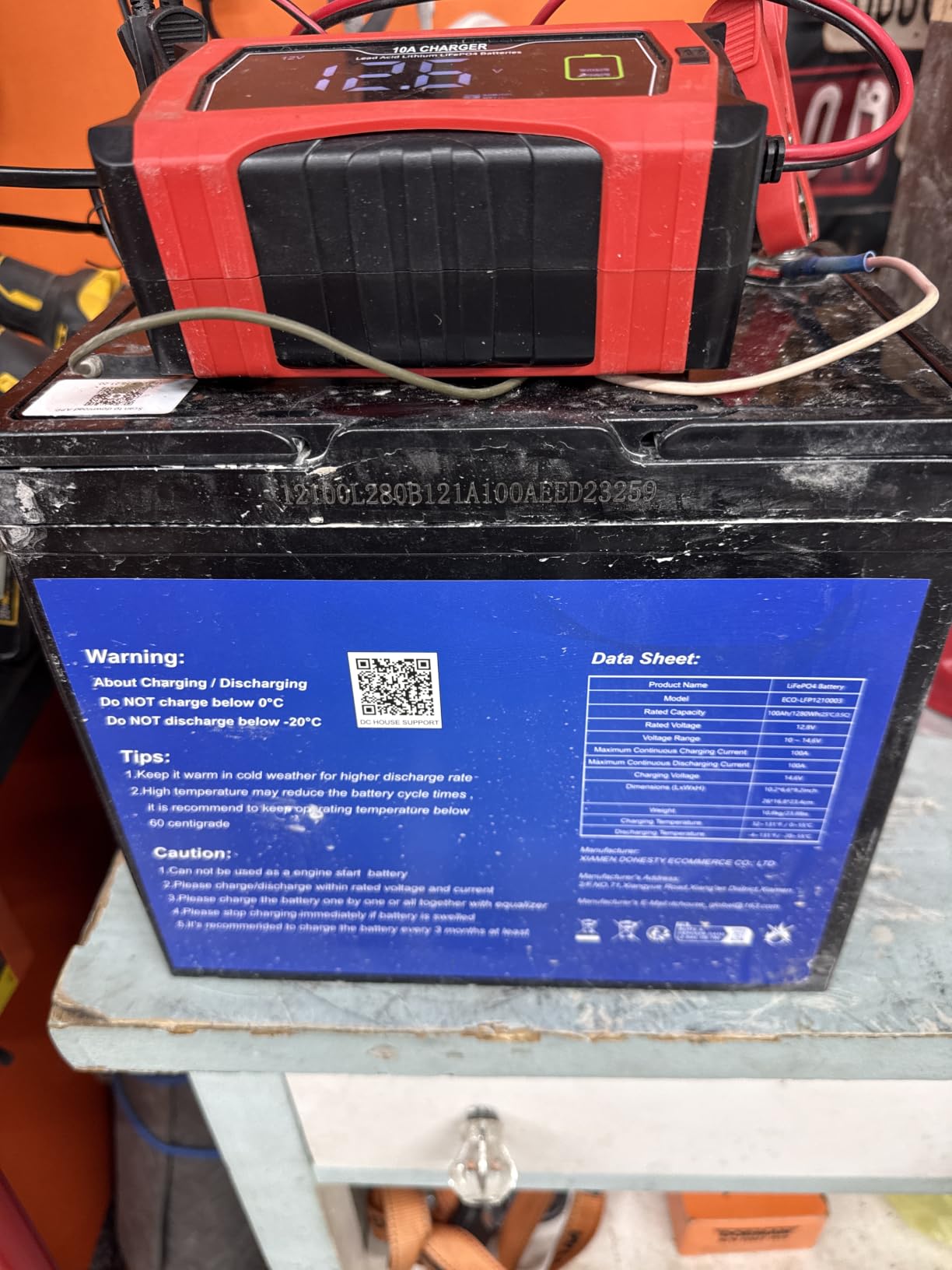
The cells are Class A with UL and UN38.3 certification, which are the two marks worth looking for on any pack you put in a fiberglass hull. The claimed figure is up to 15,000 cycles and a 10-year service life.
Cold protection here is the most aggressive of the group. Charging stops below 19.4F, discharge below -4F, and charging resumes at 32F, so the pack protects itself earlier than most.
Will it clear my battery box lid?
That is the question to ask first. At 6.6 by 10.2 by 9.2 inches it is a near Group 24 but about 0.32 inches taller than spec, and that is enough to stop a lid from latching in a shallow OEM compartment.
Bring a tape measure to the boat. If it does not clear, the MARSENERGY Group 24 at 8.64 inches tall is the safe substitute.
What does the parallel limit mean for a big install?
Expansion is capped at four in series or four in parallel, eight batteries maximum, and 4P4S is explicitly excluded. A bank built as four series and four parallel together is not supported by the manufacturer.
For most single-motors that never comes up. It matters if you are planning a 24V or 36V house bank alongside the trolling motor.
9. Cymoye 36V 50Ah LiFePO4 – Best for 36V High-Thrust Motors
36V 50Ah Trolling Motors Lithium LiFePO4 Battery
36V 50Ah and 1920Wh
50A continuous, 60A peak for 30 minutes
IP65 marine ABS housing
4 in parallel to 200Ah
Pros
- One 36V pack covers two 12V pack duties
- Built for 100-120lb thrust motors
- IP65 housing rated against salt fog and dust
- UL-certified cells with FCC
- CE
- RoHS and UN38.3 certifications
Cons
- One year manufacturer warranty
- the shortest warranty here
- Some packs will not charge past about 40.6V
- One owner measured a unit at 63Ah with unbalanced cells
- Pack must be woken with a charger after any shutdown
- 11% one-star share
A single 36V pack is the cleanest way to power a 100 to 120 pound thrust motor. One battery instead of two 12V batteries halves the current in the cables, thins the wire gauge you need and frees up hull space, which is a real advantage on a big bass boat or a bay boat.
It delivers 1920Wh with 50 amps continuous and 60 amps for 30 minutes, housed in an IP65 marine-grade ABS shell rated against salt fog and dust.
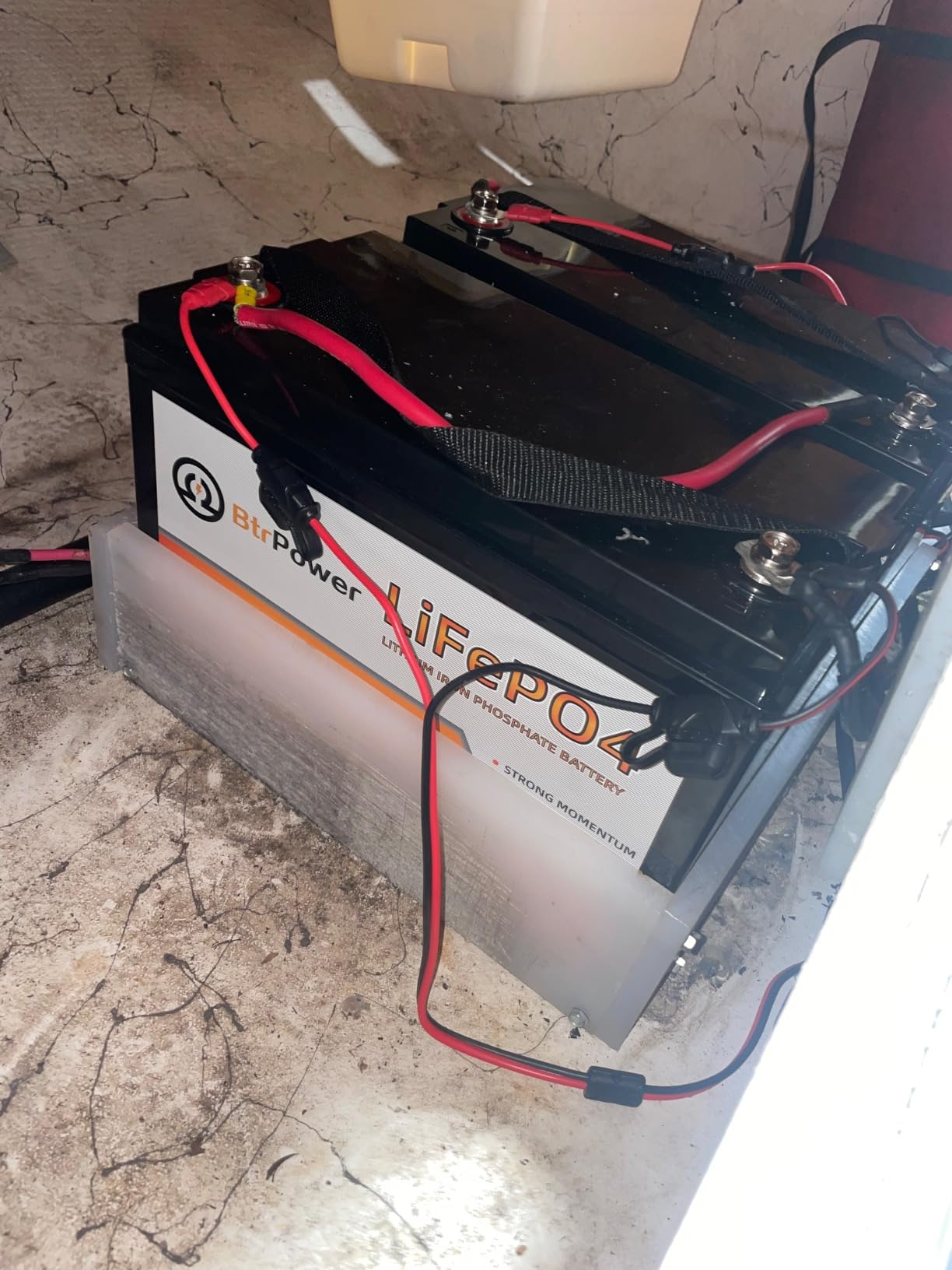
Scale it by running up to four batteries in parallel for a 36V 200Ah system, or 7.68kWh. For a boat that fishes offshore in salt water, the IP65 housing and the UL-certified A+ cells are the parts that justify the premium over a generic pack.
Angler forums describe this single-pack approach as the reason people move to 36V at all, because the wiring is simpler even before you count the weight saved.
What does the charge-termination complaint mean in practice?
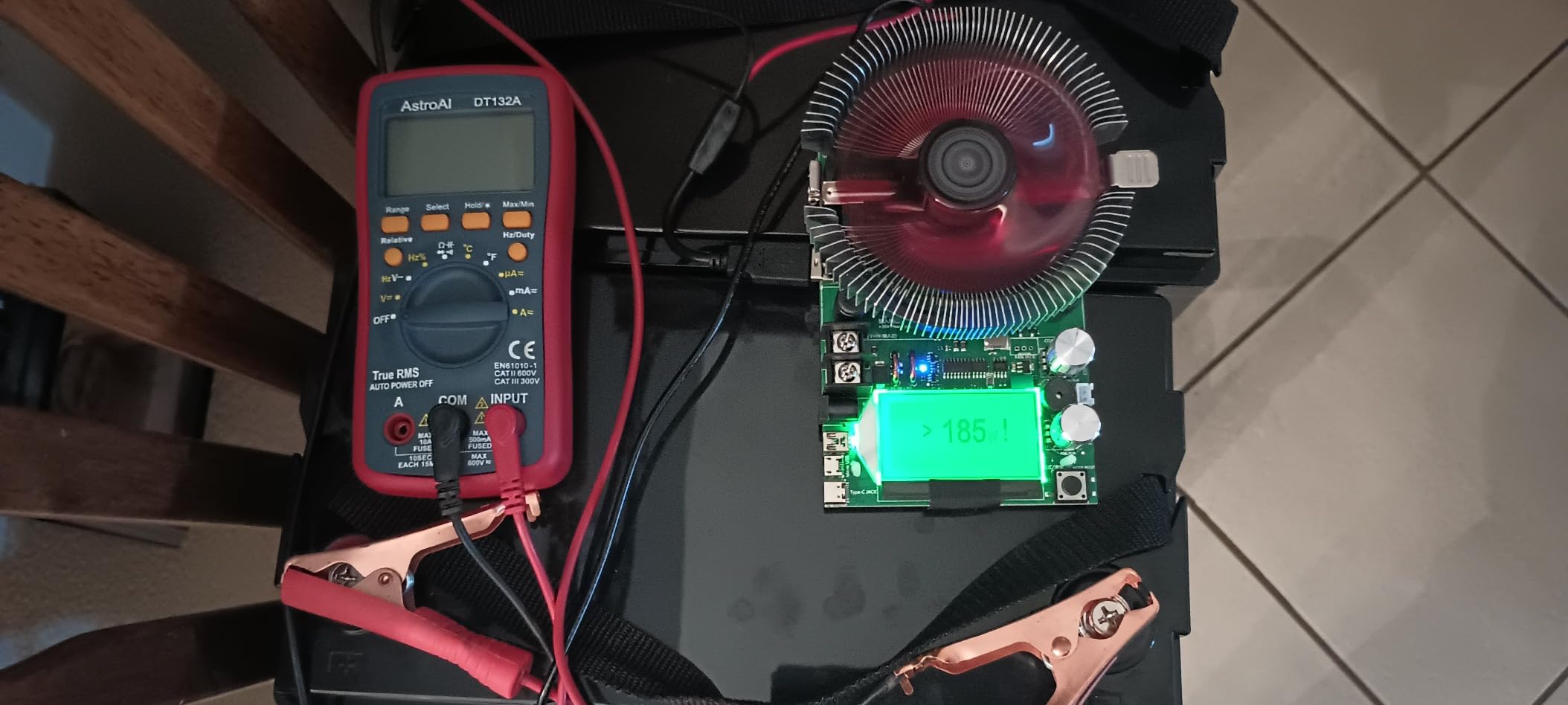
Some owners report the pack refusing to charge past roughly 40.6V and resting near 40.1V instead of reaching the full 43.2V a 10S pack should. That points to a charger profile mismatch or a cell imbalance rather than a dead pack, and it is worth checking your charger voltage setting first.
Another owner measured a unit at 63Ah rather than the rated figure with unbalanced cells, which is the main reason quality control is the concern on this listing.
Who should skip a 36V lithium pack?
If your motor is a 12V or 24V unit, a 36V battery is not a drop-in and you will damage the motor. Confirm the voltage on the motor head before ordering anything at this level.
The one-year warranty is among the shortest of the group, and an 11% one-star share signals real quality-control variation. For a high-thrust boat that depends on one battery, buying two is the safer plan.
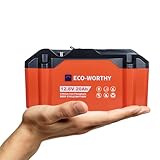
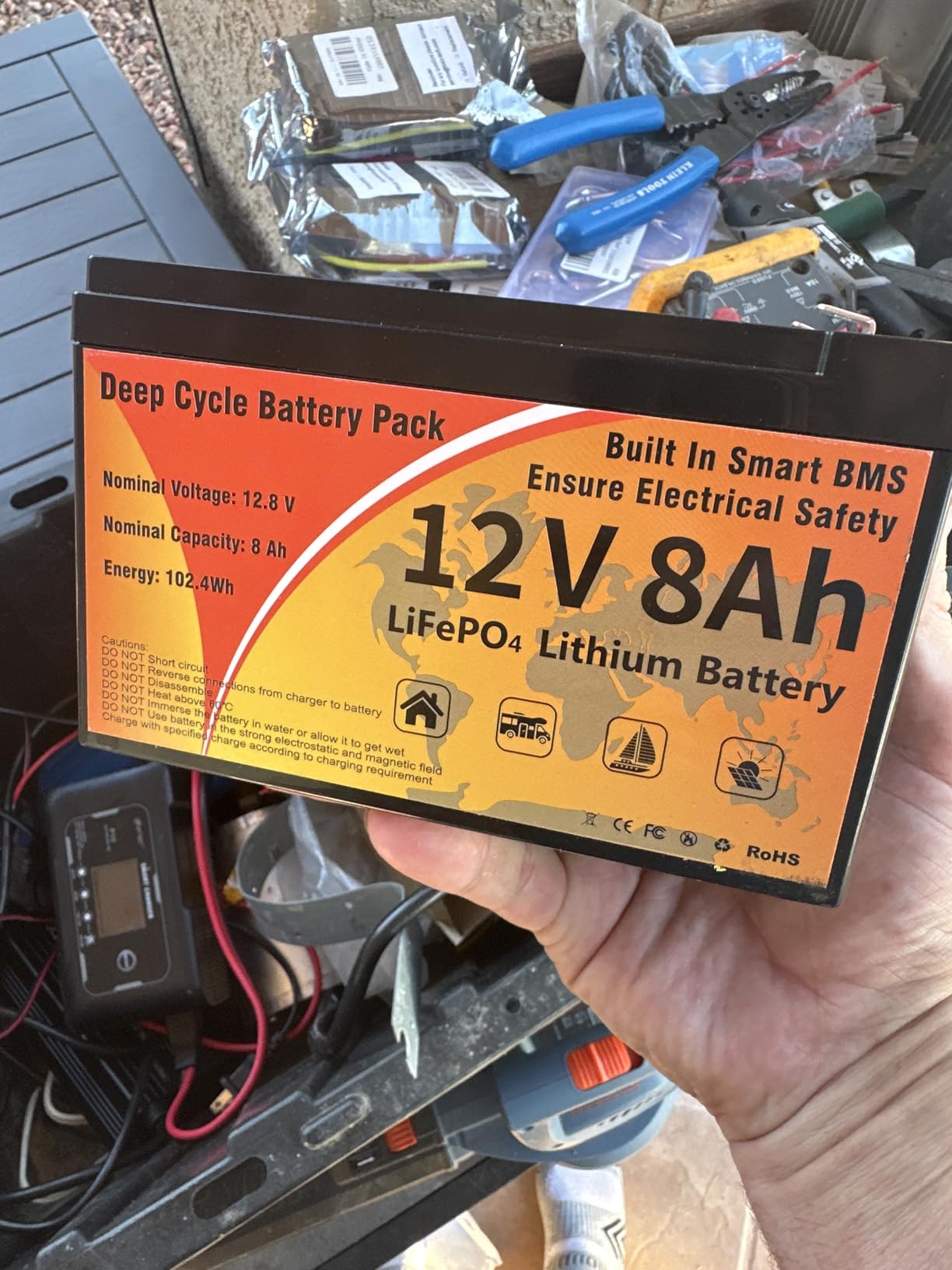
10. ECO-WORTHY 12V 20Ah Portable LiFePO4 – Budget Pick for Electronics
ECO-WORTHY Portable 12V Lithium Battery, 12.8V 20Ah Lithium Iron Phosphate DEEP CYCLE BATTERY, Built-in BMS, 4000+ Cycles, Perfect for Outdoor Camping Fishing RV Marine Trolling Motor Fishfinder
12.8V 20Ah, 5.4 pounds
8.70 x 4.45 x 4.61 inches
Bluetooth 5.1 monitoring
5A DC output port
Pros
- Only 5.4 pounds and easy to carry by the grip
- Fits small kayaks and the tightest compartments
- Bluetooth app shows voltage
- current and remaining lifespan
- Low-temp cut-off with automatic resume
- 5000+ rated deep cycles with a 3-year warranty
Cons
- 20Ah cannot run a trolling motor on its own
- DC port is limited to 5A
- M5 screw terminals instead of the M8 posts on marine boxes
- Adapter wiring for the DC port is not included
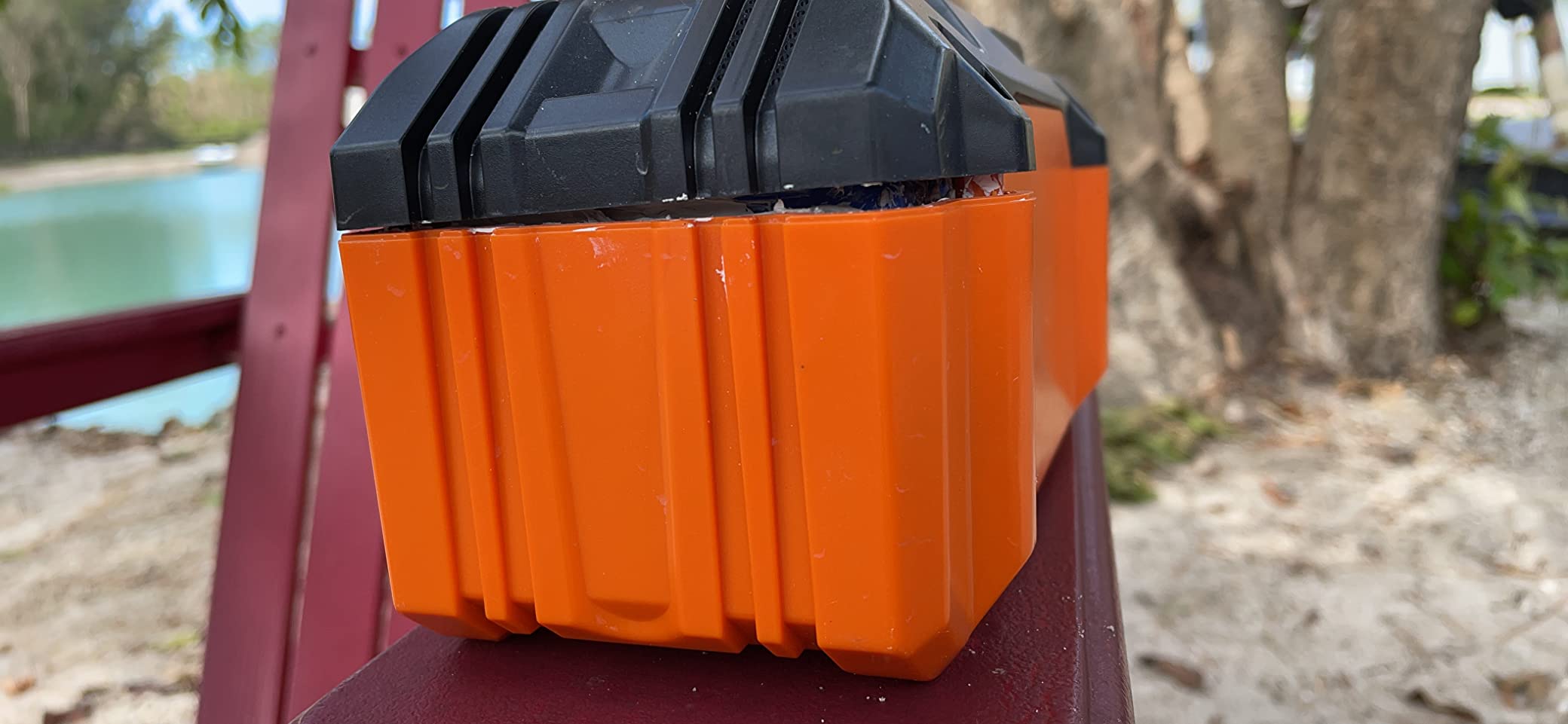
With 566 reviews, this pack draws a large volume of owner feedback, and it is bought for a different job than the others. At 20Ah it will not propel a trolling motor, so think of it as the electronics and backup battery rather than the motor bank.
For a kayak angler running a fish finder, a chartplotter and lights all day, it is genuinely useful. Five point four pounds and an 8.70 by 4.45 by 4.61 inch footprint go anywhere, and the app shows voltage, current, remaining capacity and expected lifespan.
The 20A BMS covers overcharge, deep discharge, overload, overheating and short circuit, plus cell balancing. Low-temp cut-off blocks charging below 20F and discharge below -4F, resuming at 32F.
A 5.5 by 2.5mm DC output port rated to 5A handles charging and powering small USB devices, though the adapter wiring is not included and the port will not carry a high-draw accessory.
Can I pair this with a trolling motor battery?
Yes, and many anglers do. Run the motor from a 50Ah or 100Ah pack and keep fish finders, transducers and lighting on this one, so a low draw does not eat into your motoring reserve.
It also works as a shore-side backup. Charged at camp, it will run a portable sonar unit or a small livewell pump for hours without touching the main bank.
What should I watch out for with the small terminals?
The M5 screw terminals are smaller than the M8 posts common on marine battery boxes, so a standard ring terminal may not fit without a different lug. Plan the cable ends before you are at the ramp.
For a portable pack the ergonomics win anyway. The grip makes it easy to move between the bow, the console and the truck bed, which is something a 100Ah Group 31 cannot do.
How to Choose a Lithium Battery for Your Trolling Motor
Match the voltage first: 12V, 24V or 36V
Voltage is not a preference. A 12V motor on a 24V or 36V pack will be destroyed, and a 36V motor on a 12V pack will barely move. Read the voltage label on the motor head or the shaft housing before anything else.
Most anglers run 12V motors in the 30 to 80 pound thrust range, which is where half of the ten packs here sit. 24V and 36V show up on 80 to 120 pound motors, where a single 36V pack replaces two 12V batteries and cuts the current in half. More on the wiring side in our battery fit and power guide.
Size it with simple amp-hour division
Runtime is your battery’s usable amp-hours divided by the motor’s average amp draw. A 100Ah pack with a 90% usable rating gives about 90Ah of working energy, so at a 30 amp average draw you are looking at roughly three hours of continuous trolling. That is the honest all-day number, not the eight hours on the box.
Thrust ratings translate roughly to average draws in the 20 to 30 amp band for 30 and 55 pound motors, 40 to 50 amps for 80 pound motors, and 60 amps or more for 100 and 125 pound motors. Work out your own hours from that band, and add a second pack in parallel if you want to double the runtime.
Adding a second identical battery in parallel is the simplest upgrade. It doubles capacity, roughly doubles runtime and gives you redundancy, provided both packs are fully charged and load-balanced before you connect them through terminal blocks.
Check the Group size and physical fit before you buy
This is where most buyers get caught, and it is a top complaint on angler forums. Group 31 lithium packs are wider than the old Group 27 lead-acid they replaced, and plenty of OEM compartments will not take them without a tray swap.
Measure the compartment and the lid clearance before ordering. Group 24 shells around 10.2 by 6.5 by 8.6 inches fit the widest range of trays, and packs that carry true BCI Group 24 dimensions also drop into Group 27 and Group 31 boxes. If a pack runs taller than spec by a fraction of an inch, check the lid latch as well as the base.
On small craft, battery location matters as much as size. A single movable lithium pack placed forward balances better than a fixed lead-acid bank, and boat designers point out that weight distribution affects handling more than total weight on a 10 foot skiff.
Battery management system and cold-weather charging rules
The BMS is the brain inside the pack. It balances cells, blocks overcharge, cuts off deep discharge and, on these models, refuses to charge below roughly 19F to 32F depending on the brand. That cutoff protects the cells, and charging a frozen LiFePO4 pack is the fastest way to destroy it.
Plan on bringing the battery into warmth for winter storage rather than leaving it on a dock charger in freezing conditions. Self-heating packs exist, and if you fish through winter that feature is worth the premium.
Charger compatibility decides your charging speed
Every one of these packs wants a 14.4 to 14.6V LiFePO4 profile, and a lead-acid charger is the single most common mistake. Several models list non-lithium chargers as not recommended, and some need a wake-up charge after a deep shutdown before the app will connect.
Charge current matters as much as profile. A pack with a 50A continuous rating and a 20A charge acceptance will fill in a few hours, while a pack limited to a 10A recommended charge takes all day. The same principle governs how long an off-grid setup can wait for sun, which we cover in our portable power runtime guide.
Will lithium damage your trolling motor?
This is the biggest anxiety on the forums, and it deserves a straight answer. LiFePO4 can push higher current than a lead-acid bank, and some trolling motor manufacturers have issued advisories about sustained full-speed running on lithium causing heat in the motor head.
The fix is not to avoid lithium. It is to run your battery well within its continuous rating, drop to a lower speed when you are not fighting current, and check your motor’s manual for any lithium advisory before the season. Anglers on boat design forums consistently report no motor problems once they stopped running lithium flat out for hours at full throttle.
Lithium versus lead-acid: what actually changes
Weight and usable capacity are the two numbers that justify the switch. The 100Ah packs here weigh 21 to 24 pounds, and the listing data puts one of them at roughly 70% lighter than a comparable lead-acid battery. A flooded battery of the same nominal size also gives up about half its rated capacity before the voltage sags, while a lithium pack gives up nearly all of it.
Cycle life follows the same gap. Lead-acid typically manages 300 to 500 deep cycles before it degrades. These packs are rated from 4,000 to 15,000 cycles depending on the depth of discharge you hold them to, which is eight to thirty times the service life.
Everything else is convenience: no watering, no terminal corrosion, no memory effect, and a recharge roughly three times faster. If you also carry camera and drone gear, the charging and storage principles in our action camera battery guide are the same ones that keep a LiFePO4 pack healthy.
Frequently Asked Questions
Is a 100Ah lithium battery enough for a trolling motor?
For a 30 to 70 pound thrust motor on a typical day, yes. A 100Ah LiFePO4 pack delivers about 90Ah of usable energy, so at a 30 amp average draw you get roughly three hours of continuous trolling, and considerably more on an electronics-only day. For 80 pound and larger motors, or for multi-day trips without shore power, run a second identical battery in parallel to double the runtime.
Do lithium batteries damage trolling motors?
Not when used within the pack’s continuous rating. LiFePO4 can deliver more current than lead-acid, and some motor manufacturers have issued advisories about heat build-up when a lithium bank runs a motor at full speed for hours. Drop to a lower speed in heavy current, avoid sustained full-throttle hours, and check your motor manual for a lithium advisory before the season.
How long will a 100Ah battery run a 55lb trolling motor?
About three hours of hard continuous trolling at a 30 amp average draw, because a 100Ah LiFePO4 pack gives up roughly 90Ah of usable capacity. A 55 pound motor idling and cruising at a lower speed draws less and stretches that figure. Owners running a 50Ah pack on the same motor report two full fishing days with a substantial margin remaining.
What lithium battery does Minn Kota recommend?
Minn Kota does not sell batteries, so check the lithium advisory in your motor’s manual rather than looking for a brand endorsement. In practice, most owners pair a 55 pound motor with a 12V 100Ah LiFePO4 pack and a 100 to 120 pound motor with a 36V pack. Keep total continuous current within the pack’s BMS rating and your motor will be fine.
Do I need a special charger for a lithium trolling motor battery?
Yes. Every LiFePO4 pack here wants a 14.4 to 14.6V charging profile, and several listings explicitly say non-lithium chargers are not recommended. A 20A lithium charger will fill a 100Ah pack in about five hours, while a pack limited to a 10A charge takes far longer. Never charge a lithium pack below freezing.
Can I run two 12V lithium batteries in series?
Yes, up to four batteries on most of these models, giving 24V, 36V or 48V. Check the parallel limits first, because some packs explicitly forbid a 4P4S configuration. For more common needs, running two identical batteries in parallel is easier and safer: fully charge and load-balance both units first, then join them with terminal blocks rather than stacked lugs.
Conclusion: The Right Lithium Battery for Your Boat
The LiTime 12V 100Ah LiFePO4 is our pick for most anglers in 2026, with 645 reviews at 4.7 stars, a 22.2 pound Group 31 footprint and the only app in the group that can cut discharge remotely. If your compartment is a Group 24 tray, the MARSENERGY pack at 21 pounds fits where nothing else does, and the LiTime 12V 50Ah covers kayaks and small boats.
Measure your compartment before you order, match the voltage to the motor, and buy two batteries in parallel if you want real all-day runtime. Nothing else in this roundup changes the boat as much as shedding roughly 40 pounds off the transom compared with a lead-acid bank.