
Choosing a macro lens as a beginner is mostly a compatibility question, not a photography one. Lenses do not fit across brands, so the single most useful thing you can do is name your camera system before anything else: Canon RF, Canon EF DSLR, Sony E, Nikon Z, Nikon F DSLR, Fujifilm X or Micro Four Thirds. Once you know which shelf you are shopping from, the choice narrows fast.
This guide covers eight close-focusing and true macro lenses across every one of those mounts, tested and read against the reviews real owners left behind. We spent weeks comparing magnification, working distance, aperture, stabilisation and weight, and we spoke to people shooting mushrooms, insects, flowers and small food on entry-level bodies. If you want the wider budget view first, our budget macro lens guide is a good companion read.
A true macro lens reproduces a subject at 1:1, meaning a 10mm insect images 10mm wide on the sensor. Plenty of standard primes focus close enough for half life size, which is useful but not the same thing. We flag that difference on every pick below so you know exactly what you are getting in 2026.
Table of Contents
Top 3 Macro Lens Picks for Beginners in 2026
Our top three balance three things a first-time macro shooter cares about: how close the lens focuses, how heavy it is in the hand, and whether it stays sharp when you stop down. All three cover different camera systems, so the right one depends almost entirely on what you already own.
All 8 Macro Lens Picks at a Glance in 2026
Every lens below fits a different group of photographers, so the mount column matters more than any other. The magnification column tells you whether you are getting true life-size reproduction or a convenient half-life-size close focus.
| Product | Specifications | Action |
|---|---|---|
 Canon RF35mm f/1.8 Macro IS STM Canon RF35mm f/1.8 Macro IS STM |
|
Check Latest Price |
 Sony 30mm f/3.5 Macro Sony 30mm f/3.5 Macro |
|
Check Latest Price |
 OM System 30mm f/3.5 Macro OM System 30mm f/3.5 Macro |
|
Check Latest Price |
 Fujifilm XF30mm F2.8 R LM WR Macro Fujifilm XF30mm F2.8 R LM WR Macro |
|
Check Latest Price |
 Nikon NIKKOR Z MC 50mm f/2.8 Nikon NIKKOR Z MC 50mm f/2.8 |
|
Check Latest Price |
 Sigma 105mm f/2.8 EX DG OS HSM Macro Sigma 105mm f/2.8 EX DG OS HSM Macro |
|
Check Latest Price |
 Sigma 105mm f/2.8 DG DN Macro Art Sigma 105mm f/2.8 DG DN Macro Art |
|
Check Latest Price |
 Canon EF 100mm f/2.8L IS USM Macro Canon EF 100mm f/2.8L IS USM Macro |
|
Check Latest Price |
What 1:1 Magnification Actually Means
A lens with 1:1 magnification projects the subject onto the sensor at full size, so a 10mm wide insect covers 10mm of film or sensor. A lens rated 0.5x produces half life size, meaning the same insect covers 5mm. Both are useful, but only 1:1 is what reviewers mean when they call a lens a true macro.
Beginners also see magnification written as 1:1, 1:2 or 1:4. A 1:2 lens is a pseudo macro, usually a standard prime with a close-focus option. A 1:4 lens focuses closer than most kit zooms but is still nowhere near life size. Higher numbers mean more magnification, so 1.25x and 1.4x sit above true macro.
Working distance matters as much as magnification. It is the gap between the front element and your subject at full magnification, and it decides whether you can photograph a dragonfly without your lens shadowing it. Short working distances suit coins and food. Longer ones suit insects.
1. Canon RF35mm f/1.8 Macro IS STM – The Three-Job First Lens for Canon RF Beginners
Canon RF35mm F1.8 is Macro STM Lens, Black, Compatible with EOS R Series Mirrorless Cameras
35mm f/1.8
0.5x close focus
0.17m min focus
5-stop OIS
10.9 oz
Pros
- Sharp wide open at f/1.8
- Fast silent STM autofocus
- Five stops of optical stabilisation
- Weighs only 10.9 oz
- Works as macro portrait and street lens
Cons
- 0.5x is half life size not true 1:1
- Control ring is easy to knock
- Purple fringing wide open
The Canon RF35mm f/1.8 Macro IS STM is the lens I recommend first to almost any Canon RF beginner, and the reason is simple: it does three jobs well. It focuses to 0.17m for close-ups, it takes portraits because 35mm is a natural storytelling focal length, and it handles everyday street and travel work without a second bag.
Image quality is the surprise. Across 1379 reviews it holds a 4.7 average, and owners repeatedly point out that it is already sharp wide open at f/1.8 rather than only after stopping down. The five-stop optical stabilisation also means you can handhold closer than you would expect, which matters when you have not yet bought a tripod.
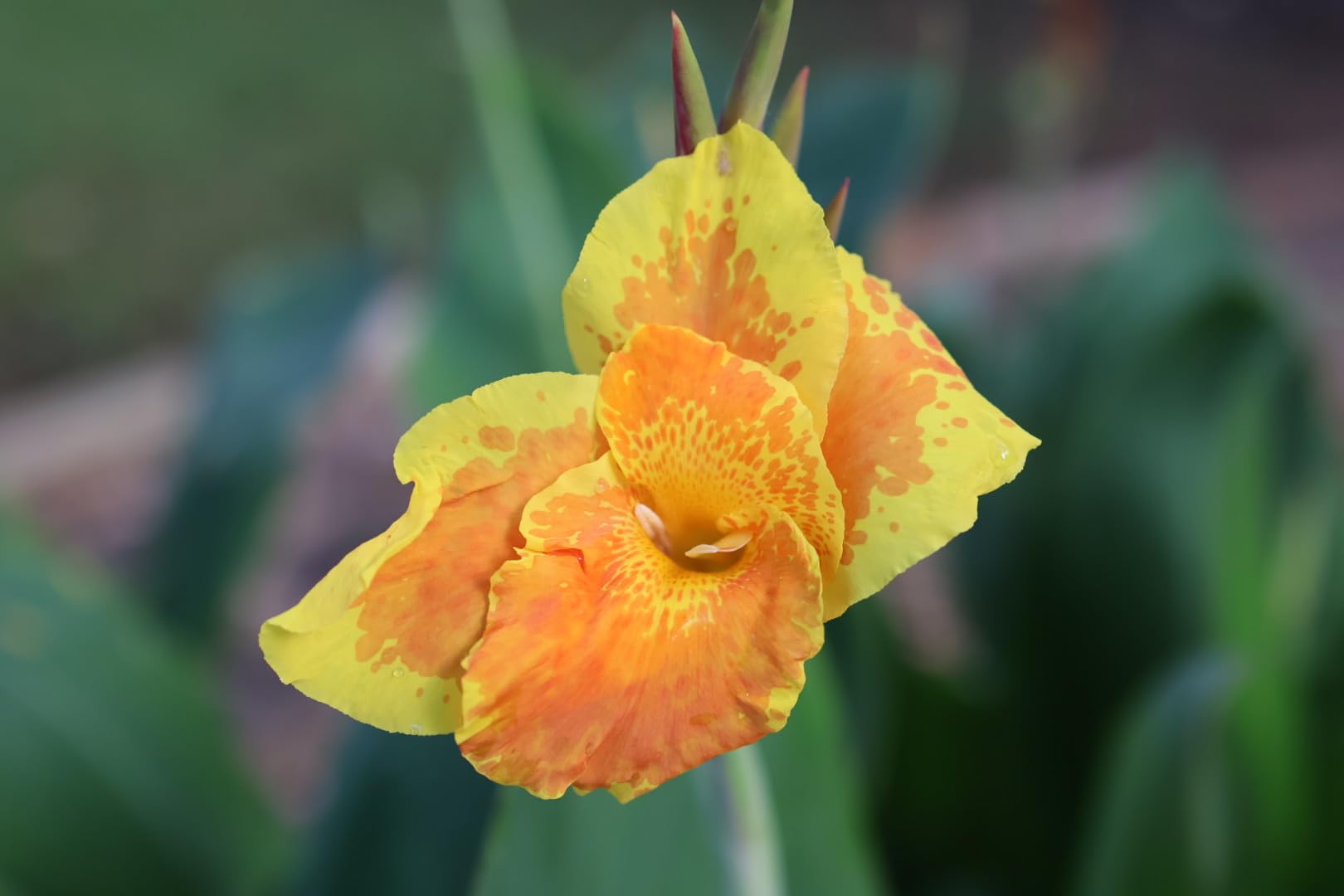
The honest catch is magnification. At 0.5x you get half life size, so a coin fills half the width of the frame rather than the whole sensor. For beginners shooting flowers, food and textures that is more than enough detail, but if your heart is set on filling the frame with a single bee, look at the true 1:1 options instead.
Two smaller things turn up repeatedly in owner feedback. The control ring sits close to the front element and is easy to rotate by accident while you steady the camera, and a small number of reviewers report some purple fringing on high contrast edges when shooting wide open. Both are manageable habits rather than faults.

Is it worth buying as your one extra lens?
Yes, and this is where the RF35mm separates itself from dedicated macro glass. Because it is a normal prime first, you can carry it every day and still have it ready when a mushroom appears. Dedicated 100mm lenses live in a bag until a specific trip comes along.
If you already own a 50mm or 35mm on your Canon body and want true 1:1, this is redundant for macro purposes. It earns its place when you are starting from a kit zoom and want one lens that opens up new subjects without closing off your general photography.
What should you know before buying?
It is an RF mount lens, so it will not fit Canon EF DSLR bodies. It is also not weather resistant, which limits it in sustained rain. For most beginners shooting flowers and food in good light, that is a fair trade for the weight and price you save.
Pair it with Canon’s Macro Twin Lite or a Ring Lite if you shoot small objects, since the 35mm has enough magnification to make flash worthwhile. Otherwise a small diffuser and a beanbag is enough for your first hundred frames.
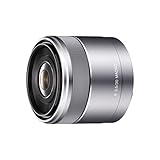
2. Sony 30mm f/3.5 Macro – The Best Value True 1:1 Lens for Sony E
Sony SEL30M35 30mm f/3.5 e-mount Macro Fixed Lens
30mm f/3.5
True 1:1
0.095m min focus
6 aperture blades
138g
Pros
- True 1:1 magnification at a beginner price
- Internal focusing so it never extends
- Weighs only 138g
- Sharp centre and corners
- Usable as a normal prime
Cons
- f/3.5 is slow in low light
- 2.4cm working distance scares insects
- No optical stabilisation
The Sony 30mm f/3.5 Macro is the pick for Sony E shooters who want genuine 1:1 reproduction without stepping up to full-frame glass. It is one of the few entry macro lenses that reaches life size, and it does it in a body that weighs 138g and never extends when you focus.
That internal focusing design is the feature owners mention most. A lens that does not telescope on close focus is easier to keep level and far easier to attach to a focusing rail or stack with extension. The 7 elements in 6 groups also deliver sharpness that reviewers consistently call excellent for the class.
Two tradeoffs are worth planning around. The f/3.5 maximum aperture is slow, so indoor work means raising ISO and accepting more noise than an f/2.8 lens gives you. And the 2.4cm minimum working distance is short enough that a moth may take off before your shadow does.
There is no optical stabilisation on this lens, so a tripod is effectively part of the purchase rather than an accessory. If your body has in-body stabilisation, that helps with your own shake but cannot fully replace support at 1:1 magnification.

Is it sharp enough to stop down for stacked frames?
Yes. At f/8 and f/11 the centre stays crisp, which is exactly the range focus stacking uses. A minimum aperture of f/22 is available if you need more depth, though diffraction will start softening fine detail before you get there.
Six aperture blades produce slightly polygonal out-of-focus highlights rather than perfectly round bokeh. Most beginners never notice, and at macro distances the background is usually a blur of green or brown anyway.
Who should skip it?
Skip it if insects are your main interest, because that 2.4cm working distance puts your lens inches from a moving subject. Skip it if you shoot weddings or low light, because f/3.5 and no stabilisation are a hard combination for evening work.
It is a Sony E mount lens and works on both APS-C and full-frame bodies, where it behaves like a normal 30mm prime. On full-frame you simply lose the edge magnification benefit, so it makes most sense paired with a crop sensor body.
3. OM System 30mm f/3.5 Macro – The Lightest True Macro for Micro Four Thirds
OM SYSTEM Olympus M.Zuiko Digital ED 30mm F3.5 Macro for Micro Four Thirds System Camera, Compact Macro Lens, 1.25x Image Maginification, Fast AF, Beautiful Bokeh
30mm f/3.5
1.25x magnification
0.095m min focus
Water resistant
136g
Pros
- 1.25x goes beyond life size
- Weather sealed for wet outdoor work
- Weighs only 4.8 oz
- Seven rounded blades for smooth bokeh
- Large smooth manual focus ring
Cons
- Focus hunts in low contrast light
- No lens hood included
- Relies on body IBIS
The OM System 30mm f/3.5 Macro is the only lens here that reaches beyond life size, and the only one combining weather sealing with a genuinely pocket-sized body. At 1.25x you get real breathing room when framing insects and flowers.
Because Micro Four Thirds has a 2x crop factor, the 30mm frames like a 60mm lens. That gives it just enough working distance for a decent number of nature subjects while keeping the body and lens small, and owners frequently describe it as a walkaround prime as well as a macro.
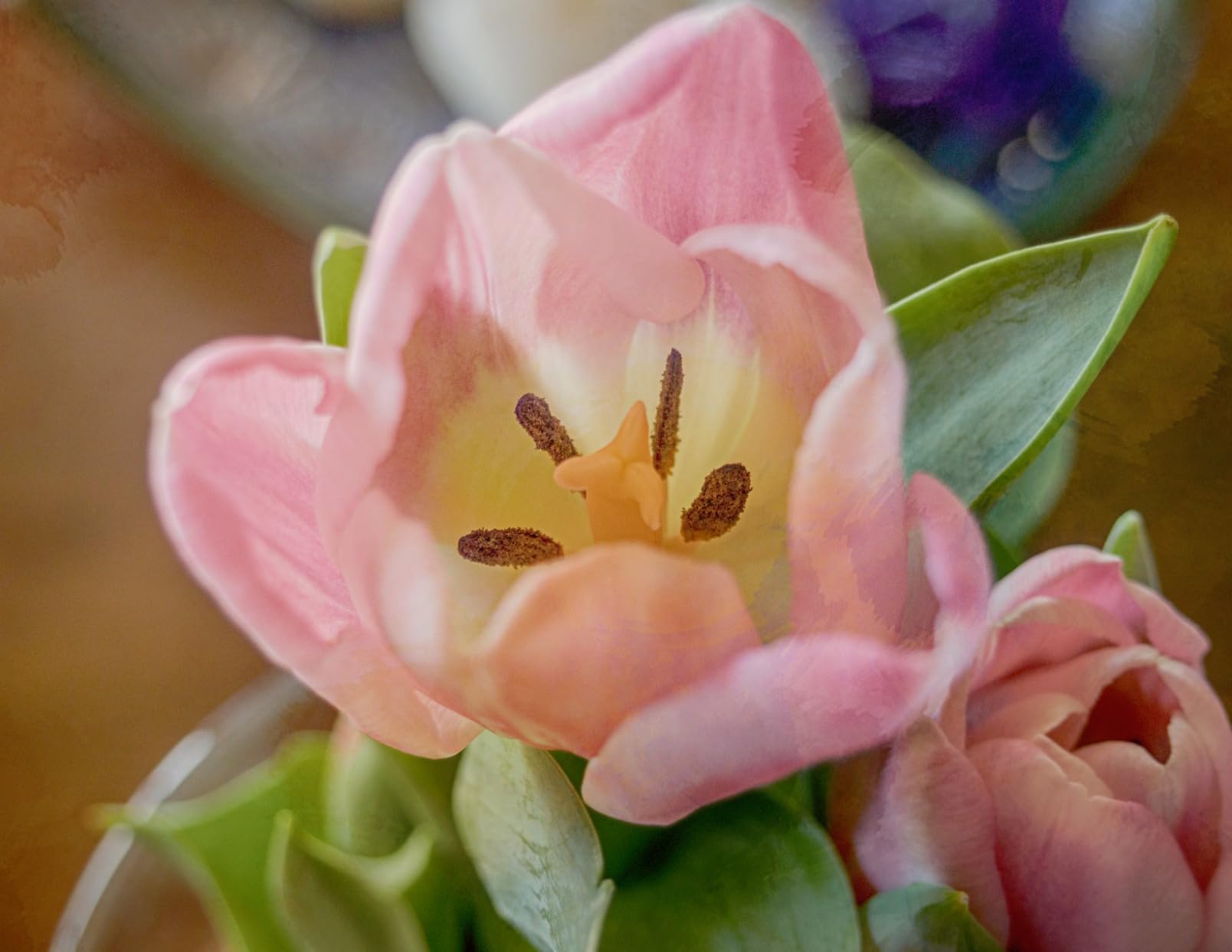
The recurring complaint is focus behaviour rather than optics. Reviewers report the autofocus hunting when the subject is low contrast, backlit or in dim light, and the fix is usually to turn on focus assist and switch to manual focus for the final adjustment. The large, smooth focus ring makes that manual workflow pleasant rather than painful.
Stabilisation is digital and depends on your body having in-body stabilisation. On a camera without IBIS you will be tripod dependent at 1:1 magnification. No lens hood is included, so budget for that if you shoot in bright sun or backlight.
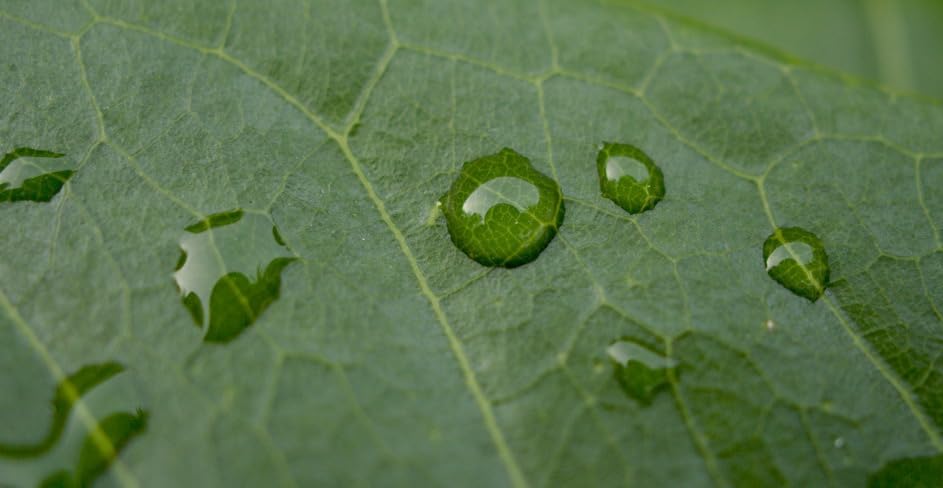
Does the 2x crop factor make this a genuine 1:2.5 lens?
Functionally, yes. The 1.25x sensor magnification on a 2x crop body gives the equivalent framing advantage of a 2.5x lens on full frame, which is how OM System describes it. For a beginner this simply means tighter framing from further away and less fear of shadowing your subject.
The ZERO coating handles flare and ghosting well for a lens at this level, and the 7 rounded aperture blades give smoother highlights than the six-blade Sony option. Bokeh is something owners specifically praise for a macro lens.
What is the catch for a first-time buyer?
The 181-review sample is small, so there is less long-term owner evidence than for the Canon RF35mm. Most of those reviews describe the same pattern: excellent glass, occasional hunting in hard light, excellent value.
If you are on OM System PEN or OM-D bodies, this fits directly. If you are on an older Olympus body, check that your specific model is supported, since some early PEN cameras lack the features this lens relies on for best results.
4. Fujifilm XF30mm F2.8 R LM WR Macro – The Weather-Sealed APS-C Prime for Fujifilm X
Fujifilm Fujinon XF30mmF2.8 R LM WR Macro Lens
30mm f/2.8
True 1:1
10cm working distance
9 rounded blades
195g
Pros
- Three aspherical and two ED elements
- True 1:1 at 10cm working distance
- Weather sealed in nine places
- Nine rounded blades give lovely bokeh
- Linear motor AF is very fast
Cons
- The heaviest of the 30mm macros here
- No optical stabilisation
- Only 49 reviews so far
The Fujifilm XF30mm F2.8 R LM WR Macro is the one to buy if you own an X-series body and care about corner-to-edge sharpness more than anything else. Owners describe it as sharp edge-to-edge even wide open, which is unusual at f/2.8 in a close-focusing prime.
The optical design does the heavy lifting. Eleven elements in nine groups, including three aspherical and two ED elements, is an unusually generous formula for a 30mm, and it is why the field stays flat across the frame instead of curving away at the edges.

Its other strength is durability. Nine seals, dust and moisture protection, and a stated rating to minus 10 degrees mean you can shoot wet vegetation and winter subjects without a plastic cover over the body. The fluorine coating on the front element adds another layer of protection at exactly the distances where moisture and dust collect.
AF is the standout feature in practice. The linear motor acquires focus in 0.02 seconds, which means you are not waiting on a motor to hunt while a subject sits still. That responsiveness is what makes hand-held macro with a moving insect plausible.

Is the aperture ring a gimmick or genuinely useful?
Genuinely useful. The aperture ring has a lock switch, so you can set a fixed f-number for a focus stack and forget about it. It also gives you a tactile stop for deliberate exposure changes while your eye stays on the subject.
Nine rounded blades produce bokeh that owners consistently describe as beautiful, and at macro distances the out-of-focus background is a large part of why the image looks expensive rather than merely sharp.
What should hold you back?
It is the heaviest of the compact 30mm macros here, and the 49-review sample is the second thinnest on this list. There is no optical stabilisation, so Fuji bodies with in-body stabilisation carry the load, and a tripod is still the right answer at 1:1.
For a beginner who wants to grow into the system rather than buy one lens, that premium buys headroom. For a beginner who wants to spend less and shoot more, the 30mm f/3.5 options in the same mount are the smarter entry.
5. Nikon NIKKOR Z MC 50mm f/2.8 – The Most Versatile Macro for Nikon Z
Nikon NIKKOR Z MC 50mm f/2.8 | Compact Macro Prime Lens for Z Series mirrorless Cameras | Nikon USA Model
50mm f/2.8
True 1:1
16cm min focus
9 rounded blades
259g
Pros
- Works as macro and a walkaround prime
- True 1:1 magnification
- Full-time manual focus for fine adjustment
- Only 259g for a true 1:1 macro
- Weighs less than most 100mm options
Cons
- Lens extends during autofocus
- No focus limiter switch
- Shorter working distance than 100mm options
The NIKKOR Z MC 50mm f/2.8 is the macro lens we suggest to anyone who refuses to carry a second bag. At 50mm it frames like a normal prime on full-frame and like a short telephoto on APS-C, so it earns its slot on everyday trips rather than living in a drawer.
It still reaches true 1:1 life size with a 16cm minimum focus distance, and the f/2.8 aperture is bright enough to photograph flowers indoors near a window. Nine rounded diaphragm blades smooth the background into something that flatters food and small products.

The front-focusing design is what keeps it small at 259g, and it is also the main drawback. The barrel extends during autofocus, which slightly reduces the effective working distance and makes stacking on a rail less convenient than an internal-focus design.
Reviewers also mention the absence of a focus limiter switch, so the lens traverses its whole range hunting for 1:1. On a Z50 or Z6 that is barely noticeable. Owners also note the hood must come off to fit some filters, a small daily friction.
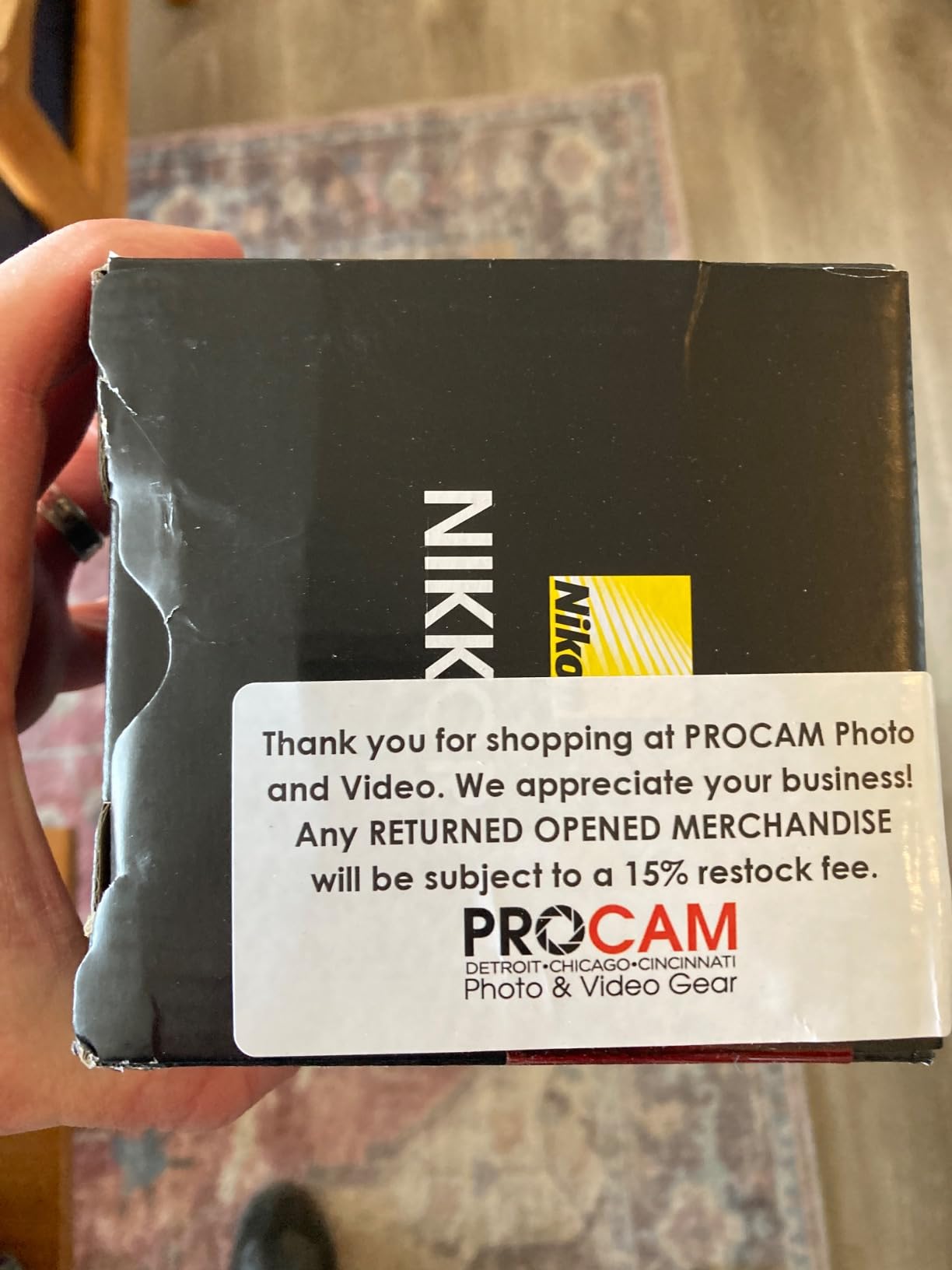
How does it behave for focus stacking?
Stacking is where the front-focusing design shows. Because the barrel moves while it focuses, the effective working distance shrinks as it approaches 1:1, so you need to recheck frame alignment between shots. On a focusing rail it still works, just with more patience than an internal-focus design demands.
Full-time manual focus means you can hold focus and turn the ring for micro-adjustment without a focus hold button, which is how many macro shooters prefer to work. For stacking, the focus ring is smooth enough to step through a stack deliberately.
Who should look elsewhere?
If insects are the goal, the 16cm minimum focus distance is tight and your subject will feel crowded. If you are building a kit as a set of specialist glass, this is a general lens that happens to do macro, not a dedicated one.
It is a Z mount lens and fits both full-frame and APS-C Nikon Z bodies. If you still shoot a Nikon F DSLR, this will not fit and the Sigma 105mm in the next section is the compatible route.
6. Sigma 105mm f/2.8 EX DG OS HSM Macro – The Longest Working Distance on This List
Sigma 258306 105mm F2.8 EX DG OS HSM Macro Lens for Nikon DSLR Camera
105mm f/2.8
True 1:1
12.3 inch working distance
Optical OS
725g
Pros
- Very long working distance suits live insects
- Optical stabilisation supports hand-held shooting
- Fast quiet HSM autofocus
- Sharp at 1:1 across the frame
- Four year warranty
Cons
- Weighs 1.6 pounds
- Older DSLR-era design
- AF slower than newer lenses
The Sigma 105mm f/2.8 EX DG OS HSM is the pick if your subject has wings. At 12.3 inches of working distance you can frame a dragonfly without your lens filling its field of view, which is the single biggest practical advantage a longer macro gives you over a 30mm.
It is also the most proven lens on this list by a wide margin. With 2370 reviews averaging 4.6, there is a very large body of owner evidence, and the recurring description is the same: superb sharpness, quiet and reasonably fast autofocus, and excellent value for a 105mm macro.
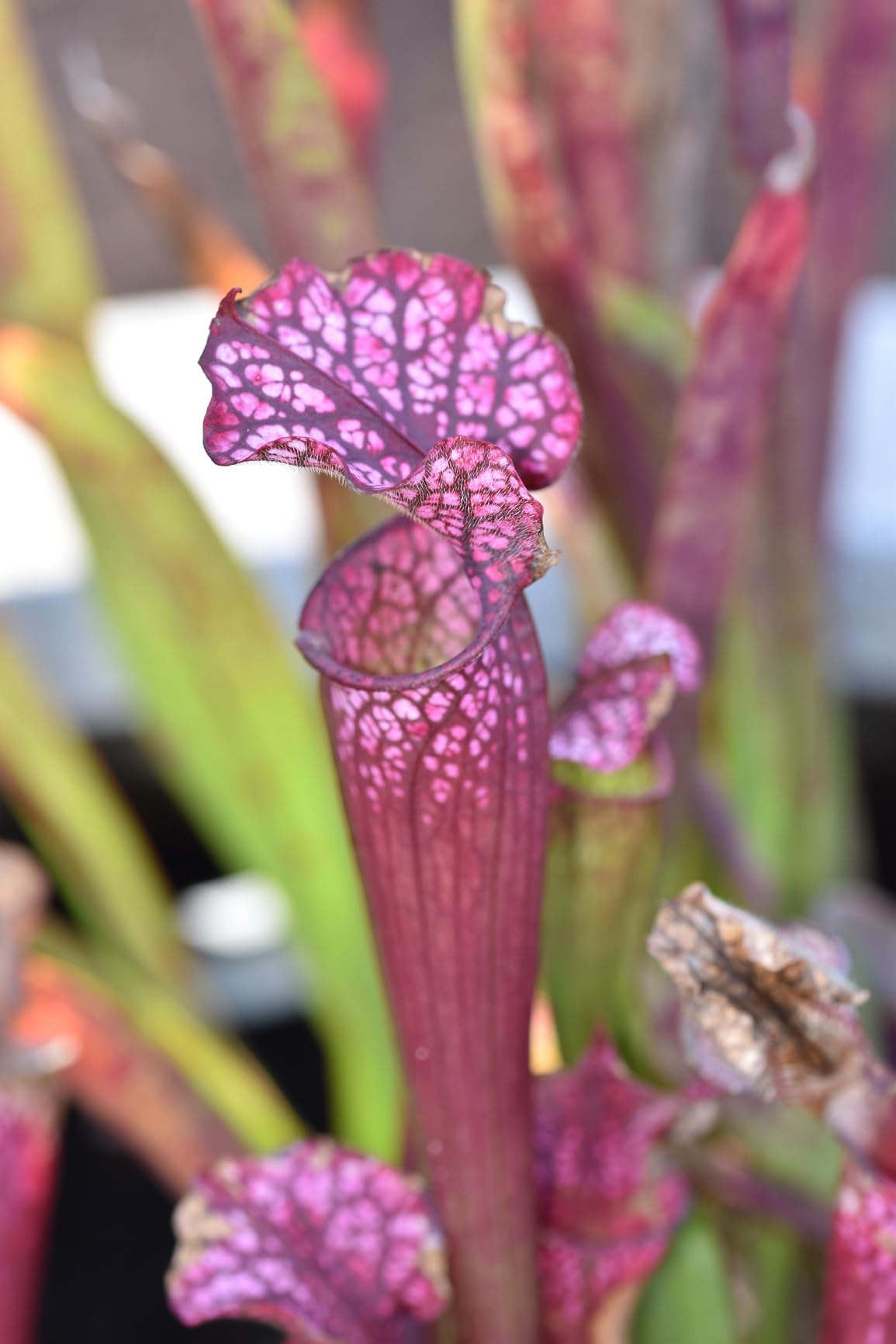
Owners on r/Nikon consistently treat the Sigma 105mm as the sensible alternative to the heavier and pricier first-party 105mm options, and that reputation has held up for years. The optical stabilisation system adds a further degree of confidence when you are hand-holding a flower in a breeze.
Being a DSLR-era design, it has tradeoffs. The OS system can be audible in video, the autofocus is slower than current mirrorless lenses, and there is no focus limiter on this version. It also weighs 1.6 pounds, which you will notice on a long walk.

Can a DSLR lens work on a mirrorless body?
Usually, yes, with a mount adapter, and full-frame Nikon F lenses are among the most widely adapted because the image circle is large. Confirm your specific Sony or Canon mirrorless body has an available Nikon F adapter before you commit.
It is a Nikon F mount lens and does not fit Nikon Z directly. If you are already on Z, the Sigma 105mm DG DN in the next section covers full-frame mirrorless with a similar working distance.
What is hard about living with it?
The weight, honestly. At 725g this is a two-handed lens, and a tripod is close to mandatory at 1:1. The 62mm filter thread is wide, so close-up filters and step-up rings add bulk to the front.
Reviewers also note that it was designed for full-frame DSLRs, so on an APS-C body the effective angle of view narrows sharply. It still focuses to 1:1, but you will be very tight on your subject, which is a trade worth knowing about in advance.
7. Sigma 105mm f/2.8 DG DN Macro Art – The Full-Frame Macro for Sony E
Sigma 105mm F2.8 DG DN Macro Art (Sony E-mount)
105mm f/2.8
True 1:1
Full-frame E mount
9 blades
715g
Pros
- Art line sharpness and colour
- True 1:1 at a versatile 105mm length
- Focus limiter switch speeds up AF
- Aperture ring with click de-click and lock
- Also works as a short telephoto
Cons
- AF slower than native Sony lenses
- No optical stabilisation
- Not weather sealed
The Sigma 105mm f/2.8 DG DN Macro Art is the choice for full-frame Sony shooters who want reference-quality macro optics and useful handling features. The Art line reputation shows in the frames, with reviewers highlighting beautiful bokeh and colour rendition alongside the sharpness.
The focus limiter switch is the feature beginners benefit from most without realising it. Three positions, macro, portrait and full range, mean the lens does not traverse the whole focusing throw while hunting for 1:1. That saves time and reduces the chance of the lens grabbing the background.
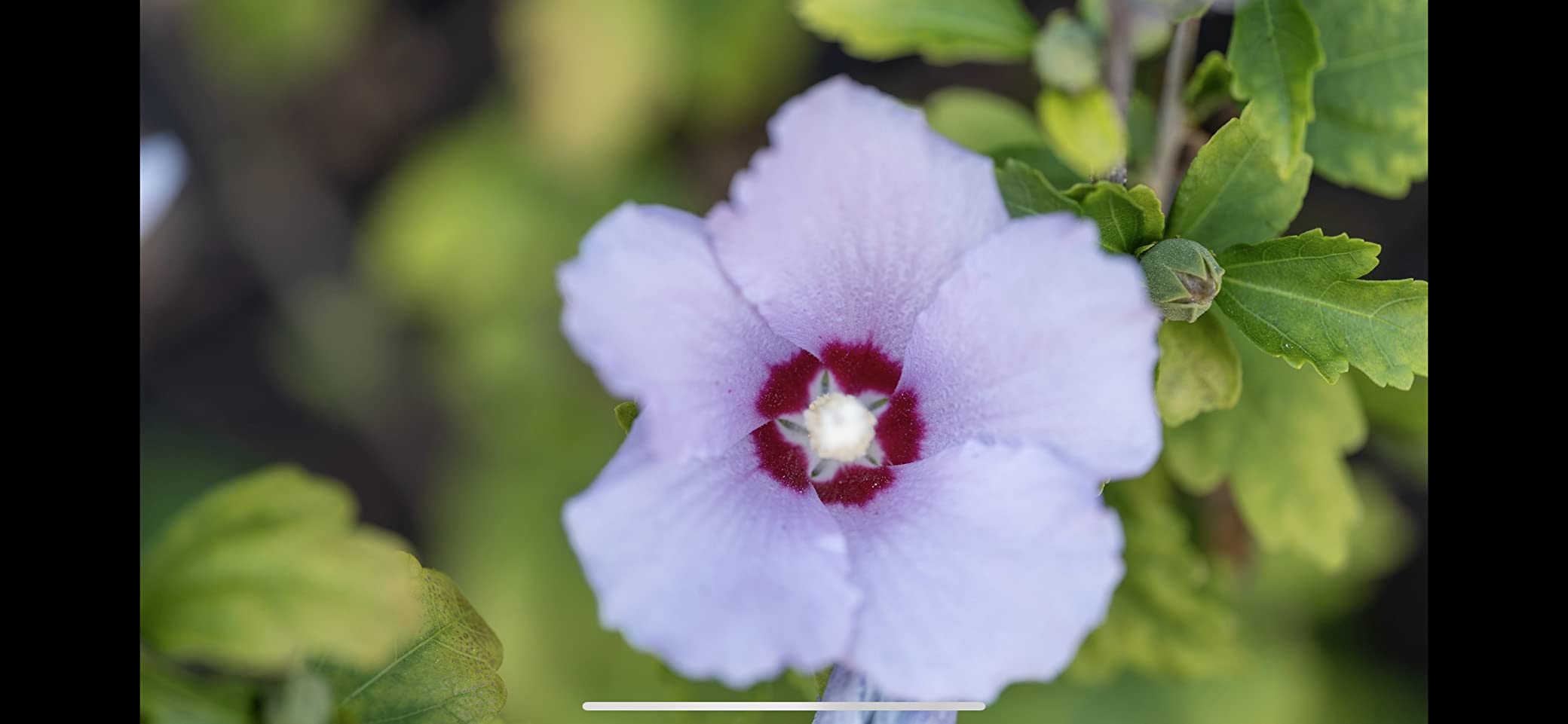
The aperture ring clicks or de-clicks, so you can shoot smooth video exposure changes or lock it for focus stacking. Nine rounded diaphragm blades keep highlights round, and the overall build feels like a metal lens rather than a plastic one at this weight class.
There is no optical stabilisation, and it is not weather sealed, so rain protection is on you. At 715g it is a heavy walkaround lens, but owners consistently report using it for portraits and general telephoto work between macro sessions.

Is the focus breathing a real problem for beginners?
Only if you shoot video, and only on subjects moving toward the camera. For stills it is not something you will notice. For macro video, turn off any corrections your camera applies and shoot in small increments.
Autofocus is slower than native Sony lenses, which matters most when your subject moves quickly at 1:1. For flowers, food and static insects, speed is rarely the limiting factor, and most owners end up refining focus manually anyway.
Is this too advanced for a first macro lens?
It is advanced glass, not an advanced technique. Nothing about operating it is complicated, and the physical aperture ring and focus limiter are arguably easier to work with than menu-driven equivalents.
If your budget stretches comfortably and you are on full-frame Sony E, this is the pick that leaves the least room for regret. If you are on APS-C or watching your spending, the Sony 30mm f/3.5 Macro is the more sensible entry.
8. Canon EF 100mm f/2.8L IS USM Macro – The Reference Lens for Canon DSLR Owners
Canon EF 100mm f/2.8L IS USM Macro Lens for Canon Digital SLR Cameras, Lens Only, Black
100mm f/2.8
True 1:1
0.3m min focus
4-stop Hybrid IS
625g
Pros
- Highest average rating in this roundup
- Four stop Hybrid IS built for macro
- Fast silent Ring USM with manual override
- Inner focusing so it does not extend
- Sharp and holds value over time
Cons
- By far the most expensive option
- EF mount only so RF bodies need an adapter
- No weather sealing
The Canon EF 100mm f/2.8L IS USM Macro carries the highest average rating of any lens in this guide at 4.8 across 1175 reviews, and it is the standard against which many other macros are still judged. For a Canon DSLR owner who shoots professionally or seriously, that reputation is deserved.
Its 4-stop Hybrid Image Stabiliser was designed specifically for close focus. It compensates for both angular and shift shake, which at 1:1 magnification is the difference between a usable frame rate and a folder full of soft images. Owners who upgraded from an unstabilised macro describe the change as transformative.

The Ring USM is fast and silent, and full-time manual focus lets you hold focus and fine-tune without releasing anything. Inner focusing means the lens does not extend as you approach the subject, so the effective working distance stays constant, which also makes it easier to stack or use on a rail.
Fifteen elements in twelve groups and a 9-blade circular aperture give it the optical character that keeps the lens in demand. Reviewers also mention that it holds its value exceptionally well, which matters if you plan to own it for a decade.
Is it too expensive to be a beginner choice?
For most beginners, yes. It sits at a price point that usually signals professional use, and the RF35mm f/1.8 Macro at the top of this list delivers more versatility for a fraction of the cost. We include it because a complete guide has to name the benchmark, not because most new macro shooters should start here.
It is also an EF mount lens, released in 2009 and not weather sealed. If you have moved to an RF mirrorless body you would need an adapter, and adapters can slow autofocus slightly. If you are still on a Canon DSLR, it fits directly.
What should a beginner know about the 1.4x and 2x extenders?
This lens cannot be used with Canon EF 1.4x or 2x extenders, and that trips up some buyers who assume every L-series lens accepts them. If you need more than 1:1, an extension tube is the tool that works.
Used buying is realistic for this lens given how well it holds value. Check for fungus and haze, test autofocus at both extremes, and inspect the IS switch for hesitation, which is the most common wear point on an older example.
How to Choose a Macro Lens as a Beginner
The first decision is always your mount. A Canon RF35mm will not fit a Canon EF DSLR, an RF-S lens will not fit full-frame RF bodies, and a Nikon F lens will not fit a Z body. Every roundup shortcut that skips this step ends in a return.
The second decision is magnification versus convenience. A 30mm f/3.5 gives you life size in a tiny, light package. A 100mm f/2.8 gives you a long working distance, a bright aperture and far more subject isolation, at more than double the weight.
Third, budget for the tripod. A 1:1 macro lens at f/8 is unforgiving of hand movement, and most beginners underestimate this until their first hundred frames. A solid tripod and a small remote release will improve your results more than any lens upgrade at the same spending level.
Fourth, consider stabilisation carefully. Optical IS or OIS helps with your own movement, and in-body IBIS covers the camera, but neither replaces support at full magnification. Three lenses here carry optical stabilisation, two rely on body IBIS, and three have none at all.
Fifth, decide honestly whether autofocus matters to you. For static subjects, manual focus with a magnified view is more accurate and often faster than watching AF hunt. If you shoot insects, live creatures and moving subjects, prioritise a fast motor such as the linear motor in the Fujifilm or the HSM in the Sigma 105mm.
Used buying is sensible for macro glass because the optical design is fixed and wear is easy to spot. Check front and rear elements under a light for fungus, confirm the aperture blades snap cleanly, run the focus ring through its full travel, and test every switch. Our full macro lens roundup covers the broader market beyond these eight.
One last practical note. If your subjects are coins, stamps, jewellery and small food, you can get started with a close-up filter or extension tubes on the lens you already own. They will not reach 1:1 alone, but they will tell you whether you enjoy the work before you spend on dedicated glass.
The Honest Downsides of Macro for Beginners
Depth of field is the first wall you will hit. At 1:1 magnification and f/8, the sharp zone can be a fraction of a millimetre deep, so your subject must be almost perfectly parallel to the sensor. Focus stacking is the standard answer, and it means taking a dozen frames and blending them in software.
Focus hunting is the second. Autofocus will often lock onto the window behind a spider rather than the spider itself, especially in low contrast or backlit conditions. Turning on focus magnification and finishing manually removes most of the frustration.
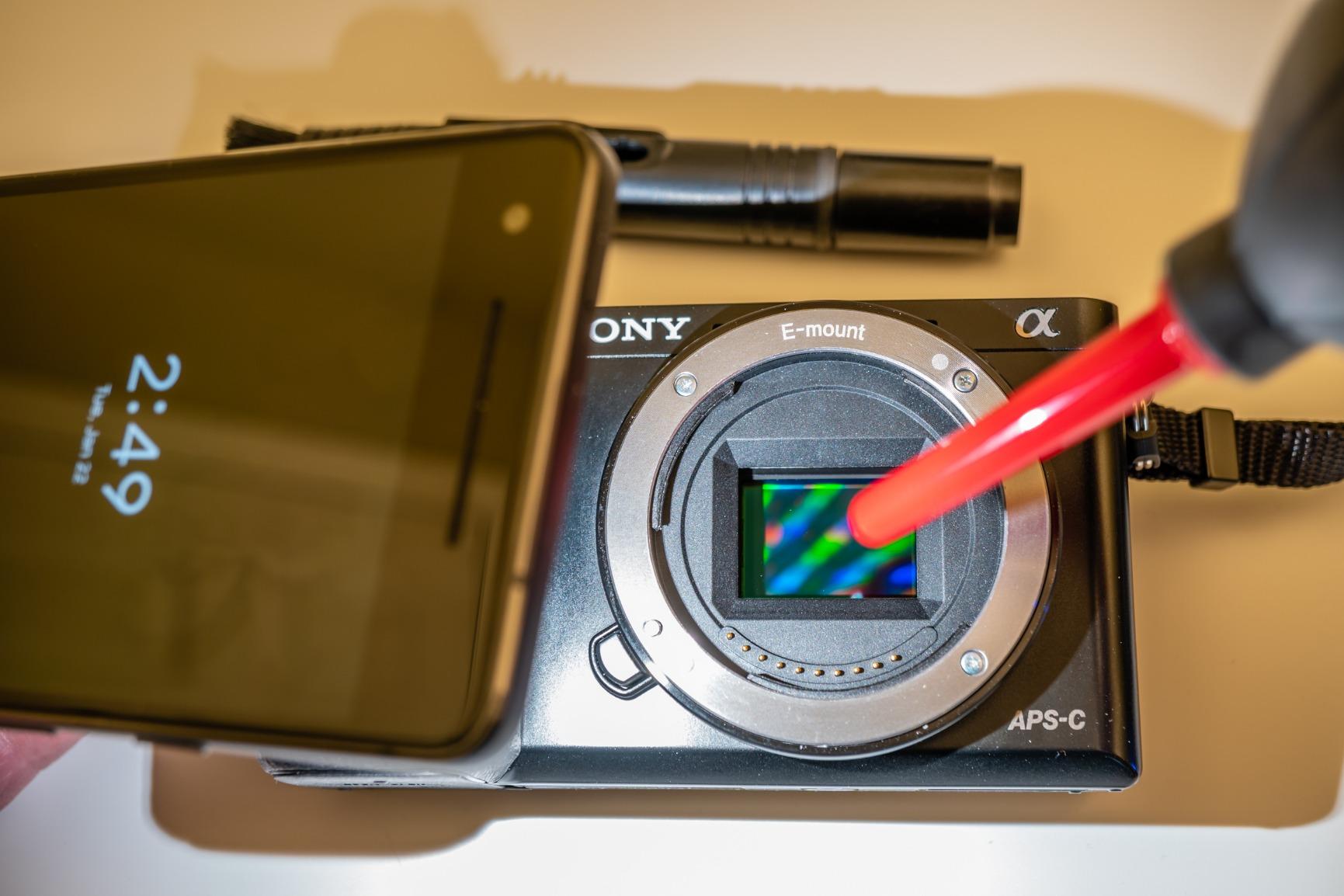
Dust and moisture are the third, and they matter more than beginners expect. At extreme close range the front element picks up fingerprints, pollen and water spots that then photograph as black blobs. Keep a cloth in your pocket and check the front element before every session.
Battery use runs high because autofocus drives the motor constantly near the close-focus limit. Carry a spare battery or two, and expect the tripod to add weight to everything you carry.
Lastly, macro results compress the world in a way that surprises people. A whole meadow can fit in a single dewdrop, which is exactly why the craft is so rewarding, but it does mean the genre appeals less to some photographers than it does to others. Our 90mm macro guide and 100mm macro guide cover the long-focal-length end in more depth if insects are your aim.
Frequently Asked Questions
What is the best affordable macro lens for beginners?
On a crop-sensor body, the OM System 30mm f/3.5 Macro and the Sony 30mm f/3.5 Macro are the strongest entry points, both reaching true 1:1 or better in very small, light packages. On a Canon RF body, the RF35mm f/1.8 Macro IS STM does three jobs for one lens.
What does 1:1 magnification mean?
A lens with 1:1 magnification reproduces the subject at life size on the sensor, so a 10mm wide insect images 10mm across the frame. A lens rated 0.5x gives half life size, and 1.25x or 1.4x go beyond life size for tighter framing.
Do I need image stabilization for macro photography?
Stabilisation helps, but it is not a substitute for support. At 1:1 and f/8, a tripod plus a remote release will produce sharper results than any in-lens or in-body system. Treat the tripod as part of the lens purchase, not an optional extra.
What focal length is best for photographing insects?
Longer is better. A 100mm or 105mm gives you roughly 30cm of working distance, so the lens does not shadow the subject or frighten it. A 30mm macro works but puts the front element within a few centimetres, which many insects react to.
Can I use a macro lens for portraits?
Yes, and most lenses in this roundup double as short telephoto primes. A 90mm or 105mm gives flattering compression and background blur, while a 35mm or 50mm macro gives you a general-purpose lens you will actually carry.
How do I choose the right macro lens for my needs?
Confirm your camera mount first, then decide between life size in a small package and a longer focal length with more working distance. Finally budget for a tripod, and check whether you need fast autofocus or can manage with manual focus.
Which Macro Lens Should You Buy in 2026?
If you are starting out and want one lens that covers macro, portraits and everyday shooting on a Canon RF body, the RF35mm f/1.8 Macro IS STM is our pick. It is the lens most beginners should start with. Sony E and Micro Four Thirds shooters on a budget should take the 30mm f/3.5 Macro in their mount, because they reach true 1:1 in a package you will actually carry.
Once you know you want a specialist, match the focal length to your subject. Longer glass for insects and working distance, short glass for coins, food and stamps. And budget the tripod into the total from day one, because that is what turns sharp frames into finished photographs. Our Laowa macro lens guide covers manual-focus alternatives if you want to spend less on glass and more on a support rail.