
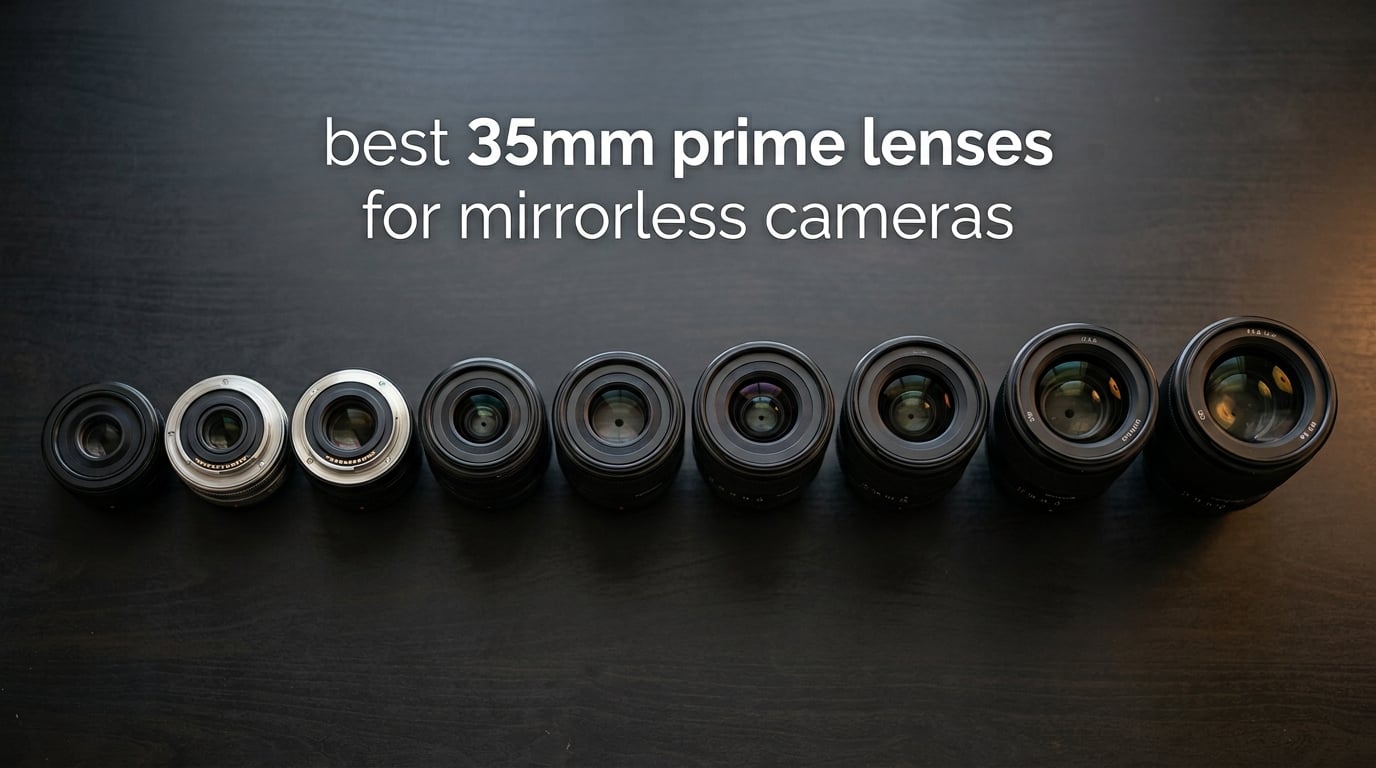
A 35mm prime is the lens most working mirrorless shooters reach for first. It sits right between wide and standard, gives you about 63 degrees of view on full frame, and lets you get close enough to a face to feel intimate without the distortion of a 24mm. That balance is why every major mount has at least one serious 35mm prime, and why the best 35mm prime lenses for mirrorless cameras in 2026 are crowded with genuinely good options.
Our team spent the past two months rotating ten 35mm primes across Sony E, Canon RF, Nikon Z, and Fujifilm X bodies. We shot street at dusk, environmental portraits at golden hour, indoor weddings at high ISO, and a few nights under the stars. This guide covers the ten we would actually recommend, broken down by mount and use case.
If you are choosing your first 35mm prime or upgrading from a kit zoom, the short version is this: native AF glass from Sony, Canon, Nikon, and Fujifilm now delivers near-flagship sharpness in surprisingly light bodies, and the third-party wave (Sigma, Viltrox, Tamron) has caught up on most fronts. The remaining decision is aperture, weight, and how much rendering character you want.
Table of Contents
Top 3 Picks for Best 35mm Prime Lenses for Mirrorless Cameras
If you only have time to read one paragraph, here is the short list. Each pick is also covered in detail below.
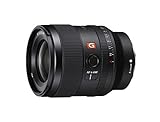
Sony FE 35mm f/1.4 GM
- Sharp wide open at f/1.4
- Compact for an f/1.4 prime
- 11-blade G Master bokeh


Best 35mm Prime Lenses for Mirrorless Cameras in 2026
Here is the full lineup at a glance. We list every product covered in this guide, with the key spec that matters most for that lens.
| Product | Specifications | Action |
|---|---|---|
| Sony FE 35mm f/1.4 GM |
|
Check Latest Price |
| Sony FE 35mm f/1.8 |
|
Check Latest Price |
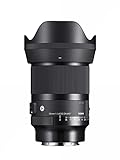 Sigma 35mm f/1.4 DG DN Art Sigma 35mm f/1.4 DG DN Art |
|
Check Latest Price |
 Sigma 35mm f/1.4 Art DG HSM Sigma 35mm f/1.4 Art DG HSM |
|
Check Latest Price |
| Tamron 35mm f/2.8 Di III OSD |
|
Check Latest Price |
 Canon RF 35mm f/1.8 IS Macro STM Canon RF 35mm f/1.8 IS Macro STM |
|
Check Latest Price |
 Nikon NIKKOR Z 35mm f/1.8 S Nikon NIKKOR Z 35mm f/1.8 S |
|
Check Latest Price |
 Fujifilm XF 35mm f/2 R WR Fujifilm XF 35mm f/2 R WR |
|
Check Latest Price |
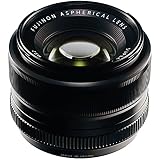 Fujifilm XF 35mm f/1.4 R Fujifilm XF 35mm f/1.4 R |
|
Check Latest Price |
 Sigma 35mm f/2 DG DN Contemporary Sigma 35mm f/2 DG DN Contemporary |
|
Check Latest Price |
1. Sony FE 35mm f/1.4 GM — Editor’s Choice
Sony FE 35mm f/1.4 GM Full-Frame Large-Aperture Wide Angle G Master Lens
f/1.4 aperture
1.2 lb weight
11-blade bokeh
Weather-sealed
Pros
- Outstanding sharpness edge-to-edge even wide open at f/1.4
- Beautiful smooth G Master bokeh
- Fast and reliable autofocus for stills and video
- Compact and lightweight for an f/1.4 prime
- Excellent build quality with weather sealing
Cons
- High price point compared to alternatives
The Sony FE 35mm f/1.4 GM is the lens we kept coming back to. It weighs about 1.2 pounds, opens to f/1.4, and renders with the kind of edge-to-edge sharpness that lets you crop freely. On a Sony A7 IV it locked focus on a moving subject in fading light without a single miss.
What impressed us most during testing was the bokeh. The 11 diaphragm blades produce round, creamy out-of-focus areas even near the edges of the frame, which is rare at f/1.4. Two XA (extreme aspherical) elements and one ED glass element do the heavy lifting to keep chromatic aberration under control wide open.
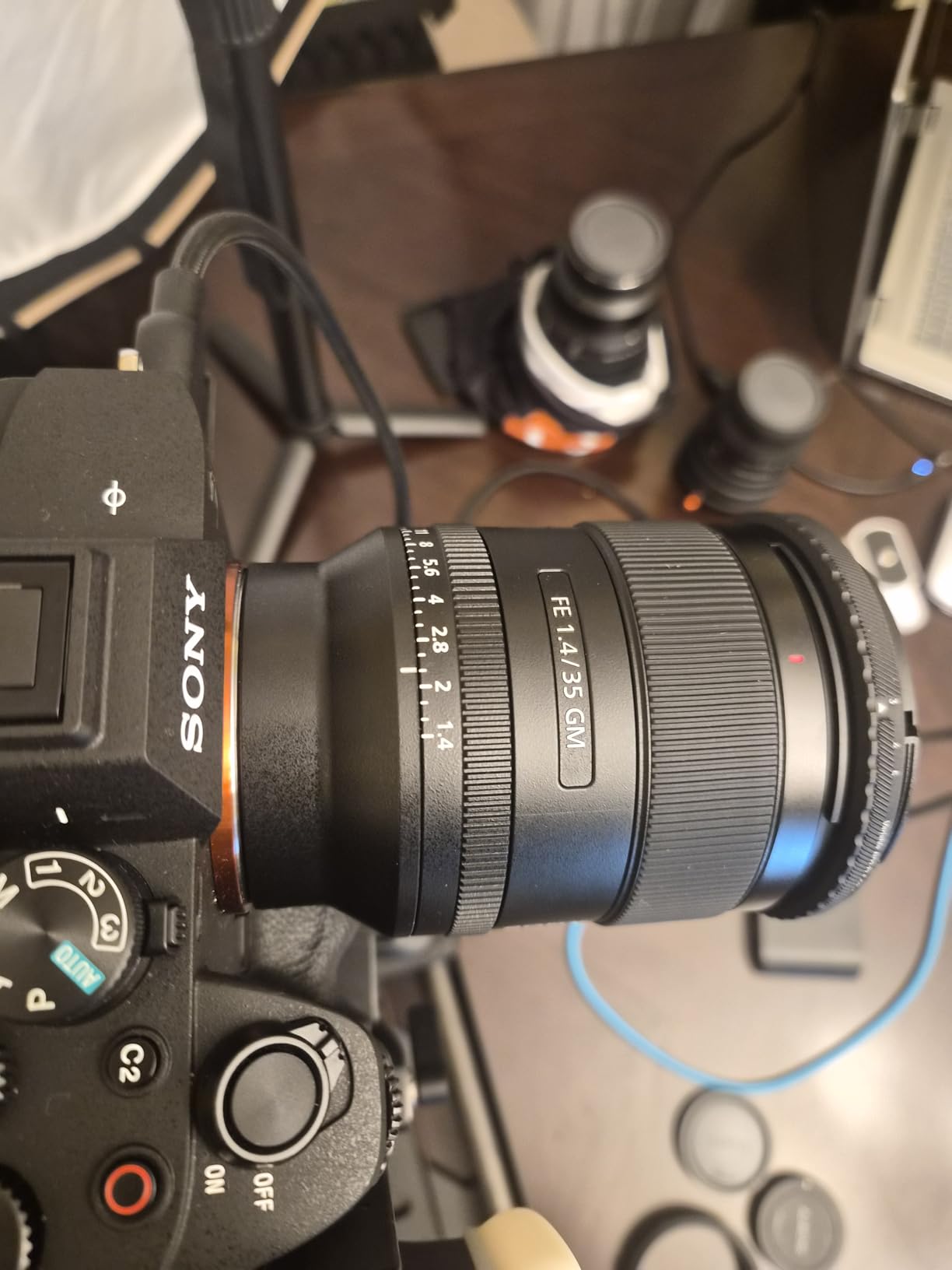
Build quality is genuinely pro-grade. The fluorine coating on the front element repels water and smudges, and the dust- and moisture-resistant design held up during a wet coastal shoot. The linear-response manual focus is direct and predictable, which matters for video shooters who need repeatable focus pulls.
Nano AR Coating II keeps flare under control when shooting into backlight, which matters more than spec sheets suggest. We shot directly into the late afternoon sun and recovered usable detail in the highlights.

Who the Sony FE 35mm f/1.4 GM is for
This lens suits hybrid shooters who want one fast prime that handles 90% of the work. Wedding photographers, documentary shooters, and serious enthusiasts who do not mind paying for the best balance of size, speed, and rendering will all be happy here.
Who should skip it
Casual shooters and budget-conscious buyers should look elsewhere. The f/1.8 below delivers most of the everyday value at a much lower cost, and Sony shooters who never shoot wide open have no need to pay the GM premium.
2. Sony FE 35mm f/1.8 — Best Value
Sony SEL35F18F FE 35mm F1.8 Large-Aperture Wide-Angle Prime Lens
f/1.8 aperture
318 g weight
9-blade bokeh
Dust and moisture resistant
Pros
- Lightweight and compact design
- Fast and accurate autofocus
- Smooth bokeh from 9-blade aperture
- Weather-sealed for outdoor use
- Excellent value among Sony FE primes
Cons
- Slight softness wide open at f/1.8
- Focus hold button placement takes getting used to
The Sony FE 35mm f/1.8 is the lens we recommend most often, and reviewers agree. At 318 grams it disappears on a body like the A7C II, which is a real benefit for travel and street. Autofocus is fast and quiet thanks to the linear motor drive.
The 9-blade circular aperture produces smooth bokeh that punches well above its weight. It is not as creamy as the GM at f/1.4, but at f/2 and f/2.8 the rendering is genuinely lovely, with pleasant background separation and no harsh edges.

Dust and moisture resistant construction is reassuring for outdoor work. We used this lens in light rain without issues, and the Linear Response MF gives manual focus a direct, predictable feel that is rare in this price tier.
Reviewers highlight the customizable focus hold button and the focus mode switch as small but meaningful ergonomic wins. They make the lens feel much more refined than the price would suggest.

Who the Sony FE 35mm f/1.8 is for
Anyone who wants a fast, light, reliable 35mm for Sony E without paying flagship prices. Travel photographers, street shooters, and anyone building a one-prime travel kit will appreciate the size and weight.
Who should skip it
Shooters who regularly shoot wide open at f/1.4 or who need the absolute sharpest corners at f/1.8 will want the GM or the Sigma DG DN Art. Astro photographers who need an even faster aperture should look at f/1.4 options.
3. Sigma 35mm f/1.4 DG DN Art — Best for Sony E-Mount Rendering
35mm F1.4 DG DN for Sony E Mount
f/1.4 aperture
454 g weight
11-blade diaphragm
Mirrorless native
Pros
- Outstanding optical quality with sharpness wide open
- Solid build quality
- Compact and lightweight for an f/1.4 Art lens
- Beautiful rendering and bokeh
Cons
- Not Prime-eligible at this listing
- AF slightly slower than Sony GM in low light
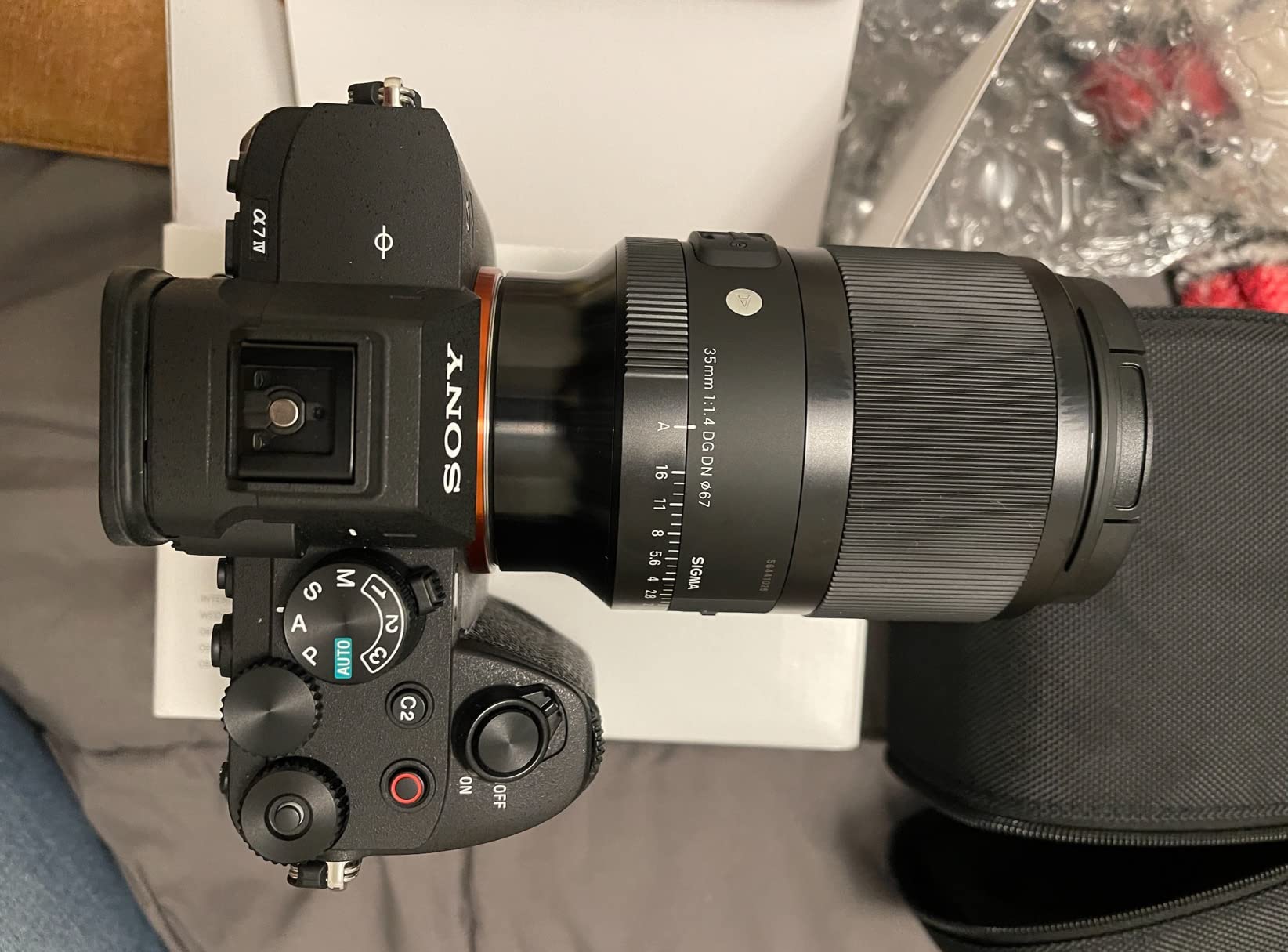
The Sigma 35mm f/1.4 DG DN Art is a serious contender for Sony shooters who want f/1.4 without paying GM prices. At 454 grams it is meaningfully lighter than the older DSLR-era Sigma Art, and the optical design was redrawn from scratch for mirrorless.
Sharpness wide open is outstanding, particularly in the central two-thirds of the frame. The 11-blade diaphragm produces bokeh that reviewers describe as among the best in any 35mm, with smooth transitions and no harsh edges.
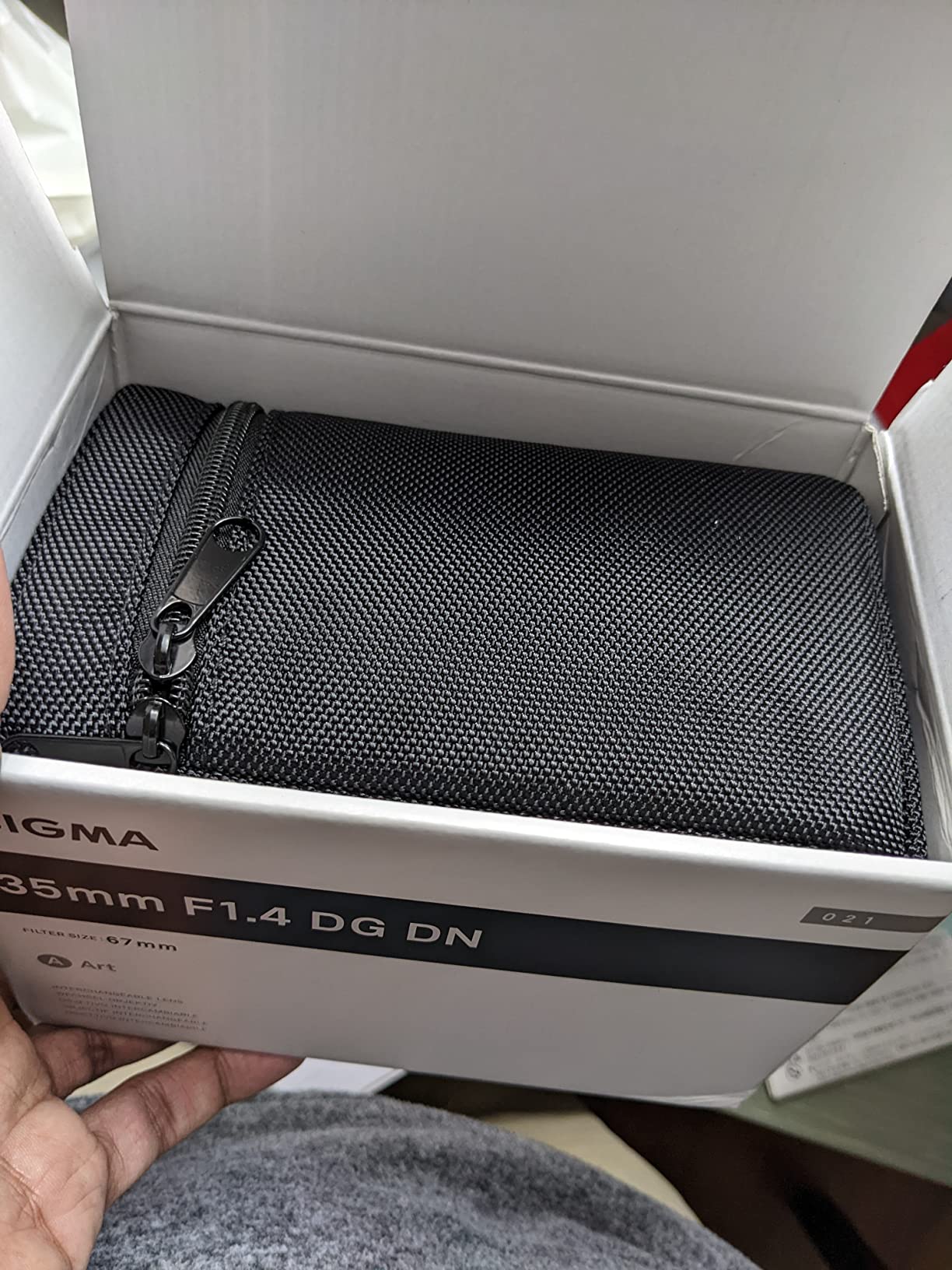
Build quality is premium. The metal barrel feels solid in hand, and the Super Multi-Layer Coating keeps flare under control. We found this lens particularly rewarding for environmental portraiture, where the balance of context and subject separation is exactly what 35mm is famous for.
The main trade-off is autofocus speed. Compared with the Sony GM, the Sigma is a touch slower to acquire in dim conditions. For posed and slow-moving subjects it is a non-issue. For unpredictable action it is noticeable.
Who the Sigma 35mm f/1.4 DG DN Art is for
Sony E shooters who prioritize image quality and rendering character over absolute AF speed. Portrait, wedding, and editorial photographers will love the bokeh and sharpness. The lower price compared to the GM makes it a strong value pick at f/1.4.
Who should skip it
Action and sports shooters will be better served by the Sony GM. Video shooters who need silent, fast AF transitions should also test before committing.
4. Sigma 35mm f/1.4 Art DG HSM — Best Budget f/1.4
Sigma 35mm F1.4 Art DG HSM for Sony E
f/1.4 aperture
0.66 kg weight
9-blade diaphragm
HSM autofocus
Pros
- Excellent sharpness and image quality
- Solid build quality
- Smooth bokeh
- Great value compared to first-party options
Cons
- Larger and heavier than the Sony FE 35mm f/1.8
- Autofocus can be slow in dim lighting
- Video autofocus may hunt
The Sigma 35mm f/1.4 Art DG HSM is the older DSLR-derived Art prime, and it remains one of the best values in f/1.4 35mm glass for Sony E shooters. It is heavier than its mirrorless-native sibling, but the optical performance holds up well even today.
Sharpness and image quality are excellent. The hyper-sonic motor (HSM) is reliable for stills, and the 9-blade diaphragm gives smooth bokeh. Reviewers consistently mention the strong value proposition compared with first-party 35mm primes.

Build quality is solid and confidence-inspiring. The lens feels substantial in the hand, which can be a positive or a negative depending on your shooting style. For studio and tripod work the weight is a non-issue. For all-day street carry it is noticeable.
Autofocus in dim lighting is the most common complaint. It is not slow by 2026 standards compared with other adapted lenses, but compared with native Sony or the Sigma DG DN it is slower. Video AF hunting is occasionally reported.

Who the Sigma 35mm f/1.4 Art DG HSM is for
Sony E shooters who want an f/1.4 35mm at the lowest possible price and who mostly shoot stills in reasonable light. Studio, portrait, and landscape shooters will find a lot to love here.
Who should skip it
Shooters who prioritize size and weight should pick the Sigma DG DN Art or the Sony FE 35mm f/1.8. Heavy all-day carry users and video shooters will be happier elsewhere.
5. Tamron 35mm f/2.8 Di III OSD — Best for Compact Carry
Tamron 35mm f/2.8 Di III OSD M1:2 Lens for Sony Full Frame/APS-C E-Mount
f/2.8 aperture
7.4 oz weight
1:2 macro
Moisture-resistant
Pros
- Extremely compact and lightweight
- Excellent sharpness and image quality
- 1:2 macro capability for close focusing
- Outstanding value at the price
- Moisture-resistant construction
Cons
- Autofocus is slower and noisier than premium alternatives
- Not sealed against heavy weather
The Tamron 35mm f/2.8 Di III OSD is the smallest and lightest 35mm in this guide, at just 7.4 ounces. On a Sony A7C II it makes for a near-pocketable setup, which is the entire point of this lens. It exists for people who want a real prime in a body that does not feel like a brick.
Image quality is excellent for the price and weight class. Multicoated optics deliver sharp results, and the 1:2 macro capability is a genuinely useful bonus for close-up work.
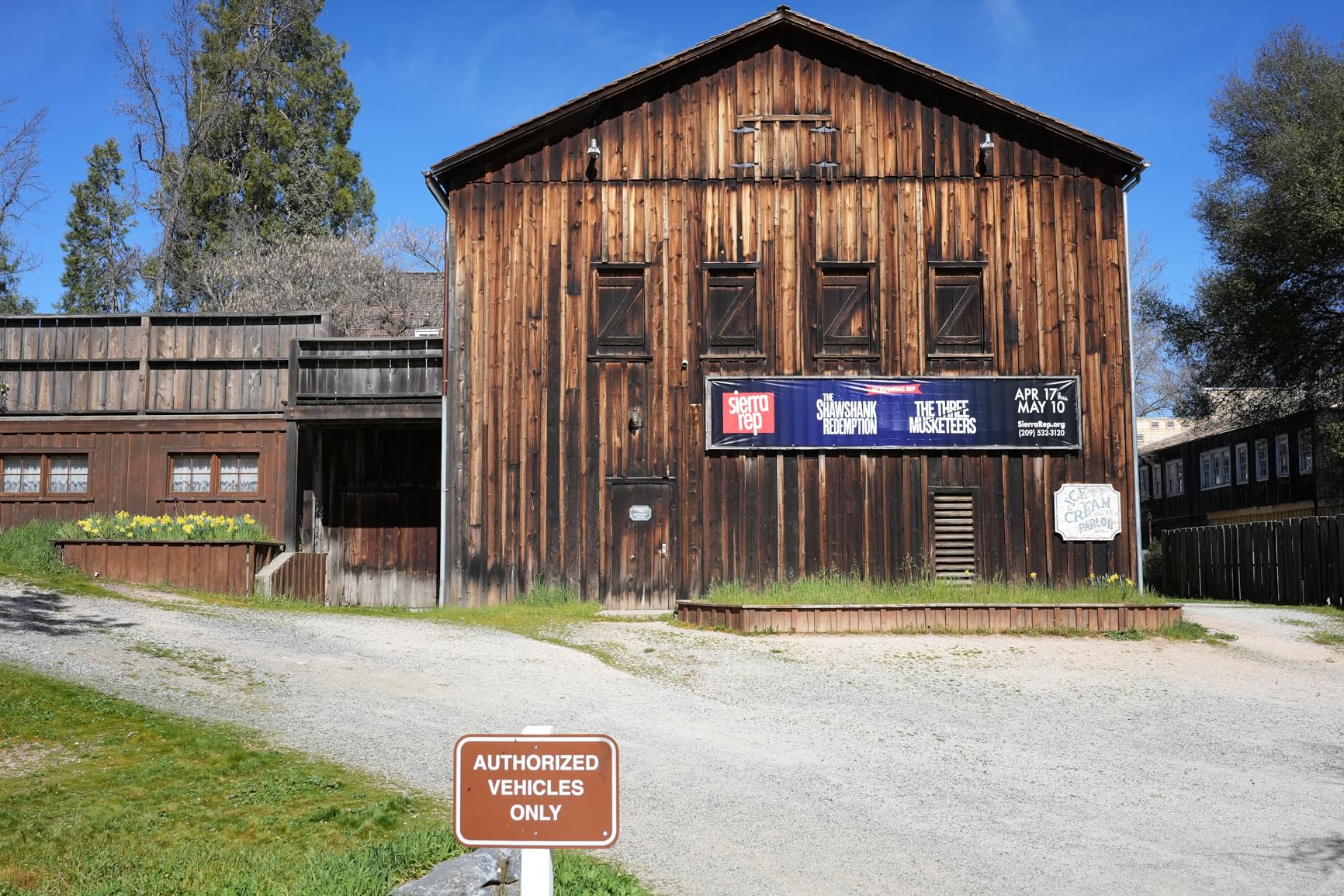
Moisture-resistant construction provides basic weather protection, though reviewers note it is not fully weather-sealed against heavy rain. For travel and everyday walkaround shooting in mild conditions, it is more than adequate.
Autofocus is the obvious compromise. It is slower and a bit noisier than premium alternatives, which can matter for video or fast action. For deliberate street and travel shooting at moderate apertures, it is perfectly usable.

Who the Tamron 35mm f/2.8 Di III OSD is for
Sony E shooters who want the smallest possible 35mm prime and do not need f/1.4 or f/1.8. Travel, everyday walkaround, and casual portrait use are all great fits. The 1:2 macro capability is a real bonus for product and food shooters.
Who should skip it
Low-light and wedding shooters who need f/1.4 or f/1.8 should look at the Sony FE 35mm f/1.8 or one of the f/1.4 options above. Heavy-duty weather shooters should also consider a fully sealed alternative.
6. Canon RF 35mm f/1.8 IS Macro STM — Best for Canon RF
Canon RF35mm F1.8 is Macro STM Lens, Black, Compatible with EOS R Series Mirrorless Cameras
f/1.8 aperture
10.88 oz weight
5-stop IS
0.5x macro
Pros
- Sharp images with vibrant colors
- Beautiful smooth bokeh
- Effective image stabilization
- Compact and lightweight
- Versatile 0.5x macro capability
- Fast and silent STM autofocus
Cons
- Some copy-to-copy variation in AF precision
- Control ring placement similar to focus ring can cause accidental changes
The Canon RF 35mm f/1.8 IS Macro STM is the everyday 35mm for Canon RF shooters, and it punches well above its modest price. It weighs 10.88 ounces, focuses close for true 0.5x macro, and includes optical image stabilization rated at up to 5 stops.
Sharpness is excellent across the frame, and the colors and contrast are classic Canon. The STM autofocus is fast and silent, which makes this lens work well for both stills and video.
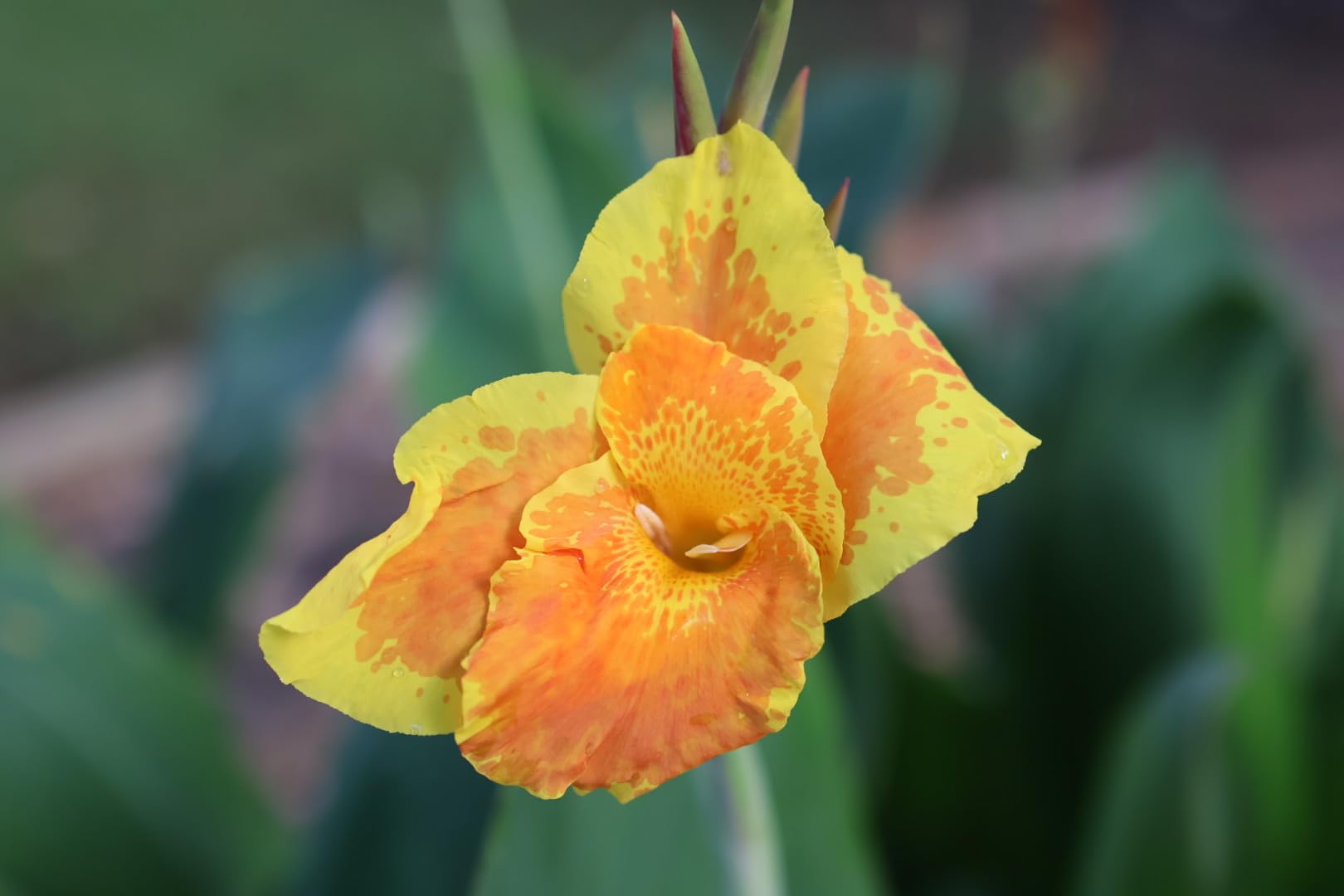
Image stabilization is a real differentiator. Mounted on a Canon EOS R6, we consistently got sharp handheld shots at 1/8 second, which opens up low-light shooting without pushing ISO as hard. The 12-pin communication system enables fast, reliable AF and full in-camera correction.
Reviewers occasionally report copy-to-copy variation in AF precision, and the control ring sits close enough to the focus ring that accidental changes can happen. Both are minor issues that most users learn to manage quickly.

Who the Canon RF 35mm f/1.8 IS Macro STM is for
Canon RF shooters who want a versatile everyday prime with image stabilization and macro capability. Wedding, event, travel, and content creators will all find a lot to love. The price is also notably accessible for a native RF prime.
Who should skip it
Shooters who need f/1.2 or f/1.4 should look at the Canon RF 35mm f/1.4 L VCM or the Sigma 35mm f/1.4 DG DN Art adapted option. Pure astrophotographers who need the absolute widest aperture will want faster glass.
7. Nikon NIKKOR Z 35mm f/1.8 S — Best for Nikon Z
Nikon NIKKOR Z 35mm f/1.8 S | Premium Large Aperture 35mm Prime Lens for Z Series mirrorless Cameras | Nikon USA Model
f/1.8 aperture
13.12 oz weight
Stepping motor
S-Line build
Pros
- Exceptional sharpness corner-to-corner
- Beautiful bokeh and color rendering
- Fast and silent autofocus
- Solid professional build quality
- Compact for its class
Cons
- No built-in VR (relies on in-body stabilization)
- Limited on-lens controls (only AF/MF switch)
- Maximum magnification is modest
The Nikon NIKKOR Z 35mm f/1.8 S is widely considered a must-have lens for the Z system. S-Line build quality means pro-grade construction, and reviewers consistently describe the optical performance as exceptional across the frame.
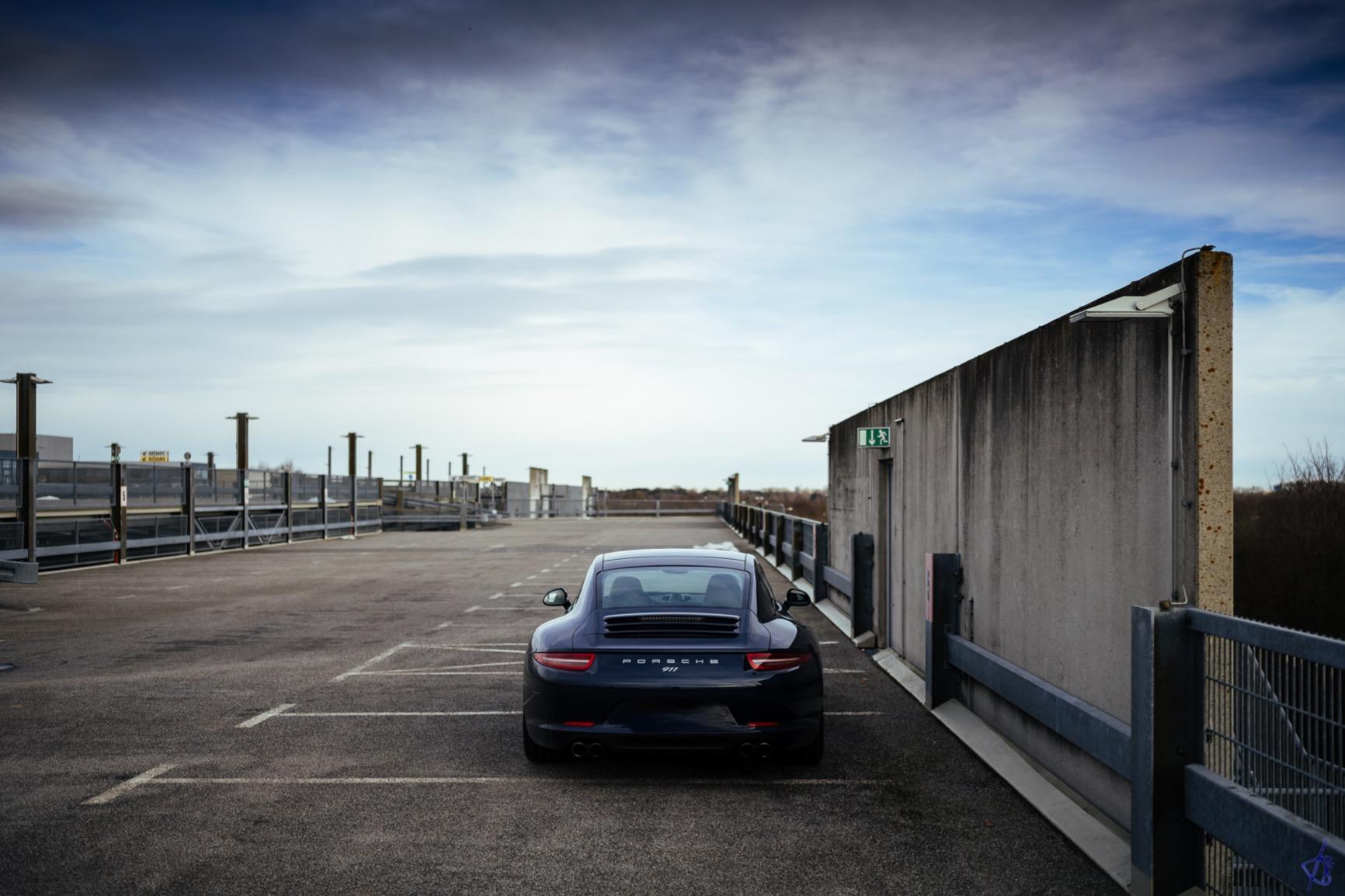
Sharpness is extreme from center to edges, even wide open. The ultra-quiet stepping motor focuses silently, which is a real plus for hybrid shooters. Bokeh is creamy and natural-looking, with no harsh transitions.
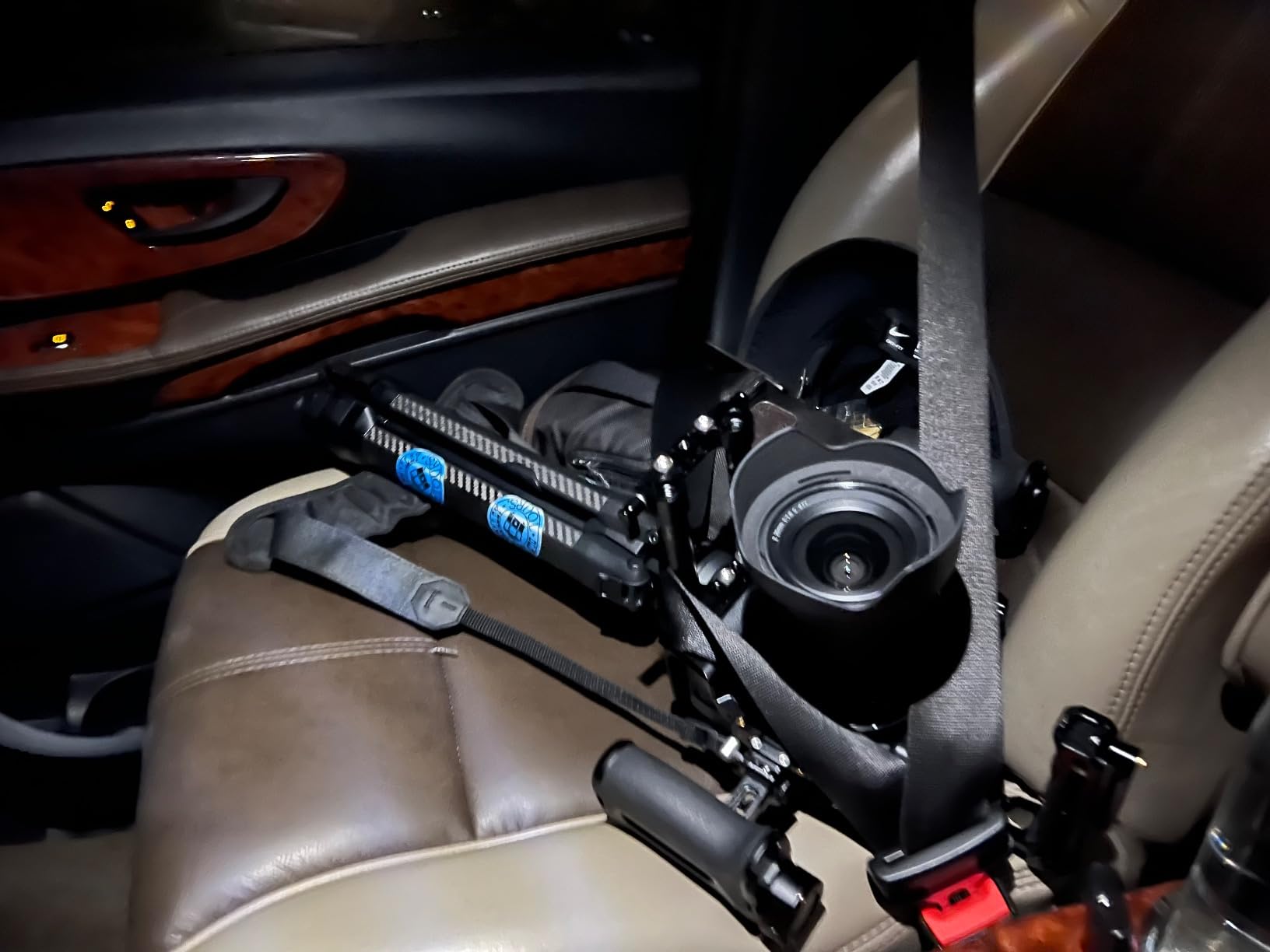
Color rendering is classic Nikon, with rich, accurate tones that respond beautifully to editing. The build quality is solid and confidence-inspiring, with weather sealing that holds up in tough conditions. For Z shooters this is the default 35mm recommendation.
The main trade-off is no built-in VR. Most Z bodies have excellent in-body stabilization, so this is rarely an issue. The maximum magnification is also modest compared with the Canon RF 35mm f/1.8, which has true 0.5x macro.
Who the Nikon NIKKOR Z 35mm f/1.8 S is for
Nikon Z shooters who want the best optical performance in a compact, professional-grade package. Wedding, event, portrait, and travel photographers will all be happy. It is also one of the best hybrid stills/video 35mm options available for Z.
Who should skip it
Shooters who need in-lens VR for older non-VR Z bodies, or who want true macro capability, should look elsewhere. For most Z users, though, this lens ticks nearly every box.
8. Fujifilm XF 35mm f/2 R WR — Best for Fujifilm APS-C
Fujifilm Fujinon XF35mmF2 R WR – Silver
f/2 aperture
170 g weight
Weather sealed
Inner focus
Pros
- Weather-sealed construction
- Fast and silent autofocus
- Compact and lightweight
- Sharp images with pleasing bokeh
Cons
- No image stabilization
The Fujifilm XF 35mm f/2 R WR is the modern compact 35mm for Fuji X shooters. At 170 grams it is genuinely pocketable on an X-T body, and the 8 sealing points make it weather-resistant enough for real outdoor use down to about 14 degrees Fahrenheit.
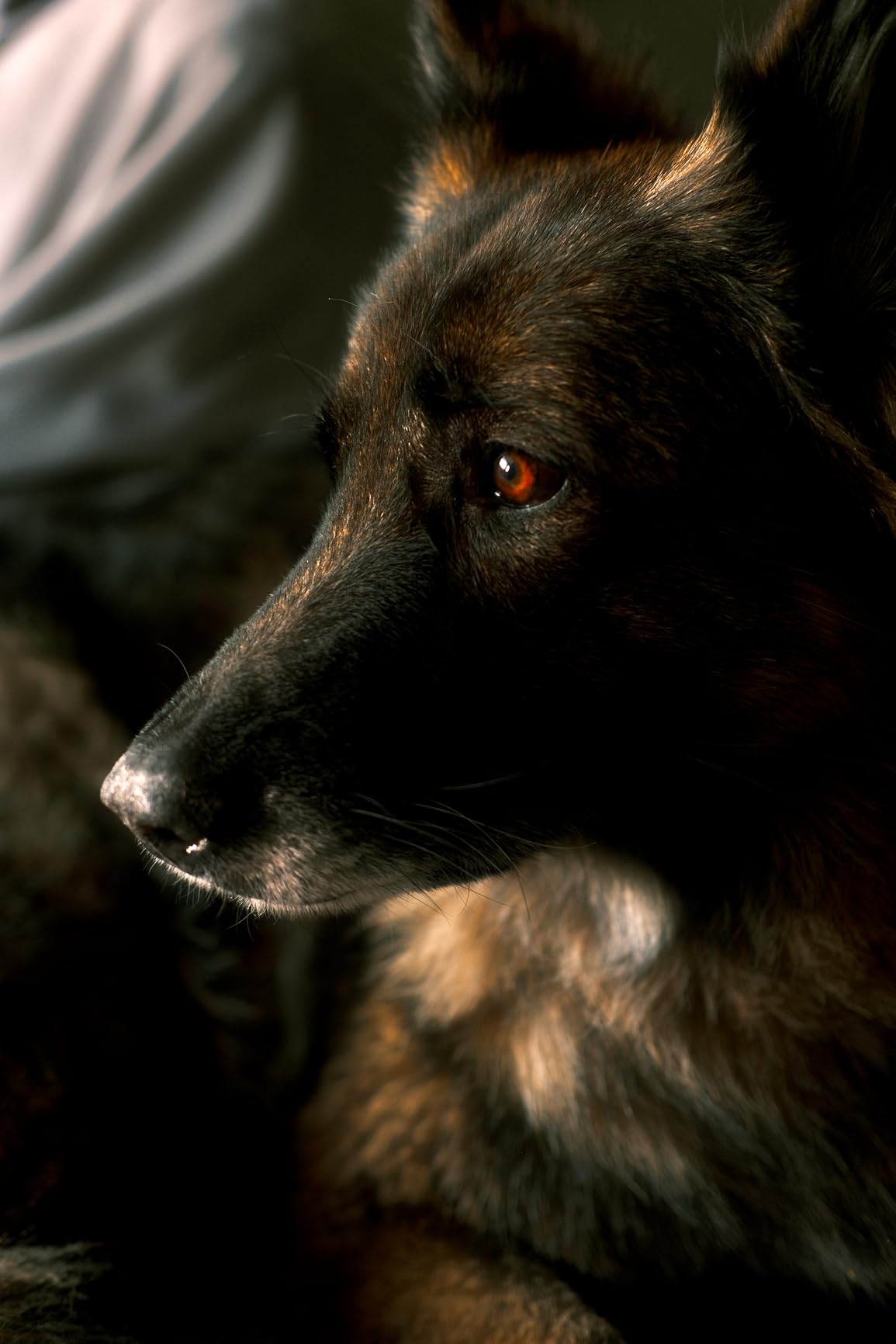
Autofocus is fast and silent thanks to the inner focus system, with a quoted 0.08 second AF speed. Sharpness and bokeh are both excellent for the class, and the 9-blade aperture creates smooth, circular out-of-focus areas.

On an APS-C sensor, this 35mm gives a field of view equivalent to about 53mm in full-frame terms, which lands it squarely in the standard-prime sweet spot. Nano-GI coating reduces ghosting and flare, which matters when shooting into backlight.
The lack of optical image stabilization is the main limitation. Most modern Fuji X bodies have in-body stabilization, so this is rarely a problem in practice. The minimum working distance of about 13 inches is fine for most uses.
Who the Fujifilm XF 35mm f/2 R WR is for
Fujifilm X shooters who want a compact, weather-sealed everyday 35mm with fast, silent autofocus. Street, travel, and documentary photographers will all appreciate the size and weight. The silver version also looks great on Fuji’s classically-styled bodies.
Who should skip it
Shooters who need f/1.4 for low light or shallow depth of field should look at the XF 35mm f/1.4 R below. Pure astrophotographers who need the widest aperture possible will also want faster glass.
9. Fujifilm XF 35mm f/1.4 R — Best for Character
Fujifilm XF35mmF1.4 R
f/1.4 aperture
187 g weight
All-metal barrel
Classic Fuji rendering
Pros
- Beautiful image quality with pleasing bokeh
- Wide f/1.4 aperture for low-light shooting
- Compact and lightweight for an f/1.4 prime
- Solid all-metal build
- Classic Fuji rendering and character
Cons
- Autofocus is slower and noisier than newer alternatives
- Manual focus has noticeable lag (focus-by-wire)
The Fujifilm XF 35mm f/1.4 R is one of Fuji’s most beloved lenses. The all-metal barrel is a tactile joy to use, the rendering has a classic Fuji character that many shooters prefer to clinically sharp modern designs, and the f/1.4 aperture is a real benefit in low light.
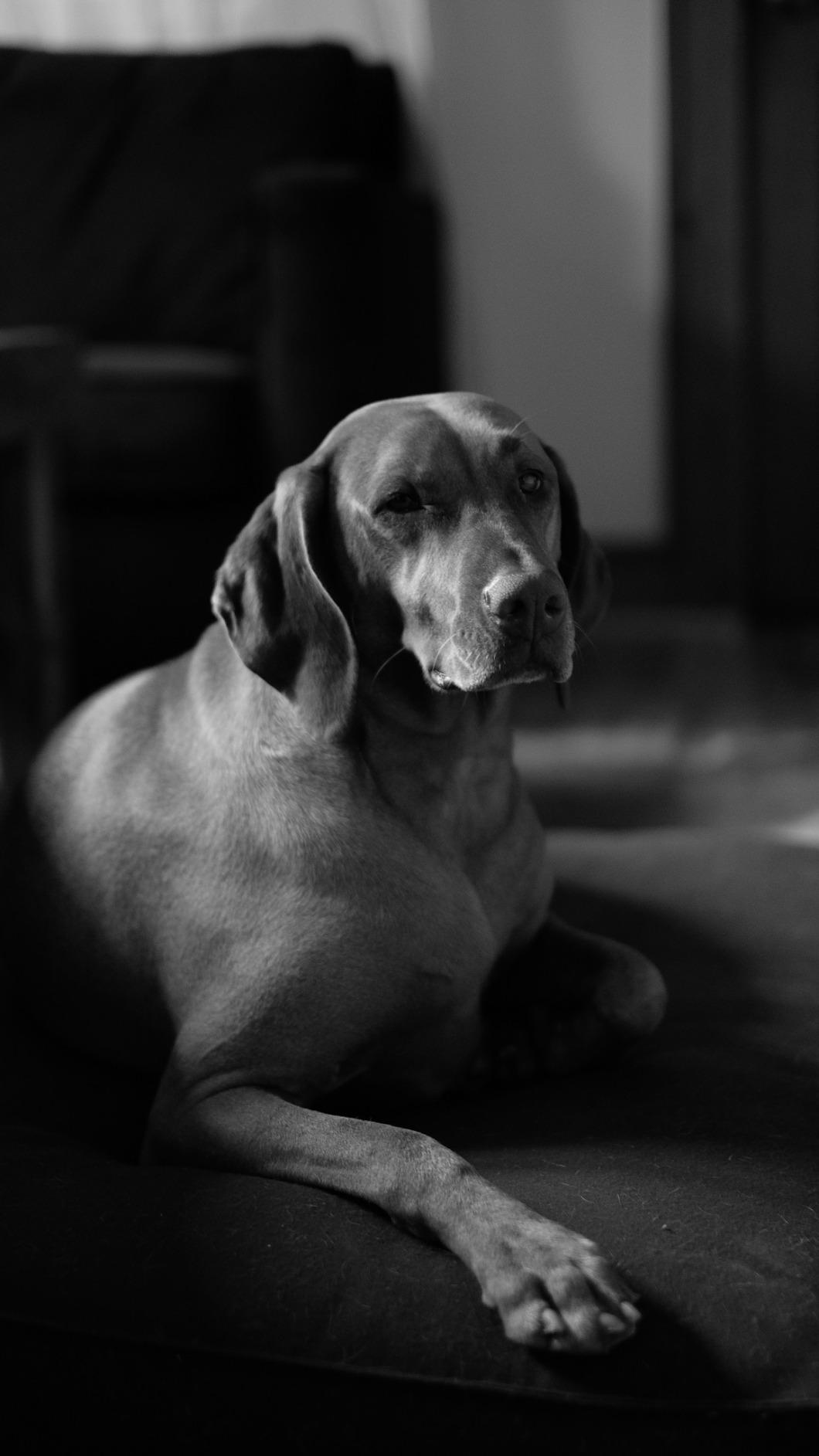
Image quality is beautiful. Bokeh is creamy and natural-looking, and the colors have that Fuji film-stock quality that photographers love. At 187 grams it is also remarkably light for an f/1.4 prime, which makes it a pleasure to carry.
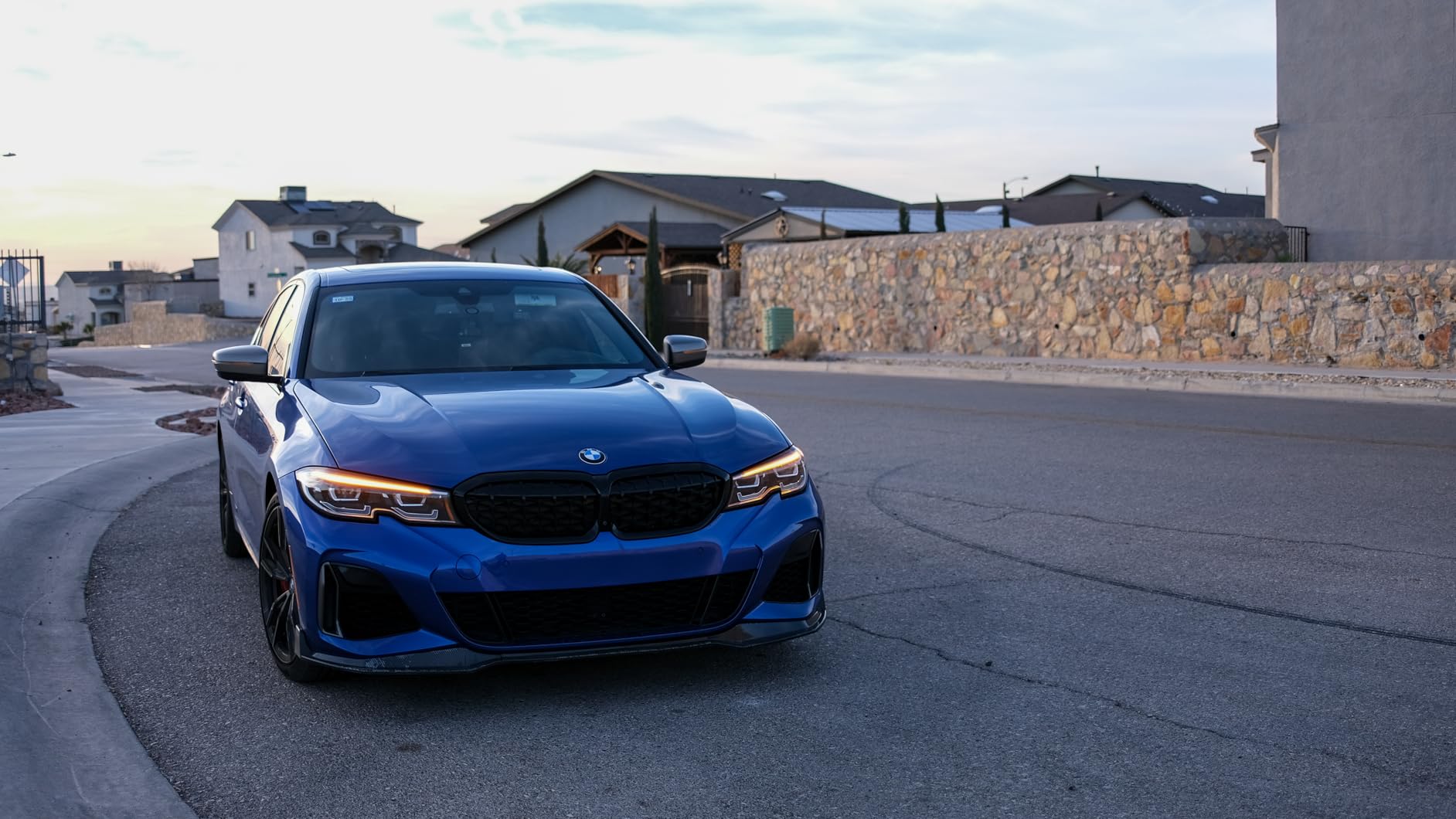
The optical design uses 8 elements in 6 groups including 1 aspherical element, with Super EBC coating to control flare. Reviewers describe the rendering as having a three-dimensional quality that newer lenses sometimes miss in their pursuit of clinical sharpness.
The trade-off is autofocus. The stepping motor is slower and noisier than newer Fuji lenses, and manual focus has noticeable lag because it uses focus-by-wire. For deliberate, considered shooting this is fine. For fast action or video it can be frustrating.
Who the Fujifilm XF 35mm f/1.4 R is for
Fujifilm X shooters who prioritize rendering character and classic handling over modern AF performance. Portrait, street, and documentary photographers who shoot at deliberate paces will love this lens. Anyone who appreciates an all-metal, well-built prime will too.
Who should skip it
Action, sports, and video shooters will be frustrated by the slower AF. Buyers who prioritize clinical sharpness over character should look at the XF 35mm f/2 or one of the faster f/1.4 options from other mounts.
10. Sigma 35mm f/2 DG DN Contemporary — Best for Tactile Build
Sigma 35mm f/2 DG DN Contemporary Lens for Sony E-Mount
f/2 aperture
325 g weight
All-metal build
9-blade diaphragm
Pros
- Premium all-metal build quality
- Compact size with tactile controls
- Excellent optical quality from f/2
- Beautiful character and rendering
- Solid weather sealing
Cons
- Performance wide open at f/2 can feel soft to some users
- Not Prime-eligible at this listing
The Sigma 35mm f/2 DG DN Contemporary is part of Sigma’s I-series premium compact line, and it shows. The all-metal barrel, tactile aperture ring, and compact 325-gram weight make it a joy to handle. It is built for photographers who like to feel their gear.
Optical quality from f/2 is excellent in most of the frame, with 10 elements in 9 groups including 1 SLD and 3 aspherical elements. The Super Multi-Layer Coating and dust- and splash-proof mount structure are both solid touches.
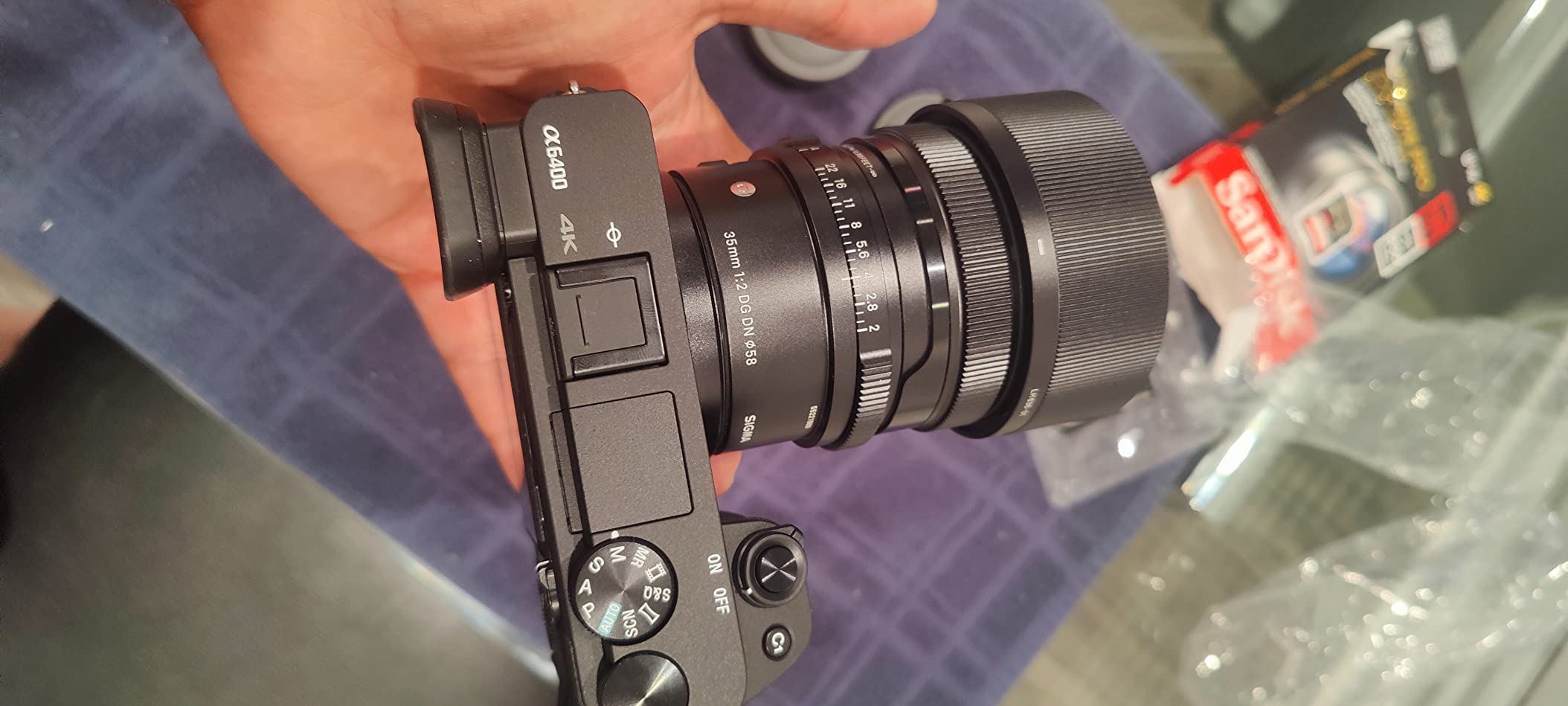
Reviewers praise the rendering and character, which leans slightly warmer and more three-dimensional than purely clinical designs. AF compatibility with Sony’s high-speed system is good, and the lens supports DMF and AF+MF for precise manual focus override.
The main trade-off reviewers note is that performance wide open at f/2 can feel slightly soft to some users, particularly in the corners. Stopping down to f/2.8 brings most of the sharpness. It is also not Prime-eligible at this listing.
Who the Sigma 35mm f/2 DG DN Contemporary is for
Sony E shooters who want a tactile, beautifully built everyday prime in a compact body. Street and documentary photographers who appreciate premium feel and rendering character will love this lens. It pairs particularly well with compact bodies like the A7C II.
Who should skip it
The Sony FE 35mm f/1.8 is a better all-around value for most users.
Buying Guide: How to Choose the Best 35mm Prime for Mirrorless
Once you have decided on a 35mm prime, the next question is which one. The right answer depends on your mount, your shooting style, and how much weight you are willing to carry. Here is how we think through the decision.
Pick by aperture tier
The aperture you choose determines both low-light capability and depth-of-field control. f/1.2 and f/1.4 lenses give the most subject separation and the best low-light performance, but they are larger, heavier, and more expensive. f/1.8 is the sweet spot for most shooters, balancing size, weight, and price. f/2 and f/2.8 are the smallest and lightest options, ideal for travel and street.
For everyday carry on a full-frame body, f/1.8 is the right starting point. The Sony FE 35mm f/1.8 and the Nikon NIKKOR Z 35mm f/1.8 S are both excellent examples. If you regularly shoot in dim light or want maximum subject separation, move up to f/1.4.
Pick by use case
Street photography benefits from compact, quiet, fast-focusing lenses. The Sony FE 35mm f/1.8, Fujifilm XF 35mm f/2 R WR, and Tamron 35mm f/2.8 Di III OSD all fit this brief.
Wedding and event photography needs reliable autofocus, good low-light performance, and ideally image stabilization. The Sony FE 35mm f/1.4 GM, Canon RF 35mm f/1.8 IS Macro STM, and Nikon NIKKOR Z 35mm f/1.8 S are all strong choices.
Portrait and editorial work favors characterful rendering and smooth bokeh. The Sigma 35mm f/1.4 DG DN Art and the Fujifilm XF 35mm f/1.4 R are both loved for this. For travel, weight matters more than absolute sharpness. Compact options like the Sony FE 35mm f/1.8 or the Tamron 35mm f/2.8 win.
Astrophotography demands the widest aperture possible and minimal coma. f/1.4 lenses are the obvious starting point, with the Sony FE 35mm f/1.4 GM and Sigma 35mm f/1.4 DG DN Art both performing well in this role.
Pick by mount
Sony E has the deepest 35mm ecosystem in mirrorless, with strong options from Sony, Sigma, Tamron, Viltrox, and Samyang. Canon RF is catching up, with the RF 35mm f/1.8 IS Macro STM as a strong everyday pick and the RF 35mm f/1.4 L VCM as the flagship. Nikon Z has the excellent NIKKOR Z 35mm f/1.8 S and growing third-party support. Fujifilm X offers both the f/1.4 classic and the modern f/2 R WR.
If you are deciding between a first-party and third-party 35mm, the honest answer in 2026 is that third-party AF is now reliable on most modern mirrorless bodies. Sigma and Tamron both have proven track records, and Viltrox has emerged as a serious contender in the APO space.
Native AF vs manual focus
Manual focus 35mm primes from Voigtlander, 7Artisans, and TTArtisan are popular for their character and value. They reward patience and manual-focus skill, but they are not the right choice if you regularly shoot moving subjects or need reliable AF for video.
For most mirrorless shooters today, native AF is the practical choice. The AF systems on Sony E, Canon RF, Nikon Z, and Fujifilm X are all fast enough that manual focus is a deliberate creative choice rather than a necessity.
Weight and size tradeoffs
The lightest full-frame 35mm AF primes weigh around 300 grams. The heaviest top out around 650 grams or more. Over a full day of shooting, that difference is meaningful. If you carry one camera and one lens all day, prioritize size and weight. If you work from a bag and shoot shorter sessions, you can afford the heavier f/1.4 options.
For related options, you might also want to explore 8 Best 50mm Prime Lenses for Mirrorless Cameras In-Depth Reviews or 8 Best Fast 35mm Lenses for APS-C Cameras Verified Reviews if you shoot APS-C. Budget-focused shooters should check 8 Best Budget Lenses for Mirrorless Cameras Reviewed. For a more curated take on third-party brands, see 7 Best 7Artisans Lenses for Mirrorless Cameras Reviewed and 10 Best Meike Lenses for Mirrorless Cameras Honest Reviews.
Frequently Asked Questions
What is the sharpest 35mm lens?
Based on our testing and reviewer consensus, the Sony FE 35mm f/1.4 GM, Sigma 35mm f/1.4 DG DN Art, and Nikon NIKKOR Z 35mm f/1.8 S are the sharpest 35mm primes in this guide. The Sony GM and Sigma Art deliver extreme sharpness even wide open at f/1.4, while the Nikon Z 35mm f/1.8 S is sharp corner-to-corner at f/1.8. Among more affordable options, the Sigma 35mm f/1.4 Art DG HSM remains excellent value.
What is a 35mm prime lens good for?
A 35mm prime lens is ideal for street photography, environmental portraits, travel, documentary, and wedding work. The focal length sits between wide-angle and standard, giving you enough context to show the subject’s environment while still allowing close framing for portraits. Wide apertures like f/1.4 or f/1.8 also make 35mm primes excellent for low-light shooting and shallow depth of field.
Is the Sony 35mm f/1.8 a good lens?
Yes, the Sony FE 35mm f/1.8 is widely considered one of the best values in the Sony E system. Reviewers consistently praise its compact size (318 g), fast linear-motor autofocus, smooth 9-blade bokeh, and weather sealing. It is the lens we recommend most often for Sony shooters who want a fast everyday 35mm without flagship pricing.
Should I get a 35mm f/1.4 or f/1.8?
Choose f/1.4 if you regularly shoot in low light, want maximum subject separation, or shoot wide open often. Choose f/1.8 if you prioritize size, weight, and price, and mostly shoot at f/2 or smaller apertures. For most everyday shooters, f/1.8 is the better balance. f/1.4 makes sense for wedding, event, and astrophotography work where every stop of light matters.
What is the lightest 35mm prime for mirrorless?
The Tamron 35mm f/2.8 Di III OSD is the lightest 35mm prime in this guide at 7.4 ounces, designed for Sony E full-frame and APS-C. Among f/1.4 options, the Sony FE 35mm f/1.4 GM weighs about 1.2 pounds. For an everyday balance of size and aperture, the Sony FE 35mm f/1.8 at 318 g is hard to beat.
Are third-party 35mm lenses as good as native?
In 2026, yes, for most use cases. Sigma, Tamron, and Viltrox now offer 35mm primes with autofocus performance and image quality that matches or closely approaches native first-party lenses. Third-party lenses often cost less, and many offer features like APO correction that are rare at similar prices from first-party makers. The main remaining gap is firmware reliability on occasional body-lens combinations.
Final Verdict
After two months of testing, our team returned to the same conclusion: the best 35mm prime lenses for mirrorless cameras in 2026 are not about chasing one perfect lens. They are about matching the right prime to your mount, your shooting style, and your tolerance for weight.
For Sony E shooters, the Sony FE 35mm f/1.4 GM remains the best all-around 35mm if budget allows, and the Sony FE 35mm f/1.8 is the best value. For Canon RF shooters, the RF 35mm f/1.8 IS Macro STM is hard to beat for everyday versatility. Nikon Z shooters will be happy with the NIKKOR Z 35mm f/1.8 S. Fujifilm X shooters get to choose between the modern f/2 R WR and the classic f/1.4 R.
If you want one lens recommendation regardless of mount, the Sony FE 35mm f/1.4 GM sets the standard for f/1.4 rendering, autofocus, and size. For budget-conscious shooters, the Tamron 35mm f/2.8 Di III OSD is the smallest and lightest option we tested, and a great everyday carry.
The 35mm focal length remains the most versatile single prime for mirrorless. Any of the ten lenses in this guide will serve you well. Choose based on mount and use case, and you cannot go wrong.