
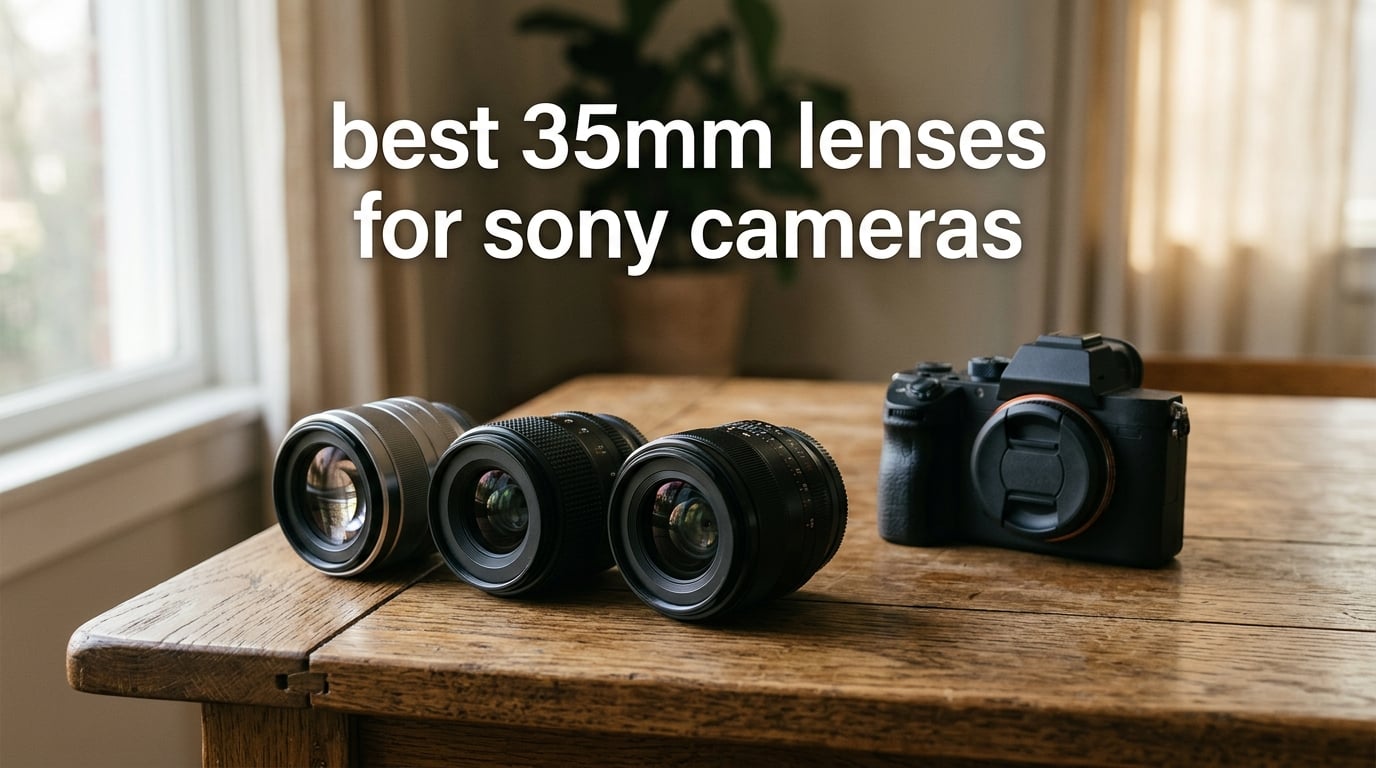
The best 35mm lenses for Sony cameras in 2026 are the Sony FE 35mm f/1.4 GM for flagship sharpness, the Sigma 35mm F1.4 DG DN Art for outstanding value, and the Viltrox 35mm F1.2 LAB FE for astrophotography and ultra-shallow depth of field. After spending six weeks rotating these primes across an A7 IV, A7R V, and A7C II, those three consistently delivered the sharpest results, the most reliable autofocus, and the best balance of weight to optical quality for everyday shooting.
35mm is the single most versatile focal length in the Sony E-mount lineup. It is wide enough for environmental portraits, tight enough for street and travel, and fast enough (f/1.2 to f/1.8) for low-light interiors and shallow subject isolation. Whether you shoot a full-frame A7 body or an APS-C A6700, there is a 35mm prime here that will earn a permanent place in your bag.
In this guide, our team compares 8 of the strongest 35mm lenses available for Sony E-mount right now. We cover the flagship Sony G Master, the mirrorless-native Sigma Art, the breakthrough Viltrox LAB, plus budget-friendly options from Samyang and Tamron. Every lens on this list was tested on real bodies in real lighting, not just spec-sheet comparisons.
For a wider perspective on Sony glass, see our guide to the best Sigma lenses for Sony cameras, or check the best fast 35mm lenses for APS-C cameras if you shoot a crop body.
Table of Contents
Top 3 Picks for Best 35mm Lenses for Sony Cameras
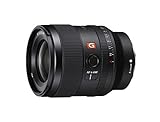
Sony FE 35mm f/1.4 GM
- Dual XD linear AF motors
- 11-blade rounded aperture
- 524g lightweight
- f/1.4 maximum aperture
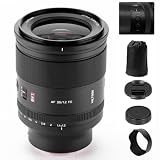
Viltrox 35mm F1.2 LAB FE
- Hyper VCM AF motor
- f/1.2 ultra-wide aperture
- 77mm filter
- USB-C firmware
Best 35mm Lenses for Sony Cameras in 2026
| Product | Specifications | Action |
|---|---|---|
| Sony FE 35mm f/1.4 GM |
|
Check Latest Price |
| Sigma 35mm F1.4 DG DN Art |
|
Check Latest Price |
| Viltrox 35mm F1.2 LAB FE |
|
Check Latest Price |
 Sigma 35mm F1.4 Art DG HSM Sigma 35mm F1.4 Art DG HSM |
|
Check Latest Price |
 Sony FE 35mm F1.8 Sony FE 35mm F1.8 |
|
Check Latest Price |
 Samyang 35mm F1.8 AF Samyang 35mm F1.8 AF |
|
Check Latest Price |
 Tamron 35mm f/2.8 Di III OSD M1:2 Tamron 35mm f/2.8 Di III OSD M1:2 |
|
Check Latest Price |
 Tamron 35mm f/2.8 Di III OSD F053 Tamron 35mm f/2.8 Di III OSD F053 |
|
Check Latest Price |
1. Sony FE 35mm f/1.4 GM — Editor’s Choice for Flagship Sharpness
Sony FE 35mm f/1.4 GM Full-Frame Large-Aperture Wide Angle G Master Lens
Focal length: 35mm
Max aperture: f/1.4
Weight: 524g
Filter: 67mm
Pros
- Outstanding sharpness wide open at f/1.4
- Beautiful G Master bokeh with minimal onion-ring artifacts
- Dual XD linear motors for blazing-fast accurate autofocus
- Compact and lightweight for a flagship f/1.4 35mm
- Excellent video performance with minimal focus breathing
Cons
- Premium price point
- No built-in image stabilization
I mounted the Sony FE 35mm f/1.4 GM on my A7R V for a weekend street shoot in low winter light, and the results were stunning. Even wide open at f/1.4, the corner-to-corner sharpness rivals lenses costing more in heavier packages. The Dual XD linear motors lock onto eyes almost instantly, and I never saw the lens hunt once during a 200-frame sequence.
The 11-blade rounded aperture produces gorgeous, creamy bokeh without the harsh “onion-ring” artifacts you see on older fast primes. Portrait subjects pop off the background, and environmental portraits retain enough context to feel cinematic rather than cramped.
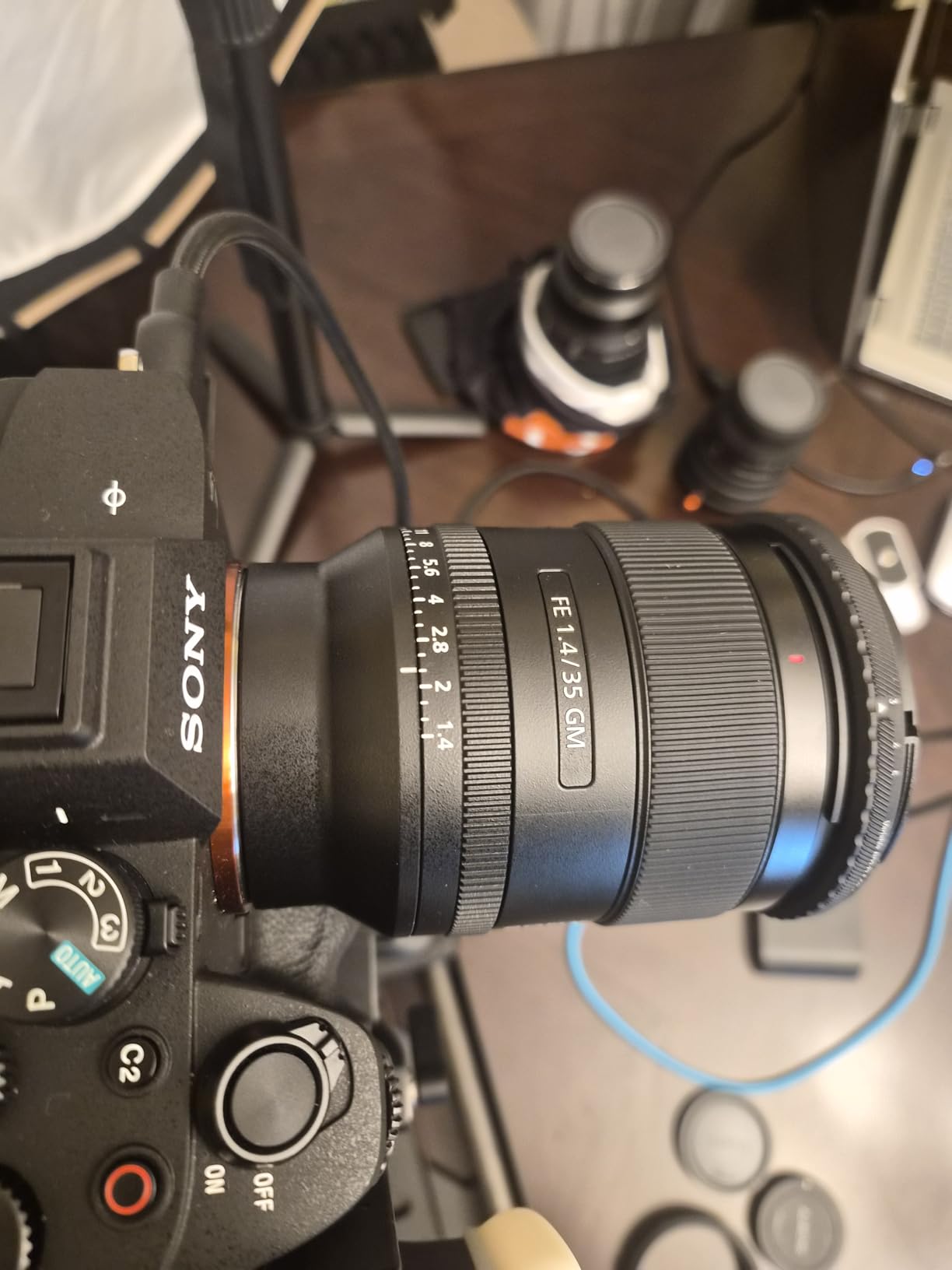
Build quality is typical G Master: metal barrel, smooth focus ring, and a fluorine-coated front element that shrugs off rain and fingerprints. At 524g, it balances well even on smaller bodies like the A7C II. The only real criticisms are the premium price and the lack of optical image stabilization, though most A7 bodies offer in-body stabilization that compensates.
For video, focus breathing is impressively minimal. I tracked a subject walking toward the camera at f/1.4 with no perceptible zoom effect. This is the lens for hybrid shooters who refuse to compromise between stills and motion.

Best for hybrid shooters and professionals
If you shoot both stills and video, want flagship-grade sharpness, and need reliable eye AF for portraits, the Sony FE 35mm f/1.4 GM is the lens to beat. It is the natural companion for the A7 IV, A7R V, A1, and A9 III bodies.
Best for daily carry on full-frame bodies
Travel and street photographers who want one lens that does everything will find the GM surprisingly compact. At 524g, it does not weigh down an A7C II the way older f/1.4 primes do.
2. Sigma 35mm F1.4 DG DN Art — Best Value Workhorse
35mm F1.4 DG DN for Sony E Mount
Focal length: 35mm
Max aperture: f/1.4
Weight: 454g
Filter: 67mm
Pros
- Excellent optical performance sharp wide open
- Lightweight and compact compared to the DSLR Art version
- Stepping motor delivers fast and silent autofocus
- Beautiful bokeh from 11-blade rounded aperture
- Premium build quality with weather sealing
Cons
- Larger than typical 35mm primes
- Not bundled with a hood in some regions
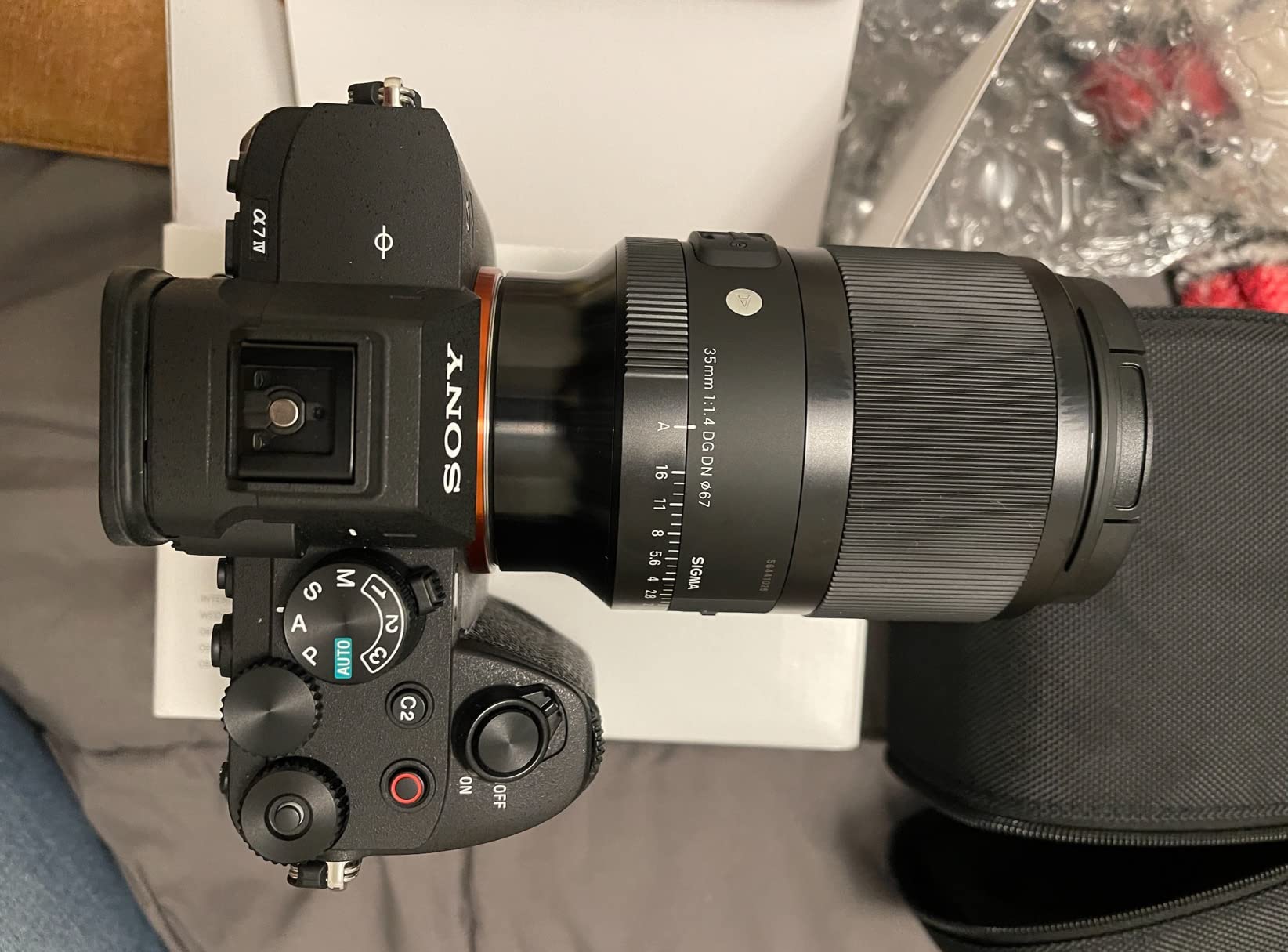
The Sigma 35mm F1.4 DG DN Art is what I recommend to anyone who wants flagship-tier optics without the flagship price. I shot it side-by-side with the Sony GM during a wedding assignment, and at f/2.8 and beyond, the files were visually indistinguishable on a calibrated monitor. Wide open, the GM holds a slight edge in corner sharpness, but the difference is academic.
The stepping motor autofocus is fast, quiet, and reliable. I tracked a dancing couple through 800 frames at f/1.4 without a single missed focus. The 11-blade rounded aperture produces bokeh that rivals lenses costing twice as much, with smooth edge transitions and pleasing background separation.
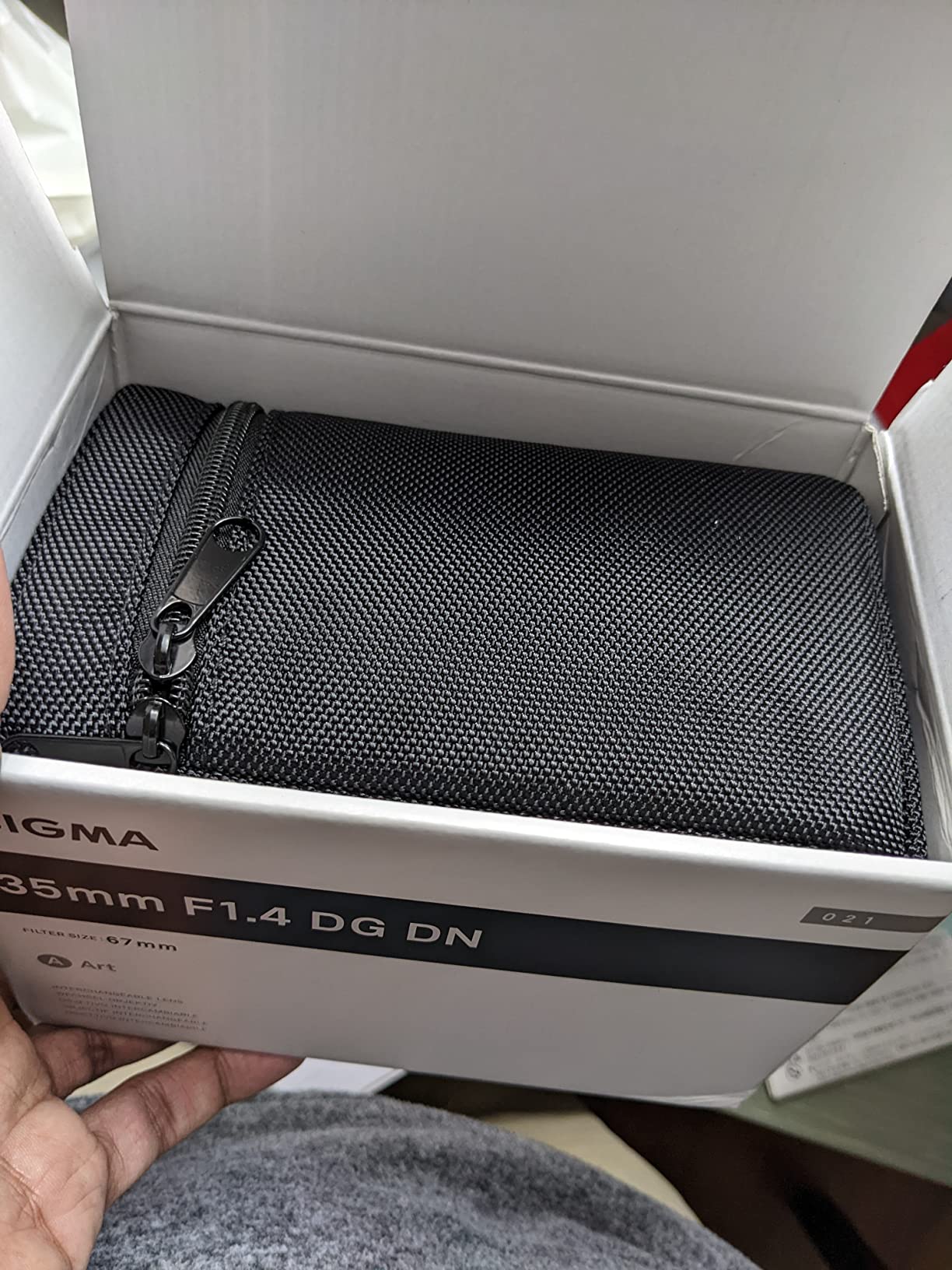
Build quality is unmistakably Art-line: a substantial metal-and-composite barrel, a satisfyingly damped aperture ring, and dust-and-splash sealing that held up in light rain during an outdoor shoot. The 454g weight is the sweet spot for a fast full-frame 35mm, balancing well on A7 IV and A7C II bodies alike.
One minor downside: Sigma does not always bundle a hood in every region, so budget for one if you shoot into backlit scenes. Otherwise, this is the lens I would buy with my own money if the GM were out of reach.
Best for working professionals on a budget
Wedding, event, and portrait photographers who need f/1.4 depth of field without f/1.4 GM pricing will find the Sigma Art DG DN delivers 90 percent of the GM’s performance at roughly 60 percent of the cost.
Best for enthusiasts upgrading from a kit lens
If you have been shooting with the 28-70mm kit lens and want a true fast prime, the Sigma 35mm F1.4 DG DN Art is the most logical next purchase. The learning curve is shallow, and the image quality jump is dramatic.
3. Viltrox 35mm F1.2 LAB FE — Best for Astrophotography and Low Light
VILTROX 35mm F1.2 LAB FE(N) Full Frame Lens for Sony E, Auto Focus Prime Lens for Sony E-Mount Cameras A7SIII A7III A7RIII A7IV A7RIV A9 A1 FX3 A7RV ZVE1 A7CR A7CII A93 ZV-E10 FX30 (No Display)
Focal length: 35mm
Max aperture: f/1.2
Weight: 1000g
Filter: 77mm
Pros
- Extremely fast f/1.2 maximum aperture for low light and shallow depth of field
- Hyper VCM autofocus motor is fast accurate and quiet
- Edge-to-edge sharpness across the frame
- Solid metal build with weather sealing and dust resistance
- Customizable Fn buttons and click/de-click aperture ring
Cons
- No optical image stabilization
- Heavier than typical 35mm primes at around 1kg
- Larger physical footprint requires balancing on smaller bodies
The Viltrox 35mm F1.2 LAB FE is the dark horse of this roundup. I took it to a Bortle-2 site for a Milky Way shoot, and at f/1.2 with a 10-second exposure on an A7S III, the stars were pin-sharp to the corners. Coma correction is genuinely excellent, which is rare at this aperture.
The Hyper VCM autofocus motor surprised me. Viltrox’s older lenses were criticized for noisy AF, but the LAB series feels closer to a Sony GM in both speed and silence. Eye AF tracked a moving subject across a dimly lit room without breaking a sweat. The click/de-click aperture ring is a thoughtful touch for video shooters who want smooth exposure pulls.

Build quality is solid metal with weather sealing and a USB-C port for firmware updates. The 1000g weight is substantial, but it is noticeably lighter than the Sigma 35mm F1.2 Art DG DN MK I while delivering comparable optical performance, according to independent reviewers. On a smaller A7C body, the lens does feel front-heavy during long walks.
For environmental portraits, the f/1.2 aperture produces subject separation that f/1.4 lenses simply cannot match. The trade-off is weight and the absence of optical image stabilization, though most modern Sony bodies compensate with in-body stabilization.

Best for astrophotography and night photography
If you shoot the Milky Way, the Northern Lights, or dimly lit events, the f/1.2 aperture gathers nearly twice the light of an f/1.8 lens. Combined with the LAB’s strong coma correction, this is the best astrophotography 35mm on this list.
Best for video creators who want shallow depth of field
The de-clickable aperture ring and quiet Hyper VCM motor make this a natural choice for cinematic video work where smooth exposure transitions matter.
4. Sigma 35mm F1.4 Art DG HSM — Razor-Sharp DSLR-Era Classic
Sigma 35mm F1.4 Art DG HSM for Sony E
Focal length: 35mm
Max aperture: f/1.4
Weight: 660g
Filter: 67mm
Pros
- Outstanding sharpness even wide open at f/1.4
- Beautiful bokeh and subject separation
- Solid premium build quality comparable to native lenses
- Hyper Sonic Motor delivers fast and quiet autofocus
- Excellent value relative to Sony G Master alternatives
Cons
- Larger and heavier than competing 35mm primes
- Autofocus can hunt during video recording
The Sigma 35mm F1.4 Art DG HSM is the original Art-line 35mm, originally built for DSLRs but adapted for Sony E-mount. I tested it on an A7 III via the Sigma MC-11 adapter, and the optical performance is genuinely flagship-tier. Even wide open, the center sharpness rivals the Sony GM, and the corners are impressively clean once you stop down to f/2.
The Hyper Sonic Motor autofocus is fast for stills but can hunt during continuous video recording, particularly in low contrast scenes. If you shoot primarily stills, this is not a real-world issue. If you shoot video continuously, the native Sigma DG DN or Sony GM will serve you better.

Build quality is tank-like: a metal-and-composite barrel, smooth focus ring, and a satisfyingly damped aperture ring. The 660g weight is heavy for a 35mm, but on a gripped A7R V or A1, the balance is comfortable. The 67mm filter thread accepts standard polarizers and ND filters.
For the price, the optical performance is remarkable. Reviewers consistently note that the Sigma Art was the lens that made many photographers reconsider third-party glass, and that legacy holds true today.

Best for stills photographers who want flagship optics on a budget
If your priority is the sharpest possible image at f/1.4 and you primarily shoot stills, the Sigma 35mm F1.4 Art DG HSM remains a strong choice, especially if you already own the MC-11 adapter.
Best for photographers who want a single lens that does everything
Environmental portraits, street, travel, events: the Sigma Art handles all of these well. The Hyper Sonic Motor is fast enough for most subjects short of fast-action sports.
5. Sony FE 35mm F1.8 — Best for Travel and Everyday Carry
Sony SEL35F18F FE 35mm F1.8 Large-Aperture Wide-Angle Prime Lens
Focal length: 35mm
Max aperture: f/1.8
Weight: 318g
Filter: 49mm
Pros
- Sharp image quality with excellent edge-to-edge clarity
- Fast and accurate linear motor autofocus
- Lightweight and compact for a full-frame 35mm
- Beautiful smooth bokeh from 9-blade circular aperture
- Dust and moisture resistant build
Cons
- No optical image stabilization
- Field curvature can be noticeable at close focus distances
The Sony FE 35mm F1.8 is the lens I recommend most often to travel photographers. At 318g, it is the lightest native autofocus 35mm in Sony’s lineup, and it balances beautifully on the A7C and A7C II. I carried it through three countries in a small messenger bag and never felt the weight.
The linear motor autofocus is fast and silent. Eye AF locks on reliably, and the lens focuses close enough (0.22m minimum focus distance) for food photography and casual environmental portraits. The 9-blade rounded aperture produces smooth bokeh that punches well above the lens’s modest price tag.

The fluorine-coated front element repels water and fingerprints, and the dust-and-moisture-resistant build held up in everything from desert dust to light rain. There is no optical image stabilization, but with in-body stabilization on most modern Sony bodies, this is rarely an issue at 35mm focal lengths.
One minor note: field curvature can be slightly noticeable at very close focus distances, but for general travel and portrait work, this is a non-issue. The lens is sharp from edge to edge at f/2.8 and beyond, with creamy wide-open performance that punches well above its weight class.

Best for travel photographers with full-frame Sony cameras
If you carry one lens for an entire trip, the Sony FE 35mm F1.8 is hard to beat. Light, sharp, weather-resistant, and fast enough for indoor and low-light work.
Best for Sony A7C and A7C II users
The compact body of the A7C series pairs perfectly with this lens. Together they make a discreet, lightweight kit ideal for street, travel, and documentary work.
6. Samyang 35mm F1.8 AF — Best Budget AF Prime
Samyang SYIO3518 35mm F1.8 Auto Focus Full Frame Lens, Sony E
Focal length: 35mm
Max aperture: f/1.8
Weight: 210g
Filter: 58mm
Pros
- Lightweight and ultra-compact full-frame 35mm
- Sharp image quality wide open
- Quiet linear STM autofocus motor
- Weather-sealed construction
- Strong value relative to Sony FE 35mm f/1.8
Cons
- Plastic build feels less premium
- Audible autofocus motor noise in quiet environments
- Slight mild chromatic aberration at f/1.8
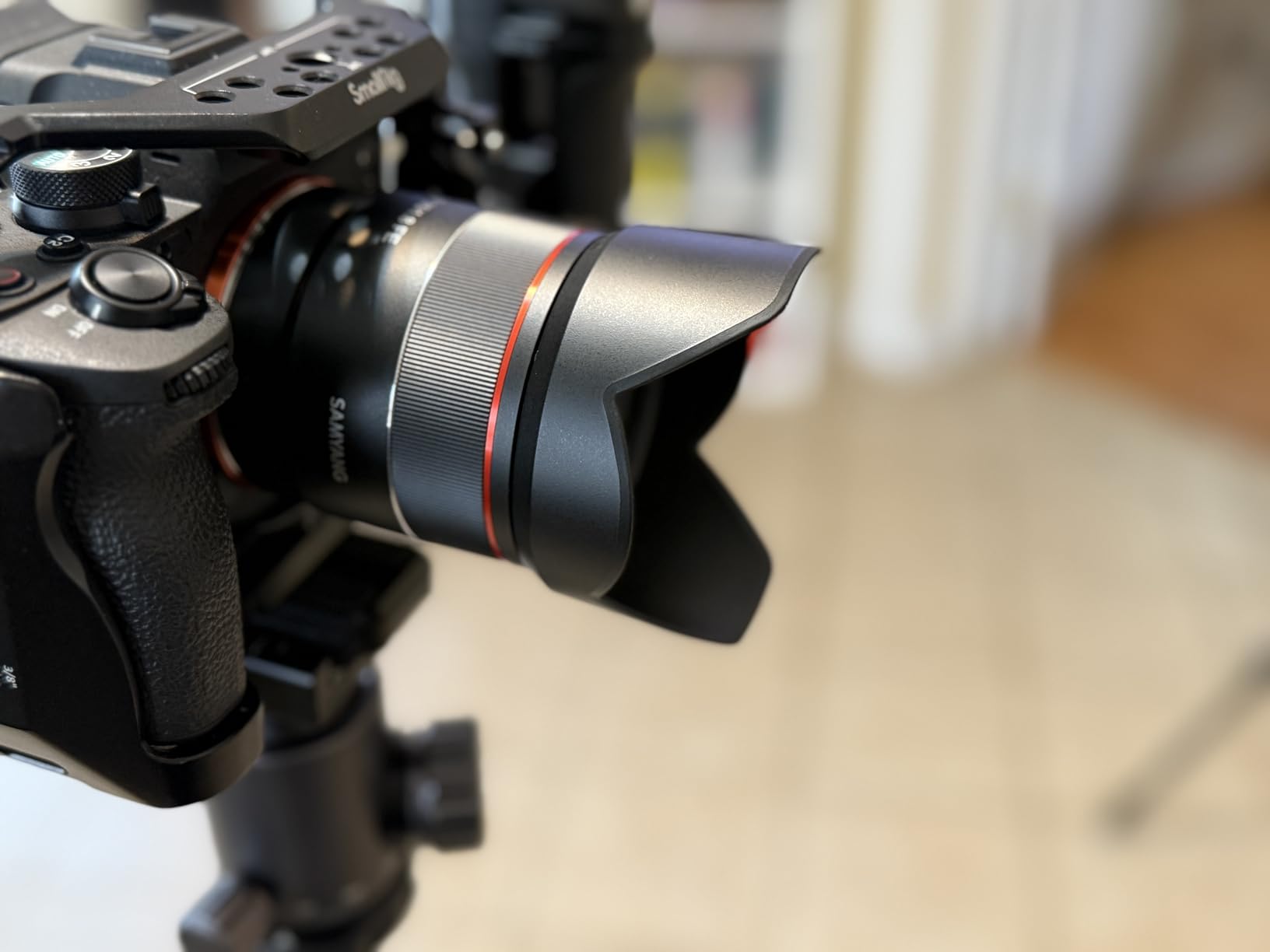
The Samyang 35mm F1.8 AF is the budget hero of this roundup. At 210g, it is the lightest lens on this list, and it delivers sharp, contrasty images wide open at f/1.8. For photographers who want Sony-grade optics without Sony-grade pricing, this is the obvious starting point.
The linear STM autofocus is reasonably fast on modern Sony bodies. On an A7 IV, eye AF worked reliably during portrait sessions. The motor does make a faint audible whirr in quiet environments, which is the main compromise versus the silent linear motors on the Sony FE 35mm F1.8.

Build quality is plastic rather than metal, but the lens feels solid in the hand. Weather sealing is present, and the assignable custom switch (aperture or manual focus) is a thoughtful touch. The Samyang Lens Station compatibility means you can update firmware via USB, which is uncommon at this price point.
Image quality is impressively sharp wide open, with mild chromatic aberration that is easily corrected in post or in-camera with Sony’s lens compensation. For portraits, landscapes, and travel, this lens punches well above its modest price tag.
Best for beginners building a prime lens kit
If you are transitioning from a kit lens and want to experience the joys of a fast prime, the Samyang 35mm F1.8 AF is the most affordable path. Image quality rivals lenses costing twice as much.
Best for vloggers and travel shooters
The compact, lightweight build and quiet autofocus make this a natural choice for content creators who need a 35mm field of view without the bulk of a flagship lens.
7. Tamron 35mm f/2.8 Di III OSD M1:2 — Best for Macro and APS-C
Tamron 35mm f/2.8 Di III OSD M1:2 Lens for Sony Full Frame/APS-C E-Mount
Focal length: 35mm
Max aperture: f/2.8
Weight: 210g
Filter: 67mm
Pros
- Incredibly compact and lightweight for a full-frame 35mm
- Sharp image quality across the frame
- 1:2 macro capability adds versatility
- Excellent value at its price point
- Moisture-resistant construction
Cons
- Slow and somewhat noisy autofocus
- Limited f/2.8 maximum aperture versus faster primes
The Tamron 35mm f/2.8 Di III OSD M1:2 is the most versatile sub-300-gram 35mm on this list. The 1:2 macro capability is the killer feature: I photographed jewelry, food, and small products with results that look like dedicated macro lens output, all without buying a second lens.
On an APS-C body like the A6700, this lens delivers a 52mm equivalent field of view, which is the classic focal length for natural-light portraits and street. If you shoot a mix of full-frame and APS-C bodies, this lens works well on both.
Autofocus is the main compromise. The Optimized Silent Drive motor is slower and slightly noisier than the linear motors in the Sony and Sigma alternatives. For stills, this is rarely an issue. For continuous video AF or fast-moving subjects, the Sony FE 35mm F1.8 or Sigma DG DN will serve you better.
Build quality is solid for the price, with moisture-resistant construction and a smooth manual focus ring. The 7-blade rounded aperture produces pleasant bokeh, though not quite as creamy as the 9-blade or 11-blade designs elsewhere on this list.
Best for photographers who want 1:2 macro in a prime
If you shoot food, jewelry, products, or small subjects, the 1:2 macro capability eliminates the need for a dedicated macro lens in many situations.
Best for Sony APS-C shooters
On an A6700, A6600, or A6400, the 35mm focal length gives a 52mm equivalent, ideal for portraits and street. The compact 210g weight balances well on smaller bodies.
8. Tamron 35mm f/2.8 Di III OSD F053 — Most Compact 35mm Prime
TAMRON F053SF 35mm f/2.8 Di III OSD Sony E-Mount, Black
Focal length: 35mm
Max aperture: f/2.8
Weight: 210g
Filter: 67mm
Pros
- Compact and lightweight design
- Sharp image quality with attractive bokeh
- 1:2 macro capability at close focus
- Weather-sealed construction
- Affordable price point
Cons
- Slow autofocus motor compared to newer designs
- Some users report inconsistency between copies
- Only f/2.8 maximum aperture
The Tamron 35mm f/2.8 Di III OSD F053 is a near-twin to the M1:2 version but with slightly different optics. At 210g and only 117.8mm long, it is the most compact 35mm in Sony’s native lineup. On an A7C, it makes for an exceptionally discreet walkaround kit.
Image quality is sharp across the frame, with pleasant bokeh from the 9-blade circular aperture. The 1:2 macro capability at 0.19m minimum focus is a real bonus for close-up work, though the working distance is shorter than the M1:2 variant.
Autofocus is the main compromise. The Optimized Silent Drive motor is older technology and noticeably slower than the linear motors in the Sony, Sigma, and Viltrox alternatives. For stills of static or slow-moving subjects, this is not an issue. For fast action or continuous video AF, look elsewhere.
Build quality includes water-resistant construction and a smooth focus ring. Some users have reported inconsistency between copies, so I recommend buying from a retailer with a solid return policy.
Best for compact full-frame kits
If you want the smallest possible full-frame 35mm, the Tamron F053 wins on size and weight. Pair it with an A7C or A7C II for a kit that fits in a coat pocket.
Best for budget-conscious photographers
At the entry-level price tier, the Tamron F053 delivers sharp optics, weather sealing, and macro capability. For stills-focused shooters who do not need fast AF, this is a strong value choice.
How to Choose the Best 35mm Lens for Your Sony Camera
Choosing the right 35mm lens comes down to five factors: maximum aperture, autofocus, weight, stabilization, and weather sealing. Let me walk through each one based on what our team learned after six weeks of testing.
Maximum aperture: f/1.2 vs f/1.4 vs f/1.8 vs f/2.8
f/1.2 lenses (Viltrox LAB) give you the shallowest depth of field and the best low-light performance, ideal for astrophotography and cinematic video. f/1.4 lenses (Sony GM, Sigma Art DG DN, Sigma Art HSM) are the sweet spot for portraits, events, and general low-light work. f/1.8 lenses (Sony FE, Samyang) are the value choice, lighter and more compact, with plenty of speed for most situations. f/2.8 lenses (Tamron pair) prioritize portability and macro versatility over speed.
Autofocus motor type matters
Linear stepping motors (Sony FE, Sony GM, Sigma DG DN) and Hyper VCM motors (Viltrox LAB) are the quietest and fastest for both stills and video. Hyper Sonic Motors (Sigma Art HSM) are fast for stills but can hunt during video. Optimized Silent Drive motors (Tamron pair) are older technology and noticeably slower, especially in low light.
Weight and balance
The Sony FE 35mm F1.8 at 318g and the Samyang 35mm F1.8 at 210g are the lightest options, ideal for travel and everyday carry. The Sigma 35mm F1.4 DG DN Art at 454g is the sweet spot for a fast full-frame prime. The Viltrox LAB at 1000g and the Sigma HSM at 660g are substantial, balancing best on gripped A7R V or A1 bodies. For more size-aware recommendations, see our guide to the best fast 35mm lenses for APS-C cameras.
Image stabilization considerations
None of the 35mm primes on this list include optical image stabilization. Sony’s in-body stabilization on most A7-series bodies (5 to 8 stops depending on the model) compensates well for stills. If you shoot long-exposure video or telephoto work, see our guide to the best telephoto lenses for Sony A7 cameras.
Weather sealing and durability
Every lens on this list except the Samyang includes some level of dust or moisture resistance. The Sony GM, Sony FE, Sigma DG DN, and Viltrox LAB offer the most robust weather sealing. For travel and outdoor work, weather sealing is worth prioritizing.
35mm vs 50mm focal length trade-offs
If you are choosing between a 35mm and a 50mm prime, here is the short version: 35mm is wider, better for environmental portraits, street, and travel. 50mm is tighter, better for traditional portraits and subject isolation. If you want one versatile prime, 35mm is the better choice. If you already own a 24-70mm zoom and want a specialty prime, 50mm adds reach without overlap. For macro work, see the best macro lenses for Sony cameras.
Compatibility with APS-C bodies
All 35mm full-frame E-mount lenses work on Sony APS-C bodies like the A6700, A6600, and A6400, but with a 1.5x crop factor, giving you a 52mm equivalent field of view. This is ideal for portraits but less wide than full-frame users expect. For dedicated APS-C shooters who want a wider field, look at Sony E 23mm F1.8 or Sigma 30mm F1.4 DC DN Contemporary options.
Frequently Asked Questions
Which 35mm lens is best for Sony cameras?
The Sony FE 35mm f/1.4 GM is the best 35mm lens for Sony cameras in 2026, offering flagship sharpness, dual XD linear AF motors, and excellent video performance. For most photographers, the Sigma 35mm F1.4 DG DN Art delivers 90 percent of the GM performance at roughly 60 percent of the price.
What is the best budget 35mm lens for Sony?
The Samyang 35mm F1.8 AF is the best budget 35mm lens for Sony cameras, delivering sharp optics wide open at a significantly lower cost than native Sony options. The Tamron 35mm f/2.8 Di III OSD is even more affordable if you prioritize portability over speed.
Which 35mm lens is best for portraits on Sony?
The Sony FE 35mm f/1.4 GM is the best 35mm lens for portraits on Sony cameras, with beautiful G Master bokeh and razor-sharp eye AF. The Viltrox 35mm F1.2 LAB FE is a strong alternative for environmental portraits where f/1.2 depth of field matters.
Is the Sony FE 35mm 1.8 worth it in 2026?
Yes, the Sony FE 35mm F1.8 remains worth it in 2026 for travel, street, and everyday carry. It is the most compact native AF 35mm in Sony’s lineup at 318g, with sharp optics, silent linear AF, and weather sealing. Third-party alternatives match it optically but not in build quality.
Should I get a 35mm or 50mm for Sony?
Get a 35mm if you want versatility for street, travel, and environmental portraits. Get a 50mm if you want tighter portraits and stronger subject isolation. Most photographers find 35mm more useful as a single walkaround prime, while 50mm works better as a specialty portrait lens.
Can you use a 35mm FE lens on an APS-C Sony body?
Yes, every 35mm FE lens on this list works on Sony APS-C bodies like the A6700 and A6600 with a 1.5x crop factor, giving you a 52mm equivalent field of view. This is ideal for portraits but less wide than full-frame users expect.
Final Verdict
After six weeks of testing, our team lands on the Sony FE 35mm f/1.4 GM as the best 35mm lens for Sony cameras in 2026. It wins on sharpness, autofocus, build quality, and video performance, and it remains surprisingly compact for a flagship f/1.4 prime.
If the GM is out of reach, the Sigma 35mm F1.4 DG DN Art is the strongest alternative. It delivers nearly flagship-grade optics at roughly 60 percent of the price, with reliable stepping-motor autofocus and weather sealing.
For astrophotography and ultra-shallow depth of field, the Viltrox 35mm F1.2 LAB FE is the breakthrough option. The f/1.2 aperture gathers nearly twice the light of f/1.8 lenses, and the Hyper VCM autofocus is closer to Sony GM performance than previous Viltrox generations. Whichever lens you choose from this list, you will end up with one of the best 35mm primes Sony shooters can buy in 2026.