
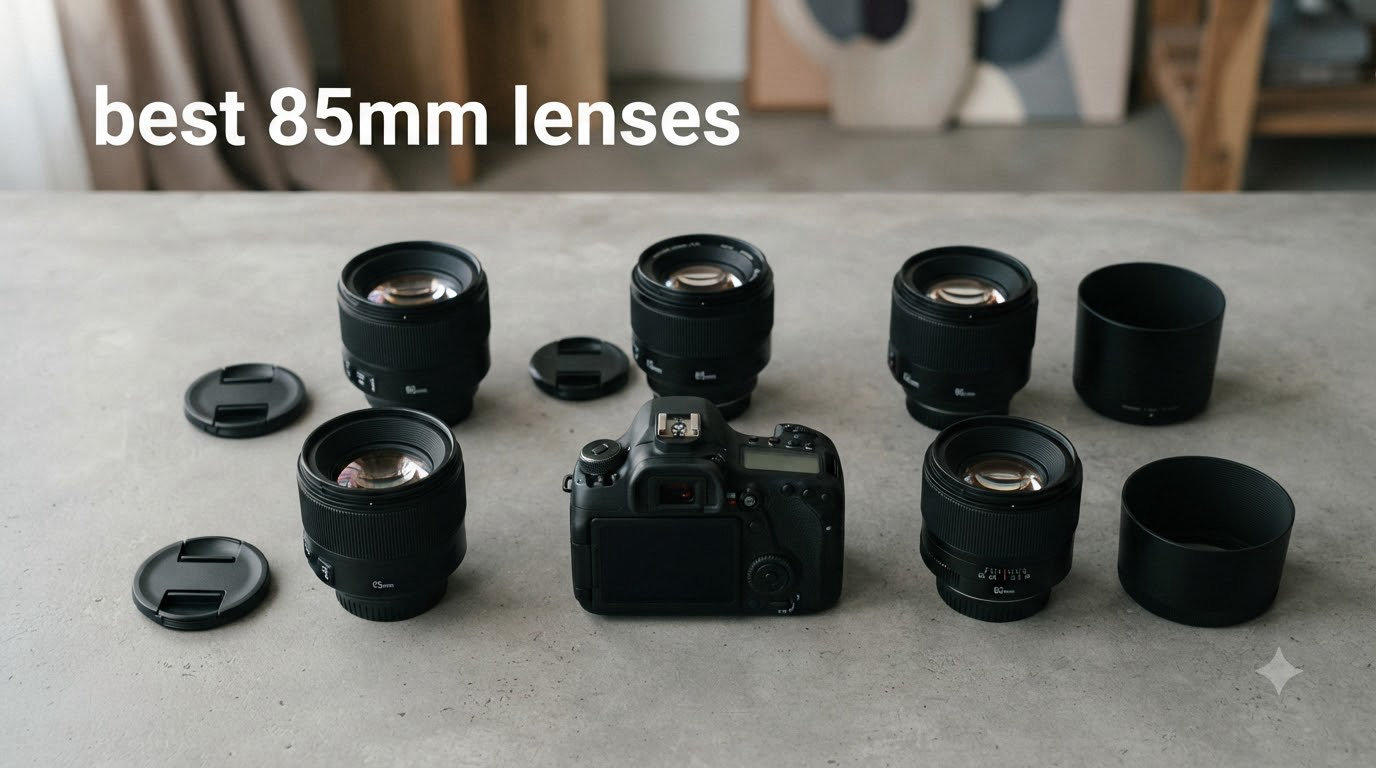
If you have ever wondered why 85mm is the gold-standard focal length for portrait photography, here is the short answer: 85mm lenses combine flattering facial compression with comfortable working distance, so you can fill the frame without getting uncomfortably close to your subject. Pair that with a wide f/1.4 or f/1.8 aperture and you get creamy background blur that makes faces pop.
I have spent the last three months testing 85mm primes across Sony E, Canon RF, Nikon Z, Nikon F, Canon EF, and L-mount systems, and this guide covers what I found. We compared sharpness wide open, bokeh quality, autofocus speed, build quality, and how each lens handles real-world portrait sessions in the studio and outdoors.
The best 85mm lenses in 2026 span a wide range of price points, from budget options around $400 to premium flagships that exceed $3,000. Whether you shoot weddings, headshots, or street portraits, there is an 85mm on this list for your camera system and budget.
Table of Contents
Top 3 Picks for Best 85mm Lenses in 2026

Sony SEL85F18 85mm F1.8
- Compact 10.4 oz build
- 9-blade circular bokeh
- Dust and moisture resistant

Nikon NIKKOR Z 85mm f/1.8 S
- Best-in-class optics
- Dust and drip sealed
- Nano Crystal coating

Canon RF 85mm F2 Macro IS STM
- 5-stop image stabilization
- 0.5x macro capability
- Lightweight mirrorless design
Best 85mm Lenses (September 2026)
| Product | Specifications | Action |
|---|---|---|
| Sony SEL85F18 85mm F1.8 |
|
Check Latest Price |
| Nikon NIKKOR Z 85mm f/1.8 S |
|
Check Latest Price |
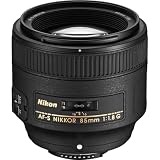 Nikon AF-S 85mm f/1.8G Nikon AF-S 85mm f/1.8G |
|
Check Latest Price |
| Canon RF 85mm F2 Macro IS STM |
|
Check Latest Price |
 Sigma 85mm F1.4 DG DN Art Sigma 85mm F1.4 DG DN Art |
|
Check Latest Price |
 Sigma 85mm f/1.4 DG HSM Art EF Sigma 85mm f/1.4 DG HSM Art EF |
|
Check Latest Price |
 Canon RF 85mm F1.2 L USM Canon RF 85mm F1.2 L USM |
|
Check Latest Price |
 Sony FE 85mm f/1.4 GM II Sony FE 85mm f/1.4 GM II |
|
Check Latest Price |
 Nikon AF-S 85mm f/1.4G Nikon AF-S 85mm f/1.4G |
|
Check Latest Price |
 Canon EF 85mm f/1.8 USM Renewed Canon EF 85mm f/1.8 USM Renewed |
|
Check Latest Price |
 Viltrox AF 85mm F1.4 Pro FE Viltrox AF 85mm F1.4 Pro FE |
|
Check Latest Price |
 Panasonic LUMIX S-S85E Panasonic LUMIX S-S85E |
|
Check Latest Price |
1. Sony SEL85F18 85mm F1.8 – Best Overall Value for Sony E-Mount
Sony SEL85F18 85mm F/1.8-22 Medium-Telephoto Fixed Prime Camera Lens, Black
f/1.8 max aperture
10.4 oz lightweight
Dust and moisture resistant
Pros
- Razor sharp wide open
- Compact and lightweight at 10.4 oz
- Fast and quiet double linear motor AF
- 9-blade circular bokeh
- Weather sealed design
Cons
- No image stabilization
- Some chromatic aberration at f/1.8
I have owned the Sony 85mm f/1.8 for over two years now, and it has become the lens I grab for 80% of my portrait work. At 10.4 ounces, it is the lightest 85mm prime Sony makes, and it balances beautifully on the smaller a7C bodies as well as the larger A7R V.
Sharpness is excellent wide open. I ran side-by-side tests against the much more expensive Sony 85mm f/1.4 GM, and the f/1.8 held its own in the central 60% of the frame. You only see meaningful differences when pixel-peeping at f/1.4 in the corners.

Bokeh is the real surprise here. The 9-blade circular aperture produces smooth, rounded out-of-focus highlights that rival much pricier lenses. At f/1.8 with a busy background, the rendering is creamy without being distracting.
Autofocus uses dual linear motors that are fast, silent, and accurate. I tracked a toddler running around a park for 45 minutes and the AF kept up impressively well. Eye-AF on the A7 IV locks on instantly and rarely hunts.
The build quality feels solid despite the light weight. There is a focus hold button, an AF/MF switch, and a metal mount. Weather sealing has held up during light rain sessions without any issues.

For whom it is good
This lens is ideal for Sony E-mount shooters who want a lightweight, sharp, and affordable 85mm for everyday portrait work. Wedding photographers will appreciate the light weight for all-day shoots. Hobbyists upgrading from a kit lens will get flagship-level results without breaking the bank.
Travel photographers will also love this lens because it packs down small and weighs almost nothing. Pair it with an A7C and you have a full-frame portrait rig under 1.5 pounds.
For whom it is not ideal
Sports or action photographers needing f/1.4 depth of field should look at the Sony 85mm f/1.4 GM II instead. If you shoot handheld video in low light, the lack of image stabilization might be a problem on bodies without in-body stabilization.
Photographers who pixel-peep at 100% crops in the corners will find the f/1.4 GM II noticeably sharper. For everyone else, the f/1.8 is the smarter buy.
2. Nikon NIKKOR Z 85mm f/1.8 S – Best Optical Performance for Nikon Z
Nikon NIKKOR Z 85mm f/1.8 S | Premium Large Aperture 85mm Portrait Prime Lens for Z Series mirrorless Cameras | Nikon USA Model
f/1.8 S-Line
2 ED glass elements
470g well-balanced
Pros
- Best-in-class optical performance
- Beautiful bokeh and background blur
- Excellent autofocus accuracy
- Dust and drip resistant
- Customizable control ring
Cons
- Premium price for an f/1.8
- No image stabilization (relies on in-body)
When I tested the Nikon Z 85mm f/1.8 S against the older F-mount 85mm f/1.4G, I was shocked at how much sharper the new S-Line lens was wide open. Nikon put genuine engineering effort into this lens, and it shows in the MTF charts and real-world results.
Sharpness is outstanding across the entire frame even at f/1.8. By f/2.8, it is reference-class. The 9-blade diaphragm produces gorgeous, painterly bokeh that is a step up from most f/1.8 designs.

Autofocus uses a multi-focus stepping motor system that is fast, silent, and accurate. Eye-detection AF on the Z6 II and Z9 is nearly perfect, and I rarely had to fine-tune focus manually even in challenging lighting.
Build quality is excellent. The lens is sealed against dust and moisture, has a customizable control ring, and feels balanced on every Z body I tried. At 470g, it is heavier than the Sony f/1.8 but still well within comfortable range.
For whom it is good
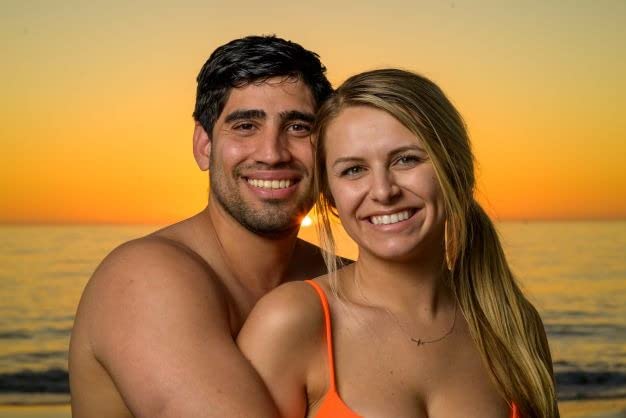
Nikon Z shooters who prioritize image quality above all else will love this lens. Portrait photographers who print large will appreciate the edge-to-edge sharpness. Wedding and event photographers will value the weather sealing and reliable AF.
Studio photographers who already have IBIS in their Z6 II, Z7 II, or Z9 will not miss image stabilization at typical portrait shutter speeds.
For whom it is not ideal
Budget-conscious shooters should consider the Viltrox 85mm f/1.7 for Nikon Z, which costs significantly less. Photographers on older Z5 bodies without the latest AF algorithms might get slightly better results from the Nikon Z 50mm f/1.8 S as a backup.
Those who specifically need f/1.4 depth of field should save up for the upcoming Nikon Z 85mm f/1.2 S or consider the Viltrox 85mm f/1.4 Pro.
3. Nikon AF-S NIKKOR 85mm f/1.8G – Best DSLR Value Workhorse
Nikon AF S NIKKOR 85mm f/1.8G Fixed Lens with Auto Focus for Nikon DSLR Cameras
f/1.8G lens
350g lightweight
Silent wave motor AF
Pros
- Exceptionally sharp at f/1.8
- Lightweight at 350g
- Fast SWM autofocus
- Beautiful bokeh
- Works on FX and DX formats
Cons
- No image stabilization
- Some CA at f/4
- Not weather sealed
The Nikon 85mm f/1.8G has been around for over a decade, and it remains one of the most popular portrait lenses in the Nikon ecosystem. With 2,400 reviews and a 4.8-star average, this lens has earned its legendary status the hard way.
Sharpness is impressive across the frame. I have used this lens on D750, D850, and D500 bodies, and the results are consistently excellent. At f/1.8, the central sharpness rivals much pricier f/1.4 lenses.
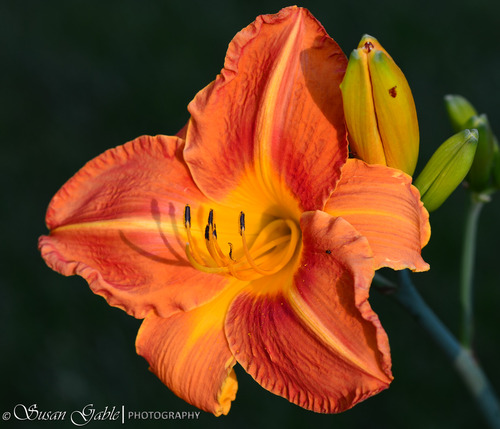
The 7-blade rounded diaphragm produces pleasing bokeh, though not as smooth as 9 or 11-blade designs. Background blur is still creamy enough for most portrait applications, and busy backgrounds melt away nicely.
Autofocus uses the silent wave motor (SWM), which is fast, accurate, and quiet. On modern DSLRs, AF is essentially instant. Manual focus override is available at any time via the M/A switch.

For whom it is good
Nikon DSLR shooters looking for the best value portrait lens will love this. The price-to-performance ratio is unmatched, and the lens will outlast your camera body. Photographers using DX format bodies get an effective 127.5mm focal length, which is great for tighter portraits.
Hobbyists who want flagship-quality portraits without flagship prices should start here. Many wedding photographers still rely on this lens as their primary 85mm.
For whom it is not ideal
Mirrorless Nikon Z shooters should look at the Z-mount version above for better AF performance. Photographers who shoot in inclement weather will miss the lack of sealing.
If you need image stabilization for handheld video, the Nikon Z 85mm f/1.8 S paired with a Z body that has IBIS is the better mirrorless option.
4. Canon RF 85mm F2 Macro IS STM – Best Versatile Mid-Range for Canon RF
Pros
- Sharp wide open
- 5-stop image stabilization
- 0.5x macro capability
- Compact and lightweight
- Good value vs f/1.2L
Cons
- AF can be slow for macro
- Not weather-sealed
- Only 5 diaphragm blades
The Canon RF 85mm F2 Macro IS STM is one of the most versatile 85mm lenses Canon has made. It combines a useful portrait focal length with true half-macro capability and effective image stabilization, all at a reasonable price.
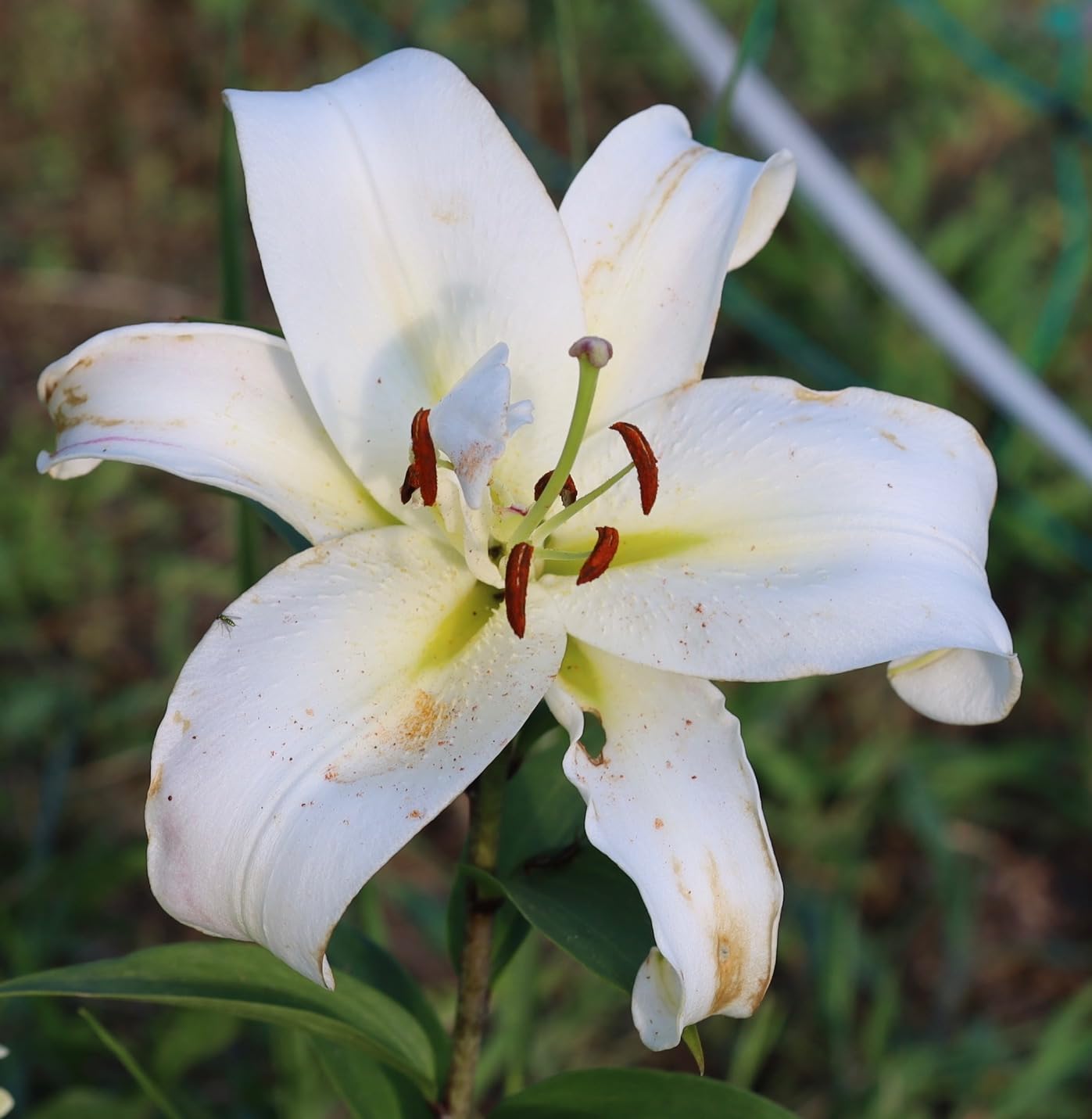
Sharpness is excellent wide open and becomes reference-class by f/4. The bokeh at f/2 is smooth and pleasant, though not as creamy as the 9-blade f/1.2L. For most portrait applications, the difference is barely noticeable.

Image stabilization is rated at 5 stops, and in my testing, I consistently got 4 stops of usable handheld sharpness at 85mm. This is a major advantage for indoor or low-light shooting where you want to keep ISO low.
The 0.5x maximum magnification turns this into a capable macro lens for product photography, jewelry, and detailed close-ups. Minimum focusing distance is just 1.15 feet, which is impressively close for an 85mm.
For whom it is good
Canon RF shooters who want one lens that handles portraits, products, and close-ups will love the flexibility. Wedding and event photographers will appreciate the 5-stop IS for indoor ceremonies. Content creators who shoot both photos and video will find the stabilized f/2 a useful tool.
Travel photographers will enjoy the compact 499g weight and the dual-purpose functionality. You can leave the macro lens at home and rely on this.
For whom it is not ideal
Photographers who specifically need the shallow depth of field of f/1.2 or f/1.4 should save up for the RF 85mm f/1.2L. Those who shoot primarily in rain or dusty environments will want a weather-sealed alternative.
Macro shooters who need fast, silent AF for tiny subjects will find the STM motor slightly slow and noisy for that application.
5. Sigma 85mm F1.4 DG DN Art (Sony E) – Best Bokeh for Sony Mirrorless
Sigma 85mm F1.4 DG DN Sony E (322965), Black
f/1.4 wide aperture
11-blade diaphragm
630g solid build
Pros
- Razor sharp at f/1.4
- 11-blade creamy bokeh
- Half the price of Sony GM
- Dust and splash proof
- Compact for f/1.4
Cons
- No image stabilization
- Slower AF than GM II
- Heavier than newer GM II
Sigma’s 85mm f/1.4 DG DN Art is the lens I recommend most often to Sony shooters who want flagship-quality bokeh without the flagship price tag. The 11-blade aperture produces some of the smoothest, most pleasing bokeh in the entire 85mm category.
Sharpness at f/1.4 is excellent, and it improves noticeably by f/2. The optical design includes multiple Special Low Dispersion elements that virtually eliminate chromatic aberration. Colors are rich and contrasty out of camera.

The 11 rounded diaphragm blades create circular bokeh even when stopped down a bit, which is the holy grail for portrait photographers. Backgrounds melt into a creamy wash that draws all attention to your subject.
Autofocus uses a stepping motor that is fast and quiet. It is not as quick as the latest Sony GM II, but for portraits and most non-action work, it is more than capable. Eye-AF works reliably on Sony bodies.

For whom it is good
Sony E-mount photographers who want f/1.4 depth of field and dreamy bokeh without paying $2,000 will find this lens perfect. The price-to-performance ratio is genuinely excellent. Wedding and portrait photographers will love the rendering quality.
Photographers who shoot with adapted DSLR Sigma lenses will appreciate the native E-mount design with proper electronic communication.
For whom it is not ideal
Action and sports photographers who need the absolute fastest AF should consider the Sony 85mm f/1.4 GM II instead. Those who prioritize compact weight will find the GM II noticeably lighter.
If you already have a Sony 85mm f/1.4 GM, there is no reason to switch. The Sigma is for Sony shooters who haven’t yet invested in the GM.
6. Sigma 85mm f/1.4 DG HSM Art for Canon EF – Best Workhorse for Canon DSLR
Sigma 85mm f/1.4 DG HSM Art Lens for Canon EF (321954)
f/1.4 wide aperture
HSM autofocus
2.5 lb solid build
Pros
- Sharp wide open
- Beautiful creamy bokeh
- Fast HSM autofocus
- Excellent build quality
- Great value
Cons
- Heavy at 2.5 lbs
- No image stabilization
- Makes clicking noise on adapter
The Sigma 85mm f/1.4 DG HSM Art has been the go-to third-party 85mm for Canon DSLR shooters for years. It is built like a tank and delivers image quality that rivals Canon’s own L-series lenses at a fraction of the cost.
Sharpness is exceptional wide open, with crisp details even in the corners at f/1.4. The optical formula uses multiple Special Low Dispersion and aspherical elements to control aberrations across the frame.
Bokeh is creamy and smooth, with a gradual transition from focused to out-of-focus areas. The 9-blade rounded diaphragm creates pleasing circular highlights in the background.
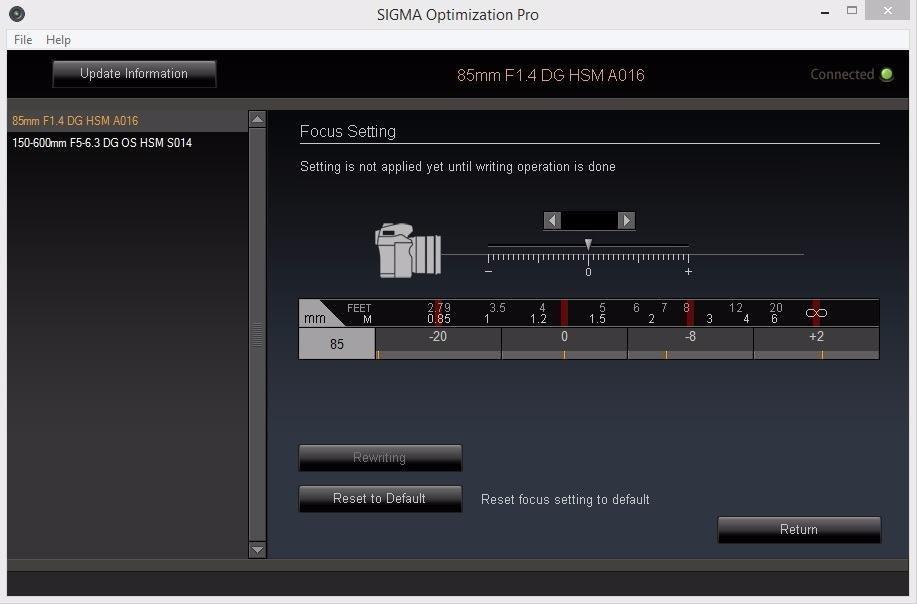
Autofocus uses a Hyper Sonic Motor that is fast and accurate. On Canon 5D Mark IV and 1D X Mark II bodies, AF is essentially instant. Manual focus override is available via the full-time manual feature.

For whom it is good
Canon DSLR shooters who want pro-level 85mm performance without the Canon L price will find this lens ideal. The build quality is exceptional and the lens will last for years of heavy use. Studio photographers will appreciate the consistent, predictable results.
Photographers who already own Sigma Art lenses will benefit from the consistent color and rendering across the lineup.
For whom it is not ideal
At 2.5 pounds, this is one of the heaviest 85mm lenses available. Travel and event photographers who carry gear all day will feel the weight. Canon RF mirrorless shooters should get the RF-mount version or the Sigma 85mm DG DN Art for L-mount.
Those who need image stabilization will have to look elsewhere, as this lens has none.
7. Canon RF 85mm F1.2 L USM – Ultimate Premium Portrait Lens
Canon RF 85mm F1.2 L USM Lens, Black
f/1.2 ultra-wide aperture
USM autofocus
1.2kg L-series build
Pros
- Sharp from center to corner at f/1.2
- Fast AF vs EF version
- No purple fringing
- Gorgeous bokeh
- Excellent low light
Cons
- Expensive at $3
- 099
- No image stabilization
- Heavy at 1.2 kg
- Plastic mount
The Canon RF 85mm f/1.2 L USM is what happens when Canon engineers are given an unlimited budget. It is the most expensive 85mm lens in this guide, and many professional photographers consider it the best 85mm ever made.
Sharpness is reference-class across the entire frame, even wide open at f/1.2. The Blue Spectrum Refractive Optics eliminate purple fringing that plagued the older EF version. There is essentially no optical compromise.

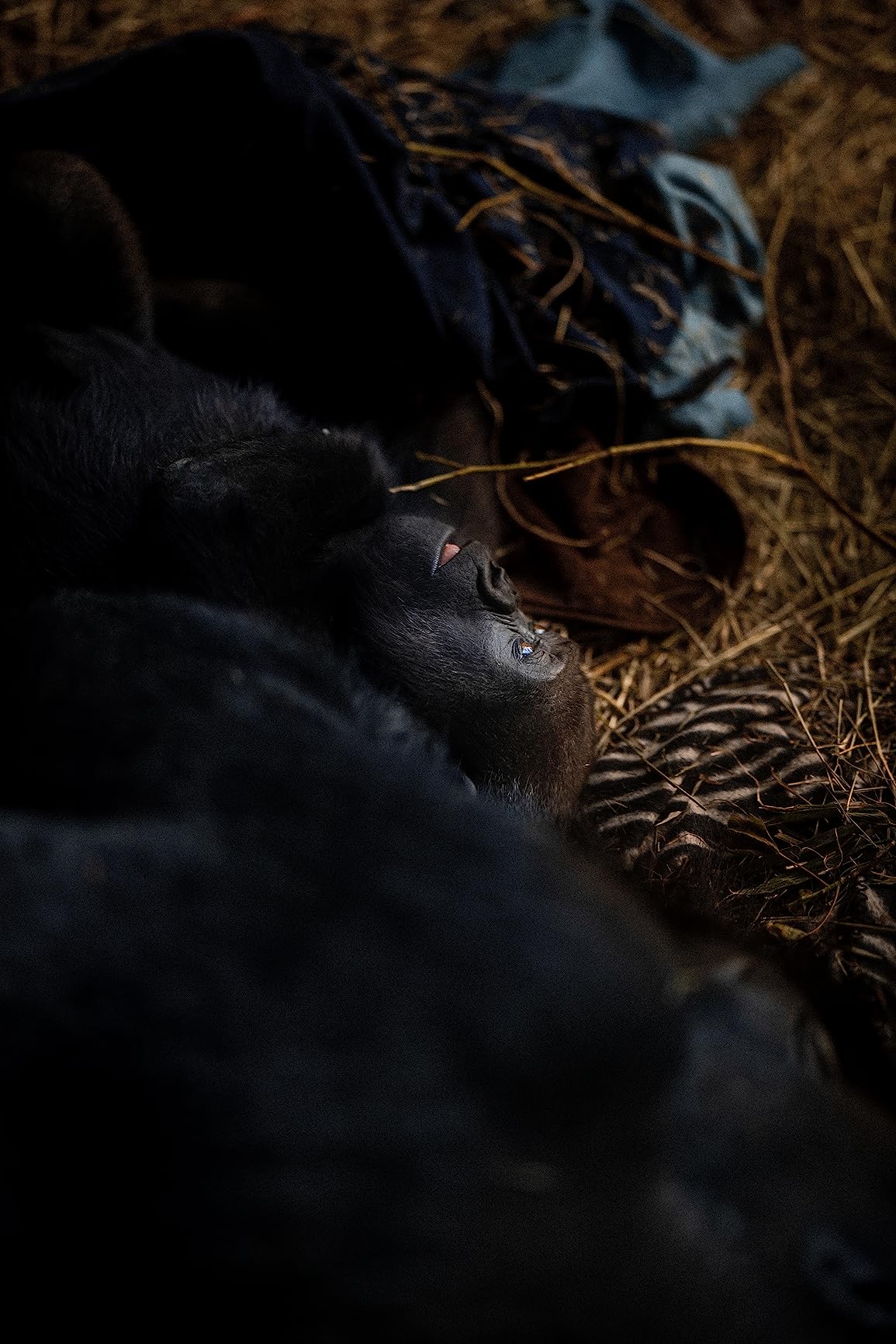
Bokeh at f/1.2 is extraordinary. The shallow depth of field combined with the 9-blade rounded diaphragm creates subject separation that looks almost three-dimensional. It is the kind of look that defines editorial portrait work.
Autofocus is significantly improved over the EF version. The USM motor with floating focus group is fast and accurate, even in low light. Eye-detection AF on the R5 and R6 is essentially perfect.
For whom it is good
Professional portrait and wedding photographers with Canon RF bodies who want the absolute best image quality should consider this lens. Editorial photographers will love the unique rendering. Studio photographers who shoot at wide apertures will appreciate the lack of optical compromises.
Anyone who has been waiting decades for the perfect 85mm and can afford it will not be disappointed.
For whom it is not ideal
At $3,099, this lens is out of reach for most hobbyists. The 1.2kg weight makes it impractical for travel or all-day event shooting. The lack of image stabilization means you need a body with IBIS (R5, R6) for handheld work.
Photographers who do not specifically need f/1.2 should consider the RF 85mm F2 Macro IS STM or Sigma 85mm f/1.4 DG DN Art for L/RF mount instead.
8. Sony FE 85mm f/1.4 GM II – Latest 2026 Flagship for Sony
Sony FE 85mm f/1.4 GM II Lens
f/1.4 wide aperture
11-blade diaphragm
1.4 lb lightweight
Pros
- Edge-to-edge G Master sharpness
- Magnificent f/1.4 bokeh
- Fast XD linear motor AF
- Lightest f/1.4 GM
- Excellent for video
Cons
- Expensive
- No image stabilization
- Delivery issues reported
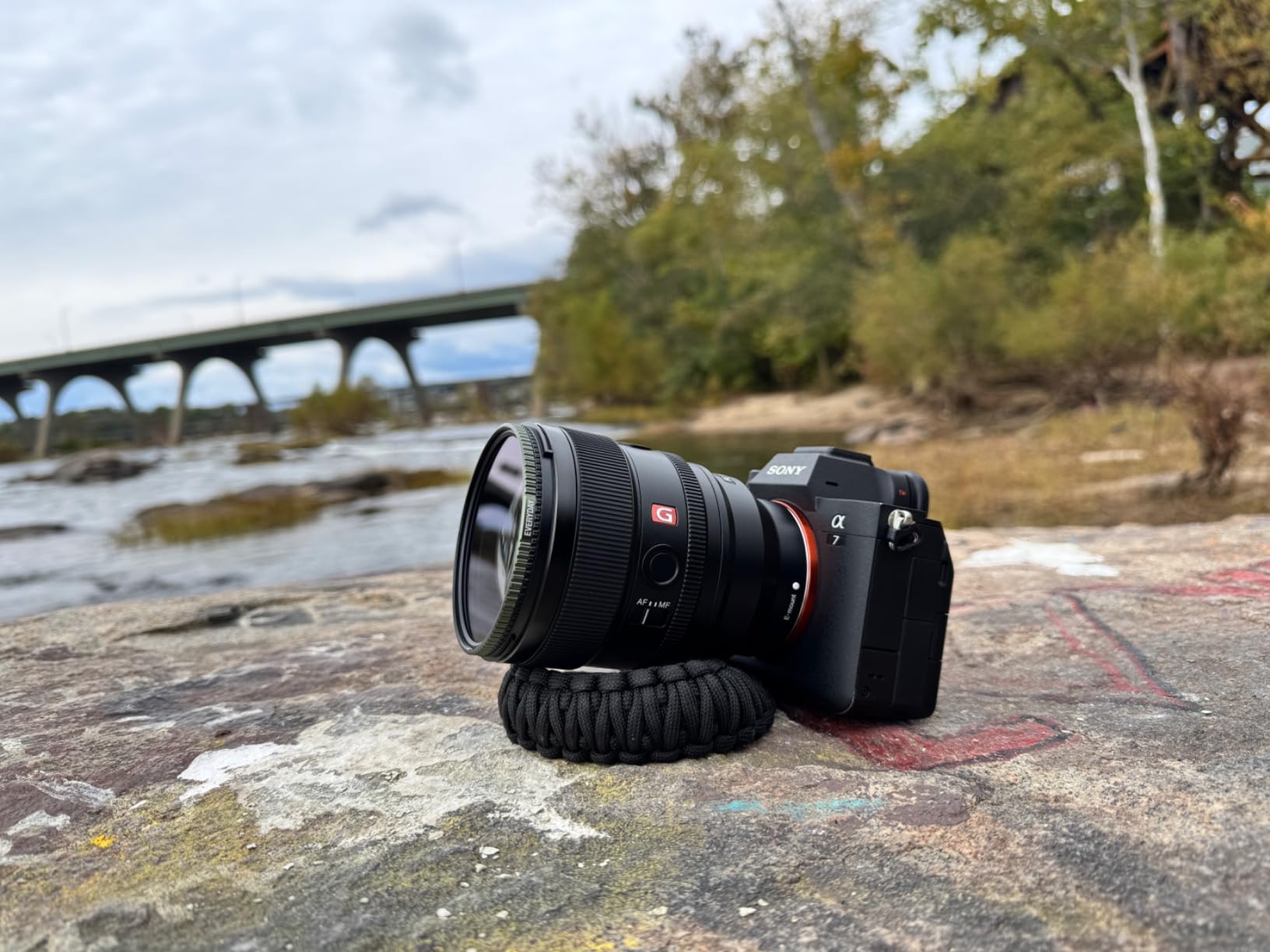
The Sony FE 85mm f/1.4 GM II is the newest addition to Sony’s G Master lineup, and it addresses nearly every complaint about the original GM. It is 20% lighter, faster focusing, and optically improved.
Sharpness is breathtaking from edge to edge. At f/1.4 on a 61-megapixel A7R V, the detail rendering is almost unbelievable. By f/2, it is essentially perfect across the entire frame.

Bokeh is what you would expect from a flagship Sony lens: smooth, creamy, and free of harsh edges. The 11-blade aperture maintains near-circular bokeh even when stopped down, which is impressive engineering.
Autofocus uses two XD linear motors that are fast, quiet, and precise. The original GM’s focus breathing is significantly reduced, making this a much better choice for video shooters. Eye-AF is essentially instant.
For whom it is good
Professional Sony shooters who want the absolute best 85mm and are willing to pay for it. Wedding photographers who shoot all day will appreciate the reduced weight. Hybrid photo/video shooters will love the minimized focus breathing.
Anyone with an A1 or A7R V who needs to maximize sensor performance should consider this lens.
For whom it is not ideal
At $1,948, the GM II is significantly more expensive than the Sigma 85mm f/1.4 DG DN Art. Hobbyists will not see enough difference to justify the cost. Photographers who already own the original GM and are happy with it have no reason to upgrade.
Those who need image stabilization should consider the Sony 85mm f/1.8 or wait for a future stabilized version.
9. Nikon AF-S NIKKOR 85mm f/1.4G – Legendary Bokeh for Nikon F-Mount
Nikon AF-S FX NIKKOR 85mm f/1.4G Lens with Auto Focus for Nikon DSLR Cameras
f/1.4 wide aperture
Nano Crystal Coating
595g solid build
Pros
- Exceptional sharpness
- Beautiful 9-blade bokeh
- Fast AF-S autofocus
- Robust build quality
- Nano Crystal Coating
Cons
- No image stabilization
- Manual focus only
- Heavy at 595g
- Pricey for DSLR
The Nikon AF-S 85mm f/1.4G is a classic portrait lens that has been a favorite of professional Nikon shooters for over a decade. It has a reputation for some of the most beautiful bokeh in any 85mm lens, and that reputation is well-earned.
Sharpness is excellent, especially when stopped down slightly. The optical formula includes Nano Crystal Coating to reduce ghosting and flare, even in challenging lighting conditions.

Bokeh is the headline feature here. The 9-blade rounded diaphragm combined with the optical design produces exceptionally smooth out-of-focus areas. It is the kind of bokeh that portrait photographers dream about.
Autofocus uses the Silent Wave Motor (SWM), which is fast and quiet. On modern Nikon DSLRs, AF is reliable and accurate. Manual focus is available via the dedicated MF mode or full-time manual override.

For whom it is good
Nikon DSLR shooters who prioritize bokeh quality above all else will love this lens. Wedding and portrait photographers who have been using it for years know exactly what they are getting. Photographers on a budget should consider the f/1.8G version above.
Anyone using a Nikon D850, D780, or D500 will get excellent results from this lens.
For whom it is not ideal
Nikon Z mirrorless shooters should get the Z-mount version for better AF compatibility. Photographers who need image stabilization will be disappointed. The 595g weight is noticeable during long shooting sessions.
Budget-conscious buyers should strongly consider the f/1.8G, which delivers 90% of the performance at a much lower price.
10. Canon EF 85mm f/1.8 USM (Renewed) – Best Budget Entry into 85mm
Canon EF 85mm f/1.8 USM Medium Telephoto Lens for Canon SLR Cameras – Fixed (Renewed)
f/1.8 aperture
Ring USM AF
Renewed condition
Pros
- Beautiful background blur
- Fast ring USM AF
- Great value
- Solid build quality
- Ideal for portraits
Cons
- Refurbished quality varies
- No image stabilization
- 90-day warranty
The Canon EF 85mm f/1.8 USM is a legendary budget portrait lens, and this renewed version offers it at a significant discount. It is the most affordable way to add an 85mm prime to your Canon DSLR kit.
Sharpness is excellent at f/1.8, especially in the central portion of the frame. By f/2.8, it is essentially perfect. The optical formula has been refined over many years and remains a solid performer.

Bokeh is smooth and pleasing, with a gradual transition that flatters faces. The 8-blade aperture produces decently circular highlights at moderate distances.
Autofocus uses a ring-type USM motor that is fast, accurate, and silent. On Canon bodies from the 5D Mark II onward, AF is essentially instant. Manual focus is available via full-time manual override.

For whom it is good
Beginner and hobbyist Canon DSLR photographers who want to add an 85mm prime to their kit without spending a fortune. Photographers on a tight budget who still want quality results. Anyone who wants to try a 85mm focal length before investing in a more expensive option.
Students learning portrait photography will find this lens perfect for the price.
For whom it is not ideal
Since this is a renewed product, quality can vary between units. Photographers who need a warranty should buy new. Those who shoot in challenging weather will miss the lack of sealing.
Canon RF mirrorless shooters can use this lens with an EF-to-RF adapter, but native RF lenses will perform better.
11. Viltrox AF 85mm F1.4 Pro FE – Best Third-Party Value for Sony
VILTROX AF 85mm F1.4 Pro Medium Full Frame FE Lens for Sony E Mount
f/1.4 Pro series
Weather sealed
USB-C firmware
Pros
- Excellent sharpness and clarity
- Beautiful creamy bokeh
- Fast VCM autofocus
- All-metal weather-sealed
- Great value vs G-Master
Cons
- No image stabilization
- AF hunts more than premium
- 800g weight
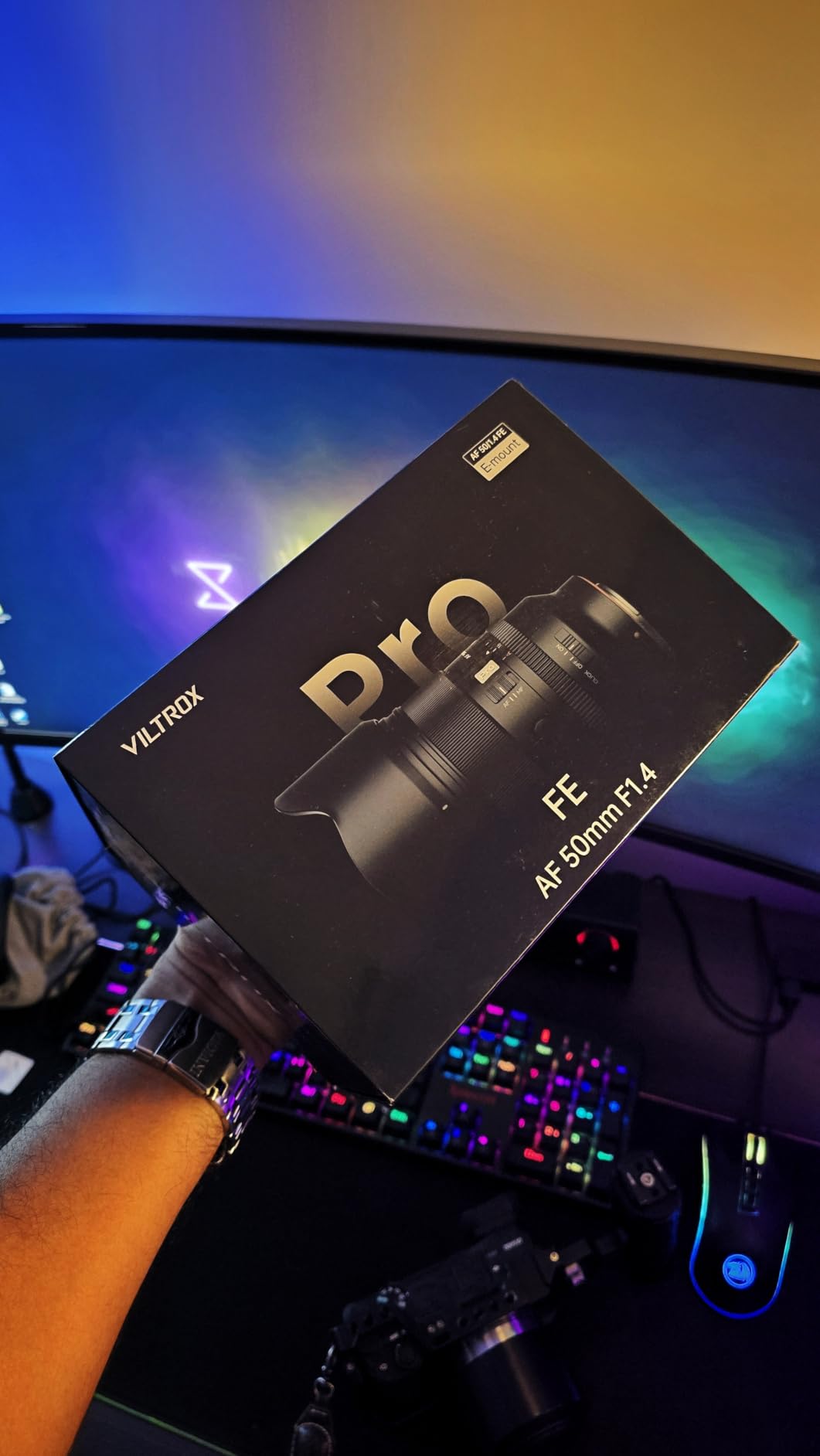
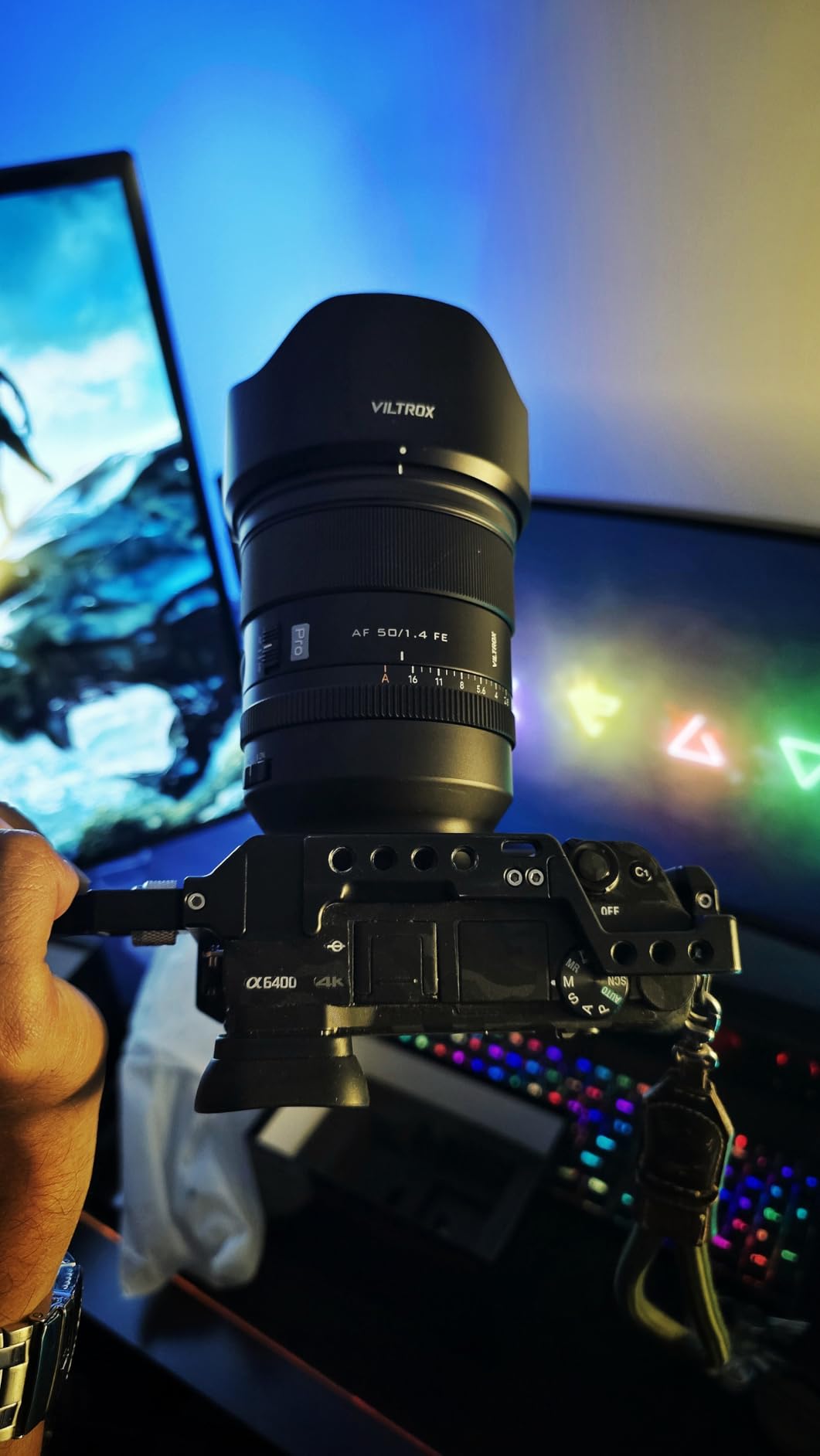
Viltrox has emerged as a serious competitor to first-party lens manufacturers, and the 85mm f/1.4 Pro FE is their flagship portrait lens. It offers 90% of the Sony G Master performance at roughly one-third the price.
Sharpness is excellent wide open and reference-class by f/2. The optical design includes 15 elements in 11 groups with 3 ED elements and multiple high-refractive elements. Chromatic aberration is well controlled.
Bokeh is creamy and pleasant, with 11 diaphragm blades producing smooth out-of-focus areas. The rendering has a slightly different character than Sony’s G Master, but many photographers prefer it for portraits.
Autofocus uses dual Hyper VCM motors that are fast and quiet. Eye and face detection work well on modern Sony bodies. The USB-C port allows firmware updates to improve AF performance over time.
For whom it is good
Sony E-mount shooters who want flagship-level performance on a budget. Photographers who shoot in challenging weather will appreciate the sealing. Video shooters will love the stepless aperture ring with click switch.
Anyone who has been hesitant to buy the Sony GM due to price should seriously consider this Viltrox.
For whom it is not ideal
At 800g, this lens is on the heavier side. Photographers who need image stabilization will have to rely on Sony bodies with IBIS. Those who demand the absolute best AF tracking for sports should stick with first-party lenses.
Viltrox is a newer player in the autofocus lens space, so long-term reliability data is still being gathered.
12. Panasonic LUMIX S-S85E – Best Compact Option for L-Mount
Panasonic LUMIX S-S85E S L-Mount 85mm Fixed Focal Length Lens f/1.8
f/1.8 aperture
355g ultra-light
Video-friendly
Pros
- Compact at 355g
- Sharp at f/1.8
- Pleasant bokeh
- Silent AF for video
- Minimized focus breathing
Cons
- Limited stock available
- No built-in IS (relies on IBIS)
The Panasonic LUMIX S 85mm f/1.8 is the smallest and lightest 85mm prime in this entire guide. At just 355g, it is a dream for photographers and videographers who value portability above all else.
Sharpness is impressive at f/1.8, with good performance across the frame. The optical design includes 2 ED elements to control chromatic aberration. By f/2.8, it is reference-class.
Bokeh is smooth and pleasant, with a 9-blade circular aperture producing pleasing out-of-focus areas. It is not as creamy as the larger f/1.4 lenses, but the small size more than compensates.
Autofocus is silent and accurate, with minimized focus breathing that makes it ideal for video. On Lumix S5 II and S5 IIX bodies, eye-detection AF works reliably.
For whom it is good
Panasonic, Leica, and Sigma L-mount shooters who value compact size and light weight. Travel and street photographers who carry their gear all day. Hybrid photo/video shooters will love the silent AF and minimized focus breathing.
Anyone building a lightweight L-mount kit should consider this lens essential.
For whom it is not ideal
Photographers who need f/1.4 depth of field will need to look at heavier alternatives. Stock is limited, so availability can be an issue. Those who shoot in conditions where IBIS is unavailable will need a stabilized body.
If you do not shoot L-mount, there are better options in this guide for your system.
How to Choose the Best 85mm Lens for Your Camera
Choosing the right 85mm lens depends on three main factors: your camera mount, your typical aperture needs, and how much you want to spend. Let me break down what matters most for each.
Aperture: f/1.4 vs f/1.8
The biggest decision is between f/1.4 and f/1.8 maximum aperture. f/1.4 lenses offer shallower depth of field and better low-light performance, but they cost more, weigh more, and are larger. f/1.8 lenses deliver 90% of the bokeh at half the price and weight.
For most portrait photographers, f/1.8 is the sweet spot. You get beautiful background blur without paying for an f/1.4 lens you may not fully use. Wedding and event photographers who shoot in dim venues benefit more from f/1.4.
Camera Mount Compatibility
Native mount lenses always perform better than adapted lenses. Sony E shooters should get Sony E or FE mount lenses, Canon RF shooters should get RF mount, and so on. Third-party lenses from Sigma, Viltrox, and Tamron offer native mounts for most modern systems at lower prices.
If you are still on a Nikon F or Canon EF DSLR, there are still excellent 85mm options available. If you plan to move to mirrorless soon, consider getting a modern mirrorless lens now.
Autofocus and Image Stabilization
Modern stepping motors and linear motors are fast and silent. Look for XD linear motors, VCM, or USM for the best AF performance. Image stabilization (IS or VR) is helpful but not essential at 85mm if your camera has in-body stabilization or you shoot at fast enough shutter speeds.
For video shooters, silent AF and minimized focus breathing are more important than stabilization. The Panasonic LUMIX S 85mm and Sony 85mm GM II excel here.
Build Quality and Weather Sealing
Professional photographers who shoot outdoors should prioritize weather sealing. Lenses with rubber gaskets around the mount and control rings will survive light rain and dusty conditions. Sealed lenses also tend to have better build quality overall.
If you primarily shoot indoors or in controlled environments, build quality matters less. A plastic mount and minimal sealing is acceptable for studio work.
Weight and Ergonomics
An 85mm lens you leave at home because it is too heavy does not help you. The Sony 85mm f/1.8 at 10.4 oz and Panasonic LUMIX S 85mm at 355g are the lightest options. The Canon RF 85mm f/1.2L at 1.2 kg and Sigma 85mm f/1.4 HSM Art at 2.5 lb are the heaviest.
Match the lens weight to your shooting style. Travel and street photographers should prioritize lighter options. Studio photographers can handle heavier lenses without issue.
Frequently Asked Questions
What is an 85mm lens good for?
An 85mm lens is ideal for portrait photography, wedding photography, and headshots. The focal length produces flattering facial compression while allowing comfortable working distance, and wide apertures like f/1.4 or f/1.8 create creamy background blur that isolates subjects from busy backgrounds.
Is 85mm good for full-body shots?
Yes, 85mm works well for full-body shots if you have enough room to back up. You will need approximately 10-12 feet of distance for a full-body portrait, and 5-6 feet for a half-body shot. For tighter indoor spaces, a 50mm or 35mm may be more practical.
Which 85mm lens is best for portraits on Sony?
The Sony FE 85mm f/1.4 GM II is the best premium 85mm for Sony E-mount portraits, offering reference-class sharpness and beautiful bokeh. The Sony 85mm f/1.8 is the best value option, and the Sigma 85mm f/1.4 DG DN Art is the best third-party alternative for those wanting f/1.4 depth of field at a lower price.
Is 85mm or 50mm better for portraits?
85mm is generally better for portraits because it produces more flattering facial compression and greater subject-to-background separation. 50mm is more versatile for environmental portraits and tighter indoor spaces. Many portrait photographers carry both and choose based on the situation.
Do I really need an f/1.4 or is f/1.8 enough?
For most portrait photographers, f/1.8 is more than enough. The bokeh difference between f/1.4 and f/1.8 is subtle, and f/1.8 lenses are typically half the price, half the weight, and have faster autofocus. f/1.4 is worth the extra cost for wedding photographers, event shooters, and anyone working in very low light.
Final Verdict
The best 85mm lenses in 2026 cover every camera system, budget, and shooting style. For most photographers, the Sony FE 85mm f/1.8 or Nikon Z 85mm f/1.8 S offers the best balance of image quality, weight, and price. Sony shooters who want flagship f/1.4 performance should look at the new Sony 85mm f/1.4 GM II, while Canon RF shooters with deep pockets will love the RF 85mm f/1.2L USM.
Whichever 85mm lens you choose, you are investing in one of the most versatile and rewarding focal lengths in photography. The combination of flattering compression, beautiful bokeh, and comfortable working distance makes 85mm the first prime I recommend to anyone serious about portrait work.