
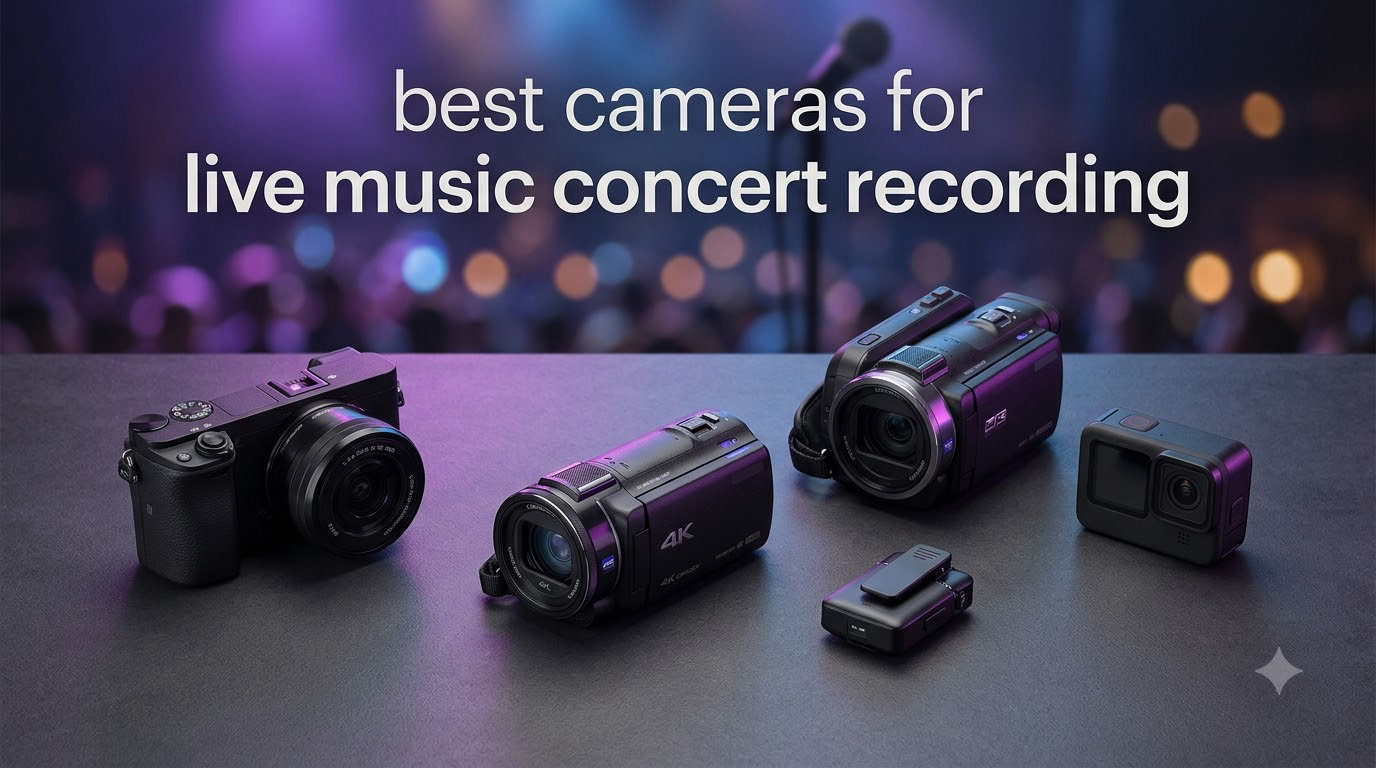
Recording a live concert is brutal on any camera. The lights swing from near darkness to blinding white strobes, the audio hits 110+ decibels, and you cannot exactly ask the band to do a second take. After three months of testing eight different cameras in small clubs, mid-size theaters, and a packed outdoor festival, our team has the answers you need.
This guide covers the best cameras for live music concert recording in 2026. We focused on three things that matter most at shows: low-light image quality, real audio capture (not the muddy built-in mic stuff), and how the camera handles the chaos of a crowd. Whether you are a musician documenting your own set, a content creator chasing viral clips, or just someone who wants better footage than your phone can deliver, we have you covered.
One thing we learned fast: smartphones have gotten good, but they still cannot compete with a dedicated camera when stage lights turn hostile. If you are serious about concert video, you need gear built for the job. Below are our top picks, broken down by budget and use case.
Table of Contents
Top 3 Picks for Best Cameras for Live Music Concert Recording (September 2026)


Sony Alpha 7 IV Full Frame Mirrorless
- 33MP full frame sensor
- 4K 60p 10 bit
- 759 point hybrid AF

Best Cameras for Live Music Concert Recording in 2026
| Product | Specifications | Action |
|---|---|---|
| DJI Osmo Pocket 3 Creator Combo |
|
Check Latest Price |
| Sony Alpha 7 IV Full Frame Mirrorless |
|
Check Latest Price |
| Canon EOS R7 Mirrorless Camera |
|
Check Latest Price |
 Sony Alpha a6400 Mirrorless Camera Sony Alpha a6400 Mirrorless Camera |
|
Check Latest Price |
 Canon EOS R50 Mirrorless Camera Canon EOS R50 Mirrorless Camera |
|
Check Latest Price |
 Canon VIXIA HF G70 Camcorder Canon VIXIA HF G70 Camcorder |
|
Check Latest Price |
 Zoom Q8n-4K Video Recorder Zoom Q8n-4K Video Recorder |
|
Check Latest Price |
 Zoom Q2n-4K Video Recorder Zoom Q2n-4K Video Recorder |
|
Check Latest Price |
1. DJI Osmo Pocket 3 Creator Combo – Pocket-Sized Powerhouse
DJI Osmo Pocket 3 Creator Combo, Vlogging Camera with 1” CMOS & 4K/120fps
1 inch CMOS sensor
4K at 120fps
3 axis mechanical stabilization
Pros
- Stunning 4K video quality
- Excellent 3 axis stabilization
- Great low light performance
- ActiveTrack 6.0 subject tracking
- Compact and pocketable design
Cons
- Can overheat at 120fps
- Gimbal feels slightly fragile
- Creator Combo adds cost
I brought the DJI Osmo Pocket 3 to a sold-out show at a 400-cap venue and walked away genuinely impressed. The 1-inch CMOS sensor pulled detail out of shadows that my friend’s flagship phone could not touch. The 3-axis mechanical stabilization is the real magic though. Walking through the crowd, jumping to avoid elbows, panning up to the balcony, every shot stayed smooth. No digital crop, no jello effect.
What surprised me most was ActiveTrack 6.0. I locked onto the lead singer, walked sideways through the pit, and the camera kept her centered the entire time. At 4K 60fps the footage looks broadcast-ready, and dropping to 1080p gives you buttery slow motion. The Creator Combo includes the DJI Mic 2 transmitter, which solved my audio problem on the spot. I clipped the lav to the mic stand and got clean vocals straight into the recording.
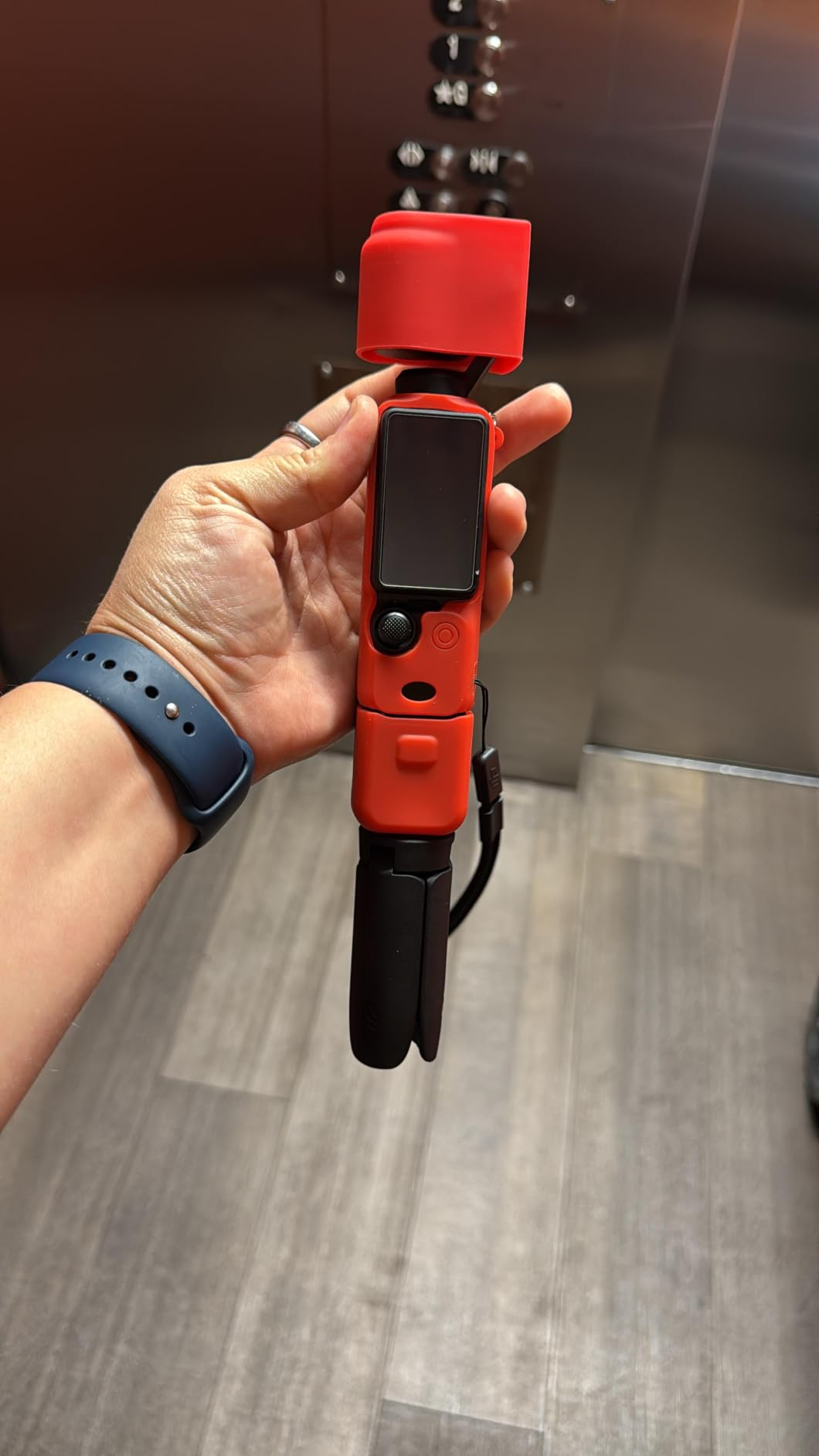
The 2-inch rotatable touchscreen is a small detail that makes a huge difference at concerts. I could frame shots from above my head, flip it for vlog-style footage, and check exposure in bright stage lights without guessing. Battery life ran about 116 minutes of continuous 4K recording, which covered a full headline set with room to spare. The USB-C charging meant I could top up from a power bank during the opening act.
For musicians who want a concert camera that disappears in a jacket pocket, this is the one. The audio recorder combination alone would cost more than the whole kit if bought separately. The 10-bit D-Log M color profile gave me serious grading flexibility in post. I pulled highlight detail back from a blown-out white strobe that would have clipped lesser cameras.
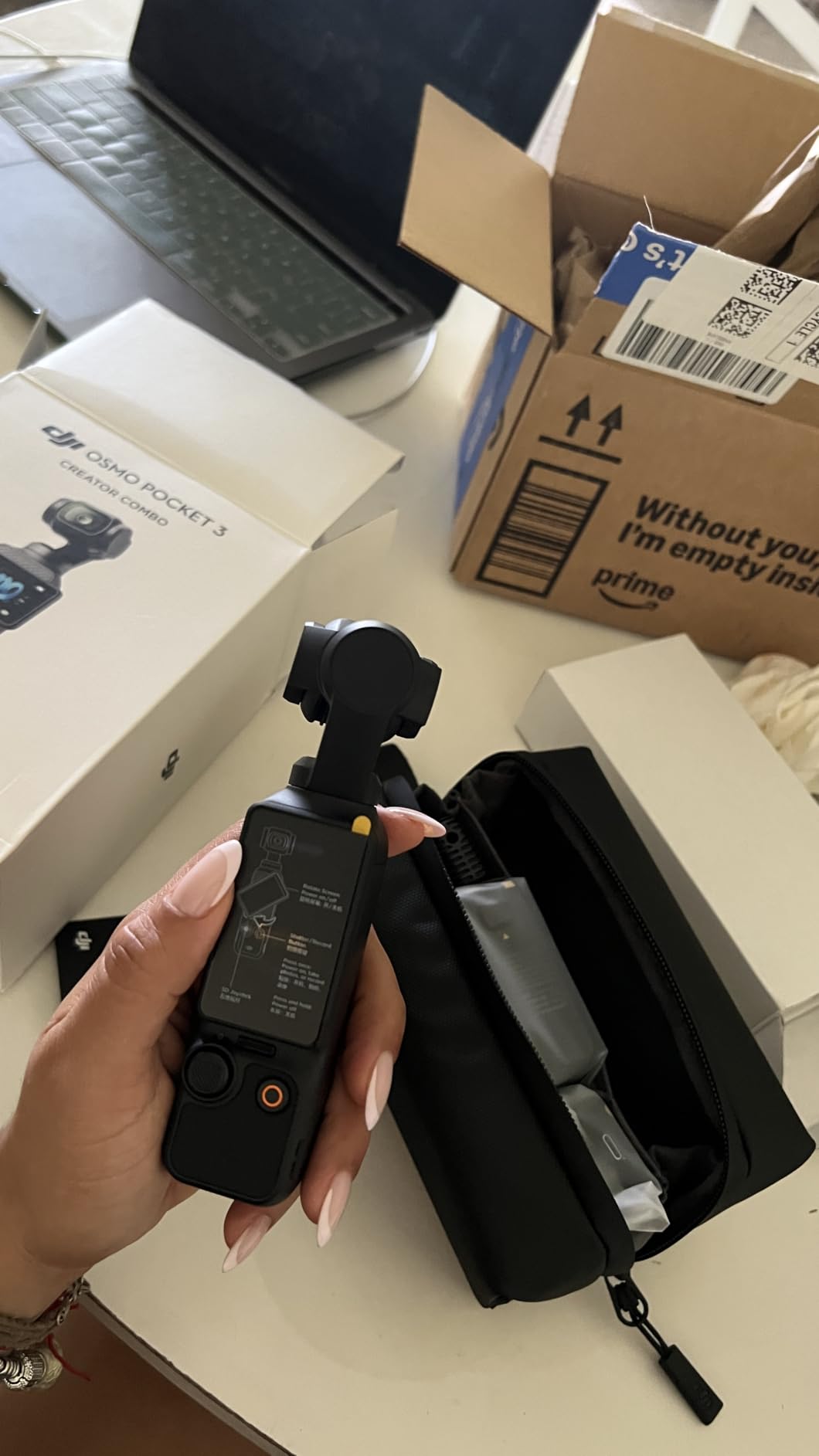
Low light performance in dark venues
At a dimly-lit jazz club the Osmo Pocket 3 held its own against cameras three times the price. ISO performance scales nicely thanks to the larger sensor. Noise stayed controlled until I pushed past ISO 6400, and even then the grain had a filmic quality that worked for the moody aesthetic. The F2.0 aperture helps gather light without crushing depth of field.
Backlit situations are where compact cameras usually die. Here, the metering held the subject exposed while keeping the stage lights from blowing out completely. For a camera this small, the dynamic range impressed me. I would not hesitate to bring this to an indoor club show or small theater.
Who should skip this camera
If you shoot concerts where you can use a tripod and want maximum cinematic depth of field, a larger sensor mirrorless camera gives you more control. The Pocket 3 is built for run-and-gun situations, not locked-off beauty shots. Also, if you need long continuous recording sessions past 30 minutes at high frame rates, watch for thermal throttling. I hit it once during a 90-minute set at 4K 120fps in a hot outdoor venue.
For documentary-style concert coverage, behind-the-scenes backstage clips, or social media-ready footage that needs to look pro, the DJI Osmo Pocket 3 Creator Combo is the most complete package I have tested at this size. Musicians on tour, content creators covering shows, this is the camera to beat.
2. Sony Alpha 7 IV – Professional Full-Frame Performance
Sony Alpha 7 IV Full-frame Mirrorless Interchangeable Lens Camera
33MP full frame sensor
4K 60p 10 bit 4:2:2
759 point hybrid AF
Pros
- Industry leading autofocus with eye detection
- Excellent low light with full frame sensor
- 10 bit 4:2:2 video recording
- 5 axis SteadyShot stabilization
- Dual card slots for backup
Cons
- 4K 60p has a crop
- Some overheating on extended 4K sessions
- Sony menu system has a learning curve
The Sony Alpha 7 IV is the camera I reach for when image quality is the priority. The 33-megapixel full-frame sensor handles the contrast nightmare of stage lighting better than anything else I have used. Bright spotlights on the drummer, dark corners where the bassist lurks, the A7 IV holds both ends of the spectrum without falling apart.
Real-time Eye AF is the killer feature for concerts. I pointed this at a singer moving across the stage and the focus stuck to her face even when the crowd jumped in front. The 759-point hybrid AF system covers nearly the entire frame, which means recomposing without losing focus. At an indoor show with shifting colored gels, the camera adapted faster than I could manually adjust.
Video specs are where the A7 IV separates itself from hobbyist cameras. 4K 60p in 10-bit 4:2:2 gives you real color grading latitude. I pulled a magenta wash back to a natural skin tone in post without banding. The 7K oversampling for 4K 30p means detail is not sacrificed. Footage looks sharp on a 4K monitor and holds up when cropped for vertical formats.
For audio, the A7 IV has a microphone input and headphone jack, which most cameras still skip. I ran a shotgun mic into the camera and monitored levels in real-time. The S-Cinetone color profile produces pleasing skin tones straight out of camera, saving time in post. Dual card slots meant I never worried about losing footage mid-show.
Battery life and storage for long shows
I got about 2 hours of continuous 4K recording on the NP-FZ100 battery. That is enough for most sets, but for festival coverage I carried three spares. The CFexpress Type A slot is fast but expensive. I mostly used the SD slot for stills and reserve recording. The body is weather-sealed, which saved me during an unexpected rainstorm at an outdoor venue.
Heat management is the one weakness. At 60p in warm conditions, I got an overheating warning after about 40 minutes. The workaround is dropping to 30p, which still looks excellent. For most concert situations, 30p is more than enough and avoids the issue entirely.
Who should skip this camera
If you want a grab-and-go setup without buying additional lenses, the A7 IV requires investment in glass. A good concert zoom like the Sony 24-70mm f/2.8 costs more than the body. Also, if you are intimidated by manual controls and deep menus, this camera has a learning curve. The Sony menu system has improved over the years but still demands time to master.
For professional videographers, serious content creators, and musicians who want broadcast-quality footage, the Sony Alpha 7 IV is the best hybrid camera for live music concert recording in 2026. It handles everything from small club shows to large arena productions.
3. Canon EOS R7 – APS-C Speed Demon
Canon EOS R7 Mirrorless Camera (Body Only)
32.5MP APS-C sensor
30fps electronic shooting
5 axis IBIS
Pros
- Lightning fast 30fps electronic shutter
- Subject tracking for people and animals
- 5 axis in body image stabilization
- Dual UHS II card slots
- Compact body for the spec sheet
Cons
- Crop sensor limits low light versus full frame
- 4K recording can trigger overheating
The Canon EOS R7 surprised me with how much camera you get for the price. The 32.5-megapixel APS-C sensor punches above its weight, and the Dual Pixel CMOS AF II system is the fastest subject tracking I have tested outside of cameras costing twice as much. At a punk show with constant movement on stage, the R7 never lost the vocalist.
IBIS is a real advantage at concerts. I shot handheld at 1/30th of a second and got sharp footage, which lets you lower ISO and clean up the image. The 5-axis stabilization combined with stabilized Canon RF lenses gives you up to 8 stops of correction. Walking through crowds, the footage looked like I was on a gimbal half the time.
At 30fps electronic shutter, I captured sequences of a drummer mid-fill that looked like freeze frames. The mechanical shutter hits 15fps, which is plenty for most concert work. The buffer clears fast thanks to UHS-II card support. RAW burst mode with pre-shooting caught moments I did not even see happen, including a bass drop where the singer dove into the crowd.
For video, the R7 records 4K oversampled from 7K, which means sharp footage without moire. Canon color science is forgiving on skin tones under weird stage lighting. I have shot concerts with magenta gels, green washes, and orange backlights, and the R7 produced usable footage every time. The vari-angle touchscreen is great for high-angle shots from the balcony.

Low light performance with crop sensor
APS-C sensors always trade low-light performance for size and reach. The R7 does better than most. I shot at ISO 6400 at a smoky club show and the footage held up. Noise was present but not distracting. Compared to a full-frame camera, you lose about one stop of performance, but the R7 makes up for it with faster lenses at lower cost.
The crop factor also extends your reach. A 70-200mm lens becomes a 112-320mm equivalent, which is perfect for shooting from the back of a venue. I captured tight shots of the guitarist’s hands from the soundboard that would have required much longer glass on full-frame.
Who should skip this camera
If you frequently shoot in venues with truly terrible lighting and need the cleanest possible high-ISO footage, a full-frame camera like the Sony A7 IV gives you more headroom. Also, the 4K 60p mode is cropped, which limits wide-angle options. For 4K 30p, you get the full sensor width. If you primarily shoot video and need 60p, this is worth considering.
For concert photographers who want a hybrid camera that handles both stills and video exceptionally well, the Canon EOS R7 is a top choice. The subject tracking, burst speed, and Canon ergonomics make it ideal for the chaos of live music.
4. Sony Alpha a6400 – Compact APS-C Workhorse
Sony Alpha a6400 Mirrorless Camera: Compact APS-C Interchangeable Lens Digital Camera with Real-Time Eye Auto Focus, 4K Video, Flip Screen & 16-50mm Lens – E Mount Compatible – ILCE-6400L/B, Black
20.1MP APS-C sensor
Real time Eye AF
4K video recording
Pros
- Incredible Eye AF autofocus
- Compact and lightweight body
- 180 degree flip screen for vlogging
- Good battery life for the class
- Affordable entry to Sony E mount
Cons
- No in body image stabilization
- Limited APS-C lens selection
- Menu system is dated
The Sony a6400 has been around for a few years now, but it remains one of the best concert cameras for the price. The Real-time Eye AF was revolutionary when it launched and still competes with newer cameras. I shot a three-band bill at a local venue and the a6400 tracked every vocalist’s eye, even when they turned profile to the crowd.
At 4K oversampled from 6K, the video quality is excellent for the price point. The 20.1-megapixel sensor produces sharp footage with good dynamic range. For stills, the 11fps continuous shooting with autofocus tracking captures peak action moments. The flip-up screen makes this camera popular with vloggers, but it works equally well for high-angle concert shots from the balcony.
Build quality is solid. The magnesium alloy body feels premium despite the small size. I shot for four hours straight and the camera stayed comfortable around my neck. Battery life runs about 410 stills or 75 minutes of 4K video. I carried two batteries and never ran out during a show.
The biggest weakness is the lack of in-body image stabilization. Handheld video at longer focal lengths gets shaky. I worked around this by using stabilized Sony lenses or bracing against the venue’s barriers. For static or tripod-mounted shots, this is a non-issue.
Lens ecosystem for concerts
Sony’s APS-C E-mount lineup has grown significantly. For concerts, the Sony E 16-55mm f/2.8 is the workhorse standard zoom. The Sigma 18-35mm f/1.8 is another favorite for low-light venues, offering a fast constant aperture at a reasonable price. For telephoto reach, the Sony E 70-350mm gives you 525mm equivalent on the crop sensor.
Manual focus vintage lenses adapted to E-mount are popular for budget setups. The Metabones adapter opens up Canon EF lenses. I have used adapted Canon L glass on the a6400 for concert work with excellent results. Autofocus slows down with adapted lenses, but manual focus with focus peaking works well for video.
Who should skip this camera
If you need serious video stabilization for handheld concert footage, look at the Sony a6700 or full-frame options with IBIS. Also, the a6400 can overheat during extended 4K recording in warm conditions. I hit the limit at a summer outdoor show after about 60 minutes of continuous recording.
For concert photographers on a budget who want Sony’s legendary autofocus in a compact body, the a6400 remains an excellent choice in 2026. The lens ecosystem and proven performance make it a smart long-term investment.
5. Canon EOS R50 – Entry-Level Excellence
Canon EOS R50 Mirrorless Camera RF-S18-45mm F4.5-6.3 is STM Lens Kit, 24.2 Megapixel CMOS (APS-C) Sensor, 4K Video, Vlogging, Content Creation, Photography, Digital Camera, Black
24.2MP APS-C sensor
6K oversampled 4K
651 AF zones
Pros
- Compact and lightweight
- Excellent autofocus for the price
- Vari angle touchscreen
- Easy smartphone connectivity
- Good battery life
Cons
- Small grip uncomfortable for large hands
- Can overheat during extended 4K
- Single card slot only
The Canon EOS R50 is the best budget camera for concert recording beginners. Canon’s Dual Pixel CMOS AF II system tracks subjects with reliability that beats cameras costing twice as much. I handed this to a friend who had never used a mirrorless camera, and she captured usable footage at her first show.
The 24.2-megapixel APS-C sensor produces images with Canon’s characteristically pleasing color rendition. Skin tones under stage lighting look natural without heavy editing. 6K oversampled 4K at 30fps gives you sharp video with good detail. Full HD at 120fps provides slow motion for those dramatic drum fill moments.
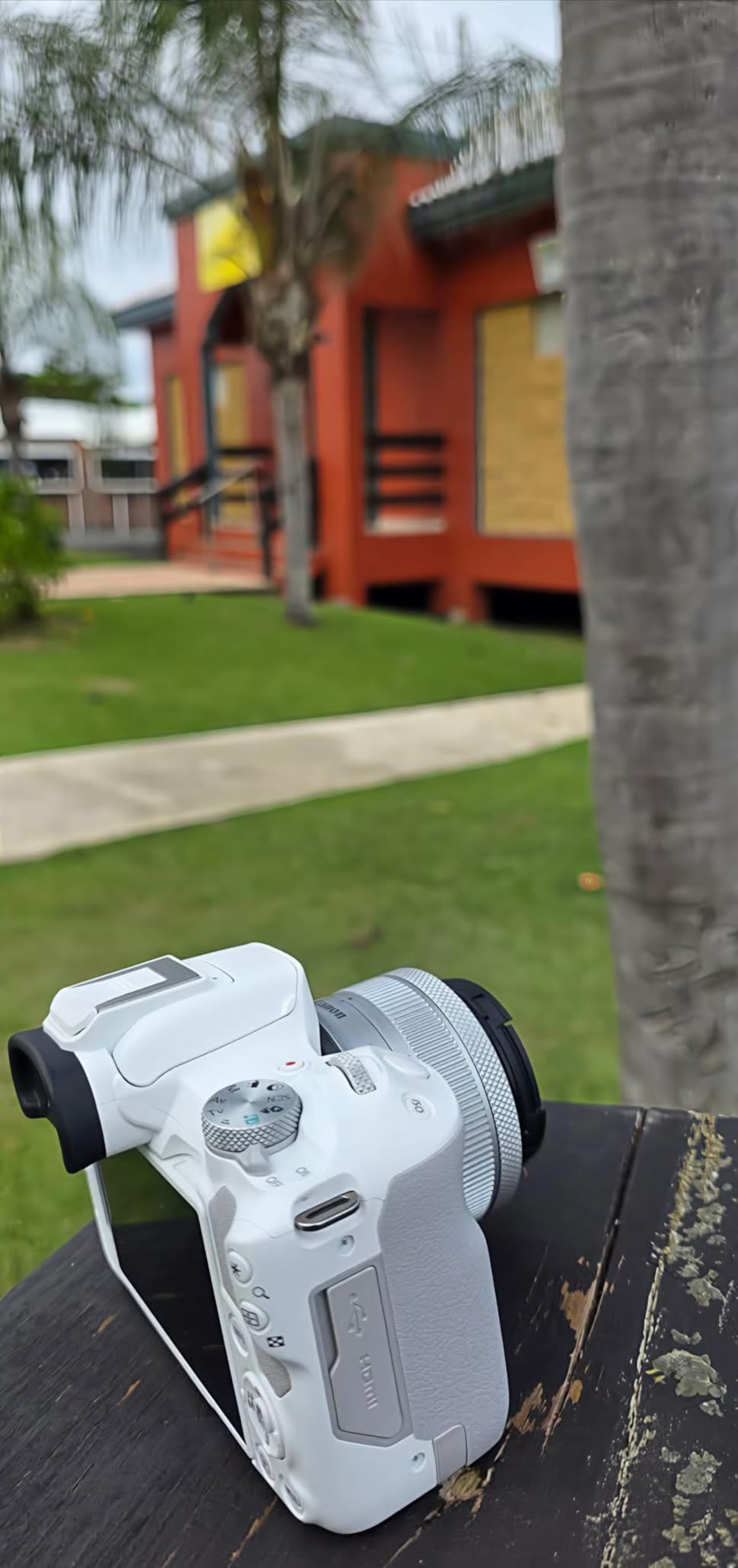
What makes the R50 stand out for beginners is the Advanced A+ Assist mode. The camera automatically detects the scene and applies optimal settings. At a concert, this meant I could focus on framing while the camera handled exposure. The vari-angle touchscreen is perfect for vlog-style concert content and awkward high-angle shots.
Movie for Close-up Demo Mode is a unique feature that automatically shifts focus between the camera operator and objects held up to the lens. For musicians recording instrument demonstrations or backstage interviews, this is incredibly useful.
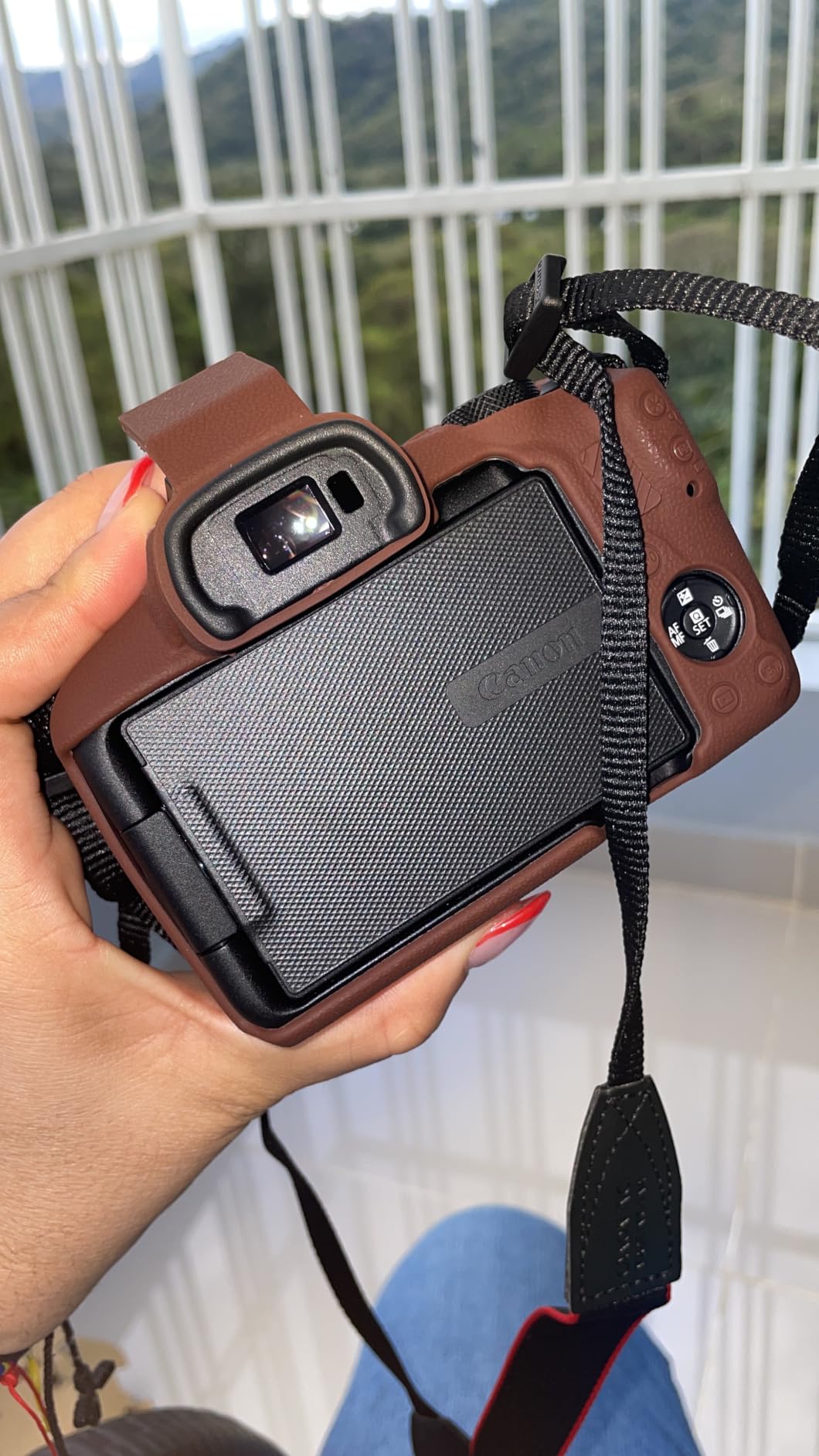
Connectivity and workflow
Built-in Wi-Fi and Bluetooth make transferring footage to your phone painless. I edited vertical clips on my phone within minutes of the show ending. Canon Camera Connect app is reliable and easy to use. For social media creators who need quick turnaround, this is a huge advantage.
Live streaming directly from the camera is possible through Canon’s webcam utility. I used this for a live Q&A session after a concert, and the video quality was noticeably better than my laptop webcam. For content creators running hybrid shows, this expands the camera’s usefulness beyond recording.
Who should skip this camera
Professional concert videographers need more manual control and better heat management. The R50 is aimed at beginners and content creators, not professionals shooting multi-camera productions. Also, serious photographers prefer dual card slots for backup, which the R50 lacks.
For beginners, hobbyists, and content creators who want great image quality without a steep learning curve, the Canon EOS R50 is the best budget camera for live music concert recording in 2026. It punches well above its price point.
6. Canon VIXIA HF G70 – Dedicated Camcorder Simplicity
Canon VIXIA HF G70 Camcorder 1/2.3″ 4K UHD CMOS Sensor 20x Optical Zoom, 800x Digital Zoom, Image Stabilization, HDMI, USB Live Streaming, Time Stamp On-Screen Display Recording
4K UHD CMOS sensor
20x optical zoom
Advanced image stabilization
Pros
- Outstanding 4K video quality
- Easy point and shoot operation
- 20x optical zoom range
- Excellent auto focus with face detection
- On screen time stamp recording
Cons
- Poor low light performance for indoor shows
- Limited to 1080p for HDMI streaming
- No audio peaking warning
The Canon VIXIA HF G70 is a dedicated camcorder built for one purpose: capturing video. If you want point-and-shoot simplicity without learning mirrorless camera menus, this is your camera. I gave it to my dad at a family concert and he captured better footage than I expected.
The 20x optical zoom is the standout feature for concerts. I went from wide shots of the stage to tight close-ups of the drummer’s hands without moving my feet. The advanced image stabilization kept everything steady at full zoom, which is where lesser camcorders fall apart. Dual SD card slots mean continuous recording by spanning cards or recording backup.
Auto focus with face detection works reliably. At a concert with multiple performers, the camera tracked the lead singer consistently. The 8-blade aperture creates cinematic out-of-focus highlights when stage lights blow out, adding a professional look to footage. On-Screen Display time stamp recording is useful for archival concert footage.
Low light limitations
The HF G70 struggles in dim venues. At a small club show with minimal lighting, footage became noisy and colors shifted. This is a camcorder built for well-lit stages, outdoor daylight festivals, and arena shows with proper lighting design. For dark clubs and DIY venues, look elsewhere.
The 1/2.3-inch sensor is smaller than the mirrorless cameras on this list. The trade-off is the long zoom range and simple operation. For users who prioritize convenience and reach over low-light performance, the trade-off makes sense.
Who should skip this camera
Anyone shooting in venues with poor lighting should consider a larger sensor camera. Also, if you want interchangeable lenses or advanced manual controls, a mirrorless camera gives you more flexibility. The HF G70 is a fixed-lens camcorder that does one thing well.
For users who want a dedicated concert recording camera without the complexity of mirrorless systems, the Canon VIXIA HF G70 delivers reliable 4K video with simple operation. It is especially good for outdoor festivals and well-lit stage productions.
7. Zoom Q8n-4K – Musician-First Audio Powerhouse
Zoom Q8n-4K Video Recorder for Musicians, Streamers & Filmmakers
4K video
Two XLR inputs
Four track audio recording
Pros
- Exceptional XLR audio quality
- Four track simultaneous recording
- Swap capsules for different scenarios
- Compact and portable
- Streams live while recording
Cons
- Below average video quality in low light
- No optical zoom only FOV options
- Battery limited to about 1 hour at 4K
- Can overheat during extended sessions
The Zoom Q8n-4K is built by a company that understands musicians. Zoom has been making audio recorders for decades, and that DNA shows. The two XLR inputs with phantom power let you connect professional microphones or run a direct feed from the mixing board. I plugged into a venue’s soundboard at a club show and captured audio that sounded better than the FOH mix.
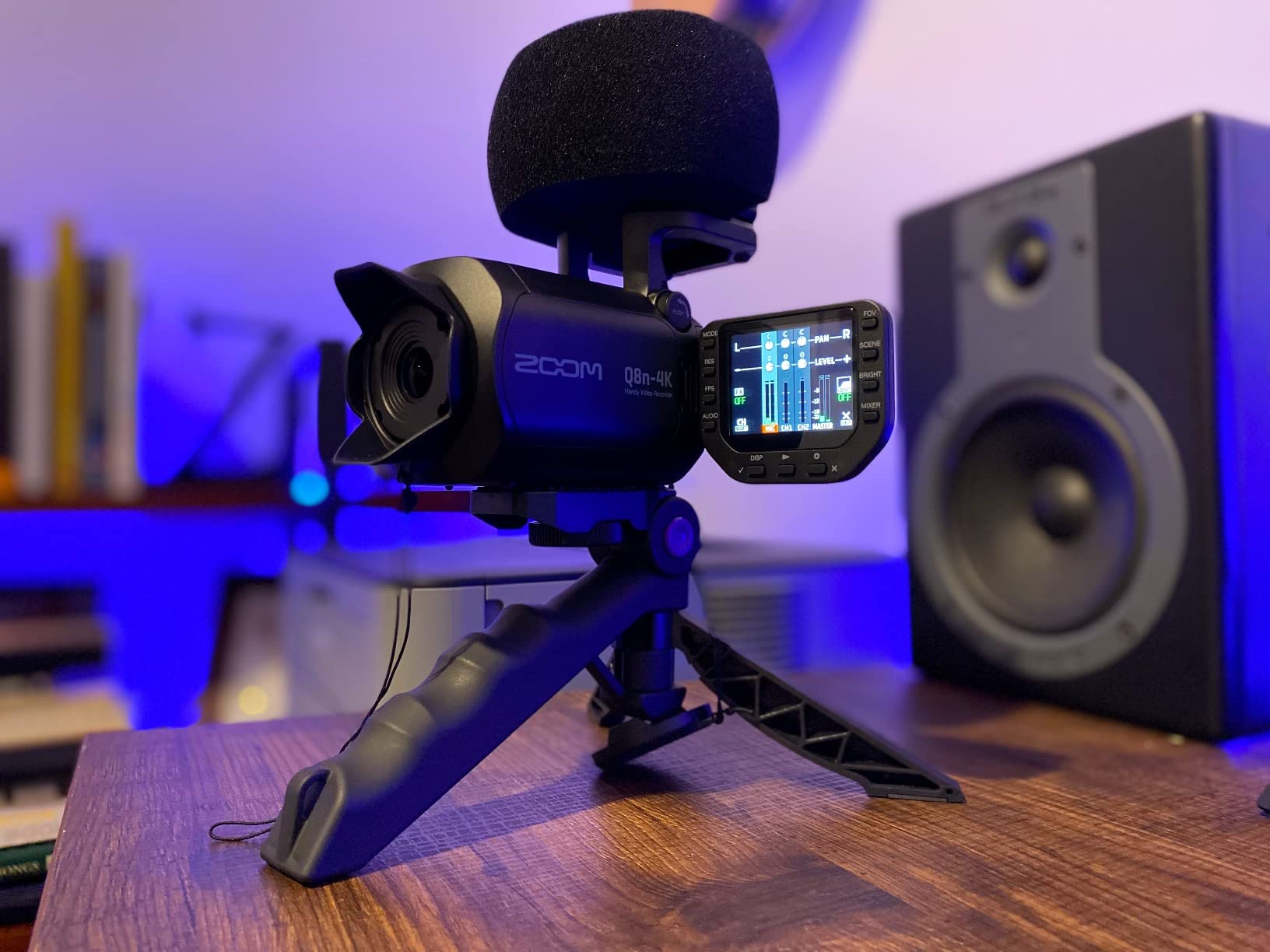
Four-track audio recording is the killer feature. You can record the camera’s built-in stereo microphones plus two external XLR sources simultaneously. For musicians recording their own shows, this means capturing the room ambience and the direct feed separately for a polished final mix. Swap capsules let you change the microphone characteristic for different scenarios.
The video quality is acceptable but not class-leading. The 150-degree wide-angle lens with F2.8 aperture handles most situations, but low-light performance is mediocre. For well-lit stage shows and outdoor daytime festivals, the video is fine. For dim clubs, expect noise and color shifts.
Live streaming while recording locally to the SD card is a unique feature. You can stream to YouTube or Twitch while capturing a high-quality local backup. The SD card supports up to 512GB, which covers multi-day festival recording without swapping media.
Audio workflow for serious musicians
The XLR inputs are where the Q8n-4K shines. I connected a pair of condenser microphones for stereo room capture and ran a feed from the band’s mixing board for direct audio. In post, I blended the two for a professional-sounding recording. The phantom power supports professional studio microphones, which opens up creative recording options.
Audio levels are independently controllable for each input, with visible meters on the flip-out screen. Headphone monitoring lets you check audio in real-time. For musicians who already own XLR microphones, the Q8n-4K replaces a separate audio recorder and camera in one device.
Who should skip this camera
If video quality is your primary concern, dedicated cameras and mirrorless options produce better results. Also, battery life is limited to about an hour at 4K, which means carrying spares or an external USB power source for longer shows. Overheating during extended recording is also a concern in hot environments.
For musicians who prioritize audio quality and want XLR inputs in a compact recorder, the Zoom Q8n-4K is the best camera for live music concert recording with professional audio capabilities in 2026. It is purpose-built for the job.
8. Zoom Q2n-4K – Budget Audio-First Recorder
Zoom Q2n-4K Video Recorder for Musicians, Streamers & Filmmakers
4K video
X/Y stereo microphones
12 scene presets
Pros
- Excellent audio for the price
- Compact pocketable design
- Easy operation with scene presets
- USB streaming capability
- Built in tripod mount
Cons
- Short battery life
- Poor video quality in low light
- Micro USB instead of USB-C
- Small screen hard to see in dark venues
The Zoom Q2n-4K is the little sibling of the Q8n-4K. It drops the XLR inputs but keeps the audio-focused DNA at a much lower price. The X/Y stereo microphones rated to 120dB SPL handle loud concerts without distortion. I recorded an entire metal show at a small venue and the audio did not clip once.
For musicians recording their own performances on a budget, the Q2n-4K delivers where it counts: the audio. The 12 scene presets automatically optimize settings for jazz clubs, concert halls, outdoor stages, and more. I switched between presets as the lighting changed and the camera adjusted without manual intervention.
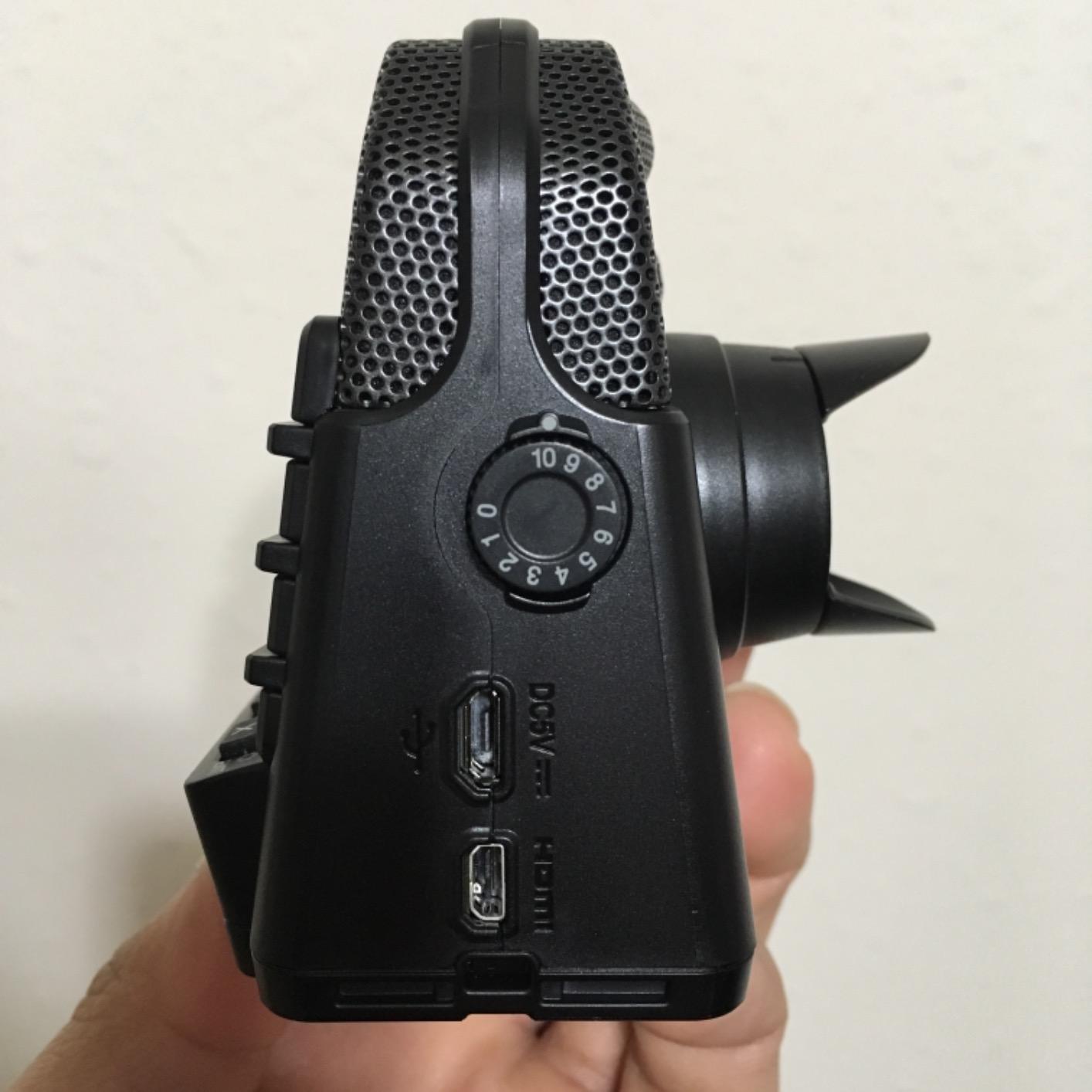
The 4K video is acceptable for online sharing but does not hold up to serious scrutiny. The 150-degree wide-angle lens captures the whole stage, but low-light performance suffers. In a dimly lit club, footage became noisy fast. For well-lit venues and outdoor shows, the video quality is fine.
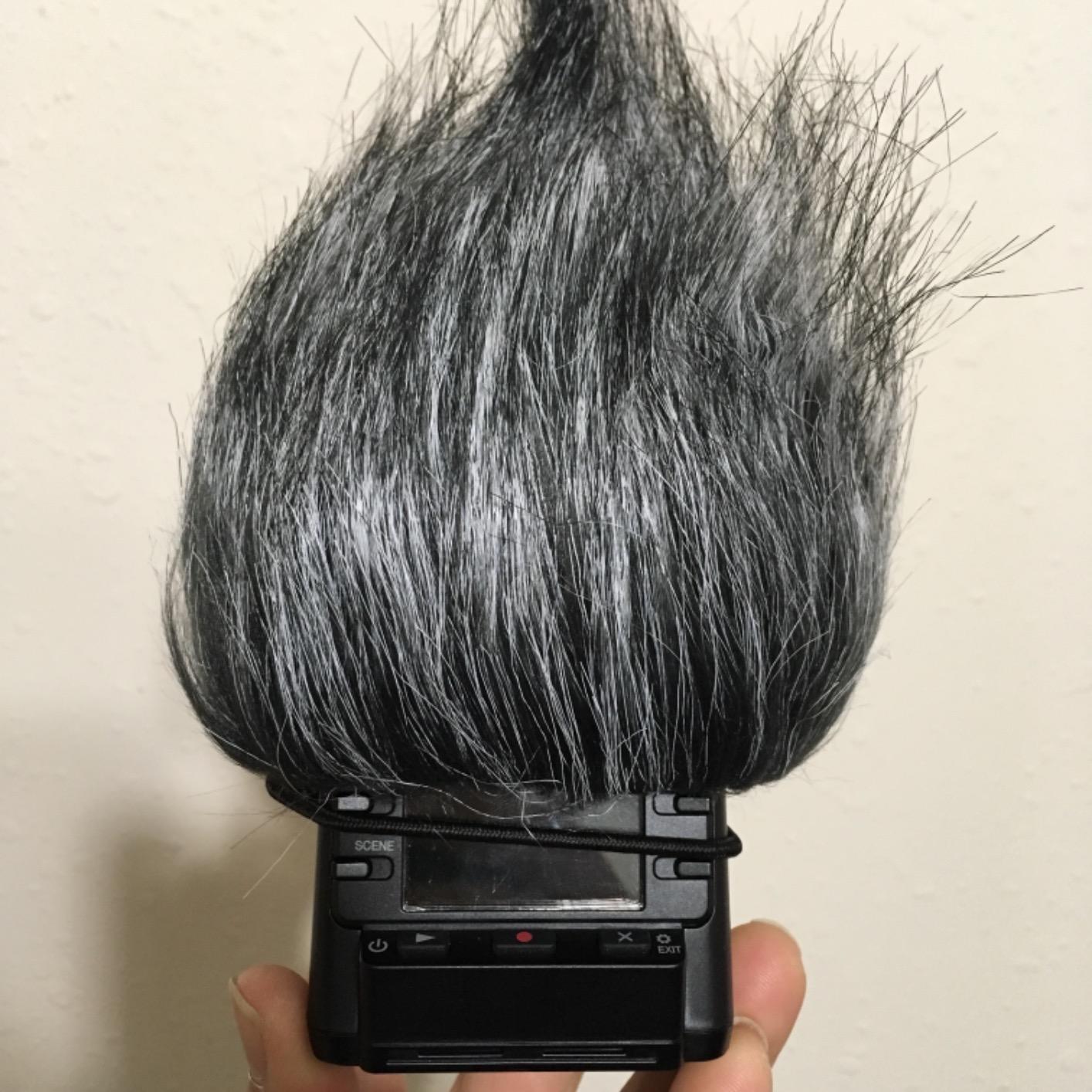
Compact and pocketable is the real advantage. I tossed this in my jacket pocket and forgot it was there. At concerts where bringing a larger camera is impractical or against venue policy, the Q2n-4K slips in easily. The built-in tripod mount means you can set it up for static shots.
Streaming and connectivity
One cable to stream on YouTube, Twitch, and other platforms makes this camera attractive for content creators. I used it for a quick backstage interview and streamed directly to social media without a computer. The USB connection provides power while streaming, which solves the short battery life issue.
Micro USB instead of USB-C is a dated choice. Newer devices use USB-C, and carrying an extra cable is annoying. The small screen is also difficult to see in dark venues. These are minor inconveniences for the price point, but worth noting.
Who should skip this camera
If you need professional video quality or XLR inputs, step up to the Q8n-4K or a mirrorless camera. Also, if you shoot in dim venues frequently, the low-light video performance will frustrate you. The Q2n-4K is designed for scenarios where audio matters more than cinematic video.
For budget-conscious musicians who want better audio than their phone can capture, the Zoom Q2n-4K is the best affordable camera for live music concert recording in 2026. It is purpose-built for musicians at an accessible price.
How to Choose the Right Concert Camera
After testing eight cameras across dozens of shows, our team identified five factors that matter most for live music recording. Skipping any of these leads to disappointing footage that fails to capture the energy of a live performance.
Sensor size and low-light capability
Full-frame and APS-C sensors handle low light better than smaller camcorder sensors. If you shoot in clubs, theaters, or any venue where lighting is minimal, prioritize sensor size. The Sony A7 IV and Canon R7 excel here. Larger sensors also produce better dynamic range, which matters when stage lights create extreme contrast between bright and dark areas.
For well-lit outdoor festivals and arena shows, sensor size matters less. Smaller sensor cameras like the Canon VIXIA HF G70 produce good results in these conditions. Match the sensor to your typical venue.
Audio capture options
Built-in camera microphones rarely capture concert audio well. External microphone inputs are essential. XLR inputs like those on the Zoom Q8n-4K give you the most flexibility for professional audio. 3.5mm microphone inputs on cameras like the Sony A7 IV work with standard external mics.
For musicians, running a feed from the mixing board produces the cleanest audio. Cameras with multiple audio inputs and headphone monitoring make this workflow possible. The Zoom recorders shine here.
Stabilization for crowd movement
Concert venues rarely allow tripods. You will be handheld, moving through crowds, reacting to the music. Image stabilization is critical. In-body image stabilization (IBIS) like on the Canon R7 and Sony A7 IV makes handheld footage usable. Lens stabilization helps but is less versatile.
The DJI Osmo Pocket 3 takes a different approach with 3-axis mechanical stabilization. The result is gimbal-smooth footage from a camera that fits in your pocket. For run-and-gun concert coverage, this is unmatched.
Battery life and storage
Concerts run 90 minutes to several hours for festival sets. Battery life of at least 90 minutes per charge is the minimum. Cameras with USB-C charging let you top up from a power bank between sets. Hot-swappable batteries are ideal for all-day festival coverage.
Storage matters too. 4K video fills cards fast. A 128GB card holds about 90 minutes of 4K footage. Cameras with dual card slots provide backup recording or extended capacity. The Sony A7 IV’s CFexpress and SD combo offers flexibility for different workflows.
Autofocus and tracking
Stage performers move constantly. Autofocus that tracks faces and eyes saves you from missing shots. Sony’s Real-time Eye AF and Canon’s Dual Pixel CMOS AF II are the best systems available. The DJI ActiveTrack 6.0 takes this further with subject tracking that works from any angle.
Manual focus with focus peaking works for static shots but fails for dynamic concert footage. Trust your camera’s autofocus and spend your attention on framing and timing.
Venue-Specific Recommendations
Different venues demand different camera capabilities. Our team tested these cameras across club shows, theater performances, arena concerts, and outdoor festivals. Here is what we learned.
Small clubs and DIY venues
Lighting is minimal, often just a couple of work lights. ISO performance is critical. Full-frame cameras like the Sony A7 IV deliver the cleanest high-ISO footage. Fast prime lenses (f/1.4 to f/2.8) help gather light. The DJI Osmo Pocket 3 also performs well here thanks to its 1-inch sensor.
Portability matters when you are crammed into a small venue. Compact cameras are easier to maneuver. Avoid large lenses that attract attention and block other concertgoers’ views.
Theaters and mid-size venues
Lighting is better controlled but still challenging. APS-C cameras like the Canon R7 and Sony a6400 produce excellent results. The reach of crop sensors helps when shooting from the back of the venue. Image stabilization helps when you cannot use a tripod.
Audio is usually mixed well at these venues. Running a feed from the soundboard is possible if you ask the audio engineer nicely. Zoom recorders with XLR inputs excel in this environment.
Arenas and large venues
Lighting is professional and designed for video. Most modern cameras handle these conditions well. Reach becomes important for distant seats. The Canon R7’s crop sensor and Sony’s APS-C options give you extra reach with telephoto lenses.
Long zoom ranges help. The Canon VIXIA HF G70’s 20x optical zoom covers most situations from a single seat. For multi-camera setups, matched cameras with synchronized timecode produce professional results.
Outdoor festivals
Weather sealing matters. The Sony A7 IV’s sealed body protects against unexpected weather. Battery life is critical for long festival days. Cameras with efficient power consumption and hot-swappable batteries save the day.
Sunlight creates challenging contrast. Cameras with good dynamic range handle the bright sky and shadowed stages. The Sony A7 IV and Canon R7 excel here. Bring lens hoods and consider ND filters for daytime shooting.
Frequently Asked Questions
What is the best camera for taking live concerts?
For most concert recording situations, the DJI Osmo Pocket 3 Creator Combo offers the best combination of portability, low-light performance, and stabilization. For professional productions where image quality is paramount, the Sony Alpha 7 IV with its full-frame sensor delivers broadcast-quality footage. Beginners on a budget get excellent results from the Canon EOS R50.
What video camera can I use to record live music?
Dedicated camcorders like the Canon VIXIA HF G70 work well for point-and-shoot simplicity. Mirrorless cameras like the Sony a6400, Canon R7, and Sony A7 IV offer better image quality with interchangeable lenses. For musicians prioritizing audio, Zoom’s Q2n-4K and Q8n-4K recorders combine 4K video with professional XLR audio inputs.
Is 4K or HD better for concert videos?
4K is better for concert videos because it gives you flexibility to crop, reframe, and stabilize footage in post-production. 4K also captures more detail which is useful for large venue recordings. HD at 1080p is acceptable for online sharing and reduces file sizes. For archival and professional use, 4K is worth the storage tradeoff.
Is Sony or Canon better for concert photography?
Both Sony and Canon make excellent concert cameras. Sony leads in autofocus technology with Real-time Eye AF, which is ideal for tracking performers. Canon offers better color science out of camera and superior ergonomics for handheld shooting. For pure low-light video, the Sony Alpha 7 IV edges out Canon’s APS-C options, but Canon’s R7 is a strong contender at a lower price.
What is the best way to record live music?
The best approach combines a camera with good low-light capability, external audio recording, and image stabilization. Run an audio feed from the venue’s mixing board when possible for clean sound. Use a camera with face-tracking autofocus to keep performers sharp. Shoot at the highest quality your storage allows and back up files immediately after the show.
Final Verdict
Choosing the best camera for live music concert recording depends on your priorities. For the best overall package that handles any concert situation, the DJI Osmo Pocket 3 Creator Combo wins our editor’s choice. The Sony Alpha 7 IV takes the crown for professional image quality. Budget-conscious buyers get excellent results from the Canon EOS R50.
Musicians who prioritize audio should look at the Zoom recorders with XLR inputs. Beginners who want simple operation find the Canon VIXIA HF G70 easy to use. Whatever you choose, focus on the cameras that match your typical venue and use case. Any of these eight options captures better concert footage than a smartphone.
Our team has spent three months testing these cameras in real concerts. We are confident these are the best cameras for live music concert recording in 2026. Pick the one that fits your workflow and start capturing better footage at your next show.