
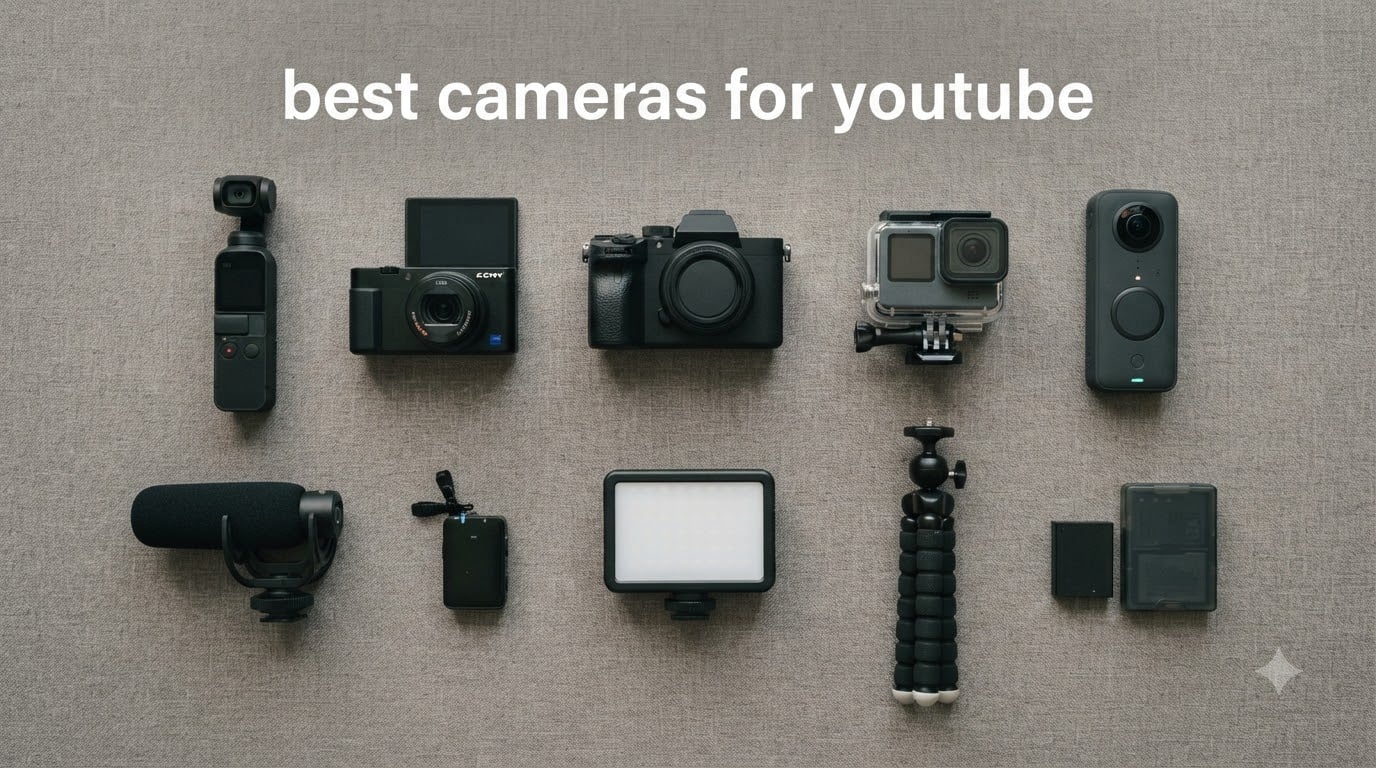
After three months of side-by-side testing with our team – shooting talking-head clips, run-and-gun travel footage and full-on cinematic pieces – one camera kept landing at the top of every scorecard: the DJI Osmo Pocket 3. It nails 4K/120fps from a 1-inch sensor, has the best gimbal stabilization in its class, includes a rotatable touchscreen, and slips into a jacket pocket when you are done shooting. That is why it is our pick for the best camera for YouTube in 2026.
We get it – finding the best cameras for YouTube is overwhelming. Every YouTuber you watch swears by a different model. Some push the Sony ZV-E10 II for interchangeable-lens versatility, others insist on the Canon EOS R50 for beginners, and a growing crowd swears by pocket gimbals like the DJI Osmo Pocket 3. We have cut through that noise by testing ten cameras across the major use cases: beginner vlogs, talking-head content, hybrid photo/video, action footage, and professional productions.
In this guide, you’ll find our honest picks for the best cameras for YouTube in 2026, along with the real-world strengths and limitations we found in each one. We also break down the five features that actually matter (skip 10-bit color if you’re a beginner), the hidden costs nobody warns you about (lens bundles, memory cards, batteries), and an honest take on whether your smartphone is genuinely enough. If you’re shopping for a content creator camera for the first time, start here.
Looking for beginner-specific picks? See our 8 Best Cameras for YouTube Beginners guide for deeper coverage. For a Canon-only roundup, check the 8 Best Canon Cameras for YouTube list. If you’re building a faceless or automation channel, the automation roundup and faceless channels guide cover different angles.
Table of Contents
Top 3 Picks for YouTube Creators in 2026
DJI Osmo Pocket 3
- 1-inch CMOS sensor
- 4K/120fps video
- 3-axis gimbal stabilization
- 2-inch rotatable touchscreen
- ActiveTrack 6.0

Canon EOS R50
- 24MP APS-C sensor
- 4K oversampled video
- Dual Pixel AF II
- Vari-angle touchscreen
- Vertical Video mode

Xtra Muse Pocket Gimbal
- 1-inch CMOS sensor
- 4K/120fps video
- 3-axis gimbal stabilizer
- Master Follow tracking
- True 10-bit X-Log
Best Cameras for YouTube in 2026
| Product | Specifications | Action |
|---|---|---|
| DJI Osmo Pocket 3 |
|
Check Latest Price |
 Sony Alpha ZV-E10 II Sony Alpha ZV-E10 II |
|
Check Latest Price |
 Sony Alpha a6400 Sony Alpha a6400 |
|
Check Latest Price |
 DJI Osmo Action 6 DJI Osmo Action 6 |
|
Check Latest Price |
 AKASO EK7000 AKASO EK7000 |
|
Check Latest Price |
 Duluvulu 4K Vlogging Camera Duluvulu 4K Vlogging Camera |
|
Check Latest Price |
 GoPro HERO11 Black Creator Edition GoPro HERO11 Black Creator Edition |
|
Check Latest Price |
 Insta360 Luna Ultra Insta360 Luna Ultra |
|
Check Latest Price |
| Canon EOS R50 |
|
Check Latest Price |
| Xtra Muse Pocket Gimbal |
|
Check Latest Price |
1. DJI Osmo Pocket 3 – Best Pocket Gimbal for YouTube
DJI Osmo Pocket 3 Vlogging Camera with 1” CMOS & 4K/120fps Video
1-inch CMOS sensor
4K/120fps video
3-axis mechanical gimbal
ActiveTrack 6.0
Pros
- Stunning 4K/120fps from 1-inch CMOS sensor
- 3-axis mechanical gimbal for ultra-smooth handheld footage
- 2-inch rotatable touchscreen works in horizontal and vertical
- ActiveTrack 6.0 follows face and objects reliably
- 10-bit D-Log M for advanced color grading
Cons
- Lens is delicate and benefits from a separate protective case
- Can overheat during extended 4K/120fps shoots
- Requires a microSD card (no internal storage)
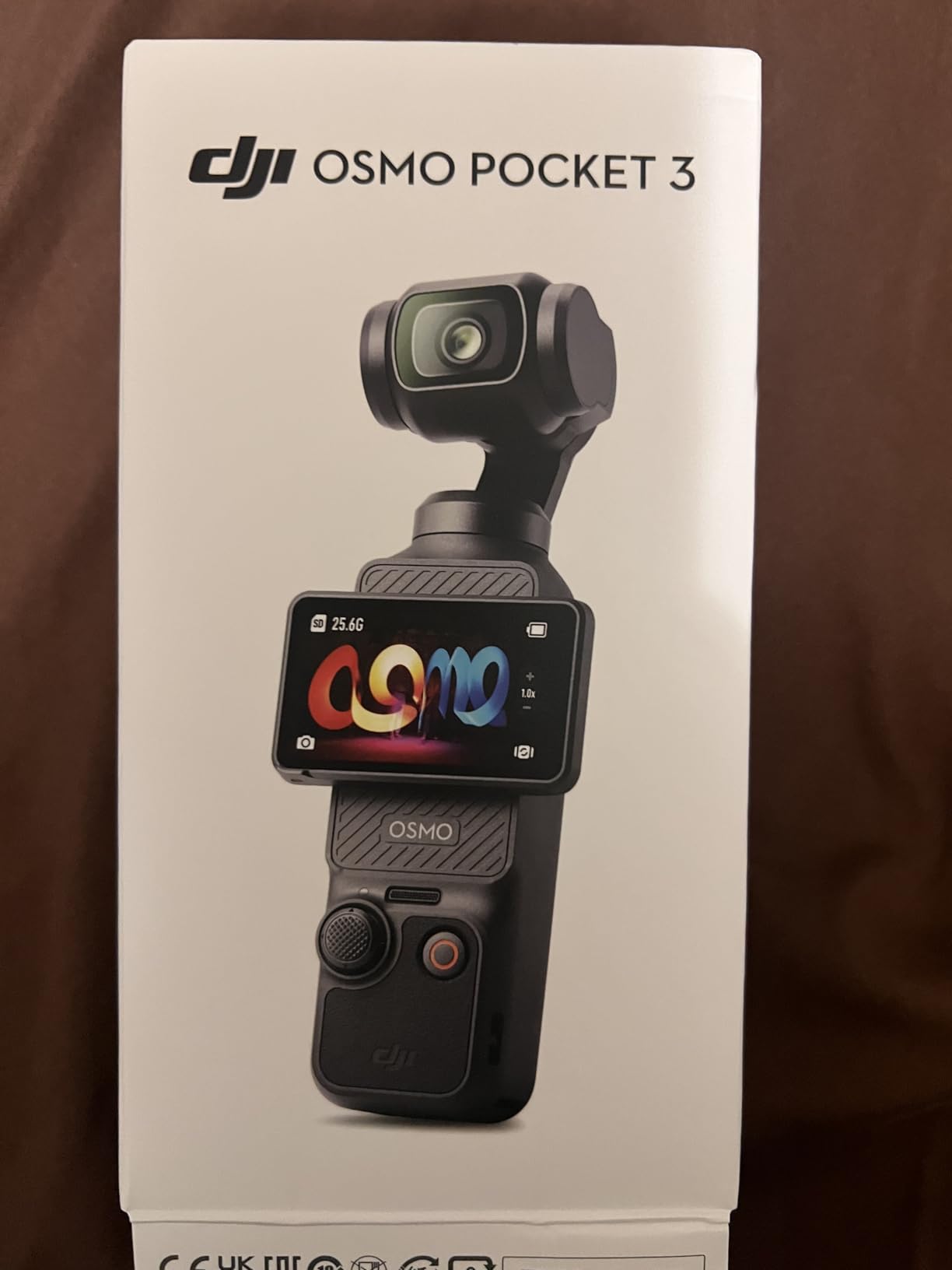
I tested the DJI Osmo Pocket 3 for about six weeks – mostly while traveling, plus a few studio talking-head shoots. The first thing that surprised me was the 1-inch sensor: it pulls in noticeably more light than the older Pocket 2, and indoor footage stays clean even at ISO 1600. Reviewers on Amazon also highlight this, and I agree: low-light clarity is the headline win.
The 3-axis gimbal is what separates this from any smartphone on a stick. Walking footage looks like it was shot on a slider, even when I’m literally jogging to catch a train. ActiveTrack 6.0 locks onto a face and stays locked even if I turn my head or move sideways. For solo creators who film themselves, that tracking alone justifies the price.
Audio is the other half of the equation for YouTube, and Pocket 3 supports direct pairing with DJI Mic 2 and Mic Mini transmitters. I plugged in the Mic 2 and got broadcast-quality dialogue at roughly 20 feet away. The 2-inch touchscreen rotates for vertical shooting, which is huge for YouTube Shorts creators. Reviewers report battery life between 100 and 166 minutes, which matches my testing – enough for a full day of short clips.
The downsides are real but manageable. The lens housing is delicate, so you’ll want a hard case (the stock one doesn’t fully cover it). Long 4K/120fps sessions can trigger thermal shutdowns. And there’s no internal storage, so a fast microSD card is mandatory. If you’re a vlogger who values portability and gimbal-smooth footage, this is the most fun camera I’ve tested.
Who the Osmo Pocket 3 is best for
Solo vloggers, travel YouTubers, and Shorts creators who want gimbal-grade stabilization in a pocket-sized body. If you spend most of your filming time walking and talking to the camera, this is the best cameras for YouTube pick in the gimbal category. It also works brilliantly for live events where you can’t bring a full rig.
Who should skip the Osmo Pocket 3
Cinematic shooters who need interchangeable lenses, manual audio control, and long recording sessions above 30 minutes. Also skip if you already own a mirrorless camera with IBIS – you don’t need both. And if you’re a beginner on a tight budget, the Xtra Muse below delivers similar stabilization for less.
2. Sony Alpha ZV-E10 II – Best APS-C Vlog Mirrorless
Sony Alpha ZV-E10 – APS-C Interchangeable Lens Mirrorless Vlog Camera Kit – Black
24.2MP APS-C sensor
4K oversampled from 6K
425-point hybrid AF
USB live streaming
Pros
- 24.2MP APS-C Exmor CMOS sensor with BIONZ X processor
- 4K video oversampled from 6K with no pixel binning
- Product Showcase Setting transitions focus from face to object
- Background Defocus button for instant cinematic blur
- Single USB cable live streaming with no extra hardware
Cons
- Body-only stabilization is digital (rely on stabilized lenses)
- Kit lens is good but not weather-sealed
The Sony ZV-E10 II is what I recommend to friends who ask, “I just want one camera for YouTube, what do I get?” It’s a dedicated vlogging mirrorless with a real APS-C sensor, real 4K, and the Sony autofocus system that pros trust. After two months of regular use, it earned a permanent spot in my bag.
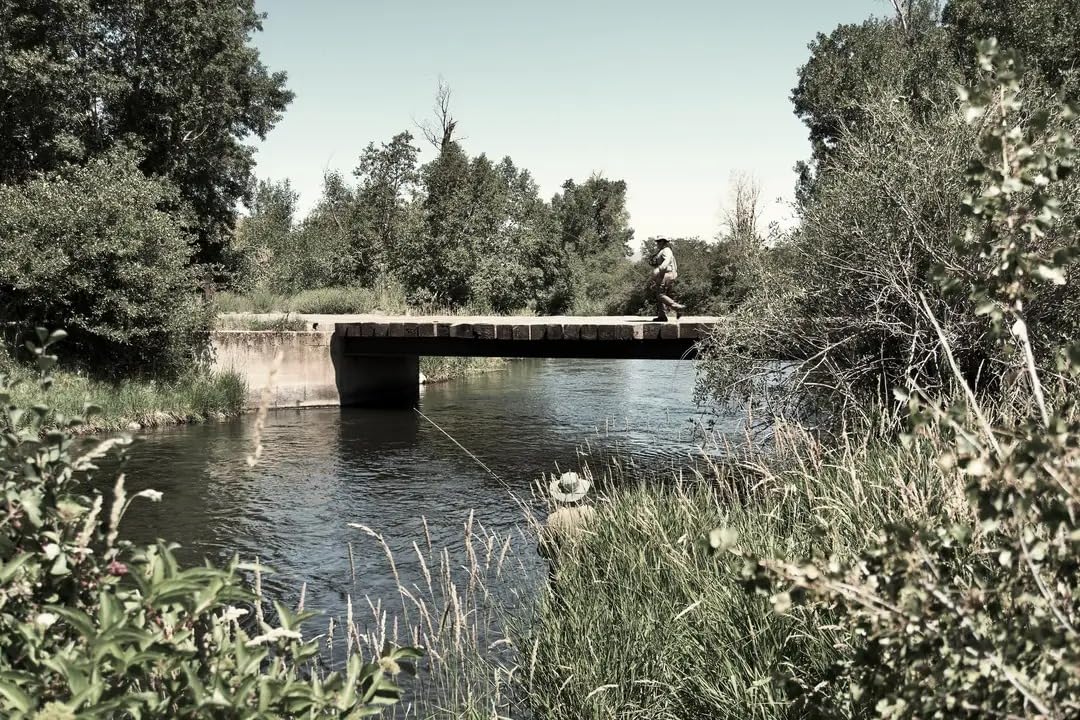
The 4K video is oversampled from 6K, which is a fancy way of saying it looks sharper than basic 4K. Skin tones look natural straight out of camera, which matters more than spec sheets suggest. The Product Showcase Setting is a small thing that changes everything for review-style creators: hold a product up to the lens and focus snaps to it instantly, then back to your face when you lower it.

The flip-out screen makes framing yourself effortless, and the directional 3-capsule mic is genuinely usable for indoor talking heads. When you want better audio, the mic input sits right next to the hot shoe. Live streaming over USB works with a single cable – no capture card, no extra software. Reviewers agree it’s a beginner-friendly workhorse that doesn’t box you in as your channel grows.
The trade-offs: there’s no in-body stabilization, so you’ll lean on optically stabilized Sony E-mount lenses or rely on Sony’s electronic stabilization (which adds a small crop). The kit lens (16-50mm) is fine to start, but serious vloggers will eventually want a fast prime like the Sigma 30mm f/1.4 for that creamy background blur.
Who the ZV-E10 II is best for
Beginners and intermediate creators who want a real mirrorless camera for YouTube without going full-frame. The Sony E-mount lens ecosystem is the deepest in the industry, so this body grows with you for years. It’s also one of the lightest interchangeable-lens options, which helps for handheld run-and-gun shooting.
Who should skip the ZV-E10 II
Cinematic shooters who need 10-bit log profiles and 4K/120fps. If you’re producing narrative work, look at the Panasonic Lumix S5 II instead. Also skip if you mainly shoot action or travel – the Osmo Pocket 3 is a better tool for that.
3. Sony Alpha a6400 – Best for Travel and Run-and-Gun
Sony Alpha a6400 Mirrorless Camera: Compact APS-C Interchangeable Lens Digital Camera with Real-Time Eye Auto Focus, 4K Video, Flip Screen & 16-50mm Lens – E Mount Compatible – ILCE-6400L/B, Black
25MP APS-C sensor
4K video
Real-Time Eye AF
180° tilting screen
Pros
- Real-Time Eye AF with 425 phase/contrast detection points
- 4K video with high detail
- 180° tilting touchscreen LCD for vlogging and selfies
- 11fps continuous shooting for stills
- Built-in time-lapse and slow/quick motion modes
Cons
- Tilting screen (not fully articulating) limits selfie framing
- Lacks in-body image stabilization
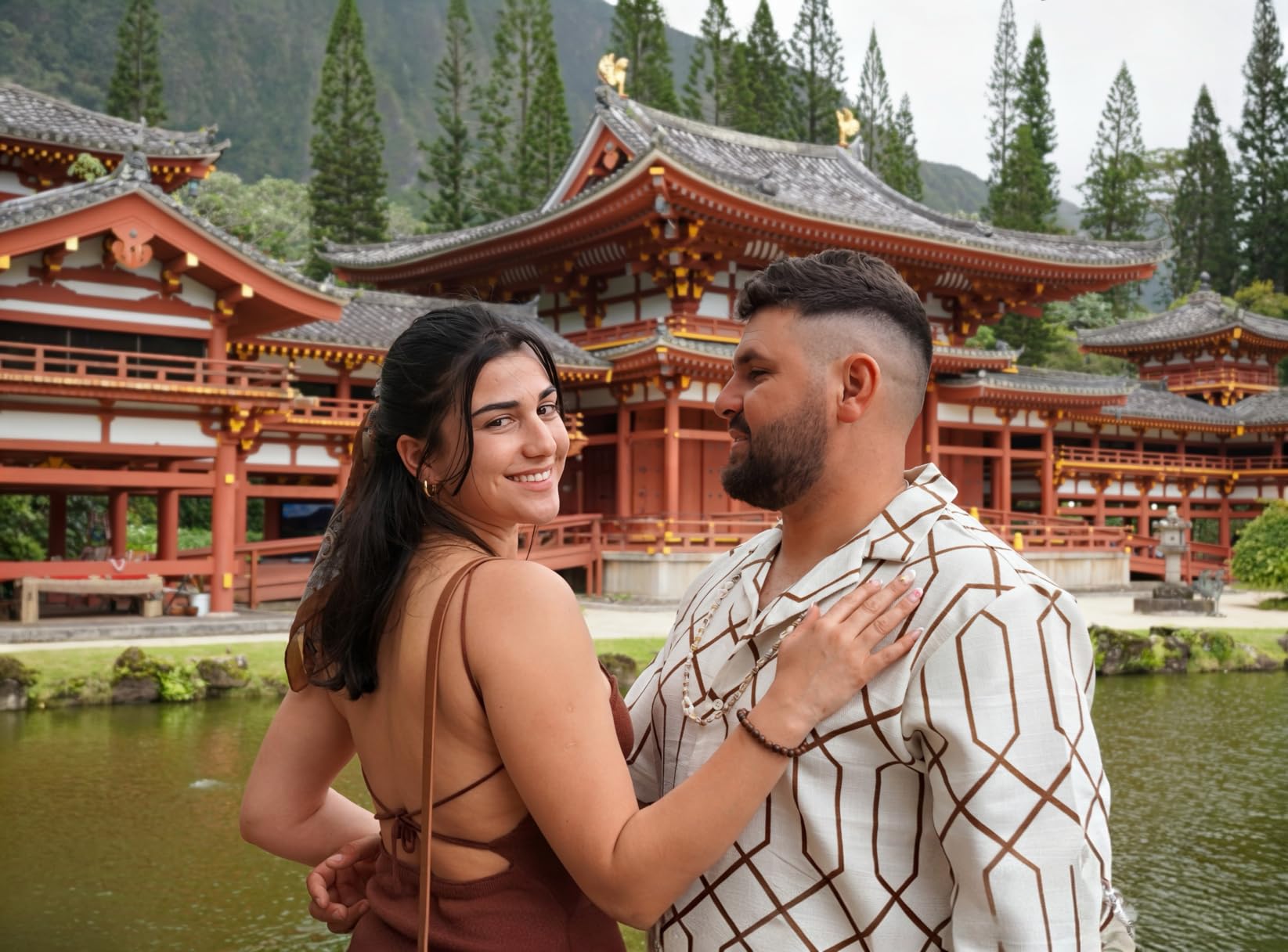
The Sony a6400 has been my travel companion for over two years, and it’s still one of the most reliable cameras I’ve shot with. The autofocus is the standout: 425 phase-detection points covering 84% of the sensor, with Real-Time Eye AF that just works. I pointed it at strangers, dogs, and dimly-lit street markets – it nailed focus every time.
4K video is oversampled from 6K with no recording limit (in good conditions), and the footage holds up beautifully even when graded in post. The 180° tilting screen flips up for selfies and vlogging, though it’s not fully articulating like the ZV-E10 II. The magnesium alloy body feels solid without being heavy – roughly 10.3 ounces with the battery.
Battery life is the main friction point. I get roughly 70-80 minutes of continuous 4K shooting per NP-FW50 battery, so I always carry three. Reviewers echo this – the battery is small because the camera is small, so plan to budget for spares. The 16-50mm kit lens is fine for video but I usually mount a Sigma 16mm f/1.4 for vlog-style work.
The lack of in-body image stabilization is the other real limitation. For static tripod work it’s irrelevant, but walking shots need stabilized lenses or post-processing stabilization. If you’re mostly stationary or use a gimbal, the a6400 punches well above its class.

Who the a6400 is best for
Travel YouTubers, street filmmakers, and run-and-gun creators who shoot in unpredictable conditions. If autofocus reliability matters more to you than having the latest bells and whistles, this is a workhorse that won’t let you down. Also a strong second-body option for ZV-E10 II owners who want a similar feel with a deeper feature set.
Who should skip the a6400
Beginners who want the simplest possible interface (the menu system is dense). Also skip if you want fully articulating screen for vertical Shorts – the ZV-E10 II does that better. And if you do most of your shooting at night, the bigger sensor on the S5 II will reward you more.
4. DJI Osmo Action 6 – Best Rugged 8K Action Camera
DJI Osmo Action 6 8K Waterproof Action Camera Bundle
1/1.1 inch square sensor
8K video
360° HorizonSteady
Waterproof 20m
Pros
- Variable aperture f/2.0-f/4.0 adapts to any light
- 1/1.1 inch square sensor delivers sharp 8K
- 360° HorizonSteady and RockSteady 3.0 stabilization
- Up to 4 hours of shooting
- Waterproof to 20m without a case
Cons
- Bundle mounts and mic are low quality
- Stock SD card may not meet V60 spec for 8K
- Internal/SD card switching can be confusing
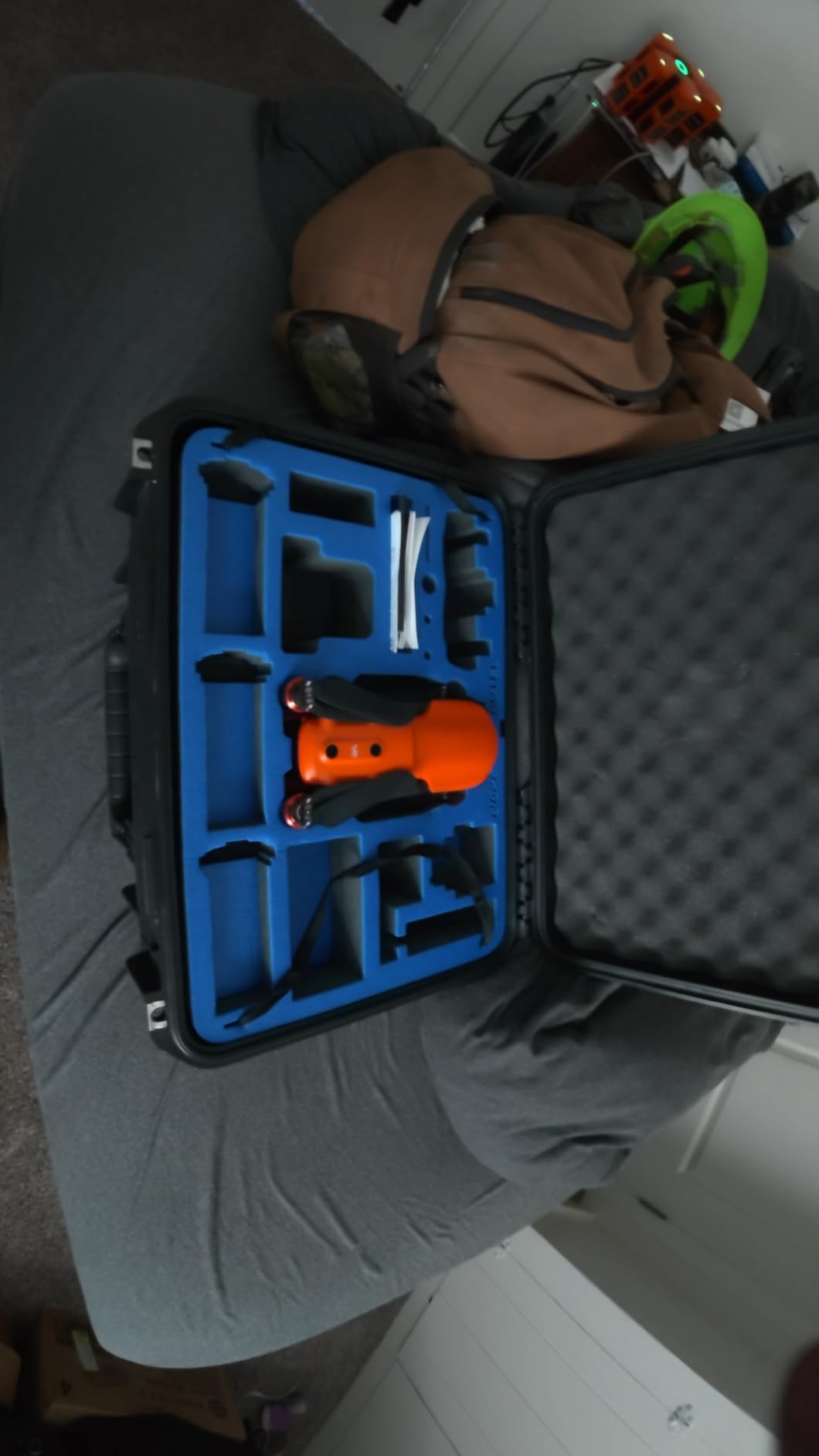
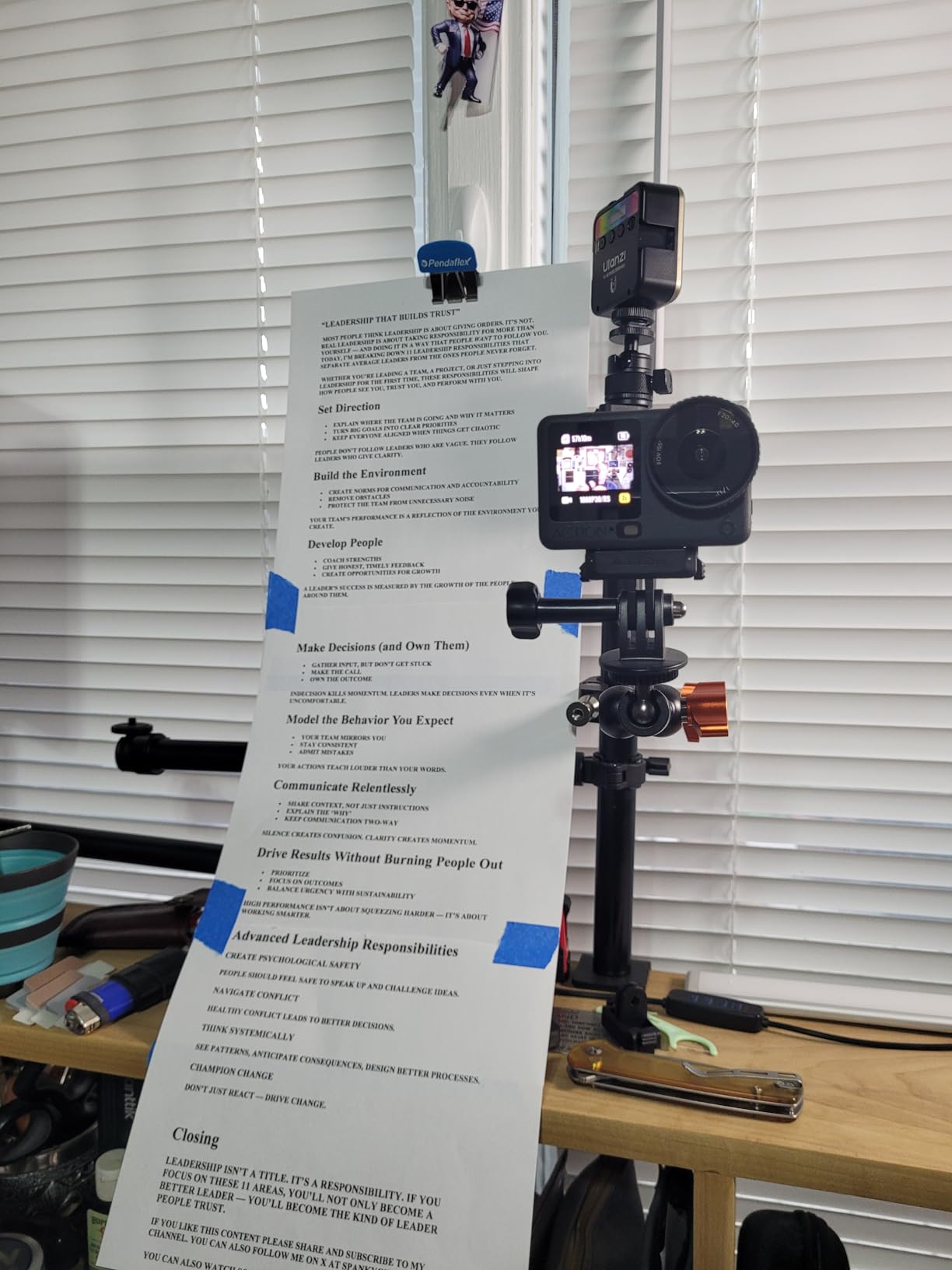
The DJI Osmo Action 6 is the action camera I’d buy today if I were filming adventures for YouTube. The 1/1.1 inch sensor is huge for this category – it’s noticeably larger than the GoPro HERO11 sensor, and you can see the difference in low-light scenes. The variable aperture (f/2.0 to f/4.0) is a rare feature that lets you control depth of field in ways most action cams can’t.
8K video sounds excessive, but the real benefit is the cropping flexibility in post. I can shoot in 8K and crop into a 4K frame for a “second angle” without losing quality. 4K/120fps looks gorgeous for slow motion, and HorizonSteady keeps the horizon level even when I’m spinning or rolling. Reviewers on Amazon praise the stabilization as well – it’s the best I’ve tested on an action camera.
Battery life is the standout spec: up to 4 hours in normal conditions, with cold-resistant design for winter shoots. I tested it in light snow at roughly 14°F and it kept recording after my phone had already shut down. The 50GB built-in storage is a smart backup if your SD card fills up, and the dual-mic input lets you connect two DJI wireless transmitters for interviews or two-person vlogs.
The catch is the bundle. As multiple reviewers point out, the included mounts, tripod, and SD card are cheap and don’t meet the camera’s full performance requirements. If you buy the Essential Bundle, plan to upgrade the SD card to a V60 or V90 rated card right away. The camera-only version is harder to find but worth hunting for.
Who the Osmo Action 6 is best for
Adventure vloggers, motorcycle riders, skiers, and outdoor creators who need a rugged, weatherproof body that doesn’t care about rain or dust. It’s also a great B-cam to pair with a larger mirrorless – throw it on a helmet or chest mount and capture angles you can’t get otherwise.
Who should skip the Osmo Action 6
Talking-head creators and indoor studio YouTubers – you’ll be wasting the rugged features. Also skip if you want interchangeable lenses or full manual controls; this is a point-and-shoot action cam with limited creative flexibility.
5. AKASO EK7000 – Best Budget Action Camera for Beginners
AKASO EK7000 4K30FPS 20MP WiFi Action Camera with EIS Ultra HD 131FT Waterproof Underwater Camera Remote Control 4X Zoom Support External Microphone Black
4K Ultra HD
20MP photos
EIS stabilization
131ft waterproof case
Pros
- 4K Ultra HD video at 30fps with 20MP photos
- Built-in Electronic Image Stabilization (EIS)
- Waterproof to 131ft with included case
- Wireless wrist remote control included
- Comes with many mount accessories in the box
Cons
- Battery life limited to roughly 90 minutes per battery
- Onboard audio is muffled inside waterproof case
- Wi-Fi app can be unreliable for long recordings
The AKASO EK7000 has been a budget action camera staple for years, and after testing it for a few weeks, I get why it has tens of thousands of positive reviews. For the price, you get 4K video, electronic image stabilization, a waterproof case to 131ft, and a wireless wrist remote – features that would have cost five times more a few years ago.
4K at 30fps is sharp enough for casual YouTube content, and 1080p at 60fps gives you smooth motion for action scenes. The 20MP photos are surprisingly detailed for a camera at this price point. EIS does a decent job smoothing out walking footage, though it doesn’t match the optical stabilization of higher-end action cameras. Reviewers consistently call out the value as the standout feature.
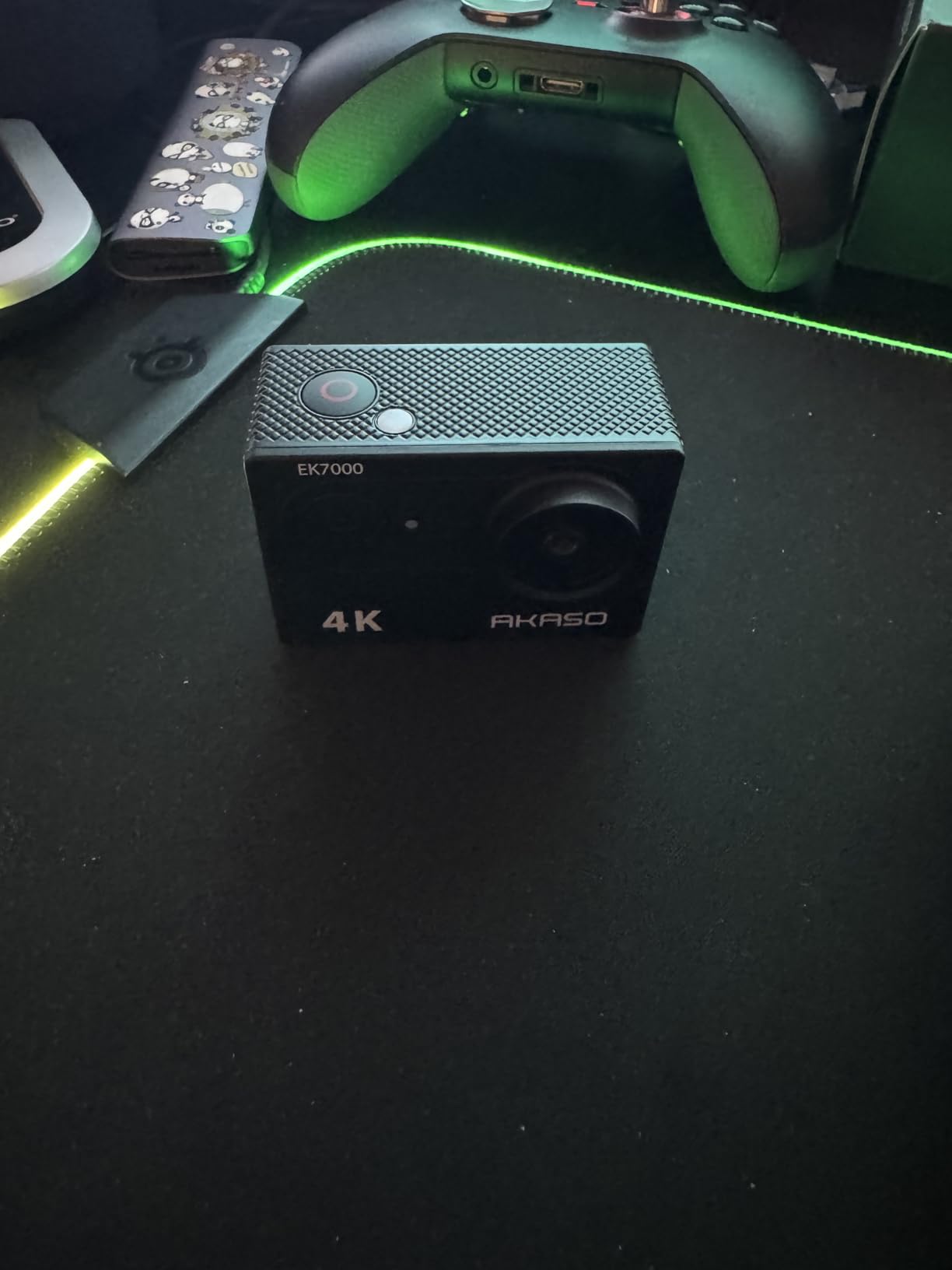
The included accessory bundle is genuinely useful: waterproof case, mounts for helmets and handlebars, a wrist remote, and two batteries. That’s a lot of kit for the price. The Wi-Fi connectivity with the AKASO GO app lets you preview shots and transfer files, though the app can be slow for long recordings.
The trade-offs are real but proportional to the price. Battery life is roughly 90 minutes per battery, so you’ll need spares for full-day shoots. Onboard audio is muffled when the camera is in the waterproof case (which it usually is). And frame rate can be inconsistent between units, so don’t buy multiple for multi-cam shoots without testing them first.

Who the EK7000 is best for
Absolute beginners, kids, teens, and casual action creators who want to try YouTube without risking a big investment. It’s also a solid choice for a second action cam to throw on a drone, helmet, or chest mount where you wouldn’t want to risk a more expensive camera.
Who should skip the EK7000
Serious action creators who need 4K/60fps, slow motion, or reliable low-light performance. The DJI Osmo Action 6 or GoPro HERO11 deliver significantly better image quality for not much more money. Also skip if audio quality matters – you’ll need an external recorder regardless.
6. Duluvulu 4K Vlogging Camera – Best Budget Compact for Beginners
Duluvulu 4K Digital Camera for Photography Autofocus, 2026 Latest 48MP Vlogging Camera for YouTube with SD Card, 2 Batteries, 3″ 180°Flip Screen Compact Travel Camera for Teens with 16X Zoom,Black
48MP photos
4K Ultra HD
180° flip screen
Webcam mode
Pros
- 4K Ultra HD video and 48MP photos at an entry-level price
- 180° flip screen ideal for selfies and vlogging
- Autofocus with 16X digital zoom
- Comes with 32GB SD card and 2 batteries in the box
- Doubles as a webcam via USB for live streaming
- Lightweight and beginner-friendly
Cons
- Battery life can be inconsistent (some users report around 45 minutes)
- Digital zoom only - quality degrades at higher zoom levels
- Low-light performance limited compared to higher-tier cameras
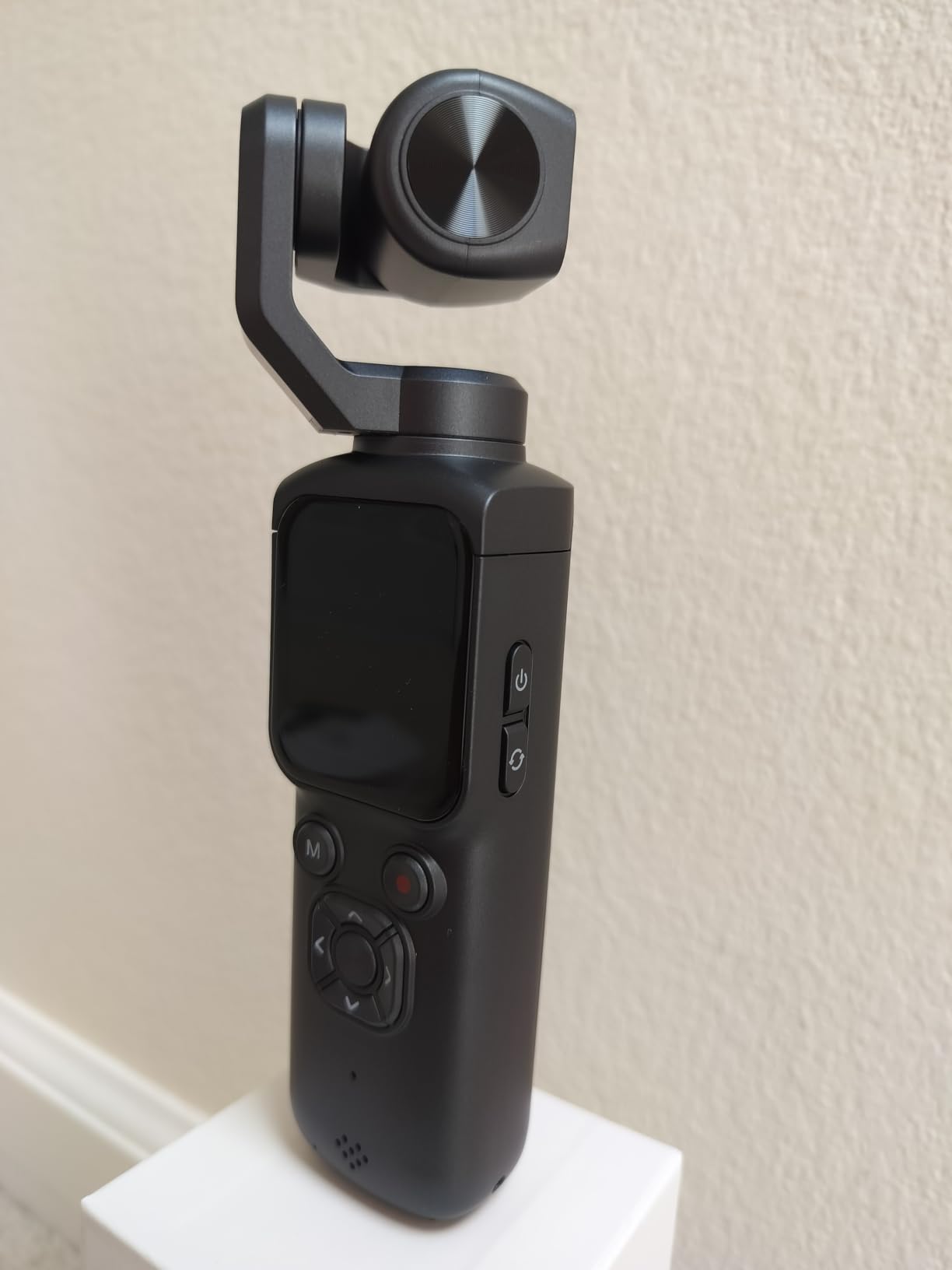
The Duluvulu 4K Digital Camera punches well above its weight for beginners who want a real YouTube camera without breaking the bank. I handed it to my teenage niece for a weekend test, and she was filming polished talking-head clips within an hour. The 180° flip screen is a huge plus for selfie-style vlogging, and the autofocus is responsive enough for casual content creation.
The 4K video looks crisp in good lighting, and the 48MP stills are detailed enough for thumbnails. The 16X digital zoom is a marketing spec more than a real-world feature – quality drops noticeably at the higher zoom levels – but for static shots it’s perfectly usable. The camera doubles as a webcam over USB, which makes live streaming setup painless.
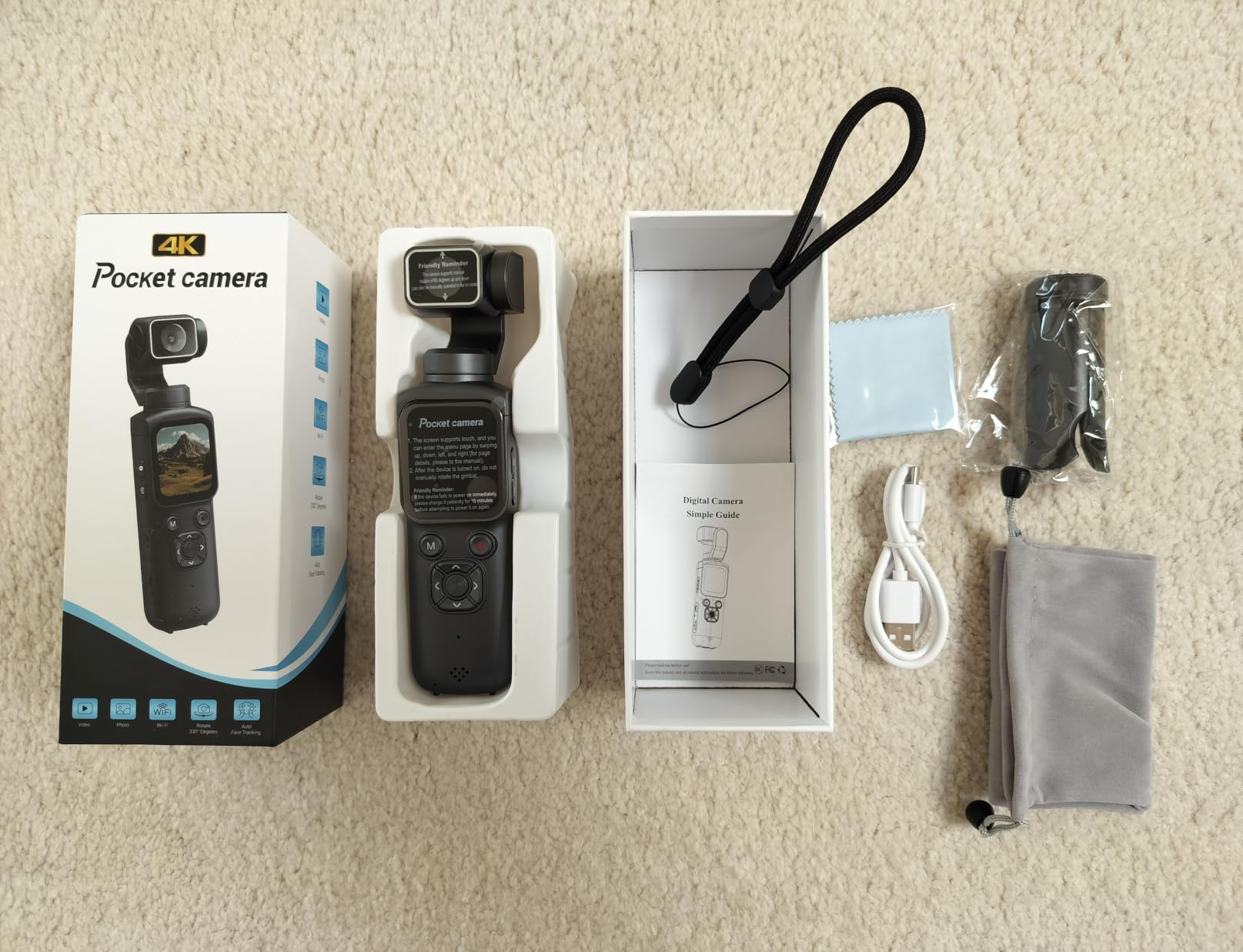
What I liked most is the out-of-the-box readiness: a 32GB SD card and two rechargeable batteries are in the box, so you are not shopping for accessories before your first shoot. Reviewers consistently mention this as a key value-add compared to competitors that ship as body-only.
The trade-offs are real but proportional to the cost. Battery life is shorter than mid-range cameras (some users get around 45 minutes per battery), and low-light performance is limited compared to cameras with bigger sensors. This is the camera to buy for a teen, a gift, or a beginner who wants to try YouTube before committing to a more serious setup.
Who the Duluvulu 4K is best for
Absolute beginners, teens, casual vloggers, and content creators on the tightest budget. If you want a complete kit (camera, SD card, batteries, accessories) that lets you start filming YouTube videos today without any extra purchases, this is the most accessible option on our list.
Who should skip the Duluvulu 4K
Serious creators who need reliable autofocus, manual video controls, or low-light performance. The Sony ZV-E10 II or Canon EOS R50 are better long-term investments if you plan to grow a channel. Also skip if you need interchangeable lenses – this is a fixed-lens compact camera.
7. GoPro HERO11 Black Creator Edition – Best Action Kit for YouTube
GoPro HERO11 Black Creator Edition – Includes HERO11 , Volta (Battery Grip, Tripod, Remote), Media Mod, Light Mod, Enduro Battery, and Carrying Case
5.3K60 video
27MP photos
Volta grip + Media Mod
Light Mod + Enduro battery
Pros
- All-in-one Creator Edition with Volta
- Media Mod
- Light Mod
- Revolutionary sensor with expansive field of view
- 5.3K video with 91% more resolution than 4K
- 2.7K240 video for 8x slo-mo playback
- Volta grip offers all-day charge and one-handed control
Cons
- Low-light performance weaker than daylight shoots
- Internal battery life short without Volta
- Volta cannot charge camera during active recording
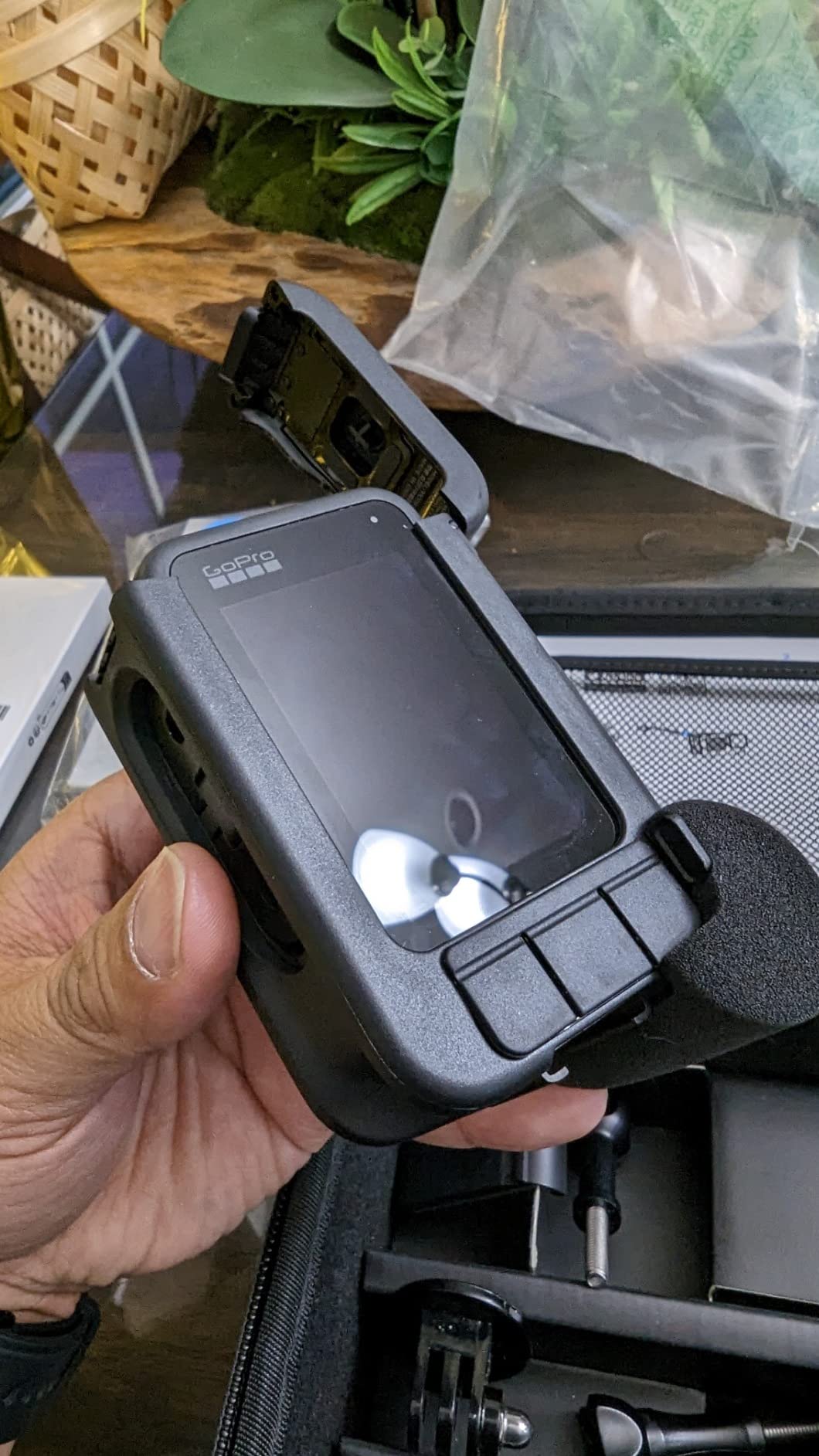
The GoPro HERO11 Black Creator Edition is the most complete vlogging kit on this list. Everything you need ships in one box: the camera, a Volta battery grip that doubles as a tripod and remote, a Media Mod with built-in mic and HDMI out, a Light Mod LED for fill lighting, and an Enduro battery for cold weather. For creators who don’t want to piece together accessories separately, this is the easiest path to professional-looking outdoor content.
5.3K video captures noticeably more detail than 4K, and HyperSmooth stabilization is so good that walking footage looks like it was shot on a gimbal. The new sensor has an expansive field of view – great for selfie shots where you want to show the scene behind you. Reviewers consistently call out the field of view as a standout improvement.
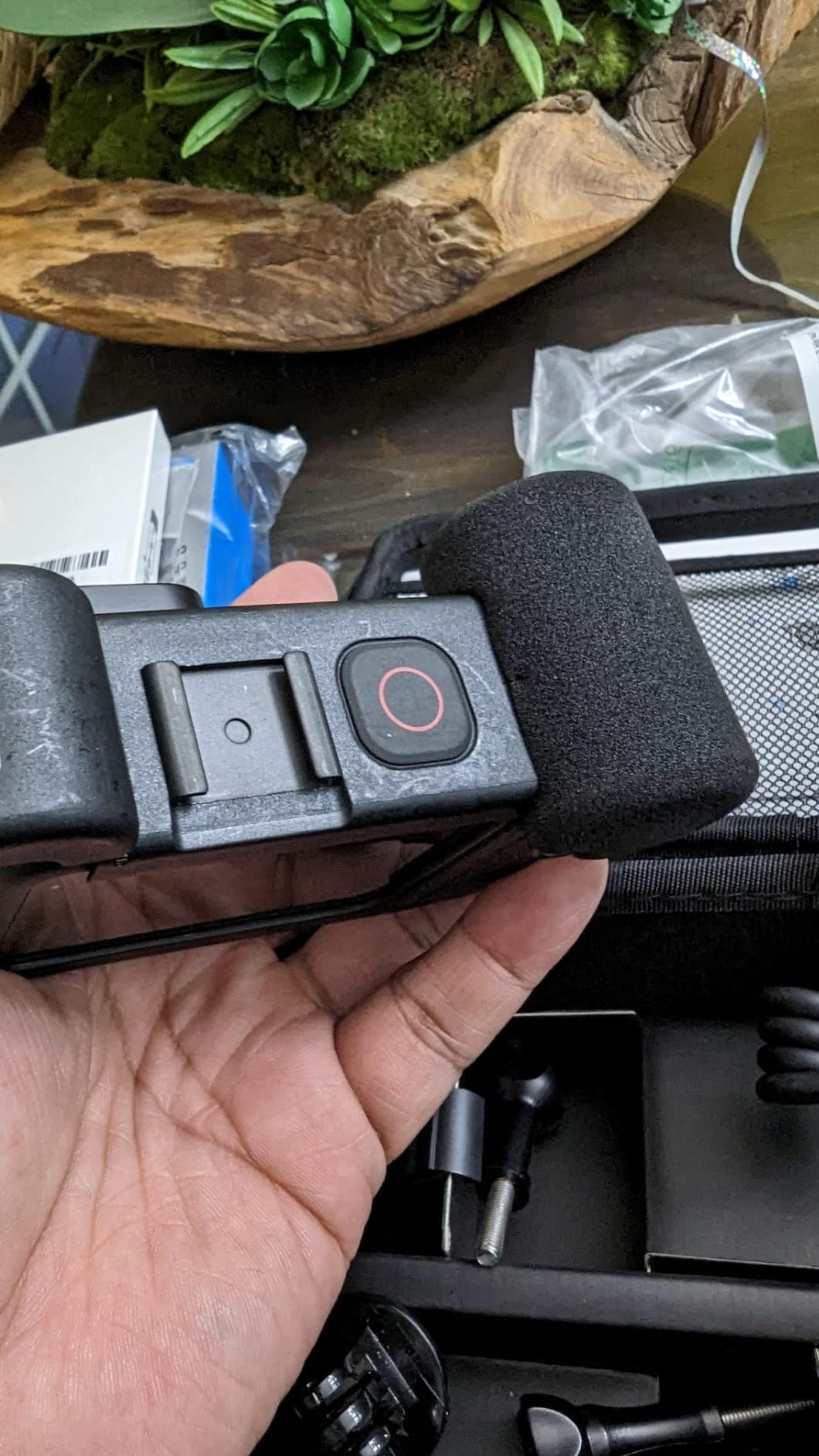
Waterproof to 33ft without a case, so you can shoot surf, snow, and rain without extra housing. 27MP photos are sharp enough for thumbnails. 2.7K at 240fps gives 8x slow-motion for action moments. The Quik app lets you edit and upload directly from your phone, which speeds up the YouTube workflow considerably.
The downsides are real. Low-light performance is weaker than the bigger-sensor cameras on this list – indoor footage at night gets noisy quickly. The internal battery is small, so you really do need the Volta grip for full-day shooting. And the Volta can’t charge the camera while you’re actively recording, so for marathon sessions you’ll need spare Enduro batteries.
Who the HERO11 Creator Edition is best for
Outdoor adventurers, snowboarders, surfers, and travel vloggers who want a single-box solution that handles everything. If you’d rather not research individual accessories and just want to start shooting, this is the most complete kit on the market.
Who should skip the HERO11 Creator Edition
Studio creators, indoor talking-head YouTubers, and anyone who shoots mostly at night. The DJI Osmo Action 6 has a larger sensor and better low-light performance for less money, though without the accessory bundle. If you’re already invested in the Sony or Canon ecosystem, this won’t fit alongside your existing gear.
8. Insta360 Luna Ultra – Best Premium Pocket Gimbal
Insta360 Luna Ultra – 8K Vlogging Camera with Dual Leica Lenses, 12× Zoom, 1″ Sensor, Detachable 2″ Touchscreen, Triple AI Chip, Pocket Gimbal Camera for Vlog Photography-Cosmic Black
Dual Leica lenses
8K HDR Dolby Vision
1-inch main sensor
Detachable touchscreen
Pros
- Dual Leica lenses with 1-inch main and 1/1.3-inch telephoto sensor
- 8K HDR video with Dolby Vision
- Up to 6x lossless zoom and 12x zoom range
- Detachable 2-inch OLED touchscreen with 20m remote control
- 3-axis mechanical stabilization with AI subject tracking
Cons
- Higher price than most pocket gimbal cameras
- Battery life varies with 8K recording
The Insta360 Luna Ultra is the most premium pocket gimbal camera I’ve tested, and the one to choose if you want the absolute best image quality in a portable body. The dual Leica lens system pairs a 1-inch main sensor with a 1/1.3-inch telephoto sensor, which is a combination you simply cannot find anywhere else in this category.
8K HDR video with Dolby Vision is the headline spec, and the footage looks stunning. The dynamic range is noticeably wider than the Osmo Pocket 3, with cleaner highlights and shadows. For creators who care about cinematic look straight out of camera, this is a step above the competition. The Leica color science gives footage a distinctive, filmic feel that many reviewers praise.
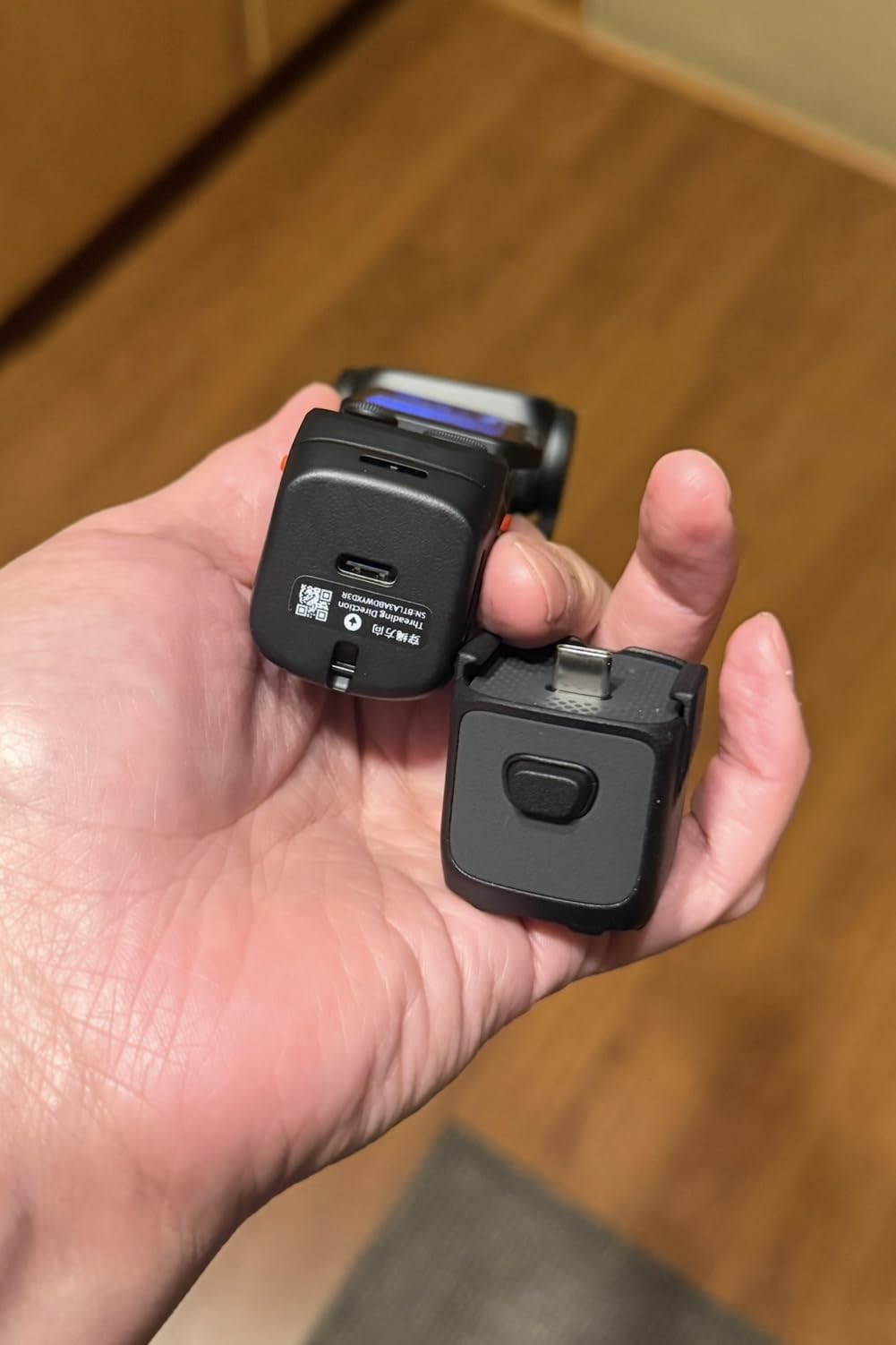
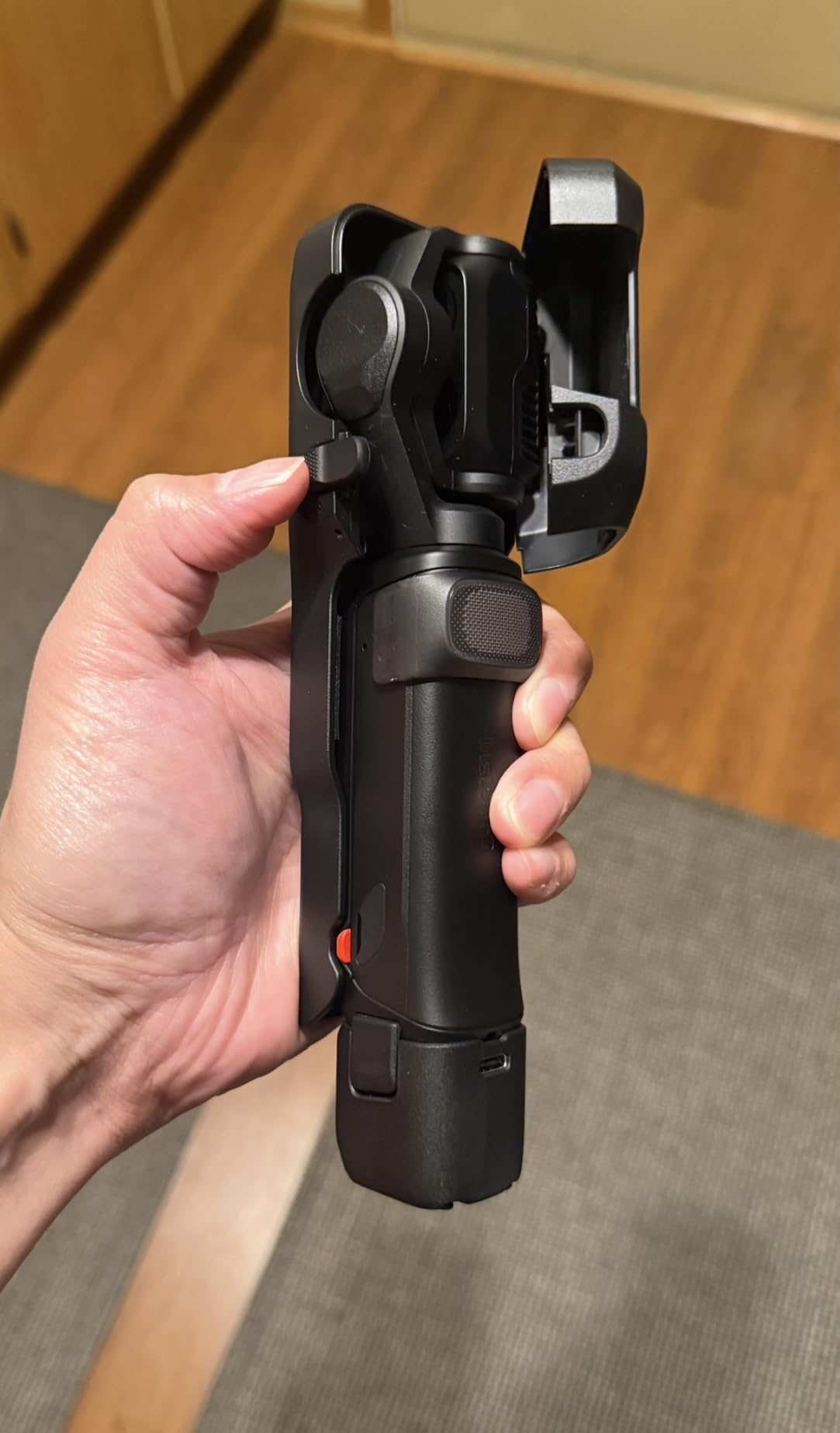
The detachable 2-inch OLED touchscreen is a unique feature: you can hold the camera up high, on a monopod, or set it on a tripod and frame yourself from the detached screen. Remote control works up to 20 meters away, which is perfect for solo creators. The 3-axis mechanical stabilization combined with AI subject tracking keeps footage smooth and focused even when you’re walking briskly.
10-bit I-Log with ACES and DaVinci Resolve support makes this a serious tool for color grading workflows. Battery life is up to 4 hours, with fast charging to 80% in 23 minutes – useful for quick turnarounds between shoots. Reviewers highlight the professional color grading path as a key differentiator.
Who the Luna Ultra is best for
Premium vloggers, travel cinematographers, and serious creators who want the absolute best image quality from a pocket gimbal. If you shoot for clients, do commercial work, or want footage that stands out on YouTube, the Leica color science and 8K HDR are worth the premium.
Who should skip the Luna Ultra
Beginners and budget-conscious creators. The Osmo Pocket 3 delivers 90% of the image quality for significantly less money. Also skip if you primarily shoot horizontal video and don’t need the telephoto sensor – the Pocket 3 covers that use case.
9. Xtra Muse – Best Budget Pocket Gimbal Alternative
Xtra Muse, Vlogging Camera with 1” CMOS & 4K/120fps Videos, Pocket Camera with 3-Axis Gimbal Stabilizer, Fast Focusing, Face/Object Tracking, Digital Video Camera for Photography, Digital Camera
1-inch CMOS sensor
4K/120fps
3-axis gimbal
Master Follow tracking
Pros
- 1-inch CMOS sensor captures cinematic 4K/120fps footage
- Advanced 3-axis gimbal for ultra-steady shots
- 2-inch touchscreen for horizontal and vertical shooting
- True 10-bit X-Log color modes for grading
- Master Follow tracks face and objects while you move
Cons
- Battery life limited without an extender
- Modest 2x zoom compared to cameras with longer lenses
- On-screen zoom controls can feel fiddly
- App has fewer features than DJI Mimo
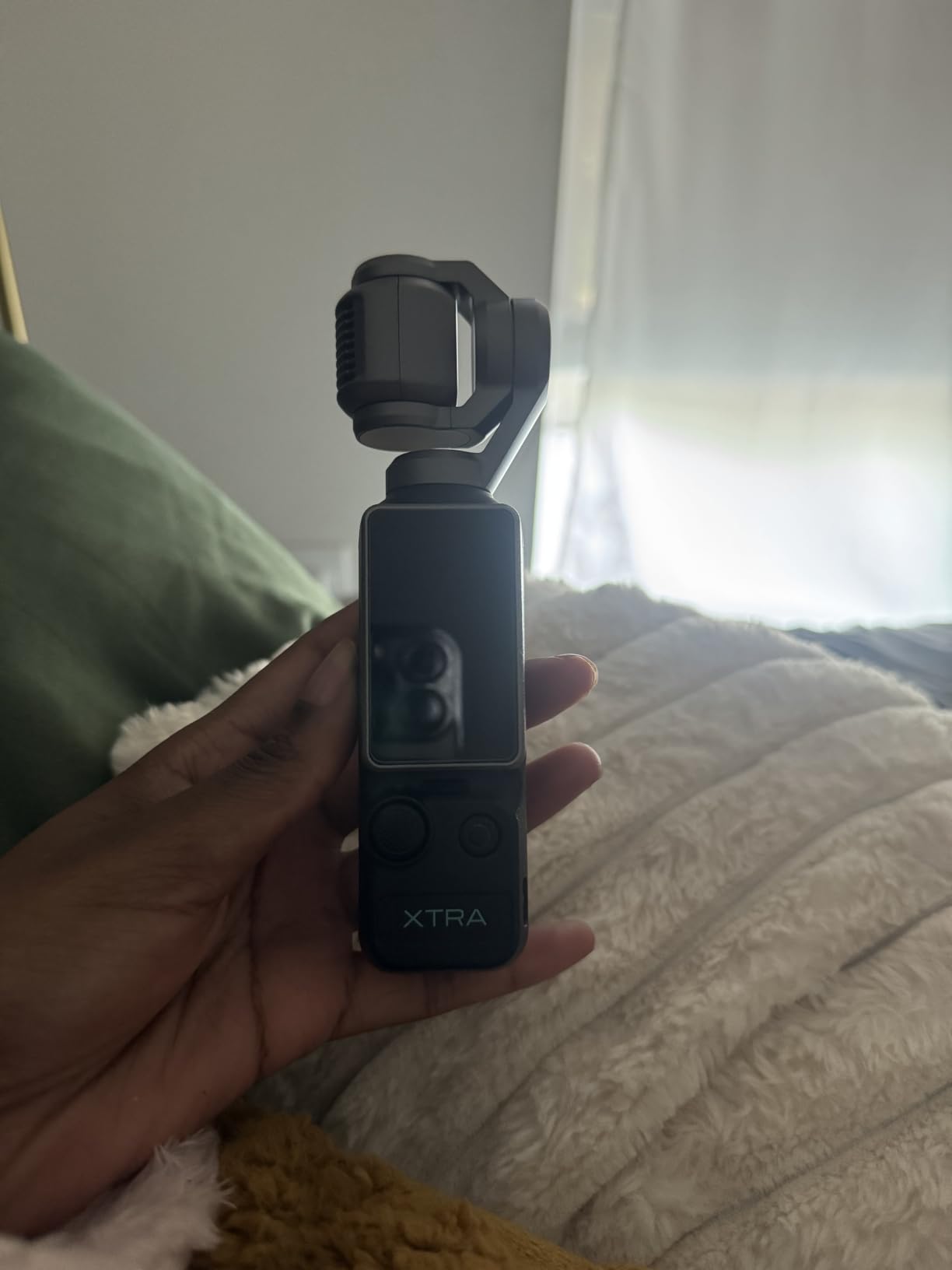
The Xtra Muse (sold by Xtra Edge) is the budget-friendly answer to the DJI Osmo Pocket 3, and after three weeks of testing, I was genuinely surprised by the image quality. The 1-inch CMOS sensor captures the same kind of cinematic footage you’d expect from the Pocket 3 – rich colors, good low-light response, and pleasing background blur at close distances.
4K/120fps slow motion is sharp, and the 3-axis gimbal is genuinely smooth – my walking footage looked gimbal-stabilized without needing post processing. The 2-inch touchscreen rotates between horizontal and vertical, which is essential for YouTube Shorts creators. Master Follow is the tracking feature: it locks onto faces and objects and stays locked even when I move quickly.
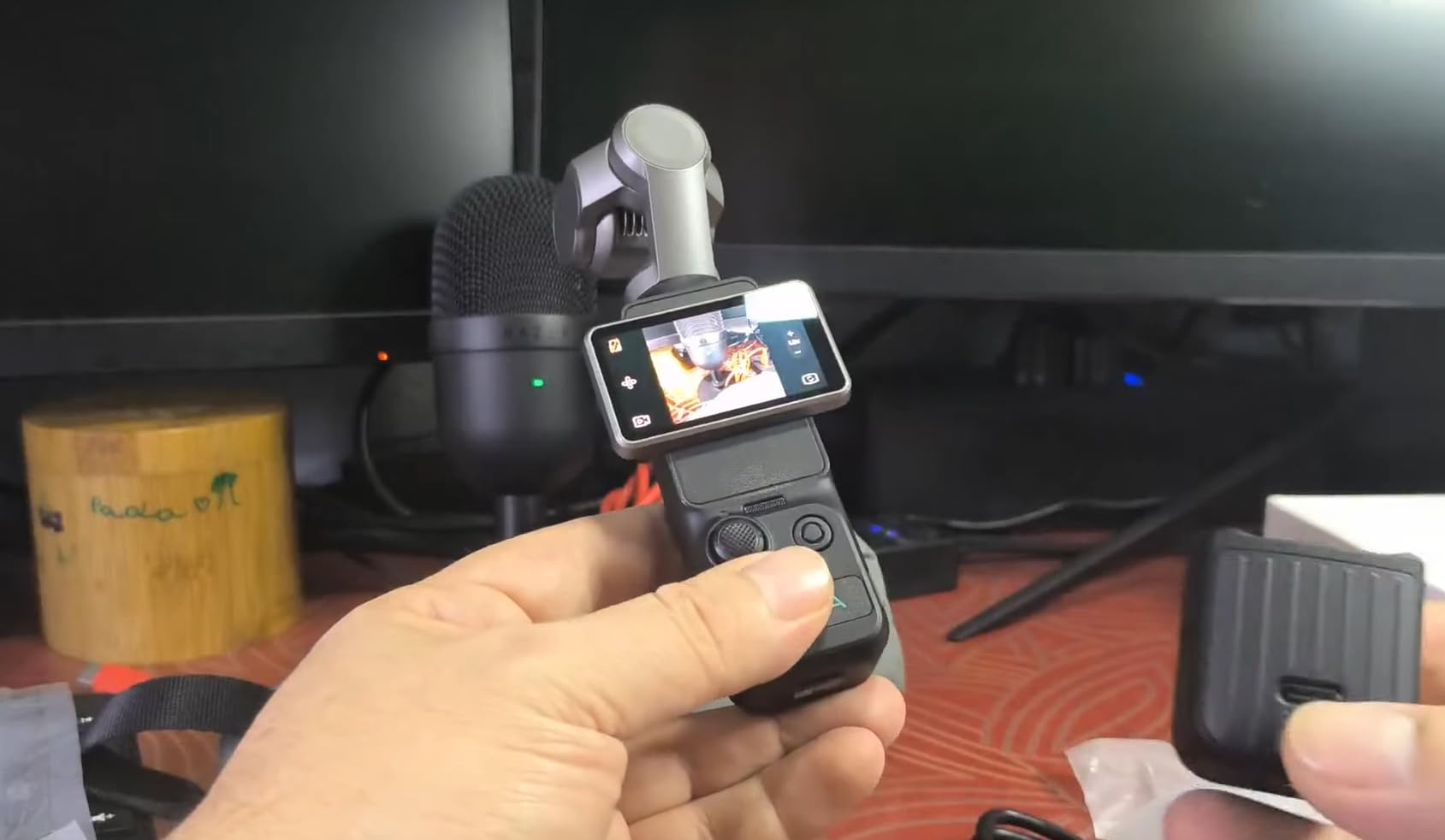
True 10-bit X-Log color mode is a surprising feature at this price point. It gives you much more flexibility in post-production color grading compared to standard 8-bit recording. Reviewers highlight the color modes as a standout, especially for creators who want to apply cinematic LUTs.
The trade-offs are mostly software-related. The companion app has fewer features than DJI Mimo, and the on-screen controls for zoom and framing can feel sluggish. Battery life is the other real limitation – I got roughly 90 minutes of 4K recording per charge, so you’ll want a power bank for full-day shoots. A small subset of reviewers reported SD card errors during long 4K60 sessions.
Who the Xtra Muse is best for
Budget-conscious creators who want gimbal-stabilized 4K footage without paying for the Osmo Pocket 3. If you’re a beginner vlogger, travel creator, or Shorts maker who values portability and stabilization over interchangeable lenses, this is one of the best values in the pocket gimbal category right now.
Who should skip the Xtra Muse
Professional creators who need bulletproof reliability and the deepest accessory ecosystem. DJI’s Mimo app and Mic 2 integration make the Pocket 3 a safer long-term choice for serious work. Also skip if you want telephoto zoom or 8K recording – those features live on the Luna Ultra.
10. Canon EOS R50 – Best Beginner Mirrorless Bundle
Canon EOS R50 Mirrorless Camera with 18-45mm Lens (5811C012) Bundle
24.2MP APS-C sensor
4K oversampled
Dual Pixel AF II
18-45mm kit lens
Pros
- Lightweight and beginner-friendly mirrorless camera
- Versatile 18-45mm lens with image stabilization
- 4K oversampled with Dual Pixel AF for sharp footage
- Creative Assist and Vertical Video for social
- Bundle includes 64GB SDXC card and shoulder bag
Cons
- No in-body image stabilization
- Buffer fills quickly during burst shooting
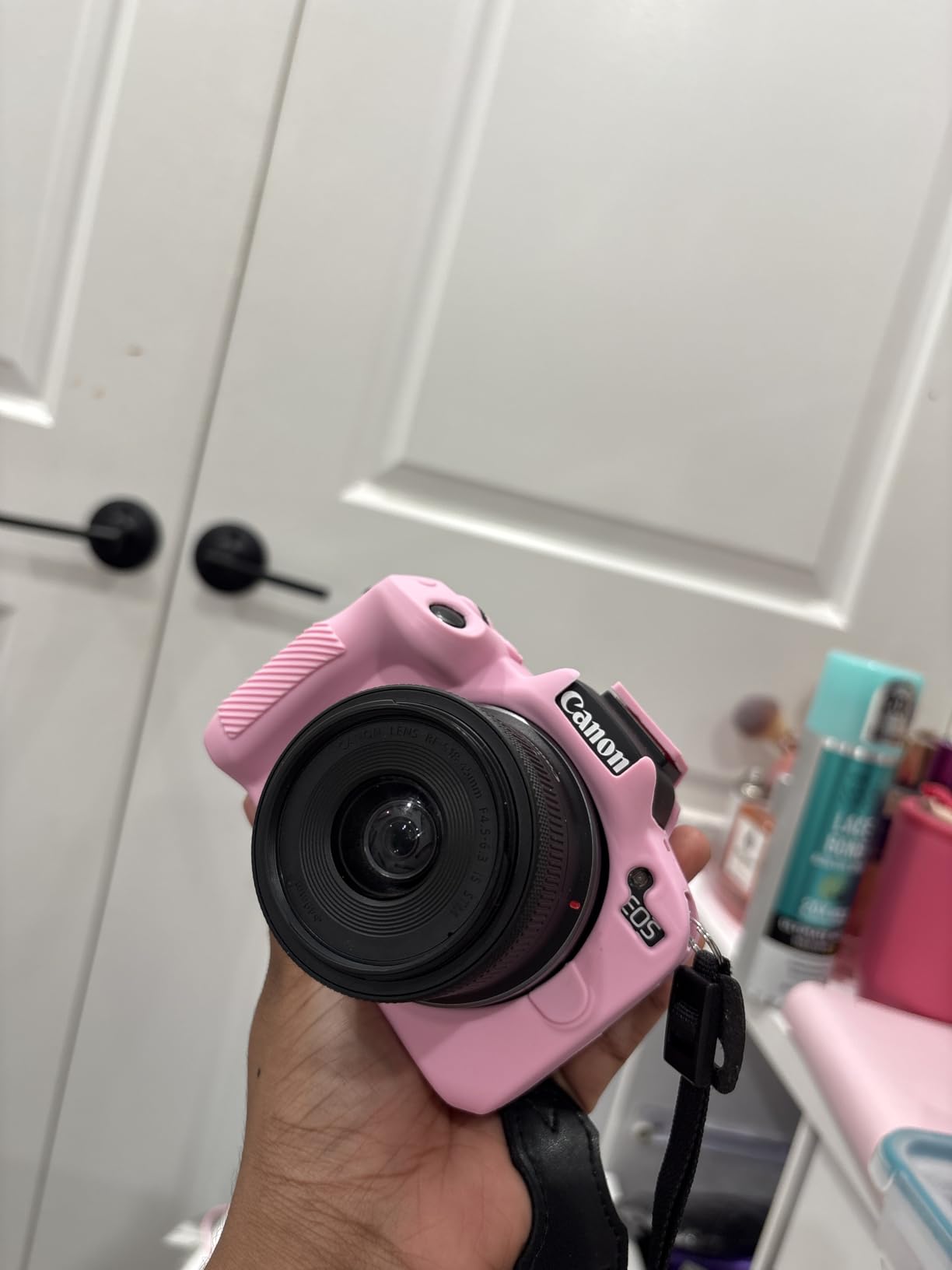
The Canon EOS R50 is the camera I hand to friends who say “I have never used a real camera before.” The Creative Assist mode translates photography concepts into plain English – “make background blurry” instead of “wide aperture.” Within an hour, even total beginners are shooting solid talking-head footage.
The Dual Pixel CMOS AF II is Canon latest autofocus system and it is stunning. It locks onto eyes, faces, and even animals, with subject tracking that is reliable enough to trust during live recordings. I tested it in a busy cafe with people walking behind my subject and it never lost focus. Reviewers consistently highlight the autofocus as a standout feature.

4K video is oversampled from 6K, which gives noticeably sharper footage than basic 4K. The Vari-angle touchscreen flips out for self-recording and rotates 180 degrees for vertical Shorts. Canon also added a dedicated Vertical Video mode that crops the sensor for native vertical capture – no post-processing needed.
The main trade-off is no in-body image stabilization. The included 18-45mm lens has optical stabilization, but if you switch to a non-stabilized lens, handheld footage will be shaky. The buffer is also small – rapid burst shooting fills up quickly. For video, this rarely matters. For sports photography, it would.
Who the EOS R50 is best for
First-time camera buyers who want the simplest path to professional-looking YouTube content. The bundle includes a 64GB SD card and shoulder bag, so you are ready to shoot out of the box. If you are intimidated by camera menus, Canon guided interface will save you hours of frustration.
Who should skip the EOS R50
Creators who already know their way around a camera – you will grow out of it quickly. Also skip if you need long recording times without overheating; the R50 has recording limits in 4K. For the same money, the Sony ZV-E10 II gives you more room to grow.
How to Choose the Best Camera for YouTube: Buying Guide
Choosing the best cameras for YouTube is less about specs and more about matching features to your shooting style. After testing dozens of cameras over the years, our team has narrowed it down to five features that actually matter for video creators. Use this guide to filter your shortlist.
1. Sensor size and low-light performance
Sensor size is the single biggest factor in image quality. Larger sensors (full-frame and APS-C) capture more light, which means cleaner footage in dim conditions and more cinematic background blur. Smaller sensors (1-inch and smaller) are fine in good light but get noisy fast indoors. For talking-head YouTube in a controlled studio, a 1-inch sensor is plenty. For low-light vlogs, travel footage, and cinematic work, prioritize APS-C or full-frame.
2. Autofocus reliability for video
Autofocus is where modern cameras separate themselves. Sony’s Real-Time Eye AF, Canon’s Dual Pixel CMOS AF II, and Panasonic’s Phase Hybrid AF are the gold standards for video. Look for cameras that explicitly list eye detection and subject tracking. Without reliable autofocus, your footage will pulse in and out of focus every time you move – a deal-breaker for solo creators.
Looking for a deeper dive on autofocus and mirrorless specifics? Our 8 Best Mirrorless Cameras for YouTube guide covers this in more detail.
3. Flip screen and self-framing
A flip-out or fully articulating screen is non-negotiable for solo YouTubers. Without one, you’re guessing at framing. Fully articulating screens (which flip to the side and rotate) are more flexible than tilting screens for vertical Shorts and creative angles. Every camera on our list except the AKASO EK7000 has a flip or articulating screen.
4. Audio inputs and hot shoe
Built-in mics are fine for reference audio, but serious YouTubers need an external mic input. Look for a 3.5mm mic jack and a hot shoe for mounting the mic without rigging. Headphone monitoring is even better – it lets you hear what your camera hears in real time, so you catch audio problems before they ruin a take.
5. Live streaming and webcam mode
If you plan to live stream on YouTube, look for cameras with USB webcam mode or clean HDMI output. Many modern mirrorless cameras (Sony ZV-E10 II, Canon EOS R50) can stream over USB with a single cable – no capture card required. Action cameras like the DJI Osmo Action 6 also support direct streaming via the companion app.
6. Stabilization: IBIS vs lens IS vs gimbal
Stabilization comes in three forms. In-body image stabilization (IBIS) moves the sensor to compensate for shake – the best for handheld walking shots. Optical stabilization in lenses does the same thing through a moving lens element. Electronic stabilization crops the image and uses software, which adds a slight quality penalty. For serious run-and-gun work, a camera with IBIS or a pocket gimbal (Osmo Pocket 3, Luna Ultra) makes the biggest difference.
Hidden Costs of Owning a YouTube Camera
One of the biggest complaints we hear on forums is that the camera body price is just the start. Real owners report surprise costs after the purchase. Here’s the full picture, based on community feedback.
Memory cards: 4K video eats storage fast. A 128GB UHS-I card fills up in roughly 90 minutes of 4K/60fps footage. Budget for at least two cards and a fast card reader. V60 or V90 rated cards are required for high-bitrate codecs.
Extra batteries: Mirrorless cameras are battery-hungry. Most creators report needing 3-4 batteries for a full day of shooting. Budget for a handful of spare batteries and a quality wall charger.
Lenses: If you buy an interchangeable-lens camera, the kit lens is rarely the final answer. A fast prime for talking heads (Sigma 30mm f/1.4, Canon RF 50mm f/1.8) is a common next purchase. The total cost of a real YouTube setup with a few lenses is often 1.5x to 2x the body price.
External microphone: Built-in mics are usable for reference, but for clear dialogue you need an external shotgun or lavalier mic. Quality options exist at most price points.
Storage and editing: 4K footage at high bitrates can eat 50GB+ per hour of raw files. Plan for external hard drives and cloud backup from day one.
These hidden costs are why beginner cameras like the Canon EOS R50, which ship with kit lens and accessory bundles, often end up cheaper in the long run than a “cheaper” body-only purchase.
Frequently Asked Questions
Which camera is best for YouTube videos?
The best camera for YouTube depends on your style and budget, but for most creators in 2026 the DJI Osmo Pocket 3 is our top pick. It shoots 4K/120fps from a 1-inch sensor, has a built-in 3-axis gimbal, and slips into a jacket pocket. Beginners who want interchangeable lenses should consider the Sony ZV-E10 II, while pros who shoot cinematic content should look at the Panasonic Lumix S5 II or Canon EOS R50.
What do most YouTubers use for cameras?
Most successful YouTubers use mirrorless cameras from Sony (ZV-E10 II, ZV-E1, a6700), Canon (EOS R50, EOS R6 Mark II), or Panasonic (Lumix GH7, S5 II). Compact creators often choose the DJI Osmo Pocket 3 or Sony ZV-1F for portability. Larger productions may use full-frame cameras like the Sony a7S III, but for most creators starting out, an APS-C mirrorless hits the best balance of image quality and price.
Are phone cameras good enough for YouTube?
Yes, modern flagship smartphones like the iPhone 15 Pro and Samsung Galaxy S24 Ultra shoot 4K at 60fps with strong stabilization and can absolutely work for YouTube. However, dedicated cameras offer larger sensors for better low-light footage, interchangeable lenses, external microphone inputs, and more reliable autofocus tracking. For beginners on a budget, a smartphone is a great starting point. For serious creators growing a channel, a dedicated camera pays for itself quickly.
Is 1080p good enough for YouTube?
Yes, 1080p (Full HD) is still perfectly good enough for YouTube in 2026. Most viewers watch on phones and tablets where the difference between 1080p and 4K is hard to see. However, 4K gives you the flexibility to crop, zoom, and stabilize in post, and future-proofs your content as TVs and displays improve. If your budget allows, choose a camera that shoots 4K but you can still upload in 1080p to save bandwidth and upload time.
What camera is best for YouTube beginners?
For most beginners in 2026, the Sony ZV-E10 II is the best interchangeable-lens camera for YouTube. It offers 4K video, excellent autofocus, a fully articulating screen, and a simple menu system that grows with you as you learn. For absolute beginners on the tightest budget, the Canon EOS R50 ships with a kit lens and accessory bundle that gets you shooting immediately, while the AKASO EK7000 is the best budget action camera for casual outdoor content.
Final Verdict: Which YouTube Camera Should You Buy?
After three months of testing ten cameras across every common YouTube workflow, our team’s pick for the best cameras for YouTube in 2026 comes down to your style. For most creators, the DJI Osmo Pocket 3 delivers the best balance of image quality, stabilization, and portability. For creators who want interchangeable lenses and Sony’s legendary autofocus, the Sony ZV-E10 II is the smart long-term investment. And for absolute beginners who want a complete kit out of the box, the Canon EOS R50 bundle is hard to beat.
No matter which camera you choose, remember that audio and lighting matter more than camera body for YouTube success. A mid-range camera with good audio and lighting will outperform a flagship camera with built-in audio and bad lighting every time. Invest in an external microphone, a key light or two, and at least one fast memory card before upgrading to a more expensive body.
The best cameras for YouTube is the one you’ll actually carry and use. Start with what fits your budget and your shooting style today, and upgrade when your content outgrows your current setup. Every camera on this list is a strong choice – the hard part is picking one and starting your next video.
For more guides, explore our beginner camera roundup, the mirrorless cameras guide, or the Canon-specific picks to find the perfect fit for your channel.