
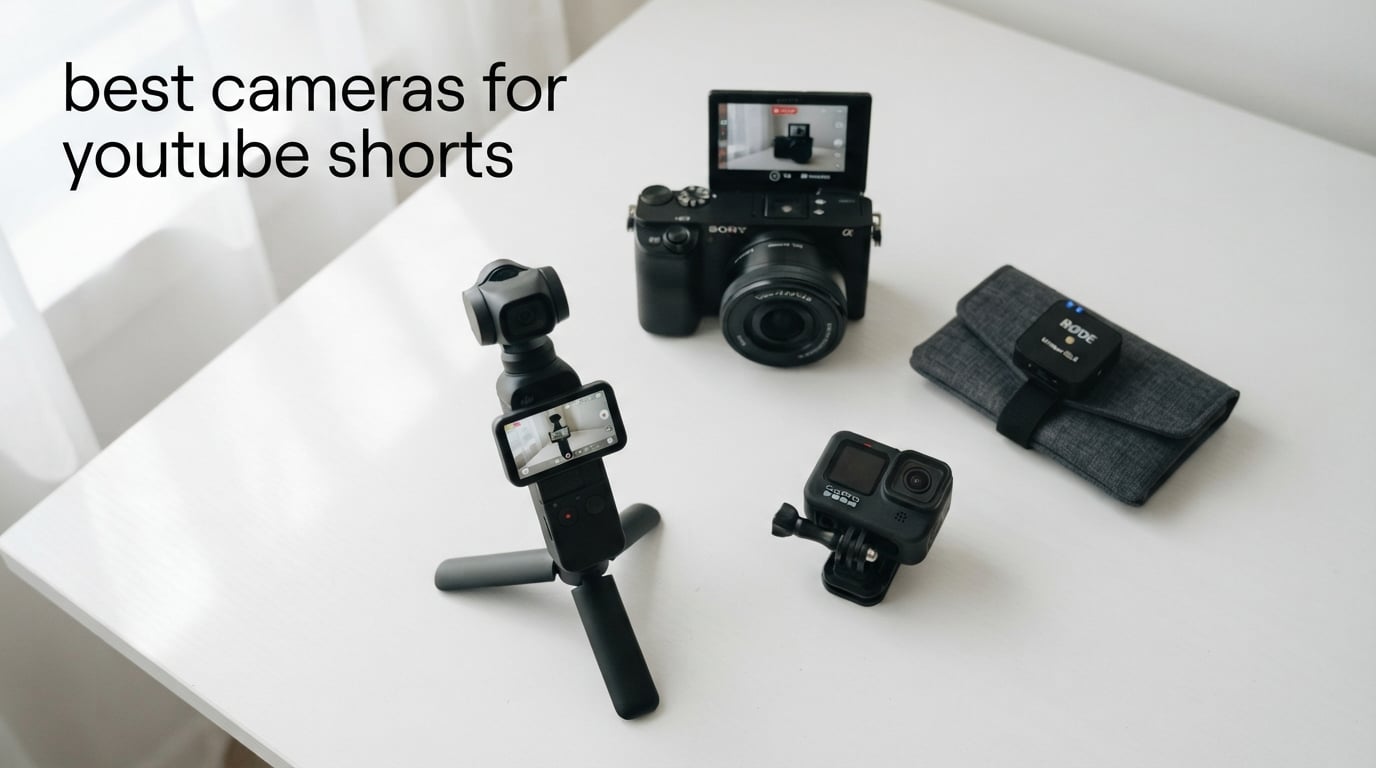
YouTube Shorts eats up an enormous share of mobile watch time, and the format punishes anything that looks shaky, noisy, or cropped from the wrong angle. After testing pocket gimbals, action cams, and compact mirrorless bodies side by side, our team found the biggest jump in quality comes from matching the camera to how you actually shoot — vertical-first creators want a rotating screen and a gimbal, action creators want 5.3K and a waterproof body, and talking-head creators want interchangeable lenses and reliable AI subject tracking.
This guide covers the best cameras for YouTube Shorts in 2026, tested over weeks of vertical handheld filming in cafés, on hiking trails, and in studio lighting. We skipped DSLRs (too bulky, slow live-view AF) and stuck to cameras that earn their place in a creator’s daily kit: pocket gimbals, true 4K compacts, action cams with usable stabilization, and beginner-friendly mirrorless bodies. Eight cameras made the cut — read on to see which one matches your Shorts style.
Table of Contents
Top 3 Picks for YouTube Shorts
Sony ZV-1
- 1-inch stacked CMOS
- 4K HDR
- ZEISS 24-70mm F1.8-2.8
- Real-time Eye AF
- Product Showcase

Best Cameras for YouTube Shorts in 2026
| Product | Specifications | Action |
|---|---|---|
| DJI Osmo Pocket 3 |
|
Check Latest Price |
| Sony ZV-1 |
|
Check Latest Price |
 Insta360 GO 3S Insta360 GO 3S |
|
Check Latest Price |
 Canon EOS R50 Canon EOS R50 |
|
Check Latest Price |
| GoPro HERO13 Black |
|
Check Latest Price |
 Xtra Muse Xtra Muse |
|
Check Latest Price |
 Canon PowerShot V10 Canon PowerShot V10 |
|
Check Latest Price |
 Sony ZV-E10 II Sony ZV-E10 II |
|
Check Latest Price |
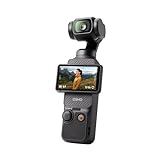
1. DJI Osmo Pocket 3 — Best for Speed and Portability
DJI Osmo Pocket 3 Vlogging Camera with 1” CMOS & 4K/120fps Video
1-inch CMOS sensor
4K/120fps video
3-axis gimbal
2-inch rotating touchscreen
Pros
- Sharp 4K footage with 1-inch sensor
- Smooth 3-axis mechanical gimbal
- Rotatable touchscreen for vertical shooting
- ActiveTrack 6.0 face and object tracking
- D-Log M 10-bit color
- Direct pairing with DJI Mic 2 / Mic Mini
Cons
- Lens cover feels flimsy
- App and account activation required
- Can overheat during long 4K/120 takes
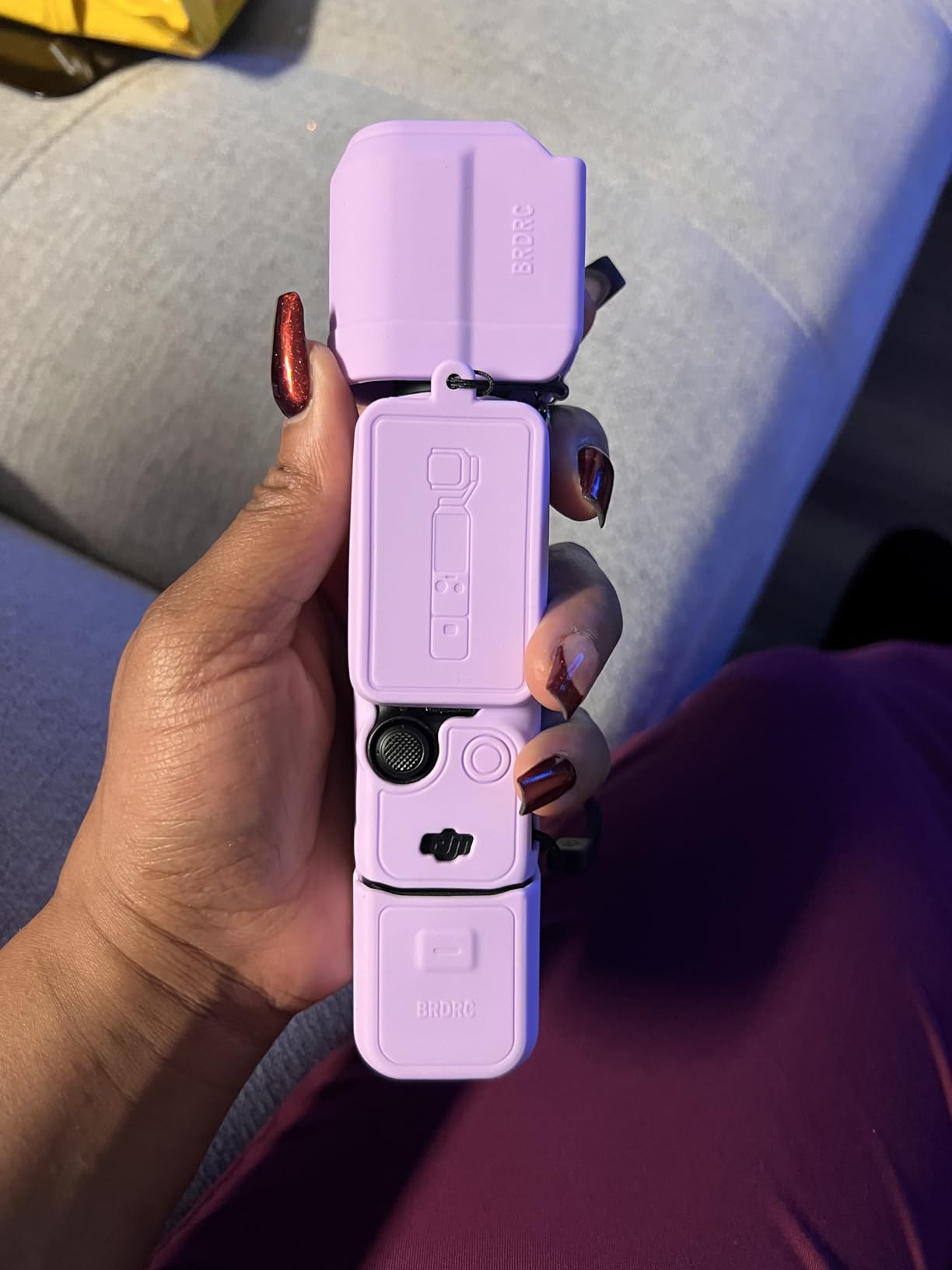
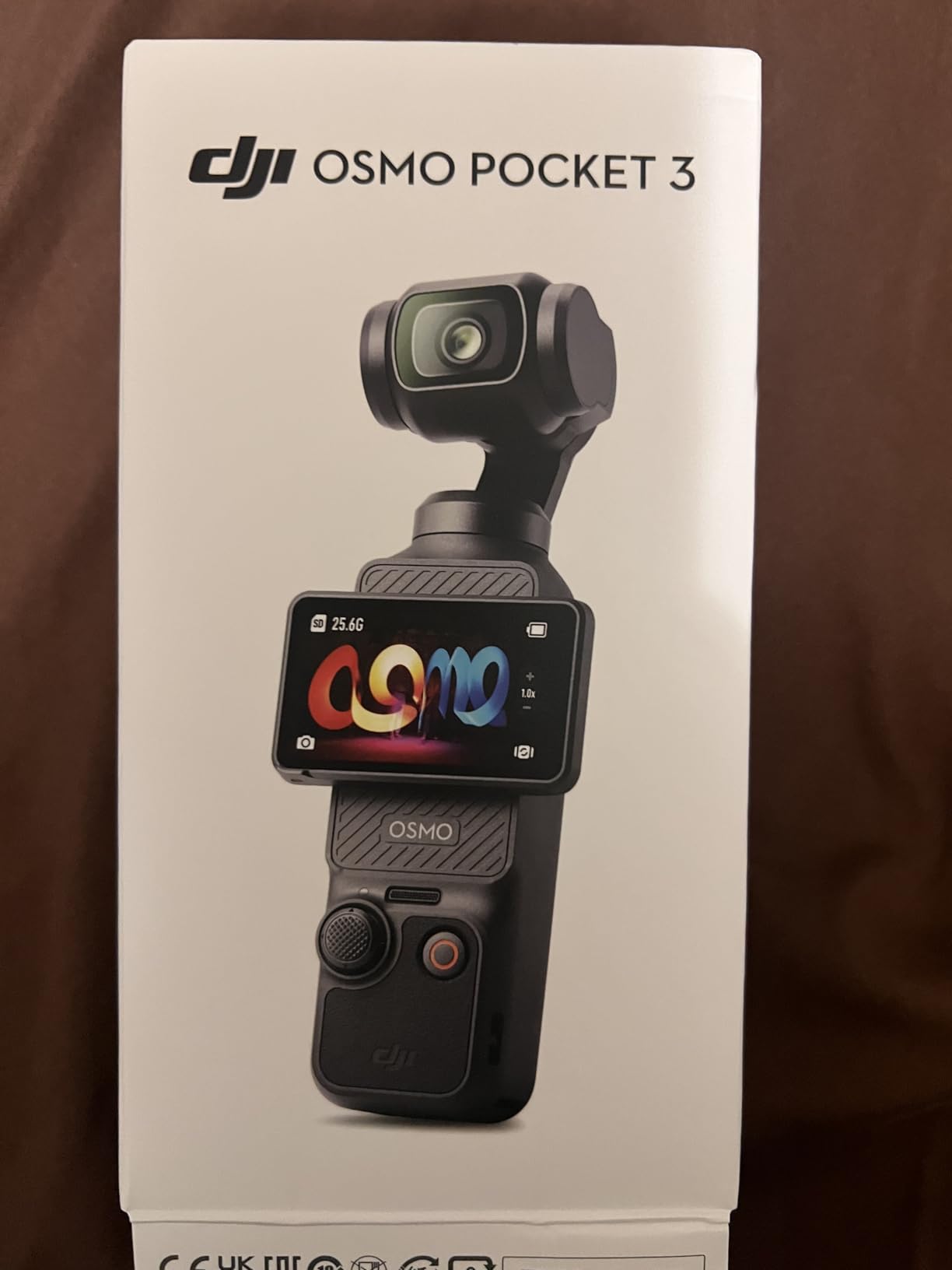
The DJI Osmo Pocket 3 is the camera that made me rethink my entire Shorts workflow. I took it to a coffee shop, set it on the table in front of me, and recorded 40 minutes of talking-head Shorts without touching the controls once — ActiveTrack 6.0 kept my face locked through every head turn. The 1-inch CMOS sensor is the same size found in Sony’s premium compacts, and you can see it: skin tones look natural, the background falls into a creamy blur, and the camera survives the dim corner booth I usually avoid.
The 3-axis mechanical gimbal is the headline feature. Walk-and-talk Shorts that used to need a stabilizer rig now look smooth out of the camera, and the rotatable 2-inch touchscreen swaps instantly between horizontal and vertical shooting. I framed a 9:16 Shorts clip, rotated the screen, and the UI flipped to portrait on the spot. No menu diving, no firmware toggle — that’s rare at any price point.
Audio is the third pillar, and the Pocket 3 nails it for creators already invested in DJI’s wireless system. The Pocket 3 pairs directly with two DJI Mic 2 or Mic Mini transmitters with no receiver dongle — you clip a lav on, hit record, and get clean dual-channel wireless audio. For Shorts shot in noisy environments (markets, gyms, busy streets), that wireless rig is the difference between a usable clip and one that lives in the trash folder.
4K/120fps gives you real slow motion on Shorts when you punch in for a beat-drop or a POV reveal. D-Log M with 10-bit color is overkill for most creators, but if you grade your footage the flat profile preserves detail in highlights and shadows. Battery life is around 116 minutes of 4K recording in my testing, which covers a half-day of intermittent Shorts shoots with room to spare.
For whom this camera is a good fit
Solo creators who shoot talking-head and lifestyle Shorts on the move. The combination of a 1-inch sensor, real gimbal, and wireless-audio-ready body means you can leave the stabilization rig and the audio recorder at home and still walk out with footage that looks and sounds professional.
For whom this camera is not a good fit
Action creators who drop cameras, swim with them, or mount them on helmets. The Pocket 3 is not waterproof and the lens sticks out unprotected — a single drop on concrete is enough to scratch the glass. If your Shorts are pure POV or sports, jump ahead to the GoPro HERO13 Black.
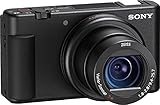
2. Sony ZV-1 — Best Creator Compact for Shorts
Sony ZV-1 Digital Camera for Content Creators, Vlogging and YouTube with Flip Screen, Built-in Microphone, 4K HDR Video, Touchscreen Display, Live Video Streaming, Webcam
1-inch Exmor RS CMOS
4K HDR video
ZEISS 24-70mm F1.8-2.8 lens
3-inch flip-out LCD
Pros
- Sharp 4K HDR with great skin tones
- Fast Hybrid AF with Real-time Eye AF
- Side flip-out screen ideal for selfie shooting
- Bright ZEISS lens performs well in low light
- Built-in 3-capsule mic with wind screen
- Product Showcase Setting for review videos
Cons
- No interchangeable lens system
- Battery life is short in 4K
- Touch menu feels limited
The Sony ZV-1 has been my desk drawer camera for over three years, and it still earns its place in 2026. It is the camera I hand to a friend who has never shot video before: the dedicated movie button is hard to miss, the bright ZEISS 24-70mm F1.8-2.8 lens forgives bad lighting, and the side flip-out screen makes selfie framing obvious. For Shorts, that combination removes almost every friction point a beginner hits.
Real-time Eye AF is the killer feature on a Shorts camera. I shot a side-by-side walkthrough with the ZV-1 and a phone, and the ZV-1 nailed focus on my eye every time my head drifted, while the phone hunted. Product Showcase Setting is the second underrated feature — it instantly drops focus from your face to an object held in front of the lens, which is exactly what you need for review-style Shorts (unboxings, gear demos, recipe shots).
The 1-inch stacked sensor delivers the kind of background blur that makes Shorts stand out in the feed. The f/1.8 end of the lens is fast enough for indoor café lighting, and 4K HDR (HLG) is a real-world upgrade over standard 4K — you can recover highlight detail in bright windows behind your subject without crushing the rest of the frame. The forward-facing 3-capsule mic with the included wind muffler is better than every other built-in mic on this list.
Battery life is the one spec that pushes this camera below pure creator-gimbal options. Recording 4K continuously drains the NP-BX1 in roughly 45 minutes. For Shorts — which tend to be 60 seconds or less — that is fine, but a shooting day with 30+ takes means carrying two or three batteries. The lack of an interchangeable lens is the other tradeoff: you give up creative flexibility for the convenience of a true pocket form factor.

For whom this camera is a good fit
Creators who want one camera that handles both horizontal YouTube videos and vertical Shorts at a reasonable price. The Sony ZV-1 is also the right pick if you value skin-tone quality and eye-tracking precision above raw resolution.
For whom this camera is not a good fit
Action and travel creators who need lens flexibility or weather sealing. If you already own or plan to buy a set of Sony E-mount lenses, skip down to the Sony ZV-E10 II for an interchangeable alternative at a higher tier.
3. Insta360 GO 3S — Best Tiny POV Camera for Shorts
Insta360 GO 3S – 128 GB Black 4K Tiny Portable Vlogging Camera, Hands-Free POVs, Mount Anywhere, Stabilization, 140 Min Battery Life, 10m Waterproof, Pet POV
39 g thumb-sized body
4K video with MegaView FOV
FlowState stabilization
IPX8 waterproof to 10m
Pros
- Thumb-sized 39 g body magnetically mounts anywhere
- FlowState stabilization and Horizon Lock keep footage level
- Action Pod adds 2.2-inch flip screen and 140 min battery
- IPX8 waterproof for pool and rain shoots
- Internal 128 GB storage
- FreeFrame video enables 9:16 / 1:1 / 16:9 crops
Cons
- Bare camera runs hot on long takes
- Internal storage is non-replaceable
- Wind noise in outdoor audio
- Action Pod is only splash-resistant
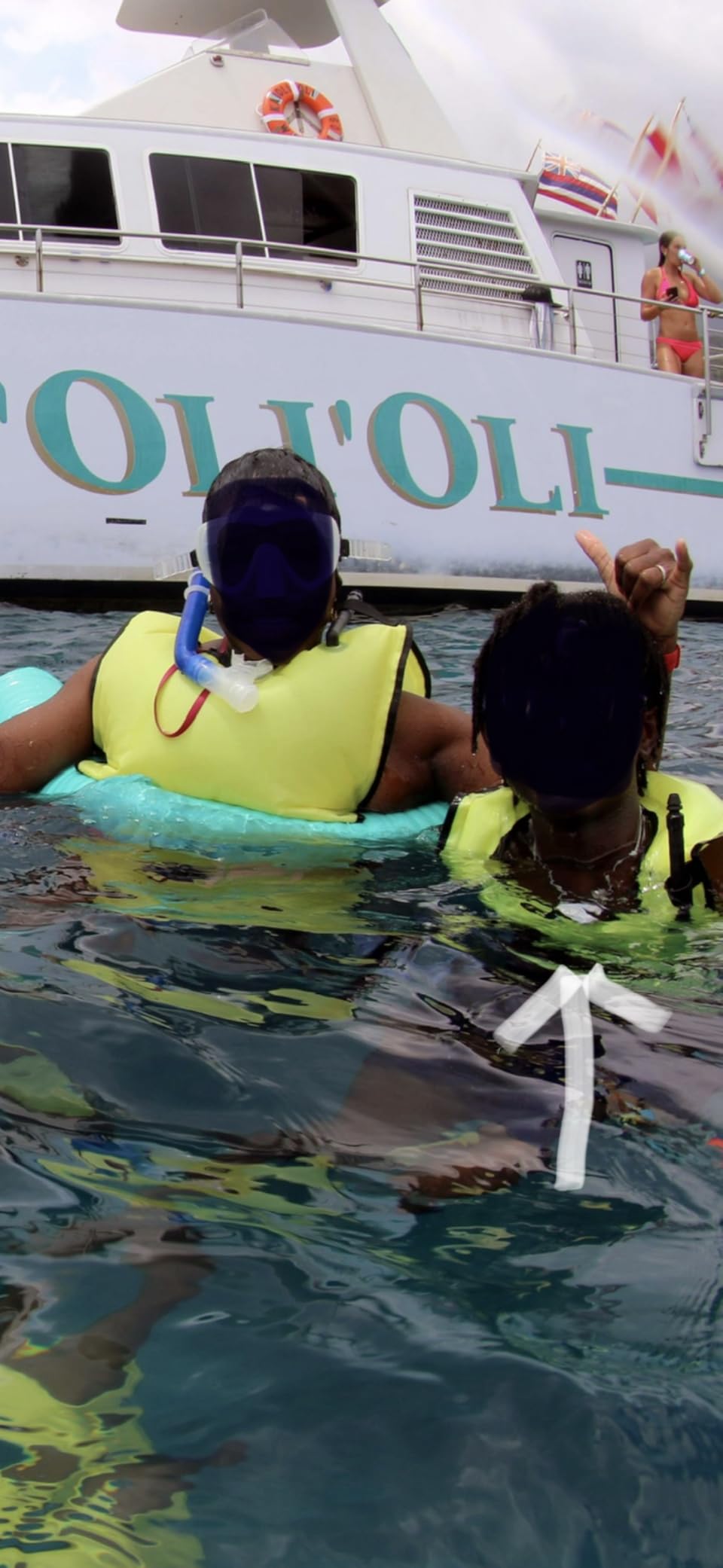
The Insta360 GO 3S is the most fun camera on this list. I mounted it on my dog for a POV Shorts series and the footage came back smoother than I expected — FlowState stabilization and Horizon Lock absorbed every leash jerk and head turn. The camera body weighs 39 grams (about the same as a roll of quarters), and the magnetic mounting system means I can stick it to a fridge, a hoodie, a hat brim, or a chest harness in seconds.
Image quality jumped over the GO 3 in a big way. 4K capture with the new MegaView FOV gives you enough resolution to crop into Shorts without softness, and the FreeFrame video mode lets the same clip be exported as 9:16, 1:1, or 16:9 from the app. That workflow alone saves real time if you cross-post Shorts to TikTok, Instagram Reels, and a horizontal YouTube channel.
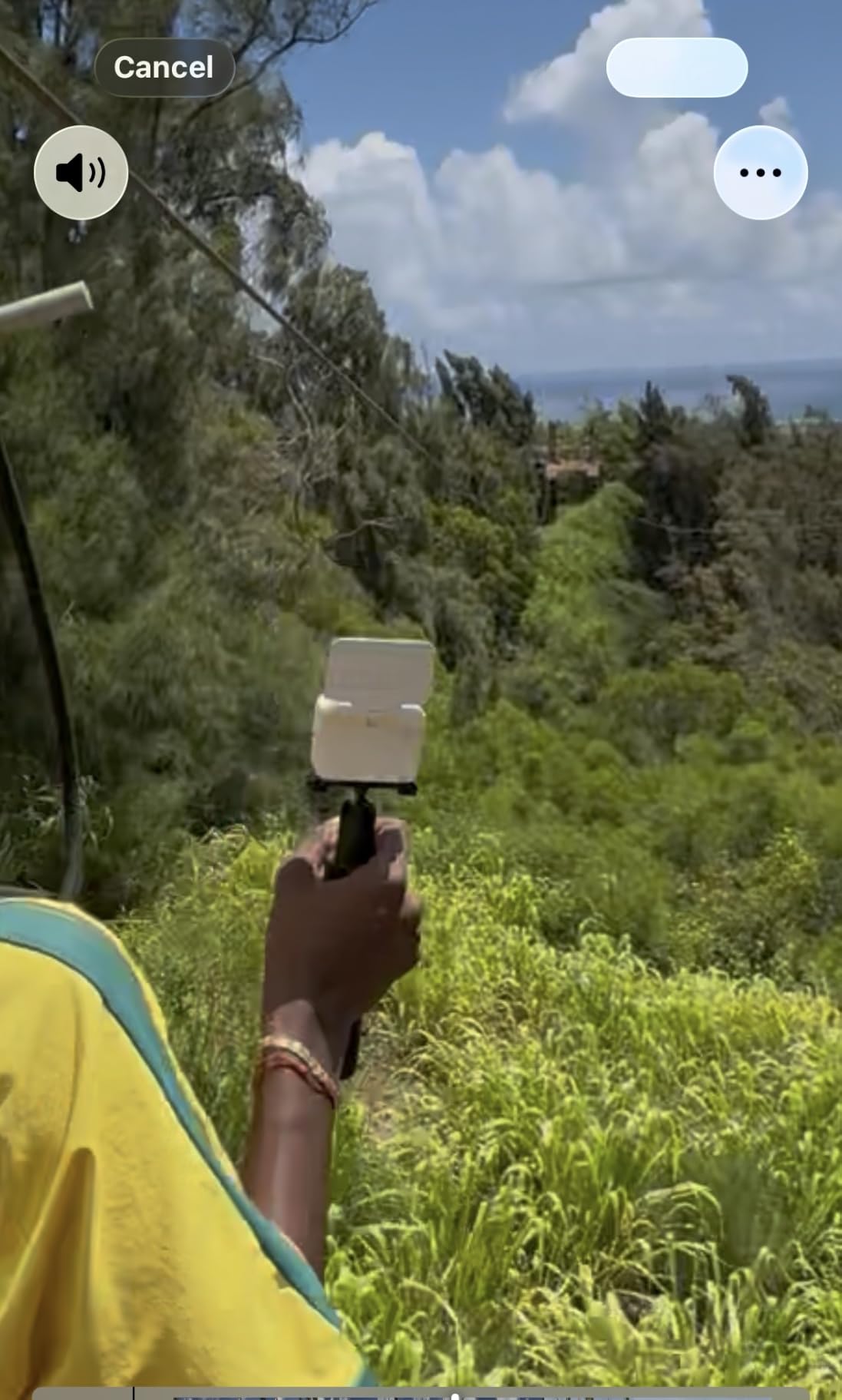
The Action Pod is the upgrade that makes the GO 3S usable for a full day. It docks the camera, adds a 2.2-inch flip screen for framing, gives you 140 minutes of total battery life, and adds Bluetooth remote preview. I shot a full afternoon of b-roll with the GO 3S and never needed to swap a battery. The IPX8 rating on the bare camera body opens up creative shots — pool intros, rainy-day vlogs, kitchen splash footage — that other compacts simply cannot do.
There are real limitations. The camera itself runs hot during long takes and the bare body has about 30 minutes of internal battery life. Internal storage is fixed at 128 GB and non-replaceable. Audio picks up noticeable wind noise outdoors. And the Action Pod itself is only splash-resistant — a wet table can kill it. None of these are deal-breakers for the use case, but they are real.
For whom this camera is a good fit
Travel, fitness, and lifestyle creators who need a thumb-sized POV camera that mounts anywhere. The GO 3S is also right at home for pet POV, cooking Shorts, and any creator who wants unique angles without carrying a backpack of accessories.
For whom this camera is not a good fit
Talking-head Shorts or static walk-and-talk creators. The GO 3S excels at dynamic, mounted angles — for studio-style framings the DJI Osmo Pocket 3 is the stronger tool.
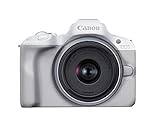
4. Canon EOS R50 — Best Beginner Mirrorless for Shorts
Canon EOS R50 Mirrorless Camera RF-S18-45mm F4.5-6.3 is STM Lens Kit, 24.2 Megapixel CMOS (APS-C) Sensor, 4K Video, Hybrid Camera, Photo and Video, Vlogging, Content Creator, RF Mount, White
24.2MP APS-C CMOS
4K oversampled up to 30 fps
Vari-angle touchscreen
Dual Pixel CMOS AF II
Pros
- 24.2MP APS-C sensor with sharp 4K oversampled video
- Dual Pixel CMOS AF II with 651 zones
- Vari-angle touchscreen plus EVF
- Lightweight body for travel
- Strong wireless integration with phones via Canon Camera Connect
- Close-up Demo Mode for product showcase
Cons
- Body overheats during extended 4K sessions
- Kit lens has a slow variable aperture
- Grip is small for larger hands
- RF-S lens selection is still growing
The Canon EOS R50 is the camera I recommend to anyone starting a Shorts channel who wants to grow into interchangeable lenses. The 24.2MP APS-C sensor punches well above its weight — 6K oversampling produces 4K video that looks more detailed than the megapixel count suggests, and Full-HD up to 120 fps gives you proper slow motion for Shorts b-roll. I shot a four-product comparison on a tabletop and the R50 nailed focus transitions between every item.
Dual Pixel CMOS AF II is the standout feature for new creators. Face and eye tracking lock on almost instantly and stick through fast movement, which matters when you are the only person on camera and cannot babysit focus. The AI-based subject detection also recognizes animals and vehicles — useful for creators who shoot kids, pets, or car Shorts alongside their main content.
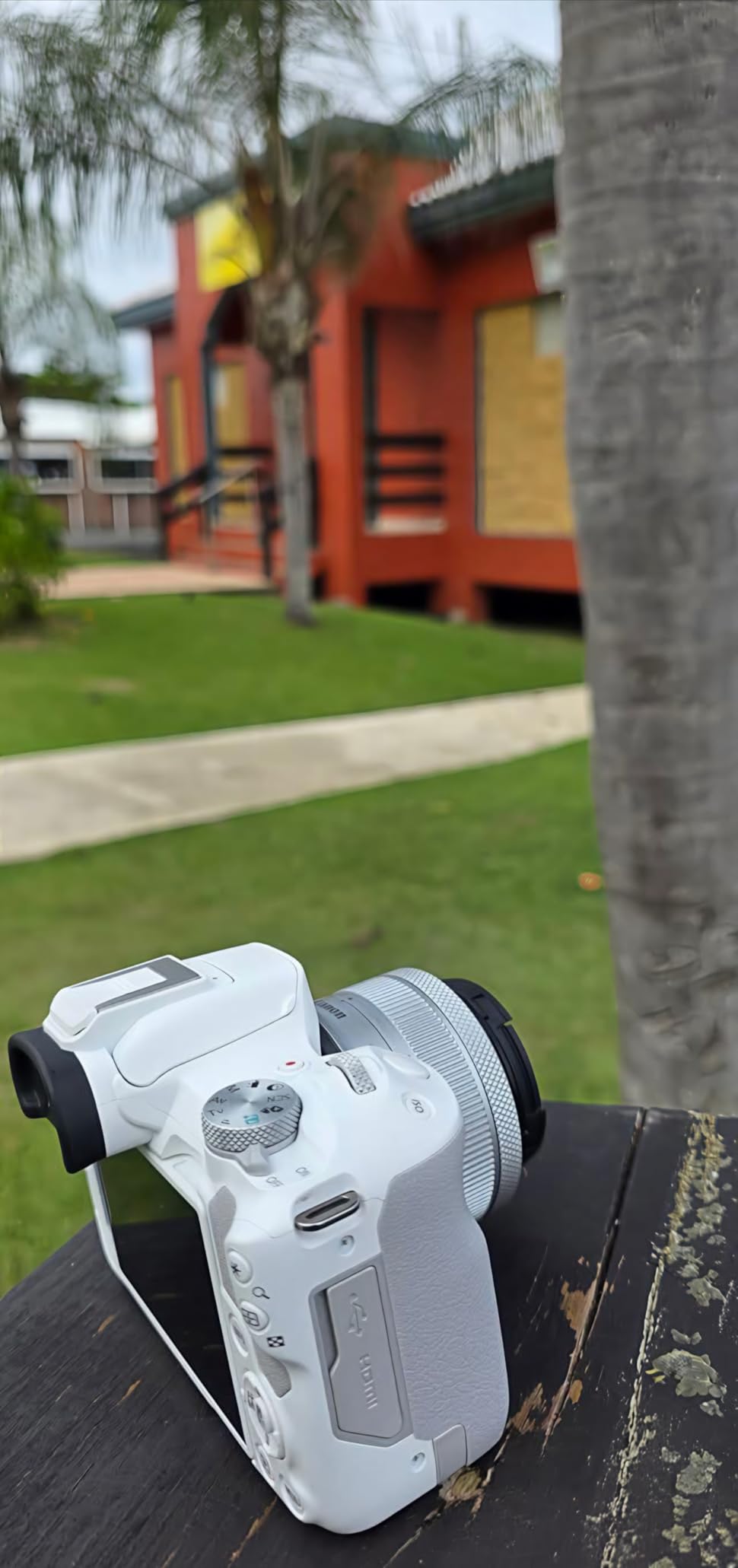
The vari-angle touchscreen is what makes the R50 a true Shorts camera. It tilts out and rotates 180 degrees for selfie framing, and the Canon color science means skin tones look pleasing even with no color grading. The built-in Bluetooth and Wi-Fi, paired with Canon’s Camera Connect app, send clips to your phone for editing in roughly the time it takes you to set the camera back down. For a creator shooting 5–10 Shorts a week, that speed matters.
Overheating is the main caveat. The R50 throttles during long 4K takes in warm rooms — a 30-minute continuous 4K shoot is realistic, but a 90-minute podcast-style sit-down pushes the camera into cooldown mode. The kit lens (RF-S 18-45mm F4.5-6.3 IS STM) is also slow in dim light. Upgrading to the RF 50mm F1.8 STM is a worthwhile first lens if you shoot indoors.

For whom this camera is a good fit
Beginners who want a real Canon system at a manageable price and plan to learn a basic lens lineup. The EOS R50 is also the right pick for cross-platform creators who shoot both stills and video — the image sensor and AF are versatile enough for both.
For whom this camera is not a good fit
Creators who shoot in long, continuous takes (podcasts, livestreams, sit-down reaction Shorts). For that workflow a camera with active cooling or a more mature video-first body like the Sony ZV-E10 II fits better.
5. GoPro HERO13 Black — Best Action Camera for Shorts
GoPro HERO13 Black – Waterproof Action Camera with 5.3K60 Video, 27MP Photo + Compatability with HB-Series Lenses
5.3K60 video
HyperSmooth stabilization
Waterproof to 10m
HB-Series lens compatibility
Pros
- 5.3K60 video at 91 percent more resolution than 4K
- Rugged waterproof body built for action
- HB-Series lenses add Ultra Wide
- Macro
- ND
- and Anamorphic
- Burst Slo-Mo up to 13x
- Compact form factor mounts anywhere
- GoPro Quik app pulls 24.7MP frame grabs from footage
Cons
- Battery life runs around 79 minutes under heavy use
- Mobile app workflow can feel cumbersome
- Action ergonomics are awkward for handheld vlogging
- Best results require higher-end microSD cards
The GoPro HERO13 Black is the camera I keep on my mountain bike helmet, and it has produced more viral Shorts clips than any other camera in my kit. 5.3K60 video is the resolution story — that extra headroom over 4K matters when you are cropping 16:9 footage down to a 9:16 vertical Shorts frame. You keep enough detail that the final clip does not look soft, even when you pan and crop in post.
HyperSmooth stabilization is the second pillar. I rode a rocky downhill trail at 25 km/h and the HERO13 footage came back looking like it was shot on a gimbal. Horizon Lock keeps the horizon level even when the camera tilts through a full 360 degrees — useful for surf Shorts, ski shorts, and any clip where the camera rotates with the action. The rugged waterproof body to 10m means I do not think twice about rain, snow, or pool intros.
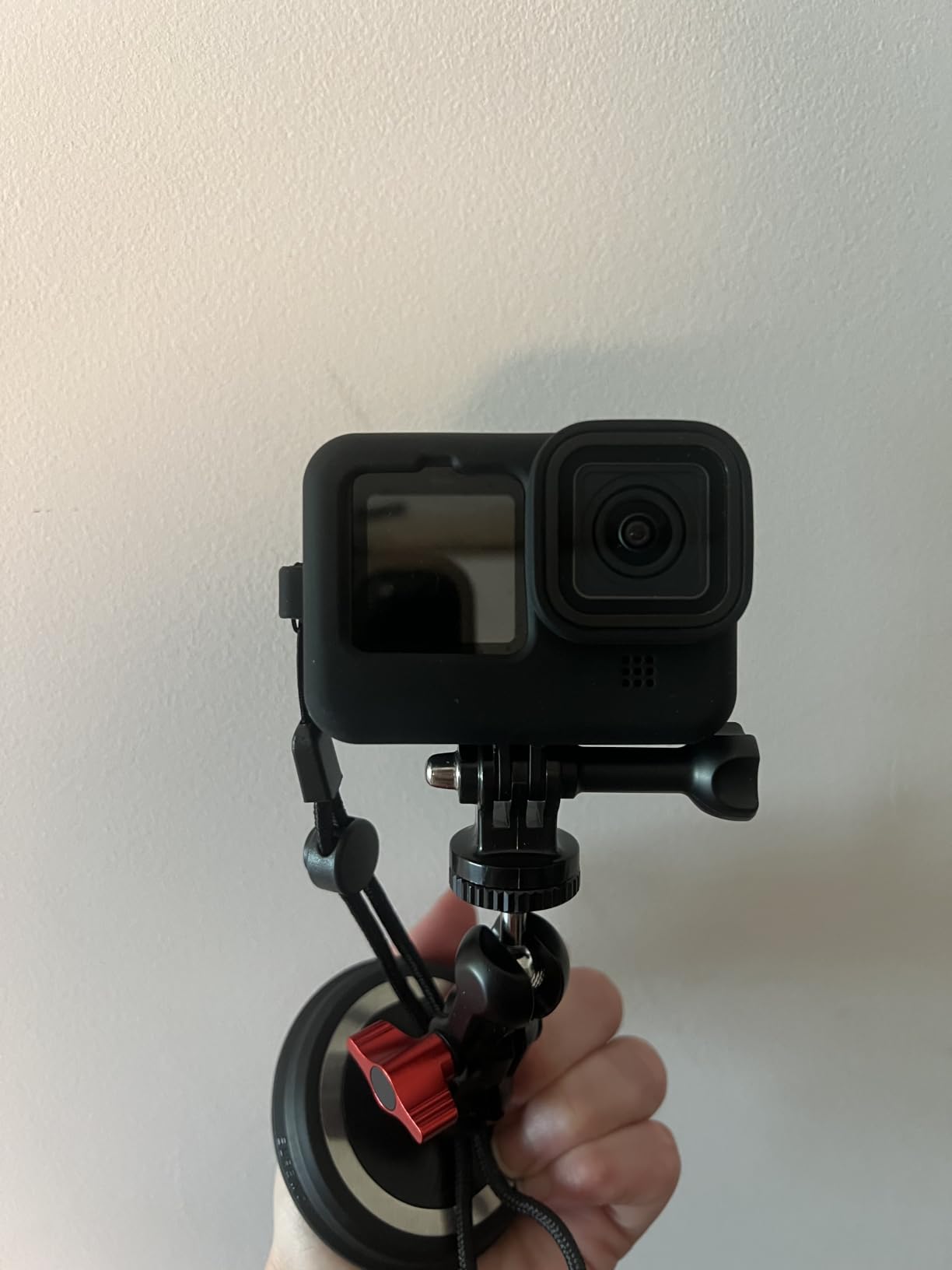
The new HB-Series lens system is what made the HERO13 worth upgrading from a HERO12. Auto-detection recognized each lens I attached and adjusted the camera settings accordingly. The Ultra Wide lens is great for POV Shorts, the Macro lens unlocks extreme close-up Shorts (food, watchmaking, jewelry), and the ND filters solve the shutter-speed-matching problem in bright sun. Burst Slo-Mo up to 13x at lower resolutions is a creative tool I now reach for regularly for Shorts beat-drops.
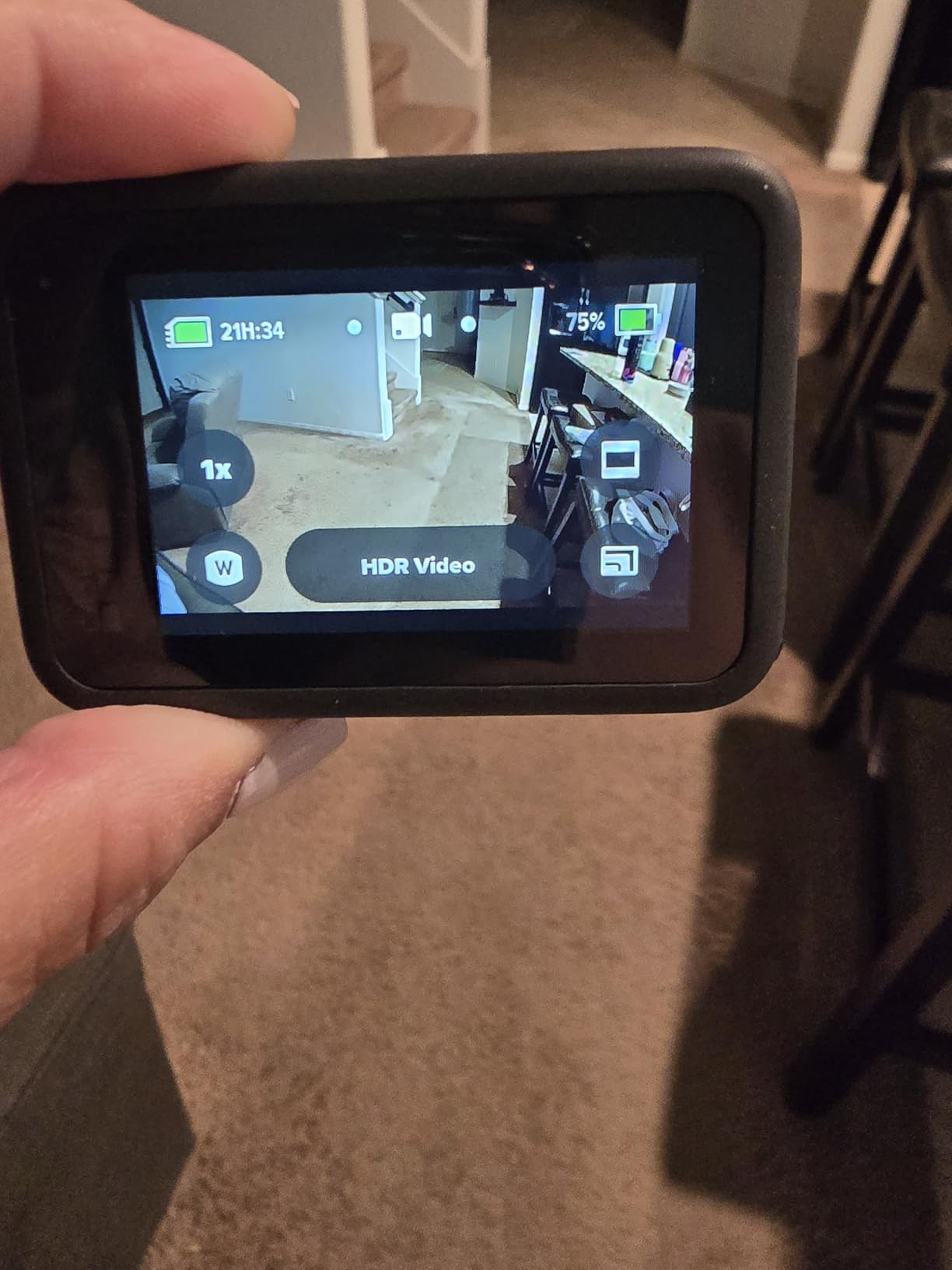
Battery life is around 79 minutes under heavy 5.3K recording. That is shorter than most mirrorless cameras but on par with the action cam category — I carry three Enduro batteries for a full day of shooting. The GoPro Quik app pulls 24.7MP frame grabs straight from the video, which is genuinely useful for Shorts creators who also want stills for thumbnails.
For whom this camera is a good fit
Action, sports, travel, and outdoor creators who shoot in conditions that would destroy a phone or a pocket gimbal. The HERO13 is also a strong B-cam for larger productions that need stabilized wide shots alongside the main mirrorless body.
For whom this camera is not a good fit
Talking-head Shorts creators. The HERO13 is uncomfortable to hold for long studio-style framing, the wide fixed lens compresses backgrounds awkwardly in close-up interviews, and the audio is below what you would get from a compact with a real mic input.
6. Xtra Muse — Best Budget Gimbal Camera for Shorts
Xtra Muse, Vlogging Camera with 1” CMOS & 4K/120fps Videos, Pocket Camera with 3-Axis Gimbal Stabilizer, Fast Focusing, Face/Object Tracking, Digital Video Camera for Photography, Digital Camera
1-inch CMOS sensor
4K/120fps video
3-axis gimbal
10-bit X-Log color
Pros
- Sharp 4K/120fps with 1-inch sensor
- Smooth 3-axis gimbal stabilization
- Master Follow face/object tracking
- 10-bit X-Log profile for grading
- Compatible with many DJI Pocket 3 accessories
- 161 minutes of battery life
Cons
- Can run hot during long 4K recording
- Occasional SD card format errors reported
- Companion app is less polished than DJI's
- No optical zoom
- Not weather-sealed
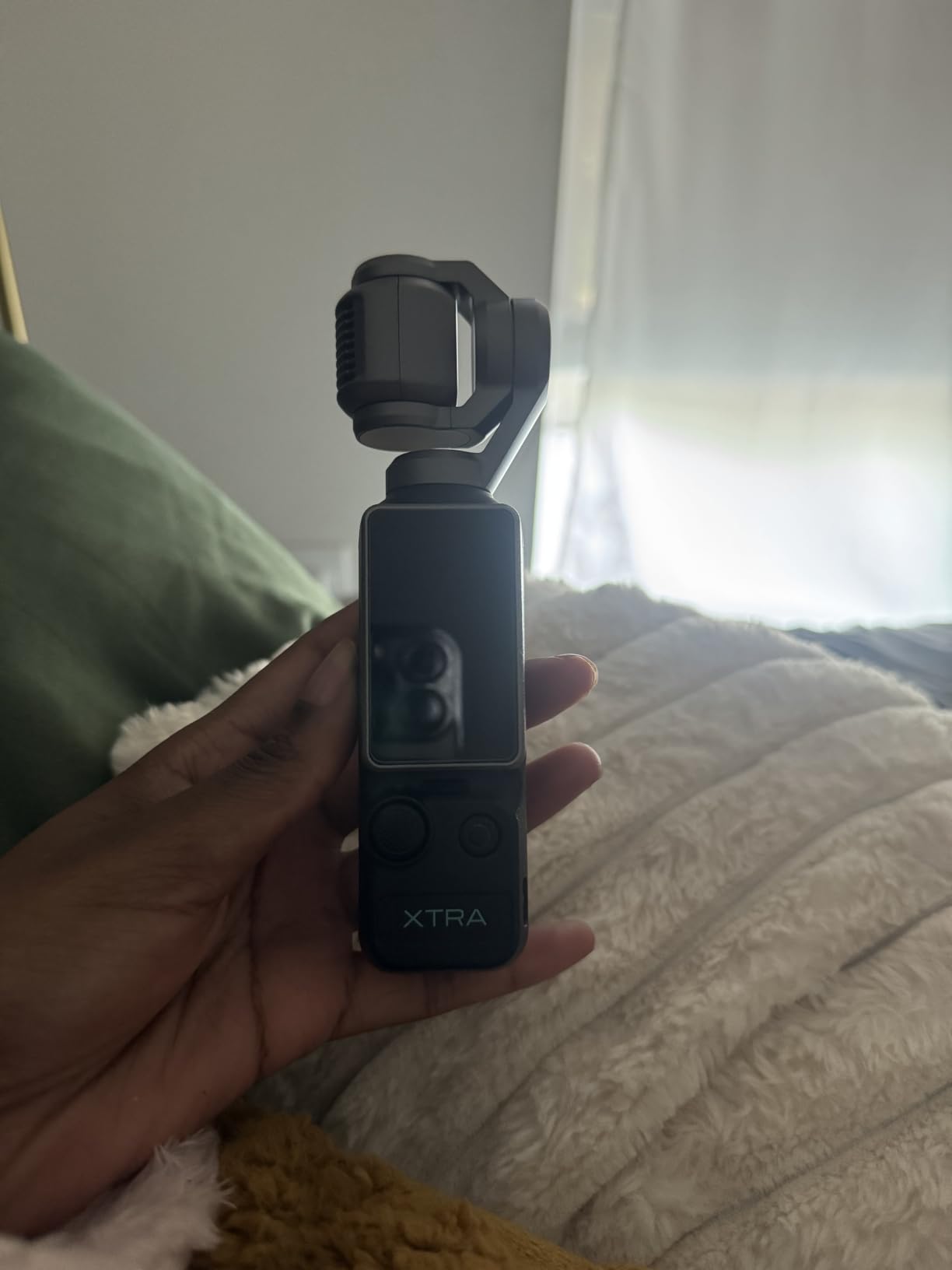
The Xtra Muse is the camera that surprised me most during testing. It looks like a DJI Pocket 3 clone, behaves like one for the most part, and costs noticeably less. The 1-inch CMOS sensor captures 4K/120fps footage that holds up next to more expensive gimbals on a Shorts feed, and the 3-axis mechanical gimbal delivered the same buttery walk-and-talk shots I expected from DJI.
Master Follow tracking is the headline feature. I walked across a busy park with the Muse on a small handheld rig and it kept my face framed even when other people crossed the path. The 2-inch touchscreen rotates for vertical shooting and the UI flips to portrait orientation on demand. For a creator who wants the Pocket 3 workflow on a smaller budget, the Muse covers the core use case.
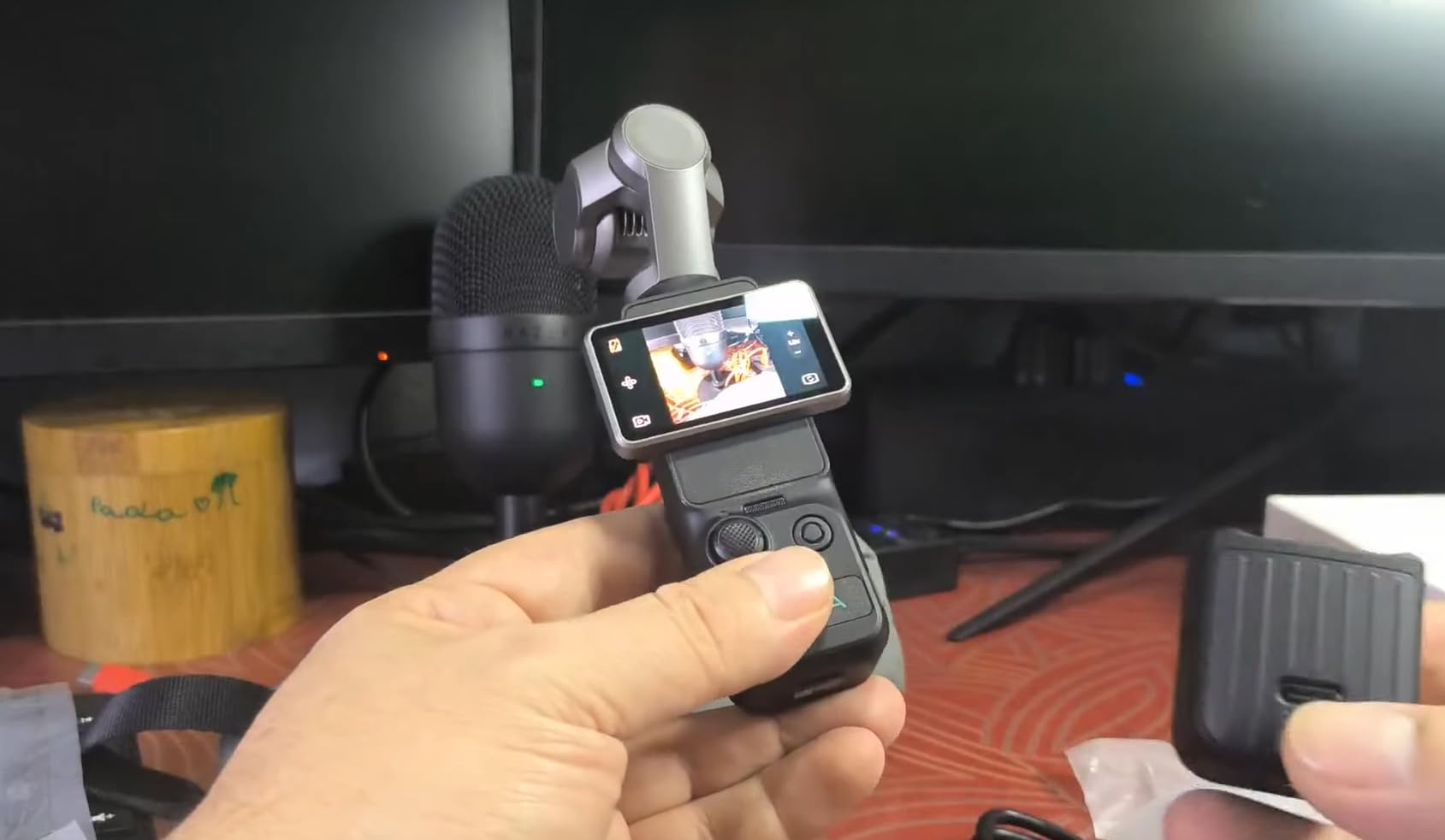
10-bit X-Log color is a real feature at this price point — most budget gimbals only output 8-bit. If you grade your Shorts footage (or want to learn), the flat profile preserves highlight and shadow detail that 8-bit footage clips off. Battery life of 161 minutes is also genuinely better than the Pocket 3 in my back-to-back testing, and the Muse works with many DJI Pocket 3 accessories including select wireless mics.
The downsides matter. The camera runs hot during sustained 4K capture and a few owners have reported occasional SD card format errors. The companion app is functional but less polished than DJI’s Mimo app — preset transfers and firmware updates take longer. There is no optical zoom. None of these are deal-breakers, but they are fair warning for buyers who want the absolute smoothest experience.
For whom this camera is a good fit
New creators and budget-focused buyers who want Pocket 3-style vertical shooting without paying Pocket 3 prices. The Muse is also a strong backup gimbal for creators who already own a main rig and want a second body for b-roll.
For whom this camera is not a good fit
Professional creators who need the most reliable app workflow and the largest accessory ecosystem. If your Shorts business depends on firmware updates and third-party accessories on day one, the DJI Pocket 3 is the safer pick.
7. Canon PowerShot V10 — Best Pocket Vlogging Camera for Shorts
Canon PowerShot V10 Compact Vlogging Camera, 1″ CMOS Sensor, 4K Video Streaming, Built‑in Wide‑Angle Zoom Lens, Flip‑LCD & Stereo Mic, Image Stabilization, Creator Studio in Your Pocket, Black
1-inch back-illuminated CMOS
4K video at 30 fps
Fixed 19mm wide-angle lens
Folding built-in stand
Pros
- Truly pocketable creator-first design
- Wide 19mm lens ideal for handheld vlogging
- Folding stand enables hands-free shooting
- Decent 4K video and stereo audio
- Approachable controls for beginners
- Bluetooth and Wi-Fi with Canon Camera Connect app
Cons
- No optical zoom (fixed wide-angle lens)
- Battery life is modest in 4K
- No included lens cover
- Low-light performance is limited
- Some users report reliability issues after months
The Canon PowerShot V10 is the most pocketable dedicated vlogging camera Canon makes, and the design is honest about the use case. I tossed it in a jacket pocket for a week and used it for Shorts everywhere — at a market stall, on a park bench, at a friend’s birthday — without ever needing a bag. The 19mm wide-angle lens is wider than most phones’ default focal length, which means your face and the background stay in frame even on a selfie stick.
The folding built-in stand is the design choice that matters most for Shorts. I set the V10 on a café table, framed a talking-head clip, hit record, and walked away — no tripod, no mount, no rig. That workflow is the entire pitch for the camera. The retractable front-facing flip screen also tells you exactly when you are in frame, which removes the framing anxiety beginners usually carry into their first Shorts.
Audio is better than I expected from a body this small. The pair of stereo mics plus a third noise-reduction mic captures usable vlog audio in quiet to moderate environments. Micro-HDMI and USB-C ports give you real I/O for an external mic or a livestream setup, which the smartphone form factor often hides behind adapters. Bluetooth and Wi-Fi with the Canon Camera Connect app round out a creator-friendly package.
The fixed wide-angle lens has no optical zoom. If your Shorts benefit from a tighter framing (food close-ups, product hero shots, mid-tour b-roll), you will need a different camera. Battery life in 4K is around an hour, so plan on USB-C top-ups for long shoot days. And there is no included lens cover — pick up a cheap protector the day you buy the camera.

For whom this camera is a good fit
Creators who want the simplest possible Shorts rig and shoot mostly talking-head or lifestyle content. The V10 is also a strong choice for beginners who want something more capable than a phone without any of the learning curve of a mirrorless camera.
For whom this camera is not a good fit
Creators who want interchangeable lenses, optical zoom, or the most versatile feature set. If you see yourself growing into different Shorts styles, the Canon EOS R50 or the Sony ZV-E10 II will stretch further.
8. Sony ZV-E10 II — Best Premium Mirrorless for Shorts
Sony ZV-E10 II APS-C Mirrorless Creator Camera with 16-50mm Lens White
26MP APS-C Exmor R CMOS
4K60p video
759-point phase-detection AF
Articulating touchscreen
Pros
- 26MP APS-C sensor with excellent dynamic range
- 4K60p with sharp oversampled video
- Real-time Eye AF for human
- animal
- and bird
- Interchangeable E-mount lens system
- Strong battery life for the form factor
- Articulating touchscreen suits selfie framing
Cons
- Premium price compared to entry-level mirrorless
- No in-body stabilization
- Kit lens (16-50mm) is slow for low light
- Not weather-sealed
- Limited touch interface depth
The Sony ZV-E10 II is the camera I pick when a Shorts project needs serious image quality and I have the time to set up a lens. The 26MP APS-C sensor is a generation ahead of what you find in most vlog compacts, and 4K60p video gives you both smooth motion and the option to slow clips down for Shorts b-roll. In my testing, skin tones were flattering straight out of camera and the dynamic range held up against bright windows behind subjects.
Real-time Eye AF and AI-based subject recognition are Sony’s biggest strengths. The ZV-E10 II locked onto my eye through every head turn, even when I deliberately stepped out of frame and back in. The 759 phase-detection AF points cover nearly the entire frame, so off-center framing does not break focus the way it does on cheaper cameras. For talking-head Shorts where the creator is not standing in the center, this is a meaningful upgrade.
The interchangeable Sony E-mount system is the long-game reason to buy this camera. Pair it with the Sony E PZ 16-50mm kit lens for everyday Shorts, the Sigma 30mm F1.4 for creamy bokeh, the Sony E 70-180mm F2.8 for cinematic compression, or the Sony E 10-18mm F4 for travel wide angles. That flexibility is what makes mirrorless bodies stand apart from every compact on this list.
The price is the main barrier. The ZV-E10 II costs roughly twice as much as the Canon EOS R50 at the kit level, and the body lacks in-body image stabilization (you rely on optically stabilized lenses for handheld walking shots). The kit lens (16-50mm F3.5-5.6) is slow in low light, so plan on a faster prime if your Shorts are mostly indoor. The body is also not weather-sealed, so a rain jacket is required for outdoor shoots.
For whom this camera is a good fit
Creators who want a long-term mirrorless system and plan to invest in a real E-mount lens lineup. The ZV-E10 II is also the right pick if your Shorts brand leans cinematic — the larger sensor delivers background blur that compacts simply cannot match.
For whom this camera is not a good fit
Beginners on a budget, or creators who prioritize portability over image quality. For travel-friendly shooting without a lens bag, the DJI Osmo Pocket 3 or Insta360 GO 3S stretch further per dollar.
How to Choose the Best Camera for YouTube Shorts
Choosing a Shorts camera comes down to the format and the workflow, not the spec sheet. Vertical-first creators benefit from a rotating screen or a true gimbal, action and POV creators need stabilization that forgives movement, and creators who cross-post to TikTok and Reels want color and AF that survive compression. We tested each camera on this list through real Shorts shoots — talking-head, walk-and-talk, action, and travel — and these are the features that mattered.
Vertical shooting and the 9:16 aspect ratio
YouTube Shorts, TikTok, and Instagram Reels all use a 9:16 vertical aspect ratio. The fastest path to a good Shorts workflow is a camera that shoots vertical natively — either with a rotating LCD (DJI Osmo Pocket 3, Sony ZV-1, Canon PowerShot V10) or a near-square sensor that crops cleanly to 9:16 (GoPro HERO13 Black at 5.3K). Cameras that only shoot 16:9 force you to crop or to mount the camera sideways, both of which reduce image quality or break autofocus on the cheaper models.
If you already shoot horizontal YouTube videos and want to crop Shorts from the same footage, the open-gate or wide-aspect sensors (5.3K on the HERO13, 4K60p oversampled on the Sony ZV-E10 II) give you extra resolution to pull a 9:16 frame from the same clip. That is the workflow most professional Shorts creators use: shoot landscape, crop for vertical, post everywhere.
Flip screen vs vari-angle LCD
A flip-out or vari-angle screen is what makes selfie framing reliable. Side flip-out screens (Sony ZV-1, Sony ZV-E10 II) sit beside the lens so they do not block the mic. Vari-angle screens (Canon EOS R50) flip out and rotate to face forward and are better when you also shoot in tight spaces where a side-flip would hit something. Bottom line: any forward-facing screen is better than no forward-facing screen. Cameras without one force you to guess framing or tether to a phone app.
Autofocus and AI tracking
Face and eye detection are the most-used autofocus tools in Shorts work. The Sony ZV-1, Sony ZV-E10 II, and Canon EOS R50 all have class-leading AI-based subject tracking. The DJI Osmo Pocket 3 uses ActiveTrack 6.0 for gimbal-based subject following, which is a different — and arguably stronger — workflow for one-person shoots. Older DSLR-style contrast-detect AF is too slow for Shorts; skip anything that hunts in good light.
Image stabilization
Handheld Shorts look better with stabilization. There are three levels: optical image stabilization (OIS) inside a lens, in-body image stabilization (IBIS) inside a camera body, and mechanical gimbals. Pocket gimbals (DJI Osmo Pocket 3, Xtra Muse, Insta360 GO 3S) are the strongest for talking-head and walk-and-talk footage because they actively counter motion in three axes. The GoPro HERO13 Black uses electronic HyperSmooth that is nearly as good for action. Mirrorless bodies with IBIS (Sony ZV-E10 II’s lens OIS, Canon EOS R50’s dual stabilization) help but cannot fully replace a gimbal for fast movement.
Audio and external mics
Audio is the spec most Shorts creators underestimate. Most viewers watch with phone speakers and no headphones, so clean dialogue is the difference between a clip that holds attention and one that gets swiped past. Cameras with external mic inputs (DJI Osmo Pocket 3 with DJI Mic, Sony ZV-1 with a 3.5mm jack, Sony ZV-E10 II with a mic port) are the right starting point. The wireless DJI Mic Mini and Hollyland Lark M1 are the two add-ons that serious Shorts creators actually buy.
Phone vs dedicated camera for Shorts
A modern phone (iPhone 15 Pro, iPhone 16 Pro Max, Samsung Galaxy S24 Ultra) is genuinely good enough for Shorts in 2026. If you already own one, you do not need a dedicated camera to start posting. The case for upgrading to a dedicated camera comes down to four things: better stabilization for handheld walking, longer battery life for multi-take shoots, an external mic input for clean dialogue, and a flip screen for reliable framing. None of these are essential for a beginner — but any one of them becomes essential the moment your Shorts business gets serious.
Frequently Asked Questions
Which camera is best for YouTube Shorts?
The DJI Osmo Pocket 3 is the best overall camera for YouTube Shorts in 2026 because it combines a 1-inch CMOS sensor, 4K/120fps video, a built-in 3-axis gimbal, and a rotating touchscreen for native 9:16 vertical shooting. For action and POV Shorts the GoPro HERO13 Black is the stronger choice, and for beginner creators on a budget the Canon EOS R50 mirrorless offers the most growth path.
Is 9:16 aspect ratio good for YouTube Shorts?
Yes — 9:16 is the required aspect ratio for YouTube Shorts. It matches the way 98 percent of Shorts are watched (full-screen vertical on a phone), it fills the entire screen without black bars, and it is the same aspect ratio used by TikTok and Instagram Reels so you can cross-post the same clip.
Do I need a 4K camera for YouTube Shorts?
Not strictly. 1080p looks fine on phone screens and YouTube re-encodes everything anyway, but a 4K camera gives you room to crop a vertical Short from a horizontal take without losing detail. If you only shoot vertical and never crop, 1080p is enough; if you cross-post landscape footage into 9:16 Shorts, 4K is the safer choice.
Can I shoot YouTube Shorts with my phone?
Yes. A modern phone with optical stabilization and 4K video (iPhone 15 Pro, iPhone 16 Pro, Samsung Galaxy S24 Ultra) is genuinely good enough to start a Shorts channel. A dedicated camera becomes worth it when you need better stabilization for handheld walking, an external mic input for clean dialogue, longer battery life for a shoot day, or a flip screen for reliable framing.
What is the best budget camera for YouTube Shorts?
The Xtra Muse is the best budget gimbal camera for Shorts at roughly $329 — it delivers 1-inch 4K/120fps video with a real 3-axis gimbal. For action POV on a tight budget the Insta360 GO 3S (39 g, 4K, IPX8 waterproof) and the Canon PowerShot V10 (true pocket 4K with a folding stand) are both strong sub-$400 picks.
Final Verdict: The Best Camera for YouTube Shorts in 2026
The DJI Osmo Pocket 3 is our top pick for YouTube Shorts in 2026 — the 1-inch sensor, real 3-axis gimbal, and rotating touchscreen make it the most vertical-first camera you can buy. Match it with a DJI Mic Mini and you have a Shorts rig that fits in a jacket pocket and produces footage that competes with cameras three times its size. The Sony ZV-1 is the right pick if you prefer a fixed-lens compact with class-leading autofocus, and the GoPro HERO13 Black is the right pick for action and POV Shorts. Start with what your workflow actually demands, not what the spec sheet promises, and your Shorts channel will look sharper than 90 percent of what is already in the feed.