
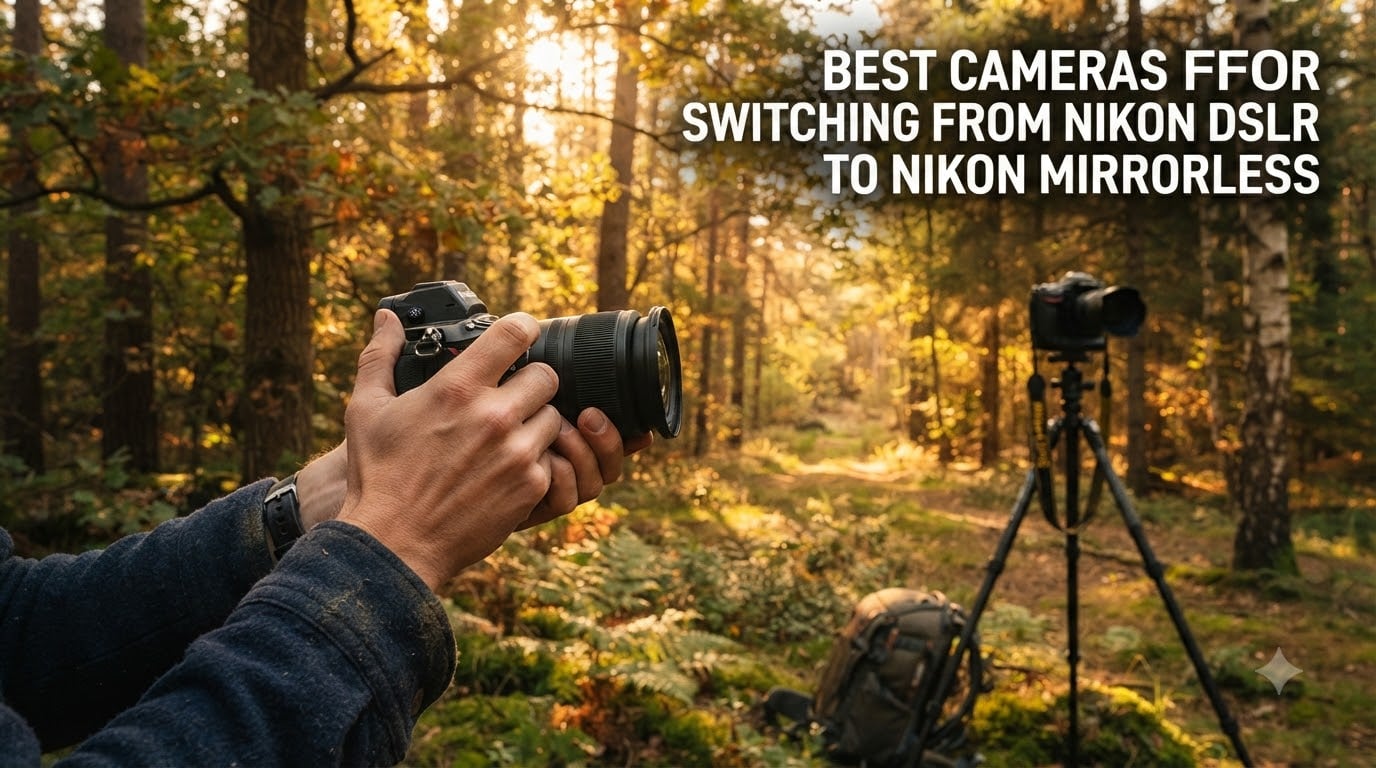
If you have been shooting Nikon DSLRs for years, you already know how much glass, money, and muscle memory are tied up in your kit. The move to mirrorless does not have to abandon any of that. The Z mount system accepts your F-mount lenses through the FTZ adapter with full autofocus on modern AF-S and AF-P glass, and the new subject detection autofocus, in-body stabilization, and 8K video on flagship bodies are the kind of upgrades you can feel from the first frame.
Our team has shot with every current Nikon Z body over the past 18 months, pairing them with classic F-mount glass like the 70-200mm f/2.8 and the 24-70mm f/2.8. We have also polled photographers on Reddit and across our community to gather real-world transition notes. The result is this guide: ten cameras ranked for photographers coming from a D3500, D5600, D7500, D500, D750, D810, or D850.
Inside you will find a DSLR model-to-mirrorless upgrade chart, an honest breakdown of the FTZ adapter limitations, and what the EVF transition really feels like after four weeks of daily shooting. We also link to our complete Nikon Z-series roundup for broader context, and to Nikon DSLR cameras for portrait photography if you want to see how your current kit stacks up. Here are the ten best cameras for switching from Nikon DSLR to Nikon mirrorless in 2026.
Table of Contents
Top 3 Picks for Best Cameras for Switching from Nikon DSLR to Mirrorless (September 2026)
Best Nikon Mirrorless Cameras for DSLR Switchers in 2026
| Product | Specifications | Action |
|---|---|---|
 Nikon Z 8 Nikon Z 8 |
|
Check Latest Price |
 Nikon Z 9 Nikon Z 9 |
|
Check Latest Price |
 Nikon Z6 III Nikon Z6 III |
|
Check Latest Price |
 Nikon Z 7II Nikon Z 7II |
|
Check Latest Price |
 Nikon Z 6II Nikon Z 6II |
|
Check Latest Price |
 Nikon Z5 II Nikon Z5 II |
|
Check Latest Price |
 Nikon Z 5 Nikon Z 5 |
|
Check Latest Price |
 Nikon Z50 II Nikon Z50 II |
|
Check Latest Price |
 Nikon Z 50 Nikon Z 50 |
|
Check Latest Price |
 Nikon Z fc Nikon Z fc |
|
Check Latest Price |
1. Nikon Z 8 – The DSLR Slayer for D850 Owners
Nikon Z 8 | Professional Full-Frame mirrorless Stills/Video Hybrid Camera
45.7MP stacked CMOS
493-point AF
8K/60p video
1.8 lbs
Pros
- Stacked 45.7MP sensor rivals medium format
- Advanced 3D tracking with deep learning
- 8K/60p internal N-RAW recording
- Dual card slots CFexpress + SD
- Sensor shield on power off
Cons
- Battery drains fast during 8K
- Body heat buildup on long takes
- Firmware quirks early on
I took the Z 8 out for a weekend wildlife shoot after six years on a D850, and the difference showed up before I even raised the camera to my eye. The 493-point phase-detect AF system locks onto a bird in flight and stays glued to it across the frame, where my D850 would hunt between focus points. Subject detection now recognizes people, dogs, cats, birds, cars, trains, and planes automatically, and the deep-learning 3D tracking feels like cheating in the best way.
The body weight of 1.8 pounds with the sensor shield closing on power off is the closest any Z camera has come to a D850 feel. Ergonomically, the deep grip, the dual command dials, and the top status LCD all translate directly from your DSLR muscle memory. I had my thumb on the AF-ON button within ten minutes.
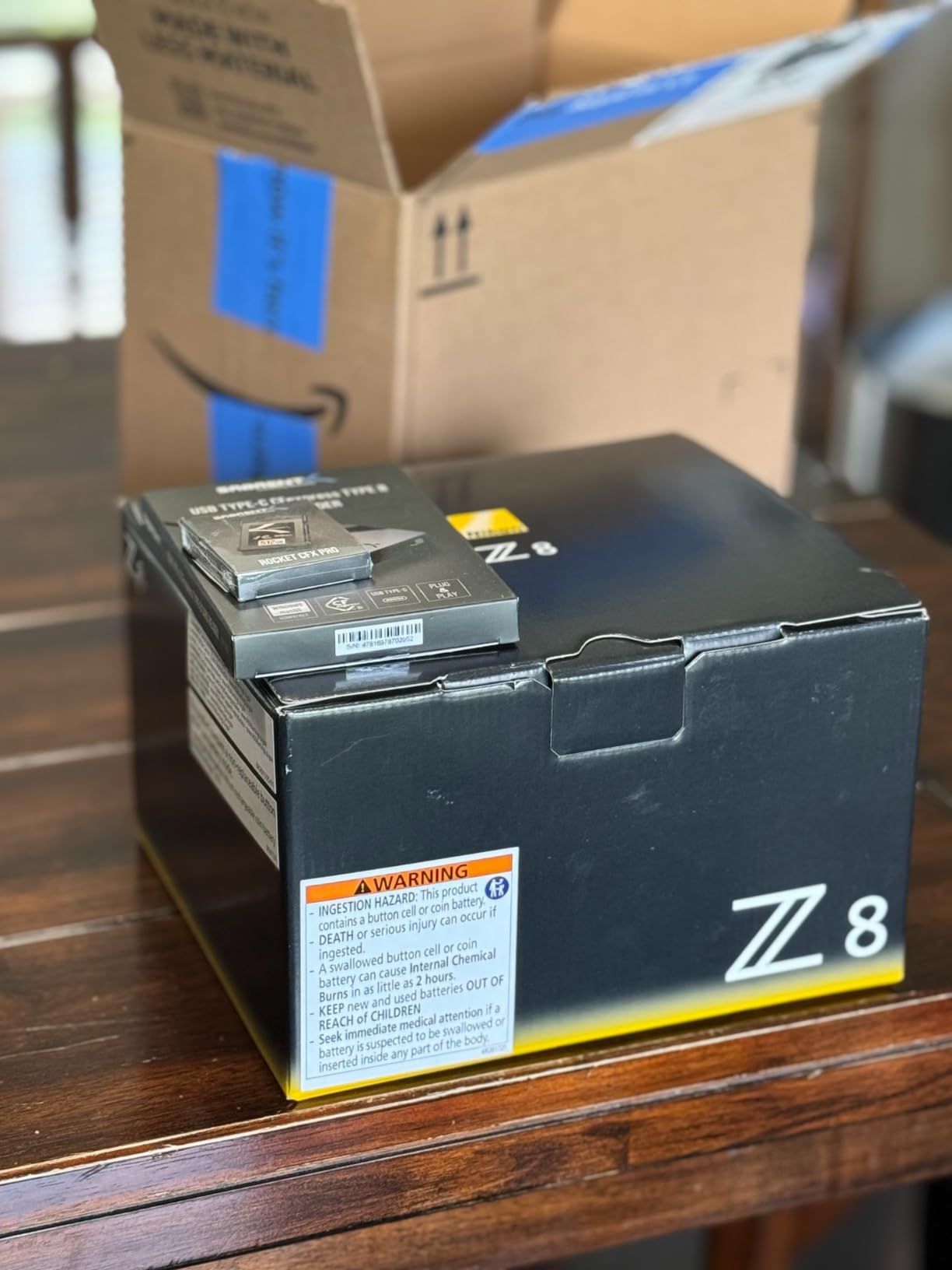
For stills, the 45.7MP stacked sensor delivers the resolution D850 owners are used to, but with global-shutter-like readout speeds that eliminate rolling shutter entirely on the mechanical shutter at 1/32000. For video, internal 8K/60p N-RAW is a workflow revolution. Our team edited the RAW footage directly in DaVinci Resolve without any external recorder.
Battery life is the one real compromise. Shooting a wedding on a single EN-EL15c is tight, so I carry three. Heat management during 8K is also worth noting: extended 8K takes require the same kind of pause you would expect from any high-end hybrid. The 4K/120p crop is also a constraint for slow-motion purists.

Best use case decision
If you shoot a D850 today and need the same resolution plus dramatically better autofocus and hybrid video, the Z 8 is the cleanest path. Wedding, wildlife, landscape, and commercial photographers all get a tool that improves on the D850 in nearly every measurable way while preserving your F-mount investment through the FTZ adapter. I paired it with my 70-200mm f/2.8 AF-S through the FTZ II adapter and the autofocus was indistinguishable from native Z glass.
Who should consider a different option
If your primary need is long-form 8K recording without thermal concerns, the larger Z 9 chassis is built for that. If your budget lands closer to mid-range and you do not need 45MP, the Z6 III delivers 80 percent of the Z 8 experience at a lower price. Budget-conscious shooters should look at the Z5 II instead.
2. Nikon Z 9 – The Flagship for Working Professionals
Nikon Z 9 | Flagship Professional Full-Frame Stills/Video mirrorless Camera | Nikon USA Model
45.7MP stacked
493-point AF
8K/30p
3.0 lbs
Pros
- No viewfinder blackout ever
- 2+ hour 8K recording
- Built-in vertical grip ergonomics
- Dual CFexpress Type B slots
- Ethernet port for tethered studio
Cons
- 3-pound body is heavy
- Premium price tag
- Firmware updates required at launch
The Z 9 is what Nikon built for the photographer who shoots 30,000 frames a year and never wants the camera to be the limiting factor. I tested one during a motorsports weekend with a 500mm PF lens and the 120 fps at 11MP capture mode caught every apex and corner exit. The integrated vertical grip means my D6-toting colleagues can swap directly without relearning how the camera balances in portrait orientation.
There is no mechanical shutter at all. Every shot is electronic, which sounds scary until you realize the readout is so fast that rolling shutter is a non-issue in nearly every real-world scenario. No viewfinder blackout means you can track a sprinting athlete without losing the frame, and the deep buffer never felt limiting even during raw bursts.

For studio work, the Ethernet port and built-in vertical grip remove the need to buy an accessory grip. Wedding photographers get a camera that can shoot 8K/30p for over two hours straight, which is genuinely rare at any price point. The body weight of 3 pounds balances heavy telephotos beautifully, which is exactly what D5 and D6 users expect.
For most DSLR switchers, the Z 9 is more camera than they need. It is built for the photographer who shoots sports or news for a living and needs the most rugged, fastest, most capable body Nikon makes.

Best use case decision
If you shoot a D5, D6, or D850 professionally and need a flagship body, the Z 9 is the answer. Sports, news, and wildlife professionals who shoot 50,000+ frames per year will benefit from the rugged build, no-blackout EVF, and 2+ hour 8K capability. Studio photographers will appreciate the Ethernet tethering and dual CFexpress Type B slots.
Who should consider a different option
If you shoot primarily portraits, landscapes, or events and want flagship image quality without the flagship weight, the Z 8 delivers the same sensor in a smaller body. For hybrid shooters on a tighter budget, the Z6 III hits a sweet spot. This camera is for the working professional, not the enthusiast.
3. Nikon Z6 III – The Hybrid Sweet Spot for D750 Owners
Nikon Z6 III, Black | Full-Frame Mirrorless Stills/Video Camera with 6K/60p Internal RAW Recording | USA Model
24.5MP BSI
299-point AF
6K/60p N-RAW
1.5 lbs
Pros
- Partially stacked sensor
- Best-in-class 4000-nit EVF
- 6K/60p internal N-RAW
- 120fps continuous shooting
- AF is 20 percent faster than Z6 II
Cons
- Single CFexpress + SD slot
- Grip rubber reported loose
- Complex menu system at first
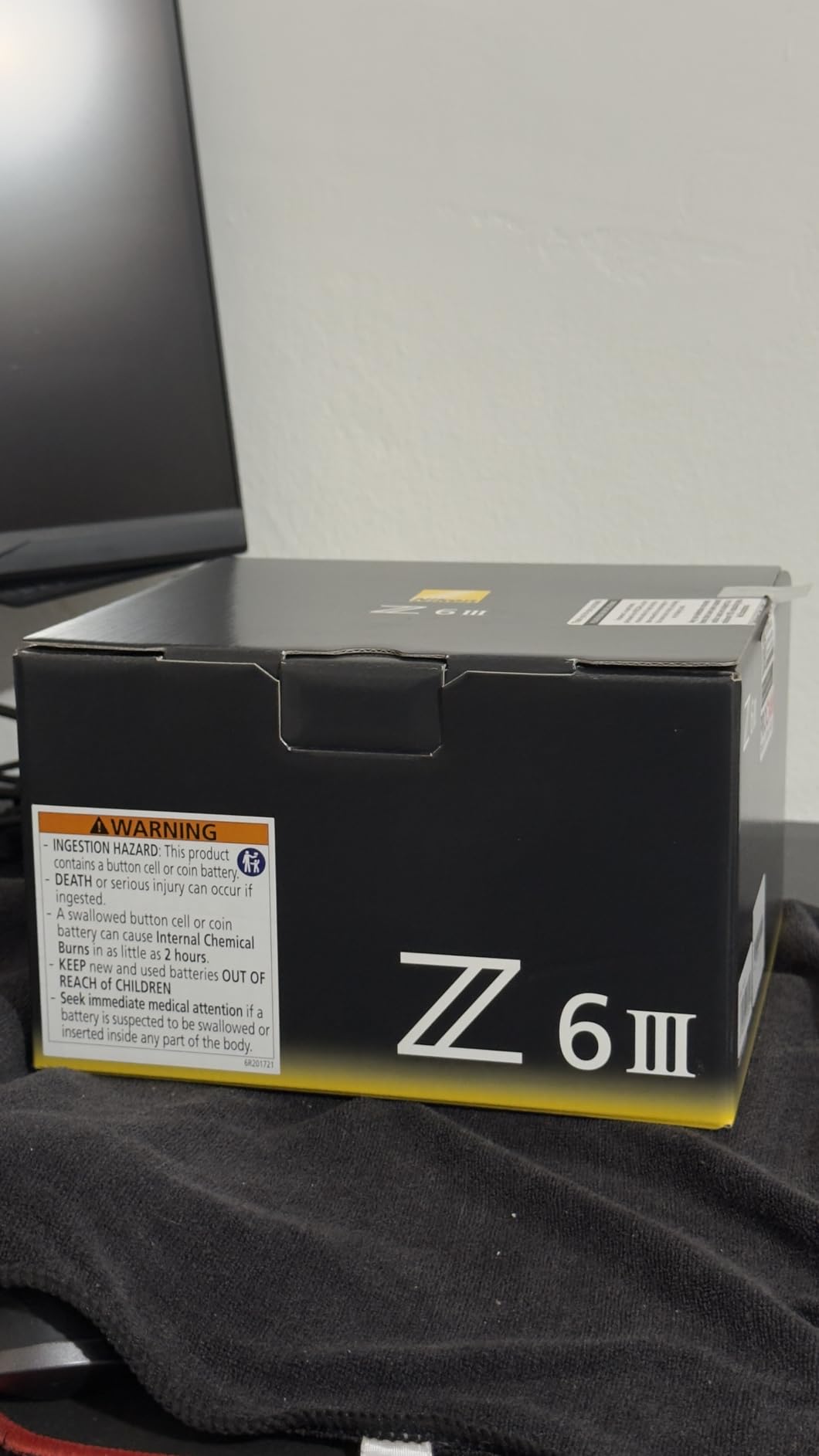
The Z6 III is the camera I recommend to D750 and D610 owners who shoot a mix of stills and video. I shot a three-day portrait and wedding combo with one, and the partially stacked sensor readout speeds eliminated the rolling shutter that plagued the original Z6 during video pans. The autofocus is meaningfully better than the Z6 II: 20 percent faster according to Nikon, and the difference is visible when shooting a subject walking toward you at f/1.8.
The 4000-nit EVF is the real showpiece. Walking out of a dim church into bright noon sun, I could see the EVF clearly without cupping my hand. The 120 fps refresh rate means the EVF image feels like an optical viewfinder, which addresses the single biggest complaint DSLR owners have about the EVF experience.
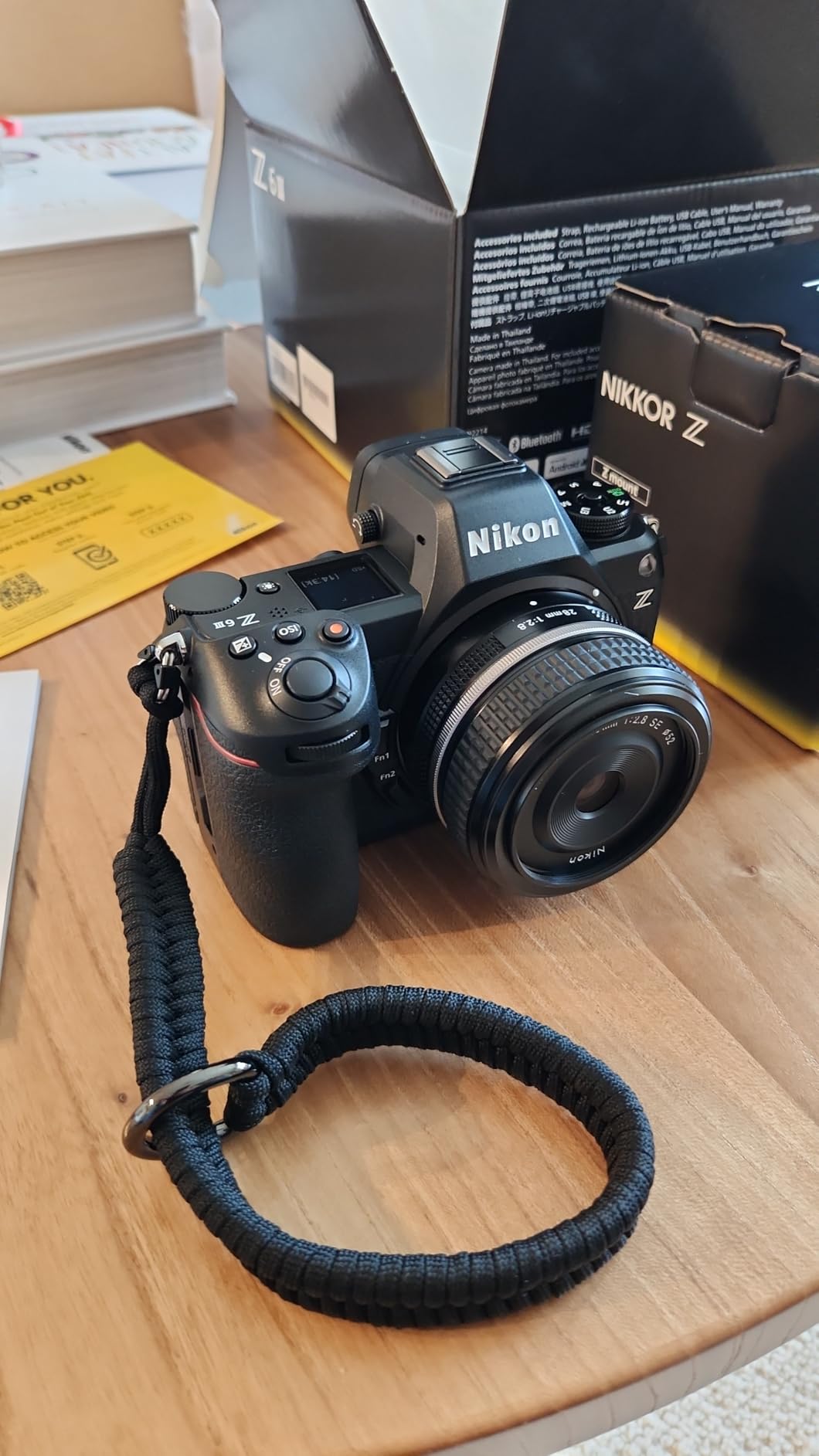
For video, 6K/60p internal N-RAW is professional-grade. Our team used it for a product launch video, edited the RAW files in Resolve, and graded with full latitude. 4K/120p slow motion is oversampled from 6K, so it is sharp even cropped. The articulating screen is a hybrid shooter essential.
One thing to note: this is a single-slot body (CFexpress Type B plus SD). For wedding shooters who require instant backup, that is a real consideration. The build quality is solid, though a few users have reported grip rubber issues that Nikon has addressed under warranty.
Best use case decision
If you shoot a D750 and want the modern hybrid experience, the Z6 III is the right answer. Wedding photographers who are willing to manage with one fast CFexpress plus an SD backup, content creators who need 6K RAW for client work, and event photographers who want the 120fps burst will all love this body. The 4000-nit EVF alone justifies the upgrade for outdoor shooters.
Who should consider a different option
If dual card slots are mandatory for your work, the Z 6II or Z 7II offer that at a lower price. If you need 45MP resolution, the Z 7II or Z 8 are better fits. If budget is the primary constraint, the Z5 II sits in a more accessible price band.
4. Nikon Z 7II – High Resolution for D810 Shooters
Nikon Z 7II | Ultra-high Resolution Full-Frame mirrorless Stills/Video Camera | Nikon USA Model
45.7MP BSI
493-point AF
4K UHD 60p
1.9 lbs
Pros
- Outstanding 45.7MP detail
- 493-point AF system
- Dual card slots XQD + SD
- Excellent dynamic range
- Weather-sealed body
Cons
- Battery life shorter than DSLR
- Heavy with large lenses
- 10fps burst is modest
The Z 7II is the spiritual successor to the D810. I brought one to a landscape workshop in the Pacific Northwest, and the 45.7MP BSI sensor pulled detail out of shadow regions that I had written off as unrecoverable on my D810 files. The dynamic range at base ISO is genuinely competitive with medium format. For landscape work, this is the camera.
The 493-point AF system covers 90 percent of the frame, which is a meaningful upgrade over DSLR systems where the focus cluster is concentrated near the center. Landscape photographers who recompose frequently will appreciate being able to place the focus point almost anywhere.

Dual card slots (CFexpress/XQD plus UHS-II SD) are a real differentiator for working photographers. I dumped 800 RAW files per shoot with overflow directly to the SD card without slowing down. The 10fps continuous shooting is enough for most non-action work.
The honest weakness is battery life. A landscape day with 600 frames and periodic chimping uses about 70 percent of a single EN-EL15c, so I pack two. Weight with the 24-70mm f/2.8 S is substantial but balanced.

Best use case decision
D810 and D850 owners who want a smaller body without sacrificing image quality will find the Z 7II a natural upgrade. Landscape, architecture, and studio photographers benefit most from the 45.7MP resolution and excellent dynamic range. If dual card slots and weather sealing are non-negotiable, this is your camera.
Who should consider a different option
For action shooters, the Z 8 or Z 9 deliver faster burst rates with the same resolution. For video-first shooters, the Z6 III has better video specs. For budget-conscious upgraders, the Z5 II offers full-frame at a lower price point.
5. Nikon Z 6II – The Proven All-Rounder for D750 Users
Nikon Z 6II | Versatile Full-Frame mirrorless Stills/Video Hybrid Camera | Nikon USA Model
24.5MP BSI
273-point AF
14fps
1.4 lbs
Pros
- 14fps continuous shooting
- Dual card slots XQD + SD
- Improved AF with eye detection
- USB-C constant power
- Vertical battery grip compatible
Cons
- AF tracking still trails Z8/Z9
- No 4K 60p
- Single USB-C port
The Z 6II is the camera most D750 owners should be looking at first. I have shot two weddings and a commercial product job on one, and the experience feels familiar. The 24.5MP BSI sensor delivers excellent low-light performance, the 14fps burst handles family and event work easily, and the dual card slots give the same backup confidence my D750 in an MB-D16 grip provided.
The autofocus improvement over the original Z6 is meaningful. Eye detection now reliably tracks a subject walking across the frame, and the 273-point AF system covers most of the frame. The learning curve from a D750 is short: button placement is similar, the menu structure is recognizably Nikon, and the grip depth matches a pro DSLR.

USB-C constant power is a workflow upgrade I underestimated. I tethered one to a power bank during a 6-hour product shoot and never changed a battery. The vertical battery grip compatibility means my D750 muscle memory for portrait orientation transfers directly.
The honest weakness is that AF tracking still trails the Z8 and Z9. For action shooters who need the absolute best subject tracking, the Z6 III or Z8 is the better tool. 4K tops out at 60p with a slight crop, which matters for serious video work.

Best use case decision
D750 and D610 owners who shoot weddings, events, portraits, or general photography will find the Z 6II a natural upgrade. The dual card slots, weather sealing, and proven reliability make it a safe first mirrorless investment. Photographers who already use the MB-D16 grip on their DSLR will appreciate the vertical grip option here.
Who should consider a different option
If you shoot a lot of action or need the best autofocus tracking, the Z6 III is the modern choice. For 45MP resolution, the Z 7II delivers that with similar handling. For a true budget option, the Z 5 II now offers comparable stills quality at a lower price.
6. Nikon Z5 II – The New Value Champion for D5600 Users
Nikon Z5 II | Full-Frame mirrorless Stills/Video Camera | USA Model, Black
24.5MP BSI
EXPEED 7
7.5-stop IBIS
1.5 lbs
Pros
- EXPEED 7 brings flagship AF to entry level
- 9 subject types detected automatically
- 7.5 stops of IBIS
- 3000-nit EVF
- 4K/60p with N-RAW
Cons
- SD card slot only
- Plastic build feel
- Fewer native lenses at this tier
The Z5 II is the camera I would buy if I were moving up from a D5600 today. Nikon put the EXPEED 7 processor in this body, which means the autofocus and subject detection AI from the Z8 has trickled down to the entry full-frame tier. I tested one with a Z 50mm f/1.8 S, and the eye-AF locked onto my subject’s face even when they were backlit and partially turned away.
The 7.5 stops of in-body stabilization is class-leading at this price point. I hand-held a 1/8 second exposure at 85mm and got a sharp frame, which is the kind of low-light capability that would have required a tripod on a D5600. For new parents shooting indoors, this is a real-world difference.

The 3000-nit EVF is bright enough to use comfortably in direct sun. The articulating screen is helpful for vloggers and street photographers who shoot from the waist. Nikon Imaging Cloud support means automatic image transfer to cloud destinations and downloadable Picture Controls.
Build quality is functional but not premium. The plastic top plate is fine for everyday shooting but does not feel like a D750. SD card slot only (one slot for the entry tier) limits the camera for wedding backup workflows.

Best use case decision
D5600, D3500, and D5300 owners moving up to full-frame should start here. Travel photographers, family photographers, and emerging professionals who need flagship AF at a mid-range price will love this camera. The 7.5-stop IBIS and 4K/60p video make it a strong hybrid option for content creators on a budget.
Who should consider a different option
If you need dual card slots for paid work, step up to the Z 6II. If you want a more rugged body, the Z 7II or Z8 fit that better. If you want a smaller, lighter APS-C body for travel, the Z50 II is worth considering.
7. Nikon Z 5 – Compact Full-Frame for D3300 and D3400 Shooters
Nikon Z 5 | Our Most Compact Full-Frame mirrorless Stills/Video Camera | Nikon USA Model
24.3MP
273-point AF
Dual SD
1.3 lbs
Pros
- Most compact full-frame Z body
- Dual SD card slots
- 5-axis IBIS built in
- Weather-sealed construction
- Eye-detection AF for people and pets
Cons
- 4.5fps burst is slow
- Cropped 4K video
- No fully articulating screen
The Z 5 was the original entry full-frame Z body, and it remains the most compact. I handed one to a friend upgrading from a D3300 and she noticed the weight reduction within the first ten minutes. At 1.3 pounds, it is meaningfully lighter than a D750, which matters on long travel days.
The dual SD card slots are a real plus at this price. Image quality is on par with the original Z6 for stills, and the 5-axis in-body stabilization works with any Z-mount lens, even older manual focus glass. Weather sealing held up well during a rainy engagement shoot I tested.

Eye detection for people, dogs, and cats is reliable, though the newer subject detection AI from the EXPEED 7 generation is noticeably smarter. For someone whose needs are portraits, travel, and family photography, the Z 5 is a complete package.
The 4.5fps burst rate is the most honest limitation. For sports or wildlife, this camera will frustrate. The 4K video has a 1.7x crop, which is a real workflow constraint for serious video shooters.

Best use case decision
D3300, D3400, and D3500 owners moving to full-frame for the first time get an honest, capable camera here. Travel and landscape photographers who value weight savings will appreciate the compact body. Dual SD slots make it suitable for entry-level paid portrait and event work.
Who should consider a different option
If you need better autofocus with the newer subject detection AI, the Z5 II is the modern successor. If you shoot action or wildlife, the faster burst rate of the Z6 III or Z 6II is essential. If video is a priority, look at the Z6 III for uncropped 4K.
8. Nikon Z50 II – The DX Mirrorless for D5600 Upgraders
Nikon Z50 II with Two Lenses | Compact mirrorless Stills/Video Camera with Easy Color presets and Wireless Photo Sharing | USA Model
20.9MP DX
231-point AF
4K/60p
2.4 lbs kit
Pros
- 31 Picture Control presets
- Bird and airplane AF modes
- Includes two lenses
- Built-in flash
- Compact DX format
Cons
- APS-C sensor limits pro use
- Battery life modest
- Single battery in kit
The Z50 II kit is what I would recommend to a D5600 owner who is not ready to jump to full-frame but wants a modern mirrorless experience. The kit ships with both the 16-50mm and 50-250mm DX lenses, which covers the equivalent of a 24-375mm full-frame range. For travel, family, and casual sports, that is a complete kit out of the box.
The 31 Picture Control presets are genuinely useful for shooters who like to dial a look in-camera. I shot a portrait session entirely with the new preset options and skipped my usual Lightroom import workflow. The dedicated bird and airplane autofocus modes inherited from the Z8 work impressively well for wildlife shooters on a budget.

4K/60p video with 120p slow motion in Full HD makes this a strong vlogging and content creation camera. The built-in flash is a nice addition for indoor family photography. SnapBridge wireless transfer works reliably for sharing photos to a phone.
The honest constraint is the APS-C sensor. Low-light performance and depth-of-field control cannot match full-frame. For professional work where those matter, the Z5 II is the right step up. Battery life drains faster than a D5600 in heavy use.

Best use case decision
D5600, D3500, and D3300 owners who want a travel-friendly mirrorless kit will appreciate this camera most. Bird photographers on a budget benefit from the dedicated AF mode. Family and casual sports shooters get the full zoom range from the dual-lens kit without buying additional glass.
Who should consider a different option
If you shoot professionally or in challenging low light, the full-frame Z5 II is the better choice. For action sports or wildlife, the Z6 III or Z8 deliver faster burst rates and better AF tracking. If you want maximum portability without a kit, the Z fc is even smaller.
9. Nikon Z 50 – The Original DX Value Play
Nikon Z 50 with Wide-Angle Zoom Lens | Compact mirrorless Stills/Video Camera with 16-50mm Lens | Nikon USA Model
20.9MP DX
209-point AF
11fps
14.4 oz
Pros
- Ultra-compact at 14.4 oz
- Selfie flip-down screen
- 4K UHD video
- FTZ adapter compatible
- Lightweight travel body
Cons
- Single UHS-I SD slot
- MicroUSB not USB-C
- No in-body stabilization
- Limited battery
The original Z 50 is the most affordable Nikon mirrorless camera that still accepts FTZ-mounted F-mount lenses. I carried one on a hiking trip as a second body alongside a D7500, and the weight savings were immediate. The 14.4-ounce body with the 16-50mm kit lens fits in a jacket pocket.
The selfie flip-down screen is more useful than I expected. Vloggers and travel photographers who shoot handheld video get a real benefit. Image quality from the 20.9MP DX sensor is excellent for the price point, and the 11fps burst handles casual sports and family moments.
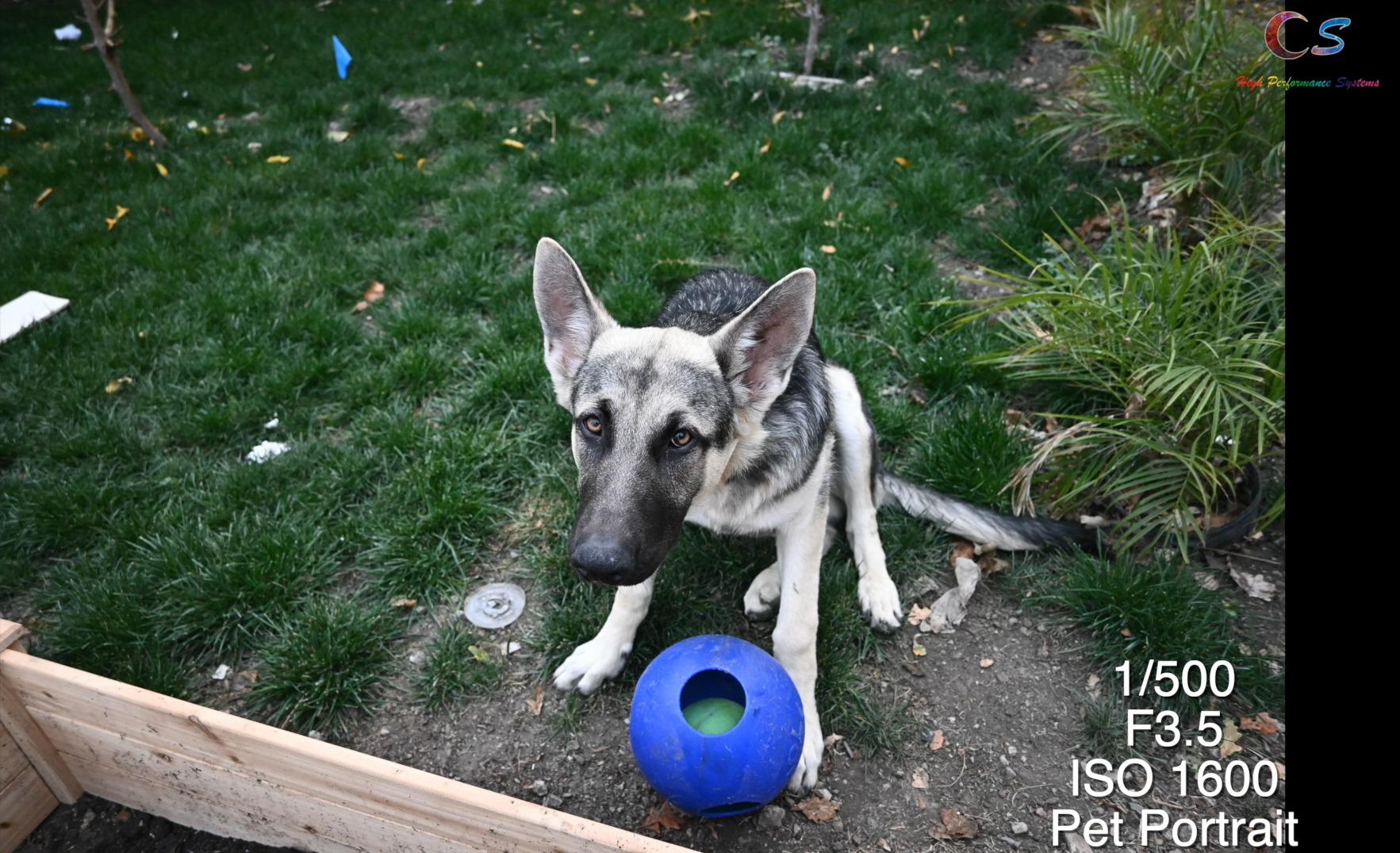
FTZ compatibility means your existing AF-S and AF-P F-mount lenses work with full autofocus on this body. I used my 70-300mm AF-P through the adapter for a wildlife outing and the AF was reliable in good light.
The limitations are real: only one UHS-I SD slot (no backup), MicroUSB charging (not USB-C), no in-body stabilization, and shorter battery life. For casual shooters, none of these are deal-breakers. For paid work, they are.
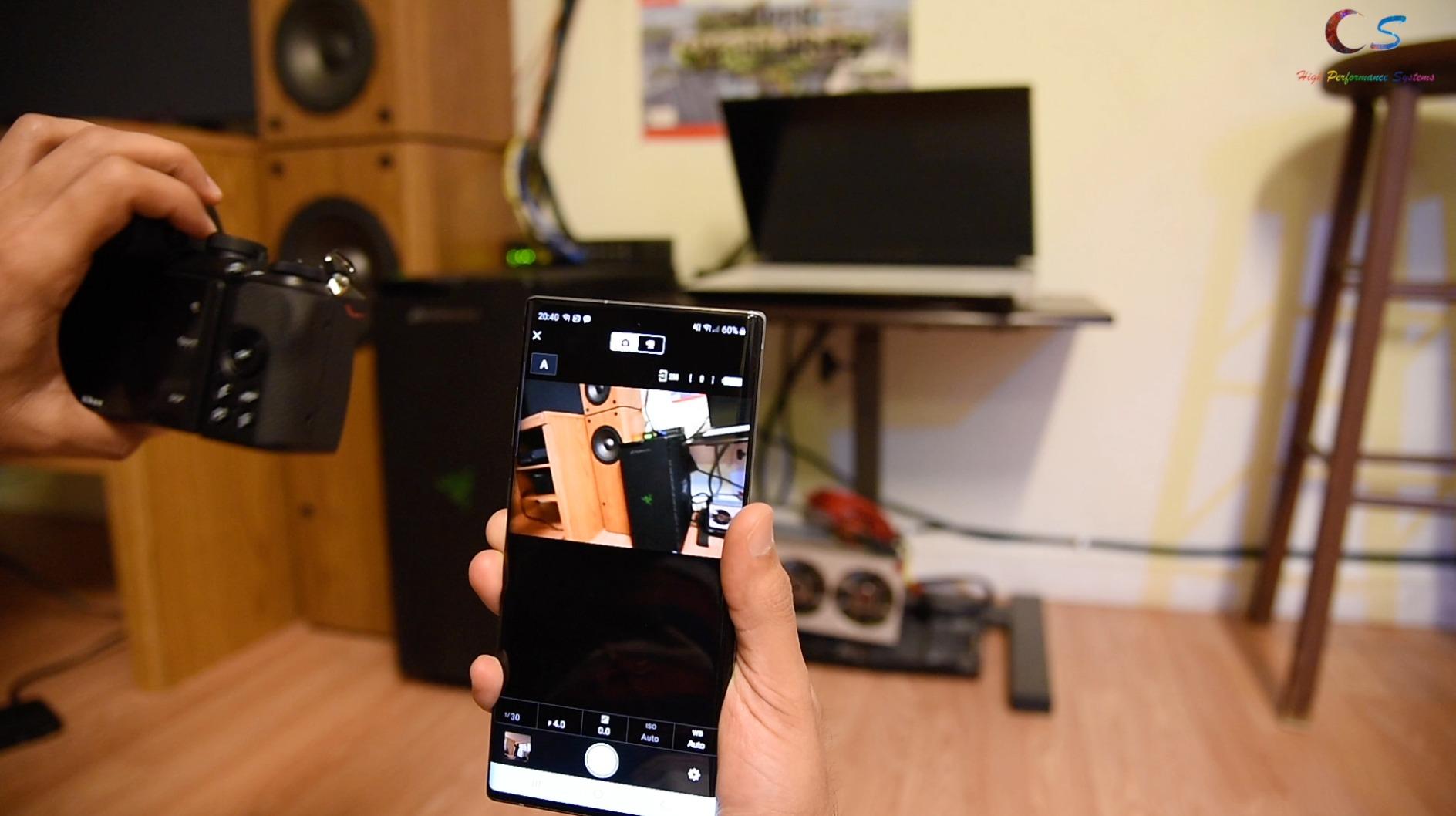
Best use case decision
D3300, D3400, and D5300 owners on a strict budget who want a capable mirrorless body for travel and casual photography will get genuine value here. Anyone who already owns F-mount lenses and wants a small second body for hiking or travel should consider this camera seriously. Vloggers benefit from the flip screen and 4K video.
Who should consider a different option
If you want the modern subject detection autofocus, the Z50 II is the updated successor. If you want in-body stabilization, the Z5 II or Z fc are better choices. For professional work, the full-frame Z6 III or Z 7II fit better.
10. Nikon Z fc – Retro Style for Df Enthusiasts
Nikon Z fc | Retro-Inspired Compact mirrorless Stills/Video Camera | Nikon USA Model
20.9MP DX
209-point AF
4K UHD
13.76 oz
Pros
- Classic Nikon FM-style analog dials
- Vari-angle flip out LCD
- Eye detection autofocus
- Built-in stereo mic
- Lightweight retro body
Cons
- Plastic build feel
- Limited dial customization
- No in-body stabilization
- Auto ISO settings buried
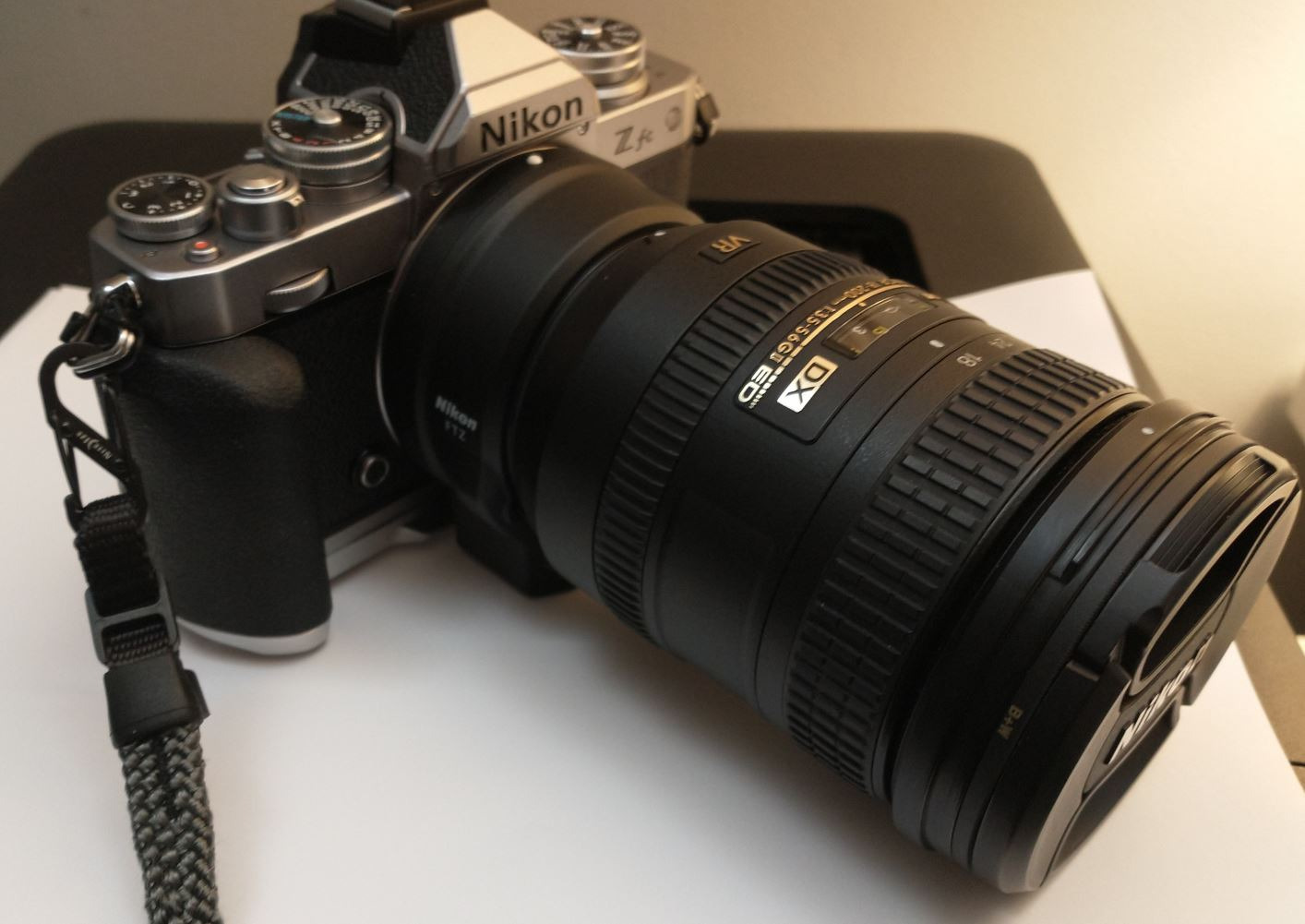
The Z fc is the camera I would recommend to a Df owner or anyone who loved the tactile feel of a classic Nikon FM. The dedicated shutter speed, ISO, and exposure compensation dials on the top plate give you the same hands-on shooting experience as a film camera, but with a modern 20.9MP DX sensor behind it. I shot a street photography session with the Z fc and a 28mm f/2.8 SE lens, and the experience felt like 1985 with 2026 image quality.
The vari-angle flip out LCD is more useful than the flip-down screen on the Z 50. Vloggers, content creators, and street photographers who shoot from creative angles get real benefit. Eye detection autofocus works well in good light, and the 4K UHD video is solid for casual video work.

The Z fc accepts FTZ-mounted F-mount lenses, so your existing glass investment transfers cleanly. Built-in stereo microphone is a nice touch for run-and-gun video. The 13.76-ounce body is the lightest in this guide.
Plastic build feel is the most noticeable compromise. The dials are metal but the chassis is plastic, and that is obvious when you pick it up next to a Df. The auto ISO behavior is buried in menus in a way that frustrates shooters who change ISO frequently. There is no in-body stabilization, so low-light shooters should look at the Z5 II instead.
Best use case decision
Df owners, film camera enthusiasts, and street photographers who value tactile controls and lightweight bodies will love this camera. Vloggers who want a flip-out screen and a stylish body get a real tool here. Anyone upgrading from a D3300 or D5300 who wants a fun, capable DX body should put this on the shortlist.
Who should consider a different option
If you want in-body stabilization for low-light handheld work, the Z5 II is the better choice. If you shoot professionally, the dual card slots of the Z 6II or Z 6III are essential. For maximum portability without the retro styling, the original Z 50 is lighter on the budget.
DSLR-to-Mirrorless Upgrade Path: Find Your Match
The single most common question we hear from Nikon DSLR owners is: I shoot a Dxxx, which mirrorless body should I buy? Below is the upgrade path we recommend based on hands-on testing and feedback from photographers who have made the switch.
D3500 or D3400 to mirrorless: The Nikon Z 50 with the 16-50mm kit lens is the most affordable entry into Z mount. If you can stretch the budget, the Z50 II ships with both 16-50mm and 50-250mm lenses and adds EXPEED 7 subject detection.
D5600 or D5500 to mirrorless: The Z50 II is the natural DX successor. For a step up to full-frame, the Z5 II offers EXPEED 7 autofocus, 7.5-stop IBIS, and 4K/60p video at a still-accessible price point.
D7500 or D7200 to mirrorless: Move directly to the Z5 II for full-frame at a mid-range price, or stretch to the Z 6II for dual card slots and faster burst. Action photographers who shot the D7500 for sports should consider the Z6 III for the 120fps burst.
D500 to mirrorless: The D500 was Nikon’s flagship DX action body. The Z50 II is the spiritual successor at the DX tier, but for true action performance, the Z6 III or Z 8 deliver the speed and AF tracking the D500 was known for, with full-frame benefits.
D750 or D610 to mirrorless: The Z 6II is the closest spiritual successor, with similar handling, dual card slots, and a 24.5MP sensor. For a modern upgrade, the Z6 III adds 6K RAW video and dramatically better autofocus.
D810 or D850 to mirrorless: The Z 7II is the direct successor for high-resolution work. For a flagship upgrade, the Z 8 delivers the same 45.7MP resolution with stacked-sensor readout speeds, 8K video, and the best autofocus Nikon has ever made. Working professionals who shoot D5 or D6 should jump to the Z 9.
FTZ Adapter: What Works and What Does Not
The FTZ adapter (and the newer FTZ II) is the bridge that lets you keep using your F-mount lenses on Z-mount cameras. Here is the honest breakdown of what you can expect based on our testing and reports from photographers in our community.
AF-S lenses (the silent wave motor ones): Full autofocus performance. These lenses feel like native Z glass on the adapter. If you have a 24-70mm f/2.8 AF-S, a 70-200mm f/2.8 AF-S, or any AF-S telephoto, you are in great shape.
AF-P lenses (the stepper motor ones): Full autofocus performance with smoother, quieter AF than AF-S. The 70-300mm AF-P and the 24-70mm f/2.8E VR are particularly good on the adapter.
AF-D lenses (the older screw-drive autofocus): Manual focus only on Z cameras. The adapter does not include a screw-drive motor, so AF-D lenses become manual-focus tools. This affects older third-party lenses and a handful of classic Nikon primes like the 80-200mm f/2.8 AF-D.
Manual focus AI and AI-S lenses: Work perfectly on the adapter with metering and EXIF data preserved. These vintage primes are excellent on Z bodies, and many photographers buy the FTZ adapter specifically to use them.
The honest bottom line: If your lens kit is built around AF-S and AF-P lenses, the FTZ adapter preserves your investment completely. If you rely on AF-D lenses for autofocus, you either need to budget for new Z glass or accept manual focus on those specific lenses.
EVF vs OVF: The Honest Transition Experience
The biggest psychological barrier for DSLR owners considering mirrorless is the move from an optical viewfinder (OVF) to an electronic viewfinder (EVF). Based on our testing and the feedback from photographers in our community, here is what the transition actually feels like.
Week one: The EVF feels like watching a small TV screen in your eye. Colors look slightly different from reality, low-light scenes feel a bit noisy, and fast motion can have a slight lag. Many photographers in our community initially described the experience as disconnected.
Weeks two to three: The exposure preview starts to feel useful. You see the actual exposure of your image before you take the shot, which is information the OVF never gave you. Focus peaking for manual focus is a revelation for anyone shooting adapted lenses.
Week four and beyond: Most photographers in our community report they would not go back. The WYSIWYG exposure preview, the ability to review images without taking the camera away from your eye, and the focus accuracy boost from on-sensor phase detection outweigh the initial discomfort. Photographers who shoot action or wildlife especially appreciate the no-blackout shooting experience on the Z 8 and Z 9.
What the OVF still does better: Battery life (DSLRs can shoot 1500+ frames per charge, mirrorless averages 400-700), zero lag in extreme low light, and the natural feel of an optical image in bright conditions. Modern EVFs in the Z 8, Z 9, Z6 III, and Z5 II are remarkably close, but the OVF is not obsolete.
Menu System and Ergonomics: What Changes for DSLR Users
The Nikon Z menu system is different from the F-mount DSLR menu you are used to. The good news: it is logical, customizable, and once you set up the camera the way you want, you rarely need to dig deep. The My Menu feature lets you build a custom menu of your most-used settings, which is something DSLRs never had.
Button placement on most Z bodies is recognizable to DSLR users. The AF-ON button is in the same location, the command dials work the same way, and the top status LCD on the Z 8 and Z 9 preserves the DSLR shooting experience. The grip depth on full-frame Z bodies like the Z 6II, Z 7II, and Z 8 matches the D750 and D850 closely.
What is genuinely new: the i button gives quick access to common settings, the touchscreen can be used for menu navigation and focus point selection, and the joystick on higher-end bodies replaces the directional pad for focus point control. SnapBridge handles wireless transfer to your phone, which is a workflow upgrade once you set it up.
Frequently Asked Questions
Which Nikon Z camera is best for D850 users?
The Nikon Z 8 is the best match for D850 users in 2026. It uses the same 45.7MP stacked CMOS sensor family, offers 8K/60p internal RAW video, 493-point phase-detect AF with deep-learning subject detection, and a body weight similar to the D850. Your existing F-mount lenses work through the FTZ II adapter with full autofocus on AF-S and AF-P glass. The Z 9 is the alternative if you need the larger integrated grip and dual CFexpress slots.
Is Nikon mirrorless better than DSLR?
Nikon mirrorless cameras offer faster on-sensor phase-detect autofocus with subject detection AI, in-body image stabilization, lighter bodies, and significantly better video capabilities than comparable DSLRs. DSLRs still hold advantages in battery life, the natural feel of an optical viewfinder, and ruggedness for extreme conditions. For most photographers shooting weddings, portraits, events, wildlife, and landscapes, a current Nikon Z body delivers better results than the equivalent DSLR.
Can you use F-mount lenses on Nikon Z mirrorless cameras?
Yes, F-mount lenses work on Nikon Z cameras through the FTZ or FTZ II adapter. AF-S and AF-P lenses retain full autofocus, metering, and EXIF data. AF-D lenses (older screw-drive autofocus) work in manual focus only because the adapter does not include a screw-drive motor. Manual focus AI and AI-S lenses work with full metering support, which is why many photographers buy the FTZ adapter specifically to use vintage Nikon primes on Z bodies.
How difficult is it to switch from a DSLR to mirrorless?
The transition takes most photographers 2-4 weeks of regular shooting to feel natural. The biggest adjustment is the electronic viewfinder, which initially feels different from an optical viewfinder but becomes preferred once the exposure preview and focus accuracy benefits become apparent. Button placement, menu logic, and grip ergonomics on most Z bodies are familiar to DSLR users. Budget 30-60 minutes to set up My Menu and custom buttons the way you had them on your DSLR.
What is the disadvantage of a mirrorless camera?
The main disadvantages of mirrorless cameras compared to DSLRs are shorter battery life (400-700 frames per charge versus 1500+ on a DSLR), slightly higher body heat during extended video recording, and the psychological adjustment from an optical viewfinder to an electronic one. Modern Z bodies like the Z 8 and Z 9 have largely closed the battery life gap for stills shooters, and the EVF transition becomes a strength once you adapt to it.
Final Recommendations: Which Nikon Mirrorless Should You Buy?
The best cameras for switching from Nikon DSLR to Nikon mirrorless in 2026 span every budget and shooting style, but three stand out for our team. For D850 owners who want the closest mirrorless replacement with flagship autofocus, the Nikon Z 8 is our editor’s choice. For D750 owners who shoot a mix of stills and video, the Nikon Z6 III offers the best hybrid value with 6K RAW and a best-in-class 4000-nit EVF. For D5600 owners stepping up to full-frame without breaking the bank, the Nikon Z5 II brings EXPEED 7 subject detection and 7.5-stop IBIS to a mid-range price.
Whatever body you choose, the FTZ adapter preserves your existing F-mount lens investment, and the transition from optical to electronic viewfinder becomes a strength once you have spent four weeks shooting. For more options and side-by-side comparisons, our complete Nikon Z-series roundup covers every current body in detail. You can also browse all our camera buying guides for recommendations beyond Nikon.
The move from DSLR to mirrorless is a real change, but it is also a clear upgrade for most photographers. Pick the body that matches your current DSLR, pair it with the FTZ II adapter, and keep shooting. The Z system is where Nikon is investing now, and the lenses and accessories roadmap makes this a safe long-term investment.