
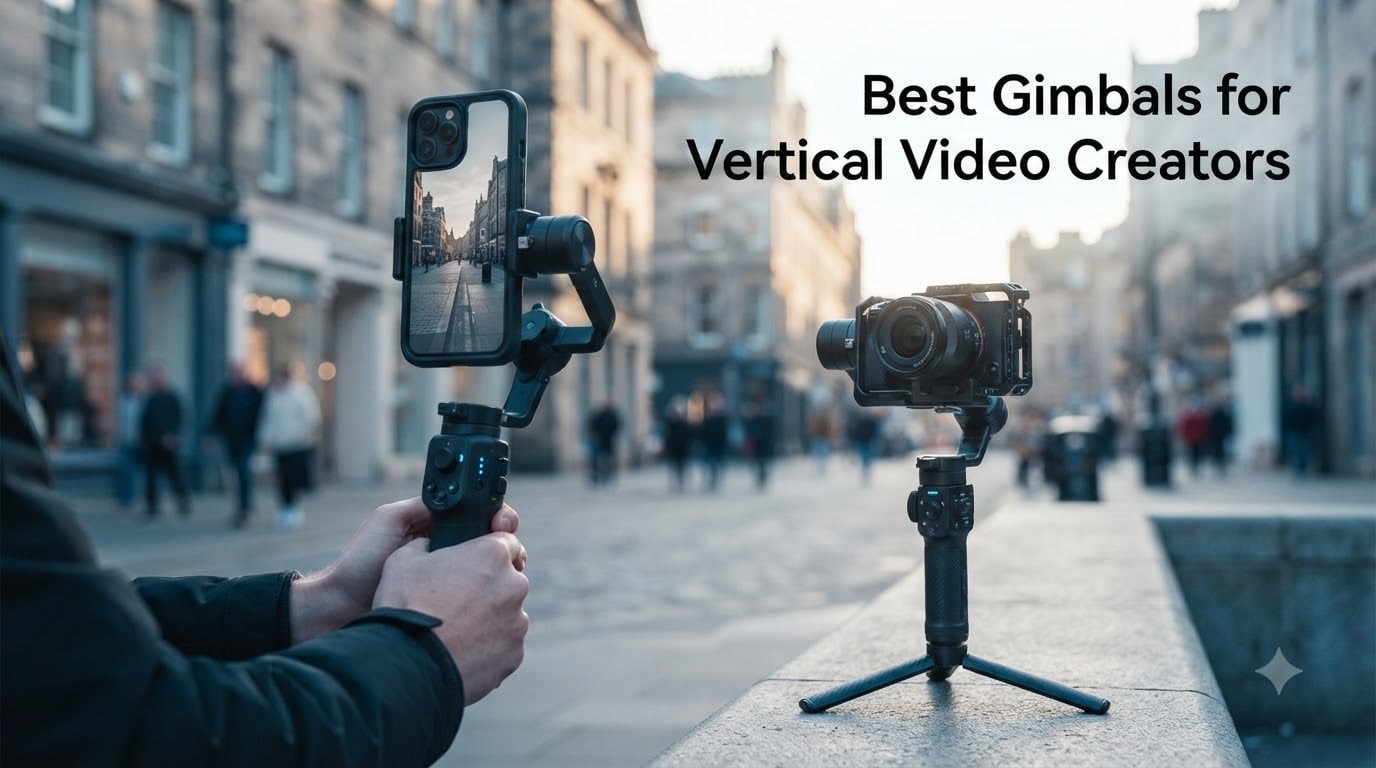
Vertical video isn’t a niche anymore — it’s the default format. TikTok, Instagram Reels, and YouTube Shorts all reward native portrait content with better reach and full-screen framing, and if you’re shooting handheld without stabilization, your footage shows it immediately. That’s where a good gimbal saves you.
We spent weeks comparing the best gimbals for vertical video creators, digging through thousands of owner reviews, and pullng real feedback from Reddit communities like r/videography and r/smartphonefilming. Every pick on this list earned its spot through real-world performance, not marketing specs.
Our lineup covers eight stabilizers across every budget — from a $49 budget option all the way to a dedicated mirrorless camera gimbal. Whether you film Reels on an iPhone or shoot vertical wedding content on a Sony body, there’s a pick here that fits your setup.
Note: This article contains affiliate links. We earn a commission at no additional cost to you — it helps us keep testing gear and updating these picks.
Table of Contents
Top 3 Picks for Vertical Video Creators (October 2026)
After comparing all eight models, three stood out for different reasons. The DJI Osmo Mobile 8 is our top overall pick thanks to its built-in extension rod, tripod, and AI tracking. The DJI Osmo Mobile 7P hits a sweet spot of price and features, making it our best value. And the Hohem iSteady X3 SE proves you don’t need to spend much to get smooth vertical footage.


Best Gimbals for Vertical Video Creators in 2026
Here’s a quick side-by-side of all eight gimbals we tested. Each one supports fast switching to vertical orientation, and the full reviews follow below.
| Product | Specifications | Action |
|---|---|---|
| DJI Osmo Mobile 8 |
|
Check Latest Price |
 DJI Osmo Mobile 7P DJI Osmo Mobile 7P |
|
Check Latest Price |
 DJI Osmo Mobile 6 DJI Osmo Mobile 6 |
|
Check Latest Price |
| Hohem iSteady X3 SE |
|
Check Latest Price |
 DJI OM 4 SE DJI OM 4 SE |
|
Check Latest Price |
 DJI RS 3 Mini DJI RS 3 Mini |
|
Check Latest Price |
 Hohem iSteady V3 Ultra Hohem iSteady V3 Ultra |
|
Check Latest Price |
 AOCHUAN Smart XE AOCHUAN Smart XE |
|
Check Latest Price |
1. DJI Osmo Mobile 8 — Best Overall Phone Gimbal
DJI Osmo Mobile 8 Gimbal Stabilizer for Phone, 3-Axis Stabilization
3-Axis Stabilization
Built-in Extension Rod & Tripod
10-Hour Battery
370g Weight
Pros
- Excellent 3-axis stabilization for smooth footage
- AI Native Tracking works reliably
- 360° pan rotation for immersive shots
- Built-in extension rod and tripod
- Phone charging while filming
Cons
- No included case (only storage pouch)
- Auto-on feature can trigger accidentally in pocket
- Larger phones with bulky cases may affect balance
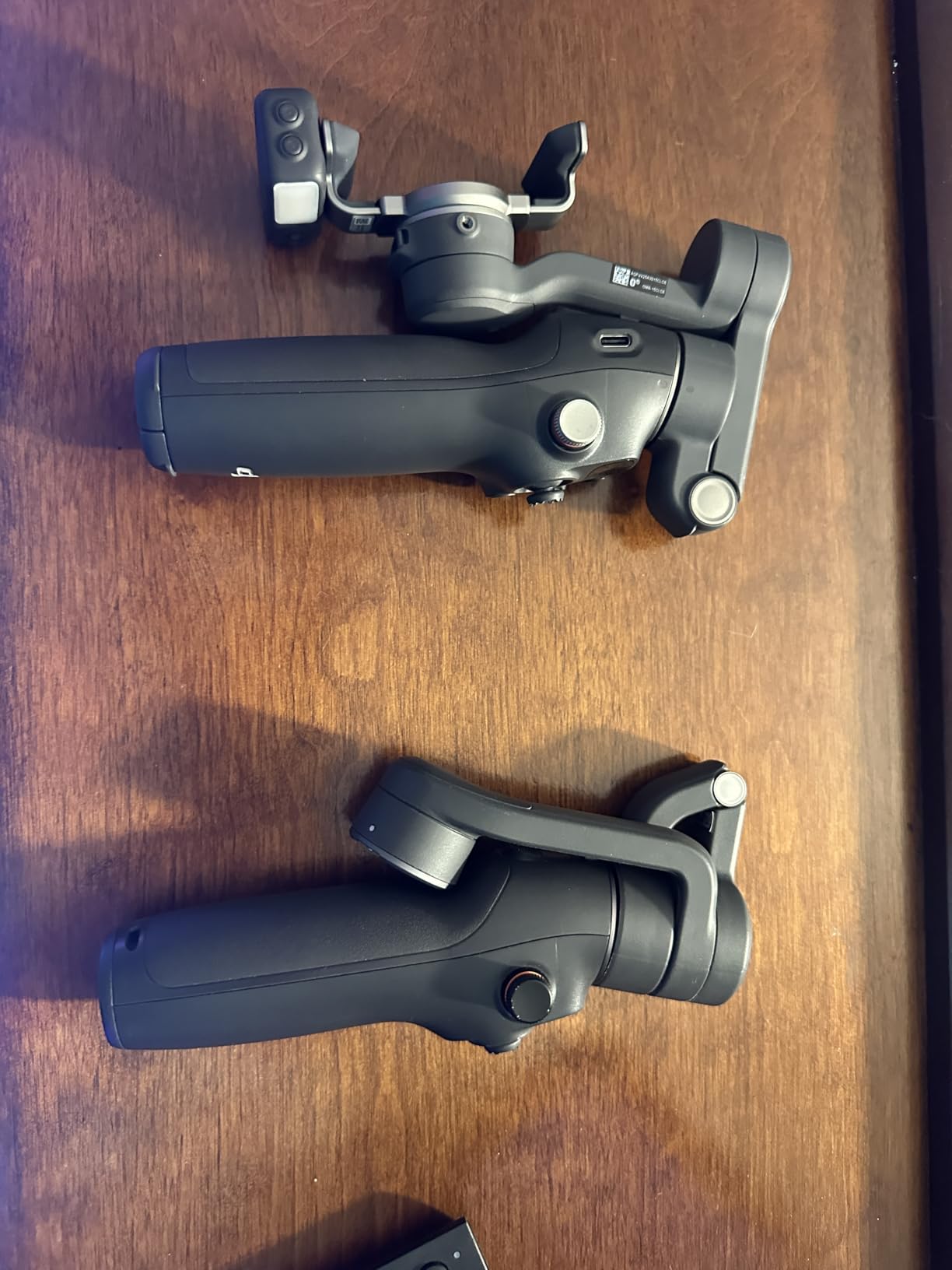
I tested DJI’s Osmo Mobile 8 during a two-week stretch of shooting Reels and Shorts, and it quickly became my daily driver. The extension rod built into the handle is a feature I didn’t know I needed — it gives you just enough reach for overhead and low-angle vertical shots without extra gear.
The vertical workflow is where this gimbal shines. You just rotate your phone in the magnetic clamp, and the gimbal detects the orientation instantly. No rebalancing, no app fiddling, no downtime when a vertical opportunity pops up mid-shoot.
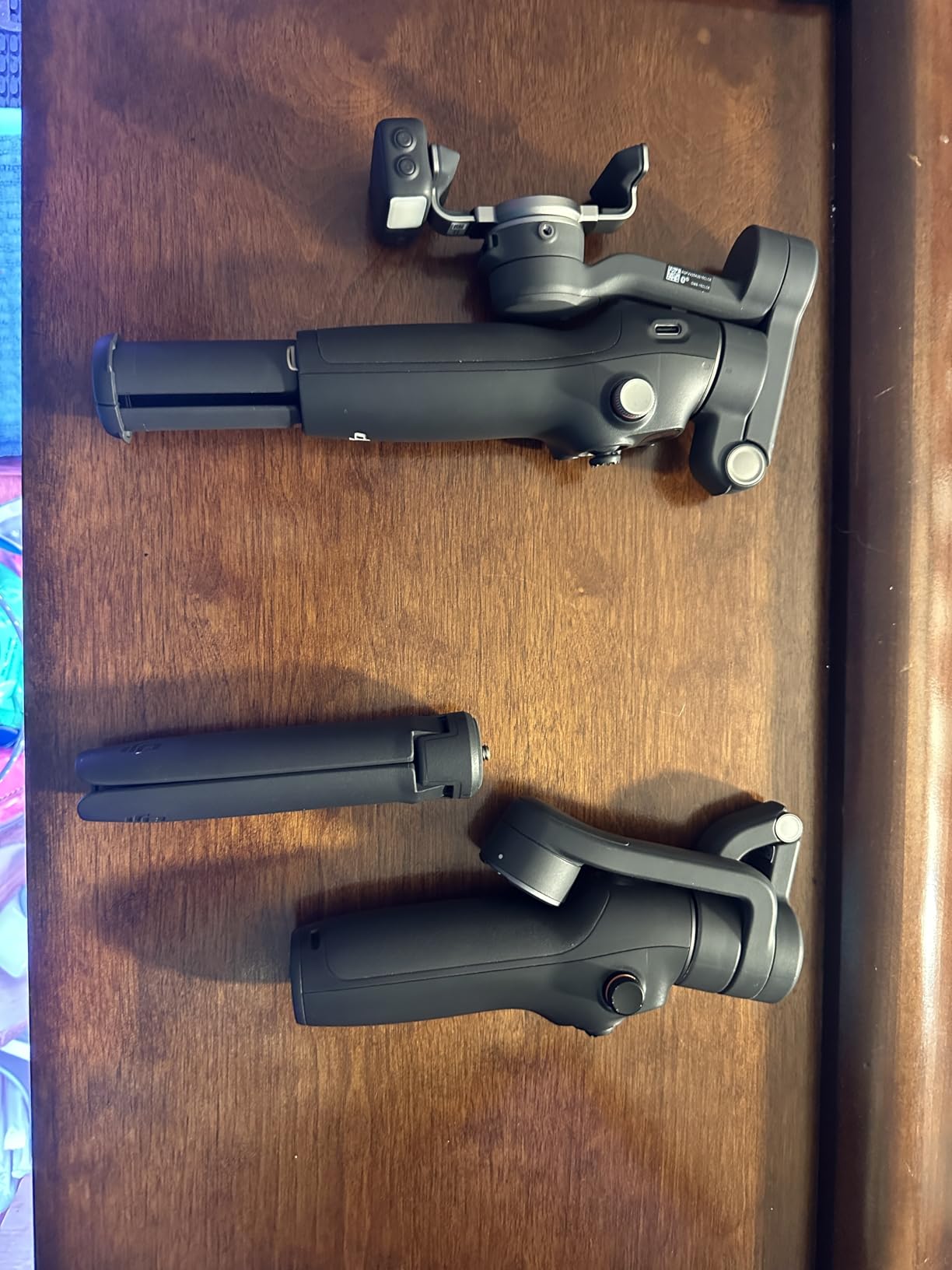
Battery life is a real strength here. The 10-hour rating held up in my testing, and I regularly got through multiple full shooting days on a single charge. The fact that it can charge your phone while filming is a lifesaver during long sessions.
The AI Native Tracking with built-in audio and lighting support is reliable for solo creators. It locks onto faces well, even when you turn or step back from the camera. My only real complaints: it ships with just a storage pouch instead of a proper case, and the auto-on feature occasionally triggered in my bag.
Who should buy it
This is the pick if you’re a serious smartphone creator who wants one gimbal that does everything — tracking, extension rod, tripod, and all-day battery. It’s especially good for solo creators filming talking-head and follow-cam content.
It’s also the safest gift or first upgrade if you’re not sure exactly what features matter most yet, since it covers nearly every base.
Who should skip it
If you shoot with a mirrorless camera rather than a phone, this won’t hold your gear — look at the DJI RS 3 Mini below instead. And if your budget is under $60, the Hohem iSteady X3 SE gets you surprisingly close for a lot less.
2. DJI Osmo Mobile 7P — Best Value Phone Gimbal
DJI Osmo Mobile 7P Gimbal Stabilizer for iPhone & Android, Native Tracking
Native Tracking with Module
Built-in Extension Rod & Tripod
10-Hour Battery
368g Weight
Pros
- Excellent 3-axis stabilization
- Native tracking locks onto subjects quickly
- Quick Launch for fast setup
- Can charge phone while filming
- Works with DJI Mic 2/Mic Mini receivers
Cons
- May need calibration more often with heavy phones
- Built-in tripod can feel flimsy
- AI tracking can be gimmicky with gesture controls
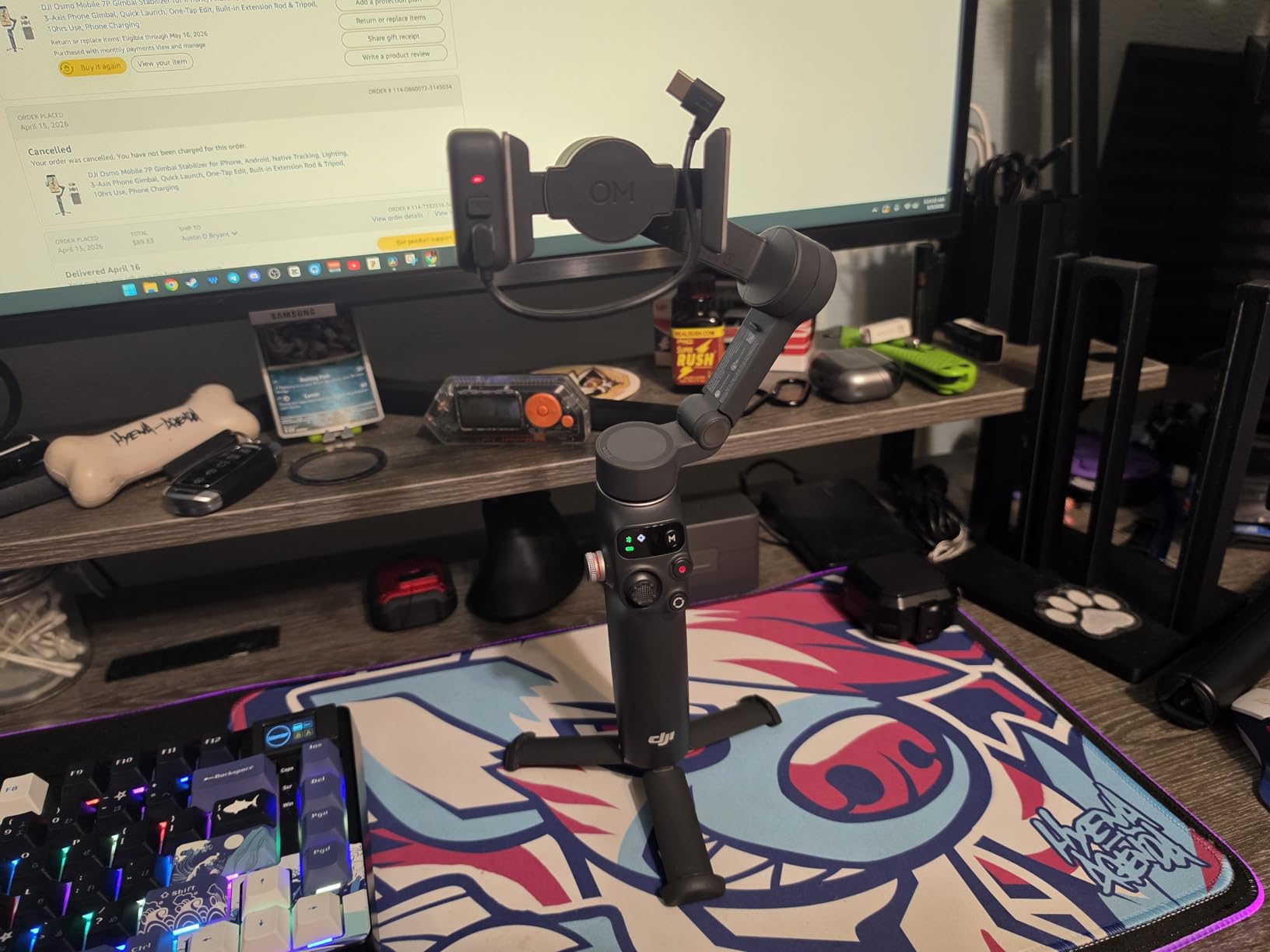
The Osmo Mobile 7P is the gimbal I recommend most often, and the 4.6-star rating across nearly 7,000 reviews backs that up. It hits the sweet spot where price, features, and reliability all meet.
Dual-lens enhanced tracking means it can follow you using either the front or rear camera, which is perfect for creators who film themselves. The Multifunctional Module adds a fill light and audio receiver support in one accessory, so you can pair a DJI Mic directly without extra dongles.
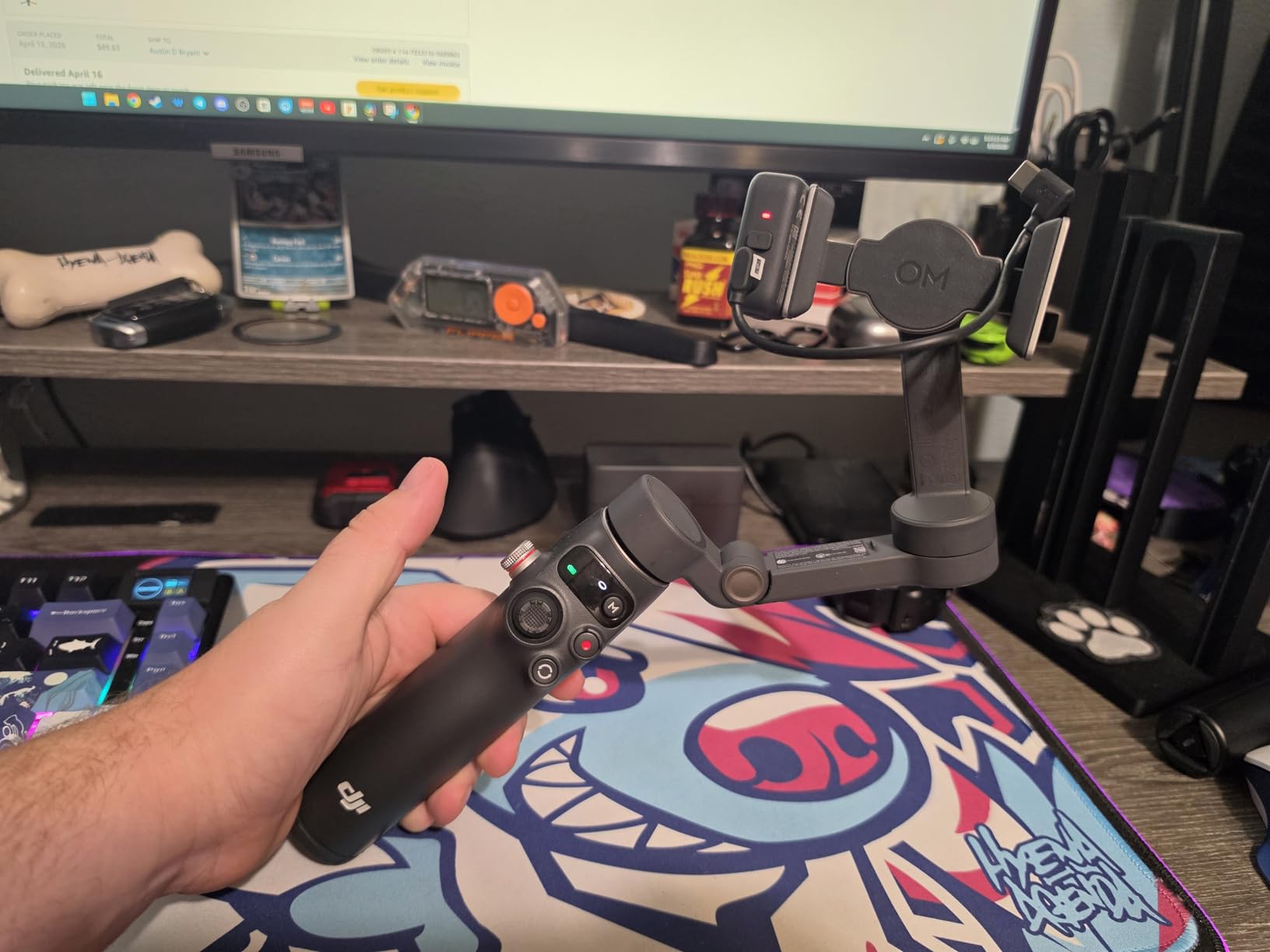
Switching to vertical is as simple as rotating the phone in the clamp — the motors compensate automatically. During a full-day shoot mixing horizontal YouTube footage with vertical Reels, I never felt slowed down by format changes.
Weak spots are minor but worth knowing: heavier phones may need occasional recalibration, and the built-in tripod feels a bit plasticky compared to the rest of the build. The DJI Mimo app can also be occasionally buggy, though updates have improved it.
Who should buy it
Creators who want 90% of the flagship experience at a lower price. If you film Reels and Shorts regularly and want reliable tracking plus the extension rod, this is the value pick in DJI’s lineup.
It’s also the smart choice if you already own or plan to buy a DJI Mic — the integrated receiver support is genuinely useful.
Who should skip it
If you want the newest model with the 360° pan rotation and updated tracking, the Osmo Mobile 8 above is worth the small premium. Budget-first buyers should also compare the Hohem options first.
3. DJI Osmo Mobile 6 — Most Proven, With 20k+ Reviews
DJI Osmo Mobile 6 Smartphone Gimbal Stabilizer, 3-Axis Phone Gimbal, Built-In Extension Rod, Portable and Foldable, Android and iPhone Gimbal with ShotGuides, Vlogging Stabilizer, YouTube TikTok Video
ActiveTrack 6.0
Built-in Extension Rod
Side Wheel Control
Foldable Design
Pros
- Excellent 3-axis stabilization
- ActiveTrack 6.0 works great for following subjects
- Side wheel for cinematic zoom
- Apple Watch remote control support
- ShotGuides helpful for beginners
Cons
- Some learning curve for beginners
- Not water resistant
- Older model in the lineup
With over 20,000 reviews and a 4.5-star average, the Osmo Mobile 6 is the most battle-tested phone gimbal ever made. Reddit threads consistently recommend it, and even with newer models out, it holds its own.
The side wheel is my favorite detail — it gives you manual control over focus and zoom, which adds a cinematic feel to vertical b-roll that touchscreen taps just can’t match. Pair it with Apple Watch remote control and you can trigger shots hands-free.
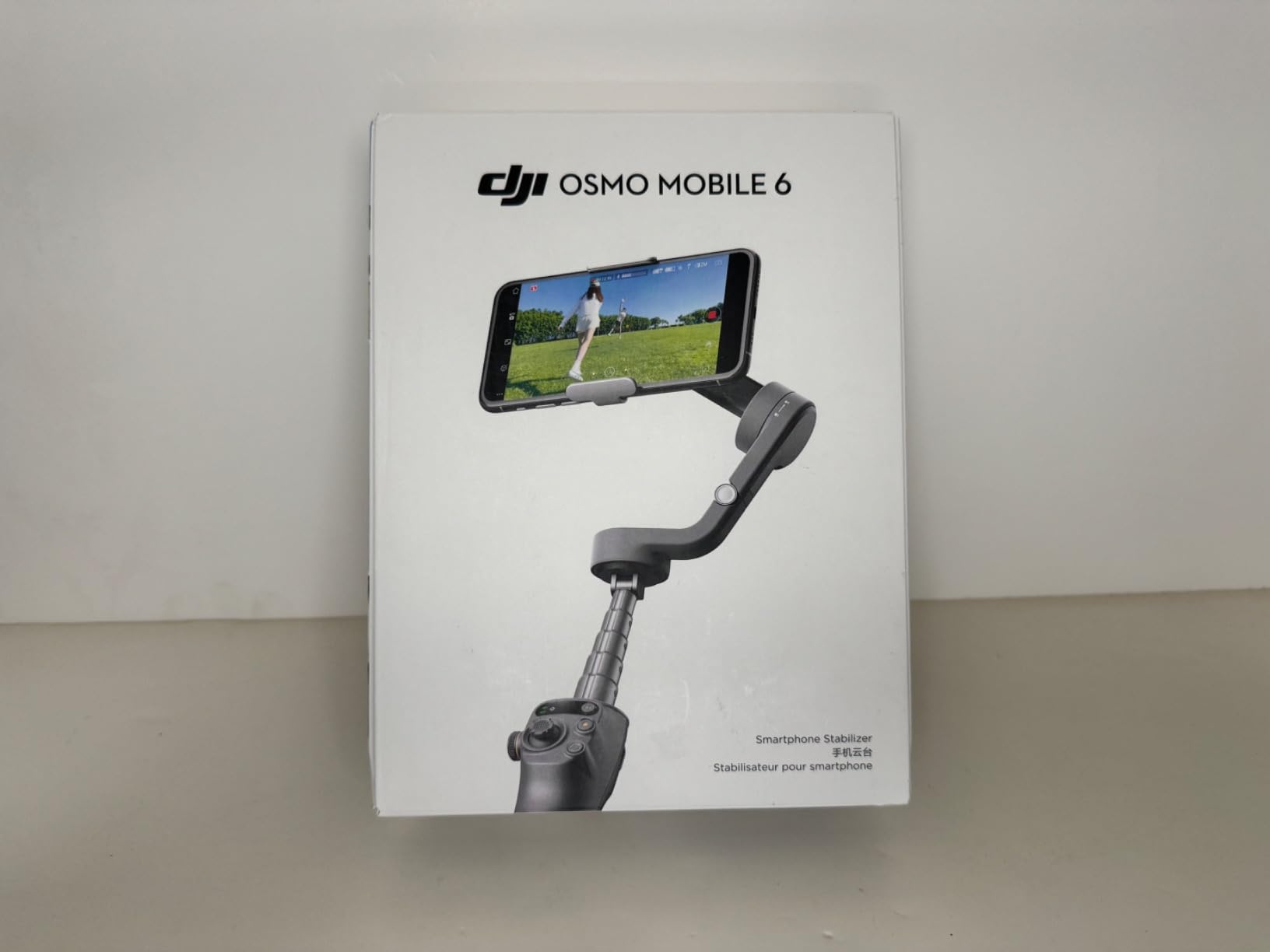
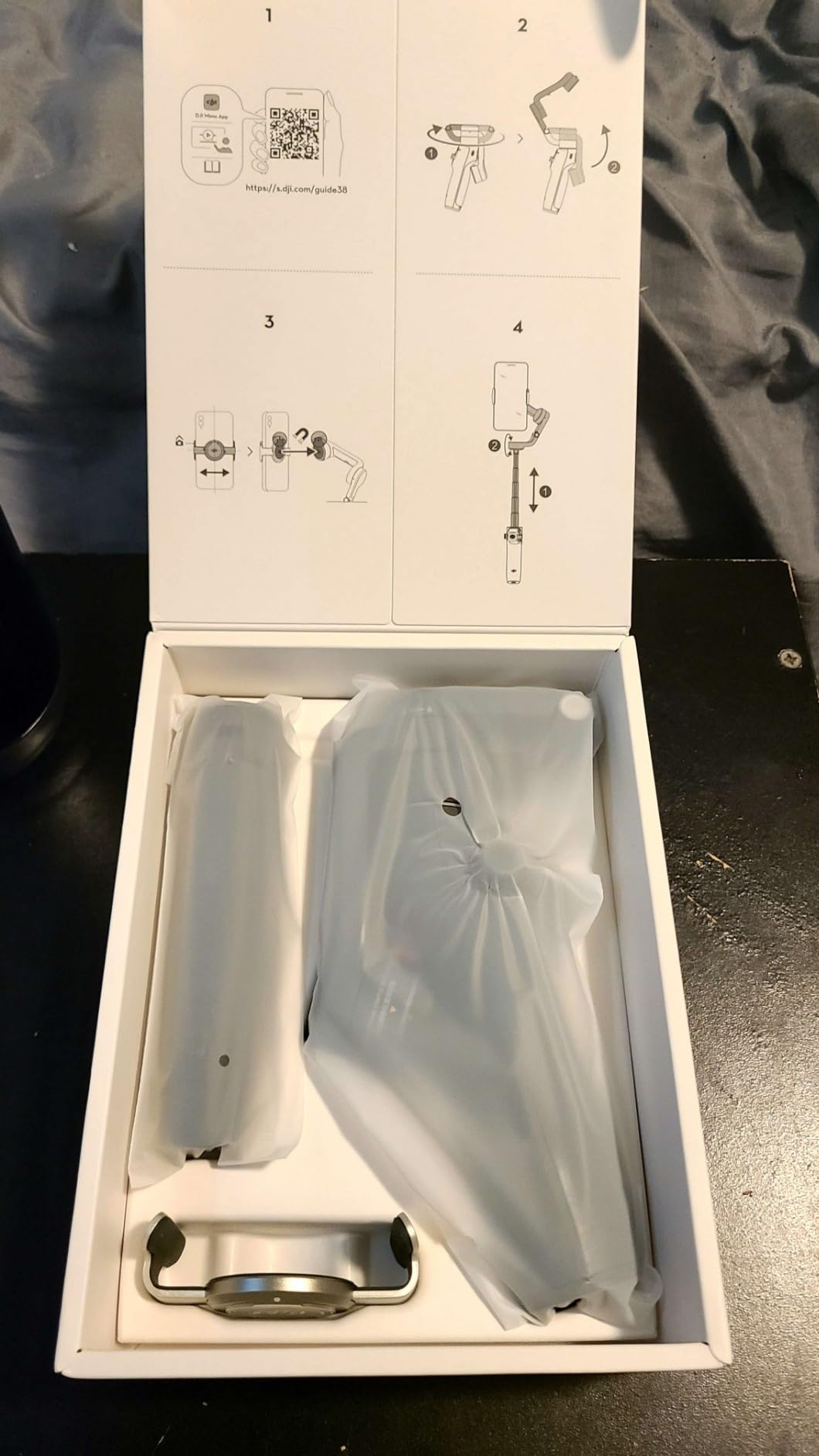
For vertical shooting, the extension rod and portrait mode switching work exactly as you’d expect from DJI. The ShotGuides feature is genuinely helpful if you’re new — it suggests shot compositions based on what you’re filming.
The main tradeoff is age. It lacks the newer tracking and audio features of the 7P and 8, and there’s no water resistance. But core stabilization quality — the thing that matters most — is still excellent.
Who should buy it
Anyone who wants a proven, widely-owned gimbal with tons of community tutorials and troubleshooting resources. It’s also a great choice if you find it discounted, since fundamentals haven’t changed much across generations.
Beginners benefit most from ShotGuides, which walks you through shot ideas instead of leaving you staring at a blank screen.
Who should skip it
If you want the latest AI tracking, built-in lighting, or phone charging while filming, step up to the 7P or 8. Anyone regularly shooting near water should also look at more protective setups.
4. Hohem iSteady X3 SE — Best Budget Gimbal
hohem iSteady X3 SE 3-Axis Gimbal Stabilizer for iPhone & Android, Black
Detachable Remote Controller
iSteady 8.0 Anti-Shake
11-Hour Battery
0.79lb Foldable Design
Pros
- Detachable remote controller very practical
- 11-hour long battery life
- Lightweight and portable
- Great value for the price
- Quick switch between horizontal/vertical
Cons
- Remote record button only works in Hohem app
- Phone holder can press side buttons
- App experience not as polished as DJI
The iSteady X3 SE is the gimbal I hand to friends who aren’t sure they’ll stick with vertical video. At just over $50, it delivers the core promise — smooth, stabilized vertical footage — without asking much upfront.
The standout feature is the detachable magnetic remote, which works up to about 32 feet away. Pop it out, set the gimbal on a table as a tripod, and film yourself from across the room. That’s a workflow usually reserved for pricier models.
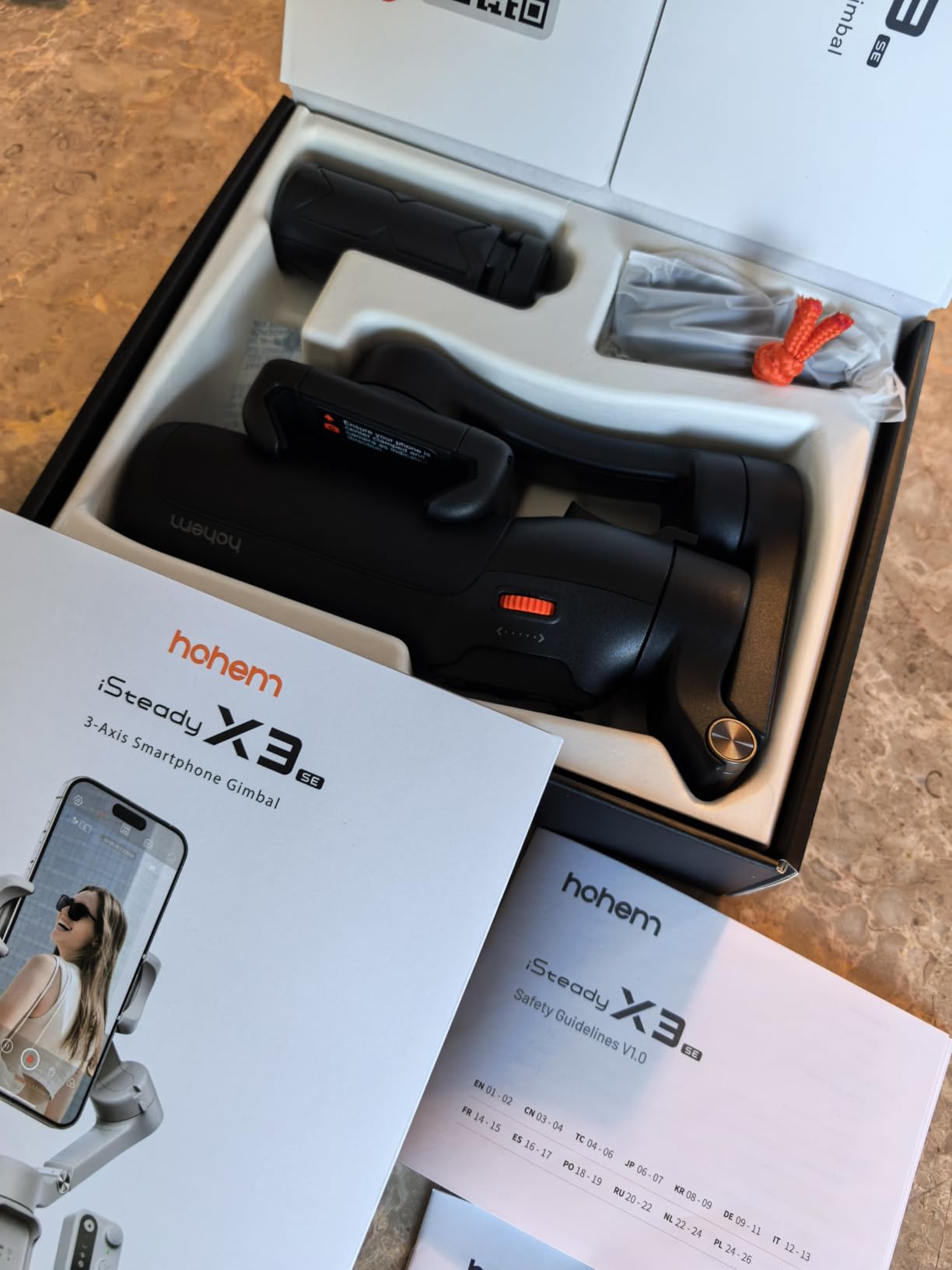
Battery life actually beats DJI’s flagships at 11 hours rated. The quick horizontal/vertical switch is physical and immediate, which matters when you’re bouncing between formats during a shoot.
The compromises show up in polish. The Hohem Joy app isn’t as refined as DJI’s, the phone holder can accidentally press side buttons on some phones, and heavier flagships may need their case removed for proper balance.
Who should buy it
Beginners, casual creators, and anyone testing whether vertical video fits their workflow before committing more money. The remote also makes it excellent for solo filming setups on a tight budget.
Students and travelers will appreciate the 0.79lb folded weight — it disappears into a bag.
Who should skip it
If you rely on polished app features, advanced tracking, or use a large phone with a thick case, the DJI options above will frustrate you less. The record button on the remote also only works within Hohem’s app, not your native camera.
5. DJI OM 4 SE — Best Magnetic Quick-Attach Design
DJI OM 4 SE – 3-Axis Smartphone Gimbal Stabilizer with Tripod, Magnetic Design, Portable and Foldable, ActiveTrack 3.0, Story Mode, Vlogging Stabilizer, YouTube TikTok Video, for Android and iPhone
Magnetic Phone Clamp
ActiveTrack 3.0
Story Mode Templates
Tripod Included
Pros
- Magnetic design for fast phone attachment
- ActiveTrack 3.0 works well
- Story Mode templates convenient
- Foldable and portable
- Works with external lens attachments
Cons
- Magnetic clip can slide with phone cases
- Some features rely heavily on app
- Limited weight capacity
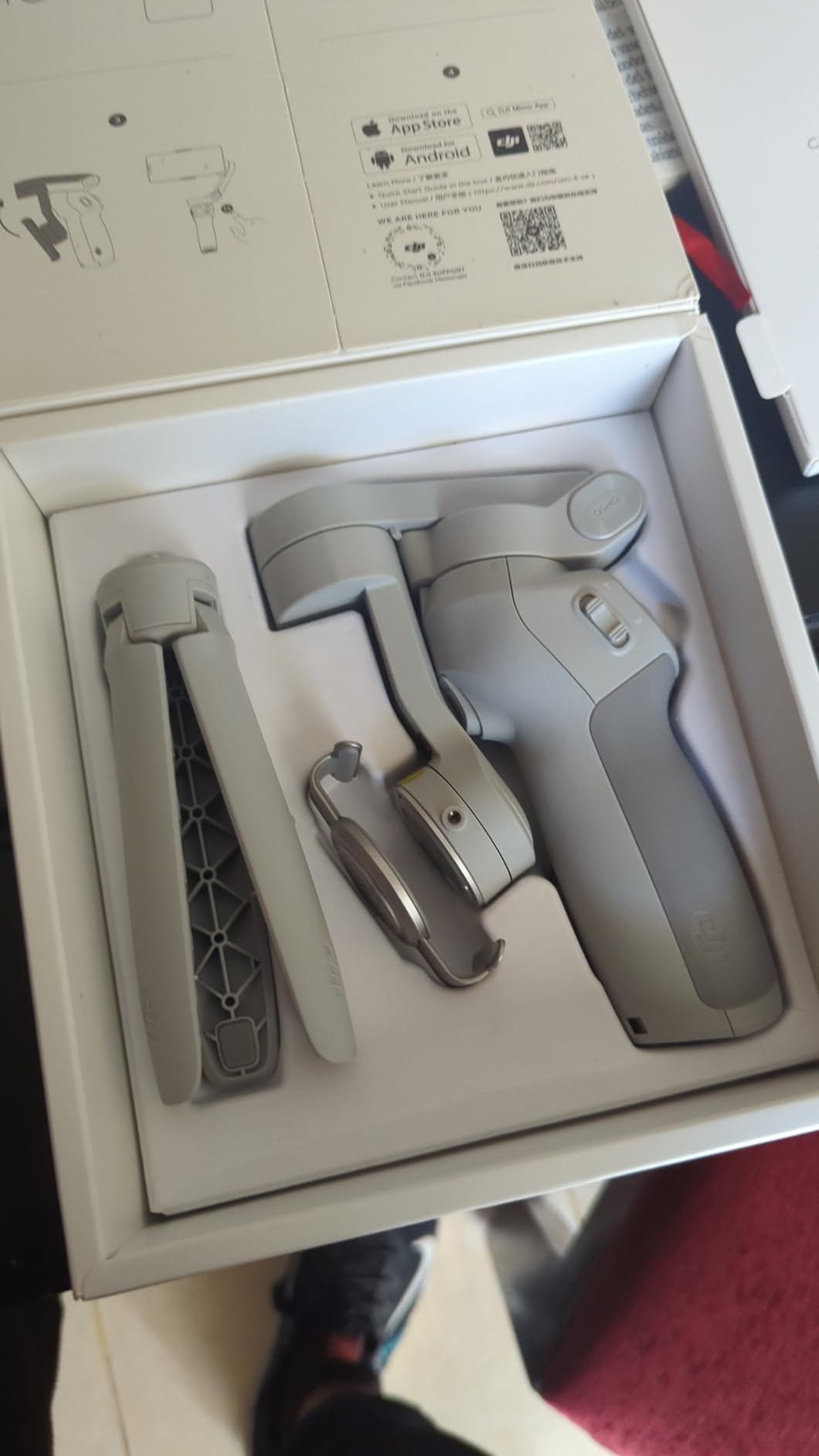
The OM 4 SE remains one of my favorite designs because of its magnetic clamp system. You leave the metal clamp on your phone permanently and snap it onto the gimbal in a second — no fumbling with spring jaws mid-shoot.
For vertical creators, that speed matters. When a moment is happening in front of you, attaching your phone in one motion means you actually get the shot instead of watching it pass.
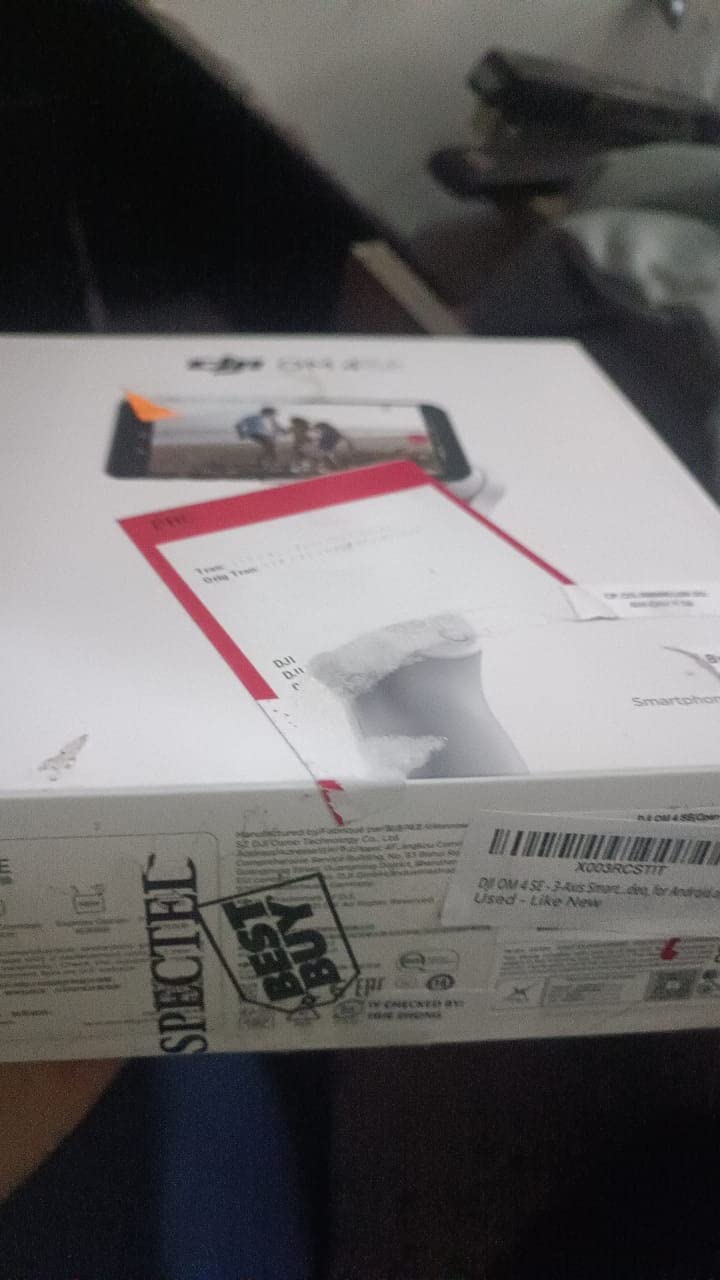
ActiveTrack 3.0 and Story Mode templates cover the basics well, and the included tripod rounds out a solid kit. Build quality and grip comfort are both excellent for this price tier.
The honest downsides: thick phone cases can make the magnetic clip slide, and some features push you into the app more than necessary. It’s also an older model, so newer DJI gimbals have pulled ahead on tracking sophistication.
Who should buy it
Creators who value speed and simplicity over cutting-edge features. If you take your phone on and off the gimbal constantly throughout the day, the magnetic system is genuinely faster than anything else at this price.
The Story Mode templates are also great for producing quick, edit-ready vertical clips when you don’t have time to craft everything manually.
Who should skip it
If your phone lives in a rugged case and you don’t want to remove it, the magnetic attachment will frustrate you. And if you want the latest tracking tech, the Osmo Mobile 7P or 8 are better uses of your money.
6. DJI RS 3 Mini — Best Gimbal for Cameras
DJI RS 3 Mini, Camera Gimbal Stabilizer, Canon/Sony/Nikon/Fujifilm
2kg Tested Payload
Native Vertical Shooting
1.4-inch Touchscreen
795g Weight
Pros
- Lightweight and travel-friendly design
- Excellent stabilization for mirrorless cameras
- Native vertical shooting support
- Bluetooth shutter control
- Great for solo shooters
Cons
- Manual axis locks (not automated)
- Best suited for lighter setups
- Limited payload for heavier pro rigs
Every other gimbal on this list is for phones — the RS 3 Mini is the one for real cameras. If you shoot vertical on a Sony, Canon, Nikon, or Fujifilm mirrorless body, this is your pick, and Reddit users consistently call it “cheap and fantastic” for vertical work.
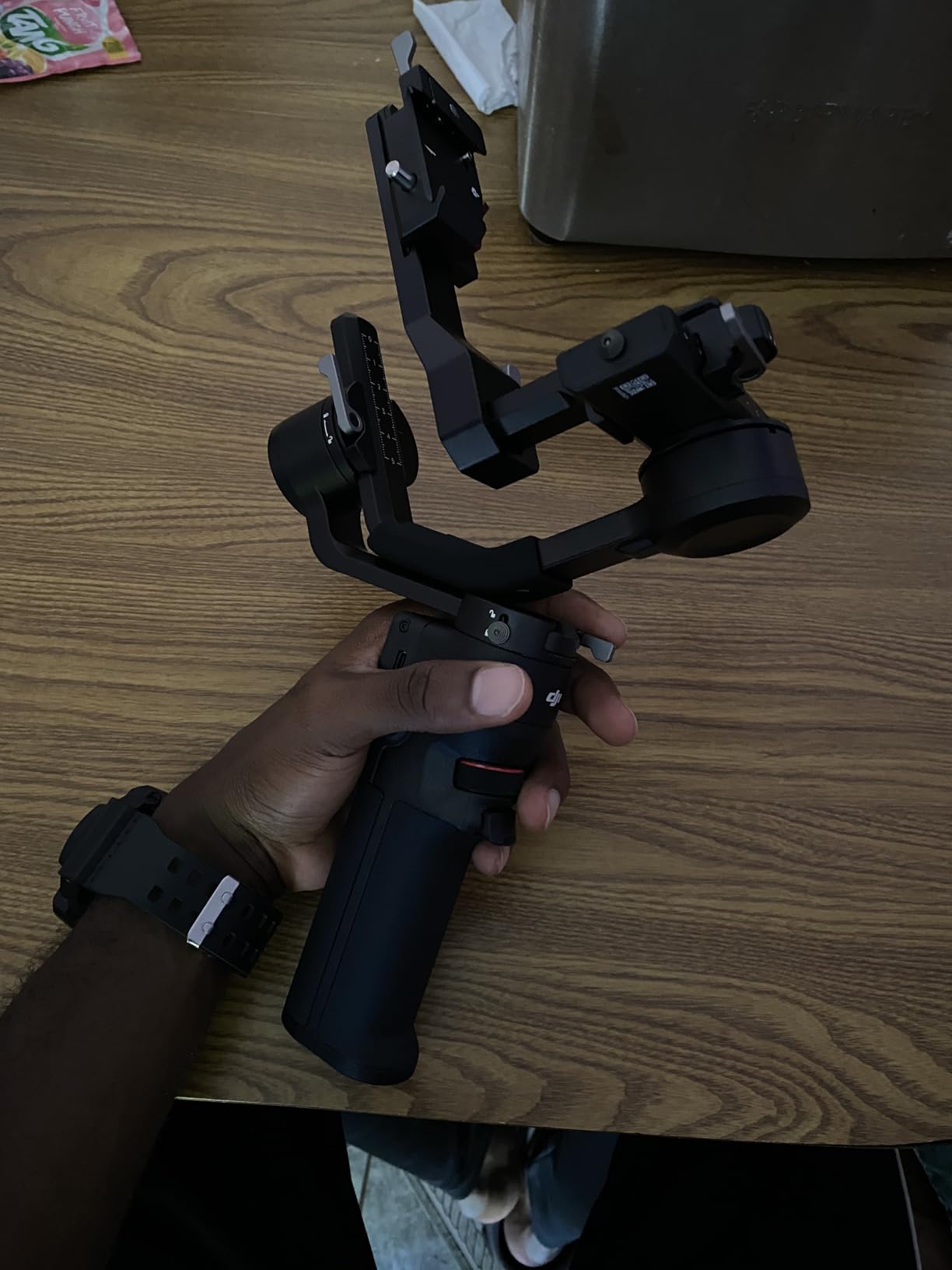
What sets it apart is native vertical shooting. Instead of cropping horizontal footage or rigging awkward L-brackets, the RS 3 Mini switches to a true portrait orientation with a redesigned mounting position. Your full sensor width becomes your vertical frame — no resolution lost.
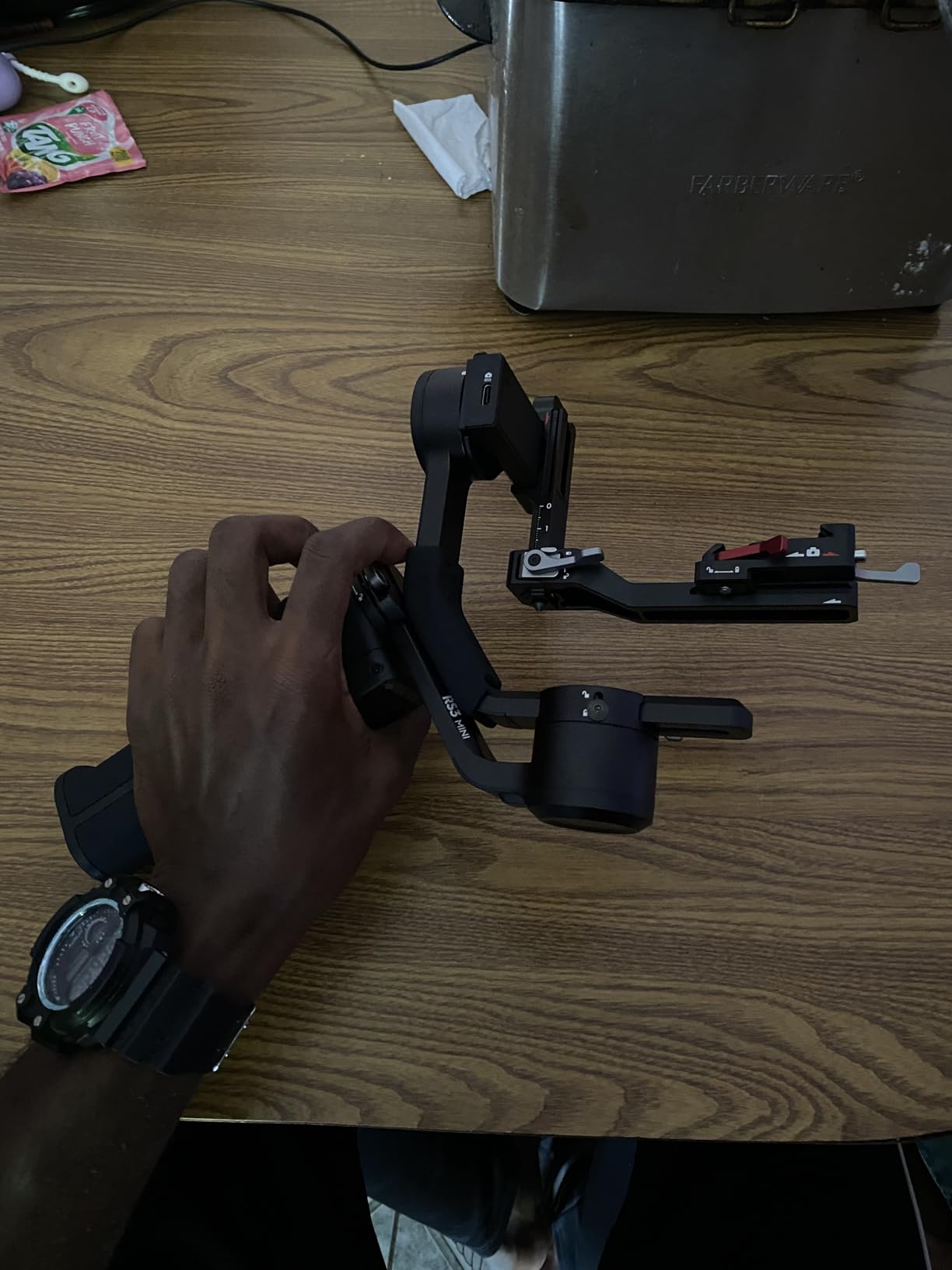
At 795g for the gimbal itself with a 2kg tested payload, it handles most mirrorless setups with a compact lens. The 1.4-inch touchscreen makes adjusting settings quick, and Bluetooth shutter control means you can start recording from the gimbal handle.
The limitations are straightforward: axis locks are manual rather than automated, and if you run a heavy pro body with a big lens, you’ll exceed the payload. But for typical vertical creator setups — a compact mirrorless and a prime lens — it’s superb.
Who should buy it
Wedding filmmakers, real estate shooters, and content creators working with mirrorless cameras who need native vertical output. If you sell vertical stock footage or deliver Reels alongside horizontal client work, the fast format switching pays for itself.
It’s also the most affordable entry into DJI’s camera gimbal ecosystem without a major compromise in stabilization quality.
Who should skip it
Phone-only creators should save money and stick with a phone gimbal. And if you run a heavy cinema rig or pro body with a large zoom lens, you’ll need a higher-payload gimbal than this.
7. Hohem iSteady V3 Ultra — Best AI Tracking
hohem iSteady V3 Ultra 3-Axis Gimbal Stabilizer for iPhone & Android
AI Live Feed Monitoring
Detachable Touchscreen Remote
8-inch Extension Rod
Built-in Fill Light
Pros
- Excellent AI tracking and face detection
- Detachable touchscreen remote works well
- Built-in fill light useful for low-light
- Compact and foldable design
Cons
- May drift slightly in lock mode
- Handle size may be small for larger hands
- Some issues with weight limits for heavier phones
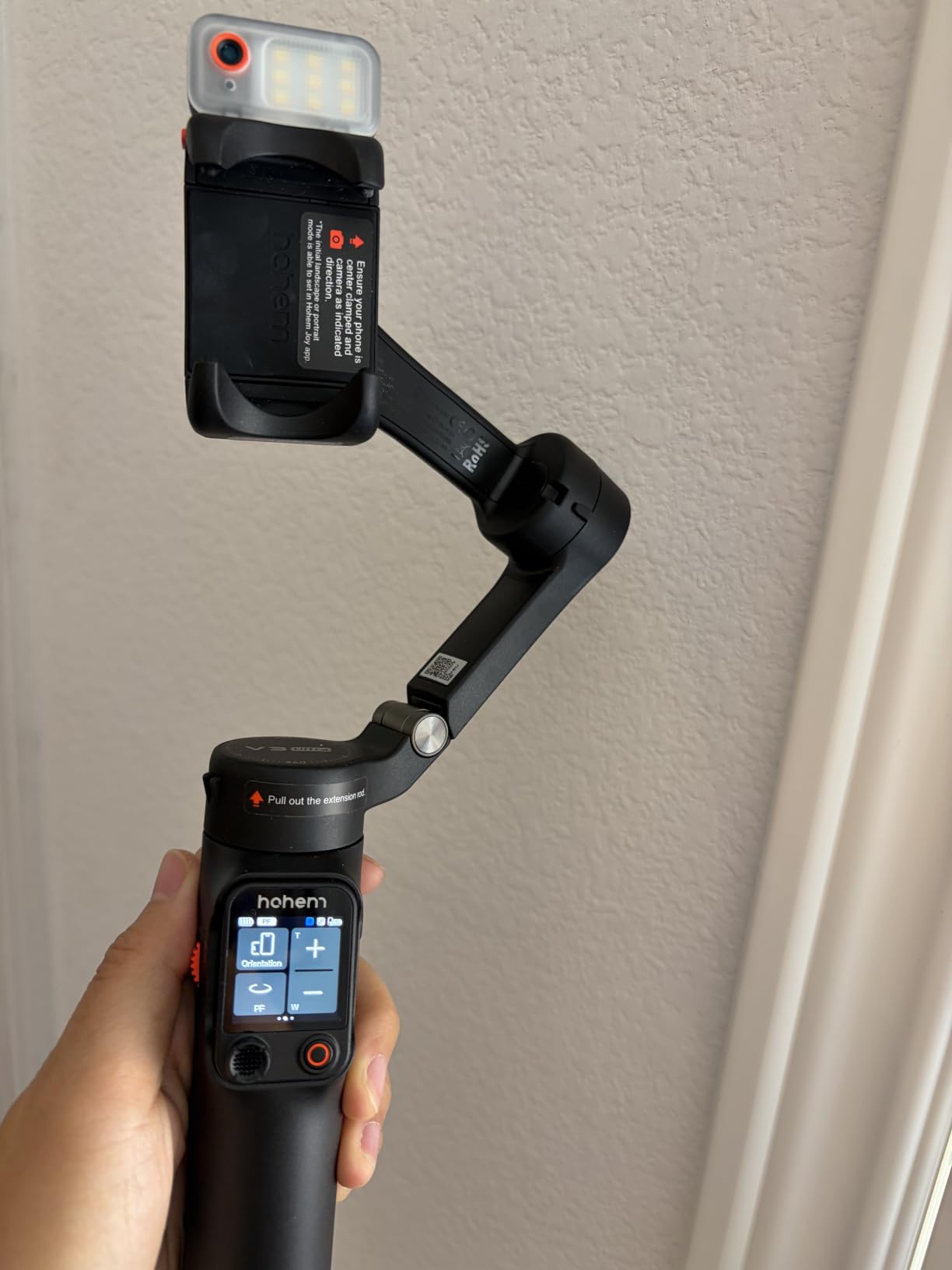
The iSteady V3 Ultra is the most feature-packed phone gimbal Hohem makes, and its AI suite is the reason it made this list. AI Live Feed Monitoring lets you watch what the gimbal sees remotely, and the 360° auto tracking keeps you framed while you move.
The detachable 1.22-inch touchscreen remote is a genuine differentiator. Unlike simple clickers, it gives you a live view and control over settings from up to 10 meters away — useful for framing yourself without walking back to the camera.
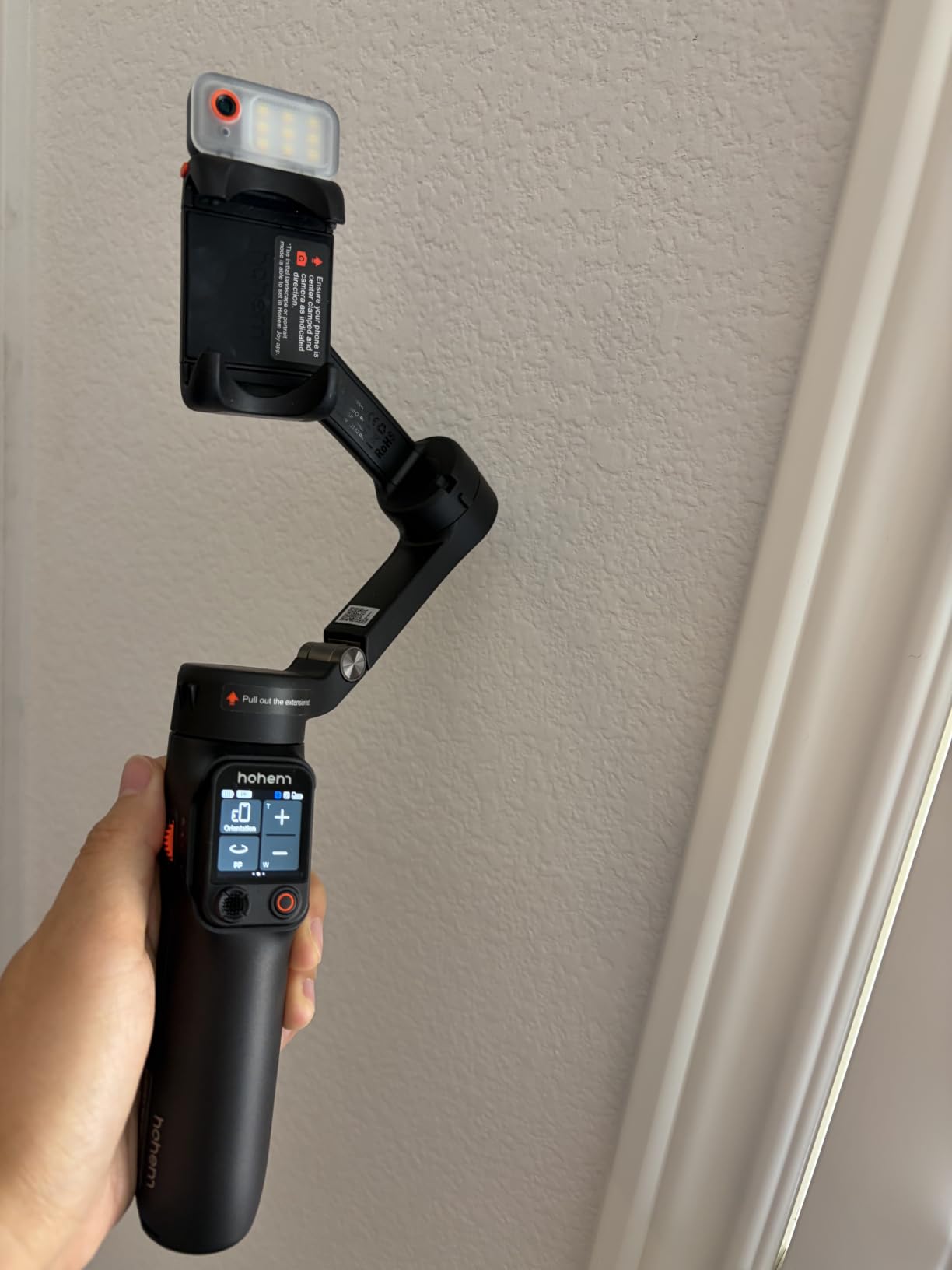
For vertical work, the 8-inch extension rod is longer than most, opening up high-angle and creative perspectives that shorter rods can’t reach. The built-in fill light is a real benefit for indoor vertical filming where lighting is often flat.
Gripes are modest: some users report slight drift when the gimbal is in lock mode, the handle runs small for larger hands, and heavier phones push the weight limit. The 4.3-star rating reflects a solid but not flawless experience.
Who should buy it
Solo creators and live-streamers who film themselves and want remote monitoring without a full camera crew. If you do a lot of indoor vertical filming, the fill light alone justifies the price difference over basic models.
Dancers, fitness creators, and anyone performing on camera will get the most from the aggressive 360° tracking.
Who should skip it
If you have large hands or a heavy flagship phone, the size and payload limits may bother you. And if remote monitoring doesn’t matter to you, the cheaper X3 SE covers the basics for less than half the price.
8. AOCHUAN Smart XE — Best Ultra-Budget Option
AOCHUAN Smart XE 3-Axis Gimbal Stabilizer for iPhone&Android,Foldable
Focus Wheel
AI Face Track 4.0
One-Click Vertical Mode
10-Hour Battery
Pros
- Excellent value for the price
- Smooth stabilization
- Easy to balance and use
- Compact and portable foldable design
Cons
- Phone clip can be difficult to secure
- Focus wheel can be accidentally bumped
- App can be buggy on some Android devices
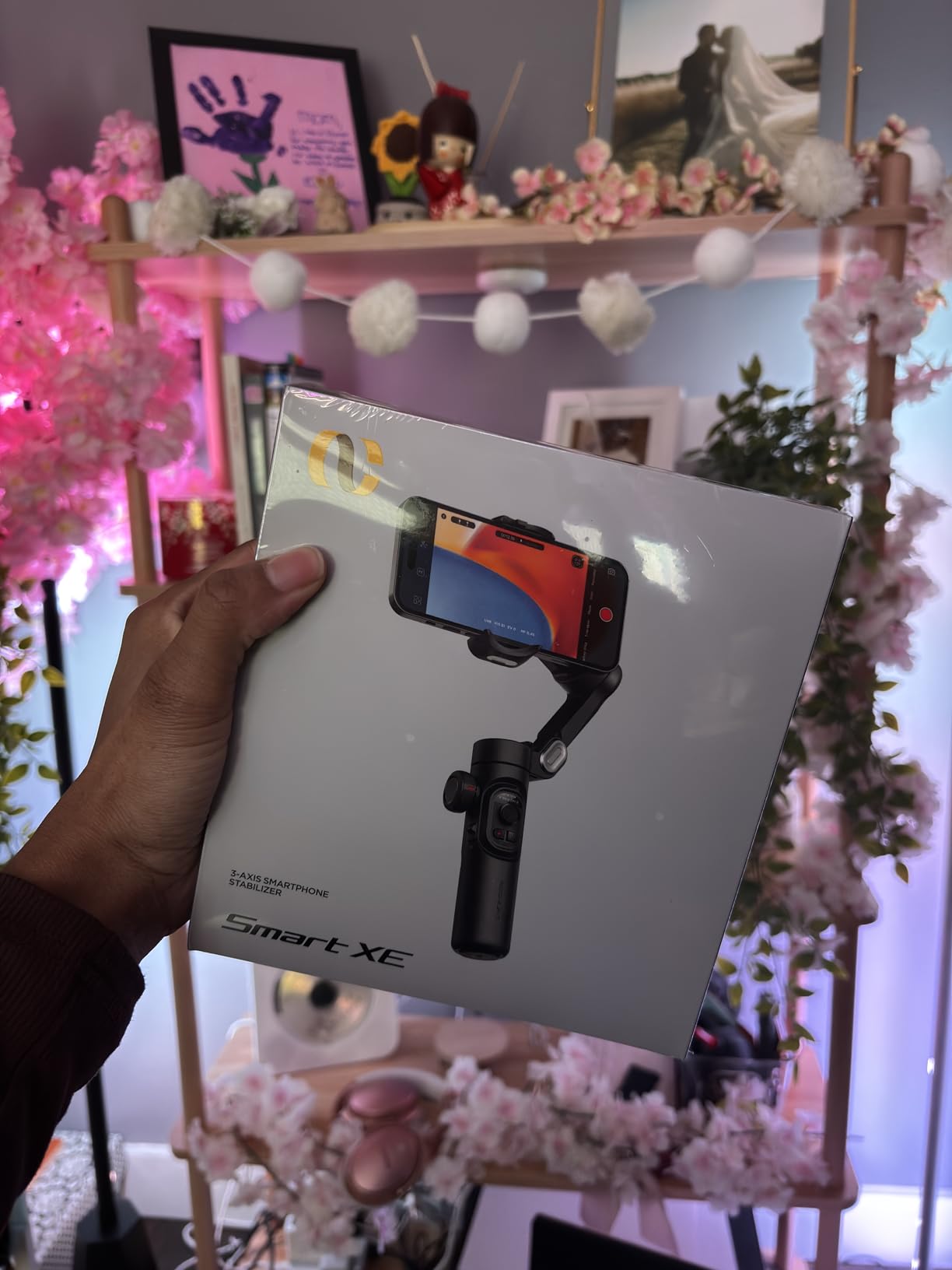
At under $50, the AOCHUAN Smart XE is the cheapest gimbal on this list, and honestly, it’s more capable than its price suggests. One-click switching between vertical and horizontal modes is exactly the feature budget creators need most.
The focus wheel is surprising at this price — it gives you manual control that many budget gimbals skip entirely. Combined with AI Face Track 4.0, you can pull off follow shots and rack-focus effects without spending much at all.
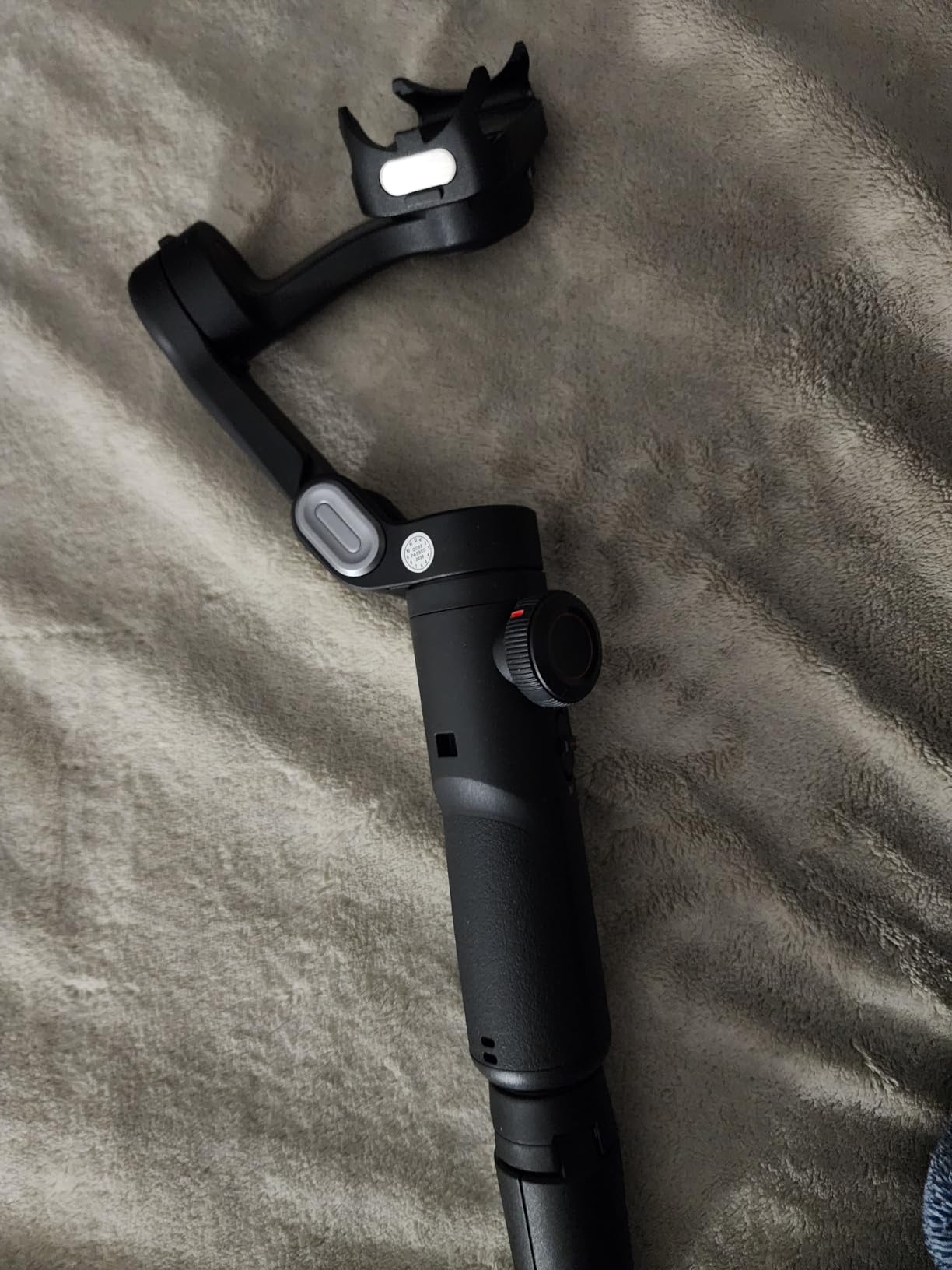
The 10-hour battery rating matches gimbals costing twice as much, and the SMART 7.0 anti-shake algorithm keeps footage acceptably smooth for casual social media use.
The tradeoffs are typical for this tier: the phone clip takes patience to secure confidently, the focus wheel is easy to bump accidentally, and the app has reported bugs on some Android devices. For the price, though, the fundamentals are there.
Who should buy it
First-time gimbal users, teens, and anyone who wants to experiment with stabilized vertical video for the least money possible. If you’re not sure you’ll use a gimbal enough to justify $100+, start here.
It’s also a reasonable backup gimbal to keep in a second bag or car.
Who should skip it
If you film professionally or publish daily, the clip security and app quirks will wear on you quickly. Spending more on the Hohem X3 SE or a DJI model buys meaningful peace of mind.
How to Choose the Best Gimbal for Vertical Video?
Not every gimbal handles vertical shooting well — this is the single biggest confusion we see from new buyers. Here’s what actually matters when choosing a vertical video stabilizer.
Native vertical vs digital rotation
This is the most important distinction on the list. Some gimbals shoot native vertical, meaning the camera physically rotates and uses the full sensor for portrait footage. Others rely on digital rotation, which crops your footage and costs resolution.
The DJI RS 3 Mini is the standout example of native vertical shooting for cameras. For phones, most modern gimbals let you rotate the phone in the clamp, which achieves the same result. Always check for this before buying.
Smartphone gimbal vs camera gimbal
The right choice depends on your camera. If you shoot on a phone, a phone gimbal is lighter, cheaper, and integrates with tracking apps. If you shoot on a mirrorless camera, you need a camera gimbal with sufficient payload capacity.
From forum discussions, the biggest regret we see is buyers underestimating what they’ll need. A phone gimbal can’t hold a camera, and a camera gimbal is overkill (and awkward) for a phone. Match the tool to your actual shooting device.
Vertical switching speed
Forum users consistently rank fast format switching among their top priorities. If you mix horizontal YouTube videos with vertical Reels, rebalancing between formats can kill your momentum — and on some older gimbals, it means a full rebalance every time.
Look for one-click or automatic orientation switching. Every gimbal on our list handles this well, which is why they made the cut.
Payload capacity
For camera gimbals, payload is the hard limit. The DJI RS 3 Mini handles 2kg, which covers most mirrorless bodies with compact lenses. Exceed the limit and you’ll get motor strain, drift, and eventually damage.
For phone gimbals, check the weight limit against your phone plus case. Heavy flagships with rugged cases are the most common cause of balance complaints in reviews.
Battery life
Full-day shoots demand long battery life. Phone gimbals in this guide run 9–11 hours per charge, which covers a full day of active use. Camera gimbals typically run less — around 10 hours for the RS 3 Mini.
Some phone gimbals also reverse-charge your phone while filming, which effectively doubles your shooting endurance for long days.
AI tracking quality
AI tracking is what lets solo creators film themselves without a camera operator. DJI’s ActiveTrack and Native Tracking are the most polished, while Hohem’s AI tracking in the V3 Ultra is the most feature-rich at its price.
Check whether tracking works in your native camera app or only in the gimbal’s app — this is a common frustration point buried in reviews.
Portability
If you travel or shoot on the go, folded size and weight matter. The Hohem X3 SE folds down to just 0.79lb, and most phone gimbals fit in a jacket pocket. Camera gimbals like the RS 3 Mini are larger but still travel-friendly at 795g.
Frequently Asked Questions
What is the best gimbal for vertical video creation?
The DJI Osmo Mobile 8 is the best gimbal for vertical video creation overall, thanks to its built-in extension rod, tripod, reliable AI tracking, and 10-hour battery. For camera shooters, the DJI RS 3 Mini offers native vertical shooting for mirrorless setups.
Do content creators use gimbals?
Yes. Gimbals are standard gear for TikTok, Instagram Reels, and YouTube Shorts creators who want smooth, professional-looking footage. A 3-axis gimbal eliminates the shake that makes handheld vertical video look amateur.
What is the best gimbal for content creation on a budget?
The Hohem iSteady X3 SE is the best budget option, offering 3-axis stabilization, an 11-hour battery, and a detachable remote for around $52. The AOCHUAN Smart XE is even cheaper and covers the basics well for under $50.
Can you shoot vertical video with a camera gimbal?
Yes, but you need one with native vertical shooting support. The DJI RS 3 Mini is designed for this — it repositions the camera for true portrait orientation without cropping, unlike gimbals that rely on digital rotation.
What are common gimbal problems?
The most common gimbal problems are rebalancing when switching to vertical, motor strain from exceeding payload limits, blocked screens in portrait mode, and app connectivity issues. Choosing a gimbal with native vertical support and adequate payload prevents most of these.
Final Verdict
The best gimbals for vertical video creators in 2026 cover every budget and camera type. For most people, the DJI Osmo Mobile 8 is the top pick with its all-in-one design. The DJI Osmo Mobile 7P delivers the best value, the Hohem iSteady X3 SE wins on price, and the DJI RS 3 Mini is the clear choice for mirrorless shooters who need native vertical output.
Pick the one that matches your camera and budget, and start filming — your Reels and Shorts will look noticeably smoother from day one.