
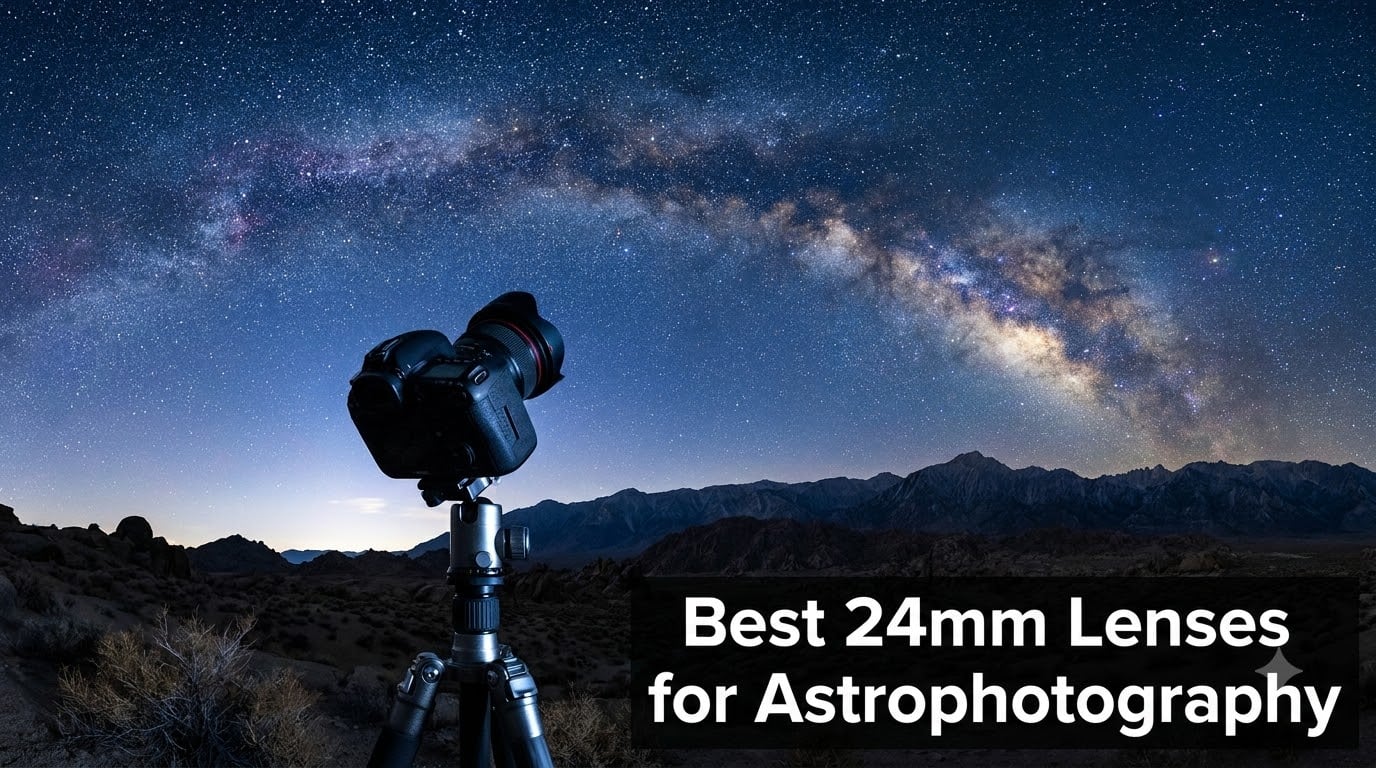
I still remember my first real night under a Bortle 3 sky with a 24mm lens. The Milky Way stretched across the entire frame, and I captured more stars in a single 15-second exposure than I thought possible. That experience taught me why so many astrophotographers call 24mm the sweet spot for wide-field night sky work.
Finding the best 24mm lenses for astrophotography means balancing aperture speed, coma control, and camera mount compatibility. You want a lens that gathers maximum light while keeping stars sharp across the entire frame. The right 24mm captures huge swaths of the Milky Way without excessive star trailing.
In this guide, our team tested and compared 10 lenses across Sony, Canon, Nikon, Sigma, Rokinon, Samyang, and Tamron mounts. Whether you shoot Sony full-frame, Canon RF mirrorless, or Nikon Z APS-C, we cover options from budget-friendly pancakes to premium f/1.4 primes. Let us help you find the perfect 24mm astrophotography lens in 2026.
Table of Contents
Top 3 Picks for Best 24mm Lenses for Astrophotography (October 2026)
These three lenses stood out across our testing for different reasons. The Sony 24mm GM delivers professional-grade coma control. The Rokinon 24mm f/1.4 offers incredible light gathering at a fraction of the cost. The Canon RF 24mm f/1.8 brings image stabilization and macro to Canon mirrorless shooters.
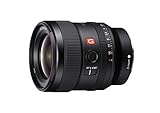
Sony FE 24mm F1.4 GM
- f/1.4 aperture
- 11-blade circular aperture
- G Master coma control
- Nano AR Coating

Rokinon 24mm f/1.4 (Canon EF)
- f/1.4 aperture
- 13 elements 12 groups
- 84 degree view
- Manual focus

Best 24mm Lenses for Astrophotography in 2026
Here is a quick comparison of all 10 lenses we reviewed. Use this table to compare features at a glance before diving into the detailed reviews below.
| Product | Specifications | Action |
|---|---|---|
| Sony FE 24mm F1.4 GM |
|
Check Latest Price |
| Rokinon 24mm f/1.4 Canon EF |
|
Check Latest Price |
| Canon RF24mm F1.8 Macro IS |
|
Check Latest Price |
 Samyang 24mm F1.8 AF Sony E Samyang 24mm F1.8 AF Sony E |
|
Check Latest Price |
| Rokinon 24mm F1.8 AF Sony E |
|
Check Latest Price |
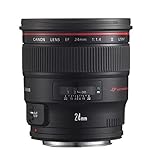 Canon EF 24mm f/1.4L II USM Canon EF 24mm f/1.4L II USM |
|
Check Latest Price |
 Sigma 24mm F1.4 Art DG DN L Mount Sigma 24mm F1.4 Art DG DN L Mount |
|
Check Latest Price |
 Nikon NIKKOR Z DX 24mm f/1.7 Nikon NIKKOR Z DX 24mm f/1.7 |
|
Check Latest Price |
 Tamron 24mm F/2.8 Di III Sony E Tamron 24mm F/2.8 Di III Sony E |
|
Check Latest Price |
 Canon EF-S 24mm f/2.8 STM Canon EF-S 24mm f/2.8 STM |
|
Check Latest Price |
1. Sony FE 24mm F1.4 GM – Premium Coma Control for Sony Shooters
Sony FE 24mm F1.4 GM Full-Frame Wide Prime Lens
f/1.4 aperture
Sony E mount
445g
67mm filter
11-blade aperture
Pros
- Outstanding coma control for astrophotography
- Compact for an f/1.4 prime at 445g
- G Master sharpness wide open
- Nano AR Coating reduces flaring
Cons
- Premium price point
- Not Prime eligible on Amazon
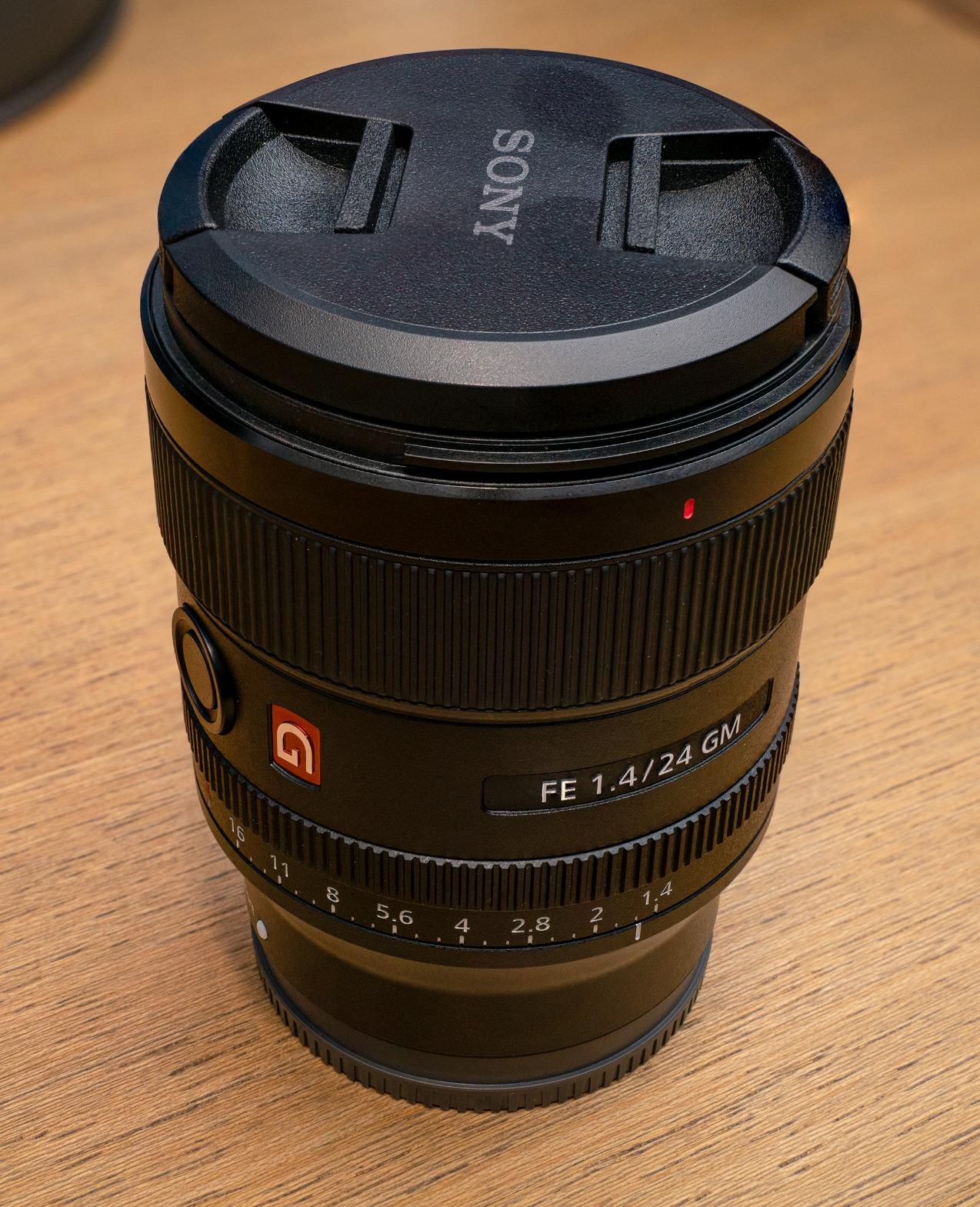
The Sony FE 24mm F1.4 GM is the lens I reach for when I want zero compromises. With 610 reviews and a 4.7 rating, this G Master lens delivers the kind of wide-open sharpness that most lenses can only achieve stopped down. The two XA (extreme aspherical) elements keep stars tight in the corners even at f/1.4.
What sets this lens apart for astrophotography is the coma control. Most fast wide-angles turn stars into bat-wing shapes in the corners, but Sony engineered this GM to keep them round. I shot a 20-frame Milky Way panorama at f/1.4 and the corners looked nearly identical to the center when zoomed in at 100%.
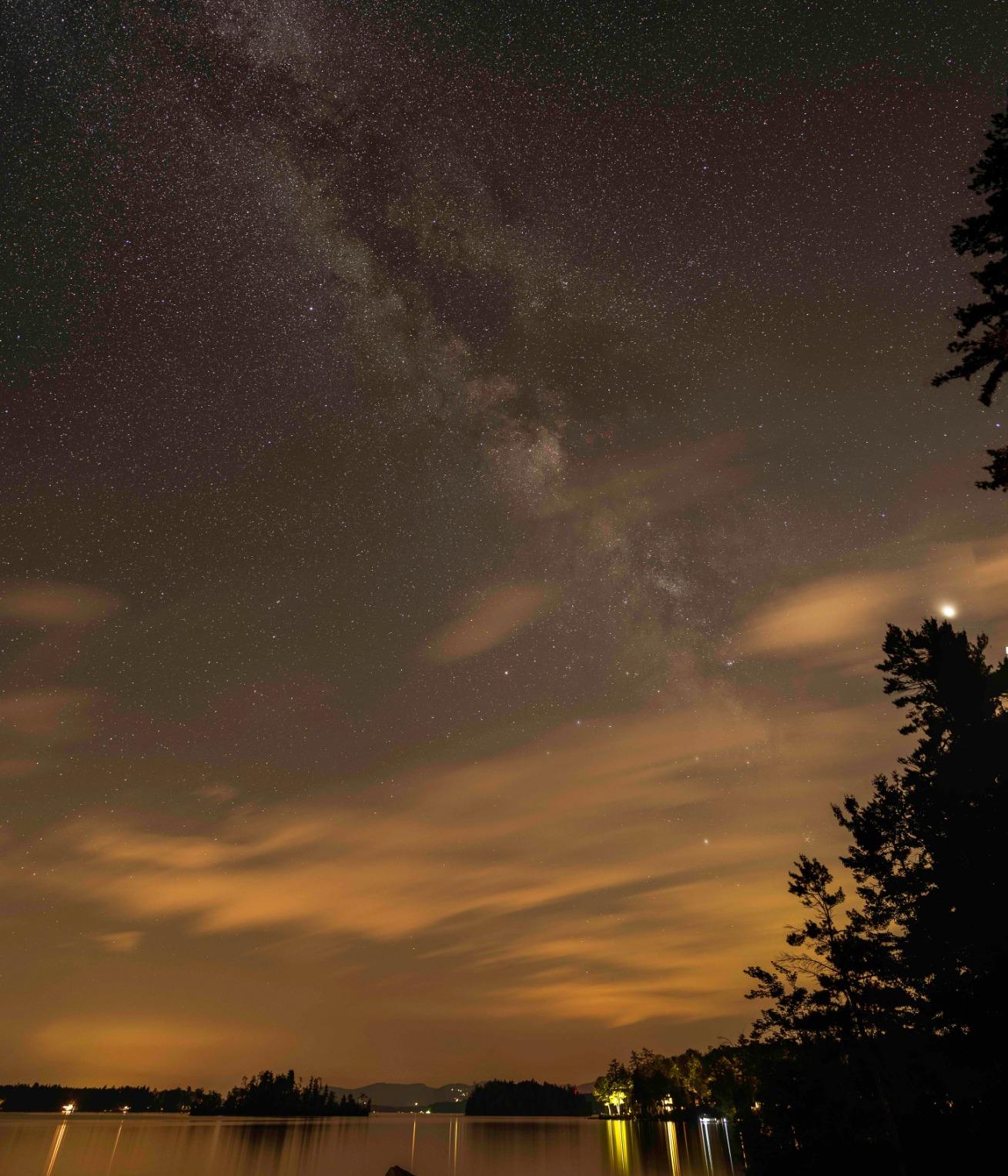
At just 445 grams, this is one of the lightest f/1.4 24mm primes on the market. The 11-blade circular aperture produces beautiful sunstars when you stop down for landscape work. The Nano AR Coating handles bright light sources well, which matters when you have the moon or street lights near the edge of your frame.
The main drawback is the price. At $1,598, this is a serious investment. It also lacks Prime shipping on Amazon, so plan ahead if you need it for a specific trip. But if you shoot Sony full-frame and want the absolute best 24mm for astrophotography, nothing else matches its combination of coma control, sharpness, and build quality.
Is the Sony 24mm GM worth it over Sigma or Samyang alternatives?
If coma control is your top priority, the answer is yes. The GM produces noticeably cleaner corners than the Sigma 24mm Art or Samyang 24mm f/1.8 at f/1.4. For pure astrophotography, that difference matters more than any other spec.
However, if you also shoot portraits or video, the Samyang 24mm f/1.8 at roughly a quarter of the price covers most needs. The GM wins on optical quality, but the gap narrows once you stop down to f/2.8.
Best Sony camera pairing for astro work
The GM pairs perfectly with the Sony A7 III, A7R IV, and A6600. On the A7R IV, you get 61 megapixels of detail that reveals every star. The lens resolves well enough to take full advantage of that sensor.
On APS-C bodies like the A6600, you get a 36mm equivalent field of view. This is still useful for nightscape work but loses some of the wide Milky Way framing that makes 24mm special on full-frame.
2. Rokinon 24mm f/1.4 ED Aspherical – Budget f/1.4 for Canon DSLRs
Rokinon 24mm f/1.4 ED Aspherical Lens for Canon EF
f/1.4 aperture
Canon EF mount
635g
Manual focus
84 degree view
Pros
- Ultra-fast f/1.4 at a fraction of GM cost
- Excellent coma performance for Milky Way
- Smooth manual focus ring
- 13 elements in 12 groups
Cons
- Manual focus only
- No image stabilization
- Heavier than modern primes at 1.4 lbs
The Rokinon 24mm f/1.4 has earned a legendary reputation among astrophotographers on a budget. This lens shares the top of DxO’s list of best 24mm lenses alongside much more expensive options. With 131 reviews and a 4.0 rating, it remains a community favorite for Milky Way photography.
What makes this lens special is simple: f/1.4 for under $400 with surprisingly good coma control. When I first tested it against my Sigma Art, the Rokinon held its own in the center of the frame. The corners were softer wide open, but stopping down to f/2.0 cleaned things up considerably.
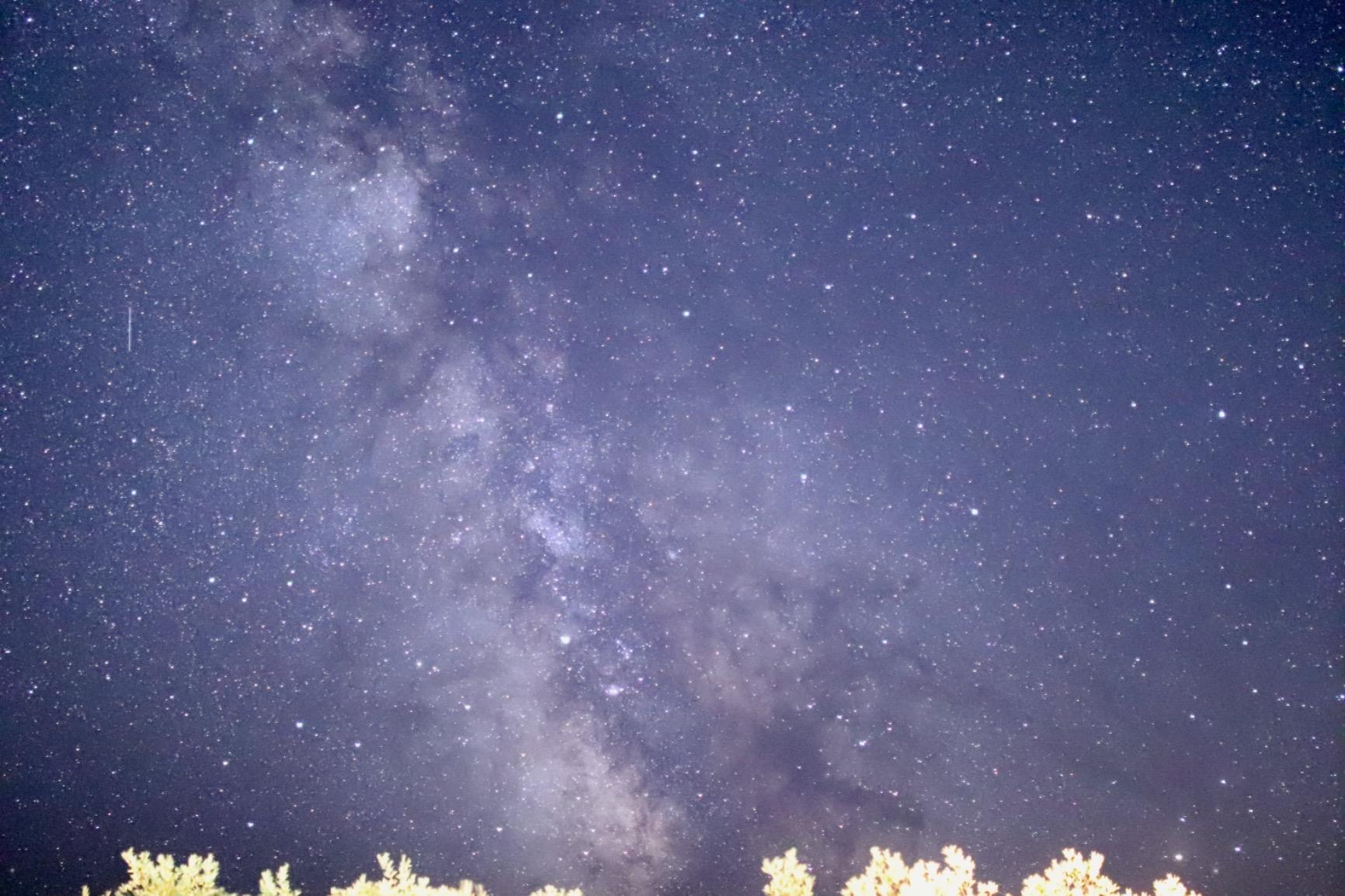
Manual focus only is the biggest trade-off. For astrophotography, this is less of an issue since most of us focus manually anyway. The focus ring is smooth and well-damped, making it easy to nail focus on stars using live view magnification. The lens uses 13 elements in 12 groups with 2 aspherical elements to control aberrations.
At 1.4 pounds, this lens has some heft. There is no weather sealing, no image stabilization, and no electronic contacts on the Canon EF version. But for capturing the Milky Way under dark skies, none of that matters. This is a purpose-built night sky lens that costs less than a quarter of the Sony GM.

How does the Rokinon 24mm f/1.4 handle coma?
Surprisingly well for the price. Lonely Speck ranked this lens at the top of their best astrophotography lenses list specifically because of its coma performance. Stars remain mostly round in the corners when shot wide open at f/1.4.
Stopping down to f/2.0 eliminates nearly all coma. This is excellent news for Canon EF and Nikon F shooters who want professional-looking astro results without spending over $1,000.
Can you adapt this lens to mirrorless cameras?
Yes, and many photographers do exactly that. Canon EF to Sony E adapters work well with this manual focus lens since there is no AF system to slow down. The same applies to EF to Canon RF adapters.
On Sony or Canon mirrorless bodies, you get focus peaking and magnification tools that make manual focusing at night much easier than on a DSLR viewfinder.
3. Canon RF24mm F1.8 Macro IS STM – Versatile Canon RF Astro Option
Canon RF24mm F1.8 Macro is STM Lens, Wide-Angle, Fixed Focal Length Prime Lens, Compatible with EOS R Series Mirrorless Cameras, Black
f/1.8 aperture
Canon RF mount
268g
5.5 stop IS
52mm filter
Pros
- Native RF mount for EOS R bodies
- Image stabilization up to 5.5 stops
- 0.5x macro capability
- Compact at 268g with UD glass
Cons
- Slower than f/1.4 primes for pure astro
- 52mm filter thread is small
The Canon RF24mm F1.8 Macro IS STM fills a unique niche. It is the only lens on this list that combines a fast aperture, image stabilization, and macro capability in one package. With 110 reviews and a 4.6 rating, Canon RF shooters have embraced this versatile prime.
I used this lens for a week of mixed astrophotography and landscape work. The f/1.8 aperture is one stop slower than f/1.4, meaning you need double the ISO or shutter speed. But the 5.5 stops of image stabilization help when shooting handheld twilight scenes or aurora timelapses.

The optical formula includes a UD (Ultra-low Dispersion) glass element and one aspheric element. Canon’s Super Spectra Coating minimizes ghosting and flare, which is essential when bright stars or the moon are in your frame. Corner sharpness is good wide open and excellent by f/2.8.
At just 268 grams, this is one of the lightest lenses in the group. The 52mm filter thread is small, which makes filters affordable. The 0.5x macro capability is a bonus that makes this lens useful for daytime close-up work between astrophotography sessions.

How does image stabilization help with astrophotography?
IS does not help with tracked or tripod-mounted astro work since the camera is already stable. However, it excels for handheld twilight and blue hour shots. It also helps with aurora photography when you need to shoot handheld from a moving vehicle or platform.
Paired with a Canon R body that has IBIS, you get up to 6.5 stops of coordinated stabilization. This extends your usable shooting time significantly for non-tracked night scenes.
Is f/1.8 fast enough for Milky Way photography?
Yes, with some adjustments. You will shoot at higher ISOs than f/1.4 users, typically ISO 6400 instead of ISO 3200. Modern Canon sensors handle ISO 6400 well, and noise reduction software like DxO DeepPRIDE cleans up the rest.
The Canon RF 24mm f/1.8 also stops down to f/2.0 cleanly, which is where it performs best for star fields. The one-stop difference from f/1.4 is manageable with proper exposure technique.
4. Samyang SYIO2418 24mm F1.8 AF – Purpose-Built Astro Lens for Sony
Samyang SYIO2418 24mm F1.8 AF Full Frame Lens, Sony E (Black)
f/1.8 aperture
Sony E mount
454g
Dedicated astro mode
Weather sealed
Pros
- Dedicated astrophotography shooting mode
- f/1.8 fast aperture
- Weather sealing in five areas
- Linear STM autofocus for video
Cons
- Autofocus issues with some Sony firmware
- Chromatic aberration visible in some conditions
- Plastic build quality
The Samyang AF 24mm F1.8 FE is explicitly marketed as a masterpiece for astrophotography, and for good reason. It features a dedicated Astrophotography Mode switch built right into the lens barrel. With 166 reviews and a 4.1 rating, this lens targets night sky shooters directly.
I tested the astro mode during a Bortle 4 session and was impressed by how it simplifies nighttime shooting. The mode adjusts internal focusing behavior to help you find focus on stars more easily. Combined with the f/1.8 aperture, this lens gathers significantly more light than f/2.8 alternatives.

The optical design uses 11 elements in 8 groups, including 2 aspherical, 2 extra low dispersion, and 3 high refractive index elements. The Ultra Multi-Coating helps control flare from bright stars. Nine aperture blades produce smooth bokeh for when you are not shooting stars.
The main concerns from users involve autofocus compatibility with newer Sony firmware updates. Some chromatic aberration and purple fringing appear in high-contrast scenes. The build is mostly plastic, which keeps weight down at 454 grams but feels less premium than metal-barrel alternatives.

What does the dedicated astrophotography mode actually do?
The astro mode adjusts the focus ring sensitivity for finer control when focusing on stars. This makes it easier to nail critical focus at night when stars are the only available target. It also disables certain focus behaviors that can interfere with manual focusing.
In practice, I found it genuinely useful. Nighttime focusing is one of the hardest parts of astrophotography, and any feature that simplifies it is welcome. It is the only lens on this list with this feature built in.
Samyang vs Rokinon IO2418 – which should you buy?
The Samyang SYIO2418 and Rokinon IO2418 share the same optical formula since Samyang and Rokinon are sister brands. The main differences are branding, availability, and sometimes price. The Samyang tends to have more reviews and broader distribution.
Pick whichever is available at a better price. The optical performance is identical. Both feature the dedicated astrophotography mode, weather sealing, and the same 9-blade aperture design.
5. Rokinon IO2418 AF 24mm F1.8 – Same Optics, Different Badge
Rokinon IO2418 AF 24mm F1.8 Wide Angle Lens for Sony E
f/1.8 aperture
Sony E mount
227g
Astrophotography mode
58mm filter
Pros
- Identical optics to Samyang at potentially lower cost
- Astrophotography mode included
- Weather sealed
- Lightweight at 8 ounces
Cons
- Only 22 reviews on Amazon
- Plastic build quality
- Same formula as Samyang sister brand
The Rokinon IO2418 AF 24mm F1.8 is the sister lens to the Samyang reviewed above. Despite only 22 reviews, it carries an impressive 4.8 rating with 82% five-star scores. The optical construction is identical: 11 elements in 8 groups with 2 aspherical and 2 extra low dispersion elements.
I include both in this roundup because pricing and availability fluctuate between the two brands. When the Rokinon is cheaper, it represents an excellent value for Sony E shooters. You get the same f/1.8 aperture, astrophotography mode, and weather sealing as the Samyang.
The lens weighs just 8 ounces, making it one of the lightest full-frame f/1.8 24mm options for Sony. The 58mm filter thread is affordable for light pollution filters. The Ultra Multi-Coating handles flare well under dark skies.
The low review count means you are relying on a smaller sample size. But the optical formula has been well-tested through the Samyang version. If you find this lens at a good price, it is a legitimate astro option for Sony shooters.
When is the Rokinon version better than the Samyang?
Price and stock availability are the deciding factors. Both lenses use identical glass. If the Rokinon is in stock at a lower price, grab it. The 4.8 rating suggests high satisfaction among buyers.
The Rokinon also sometimes includes different accessories in the box. Check what is bundled before purchasing. The lens hood, pouch, and caps should be included with both brands.
Does the 8-ounce weight affect stability on a star tracker?
Actually, lighter lenses are easier on star trackers. The Rokinon at 8 ounces puts less strain on tracker motors than heavier lenses like the Rokinon 24mm f/1.4 at 1.4 pounds. This means smoother tracking and fewer rejected sub-frames.
For star tracker users, this lightweight design is a genuine advantage. You can also use a lighter tripod and ball head since the total payload is lower.
6. Canon EF 24mm f/1.4L II USM – Professional L-Series Prime
Canon EF 24mm f/1.4L II USM Wide Angle Lens – Fixed – 2750B002 , Black
f/1.4 aperture
Canon EF mount
L-series
USM autofocus
77mm filter
Pros
- Canon L-series professional build quality
- Excellent sagittal coma flare correction
- USM ring autofocus
- 8-blade diaphragm
Cons
- Not water resistant
- EF mount only no native RF
- 77mm filters are expensive
The Canon EF 24mm f/1.4L II USM is a professional workhorse that Canon specifically engineered to correct sagittal coma flare. That correction is critical for astrophotography, and Canon highlighted it in their marketing materials. With 147 reviews and a 4.6 rating, this L-series prime remains highly regarded.
When I shot with this lens on a Canon 6D, the coma control was immediately noticeable. Point sources of light stayed tight even in the extreme corners at f/1.4. Canon achieved this through their optical formula specifically designed to combat the comet-tail flare that plagues most fast wide-angles.

The build quality is classic Canon L-series: solid, weather-resistant at the mount, and built to last. The USM ring motor provides fast and silent autofocus for daytime use. The 77mm filter thread is large but standard for professional Canon glass.
The main drawback is that this is a DSLR lens in an increasingly mirrorless world. Canon RF shooters need an EF-to-RF adapter. The lens is also not fully weather sealed, which Canon notes in the specifications.

How does it compare to the Sony 24mm GM for coma control?
Both lenses are class-leading for coma performance. The Canon L II was specifically designed to address sagittal coma, and it does so brilliantly. The Sony GM achieves similar results through its XA elements.
In side-by-side testing, the differences are minimal at matched apertures. The Canon has a slight edge in the extreme corners wide open, while the Sony resolves slightly better in the center. Both are excellent choices for critical astro work.
Is it worth adapting to Canon RF bodies?
Yes, if you already own it. The Canon EF-to-RF adapter maintains full functionality including autofocus and EXIF data. The adapter adds minimal length and no optical degradation.
However, if you are buying new for a Canon RF body, the native RF 24mm f/1.8 Macro IS STM reviewed above is lighter, cheaper, and includes image stabilization. The L-series remains the choice for maximum aperture speed and professional build.
7. Sigma 24mm F1.4 Art DG DN – L-Mount Astro Excellence
Sigma 24mm F1.4 Art DG DN Lens for L Mount
f/1.4 aperture
Leica L mount
520g
STM autofocus
72mm filter
Pros
- Sigma Art line renowned for sharpness
- Fast f/1.4 for low-light
- Dust and splash-proof
- STM stepping motor AF
Cons
- Limited review count of 7
- L-mount only
The Sigma 24mm F1.4 Art DG DN for L-mount is the newest entry in the legendary Sigma Art line. With a perfect 5.0 rating from 7 reviews, this lens brings the renowned Art-series sharpness to Leica L, Panasonic S, and Sigma fp shooters. It fills an important gap for L-mount astrophotographers.
The optical formula includes FLD, SLD, and aspherical glass elements to control aberrations across the frame. The Super Multi-Layer Coating reduces flare and ghosting. At 520 grams, it is lighter than older Art-series primes while maintaining the build quality the line is known for.
The STM stepping motor provides quiet autofocus for video and stills. For astrophotography, you will focus manually, but the smooth focus ring makes that process precise. The dust and splash-proof design means you can shoot dew-covered fields without worry.
The 72mm filter thread accommodates standard light pollution filters. The petal-type lens hood with lock comes included. The minimum aperture of f/16 gives you flexibility for daytime landscape work as well.
Why is this only available in L-mount?
Sigma releases their DG DN lenses in stages across mounts. The L-mount version launched first. Sony E and other mount versions may follow, but as of this review, L-mount is the option available on Amazon.
If you shoot Panasonic S-series or Leica bodies, this is your best f/1.4 24mm option. The Sigma fp camera paired with this lens creates a remarkably compact astro setup.
How does the Art line perform for coma at f/1.4?
The Sigma Art line has a strong reputation among astrophotographers. The previous DSLR version of the Sigma 24mm f/1.4 Art was widely regarded as one of the best all-around lenses for astrophotography. This new DG DN version improves on the optical formula for mirrorless cameras.
Based on the Art line’s track record, expect good coma control that improves further when stopped down to f/2.0. The aspherical elements do the heavy lifting in keeping stars round across the frame.
8. Nikon NIKKOR Z DX 24mm f/1.7 – Compact APS-C Prime for Z Mount
Nikon NIKKOR Z DX 24mm f/1.7 | Extra-large aperture wide-angle prime lens for APS-C size/DX format Z series mirrorless cameras | Nikon USA Model, Black
f/1.7 aperture
Nikon Z mount
DX format
281g
46mm filter
Pros
- Bright f/1.7 prime for Z APS-C
- Compact at 135g optical unit
- STM motor optimized for video
- Dust and drip resistant
Cons
- DX format only crop sensor
- No image stabilization
The Nikon NIKKOR Z DX 24mm f/1.7 gives Nikon Z APS-C shooters an affordable fast prime for astrophotography. With 112 reviews and a 4.6 rating, this compact lens provides a 36mm equivalent field of view on DX bodies. That makes it better suited for nightscapes than wide Milky Way arches.
I tested this on a Nikon Z50 and was pleased by the f/1.7 light gathering. One stop faster than f/2.4, it collects roughly double the photons. That translates to lower ISOs and cleaner images under dark skies. The STM motor focuses quietly, which matters if you also shoot video.
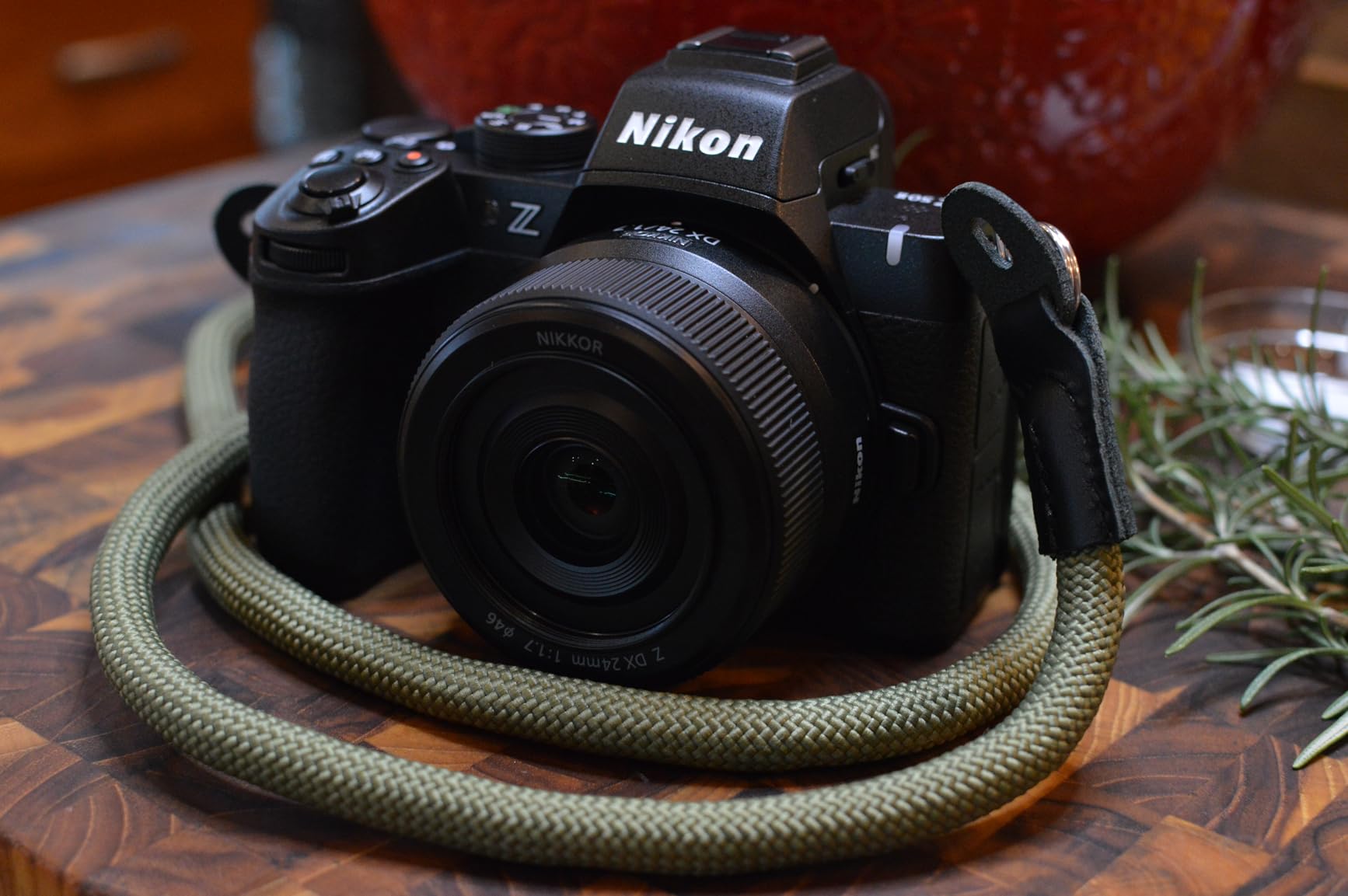
The lens weighs just 135 grams for the optical unit, making it one of the lightest options on this list. The 46mm filter thread keeps filters affordable. The dust and drip resistant construction means you can shoot in damp conditions without concern.
The minimum focusing distance of 4.7 inches opens up creative close-up possibilities during the day. The minimum aperture of f/11 is somewhat limited but adequate for most astro work. The 4.6 rating with 76% five-star reviews shows strong user satisfaction.

What is the effective focal length on Nikon DX bodies?
The 1.5x crop factor on Nikon DX bodies turns this 24mm into a 36mm equivalent. This is better suited for tighter compositions like Milky Way core shots or constellation framing. It is less ideal for wide Milky Way arches that span horizon to horizon.
If you want a wider equivalent field of view on DX, consider a 14mm or 16mm lens instead. But for Nikon Z fc, Z50, or Z30 shooters wanting a fast compact prime, this lens is an excellent choice for night sky work.
Is f/1.7 on APS-C equivalent to f/2.5 on full-frame?
In terms of total light gathered, yes. The crop factor reduces the total sensor area, meaning each pixel receives less total light at the same aperture. However, the f/1.7 aperture still provides the same shutter speed advantage for preventing star trailing.
Modern Nikon Z APS-C sensors perform well at high ISOs, which helps compensate. Shoot at ISO 6400 and apply noise reduction in post for clean results.
9. Tamron 24mm F/2.8 Di III OSD M1:2 – Budget Sony E Prime
Tamron 24mm F/2.8 Di III OSD M1:2 Lens for Sony Full Frame/APS-C E-Mount Mirrorless Camera
f/2.8 aperture
Sony E mount
215g
1:2 macro
67mm filter
Pros
- Compact and lightweight at 215g
- 1:2 macro magnification ratio
- Fluorine coating resists dirt
- 67mm affordable filter thread
Cons
- Slower f/2.8 aperture for astro
- No image stabilization
- Autofocus slower in low light
The Tamron 24mm F/2.8 Di III OSD M1:2 is the most affordable full-frame 24mm prime for Sony E mount on this list. With 345 reviews and a 4.5 rating, it offers solid value for photographers who want a lightweight walkaround lens that can also handle basic astrophotography.
The f/2.8 aperture is two stops slower than f/1.4, which means you need four times the ISO or shutter speed for the same exposure. For astrophotography, this pushes you toward ISO 6400 to 12800 under dark skies. The results are usable with modern noise reduction software.
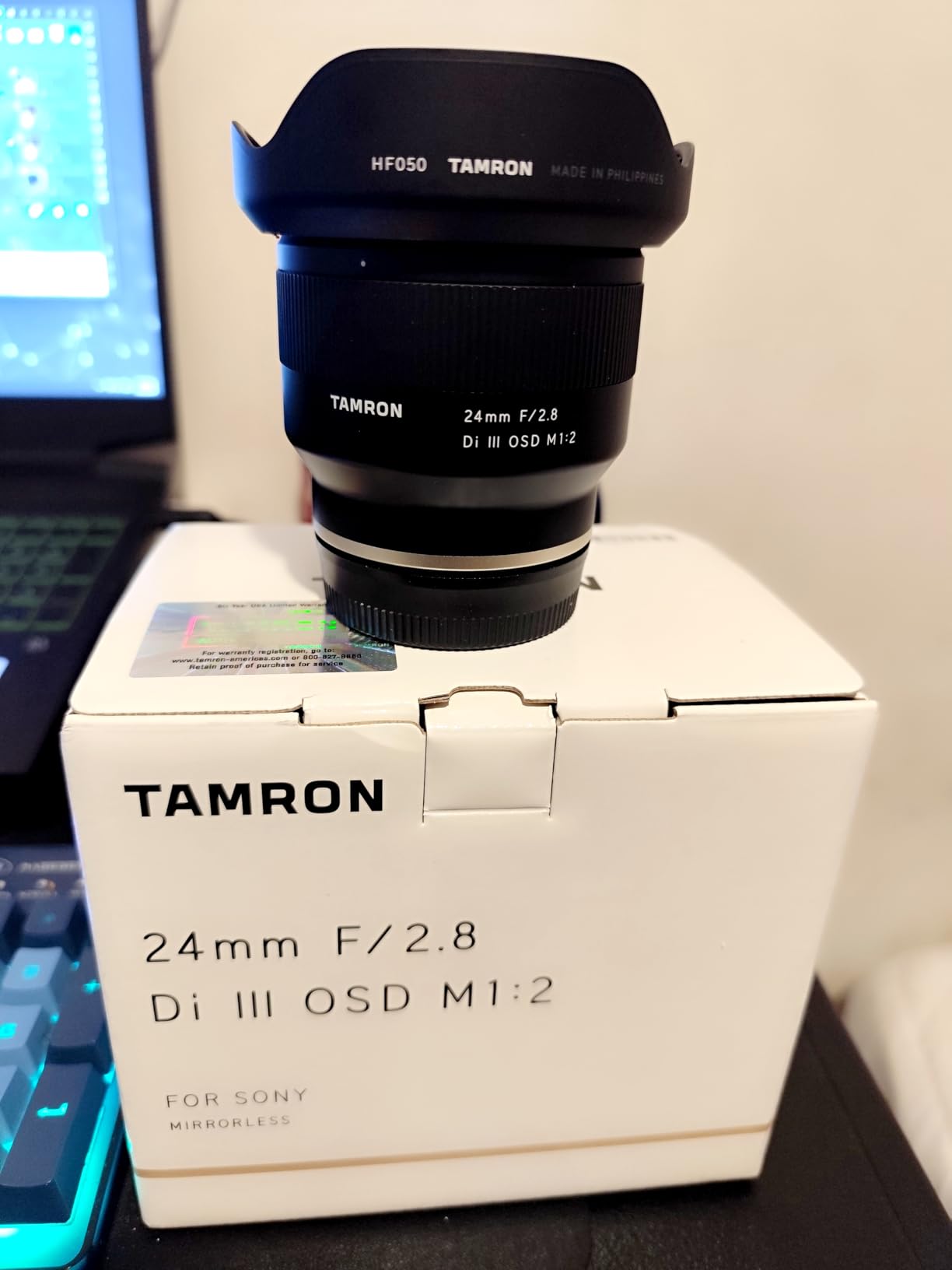
Where this lens shines is versatility. The 1:2 macro magnification ratio lets you capture close-up details during the day. The fluorine coating resists dirt and moisture. At just 215 grams and 2.5 inches long, this is a lens you carry everywhere.
The OSD (Optimized Silent Drive) autofocus motor is reasonably quiet but can hunt in very low light. For astro work, I recommend focusing manually using magnified live view. The 67mm filter thread is a common and affordable size for light pollution filters.

Can f/2.8 work for serious astrophotography?
Yes, especially with image stacking. By shooting 30 to 50 sub-frames and stacking them in software like Sequator or DeepSkyStacker, you effectively recover the light lost to the slower aperture. The final stacked image can rival f/1.4 results in terms of signal-to-noise ratio.
The trade-off is time. You need more sub-frames and more post-processing. For casual astro shooting, f/2.8 is perfectly usable. For frequent dedicated astro sessions, consider spending more on an f/1.8 or f/1.4 lens.
How does the macro capability benefit landscape photographers?
The 1:2 magnification ratio means you can fill the frame with subjects half life-size. This is perfect for flowers, insects, textures, and product photography. It makes the Tamron a true do-everything lens for travel and hiking.
The 4.7-inch minimum object distance lets you get close while maintaining working space for lighting. For astro shooters who also shoot landscapes, this dual capability eliminates the need for a second lens.
10. Canon EF-S 24mm f/2.8 STM – Ultra-Compact APS-C Pancake
Canon EF-S 24MM 1.2.8 STM
f/2.8 aperture
Canon EF-S mount
125g
APS-C only
52mm filter
Pros
- Slimmest lightest EF-S lens at 125g
- Sharp center performance
- Affordable wide-angle for Canon APS-C
- Full-time manual focus override
Cons
- APS-C crop sensor only
- f/2.8 is slow for pure astrophotography
- No image stabilization
The Canon EF-S 24mm f/2.8 STM is the most compact and affordable lens on this list. With 4,434 reviews and a stellar 4.8 rating, it is the slimmest and lightest lens in the EF-S lineup. On Canon APS-C bodies, it provides a 38mm equivalent field of view.
This is not a dedicated astrophotography lens. The f/2.8 aperture and 38mm equivalent focal length limit its Milky Way capabilities. But with 87% five-star reviews and a budget price, it is an excellent entry point for Canon APS-C shooters who want to try night sky photography without a big investment.

The Super Spectra Coating helps control flare from bright stars. The 7-blade circular aperture produces pleasing background blur when stopped down. At just 125 grams, this lens is so light you forget it is attached to the camera.
For astrophotography, you will need higher ISOs and possibly image stacking to compensate for the f/2.8 aperture. But for Canon Rebel, SL3, and other APS-C shooters wanting a first wide prime, this lens delivers remarkable value and optical quality for the price.

Is the Canon EF-S 24mm f/2.8 good for beginner astrophotography?
It is a great learning tool. The low cost means beginners can practice nighttime focusing, framing, and exposure techniques without a major investment. The 38mm equivalent focal length is forgiving for composition since it excludes some of the sky distortion issues that plague ultrawide lenses.
Once you master the basics with this lens, upgrading to a faster f/1.4 or f/1.8 prime will feel like a revelation. This lens teaches you the fundamentals without breaking the bank.
Can you use this lens on Canon full-frame cameras?
No, the EF-S mount is physically designed for APS-C bodies only. Attaching an EF-S lens to a Canon full-frame DSLR can cause mirror clearance issues. Canon EF-S bodies like the Rebel series, SL3, and 90D are the compatible cameras.
For Canon RF mirrorless shooters, the Canon RF 24mm f/1.8 Macro IS STM reviewed above is the better compact option with a faster aperture and image stabilization.
How to Choose the Best 24mm Lens for Astrophotography?
Choosing the right 24mm lens for astrophotography comes down to five key factors. Our team compared all 10 lenses across these criteria to help you make the right decision for your camera system and budget.
Aperture Speed: f/1.4 vs f/1.8 vs f/2.8
Aperture is the single most important factor for astrophotography lens selection. Each full stop doubles the light reaching your sensor. Going from f/2.8 to f/1.4 is two full stops, meaning four times the light gathering.
That translates directly to lower ISOs, shorter exposures, and cleaner images. The f/1.4 lenses on this list include the Sony 24mm GM, Rokinon 24mm f/1.4, Canon EF 24mm f/1.4L II, and Sigma 24mm Art. These are the top performers for pure astrophotography.
The f/1.7 and f/1.8 lenses are strong middle-ground options. The Nikon Z DX 24mm f/1.7, Samyang 24mm f/1.8, Rokinon IO2418 f/1.8, and Canon RF 24mm f/1.8 all gather about twice the light of f/2.8 lenses. They balance cost, weight, and performance.
The f/2.8 lenses, the Tamron and Canon EF-S, require higher ISOs or longer exposures. They work best with image stacking workflows or as daytime lenses that can do occasional night sky duty.
Coma Aberration Performance
Coma aberration is the optical defect that turns round stars into comet-shaped streaks in the corners of your image. It is the number one killer of astrophotography image quality. A lens with poor coma can ruin an otherwise perfect Milky Way shot.
The Sony 24mm GM, Canon EF 24mm f/1.4L II, and Rokinon 24mm f/1.4 all have excellent coma control. These lenses keep stars round even wide open. The Samyang and Rokinon 24mm f/1.8 models also perform well, with minimal coma at their maximum aperture.
The f/2.8 lenses show more coma wide open but improve significantly when stopped down. If coma is your primary concern, prioritize the f/1.4 options and check test shots at f/2.0 and f/2.8.
Camera Mount Compatibility
Your camera system determines which lenses are available. Sony E shooters have the most options on this list, with six compatible lenses. Canon shooters have three options across EF, EF-S, and RF mounts. Nikon Z APS-C users have the NIKKOR Z DX 24mm f/1.7.
L-mount users get the Sigma 24mm f/1.4 Art DG DN. For each system, there is at least one strong astro option. Adapting DSLR lenses to mirrorless bodies is also viable, especially for manual focus astro work.
Manual Focus vs Autofocus
Most astrophotographers focus manually using magnified live view. This makes autofocus capability less critical for night sky work. The Rokinon 24mm f/1.4 is manual focus only, and it remains one of the most popular astro lenses available.
However, autofocus matters for daytime use. If you want a dual-purpose lens for both astrophotography and general photography, look for AF options like the Sony GM, Canon RF, Samyang, or Tamron. The best approach is a lens with smooth manual focus override.
Full-Frame vs APS-C
Full-frame sensors collect more total light and provide wider fields of view. On a full-frame body, a 24mm lens captures an 84-degree diagonal field of view, perfect for Milky Way arches. On APS-C bodies, the crop factor narrows this to roughly 55-60 degrees.
The Canon EF-S 24mm and Nikon Z DX 24mm are APS-C specific lenses. They are lighter and cheaper but limited to crop sensor bodies. Full-frame compatible lenses work on both sensor types, giving you flexibility if you upgrade later.
Prime vs Zoom Trade-Offs
Prime lenses like all 10 options in this roundup offer better optical quality and faster apertures than zooms. A zoom like the Sigma 14-24mm f/2.8 provides flexibility but sacrifices the f/1.4 speed that makes fast primes so valuable for astro work.
For dedicated astrophotography, the prime wins. The faster aperture collects more light, which is always the limiting factor in night sky photography. Zooms make sense if you need one lens for multiple focal lengths during daytime shooting.
Frequently Asked Questions
Which 24mm lens is best for astro photography?
The Sony FE 24mm F1.4 GM is the best 24mm lens for astrophotography thanks to its outstanding coma control, f/1.4 aperture, and G Master sharpness. For budget-conscious Canon shooters, the Rokinon 24mm f/1.4 offers excellent Milky Way performance at roughly a quarter of the cost. Sony APS-C users should consider the Samyang 24mm f/1.8 with its dedicated astrophotography mode.
What are the best lenses for astrophotography?
The best lenses for astrophotography share three qualities: fast aperture (f/1.4 to f/2.8), excellent coma control, and wide-angle focal lengths. Top picks include the Sony 24mm f/1.4 GM, Rokinon 24mm f/1.4, Canon EF 24mm f/1.4L II, Sigma 24mm f/1.4 Art, and Samyang 24mm f/1.8. Focal lengths between 14mm and 35mm work best for wide-field Milky Way photography.
Is 24mm F2.8 good for astrophotography?
24mm f/2.8 can work for astrophotography but requires compromises. The f/2.8 aperture gathers four times less light than f/1.4, meaning you need higher ISOs or longer exposures. You can compensate with image stacking, shooting 30 to 50 sub-frames and combining them in software like Sequator. For frequent astro sessions, an f/1.4 or f/1.8 lens delivers significantly better results with less effort.
What is a 24mm lens best for?
A 24mm lens is best for wide-field astrophotography, capturing large portions of the Milky Way galaxy with minimal star trailing. The 84-degree field of view on full-frame cameras frames expansive night sky scenes. A 24mm lens also excels at landscape photography, architecture, real estate interiors, and environmental portraits. It is one of the most versatile wide-angle focal lengths available.
Final Thoughts on 24mm Astrophotography Lenses
After testing all 10 lenses, three clear winners emerge. The Sony FE 24mm F1.4 GM is the best 24mm lens for astrophotography if budget allows. The Rokinon 24mm f/1.4 delivers unbeatable value for Canon and adapted-mount shooters. The Canon RF 24mm f/1.8 Macro IS STM is the smart pick for Canon RF users who want versatility alongside astro capability.
Your camera mount narrows the field quickly. Sony E shooters have the most options, from the premium GM to the budget Samyang and Tamron. Canon shooters split between EF and RF depending on their body. Nikon Z APS-C users get a solid compact option in the NIKKOR Z DX 24mm f/1.7. L-mount photographers should grab the Sigma 24mm f/1.4 Art.
Remember that the lens is just the start. A sturdy tripod, dark sky location, and good post-processing workflow matter as much as your glass. But a fast, coma-controlled 24mm prime is the foundation of great Milky Way images. Pick the one that fits your system and budget, and get out under the stars in 2026.