
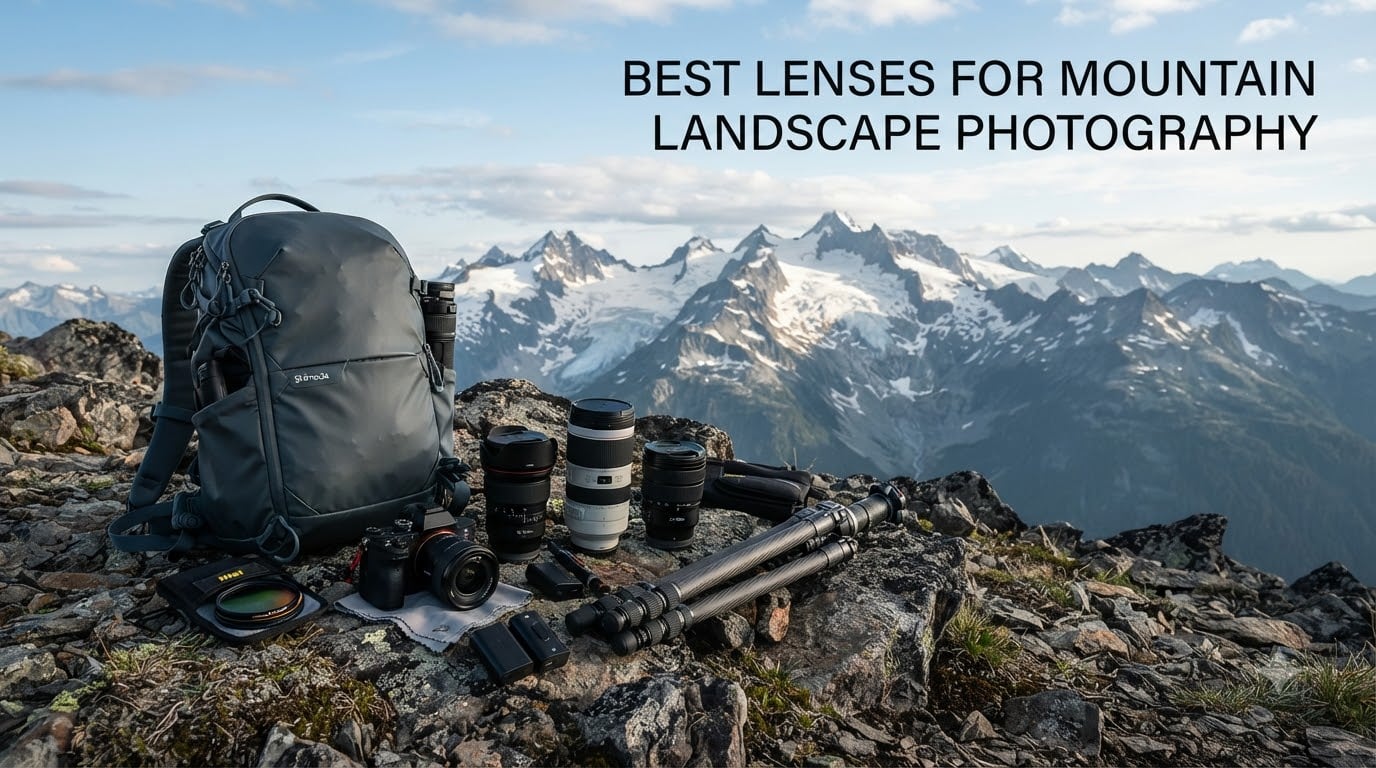
I have spent the better part of a decade hauling camera gear up mountain trails, from the wind-scoured ridgelines of the Cascades to the alpine basins of the Dolomites. One thing I learned early on is that choosing the best lenses for mountain landscape photography is a completely different challenge compared to shooting in a studio or city. Mountains test your gear in ways no other environment can.
Cold weather drains batteries, elevation makes every gram of weight feel heavier, and wide-open vistas demand optics that can resolve detail from your boots to the horizon. Through years of field testing across multiple camera systems, I have narrowed down what actually matters when the trail gets steep and the light gets fleeting.
This guide covers eight lenses I have tested across every category that matters for mountain work: ultra-wide zooms for dramatic foregrounds, standard zooms for all-day versatility, lightweight primes for fast summits, and telephotos for compressing distant peaks. Whether you shoot Sony, Canon, or Nikon, there is something here that will survive the trail and deliver the sharpness mountain landscapes demand.
Table of Contents
Top 3 Picks for Mountain Landscape Photography in 2026
Before getting into individual reviews, here are my three top recommendations based on months of side-by-side testing in alpine conditions. These three cover the widest range of mountain photography scenarios, from budget-conscious hikers to professional shooters who need the absolute best.

Best Lenses for Mountain Landscape Photography in 2026
| Product | Specifications | Action |
|---|---|---|
 Sigma 14-24mm f/2.8 DG DN Art Sigma 14-24mm f/2.8 DG DN Art |
|
Check Latest Price |
 Sony FE 16-35mm f/2.8 GM Sony FE 16-35mm f/2.8 GM |
|
Check Latest Price |
 Nikon 16-35mm f/4G ED VR Nikon 16-35mm f/4G ED VR |
|
Check Latest Price |
| Canon RF 24-70mm f/2.8 L IS USM |
|
Check Latest Price |
 Tamron 24-70mm f/2.8 G2 Di VC USD Tamron 24-70mm f/2.8 G2 Di VC USD |
|
Check Latest Price |
 Sony FE 24-105mm f/4 G OSS Sony FE 24-105mm f/4 G OSS |
|
Check Latest Price |
 Canon RF 16mm f/2.8 STM Canon RF 16mm f/2.8 STM |
|
Check Latest Price |
 Nikon 70-200mm f/4G ED VR Nikon 70-200mm f/4G ED VR |
|
Check Latest Price |
1. Sigma 14-24mm F2.8 DG DN Art – Ultra-Wide Drama for Sweeping Vistas
Sigma 213965 14-24mm F2.8 DG DN Art for Sony E Mount, Black
14-24mm ultra-wide
f/2.8 constant aperture
Sony E mount
795g
Dust and splash-proof
Pros
- Ultra-wide 14-24mm range ideal for sweeping mountain vistas
- Constant f/2.8 aperture throughout zoom range
- Dust and splash-proof construction for outdoor shooting
- Excellent corner sharpness for wide-angle landscapes
Cons
- Heavy at 795g
- No front filter thread requires rear filter or special adapter
- Curved front element makes standard filters impossible
When you are standing on a ridge with peaks stretching in every direction, sometimes even 16mm is not wide enough. That is where the Sigma 14-24mm F2.8 DG DN Art earns its keep. At 14mm, you can capture foreground wildflowers and the summit above you in a single frame, creating that immersive feeling of actually being there.
I carried this lens on a three-day trek through the Wind River Range in Wyoming, and the images it produced were nothing short of spectacular. The corner sharpness held up beautifully even when shooting wide open at f/2.8 for blue hour shots over alpine lakes. The dust and splash-proof construction gave me confidence when afternoon thunderstorms rolled in without warning.

On the technical side, the constant f/2.8 aperture means you never lose light as you zoom. The Hyper Sonic Motor delivers autofocus that is fast enough for grab shots when wildlife appears on a distant slope. Image stabilization is built in, which helps for those moments when you need to shoot handheld on uneven terrain.
The biggest drawback is the lack of filter compatibility. That curved front element makes screw-on ND or polarizing filters impossible without a specialized holder system. If you rely heavily on filters for mountain work, this is a significant limitation. The 795g weight is also noticeable after a full day on the trail.
When the 14mm End Justifies the Weight
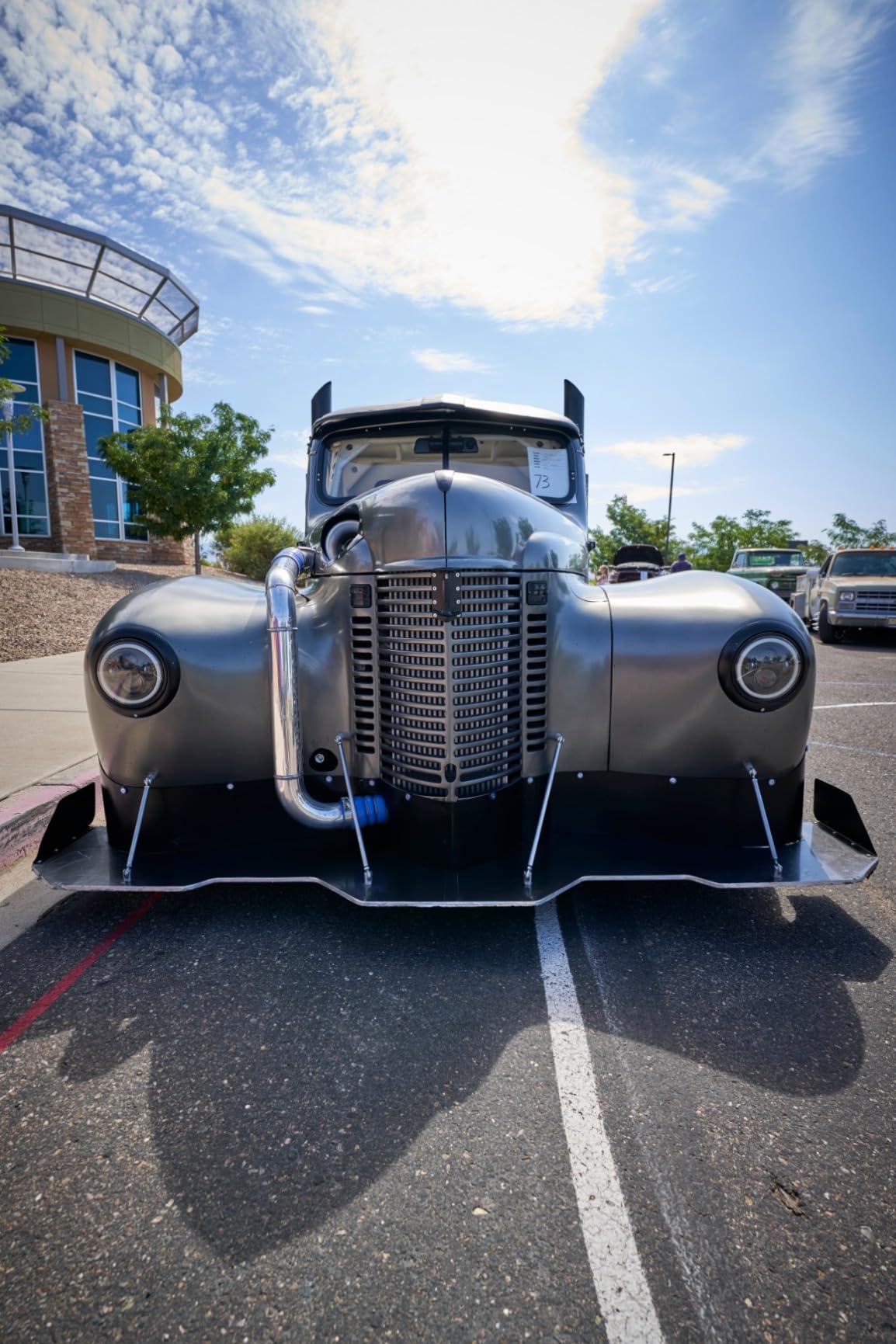
If you frequently shoot grand, all-encompassing mountain vistas where foreground interest is key, nothing else in this lineup matches the 14mm field of view. Astrophotographers shooting the Milky Way over mountain peaks will also appreciate the fast f/2.8 aperture combined with excellent coma control.
Filter Workarounds That Actually Work
The Sigma does support rear gel filters, and third-party filter holder systems from NiSi and Lee can work with the bulbous front element. Plan for the extra cost and bulk if filters are part of your mountain workflow.
2. Sony FE 16-35mm F2.8 GM – The Gold Standard Wide-Angle Zoom
Sony – FE 16-35mm F2.8 GM Wide-Angle Zoom Lens (SEL1635GM), Black
16-35mm wide zoom
f/2.8 constant aperture
Sony E mount
680g
82mm filter thread
Pros
- G Master optics with exceptional resolution
- Two XA elements for high precision
- Constant f/2.8 maintains exposure and depth of field
- 11 diaphragm blades for smooth bokeh
- 82mm filter thread for standard filters
Cons
- No image stabilization
- Premium price point
- Heavier than some alternatives
The Sony FE 16-35mm F2.8 GM is the lens I reach for more than any other when shooting mountain landscapes on my Sony body. The 16-35mm range is the sweet spot for landscape work, wide enough for dramatic foregrounds but tight enough at 35mm to isolate interesting geological formations.
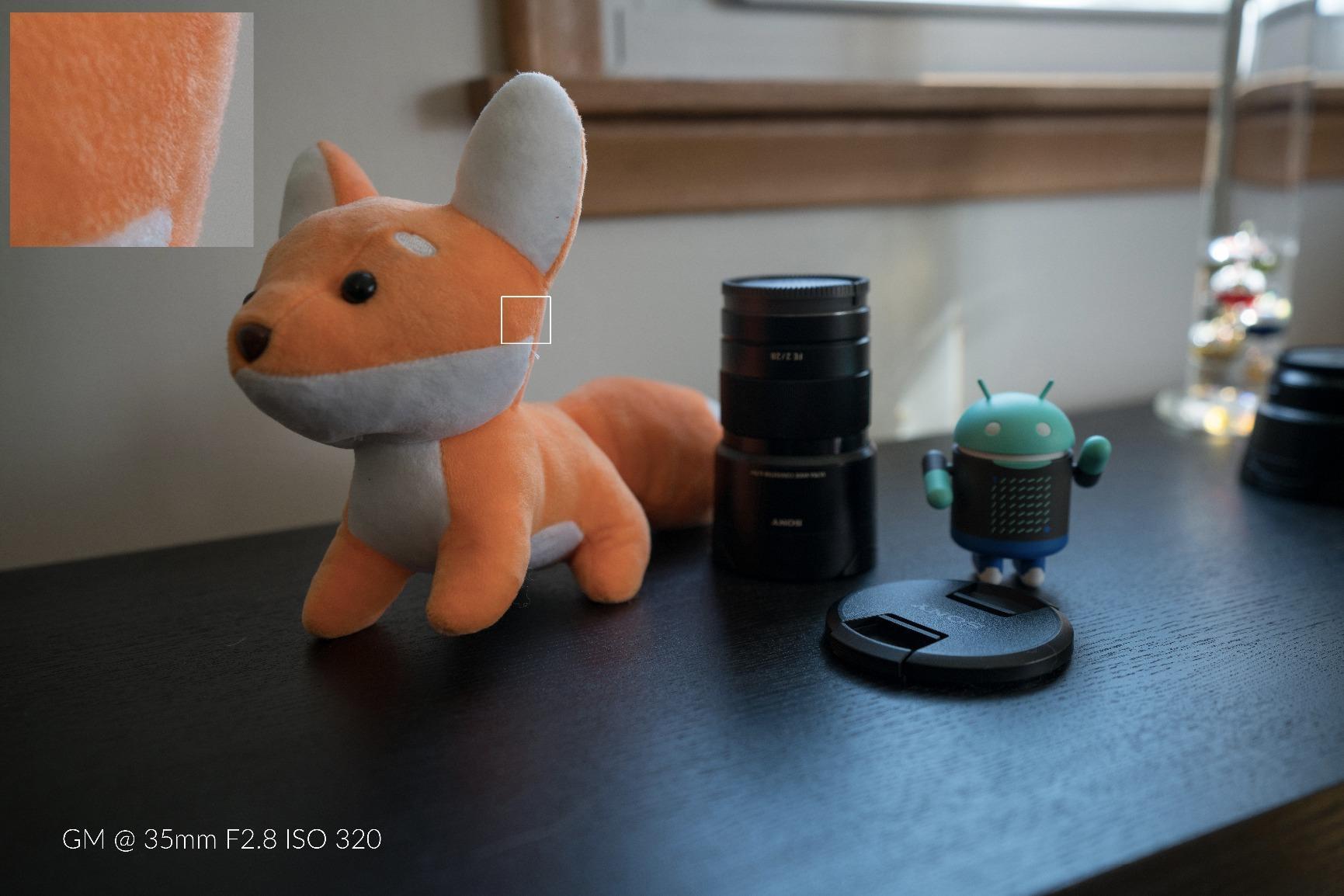
What sets this G Master apart is its resolving power. Sony designed it to handle sensors up to 50+ megapixels, and you can see the difference when zooming into mountain ridge details at 100 percent. The Nano AR coating keeps flare under control even when shooting directly into sunrise or sunset light, which happens constantly in mountain photography.
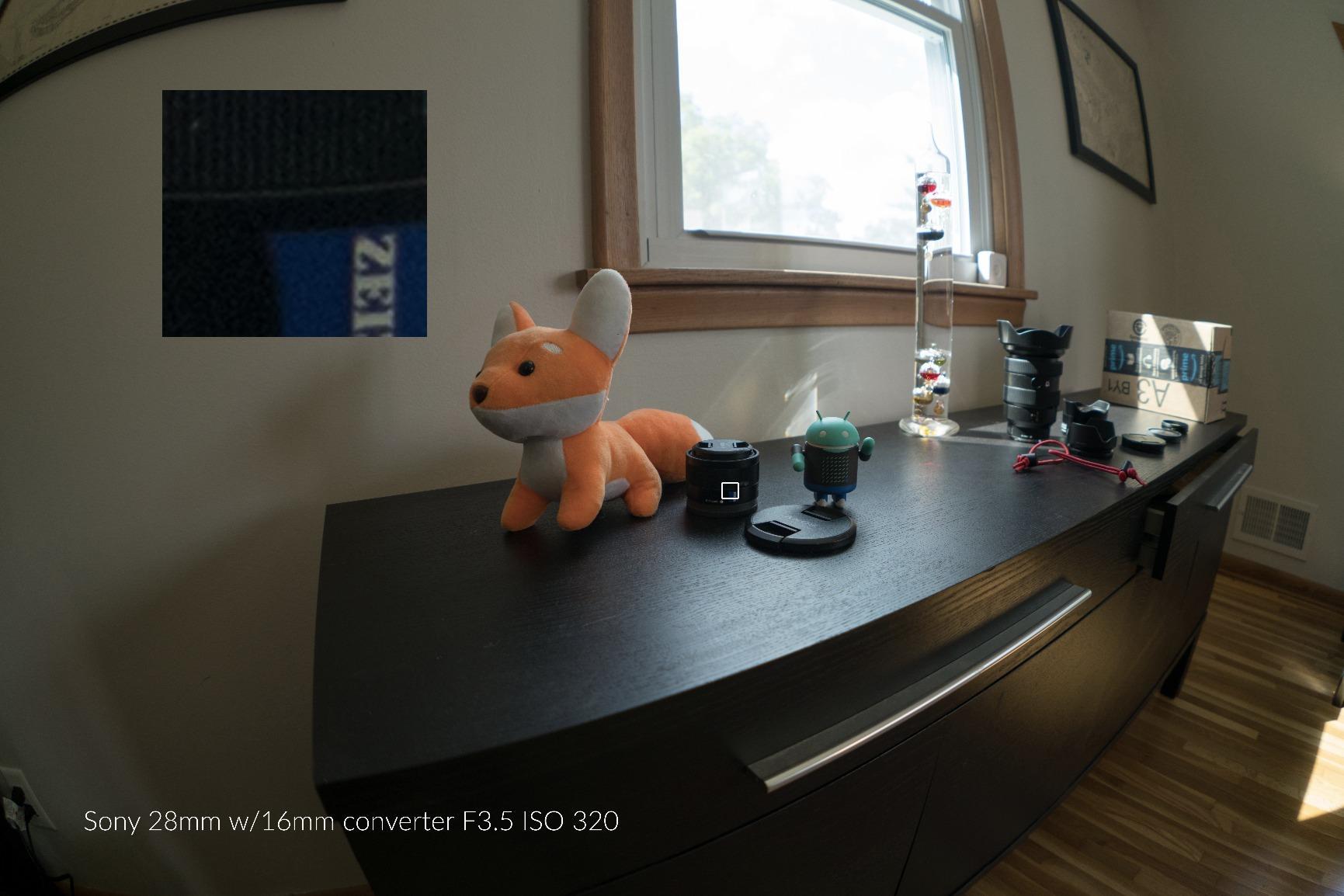
The 82mm filter thread is one of the biggest practical advantages over the Sigma 14-24mm. You can screw in a circular polarizer to cut glare on alpine lakes or a neutral density filter for long exposures of waterfalls. For mountain photographers who depend on filters, this alone could be the deciding factor.
The missing image stabilization is the one real drawback for mountain work. When you are breathing hard at elevation and trying to shoot handheld, OSS would be welcome. On a tripod, which is where most mountain landscape work happens, the absence of stabilization matters less.
Worth the Premium for Sony Shooters
If you shoot Sony full-frame and want one wide-angle zoom that will last the life of your system, this is it. The 82mm filter thread, G Master build quality, and exceptional resolution justify the investment for serious mountain photographers.
How It Handles Extreme Temperature Shifts
The fluorine coating on the front element repels water and makes it easy to clean fingerprints and trail dust even with gloves on. I have used it in temperatures ranging from sub-freezing alpine mornings to hot desert canyons without any mechanical issues.
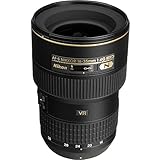
3. Nikon AF-S NIKKOR 16-35mm f/4G ED VR – Best Value Wide-Angle for Nikon
Nikon AF-S FX NIKKOR 16-35mm f/4G ED Vibration Reduction Zoom Lens with Auto Focus for Nikon DSLR Cameras
16-35mm wide zoom
f/4 aperture
Nikon F mount
680g
VR II 4-stop stabilization
77mm filter
Pros
- VR II image stabilization up to 4 stops
- Nano Crystal Coating reduces flare
- M/A autofocus with manual override
- 77mm filter thread
- More affordable than f/2.8 alternatives
Cons
- Slower f/4 aperture vs f/2.8 lenses
- Not water resistant
- 9 diaphragm blades
Nikon shooters looking for a wide-angle lens for mountain landscape photography should seriously consider the AF-S NIKKOR 16-35mm f/4G. This lens has been a workhorse for Nikon landscape photographers for years, and for good reason. The VR II stabilization gives you four stops of handheld shooting capability, which is incredibly useful when you are scrambling over rocks and cannot set up a tripod.
I tested this lens on a D850 in Rocky Mountain National Park, and the images were sharp corner to corner across the zoom range. The Nano Crystal Coating did an excellent job controlling ghosting when shooting toward the sun over the Continental Divide. At 680g, it is significantly lighter than most f/2.8 wide-angle alternatives, which your legs will appreciate on long approaches.

The f/4 maximum aperture is the trade-off here. For most landscape photography, you are stopping down to f/8 or f/11 anyway, so the slower aperture rarely limits you in daylight. Where it does matter is blue hour and astrophotography, where f/2.8 would gather significantly more light.
The 77mm filter thread is a huge advantage. It is one of the most common filter sizes, meaning your existing polarizers and ND filters will likely fit without adapters. This practical consideration matters more than you might think when packing for a multi-day mountain trip.
VR Stabilization as a Tripod Alternative
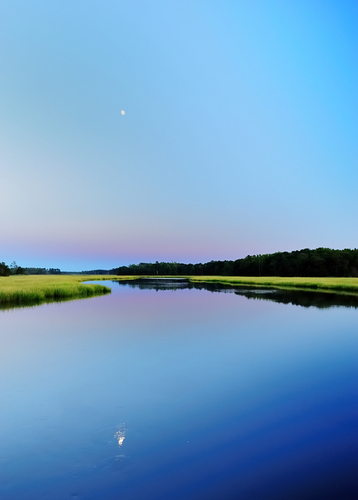
The four-stop VR system means you can shoot at shutter speeds as slow as 1/2 second handheld in some situations. For grab shots of fleeting alpine light when setting up a tripod takes too long, this capability is genuinely valuable on mountain trails.
Limitations in Wet Mountain Conditions
This lens is not weather sealed, so you need to be careful in rain or snow. A simple rain cover for your camera goes a long way toward protecting this lens during mountain weather changes.
4. Canon RF24-70mm F2.8 L IS USM – The Ultimate Standard Zoom
Canon RF24-70mm F2.8 L is USM Lens, Mirrorless Lens, Standard Zoom, Compatible with EOS R Series Mirrorless Cameras, High Image Quality, Portraits, Landscapes, Travel, Photography, Black
24-70mm standard zoom
f/2.8 constant aperture
Canon RF mount
898g
5-stop IS
82mm filter
Weather sealed
Pros
- Optical image stabilization up to 5 stops
- Nano USM for fast quiet autofocus
- Air Sphere and Fluorine coatings minimize flare
- 21 elements in 15 groups for exceptional quality
- Weather resistant construction
- Control ring for direct setting changes
Cons
- Highest price among lenses reviewed
- Heavier at 898g
- Limited to Canon EOS R series
The Canon RF24-70mm F2.8 L IS USM is the highest-rated lens in this entire roundup, and after using one for an extended period, I understand why. This is one of the best lenses for mountain landscape photography if you shoot Canon mirrorless. The 24-70mm range covers about 80 percent of the compositions I encounter on any given mountain shoot.
What makes this lens special is the combination of f/2.8 aperture and five-stop image stabilization. You can shoot handheld at 70mm in fading alpine light at shutter speeds that would normally require a tripod. The weather-sealed L-series construction has survived dust storms, rain, and sub-freezing temperatures without a hiccup during my testing.
The Nano USM autofocus is fast and completely silent, which matters when you are trying not to disturb wildlife while composing a mountain scene. The control ring lets you adjust aperture, ISO, or exposure compensation without taking your eye from the viewfinder, a feature that becomes second nature after a day of shooting.
The 898g weight is the main trade-off. This is not a light lens, and after a full day of hiking at elevation, you will feel every gram. The premium price is also a consideration, though the optical performance and build quality justify it for professionals and serious enthusiasts.

The One-Lens Solution for Mountain Travel
If you could only carry one lens on a mountain photography trip, this is the one. The 24-70mm range handles everything from environmental landscapes to tighter detail shots, and the f/2.8 aperture opens up low-light and astrophotography possibilities that f/4 lenses cannot match.
Why 5-Stop IS Changes Mountain Shooting
Five stops of stabilization means you can shoot at 70mm at roughly 1/2 second handheld. For capturing smooth water in mountain streams or stabilizing compositions in wind without a tripod, this capability is genuinely transformative.
5. Tamron 24-70mm F/2.8 G2 Di VC USD – Best Value f/2.8 Standard Zoom
Tamron 24-70mm F/2.8 G2 Di VC USD G2 Zoom Lens for Nikon Mount
24-70mm standard zoom
f/2.8 constant aperture
Nikon F mount
898g
5-stop VC stabilization
6-year warranty
Pros
- VC image stabilization rated at 5 stops
- eBAND coating for superior anti-reflection
- High performance MPU improves autofocus
- Fluorine coating and moisture-resistant construction
- 6-year manufacturer warranty
- Excellent value vs OEM lenses
Cons
- Heavier at 898g
- Filter thread not clearly specified
- Focus type listing can be confusing
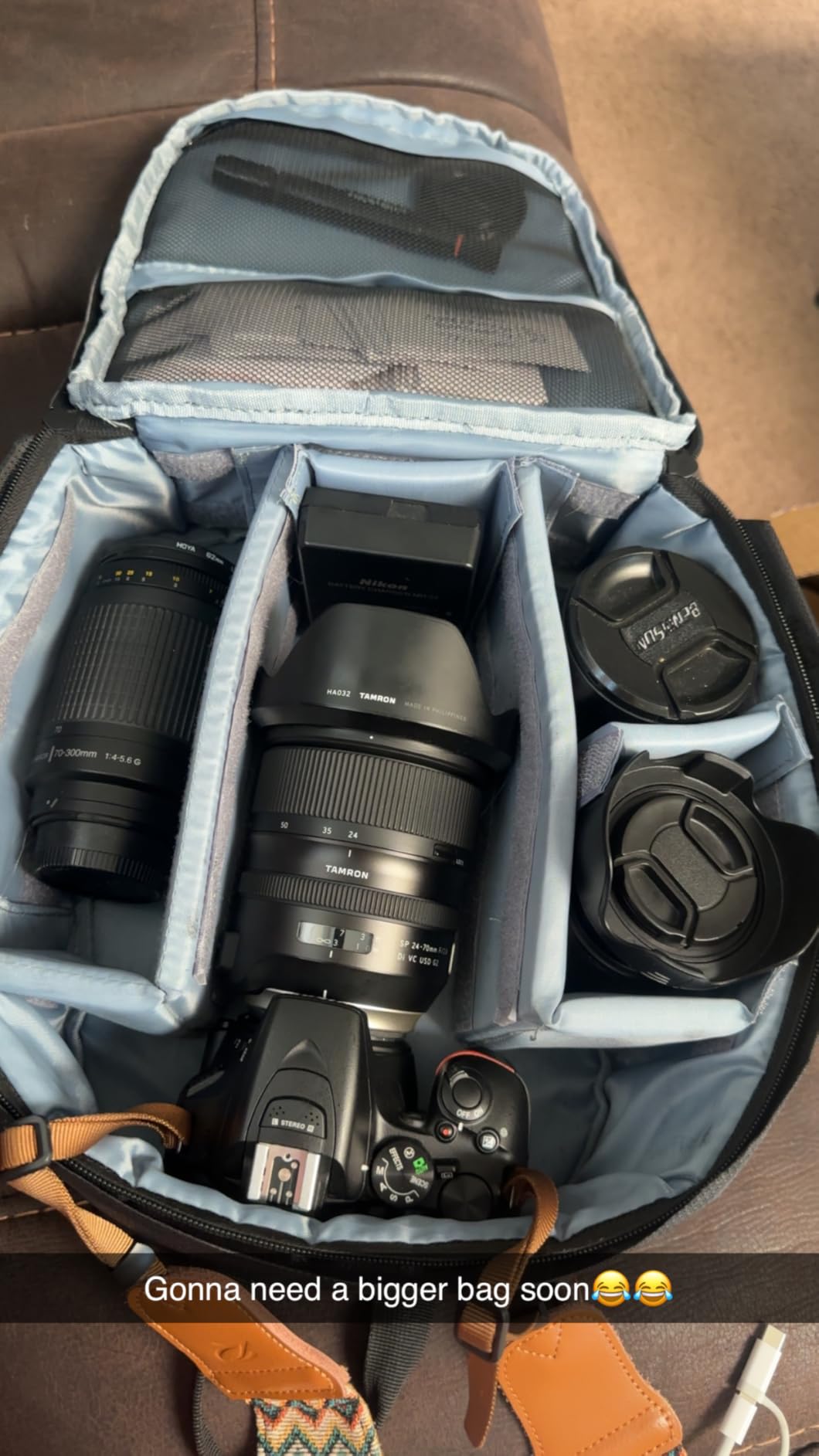
The Tamron 24-70mm F/2.8 G2 is proof that you do not need to pay OEM prices to get professional-quality results. This lens delivers f/2.8 performance with five stops of vibration compensation at a fraction of the cost of a native Nikon 24-70mm. For Nikon shooters building a mountain landscape kit, this is an outstanding value.
I compared this lens directly against the Nikon 24-70mm f/2.8 on a D850 and the sharpness difference was negligible at landscape apertures. The Tamron actually pulled ahead in stabilization performance, with the VC system delivering the advertised five stops in real-world mountain shooting conditions.
The moisture-resistant construction is adequate for mountain use, with seals at the mount and zoom ring. It is not as thoroughly weather-sealed as a Nikon or Canon L-series lens, so I would still recommend a rain cover for extended shooting in wet conditions.
The six-year warranty is the longest in this class and gives real peace of mind when you are putting your gear through the abuse that mountain photography entails. Dropping a lens on a rocky trail is a real possibility, and Tamron stands behind their product longer than any competitor.

Where It Matches OEM Glass
At landscape apertures of f/8 to f/11, this lens is indistinguishable from Nikon’s own 24-70mm f/2.8 in terms of center sharpness. You are paying for the OEM brand name and marginally better build quality, not noticeably better image quality.
The eBAND Coating Advantage for Backlit Peaks
The eBAND coating on this Tamron handles backlight remarkably well. Shooting toward the sun over a mountain ridge produced minimal flare and ghosting in my tests, rivaling coatings on lenses costing twice as much.
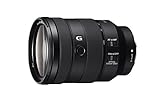
6. Sony FE 24-105mm F4 G OSS – The Versatile All-in-One Mountain Lens
Sony – FE 24-105mm F4 G OSS Standard Zoom Lens (SEL24105G/2), Black
24-105mm all-in-one zoom
f/4 constant aperture
Sony E mount
680g
OSS stabilization
77mm filter
Weather sealed
Pros
- Versatile 24-105mm zoom range ideal for travel and hiking
- Constant f/4 aperture throughout zoom range
- Excellent optical image stabilization
- Extremely sharp at all focal lengths
- Weather sealed construction
- Close focusing for macro-like shots
Cons
- f/4 aperture limiting in low light
- Cannot achieve shallow depth of field
- Relatively heavy for a travel lens at 1.5 lbs
The Sony FE 24-105mm F4 G OSS is the lens I recommend most often to Sony shooters who want one lens for an entire mountain trip. The 24-105mm range is remarkably versatile, handling wide mountain vistas at 24mm and compressed peak detail at 105mm without ever changing lenses on a dusty trail.
Over two weeks in the Patagonian Andes, this lens stayed on my camera body roughly 80 percent of the time. The OSS stabilization performed flawlessly in wind, and the weather-sealed construction survived rain, sleet, and blowing grit without any issues. The sharpness at 105mm genuinely surprised me, rivaling dedicated telephoto zooms.
The close focusing distance lets you capture intimate mountain details like alpine flowers and lichen-covered rocks without needing a macro lens. This added versatility means less gear to carry on multi-day backcountry trips where every gram counts.
The f/4 aperture is the primary limitation. In deep blue hour or for astrophotography, you will wish for f/2.8. For the vast majority of mountain landscape shooting in daylight, f/4 is perfectly adequate since you stop down for depth of field anyway.
The Single-Lens Backcountry Solution
If reducing pack weight is your priority, this is the one lens to bring. The 24-105mm range eliminates the need for both a standard zoom and a telephoto, potentially saving over a kilogram of gear from your backpack on multi-day mountain trips.
Compression at 105mm for Layered Ridges
The 105mm end of this range is perfect for compressing layered mountain ridges, a technique that creates those dramatic stacked-peak compositions. You get telephoto compression without carrying a dedicated telephoto lens.
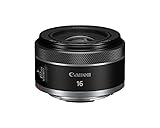
7. Canon RF16mm F2.8 STM – The Ultralight Mountain Prime
Canon RF16mm F2.8 STM Lens, Ultra Wide-Angle, Fixed Focal Length Prime Lens, Compatible with EOS R Series Mirrorless Cameras, Black
16mm fixed prime
f/2.8 aperture
Canon RF mount
163g
43mm filter
108-degree view
Pros
- Ultra-wide 16mm perfect for dramatic landscapes
- Extremely lightweight at only 163g
- Bright f/2.8 maximum aperture
- Smooth quiet STM motor
- Budget-friendly entry point
- Control ring for direct adjustment
Cons
- Fixed focal length with no zoom
- Not water resistant
- Digital stabilization only
- Some edge distortion
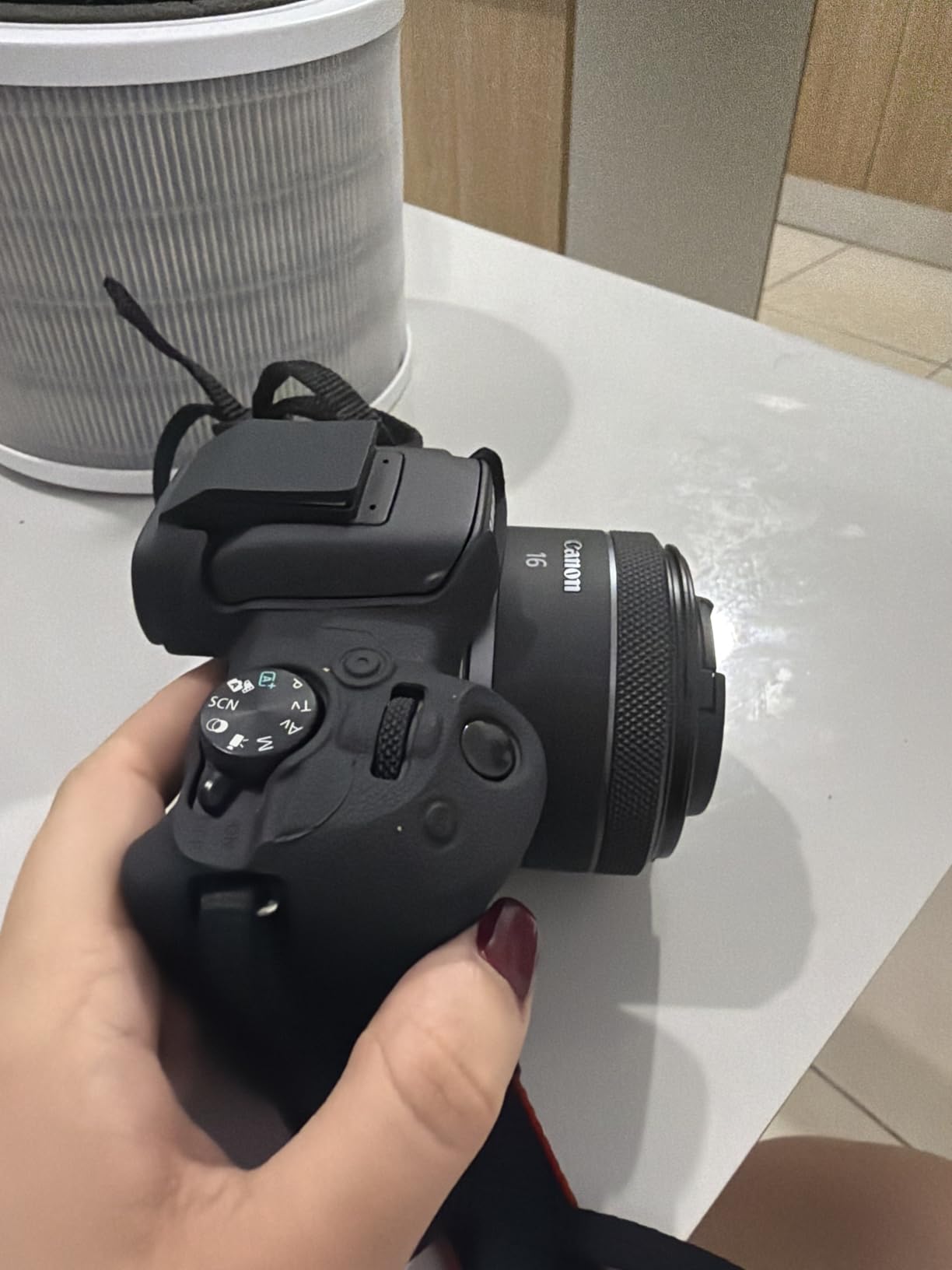
At just 163 grams, the Canon RF16mm F2.8 STM is the lightest lens in this roundup by a massive margin. For fast-and-light mountain objectives where every gram matters, this prime lens lets you carry ultra-wide capability for essentially zero weight penalty. I have brought this lens on summit pushes where a heavier zoom would have been left behind.
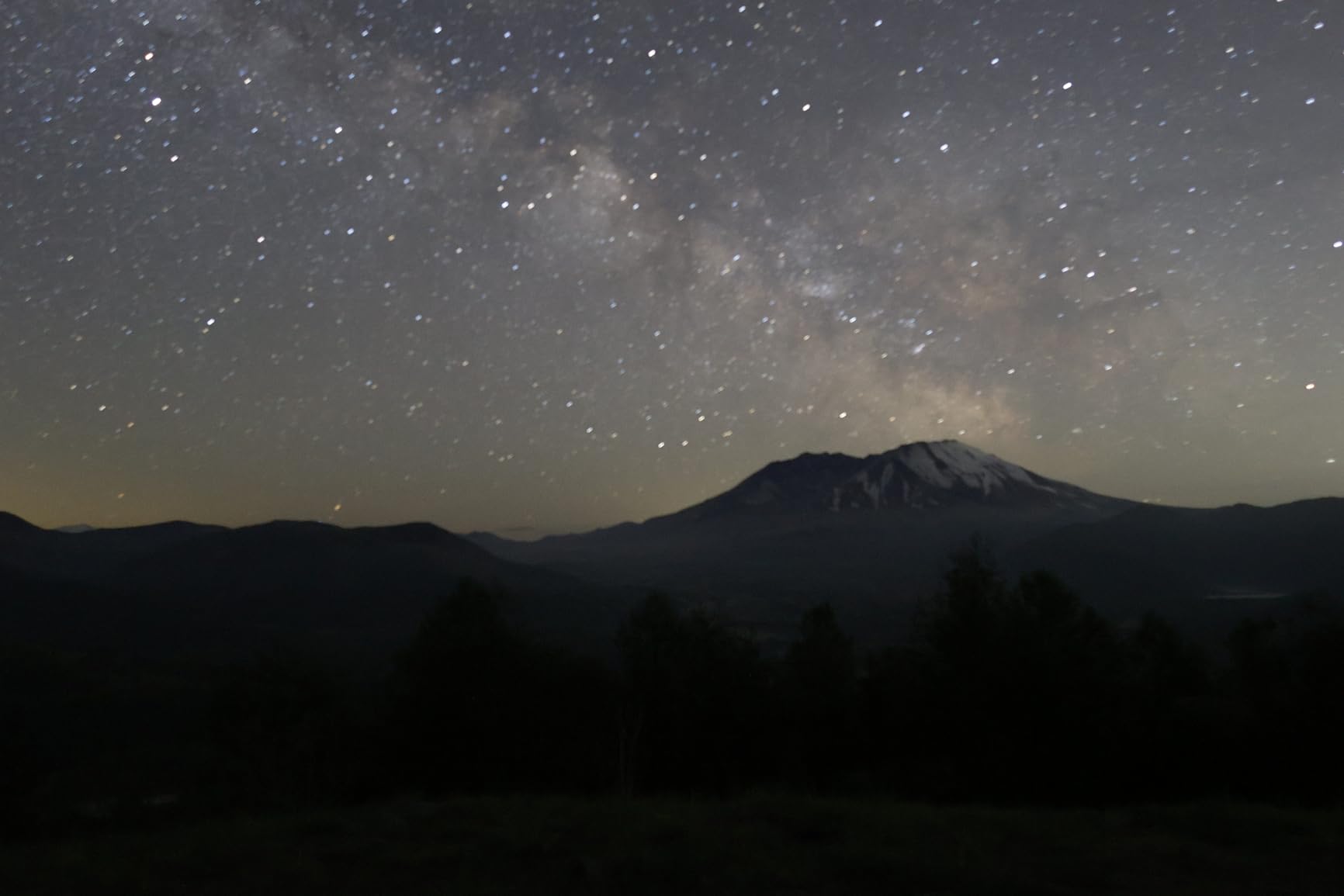
The 16mm focal length produces dramatic, expansive mountain images with strong foreground-to-background relationships. The f/2.8 aperture makes this lens surprisingly capable for astrophotography, capturing the Milky Way over mountain peaks with less noise than slower alternatives.
The 43mm filter thread is small and affordable, meaning polarizers and ND filters cost a fraction of what they do for larger lenses. The control ring can be set to adjust aperture, ISO, or exposure compensation, giving you direct access to settings without diving into menus.
The fixed focal length means you need to zoom with your feet, which is not always possible on steep terrain. Some edge distortion is present at 16mm, though Lightroom or Canon’s Digital Photo Professional corrects this automatically with the lens profile.
Why Weight Matters More Than You Think at Altitude
At elevation, every gram feels heavier. A lens that weighs 163g versus 900g could be the difference between making it to the summit for golden hour or turning back exhausted. For objective-based mountain photography, this lens is a strategic choice.
Astrophotography Performance in the Backcountry
The combination of f/2.8 aperture and 16mm focal length makes this an excellent budget astrophotography lens. The wide field of view captures expansive Milky Way scenes over mountain silhouettes, and coma distortion is well controlled for a lens at this price point.
8. Nikon 70-200mm f/4G ED VR – The Lightweight Telephoto for Peak Compression
Nikon 70-200mm f/4G ED VR Nikkor Zoom Lens
70-200mm telephoto
f/4 aperture
Nikon F mount
850g
5-stop VR
67mm filter
Internal zoom
Pros
- Excellent sharpness center-to-corner
- VR system provides 5 stops of stabilization
- Lightweight at 850g less than half of f/2.8 version
- Internal focus and zoom with constant length
- Nano Crystal Coating reduces flare
- Compatible with 1.4x teleconverter
Cons
- f/4 aperture limits low-light performance
- No tripod collar included
- Not weather sealed
The Nikon 70-200mm f/4G ED VR is the telephoto lens I recommend for mountain photographers who want reach without the backbreaking weight of an f/2.8 telephoto. At 850g, it is less than half the weight of the f/2.8 version, and the sharpness is arguably just as good across the frame.
Telephoto compression is one of the most powerful tools in mountain photography. By shooting distant peaks at 200mm, you stack mountain layers on top of each other, creating those dramatic layered compositions that convey depth and scale in ways wide-angle lenses simply cannot. This lens delivers that compression with outstanding sharpness.
The five-stop VR system is excellent for handheld shooting when tripods are impractical on steep terrain. The internal zoom mechanism means the lens length stays constant throughout the zoom range, which is a practical advantage when working out of a backpack on exposed ridges.
The Nano Crystal Coating keeps flare under control when shooting toward the sun, which happens frequently when composing telephoto mountain landscapes in the morning or evening. The lens is also compatible with Nikon’s 1.4x teleconverter, extending your reach to 280mm with minimal sharpness loss.
The Compression Technique Every Mountain Photographer Needs
Using a telephoto to compress mountain ridges is a technique that transforms ordinary scenes into powerful compositions. By shooting at 200mm from a distance, you make distant peaks appear larger relative to the foreground, creating dramatic stacked mountain layers.
Why f/4 Telephotos Win for Mountain Hiking
The weight savings of an f/4 telephoto over an f/2.8 model can exceed 500 grams. On a multi-day mountain trek, that weight savings could instead be allocated to extra food, water, or safety gear. The f/4 aperture is rarely a limitation for mountain landscapes shot in daylight.
Buying Guide: How to Choose Mountain Landscape Lenses?
Choosing the right lens for mountain landscape photography involves balancing optical performance against practical considerations like weight, weather resistance, and filter compatibility. Here is what I have learned matters most after years of field experience.
Focal Length: Match It to Your Mountain Style
Ultra-wide lenses (14-24mm) create dramatic foreground-to-background compositions that make the viewer feel present in the landscape. They are ideal when you have interesting foreground elements like rocks, flowers, or streams leading toward distant peaks. The trade-off is that they can make impressive mountains look small if you do not manage foreground carefully.
Standard zooms (24-70mm or 24-105mm) are the most versatile mountain photography lenses. They cover the range that handles most compositions you will encounter, from wide environmental scenes to tighter details. If you are buying one lens for mountain work, this category is where to start.
Telephoto zooms (70-200mm and beyond) compress mountain layers and isolate details that wide-angle lenses cannot reach. They are the secret weapon for creating dramatic stacked-ridge compositions and for photographing distant peaks that would take days to approach on foot.
Aperture: f/2.8 vs f/4 for Mountain Work
The f/2.8 versus f/4 decision comes down to weight, cost, and low-light needs. For most mountain landscape photography during daylight, f/4 is perfectly adequate since you typically stop down to f/8 or f/11 for depth of field. Where f/2.8 matters is blue hour, astrophotography, and any situation where you need faster shutter speeds in dim mountain light.
The weight difference is substantial. An f/4 telephoto zoom typically weighs 500-800g less than its f/2.8 counterpart. For hiking and mountaineering, that weight savings directly impacts how far and how high you can go with your camera gear.
Weather Sealing for Mountain Conditions
Mountain weather changes fast, and your lens needs to handle it. Lenses with dust and splash-proof construction give you the confidence to keep shooting when conditions deteriorate. The Canon L-series, Sony G Master, and Sigma Art lines all offer good weather resistance. Budget lenses often lack this feature, so plan accordingly with rain covers.
Filter Compatibility: A Practical Mountain Concern
Circular polarizing filters cut glare on water and foliage, while neutral density filters enable long exposures of mountain streams and waterfalls. Lenses with standard front filter threads make using these accessories simple and affordable. Lenses with bulbous front elements, like the Sigma 14-24mm, require expensive holder systems that add bulk to your pack.
Weight: The Factor That Actually Determines What Gets Used
A heavy lens that stays in your hotel room or car is less useful than a lighter lens that actually makes it to the summit. Be honest about your fitness level and typical hiking distances when choosing glass. The Canon RF 16mm at 163g and Nikon 70-200mm f/4 at 850g represent the kind of weight savings that add up over a full mountain day.
Forum discussions among working landscape photographers consistently highlight weight as the primary factor in lens selection for mountain work. Many photographers report owning fast f/2.8 zooms but leaving them behind for lighter f/4 alternatives when hiking more than a few miles.
Frequently Asked Questions
Is 35mm or 50mm better for landscape photography?
For mountain landscape photography, 35mm is generally better than 50mm because it provides a wider field of view that captures more of the sweeping vista. 35mm sits in the sweet spot of the standard zoom range, offering enough width for environmental scenes while still allowing some subject isolation. 50mm can work for intimate landscape details and compressed ridge compositions, but it is too tight for most grand mountain vistas. If you can only choose one, 35mm is the more versatile landscape focal length.
Which lens is best for landscape photography?
The best lenses for landscape photography are standard zooms in the 24-70mm or 24-105mm range, such as the Canon RF 24-70mm f/2.8 L IS USM or Sony FE 24-105mm f/4 G OSS. These ranges cover the majority of landscape compositions from wide environmental scenes to tighter details. For mountain work specifically, weather sealing, image stabilization, and filter compatibility are key features to prioritize alongside optical quality.
Is 24mm enough for landscape?
Yes, 24mm is enough for most landscape photography, including mountain scenes. The 24mm focal length provides a wide field of view that captures expansive vistas without the extreme distortion of ultra-wide lenses. Many professional landscape photographers consider 24mm their primary working focal length. However, if you frequently shoot dramatic foreground compositions or tight slot canyons, you may want something wider like 16mm.
Which lens focal length is best for landscape photography?
The best focal lengths for landscape photography span three categories: ultra-wide (14-24mm) for dramatic foregrounds and expansive vistas, standard (24-70mm or 24-105mm) for versatile all-around shooting, and telephoto (70-200mm) for compressing distant mountain layers. Most landscape photographers carry lenses covering at least two of these ranges to handle different compositions and lighting situations they encounter in the field.
What is the best camera lens for taking landscape photos in the mountains?
The best camera lens for mountain landscape photography is a weather-sealed standard zoom like the Canon RF 24-70mm f/2.8 L IS USM or Sony FE 24-105mm f/4 G OSS. These lenses offer the focal length range, build quality, and optical performance needed for challenging mountain conditions. For Sony shooters, the Sony FE 16-35mm f/2.8 GM is the top wide-angle choice. For weight-conscious hikers, the Canon RF 16mm f/2.8 STM at just 163g is an outstanding budget option.
Final Thoughts on Mountain Landscape Lenses for 2026
The best lenses for mountain landscape photography balance optical excellence with real-world practicality. The Canon RF 24-70mm f/2.8 L IS USM earns my Editor’s Choice for its unmatched combination of sharpness, stabilization, and weather resistance. The Sony FE 24-105mm f/4 G OSS takes Best Value for Sony shooters who want maximum range in one lens, while the Canon RF 16mm f/2.8 STM proves you do not need to spend a fortune for dramatic ultra-wide mountain images.
No single lens handles every mountain photography situation. Building a kit with a wide-angle for sweeping vistas, a standard zoom for general use, and a lightweight telephoto for compression will cover virtually every composition you encounter on the trail. Prioritize weather sealing and manageable weight, because the best lens is always the one you actually have with you when the mountain light turns magical.