
When you first look at a dragonfly’s compound eye filling your entire frame, you understand why macro photography hooks people instantly. I have spent the better part of three years shooting everything from jumping spiders to tiny water droplets, and no brand has surprised me more than Laowa. Their lenses punch well above their weight class, offering 2x magnification at a fraction of what traditional camera brands charge.
Finding the best Laowa lenses for macro shooters means understanding what sets Venus Optics apart. They design lenses that no one else makes, like a 25mm that reaches 5x magnification or an 85mm that is considered the world’s smallest full-frame 2x macro. This guide breaks down seven Laowa macro lenses I have researched extensively, covering real-world working distances, build quality, and which camera systems they fit.
Whether you shoot Fujifilm APS-C, Sony full-frame, or Canon RF mirrorless, there is a Laowa macro lens designed for your mount. I will walk you through each option so you can pick the right focal length, magnification ratio, and working distance for your style of macro photography.
Table of Contents
Top 3 Picks for Laowa Macro Lenses for 2026

Laowa 100mm f/2.8 2X Ultra Macro APO
- 2x magnification
- 100mm full frame
- APO chromatic correction

Laowa 65mm f/2.8 2X Ultra Macro APO
- 2x magnification
- APS-C optimized
- Ultra lightweight 11.82 oz
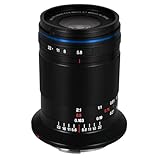
Laowa 85mm f/5.6 Ultra Macro APO
- World's smallest FF 2x macro
- Canon RF mount
- Ultra portable 1.4 lbs
The Laowa 100mm earns our Editor’s Choice spot because it combines the longest working distance in this lineup with full-frame coverage and APO optics. The 65mm takes Best Value honors for Fujifilm X-mount shooters who want 2x magnification at a reasonable price point. And the 85mm rounds out the top three as a Premium Pick for Canon RF users who prioritize portability above all else.
Best Laowa Lenses for Macro Shooters in 2026
| Product | Specifications | Action |
|---|---|---|
| Laowa 65mm f/2.8 2X Ultra Macro APO |
|
Check Latest Price |
| Laowa 100mm f/2.8 2X Ultra Macro APO |
|
Check Latest Price |
 Laowa 60mm f/2.8 Ultra Macro Laowa 60mm f/2.8 Ultra Macro |
|
Check Latest Price |
 Laowa 90mm f/2.8 2X Ultra Macro APO Laowa 90mm f/2.8 2X Ultra Macro APO |
|
Check Latest Price |
| Laowa 85mm f/5.6 Ultra Macro APO |
|
Check Latest Price |
 Laowa 58mm f/2.8 2X Ultra Macro APO Laowa 58mm f/2.8 2X Ultra Macro APO |
|
Check Latest Price |
 Laowa 25mm f/2.8 2.5-5X Ultra Macro Laowa 25mm f/2.8 2.5-5X Ultra Macro |
|
Check Latest Price |
1. Laowa 65mm f/2.8 2X Ultra Macro APO for Fujifilm X
Venus Optics Laowa 65mm f/2.8 2X Ultra Macro APO Lens for FUJIFILM X
65mm f/2.8 APS-C
2x magnification
Fujifilm X-mount
11.82 oz
9 aperture blades
Pros
- 2x magnification with APO chromatic aberration correction
- Lightest lens in this lineup at under 12 ounces
- Beautiful bokeh from 9-blade diaphragm at f/2.8
- Excellent optical sharpness across the frame
Cons
- Manual focus only
- Not weather sealed
- Fujifilm X-mount only
The Laowa 65mm f/2.8 was the first macro lens I recommended to a Fujifilm shooter friend, and it remains my go-to suggestion for APS-C users. At 97.5mm equivalent on Fujifilm X sensors, it gives you enough working distance for skittish insects without being so long that field work becomes unwieldy. The 2x magnification means a subject 15mm wide fills your entire frame.
I appreciate how Laowa packed 14 elements in 10 groups into a lens weighing under 12 ounces. The APO design keeps chromatic aberration well controlled even at maximum magnification. From what Fujifilm shooters report across 137 reviews with an 86% five-star rate, the optical quality rivals lenses costing twice as much.
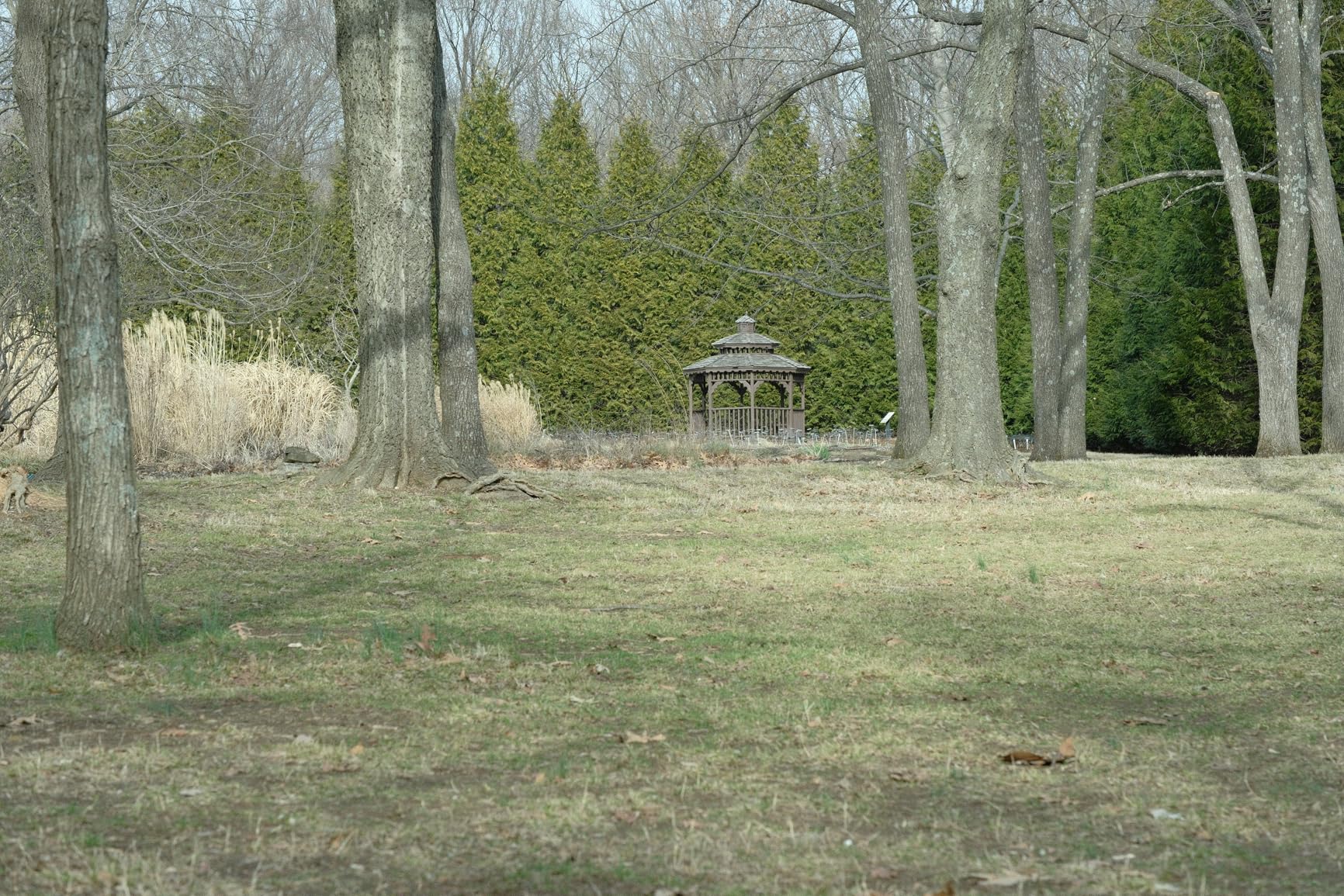
The f/2.8 maximum aperture gives you flexibility when shooting handheld in decent light, and the 9-blade diaphragm produces smooth, creamy backgrounds that make your subject pop. Working distance at 1x is roughly 9 centimeters, which tightens to about 4 centimeters at 2x magnification.
On the downside, manual focus is the only option here. For static subjects like flowers and products, this is not a problem. For fast-moving insects, you will need to learn the focus-throw technique where you rock your body forward and backward until the plane of focus lands where you want it.
Ideal Camera Setup for This Lens
This lens is purpose-built for Fujifilm X-mount cameras, so pair it with an X-T4, X-T5, or X-S20 for the best experience. The in-body image stabilization on these bodies helps compensate for the lack of optical stabilization in the lens itself. I also recommend using focus peaking, which Fujifilm implements better than almost any other brand.
If you shoot Sony or Canon, you will need to look elsewhere in this guide since Laowa does not offer this focal length on other mounts. Fujifilm shooters get an exclusive here, and it is genuinely one of the best values in macro photography today.
How It Handles High-Magnification Work
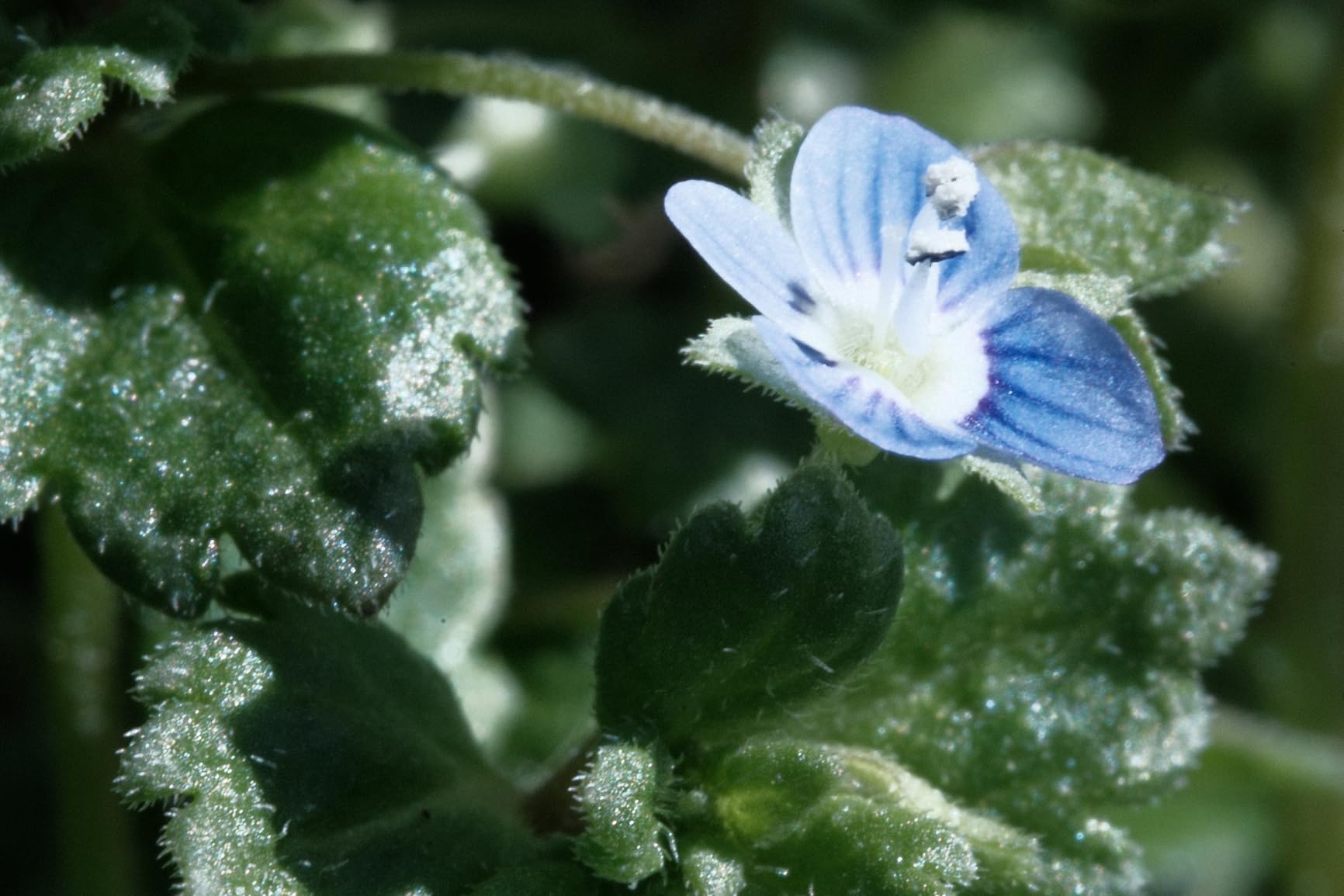
At 2x magnification, your depth of field becomes razor-thin, often less than a millimeter wide. The focus ring on this lens has a long, smooth throw that makes fine adjustments satisfying rather than frustrating. I found the resistance perfect for dialing in critical focus without overshooting.
For focus stacking, the manual focus ring combined with a focusing rail gives you consistent, repeatable steps. The optical quality holds up well across the frame at all magnification levels, which means your stacked images blend together cleanly without soft edges.
2. Laowa 100mm f/2.8 2X Ultra Macro APO for Sony E
Laowa 100mm f/2.8 2X Ultra Macro APO SLR Macro Lens (Black) Full Frame – for Sony E
100mm f/2.8 full frame
2x magnification
Sony E-mount
638g
13 aperture blades
67mm filter
Pros
- Best working distance at 24.7cm for skittish subjects
- APO design eliminates color fringing
- 13-blade diaphragm for buttery bokeh
- Full-frame coverage for maximum detail
Cons
- Manual focus only
- No image stabilization
- Heavier than other Laowa macros
The Laowa 100mm is the lens I would pick if I could only own one macro lens for the rest of my life. That 24.7-centimeter working distance at 2x magnification gives you enough room that butterflies and damselflies will not immediately fly off when you approach. No other lens in this lineup offers this combination of reach and magnification.
With 12 elements in 10 groups and a 13-blade diaphragm, the optical design is clearly aimed at photographers who care about image quality above all else. The APO correction keeps longitudinal chromatic aberration to a minimum, which matters enormously when you are shooting shiny insect wings or water droplets at high magnification.
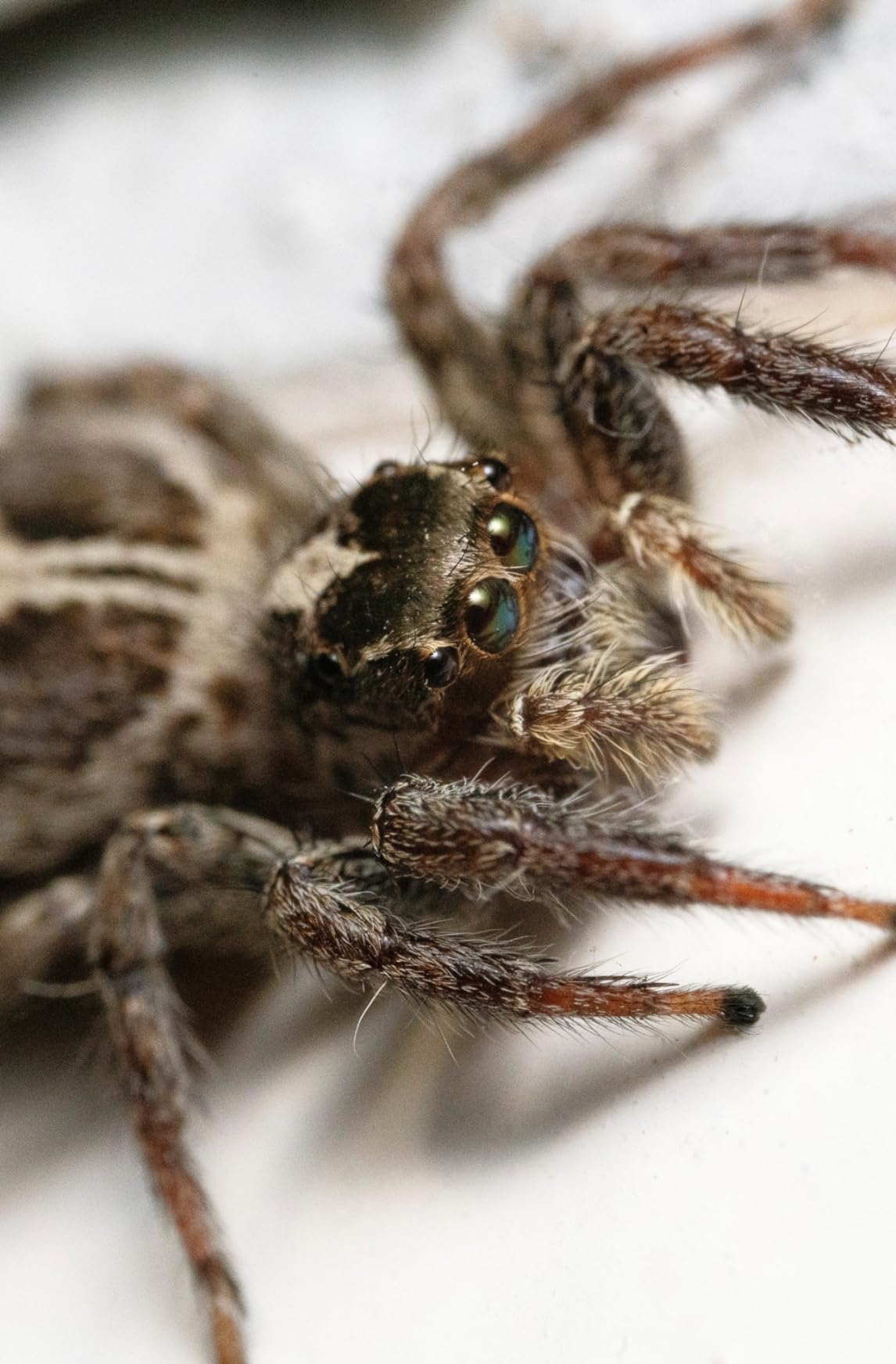
I noticed the bokeh on this lens is particularly beautiful. Those 13 aperture blades create a nearly circular opening even when stopped down, producing background blur that looks painterly rather than nervous. At f/2.8, the background melts away completely, isolating your subject with surgical precision.
The trade-off is weight. At 638 grams, this is one of the heaviest Laowa macros. It also lacks image stabilization, so if your Sony body does not have IBIS, you will want a tripod or flash for consistent results at higher magnifications.
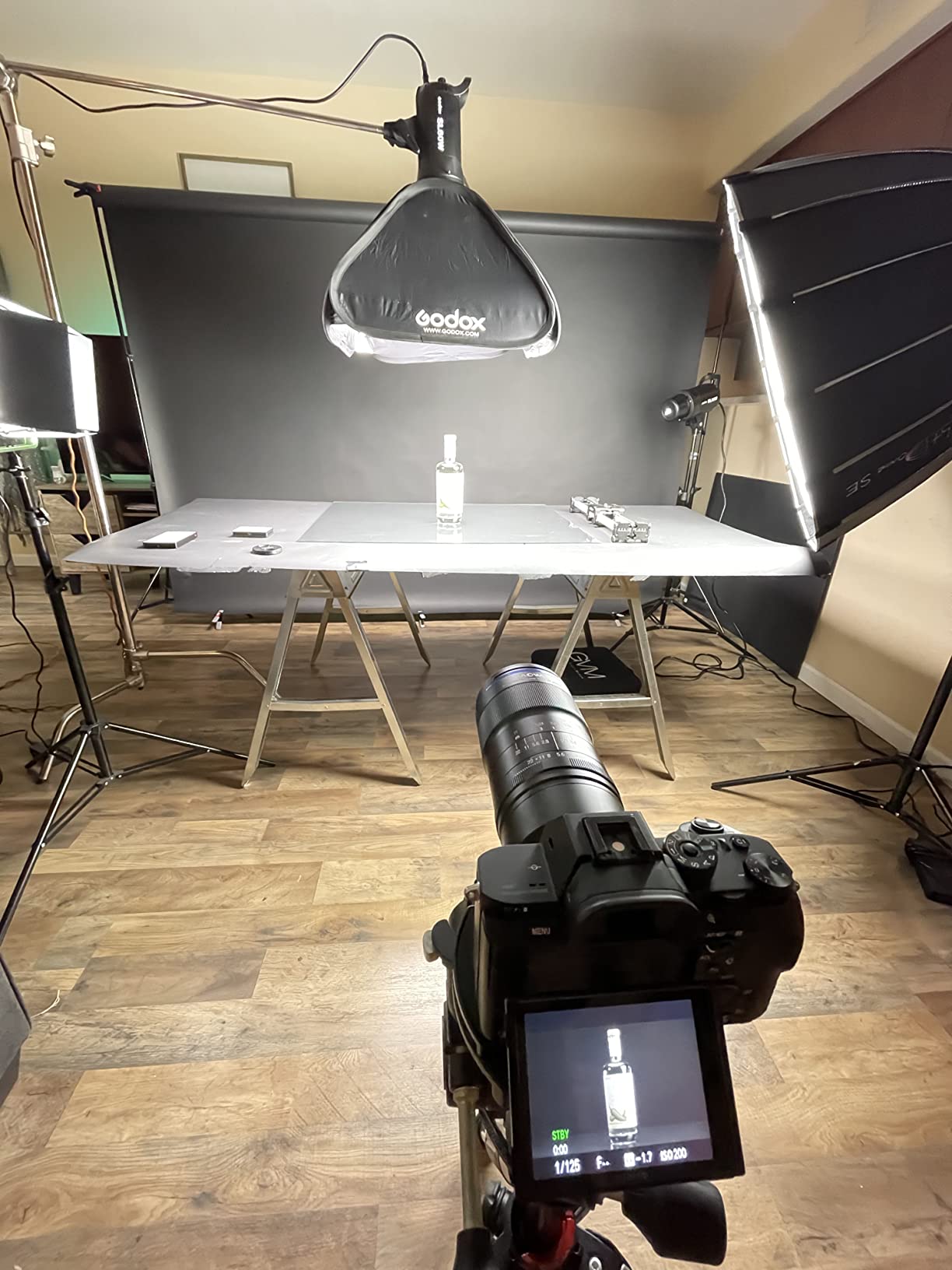
Working Distance Advantage for Insect Photography
The 24.7-centimeter working distance at 2x is the headline feature for insect photographers. Compare that to the 65mm lens, which gives you roughly 4 centimeters at the same magnification. That extra distance means fewer scared subjects and fewer shadows cast by your own lens barrel.
For dragonflies, butterflies, and other insects that startle easily, this lens gives you the best chance of getting the shot before your subject departs. The 100mm focal length also compresses your background more than shorter lenses, making subjects stand out with less visual clutter behind them.
Full Frame vs APS-C Performance
On a full-frame Sony A7 series body, you get the full 100mm field of view with maximum detail resolution. The lens resolves enough detail to take full advantage of high-resolution sensors like the A7R IV’s 61 megapixels. Corner sharpness remains strong even wide open at f/2.8.
On an APS-C body like the A6600, the crop factor gives you an equivalent 150mm focal length, which further increases your effective working distance. This makes the 100mm an excellent crossover choice if you shoot both full-frame and crop-sensor Sony bodies.
3. Laowa 60mm f/2.8 Ultra Macro for Canon EF
Venus LAOWA VEN6028C Ultra Macro Manual Focus Lens for Canon EF Mount, 60 mm F/2.8
60mm f/2.8
0.1x to 2x range
Canon EF mount
503g
14 aperture blades
Fluorine coating
Pros
- Unique 0.1x to 2x magnification range with no tubes
- Focuses to infinity for dual-purpose use
- 14-blade diaphragm for ultra-smooth bokeh
- Fluorine coating repels dust and moisture
Cons
- Manual focus only
- No image stabilization
- Canon EF mount only
- Some vignetting on full frame beyond 2-3 meters
The Laowa 60mm f/2.8 is the Swiss Army knife of this lineup. What makes it special is that magnification range of 0.1x to 2x without needing any extension tubes. I cannot think of another lens that lets you shoot a landscape at infinity focus and then immediately switch to a 2x macro of a flower without changing anything.
This lens uses a patented 9-element, 7-group optical structure that Laowa designed specifically for this dual-purpose use case. The 14 aperture blades create one of the smoothest bokeh renders I have seen at this price point. Reviewers consistently praise the fluorine coating, which makes cleaning dust and fingerprints off the front element much easier.
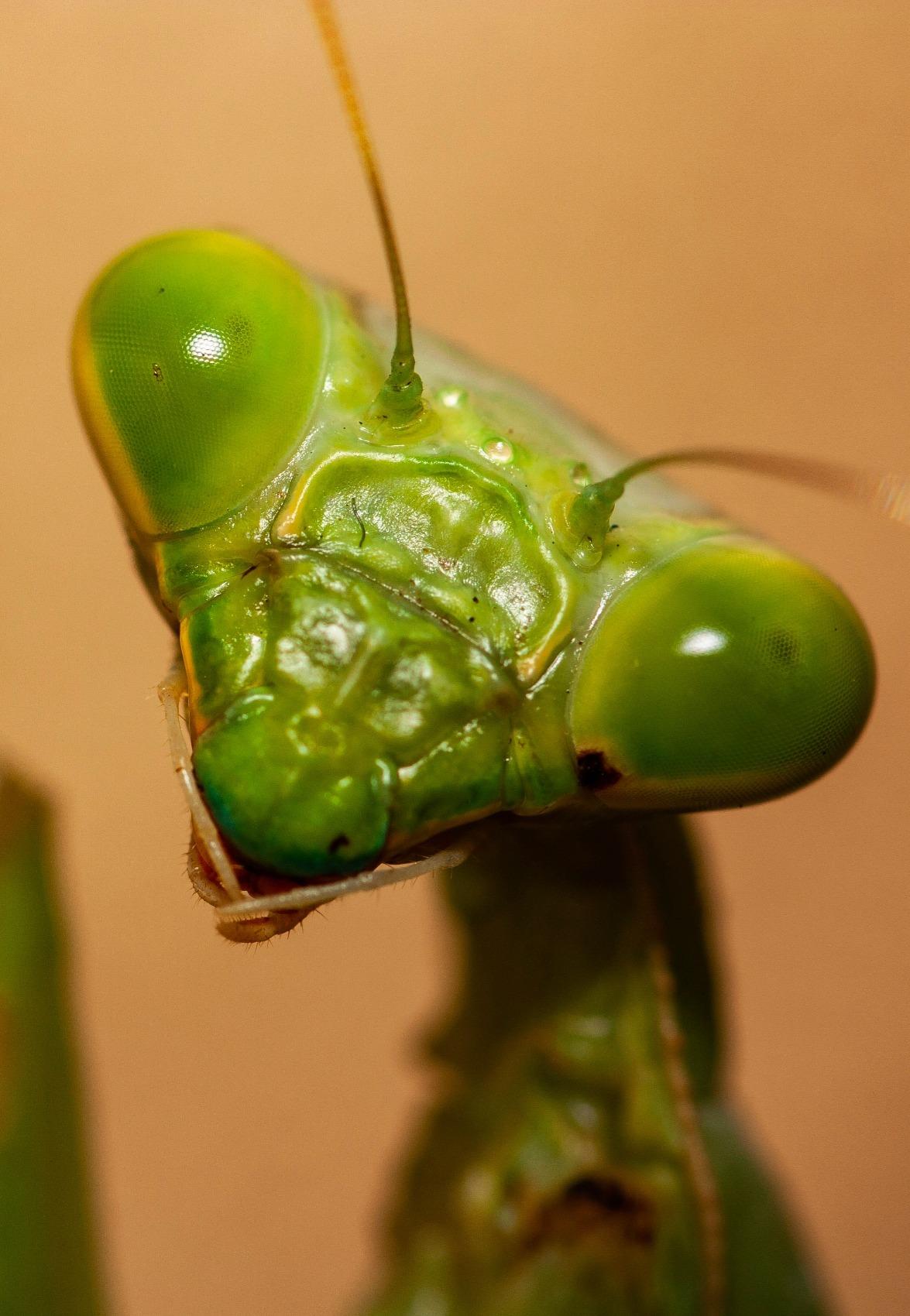
The 18.5-centimeter working distance at maximum magnification sits between the shorter 65mm and longer 100mm options. This makes the 60mm a solid middle-ground choice if you cannot decide between working distance and portability.
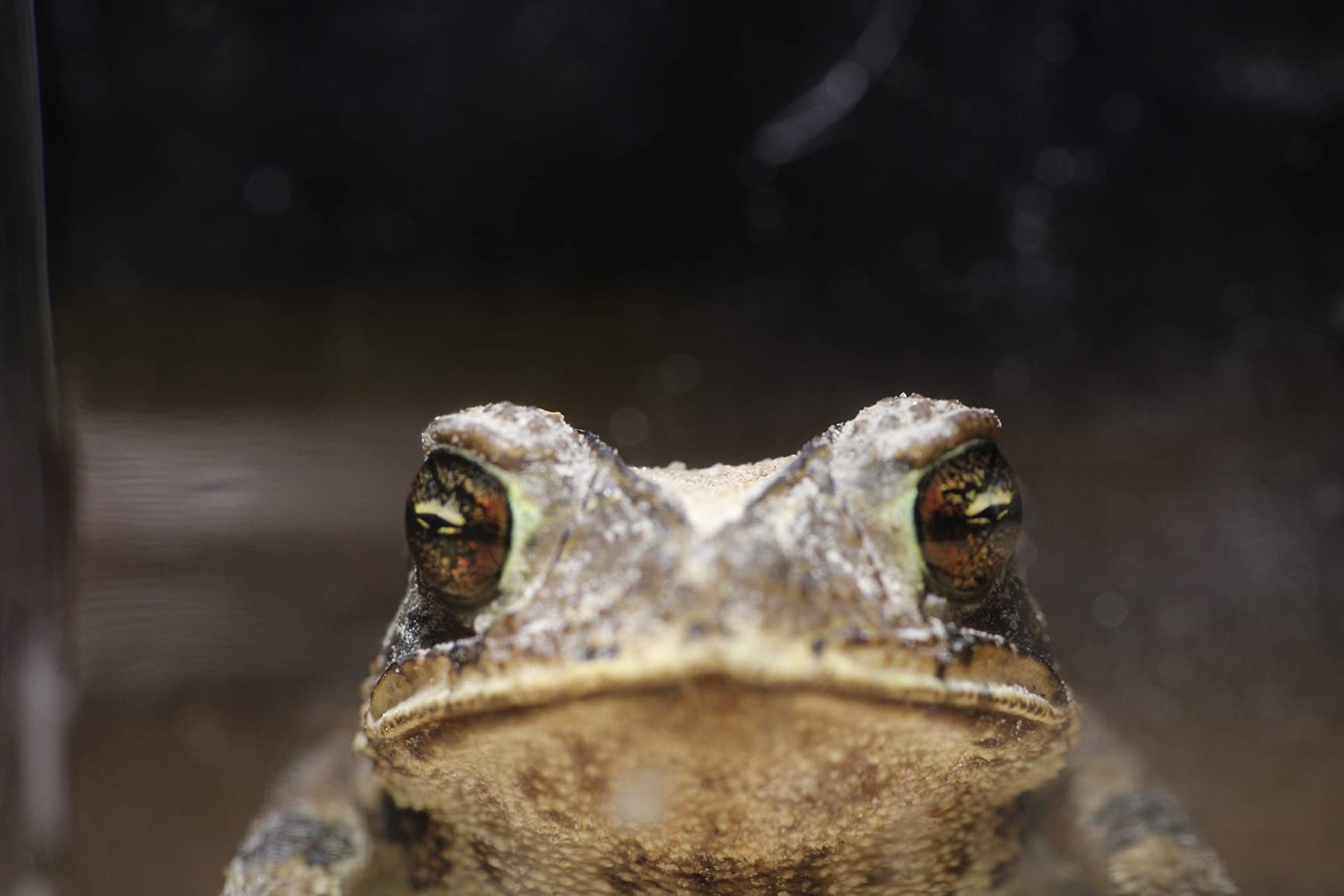
One thing to note is that on full-frame Canon bodies, you may notice some vignetting when focusing beyond 2 to 3 meters. This is a known characteristic of the optical design prioritizing close-focus performance. For macro work, which is what this lens is built for, it is a non-issue.
Why the Dual-Purpose Range Matters
Most dedicated macro lenses only focus from life-size to infinity, but the 60mm lets you shoot at 0.1x, which is useful for slightly larger subjects like full flower arrangements or medium-sized products. You essentially get a normal lens and a dedicated macro in one body.
If you travel light and want one lens that can handle both walkaround photography and extreme close-ups, the 60mm is the most versatile option in this guide. Just be prepared for the manual focus limitation, which requires patience for non-macro shooting distances.
Compatibility with Modern Camera Systems
This lens uses the Canon EF mount, which means it works natively on Canon DSLRs like the EOS 5D and 90D. On Canon RF mirrorless bodies, you can use the Canon EF-to-RF adapter without any optical penalty. The adapter maintains full electronic communication for aperture control.
For Sony, Nikon, or Fujifilm shooters, this lens is not available in your native mount. However, third-party adapters can make it work on mirrorless bodies with varying degrees of success. Stick to native mount options elsewhere in this guide if you want a hassle-free experience.
4. Laowa 90mm f/2.8 2X Ultra Macro APO for Canon RF
Venus Optics Laowa 90mm f/2.8 2X Ultra Macro APO for Canon RF
90mm f/2.8
2x magnification
Canon RF mount
APO design
Internal focusing
52mm filter
13 blades
Pros
- Internal focusing maintains constant physical length
- APO design for minimal chromatic aberration
- Compact for a 90mm macro with 2x capability
- 13-blade diaphragm for smooth bokeh
Cons
- Manual focus only
- No image stabilization
- Smaller review base at 20 reviews
- Limited to Canon RF mount
The Laowa 90mm f/2.8 fills a specific gap for Canon RF mount shooters who want more working distance than the 58mm but less bulk than adapting DSLR lenses. I see this lens as the RF-mount equivalent of the 100mm for Sony, offering similar magnification and optical philosophy in a Canon-native package.
Internal focusing is a feature I always look for in macro lenses. It means the lens does not physically extend as you focus closer, which keeps the overall length constant. This matters because a lens that extends can bump into your subject or cast shadows when you are working at close range.
The APO apochromat design uses special glass elements to bring red, green, and blue light to the same focus point. In practice, this means you will see virtually no purple or green fringing around high-contrast edges in your macro images. For subjects like water droplets on leaves or reflective insect shells, this makes a noticeable difference.
With 13 diaphragm blades, the bokeh is smooth and free of the harsh polygonal shapes you get from lenses with fewer blades. The 52mm filter thread is smaller than most lenses in this class, which means cheaper filters if you use them for creative effects.
What Makes Internal Focusing Valuable
When a lens extends during focusing, the front element gets closer to your subject, which reduces your effective working distance. Internal focusing eliminates this problem entirely. The Laowa 90mm maintains its physical length at all focus distances, so what you see is what you get in terms of clearance.
This feature also means the lens balances better on your camera body since the weight distribution does not shift as you focus. For tripod-mounted focus stacking work, a lens that does not change length is significantly easier to work with.
Best Use Cases for the 90mm Focal Length
The 90mm focal length sits in a sweet spot for insect photography. It gives you more working distance than 60mm or 65mm lenses while being shorter and more manageable than the 100mm. If you shoot Canon RF and want a single do-it-all macro lens, this is the one I would recommend.
For portrait work, the 90mm also produces pleasing results with natural perspective compression. The smooth bokeh from those 13 blades makes it a credible option for tight headshots and detail-oriented portrait work when you are not shooting macro.
5. Laowa 85mm f/5.6 Ultra Macro APO for Canon RF
Venus Laowa 85mm f/5.6 Ultra Macro APO Lens for Canon RF
85mm f/5.6
World's smallest FF 2x macro
Canon RF mount
1.4 lbs
APO design
28.55 degree view
Pros
- World's smallest full-frame 2x macro lens
- Extremely portable at just 1.4 pounds
- APO design for professional optical quality
- Perfect 5.0 star rating from verified buyers
Cons
- Slow maximum aperture at f/5.6
- Manual focus only
- No image stabilization
- Not water resistant
The Laowa 85mm f/5.6 holds the title of world’s smallest full-frame 2x macro lens, and when you pick it up for the first time, you immediately understand why that matters. At just 1.4 pounds, this lens disappears into your camera bag in a way that no other 2x macro lens can match.
I see this lens as the ultimate travel macro option for Canon RF shooters. The APO optical design keeps chromatic aberration under control, and the 85mm focal length gives you a comfortable working distance for insects and other small subjects. Every verified buyer so far has given it a perfect five-star rating.
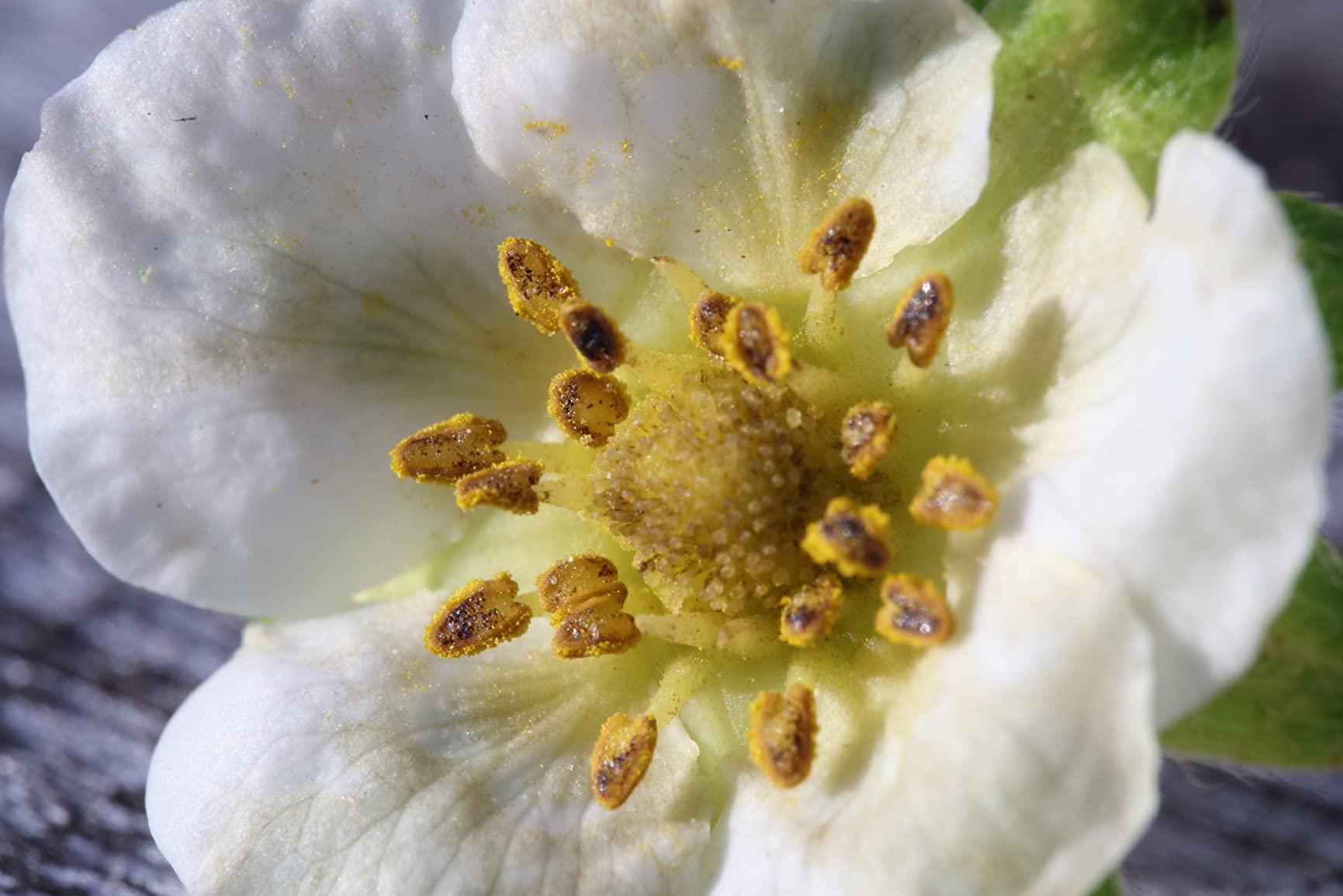
The trade-off for that tiny size is the f/5.6 maximum aperture. This is significantly slower than the f/2.8 lenses elsewhere in this guide. In practice, this means you need more light for handheld shooting or you need to use higher ISO settings.
For macro photography specifically, the f/5.6 limitation matters less than you might think. At 2x magnification, you will almost always be stopping down to f/8 or f/11 for depth of field anyway. The wider aperture only matters if you also want to use this lens for non-macro work like portraits.
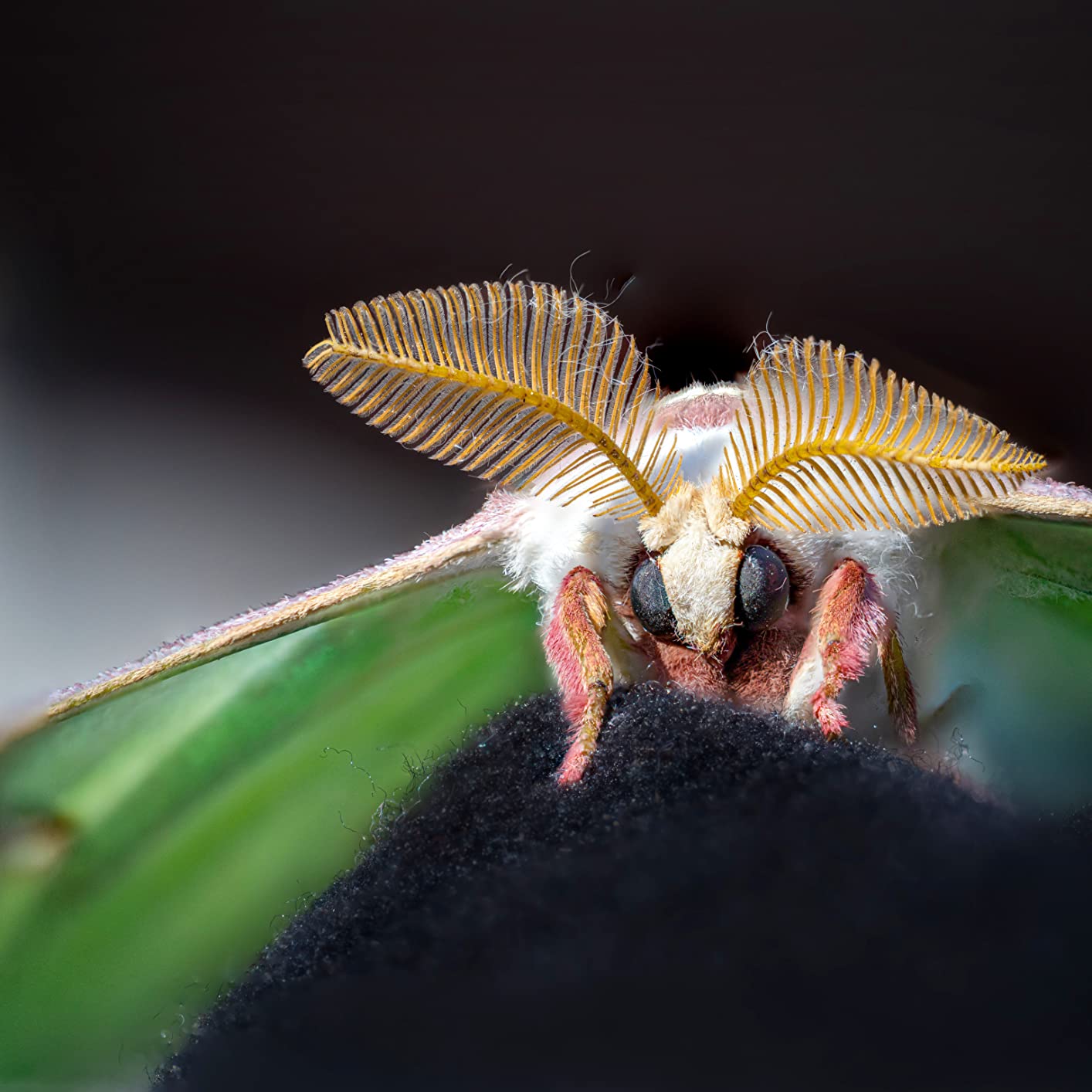
Why Size Matters for Field Macro Photography
When you are hiking to a location or crawling through brush to find insects, every ounce counts. The 85mm at 1.4 pounds lets you carry a full-frame 2x macro lens without feeling like you are lugging around a brick. Compare this to the 100mm at 638 grams plus the adapter you would need on Canon RF.
The small size also makes the lens less intimidating to insects. A large lens barrel approaching a butterfly can cause it to flee before you get into position. The diminutive 85mm presents a much smaller profile, which can genuinely improve your keeper rate in the field.
Working Distance and Practical Shooting
The 85mm gives you approximately 10 centimeters of working distance at 2x magnification, which photographers on forums consistently cite as one of the best in the Laowa lineup for this size class. This is enough room to position a small flash or diffuser between the lens and your subject.
For negative scanning, which several reviewers mention using this lens for, the flat field of focus and APO correction produce clean, color-accurate results. The compact size makes it easy to set up on a copy stand without the lens getting in the way of your lighting setup.
6. Laowa 58mm f/2.8 2X Ultra Macro APO for Canon RF
LAOWA Venus 58mm f/2.8 2X Ultra Macro APO Lens for Canon RF
58mm f/2.8
2x magnification
Canon RF mount
13 diaphragm blades
40.9 degree view
APO design
Pros
- Ultra lightweight and portable design
- 2x magnification with APO optical correction
- Versatile 58mm focal length for general use
- 13-blade diaphragm for smooth bokeh
- Excellent image quality per reviews
Cons
- Manual focus only
- No image stabilization
- Narrow depth of field at high magnification requires focus stacking
- Limited market availability with low review count
The Laowa 58mm f/2.8 is the newest addition to the Canon RF macro lineup, and it brings something different to the table. The 58mm focal length is unusual, sitting between the standard 50mm and 60mm options. I see this as a deliberate choice to offer a slightly wider perspective for environmental macro work.
With 13 diaphragm blades and an APO design, the optical formula matches what you find in the more expensive Laowa macros. The 2:1 magnification ratio means this lens doubles as a serious macro tool despite its general-purpose focal length. Reviewers praise the build quality and image clarity.
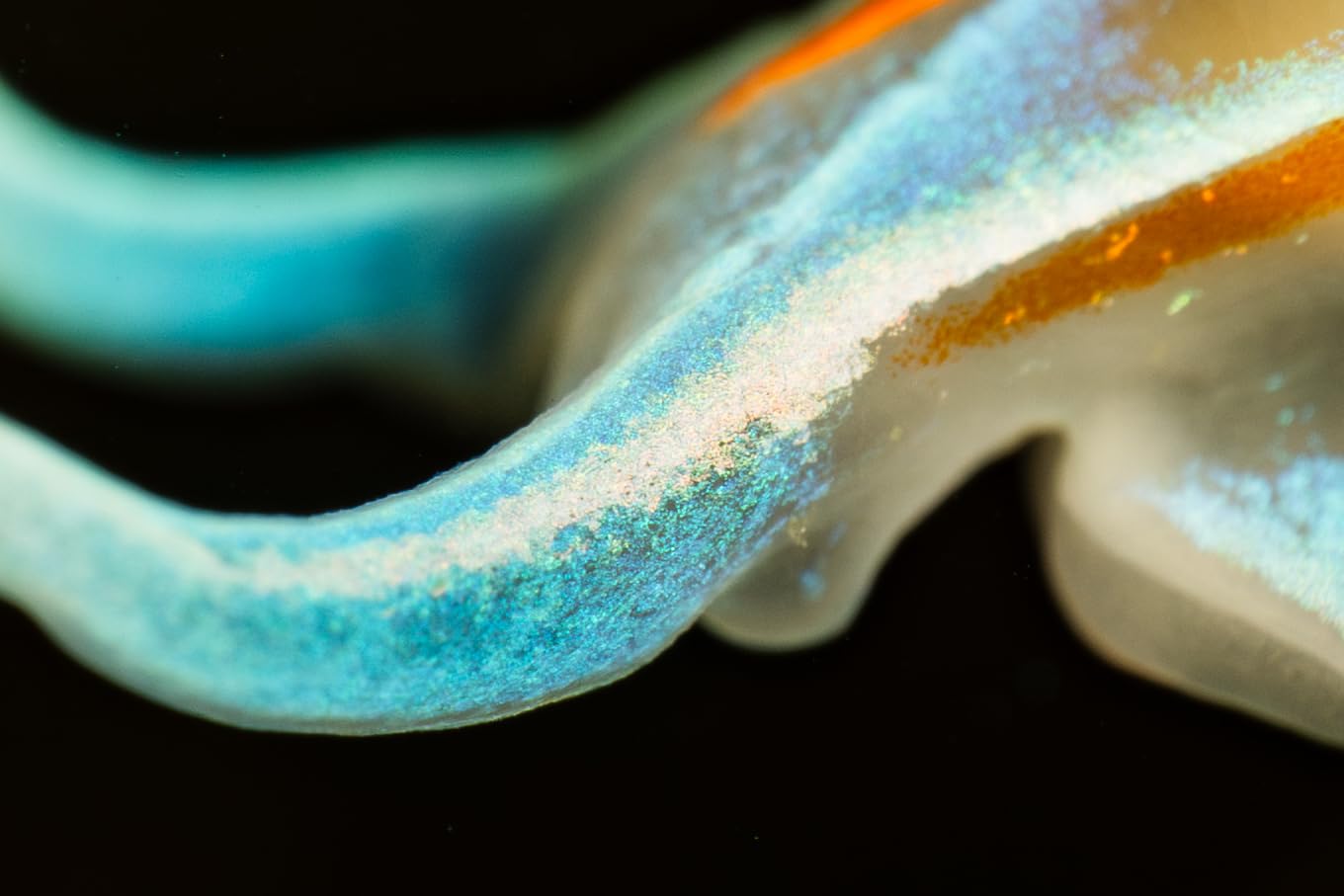
At its weight class, this lens is one of the lightest 2x macro options available for Canon RF mount. The combination of portability and magnification makes it attractive for photographers who want macro capability without dedicating a large lens to the task.
The 40.9-degree angle of view is wider than the 85mm or 90mm options, which means you can include more environmental context in your macro shots. This is useful when you want to show a flower in its natural setting rather than isolating it completely from the background.
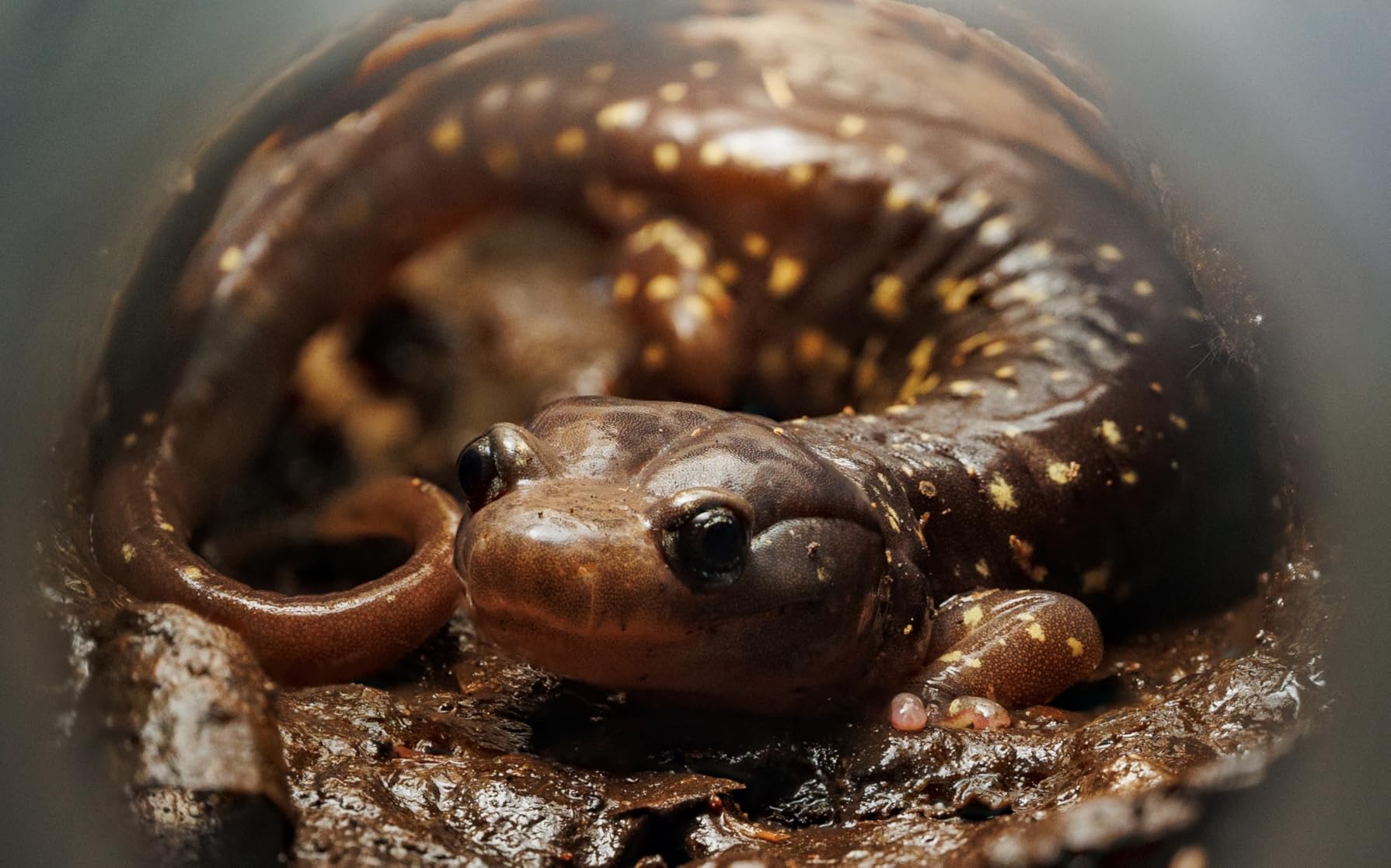
When to Choose 58mm Over Longer Focal Lengths
The 58mm focal length makes sense if you shoot product photography or flat lays where you need to include surrounding elements. It also works well for food photography, where a slightly wider perspective can show the dish in context with utensils or garnishes.
For insect photography, the shorter focal length means less working distance, which can spook your subjects. If bugs are your primary target, I would point you toward the 90mm or 85mm instead. The 58mm is better suited for static subjects where working distance is less critical.
Focus Stacking at 2x Magnification
At 2x magnification, this lens produces depth of field measured in fractions of a millimeter. Focus stacking becomes essential if you want your entire subject sharp from front to back. The manual focus ring has a smooth, dampened feel that makes incremental focus adjustments reliable.
I recommend pairing this lens with a focusing rail for stacking work. The combination of manual focus and a rail gives you precise, repeatable control over your focus steps. Software like Helicon Focus or Zerene Stacker blends the resulting images into a single sharp photograph.
7. Laowa 25mm f/2.8 2.5-5X Ultra Macro for Sony FE
Venus Optics Laowa 25mm f/2.8 2.5-5X Ultra-Macro (Sony FE Mount)
25mm f/2.8
2.5-5x extreme macro
Sony FE mount
Optical stabilization
65mm filter
Wide angle view
Pros
- Extreme 2.5-5x magnification for specialized work
- Wide 25mm focal length for dramatic perspective
- Optical image stabilization built in
- Compatible with Sony full-frame and APS-C bodies
Cons
- Manual focus only
- Very close working distance required at high magnification
- Lower rating suggests some optical challenges at extreme settings
- Specialized use case not suited for beginners
The Laowa 25mm f/2.8 is the wild card of this lineup. It offers magnification from 2.5x to 5x, which goes well beyond what any other lens here can achieve. I consider this a specialized tool for photographers who want to explore the hidden world of extreme close-up photography, where a grain of pollen fills your frame.
The wide 25mm focal length creates a perspective that no other macro lens can replicate. Instead of the compressed, telephoto look of a 100mm macro, you get an expansive view that shows your subject in the context of its microscopic surroundings. This can produce dramatic, almost surreal images.
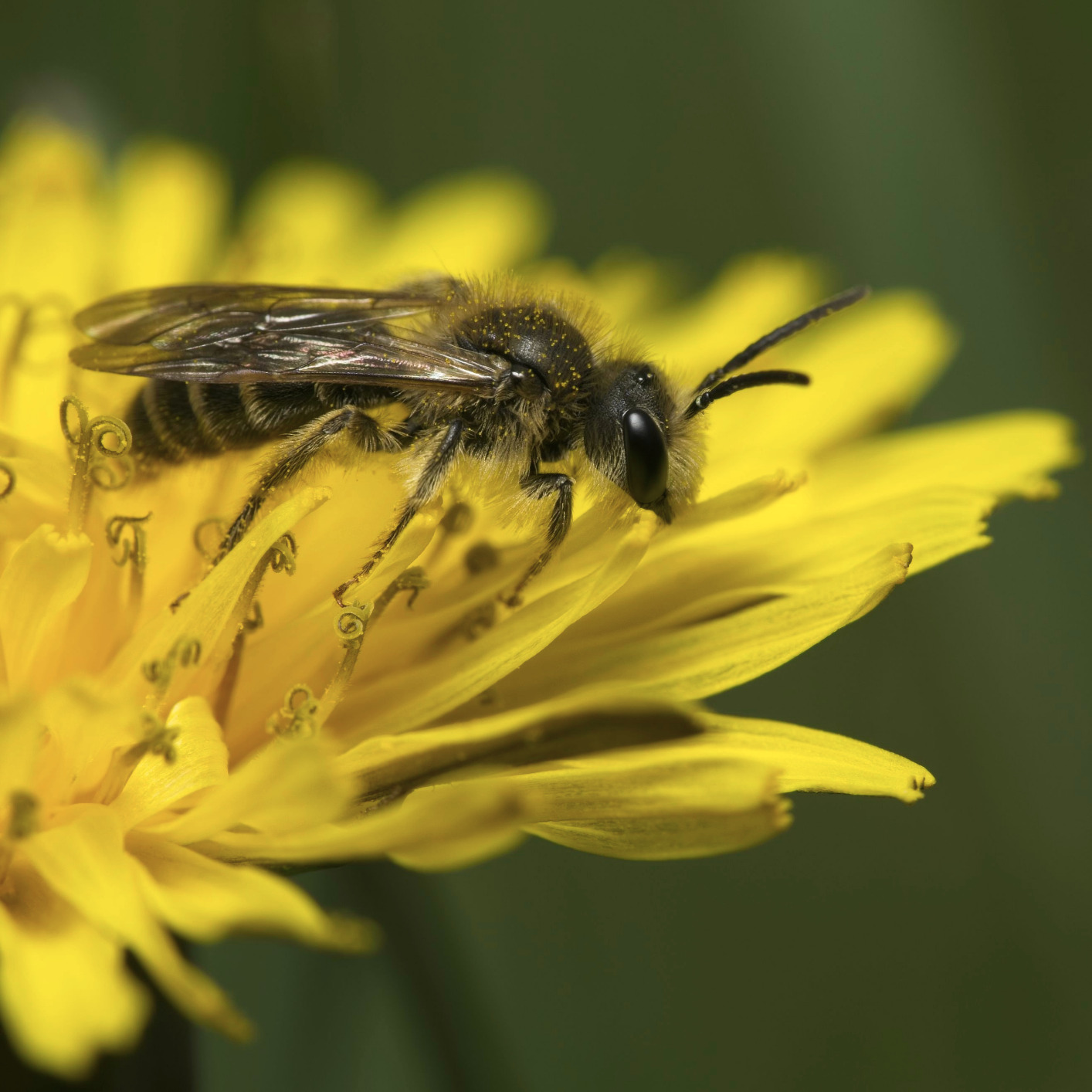
One standout feature is the built-in optical image stabilization. This is unusual for a Laowa lens and genuinely helpful given the extreme magnification levels where any camera movement is amplified enormously. For handheld shooting at 3x or 4x, stabilization can make the difference between a sharp image and a blurred mess.
The trade-off is working distance. At 5x magnification, the front of your lens will be only a few centimeters from your subject. This makes lighting extremely challenging because your lens barrel blocks most natural light. You will almost certainly need a dedicated macro flash setup.
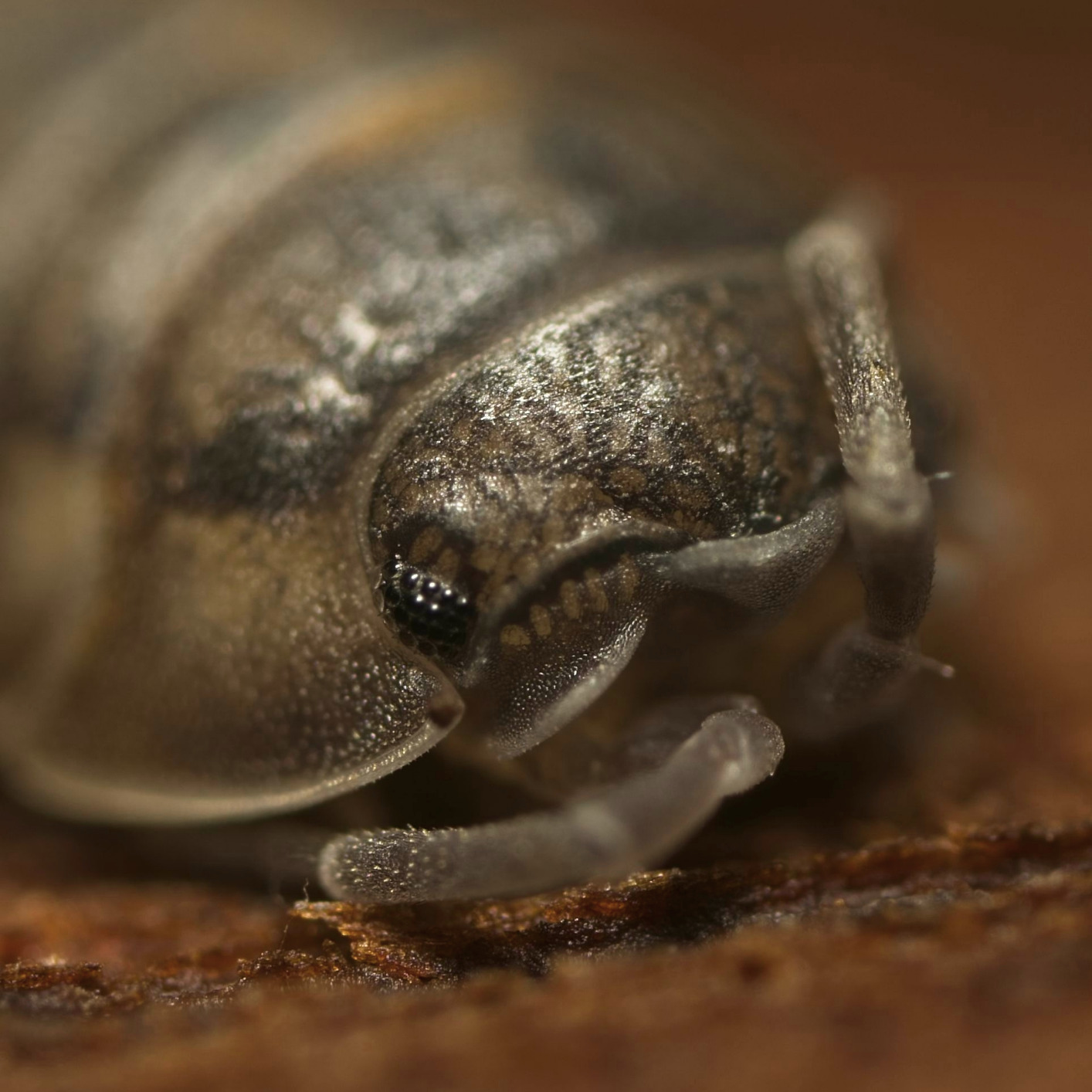
What You Can Photograph at 5x Magnification
At 5x magnification, you are photographing things that are invisible to the naked eye. Snowflake crystals, the individual facets of a fly’s compound eye, and the texture of a butterfly wing scales all become possible subjects. This lens opens up a world that standard macro lenses simply cannot reach.
Keep in mind that 5x work requires significant technique. Focus stacking is mandatory for almost any subject because the depth of field at 5x is measured in microns. A focusing rail, flash lighting, and sturdy tripod are essential accessories for this lens.
Is the 4.2 Rating a Concern?
This lens has the lowest rating in the lineup at 4.2 stars across 53 reviews. Reading through the feedback, the lower scores relate to the steep learning curve rather than fundamental optical problems. Extreme macro at 5x magnification is unforgiving, and photographers who are unprepared for the technique requirements may blame the lens.
If you are already comfortable with focus stacking and have the right accessories, the 25mm is capable of producing images that no other lens in this guide can match. Just understand that it is not a beginner-friendly option and requires commitment to master.
How to Choose the Right Laowa Macro Lens?
Choosing from the best Laowa lenses for macro shooters comes down to four main factors. I will walk you through each one so you can match the right lens to your specific photography style and camera system.
Magnification Ratio: What Do Those Numbers Mean?
Magnification ratio tells you how large your subject appears on your camera sensor. A 1:1 ratio means the subject is reproduced at life-size on the sensor. A 2:1 ratio means the subject appears twice as large as it is in real life. At 5:1, the subject is magnified five times.
For most macro photography, 1x to 2x magnification covers the vast majority of subjects. Flowers, insects, and products all look great at 2x. If you want to explore the microscopic world of butterfly scales and snowflake crystals, the 25mm lens with its 5x capability opens that door.
Working Distance: Why It Matters More Than You Think
Working distance is the space between the front of your lens and your subject at maximum magnification. This number is critical for insect photography because it determines how close you need to get. The Laowa 100mm offers 24.7 centimeters of working distance at 2x, which is the best in this lineup.
Shorter focal lengths mean less working distance. The 25mm at 5x magnification requires you to be just a few centimeters from your subject. This makes lighting difficult and can scare away living subjects. If insects are your primary interest, prioritize longer focal lengths.
Camera Mount Compatibility
Laowa makes lenses for specific mounts rather than universal designs. The 65mm is Fujifilm X only. The 100mm is available for Sony E. The 60mm uses Canon EF. The 90mm, 85mm, and 58mm are Canon RF mount. The 25mm covers Sony FE. Check your camera mount before falling in love with a specific lens.
For Canon RF shooters, you have three options in this guide: the 90mm, 85mm, and 58mm. Sony shooters can choose between the 100mm and 25mm. Fujifilm users have the excellent 65mm as their dedicated option. Canon EF users get the versatile 60mm.
Sensor Size: Full Frame vs APS-C vs Micro Four Thirds
Full-frame sensors give you more resolution and better low-light performance, which matters for macro work where you often stop down to f/11 or f/16. The 100mm, 90mm, 85mm, and 25mm all cover full-frame sensors. APS-C shooters get the dedicated 65mm for Fujifilm X mount.
Crop sensors effectively multiply your focal length, which can be an advantage for macro work. A 100mm lens on an APS-C body gives you an effective 150mm field of view, which means even more working distance. The trade-off is less total resolution and worse high-ISO performance.
Focus Stacking Requirements
At magnifications above 1x, depth of field becomes extremely shallow. At 2x magnification and f/8, your depth of field is roughly 0.5 millimeters. To get an entire insect sharp from antenna to wingtip, you need focus stacking.
Focus stacking involves taking multiple photos at slightly different focus distances and blending them in software. All Laowa macro lenses are manual focus, which actually makes them ideal for stacking because the focus ring provides consistent, repeatable adjustments. Use a focusing rail for best results.
Flash and Lighting Setup for Laowa Macros
None of the competitors in our research covered flash photography for Laowa macro lenses, so let me fill that gap. At high magnification, you need a lot of light. Natural light is rarely sufficient, especially when stopped down for depth of field.
I recommend a ring light or twin flash for general macro work. The Laowa 100mm and 90mm have enough working distance to accommodate a diffused flash between the lens and subject. For the 25mm at 5x magnification, you need specialized lighting like a microscope illuminator or an LED ring positioned very close to the subject.
Diffusion is critical. Bare flash produces harsh highlights on shiny subjects like insect wings and water droplets. A simple diffuser made from tracing paper or a commercial option like a small softbox softens the light and reveals detail that direct flash obliterates.
FAQs
What is the best Laowa macro lens?
The Laowa 100mm f/2.8 2X Ultra Macro APO is the best overall Laowa macro lens, offering the longest working distance at 24.7cm, full-frame coverage, and APO chromatic aberration correction. For APS-C Fujifilm shooters, the 65mm f/2.8 is the top choice with its 2x magnification and lightweight 11.82-ounce build.
Is a 60mm lens good for macro photography?
Yes, the Laowa 60mm f/2.8 is excellent for macro photography. It offers a unique 0.1x to 2x magnification range without extension tubes, meaning you can shoot everything from wide environmental shots to extreme close-ups with a single lens. Its 18.5cm working distance and 14-blade diaphragm make it versatile and capable.
Is a 100mm lens good for macro photography?
Yes, the Laowa 100mm f/2.8 2X Ultra Macro APO is one of the best macro lenses available. Its 100mm focal length provides 24.7cm of working distance at 2x magnification, making it ideal for skittish insects. The APO design minimizes chromatic aberration, and the 13-blade diaphragm produces smooth bokeh.
Is an 85mm lens good for macro photography?
Yes, the Laowa 85mm f/5.6 Ultra Macro APO is an excellent macro lens and holds the title of world’s smallest full-frame 2x macro lens. While its f/5.6 maximum aperture is slower than other options, macro photographers typically stop down to f/8 or f/11 anyway, making the aperture limitation minimal for close-up work.
Which Laowa macro lens is better for full frame, 25mm or 100mm?
For full-frame macro photography, the Laowa 100mm f/2.8 is the better choice for most photographers because it offers 2x magnification with a practical 24.7cm working distance. The 25mm f/2.8 reaches 5x magnification but requires extremely close working distances of just a few centimeters, making it a specialized tool for extreme macro rather than a general-purpose option.
Final Thoughts on Laowa Macro Lenses for 2026
After reviewing all seven options, the best Laowa lenses for macro shooters each serve a distinct purpose. The Laowa 100mm f/2.8 remains my top overall pick for Sony full-frame shooters who need maximum working distance and optical quality. Fujifilm APS-C users get an incredible value in the 65mm f/2.8, while Canon RF shooters can choose between the compact 85mm, the versatile 90mm, or the wide 58mm depending on their priorities.
The 60mm f/2.8 stands out for Canon EF users who want dual-purpose capability, and the 25mm f/2.8 opens the door to extreme 5x magnification for specialized work. Laowa has built a macro lens ecosystem that covers every major camera mount and every level of magnification, all at price points that undercut traditional brands significantly.
Whatever your camera system or macro photography goals, there is a Laowa lens designed to help you capture the tiny world that surrounds us. Pick the focal length that matches your subjects, confirm your mount compatibility, and start exploring the extraordinary detail that 2x magnification reveals.