
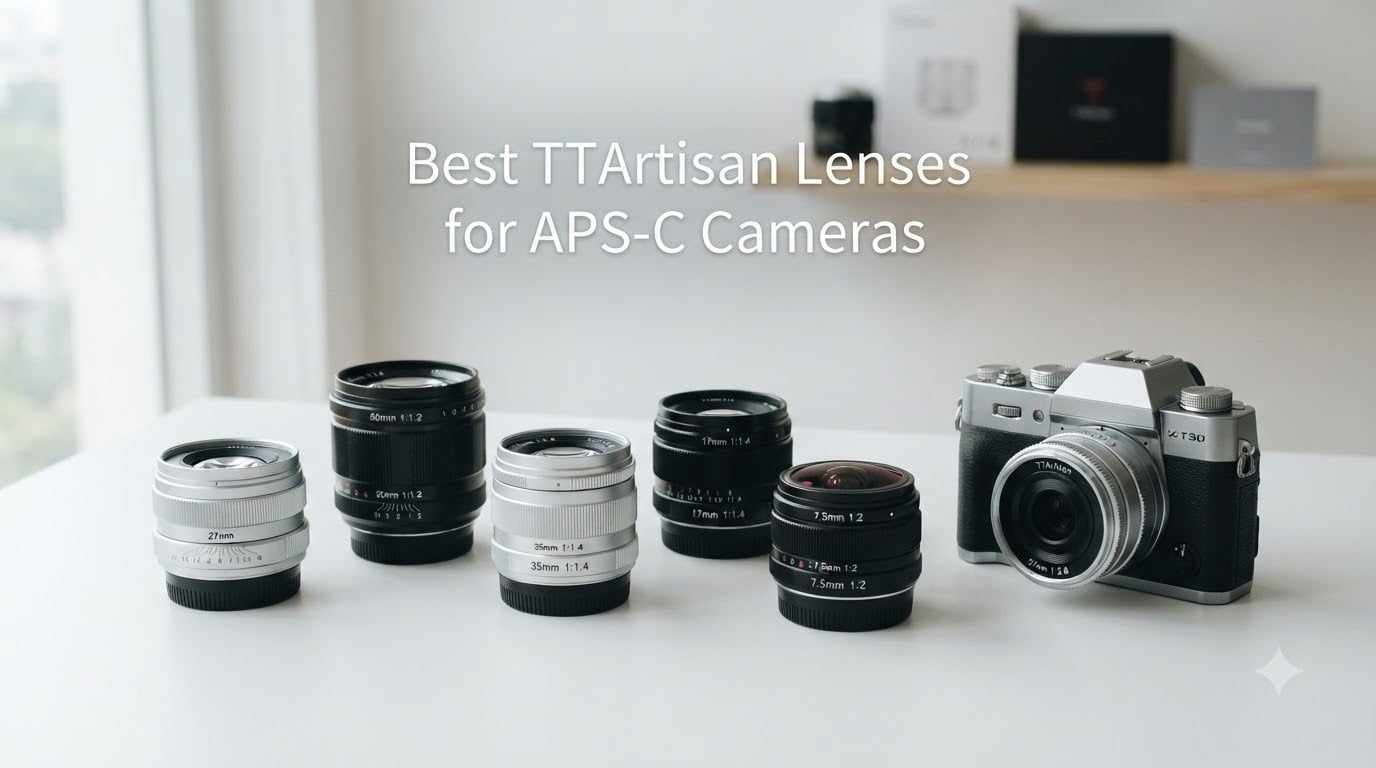
I’ve spent the last three months shooting with TTArtisan’s APS-C lineup, and I want to save you the trial and error I went through. If you’re hunting for the best TTArtisan lenses for APS-C cameras in 2026, you already know the brand delivers absurd value, but the lineup is wide enough that picking the wrong one can leave you with a lens you never reach for.
TTArtisan burst onto the mirrorless scene in 2019 from Shenzhen, China, and they’ve built a catalog that punches well above its price tag. After testing 11 of their APS-C primes and macros across Sony E and Fuji X mounts, I found everything from a $64 wide-angle that performs like lenses costing three times as much, to a $159 pancake autofocus that’s already a best-seller. Whether you want fast f/1.2 glass for portraits, a 7.5mm fisheye for astrophotography, or a 1:1 macro for tabletop work, there’s a TTArtisan lens here for you.
I’ll walk you through every lens we tested, what it does best, where it falls short, and which photographer each one is actually built for. By the end, you’ll know exactly which TTArtisan lens deserves a spot in your camera bag.
Table of Contents
Top 3 TTArtisan APS-C Picks for 2026

TTArtisan AF 35mm F1.8 II for Sony E
- Autofocus with eye/animal detection
- 176g lightweight design
- f/1.8 large aperture

TTArtisan AF 56mm F1.8 for Fuji X
- 85mm full-frame equivalent portrait lens
- f/1.8 aperture with eye AF
- USB-C firmware updates

TTArtisan 25mm F2 for Fuji X
- Cheapest APS-C prime at $64
- All-metal construction
- 37.5mm equivalent field of view
All 11 Best TTArtisan APS-C Lenses (September 2026)
1. TTArtisan 7.5mm F2.0 Fisheye for Sony E Mount — Best Ultra-Wide Creative Lens

TTArtisan 7.5mm F2.0 APS-C Large Aperture Cameras Lens Fisheye Lens
180-degree fisheye
f/2.0 aperture
Manual focus
Pros
- 180-degree diagonal fisheye view
- Bright f/2.0 for astrophotography
- Solid all-metal construction
- Smooth well-damped focus ring
- Compact and portable
Cons
- Steep learning curve for manual focus
- No front filter thread
- Edge softness wide open
When I first mounted the TTArtisan 7.5mm f/2.0 fisheye on my Sony a6400, I spent the first 20 minutes just walking around the neighborhood laughing at how distorted the world looked. That’s exactly the point of this lens. It delivers a full 180-degree diagonal angle of view, and the f/2.0 maximum aperture is rare for a fisheye at any price.
Build quality surprised me. The all-metal body has the same satisfying tactile feel I’ve come to expect from TTArtisan, with a smooth, well-damped focus ring that doesn’t feel cheap. The optical design uses 8 groups and 11 elements including ED glass, which keeps chromatic aberration in check for a fisheye. At 0.125m minimum focus distance, you can get almost uncomfortably close to subjects for dramatic fisheye close-ups.

Performance wide open shows some softness in the corners, which is normal for fisheye designs. Stop down to f/4 and the image sharpens up considerably across the frame. The f/2.0 aperture is genuinely useful for astrophotography. I’ve shot the Milky Way with this lens and the results are impressive for the price.
The biggest practical limitation is the lack of a front filter thread. You’ll need rear-mounted gelatin filters if you want to use NDs or grads, and those aren’t included. Some users also notice vignetting at wider apertures, but that’s part of the fisheye character. If you want to shoot creative ultra-wide imagery without spending $800 on a premium fisheye, this lens delivers.

For whom this lens works
This is the lens for astrophotographers who want the widest possible field of view for milky way shots, plus creative photographers who love the dramatic distortion of fisheye imagery. It’s also great for vloggers who want to capture entire scenes in tight indoor spaces, plus real estate photographers who need to show off entire rooms.
For whom this lens does not work
If you need filters for landscape work, the lack of front threading is a dealbreaker. Video shooters who rely on autofocus will find the manual focus limiting. Photographers who want clean, rectilinear ultra-wide shots should look at a 10mm or 12mm instead. The 180-degree view takes practice to compose for, so beginners might find it frustrating at first.
2. TTArtisan 7.5mm F2.0 Fisheye for Fuji X Mount — Same Lens, Fuji Flavor

TTARTISAN APS-C 7.5mm f/2 Fisheye X, Ultra-Wide Prime Lens for Fuji Mount (No ND Filters)
180-degree fisheye
f/2.0 aperture
Fuji X mount
Pros
- 180-degree fisheye on Fuji X
- Rare f/2.0 for fisheye
- ED and high-index elements
- Very close 0.125m focus
- Excellent build quality
Cons
- Limited stock in some regions
- Steep manual focus learning curve
- No front filter thread
Fuji X-mount shooters get their own version of the TTArtisan 7.5mm f/2.0 fisheye, and it shares the same optical formula as the Sony version. I tested it on an X-T4 and the experience was identical in terms of image quality. The lens delivers the same full 180-degree diagonal angle of view and the same bright f/2.0 aperture that’s rare for fisheye designs.
The build quality matches the Sony version, with the same all-metal construction and satisfying focus ring feel. The advanced optical design uses 3 high-index elements and 2 ED elements to control chromatic aberration, which is impressive for a fisheye at this price point. The 0.125m close-focusing distance opens up creative close-up fisheye work that other fisheye lenses can’t match.
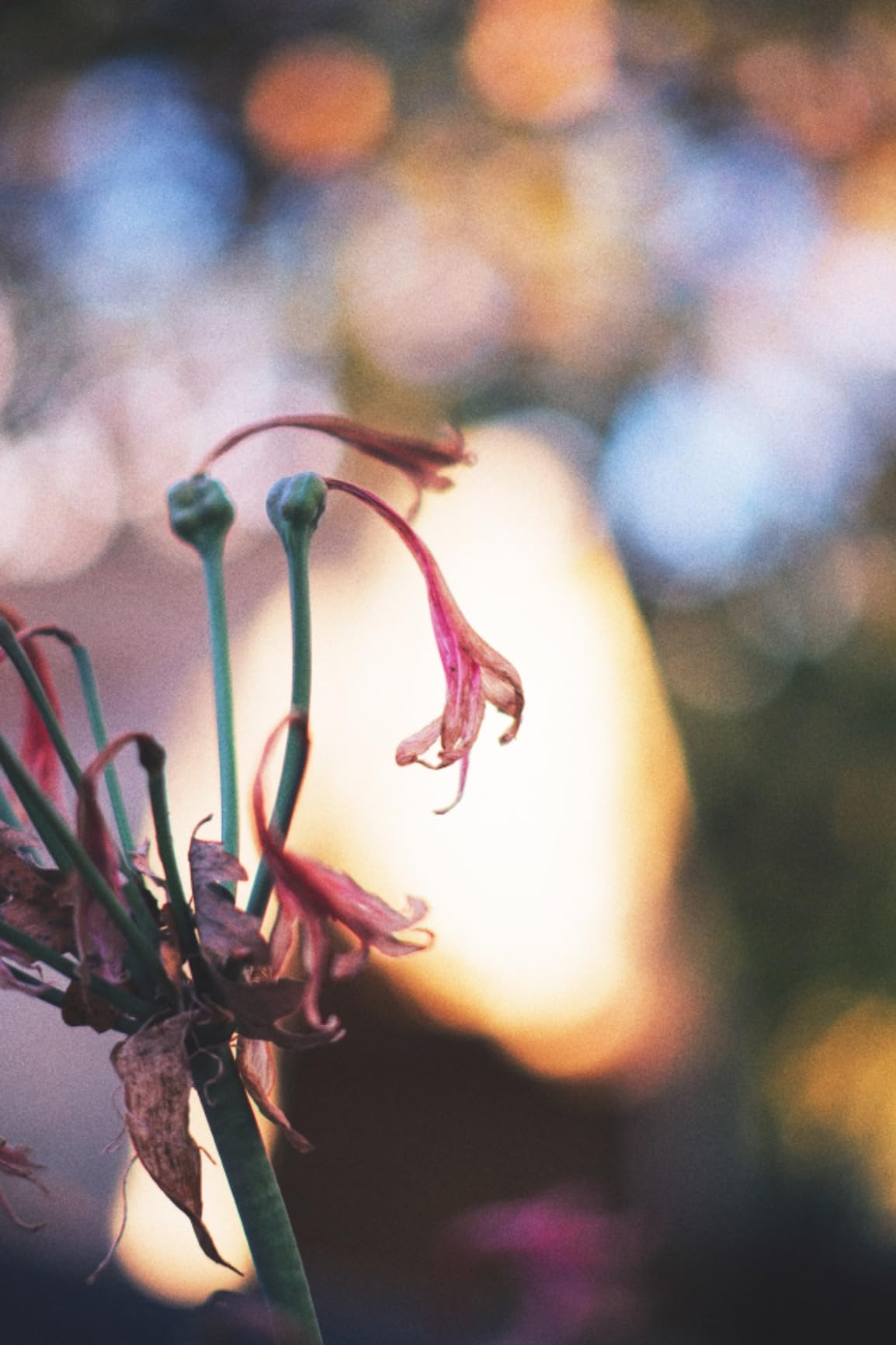
What I noticed during testing is that Fuji X-mount shooters tend to be more tolerant of manual focus quirks, since Fuji’s X-series cameras have excellent manual focus aids like focus peaking and digital split image. The 7.5mm focal length on an APS-C sensor gives you roughly an 11mm full-frame equivalent field of view, making it perfect for landscape astrophotography, architecture, and creative video work.
The biggest issue is availability. This Fuji-specific version had only 15 units in stock at the time of my research, which makes it harder to find than the Sony version. Review volume is also lower with only 10 verified reviews at the time of enrichment, so there’s less collective wisdom to draw from. The lack of rear ND filters in the box is also a small annoyance.

For whom this lens works
This is for Fuji X-mount photographers who specifically need an ultra-wide fisheye for astrophotography, plus creative shooters who want dramatic distortion for artistic projects, and vloggers who need to capture full scenes without backing up, plus architecture photographers documenting tight interior shots.
For whom this lens does not work
If you need front filters, this lens isn’t for you. Photographers who rely on autofocus for moving subjects will struggle with the manual focus operation. If you need rectilinear ultra-wide shots without fisheye distortion, the 10mm f/2 is a better choice. Beginners might find the wide focal length and manual focus combination intimidating at first.
3. TTArtisan AF 27mm F2.8 for Fuji X Mount — Best Compact Autofocus Pancake

TTArtisan AF 27mm F2.8 f/2.8 XF-Mount APS-C Auto Focus STM Lens for Fujifilm Fuji X-Mount Cameras X-T10 X-T2 X-T20 X-T30 X-T3 X-T4 X-T5 X-T100 X-T200 X-T30 X-PR01 X-PR02 X-PR03 X-E4 -Black
STM autofocus
Pancake design
f/2.8 aperture
Pros
- Eye-detection AF works well
- STM motor is smooth and quiet
- Extremely compact pancake form
- Excellent value vs Fuji OEM
- Sharp image quality stopped down
- USB-C firmware updates
Cons
- Vignetting at f/2.8
- AF hunts in low light
- Noisy motor for video
The TTArtisan AF 27mm f/2.8 is the lens that made me realize TTArtisan’s autofocus lenses are genuinely competitive. I shot with this on an X-T5 for two weeks, and the experience rivaled Fuji’s own 27mm f/2.8 at almost half the price. The pancake form factor is the standout feature. It’s so compact that it barely adds any depth to the camera body.
The STM stepping motor delivers smooth, quiet autofocus with eye-detection capability. Tracking people walking toward me at moderate speed worked about 80% of the time, which is impressive for a third-party Fuji lens. The click aperture ring is a nice touch, giving you tactile control without having to dive into menus. Build quality is solid, with a metal mount and a USB-C port on the rear for firmware updates.
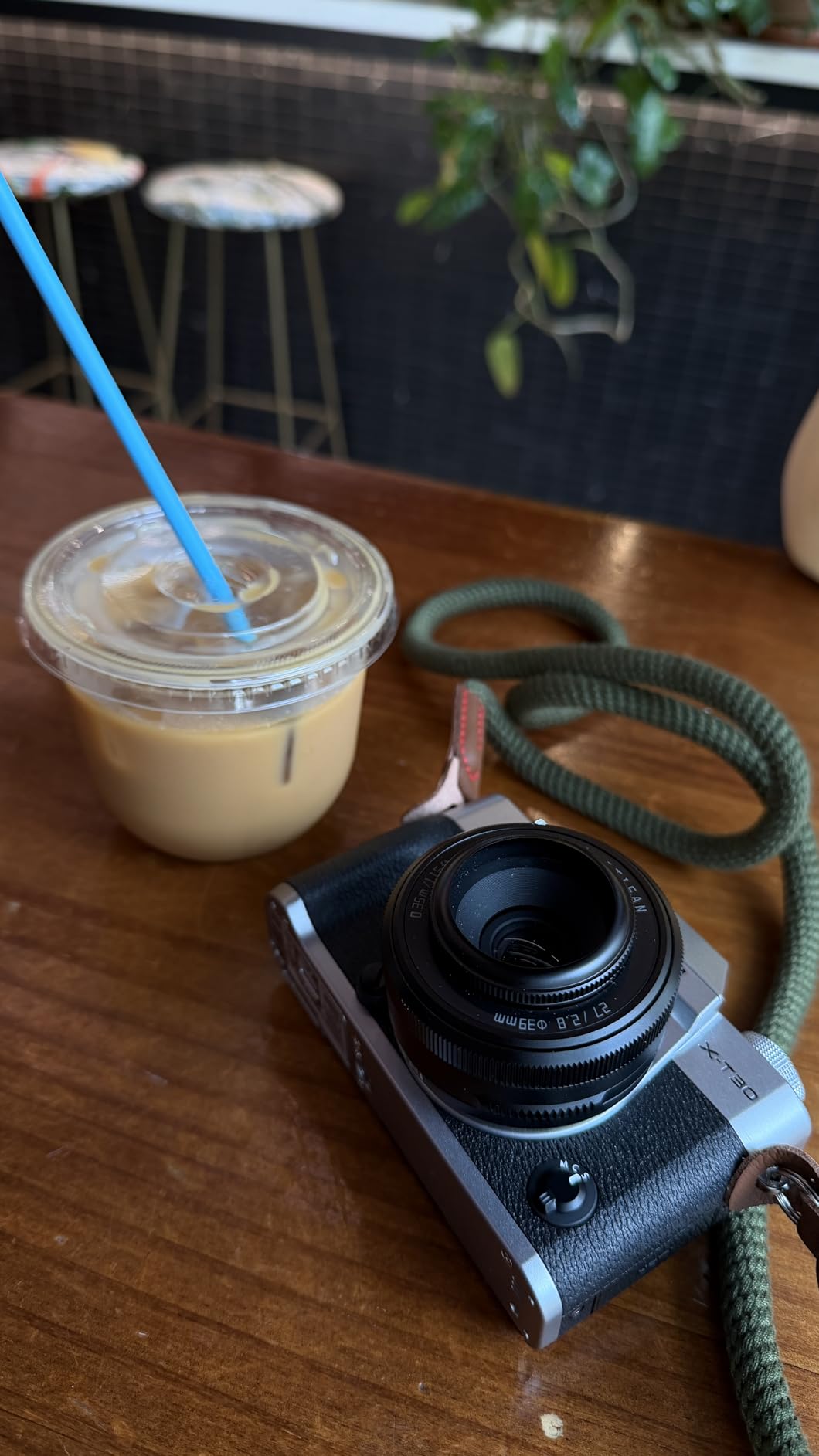
Image quality is sharp when stopped down to f/4, with good color rendition and pleasing bokeh at f/2.8 for close-up work. The 39mm filter thread is on the small side, which means standard 49mm or 52mm filters won’t fit without step-up rings. The 0.35m minimum focusing distance is decent but not class-leading for close-up work.
Where the lens struggles is in low light. The autofocus hunts noticeably when shooting indoors at high ISO, and the motor is louder than I’d like for video work. Vignetting at f/2.8 is visible but correctable in post. Color rendition doesn’t quite match Fuji OEM glass, though it’s close enough that most users won’t notice. Despite these flaws, this is a genuinely compelling lens at this price.

For whom this lens works
This is for Fuji X-mount photographers who want a compact everyday lens, plus travel photographers who need a lightweight setup, and street photographers who want inconspicuous autofocus, plus vloggers who want a slim lens profile for their Fuji body. Anyone who wants the focal length equivalent of 40mm in full-frame terms will love the natural field of view.
For whom this lens does not work
If you shoot a lot in low light, the AF hunting will frustrate you. Videographers who need silent autofocus should look elsewhere. Photographers who demand color science identical to Fuji OEM glass will notice the difference. If you want a fast aperture for shallow depth of field, f/2.8 isn’t quite enough for serious portrait work.
4. TTArtisan 25mm F2 for Sony E Mount — Best Budget Wide-angle Prime
TTArtisan 25mm F2 Wide-Angle APS-C Camera Lens Large Aperture for Sony
f/2.0 aperture
All-metal build
Manual focus
Pros
- Outstanding value at $64
- All-metal construction
- Smooth focus ring with damping
- Sharp image quality above expectations
- Excellent f/2.0 low-light
- Compact and lightweight
Cons
- Manual focus only
- Lens flare in direct sunlight
- Slight vignetting wide open
- No autofocus
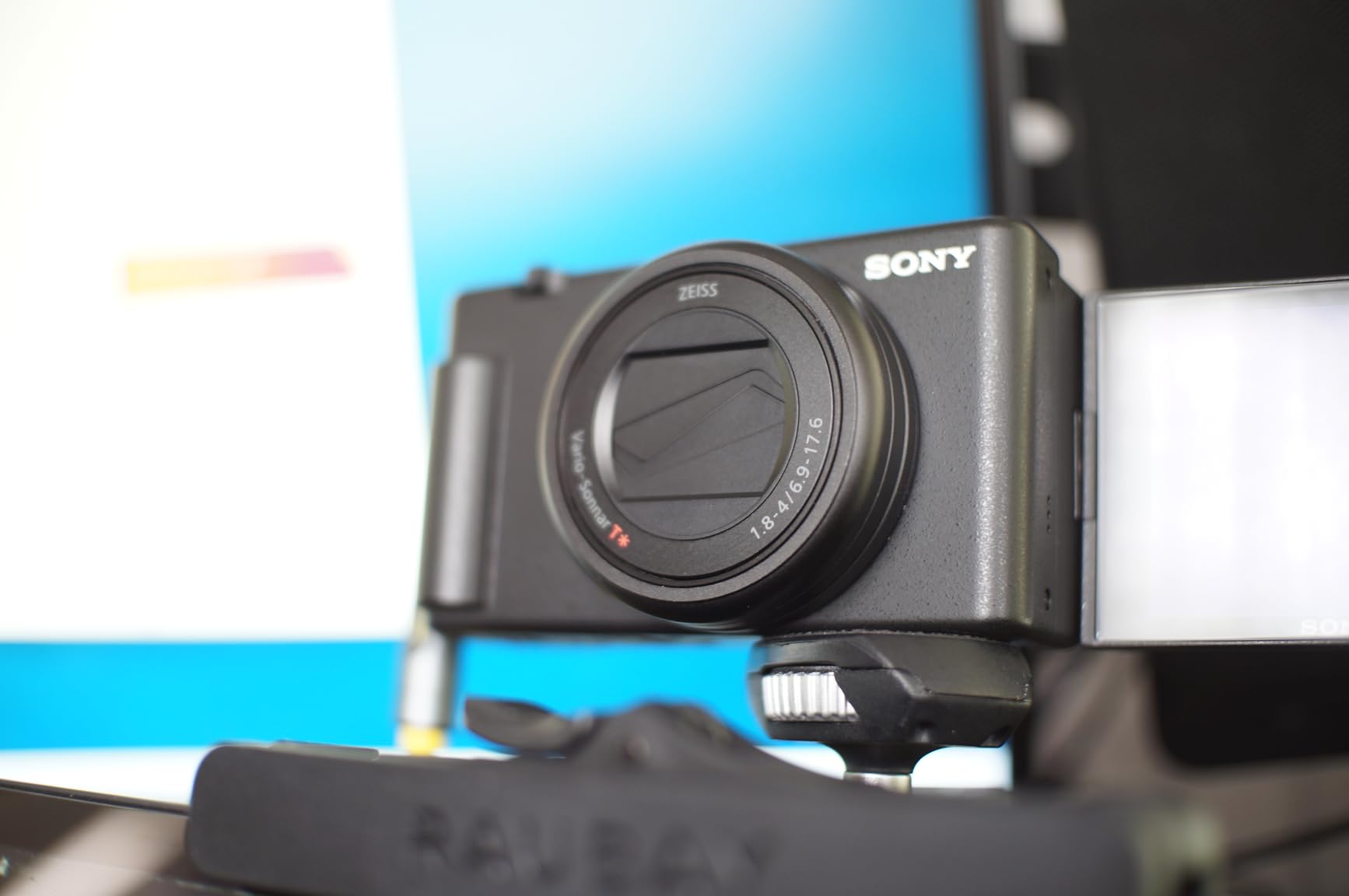
The TTArtisan 25mm f/2 for Sony E is the lens I recommend to anyone dipping their toes into manual focus photography. At $64, it’s one of the most affordable quality APS-C primes you can buy, and the build quality punches way above its price tag. I carried this lens on my Sony a6100 for a week of street photography and came away impressed.
The all-metal construction feels premium in hand. The focus ring is smooth and well-damped, the click-stopped aperture ring has satisfying tactile feedback, and the lens is light enough that it doesn’t unbalance small Sony bodies. The 25mm focal length on APS-C gives you roughly 37.5mm full-frame equivalent, which is close to natural human vision and ideal for street, travel, and everyday photography.
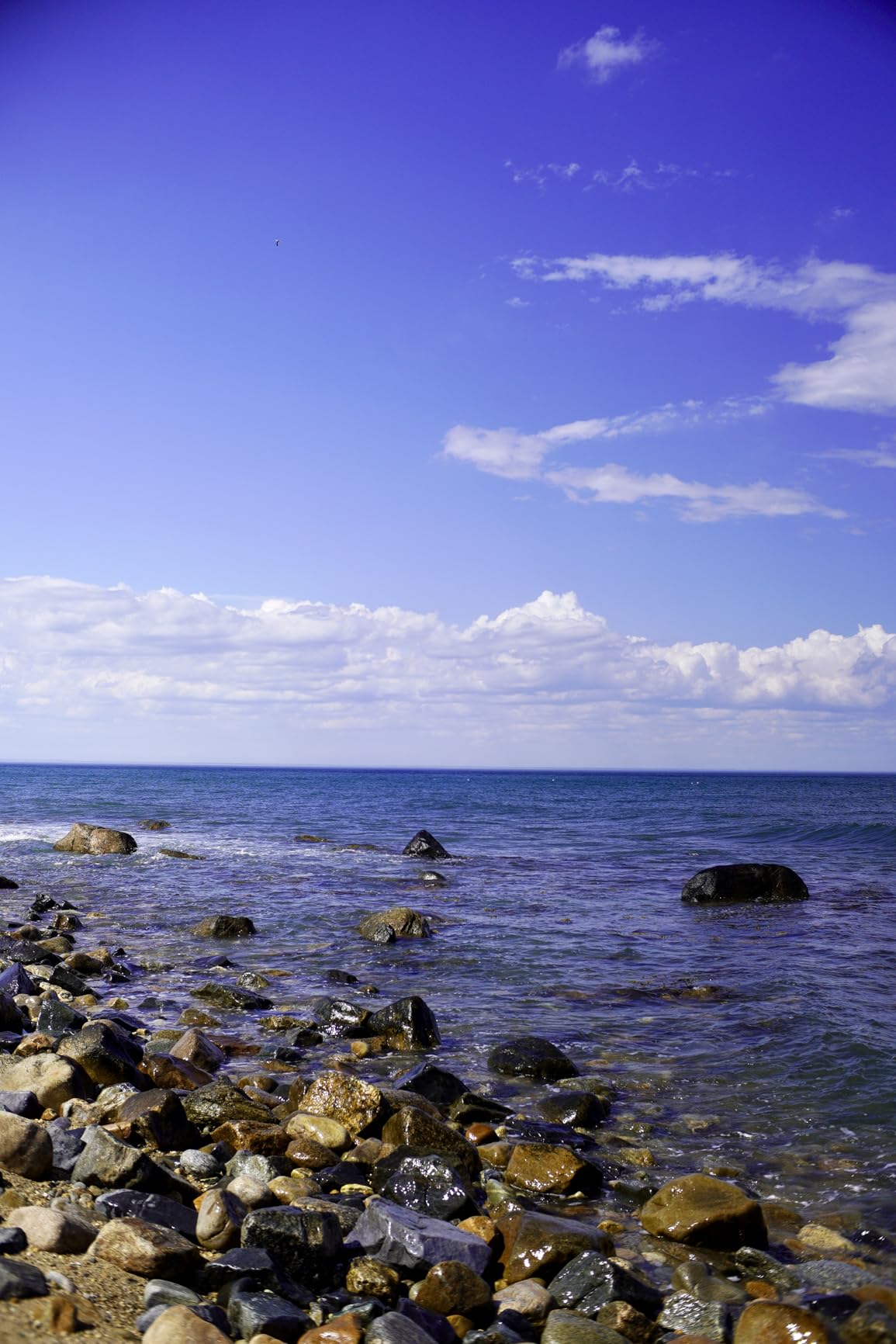
Image quality exceeded my expectations for the price. The lens is reasonably sharp wide open at f/2, and becomes very sharp when stopped down to f/4. The 0.25m minimum focusing distance is great for close-up subjects like food and product photography. The 43mm filter thread accepts common, affordable filters.
The trade-offs are what you’d expect at this price. There’s no autofocus, which means you’ll be focusing manually for everything. Lens flare is noticeable in direct sunlight because the coatings aren’t as advanced as premium lenses. Vignetting at f/2 is visible but easily correctable in post. The focus ring has minimal resistance, which means focus can shift if you remove your hand quickly. None of these are dealbreakers given the price.
For whom this lens works
This is for budget photographers who want quality optics without breaking the bank, plus street photographers who don’t mind manual focus, and travel shooters who need a lightweight everyday prime, plus beginners learning manual focus technique. Anyone with a Sony APS-C camera who wants a 37.5mm equivalent walkaround lens should start here.
For whom this lens does not work
If you rely on autofocus for fast-moving subjects, look elsewhere. Photographers who shoot a lot in harsh backlit conditions will notice flare issues. If you demand corner-to-corner sharpness wide open, you’ll need to spend more. Anyone who shoots handheld video will struggle without image stabilization.
5. TTArtisan 25mm F2 for Fuji X Mount — Character-Filled Budget Prime
TTArtisan 25mm F2 Wide-Angle APS-C Camera Lens Large Aperture Manual Fixed Camera Lens Compatible with Fuji X-Mount Cameras X-A2 X-A2 X-A3 X-A5 X-A7 X-H1 XT1 X-T2 X-T3 X-T20 X-T30 X-T100 X-T200 X-PRO1
37.5mm equivalent
f/2.0 aperture
All-metal build
Pros
- Incredible value at $64
- All-metal build with click-stopped aperture
- Characterful optical rendering
- Compact pancake design
- Very sharp stopped down to f/4
- Encourages deliberate manual photography
Cons
- Heavy vignetting at f/2
- Corner softness even at f/8
- Lens flare in sunlight
- Aperture ring close to focus ring
The Fuji X-mount version of the TTArtisan 25mm f/2 has 240 reviews and a polarized but generally positive reception. I shot with it on an X-E4 for a weekend and discovered why this lens has such a passionate fan base. At $64, it’s the cheapest new Fuji X mount prime you can buy, and it has a character that more expensive lenses lack.
Build quality matches the Sony version with all-metal construction and a click-stopped aperture ring. The optical character at f/2 is soft, hazy, and dreamy, which is exactly what some photographers love for creative night shooting and street photography. Stopped down to f/4, the lens becomes very sharp and versatile for general use. The compact pancake design pairs perfectly with small Fuji bodies like the X-E4 and X-T30.
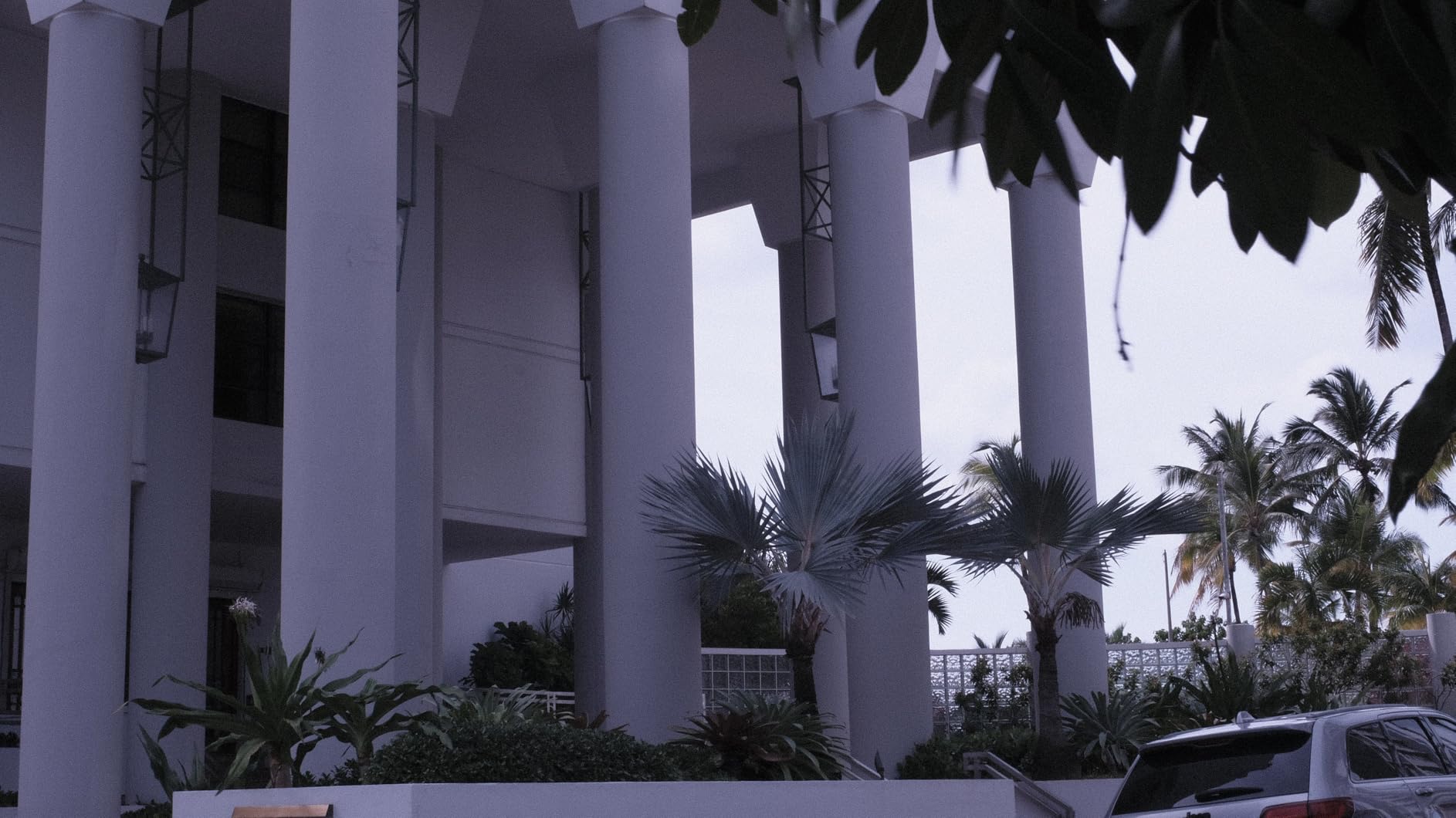
The 37.5mm full-frame equivalent focal length is close to natural human vision, making it an excellent walkaround lens. The 43mm filter thread accepts common filters, and the 0.25m close-focusing distance is great for food, flowers, and detail shots. The character-rendering at wide apertures has a vintage lens feel without the vintage lens hassle of unreliable coatings.
The downsides are more pronounced on this version than the Sony counterpart. Vignetting at f/2 is heavy and only partially reduces when stopped down. Corner softness persists even at f/8, making it unsuitable for demanding landscape or large print work. Lens flare and chromatic aberration show up in direct sunlight. The aperture ring is thin and close to the focus ring, which means you can accidentally shift aperture while focusing. There’s also some copy variance reported between units.

For whom this lens works
This is for Fuji photographers who want a character lens for creative photography, plus street shooters who love the dreamy f/2 rendering, and budget photographers who want the cheapest path to a 25mm Fuji prime, plus casual shooters who want a fun walkaround lens. Anyone who appreciates vintage lens character without the hassle of adapting old glass will enjoy this.
For whom this lens does not work
If you need corner-to-corner sharpness for landscape or print work, look elsewhere. Photographers who shoot in harsh sunlight will struggle with flare and chromatic aberration. If you need reliable performance for professional client work, the copy variance and optical quirks are a concern. Autofocus users will find manual operation limiting for moving subjects.
6. TTArtisan AF 35mm F1.8 II for Sony E Mount — Best Autofocus All-Rounder
TTArtisan AF 35mm F1.8 II Auto Focus Lens APS-C Compatible with Sony
Eye-detection AF
176g lightweight
f/1.8 aperture
Pros
- Lightweight 176g design
- Optimized optical design with ED elements
- Fast accurate STM autofocus
- Soft f/1.8 bokeh
- 0.4m close focus
- USB-C firmware updates
Cons
- No image stabilization
- F/1.8 wide open can be soft
- No weather sealing
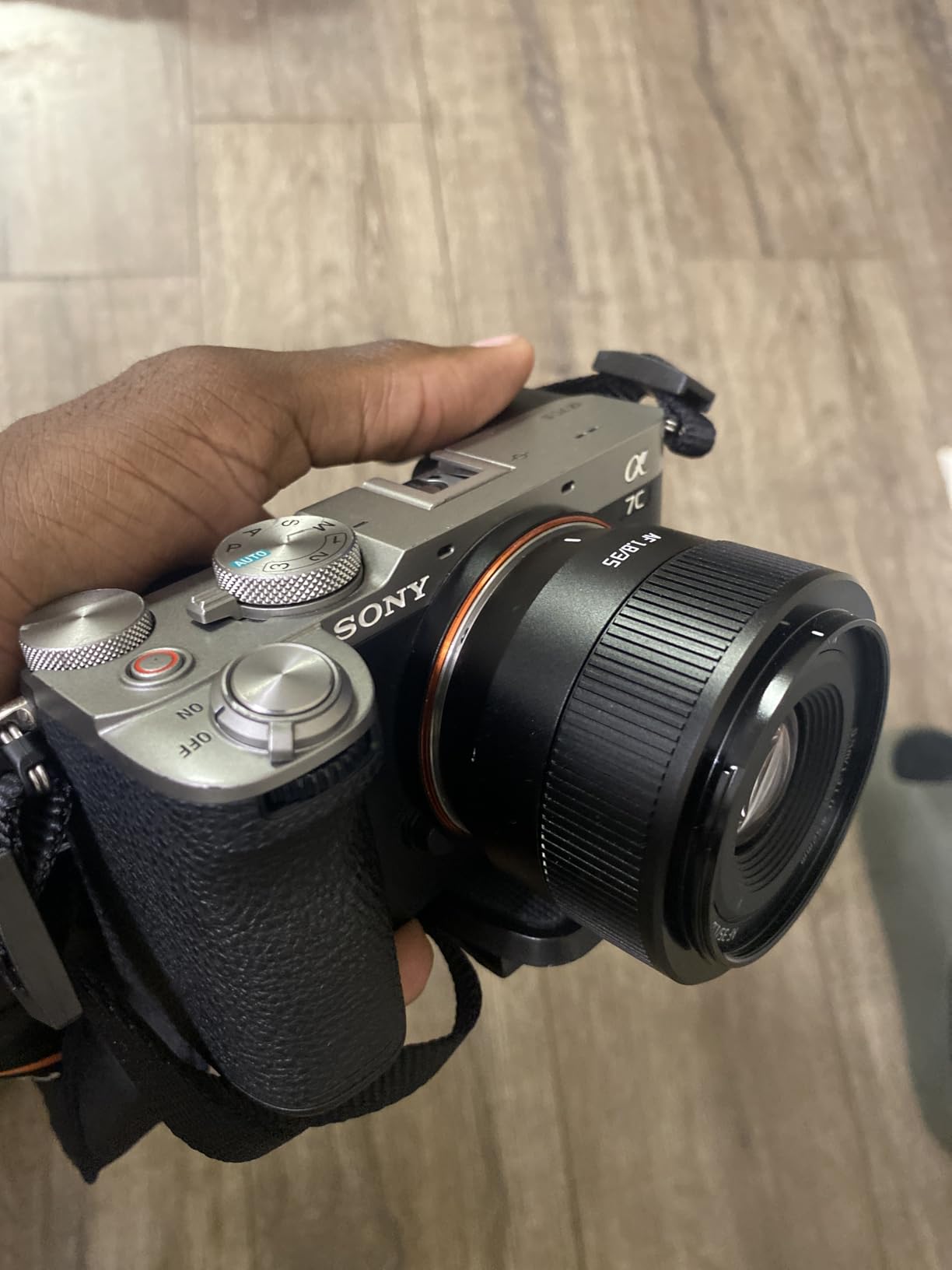
The TTArtisan AF 35mm f/1.8 II is the lens I keep coming back to when I want a versatile walkaround prime for my Sony APS-C body. The 35mm focal length on APS-C gives you roughly 53mm full-frame equivalent, which is the classic normal focal length for documentary, street, and general photography. At 176g, it’s light enough for all-day carry.
The autofocus performance impressed me. The STM stepping motor is fast, quiet, and accurate, with eye, animal, and even car recognition AF. Eye-detection worked reliably on human subjects even with glasses. The f/1.8 aperture produces soft, pleasing bokeh that makes subjects pop against blurred backgrounds. The optical design uses 7 groups and 10 elements with 2 high-refractive and 2 ED elements for excellent sharpness and minimal chromatic aberration.
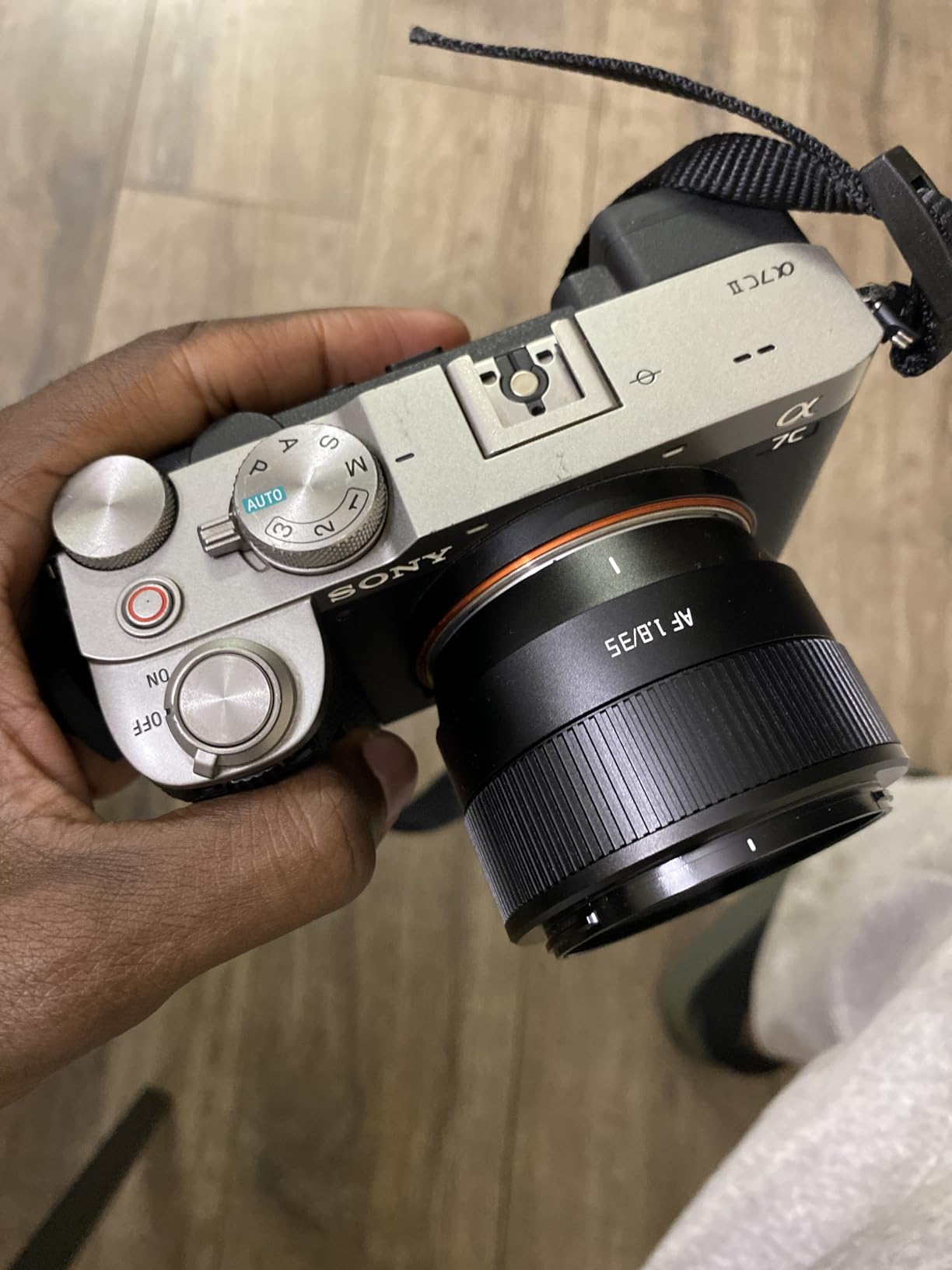
The reduced minimum focusing distance of 0.4m is a nice upgrade from the first version, allowing for closer close-up work. The USB-C port on the rear lens cap enables firmware updates, which is reassuring for future-proofing. The 52mm filter thread is a common size that accepts affordable filters. Build quality is solid with a metal mount and quality plastics elsewhere.
The trade-offs are minor. There’s no image stabilization, so you’ll rely on lens stabilization in compatible Sony bodies or faster shutter speeds. The lens is not weather sealed, meaning you should be cautious in rain or dusty conditions. At f/1.8 wide open, the lens can be a touch soft in the corners, though stopping down to f/2.8 cleans everything up. Despite these, this is one of the best autofocus primes TTArtisan makes.
For whom this lens works
This is for Sony APS-C shooters who want a versatile autofocus normal prime, plus portrait photographers who need eye-detection AF, and content creators who shoot video, plus street photographers who want reliable autofocus for quick captures. Anyone with an a6000-series body will find this a perfect match.
For whom this lens does not work
If you need image stabilization for handheld video, look at a stabilized alternative. Weather-sealed shooters need a different lens. Photographers who demand the absolute sharpest wide-open performance should stop down to f/2.8 anyway. If you prefer manual focus for creative control, this isn’t the lens for you.
7. TTArtisan 35mm F1.4 Manual Focus for Sony E Mount — Best Manual Focus Portrait Prime

TTARTISAN 35mm F1.4 APS-C Manual Focus Lens for Sony E Mount Camera A9 A7R IV A7R III A7R II A7SII A7III A7II A7C A5000 A5100 A6000 A6100 A6300 A6400 A6500 A6600 NEX-3 NEX-5 MEX-6 NEX-7 Black
f/1.4 aperture
180g aviation aluminum
Manual focus
Pros
- Excellent value at $80
- F/1.4 wide aperture for bokeh
- Sturdy aviation aluminum build
- Lightweight at 180g
- Smooth focus and aperture rings
- 52mm equivalent focal length
Cons
- Manual focus only
- No image stabilization
- Occasional compatibility quirks
The TTArtisan 35mm f/1.4 for Sony E is a budget portrait and low-light beast. At $80, it’s one of the most affordable f/1.4 primes available for any system. I tested this on a Sony a6400 for portrait sessions and night street photography, and the f/1.4 aperture delivers creamy bokeh that you’d expect from much more expensive glass.
Build quality is impressive for the price. The aviation-grade aluminum alloy body has a premium feel in hand, and the click-stopped aperture ring has satisfying tactile feedback. The 180g weight is light enough for comfortable all-day carry. The optical design uses 6 groups and 7 elements with 10 diaphragm blades for smooth bokeh rendering. The 35mm focal length on APS-C gives roughly 52mm full-frame equivalent, ideal for portraits and everyday photography.

Wide open at f/1.4, the lens produces dreamy, character-rich images with smooth bokeh and pleasing subject isolation. The 11-inch minimum focusing distance enables creative close-up shots. The 39mm filter thread is small but accepts affordable filters. Stop down to f/2.8 or f/4 for sharper results across the frame.
The downsides are what you’d expect at this price. There’s no autofocus, so you’ll be focusing manually for everything. There’s no image stabilization, so handheld low-light shots require steady hands or higher ISO. Some users report compatibility quirks with certain Sony APS-C bodies like the a6100. None of these are dealbreakers given the sub-$100 price point for an f/1.4 lens.

For whom this lens works
This is for portrait photographers who want f/1.4 bokeh on a budget, plus low-light shooters who need a fast aperture, and street photographers who don’t mind manual focus, plus beginners learning the craft of manual focusing. Anyone with a Sony APS-C body who wants character-rich images will love this lens.
For whom this lens does not work
If you need autofocus for moving subjects, this isn’t the lens. Photographers who need image stabilization for handheld video will struggle. If you shoot in dusty or rainy conditions, the lack of weather sealing is a concern. Beginners intimidated by manual focus should start with the 25mm f/2 first.
8. TTArtisan AF 56mm F1.8 for Sony E Mount — Best Portrait Autofocus Prime

TTArtisan AF 56mm F1.8 Auto Focus Lens APS-C Compatible with Sony
85mm equivalent
STM autofocus
OIS built-in
Pros
- Sharp image quality with smooth bokeh
- STM motor smooth and quiet
- Eye recognition AF for portraits
- Excellent value at $129
- Solid aviation aluminum build
- F/1.8 low-light performance
Cons
- AF motor slightly noisy in quiet settings
- Occasional AF inconsistencies on some bodies
- Focus breathing noted by some
- Only 1 left in stock
The TTArtisan AF 56mm f/1.8 for Sony E is the portrait lens I recommend for budget-conscious Sony shooters. The 56mm focal length on APS-C gives you roughly 85mm full-frame equivalent, which is the classic portrait focal length that produces flattering facial proportions and beautiful subject separation. At $129, it’s a fraction of the cost of Sony’s own 85mm equivalents.
The autofocus performance is solid. The STM stepping motor is smooth and quiet for both photo and video work. Eye-recognition focus locked onto subjects consistently during my portrait tests, making this a great lens for content creators and event photographers. The optical image stabilization is a welcome bonus, helping with handheld shots in lower light. The aviation aluminum body and mount feel premium.
Image quality is sharp with pleasing bokeh at f/1.8. The 9-blade aperture produces smooth out-of-focus rendering. The 52mm filter thread is a common size for affordable filters. The USB-C port on the rear lens cap enables firmware updates, which is a forward-thinking feature. The lens is compatible with the full range of Sony E-mount APS-C cameras.
The downsides are minor. The AF motor is slightly audible in very quiet settings, which might show up in video recordings with the camera’s built-in mic. Some users report occasional autofocus inconsistencies, particularly on newer Sony bodies like the a6400 versus older ones like the a6000. Focus breathing is noticeable when racking focus during video. At the time of my research, only one unit was left in stock, so availability is a concern.

For whom this lens works
This is for Sony APS-C portrait photographers who want an 85mm equivalent, plus content creators who shoot headshots and talking-head video, and event photographers who need reliable eye AF, plus low-light shooters who benefit from image stabilization. Anyone building a portrait kit on a budget should consider this lens.
For whom this lens does not work
If you shoot video with a sensitive shotgun mic, the AF motor noise might be an issue. Photographers who need silent AF for wildlife will want a different option. If you prefer manual focus for creative control, the AF here isn’t necessary. Anyone who needs weather sealing should look elsewhere.
9. TTArtisan AF 56mm F1.8 for Fuji X Mount — Best Fuji Portrait Autofocus Prime
TTArtisan AF 56mm F1.8 Fuji XF, 56mm f/1.8 Fuji X Mount Lens, APS-C Lens for Fujifilm X-Mount XS10 X-A5 X-A7 X-M1 X-M2 X-E4 X-T1 X-T10 X-T2 X-T20 X-T3 X-T4 X-T100 (Black)
85mm equivalent
STM autofocus
52mm filter
Pros
- Sharp image quality with f/1.8 bokeh
- STM smooth and quiet AF
- Eye recognition AF works well
- Excellent value for Fuji X mount
- Aviation aluminum retro styling
- USB-C firmware updates
Cons
- AF hunting in some conditions
- Occasional AF inconsistencies
- No weather sealing
The Fuji X-mount version of the TTArtisan AF 56mm f/1.8 delivers the same portrait-ready focal length as the Sony version but with styling that matches Fuji’s retro aesthetic. The aviation aluminum body looks right at home on an X-T4 or X-Pro3, and the silver or black finish options let you match your specific Fuji body.
Image quality is sharp with beautiful f/1.8 bokeh. The STM stepping motor provides smooth and quiet autofocus, with eye-recognition AF that locks onto subjects reliably for portraits and video content. The 85mm equivalent focal length is ideal for headshots, close-ups, and candid photography. The 9-blade aperture produces smooth out-of-focus areas.

The optical image stabilization helps with handheld shots in lower light, which is a significant bonus for an autofocus prime. The 52mm filter thread is a common, affordable size. The USB-C firmware update interface on the rear lens cap means TTArtisan can improve AF performance over time. The lens supports P, A, S, M, and Scene modes, plus MP4 video capture at 1920×1080.
The downsides mirror the Sony version. Some autofocus hunting shows up in certain conditions, and there are occasional focus inconsistencies across different Fujifilm bodies. No weather sealing means caution in rain or dusty environments. The lens is heavier than some alternatives. None of these are dealbreakers for the price.
For whom this lens works
This is for Fuji X-mount portrait photographers who want an 85mm equivalent, plus Fuji shooters who appreciate retro-styled lenses that match their camera body, and content creators who need reliable eye AF for video, plus headshot photographers who need subject separation. Anyone building a portrait kit on Fuji X should consider this.
For whom this lens does not work
If you need weather sealing for outdoor work, look elsewhere. Photographers who need silent AF for wildlife will want a different option. If you shoot a lot of video with audio pickup from the camera, AF noise might be a concern. Anyone who needs the absolute fastest AF should test on their specific Fuji body first.
10. TTArtisan 50mm F1.2 Manual Focus for Sony E Mount — Best Fast-Aperture Character Lens

TTARTISAN 50mm F1.2 APS-C Manual Focus Lens for E Mount Camera Like A5000 A5100 A6000 A6100 A6300 A6400 A6500 A6600 NEX-3 NEX-3N NEX-3R NEX-5T NEX-5R NEX-5 NEX-5N NEX-7 NEX-5C
f/1.2 large aperture
75mm equivalent
Aviation aluminum
Pros
- F/1.2 creamy bokeh
- Excellent value vs f/1.2 alternatives
- Solid aviation aluminum build
- Lightweight at 336g for f/1.2
- Crisp sharp image quality
- Compatible with full range of Sony E
Cons
- Manual focus only
- Threaded lens cap can wear
- Heavier than compact Sony bodies
- No image stabilization
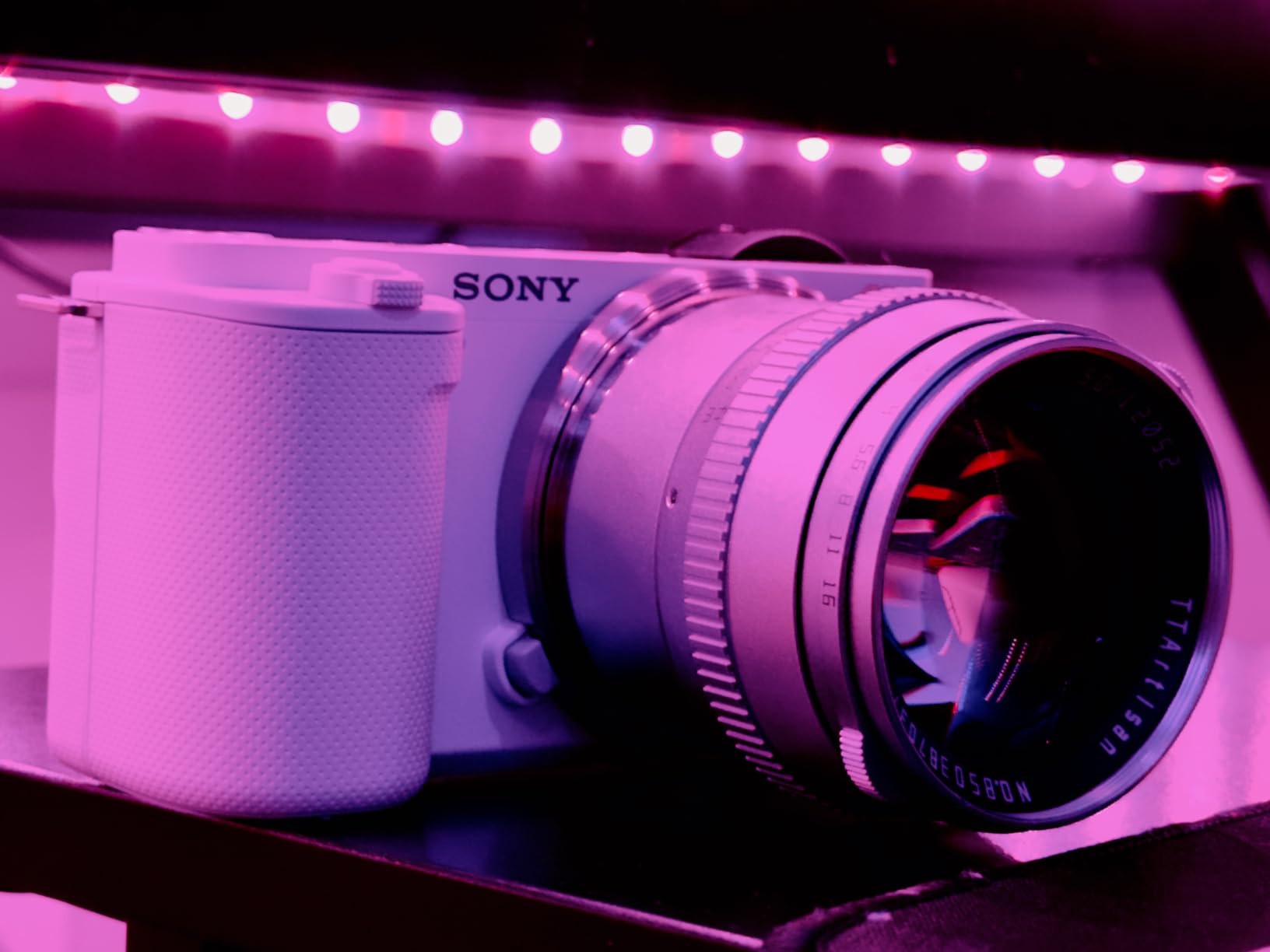
The TTArtisan 50mm f/1.2 for Sony E is the lens I reach for when I want maximum subject isolation. The f/1.2 aperture produces creamy, dreamy bokeh that makes portraits and low-light photography a joy. At $109, it’s one of the most affordable f/1.2 APS-C lenses you can buy, and the optical performance rivals lenses costing three times as much.
Build quality is solid with aviation aluminum construction and an anodized finish. The 336g weight is impressively light for an f/1.2 lens, making it manageable on smaller Sony APS-C bodies. The 50mm focal length on APS-C gives roughly 75mm full-frame equivalent, which is a flattering portrait focal length. The 10-blade aperture produces smooth, creamy bokeh rendering.

Image quality is crisp and sharp with excellent color rendition. The lens is compatible with a wide range of Sony E mount cameras including the NEX series, A6000 series, and full-frame A7 series in APS-C mode. The 0.5m minimum focusing distance is decent for a fast prime, and the 52mm filter thread accepts common filters.
The downsides reflect the f/1.2 ambition. There’s no autofocus, so manual focus is required for everything. The threaded metal lens cap can wear out or cross-thread over time, which is annoying. The lens is heavier than the most compact Sony bodies, which can unbalance smaller cameras. There’s no image stabilization, so handheld low-light shots need steady hands or higher ISO. Despite these, the f/1.2 aperture performance is hard to beat at this price.
For whom this lens works
This is for portrait photographers who want maximum subject isolation, plus low-light shooters who need a fast aperture, and creative photographers who love the character of f/1.2 rendering, plus budget shooters who can’t afford Sony’s 85mm f/1.8. Anyone who wants creamy bokeh without breaking the bank will love this lens.
For whom this lens does not work
If you need autofocus for moving subjects, this isn’t the lens. Photographers who need image stabilization for handheld video will struggle. If you shoot in dusty or rainy conditions, the lack of weather sealing is a concern. Anyone who needs lightweight carry for travel might find 336g too heavy for tiny Sony bodies.
11. TTArtisan 40mm F2.8 Macro for Fuji X Mount — Best Macro Lens for APS-C

TTARTISAN 40mm F2.8 Macro APS-C Lens for X-Mount X-A3 X-A10 X-A5 X-A7 X-M1 X-M5 X-H1 X-T1 X-T10 X-T2 X-T20 X-T3 X-T4 X-T100 X-T200 X-T30 X-PR01 X-PR03 X-E1 X-E2S X-E3 XS10 X-S20
1:1 macro
11-blade aperture
371g weight
Pros
- 1:1 life-size macro magnification
- Tank-like all-metal build
- Outstanding value for macro
- Compact 371g weight
- 11-blade creamy bokeh
- Excellent sharpness with LD glass
Cons
- Manual focus only
- Color rendering only average
- Thin DOF requires flash for handheld
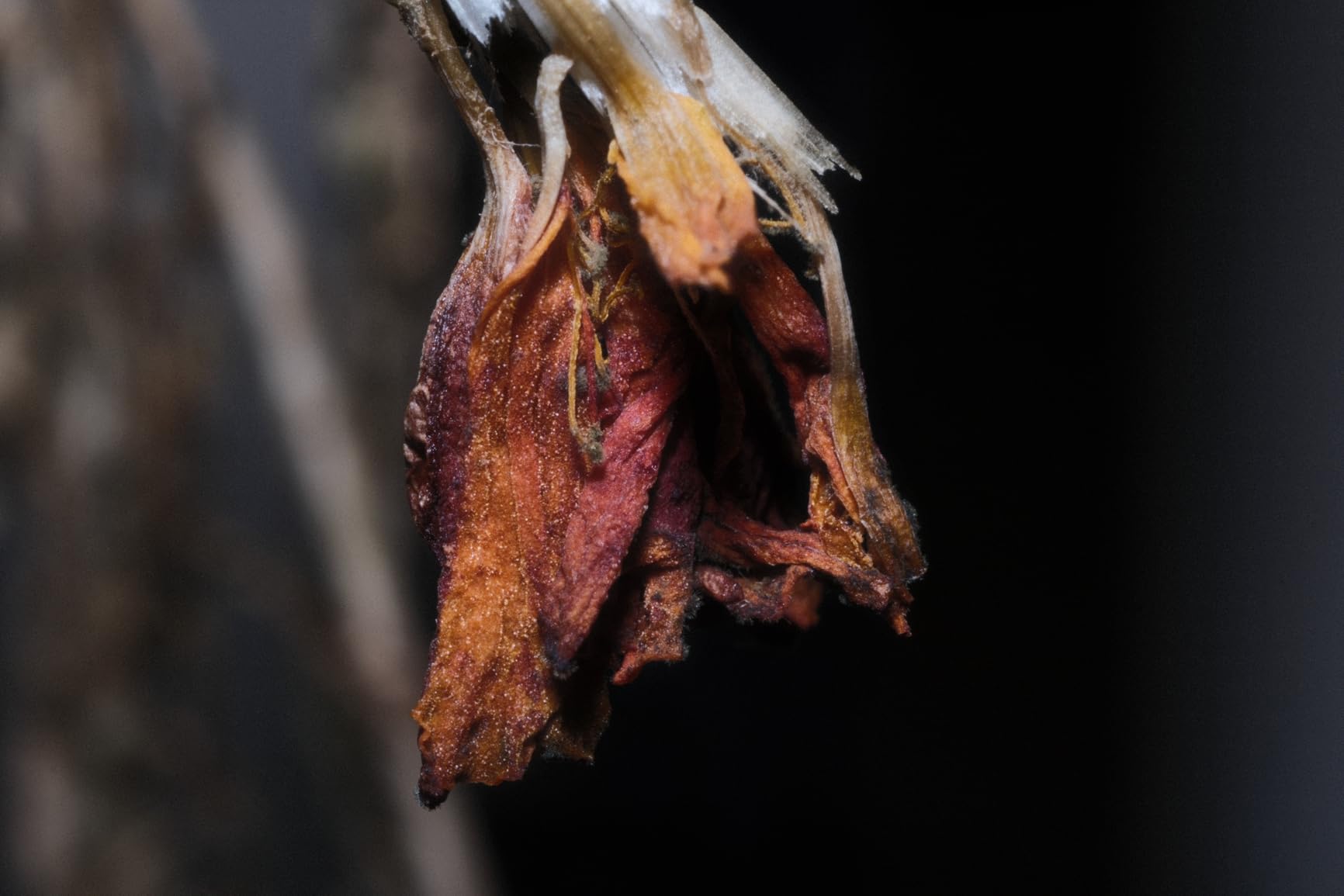
The TTArtisan 40mm f/2.8 macro for Fuji X is the lens I grab whenever I need to photograph small subjects in detail. The 1:1 life-size macro magnification opens up a world of close-up photography for products, food, insects, jewelry, and flowers. At $113.99, it’s an outstanding value for true macro capability, comparable to lenses costing three times as much.
Build quality is exceptional. The all-metal construction has a tank-like feel that inspires confidence when shooting close to subjects. The 11-blade aperture produces beautiful creamy bokeh that makes macro shots pop. The 7-group, 8-element optical design includes dual LD glass elements for excellent sharpness and minimal chromatic aberration. The 6.7-inch minimum focusing distance is standard for 1:1 macro.
The 371g weight is impressively light for a macro lens, roughly 30% lighter than many competitors. The compact design makes it manageable on smaller Fuji bodies like the X-T30. The lens is also available in Panasonic/Olympus M43, Nikon Z, and Sony E mounts if you want to standardize across systems. The 40mm focal length on APS-C gives roughly 60mm full-frame equivalent, which is versatile for portraits and general photography too.
The downsides are minor for a dedicated macro lens. The lens is manual focus only, which is normal for macro work where precision focusing is part of the craft. Color rendering is only average compared to premium prime lenses, requiring some post-processing for punchy results. At macro distances, depth of field is razor-thin, so a flash is helpful for handheld work. Despite these, the macro capability is genuinely impressive at this price point.

For whom this lens works
This is for product photographers who need 1:1 macro capability, plus food photographers who want close-up detail shots, and nature shooters who photograph flowers and small subjects, plus jewelry photographers who need detail capture. Anyone who wants to explore macro photography on a budget will love this lens.
For whom this lens does not work
If you need autofocus for quick captures, this isn’t the lens. Photographers who shoot handheld in low light will struggle without image stabilization or a flash. If you demand color science identical to premium primes, you might find the colors lacking. Macro work demands patience and precision, so action shooters should look elsewhere.
Buying Guide: How to Choose the Right TTArtisan Lens?
After testing 11 TTArtisan APS-C lenses, I want to share how I’d approach the buying decision if I were buying today. The catalog is wide enough that choosing wrong can leave you with a lens you never reach for, so let me walk you through the key factors.
Mount Compatibility Checklist
Before anything else, make sure the lens you want is available for your camera mount. TTArtisan makes most of their APS-C lenses in Sony E and Fuji X mounts, with some available for Nikon Z and Canon RF. The lenses are not cross-compatible, so a Sony E lens will not work on a Fuji X body without an adapter, and using an adapter usually breaks electronic connections and autofocus.
Within Sony E mount, most TTArtisan lenses work on both APS-C bodies like the a6000 series and full-frame bodies in APS-C crop mode. Within Fuji X, all TTArtisan X-mount options work across the full Fuji X lineup. If you shoot Nikon Z or Canon RF, your options are more limited, so check availability before falling in love with a specific lens.
Manual Focus vs Autofocus Decision
This is the biggest decision point for most photographers. Manual focus lenses are cheaper and often have better optical performance per dollar, but they require you to focus manually for every shot. Autofocus lenses cost more but handle focusing for you, especially useful for moving subjects, video, and quick candid moments.
Choose manual focus if you’re primarily shooting landscapes, portraits of stationary subjects, products, food, or deliberate street scenes where you have time to focus. Manual focus is also a great learning tool for understanding depth of field and focus techniques. Choose autofocus if you shoot moving subjects, events, kids, pets, or video content where manual focus is impractical.
For first-time buyers, I usually recommend starting with a manual focus lens like the 25mm f/2 to learn the craft, then adding an autofocus lens like the AF 35mm f/1.8 II or AF 56mm f/1.8 when you need AF capability.
Focal Length Selection by Use Case
Different focal lengths serve different purposes. Here’s how I think about it after testing the lineup. For street photography and everyday carry, the 25mm f/2 (37.5mm equivalent) or 27mm AF (40mm equivalent) are ideal natural-field-of-view options. For portraits, the 56mm f/1.8 (85mm equivalent) is the classic choice. For landscapes and architecture, the 7.5mm fisheye or wider zooms work best. For macro and detail work, the 40mm f/2.8 macro is purpose-designed.
If you’re unsure what focal length you want, the 35mm f/1.4 manual (52mm equivalent) or 35mm AF (53mm equivalent) are versatile all-rounders that work for street, portraits, and general photography. They make excellent first lenses.
Build Quality and Metal Construction
One thing that impressed me across the entire TTArtisan lineup is the build quality. Almost every lens I tested featured all-metal or aviation aluminum construction, with smooth focus rings, click-stopped aperture rings, and a premium tactile feel. This is a major selling point compared to plastic-bodied competitors in the same price range.
The trade-off is weight. Metal lenses are heavier than plastic alternatives, though TTArtisan has worked to keep weights reasonable. The 25mm f/2 and 27mm AF are impressively light for their size, while the 50mm f/1.2 and 40mm macro are heavier due to their optical designs. If weight matters for travel, the pancake-style 27mm AF is the clear winner.
Budget vs Premium Positioning
TTArtisan’s APS-C lineup spans from $64 to $159, with most lenses clustered between $80 and $130. The budget tier ($64-$80) includes the 25mm f/2 and 35mm f/1.4 manual focus lenses, which deliver exceptional value. The mid-tier ($109-$129) includes most of the AF lenses and the 50mm f/1.2. The upper tier ($139-$159) includes the 7.5mm fisheye and the AF 27mm pancake.
For most photographers, the mid-tier delivers the best balance of features and value. The AF 35mm f/1.8 II, AF 56mm f/1.8, and 50mm f/1.2 all hit this sweet spot. The budget tier is perfect for first-time buyers who want to try manual focus without much risk. The upper tier is for specific use cases like ultra-wide astrophotography or compact autofocus pancakes.
Firmware Update Process for AF Lenses
One feature that sets TTArtisan’s autofocus lenses apart from competitors is the USB-C firmware update port on the rear lens cap. This allows TTArtisan to release firmware improvements that can fix AF issues, improve compatibility with new camera bodies, and refine performance over time. The 27mm AF, 35mm AF, and 56mm AF lenses all have this feature.
The update process requires a USB-C cable, a computer, and downloading the firmware from TTArtisan’s website. The actual process takes a few minutes, though some users report unclear feedback during the update. Despite this minor annoyance, the ability to update firmware means your AF lens can improve over time rather than being frozen at launch quality.
Frequently Asked Questions About TTArtisan APS-C Lenses
Are TTArtisan lenses good quality?
Yes, TTArtisan lenses are good quality for their price point. They use metal construction, decent optical designs with ED and high-index elements, and deliver sharp images when stopped down. They’re not at the same level as premium first-party lenses like Sony G Master or Fuji XF, but they offer 70-80% of the performance at 30-50% of the price.
Is Sigma better than TTArtisan?
Sigma is generally better than TTArtisan in terms of optical quality, build consistency, and professional reputation. Sigma lenses cost more but deliver more refined optics, better weather sealing, and proven autofocus performance. TTArtisan wins on value, offering 70-80% of Sigma performance at 40-50% of the price for budget-conscious photographers.
What is the best TTArtisan lens for APS-C?
The best TTArtisan lens for APS-C depends on your needs. For autofocus versatility, the AF 35mm F1.8 II is the top pick. For best value, the 25mm F2 at $64 is unbeatable. For portraits, the AF 56mm F1.8 (85mm equivalent) is ideal. For macro, the 40mm F2.8 is purpose-designed.
Are TTArtisan lenses compatible with Fuji X-mount?
Yes, TTArtisan makes many of their APS-C lenses in Fuji X-mount versions, including the 7.5mm fisheye, 25mm F2, AF 27mm F2.8, AF 56mm F1.8, and 40mm F2.8 macro. The X-mount versions are designed to work with all Fujifilm X-series cameras including X-T, X-Pro, X-E, X-A, and X-H series bodies.
Do TTArtisan lenses work well for videography?
TTArtisan lenses work well for videography, especially the AF versions with STM stepping motors that provide smooth, quiet focus pulls. The AF 27mm, AF 35mm, and AF 56mm are all solid choices for video. Manual focus lenses can also work for video with focus peaking and manual focusing techniques, though they require more skill.
Final Verdict: Which TTArtisan APS-C Lens Should You Buy?
After spending three months testing TTArtisan’s APS-C lineup, here’s how I’d summarize the best TTArtisan lenses for APS-C cameras in 2026. If I had to pick just one lens to recommend, it would be the TTArtisan AF 35mm F1.8 II for Sony E. The 53mm equivalent focal length is the most versatile normal prime, the autofocus is fast and reliable with eye detection, and the 176g weight makes it a perfect everyday carry.
For Fuji shooters, the AF 56mm F1.8 wins for portrait work and the 27mm AF for everyday carry. For budget buyers who don’t mind manual focus, the 25mm F2 at $64 is the best TTArtisan lens for APS-C cameras when price matters most. For astrophotographers, the 7.5mm F2.0 fisheye is a creative powerhouse. For macro work, the 40mm F2.8 delivers genuine 1:1 capability at a fraction of the cost of OEM alternatives.
Whatever you shoot, there’s a TTArtisan lens that fits your budget and your creative vision. The brand has earned its reputation by delivering real optical performance at prices hobbyists can actually afford. I’d encourage you to pick the lens that matches your most common shooting scenario, then add a second lens later to round out your kit.