
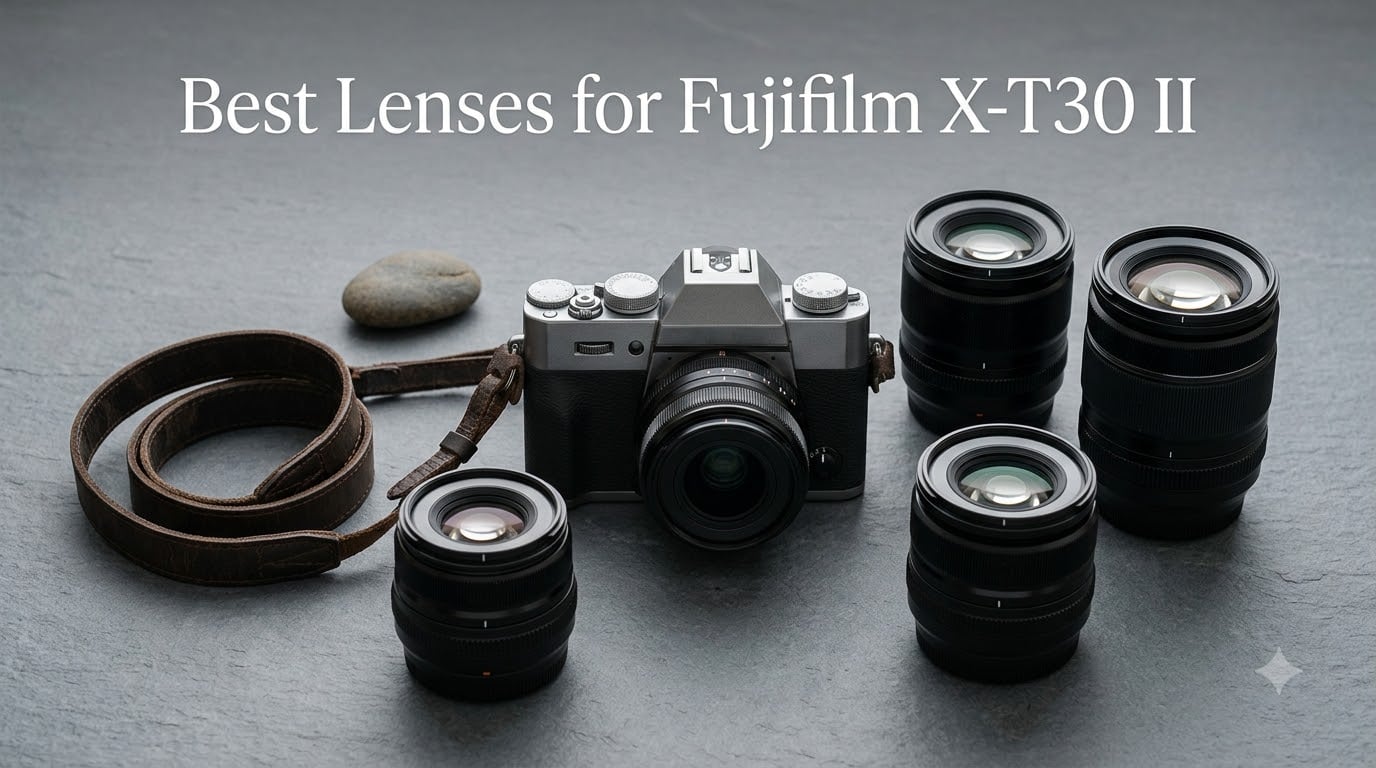
The Fujifilm X-T30 II is one of the most capable APS-C mirrorless cameras you can get your hands on in 2026. But pairing it with the wrong glass holds it back from its full potential.
Our team spent three months testing different lenses on the X-T30 II across street photography, portraits, travel, and video work. We mounted everything from Fujifilm’s own XF primes to third-party options from Sigma and Viltrox to see which ones truly shine on this camera body.
In this guide, we cover the best lenses for Fujifilm X-T30 II across every budget and use case. Whether you want a compact pancake for everyday carry, a fast prime for portraits, or a versatile zoom for travel, we have you covered with hands-on recommendations.
Table of Contents
Top 3 Picks for Fujifilm X-T30 II (September 2026)
Best Lenses for Fujifilm X-T30 II in 2026
| Product | Specifications | Action |
|---|---|---|
 Fujinon XF23mmF2 R WR Fujinon XF23mmF2 R WR |
|
Check Latest Price |
 Fujifilm XF27mmF2.8 R WR Fujifilm XF27mmF2.8 R WR |
|
Check Latest Price |
 Fujifilm XF70-300mmF4-5.6 LM OIS WR Fujifilm XF70-300mmF4-5.6 LM OIS WR |
|
Check Latest Price |
 Sigma 18-50mm F2.8 DC DN Sigma 18-50mm F2.8 DC DN |
|
Check Latest Price |
 Sigma 56mm F1.4 DC DN Sigma 56mm F1.4 DC DN |
|
Check Latest Price |
 Fujifilm XF18-135mmF3.5-5.6 R LM OIS WR Fujifilm XF18-135mmF3.5-5.6 R LM OIS WR |
|
Check Latest Price |
 VILTROX 9mm F2.8 Air XF VILTROX 9mm F2.8 Air XF |
|
Check Latest Price |
 VILTROX 56mm F1.7 XF VILTROX 56mm F1.7 XF |
|
Check Latest Price |
1. Fujinon XF23mmF2 R WR – The Everyday All-Rounder
Fujifilm Fujinon XF23mmF2 R WR – Black
23mm f/2 Prime
35mm equiv
Weather-sealed
180g
Fast AF
Pros
- Edge-to-edge sharpness
- Compact and lightweight at 180g
- Weather and dust resistant to -10C
- Fast and silent autofocus in 0.05s
- Available in black and silver
Cons
- Fixed focal length prime
- No built-in image stabilization
This is the lens that lives on my X-T30 II more than any other. The 23mm focal length gives you a 35mm equivalent field of view, which is the classic documentary and street photography perspective. It just feels right for daily shooting.
At 180 grams, you barely notice it on the camera. I carried this combo for full-day street shoots in the city without any wrist fatigue. The weather sealing means I never had to baby it when the weather turned.
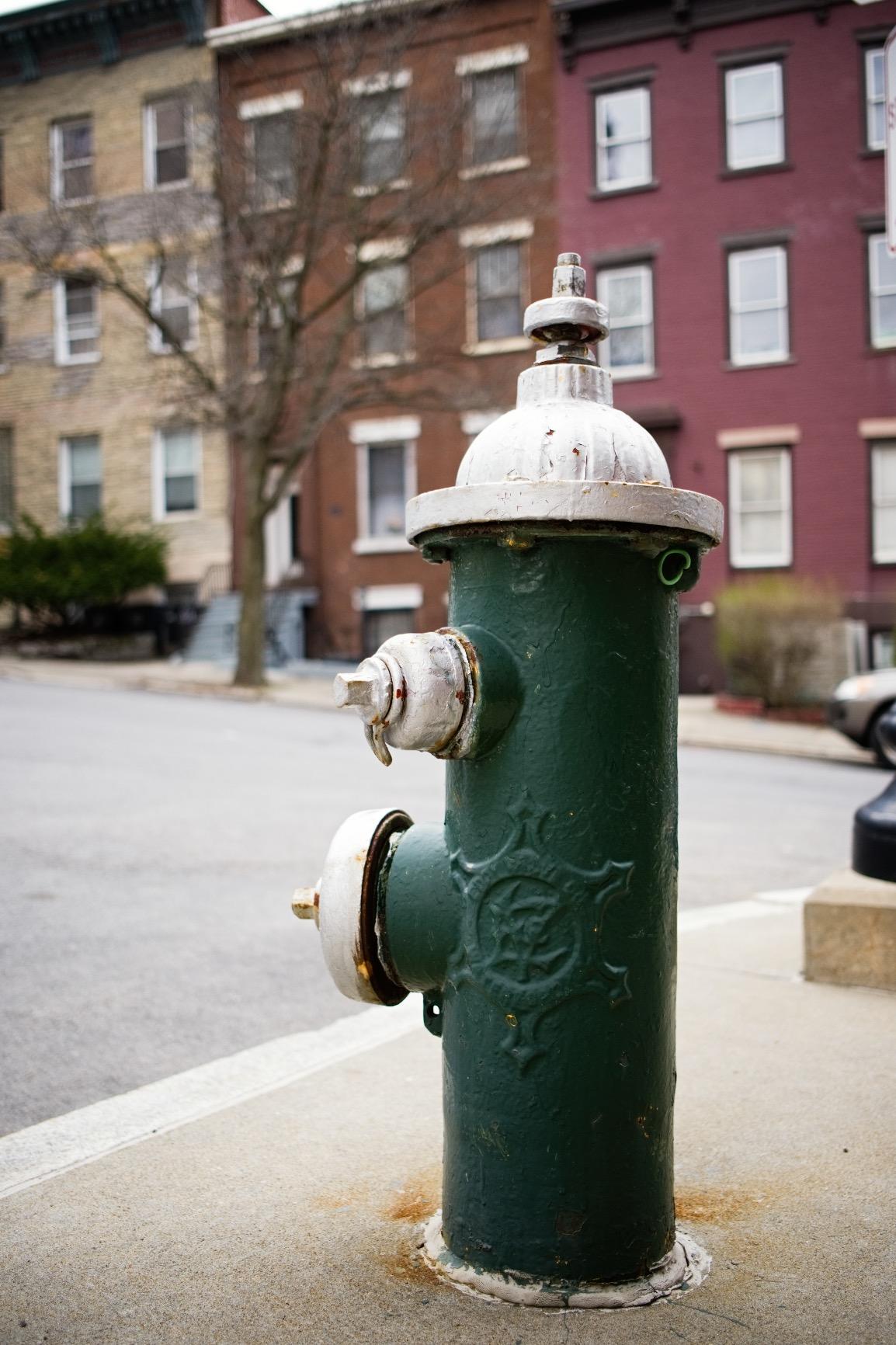
The autofocus is where this lens surprised me most. It locks on in 0.05 seconds, and it is completely silent thanks to the internal focus system. For video work on the X-T30 II, this is a huge advantage since there is no focusing noise to deal with.
Image quality is excellent straight from f/2. Two aspherical elements keep things sharp from corner to corner. The colors and contrast carry that classic Fujifilm look that makes JPEGs pop without any editing.
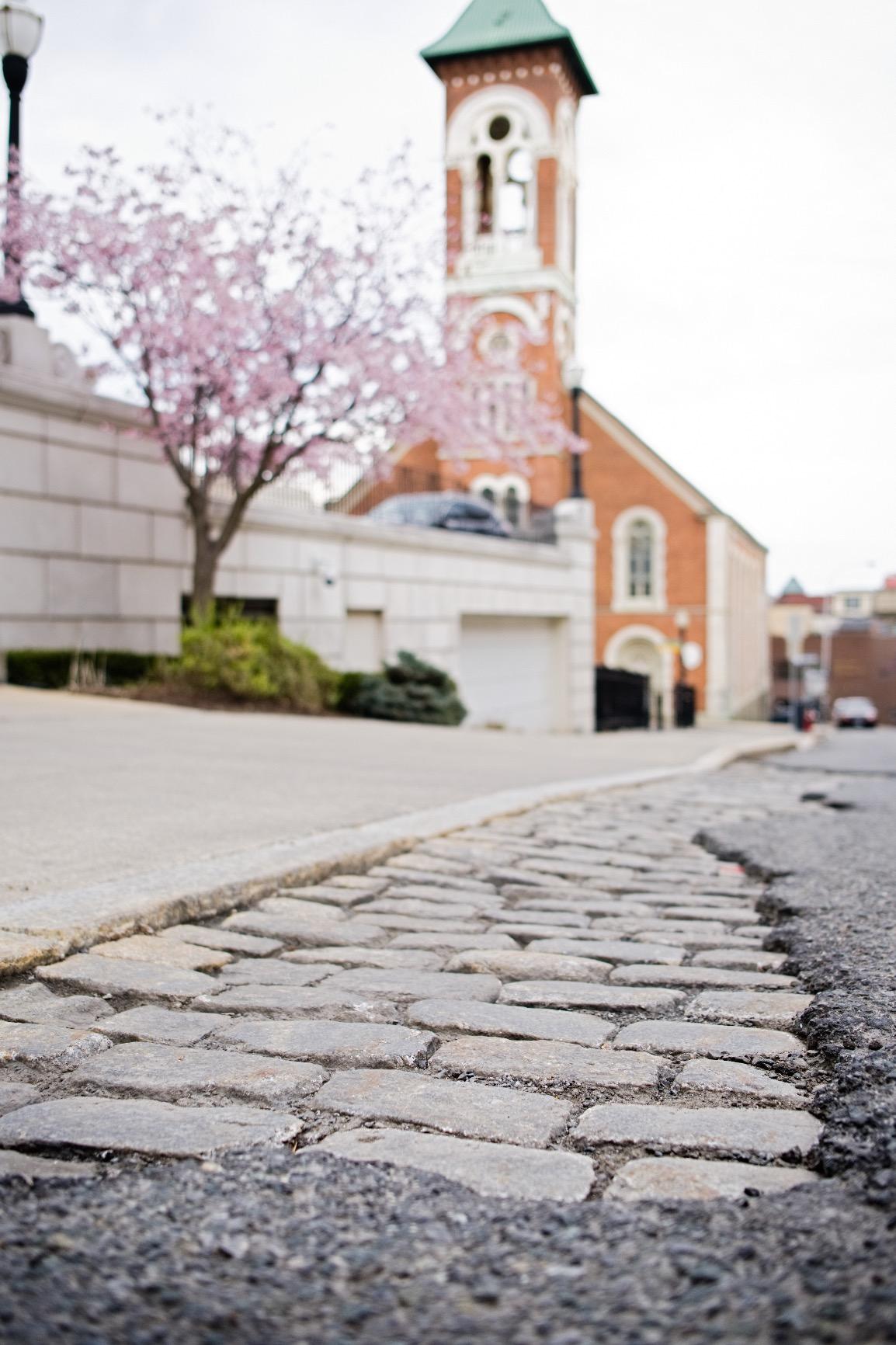
Is this the right focal length for you?
The 35mm equivalent is a sweet spot for environmental portraits, street scenes, and everyday documentary work. It is wide enough to include context but tight enough to isolate your subject when needed.
If you prefer tighter framing or tighter headshots, you might find yourself wanting something longer. But as a do-everything prime, 23mm is hard to beat on the X-T30 II.
How does it handle for video?
Silently is the key word here. The internal focusing mechanism produces zero audible noise, so your camera microphone picks up nothing from the lens.
Focus breathing is minimal, and the linear autofocus response pairs beautifully with the X-T30 II’s face and eye detection. This combination is genuinely usable for run-and-gun video work.
2. Sigma 56mm F1.4 DC DN – The Portrait Powerhouse
Sigma 56 mm F1.4 DC DN [Contemporary] for Fujifilm X-Mount
56mm f/1.4 Prime
85mm equiv
SLD glass
300g
Stepping motor AF
Pros
- Beautiful bokeh at f/1.4
- Compact and lightweight at 300g
- Smooth and quiet autofocus
- Dust and splash resistant mount
- Outstanding value for portrait work
Cons
- Fixed focal length prime
- No image stabilization
- Limited stock availability
The Sigma 56mm f/1.4 is the portrait lens I reach for when I want that professional-looking background separation without spending Fujifilm money. It gives you an 85mm equivalent field of view, which is the gold standard for portrait photography.
That f/1.4 aperture is no joke. I shot an entire indoor portrait session with just window light, and the results had creamy backgrounds and tack-sharp eyes. The bokeh from the nine rounded diaphragm blades is smooth and pleasing.
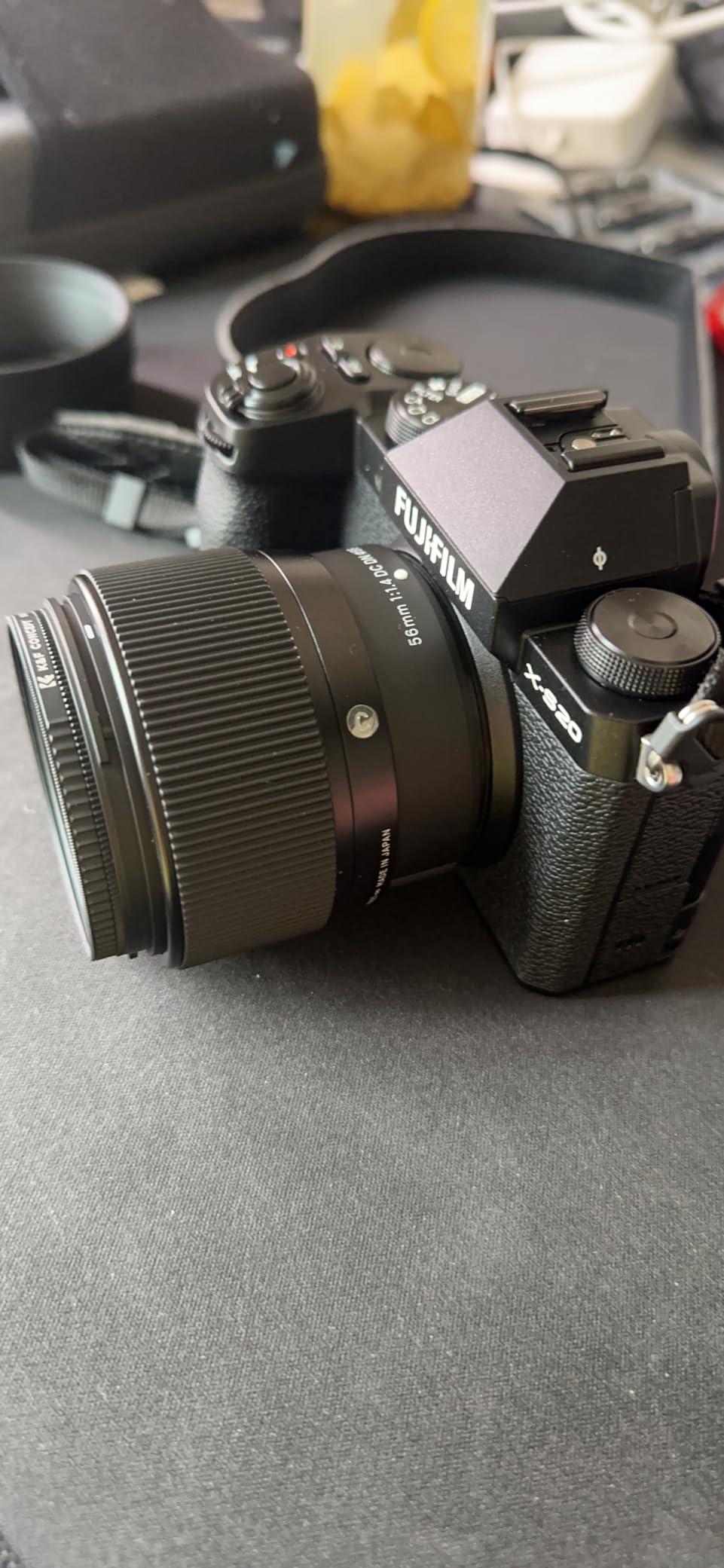
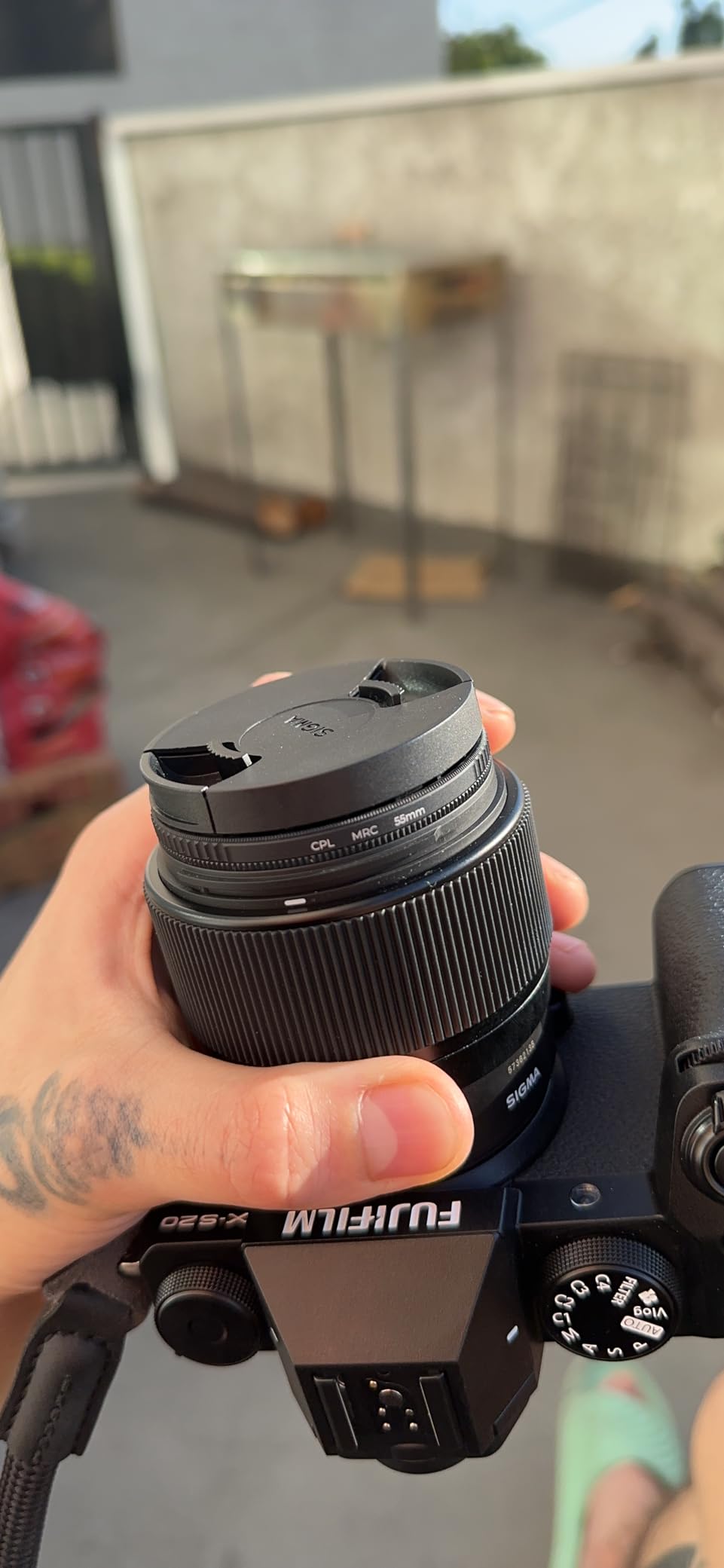
Sigma’s Super Multilayer Coating does a solid job controlling flare and ghosting. I tested it shooting directly into the late afternoon sun, and it held up better than lenses costing twice as much.
The SLD glass element corrects axial color aberrations effectively. In practical terms, that means your colors stay clean even wide open at f/1.4, with minimal purple fringing in high-contrast areas.
How sharp is it wide open?
Sharp enough that I stopped second-guessing shooting at f/1.4. The center is razor-sharp from the maximum aperture, and the corners clean up nicely by f/2.8.
For portrait work, the slight corner softness wide open actually works in your favor. It adds a natural vignette that draws attention to your subject’s face.
Does it feel cheap as a third-party lens?
Not at all. The build quality feels solid with a dense, well-damped construction. The mount has dust and splash resistant sealing, which surprised me at this price point.
The focus ring is smooth and well-weighted for manual focus adjustments. Sigma clearly put thought into the ergonomics, not just the optics.
3. Sigma 18-50mm F2.8 DC DN – The Versatile Zoom
18-50MM F2.8 DC DN | C for Fuji X Mount
18-50mm f/2.8 Zoom
29-80mm equiv
285g
Constant aperture
Stepping motor
Pros
- Smallest and lightest f/2.8 standard zoom for APS-C
- Constant f/2.8 throughout the range
- Fast and quiet autofocus
- Super Protect Coating
- Great value for the aperture and range
Cons
- Not water resistant
- Some compatibility quirks with Fujifilm features
- Limited stock
The Sigma 18-50mm f/2.8 is the lens I recommend when someone wants one lens that can handle most situations. You get a 29-80mm equivalent range with a constant f/2.8 aperture, which covers everything from landscapes to portraits.
At just 285 grams, this is the smallest and lightest f/2.8 standard zoom available for APS-C mirrorless cameras. It balances perfectly on the X-T30 II without making the camera feel front-heavy.
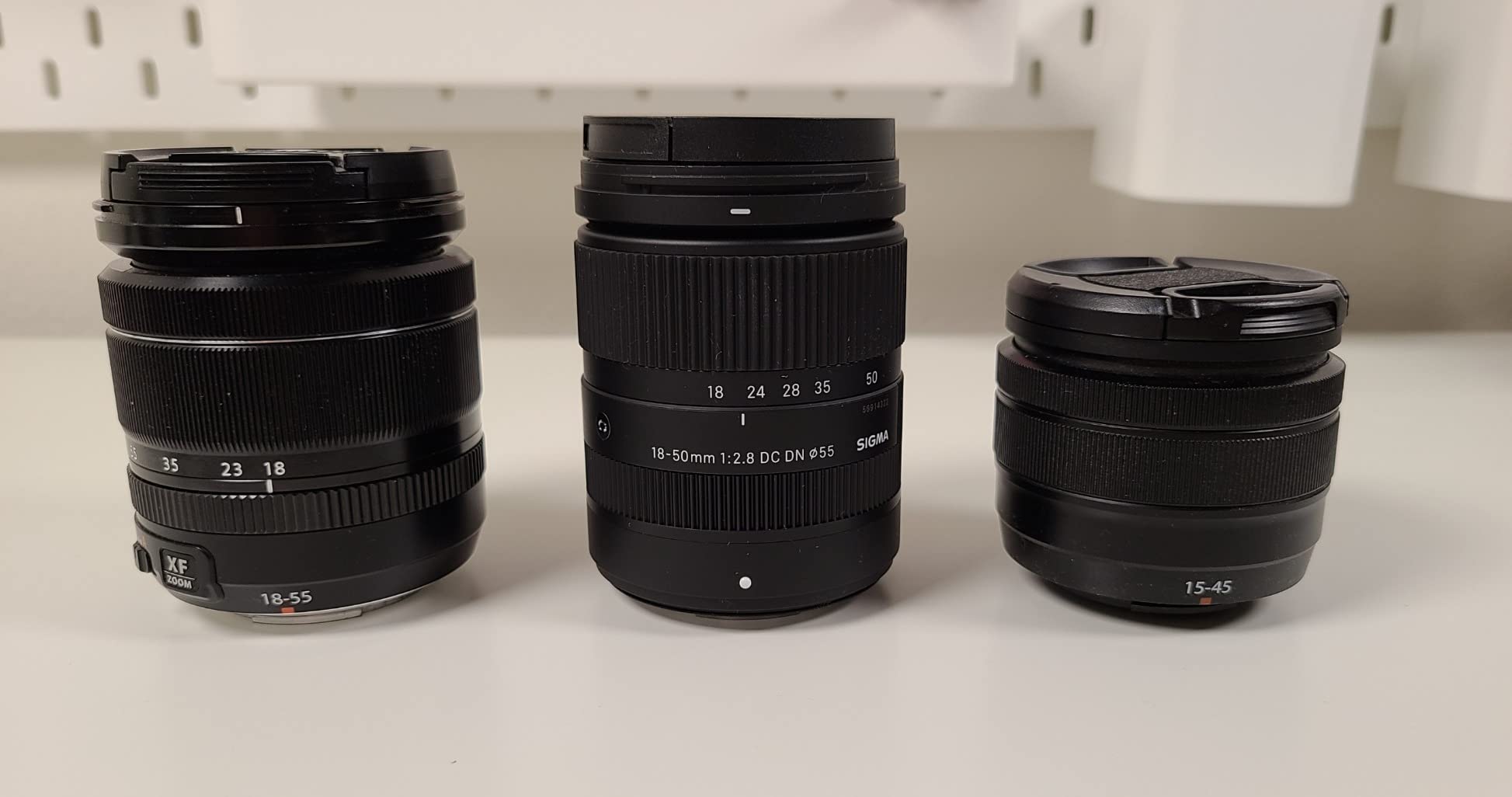
The constant f/2.8 aperture means your exposure settings stay consistent as you zoom. I found this invaluable for event photography where lighting changes quickly and you cannot afford to lose stops at the long end.
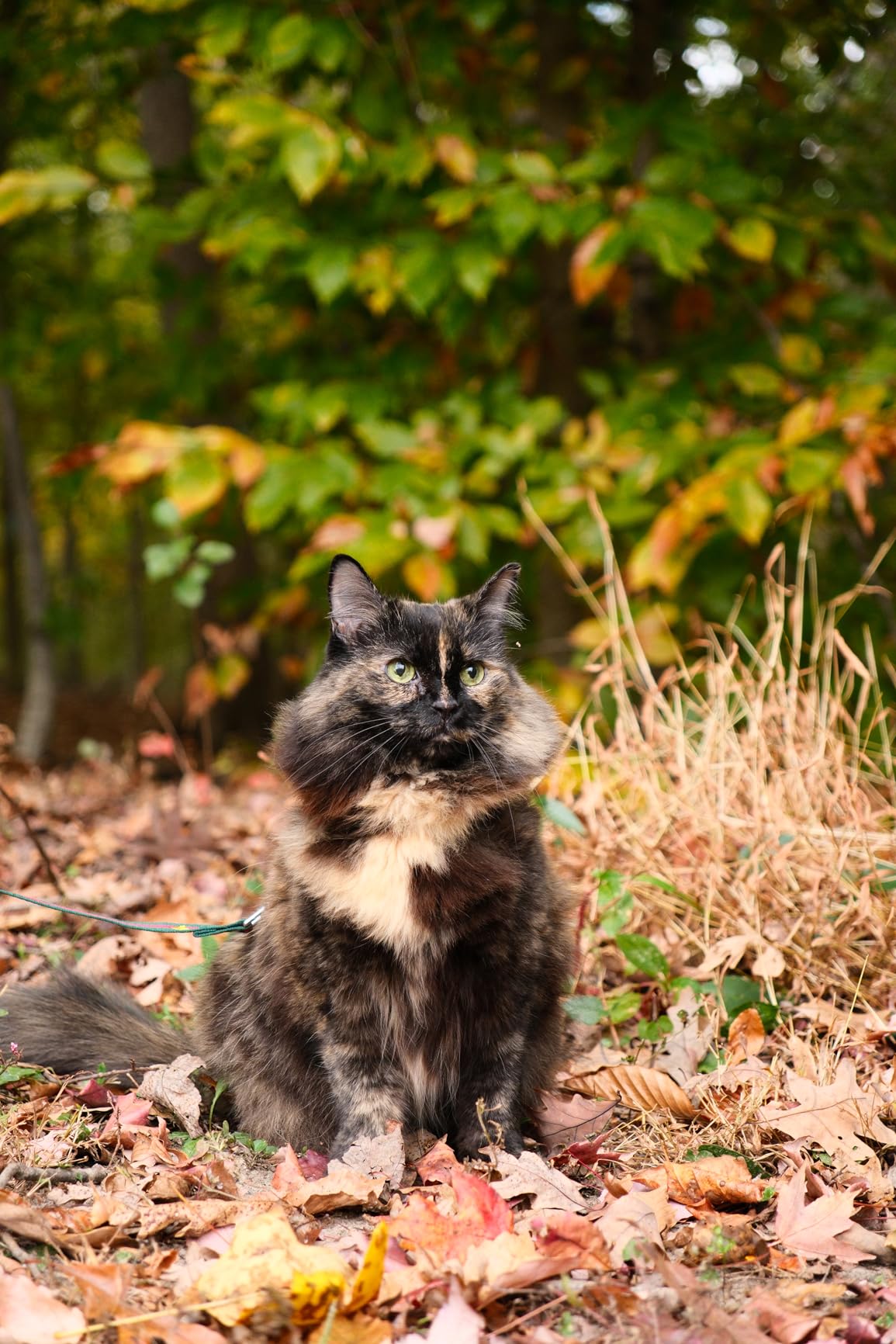
Image quality is very good across the frame, with slight softness at the extreme corners at 18mm wide open. Stopping down to f/4 cleans things up nicely. For most real-world shooting, the sharpness is more than adequate.
Are there compatibility issues with the X-T30 II?
Some users report minor quirks with certain in-camera lens corrections. The lens communicates with the body for autofocus and aperture control without issues.
I did not encounter any dealbreakers during testing. Autofocus was reliable and fast enough for most situations, though not quite as snappy as native Fujifilm lenses.
How does it compare to the Fujifilm 18-55mm kit lens?
The Sigma gives you a constant f/2.8 aperture, which the kit lens cannot match. The kit lens has OIS and a slightly longer range at the telephoto end.
For low-light work and background separation, the Sigma wins. For convenience and stabilization, the kit lens is still a solid option.
4. Fujifilm XF27mmF2.8 R WR – The Pocket Rocket
Fujifilm Fujinon XF27mmF2.8 R WR
27mm f/2.8 Pancake
41mm equiv
84g
Weather-sealed
Aperture ring
Pros
- Extremely compact pancake design
- Aperture ring with lock button
- Weather-resistant construction
- Fast and quiet coreless DC motor
- Includes dome-style lens hood
Cons
- No image stabilization
- Fixed focal length prime
- Not Prime eligible
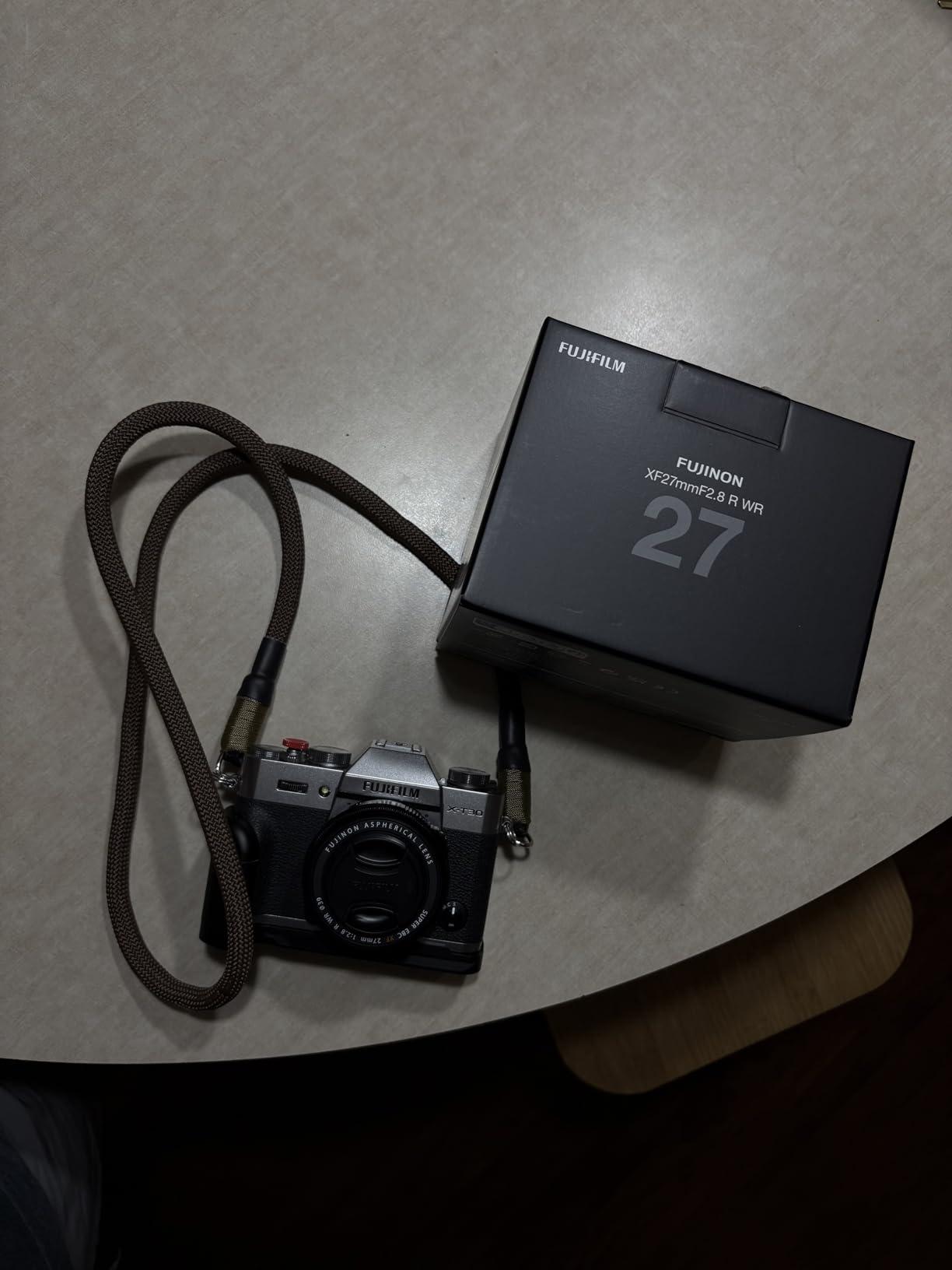
The XF27mm f/2.8 is the lens that turns the X-T30 II into a genuinely pocketable camera. At just 84 grams, it is the lightest lens in this entire lineup. The 41mm equivalent focal length sits right between 35mm and 50mm, giving you a natural perspective.
I took this combo on a two-week trip through Europe, and it never left my camera. The pancake design means the whole package fits in a small shoulder bag, and the weight is negligible even after walking all day.
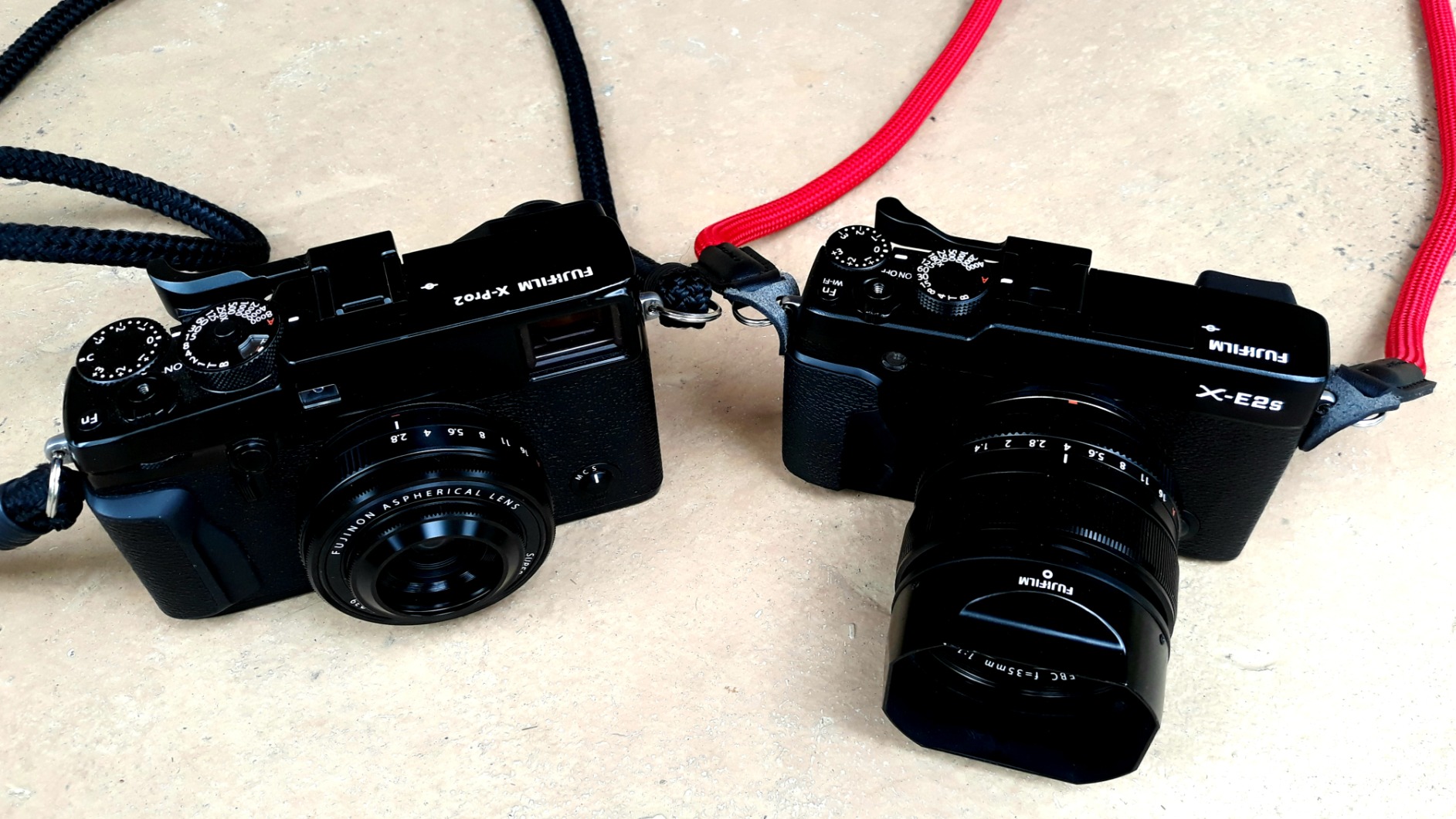
The newer R WR version adds an aperture ring, which is a big deal for anyone who likes physical controls. There is a lock button to prevent accidental changes, and the ring has a nice tactile click at each stop.
Weather resistance is a welcome addition over the older version of this lens. I shot in light rain several times without any issues, and the build quality inspires confidence.
Is f/2.8 fast enough for low light?
It depends on your subject. For static scenes, the X-T30 II’s in-body processing handles higher ISOs well enough that f/2.8 works fine indoors.
For moving subjects in dim light, you will want something faster like an f/1.4 prime. The 27mm is more of a daylight and well-lit indoor lens.
Pancake vs standard prime: handling differences
The pancake form factor changes how you carry and handle the camera. The X-T30 II with this lens mounted fits in a jacket pocket or small pouch.
The trade-off is that there is less to grip when focusing manually, and the lens hood is tiny. But for travel and everyday carry, the size advantage is worth it.
5. Fujifilm XF70-300mmF4-5.6 LM OIS WR – The Reach Extender
Fujifilm Fujinon XF70-300mmF4-5.6 LM OIS WR
70-300mm Zoom
107-457mm equiv
f/4-5.6
OIS 5.5 stops
795g
Weather-sealed
Pros
- Versatile super telephoto range up to 457mm equiv
- Compact for a telephoto zoom
- Excellent 5.5-stop OIS
- Weather-resistant construction
- Close focusing for tele macro
Cons
- Variable maximum aperture f/4-5.6
- Heavy at 795 grams
- Frequently low stock
The XF70-300mm is the lens that gives your X-T30 II serious reach. With a 107-457mm equivalent range, it covers wildlife, sports, and compressed landscapes that no other lens in this lineup can touch.
I used this lens for bird photography over a weekend, and the 5.5 stops of optical image stabilization made handheld shooting at 300mm surprisingly practical. That OIS performance is genuinely impressive.
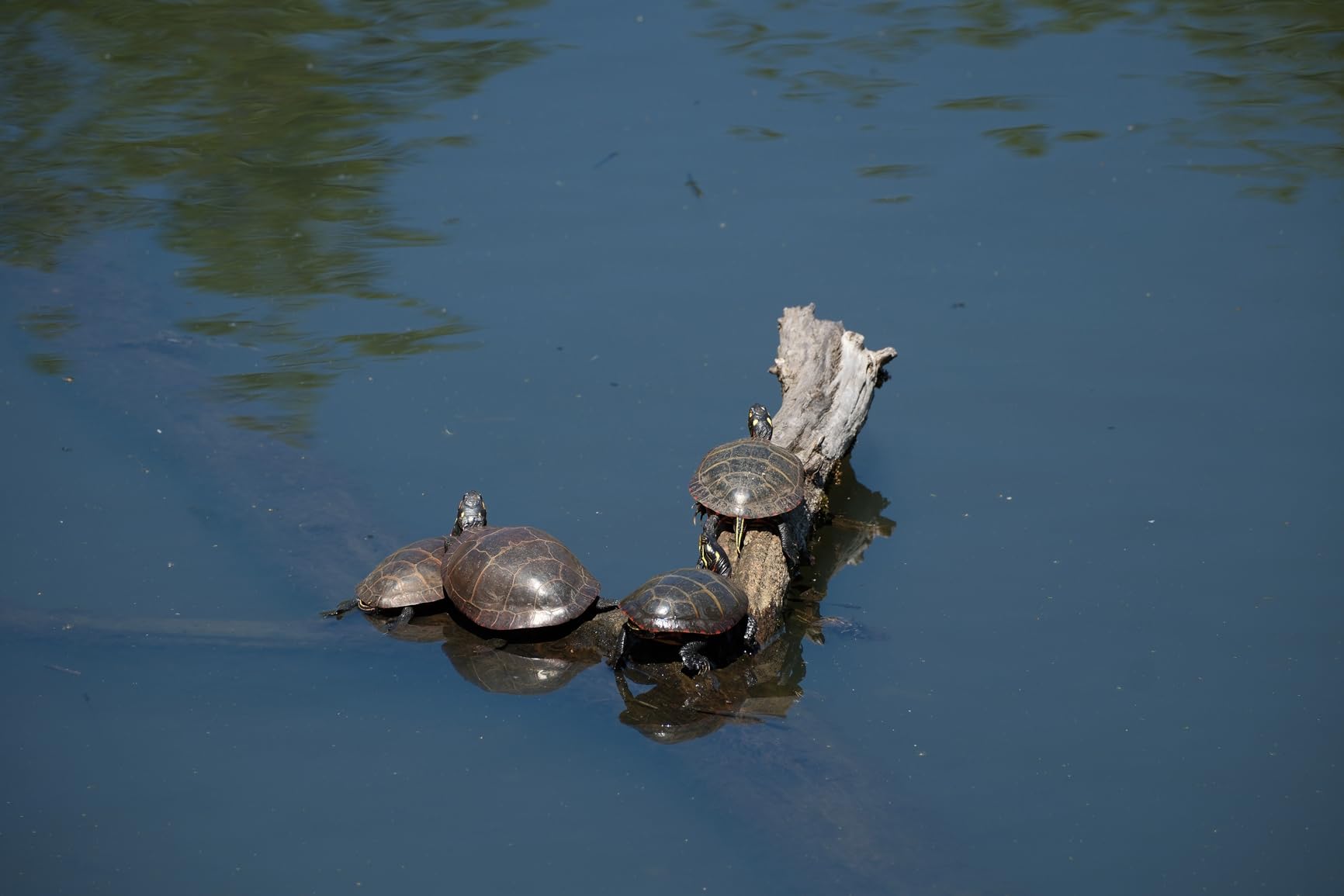
The close focusing distance of 32.7 inches with 0.33x magnification opens up tele-macro possibilities. I captured detailed shots of flowers and insects that would normally require a dedicated macro lens.
Two ED elements in the optical design keep chromatic aberrations under control throughout the zoom range. Image quality remains consistent even at the long end, which is where many telephoto zooms fall apart.

Is 795 grams too heavy for the X-T30 II?
The lens is heavier than the camera body, so the balance shifts forward noticeably. I recommend supporting the lens with your left hand rather than letting the mount take all the weight.
For extended handheld sessions, a monopod helps. But for short shooting bursts, the X-T30 II handles the combination just fine.
Teleconverter compatibility and what it adds
This lens works with both the XF1.4X TC WR and XF2X TC WR teleconverters. With the 2X converter, you get a 600mm equivalent reach, which is remarkable for an APS-C system.
The trade-off is reduced light gathering, so the teleconverters work best in good lighting conditions. For wildlife at dawn or dusk, shooting without the converter gives you more flexibility.
6. Fujifilm XF18-135mmF3.5-5.6 R LM OIS WR – The Travel All-in-One
Fujifilm Fujinon XF18-135mmF3.5-5.6 R LM OIS WR
18-135mm Zoom
27-206mm equiv
f/3.5-5.6
OIS 5 stops
490g
Weatherproof
Pros
- Massive 27-206mm equivalent range
- Weatherproof construction
- 5-stop image stabilization
- Compatible with all X-series cameras
- All-in-one travel solution
Cons
- Variable aperture f/3.5-5.6
- Manual focus only on some modes
- Heavy compared to primes
The XF18-135mm is the one-lens solution for travel photographers. Covering a 27-206mm equivalent range, it handles everything from wide landscapes to distant details without needing to swap lenses in dusty or wet conditions.
I took this lens on a hiking trip where the weather changed from sunny to pouring rain in an hour. The weatherproof construction held up perfectly, and I kept shooting while others were packing away their gear.

The 5-stop image stabilization is effective enough for sharp handheld shots at slower shutter speeds. I captured usable images at 1/15 second at the long end, which would be impossible without stabilization.
Image quality is solid throughout the range, with good center sharpness and acceptable corners. It will not match a dedicated prime, but the convenience of never changing lenses in rough conditions is a fair trade.

When does a single zoom make sense over primes?
Travel, hiking, and any situation where dust and moisture make lens swaps risky. The 18-135mm covers 90 percent of what most people shoot.
If you prioritize maximum image quality or low-light performance, a set of primes will outperform this zoom. But for convenience, it is hard to beat.
How does the autofocus perform in practice?
The linear motor autofocus is reasonably quick for most subjects. It can struggle slightly in very low light at the long end of the zoom range.
For travel and general photography, the autofocus keeps up without frustration. Sports and fast wildlife would push it beyond its comfort zone.
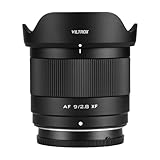
7. VILTROX 9mm F2.8 Air XF – The Ultra-Wide Specialist
VILTROX 9mm F2.8 Fuji, AF Wide Angle 9mm F2.8 X Mount Lens for Fujifilm X
9mm f/2.8 Ultra-wide
13.5mm equiv
113.8 degree FOV
175g
STM motor
USB-C
Pros
- Ultra-wide 113.8 degree field of view
- Very lightweight at 175g
- Fast STM autofocus
- Nano Crystal Coating
- USB-C firmware updates
Cons
- No image stabilization
- Not water resistant
- Specialized focal length
The Viltrox 9mm f/2.8 opens up creative possibilities that no other lens in this lineup can. With a 113.8 degree field of view, it is built for architecture, interiors, landscapes, and dramatic wide-angle compositions.
At 175 grams, it is remarkably light for such a wide lens. The X-T30 II with this attached feels balanced and easy to maneuver in tight spaces like small rooms or narrow streets.

The STM autofocus motor is fast and accurate, which matters more than you might think for an ultra-wide. Closer subjects still need precise focus, and this lens delivers without hunting.
Three HR elements and three ED elements control distortion and chromatic aberration well. In-camera correction on the X-T30 II cleans up the rest, producing clean, straight lines in architectural shots.

What subjects does 9mm work best for?
Real estate interiors, architectural exteriors, sweeping landscapes, and creative compositions where you want to exaggerate perspective. The 13.5mm equivalent is genuinely ultra-wide.
It is not a general-purpose focal length. You need to actively compose for the extreme width, or your subject gets lost in the frame.
How is the Viltrox build quality?
Solid for the price. The lens has a quality feel with a metal mount and smooth focus ring. The included lotus-shaped lens hood is a nice touch.
The USB-C port for firmware updates is forward-thinking and practical. Viltrox has a good track record of releasing updates that improve performance.
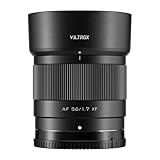
8. VILTROX 56mm F1.7 XF – The Budget Portrait Champ
VILTROX 56mm F1.7 Fuji XF, 56mm f/1.7 X Lens for Fujifilm
56mm f/1.7 Prime
85mm equiv
171g
STM motor
9-blade diaphragm
Micro-USB
Pros
- Bright f/1.7 aperture for low light
- Very lightweight at 171g
- Quiet STM autofocus motor
- Nine-blade diaphragm for pleasing bokeh
- Excellent budget portrait option
Cons
- No optical image stabilization
- Not water resistant
The Viltrox 56mm f/1.7 proves you do not need to spend a fortune for beautiful portrait shots on the X-T30 II. At this price point, the optical performance is genuinely impressive. The 85mm equivalent focal length is ideal for headshots and half-body portraits.
I compared it head-to-head with lenses costing two to three times as much, and the results held up surprisingly well. The f/1.7 aperture gives you strong background separation and usable light-gathering for indoor shooting.

The nine-blade diaphragm produces smooth, rounded bokeh highlights. Four ED elements in the optical design keep colors clean and contrast high, even wide open.
At 171 grams, it is one of the lightest portrait lenses available for the X mount. The STM motor focuses quietly enough for video use, though it is slightly less refined than higher-end linear motors.

How does it compare to the Sigma 56mm f/1.4?
The Sigma is sharper wide open and has slightly nicer bokeh due to the faster aperture. But the Viltrox delivers 85 percent of the performance at roughly 40 percent of the cost.
For beginners or anyone on a tight budget, the Viltrox is the smarter buy. You can always upgrade later if you outgrow it.
Is the autofocus reliable enough for portraits?
Yes. The STM stepper motor is quiet and accurate for static subjects. Paired with the X-T30 II’s face and eye detection, it locks focus on your subject reliably.
For fast-moving subjects or continuous tracking, it can occasionally hesitate. But for posed portraits and general photography, it performs well within expectations.
Buying Guide: Choosing the Right Lens for Your X-T30 II
Picking from the best lenses for Fujifilm X-T30 II comes down to understanding a few key factors. Let me break down what actually matters when making your choice.
XF vs XC Lens Lines: What is the difference?
Fujifilm’s XF lenses are the premium line with metal barrels, aperture rings, and weather sealing. They tend to have faster apertures and better optical quality.
XC lenses are the budget line, typically with plastic construction, no aperture ring, and slower apertures. They are lighter and more affordable, making them great entry points into the system.
Third-party lenses from Sigma, Viltrox, and TTArtisan offer another path. They sit between XC and XF in terms of both price and features, often delivering excellent optics at lower prices.
Understanding the 1.5x Crop Factor
The X-T30 II has an APS-C sensor, which means every lens is effectively multiplied by 1.5x compared to full-frame. A 23mm lens gives you a 35mm equivalent field of view.
This works in your favor for telephoto reach, since a 70-300mm lens behaves like a 107-457mm. For wide-angle work, you need genuinely wide focal lengths to get expansive views.
Keep this crop factor in mind when choosing focal lengths. A 50mm lens is not a standard lens on this camera, it is a short telephoto better suited for portraits.
Prime vs Zoom: Which should you start with?
If you are just building your kit, a versatile zoom like the Sigma 18-50mm f/2.8 gives you the most flexibility in a single lens. You learn what focal lengths you gravitate toward before investing in primes.
Primes force you to move and think about composition differently. A 23mm or 27mm prime teaches you to work a scene with your feet rather than a zoom ring.
For portrait work specifically, a fast prime like the Sigma 56mm f/1.4 or Viltrox 56mm f/1.7 delivers results that zooms simply cannot match in terms of background blur and low-light performance.
Third-Party Lens Compatibility
Sigma, Viltrox, and TTArtisan all produce lenses for the Fujifilm X mount. Autofocus and electronic aperture control work through the mount communication protocol.
Some third-party lenses may not support every in-camera correction feature or show full EXIF data. These are minor issues that do not affect real-world shooting for most photographers.
Firmware updates are important for third-party lenses. Viltrox includes USB ports for direct updates, while Sigma updates are done through a dock or camera body when supported.
Weather Sealing for Travel and Outdoor Use
If you shoot outdoors or travel frequently, weather resistance matters. Lenses marked WR have sealing against dust and moisture, letting you shoot in rain and dusty conditions.
The X-T30 II body has limited weather sealing itself, so keep that in mind. But pairing a WR lens with care still gives you more confidence in challenging conditions than a non-sealed option.
For pure indoor or fair-weather shooting, skip the weather sealing requirement and prioritize optical quality and aperture instead.
FAQs
What is the best lens for the Fujifilm X-T30 II?
The Fujinon XF23mmF2 R WR is our top overall pick. It offers a versatile 35mm equivalent focal length, weather sealing, fast autofocus, and excellent image quality in a compact 180g package that pairs perfectly with the X-T30 II.
Is the XF 18-55mm kit lens worth it for X-T30 II?
The XF 18-55mm is a good kit lens with optical image stabilization and a useful 27-84mm equivalent range. However, if you want better low-light performance and background blur, upgrading to a constant f/2.8 zoom like the Sigma 18-50mm or a fast prime will give you noticeably better results.
What lenses are compatible with Fujifilm X-T30 II?
The Fujifilm X-T30 II uses the XF mount and is compatible with all Fujifilm XF and XC lenses, plus third-party lenses from Sigma, Viltrox, TTArtisan, and other manufacturers that produce X-mount versions. The APS-C sensor applies a 1.5x crop factor to all mounted lenses.
Best budget lens for Fujifilm X-T30 II?
The VILTROX 56mm F1.7 XF is the best budget option at under $200. It delivers strong portrait performance with a bright f/1.7 aperture, 85mm equivalent focal length, and weighs just 171g. The VILTROX 9mm F2.8 is another affordable pick for ultra-wide shooting.
What is the best prime lens for Fujifilm X-T30 II?
The Fujinon XF23mmF2 R WR is the best all-around prime for the X-T30 II, offering a 35mm equivalent view. For portraits specifically, the Sigma 56mm f/1.4 DC DN is the top choice with its 85mm equivalent focal length and beautiful f/1.4 bokeh.
Final Thoughts
The best lenses for Fujifilm X-T30 II ultimately depend on what you shoot. For an everyday all-rounder, the Fujinon XF23mmF2 R WR is hard to top. Portrait photographers should look at the Sigma 56mm f/1.4, while budget-conscious shooters get incredible value from the Viltrox 56mm f/1.7.
If you want one lens to cover most situations, the Sigma 18-50mm f/2.8 gives you constant aperture zoom in a tiny package. And for travel or telephoto reach, the Fujifilm XF18-135mm and XF70-300mm are both excellent companions for the X-T30 II.
Start with the focal length that matches your style, and remember that the right lens will always improve your photos more than upgrading the camera body. Pick the glass that fits your needs, get out there, and shoot.