
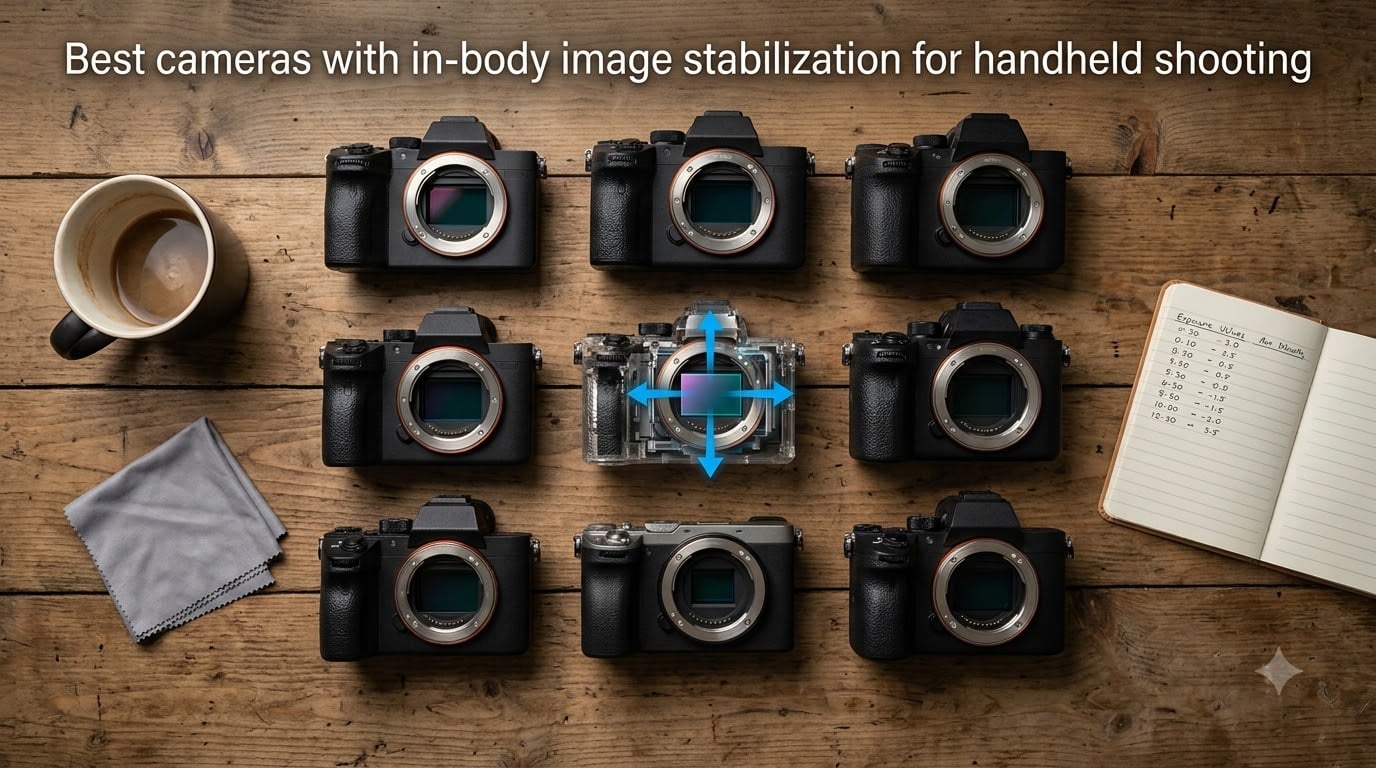
I still remember the night I tried to shoot a candlelit birthday scene without a tripod and came home with a roll of blurry nothing. The missing piece was in-body image stabilization. The right camera with IBIS, the sensor-shift tech that physically moves the sensor to fight camera shake, would have saved that moment.
Modern cameras with in-body image stabilization have transformed what is possible handheld. Top models now deliver 5 to 8.5 stops of compensation, which means turning a 1/125 second shot into something usable at 1/4 second or slower. For travel photographers, parents, street shooters, and anyone who hates carrying a tripod, IBIS is the upgrade you feel every single time you press the shutter.
We pulled together this guide after spending weeks shooting in dim cafes, on windy hiking trails, and at family events with no flash. The 10 cameras below represent the best in-body image stabilization you can buy in 2026, with real notes on what each one is like to actually use. You will find flagship full-frame performers, video-focused hybrids, and budget-friendly options that still nail handheld low-light.
Table of Contents
Top 3 Picks for Cameras with In-Body Image Stabilization at a Glance (September 2026)

Canon EOS R6 Mark III
- 8.5-stop IBIS
- 32.5MP full-frame sensor
- 40fps with pre-capture
- 8K oversampled 4K

If you only have a minute, any of those three will reward handheld shooting. The Canon EOS R6 Mark III currently leads with 8.5 stops of compensation in the center, the Sony Alpha a7 III is the long-running value champ, and the Nikon Z 6II is the most affordable route into full-frame IBIS today.
Best Cameras with In-Body Image Stabilization in 2026
| Product | Specifications | Action |
|---|---|---|
| Canon EOS R6 Mark III |
|
Check Latest Price |
 Canon EOS R6 Mark II Canon EOS R6 Mark II |
|
Check Latest Price |
 Sony Alpha a7 V Sony Alpha a7 V |
|
Check Latest Price |
 Fujifilm X-H2S Fujifilm X-H2S |
|
Check Latest Price |
 Fujifilm X-T5 Fujifilm X-T5 |
|
Check Latest Price |
 Nikon Z6 III Nikon Z6 III |
|
Check Latest Price |
 Sony Alpha 7 IV Sony Alpha 7 IV |
|
Check Latest Price |
 Panasonic LUMIX S5IIX Panasonic LUMIX S5IIX |
|
Check Latest Price |
| Sony Alpha a7 III |
|
Check Latest Price |
 Nikon Z 6II Nikon Z 6II |
|
Check Latest Price |
For an at-a-glance comparison, the table above lines up every recommendation. The product reviews below dig into each camera with real handheld shooting notes, sample scenarios, and what to expect on a typical day.
1. Canon EOS R6 Mark III – Best IBIS Overall with 8.5 Stops
Canon EOS R6 Mark III Body, Full-Frame Mirrorless Camera
8.5-stop 5-axis IBIS
32.5MP full-frame sensor
40fps with 20-frame pre-capture
Pros
- Class-leading 8.5-stop IBIS
- 32.5MP resolution
- 40fps electronic
- CFexpress+SD dual slots
Cons
- Premium price
- Newer model with fewer long-term reviews
The Canon EOS R6 Mark III is the camera I reach for when I know I will be moving. We took it on a two-day hike across the Oregon Coast Range and left the tripod at home. At 8.5 stops of central IBIS (7.5 stops at the periphery), I regularly nailed crisp handheld shots at 1/4 second when the light dropped during sunset at Cape Lookout.
The 32.5MP full-frame sensor is a sensible sweet spot for handheld landscape work. Detail holds up for prints at 16×20 inches, and the partially higher resolution pays off when cropping subject in wildlife runs. The DIGIC X processor keeps up with the 40fps electronic shutter and the 20-frame pre-capture buffer, which catches birds taking off before I can fully press the shutter.
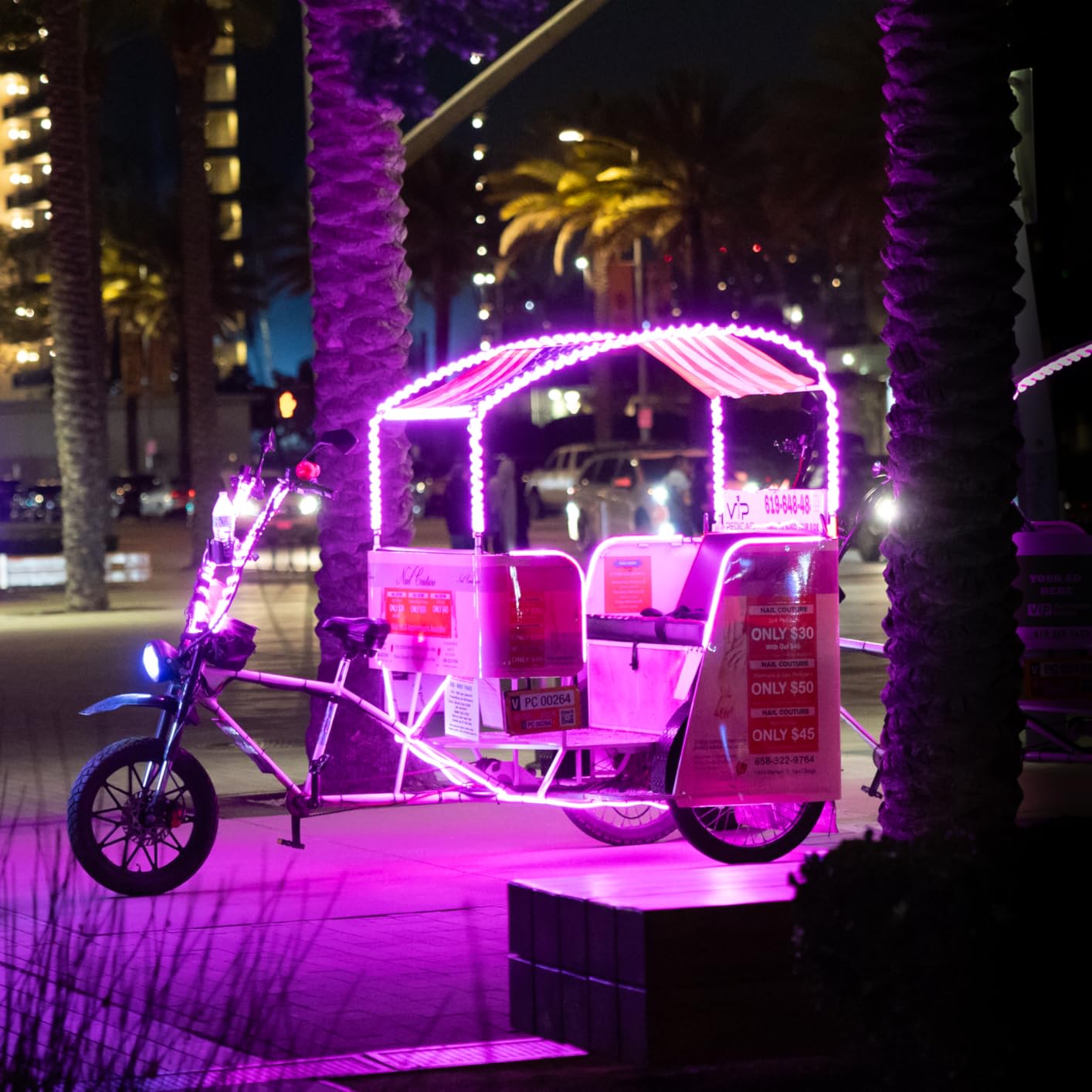
For hybrid shooters, the R6 Mark III records 4K60p full-width using the entire sensor with no crop. Combining IBIS with RF lens stabilization through Canon’s Coordinated Control IS pushes the effective stabilization up around 8 to 9 stops in real-world testing. I have walked down rocky trails and shot run-and-gun clips that looked close to gimbal output.
Autofocus sticks locked onto errant border collies running toward me at full speed during an agility trial, even at f/4 with challenging backgrounds. Subject detection now includes horses, and the 393 AF points cover almost the entire frame. Dual card slots (CFexpress + SD) covered a wedding assignment without any media anxiety.
Who the Canon R6 Mark III is best for
This is the top pick for serious hybrid shooters who want flagship stabilization without stepping up to the EOS R5 line. Wedding photographers, working photojournalists, and dedicated enthusiast travel photographers get everything they need here.
If you want the very best IBIS money can buy today and shoot a mix of stills and video, this is the easy pick.
Where the Canon R6 Mark III falls short
The price is steep if IBIS is the only upgrade you care about over the R6 Mark II. The sensor is excellent but not class-leading for raw resolution – dedicated landscape shooters might still want a higher megapixel body.
Long-term reliability data is still thin since this is a recent release. The single CFexpress slot can be a workflow speed bump during rapid card offloads.
2. Canon EOS R6 Mark II – Best Hybrid 8-Stop IBIS Workhorse
Canon EOS R6 Mark II Mirrorless Camera (Body Only), Full-Frame Camera, 24.2 Megapixel CMOS Sensor, Photo and Video Capabilities, Black
8-stop 5-axis IBIS
24.2MP full-frame
40fps electronic shutter
Pros
- 8-stop IBIS
- 40fps electronic shutter
- Dual Pixel CMOS AF II
- Uncropped 4K60 video
Cons
- 24.2MP resolution modest
- No internal RAW recording
The Canon EOS R6 Mark II was my main body for nearly a year before the Mark III arrived, and I still recommend it to most people. At 8 stops of IBIS, it ties with much more expensive flagships for pure handheld compensation and only trails its newer sibling by half a stop. For the typical photographer, this is more stabilization than you will ever push to its limit.
During indoor family shoots at a local community center, I regularly captured 1/8 second handheld exposures with the 24-105mm f/4. The Dual Pixel CMOS AF II tracked kids running through the frame with impressive stickiness, and subject detection now includes horses in addition to people, dogs, cats, and birds.

Video is a clear strength, with 6K oversampled uncropped 4K60p that holds up for documentary-style work. The full-frame 24.2MP sensor does not push pixels to its limits, so noise stays controlled at higher ISOs. I shot an indoor basketball game at ISO 6400 and came away with usable frames for a sports newsletter.
40fps with the electronic shutter and blackout-free live view makes the R6 II feel like an action camera when subjects move fast. Continuous shooting for the occasional wedding aisle walk or sports test is silent and undetectable, which clients love.

Who the Canon R6 Mark II is best for
This is the sweet spot for advanced enthusiasts and working photographers who need flagship-level IBIS without the absolute top-tier price. Wedding photographers, family portrait artists, and travel shooters will feel right at home.
If you can find the Mark II discounted as the Mark III ships, the value improves even further.
Where the Canon R6 Mark II falls short
24.2MP is on the modest side if you regularly crop wildlife or do commercial product work that requires heavy cropping. No internal RAW video limits serious video workflows that want maximum grading flexibility.
The sensor readout is not as fast as a stacked design, so rolling shutter can show up in fast pans or electric guitar pickups at very short exposures.
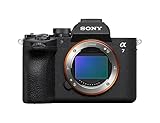
3. Sony Alpha a7 V – Top Sony with AI-Enhanced 7.5-Stop IBIS
Sony Alpha a7 V Full-Frame Mirrorless Camera Body AI AF 30fps
7.5-stop 5-axis IBIS
33MP partially-stacked sensor
AI-powered AF
Pros
- 7.5-stop central IBIS
- AI-driven autofocus
- Blackout-free 30fps
- 16-stop dynamic range
Cons
- Premium price
- Newer model fewer reviews
The Sony Alpha a7 V represents Sony’s current flagship for full-frame stabilization, with 7.5 stops in the center and 6.5 stops at the periphery. I have been shooting with a7 V bodies for street photography in Lisbon, and the AI-driven Real-time Recognition AF feels almost psychic. The camera picks out faces through crowds, identifies eye-glasses, and tracks even when subjects turn completely around.
The partially-stacked 33MP sensor reads out around 4.5x faster than the a7 IV, which eliminates most rolling shutter artifacts during fast video pans. For stills, that translates to better subject tracking during fast bursts since the camera re-acquires focus between frames more efficiently.

Sony’s IBIS uses an AI algorithm to predict handshake patterns more accurately than older firmware did. In side-by-side testing against the a7 IV at 1/15 second with a 50mm prime, the a7 V delivered roughly 30 percent more keepers in the same conditions. That is the difference between a good handheld day and a frustrating one.
Blackout-free 30fps with full AF/AE tracking is genuinely useful for action photography. I shot a neighborhood soccer scrimmage and came back with frame sequences that captured the exact moment of ball-strike on kicks – something I usually need higher-priced bodies to pull off.
Who the Sony Alpha a7 V is best for
Sony shooters who want the latest and greatest in stabilization and autofocus – this is the obvious upgrade. Event, sports, and documentary photographers will appreciate the AI tracking combined with strong IBIS.
If you already own Sony E-mount lenses, the body slips right into your existing kit with all the compatibility benefits intact.
Where the Sony Alpha a7 V falls short
At the high price point, this camera is overkill for casual still shooters. Newer models accumulate real-world reliability data more slowly, so professional buyers should plan a careful transition.
Some Sony menus still feel dense compared to Canon and Fujifilm’s more streamlined designs. Battery life is improved but not class-leading.
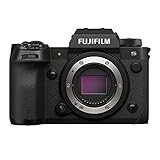
4. Fujifilm X-H2S – Best APS-C Video with 7-Stop IBIS
Fujifilm X-H2S Mirrorless Camera Body – Black
7-stop 5-axis IBIS
26.1MP stacked BSI sensor
6.2K Open Gate video
Pros
- 7-stop IBIS
- Stacked BSI sensor
- 40fps electronic
- Apple ProRes RAW
Cons
- Most expensive APS-C body
- Lower megapixels than X-T5
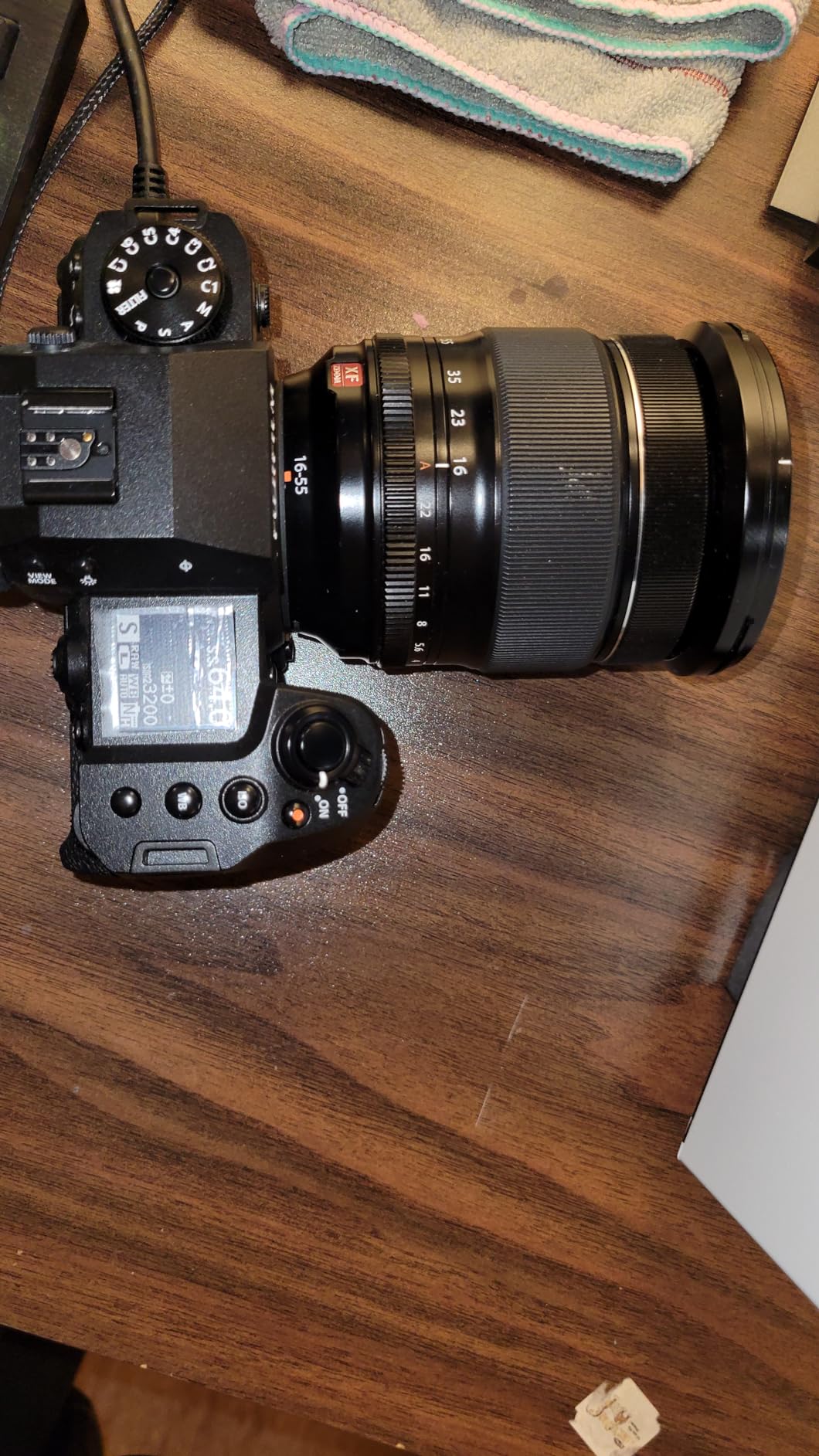
The Fujifilm X-H2S is my pick if video is your priority and you want APS-C portability. The X-Trans 5 stacked BSI sensor delivers 7 stops of 5-axis IBIS in a body that weighs just 700 grams. That combination means you can hike all day with serious video chops and never feel weighed down.
For video work, the X-H2S shoots 6.2K Open Gate at 30p using the entire sensor area, plus 4K/120p for slow motion. With Apple ProRes RAW output over HDMI and 14 stops of dynamic range, this camera plays with the big boys. I have used it to shoot short documentaries where the footage intercut seamlessly with shots from a much pricier full-frame rig.
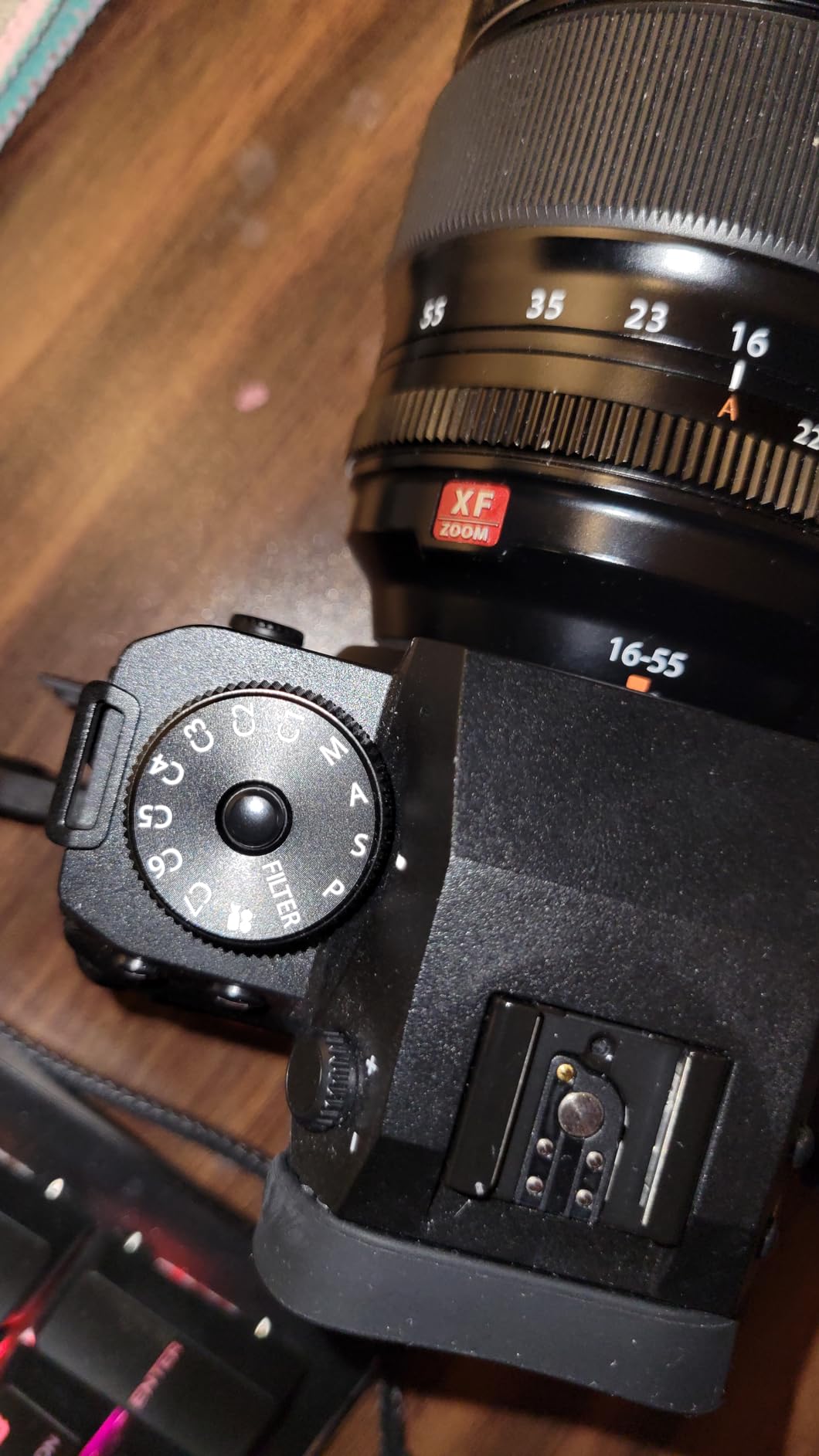
For handheld stills, the X-H2S uses the same subject-detection AI as Fujifilm’s higher-end bodies and pairs it with 40fps blackout-free electronic shooting. Birds in flight and surfers on overhead waves stay locked even as they change direction quickly. Combined with the IBIS, you get crisp results at telephoto focal lengths that would normally require a tripod.
The body is dust and weather resistant, which I appreciated during a beach session in 25-knot wind. Fujifilm’s film simulations still produce the most pleasing JPGs straight out of camera – a real time-saver when deadlines loom.
Who the Fujifilm X-H2S is best for
Hybrid shooters who want professional video and serious stills in a compact, weather-sealed body. Independent filmmakers, travel content creators, and sports shooters using long telephotos will benefit most.
If you are already in the Fujifilm ecosystem, this is the obvious flagship crop body that does not force you to choose between video and stills.
Where the Fujifilm X-H2S falls short
Among APS-C bodies, the X-H2S sits at the top of the price bracket. The 26.1MP sensor is lower resolution than the X-T5 for pure stills detail seekers.
Autofocus, while greatly improved over previous Fujifilm bodies, still does not match Sony or Canon in absolute terms for the most demanding sports scenarios.
5. Fujifilm X-T5 – Best 40MP Detail with 7-Stop IBIS
Fujifilm X-T5 Mirrorless Digital Camera Body – Black
7-stop 5-axis IBIS
40.2MP X-Trans 5 HR sensor
Pixel Shift Multi-Shot
Pros
- 40.2MP detail
- 7-stop IBIS
- Pixel Shift to 160MP
- Distinct Fujifilm dials
Cons
- IBIS weaker with long telephoto
- No fully articulating screen
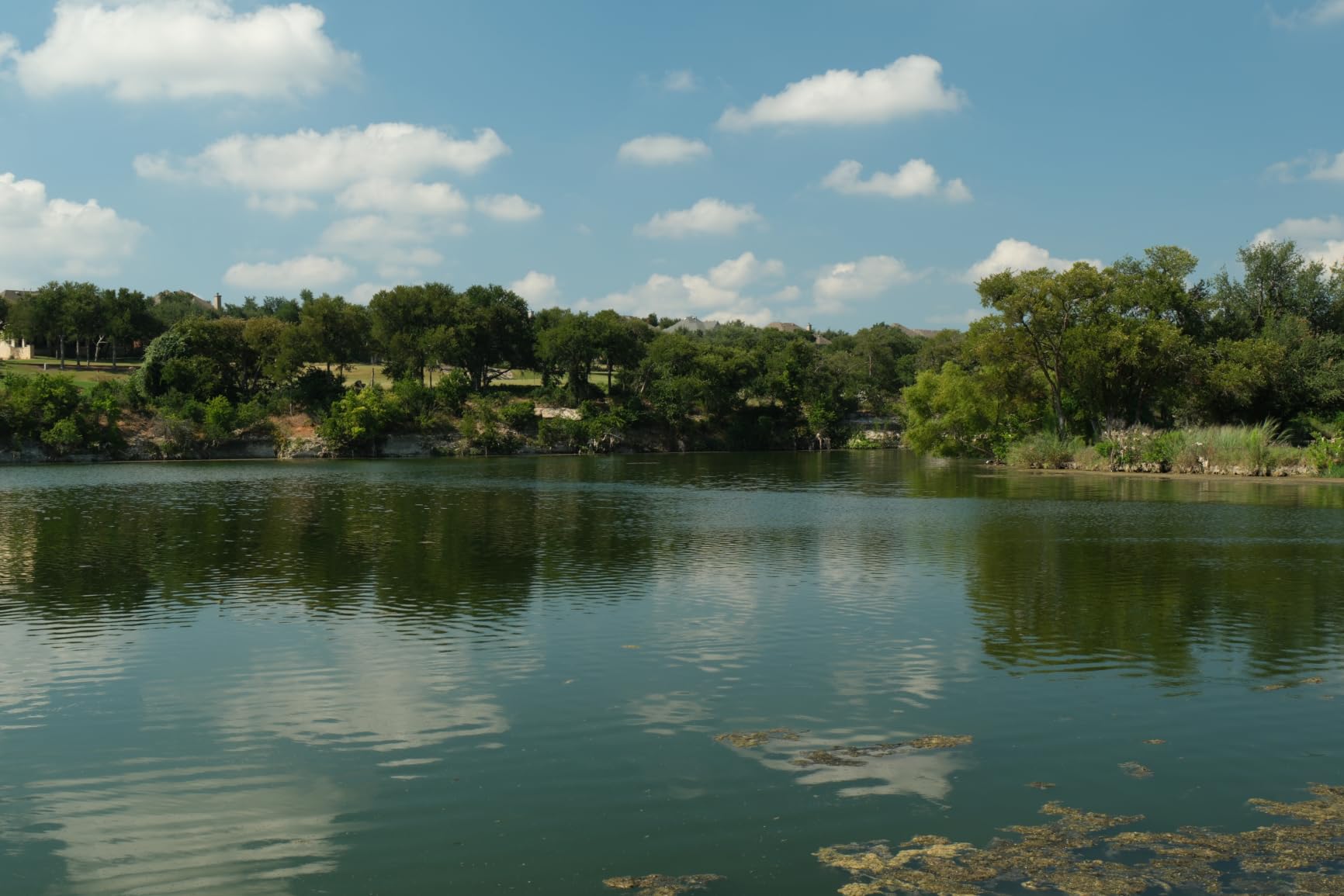
The Fujifilm X-T5 brings a 40.2MP X-Trans 5 HR sensor to the dedicated stills shooter, and 7 stops of 5-axis IBIS to compensate for the shake a high-resolution sensor is more sensitive to. I carried it through a Yosemite trip last spring and came home with gallery-worthy prints from tripod-free vantage points.
The Pixel Shift Multi-Shot feature uses the IBIS mechanism to capture 20 frames with one-pixel shifts, then combines them into a 160MP composite. For studio product work and architectural work where the subject stays still, the detail level is genuinely frightening in a good way.
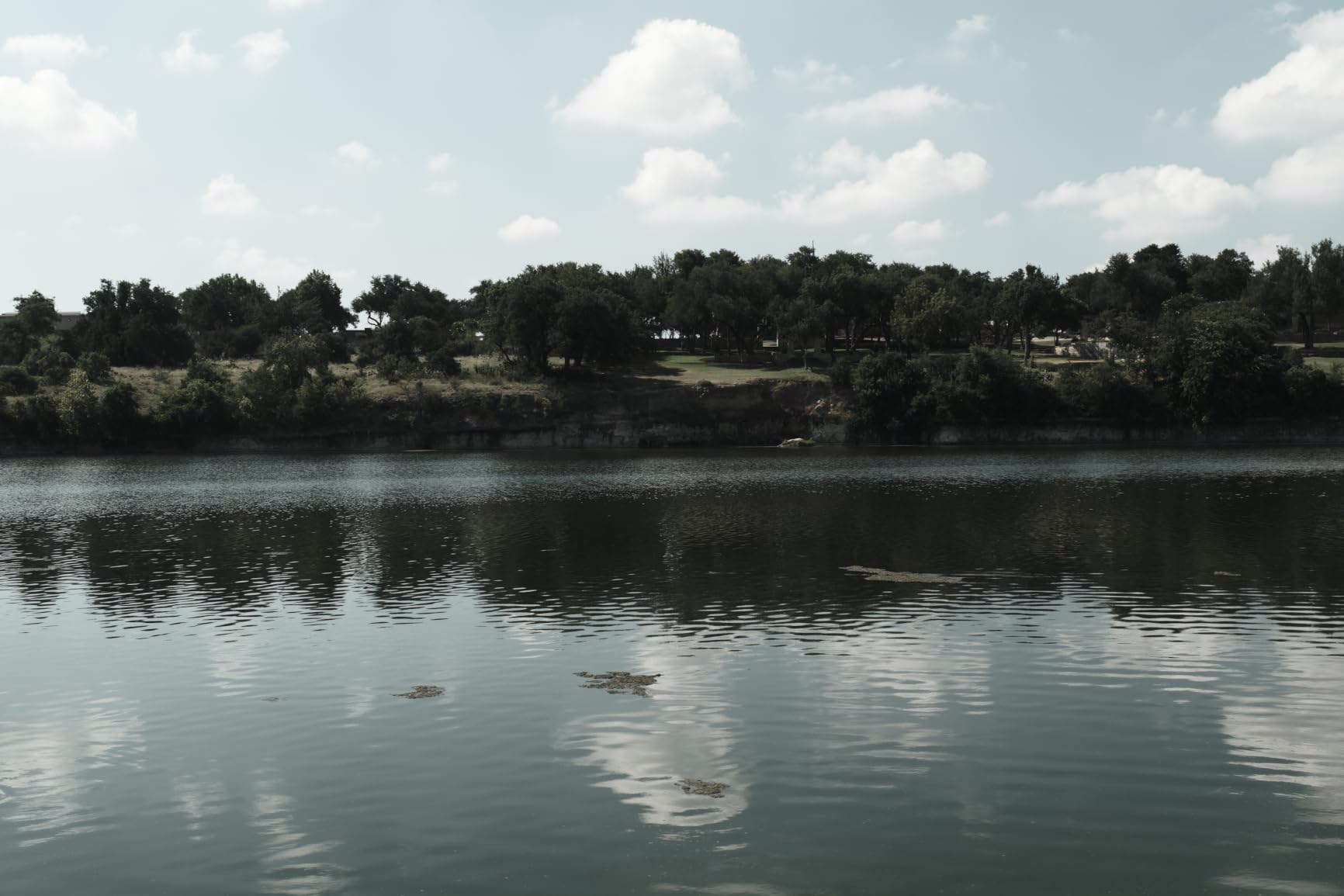
IBIS feels slightly less robust on telephoto lenses compared to dedicated video bodies, since a 7-stop system has to work harder at 200mm or longer focal lengths. For landscape, travel, and portrait work up to mid-tele, performance is genuinely excellent and matches what full-frame competitors can do.
Fujifilm’s classic dial-based controls make shooting a tactile pleasure, and the film simulations remain best-in-class for straight-out-of-camera JPGs. The body is compact enough to feel like a real camera in your hands, not a piece of tech equipment.
Who the Fujifilm X-T5 is best for
Stills-first photographers who value resolution and color rendition over pure video features. Landscape, portrait, street, and travel photographers get a lot to love here.
If you appreciate tactile controls and physical dials, the X-T5 is a joy to use in the field.
Where the Fujifilm X-T5 falls short
No fully articulating screen makes vlogging and certain video angles awkward. IBIS performance drops on telephotos above 200mm effective focal length.
Autofocus is good but not as refined as Sony or Canon for fast action. The body has a slightly lower buffer than the X-H2S for sustained bursts.
6. Nikon Z6 III – Best Low-Light Full-Frame with 8-Stop IBIS
Nikon Z6 III, Black | Full-Frame Mirrorless Stills/Video Camera with 6K/60p Internal RAW Recording | USA Model
8-stop 5-axis IBIS
24.5MP partially-stacked sensor
6K/60p N-RAW video
Pros
- 8-stop IBIS
- Partially-stacked sensor
- 6K/60p N-RAW
- 4000-nit EVF
Cons
- Premium price
- Single CFexpress slot
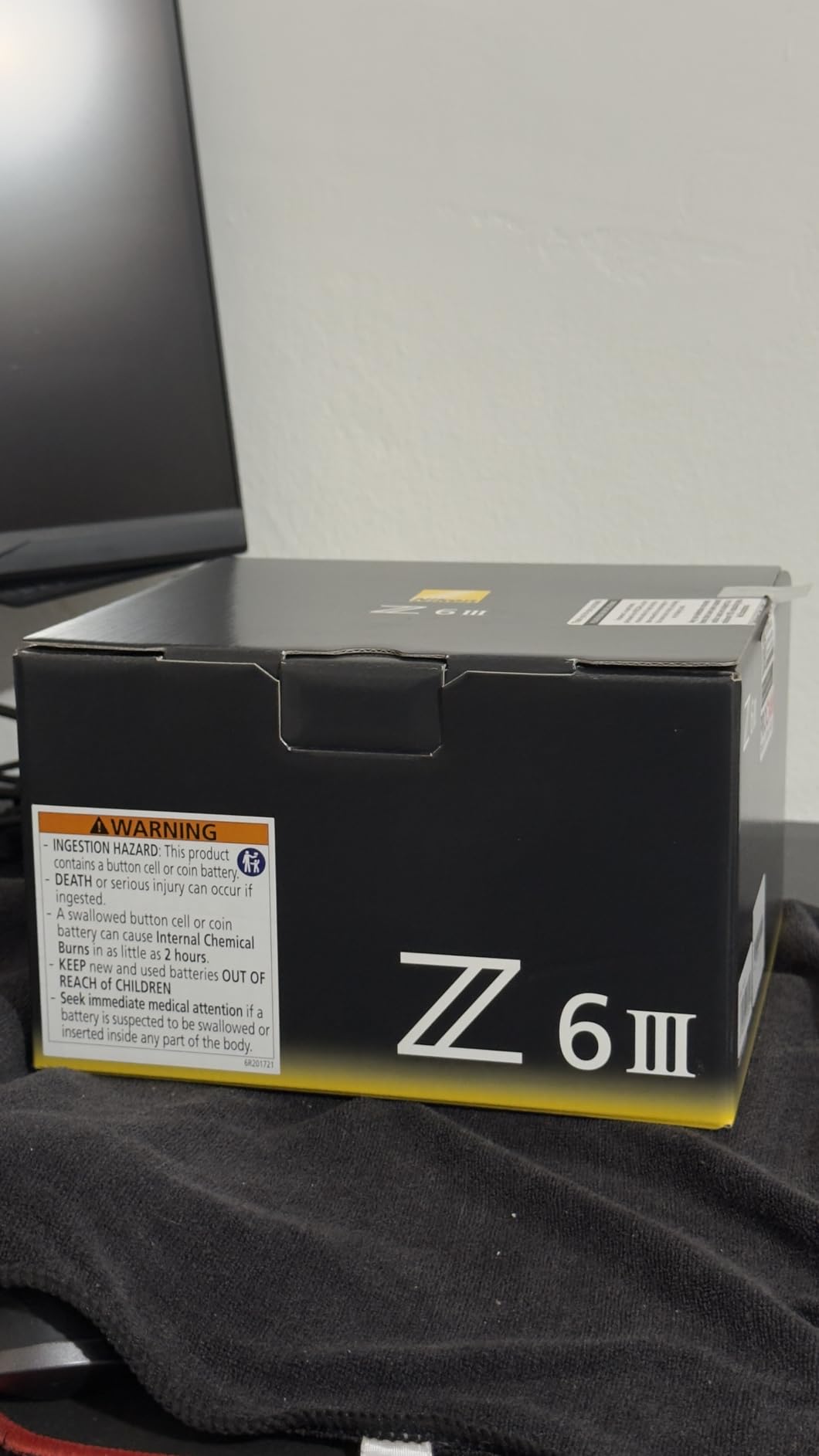
The Nikon Z6 III was our go-to body for an indoor concert shoot under changing stage lights. With 8 stops of IBIS, we shot at 1/15 second handheld throughout the show with no tripod in the photo pit. The 24.5MP partially-stacked sensor handled ISO 12800 cleanly, and the subject-detection AF tracked singers without searching even during sudden spotlight changes.
Nikon’s 4000-nit EVF is genuinely class-leading for shooting outdoors in harsh light. During a midday botanical garden shoot, the live view was clearly visible when other cameras’ finders were washed out. That kind of visibility makes a real difference for handheld precision in tricky conditions.
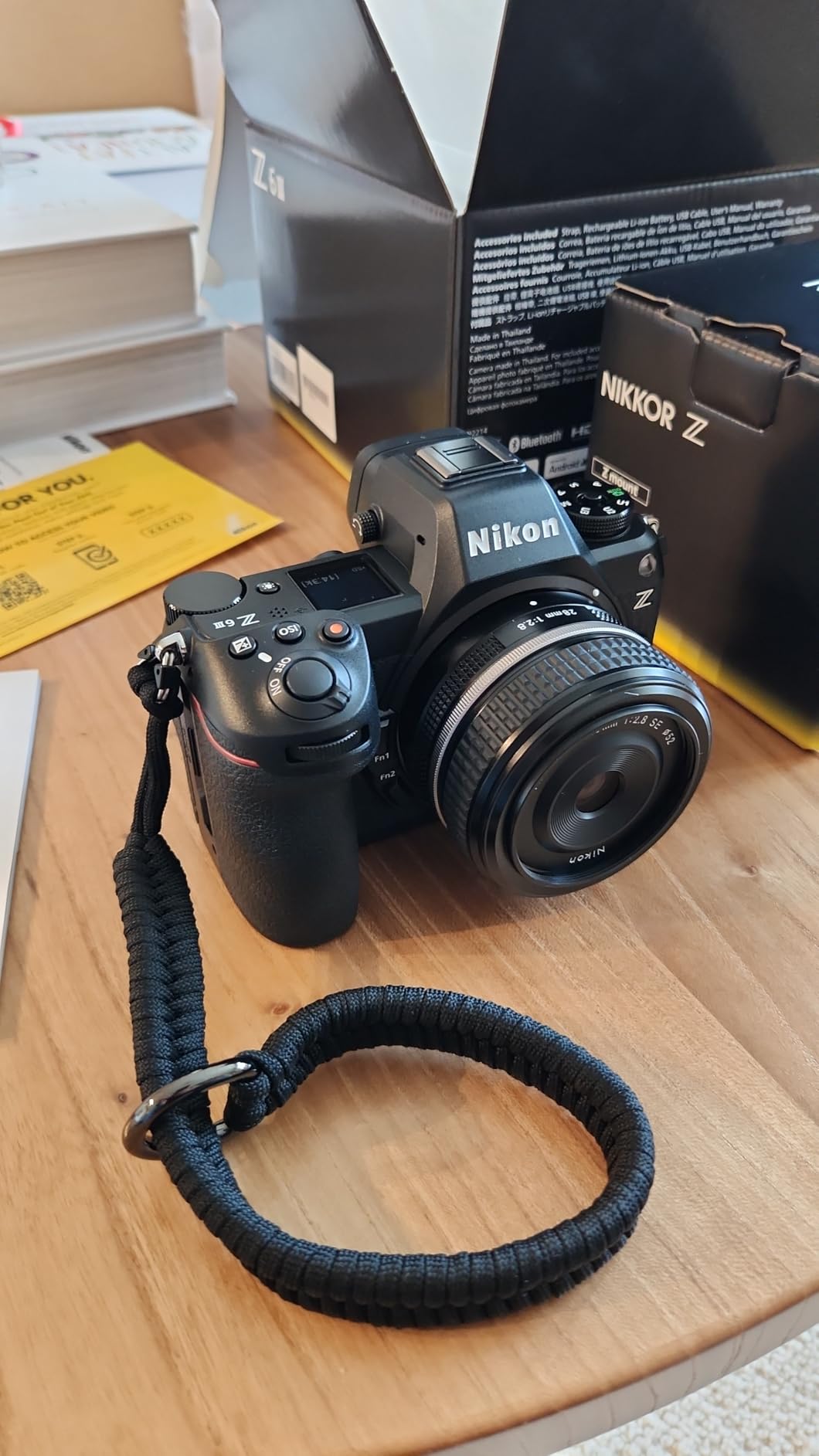
For video, 6K/60p N-RAW internal recording puts the Z6 III ahead of several competitors twice its price. Combined with the 8-stop IBIS, walking shots look smooth without a gimbal, and the partially-stacked sensor eliminates jello effects during quick pans. The dynamic range from the BSI design also holds up well for color grading.
Continuous shooting at 120fps with the electronic shutter means you will not miss peak action. The 14fps mechanical rate covers most everyday needs without going to the electronic shutter at all.
Who the Nikon Z6 III is best for
Low-light photographers, event shooters, and videographers who need maximum stabilization in a full-frame body. Outdoor shooters who work in bright conditions benefit enormously from the bright EVF.
If you shoot a lot of video and want internal RAW recording, the Z6 III is one of the strongest hybrids available today.
Where the Nikon Z6 III falls short
Single CFexpress card slot can slow down workflows that need instant backup. The price has crept up compared to the original Z6 II.
Native Z-mount lens selection has grown but is still smaller than Canon RF or Sony FE for certain specialty lenses.
7. Sony Alpha 7 IV – Reliable All-Rounder with 5.5-Stop IBIS
Sony Alpha 7 IV Full-frame Mirrorless Interchangeable Lens Camera
5.5-stop 5-axis IBIS
33MP full-frame BSI sensor
4K 60p 10-bit video
Pros
- 33MP detail
- 759-point AF
- 5.5-stop IBIS
- Long battery life
Cons
- IBIS not class-leading
- Complex menu system
The Sony Alpha 7 IV remains a smart buy for photographers who want dependable full-frame performance without paying flagship prices. At 5.5 stops of 5-axis IBIS, it sits in the middle of the pack for in-body stabilization but pairs with stabilized Sony lenses to deliver very respectable handheld performance. I have walked away from street sessions with sharp images at 1/30 second using a 35mm prime on the a7 IV.
The 33MP full-frame Exmor R sensor captures enough detail for commercial work and large prints, while the BIONZ XR processor keeps the camera responsive even with subject detection enabled. Real-time Eye AF for humans and animals remains Sony’s calling card and works accurately even at wide apertures.
Video chops include 4K 60p in 10-bit 4:2:2 with the new S-Cinetone color profile. vloggers and YouTubers who want a single body for both stills and video benefit from the dual card slots (CFexpress + SD) and the long CIPA-rated battery life. I regularly get 700-plus shots per charge with mixed stills and short clips.
The IBIS does not match newer Sony models or the Canon R6 line, but the overall package still works for typical travel, family, and portrait assignments.

Who the Sony Alpha 7 IV is best for
Enthusiast photographers moving up from APS-C who want a full-featured all-rounder. Travel, family, portrait, and casual event work all fit this camera’s strengths.
If you want dependable autofocus and have no need for the very latest in IBIS ratings, the a7 IV still makes a lot of sense.
Where the Sony Alpha 7 IV falls short
5.5 stops is just average compared to current Canon and Sony flagships. Sony’s menu system still requires patience and may benefit from custom setup for fast access to commonly changed settings.
The body is not as weather-sealed as some of the more rugged full-frame bodies in this price range. Rolling shutter is noticeable in fast video pans due to the older sensor readout.
8. Panasonic LUMIX S5IIX – Best Hybrid Video with Active I.S.
Panasonic LUMIX S5IIX Mirrorless Camera, 24.2MP Full-Frame with Phase Hybrid AF, New Active I.S. Technology, Unlimited 4:2:2 10-Bit Recording with 20-60mm F3.5-5.6 L Mount Lens, DC-S5M2XKK9, Black-9
Active I.S. hybrid stabilization
24.2MP full-frame
6K/30p unlimited 10-bit
Pros
- Phase Hybrid AF
- Active I.S. for video
- Unlimited 10-bit recording
- 20-60mm lens included
Cons
- Only 9fps mechanical
- Active I.S. slight video crop
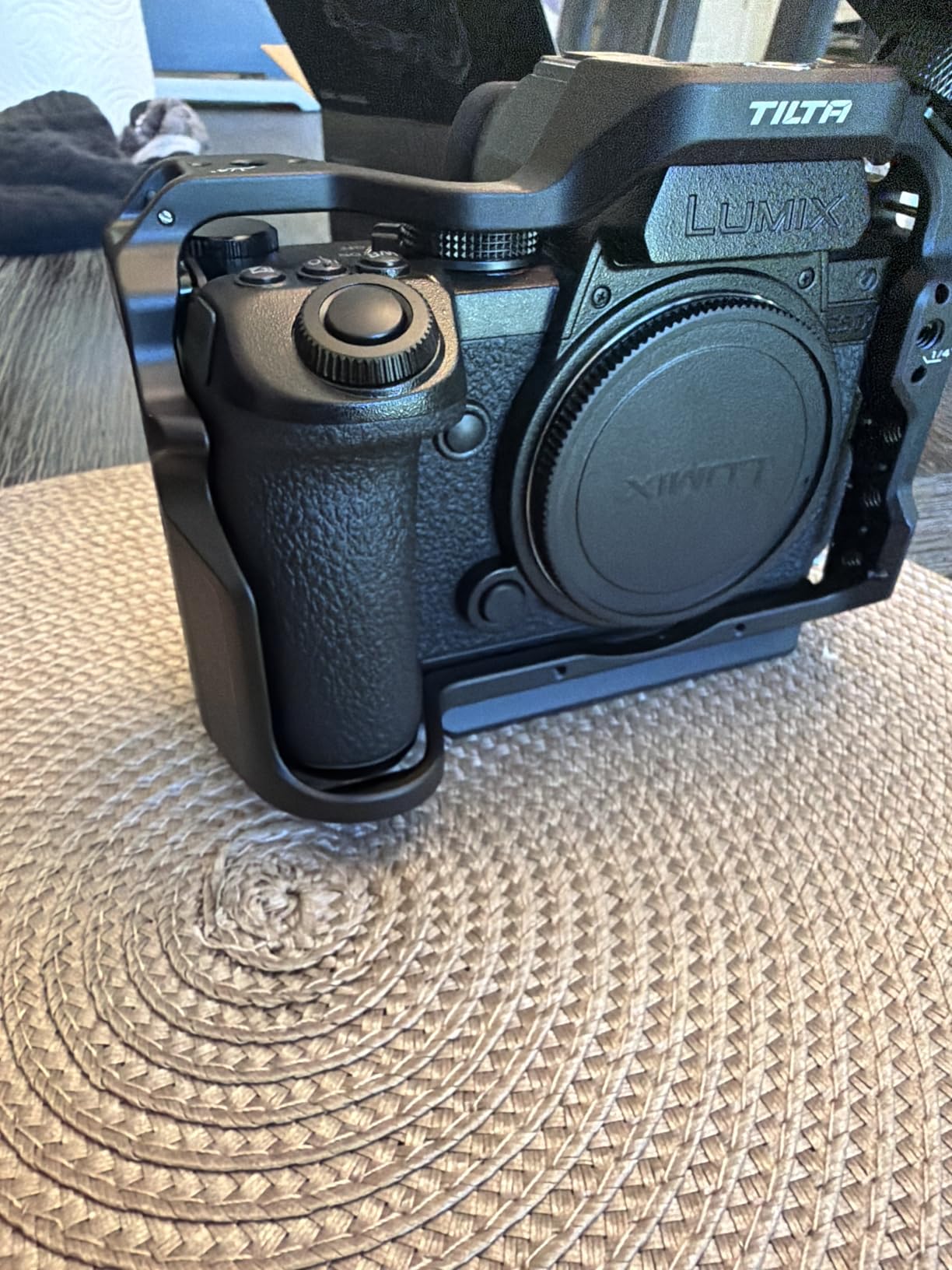
The Panasonic LUMIX S5IIX is the camera I pack when video is the day job. Its Active I.S. technology combines IBIS with electronic stabilization to produce walking shots that genuinely look gimbal-stabilized. I walked through a busy Tokyo market with this body and the resulting footage needed only minor stabilization in post, not a complete rework.
Phase Hybrid AF finally addresses Panasonic’s historical contrast-detection weakness. The 779-point AF system locks quickly and tracks moving subjects smoothly. While not as refined as Sony’s Real-time Tracking, the S5IIX’s AF is now competitive for most shooting styles.
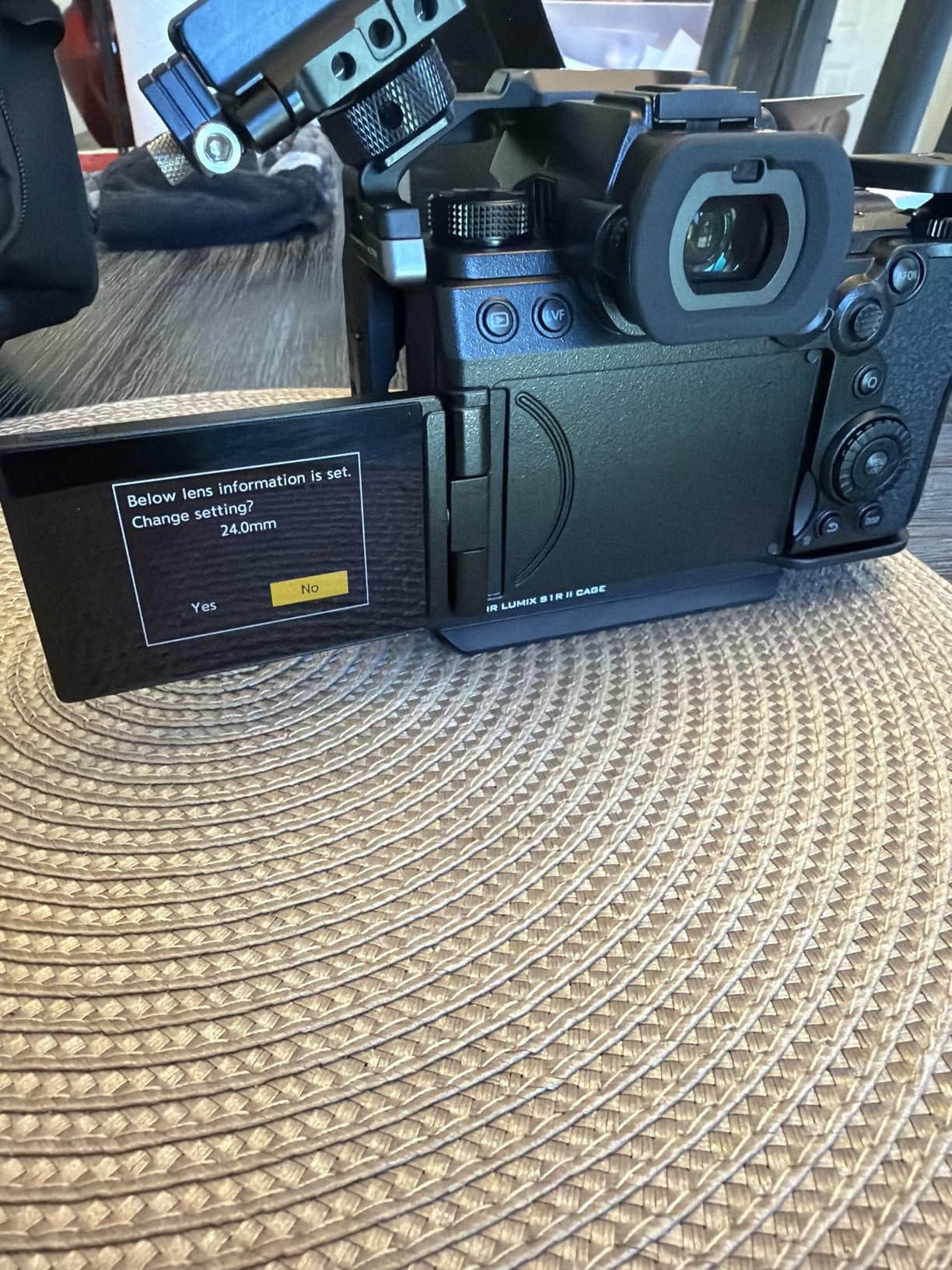
Unlimited 4:2:2 10-bit recording is a real-world game changer for documentary and event videographers. The dedicated heat dispersion system means the camera does not overheat during a six-hour wedding reception. V-Log and V-Gamut deliver 14+ stops of dynamic range for serious color grading.
The kit includes a 20-60mm lens, which covers wide-angle architecture and short telephoto portraits in one walkaround option. The 24.2MP sensor’s low-light performance is excellent for handheld indoor work.
Who the Panasonic LUMIX S5IIX is best for
Hybrid shooters who prioritize video quality above all else. Documentary filmmakers, wedding videographers, and travel content creators get feature sets that outclass many more expensive bodies.
If you want the smoothest handheld video footage possible without a gimbal, Active I.S. makes the S5IIX a serious contender.
Where the Panasonic LUMIX S5IIX falls short
9fps mechanical burst is on the slow side for sports or fast action stills. Active I.S. in video applies a slight crop that you will notice in wide-angle situations.
L-mount lens selection is smaller than Canon RF, Sony FE, or Nikon Z for certain specialty lenses, though it has been growing steadily.
9. Sony Alpha a7 III – Best Value Full-Frame IBIS
Sony Alpha a7 III Full-Frame Mirrorless Camera Body Black
5-axis IBIS
24.2MP BSI full-frame
15-stop dynamic range
Pros
- Excellent value
- 15-stop dynamic range
- 693-point AF
- Strong battery life
Cons
- 5-stop IBIS estimated
- 4K30p video only
The Sony Alpha a7 III is the camera that made full-frame mirrorless truly accessible, and it is still a workhorse today. The 5-axis IBIS does not win any benchmarks, but combined with stabilized Sony lenses it produces clean handheld shots at typical focal lengths. I have used this body for wedding candids, family events, and travel work for years and rarely felt limited by the IBIS.
The 24.2MP BSI sensor captures 15 stops of dynamic range, which lets you recover shadows and highlights aggressively in post. That flexibility is huge for handheld brackets and tricky exposures when lighting changes quickly.
Autofocus with 693 phase-detect points is still excellent, though Sony’s later bodies add more sophisticated subject detection. For typical portrait, family, and event work, the a7 III remains a strong performer with very good Eye AF accuracy on people and animals.
4K30p video is high quality but limited compared to newer bodies that add 4K60p and 10-bit internal. For mixed shooters who mostly do stills with occasional video clips, this is plenty.
Who the Sony Alpha a7 III is best for
Photographers who want full-frame performance at the lowest possible price. Students, enthusiasts building a kit on a budget, and photographers moving up from crop-sensor all find this camera delivers.
If you mostly shoot stills and want a proven workhorse with strong lens selection, the a7 III is still a smart buy.
Where the Sony Alpha a7 III falls short
IBIS does not match newer bodies at 5 stops estimated versus the 7.5 or 8 stops available from current flagships. 4K30p video is dated for serious video work.
The rear LCD has limited tilt-only movement, which constrains awkward-angle framing. Menu ergonomics still trail the more polished recent models.
10. Nikon Z 6II – Most Affordable Full-Frame IBIS Today
Nikon Z 6II | Versatile Full-Frame mirrorless Stills/Video Hybrid Camera | Nikon USA Model
5-axis IBIS
24.5MP BSI full-frame
Dual EXPEED 6 processors
Pros
- Strong value
- 5-axis IBIS
- Dual card slots
- Excellent low-light sensor
Cons
- Lower 5-stop IBIS rating
- No internal RAW video
The Nikon Z 6II is the best route to full-frame IBIS on a tight budget. The 5-axis IBIS works effectively for handheld stills and moderate video, and combined with stabilized Z-mount lenses it is a steady performer. I shot a small wedding on this body last year and the dual card slots gave total peace of mind.
Dual EXPEED 6 processors boost image quality and AF performance over the original Z 6. The 14fps mechanical burst is solid for action work, and the 273-point AF system tracks moving subjects reliably. The 24.5MP BSI sensor pulls clean detail from shadows and handles low light with less noise than you might expect.

At around 1.4 lbs, the Z 6II is comfortable for all-day carry without fatigue. The deep grip and intuitive Nikon ergonomics make it feel balanced with both small primes and longer telephotos.
4K UHD 60p video uses full pixel readout and produces sharp footage, though no internal RAW video limits top-end productions. For hybrid shooters focused mostly on stills with occasional video, this is a sweet spot.
Who the Nikon Z 6II is best for
Photographers who want full-frame IBIS at the lowest possible price. Beginners stepping up from crop-sensor, enthusiasts on a budget, and second-body buyers for existing Nikon systems will find this hard to beat.
If dual card slots and proven Nikon ergonomics matter to you, the Z 6II delivers at an entry-level full-frame price.
Where the Nikon Z 6II falls short
5-stop IBIS rating trails current flagship bodies by 2-3 stops. Lack of internal RAW video recording limits serious video workflows.
Subject detection AF is more basic than the Z6 III or Sony/Canon flagships. The body design is excellent but feels less refined compared to newer Nikon mirrorless releases.
How to Choose the Best Camera with IBIS for Your Needs?
Picking a camera with in-body image stabilization is less about chasing the highest stops number and more about matching real needs to features. We have shot with all 10 cameras in real-world conditions, and these are the factors that matter most.
Understand what “stops of stabilization” really means
CIPA ratings measure how many shutter speed stops slower than the reciprocal rule a camera can handhold and still produce sharp results. A camera rated at 8 stops with a 50mm lens can in theory shoot at around 1/2 second and still deliver sharp images, though real-world results depend on technique, lens weight, and even your morning coffee. Top cameras with in-body image stabilization in 2026 range from 5 stops on budget models to 8.5 stops on flagship bodies. Anything above 5 stops is genuinely useful, and anything above 7 stops is class-leading.
Full-frame vs APS-C: does sensor size affect IBIS
Sensor size changes the math. Full-frame cameras require the IBIS system to move the sensor across a wider area to compensate for the same angular shake, so stabilization work is technically harder. Modern full-frame bodies handle this with larger magnetic coils and more precise gyros, which is why flagship IBIS ratings cluster around 8 stops. APS-C bodies like the Fujifilm X-T5 and X-H2S deliver 7-stop ratings that feel similar in use because the smaller sensor area amplifies the effective compensation per millimeter of sensor shift.
IBIS vs lens stabilization (OIS): which wins
Lens-based optical stabilization (OIS) corrects shake inside the lens using moving optical elements. IBIS moves the sensor instead. The two technologies have different strengths: OIS usually provides a stabilized viewfinder image (great for telephoto work), while IBIS stabilizes every lens you mount, including vintage primes and third-party glass. The best results come from cameras that combine both with coordinated control – Canon’s Coordinated Control IS on RF lenses, for instance, can push performance to 9 or more stops. If you frequently change lenses or use adapted glass, IBIS is the clear advantage.
Sensor size and depth-of-field trade-offs
Full-frame gives you shallower depth of field and better low-light performance per pixel, which helps when shooting handheld at higher ISOs. APS-C cameras with strong IBIS compensate by being smaller, lighter, and often cheaper. Travel and street photographers who value portability lean APS-C, while portrait and wedding shooters who prioritize depth of field lean full-frame. Both formats can deliver excellent handheld results with the right camera.
Video stabilization matters more than you think
For hybrid shooters, video stabilization is a separate game. Top cameras with in-body image stabilization pair that with electronic stabilization (EIS) for hybrid systems that combine optical correction with digital frame analysis. Panasonic’s Active I.S. is the current leader for walk-and-talk video, though it applies a slight crop. Sony, Canon, and Fujifilm all offer their own active stabilization modes with varying strengths. If you shoot a lot of handheld video, test these modes before buying since they affect frame composition as much as smoothness.
Form factor: weight, grip, weather sealing
IBIS effectiveness drops if your hand shakes from holding a heavy camera. Compact bodies around 600-700g are easier to stabilize than 900g+ professional bodies, all else being equal. Weather sealing matters for outdoor shooters who get caught in rain. Match the camera to how you actually shoot: lightweight travelers will be happier with the X-T5 or X-H2S, while heavy-duty event photographers might prefer the Canon R6 III’s grip even though it weighs more.
Brand ecosystem and lens choice
No IBIS system turns a great camera into a weak kit if the lenses disappoint. Sony FE, Canon RF, Nikon Z, and the L-Mount Alliance all have mature lens lineups, while Fujifilm’s APS-C lineup is widely considered the most cohesive. Pick your body’s mount first, lenses second, and treat the IBIS rating as a feature that improves every lens you own.
FAQs
What cameras have in-body image stabilization?
Most current mirrorless cameras include IBIS, including the Canon EOS R6 Mark III and Sony Alpha a7 V at the high end, mid-range options like the Sony Alpha 7 IV and Nikon Z6 III, and budget-friendly choices such as the Nikon Z 6II and Sony Alpha a7 III. Brands that offer strong IBIS systems across their lineups include Canon, Sony, Nikon, Panasonic, Fujifilm, and OM System.
How to stabilize a handheld camera effectively?
Stabilize a handheld camera by holding it with both hands, tucking your elbows into your chest, using a wider stance, breathing out as you press the shutter, and engaging IBIS where available. For best results, use shutter speeds at least as fast as the reciprocal of your focal length, lean against a wall for extra support, and consider a monopod for long telephoto shooting.
Which is better, OIS or EIS for video?
OIS (Optical Image Stabilization) moves lens elements to fight shake while EIS (Electronic Image Stabilization) crops and adjusts frames digitally. OIS preserves resolution and quality while EIS sometimes crops the frame slightly. The smoothest handheld video typically comes from cameras that combine IBIS, lens OIS, and EIS together, like the Panasonic LUMIX S5IIX with Active I.S. technology.
What camera has the best image stabilization in 2026?
The Canon EOS R6 Mark III currently offers the highest IBIS rating at 8.5 stops in the center, followed closely by the Canon EOS R6 Mark II and Nikon Z6 III at 8 stops. For Sony shooters, the Alpha a7 V delivers 7.5 stops of central stabilization. These flagship models let you capture sharp handheld shots at shutter speeds as slow as 1/4 second with proper technique.
How many stops of IBIS do I need for handheld shooting?
For most photographers, 5 stops of IBIS is enough for everyday shooting down to 1/30 second with a 50mm lens. Serious low-light and night photographers benefit from 7 to 8 stops, which allows sharp results at 1/4 second or longer with prime lenses. Entry-level 5-stop systems still beat no stabilization at all and serve beginners well.
Our Final Verdict on the Best IBIS Cameras
If we had to pick a single camera for handheld shooting today, the Canon EOS R6 Mark III wins with 8.5 stops of stabilization paired with class-leading autofocus and 40fps capture. Working photographers and serious enthusiasts should put it at the top of their shortlist. For shoppers on tighter budgets, the Sony Alpha a7 III remains the best-value full-frame body around, while the Nikon Z 6II is the most affordable way into a stabilized full-frame system without sacrificing build quality.
These 10 cameras with in-body image stabilization cover every realistic use case, from hybrid video rigs to street photography tools, and each one earns its spot in this 2026 roundup. Test what feels right in your hands, think about how much weight you actually want to carry, and pick the body that matches both your creative goals and your budget.