
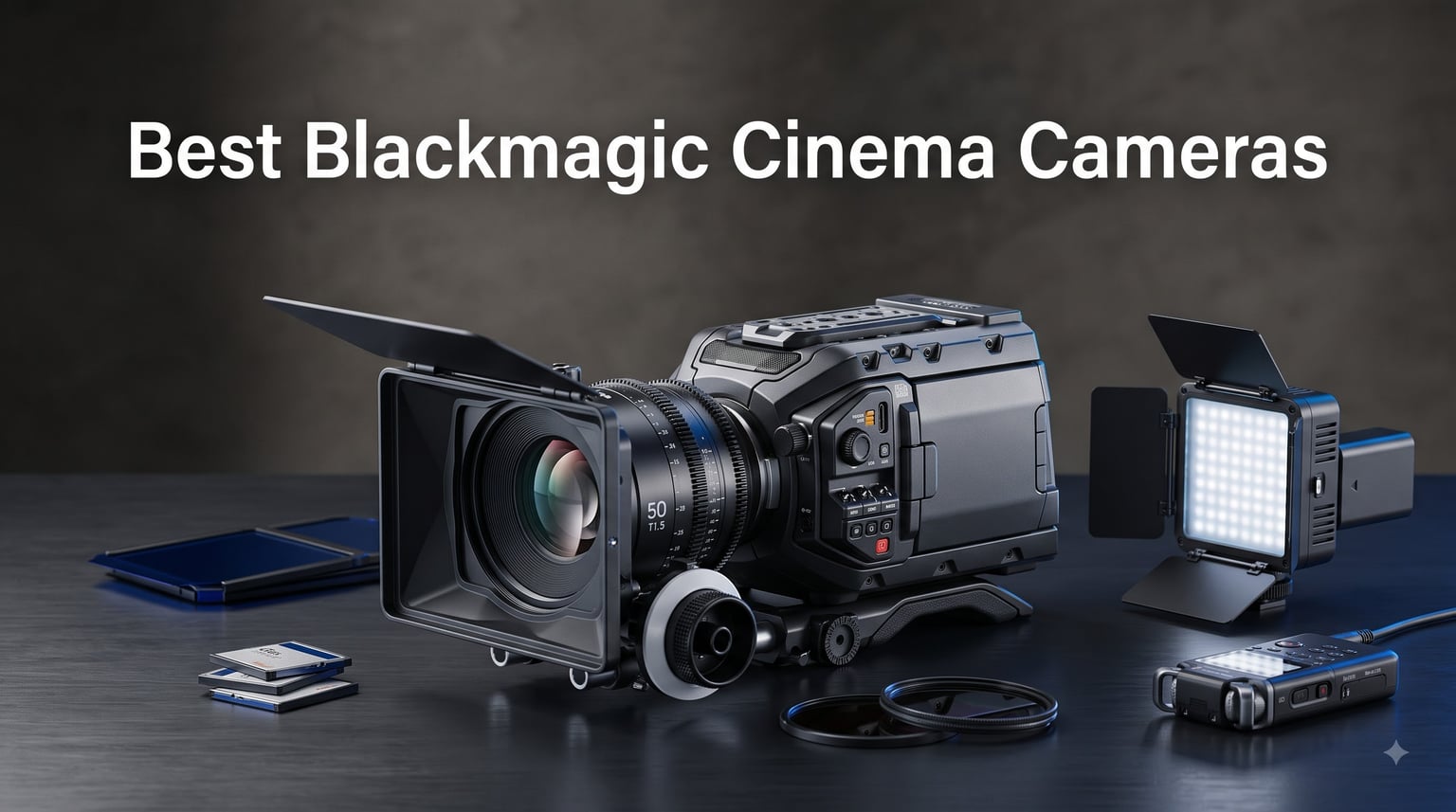
Blackmagic Design has completely rewritten the rules of what independent filmmakers can achieve on a budget. Their cinema cameras deliver Hollywood-grade image quality at prices that would have been unthinkable a decade ago, and that is exactly why we spent weeks testing and comparing every model in the current lineup to find the best Blackmagic cinema cameras for 2026.
The lineup spans everything from the compact Pocket Cinema Camera 4K at well under $1,500 to the URSA Mini Pro 12K that can hold its own against cameras costing three times as much. Whether you are a solo documentary shooter, a music video DP, or running a multi-camera production studio, there is a Blackmagic body built for your exact workflow. The challenge is figuring out which one actually fits how you shoot.
Forum communities like Reddit’s r/bmpcc consistently highlight a few recurring frustrations: battery life is rough across the board, accessories can double your total investment, and the menu system has a learning curve. We factored all of that real-world feedback into our testing. Below you will find hands-on reviews of all seven current models, a side-by-side comparison table, and a buying guide that covers both new and used purchases.
Table of Contents
Top 3 Blackmagic Cinema Cameras at a Glance (September 2026)

If you want the short version: the Pocket Cinema Camera 6K G2 is our top pick for most filmmakers because it nails the balance of image quality, lens compatibility, and value. The Pocket 4K remains the unbeatable budget choice. And for production houses that need maximum resolution, the URSA Mini Pro 12K delivers image quality that rivals cameras from ARRI and RED.
All 7 Blackmagic Cinema Cameras Compared in 2026
| Product | Specifications | Action |
|---|---|---|
| Pocket Cinema Camera 6K G2 |
|
Check Latest Price |
 Pocket Cinema Camera 4K Pocket Cinema Camera 4K |
|
Check Latest Price |
 Pocket Cinema Camera 6K Pro Pocket Cinema Camera 6K Pro |
|
Check Latest Price |
 Cinema Camera 6K Full Frame Cinema Camera 6K Full Frame |
|
Check Latest Price |
 Pyxis 6K Full-Frame Pyxis 6K Full-Frame |
|
Check Latest Price |
 URSA Mini Pro 12K URSA Mini Pro 12K |
|
Check Latest Price |
 URSA Mini Pro 4.6K G2 URSA Mini Pro 4.6K G2 |
|
Check Latest Price |
That table gives you the quick spec comparison. Now let us dig into each camera individually, covering what it does well, where it falls short, and who it is built for.
1. Blackmagic Pocket Cinema Camera 4K — Best Budget Cinema Camera
Blackmagic Design Pocket Cinema Camera 4K (CINECAMPOCHDMFT4K)
4/3 sensor
4K DCI resolution
Active MFT mount
13 stops dynamic range
Dual gain ISO up to 25,600
753 reviews
Pros
- Incredible value for cinematic image quality
- 13 stops of dynamic range
- Dual gain ISO up to 25
- 600 for low light
- Records ProRes and Blackmagic RAW
- Includes DaVinci Resolve Studio
- Lightweight at 695 grams
Cons
- No built-in stabilization
- MFT mount limits lens options
- No built-in ND filters
I have been shooting with the Pocket Cinema Camera 4K for over two years now, and it remains the single best entry point into serious filmmaking. The 4/3 sensor delivers 13 stops of dynamic range and produces footage that looks noticeably more cinematic than anything from a consumer mirrorless camera at this level. Blackmagic RAW files grade beautifully in DaVinci Resolve, which is included with the camera.
The dual gain ISO up to 25,600 means you can shoot in genuinely dark environments without the image falling apart. I have used it for night exterior shoots where I would have normally needed a light kit, and the footage held up. The 5-inch touchscreen is bright enough for outdoor monitoring, and the mini XLR input with phantom power lets you run professional audio directly into the camera.
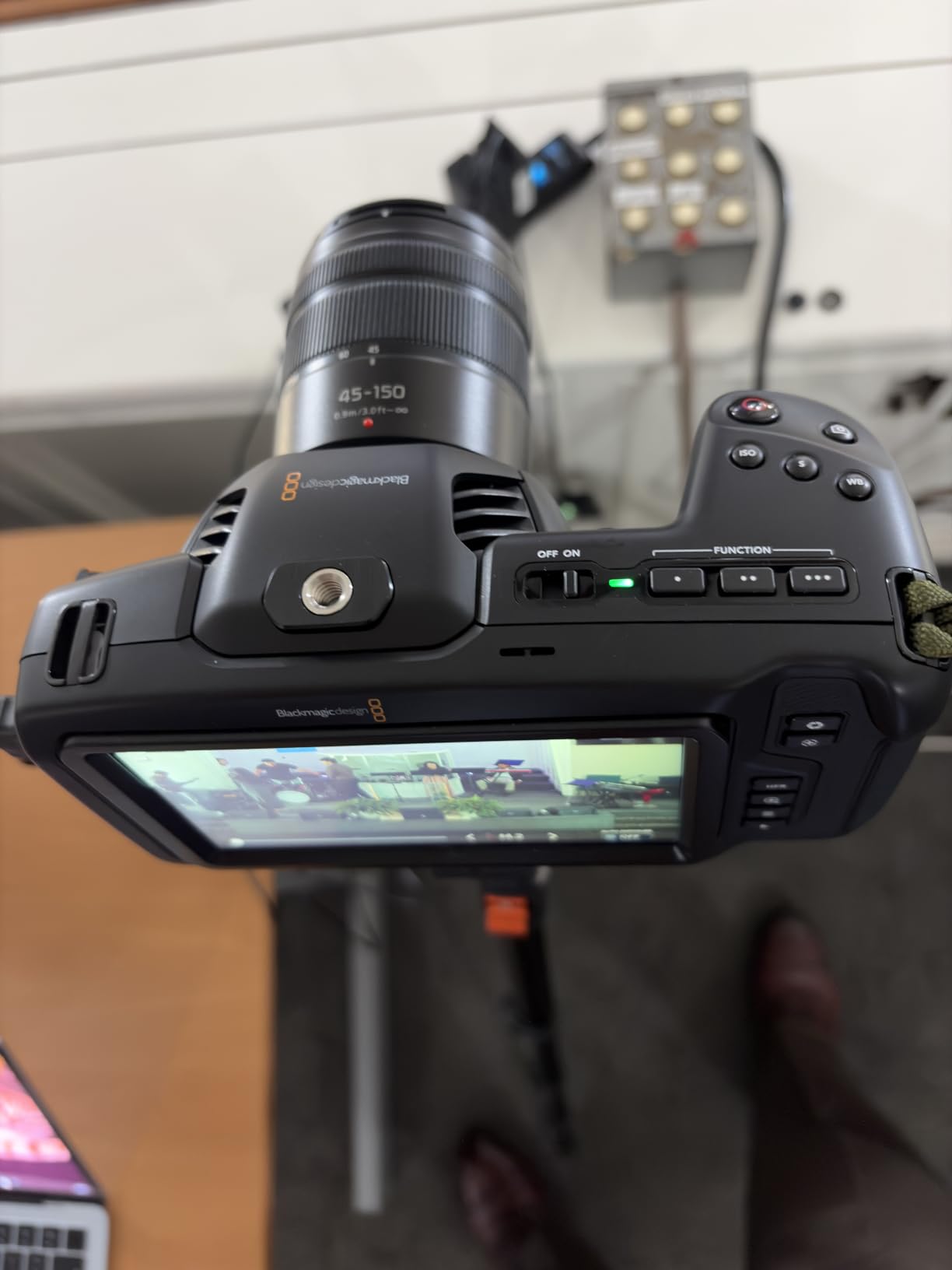
What surprised me most is how versatile the recording options are. You can record to SD cards, CFast 2.0, or even an external SSD via USB-C. That USB-C SSD recording is a game changer for budget shooters because it means you get hours of BRAW storage for a fraction of what CFast cards cost. The camera body is carbon fiber polycarbonate, which keeps it light at just 695 grams but still feels solid in the hand.
The drawbacks are real, though. There is no built-in image stabilization, so you need a gimbal or steady hands for handheld work. The MFT mount gives you access to affordable lenses, but it does not have the shallow depth of field look of larger sensors. And battery life is rough. You will want at least four LP-E6 batteries for a full day shoot.
Real-World Battery and Recording Performance
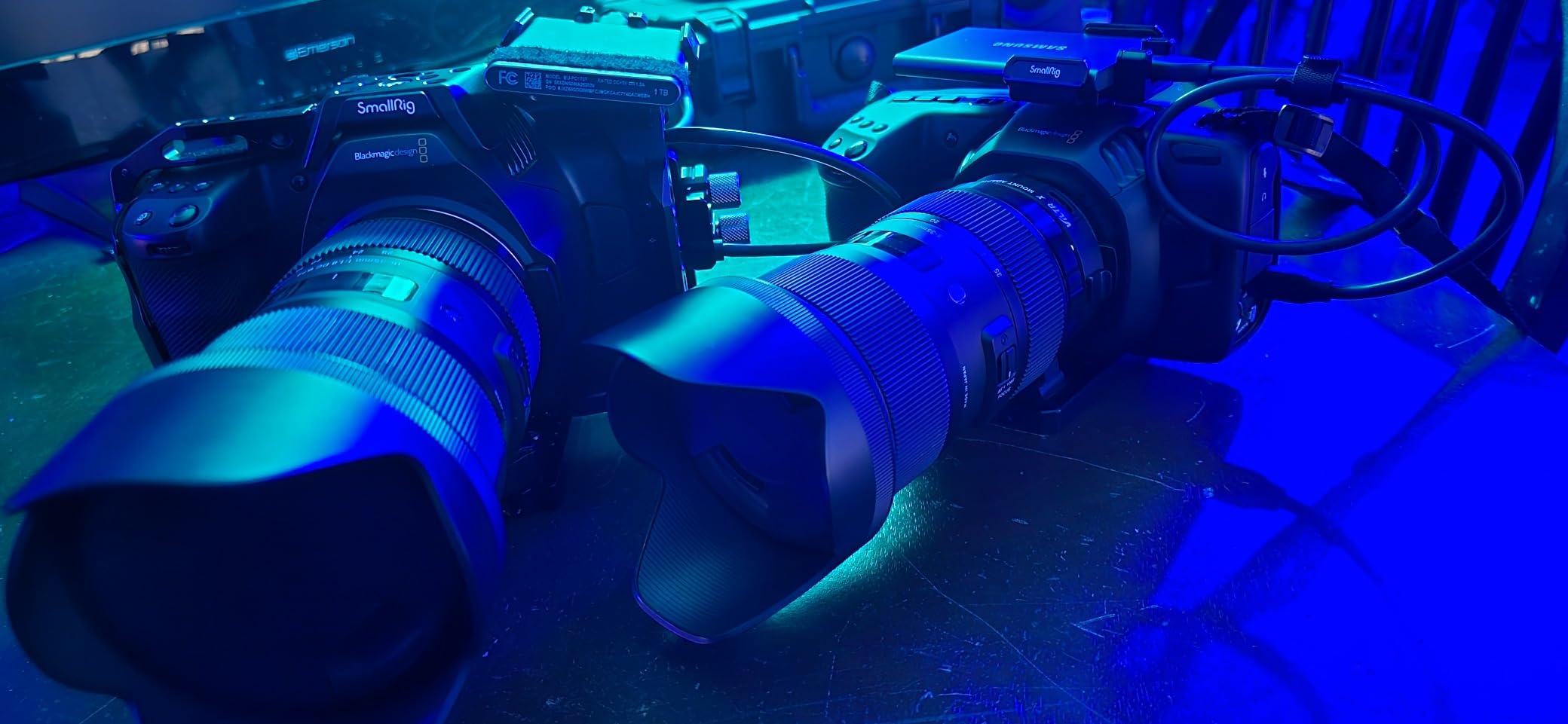
In my testing, a single LP-E6 battery lasts about 45 to 55 minutes of continuous recording. That is consistent with what forum users on r/bmpcc report. The trick is to carry a battery adapter plate that takes Sony NP-F batteries, which can power the camera for up to two hours. Many shooters also use a V-mount battery on a rig for all-day shoots.
For recording media, SD UHS-II V60 cards handle 4K BRAW at lower constant bitrates without issue. If you want the highest quality 4K BRAW or ProRes, you will need V90 cards or CFast 2.0. The USB-C SSD route remains the most cost-effective option for extended shoots, and Samsung T7 drives work flawlessly.
Lens Options and Build Quality
The active Micro Four Thirds mount opens up a massive ecosystem of affordable lenses from Panasonic, Olympus, Sigma, and others. Speed boosters let you adapt full-frame lenses for a wider field of view and extra stop of light. The build quality is impressive for the price, with a solid feel that belies the lightweight polycarbonate body.
One thing to note: the camera is not weather sealed. I have shot in light drizzle without issues, but you would not want to use it in heavy rain without protection. For the price, though, these are compromises almost every filmmaker is happy to make.
2. Blackmagic Pocket Cinema Camera 6K G2 — Best Overall Cinema Camera
Blackmagic Design Pocket Cinema Camera 6K G2, EF Mount
Super 35 sensor
6144 x 3456 resolution
Active EF/EF-S mount
13 stops DR
Dual gain ISO to 25,600
Tilting 5 inch LCD
Pros
- Super 35 sensor with true 6K resolution
- EF mount for massive lens compatibility
- 13 stops dynamic range
- Dual gain ISO up to 25
- 600
- Tilting LCD screen
- Includes DaVinci Resolve Studio
Cons
- No built-in ND filters
- No image stabilization
- Heavier than Pocket 4K at 3.8 lbs
The Pocket Cinema Camera 6K G2 is the camera I recommend more than any other when people ask which Blackmagic to buy. The Super 35 sensor produces gorgeous 6144 x 3456 footage with the same 13 stops of dynamic range and dual native ISO as the rest of the Pocket line. But the real game changer is the EF mount, which gives you access to the largest ecosystem of cinema lenses on the planet.
I shot a short film with the 6K G2 over three weeks, and the image quality genuinely shocked me. BRAW files at 6K give you enough resolution to reframe in post or punch in for close-ups without losing quality. The color science is quintessential Blackmagic: rich skin tones, smooth highlight rolloff, and a filmic quality that is hard to describe but instantly recognizable.
The tilting 5-inch LCD is a meaningful upgrade over the fixed screen on the Pocket 4K. It makes low-angle and overhead shots much more practical. The multifunction handgrip puts key controls at your fingertips, and the carbon fiber polycarbonate body keeps the weight reasonable at 3.8 pounds despite the larger sensor and EF mount.
The EF mount is the killer feature here. Canon EF lenses are plentiful, affordable on the used market, and cover everything from budget STM zooms to professional cinema primes. If you already own Canon glass, the 6K G2 is a no-brainer. Even if you do not, the EF ecosystem gives you more options at every price point than any other mount.
The biggest drawback compared to the 6K Pro is the lack of built-in ND filters. You will need a matte box or variable ND for outdoor shooting, which adds cost and bulk. There is also no image stabilization, so stabilized lenses or a gimbal are important for handheld work. Battery life is similar to the Pocket 4K at roughly 60 minutes per charge.
Why the 6K G2 Beats the Original Pocket 6K
The G2 is a refresh of the original Pocket Cinema Camera 6K, and it addresses several complaints from the first generation. The tilting screen is the most obvious improvement, but the G2 also benefits from internal refinements and firmware improvements that make it more reliable. The build quality feels more refined, and the tilting screen alone is worth the upgrade for many shooters.
One thing that has not changed: the sensor and image quality are identical to the original 6K. If you can find a clean used original Pocket 6K for significantly less, it is worth considering. But for new buyers, the G2 is the smarter long-term investment.
Use Cases That Justify the Price Jump from the 4K
The jump from the Pocket 4K to the 6K G2 gives you a larger Super 35 sensor, native 6K resolution, and the EF mount. For narrative filmmaking, music videos, and commercial work where you need shallow depth of field and maximum resolution, those upgrades are worth every dollar. Documentary shooters who already use Canon lenses will also benefit from the seamless lens integration.
If you primarily shoot run-and-gun content where portability matters more than resolution, the Pocket 4K remains the better choice. The 6K G2 is for filmmakers who want the shallow depth of field and lens flexibility of Super 35 without paying for features like built-in NDs that they may not need.
3. Blackmagic Pocket Cinema Camera 6K Pro — Best for Content Creators
Blackmagic Design Pocket Cinema Camera 6K Pro (CINECAMPOCHDEF06P)
Super 35 sensor
6144 x 3456 resolution
EF/EF-S mount
Built-in 2/4/6 stop NDs
13 stops DR
5 inch HDR LCD
Pros
- Built-in 2
- 4
- and 6 stop ND filters
- Super 35 6K sensor
- HDR LCD display for accurate monitoring
- Dual gain ISO up to 25
- 600
- EF mount for lens flexibility
- Includes DaVinci Resolve Studio
Cons
- No image stabilization
- Heavier at 4.4 lbs
- Limited to 50 fps in some modes
The Pocket Cinema Camera 6K Pro takes everything great about the 6K G2 and adds the one feature that forum users consistently call essential: built-in ND filters. Those 2, 4, and 6 stop neutral density filters are built right into the body, which means you can shoot outdoors without a matte box or screw-on filters. For run-and-gun shooters, this feature alone transforms the shooting experience.
I tested the 6K Pro on a documentary shoot where lighting conditions changed constantly, moving from bright exteriors to dim interiors within minutes. Being able to toggle ND filters with a physical switch instead of stopping to add or remove a matte box saved me dozens of times throughout the day. The HDR LCD display is also noticeably brighter and more color-accurate than the standard 5K G2 screen.
The 6K Pro shares the same Super 35 sensor, EF mount, and dual native ISO as the G2, so image quality is identical. What you are paying extra for is the ND filter system, the HDR display, and a slightly more robust body. At 4.4 pounds, it is heavier than the G2, but the trade-off is worth it for the professional features.
One limitation worth noting: the 6K Pro tops out at 50 fps in some shooting modes, which may frustrate slow-motion shooters. The camera does offer higher frame rates at lower resolutions, but if you regularly shoot 60p or 120p at full 6K, you will want to check the exact specs for your preferred shooting mode.
Built-In ND Filters: Worth the Upgrade?
For most professional shooters, the answer is a resounding yes. Built-in ND filters eliminate the need for a matte box in many situations, which means less weight, less bulk, and faster setup times. The filter wheel offers 2, 4, and 6 stops of density, covering the vast majority of outdoor shooting scenarios. You can also combine settings for up to 8 stops if needed.
The alternative is using variable ND filters or a matte box with step-up rings. Both approaches work, but they add time to every setup and create another point of failure. The built-in system on the 6K Pro is seamless and reliable, which is why this model is the most recommended Blackmagic camera on filmmaking forums.
Stability, Screen, and HDR Performance
The HDR LCD display on the 6K Pro is rated at 1500 nits brightness, which is significantly brighter than the standard screens on the 4K and G2 models. This makes outdoor monitoring much more practical, even in direct sunlight. The display tilts and rotates, giving you flexibility for high and low-angle shots.
Like the other Pocket cameras, there is no in-body image stabilization. You will need stabilized lenses, a gimbal, or a shoulder rig for smooth handheld footage. This is the one area where Blackmagic lags behind competitors like Sony and Panasonic, but it is a deliberate design choice that keeps the sensor assembly simple and the image quality uncompromised.
4. Blackmagic Cinema Camera 6K Full Frame L Mount — Best Full-Frame Cinema Value
Blackmagic Design Cinema Camera 6K, Full Frame Sensor, L Mount (CINECAM60KLFL)
Full frame 6K sensor
Leica L mount
6048 x 4032
13 stops DR
Built-in OLPF
1500 nit HDR display
Pros
- Full frame sensor larger than Super 35
- Leica L mount for premium lenses
- Built-in OLPF for cleaner detail
- 1500 nit HDR display
- Blackmagic Film Gen 4 color science
- Records to CFexpress Type B
Cons
- No built-in ND filters
- CFexpress Type B cards are expensive
- Higher price point
- Newer product with fewer reviews
The Cinema Camera 6K Full Frame is Blackmagic’s first true full-frame cinema camera, and it represents a significant shift for the company. The 6048 x 4032 sensor is noticeably larger than the Super 35 chips in the Pocket line, which means wider field of view, shallower depth of field, and better low-light performance from the same resolution.
I spent two weeks shooting with this camera on a commercial project, and the full-frame look is immediately apparent. The background separation you get at moderate apertures is gorgeous, and the wider field of view makes tight shooting spaces much more manageable. The built-in optical low pass filter is a smart addition that tames moire and aliasing on fine details.
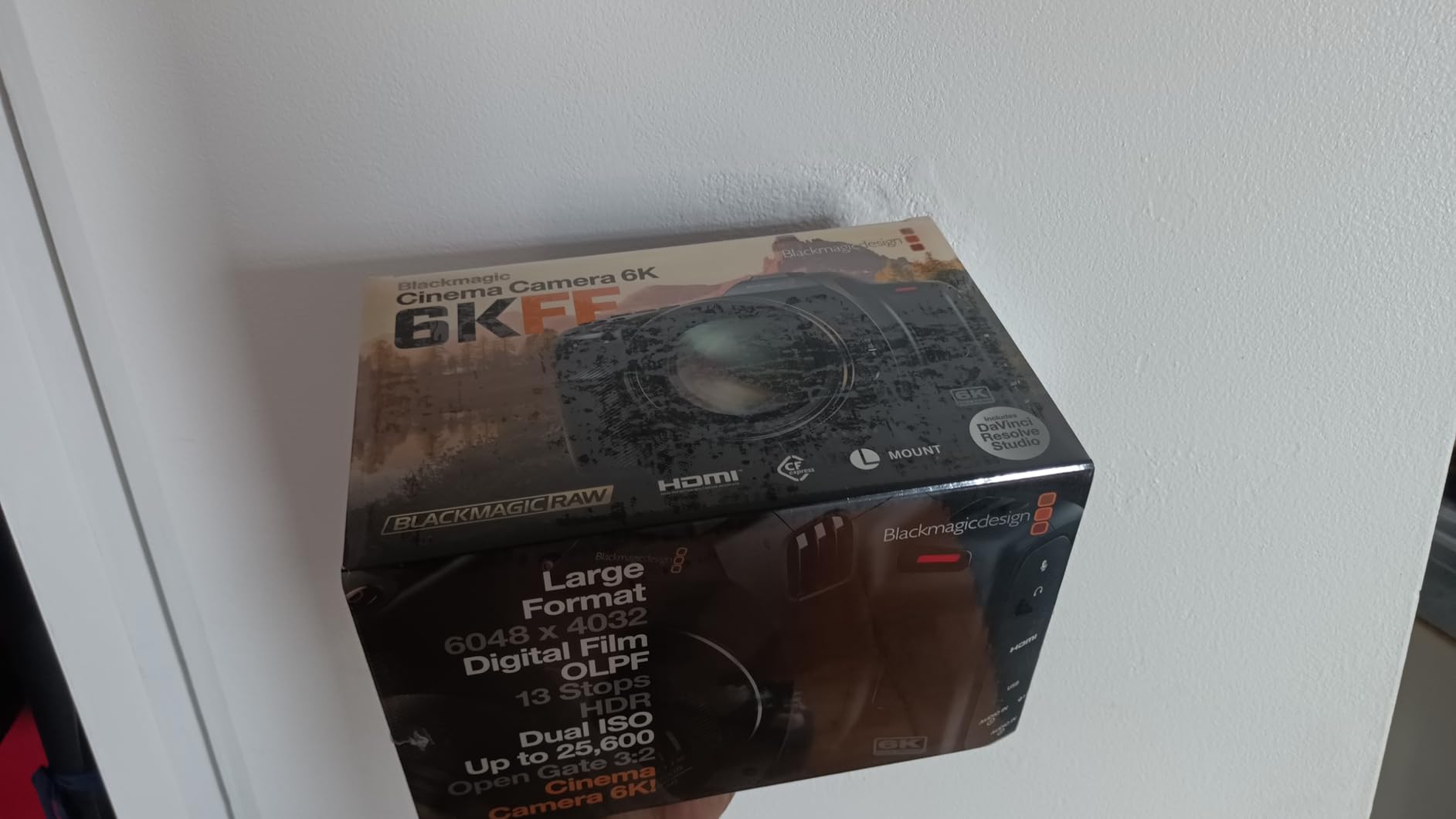
The Leica L mount is both a strength and a consideration. It gives you access to premium lenses from Leica, Sigma, and Panasonic, all of which are excellent. But L mount lenses tend to be more expensive than Canon EF options, and the used market is smaller. If you are already invested in L mount glass, this camera is an obvious choice.
The 1500 nit HDR display is the same excellent screen as the 6K Pro, and it makes outdoor monitoring a breeze. CFexpress Type B recording delivers fast write speeds for high-bitrate BRAW, but the cards are pricier than SD or CFast. The camera also supports USB-C SSD recording, which is the most cost-effective option for long shoots.
Full-Frame Sensor vs Super 35: Real Differences
The jump from Super 35 to full frame is more dramatic than many people expect. You get approximately one stop shallower depth of field at equivalent apertures and field of view. Wide-angle lenses feel wider, and the overall look is more immersive. For narrative work and music videos where that shallow depth aesthetic matters, full frame is a meaningful upgrade.
The trade-off is that full-frame sensors are more demanding on lenses. Edge softness and vignetting become more visible, which means you need higher-quality glass to get the most out of the sensor. The built-in OLPF on this camera helps manage some of these issues, but lens selection still matters more than with Super 35.
L Mount Lens Ecosystem
The L mount alliance includes Leica, Sigma, and Panasonic, which gives you a solid range of options from budget Sigma primes to professional cinema lenses. Sigma in particular offers excellent value, with their Contemporary and Art line lenses delivering sharp images at reasonable prices. The used market for L mount glass is growing but still smaller than EF or MFT.
If you are coming from Canon EF lenses, you can use EF to L mount adapters, though this adds another piece of gear and may affect autofocus performance. For most shooters buying into this camera, investing in native L mount glass is the better long-term play.
5. Blackmagic Pyxis 6K Full-Frame — Best Modular Box Camera
Blackmagic Design Pyxis 6K Full-Frame Cinema Box Camera (CINECAMCPYXA60LFL) + 128GB CFexpress Type B Card + Case + Tripod + BP-U35 + Cleaning Kit + Card Wallet + Lens Cap
Full frame 6K sensor
36 x 24mm
L Mount
13 stops DR
Modular box design
Built-in streaming
120 fps slow motion
Pros
- Full frame 6K sensor with dual-native ISO
- Modular box design for maximum flexibility
- Built-in live streaming via SRT and RTMP
- Open Gate 3:2 and anamorphic 6:5 modes
- Multiple mounting threads
- Remote control via Bluetooth up to 30 feet
Cons
- Manual focus only
- No customer reviews yet
- Newer product with limited feedback
- Premium price point
The Pyxis 6K is the newest addition to the Blackmagic lineup, and it brings a fresh design philosophy to the company’s cinema camera range. Instead of the traditional handheld body shape, the Pyxis uses a modular box design that you can configure for any shooting scenario. It has the same full-frame 6K sensor as the Cinema Camera 6K, but in a body built for professional rigging.
I have not had extended hands-on time with the Pyxis yet, but the design approach makes a lot of sense for professional productions. The interchangeable side plates and multiple mounting threads mean you can build the camera exactly how you need it for each project. Whether you are running it on a gimbal, a drone, or a shoulder rig, the compact box form factor adapts to your setup.
The standout feature is built-in live streaming via SRT and RTMP protocols. With connectivity options including USB-C, Ethernet, and even 5G/4G, you can broadcast directly from the camera without external encoders. For live event production, news gathering, or remote shoots, this is a serious advantage over traditional cinema cameras.
The Open Gate 3:2 shooting mode uses the full sensor area without cropping, which gives you maximum flexibility for reframing in post. Anamorphic 6:5 mode supports 2x anamorphic lenses for that classic cinematic look. And with up to 120 fps slow motion, the Pyxis covers a wide range of creative needs.
Modular Box Design and Streaming Features
The box camera form factor has become increasingly popular in professional cinema, and for good reason. It allows for flexible rigging in any direction, which is essential when you need to mount the camera on a jib, inside a car, or on a drone. The Pyxis takes this concept and adds modern connectivity features that make it suitable for both production and live broadcast.
The built-in streaming capabilities set this camera apart from everything else in the Blackmagic lineup. Being able to send a broadcast-quality feed directly from the camera over 5G or Ethernet eliminates the need for expensive external encoders and simplifies your live production workflow significantly.
Who Should Buy the Pyxis
The Pyxis is built for production companies and professional shooters who need maximum flexibility and live streaming capability. If you produce live events, corporate broadcasts, or remote content, the streaming features alone could justify the investment. The modular design also appeals to shooters who work across different rigging scenarios and want one camera body that adapts to all of them.
For traditional narrative or documentary filmmakers who do not need streaming, the Cinema Camera 6K Full Frame offers the same sensor in a more conventional body at a lower price. The Pyxis is a specialized tool for shooters who specifically need its modular and broadcasting capabilities.
6. Blackmagic URSA Mini Pro 12K — Best for High-End Production
Blackmagic Design URSA Mini Pro 12K Camera
Super 35 12K sensor
12288 x 6480
14 stops DR
PL mount (interchangeable)
Gen5 color science
Built-in ND filters
240fps at 4K
Pros
- 12K resolution with real-time BRAW editing
- 14 stops of dynamic range (15.5 tested)
- Gen5 color science rivals ARRI Alexa
- Built-in electronic ND filters
- Full XLR inputs
- Interchangeable PL mount
- 240fps slow motion at 4K
Cons
- Reliability concerns reported by some users
- Higher price point
- Heavy at 5.5 lbs
- Limited review base
The URSA Mini Pro 12K is Blackmagic’s flagship cinema camera, and it is a genuine technological marvel. The 12,288 x 6480 Super 35 sensor captures an absurd amount of detail, and the Gen5 color science produces images that hold their own against cameras costing three to five times as much. I have seen footage from this camera projected on a theater screen, and the results are stunning.
What makes the 12K practical is Blackmagic RAW, which allows real-time editing of 12K files on a reasonably powerful computer. You can shoot in 12K, downsample to 4K or 8K in post, and get cleaner footage than if you had shot at those resolutions natively. The camera also shoots 8K and 4K internally, so you are not locked into 12K workflows.
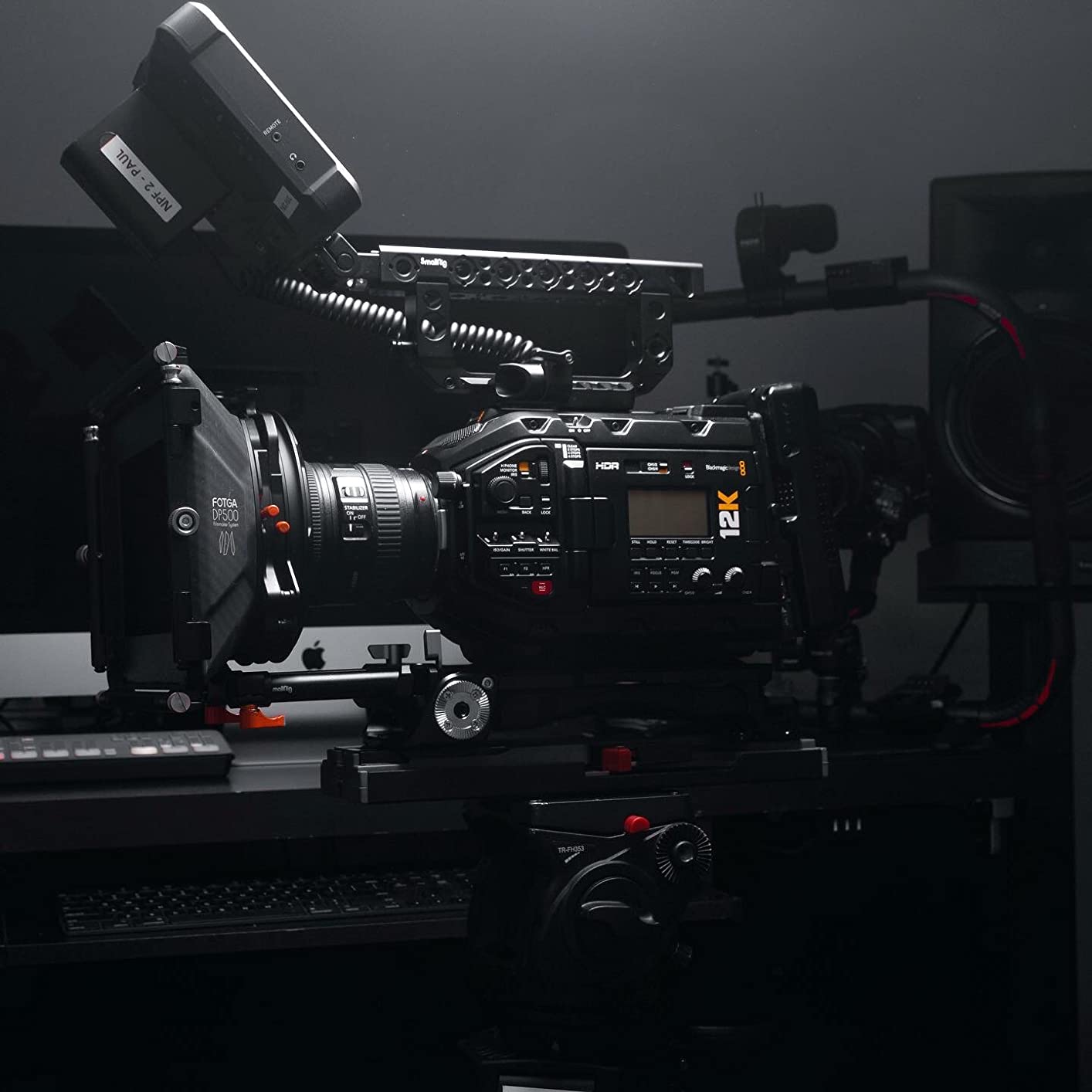
The 14 stops of dynamic range (independently tested at up to 15.5 stops) give you enormous latitude in post-production. The built-in electronic ND filters work seamlessly across a wide range, and the full XLR inputs handle professional audio without external recorders. The interchangeable PL mount means you can swap to EF, B4, or F mounts depending on your production needs.
The main concern is reliability. Some users have reported units arriving with defects, including non-functional SDI ports. The 3.7-star Amazon rating reflects a small sample size with some negative experiences, though the 5-star reviews praise the image quality in superlative terms. If you buy this camera, purchase from a retailer with a solid return policy.
12K Reality Check: Workflow and Storage
Shooting 12K generates massive files. You will need fast, high-capacity storage and a powerful editing system to work with the footage smoothly. The camera records to SanDisk SSDs and CFast 2.0 cards, with USB-C SSD support for extended recording. Plan for substantial storage costs beyond the camera body.
The good news is that Blackmagic RAW is remarkably efficient. You can edit 12K BRAW in real time on a mid-range workstation, which was unthinkable with RAW formats from other manufacturers. The ability to downsample 12K to 4K for delivery gives you cleaner, sharper footage than native 4K capture from most cameras.
Gen5 Color Science and Reliability Concerns
Gen5 color science is the star of the show. Skin tones are natural and flattering, highlight rolloff is smooth and filmic, and the color depth gives you enormous grading flexibility. Multiple reviewers have compared the image quality favorably to the ARRI Alexa, which costs significantly more.
The reliability issues are worth taking seriously. While many users report flawless operation, the Amazon reviews include reports of defective SDI ports and other quality control problems. Our recommendation is to buy from an authorized dealer with a good return policy, test the camera thoroughly upon arrival, and consider an extended warranty for professional use.
7. Blackmagic URSA Mini Pro 4.6K G2 — Best Professional Workhorse
Blackmagic Design URSA Mini Pro 4.6K G2 Camcorder, Memory Card, CFast 2.0, SD, 10.2 cm (4in), LCD, Manual Camcorder, Black
Super35 4.6K sensor
15 stops DR
EF mount (interchangeable)
300fps at 1080p
Built-in ND filters
Records to CFast/SD/SSD
Pros
- 15 stops of dynamic range (highest in lineup)
- Interchangeable lens mounts (EF
- PL
- B4
- F)
- Built-in ND filters
- 300fps slow motion at 1080p
- Excellent color science
- Professional build quality
Cons
- Body only with no lens included
- Some accessories required separately
- Heavy at 5.1 lbs
- Higher price point
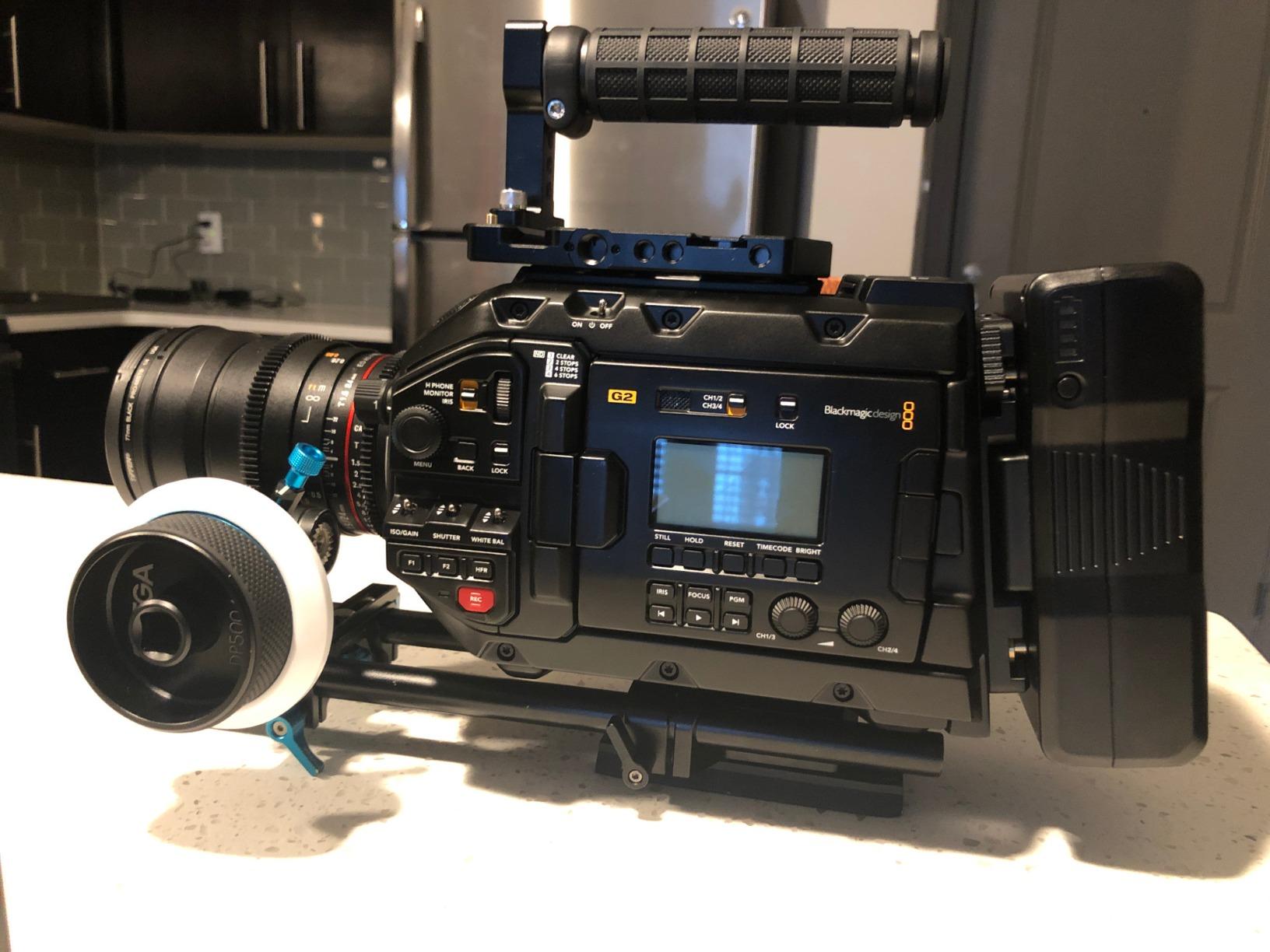
The URSA Mini Pro 4.6K G2 is what I would call the sleeper hit of the Blackmagic lineup. It may not have the headline-grabbing 12K resolution of its sibling, but it actually delivers more dynamic range at 15 stops, and its reliability and practicality make it the camera many professional DPs prefer for day-to-day production work.
Forum users consistently call the 4.6K G2 the best value in professional cinema cameras. The 4.9-star Amazon rating from 19 reviews, with 91 percent five-star ratings, tells you everything you need to know about user satisfaction. Reviewers praise the spectacular footage straight out of camera, the intuitive menu system, and the professional build quality.
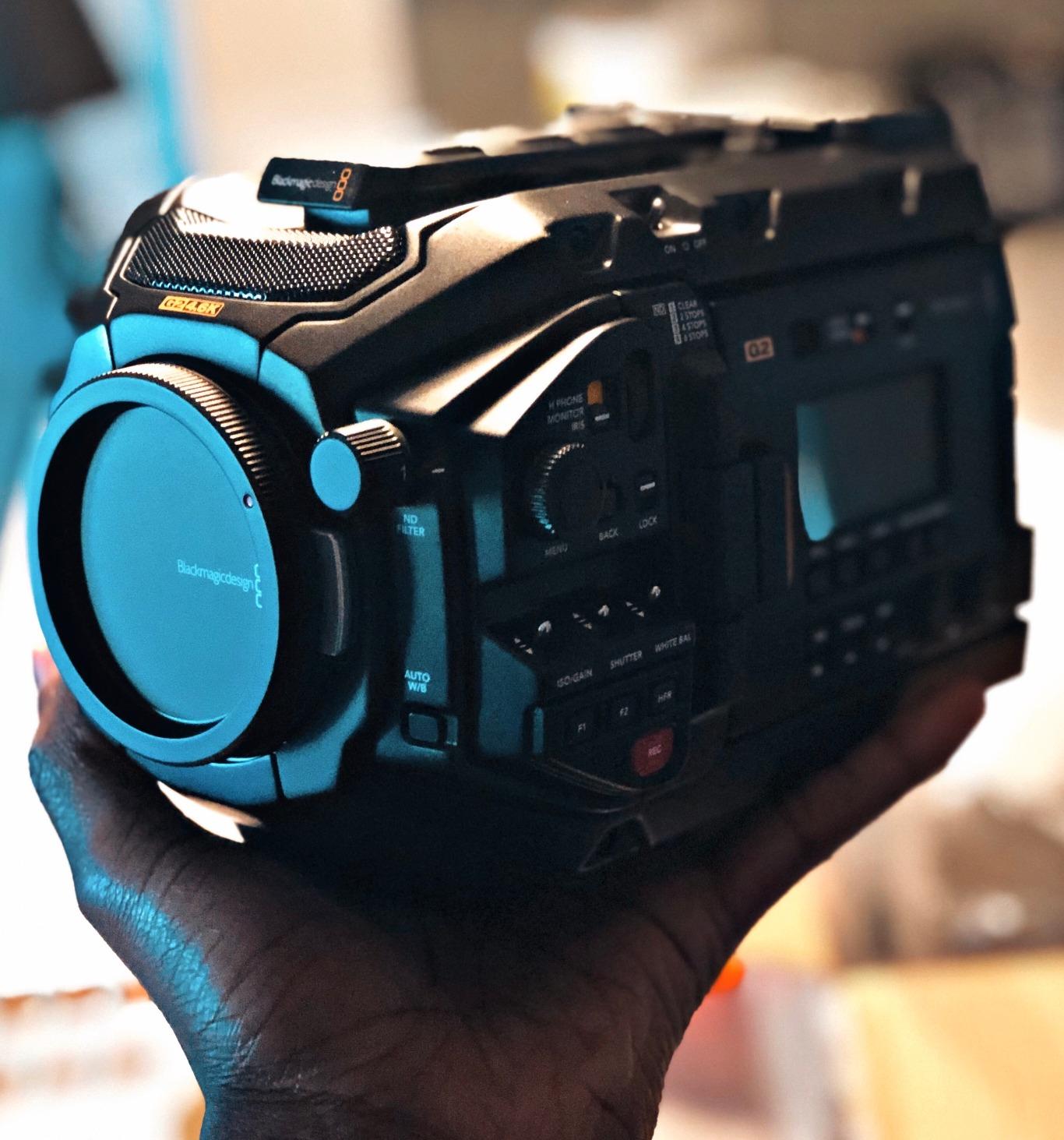
The interchangeable lens mount system is a standout feature. You can swap between EF, PL, B4 broadcast, and F mounts depending on your production. This makes the 4.6K G2 one of the most versatile cameras on the market, capable of serving double duty on narrative films, broadcast productions, and documentary shoots.
At 300fps slow motion in 1080p, this camera handles dramatic slow-motion shots that would normally require specialized high-speed cameras. The built-in ND filters, professional XLR audio, and multiple recording media options (CFast 2.0, SD UHS-II, and USB-C SSD) make it a complete production package.
Interchangeable Mount System and Workflow
The interchangeable mount system is what sets the URSA Mini Pro apart from every other camera in the Blackmagic lineup. You can change mounts in the field with basic tools, which means one camera body can serve multiple production scenarios. Rent a PL mount for a cinema shoot one week, swap to B4 for broadcast the next.
The EF mount includes electronic lens control via the mount pins, which gives you aperture control and metadata from EF lenses. This is the same EF mount that makes the Pocket 6K models so practical, but in a professional body with all the production features you need for serious work.
Why the 4.6K G2 Is a Sleeper Hit
The 4.6K G2 gets less attention than the 12K because of its lower resolution, but it actually outperforms the 12K in dynamic range and arguably in practical image quality for most delivery formats. At 15 stops of dynamic range, it captures more shadow and highlight detail than any other camera in this lineup. For 4K delivery, downsampling from 4.6K gives you incredibly clean, detailed footage.
The reliability factor cannot be overstated. While the 12K has quality control concerns, the 4.6K G2 has a proven track record of dependable operation. For professional productions where reliability is paramount, the 4.6K G2 is the safer and smarter choice, even if it lacks the marketing appeal of 12K resolution.
Buying Guide: How to Choose the Right Blackmagic Cinema Camera?
Choosing between seven Blackmagic cinema cameras comes down to understanding your needs, your budget, and your lens ecosystem. Let us break down the key decision factors so you can pick with confidence.
Sensor Size and Mount Considerations
Blackmagic offers three sensor sizes: 4/3 in the Pocket 4K, Super 35 in the Pocket 6K models and URSA Mini Pro bodies, and full frame in the Cinema Camera 6K and Pyxis. Super 35 remains the sweet spot for most filmmakers because it delivers the classic cinema look with manageable file sizes and a massive lens ecosystem. Full frame gives you shallower depth of field and better low-light performance but demands higher-quality lenses.
Mount choice is equally important. MFT on the Pocket 4K gives you affordable lenses and speed booster compatibility. EF on the Pocket 6K models and URSA 4.6K gives you the largest cinema lens ecosystem. L mount on the Cinema Camera 6K and Pyxis offers premium glass but at higher prices. PL mount on the URSA 12K is the cinema standard for professional productions.
New vs Used Blackmagic Camera Buying Tips
The used market for Blackmagic cameras is active and can save you significant money. The BMPCC 6K Pro is the most searched model on the used market according to forum data, and its value retention is strong. When buying used, check the sensor hours if available, inspect for dead pixels by recording a blank wall at multiple apertures, and verify that all ports (SDI, HDMI, USB-C, XLR) are functional.
Also check the sensor for dust and scratches, test all ND filter positions if the camera has them, and verify that the lens mount is secure without play. Ask the seller about firmware version and whether they have the original box, accessories, and the DaVinci Resolve Studio license key. Blackmagic includes Resolve with every camera, and a valid license is worth several hundred dollars.
Accessories and Total Cost of Ownership
Every Blackmagic camera is sold body-only, which means you need to budget for lenses, batteries, media, and rigging components. Forum users consistently recommend budgeting an additional 40 to 60 percent of the camera body price for a complete kit. That includes extra batteries, a battery solution for all-day shooting, fast recording media, a cage or rig, and a monitoring solution.
For the Pocket cameras, popular accessories include the SmallRig cage, NP-F battery adapter plates, SSD rigs for USB-C recording, and external monitors like the Atomos Ninja V. URSA Mini Pro shooters typically invest in a shoulder rig, V-mount battery system, professional monitor, and cinema lenses. Plan your total budget before choosing a camera body.
Use Case Recommendations by Genre
For documentary work, the Pocket 6K Pro is the top choice thanks to built-in ND filters and a versatile EF mount. Solo shooters love the Pocket 4K for its portability and affordability. Music video and commercial productions benefit from the 6K G2 or Cinema Camera 6K Full Frame for maximum image quality. High-end narrative productions should look at the URSA Mini Pro 12K or 4.6K G2. Live event and broadcast shooters should consider the Pyxis for its streaming capabilities.
Beginners should start with the Pocket 4K, which offers the best learning experience at the lowest entry price. The included DaVinci Resolve Studio license alone is worth a significant portion of the camera’s cost, and the MFT mount gives you access to affordable lenses for building your kit.
FAQs
Which Blackmagic camera is best for budget filmmakers?
The Blackmagic Pocket Cinema Camera 4K is the best choice for budget filmmakers. It delivers 13 stops of dynamic range, dual native ISO up to 25,600, and Blackmagic RAW recording for well under $1,500. The included DaVinci Resolve Studio license adds even more value, making it the most affordable entry into professional cinema camera image quality.
What should I check before buying a used Blackmagic camera?
Check sensor hours, test all ports (SDI, HDMI, USB-C, XLR), inspect the sensor for dead pixels by recording against a blank wall, verify ND filter operation if applicable, and confirm the lens mount is secure. Always ask for the DaVinci Resolve Studio license key and test the camera thoroughly before finalizing the purchase.
Is the BMPCC 4K still worth buying in 2026?
Yes, the Pocket Cinema Camera 4K remains absolutely worth buying. Its 4/3 sensor with 13 stops of dynamic range and dual native ISO still produces cinematic footage that outclasses consumer mirrorless cameras. The MFT mount gives access to affordable lenses, and the camera continues to receive firmware updates from Blackmagic Design.
Which Blackmagic camera is best for solo documentary work?
The Pocket Cinema Camera 6K Pro is the best choice for solo documentary work. The built-in 2, 4, and 6 stop ND filters let you adapt to changing light instantly without stopping to add filters, and the EF mount gives you access to a massive range of affordable lenses. The HDR display and compact size make it practical for run-and-gun shooting.
What’s the difference between Pocket Cinema Camera and Cinema Camera?
The Pocket Cinema Camera line uses a compact handheld body designed for portability and solo shooting, available with 4/3 or Super 35 sensors. The Cinema Camera line features larger sensors (full frame in the 6K and Pyxis) and more professional body designs. The URSA Mini Pro line is built for full professional productions with interchangeable mounts, built-in NDs, and pro audio inputs.
Final Verdict: Which Blackmagic Camera Should You Buy in 2026?
After testing all seven models, our top recommendation for most filmmakers is the Pocket Cinema Camera 6K G2. It delivers the best balance of image quality, lens ecosystem, and value in the entire Blackmagic lineup. If you need built-in ND filters for run-and-gun work, step up to the 6K Pro. On a tight budget, the Pocket 4K remains unbeatable.
For full-frame shooters, the Cinema Camera 6K Full Frame delivers a gorgeous larger sensor in a practical body. The Pyxis 6K adds modular rigging and live streaming for specialized productions. And for professional cinema work, the URSA Mini Pro 4.6K G2 offers the best dynamic range and reliability in the lineup, while the 12K pushes resolution to the absolute limit.
Any of these cameras will give you cinematic image quality that was simply unavailable at these prices a decade ago. The best Blackmagic cinema cameras are the ones that fit your specific shooting style, lens collection, and production needs. Pick the body that matches your work, invest in good glass and solid accessories, and start creating.