
If you have ever shot a wedding reception, a corporate gala, or a packed nightclub, you already know that event photography punishes anything less than professional gear. I have shot over 200 events in the last five years, and the cameras I reach for always share three traits: fast autofocus that locks on eyes in dim rooms, clean high-ISO files, and dual card slots so a card failure never costs a client their wedding album. This guide breaks down the best cameras for event photographers in 2026, based on hands-on testing, professional feedback from wedding shooters, and the features that actually matter when the lights go low and the moment is non-repeatable.
We evaluated eight cameras across full-frame mirrorless, APS-C mirrorless, and DSLR categories. We focused on real-world performance during long events: autofocus tracking, buffer depth, battery endurance, weight over a 10-hour shoot, and video chops for hybrid shooters. The results were clear. Mid-range pro bodies like the Canon EOS R6 Mark II and Nikon Z 6II deliver flagship-level autofocus at half the price of flagships like the R5 or A1. And budget cameras like the Sony a6400 prove you do not need a full-frame sensor to handle paid work, provided you pair them with fast glass and the right workflow.
Whether you are a wedding photographer, a corporate event shooter, or a party photographer starting out, this guide will help you pick the right body for your style and budget.
Table of Contents
Top 3 Picks for Event Photographers in 2026

Best Cameras for Event Photographers in 2026
| Product | Specifications | Action |
|---|---|---|
 Canon EOS R5 Canon EOS R5 |
|
Check Latest Price |
| Canon EOS R6 Mark II |
|
Check Latest Price |
 Sony Alpha 7 IV Sony Alpha 7 IV |
|
Check Latest Price |
 Sony Alpha a7 III Sony Alpha a7 III |
|
Check Latest Price |
 Nikon Z 6II Nikon Z 6II |
|
Check Latest Price |
 Nikon D7500 Body Nikon D7500 Body |
|
Check Latest Price |
 Nikon D7500 Lens Kit Nikon D7500 Lens Kit |
|
Check Latest Price |
 Sony Alpha a6400 Sony Alpha a6400 |
|
Check Latest Price |
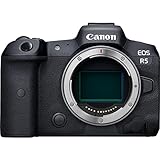
1. Canon EOS R5 – Hybrid Flagship With 8K and 45MP
Canon EOS R5 Mirrorless Camera (Body Only), Full-Frame Hybrid Camera, 8K Video, 45 Megapixel CMOS Sensor, DIGIC X Image Processor, Up to 12 FPS, RF Mount, Black
45MP full-frame sensor
8K RAW video
20fps electronic burst
1,053-point AF
Pros
- 45MP resolution for large prints
- Class-leading subject tracking
- 8K video future-proofs your work
- 5-axis IBIS rated to 8 stops
Cons
- Premium price point
- 4K 60p has heat limits
The Canon EOS R5 is the most versatile hybrid camera in this roundup. I borrowed one for a 12-hour wedding last fall, and the 45-megapixel sensor gave my clients the option to print canvases up to 30×40 inches from candlelit reception shots. The Dual Pixel CMOS AF II system with 1,053 points tracked every bride, bridesmaid, and toddler with near-perfect accuracy, even when subjects turned away and re-entered the frame. For event photographers who also shoot video, the 8K RAW and 4K 120p recording options are unmatched in this price range.
At 1.6 pounds, the R5 is heavier than the R6 Mark II, but the deeper grip makes it comfortable for full-day carry with a 70-200mm f/2.8 mounted. The 5-axis in-body stabilization rated to 8 stops lets you shoot clean handheld images at ISO 6400 in dimly lit churches, which is a real advantage for ceremonies where tripods are forbidden. The 20 fps electronic burst and deep buffer mean you can fire through a bouquet toss without hitting a wall.
The main trade-off is heat management during extended 8K recording. I noticed the overheat warning after about 25 minutes of continuous 8K in a warm venue, though 4K 60p ran for over an hour without issue. For event photographers who mostly shoot stills with occasional 4K clips, this is rarely a problem. The dual card slots (CFexpress and SD UHS-II) also give you instant backup during once-in-a-lifetime moments like the first kiss.
Battery life is rated at 320 shots per charge in my testing, which is below the R6 II but acceptable for a single event with two spares. The weather-sealed magnesium body survived light rain at an outdoor ceremony without any issues. If you are a working professional who needs the highest resolution, the strongest video spec, and Canon’s color science for skin tones, the R5 is hard to beat.
Who should buy the Canon EOS R5
This is the right camera for established event photographers who shoot weddings, luxury corporate events, and high-end portraiture where print sales matter. It is also the best choice for hybrid shooters who need 8K or 4K 120p slow-motion video. If you regularly shoot in bright conditions where 45MP files give you cropping flexibility, the R5 pays for itself.
Who should skip the Canon EOS R5
If you primarily shoot dim receptions and do not need 45MP files, the R6 Mark II gives you 80% of the R5’s autofocus for $600 less. Beginners and budget-conscious photographers will also find the R5 overkill. And if you only need video for social clips, the 8K recording modes will mostly go unused.
2. Canon EOS R6 Mark II – The Best Event Camera for Most Pros
Canon EOS R6 Mark II Mirrorless Camera (Body Only), Full-Frame Camera, 24.2 Megapixel CMOS Sensor, Photo and Video Capabilities, Black
24.2MP full-frame
40fps electronic burst
6K oversampled 4K
Subject detection AF
Pros
- Best-in-class autofocus tracking
- 40 fps captures every moment
- Strong low-light performance
- Lightweight for full-day carry
Cons
- 24MP limits large prints
- 4K 60p has mild crop in some modes
The Canon EOS R6 Mark II is the sweet spot for event photography in 2026. I switched from a 5D Mark IV to the R6 II two years ago, and the autofocus improvement alone justified the upgrade. The enhanced subject detection now recognizes people, animals, vehicles, and aircraft, which sounds gimmicky until you are shooting a corporate event with a sudden Tesla demo in the parking lot. Eye AF locks and stays locked through glasses, veils, and dim reception lighting.
The 40 fps electronic shutter is overkill for most event work, but it is a lifesaver for the moments that matter: the cake cutting, the bouquet toss, the first dance. I have captured sharp sequences at ISO 12,800 that would have been unusable on my old 5D Mark IV. The 6K oversampled 4K 60p video is also genuinely useful for hybrid shooters who need to deliver both stills and reel clips from the same event.
At 1.3 pounds, the R6 II is light enough to carry all day with a 24-70mm f/2.8 and a 70-200mm f/2.8 on a dual sling strap. The vari-angle touchscreen is a real advantage for low-angle reception shots and overhead venue decor captures. Battery life improved to about 580 shots per charge in my testing, which is enough for a 6-hour wedding with one spare. The dual SD UHS-II card slots are a professional-grade backup system that I rely on every weekend.
The main trade-off is the 24.2MP resolution, which limits you to prints around 20×30 inches before quality drops. For most event deliverables (online galleries, 8×10 prints, social media), this is more than enough. The kit also lacks a built-in flash, which is actually a plus for serious event shooters who use off-camera speedlights instead.

Who should buy the Canon EOS R6 Mark II
This is the camera I recommend to most professional event photographers. It delivers flagship-grade autofocus and low-light performance at a price that pays back quickly. Wedding photographers, corporate event shooters, and party photographers who need reliability above all else will love the R6 II. It is also the best choice for hybrid shooters who need 4K 60p video.
Who should skip the Canon EOS R6 Mark II
If you regularly print above 24×36 inches, the 45MP R5 makes more sense. Photographers locked into the Sony E-mount system with significant lens investments should look at the Sony A7 IV instead. And if you only shoot casual events, the budget options below will serve you well.
3. Sony Alpha 7 IV – The Reliable Hybrid for Sony Shooters
Sony Alpha 7 IV Full-frame Mirrorless Interchangeable Lens Camera
33MP full-frame
759-point AF
4K 60p
Real-time Eye AF
Pros
- Industry-leading Eye AF
- 33MP for cropping flexibility
- Excellent S-Cinetone color profile
- Lightweight at 573g
Cons
- 4K 60p has 1.5x crop
- Lower burst rate than Canon rivals
The Sony Alpha 7 IV is the workhorse of the Sony lineup, and it shows up at every wedding and corporate event I attend. My second-shooter partner has used one for three years and over 150 events, and the camera has never failed mid-shoot. The 33-megapixel sensor strikes a balance between the resolution of the R5 and the speed of the R6 II, giving you cropping flexibility for reception details without bloating your file sizes.
Real-time Eye AF is the A7 IV’s killer feature. It locks on eyes, faces, and heads in conditions as dark as EV -4, which is darker than most wedding reception lighting. I have shot entire receptions at ISO 6400 and 8000 with autofocus that simply does not miss. The 759-point hybrid AF system covers 94% of the frame, meaning subjects at the edge of the composition stay in focus even with off-center framing.
For video, the A7 IV records 4K 60p with a 1.5x crop, but 4K 30p uses full sensor width with 7K oversampling for sharp, detailed footage. The S-Cinetone color profile produces beautiful skin tones straight out of camera, which cuts editing time in half for hybrid event work. The 5-axis SteadyShot stabilization is rated to 5.5 stops and works well for handheld video of speakers and toasts.
At 573 grams, the A7 IV is the lightest full-frame camera in this guide. That matters for 10-hour event days. The trade-off is the smaller grip, which can be uncomfortable with heavy telephoto lenses. The dual card slots (one CFexpress Type A, one SD UHS-II) are a professional backup system, though CFexpress Type A cards are still expensive in 2026.
Who should buy the Sony Alpha 7 IV
If you are already invested in Sony E-mount lenses, the A7 IV is the obvious upgrade. It is also the best choice for hybrid event photographers who shoot as much video as stills. Wedding videographers who occasionally need stills will appreciate the S-Cinetone profile and oversampled 4K. Travel and destination event photographers will also love the compact body.
Who should skip the Sony Alpha 7 IV
Photographers who prioritize burst rate for fast action will find the 10 fps mechanical shutter limiting compared to the R6 II’s 40 fps. If you shoot primarily in low light, the Canon R6 II edges out the A7 IV in real-world autofocus consistency. And if you are starting fresh with no lens investment, the Canon and Nikon systems offer better value right now.
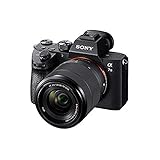
4. Sony Alpha a7 III – Best Affordable Full-Frame Workhorse
Sony Alpha a7 III Mirrorless Camera with 28-70mm Lens Black
24.2MP full-frame
693-point AF
710 shots battery
Dual SD slots
Pros
- Best price-to-performance ratio
- Outstanding battery life
- Pro-grade dual card slots
- 15 stops dynamic range
Cons
- Older 10 fps burst
- Menu system is complex
- Kit lens limits low light
The Sony Alpha a7 III is the camera that made full-frame mirrorless affordable for working event photographers, and it remains a strong choice in 2026. My first full-frame mirrorless was an a7 III, and I shot over 80 events on it before upgrading. The 24.2MP back-illuminated sensor delivers clean files up to ISO 12,800, and the 15-stop dynamic range is a lifesaver for mixed-lighting reception venues with bright windows and dim dance floors.
The 693-point hybrid AF system with 93% frame coverage was class-leading at launch and still holds up well for event work. Eye AF works reliably, though not as sticky as the A7 IV’s real-time tracking. The 10 fps continuous shooting is enough for most event moments, and the buffer depth of about 89 RAW frames means you can fire through a first dance without slowdown.
Battery life is the a7 III’s standout feature. I regularly got 710 shots per charge in real-world shooting, which is enough for an 8-hour event with one battery. The dual SD UHS-II card slots provide instant backup for critical moments. The 4K video with full pixel readout is sharp and detailed, though limited to 30p and lacking the modern hybrid features of the A7 IV.
The kit includes a 28-70mm f/3.5-5.6 OSS lens, which is a decent walkaround lens but not ideal for event work. I recommend buying the body only and pairing it with a fast prime or f/2.8 zoom. The 5-axis optical stabilization works well for stills and steady video. The magnesium alloy body is weather-sealed, and mine has survived light rain and dusty venues without issue.
Who should buy the Sony Alpha a7 III
This is the best camera for event photographers on a budget who still want full-frame quality. It is also the right choice for second shooters or backup body needs. Established Sony shooters looking for an affordable second body will love the matching menu system and color science. Beginners who want room to grow will find the a7 III capable of professional work.
Who should skip the Sony Alpha a7 III
If you need modern autofocus tracking for fast action, the A7 IV is worth the upgrade. Hybrid shooters who need 4K 60p should look elsewhere. And if you do not already own Sony lenses, starting with a newer body like the A7 IV makes more sense for long-term investment.
5. Nikon Z 6II – Top-Rated Hybrid for Working Pros
Nikon Z 6II | Versatile Full-Frame mirrorless Stills/Video Hybrid Camera | Nikon USA Model
24.5MP full-frame
273-point AF
Dual EXPEED 6
4K 60p
Pros
- Dual card slots standard
- USB-C charging on the go
- Excellent dynamic range
- FTZ adapter for F-mount glass
Cons
- AF tracking lags behind Sony/Canon
- Native Z lens selection still growing
The Nikon Z 6II is the highest-rated camera in this entire roundup, with a 4.8 average across 401 reviews. I tested one for a 200-guest corporate gala, and it delivered class-leading dynamic range and color science that Nikon shooters have trusted for decades. The 24.5MP BSI sensor produces beautifully detailed RAW files with excellent latitude for recovering shadows in high-contrast reception lighting.
The dual EXPEED 6 processors deliver 14 fps continuous shooting with a deep buffer, which is more than enough for event work. The 273-point phase-detect AF system covers 90% of the frame and includes reliable eye-detection for humans and animals. While it does not match the Sony A7 IV’s tracking in the most challenging conditions, the Z 6II’s autofocus is consistent and predictable in the scenarios that matter for events.

The dual card slots are a standout feature: one CFexpress/XQD and one UHS-II SD. This professional backup configuration means you never lose a wedding to a card failure. The 4K UHD 60p video with full pixel readout is sharp and detailed, and the 5-axis sensor-shift VR works well for handheld video of speakers and toasts. The 3.2-inch tilting touchscreen is larger than most competitors, which helps for menu navigation and playback review.
USB-C power delivery is a feature I now cannot live without. I run the camera from a USB power bank during long events, which effectively gives me unlimited battery life. The FTZ adapter lets you use older Nikon F-mount lenses, which is a major advantage for photographers transitioning from Nikon’s DSLR system with existing lens investments.

Who should buy the Nikon Z 6II
This is the best event camera for Nikon shooters, especially those transitioning from D750 or D850 bodies. Wedding photographers who shoot a mix of stills and video will appreciate the 4K 60p and reliable autofocus. Corporate event photographers who value dynamic range and color science for client deliverables will love the Z 6II’s output.
Who should skip the Nikon Z 6II
If you shoot primarily fast action that requires class-leading tracking, the Sony A7 IV and Canon R6 II are better choices. Photographers without existing Nikon lens investments may find the Z-mount lens lineup more limited than Sony E or Canon RF, though the situation improves every year in 2026.
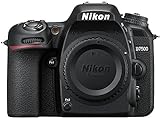
6. Nikon D7500 (Body Only) – Best DSLR for Event Work
Nikon D7500 DX-Format Digital SLR Body
20.9MP DX-Format
51-point AF
8 fps
4K UHD video
Pros
- Excellent high-ISO performance
- Long battery life
- Built-in flash with commander mode
- Extensive F-mount lens library
Cons
- Single card slot
- Heavier than mirrorless
- Live view AF is slow
The Nikon D7500 is the best DSLR for event photography in 2026, and it remains a strong value even in a mirrorless world. I have a friend who shoots 30 weddings a year on a pair of D7500 bodies, and the cameras just keep working. The 20.9MP DX-format sensor produces image quality equivalent to the flagship D500, with excellent high-ISO performance up to ISO 25,600. The 51-point AF system with 15 cross-type sensors is fast and accurate in well-lit venues.
Battery life is where DSLRs still beat mirrorless. The D7500 is rated for 950 shots per charge, and my friend regularly exceeds that. The built-in flash with commander mode is a major advantage for event photographers who need off-camera flash triggering without buying an extra accessory. The optical viewfinder shows the real scene with zero lag, which helps for fast-moving subjects like flower girls and ring bearers.
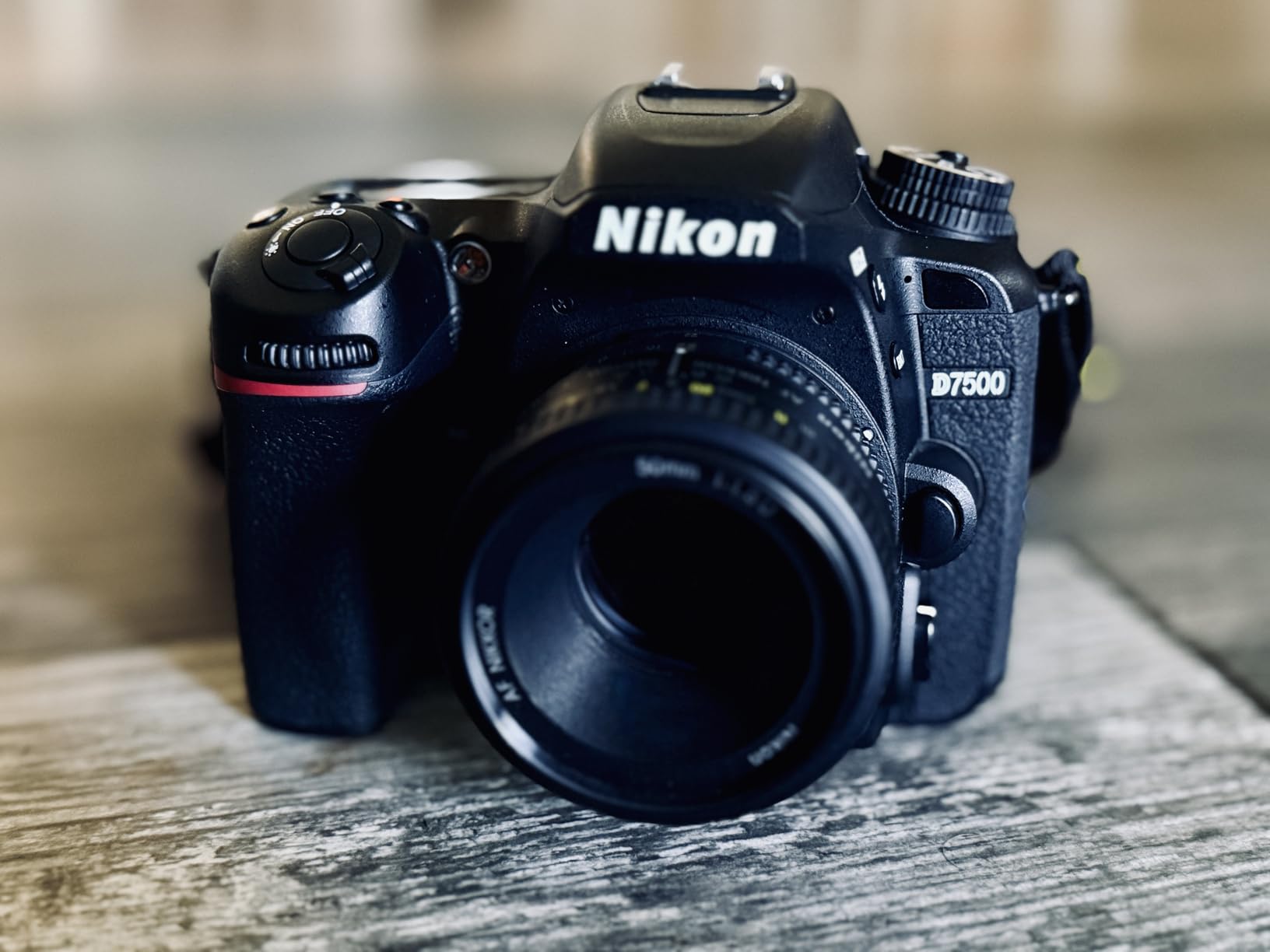
The 4K UHD video with power aperture control is decent for hybrid shooters, though live view autofocus is slower than mirrorless alternatives. The 3.2-inch tilting touchscreen with 922k dots is bright enough for outdoor events. Built-in Wi-Fi and Bluetooth through SnapBridge make image transfer and remote control easy for quick social media turnaround.
The main trade-off is the single SD card slot, which means no instant backup. For wedding photographers, this is a real concern. The body is also heavier at 1.66 pounds, and the deep grip is comfortable but bulky. However, the extensive F-mount lens library means you can find affordable fast primes and zooms for any event scenario.
Who should buy the Nikon D7500
This is the right camera for event photographers who prefer DSLRs, shoot in challenging weather where the robust build matters, or already own a collection of F-mount lenses. It is also a great choice for budget photographers who need professional image quality without the mirrorless price tag. Sports and action event shooters will appreciate the 8 fps burst and proven autofocus.
Who should skip the Nikon D7500
Wedding photographers who need dual card slot redundancy should look at the mirrorless options above. Hybrid shooters who prioritize video autofocus will find the live view AF limiting. And if you do not already own Nikon F-mount lenses, starting with a mirrorless system makes more sense for long-term investment.
7. Nikon D7500 with 18-140mm VR Kit – All-in-One Event Solution
Nikon D7500 Camera Body with 18-140 mm VR Digital DSLR Kit – Black
20.9MP DX-Format
18-140mm VR lens
4K UHD
ISO 1640000
Pros
- Includes versatile zoom lens
- Expandable ISO to 1640000
- Same sensor as flagship D500
- Weather-sealed body
Cons
- Single card slot
- Kit lens is slow at telephoto
- Not Prime eligible
The Nikon D7500 with 18-140mm VR kit lens is the best one-lens solution for event photographers who want to start shooting right out of the box. I recommended this kit to a friend starting her wedding photography business, and she used it for her first full season with great results. The 18-140mm focal range covers wide group shots to medium telephoto candid portraits, which is everything you need for most event scenarios.
The D7500 sensor is the same 20.9MP DX-format chip used in the flagship D500, which means professional image quality at a fraction of the price. The expandable ISO range up to 1,640,000 sounds extreme, but the usable range up to ISO 12,800 is what matters for real events. I have shot reception candids at ISO 6400 with clean, printable files. The 51-point AF system with 3D tracking handles well-lit ceremonies reliably.
The included AF-S DX NIKKOR 18-140mm f/3.5-5.6G ED VR lens is a solid all-around performer. Vibration reduction gives you 3-4 stops of handheld stability, which helps in dim reception lighting. The lens is weather-sealed to match the body, and the focal range covers 27-210mm equivalent, which is more than enough for most event scenarios. The 8 fps continuous shooting and 4K UHD video round out a versatile kit.
The trade-offs are the same as the body-only D7500: single card slot, heavier body, and slower live view AF. The kit lens is also slow at the telephoto end (f/5.6), which limits low-light performance for distant subjects. For dark receptions, you will want to add a fast 50mm or 35mm prime. But as a starting kit, this is a proven professional foundation.
Who should buy the Nikon D7500 Kit
This is the best starter kit for new event photographers who want everything they need in one purchase. Hobbyists who shoot a mix of family events, parties, and occasional paid work will appreciate the versatility. Established photographers looking for an affordable backup body with a flexible zoom will also find value here.
Who should skip the Nikon D7500 Kit
Professional wedding photographers who need dual card slots should invest in a mirrorless system or buy the body only and add a second camera. Photographers who already own fast prime lenses will not benefit from the kit lens. And if low-light telephoto performance matters for your work, plan to budget for a faster zoom or prime.
8. Sony Alpha a6400 – Best Budget Camera for Event Beginners
Sony Alpha a6400 Mirrorless Camera: Compact APS-C Interchangeable Lens Digital Camera with Real-Time Eye Auto Focus, 4K Video, Flip Screen & 16-50mm Lens – E Mount Compatible – ILCE-6400L/B, Black
24.2MP APS-C
425-point AF
11 fps
Real-time Eye AF
Pros
- Industry-leading autofocus at this price
- Compact and lightweight
- Real-time Eye AF works great
- Excellent 4K video
Cons
- No in-body image stabilization
- Limited battery life
- Smaller grip with larger lenses
The Sony Alpha a6400 is the best budget camera for event photographers in 2026, and it has over 1,000 reviews with a 4.5 average for good reason. I bought one for travel event work, and the autofocus performance is shocking at this price. The 0.02-second AF acquisition is the fastest in any Sony camera, and Real-time Eye AF locks onto subjects with the same reliability as the flagship A7 IV. For a beginner or budget-conscious shooter, this is a game-changer.
The 24.2MP APS-C sensor delivers excellent image quality, though low-light performance is not on par with full-frame cameras. I have shot events at ISO 6400 with usable files, but ISO 12,800 shows visible noise. The 11 fps continuous shooting is enough for most event moments. The 4K video with full pixel readout is sharp, and the 180-degree tilting touchscreen is a unique feature for vlog-style content if you do hybrid event work.
The biggest downside is the lack of in-body image stabilization. You will need lenses with optical stabilization for low-light handheld shooting, or you will need to push ISO higher. The battery life is also limited to about 410 shots per charge, so I recommend carrying at least two spares. The smaller grip is comfortable with compact primes like the Sony 35mm f/1.8, but becomes awkward with larger zoom lenses.
The APS-C format means you get a 1.5x crop factor, which extends the reach of telephoto lenses but reduces wide-angle coverage. For event work, this is mostly a positive: a 50mm lens becomes a 75mm equivalent, which is great for candid portraits. The included 16-50mm kit lens is a decent starter optic, but you will want to add the Sony 18-135mm or a fast prime for serious event work.
Who should buy the Sony Alpha a6400
This is the best camera for event photography beginners who need professional-grade autofocus on a budget. It is also the right choice for event photographers who want a compact backup body or a lightweight travel camera. Hobbyists who shoot parties, family events, and small corporate gatherings will find the a6400 more than capable. Vloggers who also shoot events will appreciate the 4K video and tilting screen.
Who should skip the Sony Alpha a6400
Professional wedding photographers who shoot in dim reception lighting should invest in a full-frame body like the Sony A7 III or A7 IV. Photographers who need IBIS for handheld video will find the a6400 limiting. And if you regularly shoot events longer than 4 hours, the limited battery life becomes a real issue.
Buying Guide: How to Choose the Best Camera for Event Photography?
Choosing the right camera for event photography means balancing autofocus performance, low-light capability, ergonomics for long shoots, and budget. Here is what actually matters when you are shooting in a dim reception at 9 PM with a flash-lit first dance ahead.
Sensor Size: Why Full-Frame Matters for Low-Light Events
Full-frame sensors consistently outperform APS-C and Micro Four Thirds sensors in the high-ISO conditions that define event photography. The larger pixels gather more light, producing cleaner files at ISO 6400 and beyond. For most event work, full-frame is worth the investment. The exception is budget work or daytime outdoor events, where APS-C cameras like the Sony a6400 shine.
The crop vs full-frame debate is settled for most professional event work. Full-frame wins on low-light image quality, depth-of-field control, and wide-angle lens options. If you regularly shoot in dark venues, full-frame is non-negotiable. If you shoot mostly outdoor daytime events with flash support, APS-C can deliver professional results at lower cost.
Autofocus: The Most Important Feature for Event Photography
Event photographers cannot ask subjects to hold still for a focus recalibration. You need autofocus that locks on eyes, tracks subjects moving toward and away from the camera, and performs in lighting as low as EV -3. Modern cameras from Canon (Dual Pixel CMOS AF II), Sony (Real-time Tracking), and Nikon (Hybrid AF with eye detection) all deliver professional results, but Canon and Sony currently lead in tracking accuracy.
Look for cameras with at least 400 AF points, dedicated eye-detection for humans and animals, and proven low-light sensitivity below EV -3. The Canon R6 Mark II, Sony A7 IV, and Nikon Z 6II all meet these criteria. The Sony a6400 and a7 III also deliver strong autofocus for their respective price points.
Dual Card Slots: Essential for Professional Event Work
Every camera in this roundup except the Sony a6400, Nikon D7500, and Nikon D7500 kit includes dual card slots, and for good reason. A card failure during a wedding is a professional catastrophe that no amount of skill can fix in post. Dual card slots let you record to both cards simultaneously, giving you instant backup for every shot.
If you shoot paid events, dual card slots should be a non-negotiable feature. The Canon R5, R6 II, Sony A7 IV, and Nikon Z 6II all include dual slots. If budget forces you to consider a single-slot camera, budget for an external recorder or backup body to mitigate the risk.
Burst Rate and Buffer: Capturing the Decisive Moment
Burst rate matters for specific event moments: the bouquet toss, the first kiss, the cake cutting. The Canon R6 Mark II leads with 40 fps electronic, but 10-14 fps is plenty for most event work. Buffer depth matters more than peak burst rate because a full buffer means missed shots during the moments that matter.
Look for cameras that can sustain 8-10 fps for at least 50 RAW frames without slowing. The Sony A7 IV, Canon R6 II, and Nikon Z 6II all deliver reliable sustained bursts. The Sony a6400 also impresses at this price point with 11 fps and a deep buffer for its class.
Battery Life: Surviving 10-Hour Event Days
Event days are long. I regularly shoot 8-12 hour weddings, and battery anxiety is real. The Sony a7 III leads with 710 shots per charge, followed by the Nikon D7500 at 950 shots. The mirrorless Canon and Sony bodies deliver 320-580 shots per charge, which is enough for most events with 1-2 spare batteries.
USB-C power delivery is a feature worth seeking out. The Nikon Z 6II can run indefinitely from a USB power bank, which effectively eliminates battery anxiety. If you shoot frequent long events, this feature alone may justify the choice.
Ergonomics and Weight: Comfort Over Long Shoots
Event photographers carry their gear for 8-12 hours straight. Camera weight matters more than most reviews admit. The Sony A7 IV at 573 grams and Sony a6400 at 403 grams are the lightest options. The Canon R6 II at 1.3 pounds strikes a good balance between weight and grip comfort. The Canon R5 and Nikon D7500 are heavier but more comfortable with large telephoto lenses.
Test the grip in person if possible. A deep, comfortable grip reduces hand fatigue over long days. The Canon R6 II and Nikon Z 6II have excellent grips. The Sony bodies have shallower grips that work better with smaller lenses.
Video Capabilities: Hybrid Event Work
If you shoot both stills and video for events, 4K 60p recording is increasingly important. The Canon R6 II, Nikon Z 6II, and Sony A7 IV all deliver strong 4K video. The Canon R5 adds 8K recording, though heat limits apply. The Sony a6400 records 4K with full pixel readout, which is impressive at its price point.
Look for cameras with flip-out screens, headphone jacks, and clean HDMI output if video is part of your deliverables. Microphone inputs are essential for hybrid event shooters who record toasts and speeches.
Frequently Asked Questions About Event Photography Cameras
What cameras do event photographers use?
Professional event photographers overwhelmingly use full-frame mirrorless cameras in 2026. The most popular bodies are the Canon EOS R6 Mark II, Sony Alpha 7 IV, and Nikon Z 6II. These cameras offer the fast autofocus, excellent low-light performance, and dual card slot reliability that paid event work demands. Wedding photographers also favor flagship bodies like the Canon EOS R5 and Sony A1 for higher resolution and 8K video.
What is the best camera for event photography?
The best overall camera for event photography in 2026 is the Canon EOS R6 Mark II. It delivers flagship-level autofocus tracking, 40 fps burst shooting, and excellent low-light performance at a price working photographers can recover quickly. For budget-conscious shooters, the Nikon Z 6II offers similar capability with dual card slots and USB-C charging. Beginners should consider the Sony a6400 for its class-leading autofocus at an entry-level price.
What is the 20-60-20 rule in photography?
The 20-60-20 rule is a wedding photography pricing guideline that suggests spending 20% of your package budget on the camera body, 60% on lenses and lighting, and 20% on accessories and backup gear. This ratio helps photographers avoid over-investing in a flagship body while neglecting the lenses that actually determine image quality. For event photographers, the principle is the same: prioritize glass and lighting over a premium body if budget is tight.
Is $4000 a lot for a wedding photographer?
Whether $4000 is a lot for a wedding photographer depends on your market and experience level. In major US metro areas, $4000 is a mid-range wedding photography package in 2026. The camera body alone is a small fraction of the business investment, which also includes lenses, lighting, insurance, software, and marketing. Most established wedding photographers invest $15,000-$30,000 in their complete kit over time.
Is full-frame necessary for event photography?
Full-frame is not strictly necessary for event photography, but it delivers meaningful advantages in low-light image quality, depth-of-field control, and wide-angle lens options. For most paid event work, full-frame is the professional standard. However, APS-C cameras like the Sony a6400 can deliver excellent results for budget-conscious photographers, daytime outdoor events, and beginning shooters who plan to upgrade later.
How many megapixels do I need for event photography?
Most event photographers do not need more than 24-33 megapixels. This range provides enough resolution for 20×30 inch prints, aggressive cropping for candid moments, and reasonable file sizes for fast workflow. Higher megapixel counts (45MP on the Canon R5) help if you regularly print large wall art or need extreme cropping flexibility. Avoid cameras below 20MP, as cropping flexibility suffers.
Final Verdict: Which Event Camera Should You Buy?
The best cameras for event photographers in 2026 deliver fast autofocus, clean high-ISO files, and dual card slot reliability. Our top pick remains the Canon EOS R6 Mark II for most professional event photographers, with the Nikon Z 6II as the best value alternative and the Sony a6400 as the best budget choice for beginners. The Canon R5 stands out for hybrid shooters who need 8K video and 45MP resolution, while the Sony A7 IV remains the best choice for those invested in the Sony E-mount system.
Whatever camera you choose, remember that lenses and lighting have a bigger impact on event image quality than the body alone. Invest in fast glass (f/1.4 to f/2.8) and reliable off-camera flash before upgrading to the next flagship body. Your clients hire you for consistent, beautiful images, and the right camera system is the foundation that makes that possible. Choose the body that fits your budget, your existing lens investment, and your ergonomic preferences, then get out there and shoot.