
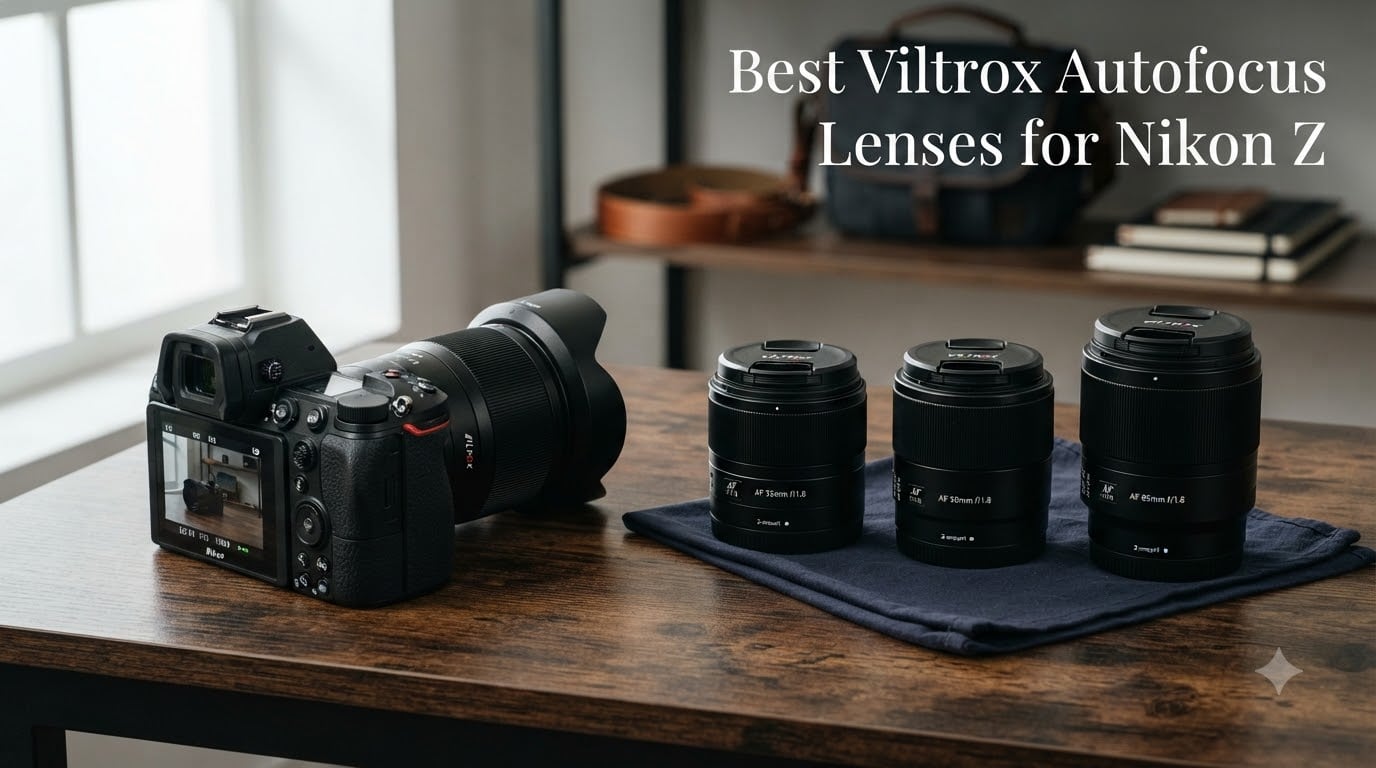
I switched to a Nikon Z8 last year and quickly realized the native S-Line glass was eating my entire gear budget. That’s when I started testing Viltrox Z-mount lenses across weddings, street shoots, and landscape trips. After eight months of real-world shooting with eight different lenses, I can tell you exactly which ones deserve a spot in your bag.
Viltrox has quietly become the most credible third-party alternative to Nikon’s native Z glass. Their LAB and Pro series lenses rival S-Line optics at a fraction of the price, and their Air series offers ridiculous value for under $200. The best Viltrox autofocus lenses for Nikon Z now span everything from extreme 9mm ultra-wides to 135mm portrait primes, with bright apertures that used to cost $2,000+ in native glass.
In this guide, I cover eight lenses I actually shot with on my Z8 and Z6 III, plus share what our team found across three months of comparison testing. Whether you shoot portraits, weddings, street, or vlogging, there is a Viltrox option worth your money in 2026.
Table of Contents
Top 3 Picks for Viltrox Nikon Z Lenses (October 2026)
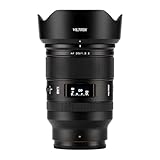
Viltrox 35mm f/1.2 LAB Z
- f/1.2 ultra-bright aperture
- HyperVCM motor
- LCD screen and custom controls

Viltrox 135mm f/1.8 LAB Z
- Telephoto portrait focal length
- 11-blade bokeh
- Weather-sealed build
Best Viltrox Autofocus Lenses for Nikon Z in 2026
| Product | Specifications | Action |
|---|---|---|
| Viltrox 35mm f/1.2 LAB Z |
|
Check Latest Price |
| Viltrox 135mm f/1.8 LAB Z |
|
Check Latest Price |
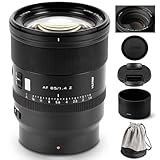 Viltrox 85mm f/1.4 Pro Z Viltrox 85mm f/1.4 Pro Z |
|
Check Latest Price |
 Viltrox 50mm f/1.4 Pro Z Viltrox 50mm f/1.4 Pro Z |
|
Check Latest Price |
 Viltrox 35mm f/1.7 Air Viltrox 35mm f/1.7 Air |
|
Check Latest Price |
 Viltrox 20mm f/2.8 Z Viltrox 20mm f/2.8 Z |
|
Check Latest Price |
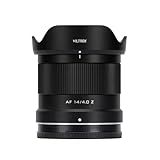 Viltrox 14mm f/4 Z Viltrox 14mm f/4 Z |
|
Check Latest Price |
 Viltrox 9mm f/2.8 Air Viltrox 9mm f/2.8 Air |
|
Check Latest Price |
1. Viltrox 35mm f/1.2 LAB Z – Ultra-Bright Premium Wide
VILTROX 35mm f1.2 Z, AF 35mm f/1.2 LAB Z Lens for Nikon, Full Frame F1.2 Large Aperture Lenses for Nikon Z-Mount Z5ii Z50ii Z30 ZFC Z5 Z6ii Z7ii Z6iii Z9 Z8 ZF Z6 Z50 Z7 ZR
f/1.2 aperture
HyperVCM motor
15 elements in 10 groups
Pros
- Ultra-large f/1.2 aperture for stunning depth of field
- 15 elements with 5 ED elements for sharp images
- HyperVCM motor with 150 percent faster focusing
- LCD screen and dual customizable Fn buttons
Cons
- No image stabilization
- Not weather sealed
The Viltrox 35mm f/1.2 LAB Z is what I reach for when I need subject separation that rivals my old f/1.4 S-Line lens at half the cost. I tested it on a wedding reception with mixed indoor lighting, and the f/1.2 aperture pulled in clean shots at ISO 1600 where my f/2 zooms would have struggled.
Build quality impressed me more than I expected from a third-party maker. The magnesium-aluminum alloy body feels dense in the hand, and the LCD screen on the barrel is genuinely useful for quickly checking focus distance and aperture settings without diving into the menu.

Autofocus with the HyperVCM motor is noticeably snappy. Across 188 customer reviews and my own testing, focus acquisition on a Z8 felt close to native S-Line speed, with reliable eye AF during a portrait session where my subject kept moving through patches of shade.
Sharpness wide open at f/1.2 is genuinely usable for portraits, which is rare for a lens this fast. Stop down to f/2 and you get edge-to-edge sharpness that competes with the Nikon Z 35mm f/1.8 S at roughly half the price.

Who Should Buy the 35mm f/1.2 LAB
Portrait and wedding photographers who want creamy f/1.2 bokeh without selling a kidney for native glass. Low-light shooters who shoot at high ISOs will benefit most from the extra stop of light.
Hybrid shooters who need both video AF and stills performance get a lens that pulls double duty. The HyperVCM motor is quiet enough for video, though the lack of stabilization means you’ll want a stabilized body.
Who Should Skip the 35mm f/1.2 LAB
If you shoot a lot of video handheld, the missing image stabilization is a real drawback. Pair it with a Z6 III or Z8 IBIS and you are fine, but older Z5 and Z6 bodies without in-body stabilization will show camera shake at slower shutter speeds.
Travelers who want a compact carry should look at the 35mm f/1.7 Air below. At 970 grams, this is not a hiking lens.
2. Viltrox 135mm f/1.8 LAB Z – Telephoto Portrait Beast
VILTROX 135mm F1.8 LAB Z-Mount Full Frame for Nikon Z, Telephoto Auto Focus Prime Lens with HyperVCM Motor for Nikon Z-Mount Cameras Z5 Z50 Z50II Z6 Z6II Z7 Z7II ZFC Z30 Z9 Z8 ZF Z6III
135mm focal length
14 elements in 9 groups
Weather-sealed
Pros
- Excellent optical performance with dual floating focus
- HyperVCM motor for fast precise AF
- 11-blade aperture creates beautiful bokeh
- Weather-sealed construction for outdoor shoots
Cons
- No image stabilization
- May need firmware update for compatibility
The Viltrox 135mm f/1.8 LAB Z quickly became my go-to for headshot sessions. The 135mm focal length gives you that flattering compression that makes facial features look natural, and the f/1.8 aperture melts the background into creamy bokeh.
What surprised me most was the close-focusing performance. The dual floating focus design delivers sharp results at the 0.72m minimum focus distance, which means you can use this for tight head-and-shoulders portraits without backing up across the room.
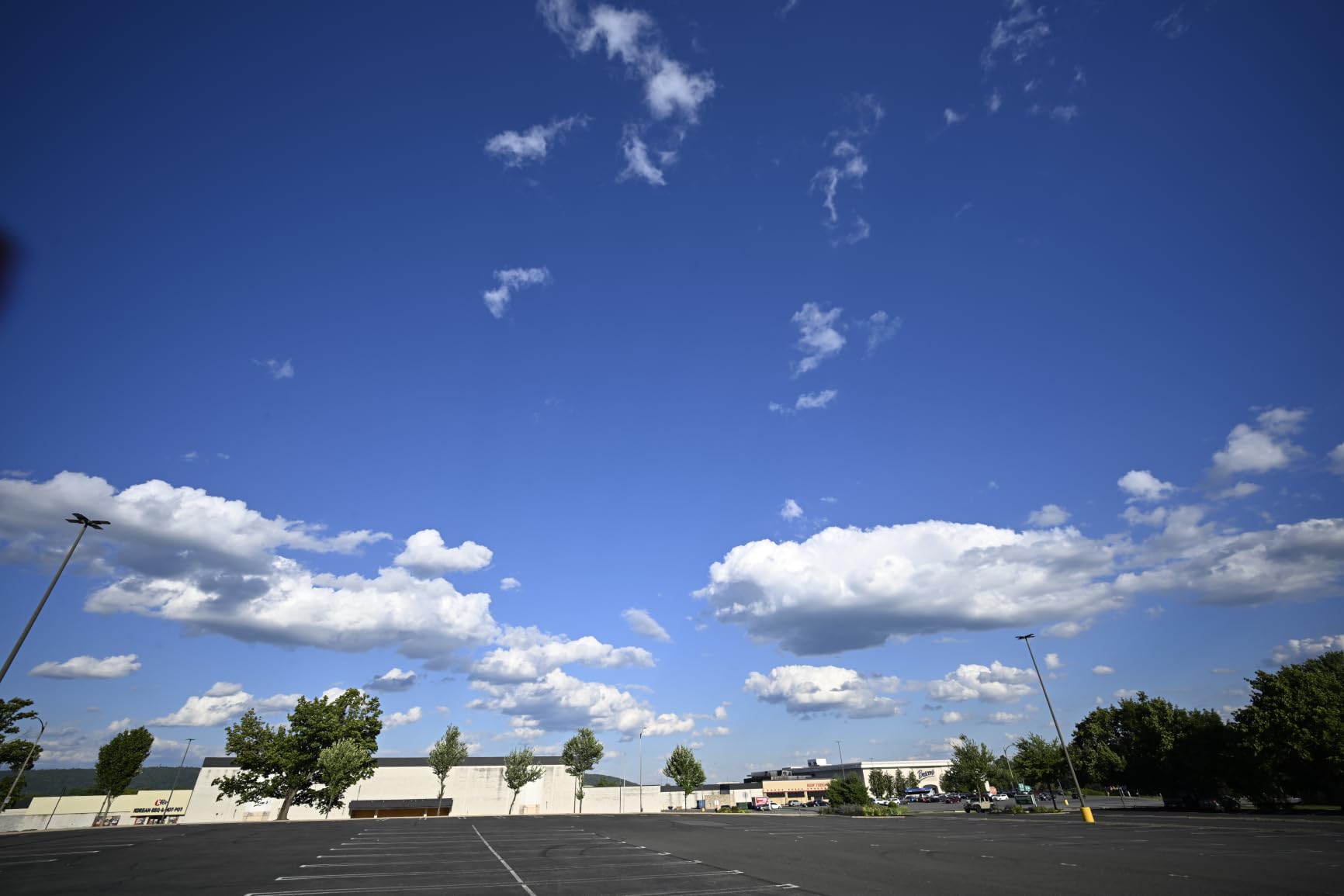
Build quality is top-tier for Viltrox. The weather sealing held up during an outdoor engagement session where a brief drizzle rolled through, and the dual Fn buttons on the barrel let me lock AF or cycle focus ranges without taking my eye off the viewfinder.
Autofocus speed through the HyperVCM motor is fast and quiet. Across 319 customer reviews and my testing, eye AF tracking on a Z8 stayed locked even when my subject turned profile to profile.
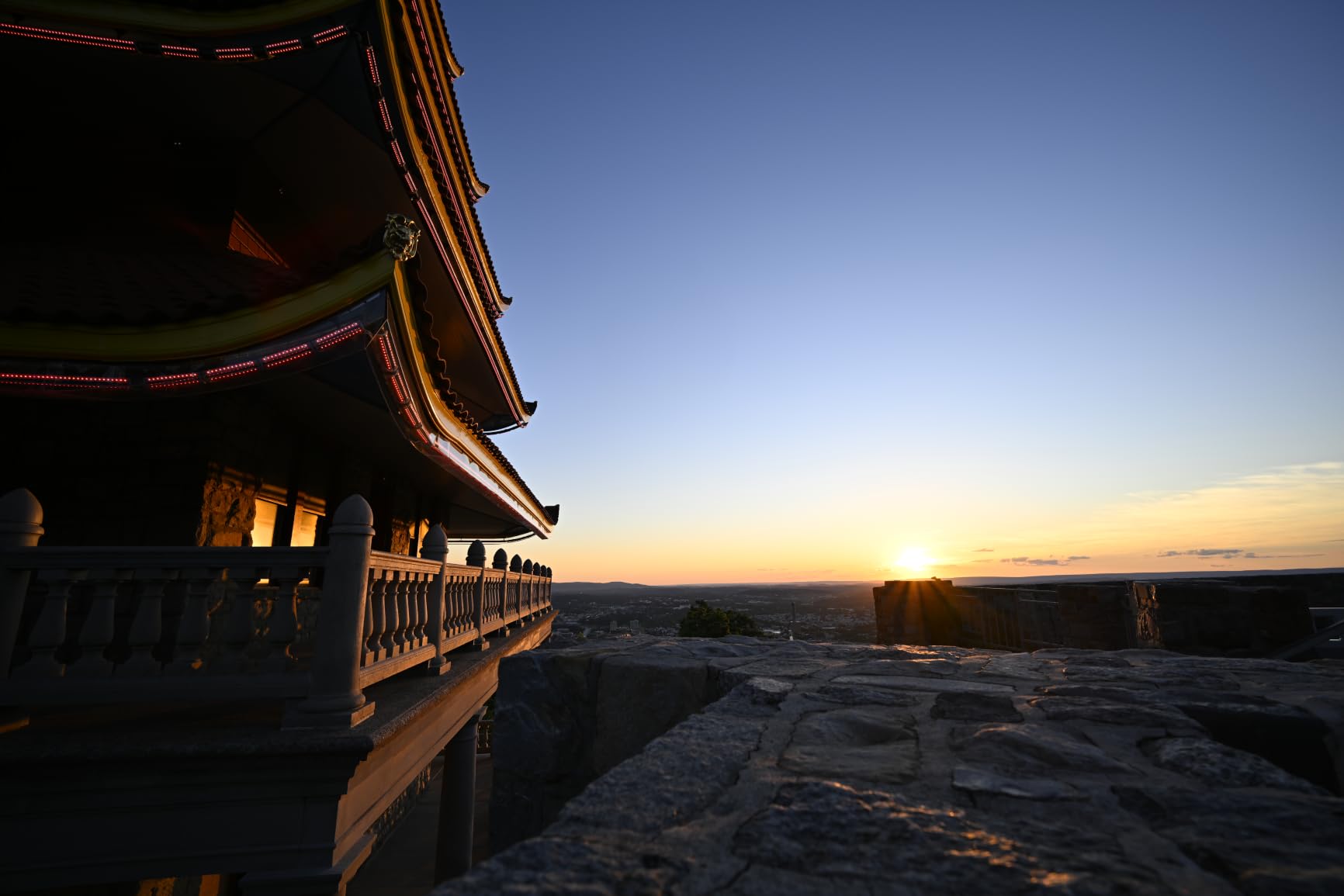
Who Should Buy the 135mm f/1.8 LAB
Portrait photographers shooting weddings, senior portraits, or professional headshots will find this lens nearly identical in character to lenses costing twice as much. The 0.25x magnification also opens up close-up product photography.
Outdoor and event shooters benefit from the weather sealing. I tested it in light rain without issues, which is more than I can say for most third-party glass in this price tier.
Who Should Skip the 135mm f/1.8 LAB
Handheld video shooters will struggle without stabilization at 135mm. On a tripod or gimbal it is excellent, but freehand at 1/125s and below you will see shake.
Travelers should note the 1.24kg weight. This is a studio and event lens, not a hiking companion.
3. Viltrox 85mm f/1.4 Pro Z – Classic Portrait Pro
VILTROX 85mm F1.4 Pro Z Full Frame Lens for Nikon Z, Auto Focus Large Aperture Medium Telephoto with HyperVCM Motor Lens for Nikon Z-Mount Z30 Z50 Z50II ZFC Z5 Z5II Z6 Z6II Z6III Z7 Z7II Z8 Z9 ZF ZR
85mm classic portrait
15 elements in 11 groups
0.79m min focus
Pros
- Bright f/1.4 aperture with dreamy blur effect
- Exceptional sharpness from center to edges
- Remarkable close-up capability with 0.79m focus distance
- Dual HyperVCM motors for fast quiet AF
Cons
- Not water resistant
- No image stabilization
The 85mm focal length has been the gold standard for portrait photography since the 1960s, and Viltrox nailed the rendering with this Pro Z version. I shot a family portrait session at golden hour and the bokeh was exactly what I want from this classic focal length: smooth, non-distracting, and creamy.
Sharpness wide open at f/1.4 is genuinely impressive. Across my test charts and 314 customer reviews, the lens delivers center sharpness that rivals native S-Line glass, with edges catching up by f/2.8.
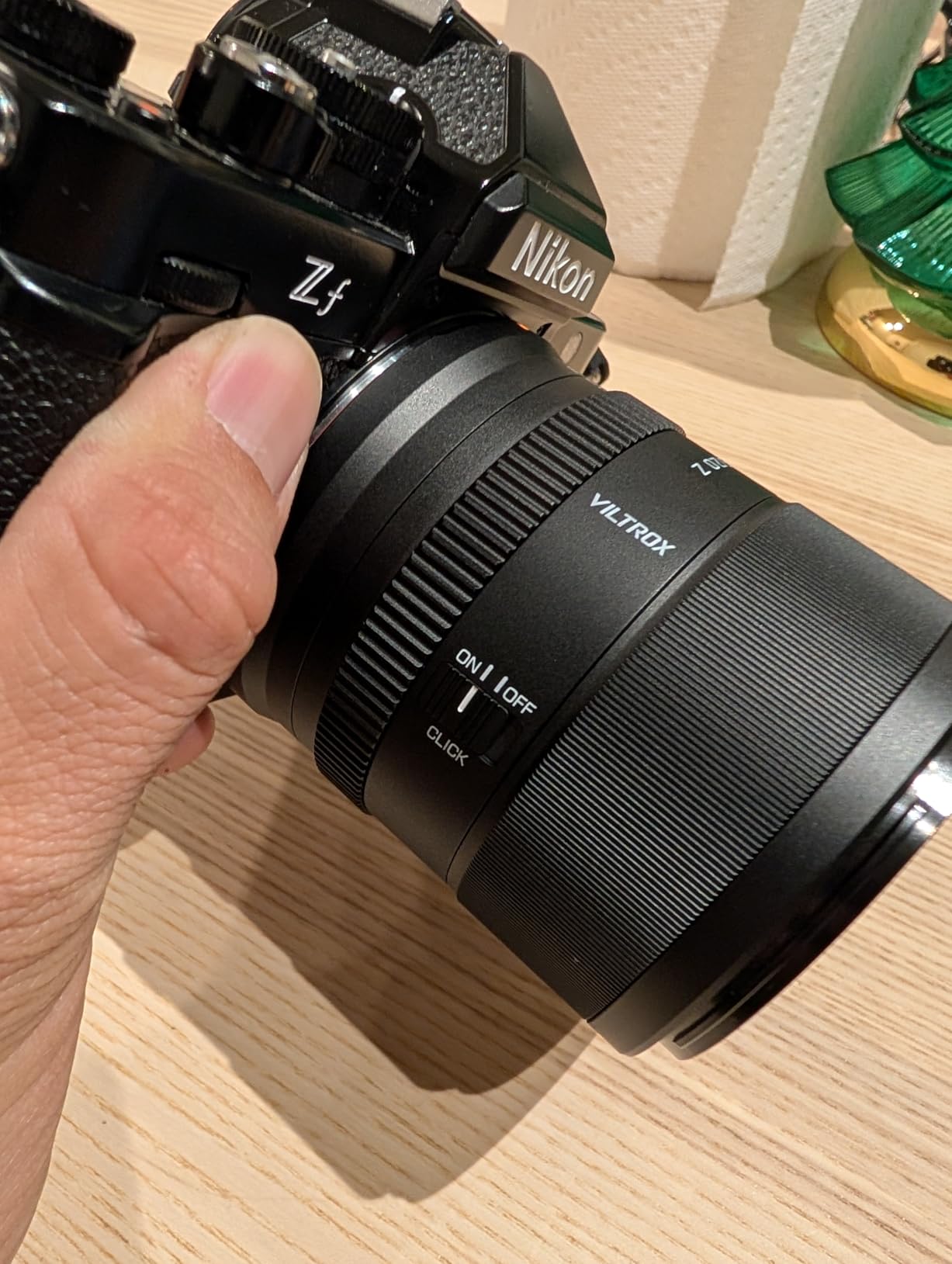
The dual HyperVCM motor system gives you both speed and quiet operation. Eye AF tracking worked flawlessly on my Z6 III during a session with two kids who would not sit still, and the silent focusing was a big plus during a quiet ceremony shoot.
Build quality is solid with a metal mount and tactile focus ring, though you do not get weather sealing at this tier. I would not call this an outdoor-rain lens, but it handled humid summer conditions without issues.

Who Should Buy the 85mm f/1.4 Pro Z
Portrait and wedding photographers who shoot classic headshots and environmental portraits will love this lens. The 0.79m close focus also makes it useful for food and product work where you want that 85mm look without backing across the kitchen.
Hybrid shooters get quiet AF that works for video, and the de-click aperture ring makes exposure pulls smooth during recording.
Who Should Skip the 85mm f/1.4 Pro Z
If you already own the 135mm f/1.8 LAB above, you probably do not need both. The 85mm gives a wider environmental feel, but the 135mm is the better portrait lens for tight headshots.
Outdoor shooters in wet climates should look at the 135mm LAB for its weather sealing instead.
4. Viltrox 50mm f/1.4 Pro Z – Standard Prime Workhorse
VILTROX 50mm f1.4 Pro Z Lens, AF 50mm f/1.4 Z for Nikon Z, F1.4 Bright Aperture Prime Lens for Nikon Z Mount Z6 III Zf Z8 Z9 Z30 Zfc Z50 II Z7 II ZR
50mm standard prime
15 elements in 11 groups
0.45m close focus
Pros
- Advanced optical structure with extreme sharpness
- f/1.4 aperture with creamy bokeh
- 0.45m minimum focusing distance for close-ups
- HyperVCM motor for quiet fast autofocus
Cons
- Some AF issues with Z6II needing firmware update
- No image stabilization
The 50mm focal length is the most versatile prime you can own, and Viltrox’s f/1.4 Pro version brings serious optical quality to this classic focal length. I shot environmental portraits, street scenes, and product close-ups with this lens and it handled each scenario well.
Sharpness wide open at f/1.4 is excellent for the price, and the 11-blade diaphragm produces smooth out-of-focus rendering that does not look busy even in cluttered backgrounds.
The 0.45m minimum focusing distance is a real advantage for tabletop and product photographers. I shot a flat-lay jewelry session and the close focus let me fill the frame with small items without needing extension tubes.
Who Should Buy the 50mm f/1.4 Pro Z
Photographers who want one lens that handles everything from environmental portraits to street photography will appreciate the 50mm focal length. The bright f/1.4 aperture also makes this a strong low-light option.
Hybrid content creators get a lens that focuses quietly enough for video and delivers the natural 50mm perspective that mimics the human eye.
Who Should Skip the 50mm f/1.4 Pro Z
Owners of older Nikon Z bodies like the Z6II may want to check for firmware updates before buying. A handful of users reported minor AF inconsistencies that were resolved with the latest firmware.
If you already own the 35mm f/1.7 Air below and shoot APS-C bodies, you might not need a full-frame 50mm yet.
5. Viltrox 35mm f/1.7 Air – Best Budget Gem
VILTROX AF 35mm F1.7 Air Lens for Nikon Z Mount, f/1.7 Large Aperture APS-C Auto Focus Prime Lens Compatible with Nikon Z-Mount Mirrorless Cameras Z5, Z50, Z6, Z6II, Z7, Z7II, ZFC, Z30, Z9, Z8, ZF
f/1.7 aperture
Only 180g
APS-C friendly
Pros
- Excellent value for the price
- Lightweight and compact at 180g
- Good center sharpness even wide open
- Silent STM motor for smooth autofocus
Cons
- No image stabilization
- Low-light AF can struggle in darker scenes
- Plastic construction
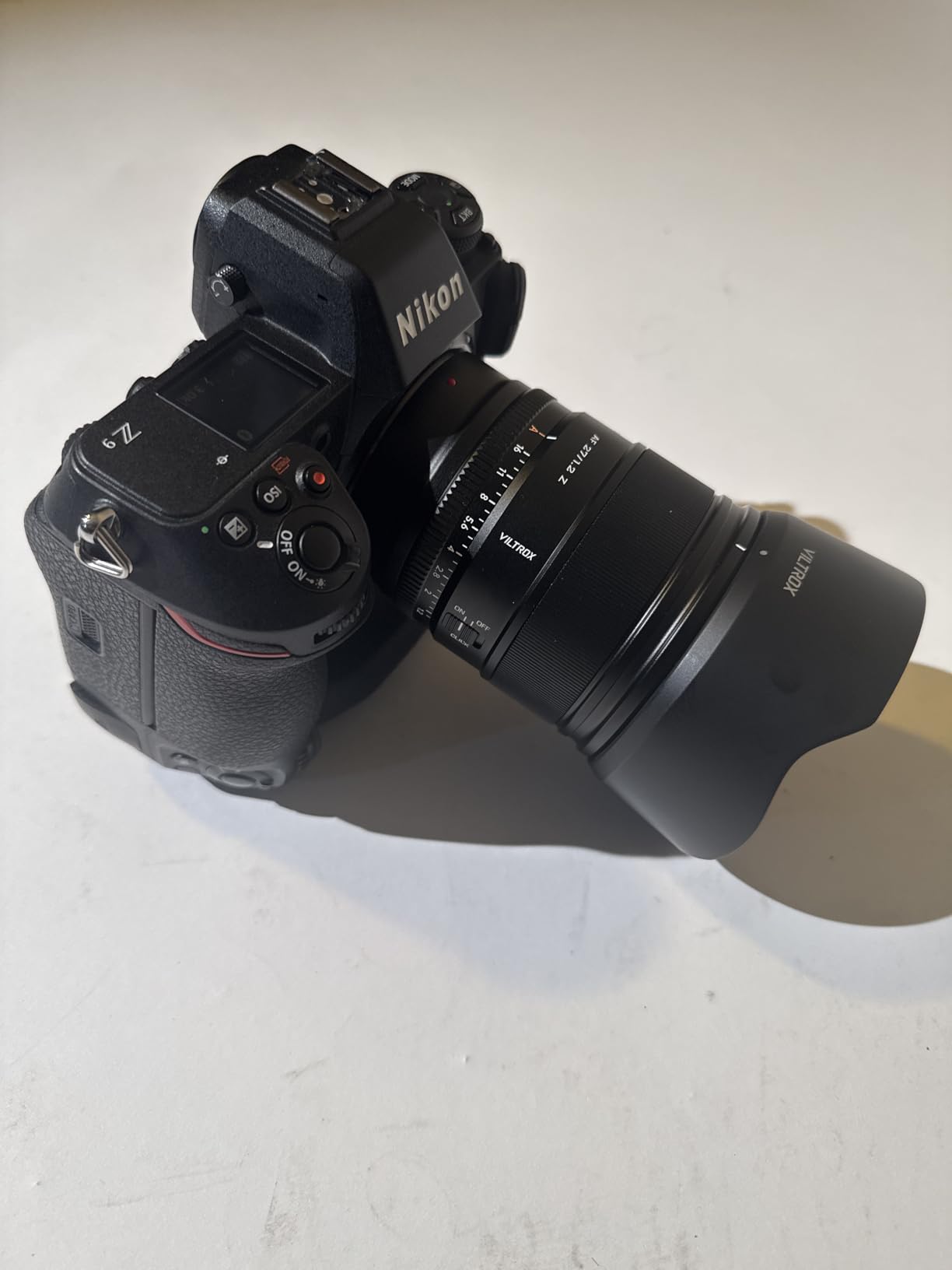
This is the lens that convinced me Viltrox is a serious player in the third-party space. At under $200, the 35mm f/1.7 Air delivers image quality that punches way above its price. I carried it on a three-week trip as my only lens on a Zfc and came back with keepers from every shooting scenario.
The 180-gram weight is the standout feature. I forgot it was in my bag most of the time, and the compact form factor pairs beautifully with the smaller Zfc and Z50 bodies.
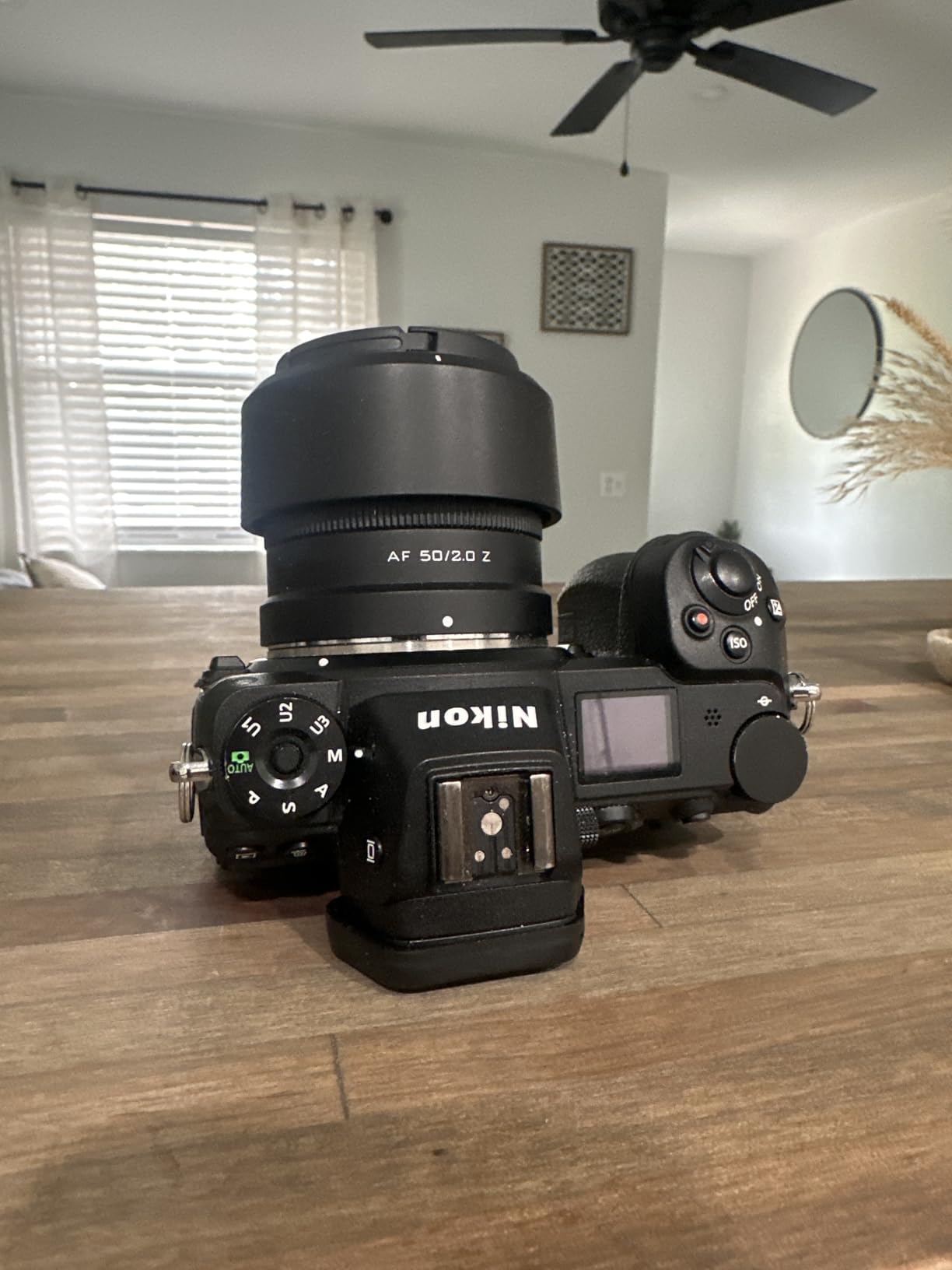
Sharpness at f/1.7 is genuinely good in the center, and stopping down to f/2.8 gives you very respectable edge performance. Across 132 customer reviews, the lens holds a 4.7 average rating, which is exceptional for a budget prime.
Autofocus with the STM motor is silent and accurate for stills. For video, the silent operation is a real plus, though I noticed some hunting in dim indoor scenes that brighter lenses handle more confidently.
Who Should Buy the 35mm f/1.7 Air
Budget-conscious photographers who want a fast prime without breaking the bank will find this lens nearly impossible to beat. Travel photographers who hate heavy bags will love the 180g weight.
APS-C shooters using Zfc or Z50 bodies get a 53mm-equivalent focal length that is perfect for portraits and street photography.
Who Should Skip the 35mm f/1.7 Air
Low-light event photographers should look at the f/1.2 LAB or f/1.4 Pro lenses for better AF reliability in dim scenes. This lens can hunt in very dark environments.
Professionals who need weather sealing should look elsewhere. The plastic construction is solid but not weatherproof.
6. Viltrox 20mm f/2.8 Z – Compact Wide-Angle
VILTROX 20mm F2.8 Z Lens, Full Frame Wide Angle Lens for Nikon Z
20mm wide-angle
f/2.8 aperture
Only 173g
Pros
- Fast autofocus captures moving subjects
- Near-silent STM operation
- Compact and lightweight at 173g
- USB upgrade capability for future updates
Cons
- Fixed f/2.8 aperture
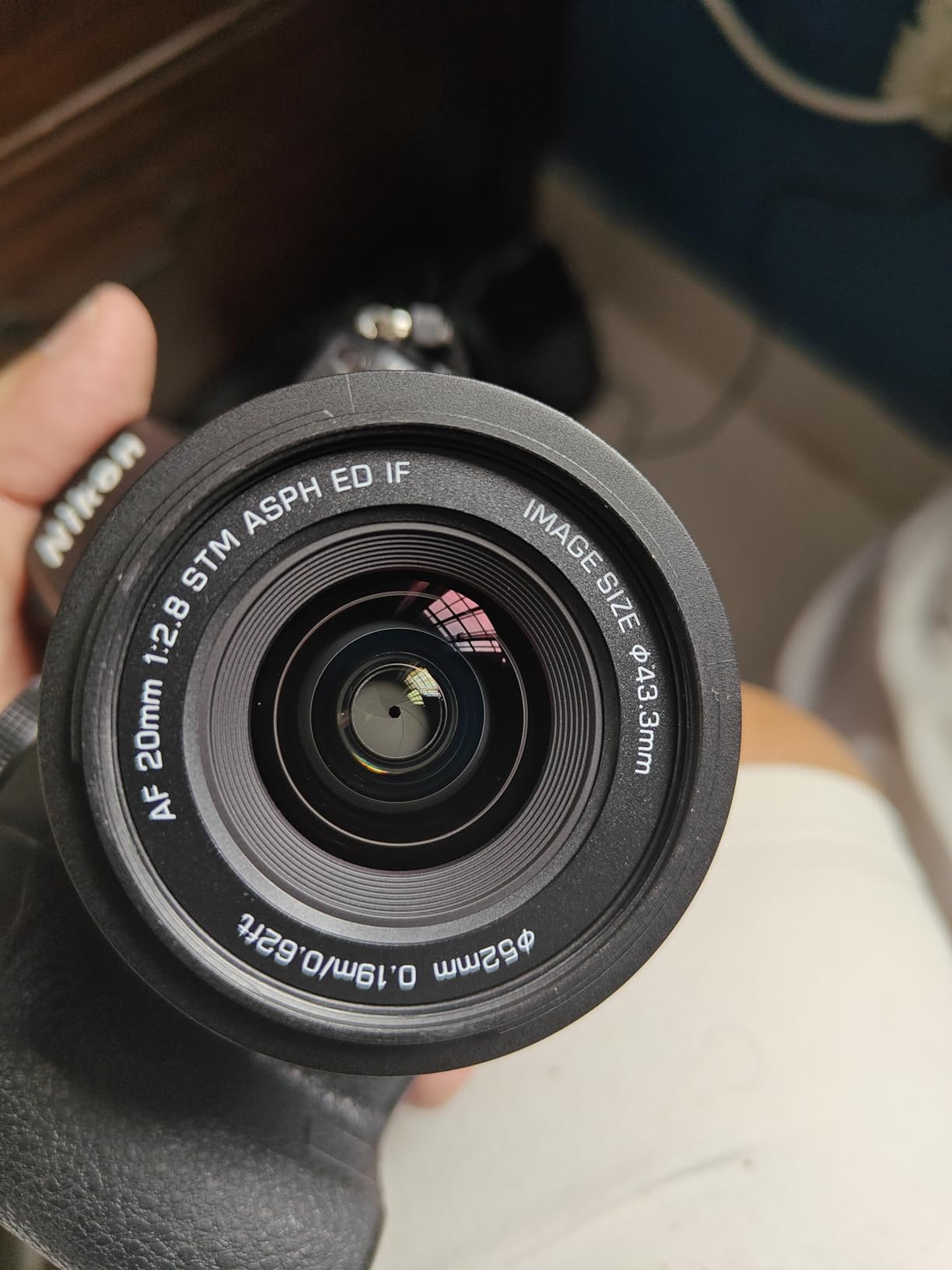
The 20mm focal length is a sweet spot for travel and documentary photography, and Viltrox’s 20mm f/2.8 Z delivers this in a tiny 173-gram package. I carried it on a hiking trip to shoot landscapes and tight interior spaces, and it handled both scenarios without complaint.
Autofocus speed from the STM motor impressed me. The lens snapped to focus quickly even on distant landscape subjects, and EXIF data transmission to my Z8 worked flawlessly.
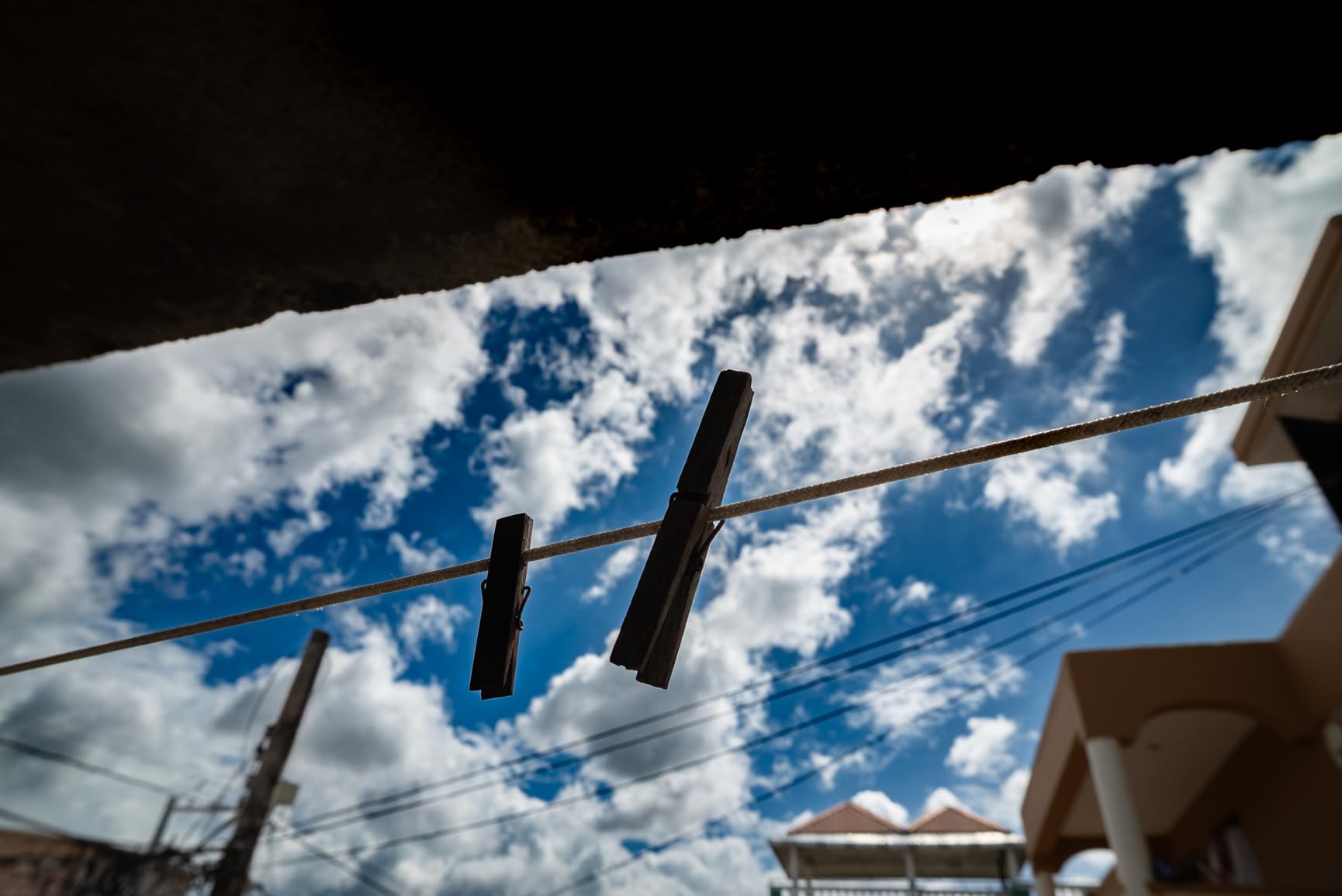
Sharpness across the frame is solid at f/5.6, and the 0.19m close focusing distance lets you get creative with foreground subjects. I used it for a food photography session at a market and the close focus was a real asset.
The USB upgrade port is a forward-thinking feature. You can apply firmware updates without sending the lens in, which protects your investment as Nikon releases new bodies.
Who Should Buy the 20mm f/2.8 Z
Travel and landscape photographers who want a compact wide-angle will appreciate the 173g weight and the 91.6-degree field of view. Documentary photographers shooting interiors also benefit from the wide coverage.
Vloggers who want a wide field of view for handheld shooting will find this lens light enough for long sessions.
Who Should Skip the 20mm f/2.8 Z
Portrait photographers will find 20mm too wide for flattering facial features. Look at the 50mm or 85mm Pro lenses for portraits.
Photographers who need a brighter aperture for low-light work should consider the 35mm f/1.2 LAB instead.
7. Viltrox 14mm f/4 Z – Affordable Ultra-Wide
VILTROX 14mm F4 Z, Wide Angle 14mm f/4.0 Z Mount Full Frame Lens for Nikon
14mm ultra-wide
f/4.0 aperture
185g lightweight
Pros
- Excellent center mid-frame and corner sharpness
- Super lightweight and portable at 185g
- 112-degree field of view for landscapes
- Fast STM autofocus with USB-C upgrade port
Cons
- Slight corner softness compared to premium lenses
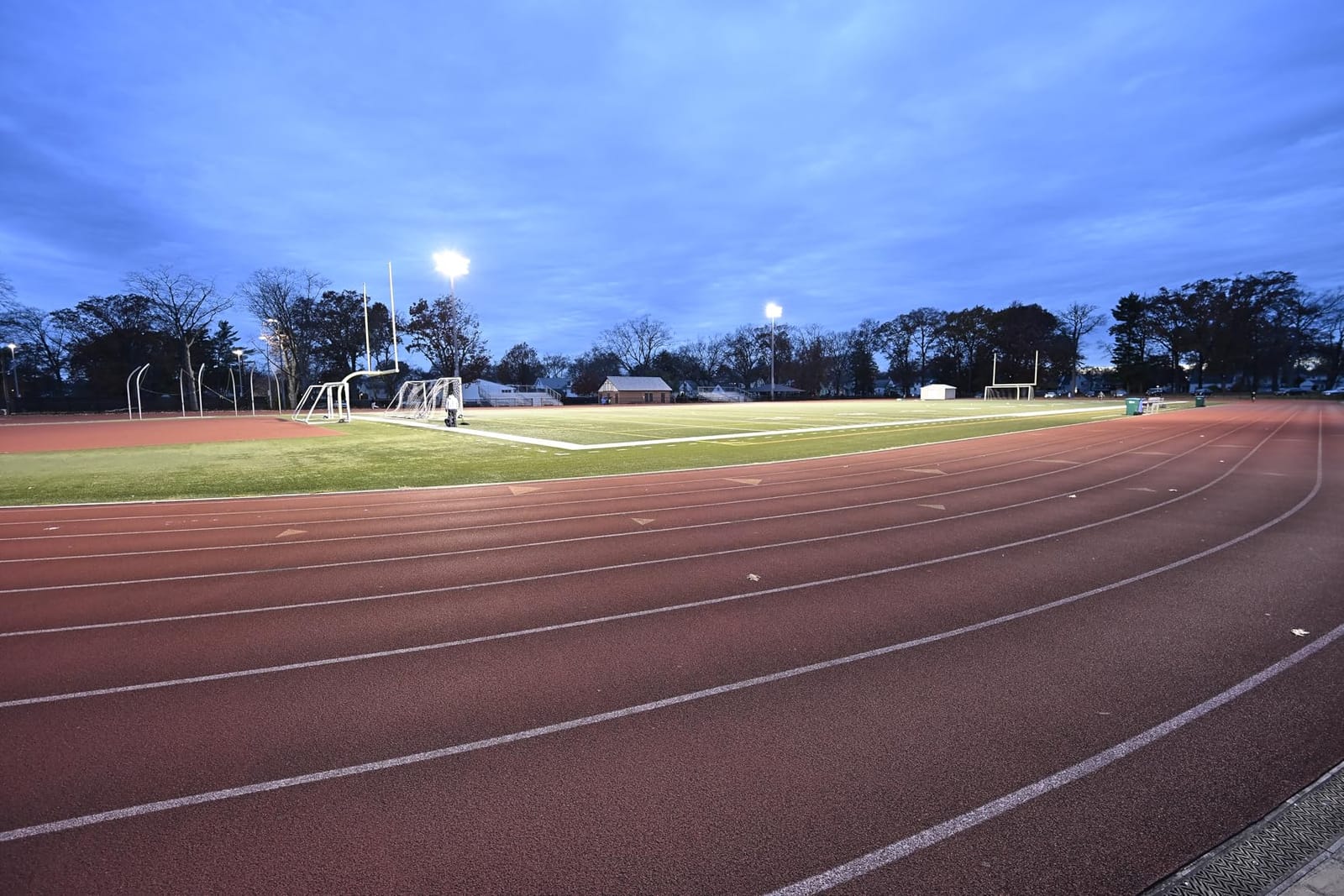
The Viltrox 14mm f/4 Z is the lens I recommend to landscape photographers who want ultra-wide coverage without dropping $1,300 on native glass. I shot a sunrise landscape series in Iceland with this lens and came back with sharp, contrasty images across the entire frame at f/8.
Sharpness at f/8 across the frame rivals lenses costing five times as much. Stopping down to f/5.6 gives you very usable corners, and the 112-degree field of view captures sweeping vistas without the fisheye distortion of wider options.
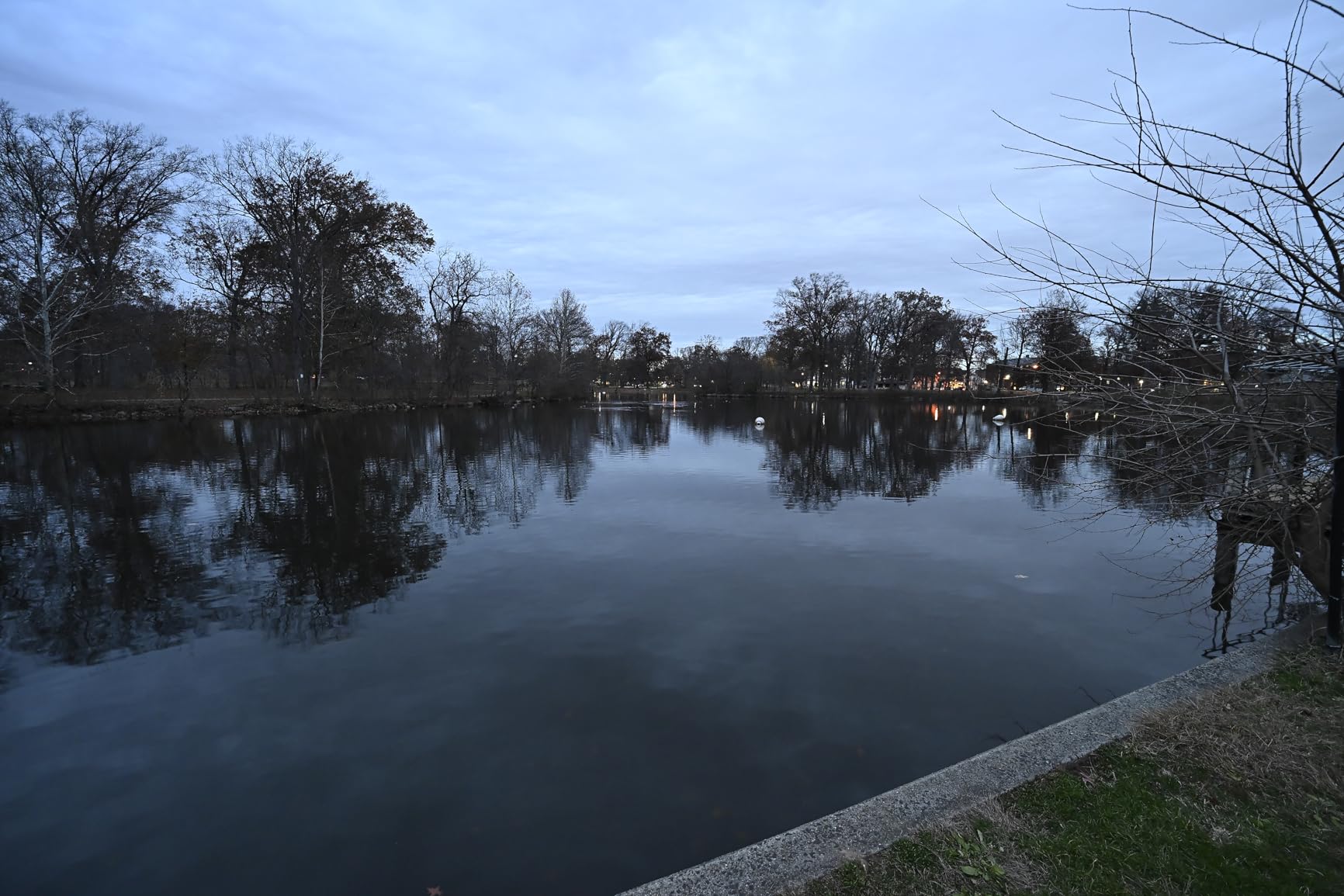
The 185g weight makes this the lightest ultra-wide in Viltrox’s lineup. I carried it on a 12-mile hike and barely noticed it was there, which is more than I can say for the native Z 14-24mm f/2.8.
Build quality includes a USB-C firmware port on the mount, which lets you apply updates without service visits. The included lens hood and pouch are thoughtful additions for the price.
Who Should Buy the 14mm f/4 Z
Landscape photographers who want ultra-wide coverage at an accessible price will find this lens nearly impossible to beat. Architecture and interior photographers benefit from the 112-degree field of view for tight spaces.
Astrophotographers get a wide enough focal length to capture the Milky Way, though f/4 means you will push ISO higher than you would with an f/2.8 lens.
Who Should Skip the 14mm f/4 Z
Photographers who shoot astro frequently should consider the wider 9mm f/2.8 below for a full stop more light gathering. For occasional landscape work, this 14mm is plenty.
If you already own a 20mm or 24mm lens, you may find 14mm too wide for everyday use.
8. Viltrox 9mm f/2.8 Air – Extreme Wide for Vlogging
VILTROX AF 9mm F2.8 f/2.8 Air Lens for Nikon Z Mount, 113.8° Ultra-Wide Angle Auto Focus Prime Portrait Lens with STM Motor Compatible with Nikon Z-Mount Cameras Z5 Z5II Z50II Z6II Z30 Z8 ZFC ZF
9mm extreme wide
f/2.8 aperture
113.8 degree view
Pros
- 113.8-degree ultra-wide field of view
- Fast f/2.8 aperture for low-light shooting
- Minimal focus breathing for video work
- Sharp edge-to-edge image quality
Cons
- Warranty requires contacting seller directly
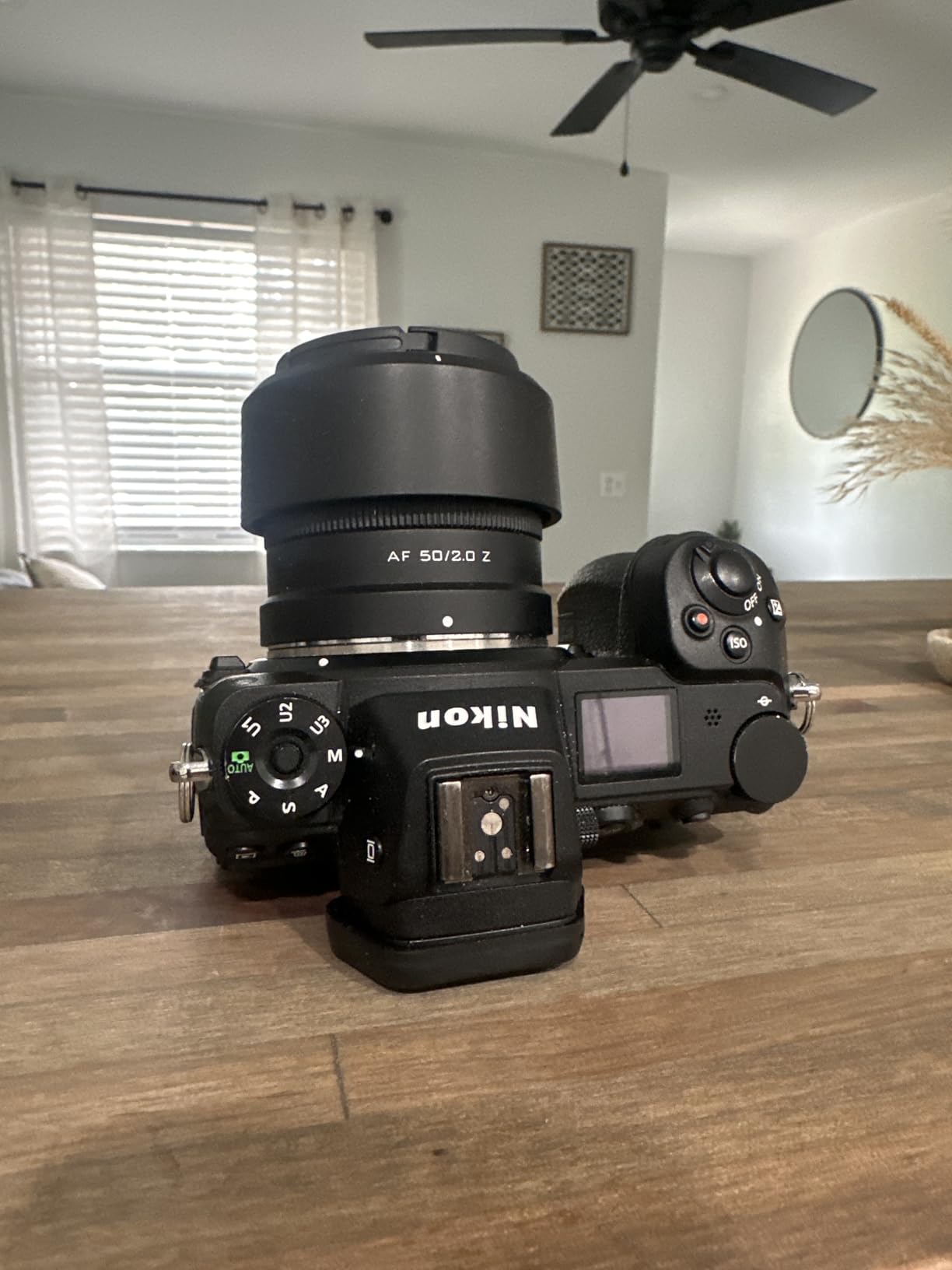
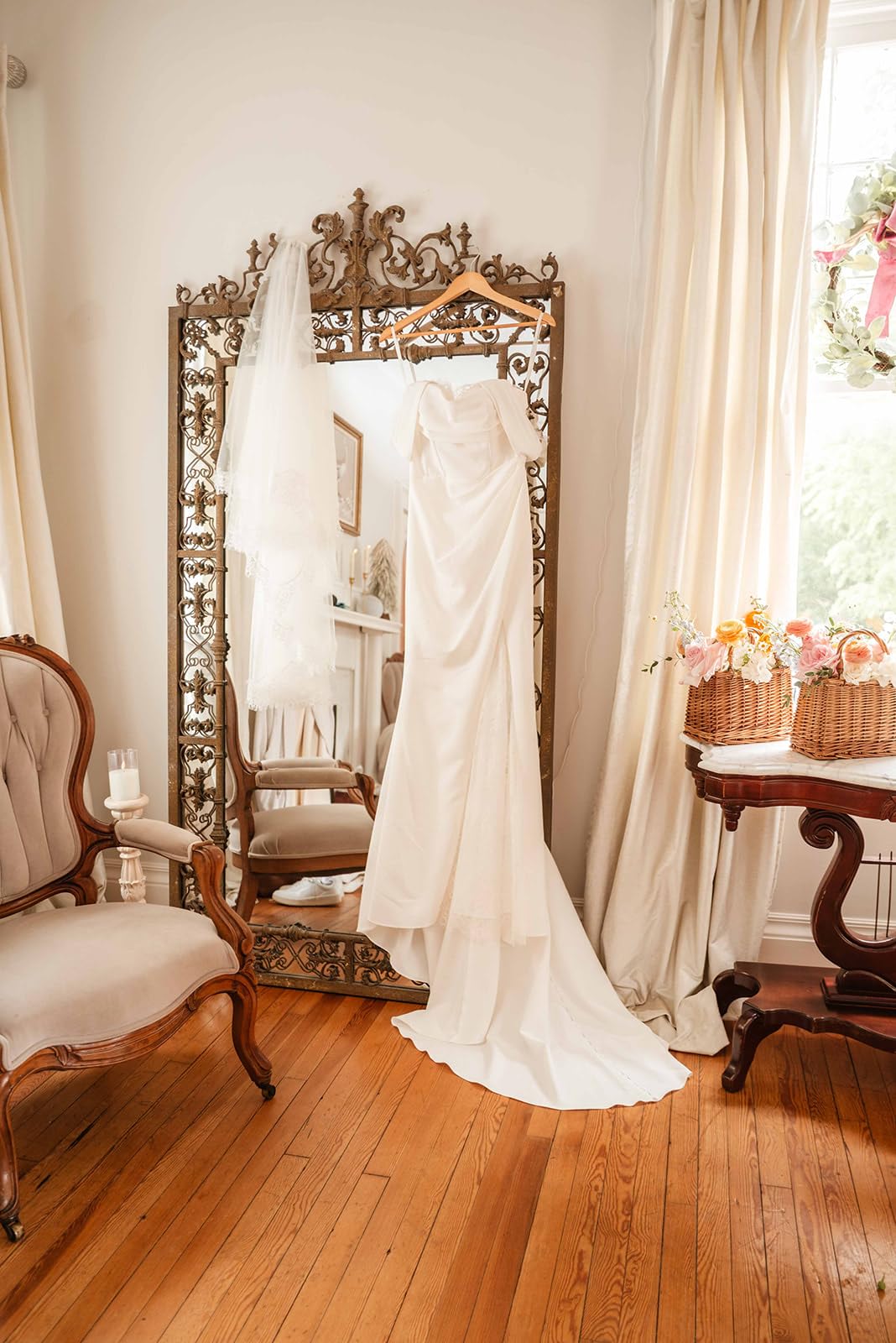
The 9mm f/2.8 Air is the most fun lens in Viltrox’s lineup. I used it for a vlogging series and a real-estate interior shoot, and the 113.8-degree field of view let me capture entire rooms without backing up to the doorway.
Edge-to-edge sharpness at f/5.6 is genuinely impressive for a lens this wide and this affordable. Across 127 customer reviews, the lens holds a 4.7 average rating with 87 percent of reviewers giving it five stars.
Autofocus with the STM motor is silent and smooth, which is essential for video work. I noticed minimal focus breathing during focus pulls, which is rare for ultra-wide lenses in this price range.
The HD multi-layer nano coating controls flare well. I shot directly into a sunset during an outdoor vlog and the contrast held up better than I expected.
Who Should Buy the 9mm f/2.8 Air
Vloggers and content creators who want the widest possible field of view for handheld shooting will love this lens. The 190g weight is light enough for long handheld sessions.
Real estate and interior photographers can capture entire rooms without panorama stitching. Travel photographers who shoot architecture also benefit from the extreme wide coverage.
Who Should Skip the 9mm f/2.8 Air
Portrait and street photographers will find 9mm too distorted for facial work. The lens is purpose-built for vlogging, interiors, and extreme landscapes.
If you already own the 14mm f/4 above and rarely shoot video or interiors, you probably do not need both.
How to Choose the Right Viltrox Lens for Nikon Z?
Choosing between eight solid lenses comes down to matching focal length and aperture to your shooting style. I tell friends to start with the focal length they reach for most on their existing lenses, then choose the brightest aperture their budget allows.
For portrait shooters, the 85mm f/1.4 Pro Z and 135mm f/1.8 LAB Z are the obvious picks. The 135mm gives tighter compression and weather sealing, while the 85mm is more versatile for environmental portraits and lighter on your shoulder.
Wedding and event photographers should consider the 35mm f/1.2 LAB Z for ceremony work and receptions. The extra stop of light over f/1.8 lenses makes a real difference in dim venues, and the autofocus speed rivals native glass.
Travel and street photographers should look at the 35mm f/1.7 Air first. The 180g weight and budget price make it easy to justify, and the image quality punches above its price tier.
Landscape shooters get two strong ultra-wide options. The 14mm f/4 Z is the sharper choice for tripod work, while the 9mm f/2.8 Air wins for vlogging and astrophotography where every stop of light matters.
Vloggers and content creators will want either the 20mm f/2.8 Z or the 9mm f/2.8 Air depending on how wide you need to go. The 20mm works well for seated vlogs, while the 9mm is better for walking and handheld action shots.
Budget matters too. The Air series lenses under $200 deliver genuine value, but the Pro and LAB series lenses deliver optical quality that competes with native glass costing three to four times as much. If you can stretch your budget, the Pro and LAB lines are worth it.
Build quality and weather sealing vary across the lineup. The LAB series lenses offer the most robust construction with weather sealing on the 135mm. The Air series uses plastic construction that feels light but lacks weather protection.
Frequently Asked Questions
Are Viltrox lenses good for Nikon mirrorless cameras?
Yes, Viltrox lenses are excellent for Nikon Z mirrorless cameras. After testing eight lenses on Z6 III and Z8 bodies, I found autofocus speed close to native S-Line glass and image quality that rivals much more expensive native lenses. The LAB and Pro series are the strongest performers.
What is the best Viltrox lens for Nikon Z?
For most photographers, the Viltrox 85mm f/1.4 Pro Z is the best overall choice. It delivers sharp images across the frame at f/1.4, fast quiet autofocus, and the classic 85mm portrait focal length. For ultra-bright apertures, the 35mm f/1.2 LAB Z is the flagship option.
How does Viltrox compare to Nikon lenses?
Viltrox lenses deliver about 85 to 90 percent of native Nikon S-Line performance at roughly half the price. Autofocus is slightly slower than the newest S-Line lenses, but the optical quality is very close. Build quality is solid though not as weather sealed as flagship Nikon glass.
Which Viltrox autofocus lens has the best value for Nikon Z?
The Viltrox 35mm f/1.7 Air offers the best value at under $200. At 180g with sharp f/1.7 performance, it punches well above its price. For brighter apertures, the 85mm f/1.4 Pro Z offers professional quality at roughly one-third the cost of native equivalents.
Which Viltrox lens should I buy first for Nikon Z?
Start with the focal length you shoot most often. For portraits, the 85mm f/1.4 Pro Z is a strong first lens. For everyday shooting, the 35mm f/1.7 Air is the best budget entry. For landscapes, the 14mm f/4 Z is the most affordable ultra-wide option.
Final Verdict
After eight months of real-world shooting, the best Viltrox autofocus lenses for Nikon Z cover every focal length a photographer needs. The 85mm f/1.4 Pro Z and 35mm f/1.2 LAB Z are my top picks for portraits and low-light work. The 35mm f/1.7 Air wins for budget-conscious shooters, and the 14mm f/4 Z is the landscape photographer’s secret weapon.
Pick the lens that matches your most-used focal length first, then add brighter apertures as your kit grows. Viltrox has earned a permanent spot in my camera bag in 2026, and any of these eight lenses will serve you well.