
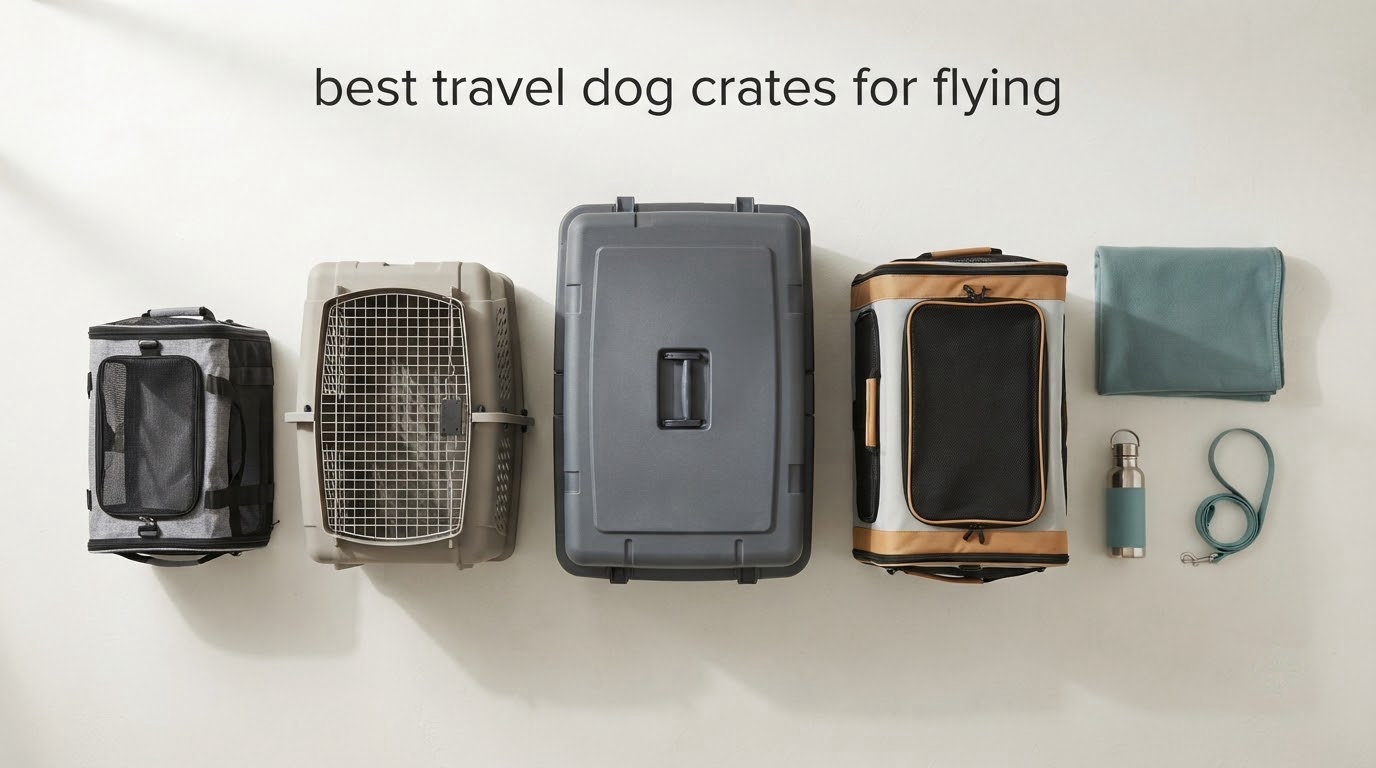
An airline-approved travel dog crate is a rigid carrier built to the International Air Transport Association’s Live Animals Regulations, with metal fasteners, a single-piece door, ventilation on all sides and a rim that lets cargo crews grip and lift it safely. The best travel dog crates for flying come in two very different forms, and the one you need depends on a single question: is your dog staying in the cabin or riding in the hold?
That distinction matters more than anything else in this guide. A soft-sided carrier that slides under a cabin seat and a hard plastic kennel rated for the cargo hold look similar in a product photo and fail in completely opposite ways. Owners on r/TravelWithPets and r/relocating describe the same recurring mistake: buying a crate advertised as airline approved, then learning at check-in that the approval only covered the cabin.
So we went through twelve carriers in detail, checked what each one actually is rated for, and sorted out what the compliance language in the listing really means. Six are in-cabin carriers, three are hard shells for checked and hold travel, two state IATA compliance for manifest cargo, and one is a heavy aluminium kennel for powerful dogs. Our full crate roundup covers everyday home and vehicle use if you want the wider picture.
Table of Contents
Top 3 Picks for Flying With a Dog in 2026

Henkelion Soft-Sided Carrier
- Under-seat sizing to 15 lbs
- Four-side mesh ventilation
- Collapsible and lightweight at 7 oz

Petmate Sky Kennel
- IATA compliant per LAR
- Interior 32.5 x 22 x 26 inches
- Live animal decals and tie-down holes
Sherpa Original Deluxe
- Spring wireframe compresses under seat
- Escape-proof locking zippers
- Waterproof base with washable liner
The Henkelion takes our top slot because the fundamentals for an in-cabin carrier are all there and nothing is missing. The Petmate Sky Kennel is the only kennel in this group that states IATA compliance outright, which makes it the pick for a dog going in the hold. The Sherpa Original Deluxe wins the anxious-dog category because two entry points and partial mesh coverage do more for a frightened animal than any amount of padding.
The Best Travel Dog Crates for Flying at a Glance in 2026
| Product | Specifications | Action |
|---|---|---|
| Henkelion Soft-Sided Pet Carrier |
|
Check Latest Price |
 Amazon Basics Soft-Sided Mesh Carrier Amazon Basics Soft-Sided Mesh Carrier |
|
Check Latest Price |
 MidWest Spree 24-Inch Travel Carrier MidWest Spree 24-Inch Travel Carrier |
|
Check Latest Price |
 Amazon Basics Hard-Sided Kennel Amazon Basics Hard-Sided Kennel |
|
Check Latest Price |
 Sherpa Delta Airlines Carrier Sherpa Delta Airlines Carrier |
|
Check Latest Price |
 Skudo by MidWest 24-Inch Travel Carrier Skudo by MidWest 24-Inch Travel Carrier |
|
Check Latest Price |
| Sherpa Original Deluxe Carrier |
|
Check Latest Price |
 Petskd Top-Expandable Pet Carrier Petskd Top-Expandable Pet Carrier |
|
Check Latest Price |
| Petmate Sky Kennel |
|
Check Latest Price |
 Ruff Life 101 Rolling Carrier Ruff Life 101 Rolling Carrier |
|
Check Latest Price |
 SportPet X-Large Airline Kennel SportPet X-Large Airline Kennel |
|
Check Latest Price |
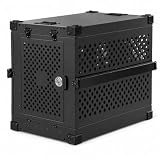 Impact Collapsible Aluminum Crate Impact Collapsible Aluminum Crate |
|
Check Latest Price |
1. Henkelion Soft-Sided Pet Carrier – Our Best Overall Pick for In-Cabin Flying
Henkelion Cat Carriers Dog Carrier Pet Carrier For Small / Medium Cats Dogs Puppies (Up To 15lbs), TSA Airline Approved Small Dog Carrier Soft Sided, Collapsible Waterproof Travel Puppy Carrier – Grey
For pets up to 15 lbs
17 x 11 x 11 inches
Weighs 7.05 ounces
Pros
- Plush interior calms nervous dogs
- Three zippered openings
- Collapses completely flat
- 53k+ reviews from real flight use
Cons
- Soft walls can be scratched through
- Runs tight as a dog grows
- Thin removable floor board shifts on rough handling
This is the carrier we reach for first for a small dog, and the reason is simple: it does the cabin job properly and weighs almost nothing. At 7.05 ounces it is by a wide margin the lightest thing in this roundup, which matters when you are carrying a bag, a lead and a water bowl through a long terminal with a dog already anxious about the noise.
The construction is the standard soft-cabin formula done well. Lightweight polyester with mesh panels on all four sides, a padded shoulder strap that detaches, and two loop handles that double as a seat belt strap or luggage strap so you can secure it under the seat in front of you rather than in a bin. The padded interior is the detail owners mention most, since a crate your dog treats as a den is a crate your dog settles into.

Reviewers consistently report the same three zippered openings being the feature that makes loading painless, because you can load from the top, the side or the front depending on how your dog prefers to be moved. The removable washable floor pad comes out for cleaning after a muddy walk, and the whole thing folds down to a flat panel when it is not in use. There is a side pocket for treats and documents, which sounds minor until you are looking for a vaccination card at the gate desk.
The sizing is the thing to get right. It is built for pets within 15 by 9 by 9 inches and up to 15 pounds, and the outer dimensions are 17 by 11 by 11 inches, which sits just inside the under-seat limit of 18 by 11 by 11 that most carriers publish. Measure your dog standing before you buy rather than trusting the weight figure alone, because a long-bodied dog at 14 pounds can still be a tight squeeze.
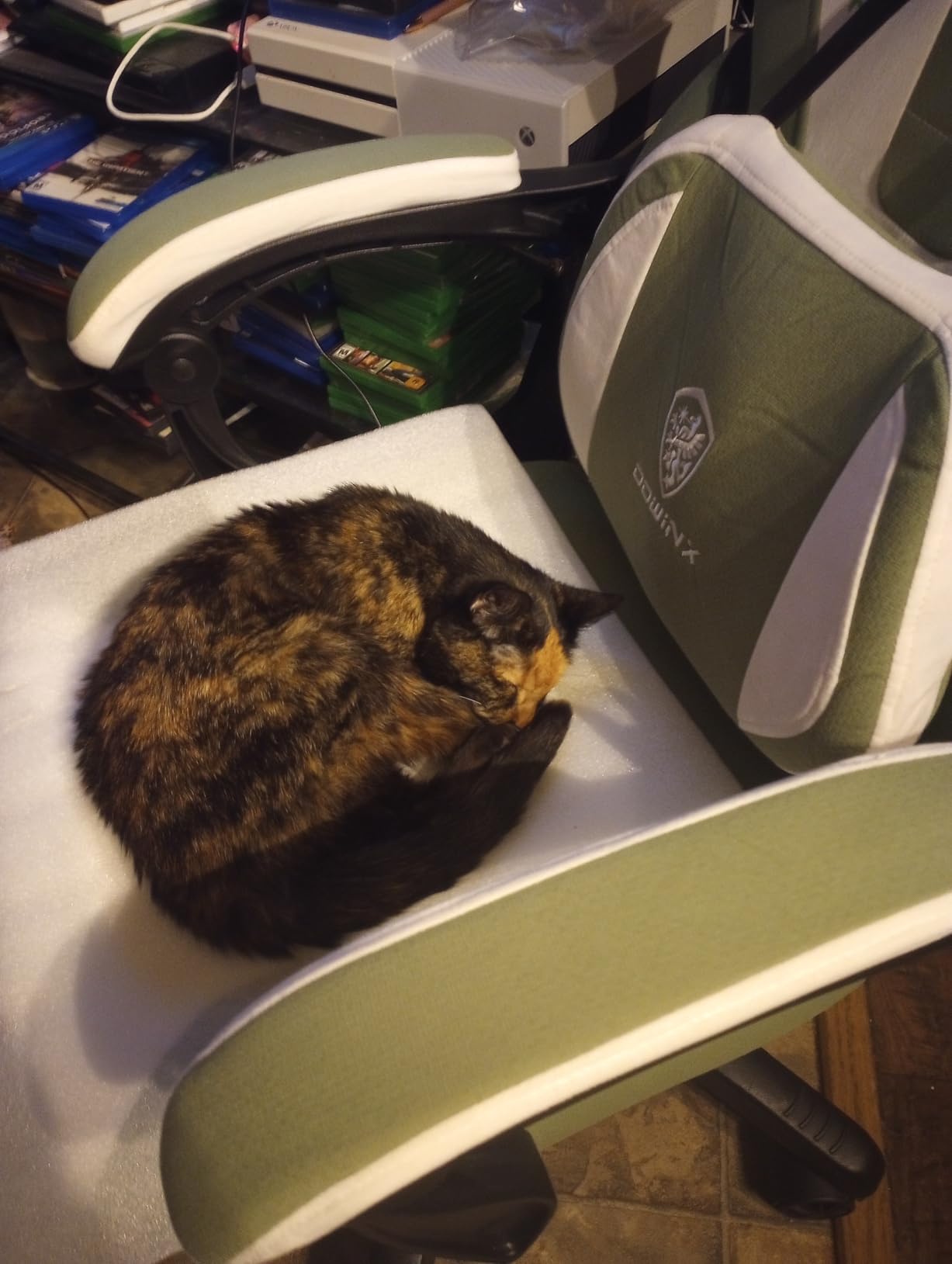
Why we picked it for in-cabin flights
It does the three things that decide whether a soft carrier passes the cabin check. It is inside the published under-seat dimensions, it stays rigid enough on the bottom to be accepted rather than treated as a bag, and it has a way to attach itself to the seat in front. Many budget carriers fail on the third point, and the loop handles here solve it without buying an extra seat belt adaptor.
The weight is the quiet advantage. When the bag weighs 7 ounces you can switch it from your shoulder to your hand every few minutes without thinking about it, and you can carry a small dog, a travel bowl and the paperwork in one trip to the counter.
Where it falls short
Soft fabric is soft fabric, and a determined dog can work a claw through a mesh seam in a way no hard shell would allow. Owners of escape artists describe this clearly, so if your dog is known for chewing out of crates, this is the wrong category of product regardless of how well behaved it normally is.
It also runs small as a puppy grows into it, which is the most common complaint in the reviews. Buy for the adult size your dog will reach rather than the size they are now, and check the interior measurement against your dog curled up, not standing.
2. Amazon Basics Soft-Sided Mesh Carrier – The Best Value for Bigger In-Cabin Dogs
Amazon Basics Airline Approved Soft-Sided Mesh Pet Travel Carrier with Shoulder Strap, Removable Washable Fleece Pad, Top Opening, Ventilation for Dog, Cat, up to 22 pounds, 19.7Lx12Wx12H in., Black
For pets up to 22 pounds
20 x 12 x 12 inches
Weighs 2.89 pounds
Pros
- Firm cardboard base holds its shape
- Sturdy mesh resists scratching
- Conforms to under-seat dimensions
- Large mesh area calms claustrophobic pets
Cons
- Runs smaller than the stated 22 lb limit
- Does not collapse flat
- Strap and support bars weaken with heavy use
This is the one to look at when your dog is near the upper end of what airlines allow in the cabin and the Henkelion is too small. At 20 by 12 by 12 inches and a stated limit of 22 pounds it gives you noticeably more room, and reviewers describe it as the carrier that survived three or more years of regular trips without losing its shape.
The structural difference is the cardboard base. It is the reason the bag stands upright on the floor instead of slumping, and it is why the front opening keeps its shape while your dog climbs in. The mesh covers a large area of the carrier, which owners say makes a real difference to a dog that finds enclosed spaces stressful, because the pet can see the terminal rather than sitting in the dark.

Front and top zippered openings mean you can load from whichever angle your dog tolerates, and the removable machine washable fleece pad is the one piece of soft bedding you would want to bring anyway. Connecting top handles plus a detachable adjustable shoulder strap give you three carrying options, which sounds like a small thing until you are changing hands in a check-in queue.
The listing states it conforms to the under-seat dimensions of most airlines, and multiple owners confirm it passes under-seat checks on commercial flights in practice. That is exactly the kind of confirmation that is hard to get from a product page, and it is why this one is worth the short list even alongside more expensive options.
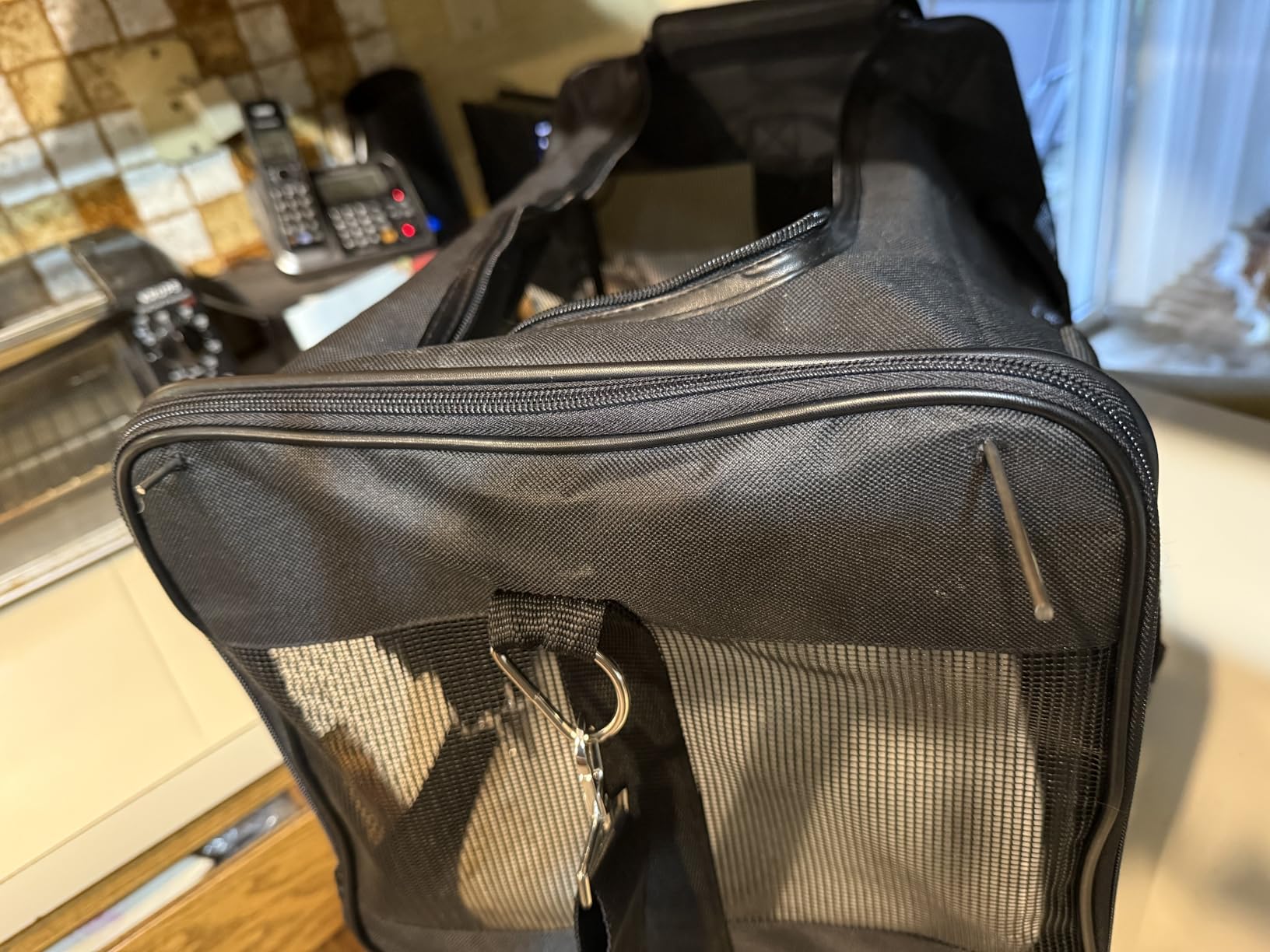
Why it is the value pick
It covers a noticeably larger dog than the entry-level soft carriers while keeping the two features that decide acceptance: a shaped base and a footprint inside the under-seat allowance. You are paying for interior volume, not for branding or extra hardware, and the 28k+ reviews give you a long record of real airline use to read.
For a dog between roughly 15 and 20 pounds, this is often the only soft category that actually works. Anything heavier and the under-seat allowance stops being realistic, and the conversation needs to move to the hard-sided crates further down.
What to watch out for
Owners repeatedly point out that the interior is tighter than the 22-pound figure suggests, so treat that number as a ceiling rather than a target. Measure your dog curled in a ball, which is how they will spend the flight, before you commit.
It does not fold flat. The cardboard base holds the shape rigidly, and the trade-off is that the carrier keeps its footprint in a closet or behind a sofa for the rest of its life. The shoulder strap and support bars are also the parts most likely to fail after years of regular loading, so check them before a trip rather than at the airport.
3. MidWest Spree 24-Inch Hard-Sided Carrier – Tool-Free Assembly and a Door That Swings Both Ways
Midwest Homes Spree Travel Carrier 24-Inch Hard-Sided Dog & Cat
For dogs and cats up to 24 lbs
Interior 22.55 x 15.2 x 14.9 in
Weighs 3.75 pounds
Pros
- Polypropylene shell wipes clean in seconds
- Patented five-step tool-free assembly
- Door opens in either direction
- Ventilated sides plus wide-wire door
Cons
- Limited visibility through the hard shell
- Single door can be awkward for anxious dogs
- Too large for the under-seat cabin allowance
Most of the list so far has been soft carriers, and this is where the article turns. The MidWest Spree is a hard shell for a dog up to 24 pounds, and the deciding feature for air travel is the door that swings open in either direction, which lets you load from the side without rotating your dog into a narrow front opening.
It is also the easiest crate here to put together. The patented five-step tool-free assembly means no bolts, no nuts and no fumbling with hardware in an airport car park, and the polypropylene shell wipes clean in seconds after a muddy walk or an accident. At 3.75 pounds it stays portable enough to move between a car and a terminal without a second pair of hands.
Why it works for a small hard-shell trip
It is built for a dog large enough that soft fabric becomes a risk but small enough that you can still manage the whole thing yourself. The interior measures 22.55 by 15.2 by 14.9 inches, which is a genuinely comfortable space for a small breed that needs to stand and turn, not just lie down.
Ventilation comes from ventilated sides plus a wide-wire door, and the wide-wire panel is better than slotted plastic for two reasons: it moves more air, and it is much harder for a dog to chew through. The built-in carry handle means you are not threading a shoulder strap through a bag flap at the kerb.
Where the hard shell limits you
At 24 inches long this is past the under-seat allowance for every major carrier, so plan on hold travel and confirm acceptance with your airline before booking. It also lacks the tie-down holes, decals and door-mounted bowls that a cargo inspection expects, so it is a hold carrier that is not IATA certified as it stands.
Visibility is the other trade-off. A dog in a hard shell sees far less of the world than a dog in mesh, and a handful of owners describe the single door as hard work with an anxious animal. If your dog is a bolter, add that to the mental list of reasons to crate train well before departure.
4. Amazon Basics Hard-Sided Kennel – The Most Reviewed Shell in This Roundup
Amazon Basics Hard-Sided Dog and Cat Kennel, Single-Door Travel Pet Carrier with Metal Wire Ventilation, 23.6″L x 15.7″W x 13″H, Beige
Single front-entry door
23.6 x 15.7 x 13 inches
Weighs 5.29 pounds
Pros
- Rugged molded plastic resists chewing
- Locking door mechanism
- Metal wire door and side panels
- Top handle for carrying
Cons
- Single front door only
- Heavier and bulkier than a soft carrier
- Non-collapsible so it eats storage space
With more than 65k reviews on record, this is the hard-sided kennel with the largest body of owner feedback we looked at, and the feedback is unusually consistent. Owners single out three things: the moulded plastic resists chewing, the locking latch holds, and the metal wire door and side panels move enough air to keep the interior comfortable.
At 23.6 by 15.7 by 13 inches it is the same general size class as the MidWest Spree but with a wire door rather than a plastic one, and that difference matters more than the numbers suggest. A dog can put a tooth on a wire panel indefinitely without getting anywhere, while a slotted plastic panel can eventually be worked loose.

The locking door mechanism is the other stand-out. On a hold flight, a crate that has been shifted and jostled in a cargo hold needs a closure that will not spring open when your dog leans against it, and a positive lock is the simplest way to remove that worry before it becomes a problem at the far end.
Owners use this kennel for checked cargo travel, vet visits and home containment, which tells you something useful about how much abuse it takes. Weights of 5.29 pounds make it a two-handed carry rather than a shoulder carry, and the top handle is what keeps it manageable.
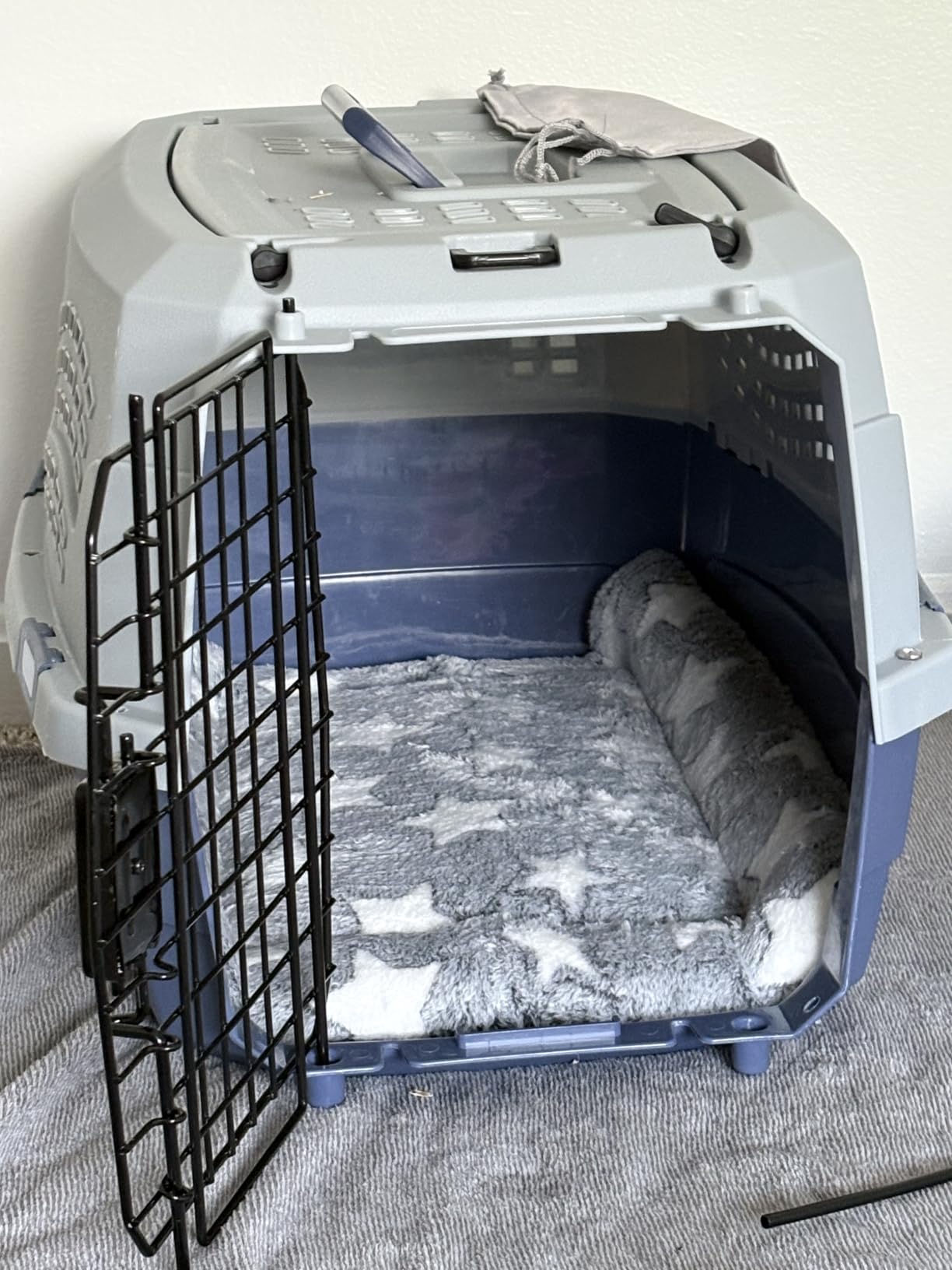
Why it earns the top rated badge
It has the highest rating in the group alongside the Henkelion, and by a wide margin the most reviews, which means the failure modes are already well documented. When a product this widely used has held its rating, the design is doing something right rather than getting lucky.
It is also the most commonly sold hard shell in this roundup, which matters if you own more than one dog or expect to need a larger shell as a puppy grows.
Where it does not fit
Like the other hard shells here, it is a single front-entry door, and owners with larger or anxious dogs describe that as the main limitation. A dog that will not walk backwards into a carrier needs crate training well ahead of the flight date, and a second entry point would remove the issue entirely.
It is also non-collapsible and heavier than any soft carrier, so it claims a permanent footprint in your home. If you want one product for the car, the vet and the hold, this does all three. If you want one product for cabin flights, you need something entirely different.
5. Sherpa Delta Airlines Travel Pet Carrier – The Under-Seat Compression Frame That Does the Work
Sherpa Delta Airlines Travel Pet Carrier, Airline Approved & Guaranteed On Board – Black, Medium
Delta and TSA approved
17 x 11 x 10.5 inches
For pets up to 16 pounds
Pros
- Delta-approved and accepted on real flights
- Spring wireframe compresses under the seat
- Locking zippers resist escape
- Partial mesh gives privacy
Cons
- Medium size is tight above 14 pounds
- Small exterior pockets
- Sides can bow in when lifted
Most soft carriers rely on you squashing them into place. The Sherpa Delta has a patented spring wireframe that compresses the rear on its own, so the bag physically takes up less depth when it goes under the seat instead of depending on how hard you push it. That mechanical advantage is the whole reason this carrier has been in continuous use since 2004.
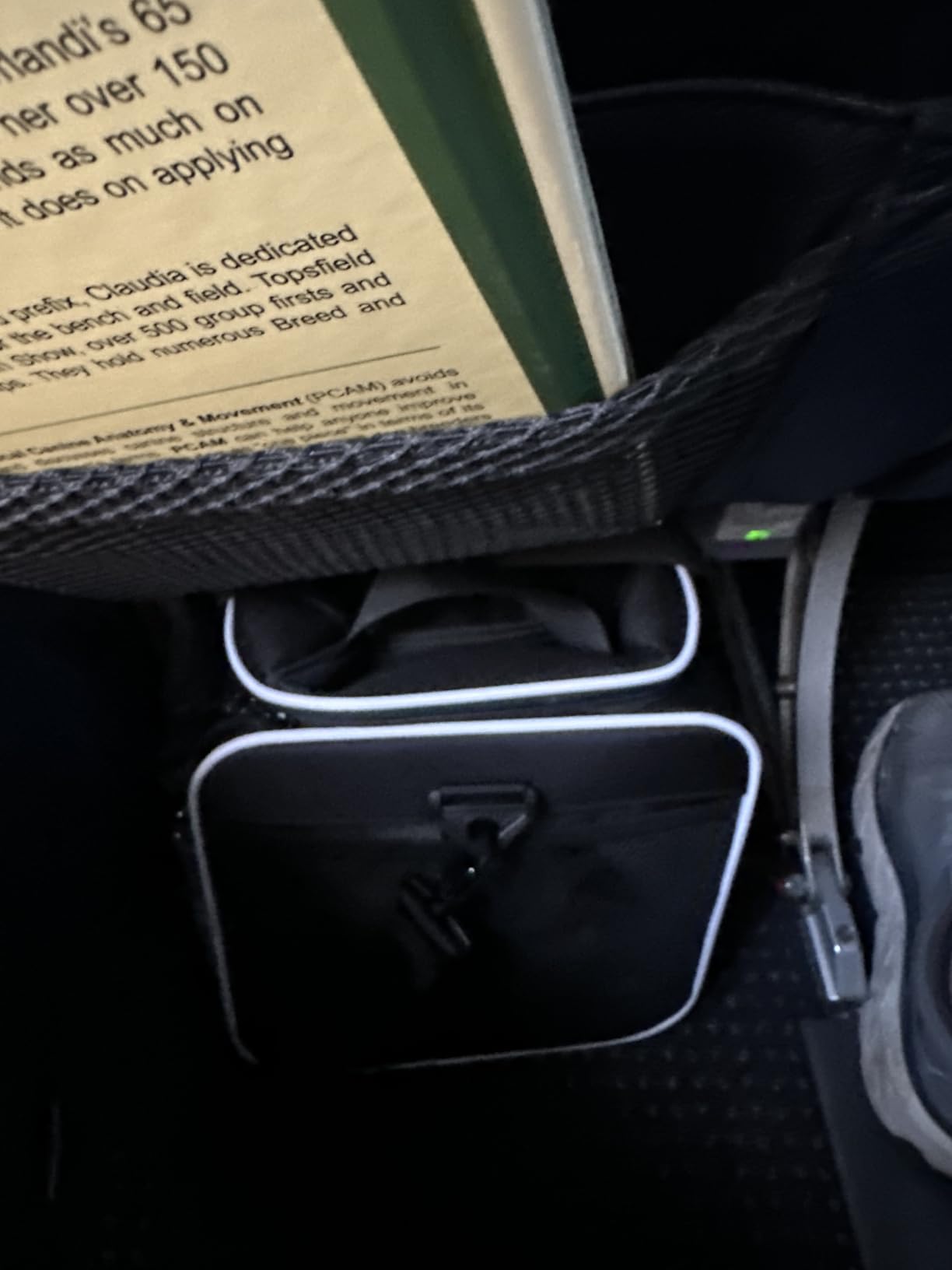
It carries a Delta and TSA approval, and travelers describe consistent in-cabin use on Delta, Alaska and Hawaiian alongside other carriers. The built-in seat belt strap doubles as a luggage handle, so securing it in front of you is a two-second job rather than something that requires a separate adaptor you might forget.
Locking zippers and reinforced mesh handle the escape question, which is the thing that keeps people awake the night before a flight. Multiple mesh windows with roll-up vent covers sit on three sides, and that partial coverage does something clever: your dog gets airflow and a view without the full glare and noise of an open terminal.
Owners also value the semi-private shape for anxious animals, since a dog who cannot see everything is often a dog who settles faster. It weighs 2.5 pounds loaded, which is a reasonable shoulder carry for a 16-pound dog over a moderate terminal walk.
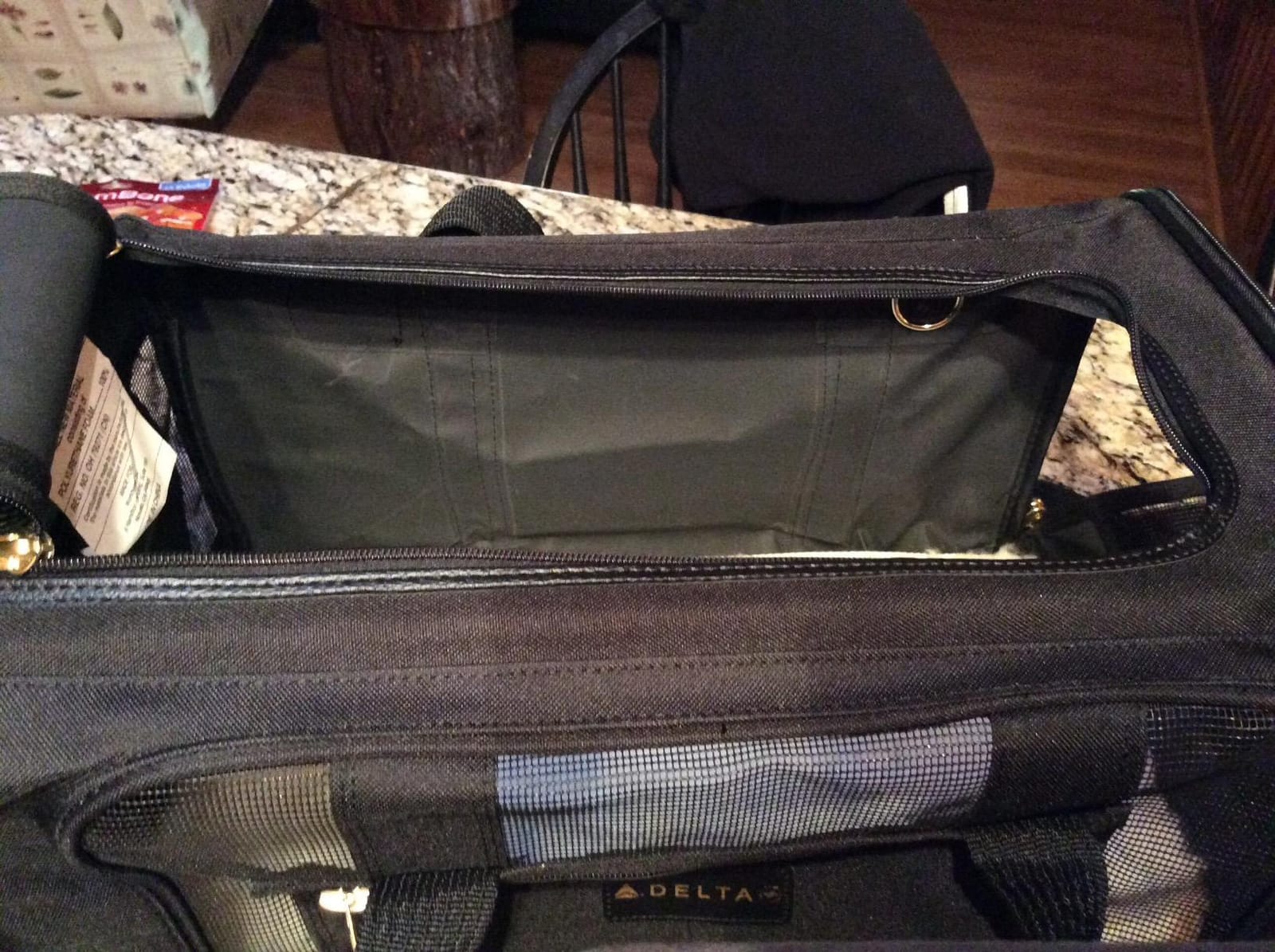
Why the compression frame is the deciding spec
Under-seat limits are a depth problem, and depth is exactly what a spring frame solves. A carrier that fits only when empty, or only when the bag is jammed at an angle, is one stress point you do not want on a travel day, and this design removes the variable.
It is also a good first choice if you are flying Delta specifically, since the carrier carries that airline’s own approval rather than relying on a general conformity claim.
What to be careful about
The medium size is a tight fit for dogs above about 14 pounds, and reviewers are direct about it. If your dog is near the top of the range, step up a size or move to a carrier with more interior volume rather than hoping the weight figure will be forgiving.
The exterior pockets are small for documents and treats, and there is a small number of reports of units arriving without the shoulder strap or the cardboard base insert. Check the contents against the packing list the moment it arrives, not the morning you leave.
6. Skudo by MidWest 24-Inch Travel Carrier – A Hard Shell With a Handle That Folds Flat
Skudo by MidWest 24-Inch Travel Carrier, Gray, Fits Pets up to 25 lbs
For pets up to 25 lbs
Interior 21.5 x 14.7 x 14 in
Weighs 4.4 pounds
Pros
- Hard plastic shell wipes clean
- Push-lock door with bright lock button
- Snap-lock tool-free assembly
- Swivel handle folds flat
Cons
- Bulky rigid footprint in the home
- Not sized for under-seat cabin travel
- Shoulder strap sold separately
The Skudo is the MidWest answer for people who want a hold carrier that also earns its keep in the car. The swivel handle folds flat, which is the feature that makes it genuinely reusable, because a rigid handle that sticks out is the reason hard shells get abandoned in a garage after one trip.
Inside, the space measures 21.5 by 14.7 by 14 inches and is sized for small breeds up to 20 inches long and 25 pounds. The push-lock front door has a bright lock button you can check at a glance from across a room, and built-in hooks let you attach a compatible shoulder strap when you need to lift it rather than drag it.
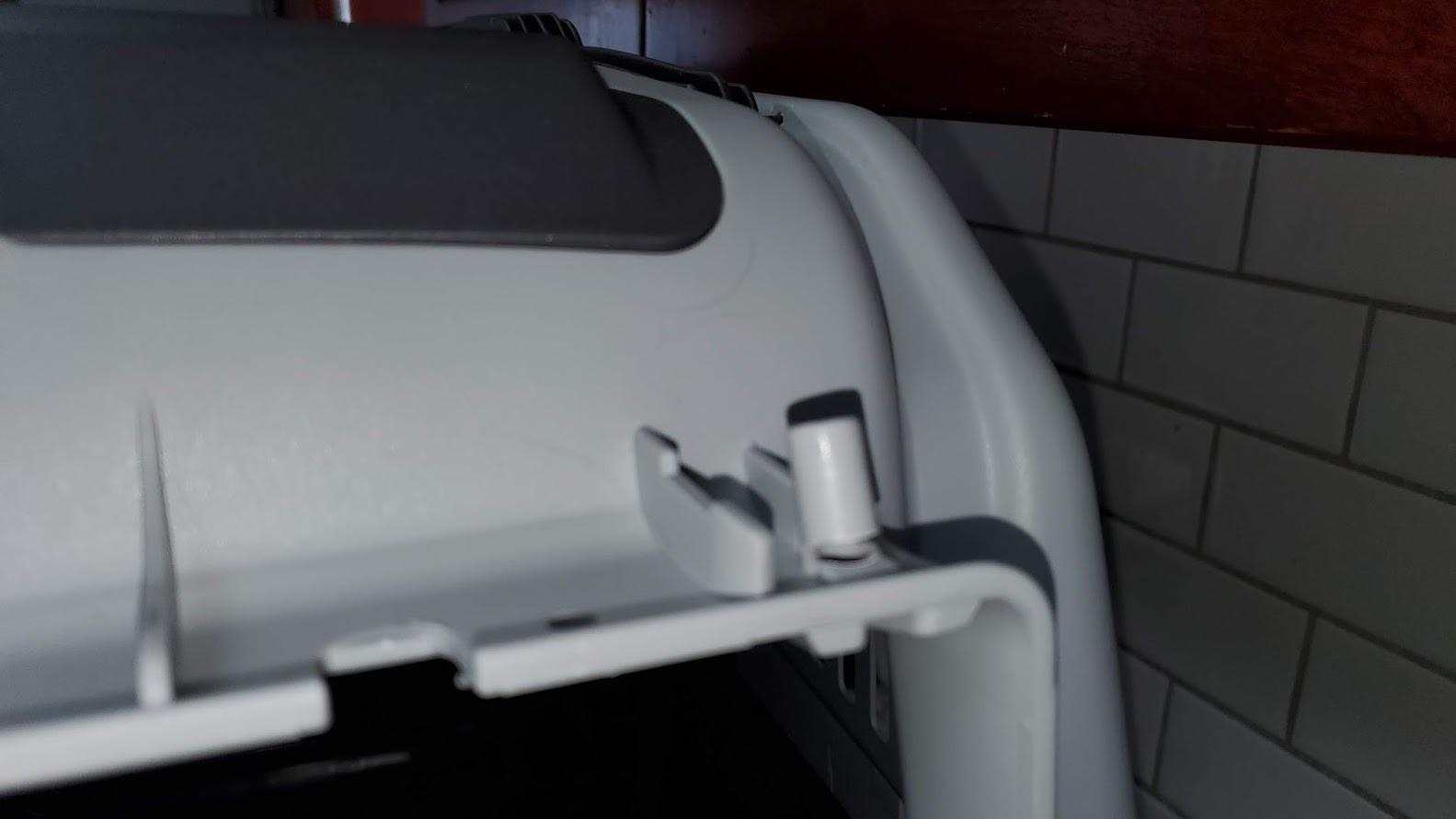
Snap-lock buckles give tool-free assembly, so there is nothing to lose and nothing to find before a flight. The shell is tough hard plastic with multiple ventilation slots, and owners describe the whole unit as straightforward to wipe down after a trip.
One thing to plan for: the shoulder strap is sold separately, and the strap is what turns a carry into a hands-free job at the terminal. Budget for that before departure rather than discovering it at the counter.
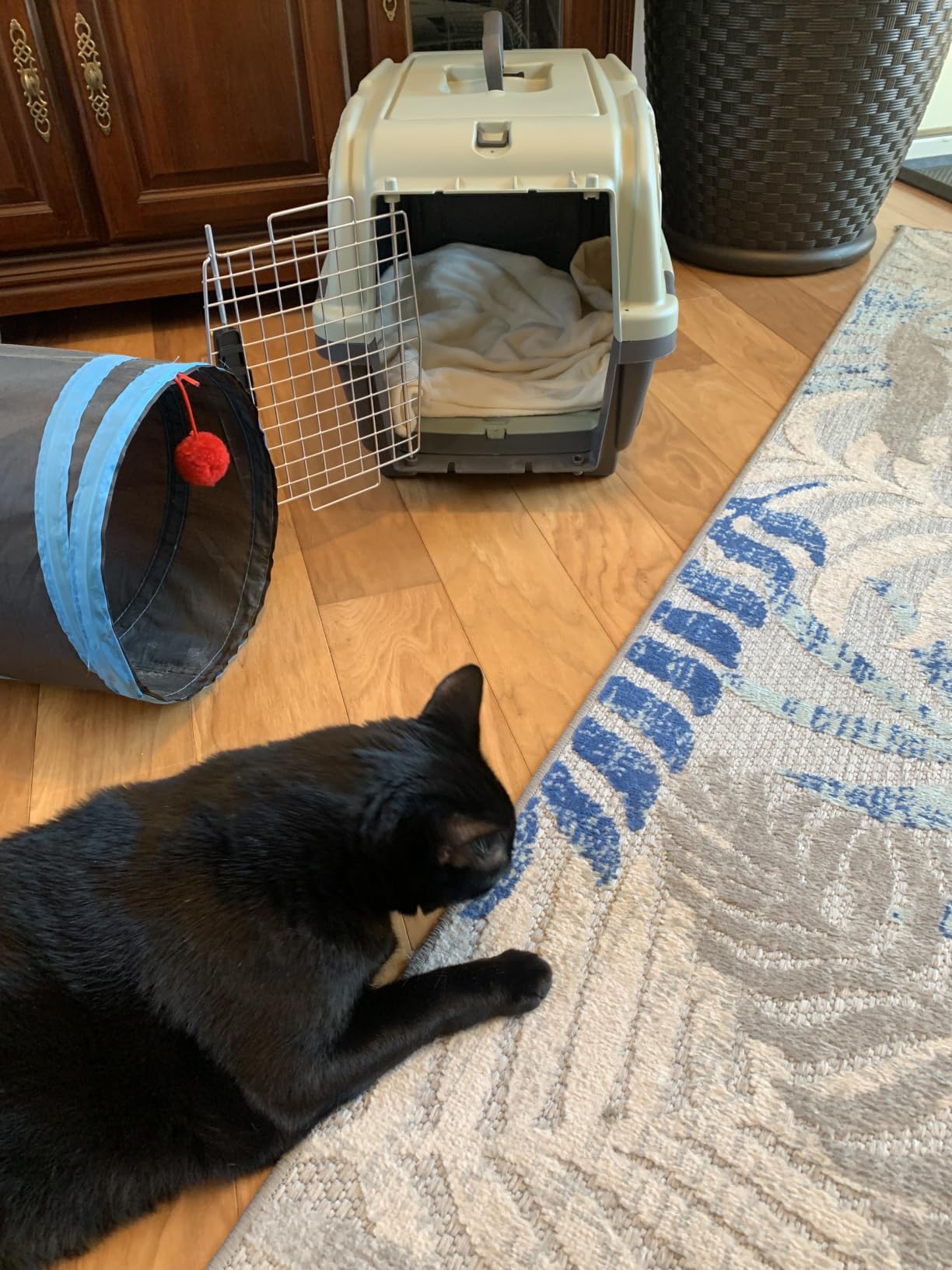
Why it suits a mixed car and plane household
A folding handle plus a wipe-clean shell plus tool-free assembly is the combination that gets a crate used again on the next trip. Our wider best dog crates roundup covers the home and vehicle side in more depth if you are building a kit around one trip.
It is a sensible choice for a dog in the 20 to 25 pound range who is comfortable in a hard shell, because that is exactly the band where a soft carrier stops being realistic for hold travel.
Where it stops being the right tool
It is not sized to meet the in-cabin under-seat allowance for most airlines, so this is a hold and checked-baggage carrier. The rigid shape also takes up more permanent space than a soft carrier that folds flat, which is the price of the durability.
It carries a much smaller pool of owner feedback than the other picks in this roundup, so treat the specification sheet as more reliable than the review volume when you are weighing it against an established name.
7. Sherpa Original Deluxe – The Pick for Dogs Who Hate the Crate
Sherpa Original Deluxe Travel Pet Carrier, Airline Approved & Guaranteed On Board – Black, Medium
Medium 17 x 11 x 10.5 inches
For pets up to 16 pounds
Weighs 3 pounds
Pros
- Long record of in-cabin acceptance
- Spring frame flexes under seats
- Two entry points plus top chain
- Waterproof base with washable liner
Cons
- Large size is still tight for a standing dog
- Bulky when loaded with a 15-20 lb dog
- No mesh on the top panel
The Original Deluxe is the same design idea as the Delta model with a longer history behind it, and it has one meaningful addition: two entry points, top and side. For a dog that refuses to walk backwards into a carrier, being able to load from above changes the whole interaction, and owners single that out more than any other feature.
There is also a chain at the top for head access and reassurance. It sounds trivial, and it is not, because being able to reach a frightened dog without opening the whole carrier is the difference between a dog that settles and a dog that escalates for the entire flight.
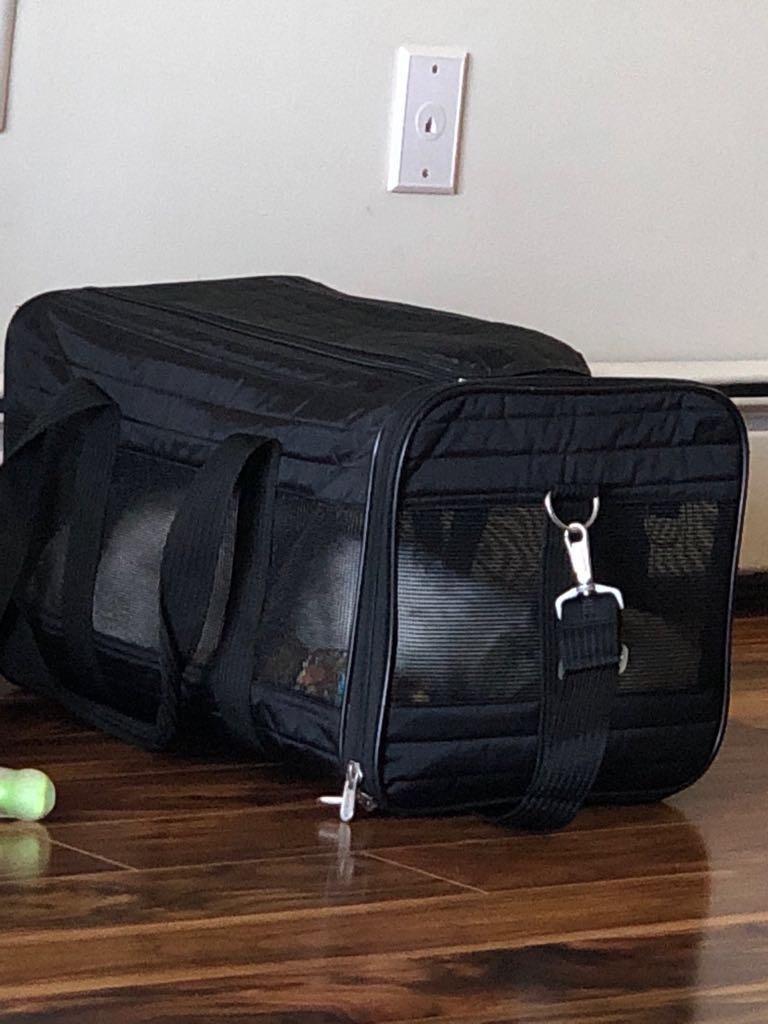
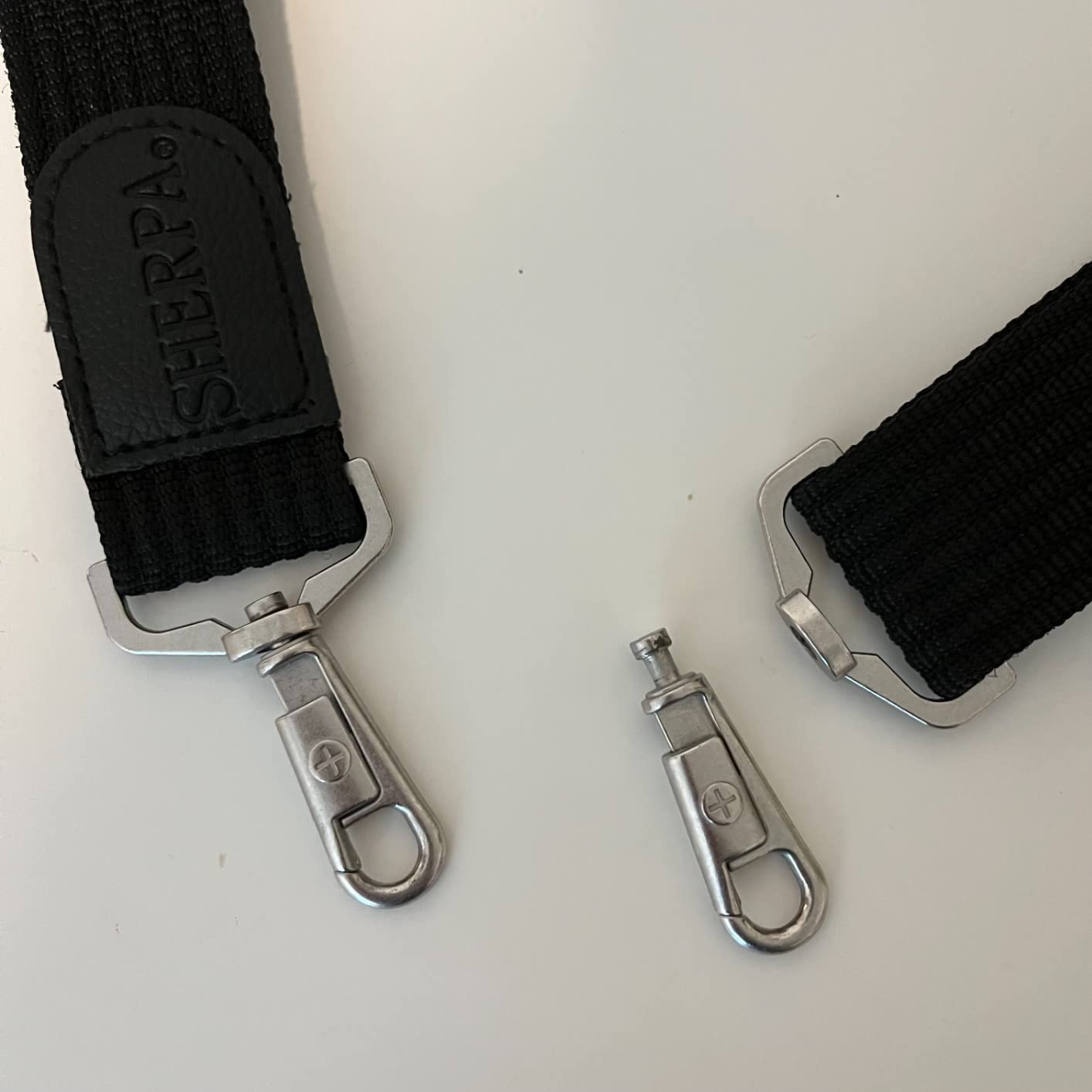
The base is waterproof with a removable machine washable liner over it, which handles the realistic outcome of a long-haul flight with a nervous dog. Mesh panels provide ventilation with escape-proof locking zippers, and the spring wireframe flexes the rear to fit under airplane seats even at the larger sizes.
This one has an unusually wide record of confirmed in-cabin travel across US Airways, Southwest, WestJet, Air Canada and international routes. When a design has that many carrier confirmations behind it, you are buying a known quantity rather than taking a chance on a listing.
Why anxious dogs do better in this one
It combines the two things that calm a frightened animal: choice of entry, and partial visual privacy. Top loading lets your dog step in rather than be pushed, and the mesh coverage is broad enough to see out without the full exposure of an open terminal.
Owners also credit the mesh for surviving determined chewing attempts, which matters because a nervous dog chews. A carrier that fails halfway to the destination is a worse outcome than any sizing compromise.
What the trade-off is
Even the larger size is a tight fit for a dog that needs to stand and turn around, so check the interior rather than the stated weight limit. Once loaded with a 15 to 20 pound dog it is a genuinely bulky shoulder carry over a long terminal, and owners planning an international connection say so directly.
There is no mesh on the top panel, so cabin light reaches your dog during the flight. Some people treat that as a benefit for a dog who prefers a darker space, and others find it stimulating. Worth a thought for a nervous animal.
8. Petskd Top-Expandable Pet Carrier – Extra Headroom for Very Small Dogs
Petskd Top-Expandable Small Pet Carrier 17″x11″x9.5″ Airline Approved
17 x 11 x 9.5 inches plus expansion
Recommended under 10 lbs for dogs
Weighs 2.8 pounds
Pros
- Expandable top adds headroom at the gate
- Mesh on five sides
- Frame resists sagging
- Zipped snap lock
- 12-month warranty
Cons
- Only sized for very small pets
- Expansion must be collapsed for some airline limits
The Petskd solves a problem most soft carriers ignore. The base height is 9.5 inches, which is the tightest in this roundup and matches the Alaska cabin allowance, but a zippered top section adds 3.5 inches when you need it, giving a small dog room to sit up and look around during a long wait at the gate.
The frame is the other differentiator. Stainless steel and fibre rod keeps the bag from sagging, which is the standard failure of expandable carriers, and a carrier that keeps its shape is also a carrier your dog recognises as the same place every time you train with it.
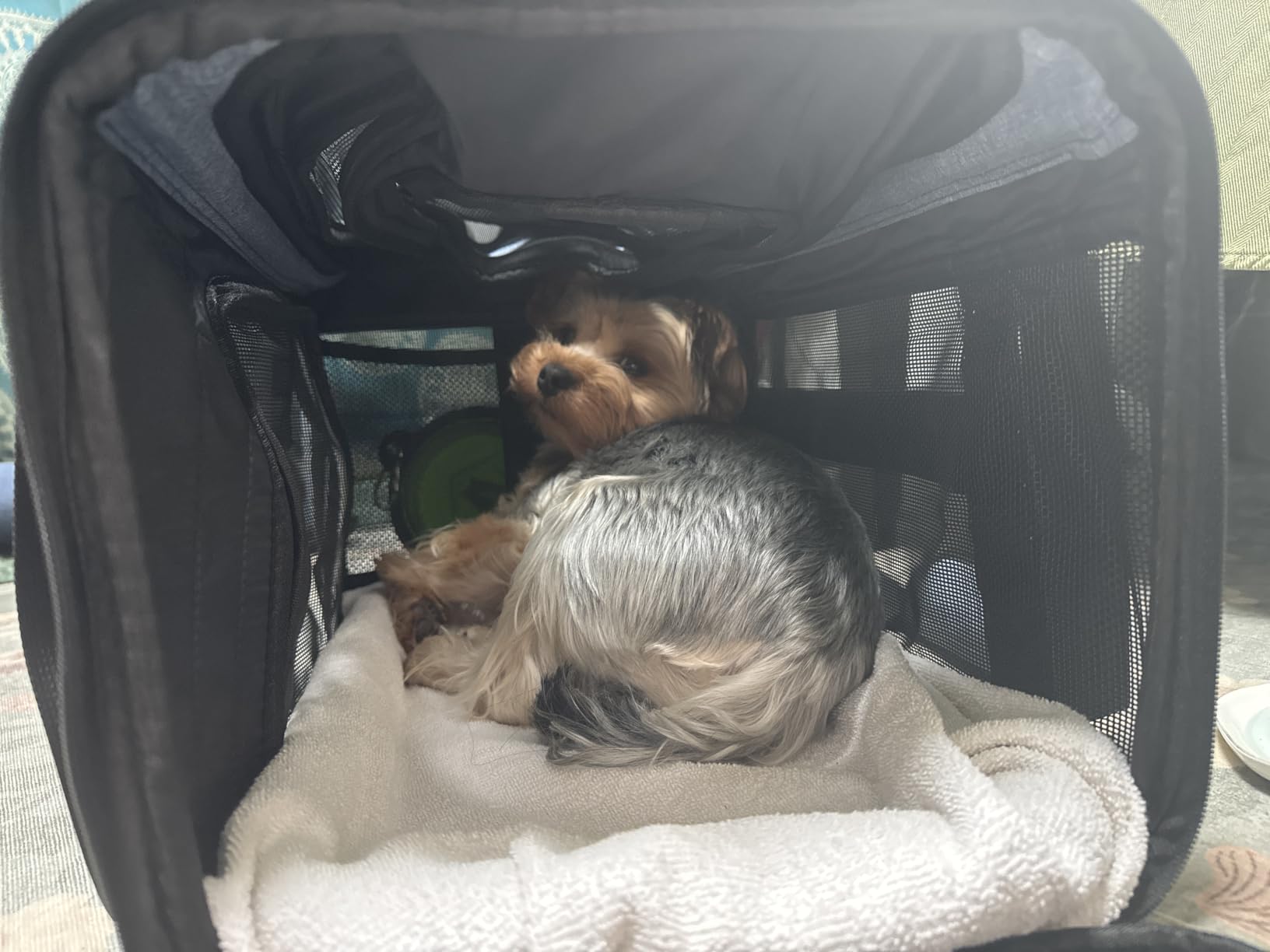
Mesh ventilation on five sides with three openings and non-slip zippers is generous for a carrier this small, and the reinforced mesh is described as scratch resistant. The exterior is waterproof, non-toxic polyester, and the inner size of 14 by 8 by 9 inches sets the honest limit on what will fit inside.
It carries a 12-month warranty with free replacement for quality issues, which is unusual at this level and removes the main argument against a lesser-known brand. Owners commonly report successful in-cabin use, and the expansion is what they mention liking most.
Why the expansion matters more than it sounds
Flight day is mostly waiting. A carrier that gives a small dog the option to sit upright and watch the world turns an hour of gate time into something manageable, and a zip means you can choose per moment rather than committing to a permanently tall bag.
For a dog in the 8 to 10 pound range that would otherwise be at the edge of what a soft carrier can hold, the headroom is the difference between comfortable and cramped.
What to know before buying
The size is the hard limit. It is recommended for dogs under 10 pounds and cats under 12 pounds, and owners repeatedly note that anyone with a larger animal needs a different model rather than a bigger dog in the same bag.
The other point is that the top expansion must be collapsed to meet airline limits in some configurations. The listing names Alaska at 17 by 11 by 9.5 and states compliance with Southwest, Delta, United and American cabin limits, so measure against your specific carrier and keep the expansion zipped for boarding.
9. Petmate Sky Kennel – Our Best Pick for Cargo Hold and International Moves
Petmate Sky Kennel, for Air Travel, 36in Dog Crate for Pets 50 to 70lbs
IATA compliant
Interior 32.5 x 22 x 26 inches
For dogs of 50 to 70 lbs
Pros
- States IATA live animal regulation compliance
- Tie-down strap holes
- Stickers
- cup and pad included
- Halves nest for storage
Cons
- Included cup is small and not door-mounted
- Supplied wing nuts may need replacing with metal
- Plastic can crack under heavy impact
This is the kennel the cargo world knows, and it is the only product in this roundup that states outright that it meets IATA live animal transport regulations and most airline cargo specifications. For a dog travelling as manifest cargo on an international route, that stated compliance is the single most useful thing on the page.
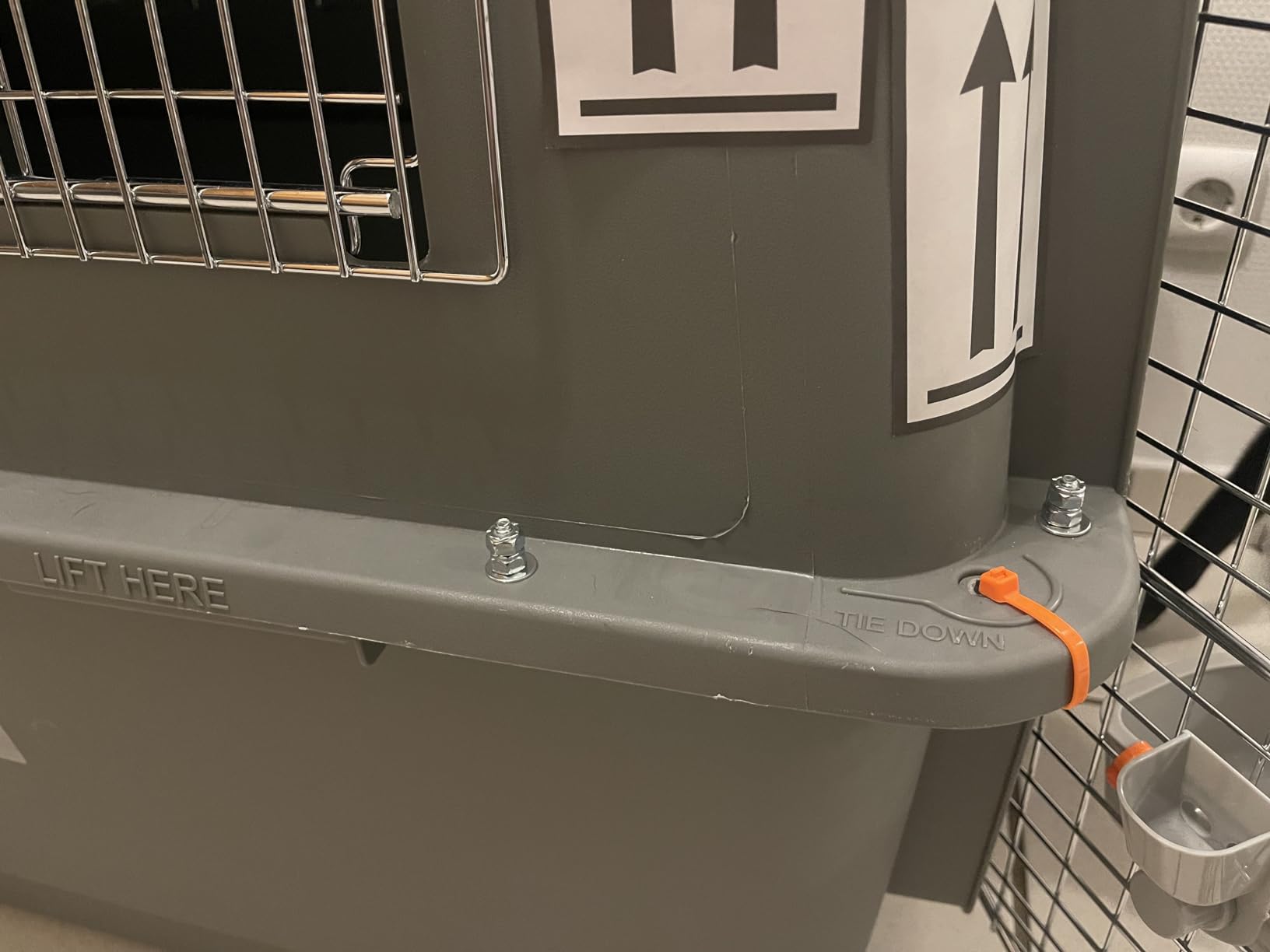
The interior measures 32.5 by 22 by 26 inches and is built for pets between 50 and 70 pounds. That is a real dog in a real space, with room to stand and turn, and owners cite it as spacious enough for breeds like Australian Shepherds. Ventilation runs 360 degrees, and the tie-down strap holes are the feature cargo handlers actually use to secure the kennel in the hold.
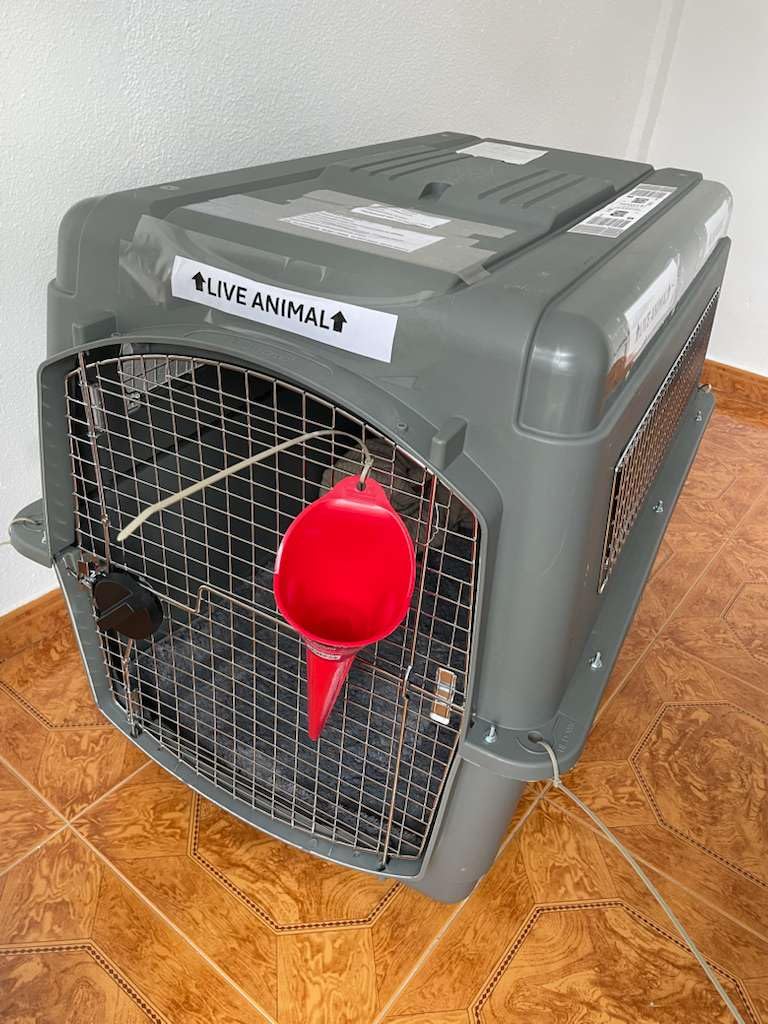
The travel kit in the box is unusually complete: two live animal stickers, a food and water cup, ID stickers and an absorbent pad. Most of the work people do in the week before a flight is assembling that list themselves, and it is all here.
It is made in the USA from EcoTEC plastic with at least 90 percent pre-consumer recycled material, and the top and bottom halves nest for storage, so it does not permanently occupy a garage. The folding top handle and the interlocking easy-squeeze latch door are the details that make it bearable to load a large, reluctant dog.
Why it is the cargo hold pick
Compliance language is what separates this from the hard shells earlier in the list, which are simply too small to be cargo kennels. This one is dimensioned for the hold, carries the tie-down holes, and arrives with the decals a cargo inspection expects to see on the crate.
It is also the established choice for international and military relocation moves, which is a form of social proof that matters more here than in any other category, because a failed cargo booking costs far more than a refused soft bag.
What you still have to do yourself
The included food and water cup is small and does not screw to the door, which is how IATA expects the container to be fed. Bring your own door-mounted bowls or fit compatible ones, and check the cup size against your dog’s actual portion before departure.
Reviewers also note the supplied plastic wing nuts may need replacing with metal fasteners for airline compliance, and a small number report cracking in the plastic shell under heavy impact. Fill the tie-down holes with metal bolts and plastic caps before you fly, not at the counter.
10. Ruff Life 101 Expandable Rolling Carrier – Wheels for Long Terminals
Ruff Life 101 Airline Approved Expandable Premium Pet Carrier on Wheels- Two Sided Expandable Rolling Carrier- Designed for Dogs & Cats- Extra Spacious Soft Lined Carrier! (Grey)
18 x 11 x 11 inches
Fits under a front cabin seat
Weighs 6.5 pounds
Pros
- Detachable wheel base takes weight off the shoulder
- Two-sided expansion
- Carrier and trolley fold flat
- Ball-bearing wheels
- Thick top wire frame holds shape
Cons
- Advertised width can measure wider at the base
- Wheels can drift
- Carrier must be detached before boarding
The Ruff Life 101 answers a problem nobody else on this list addresses: the walk. At 18 by 11 by 11 inches it is sized to fit under a front cabin seat, and the detachable 360-degree rotating wheel base means you are not carrying the whole weight on one shoulder for a mile through a concourse.
Owners who fly with it most often mention senior dogs and dogs with joint problems, and the reason is straightforward. A wheeled base removes the strain of carrying an animal you care about, and on a long connection with a layover that can be the difference between a comfortable dog and a stiff one on arrival.
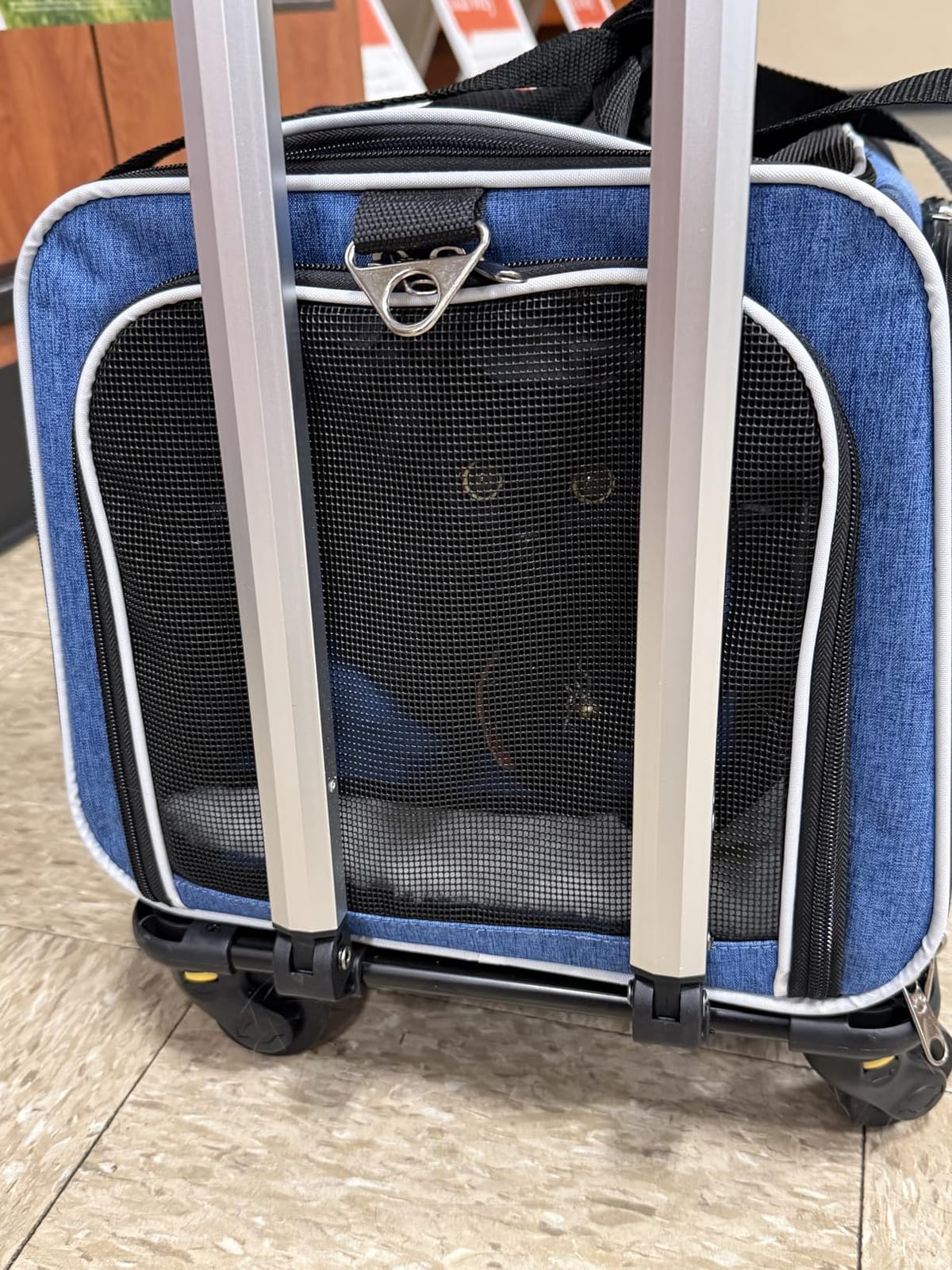
Two-sided expansion gives the pet room to sprawl during a long gate wait, and the thick wire frame at the top is what stops the expanded shape sagging, which is the usual complaint about expandable carriers. Roof ventilation plus mesh sides keep airflow continuous while the top panel is opened out.
Removable plush faux fleece bedding is included along with a padded shoulder strap and storage compartments, and the carrier, strap, trolley and wheels all pack down flat when the trip is over. Ball-bearing wheels roll in any direction, which matters in the tight corners of a terminal.
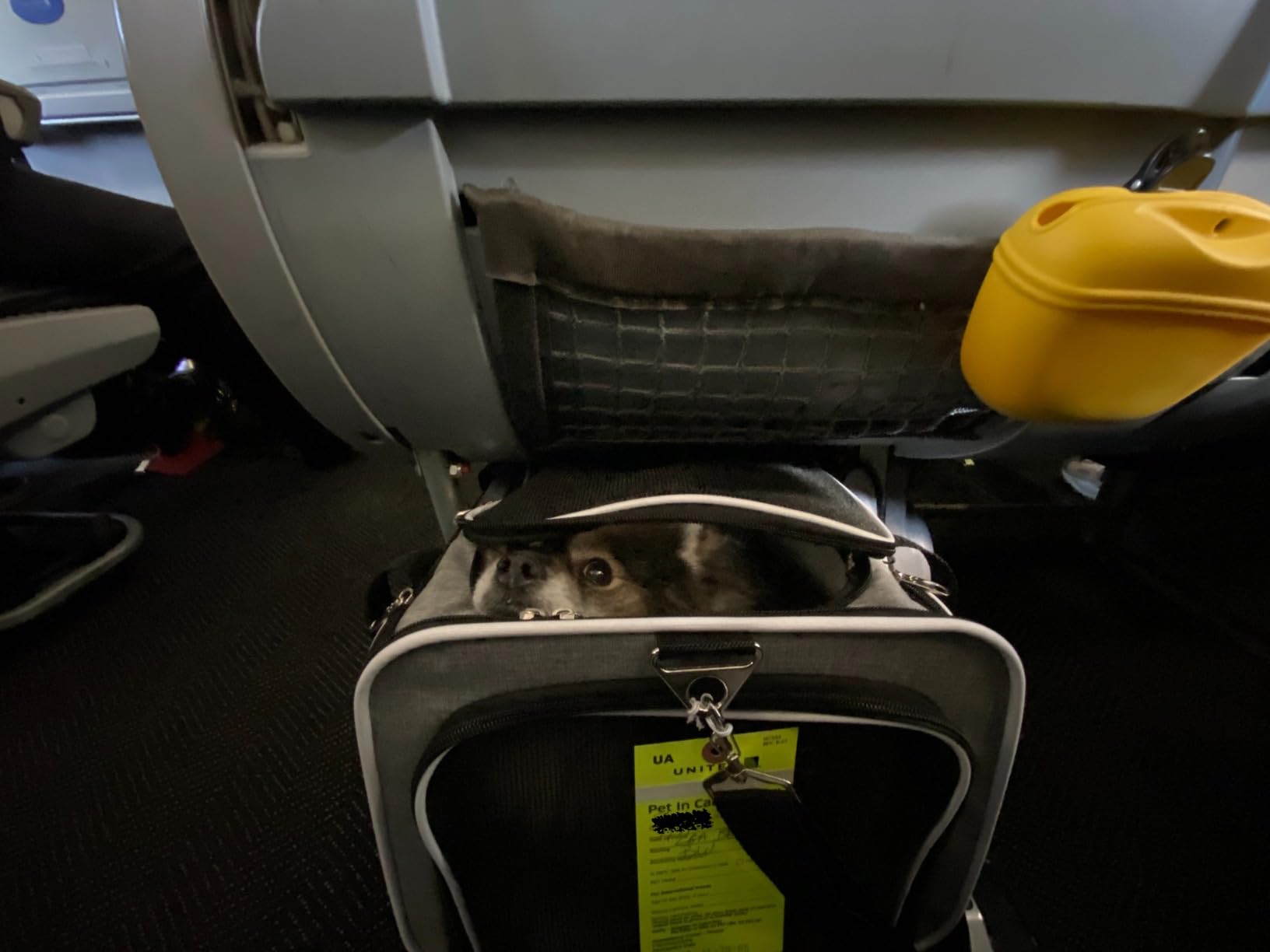
Why the wheel base changes the trip
Terminal distance is the variable people underestimate. A carrier that is comfortable for four hundred yards is a different product when you have a connection, a delay or a long walk to a remote gate, and a detachable base is the cheapest way to remove that strain entirely.
It is also a good senior dog pick specifically because the dog does not need to be lifted as often. Owners of older animals consistently call out the base as the reason the carrier works for them.
What to verify before you fly
Measure the base width yourself rather than trusting the listed 11 inches, because owners report some versions measuring closer to 13 inches at the base, which can push the carrier outside the airline limit. That is a real acceptance risk on the single most important measurement in the whole purchase.
Also plan for the fact that the carrier must be detached from the wheel frame before boarding, so the last few yards to the aircraft are a carry. The wheels can drift if you do not keep a firm grip, and the under-seat fit is described as a very tight squeeze on some aircraft.
11. SportPet X-Large Airline Kennel – An IATA Compliant Crate That Ships With the Whole Travel Kit
SportPet Airline Compliant X-LARGE 32.25″ Travel Dog Kennel-Durable Plastic Airline Pet Carrier w/Removable Wheels & Food Bowls, Collapsible Indoor/Outdoor Dog Kennel, Dog up to 32″L & 23″H-Cream/Gray
IATA compliant, 51st edition
Interior 32.25 x 21 x 25.25 in
Weighs 20.25 pounds
Pros
- States IATA compliance with tie-down holes
- Includes four live animal labels
- Removable wheels and top handles
- Wire windows resist chewing
- Separates into two pieces
Cons
- Assembled size will not fit through standard doors
- Only front wheels have brakes
- Included dishes are small for a large dog
The SportPet X-Large is the most complete cargo package in this roundup, because it states IATA compliance with the 51st edition Live Animal Regulations and includes the four live animal labels, two food and water dishes and the tie-down holes that an inspection looks for. Rescue volunteers and frequent flyers name it as one of the better IATA-compliant kennels available.
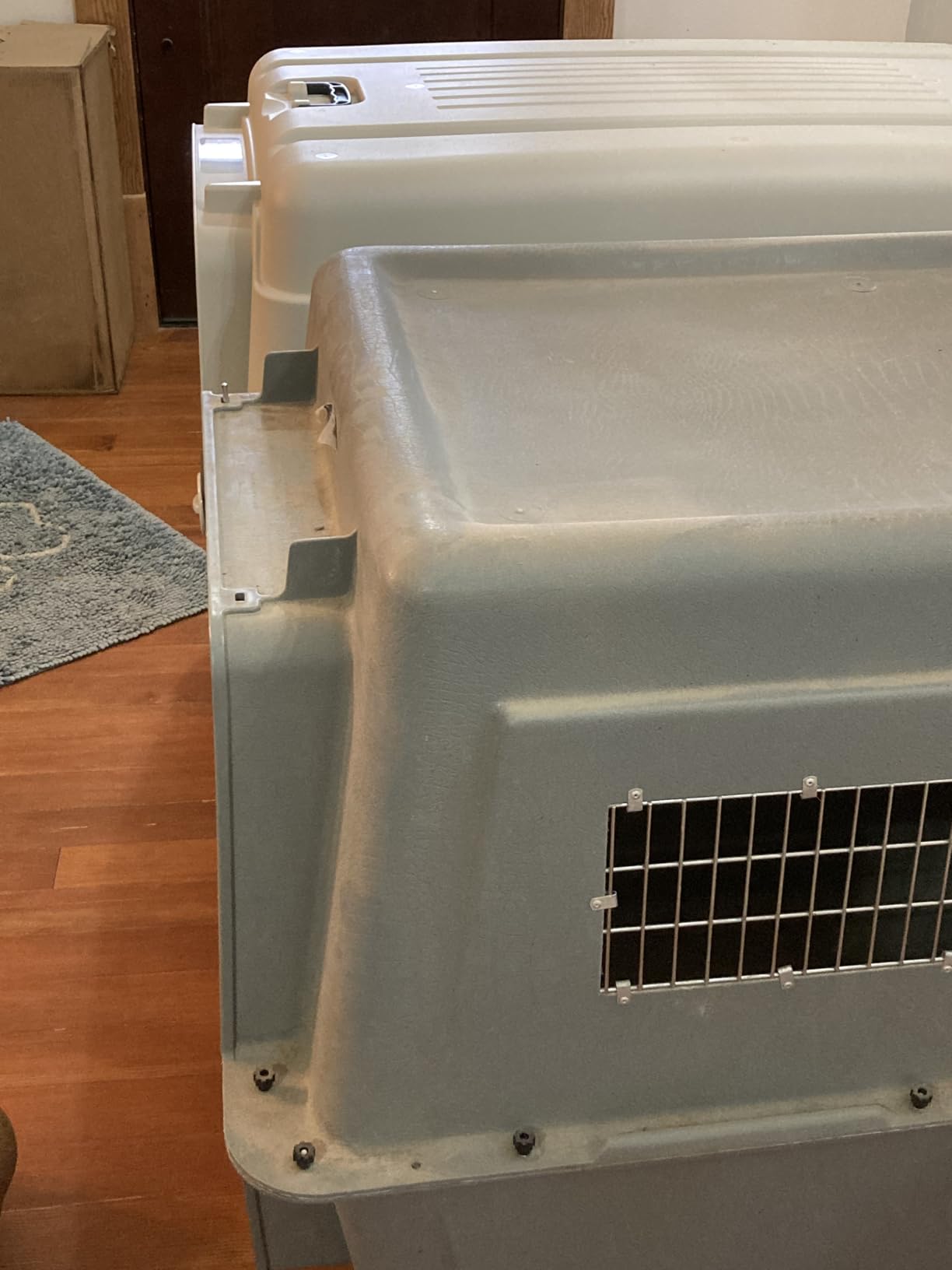
The interior measures 32.25 by 21 by 25.25 inches and handles dogs up to 32 inches long and 23 inches high, which is a bigger dog than the Petmate Sky Kennel in this list. Removable smooth-rolling wheels plus two top carry handles make the difference between a manageable airport day and a genuinely difficult one at that weight.
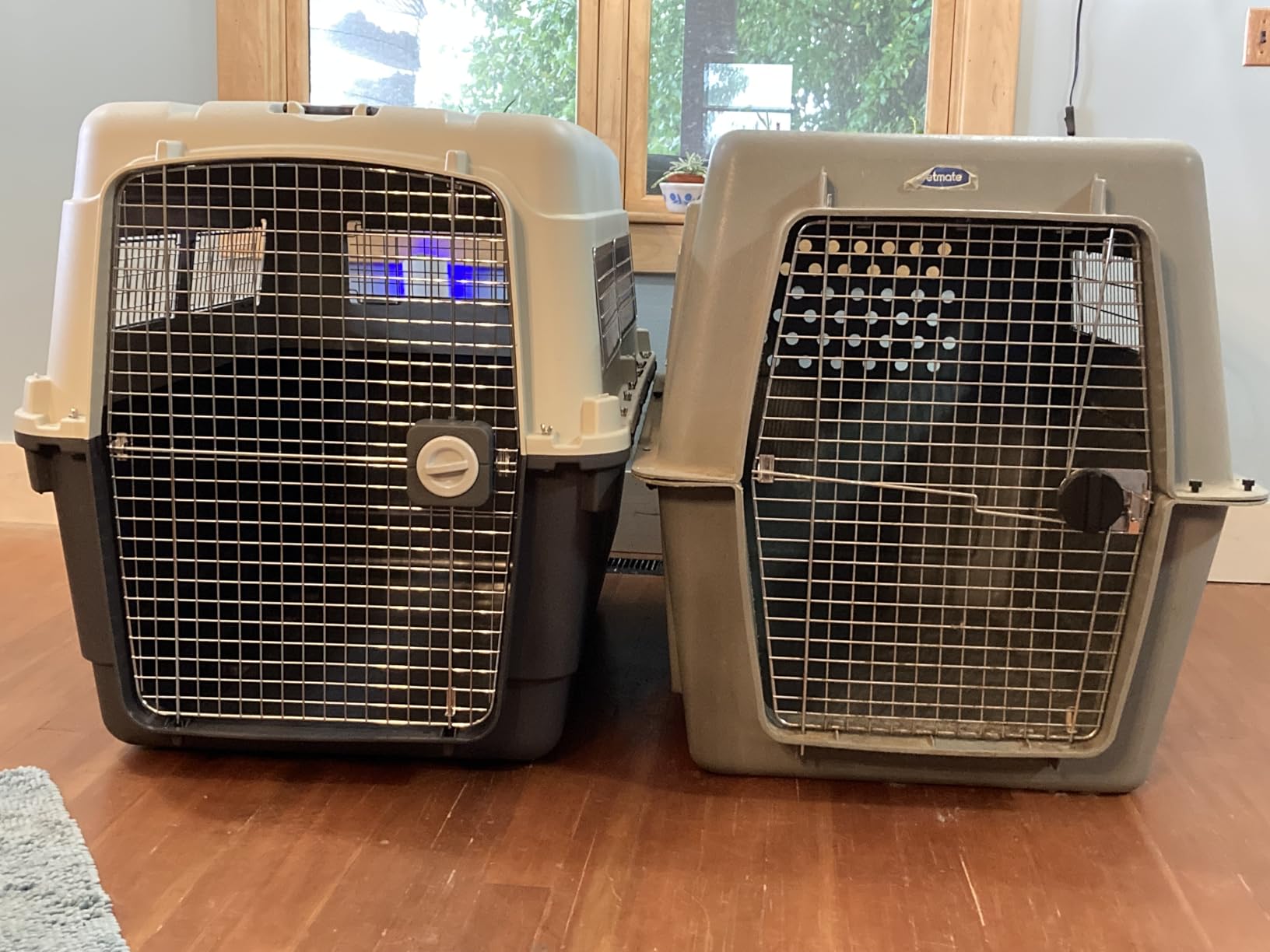
The accident moat is an unusual detail and a thoughtful one, since it channels a spill away from the dog rather than under it. Wire ventilation windows resist chewing better than slotted plastic, which is the same reasoning behind the Amazon Basics shell, and the whole unit is easy to clean with mild soap or a hose.
It separates into two pieces for compact storage, which matters for a crate this size. A rigid shell that does not come apart dictates the layout of your garage, and this one folds down between trips.
Why it suits XL dogs
It covers a larger dog than any other compliant kennel here and comes with the labels, bowls and hardware that a cargo booking expects. Buyers who move rescue dogs or handle frequent relocations tend to end up here, because everything needed for the paperwork is physically in the box.
Our large dog crate guide covers the size and weight questions for bigger breeds in more depth if you are still working out which band your dog falls into.
The practical problems nobody mentions
At 35.5 by 23.75 by 26.75 inches assembled, this will not go through a standard doorway or into most cars, so measure your home before you commit. Getting it into an aircraft hold is a solved problem; getting it into your own hallway is not.
Only the front wheels have brakes, which is awkward on the ramps and slopes around airport kerbsides, and the included dishes are small relative to a dog of this size. Reviewers also note the plastic and fasteners are thinner than the premium moulded kennels, so it is lighter to handle and less resistant to a determined large dog.
12. Impact Collapsible Aluminum Crate – The Premium Tier for Powerful Dogs
Impact Collapsible Dog Crate – Heavy Duty Travel Aluminum Kennel, Black 30″
30.5 x 20.5 x 26 inches
Weighs 28.5 pounds
Aluminum with powder coat
Pros
- Far tougher than wire crates
- Sets up in under 60 seconds
- One-handed door operation
- Stackable design
- Rounded ventilation holes
Cons
- Heavy and costly compared with plastic kennels
- Side rails add 2 inches of width
- Limited ventilation versus mesh carriers
Everything before this point is plastic or fabric. The Impact is a 99 percent recyclable space-grade aluminium kennel with a non-toxic powder coat, and buyers typically want one specific thing: a crate that a large, powerful dog simply cannot destroy. If your dog chews through plastic panels, this is the answer, and the reason is material rather than design.
The setup is the part that changes daily life. It goes together in under 60 seconds with no tools and collapses for storage, which is unusual for a rigid aluminium crate and means it is not a permanent fixture in your home. The one-handed door operation is genuinely convenient on a dog that is trying to leave.
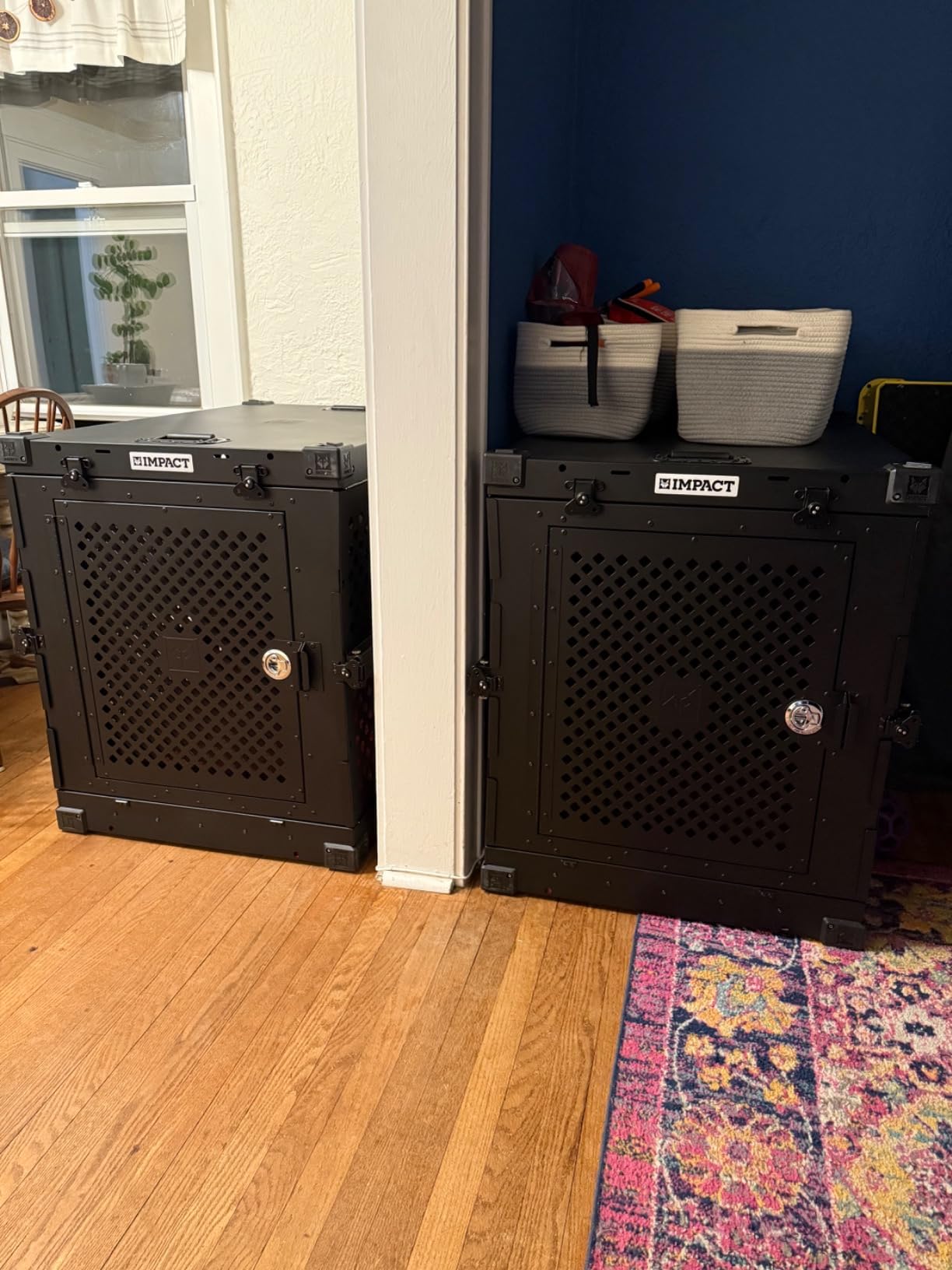
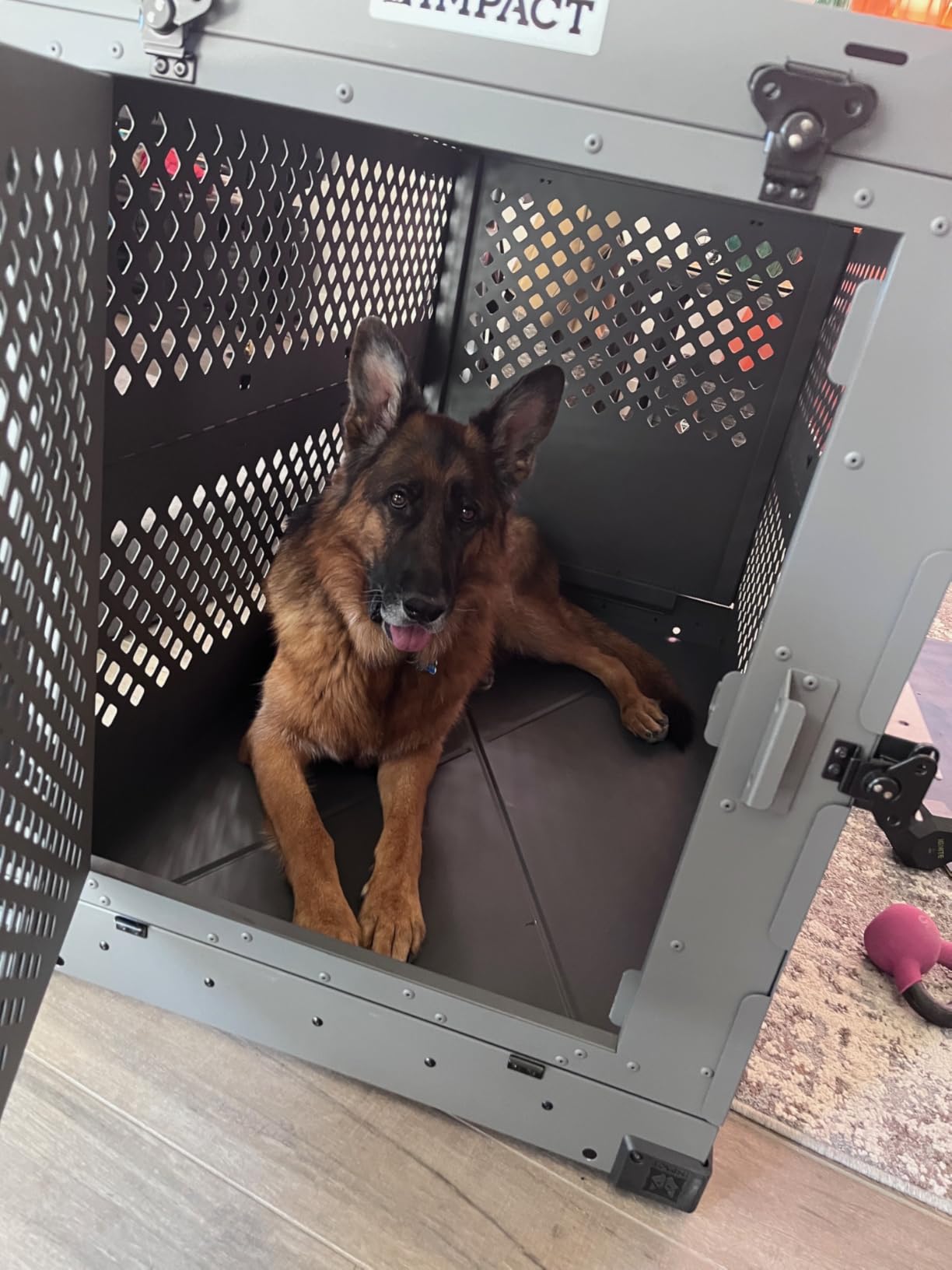
Rounded diamond-shaped ventilation holes are cut without sharp edges, so there is nothing for a dog to catch a claw or a nose on, and owners consistently describe the aluminium build as noticeably tougher than a wire alternative of the same size. Military-grade handles plus a strategic carrying handle take the weight at sensible points.
It is also stackable with like sizes, which is a practical consideration if you run a foster or rescue operation and need several crates that do not eat a garage floor.
Who should spend the premium
Buy this for a giant breed with real destructive power, a working animal, or a dog that has already chewed out of a plastic kennel. The value of aluminium is not weight, where it is a disadvantage, but the fact that there is nothing for a dog to get its teeth around.
It is also worth considering as a permanent base crate that you can collapse and move as needed. Our heavy-duty crate roundup covers other indestructible options if aluminium is not the only route.
Where the premium tier stops paying off
It weighs 28.5 pounds empty, and every step through an airport is a two-person or cart job. For a dog that would sit quietly in a soft carrier, that weight buys you durability you will never use.
The two included side rails add 2 inches to the exterior width and must be secured during use, so the crate you receive is not the crate you measure. Fit the rails, measure again, and check the total against your airline’s limits before booking anything.
Soft-Sided vs Hard-Sided: Which Crate Goes Where?
Soft-sided carriers are never permitted in the cargo hold. That is not a matter of airline preference; fabric cannot be certified against IATA container rules because it cannot guarantee rigidity, structural strength or puncture resistance. A soft carrier is an in-cabin product only, no matter how the listing describes it.
Every soft carrier in this roundup, the Henkelion, the Amazon Basics mesh bag, both Sherpa models, the Petskd and the Ruff Life 101, is built to fit under a cabin seat and to be carried through a terminal. Their compliance claims refer to in-cabin acceptance, and owners on r/TravelWithPets describe the recurring disappointment of learning this at the counter.
Hard plastic shells like the MidWest Spree, the Amazon Basics kennel and the Skudo are a middle category. They are tough, cleanable and reusable, but they are still too small for large dogs and they are not built to the cargo specification unless the manufacturer says so. Treat them as hold and checked-baggage carriers, and confirm acceptance before you book.
Only the Petmate Sky Kennel and the SportPet X-Large state IATA compliance, and those two are the correct answer for manifest cargo on an international route. The Impact aluminium crate is tough enough for any dog but does not list IATA compliance in its specification, so check with your airline before assuming a manufacturer’s compliance language covers it.
How to Measure Your Dog for a Travel Crate
Measure length from the base of the neck to the base of the tail, not to the tip of the nose, then add a few inches. Measure standing height from the floor to the top of the shoulders and add a few inches again. Your dog must be able to stand naturally, turn around and lie down without being curled into a position it cannot hold for six hours.
Measure twice with a tape, once with your dog standing and once with it lying in the position it will hold on the floor of the crate. The second measurement is often the one that reveals a carrier is too small, because a dog can curl into a space it cannot stand up in.
For in-cabin travel the number that matters is the carrier’s outer footprint against the under-seat allowance, which most major carriers publish at 18 by 11 by 11 inches. The Petskd sits at exactly 9.5 inches of base height to hit the tighter Alaska figure, and the Ruff Life 101 is listed at 18 by 11 by 11 with owners reporting a wider base on some versions.
For cargo travel the relevant framework is the IATA series class, which is a dimension band rather than a weight rating. Series 100 suits a dog up to roughly 7 kg, Series 200 around 10 kg, Series 300 up to about 14 kg, Series 400 to about 18 kg, Series 500 to about 30 kg, and Series 700 begins near 40 kg and runs up to the giant breeds. The two compliant kennels here sit in the upper bands, with the Petmate Sky Kennel covering 50 to 70 pounds and the SportPet X-Large handling dogs up to 32 inches long and 23 inches high.
If your dog falls outside every one of these, work up a size rather than sideways. An undersized crate is one of the few things that reliably gets a dog refused at check-in, and a professional pet transport service is a better route than buying a crate that is too small and hoping nobody measures.
The Pre-Flight Crate Checklist Nobody Gives You
This is the step that catches people out, and it comes up again and again in owner accounts: crates arrive with empty tie-down holes and owners only find out at the counter that metal fasteners are required. Work through this list at home, with the crate fully assembled and empty.
Fill every tie-down hole on the crate with metal bolts and plastic caps, not the plastic wing nuts that often ship in the box.
Apply the live animal decals and the this-way-up stickers to the outside, on the side and top where a handler can see them.
Fit food and water bowls that attach inside the door, since loose containers inside the crate will slide and spill.
Line the floor with an absorbent pad and add a thin blanket or familiar bedding for scent and comfort.
Attach a bag of your dog’s normal food to the top of the crate with the feeding instructions written on it.
Check that the door is a single side-entry panel, not a top-loading hatch, and that any latch is metal rather than plastic.
Remove any detachable wheels and leave them off for hold travel, since fixed hardware is a common rejection reason.
Do not sedate your dog and do not use a muzzle. Both are restricted and both create new problems in a confined space.
Do not leave a lead or collar inside the crate, where it can snag on the door fittings.
Feed your dog four to five hours before departure, offer water, and take the dog out to relieve itself immediately before handover.
Crate train in the actual travel crate for the two weeks before departure, with the door open and the crate treated as normal furniture.
Watch the crate being zip-tied closed at the counter, and keep a photo of the markings and your paperwork.
On day of travel, the behaviours that cause problems are mostly avoidable. A familiar bedding item and a bowl attached to the door handle more incidents than any crate modification, and a dog that has slept in the crate for two weeks treats the whole thing as unremarkable.
How to Choose a Travel Dog Crate for Flying
Start with the travel mode and work outward. If your dog fits under the seat allowance, you are choosing a soft carrier and the decision is mostly about size, rigidity and whether your dog needs a top entry. If your dog is heavier than that allowance, you are choosing between a checked hold carrier and a manifest cargo kennel, and only the second is viable on most international routes.
Next, check the crate against the compliance checklist rather than the marketing copy. Look for metal fasteners, a single-piece door, tie-down holes, ventilation on all sides, a rim that protrudes enough to grip safely, and explicit reference to the IATA Live Animals Regulations. Products described only as airline approved without specifying in-cabin or cargo are the single most common source of expensive disappointment.
Then look for the features that cause rejection. Plastic latches, top-loading doors and non-detachable wheels are all called out by experienced owners as deal breakers, and each of them is easy to check in a product photo in under a minute.
Where you buy matters less than what you confirm. Crates are widely available from pet supply retailers, general marketplaces and manufacturer sites, and the real question is not the seller but whether you can return the crate if your airline rejects it. That is a strong argument for buying from somewhere with a straightforward return policy rather than committing to a large crate sight unseen.
Finally, get written confirmation from the airline on the specific route before you buy a large crate, and get it in writing rather than over the phone. Owners repeatedly describe contradictory answers on the phone and a refusal at the counter, and r/AlbaniaExpats members planning routes with giant breeds ask for exactly this confirmation before committing to a purchase. If the airline will not confirm the crate, a professional pet transport service is the alternative worth pricing up.
One last note on snub-nosed breeds. Pugs, bulldogs and Boston terriers are restricted by many carriers because of airway risk, and owners on pugvillage.com discuss those carrier limits directly when planning an international flight. Check breed restrictions before you spend time on crates at all, since the answer is sometimes a private transport service rather than an airline.
Frequently Asked Questions
What is the best airline-approved dog crate?
For in-cabin flying with a small dog, the Henkelion soft-sided carrier is the strongest all-round choice because it sits inside the under-seat allowance, stays rigid on the bottom and has a seven-ounce weight. For a dog travelling in the cargo hold, the Petmate Sky Kennel is the pick, since it states IATA Live Animals Regulations compliance and includes the tie-down holes and live animal decals an inspection expects.
Are soft-sided dog carriers allowed in the cargo hold?
No. Soft-sided fabric carriers are never permitted in the cargo hold because they cannot be certified against IATA container rules for rigidity, structural strength and puncture resistance. A soft carrier is an in-cabin product only, even when the listing describes it as airline approved.
Can I take my dog’s crate on a plane as checked baggage?
Yes on many domestic routes, where the dog and crate travel as checked baggage alongside the passenger. Many international carriers require manifest cargo instead, which is a freight booking rather than a baggage check. The crate must meet IATA container rules either way, and you should confirm acceptance on your specific route before buying.
How do I measure my dog for a travel crate?
Measure length from the base of the neck to the base of the tail and standing height from the floor to the top of the shoulders, then add a few inches to each. Your dog needs to stand naturally, turn around and lie down inside the crate. For in-cabin travel, compare the carrier’s outer dimensions against the under-seat allowance, which is commonly 18 by 11 by 11 inches.
Which airlines fly dogs in cargo?
Policies change, so confirm on your route before booking. Gulf carriers such as Qatar, Emirates and Etihad generally accept dogs as cargo only rather than in the cabin, and the crate must be IATA compliant. Domestic carriers are more flexible but usually limit in-cabin travel to a small dog in a soft carrier that fits under the seat, with anything larger going to the hold.
Final Verdict on Travel Dog Crates for Flying in 2026
After working through twelve carriers, the best travel dog crates for flying come down to two decisions. If your dog flies in the cabin, take the Henkelion soft-sided carrier, and move up to the Amazon Basics mesh bag if the dog is near the upper end of the under-seat allowance. If your dog flies in the hold, the Petmate Sky Kennel and the SportPet X-Large are the two that state IATA compliance outright.
Whatever you choose, do the crate work before you book rather than at the counter. Fill the tie-down holes with metal fasteners, apply the decals, fit door-mounted bowls, and confirm acceptance with your airline on your specific route in writing.
Our wider travel gear picks cover the rest of what goes in the bag, and if you are still comparing everyday carriers for a dog that flies rarely, start with the full crate guide instead.