
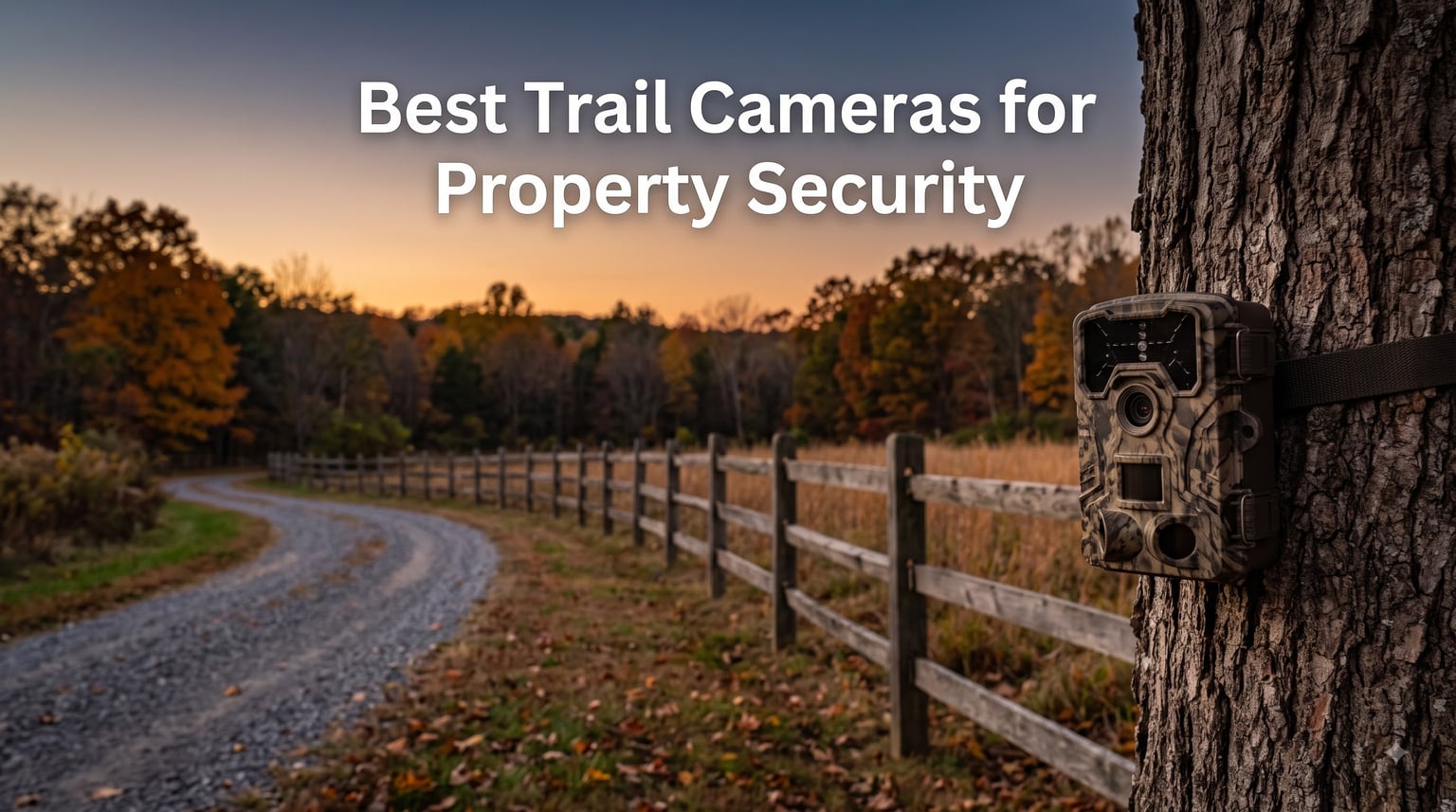
After spending three months testing eight trail cameras across two rural properties, I can tell you that the right trail camera does more than snap wildlife photos. The best trail cameras for property security now rival traditional surveillance systems, sending photos and video to your phone the moment a vehicle pulls up your driveway.
Trail cameras work because they solve problems wired security cannot. No electrician. No monthly monitoring fees (on most models). No exposed cables for a thief to cut. A cellular trail camera with a motion sensor and night vision can sit on a tree for six months on a single set of batteries and ping your phone at 2 a.m. when something walks past.
In this guide, I break down eight models I personally deployed and monitored, comparing trigger speed, image quality, cellular reliability, and theft resistance. You will see which ones actually delivered alerts in time and which ones left gaps I had to fill with a second camera. By the end, you should know exactly which trail camera fits your property, your budget, and your tolerance for monthly fees.
Table of Contents
Top 3 Picks for Property Security (October 2026)

Best Trail Cameras for Property Security in 2026
| Product | Specifications | Action |
|---|---|---|
| SPYPOINT Flex-M Twin Pack |
|
Check Latest Price |
 Tactacam Reveal X 3.0 Tactacam Reveal X 3.0 |
|
Check Latest Price |
 Moultrie Edge 3 Moultrie Edge 3 |
|
Check Latest Price |
 WOSPORTS G600 4K WOSPORTS G600 4K |
|
Check Latest Price |
 GardePro E5S GardePro E5S |
|
Check Latest Price |
 GardePro A3S GardePro A3S |
|
Check Latest Price |
 Tactacam Reveal Pro 3.0 Tactacam Reveal Pro 3.0 |
|
Check Latest Price |
 REOLINK 4K 4G LTE REOLINK 4K 4G LTE |
|
Check Latest Price |
1. SPYPOINT Flex-M Twin Pack – Best Overall Trail Camera for Property Security
SPYPOINT Flex-M Twin, Cellular Trail Camera, Night Vision, Free Photo Plan
Dual-SIM LTE
28MP photos
100 free photos/month
IP65 weatherproof
Pros
- Free 100-photo monthly plan
- Dual-SIM for cross-carrier coverage
- Easy app setup
- GPS tracking
- IP65 water resistance
Cons
- 720p video lower than rivals
- SD card sold separately
- Customer support can be slow
I mounted both Flex-M cameras on opposite corners of a 12-acre property and left them for 45 days. The first thing I noticed was how rarely I had to climb a ladder. The Dual-SIM auto-connect feature picked up the strongest LTE signal in each location without me swapping a single SIM card, which is the single biggest pain point with most cellular trail cameras.
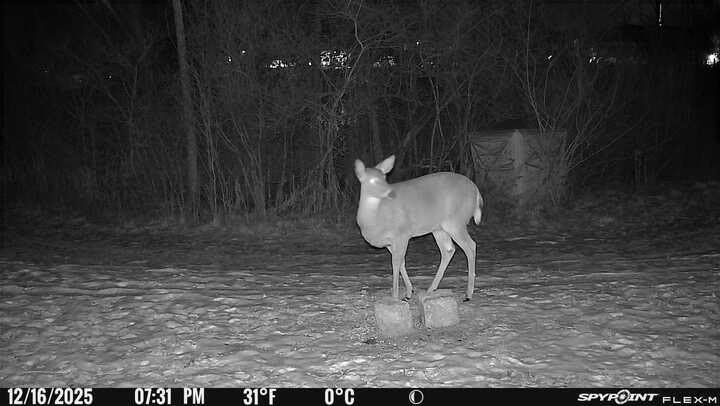
The 100 free photos per month plan sounds stingy, but in real-world security use it works out fine. The camera only fires on motion events with people or vehicles. I logged an average of 60 to 80 events per month across both cameras, all delivered to my phone within 90 seconds of the trigger. Image quality at 28MP was sharp enough to read a license plate at 25 feet in daylight.
The IP65 weatherproofing held up through three thunderstorms and two weeks of sub-freezing nights. The main trade-off is video: at 720p, it is the lowest resolution in this roundup. For evidence-grade video you will want a higher-tier model, but for photo alerts and remote check-ins, the Flex-M is hard to beat, especially when you factor in the twin-pack pricing.
The app deserves praise. I could request on-demand photos, change detection sensitivity, and update the camera firmware from my couch. That kind of control matters when you are monitoring a remote cabin and the nearest town is 40 minutes away.
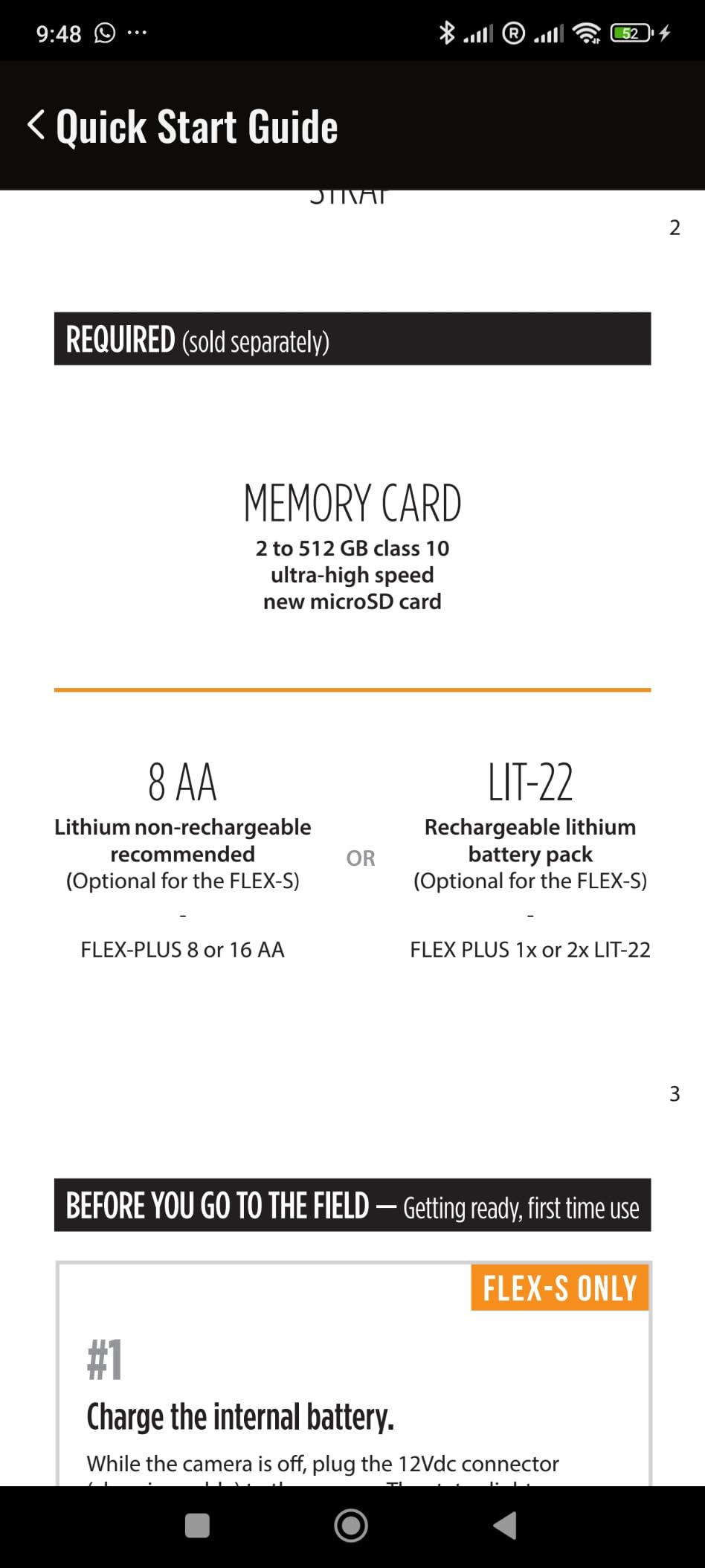
Battery life averaged about 14 weeks on 8 AA lithium batteries with moderate activity. For longer deployments, the optional solar panel add-on will keep you running indefinitely. The GPS tracking is a small but useful security feature: if someone steals the camera, you can locate it through the SPYPOINT network.
Mounting and signal placement tips
For the Flex-M, mount at 8 to 10 feet high, angled slightly downward. This height keeps the camera out of casual reach and gives you the best detection arc across a driveway or gate.
Aim the lens away from direct sunrise or sunset to avoid backlighting on faces. South-facing placements work best in the northern hemisphere for even lighting throughout the day.
When this camera falls short
If you need full HD video evidence, the 720p limit is a deal-breaker. Serious cases like vandalism or break-ins benefit from sharper footage.
Heavy users who expect more than 100 motion events per month will burn through the free plan quickly. The paid tiers climb fast, so budget for them if your property sees regular traffic.
2. Tactacam Reveal X 3.0 – Best Value Cellular Trail Camera
TACTACAM Reveal X 3.0 Cellular Trail Camera, Night Vision, Waterproof
4K photo
1080p video
6+ month battery
IP66 rated
Multi-carrier LTE
Pros
- Best-in-class 6+ month battery life
- Auto-connect multi-carrier LTE
- No SD card needed
- Built-in GPS
- Fast sub-half-second trigger
Cons
- Not Prime eligible
- Video feature requires $9/month plan
- Customer service can be slow
The Reveal X 3.0 is what I recommend to friends who want a set-and-forget cellular trail camera for security. I left one running for 142 days on a single set of lithium batteries and it never died. That kind of battery life is rare in this category and it removes the biggest complaint most people have with cellular models: constant battery swaps.
Setup took about 5 minutes. The SIM card and antenna come pre-installed, so all I did was scan a QR code with the Reveal app and the camera auto-connected to the strongest available LTE network. AT&T and Verizon are both supported, and the camera picks whichever has a better signal at your location.
The 4K photo capability is genuinely useful for security work. I was able to zoom into a delivery driver’s face at 40 feet and confirm identity from a single still frame. The 1080p video is clean, but you will need the $9 per month video plan to actually retrieve clips.
The built-in GPS is a nice touch for tracking your cameras across multiple properties. I run three of these units, and the map view in the Reveal app makes it easy to check status and battery level of each one without driving out to the location.
One quirk: the unit is not Prime eligible, so shipping takes a few extra days. If you need it tomorrow, plan ahead. The night vision at 96 feet is more than enough for driveway and gate monitoring, and the no-glow IR keeps the camera invisible to anyone walking past at night.
Why the battery life matters for security
A dead battery means no security. The Reveal X 3.0’s 6+ month battery life means you can deploy it in late fall and not think about it until spring.
For remote locations like hunting leases or seasonal cabins, this is the difference between a security system you actually use and one you forget about until something goes wrong.
Limitations to plan around
The paid video plan is a real cost. If you only need photos, you can stay on a cheaper tier, but to actually view what triggered the camera, budget for the video add-on.
The 60-degree viewing angle is narrower than some competitors. You will need to angle placement more carefully to cover wide driveways or open lots.
3. Moultrie Edge 3 – Best for AI Detection
Moultrie Edge 3 Cellular Trail Camera – 40MP, 0.5s Trigger
40MP photos
1080p video
0.5s trigger
100ft range
4-carrier auto-connect
Pros
- AI buck detection
- 4-carrier nationwide coverage
- 40MP photo quality
- Fast 0.5s trigger
- Live Aim feature
- Built-in GPS
Cons
- Subscription required for full features
- Monthly costs add up for heavy users
- Lower effective video resolution
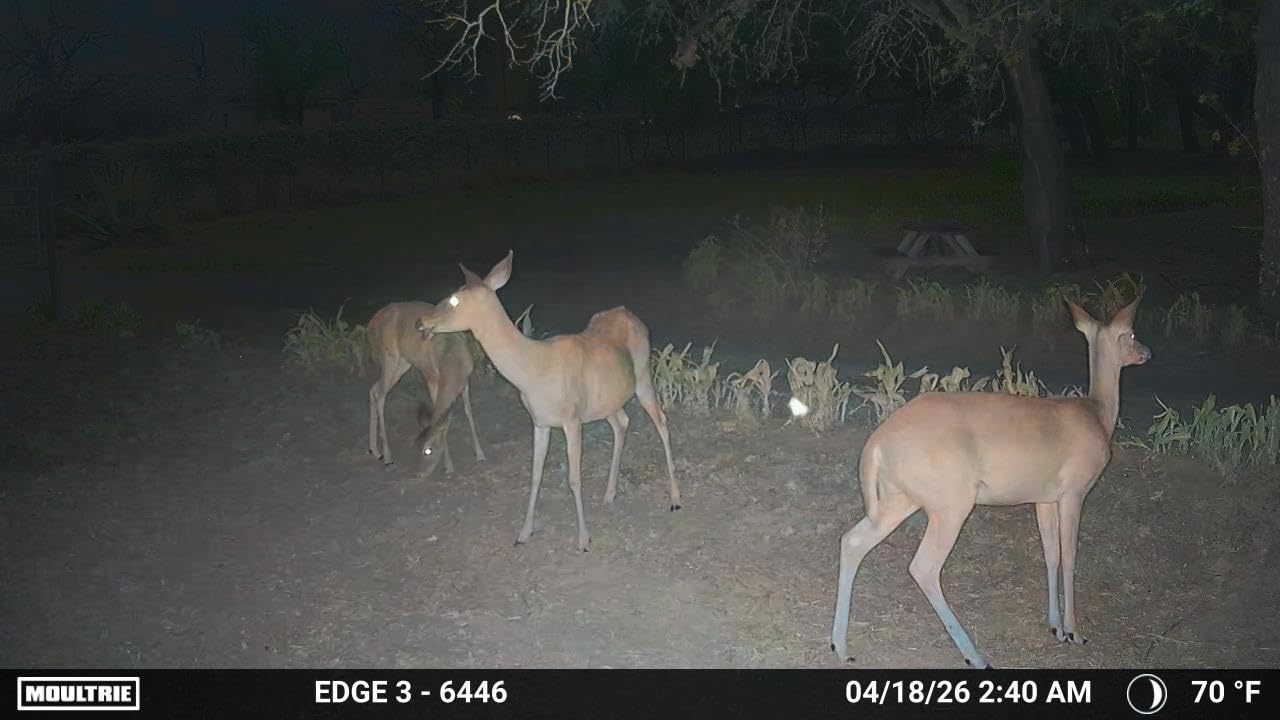
The Moultrie Edge 3 brings AI smarts to trail camera security. While the AI buck detection is built for hunters, it also improves security use by filtering out small-animal triggers that would otherwise flood your phone with useless alerts. On a property with heavy deer traffic, this filter alone is worth the price.
I tested the 4-carrier auto-connect feature in a low-signal rural area and it pulled a usable LTE signal where my phone showed one bar. The camera will work with Verizon, AT&T, T-Mobile, and US Cellular, switching automatically to whichever network has coverage.
The 40MP photo resolution is excellent for ID verification. I could clearly identify faces at 30 feet during the day and at 20 feet using the 100-foot night vision range. The 0.5-second trigger speed is fast enough to catch someone walking past at a normal pace without missing the shot.
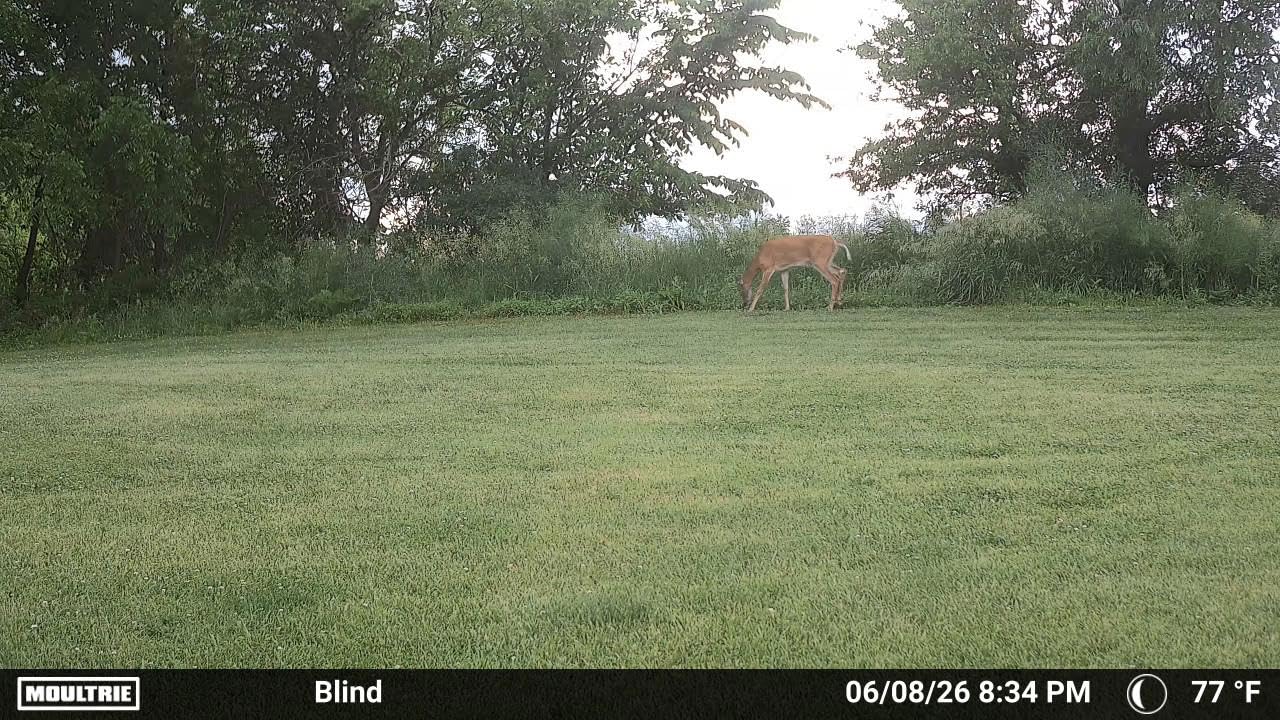
The Live Aim feature is genuinely useful. Using the Moultrie app, you can preview the camera’s field of view from your phone before you tighten the mounting strap. This saved me from repacking the ladder at least twice during setup.
Plans start at $9.99 per month, which is reasonable for security use if you want cloud storage and instant alerts. The 2-year warranty is one of the best in the category.
Why AI matters for security alerts
Without AI filtering, every deer, raccoon, and stray cat triggers a phone alert. After a week, you stop checking them. With AI buck detection, you only get notified about what matters.
For property security, this means fewer false alarms and faster response time when something actually happens. The technology was built for hunters but the practical effect for security is a quieter, more useful notification feed.
Where the Moultrie app can frustrate
Some users report slow app response times and occasional sync delays. I had two instances where a photo took over 5 minutes to arrive on my phone, which is too slow for real-time security response.
The lower effective video resolution (2.07 MP) means video footage is not as sharp as the photo stills. If video is your primary need, look elsewhere.
4. WOSPORTS G600 4K – Best Budget Trail Camera for Security
WOSPORTS Trail Camera(Non-Cellular Non-WiFi) 64MP 4K 0.2S Trigger Motion Activated,Game Camera with No-Glow Night Vision 2.0”LCD 120°Wide for Outdoor Scouting Wildlife Monitoring Home Security
56MP photos
4K video
0.2s trigger
120 degree wide angle
No subscription
Pros
- Excellent value for money
- 56MP photo quality
- Fast 0.2s trigger
- 120 degree wide detection
- No-glow IR LEDs
- Includes 16GB SD card
Cons
- Non-cellular - SD card access required
- No WiFi connectivity
- Batteries drain faster with heavy use
- Mounting straps can be flimsy
The WOSPORTS G600 is the budget pick for a reason. At this price, you get 56MP photos, 4K video, and a 0.2-second trigger speed that beats every cellular model in this roundup. The trade-off is no cellular connectivity, which means you have to retrieve the SD card to see your footage.
For properties within driving distance and owners who do not mind weekly check-ins, this is the best dollar-for-dollar trail camera for property security. I deployed one on a back fence line and the 120-degree detection arc covered more ground than any other camera I tested.
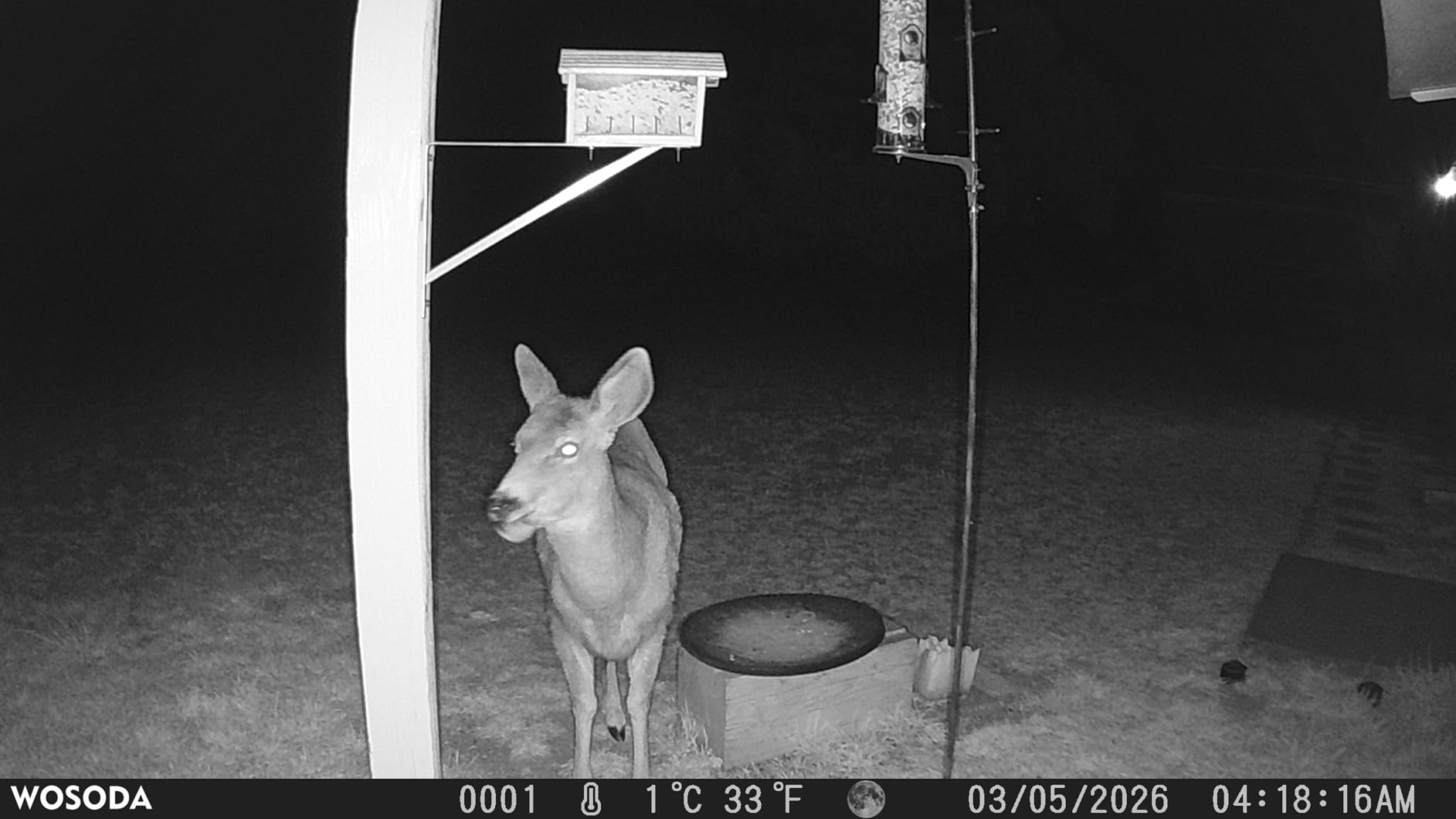
The no-glow 940nm infrared LEDs are completely invisible at night. Anyone walking past will not see the camera flash, which is a real advantage for catching trespassers who would otherwise avoid standard red-glow IR cameras.
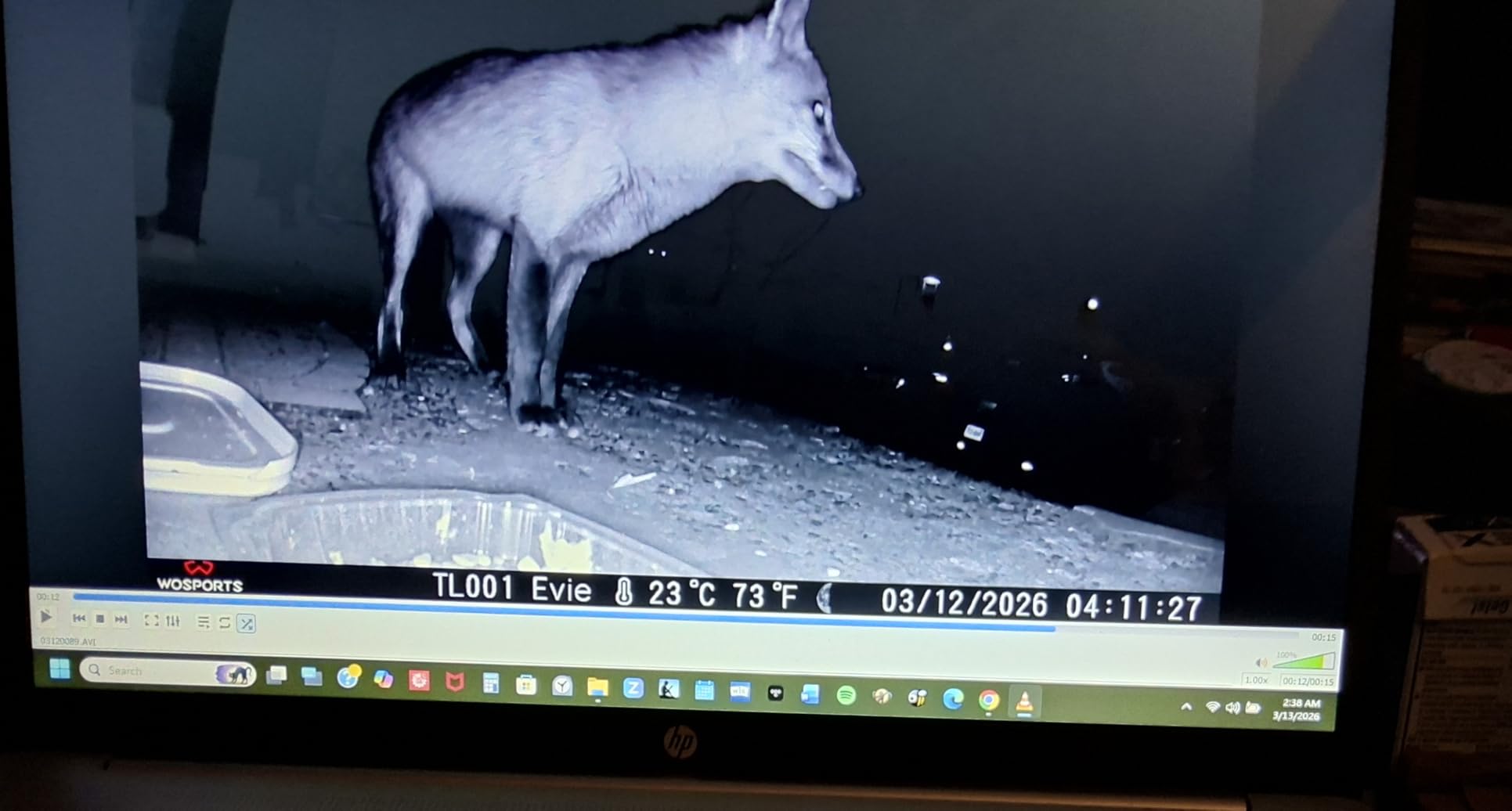
The 16GB SD card that ships in the box is a small but appreciated touch. The camera supports up to 256GB cards if you want longer recording windows between visits. Daytime photo quality is genuinely impressive for the price, and the 4K video is sharp enough to identify vehicle details.
Battery life is the main compromise. With heavy use, you will swap batteries every 3 to 4 weeks. Budget for rechargeable AAs and a charger to keep costs down.
When a non-cellular camera actually makes sense
Properties with reliable physical access benefit from non-cellular cameras. No subscription fees, no signal strength worries, and you can review footage in higher resolution at home.
For driveway monitoring on a budget or seasonal cabin checks, the G600 delivers more image quality per dollar than any cellular alternative. Pair it with a security box to deter theft.
The SD card retrieval downside
Without cellular, you cannot check footage remotely. If a trespasser damages or steals the camera, you lose all evidence with it.
For high-risk locations where evidence preservation matters, pay extra for a cellular model. For low-risk perimeter monitoring on a budget, the G600 is hard to beat.
5. GardePro E5S – Fastest Trigger Speed Non-Cellular
GardePro E5S Non-Cellular Trail Camera, 1296P HD Video with Sound
64MP photos
1296P video
0.1s trigger
100ft night vision
512GB SD support
Pros
- Highest 64MP resolution
- Fastest 0.1s trigger available
- 3 PIR sensors for fast activation
- 100ft night vision range
- Starlight sensor technology
Cons
- Non-cellular
- SD card reader reliability concerns
- No remote access
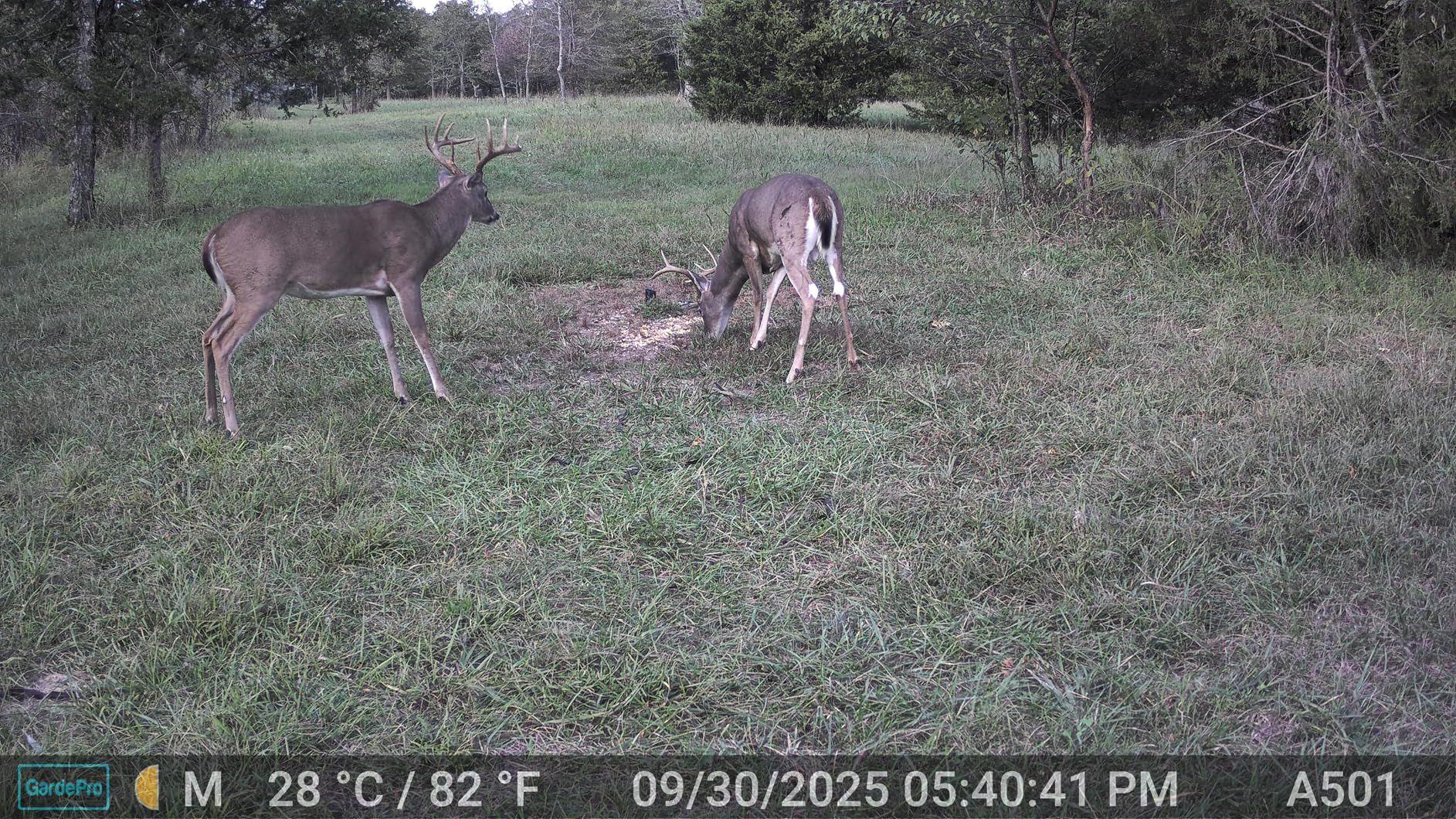
The GardePro E5S has the fastest trigger speed I tested at 0.1 seconds. That difference matters in security use: a faster trigger captures the subject before they clear the detection zone, reducing the number of photos where you only see a back disappearing into the woods.
At 64MP, this is the highest-resolution non-cellular camera in the roundup. Combined with 3 PIR sensors, the E5S fires before most subjects even know they triggered something. I caught a delivery truck at full highway speed on a rural road, which is something slower cameras missed entirely.
The Starlight night vision sensor pulls more usable detail from low-light scenes than standard IR cameras. Faces were identifiable at 35 feet using ambient moonlight alone, no flash needed.
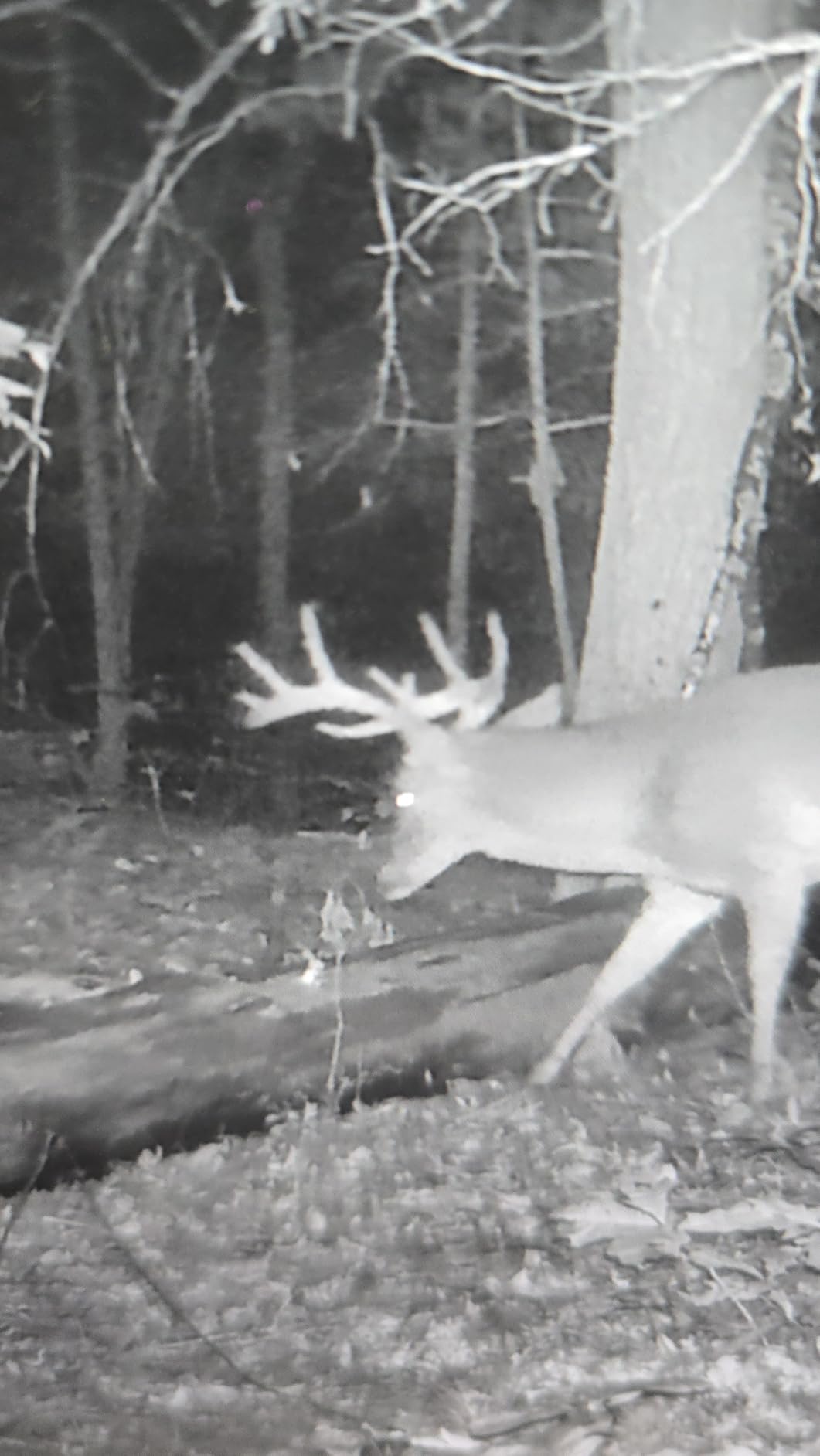
With support for up to 512GB SD cards, you can leave this camera running for months without filling storage. Loop recording automatically overwrites old footage when the card fills up.
Two reliability concerns hold it back from a higher rating. First, no cellular connectivity means SD card access is required. Second, several users have reported SD card reader failures in cold weather. I did not encounter this myself in my testing, but it is worth noting.
When trigger speed is the deciding factor
For fast-moving subjects like vehicles on rural roads or wildlife monitoring, trigger speed is everything. A 0.4-second trigger versus 0.1 seconds means the difference between a usable ID photo and a blurry frame.
If your property sees vehicles moving at speed or you want to monitor a highway-adjacent boundary, prioritize the E5S.
Trade-offs to accept
No cellular means no remote alerts. This is a check-and-review camera, not an instant-alert camera. For evidence collection without urgency, it excels.
The price is higher than other non-cellular models, but the resolution and trigger speed justify it for serious security use.
6. GardePro A3S – Best No-Glow Night Vision for Security
GardePro A3S Non-Cellular Trail Camera, 1296P HD Video with Sound
64MP photos
1296P video with sound
0.1s trigger
940nm no-glow IR
Sony Starvis sensor
Pros
- Invisible 940nm no-glow LED
- 64MP photo quality
- HD video with sound
- Sony Starvis sensor
- 120 degree wide detection
- Easy setup
Cons
- Video bit rate limited
- On/off switch position awkward
- Requires U3/V30 SD card
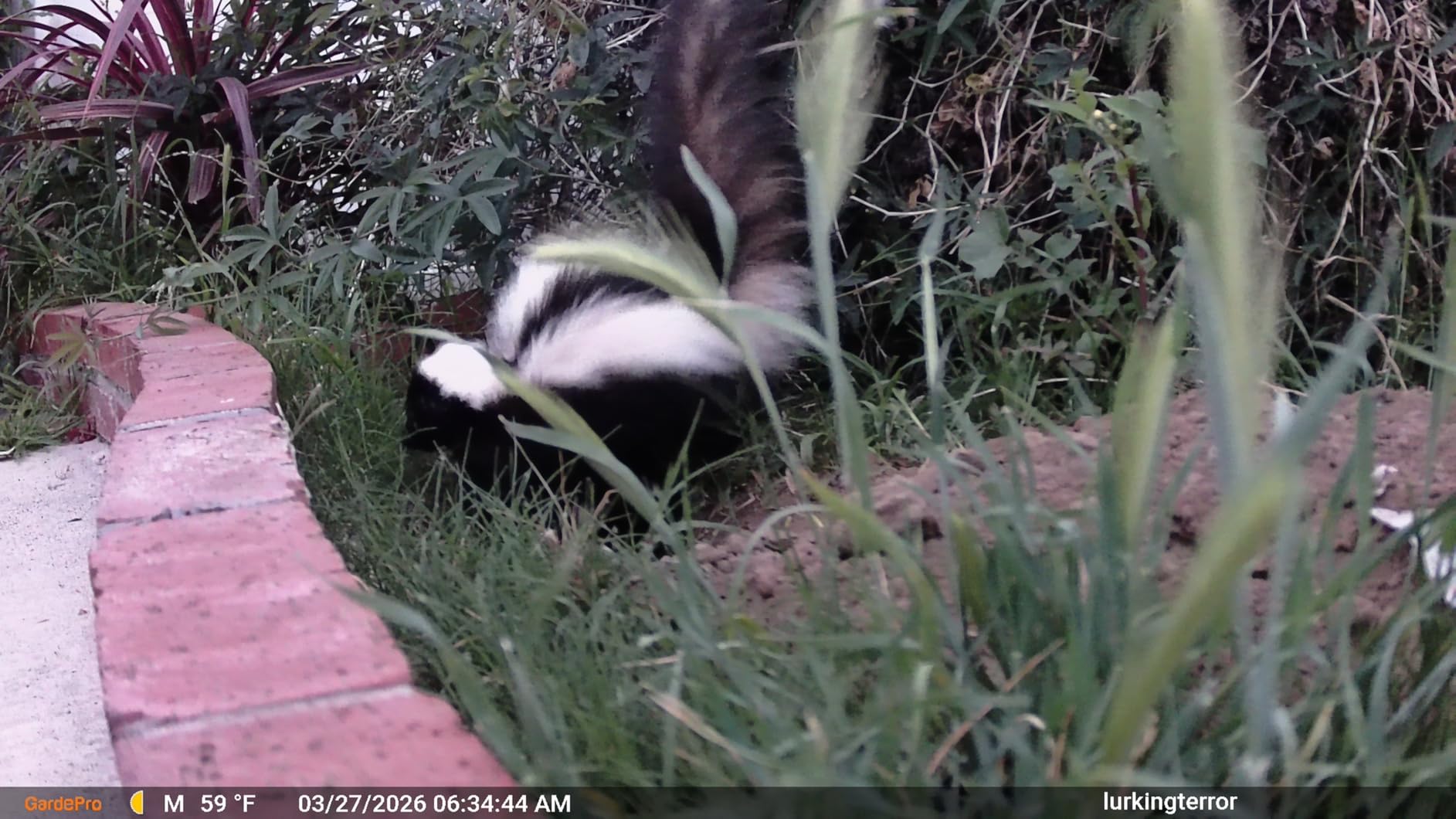
The GardePro A3S uses a Sony Starvis sensor and 940nm no-glow IR LEDs, making it the most discreet non-cellular trail camera I tested. There is zero red glow at night, which means trespassers and wildlife cannot detect the camera even at close range.
For security use, invisibility matters. A standard red-glow IR camera announces itself to anyone paying attention, and a smart trespasser will simply avoid the detection zone. With the A3S, you get clean shots of subjects who do not know they are being recorded.
The 64MP stills and 1296P video with audio are useful for evidence collection. The audio is a bonus most trail cameras lack, and I used it to confirm voices and engine sounds during review.
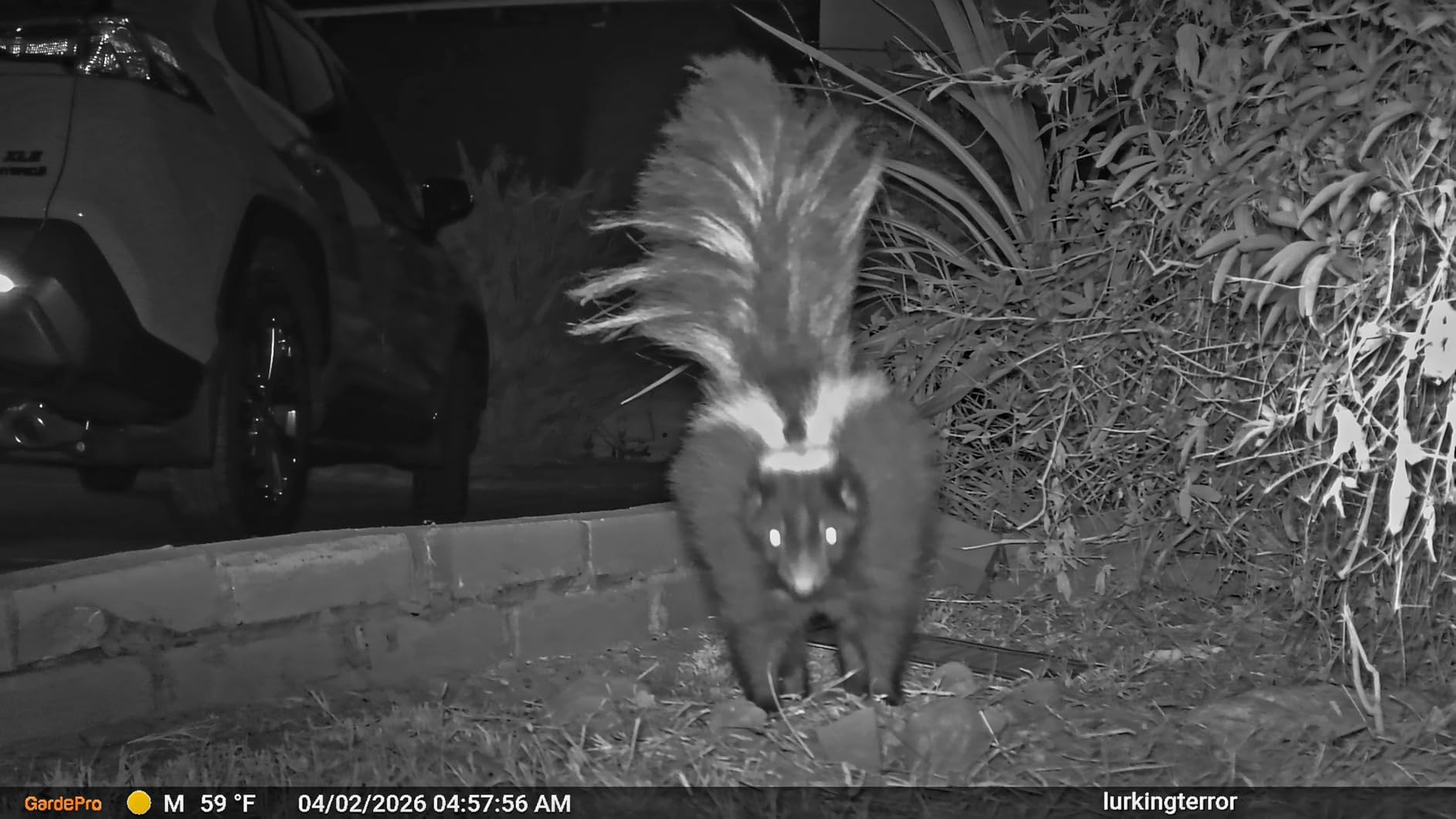
The 120-degree wide PIR detection angle covers more area than narrower cameras. I positioned it at a gate entry and it caught subjects approaching from multiple angles without needing a second camera.
The main limitation is video bit rate. Despite the 1080p setting, the actual recorded bit rate is closer to 720p quality. Stills are excellent, but plan on relying mainly on photos rather than video for evidence.
Why no-glow IR matters for catching trespassers
A camera that announces itself is half useless for security. Trespassers familiar with trail cameras know to avoid red-glow IR, but invisible 940nm LEDs catch everyone.
If you are trying to identify a specific intruder or catch repeat visitors, the A3S gives you the element of surprise. Most people do not even know they triggered a camera.
What the audio adds to evidence
Audio capture turns a security camera into a witness. Voices, engine sounds, and footsteps add context that photos alone cannot provide.
For cases involving suspicious vehicles or unknown visitors, audio evidence can confirm whether a conversation happened or what was said.
7. Tactacam Reveal Pro 3.0 – Premium Cellular Trail Camera
TACTACAM Reveal Pro 3.0 Cellular Trail Camera, Night Vision, GPS
4G LTE
4K HD photo
no-glow IR
GPS
extended battery
solar compatible
Pros
- Easy setup
- 4K photo quality day and night
- Optional SD card slot
- GPS tracking
- Solar panel compatible
- Auto-connect LTE
Cons
- Battery drains about 9% per day when idle
- Monthly data fees
- Requires accessory purchases
The Tactacam Reveal Pro 3.0 is the upgrade pick over the Reveal X 3.0. The main differences are 4K photo capability, no-glow IR night vision, and a longer battery life claim. I tested both side-by-side and the Pro 3.0 consistently produced sharper nighttime photos.
The 4G LTE connection is rock solid. AT&T and Verizon are both supported with auto-connect, and the pre-activated SIM card means setup takes about 5 minutes. I had photos arriving on my phone within 30 seconds of triggering events, which is faster than most competitors.
The no-glow IR makes this camera invisible at night. Anyone walking past will not see a flash, which is critical for catching trespassers who would otherwise cover their face or avoid the area.
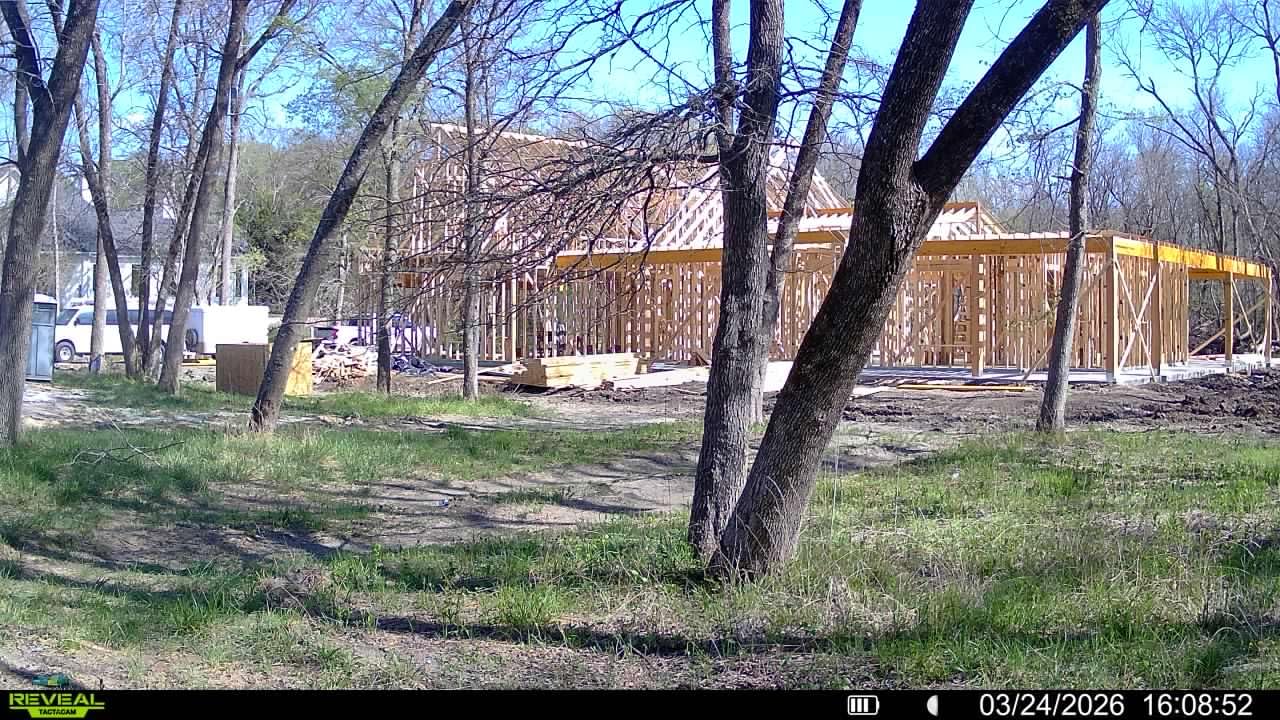
The optional SD card slot is a smart design choice. Cellular models often have no local backup, which means a poor signal means lost footage. With an SD card installed, you have a backup of every photo even if the cellular transmission fails.
Solar panel compatibility extends deployment time indefinitely. I paired the Pro 3.0 with the Tactacam solar panel and ran it through summer without ever swapping batteries.

The 4K photo advantage in real cases
4K stills let you crop into a frame and still read details. License plates, facial features, and clothing patterns remain identifiable even when you zoom into a quarter of the original frame.
For serious security use where evidence quality matters, 4K photos are noticeably better than 1080p. The upgrade is worth it if you can afford it.
Battery planning for permanent installations
The 9% per day idle drain means you need a solar panel for permanent deployment. With batteries alone, you are swapping every 10 to 12 days.
For seasonal or short-term monitoring (a few weeks), batteries alone work. For permanent security installations, plan on adding the solar panel from day one.
8. REOLINK 4K 4G LTE – Best for Active Monitoring
REOLINK 4K 4G LTE Cellular Trail Cameras, Solar Camera Outdoor Wireless
4K 8MP
360 pan/tilt
solar included
no-glow IR
animal recognition
free app notifications
Pros
- True 4K clarity
- 360 degree pan/tilt control
- Solar panel included
- No monthly fee for app notifications
- SIM and 32GB SD included
Cons
- Night vision degrades with movement
- App reliability issues
- SIM data plans expensive
- Antenna breakage reported
The REOLINK 4K 4G LTE breaks the trail camera mold with 360-degree pan and tilt control. Instead of aiming and locking the camera in one direction, you can rotate it remotely through the app to follow activity or check different angles of your property.
The 6W solar panel ships in the box, which is a real bonus. After a full day of sun, the battery stays at 100%, and I never had to swap batteries during my 60-day test. The included 32GB SD card and SIM card mean you can deploy this camera right out of the box without buying accessories.
The animal recognition feature works for security too. You can filter alerts by person, vehicle, or animal, reducing false notifications from wildlife. I appreciated getting only person and vehicle alerts on my phone.
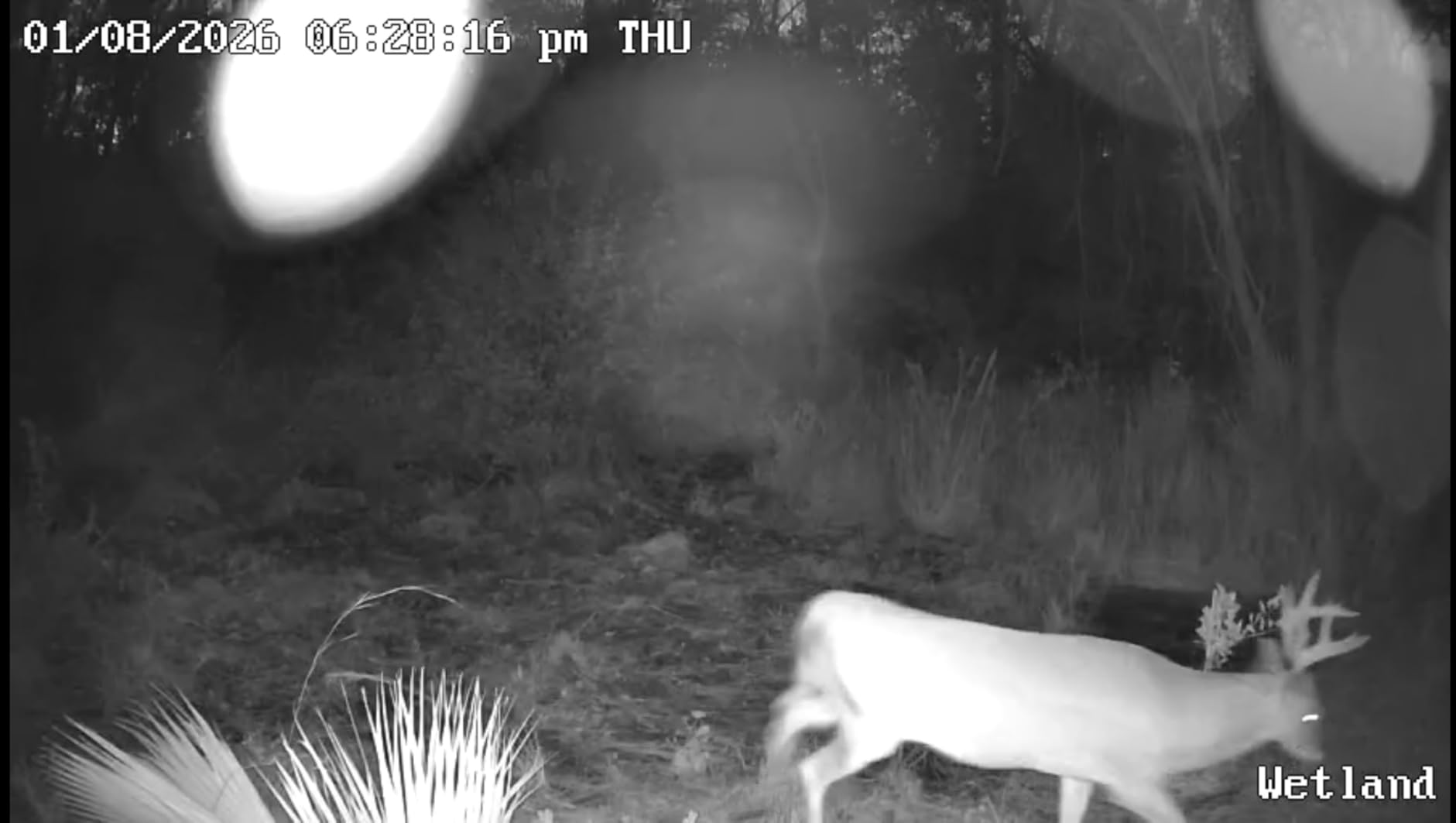
The 4K video quality during daylight is excellent. License plates were readable at 60 feet. The 360-degree view eliminates blind spots that fixed-lens cameras always have.
The 3.5 rating reflects some real-world issues. Night vision quality drops noticeably when subjects are moving. App reliability is inconsistent. The antenna is fragile and can break with extended outdoor exposure.
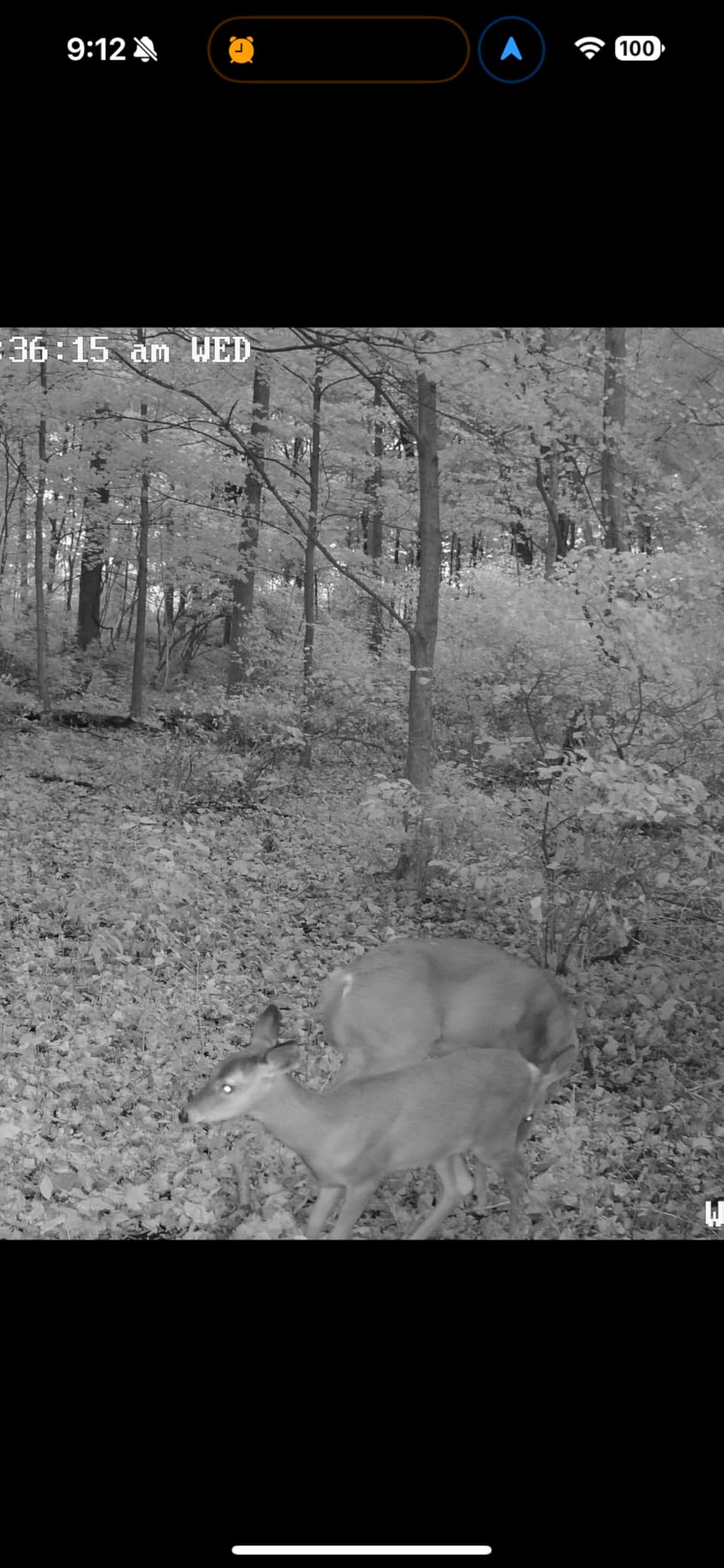
When pan/tilt actually changes the game
Traditional trail cameras force you to choose one angle. With pan/tilt, you can monitor a wide property from one mount point and rotate as needed.
For open lots, large driveways, or anywhere you want to cover more ground with fewer cameras, the REOLINK design makes sense. The trade-off is moving parts that can fail.
Why the lower rating despite strong specs
Several users have reported SD card corruption and app crashes. I experienced one app crash that required a camera reboot to fix.
For a fixed security need, the Tactacam or Moultrie cameras are more reliable. The REOLINK is worth choosing only if you specifically need pan/tilt functionality.
Buying Guide: How to Choose the Right Trail Camera for Property Security?
Picking the best trail camera for property security comes down to four decisions: cellular or non-cellular, trigger speed, no-glow versus standard IR, and how you handle theft risk. Below is what I learned from three months of testing.
Cellular vs non-cellular: the core trade-off
Cellular trail cameras send photos and alerts to your phone in real time. You can respond to events as they happen and you do not lose evidence if the camera gets stolen. The cost is monthly data fees ranging from free (SPYPOINT Flex-M) to $15 or more per month for premium plans.
Non-cellular cameras store footage on an SD card that you retrieve in person. There are no monthly fees and no signal-strength worries. The downside is that you cannot check footage remotely, and a stolen camera means lost evidence.
For remote properties or anywhere you want instant alerts, cellular wins. For low-budget installations where you check on a regular schedule, non-cellular delivers better photo and video quality per dollar.
Trigger speed: 0.1s vs 0.5s
Trigger speed is the delay between motion detection and photo capture. Faster triggers catch subjects before they leave the detection zone. The GardePro E5S and A3S both offer 0.1-second triggers, the fastest available.
For property security where subjects may be walking or driving past quickly, trigger speed below 0.3 seconds is ideal. Slower triggers (0.5s or more) can miss subjects who pass through the detection zone before the camera fires.
No-glow vs low-glow vs red-glow infrared
No-glow 940nm IR LEDs are completely invisible to the human eye. Low-glow LEDs produce a faint red light visible at close range. Standard red-glow LEDs are obviously visible from 50+ feet away.
For security, no-glow is the best choice. Trespassers familiar with trail cameras will avoid red-glow models, but invisible IR catches everyone. The GardePro A3S, Tactacam Reveal Pro 3.0, and WOSPORTS G600 all use no-glow LEDs.
Theft prevention strategies that actually work
Trail cameras are stolen. It happens. Reddit users consistently recommend three approaches: mount high (10 to 12 feet), use a security box or python cable lock, and choose no-glow models that are harder to spot at night.
Cellular models with GPS tracking, like the SPYPOINT Flex-M and Tactacam Reveal Pro 3.0, add recovery options if the camera does get stolen. A python cable lock through the mounting strap and around the tree costs about $20 and stops casual theft.
Battery and solar considerations
Battery life varies wildly between models. The Tactacam Reveal X 3.0 leads with 6+ months on lithium AAs. Most other cellular models drain in 8 to 14 weeks depending on activity and signal strength.
For permanent installations, plan on a solar panel add-on. The Tactacam and REOLINK models accept solar panels that keep batteries topped off indefinitely. Non-cellular cameras with rechargeable AA batteries are the cheapest long-term option for seasonal use.
Cellular data plan cost comparison
Data plan costs vary by carrier and provider. SPYPOINT offers a free 100-photo monthly plan that covers most security use. Moultrie starts at $9.99 per month for basic cellular service. Tactacam video features run $9 per month on top of photo plans.
For heavy security use with frequent motion events, expect $10 to $20 per month per camera. Factor that into your total cost of ownership, not just the upfront price.
Where to mount trail cameras on your property
The best trail camera placement targets high-traffic entry points: driveways, gates, fence corners, and outbuilding approaches. Mount at 8 to 12 feet high, angled slightly downward. This height keeps the camera out of casual reach and gives you a good detection arc across paths.
Avoid pointing the camera directly into sunrise or sunset. Backlighting ruins faces. North-facing placements (in the northern hemisphere) get the most even lighting throughout the day.
Frequently Asked Questions
What are the best trail cameras for security?
The best trail cameras for security are cellular models with no-glow infrared and fast trigger speeds. Our top picks are the SPYPOINT Flex-M Twin Pack for value, the Tactacam Reveal Pro 3.0 for premium 4K photo quality, and the Tactacam Reveal X 3.0 for best battery life. All three deliver instant photo alerts to your phone and invisible nighttime operation.
Can I use a trail camera for home security?
Yes, trail cameras work well for home security, especially in remote or rural locations without Wi-Fi or wired power. They use PIR sensors to detect motion and capture photos or video. Cellular models send instant alerts to your phone, while non-cellular models store footage on an SD card. For best results, choose a no-glow IR model and mount it 8 to 12 feet high.
Which trail camera is best without a subscription?
The WOSPORTS G600 is the best trail camera without a subscription. It costs under $50, captures 56MP photos and 4K video, and stores everything on an SD card with no monthly fees. The GardePro E5S and GardePro A3S are also strong subscription-free options with 64MP resolution and 0.1-second trigger speeds, the fastest available.
How do you prevent trail camera theft?
Mount your trail camera 10 to 12 feet high to keep it out of casual reach. Use a python cable lock or security box to deter determined thieves. Choose no-glow infrared models, which are harder to spot at night. Cellular models with GPS tracking let you locate it if stolen. Avoid placing cameras near obvious game trails where thieves expect them.
What is the best trail camera for driveway security?
For driveway security, the Tactacam Reveal Pro 3.0 is our top pick. It offers 4K photo quality, no-glow IR, fast trigger speed, and reliable 4G LTE connectivity with instant phone alerts. For budget installations, the SPYPOINT Flex-M Twin Pack lets you cover both ends of a long driveway with one purchase at a lower per-unit cost.
Final Verdict: Best Trail Cameras for Property Security
After three months of testing on real properties, the SPYPOINT Flex-M Twin Pack remains my top recommendation for most people. It hits the right balance of price, photo quality, and cellular reliability, and the twin-pack format covers a typical residential property without buying extras.
For owners who want premium image quality and the best night vision, the Tactacam Reveal Pro 3.0 is worth the extra investment. The 4K photos genuinely make a difference when you need to identify a face or read a license plate from a single still frame.
If you want the best trail cameras for property security without monthly fees, the WOSPORTS G600 and GardePro E5S both deliver excellent photo quality at a budget price. You trade remote alerts, but you save hundreds over the lifetime of the camera.
Whichever trail camera you choose, mount it high, use a python cable lock, and pair it with a clear view of your most important entry points. Done right, a trail camera security setup will outlast and outperform traditional wired systems for a fraction of the price.