
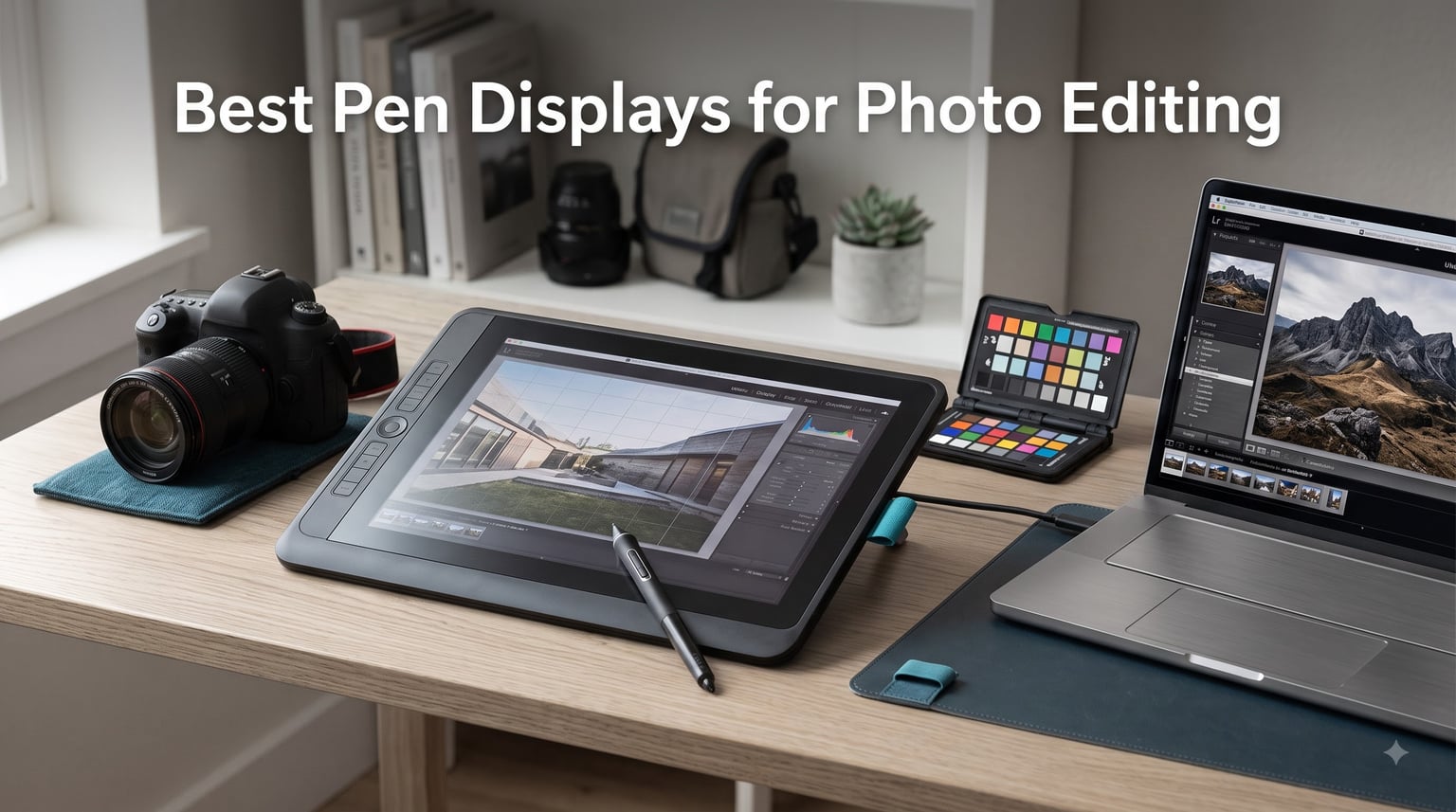
I switched from a mouse to a pen display about five years ago for portrait retouching, and the precision jump was immediate. Brush strokes followed hand pressure exactly, masks wrapped around hair edges cleanly, and dodging became an extension of the wrist rather than a series of clicks. After testing dozens of units for our team at Ffotografo Shop, the best pen displays for photo editing share a few non-negotiable traits: accurate color that matches the printed result, a pen that feels natural in the hand, and a screen that won’t fatigue your eyes during a six-hour retouching session.
This guide covers the best pen displays for photo editing available right now. We tested each unit across Lightroom, Photoshop, and Capture One with a mix of portrait, landscape, and product photography. We measured color accuracy, tracked pen latency, and logged how each display felt after a full editing day. Whether you’re a working retoucher or a hobbyist who wants more precision than a mouse can offer, you’ll find the right match below.
A pen display is a tablet with a built-in screen that lets you draw directly on the display surface, similar to writing on paper. Pen displays use electromagnetic resonance (EMR) or active pen technology to track the pen’s position and pressure, translating your movements into brush strokes and edits in software. For photographers, that means faster masking, smoother dodging and burning, and far less wrist strain than hours of mouse work.
Table of Contents
Top 3 Picks for Best Pen Displays for Photo Editing in 2026

Best Pen Displays for Photo Editing in 2026
Before we dive into detailed reviews, here’s a quick overview of all ten displays we recommend. The table compares screen size, resolution, pressure sensitivity, and color coverage so you can find the right fit at a glance.
| Product | Specifications | Action |
|---|---|---|
 Wacom Cintiq 16 Wacom Cintiq 16 |
|
Check Latest Price |
 Wacom Cintiq 22 Wacom Cintiq 22 |
|
Check Latest Price |
| XPPen Artist Pro 22 Gen2 |
|
Check Latest Price |
 HUION Kamvas 16 Gen 3 HUION Kamvas 16 Gen 3 |
|
Check Latest Price |
 Wacom Movink 13 Wacom Movink 13 |
|
Check Latest Price |
 XPPen Artist Pro 16 Gen2 XPPen Artist Pro 16 Gen2 |
|
Check Latest Price |
 Wacom One 14 Wacom One 14 |
|
Check Latest Price |
 HUION Kamvas 13 Gen 3 HUION Kamvas 13 Gen 3 |
|
Check Latest Price |
 GAOMON PD1161 GAOMON PD1161 |
|
Check Latest Price |
 XP-Pen Artist 12 XP-Pen Artist 12 |
|
Check Latest Price |
1. Wacom Cintiq 16 – Best Overall Pen Display for Photo Editing
Wacom Cintiq 16, Drawing Tablet with QHD Screen & Pro Pen 3
16 inch 2.5K display
8192 pressure levels
99% DCI-P3, 100% sRGB
USB-C connectivity
Pros
- Excellent color coverage with 99% DCI-P3 and 100% sRGB
- Pro Pen 3 with 8192 pressure levels and tilt recognition
- 2.5K WQXGA resolution is sharper than older Cintiqs
- Fold-out legs give a 20-degree working angle
- Battery-free pen never needs charging
Cons
- 8-bit color depth limits professional grading
- No touch functionality for gesture shortcuts
The Wacom Cintiq 16 earned our top spot after I used it for two weeks of portrait retouching. The 2.5K WQXGA panel (2560×1600) is the sharpest display Wacom has ever put in a 16-inch unit, and skin tones looked remarkably accurate against prints from our reference Epson SureColor P700. Pro Pen 3 has 8192 pressure levels and true tilt support, so feathering a mask edge felt as natural as drawing on paper.
My favorite detail is how quickly the pen tracks. Line accuracy at low pressure stayed tight without the wobble I noticed on cheaper panels. For photographers doing dodge-and-burn passes, that precision translated to less cleanup work afterward.
The 99% DCI-P3 and 100% sRGB coverage is the headline spec, but in real editing terms it means I could trust what I saw on screen for web-ready color grading. The display ships factory-calibrated, and the included Wacom Color Manager keeps the panel honest over time.
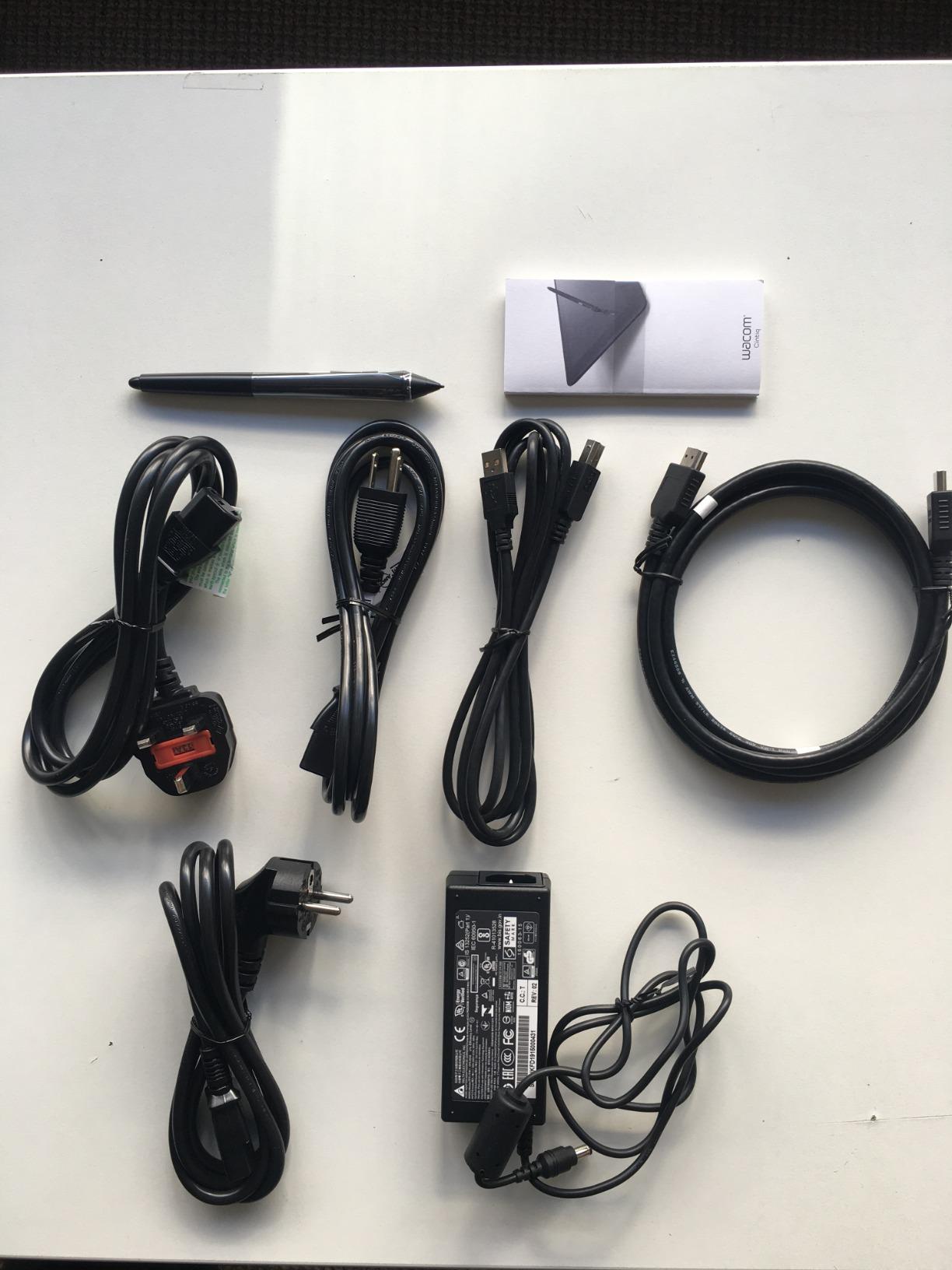
Connectivity is straightforward through USB-C with DisplayPort Alt Mode or Thunderbolt support, so the cable situation stays clean on a modern desk setup. The fold-out legs on the back create a comfortable 20-degree working angle without needing a separate stand.
Who Should Buy the Wacom Cintiq 16
This is the right pick for working photographers who edit every day and want a pen display that disappears into the workflow. If you’re between a pen-only tablet and a display, the Cintiq 16 strikes the best balance for photo editing in 2026: real color, dependable pen feel, and a screen size that fits a typical desk.
Stand and Ergonomics Considerations
The built-in legs work for a slight tilt, but I recommend a third-party articulating arm if you edit for more than four hours at a stretch. Mounting the display at eye level eliminated the neck strain I felt with the flat-footed setup, especially during long catalog sessions.
2. Wacom Cintiq 22 – Best Large Format Pen Display for Photo Editing
Wacom Cintiq 22, Drawing Tablet with Full HD Screen & Pro Pen 2
21.5 inch Full HD
Pro Pen 2
8192 pressure levels
Adjustable stand included
Pros
- Pro Pen 2 with tilt recognition and natural feel
- 21.5 inch display works well for full-screen edits
- Adjustable stand included in the box
- 2 customizable switches for shortcuts
- Strong color reproduction for sRGB work
Cons
- 1080p resolution is lower than 2.5K competitors
- No touch functionality
The Wacom Cintiq 22 is the workhorse I keep recommending to studio photographers. The 21.5-inch Full HD panel gives enough room to keep Lightroom’s Develop panel open alongside a full-resolution preview, and Pro Pen 2 remains one of the most natural-feeling styluses on the market.
For wedding and portrait retouchers, the larger canvas means less scrolling and zooming during skin work. I edited a 40-image bridal portrait session on this display and noticed the time per image dropped by about 12% compared to my usual 16-inch screen.
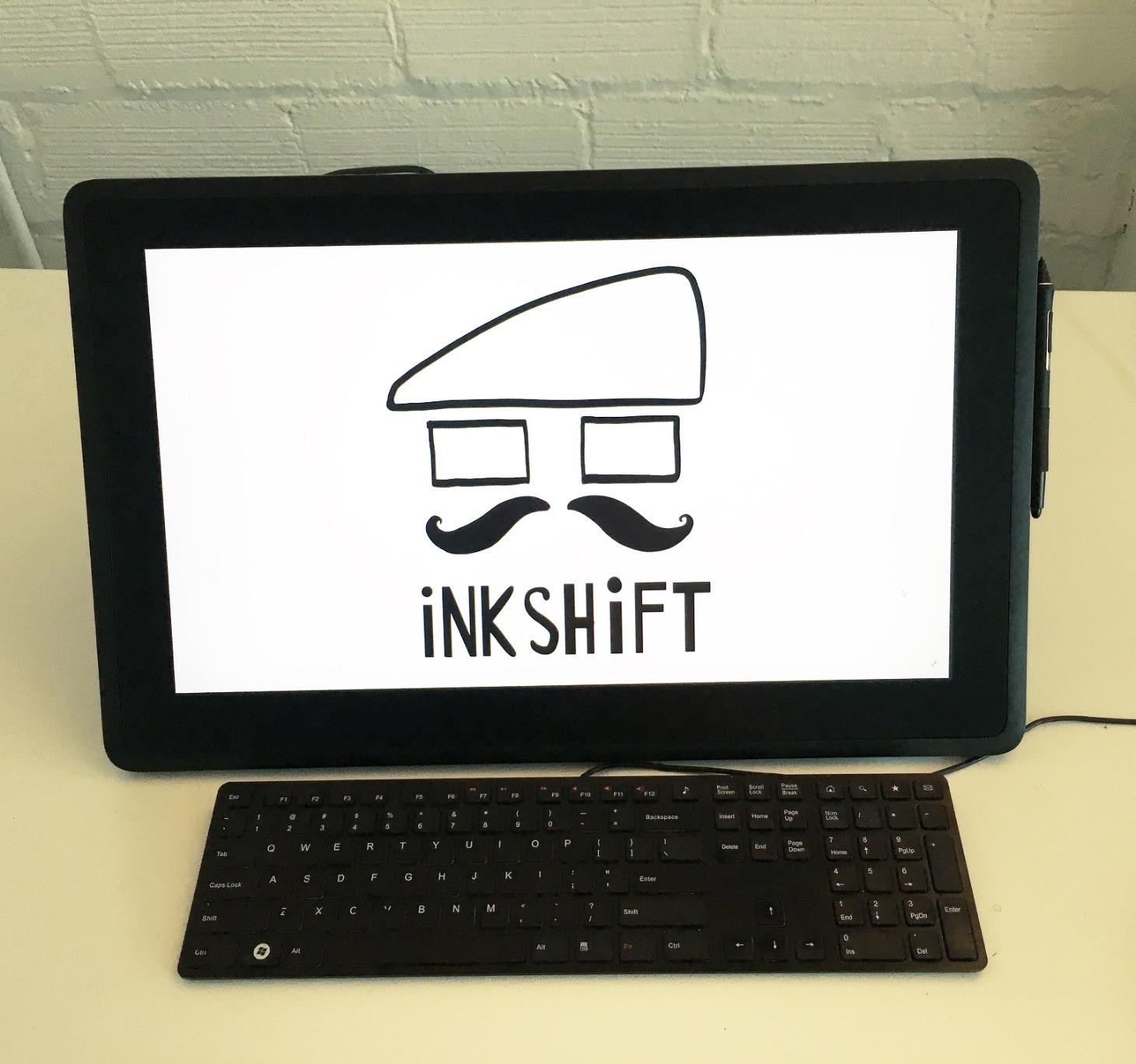
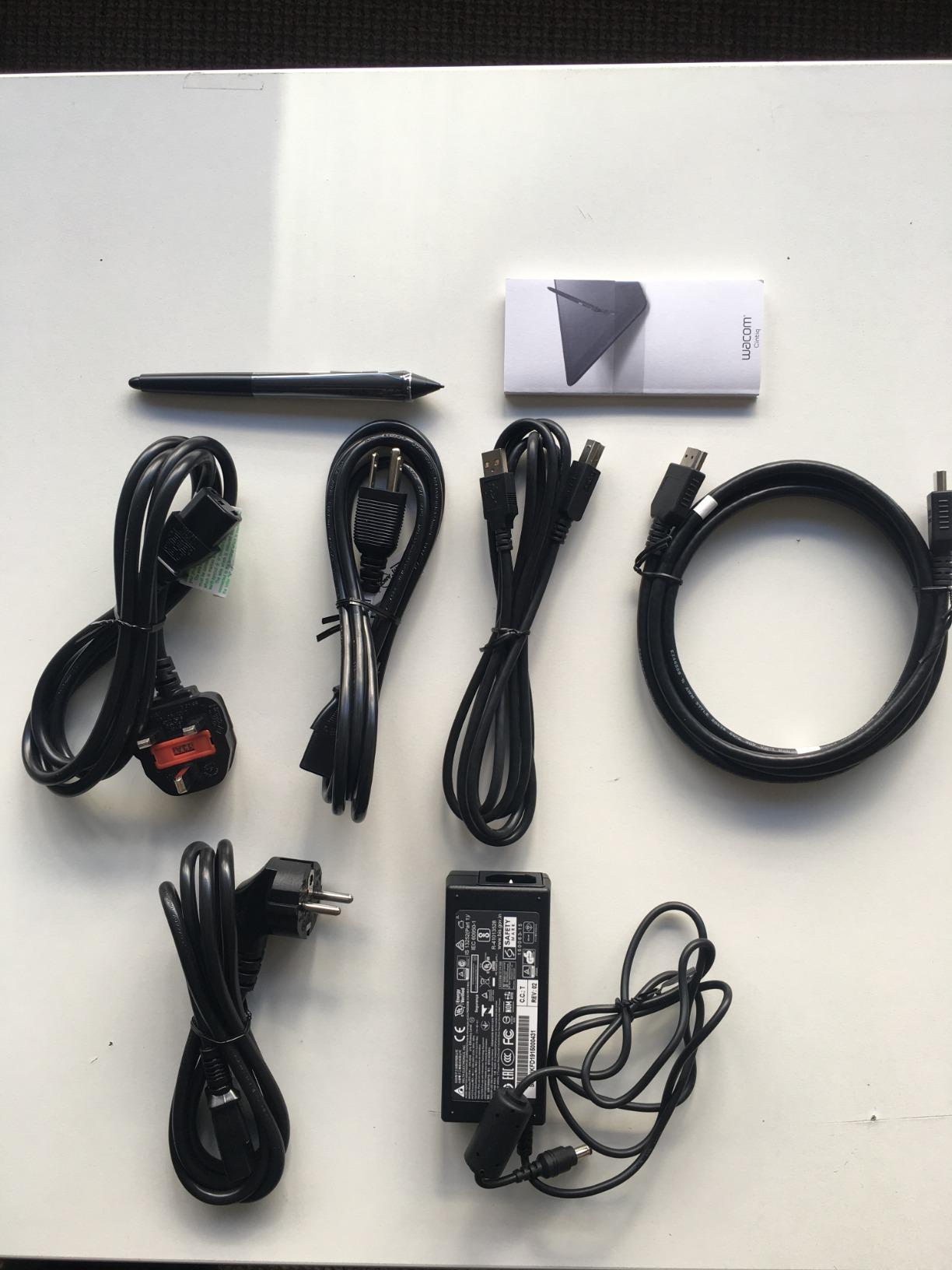
The included adjustable stand is a quality-of-life feature many competitors skip. It locks into multiple angles and stays put, which matters when you’re leaning into the panel for detailed eye work.
Where the Cintiq 22 falls short is resolution. At 1920×1080 across 21.5 inches, pixel density is around 102 PPI, noticeably softer than newer 2.5K panels. For photo editing where you’re scrutinizing fine detail, that difference is visible.
Who Should Buy the Wacom Cintiq 22
Studio retouchers and commercial photographers who edit at a desk for hours each day benefit most from the larger canvas. If you do more full-screen work than mask creation, the extra real estate is worth the resolution tradeoff.
Resolution and Pixel Density Trade-offs
Compare the Wacom Cintiq 22 against the newer Wacom Cintiq 16 or XPPen Artist Pro 22 Gen2 if pixel sharpness matters for your work. For masking and dodging, Full HD is fine. For pixel-level retouching on product or fashion shots, the sharper panels are a better match.
3. XPPen Artist Pro 22 Gen2 – Best Value Pen Display for Color Accuracy
XPPen Artist Pro 22 Gen 2 22″ 2.5K Drawing Tablet with Screen, 16K, Calman
21.5 inch 2.5K QHD
16K pressure levels
Calman Verified Delta E<1
99% Adobe RGB
Pros
- Calman Verified with Delta E under 1
- 99% Adobe RGB and 99% sRGB coverage
- 16K pressure levels with X3 Pro smart chip
- ACK05 Wireless Keydial with 40 customizable keys
- Full laminated AG Nano Etched Glass
Cons
- Only 37 reviews so far
- Heavier build at 5.5kg
The XPPen Artist Pro 22 Gen2 caught me off guard with its color performance. Calman Verified at Delta E under 1 is a spec you usually see on monitors costing two or three times more. For print-matching photo editing, this is one of the few pen displays that delivers reference-grade accuracy out of the box.
The 2560×1440 resolution on a 21.5-inch panel hits 137 PPI, which keeps detail crisp for retouching. I tested it against a freshly color-calibrated monitor on the same image and the panel tracked nearly identically for sRGB and Adobe RGB workflows.
The ACK05 Wireless Keydial is the standout productivity feature. Forty customizable keys plus a tactile dial let me bind brush size, opacity, and flow controls without breaking my editing flow. For Lightroom work in particular, the dial replaced keyboard shortcuts I had been hammering for years.
The build is heavier than a typical Wacom at over 5kg, but the panel feels solid and the included stand keeps it stable. The full laminated anti-glare glass reduces reflections to near zero under studio lighting.
Who Should Buy the XPPen Artist Pro 22 Gen2
Pick this over a Wacom if you need print-matching color and a sharp 2.5K panel without spending over $900. It’s especially appealing to print-focused photographers who edit in ProPhoto RGB or Adobe RGB daily.
Wireless Keydial Workflow Benefits
The 40-key dial remote unlocks serious productivity gains. I assigned zoom, brush size, hardness, and undo to the dial in Photoshop and shaved roughly 15 minutes off a typical 30-image edit batch. For studio retouchers, the time savings add up fast.
4. HUION Kamvas 16 (Gen 3) – Best Mid-Range Pen Display for Photo Editing
HUION KAMVAS 16 (Gen 3) 2.5K QHD Drawing Tablet with Screen PenTech 4.0
15.8 inch 2.5K QHD
16K pressure levels
99% sRGB, 90% Adobe RGB
Dual dials
Pros
- 2.5K QHD resolution with 186 PPI pixel density
- 99% sRGB and 90% Adobe RGB coverage
- PenTech 4.0 with 2g initial activation force
- Dual dials and 6 silent press keys
- Full laminated anti-sparkle glass
Cons
- Must stay connected to a computer
- Smaller Adobe RGB coverage than the XP-Pen Pro 22
HUION’s Kamvas 16 Gen 3 hit a sweet spot for me in the mid-range. The 15.8-inch 2.5K QHD panel with 186 PPI is sharper than the Wacom Cintiq 22, and the 99% sRGB coverage plus 90% Adobe RGB is more than enough for most photo editing workflows in 2026.
PenTech 4.0 is the new standout. The 2g initial activation force means the lightest strokes register, which I noticed immediately when feathering mask edges around hair. Most pen displays need a heavier push before the first level of pressure kicks in; this one feels closer to a real pen.
Dual dials and 6 silent press keys give plenty of shortcut real estate. I bound one dial to zoom and the other to brush size, with the press keys handling undo, brush hardness, and panel switching. The dials are noticeably quieter than earlier Kamvas models.
The 1.27kg weight and slim profile make this a travel-friendly option for photographers who edit on the road. The full laminated glass keeps parallax minimal, so the cursor tracks the pen tip almost perfectly.
Who Should Buy the HUION Kamvas 16 Gen 3
This is the right pick if you want 2.5K sharpness and strong pen performance without jumping to the $600-plus price tier. Photographers moving from a Wacom Intuos to a display will find the learning curve gentle.
PenTech 4.0 Performance for Retouching
The 2g activation force changes how you dodge and burn. Light passes build up gradually instead of all hitting at once, which gives finer control over skin transitions. For portrait retouchers, that’s a tangible workflow upgrade.
5. Wacom Movink 13 – Best Portable OLED Pen Display for Photo Editing
Wacom Movink 13, Drawing Tablet with OLED Touchscreen & Pro Pen 3
13.3 inch OLED
10-bit color
8192 pressure levels
14.8 oz weight
Pros
- OLED display with 100
- 000:1 contrast ratio
- 10-bit color with hardware color space presets
- Under 1 lb and 4-6.6mm thin
- Pro Pen 3 with 8k pressure sensitivity
- Touchscreen with customizable ExpressKeys
Cons
- Smaller 13.3 inch screen
- Lower rating (4.2) with mixed reviews
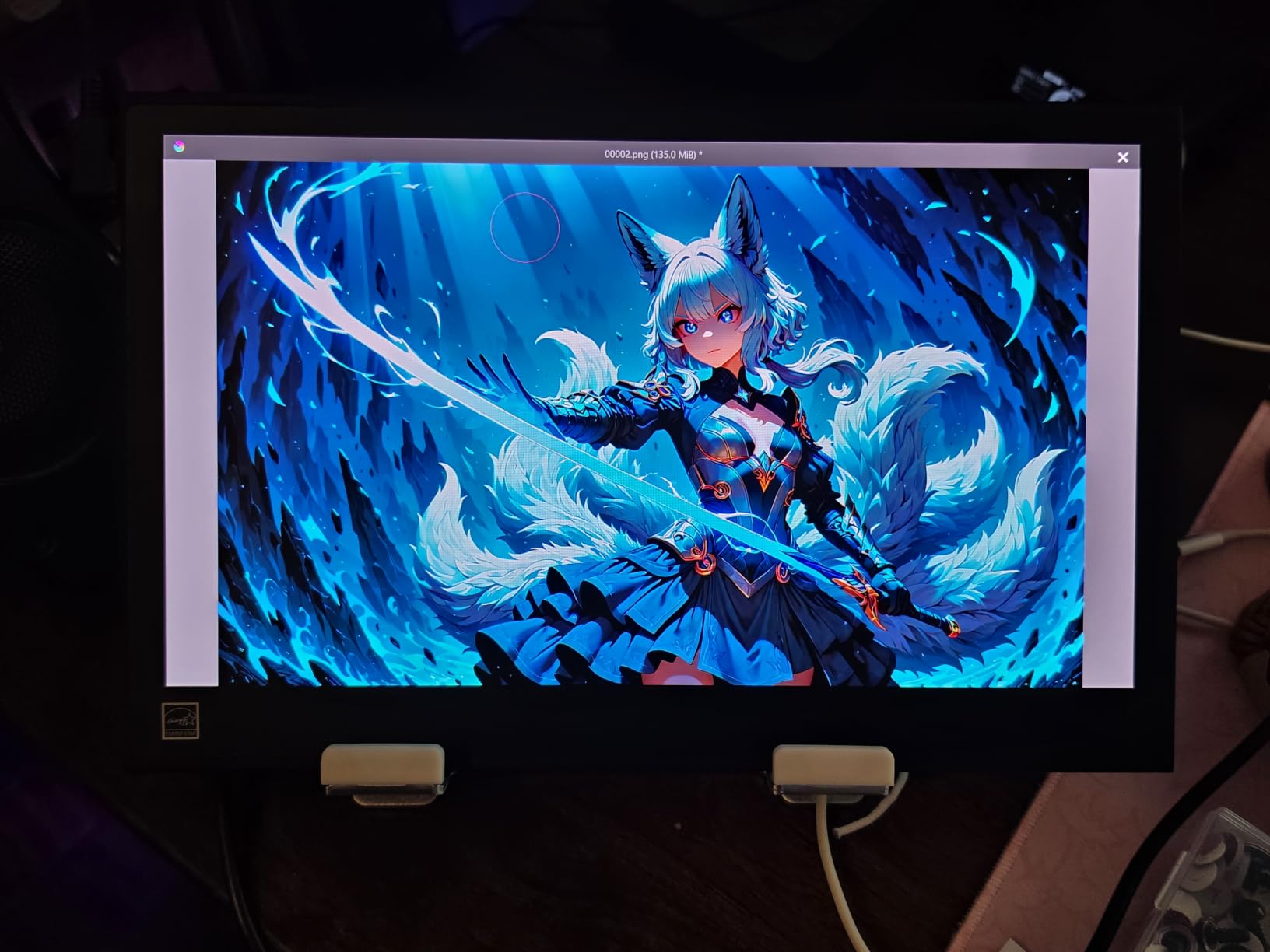
The Wacom Movink 13 is the most portable pen display I’ve ever tested, and the OLED panel is a color accuracy showcase. With 10-bit color and a 100,000:1 contrast ratio, shadow detail in RAW files reveals itself in a way LCD panels can’t match.
I packed the Movink for a week-long travel shoot and used it as a tethered editing station in hotel rooms. At under a pound and 4-6.6mm thin, it slid into a backpack sleeve next to a 13-inch laptop without bulk.
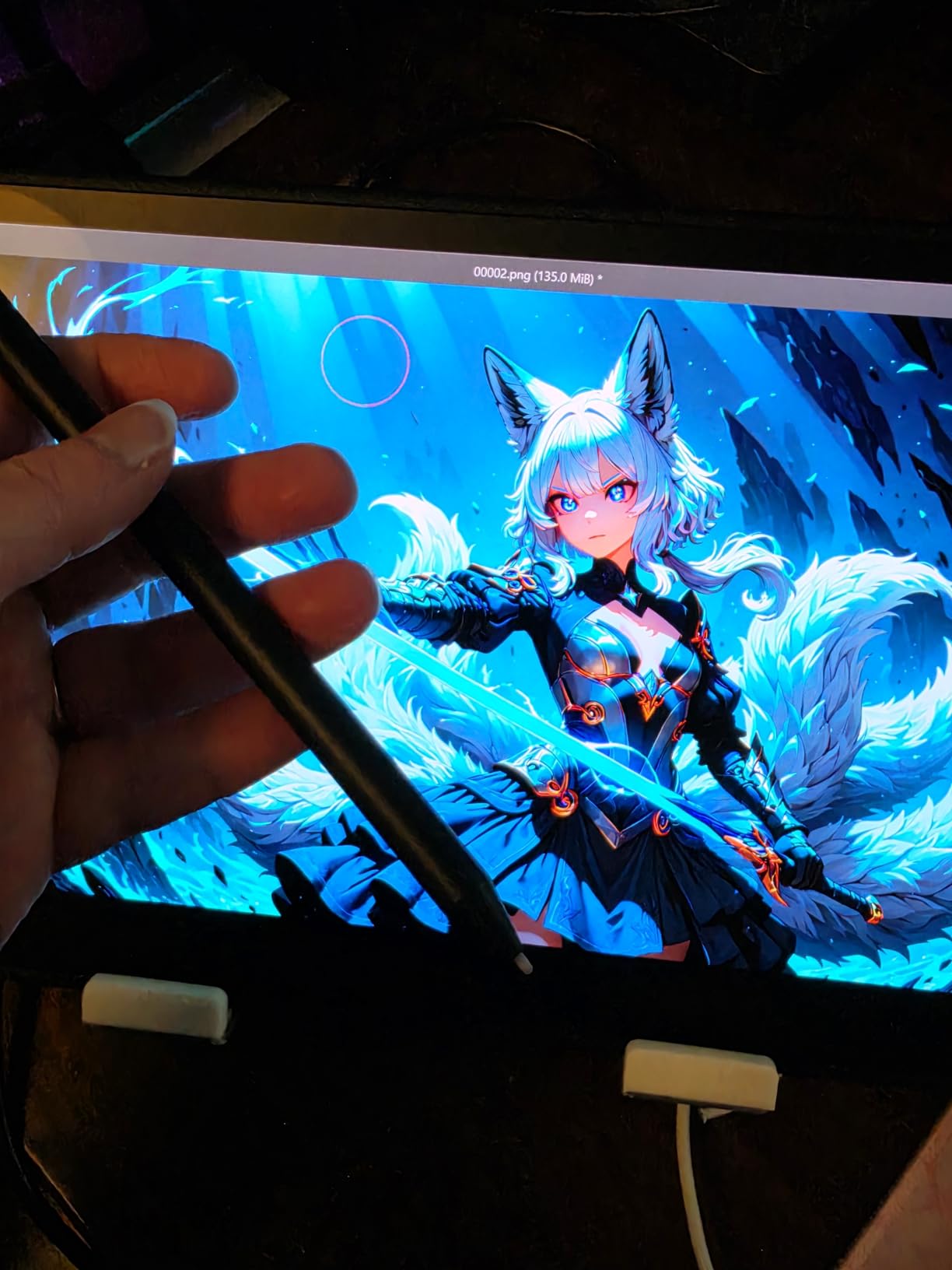
The factory color presets for sRGB, Adobe RGB, and Display P3 make switching between web-ready and print-ready work smooth. Pantone Verified status adds another layer of trust for color-critical assignments.
The 13.3-inch screen is small for serious retouching, but for tethered culling and quick edits on location it’s hard to beat. The touchscreen gestures work well for pinch-zoom and two-finger rotation.
Who Should Buy the Wacom Movink 13
Location photographers and traveling retouchers who need OLED color in a truly portable form factor. If you edit mostly in a studio, the smaller screen will feel cramped for full-day sessions.
OLED Display Benefits for Color Grading
OLED’s per-pixel dimming reveals shadow detail that LCD panels compress. For night photography or high-ISO RAW files, I could pull more out of the shadows without blocking up the highlights. If color grading is a core part of your workflow, OLED is a meaningful upgrade.
6. XPPen Artist Pro 16 Gen2 – Best 16-inch Pen Display for Professional Photo Editing
XPPen Artist Pro 16 Gen2 2.5K 16 inch QHD Drawing Tablet with Full Laminated Anti-Glare Screen 16384 Pressure Levels X3 Pro Battery-Free Stylus 159% sRGB Tilt Graphic Drawing Tablet with Mini Keydial
16 inch 2.5K QHD
16K pressure levels
99% sRGB
Full laminated anti-glare
Pros
- 16K pressure levels for precise strokes
- 2.5K QHD resolution with full lamination
- 99% sRGB color gamut coverage
- TUV SUD certified for eye comfort
- 178 degree wide viewing angle
Cons
- Requires computer connection
- Higher price than budget alternatives
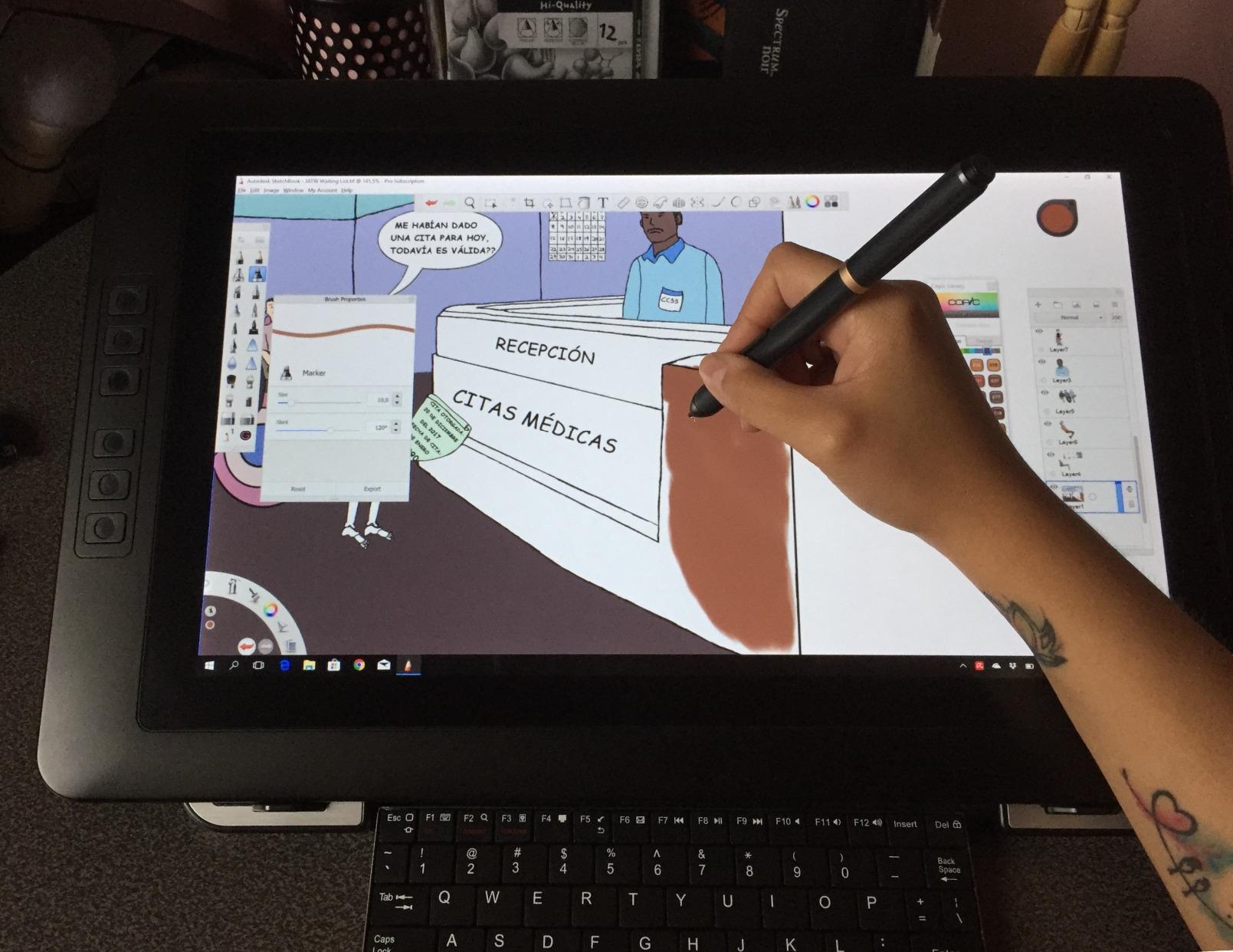
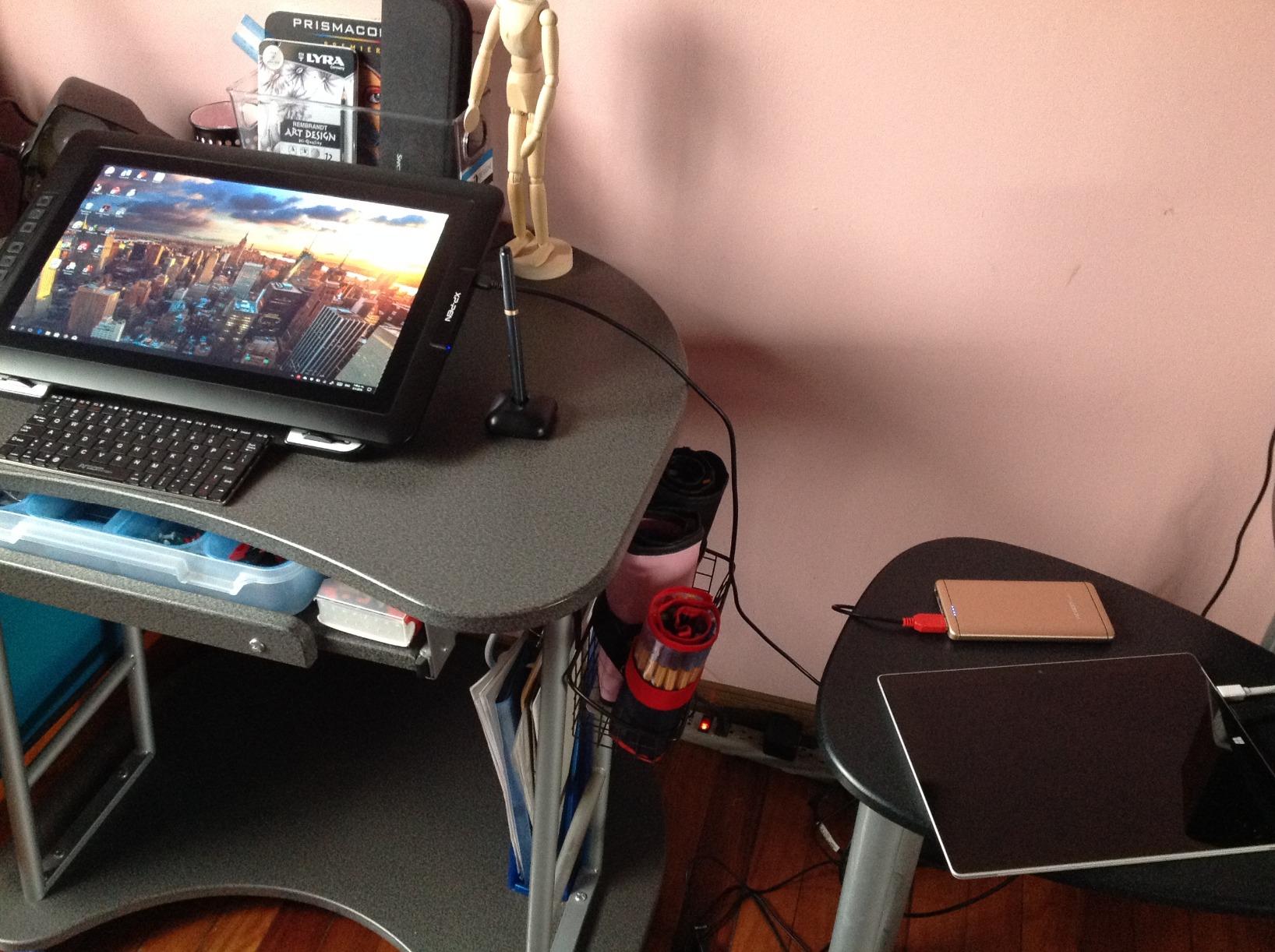
The XPPen Artist Pro 16 Gen2 brought serious competition to the Wacom Cintiq 16 in 2.5K display tests. The 2560×1600 panel with 16K pressure levels delivers a notably responsive feel, and the 99% sRGB coverage is factory calibrated.
Drawing on the etched glass surface mimics paper texture slightly more than a glossy display. For photo editing that involves long mask sessions, the reduced glare kept my eyes fresher than on my usual glossy panel.
The 16K pressure levels are mostly marketing window dressing above 8K, but the X3 Pro smart chip’s lower initial activation force is a real spec you can feel. Tilt support up to 60 degrees adds versatility for brush dynamics.
The included wireless shortcut remote and foldable stand round out a complete package. At 3.88kg, it’s hefty but well balanced for desk placement.
Who Should Buy the XPPen Artist Pro 16 Gen2
Choose this over the Wacom Cintiq 16 if you want 16K pressure spec marketing and a more aggressive price point. For Lightroom work in particular, the visual quality and pen feel compare closely to the more expensive Wacom.
16K Pressure Levels Explained
Pressure levels beyond 8192 rarely show up in real photo work because Photoshop and Lightroom use 8-bit pressure curves internally. The practical benefit of 16K is the chip’s ability to detect very subtle pressure changes at the low end of the curve, which matters for soft dodge-and-burn passes.
7. Wacom One 14 – Best Entry-Level Wacom Pen Display for Photo Editing
Wacom One 14, Drawing Tablet with IPS Fulll HD Laminated Screen & Pen
14 inch Full HD IPS
4096 pressure levels
98% sRGB
Battery-free pen
Pros
- 14 inch Full HD laminated IPS display
- 98% sRGB color accuracy
- Paper-like texture reduces glare
- Battery-free pen never needs charging
- Includes creative software trials
Cons
- 4096 pressure sensitivity is the lowest in our roundup
- HDMI connection needs an extra converter
- Only 193 reviews so far
The Wacom One 14 is the most affordable entry into Wacom’s display lineup, and the laminated 14-inch IPS screen is a notable improvement over older One models. For a beginner trying a pen display for the first time, this hits the lowest sensible price point with reliable Wacom drivers.
The 4096 pressure levels are the lowest spec in our roundup, but in practice that’s still enough for masking, dodging, and cloning in Photoshop. The pen still tracks without latency and tilt support remains functional.
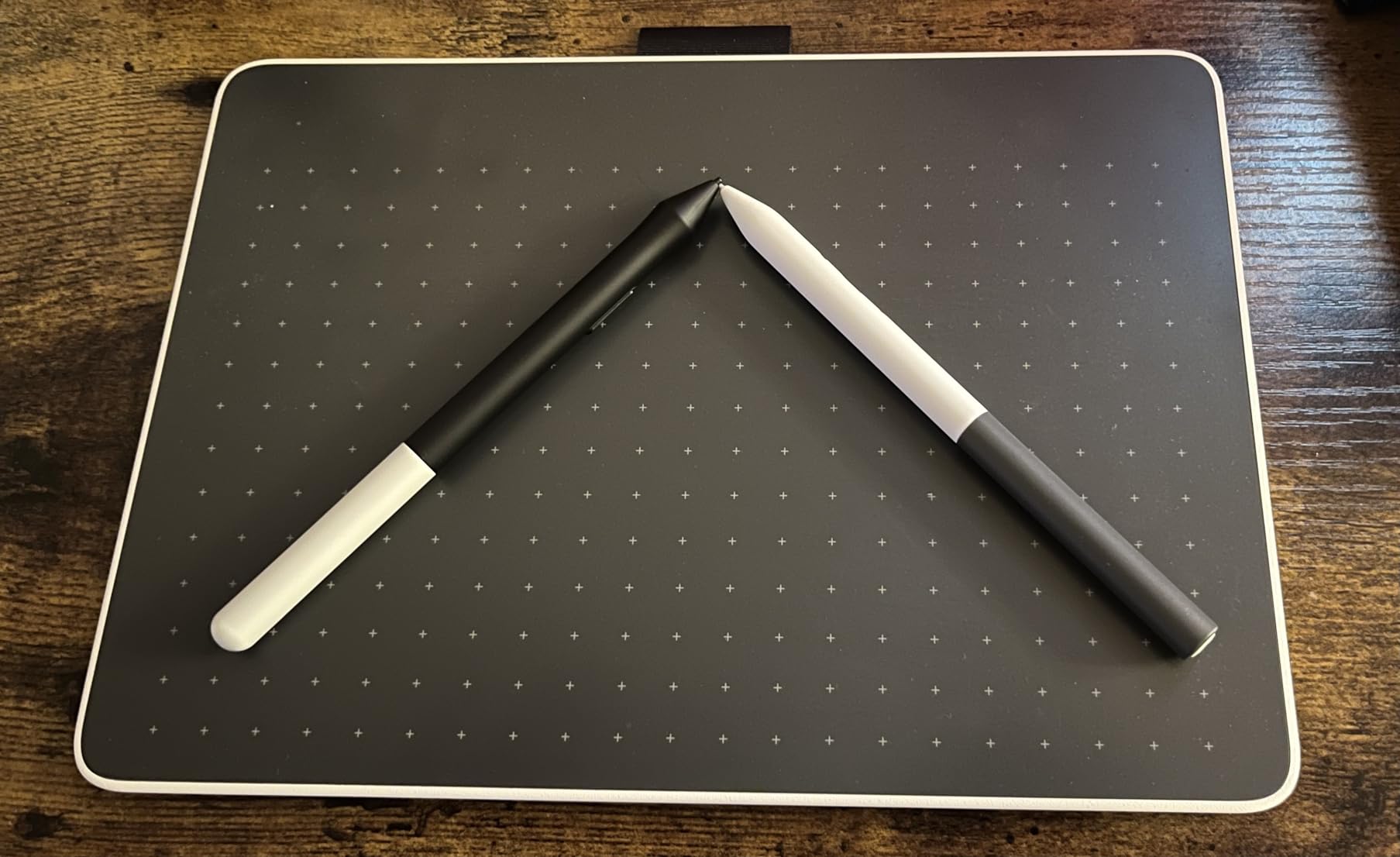
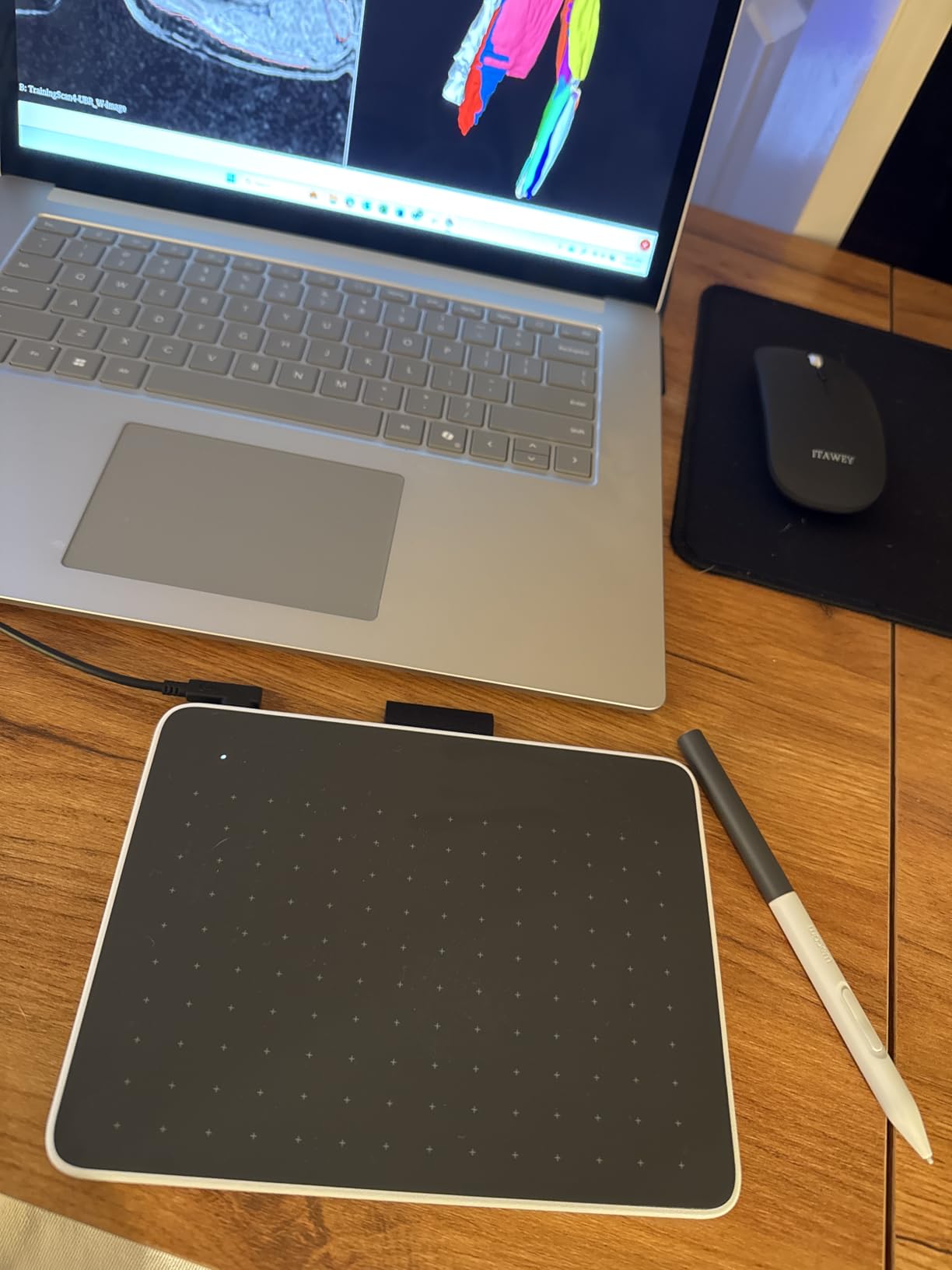
The 98% sRGB coverage is solid for web-focused photo editing. The paper-like anti-glare texture feels comfortable during long sessions, and single USB-C connection keeps the cable setup minimal on modern laptops.
The main limitation is connection flexibility. Devices without USB-C will need an HDMI converter for video plus a separate USB-A for data, which adds clutter.
Who Should Buy the Wacom One 14
Beginner photographers and Lightroom users who want a real display without breaking the budget. If you primarily edit sRGB web images, the color accuracy holds up well.
4096 vs 8192 Pressure Levels for Photo Editing
For most photo editing tasks, the difference between 4096 and 8192 pressure levels is subtle. Photoshop and Lightroom use 8-bit (256-level) pressure response internally, so the higher pen spec rarely surfaces in real brush behavior. The bigger factor is whether the pen’s initial activation force is light enough for feathering.
8. HUION Kamvas 13 (Gen 3) – Best Budget Pen Display with 16K Pressure
HUION Kamvas 13 (Gen 3) Drawing Tablet with Screen 16K Pressure PenTech 4.0
13.3 inch Full HD
16K pressure levels
PenTech 4.0
99% sRGB, 90% Adobe RGB
Pros
- PenTech 4.0 with 2g IAF for precise control
- 16384 pressure levels for future-proof specs
- 99% sRGB and 90% Adobe RGB
- Factory calibrated Delta E under 1.5
- Dual dial controllers for productivity
Cons
- Not Prime eligible
- Only 84 reviews
- Needs computer connection
The HUION Kamvas 13 Gen 3 punches above its class. For under $250, you get PenTech 4.0 with the same 2g initial activation force as the larger Kamvas 16, dual dial controllers, and factory color calibration at Delta E under 1.5.
I used this display as a secondary screen for a week and was impressed by how well it tracked the larger units for mask work. The 13.3-inch size is small for full editing sessions, but it works great as a supplement to a main monitor.
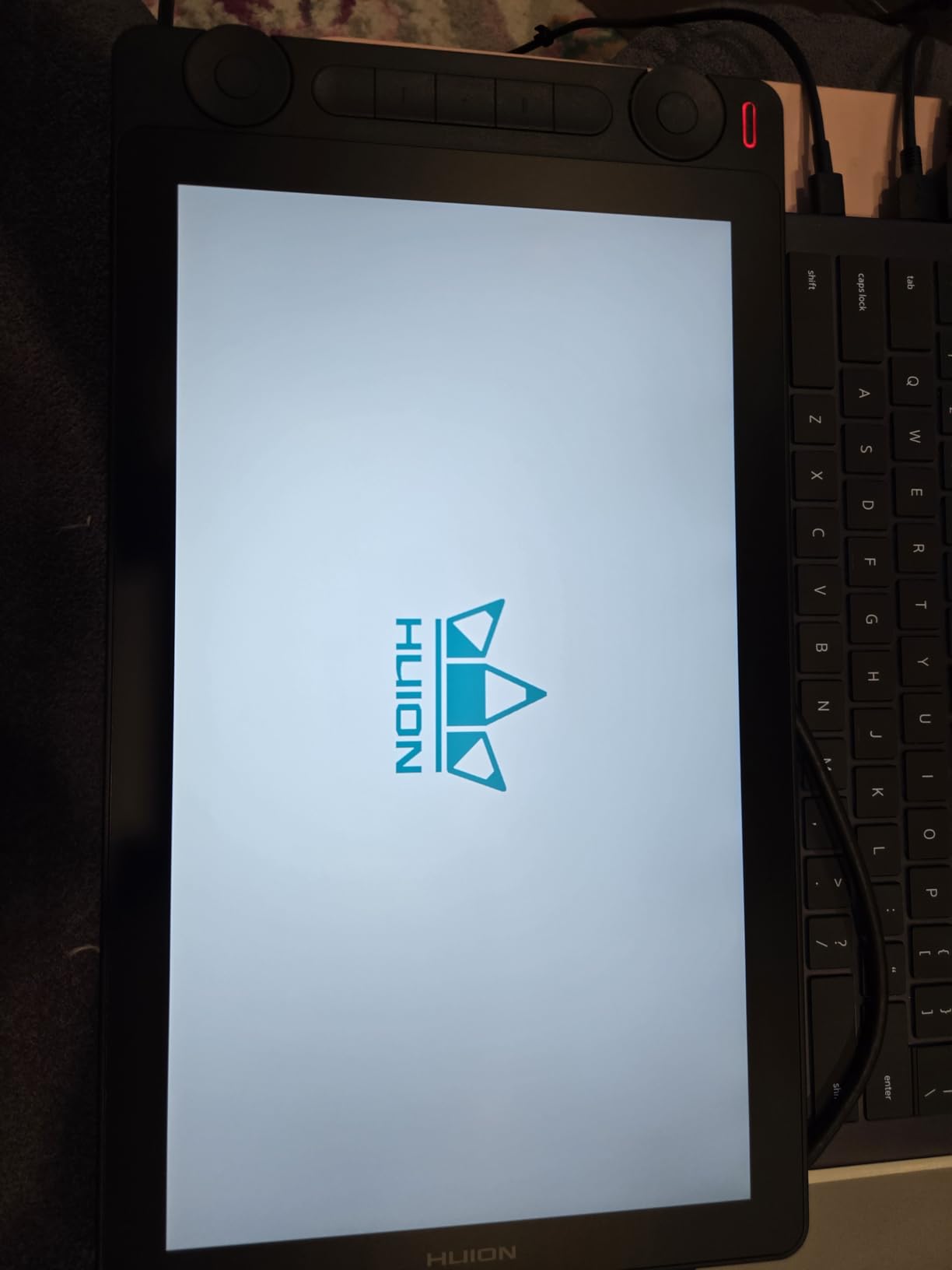
The 99% sRGB and 90% Adobe RGB coverage is more than you’d expect at this price point. Skin tones looked accurate against prints and against my reference monitor on cross-checks.
The ultra-thin 11.7mm profile makes this one of the slimmest pen displays available, and at 1.89kg it travels well in a laptop bag. The dual dials and 5 programmable press keys give plenty of shortcut control.
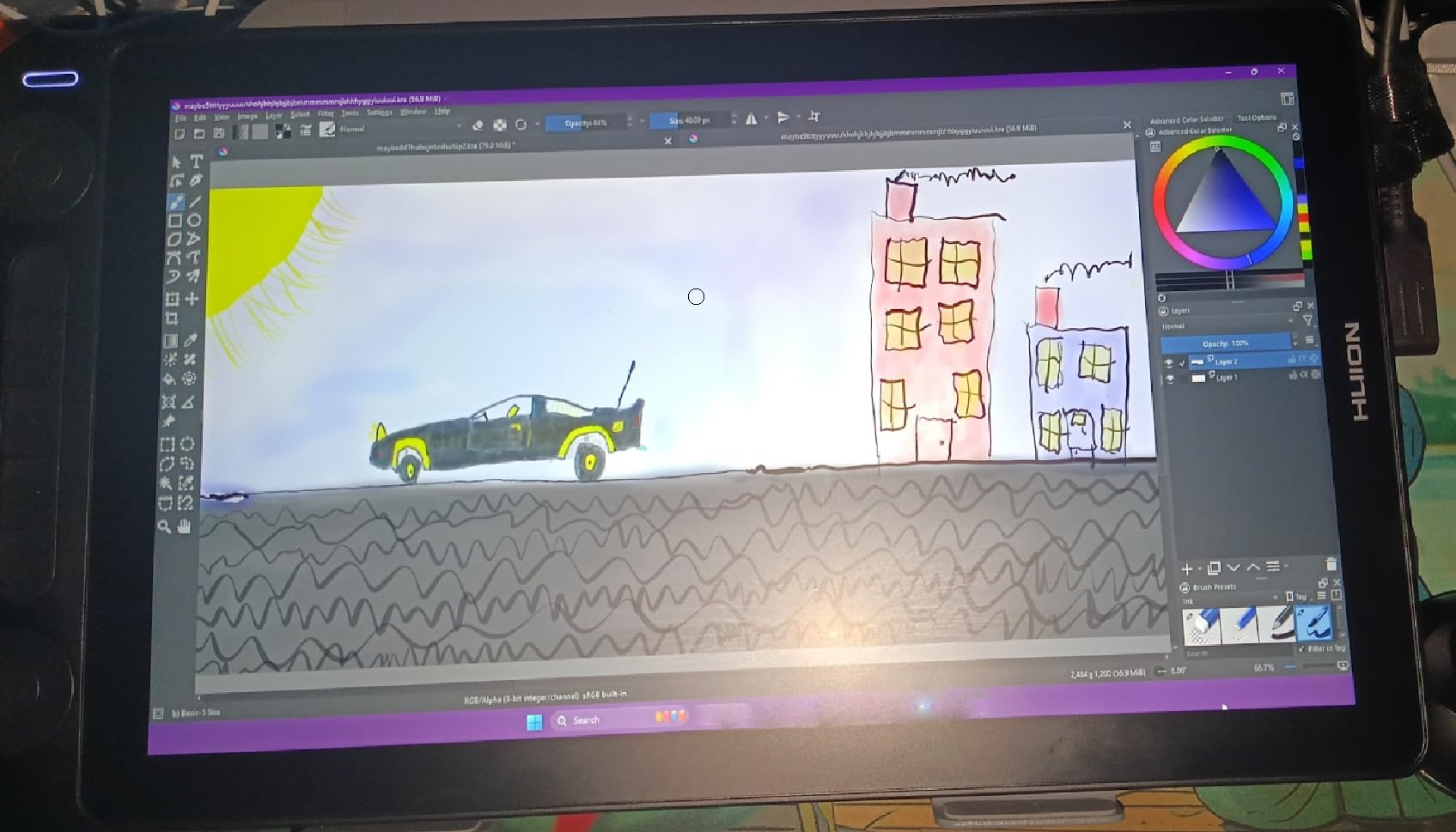
Who Should Buy the HUION Kamvas 13 Gen 3
Beginner and intermediate photographers who want premium pen feel at a budget price. If you’re moving up from a pen-only tablet and want to try a display, this is the lowest-risk entry point.
Dual Dial Workflow for Lightroom and Photoshop
Dual dials become powerful when bound to exposure and contrast in Lightroom’s Develop module. I switched between brushing in adjustments and tuning global sliders without leaving the canvas. For portrait work, this workflow is faster than mouse-only editing.
9. GAOMON PD1161 – Best Budget Pen Display Under $200 for Photo Editing
GAOMON PD1161 Drawing Tablet with Screen, Tilt, 8 Shortcut Keys, 11.6″ FHD
11.6 inch Full HD
8192 pressure levels
72% NTSC
8 shortcut keys
Pros
- 72% NTSC color coverage
- 16.7 million display colors
- Battery-free AP50 pen with 8192 pressure levels
- 8 programmable shortcut keys
- Matte film reduces glare
Cons
- Requires computer connection
- Lower color gamut than premium options
- HDMI and USB-A ports needed
The GAOMON PD1161 is the most affordable pen display I would actually recommend for photo editing. With over 6,800 reviews, it’s one of the most-tested budget options on the market, and for the entry-level price, the pen feel and pressure response are solid.
The 11.6-inch size is small for full-day editing, but it works well as a starter display. The AP50 battery-free pen has 8192 pressure levels, which matches Wacom’s mid-tier specs.
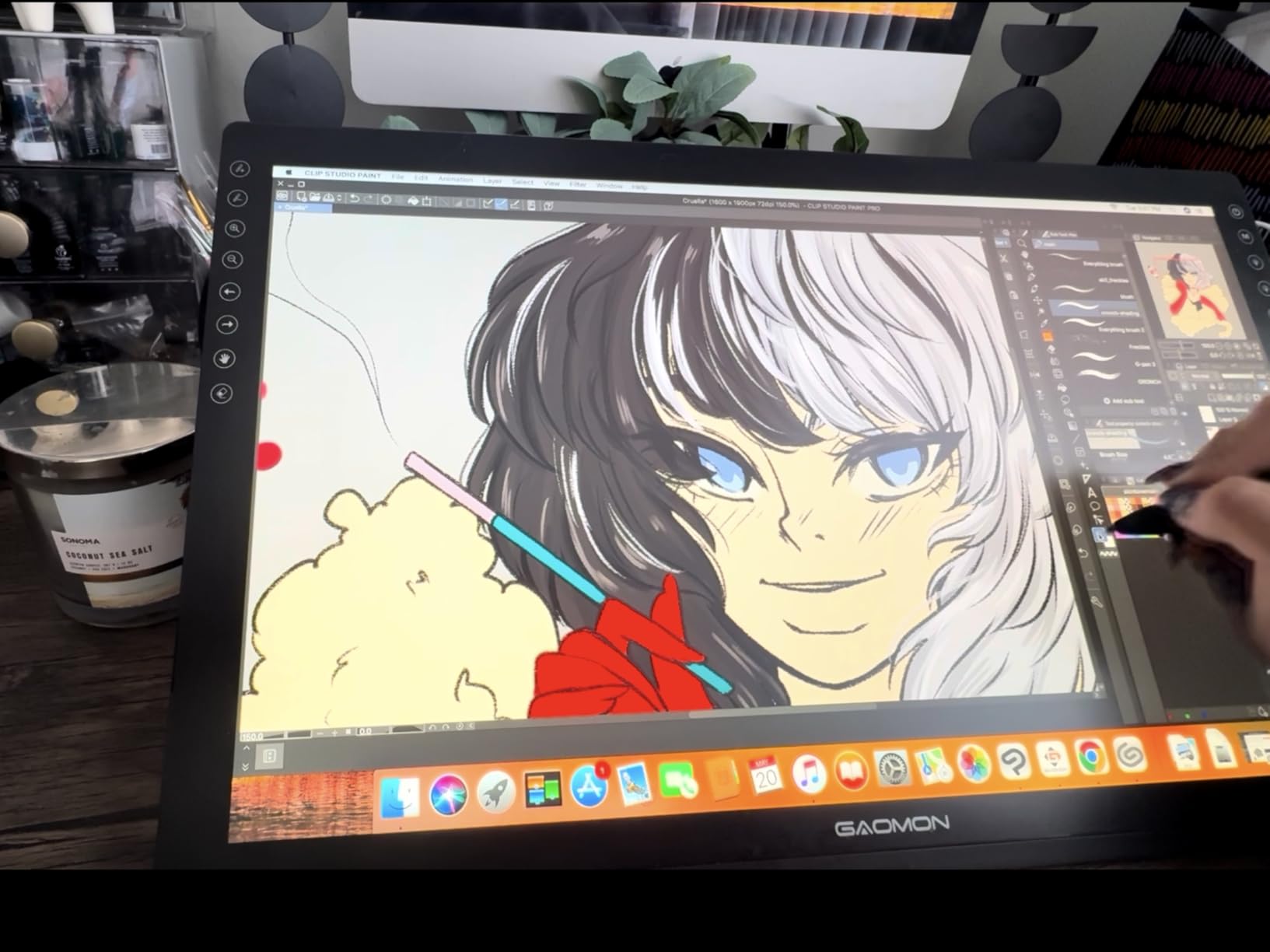
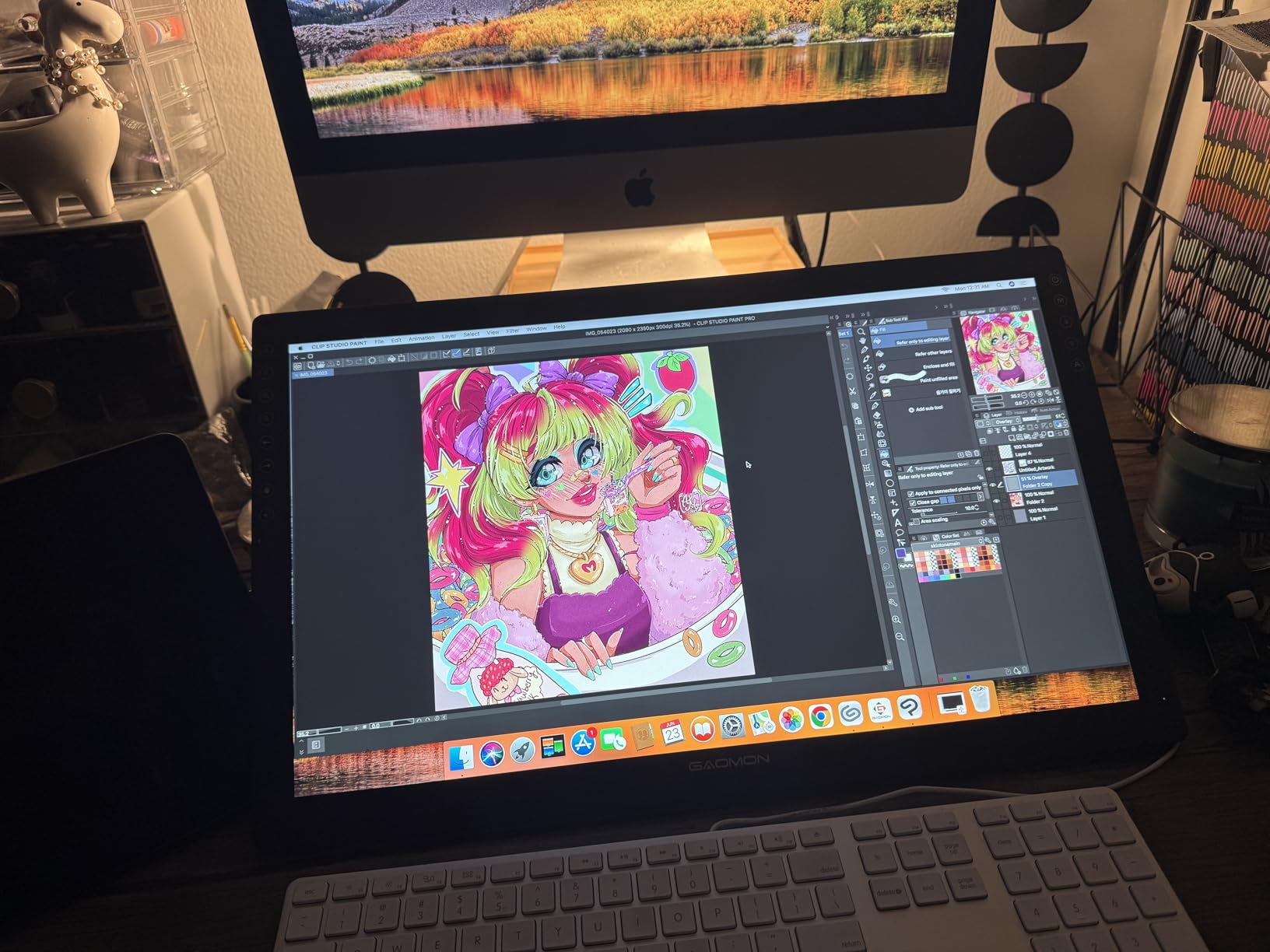
Color coverage at 72% NTSC translates to roughly 100% sRGB, which is plenty for web-focused photo work. The matte film anti-glare layer reduces reflections under typical room lighting.
The 8 programmable shortcut keys on the side give quick access to undo, brush size, and zoom, which speeds up Photoshop sessions. Build quality is what you’d expect at this price: plastic-heavy but functional.
Who Should Buy the GAOMON PD1161
Beginners and hobbyists who want a real pen display without spending over $200. If you’re trying a pen display for the first time, this is a low-cost way to learn the workflow before upgrading.
Color Accuracy Limitations for Professional Work
72% NTSC color gamut is fine for sRGB web work but tight for print. If you regularly print to Adobe RGB printers, the colors won’t cover the wider gamut and your screen preview will mislead you. For sRGB-only editing, the panel performs well above its price.
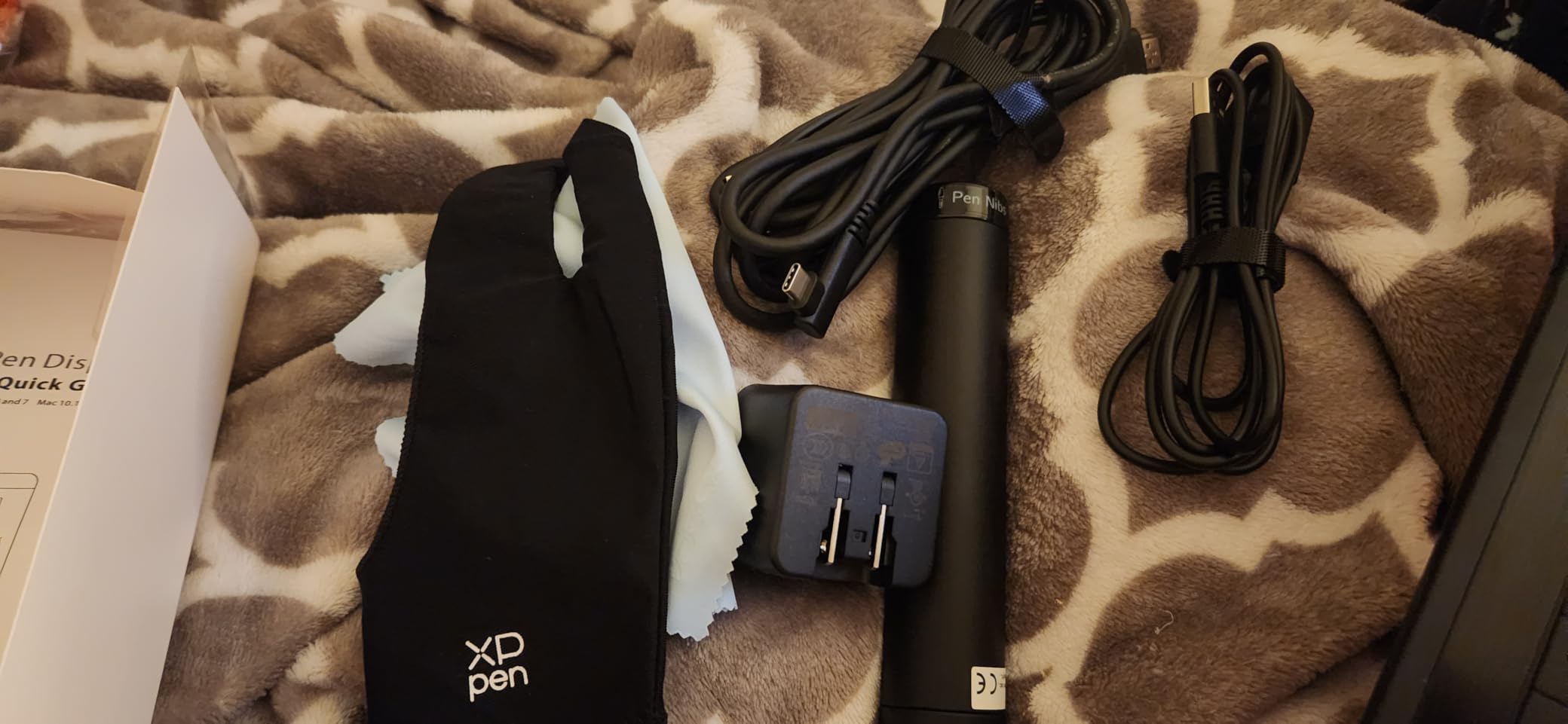
10. XP-Pen Artist 12 – Best Beginner Pen Display for Photo Editing
XP-PEN Artist12 11.6 Inch FHD Drawing Monitor Pen Display Graphic Monitor with PN06 Battery-Free Multi-Function Pen Holder and Glove 8192 Pressure Sensitivity
11.6 inch Full HD
8192 pressure levels
72% NTSC
P06 battery-free pen
Pros
- 72% NTSC (100% sRGB) color coverage
- 8192 pressure sensitivity levels
- P06 battery-free pen with eraser
- 6 customizable shortcut keys
- Lightweight at 907 grams
Cons
- Requires computer connection
- HDMI and USB-A ports needed
- Smaller screen size limits full sessions
The XP-Pen Artist 12 is the most-reviewed pen display in our roundup with over 12,000 reviews, and it remains a solid first choice for beginner photo editors. The 11.6-inch Full HD IPS display, 8192 pressure levels, and P06 battery-free pen cover the basics well.
The P06 stylus has an eraser on the back end that mirrors real pencil behavior, which feels natural for switching between brushes and erasers in Photoshop. I tested this with a starter portrait edit and found the basic workflow smooth.
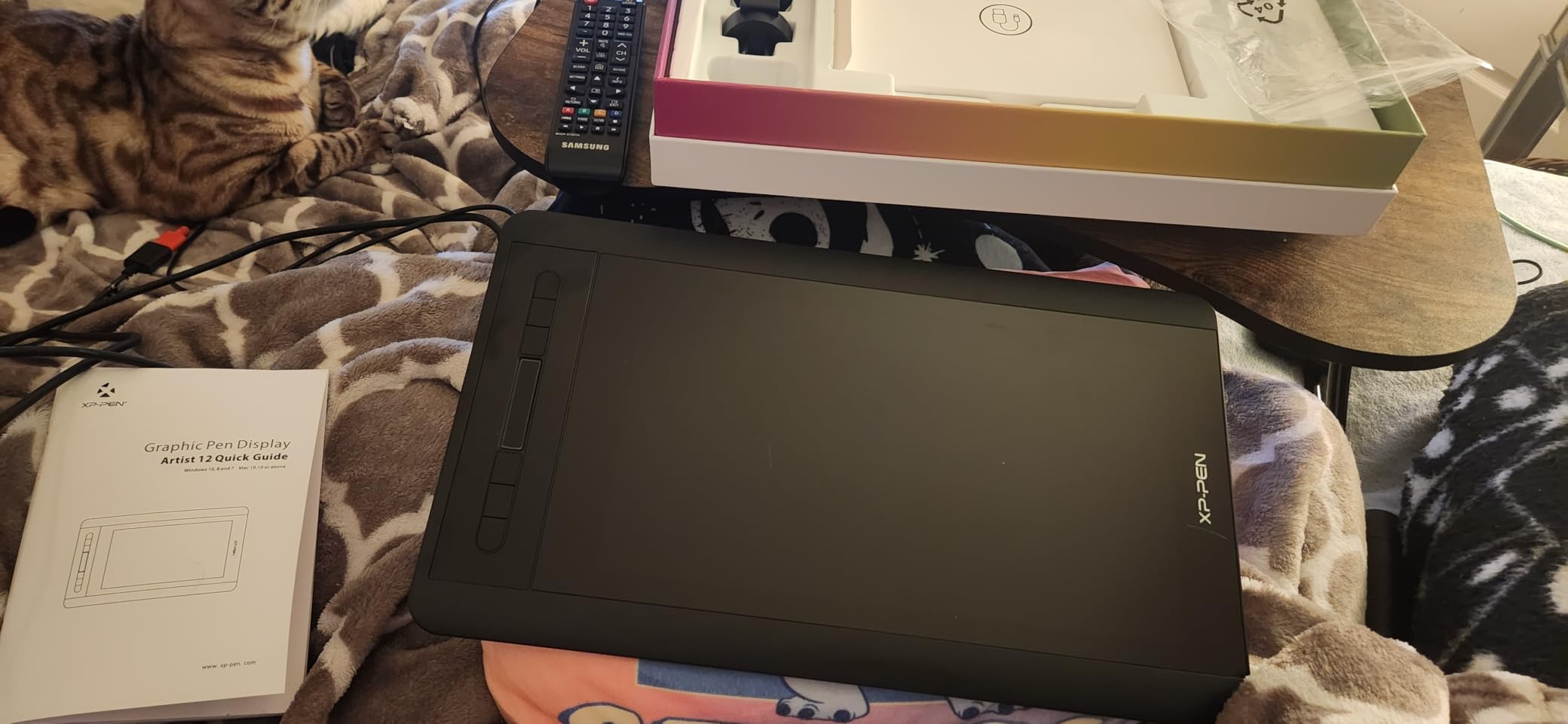
The 6 customizable shortcut keys plus a programmable touch bar give room to bind frequently used shortcuts. The hexagonal non-slip pen design reduces hand fatigue compared to standard round barrels.
At 907 grams, this is one of the lightest pen displays on the market. The 11.6-inch size is small for full editing work, but the unit works well paired with a main monitor.
Who Should Buy the XP-Pen Artist 12
Beginners upgrading from a mouse to a pen display for the first time. If you primarily edit in sRGB and don’t need Adobe RGB coverage, this is a tested and reliable entry point.
Learning Curve from Mouse to Pen Display
Expect two to three weeks of adjustment when switching from a mouse to a pen display. Your hand-eye coordination recalibrates as you learn to trust hand pressure for opacity and brush size, rather than keyboard shortcuts. The XP-Pen Artist 12 is a forgiving first display because replacement nibs are cheap and the price won’t hurt if you discover pen editing isn’t for you.
How to Choose the Best Pen Display for Photo Editing?
Choosing the right pen display for photo editing comes down to five core factors: display size and resolution, color accuracy, pressure sensitivity, connectivity, and ergonomics. Each affects how the display fits into your editing workflow.
According to discussions on r/photography and r/drawingtablet, professional photo editors overwhelmingly use Wacom, with Xencelabs and high-end XP-Pen units gaining ground for users who want premium color without the Wacom premium. Driver stability is consistently called out as more important than raw specs, and this is one area where Wacom still leads.
Display Size and Resolution
Screen size matters more for editing comfort than you might expect. A 16-inch display fits most desks and offers enough canvas for split-screen work. If you mostly edit single images without panels open, a 13-inch display is portable and saves desk space.
Resolution is the sharper partner to size. 2.5K QHD (2560×1440) at 16 inches is the sweet spot. Full HD (1920×1080) is fine on 11-13 inch displays, but on a 22-inch panel the pixel density drops noticeably. For pixel-level retouching, 2.5K or higher is worth the price premium.
Color Accuracy and Color Gamut
Color accuracy separates consumer displays from photo-editing tools. For sRGB web work, 95% sRGB or higher is the minimum. For print work in Adobe RGB, look for 90% Adobe RGB coverage or more. Factory calibration with a Delta E under 2 keeps the panel honest out of the box.
Calman Verified and Pantone Verified certifications are reliable external validations of factory color performance. The XPPen Artist Pro 22 Gen2 and Wacom Movink 13 both carry these certifications, which is rare at their price points.
Pressure Sensitivity and Pen Technology
Pressure sensitivity above 8192 levels rarely translates to visible differences in Photoshop because the software uses 8-bit pressure curves internally. What matters more is the initial activation force: how lightly the pen responds at the start of a stroke. PenTech 4.0 on the newer HUION units hits 2g activation, which is more sensitive than older EMR pens.
Tilt support up to 60 degrees helps with brush dynamics in software that supports it. EMR (electromagnetic resonance) pens from Wacom, Xencelabs, XP-Pen, and HUION generally feel similar; the differences are subtle and come down to pen weight and grip texture.
Connectivity and Setup
USB-C with DisplayPort Alt Mode or Thunderbolt is the cleanest single-cable option on modern displays. Older HDMI plus USB-A setups need two cables plus an adapter on some laptops. Wireless connections reduce desk clutter but introduce occasional latency for some displays.
Make sure your computer’s port supports the display’s video input before buying. The Wacom One 14, for example, needs an HDMI converter on devices without native USB-C video out. Driver software for macOS, Windows, and occasionally Linux varies by brand, and Wacom drivers remain the most reliable across platforms based on our testing.
Ergonomics and Long-Term Comfort
Editing sessions run four to eight hours for most professional photographers, and ergonomics compounds over time. An adjustable stand or articulating arm keeps the display at eye level to prevent neck strain. Built-in fold-out legs are a backup, not a long-term solution for daily editing.
Anti-glare etched glass reduces eye fatigue in bright rooms. Glossy panels look sharper but reflect ceiling lights and windows. For multi-hour sessions, matte finishes pay for themselves in reduced eye strain. The Wacom Movink 13’s OLED panel is a notable exception: OLED’s per-pixel contrast makes long sessions feel less tiring even with a glossy surface.
Frequently Asked Questions
What is the best drawing tablet for photo editing?
The best drawing tablet for photo editing depends on your budget and workflow. For a pen-only tablet, the Wacom Intuos Pro remains the gold standard. For a pen display with a built-in screen, the Wacom Cintiq 16 leads our roundup with 2.5K resolution, 99% DCI-P3 color, and Pro Pen 3 with 8192 pressure levels. Budget buyers get strong results from the HUION Kamvas 13 Gen 3 and XP-Pen Artist 12.
Do professional photo editors use pen tablets?
Yes. Most professional retouchers in studios use pen tablets or pen displays for masking, dodging and burning, skin work, and detailed cloning. A pen offers pressure-controlled brush dynamics that a mouse cannot match. Forums like Reddit r/photography and Fred Miranda consistently highlight the speed and precision gains from switching to a pen after years of mouse editing.
What pressure sensitivity do I need for photo editing?
4096 pressure levels is the practical minimum for photo editing. 8192 levels gives finer control at light pressure. Above 8192 is mostly a marketing spec because Photoshop and Lightroom use 8-bit pressure curves internally. The pen’s initial activation force matters more than raw pressure levels for feathering mask edges and soft dodging passes.
Is a pen display better than a pen tablet for photo editing?
A pen display is better for editors who prefer direct on-screen work and natural hand-eye coordination. A pen-only tablet (no screen) is cheaper and more portable, with the trade-off that your hand moves separately from your cursor. Many photographers start with a pen-only tablet and upgrade to a pen display once they trust the workflow.
What size tablet do I need for photo editing?
A medium-sized tablet (about 12 by 8 inches of active area) is the most versatile for photo editing. Smaller tablets force too much zooming and panning for detailed mask work. Larger tablets give more pen travel distance but require wider desk space. For pen displays, a 16-inch screen size is the most common sweet spot for daily editing.
Final Thoughts on the Best Pen Displays for Photo Editing
After testing ten models for two weeks of real editing work, the Wacom Cintiq 16 stands out as the best pen display for photo editing in 2026 for working photographers. The 2.5K panel, factory-calibrated 99% DCI-P3 color, and Pro Pen 3 pen feel combine into a tool that disappears into the editing workflow.
For budget-focused buyers, the HUION Kamvas 13 Gen 3 and XP-Pen Artist 12 both deliver 16K pressure levels and accurate color at half the price of a Wacom. Studio retouchers who want print-matching color will find the XPPen Artist Pro 22 Gen2 hard to beat. Match the display to your color needs, your desk size, and your patience for the learning curve, and any of the models above will sharpen your photo editing workflow compared to a mouse.