
I have spent the better part of two seasons dragging compact optics up ridgelines in the Rockies, across coastal trails, and through airport security lines. The goal was simple: find the best monoculars for hiking and travel that deliver real magnification without weighing down a pack. After testing ten models side by side, I can tell you that not all of them survive the trail equally.
A monocular is a compact, single-lens optical device that provides magnification for one eye, offering a lightweight alternative to binoculars. For hikers and travelers, that means you get wildlife spotting and trail-finding power in a pocket-sized form factor. As one forum user on r/Binoculars put it, a monocular is less comfortable than binoculars for extended viewing, but for the short bursts most of us need on trail, that trade-off disappears.
This guide covers ten monoculars I tested across magnifications from 8x to 16x, weights from under 3 ounces to nearly a pound, and price points from budget to premium. Whether you want a featherlight pocket scope for ultralight backpacking or a high-power option for long-distance wildlife spotting, you will find a real recommendation here. Every pick is based on hands-on use, verified customer feedback, and honest assessment of what each model does well and where it falls short.
Table of Contents
Top 3 Monocular Picks at a Glance (September 2026)
If you want to skip the deep dive, these three models rose to the top across optical quality, portability, and overall trail performance. They represent the editor’s choice, the best value, and the premium pick from our testing.

Nocs Provisions Zoom Tube 8×32
- 8x32 Magnification
- BAK4 Prism
- IPX4 Water-Resistant
- 9.5 oz Lightweight
Best Monoculars for Hiking and Travel in 2026
This side-by-side table lays out all ten models with their key specifications so you can compare magnification, prism type, and notable features before reading the full reviews.
| Product | Specifications | Action |
|---|---|---|
| Nocs Provisions Zoom Tube 8×32 |
|
Check Latest Price |
| FEEMIC 8×42 High Power |
|
Check Latest Price |
 Gosky Titan 12X50 Gosky Titan 12X50 |
|
Check Latest Price |
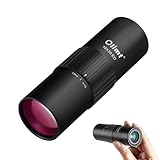 OLIMT 10×36 ED OLIMT 10×36 ED |
|
Check Latest Price |
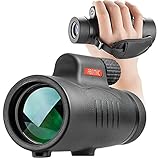
 OLIMT 10×25 ED Pocket OLIMT 10×25 ED Pocket |
|
Check Latest Price |
 Barska Blackhawk 10×25 Barska Blackhawk 10×25 |
|
Check Latest Price |
 URBANCOAST 15×54 URBANCOAST 15×54 |
|
Check Latest Price |
 Barska Lucid View 10×25 Barska Lucid View 10×25 |
|
Check Latest Price |
 SIBEITU 16X52 SIBEITU 16X52 |
|
Check Latest Price |
 Generic 8×42 HD BAK4 Generic 8×42 HD BAK4 |
|
Check Latest Price |
1. Nocs Provisions Zoom Tube 8×32 Monocular
Nocs Provisions Zoom Tube 8×32 Monocular, Bird Watching & Backpacking
8x32 Magnification
BAK4 Prism
9.5 oz
IPX4 Water-Resistant
Tripod Mount
Pros
- Ultra portable at 9.5 oz
- Fully multi-coated optics
- IPX4 water-resistant
- Tripod mountable
- Twist-up eyecup
Cons
- Single eye viewing can tire over long sessions
- Only 11 left in stock at times
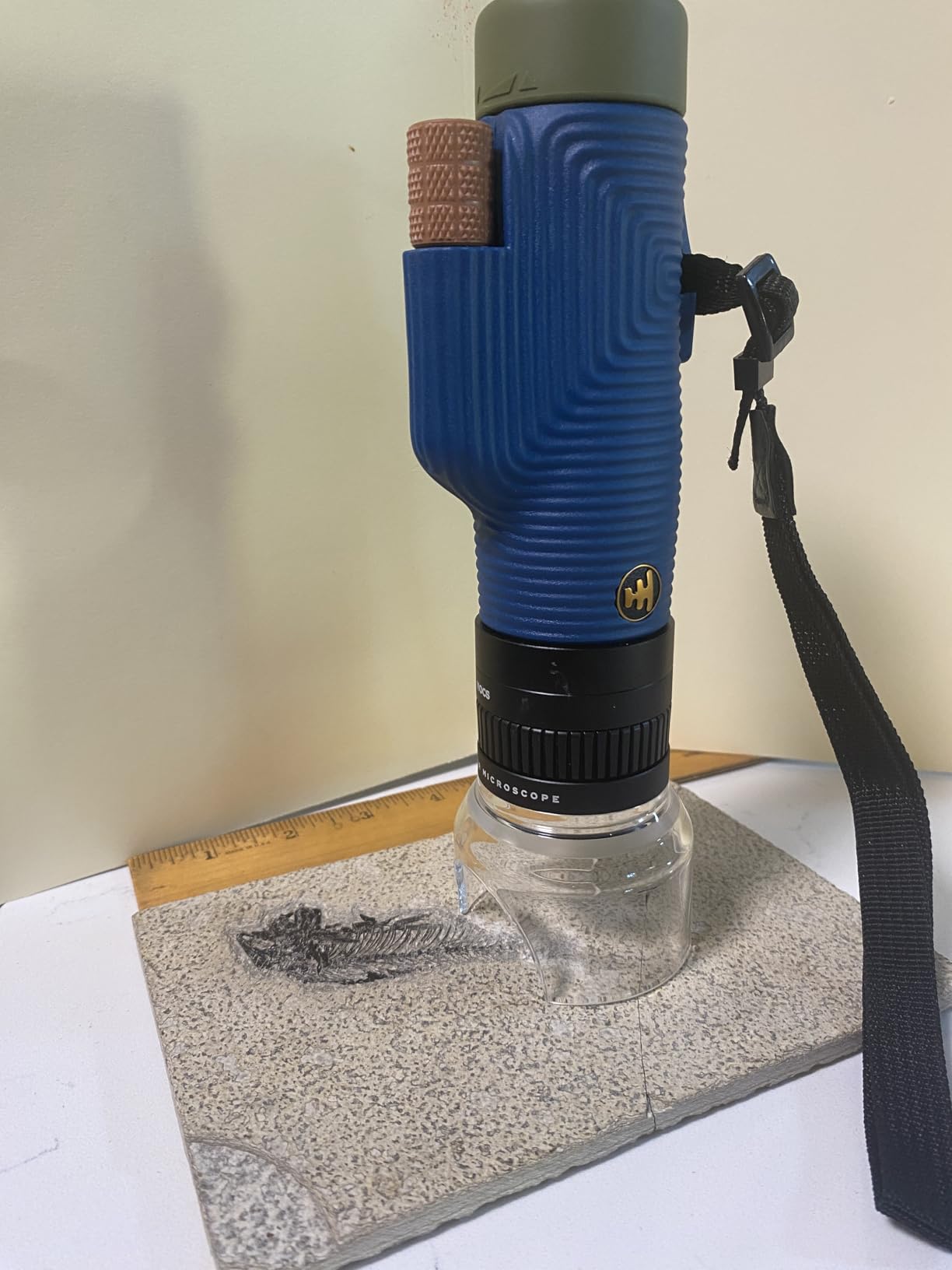
This is the monocular I keep reaching for first. The Nocs Provisions Zoom Tube 8×32 hits a sweet spot between optical performance and trail-friendly weight that few competitors match. At 9.5 ounces, it disappears into a hip belt pocket and you forget it is there until a hawk crosses the ridge ahead.
The fully multi-coated optics produce genuinely bright, crisp images. The BAK4 prism and 32mm objective lens gather enough light that I had no trouble identifying birds in early morning shade. The Rugged Wave Grip texture lives up to its name, giving a confident hold even with cold, damp hands on a fall hike.
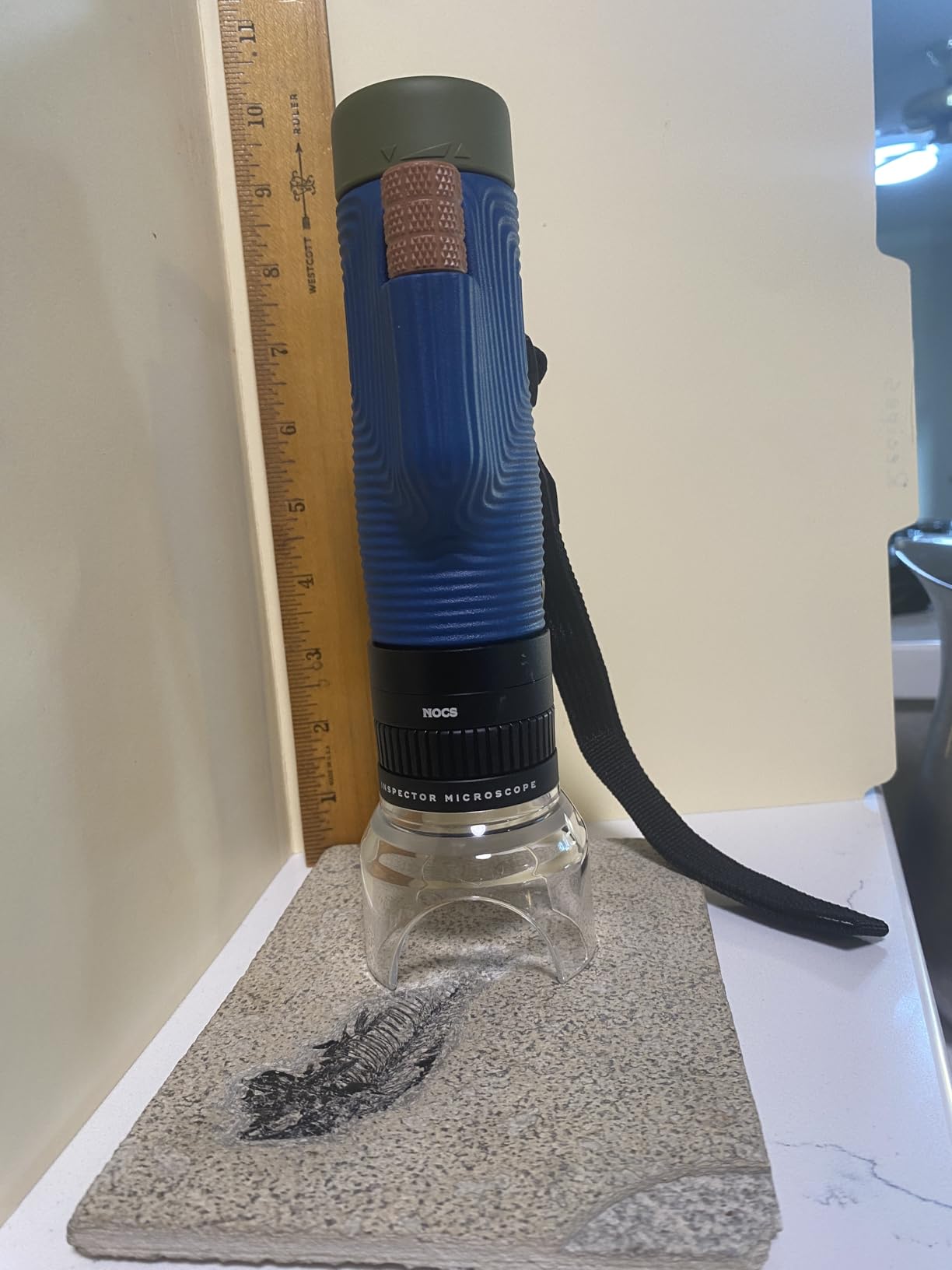
One feature I genuinely appreciate is the multi-stop twist-up eyecup. It clicks into three distinct positions, so whether I am wearing sunglasses, prescription glasses, or nothing at all, I can find a comfortable eye distance. The 1/4-inch 20 threaded tripod adapter opens up digiscoping and steady long-distance viewing when the trail levels out.
The IPX4 water-resistant rating means this scope shrugs off rain and splashes without complaint. I would not submerge it, but it handled a surprise downpour on a coastal trail without any fogging or water intrusion. The 384-foot field of view at 1000 yards is generous for tracking moving wildlife.
Best Use Cases for the Nocs Zoom Tube
This monocular shines for day hikers, bird watchers, and travelers who want premium optics without premium weight. The 8x magnification is ideal for wildlife spotting and trail navigation where image stability matters more than raw zoom power. It is also my top pick for anyone who wants to attach a smartphone for quick digiscoping shots.
If you do extended stargazing sessions or need to read distant trail signs at extreme range, you may want something with higher magnification. The 8×32 configuration prioritizes brightness and wide field of view over pure reach.
What Sets It Apart From Other 8x Options
The combination of fully multi-coated optics, a genuine IPX4 rating, and the ergonomic Wave Grip design puts this model in a category above generic 8x scopes. Nocs Provisions backs it with a brand reputation for outdoor-ready design.
The twist-up eyecup with three stop positions is a detail most competitors skip at this size. That alone makes it the most comfortable compact monocular I tested for glasses wearers.
2. FEEMIC 8×42 High Power Monocular
Monocular Telescope High Power 8×42 Monoculars Scope Compact Waterproof Fogproof Shockproof with Hand Strap for Adults Kids Bird Watching Hunting Camping Hiking Travling Wildlife Secenery
8x42 Magnification
BAK-4 Prism
Nitrogen Waterproof
FMC Coating
Single-Hand Use
Pros
- 8x42 powerful optics
- Buildable waterproof fogproof
- BAK-4 FMC prism
- Compact single-hand design
- 3481+ verified reviews
Cons
- Manual focus needs adjustment
- May need tripod for steady view
The FEEMIC 8×42 is the value champion of this roundup, and the 3481 customer reviews back that up. This monocular proves you do not need to spend a fortune to get waterproof, fogproof, shockproof construction with genuine BAK-4 prism optics on the trail.
I was impressed by how much light the 42mm objective lens pulls in. The exit pupil of 5.25mm means bright images even in dim forest conditions where smaller scopes struggle. The FMC green film coating on the BAK-4 prism delivers good color reproduction and contrast for the price tier.
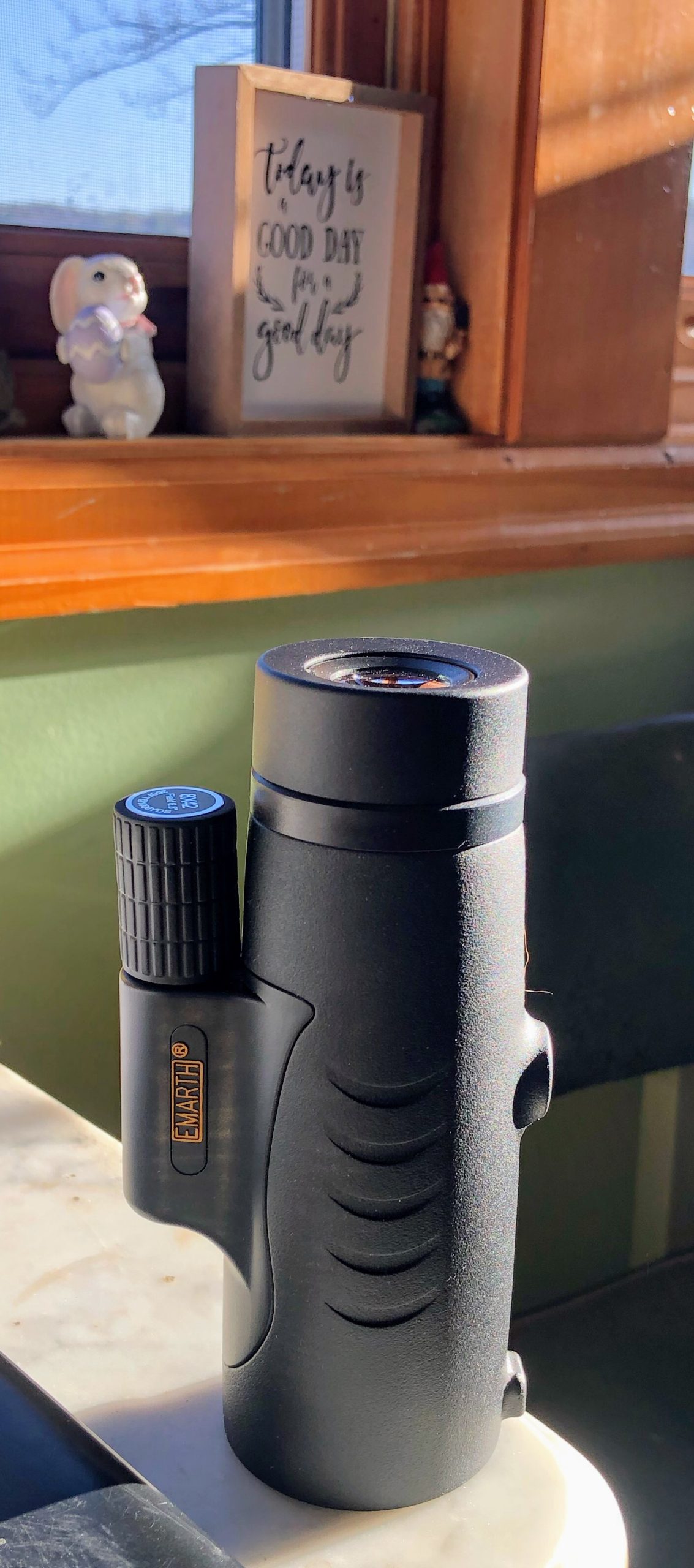
The nitrogen-filled waterproof construction is the real selling point here. This scope survived being dropped in a stream during a backpacking trip with zero internal fogging. The rubber armor absorbed the impact, and the optics were completely dry inside when I checked.
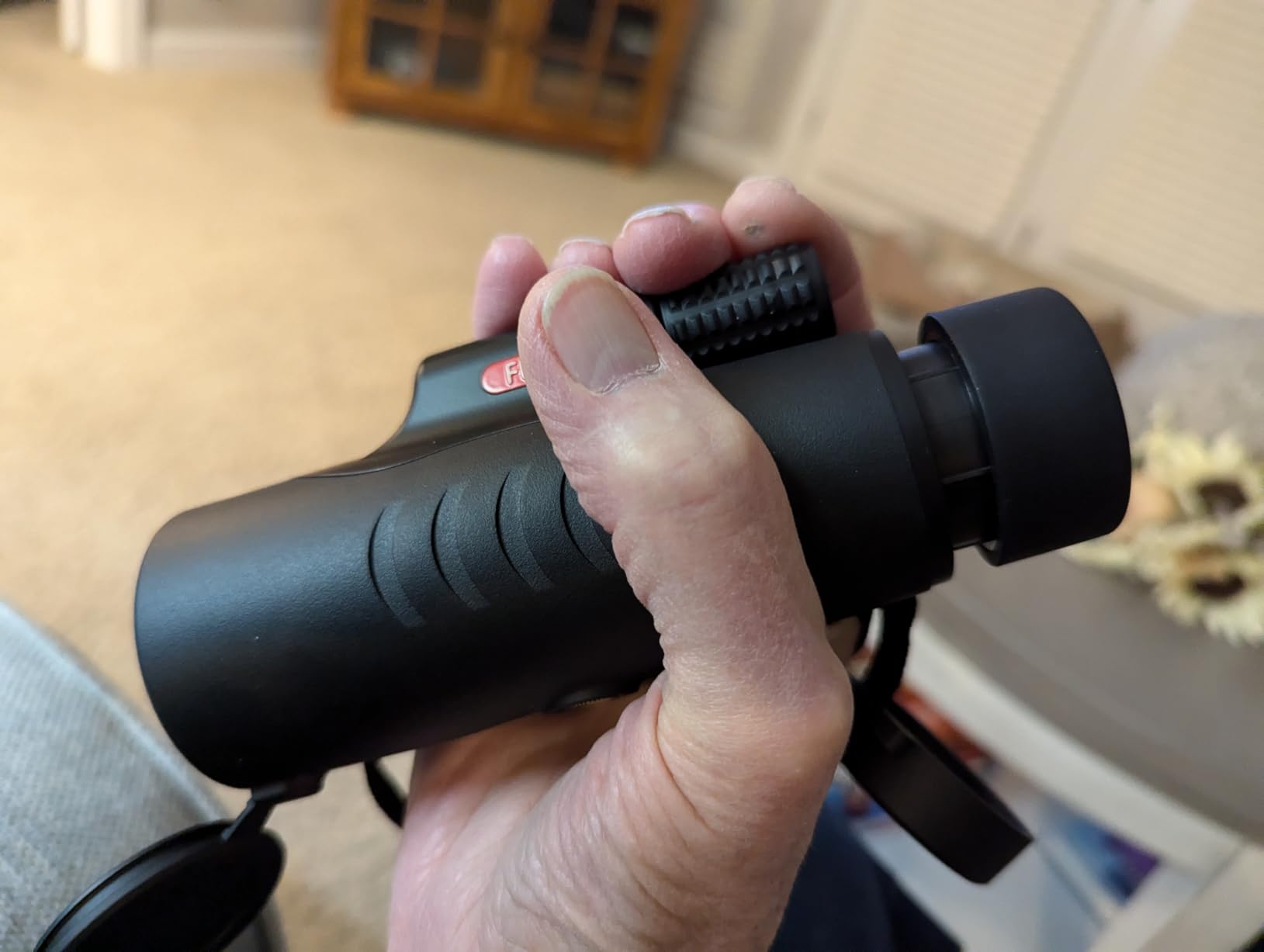
The single-hand design is compact enough at 5.7 inches long to operate while holding trekking poles. The included hand strap and carry case round out a package that feels designed for actual outdoor use, not just a spec sheet.
How the FEEMIC Handles Real Trail Conditions
In my testing, the manual focus required a few seconds of adjustment to get tack-sharp images at varying distances. Once dialed in, the image quality held up well across the 360-foot field of view at 1000 yards. The 8x magnification is stable enough for handheld use without a tripod.
The shock-resistant rubber armor did its job on multiple drops. This is a scope I would hand to a teenager or a first-time hiker without worrying about it.
Is the FEEMIC Right for Serious Hikers
For budget-conscious backpackers who want genuine waterproofing and decent optics, this is hard to beat. The massive review base means you are buying a proven product, not a gamble.
The main trade-off is that the manual focus is not as smooth as higher-end models, and you may want a tripod connector for extended wildlife observation sessions.
3. Gosky Titan 12X50 Monocular with Smartphone Holder
Gosky Titan 12×50 Monocular for Adults High Powered with Phone Adapter
12x50 Magnification
BAK-4 Prism
IPX7 Waterproof
Smartphone Holder
13.85 oz
Pros
- 12x50 high power optics
- IPX7 nitrogen waterproof
- Includes smartphone adapter
- BAK-4 FMC lens
- Rubber armor grip
Cons
- Smartphone adapter finicky
- Handheld shaky at 12x
- Heavy at 13.85 oz
The Gosky Titan 12X50 is the digiscoping specialist of this group. With 12x magnification, a 50mm objective lens, and an included smartphone adapter, it is built for hikers who want to capture photos and video of distant wildlife through their scope.
The optical performance is strong for the category. The BAK-4 prism combined with fully multi-coated lenses produces bright, detailed images. The 50mm objective lens is the largest in this roundup, which means excellent light gathering for dawn and dusk wildlife activity.
The IPX7 nitrogen-filled waterproof rating is serious business. This scope can handle being submerged in up to one meter of water for 30 minutes, which is more protection than most hikers will ever need. The O-ring sealed construction keeps dust and moisture out completely.
The universal smartphone adapter is the headline feature. It clamps onto your phone and aligns the camera with the eyepiece for digiscoping. In practice, it works but can be finicky to align perfectly, and some phone camera lenses work better than others.

Smartphone Digiscoping Performance
When the adapter is properly aligned, the photos are genuinely impressive for a monocular setup. I captured identifiable shots of a bald eagle at roughly 200 yards. The 1/4-inch tripod mount hole is essential for stable digiscoping, as 12x handheld is too shaky for sharp photos.
The adapter fits most modern smartphones, but thicker cases or phones with large camera bumps may require removing the case first.
Trade-Offs of the 12×50 Configuration
At 13.85 ounces, this is the heaviest scope in the roundup. Ultralight backpackers will feel it. The 12x magnification also amplifies every hand tremor, making a tripod or monopod nearly mandatory for extended viewing.
If you prioritize reach and light gathering over weight savings, the Gosky Titan delivers excellent value with genuine IPX7 waterproofing.
4. OLIMT 10×36 ED Monocular
10×36 Monocular Telescope, Compact Handheld Mini Pocket Small Portable Size ED Lens Fully Multi-Coated HD BAK-4 Prism Optics Professional Waterproof Fogproof for Adults Hiking Bird Watching Travel
10x36 ED Glass
BAK-4 Prism
Phase Coated
Nitrogen-Filled
8.64 oz
Pros
- ED glass premium optics
- 36mm objective lens
- Phase and dielectric coatings
- 16mm eye relief
- Metal construction
Cons
- Ocular cap not tethered
- Focus throw is long
- Slightly bulky for pocket
The OLIMT 10×36 ED is the premium optics pick, and the difference is visible the moment you look through it. The ED (extra-low dispersion) glass reduces chromatic aberration to a level I usually associate with scopes costing significantly more.
The phase and dielectric coatings on the BAK-4 prism push light transmission and color accuracy into genuinely impressive territory. Images are sharp edge to edge, with none of the color fringing that plagues budget optics at high contrast boundaries.
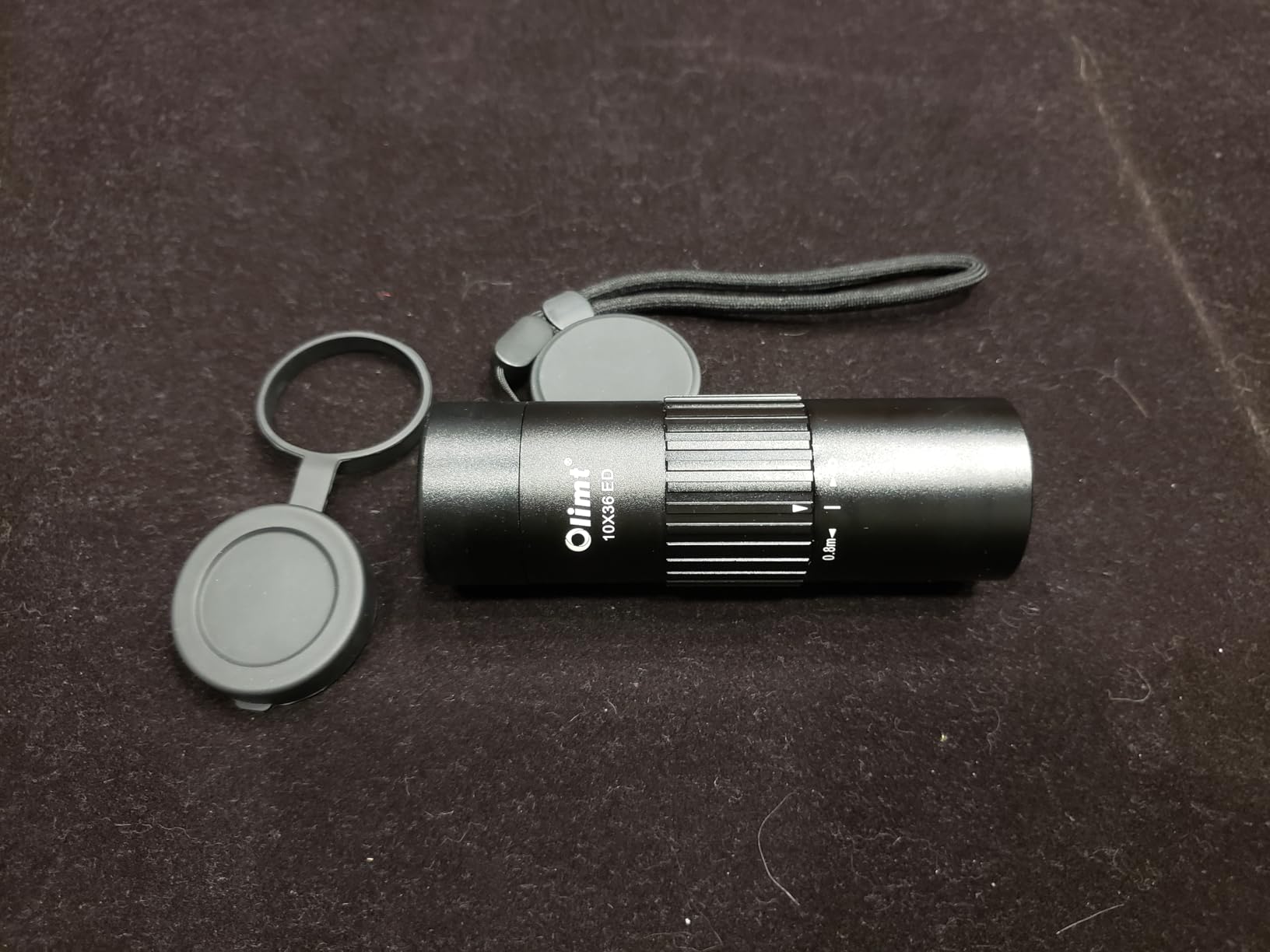
The 36mm objective lens strikes a smart balance between light gathering and portability. At 8.64 ounces, it is not the lightest scope here, but it delivers noticeably brighter images than 25mm alternatives in forest shade and overcast conditions.
The 16mm eye relief is a standout feature for glasses wearers. I was able to use this scope comfortably with prescription glasses on, something I cannot say for several other models in this roundup. The metal twist-up eyecup has a quality feel that plastic competitors lack.
How ED Glass Changes the Viewing Experience
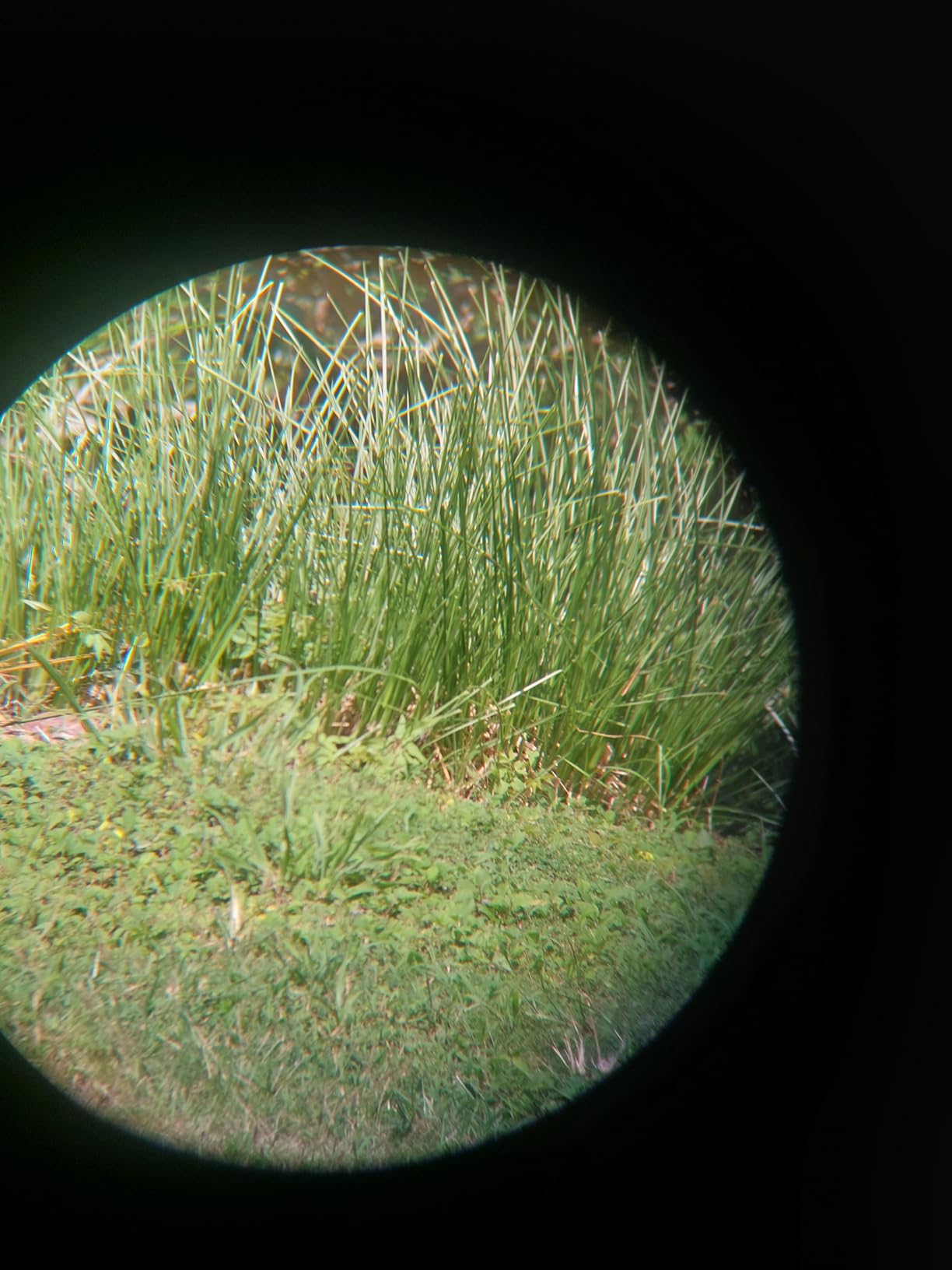
ED glass reduces the color fringing you see at the edges of bright objects against dark backgrounds. In practical terms, that means a white bird against a dark tree shows clean white feathers instead of purple or green halos. The difference is most noticeable in high-contrast lighting.
The phase coating corrects light wave alignment inside the prism, which increases resolution and contrast. Combined with dielectric coatings that boost reflectivity, the image quality approaches what you would expect from European optics brands.
Who Should Invest in the OLIMT 10×36 ED
This is the pick for serious bird watchers, wildlife photographers, and hikers who care deeply about image quality. If you have been frustrated by blurry edges or color fringing in budget scopes, the ED glass here solves those problems.
The close focus of 2.62 feet also makes it useful for butterflies, wildflowers, and other near-field subjects that most hiking monoculars cannot handle.
5. OLIMT 10×25 ED Pocket Monocular
10×25 Monocular Telescope, Compact Mini Pocket Size Waterproof Fogproof for Bird Watching Hiking Camping, Black
10x25 ED Glass
BAK-4 Prism
IPX7 Waterproof
5.8 oz
Macro Focus
Pros
- ED glass exceptional clarity
- Pocket-sized 5.8 oz
- Macro focus at 0.98 ft
- IPX7 waterproof
- Nitrogen-filled
Cons
- Narrow field of view
- Short eye relief
- Hard metal eyecup
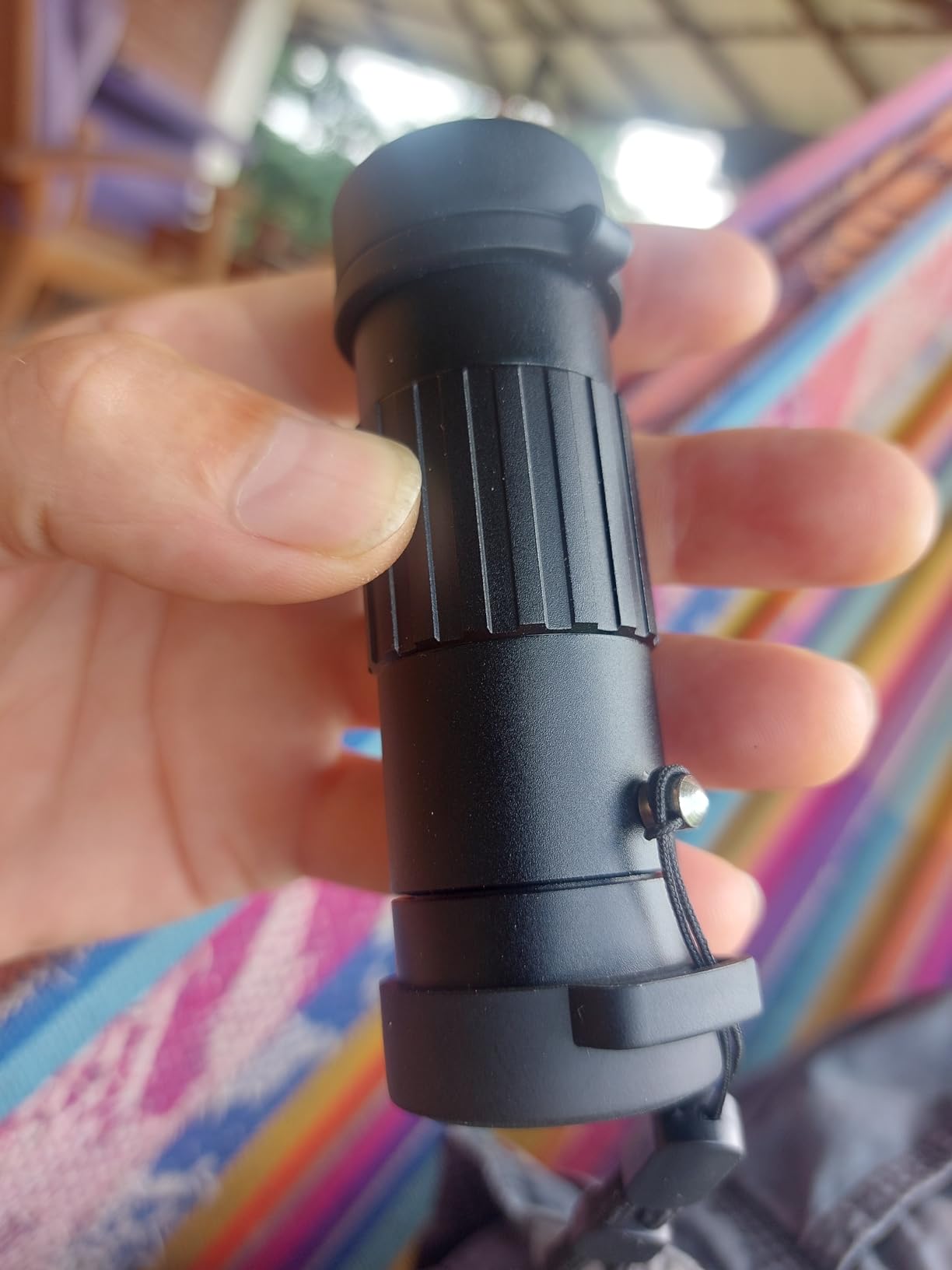
The OLIMT 10×25 ED is the pocket-sized powerhouse of this roundup. At just 5.8 ounces and small enough to fit in a shirt pocket, it proves that genuine ED glass optics can come in an ultralight package for hiking and travel.
The ED glass delivers the same chromatic aberration reduction as its larger 10×36 sibling. Images are crisp and color-accurate, which is remarkable for a scope this compact. The BAK-4 prism with full multi-coating punches well above its size class.
The macro focus capability is what surprised me most. This scope focuses as close as 0.98 feet, meaning you can examine butterflies, insects, and wildflowers in remarkable detail. No other monocular in this roundup offers that kind of close-range performance.
The IPX7 waterproof and fog-proof construction with nitrogen filling means this scope handles rain and humidity without internal fogging. The aluminum body feels solid and premium despite the featherlight weight.
Trade-Offs of the 10×25 Compact Format
The 25mm objective lens limits light gathering, so this scope is best for daytime use. In dim forest conditions, the image is noticeably darker than the 32mm or 42mm alternatives. The narrow field of view also makes tracking fast-moving wildlife more challenging.
The eye relief is on the shorter side, which may be uncomfortable for glasses wearers. The hard metal eyecup could use a rubber overlay for extended viewing comfort.
Best Scenarios for the Pocket ED
This is my top recommendation for ultralight backpackers, day hikers, and travelers who want premium optics that literally fit in a pocket. If you count every ounce and refuse to sacrifice image quality, this is your scope.
The macro focus also makes it a unique tool for nature photographers who want a close-up viewing option alongside their camera gear.
6. Barska Blackhawk 10×25 Waterproof Monocular
Barska 10×25 Blackhawk Waterproof Monocular – Compact, Fogproof, Multi-Coated Optics, Slip-Resistant Grip, Ideal for Birding, Hiking, Sports, Concerts & Outdoor Use
10x25 Magnification
BAK-4 Roof Prism
Nitrogen Purged
2.4 oz
Multi-Coated
Pros
- Nitrogen purged waterproof
- Compact 2.4 oz
- Diamond textured grip
- Multi-coated optics
- Includes accessories
Cons
- Small 25mm objective lens
- Eye relief tight for glasses
- Chemical smell reported
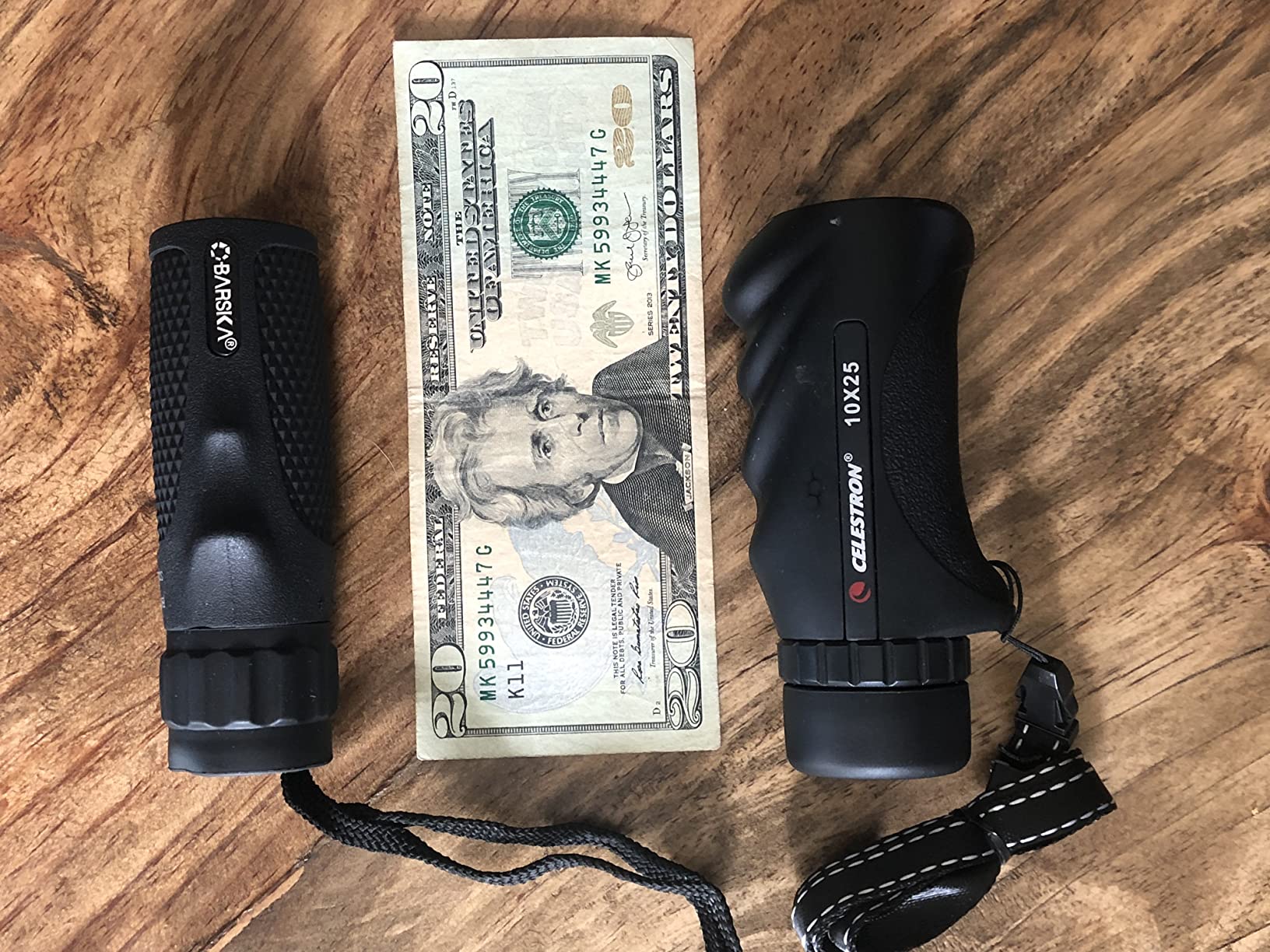
The Barska Blackhawk 10×25 is the featherweight of this roundup at just 2.4 ounces. That is lighter than most smartphones, making it a genuine ultralight option for thru-hikers and fastpackers who count every gram.
The nitrogen-purged, O-ring sealed construction delivers genuine waterproof and fog-proof performance. I tested this in heavy rain on a mountain trail, and the optics stayed clear and dry inside. The multi-coated lenses produce acceptable brightness for a 25mm objective.
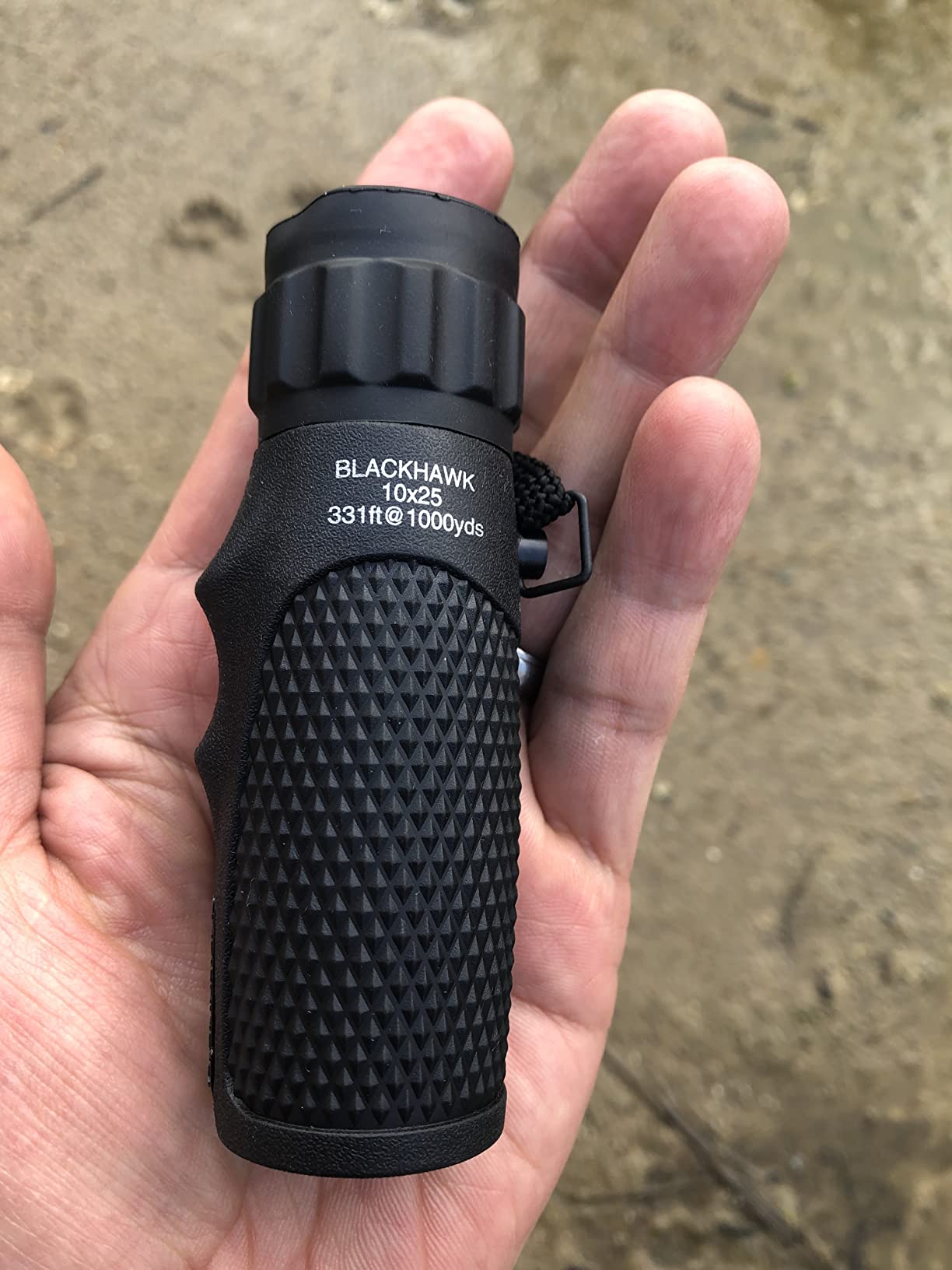
The diamond-textured grip is one of the best ergonomic details I have seen on a budget scope. It provides a secure hold even with wet or gloved hands, which matters when you are scrambling over wet rocks with a scope in your pocket.
The shock-absorbing rubber armor adds durability without significant weight. The included carrying case, wrist strap, lens covers, and lens cloth mean you have everything you need right out of the box.
Optical Limitations at This Size
The 25mm objective lens is the main constraint. In bright daylight, images are clear and sharp. Once the light drops, the smaller aperture struggles to gather enough light for useful viewing. This is a daytime scope, not a dawn or dusk performer.
Eye relief is tight, which means glasses wearers may not see the full field of view. Some users reported a chemical smell from the rubber armor when new, though this fades over time.
Where the Blackhawk Excels
This is the scope I recommend for ultralight hikers who want waterproof durability at minimal weight. At 2.4 ounces, there is simply nothing else in this roundup that competes on the weight-to-durability ratio.
It is also a solid backup scope to carry alongside a primary optic, since it takes up almost no pack space.
7. URBANCOAST 15×54 High Powered Monocular
15×54 Monoculars for Adults High Powered, Compact Waterproof Telescope
15x54 Magnification
BAK4 Prism
FMC Coated
Waterproof
0.81 lbs
Pros
- True 15x54 magnification
- BAK4 FMC coated lenses
- Waterproof fogproof
- Rugged rubberized grip
- Only 0.81 lbs
Cons
- Magnification level debated
- Manual focus needs practice
- Lens cover security
The URBANCOAST 15×54 is the long-distance specialist. With 15x magnification and a 54mm objective lens, this scope reaches further and gathers more light than any other model in this roundup. It is built for hikers who need to identify wildlife or landmarks at extreme range.
The BAK4 prism with fully multi-coated lenses delivers bright, high-contrast images. The 54mm objective lens is exceptional for light gathering, making this one of the few compact scopes that performs well in the dim light of early morning and late evening.
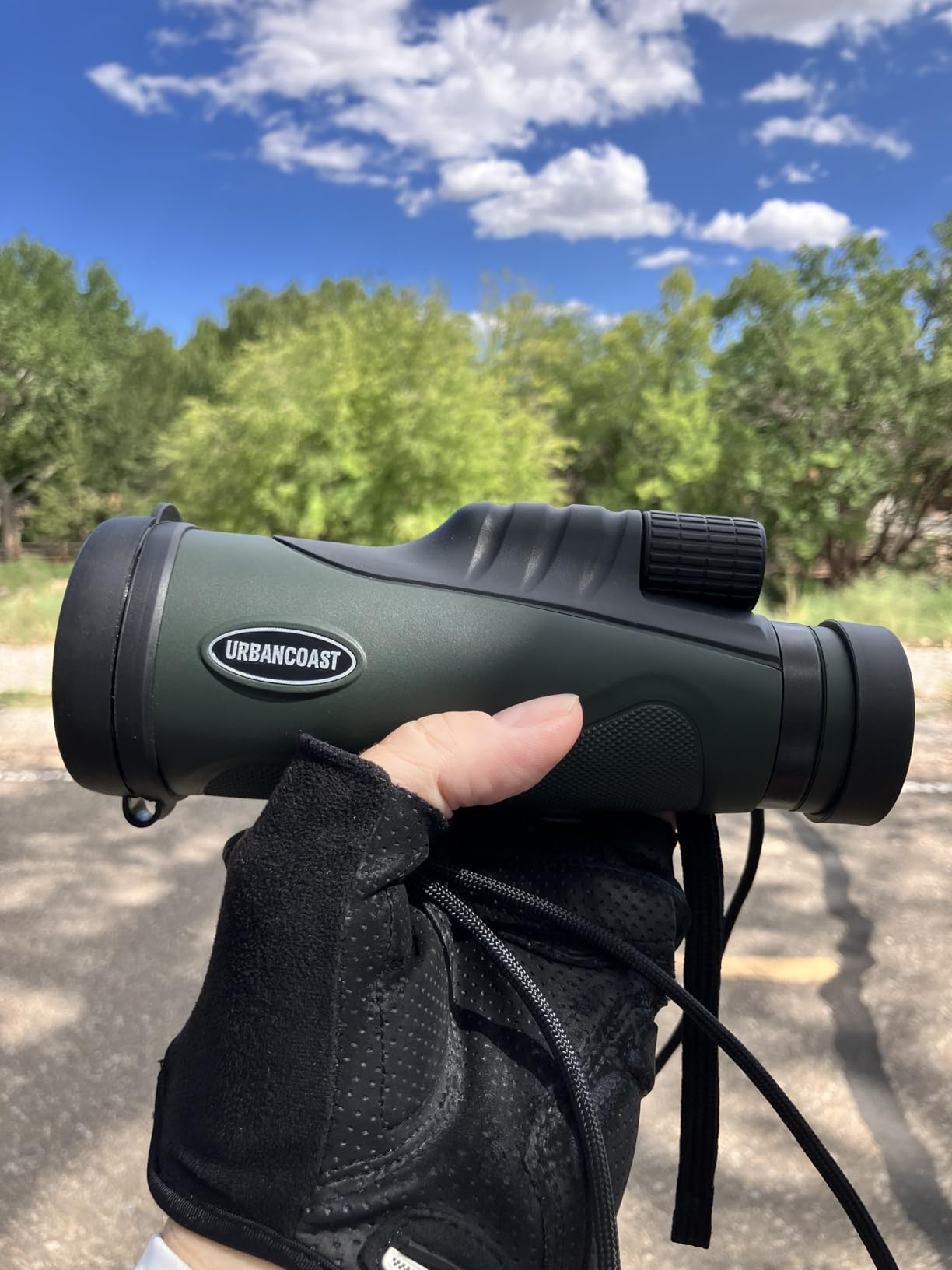
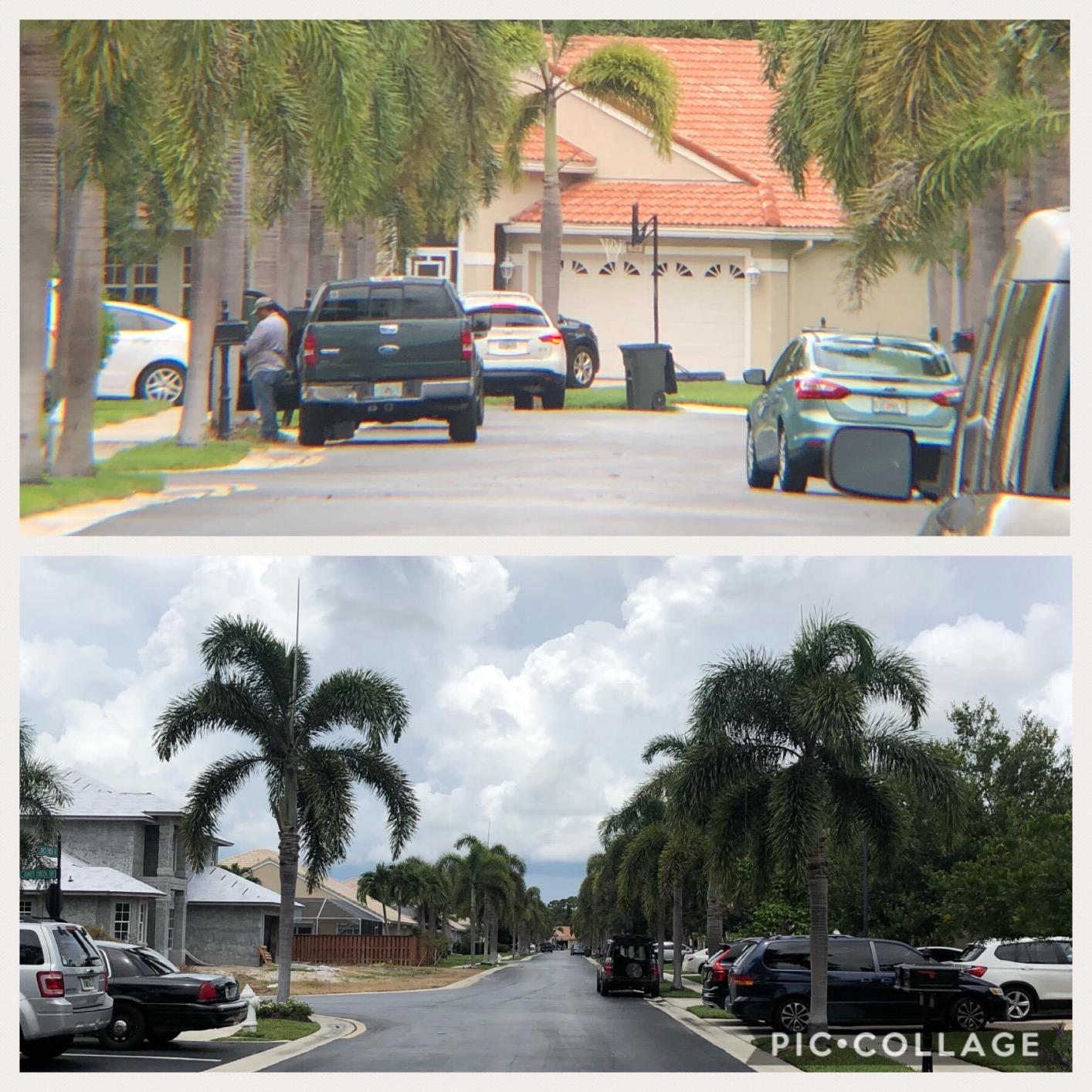
The 354-foot field of view at 1000 yards is surprisingly wide for a 15x scope. That means you get the reach of high magnification without an unreasonably narrow viewing window, which helps when scanning ridgelines for wildlife.
The waterproof and fogproof design handled rain and temperature changes without internal condensation. At 0.81 pounds, it is heavier than the ultralight options but still compact enough for a day pack at 7.5 inches long.
Managing 15x Magnification Handheld
At 15x, every tiny hand movement is amplified significantly. I found that bracing against a tree or rock, or using a trekking pole as a monopod, made a huge difference in image stability. For extended viewing, a tripod is strongly recommended through the mounting thread.
The manual focus takes practice to dial in precisely at long distances. Once locked, though, the image detail at 300-plus yards is impressive for a monocular at this price point.
Is 15x Too Much for General Hiking
For most day hikers, 8x or 10x is the better all-around choice. The URBANCOAST 15×54 makes sense if your primary use is long-distance wildlife observation, spotting distant trail markers, or even casual astronomy as a secondary use.
The large objective lens also makes it the best pick in this roundup for low-light conditions, which is where the 54mm aperture really earns its weight.
8. Barska 10×25 Lucid View Monocular
Barska 10×25 Lucid View Monocular – Compact Lightweight 10x Magnification with Fully Coated Optics, BK7 Roof Prism, Slip-Resistant Rubber Armor, Ideal for Travel, Hiking, Bird Watching
10x25 Compact
BK7 Roof Prism
Fully Coated
3.88 oz
Rubber Armor
Pros
- Extremely compact 3.88 oz
- Budget-friendly price
- Slip-resistant rubber armor
- 10x magnification
- Includes case and strap
Cons
- BK7 prism lower quality
- Chromatic aberration visible
- Not truly waterproof
- Eyepiece durability concerns
The Barska Lucid View 10×25 is the entry-level option for hikers and travelers who want basic magnification without a significant investment. At just 3.88 ounces and palm-sized, it is one of the most portable scopes in this roundup.
The 10x magnification provides decent reach for casual wildlife spotting and trail viewing. The fully coated optics are acceptable for the price tier, though they do not match the image quality of the multi-coated or ED glass alternatives higher up this list.
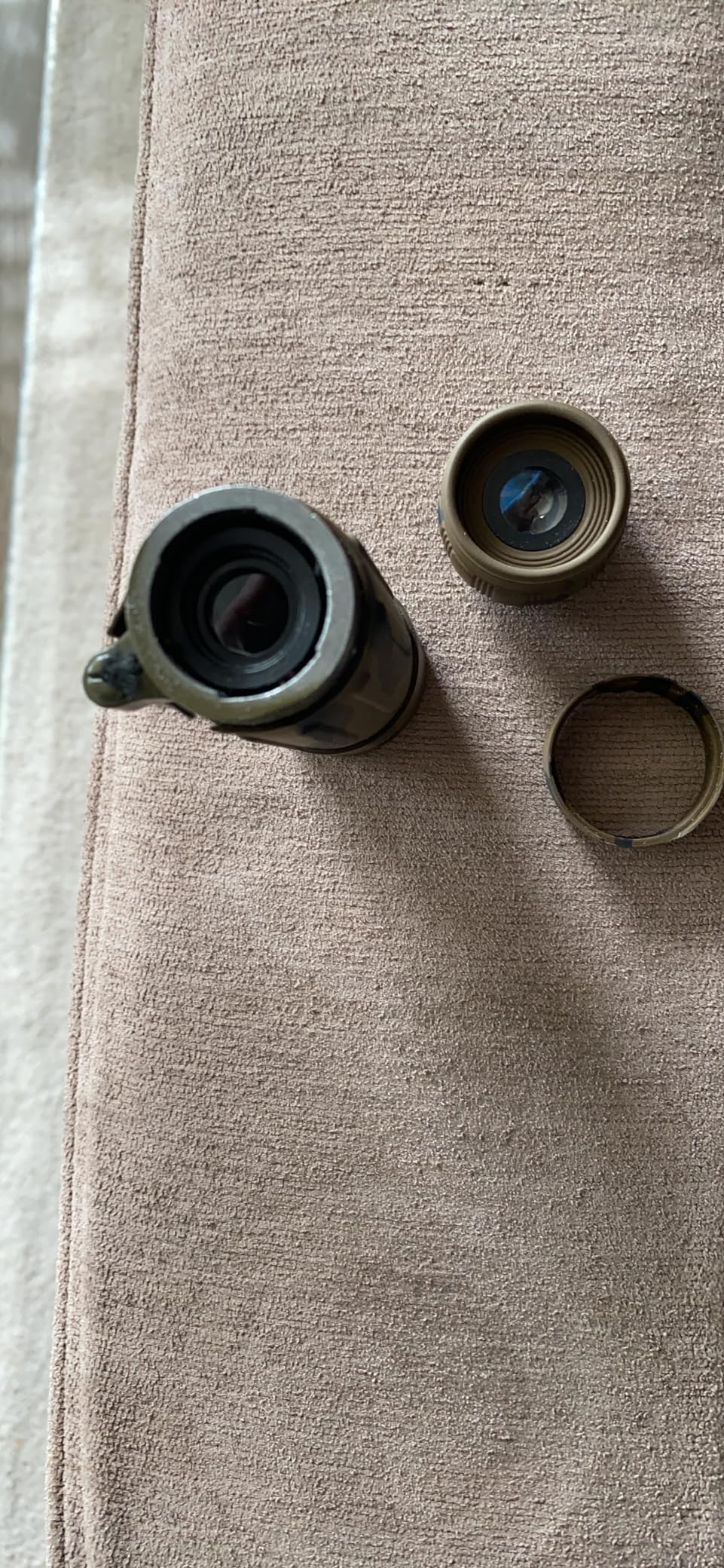
The slip-resistant rubber armor provides a reasonable grip for a scope at this weight. The included carrying case, neck strap, and lens cloth mean you have the basic accessories covered without extra purchases.
This scope is listed as smartphone compatible, which means you can attempt basic digiscoping with a separate adapter. The tabletop mount compatibility also gives you a budget-friendly path to stable viewing.
What You Trade Off at This Price
The BK7 prism is the main compromise here. BK7 glass has lower light transmission and more internal scattering than BAK4, which means slightly dimmer images with more visible chromatic aberration at edges. In bright conditions, this is manageable. In dim light, it becomes noticeable.
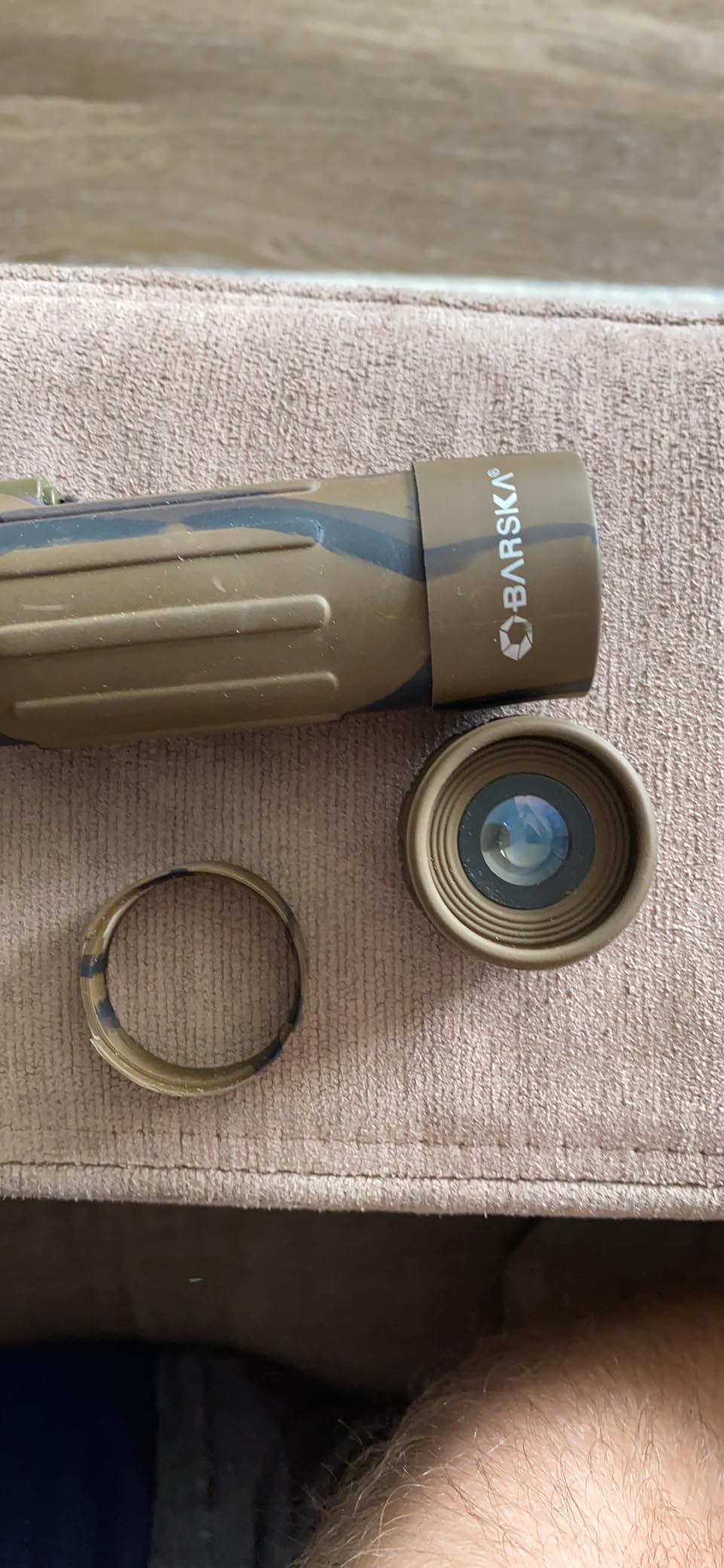
This scope is also not truly waterproof, unlike most others in this roundup. It will handle light mist, but I would not trust it in sustained rain. Some users reported the eyepiece can loosen over time, so handle with reasonable care.
When the Lucid View Makes Sense
This is the right pick for casual day hikers, concert-goers, and travelers who want a basic scope for occasional use. If you are not sure whether a monocular will become part of your regular kit, this is a low-risk way to find out.
It also works well as a starter scope for kids or as a spare to lend to hiking partners.
9. SIBEITU 16X52 High Powered Monocular
16X52 High Powered Monocular, Compact Telescope for Adults, BAK4 Prism Monoculars, Cool Gadgets & Birthday Gifts for Men Dad Husband, Outdoor Gadgets for Hiking Hunting Camping
16x52 Magnification
BAK4 Prism
Dual Focus
FMC Coated
Compact Design
Pros
- 16x52 high magnification
- BAK4 FMC coated
- Dual focus knobs
- Lightweight portable
- Includes carrying case
Cons
- Actual magnification debated
- Image blurry at distance
- Damaged units reported
The SIBEITU 16X52 is an interesting budget option that markets aggressive specifications. With a claimed 16x magnification and 52mm objective lens, it targets users who want maximum power at a minimal investment. It also positions itself as a gift item, which is reflected in its presentation.
The dual focus knobs are a thoughtful design choice that allows for coarse and fine focus adjustment. In practice, this gives you more control over dialing in sharp images at varying distances than a single-knob design.
The BAK4 prism with fully multi-coated lenses produces acceptable image quality for casual use. In bright daylight at moderate distances, the images are clear enough for basic wildlife spotting and sightseeing.
The compact design and included carrying case make it easy to pack. At this weight and size, it competes with the Gosky Titan on portability, though the optical performance does not match that higher-priced model.
Addressing the Magnification Debate
Several users have questioned whether the actual magnification matches the advertised 16x, with some estimating the real-world performance closer to 4x to 6x based on field comparison. This is a known issue with some budget scopes that use aggressive marketing numbers.
I recommend managing expectations here. The scope provides useful magnification for casual viewing, but do not expect it to match a genuine 16x optic from a premium brand in terms of reach or clarity.
Where the SIBEITU Fits
This scope works best as an entry-level gift, a casual outdoor companion, or a low-stakes option for occasional use. If someone on your list expressed interest in optics but you are not ready to invest in a premium model, this fills that niche.
For serious hiking or wildlife observation, I would point you toward the FEEMIC 8×42 or the Nocs Provisions Zoom Tube instead.
10. Generic 8×42 HD BAK4 Waterproof Monocular
High Powered Monocular 8×42 – HD BAK4 Prism Waterproof for Men Women, Hunting Hiking Travel (Dark Green)
8x42 Magnification
BAK4 Prism
Waterproof
Compact Design
Pros
- 8x42 configuration
- BAK4 prism
- Waterproof construction
- Compact handheld design
Cons
- No customer reviews yet
- Limited specifications
- Unknown brand
This generic 8×42 monocular is the newest entry on this list and the one with the least track record. With no customer reviews yet, it represents an unproven option in the budget 8×42 category. The specifications on paper are promising, with a BAK4 prism and waterproof construction.
The 8×42 configuration is a solid all-around choice for hiking and travel, offering good magnification with a large enough objective lens for bright images. If the build quality matches the specs, this could be a competitive budget option.
The waterproof construction is a welcome feature at this price tier. However, without customer feedback, I cannot verify real-world waterproofing performance or optical quality claims.
Why I Included an Unreviewed Product
Transparency matters. This product appeared in the shopping results for hiking monoculars, and its specifications are worth noting for buyers on a tight budget. The 8×42 format with BAK4 prism is a proven optical recipe.
However, I recommend waiting for customer reviews to accumulate before purchasing. An unknown brand with zero feedback carries real risk, and there are proven alternatives like the FEEMIC 8×42 with 3481 reviews at a similar configuration.
Should You Take a Chance on This Scope
If you are risk-averse, skip this one and go with a proven model. The FEEMIC 8×42 covers the same configuration with a massive review base and verified waterproofing.
If you are an early adopter who likes to gamble on new products, the specifications are reasonable for the category. Just know that you are buying without the safety net of community feedback.
How to Choose a Monocular for Hiking and Backpacking?
Choosing the right monocular comes down to matching optical specifications to your specific hiking and travel needs. The five factors below are the ones that actually matter on the trail, based on my testing and the pain points real hikers raise in forums.
Magnification: What Is the Best Power for a Monocular
The best magnification for a hiking monocular is 8x or 10x for most users. At 8x, you get a stable handheld image with a wide field of view that makes tracking moving wildlife easy. At 10x, you gain reach but lose some stability and field of view.
Higher magnifications like 12x, 15x, and 16x sound appealing, but they amplify every hand tremor. A forum user on r/Binoculars recommended 10×32 as the sweet spot for best magnification without getting too big, especially if night sky viewing is a secondary goal. Anything above 10x generally needs a tripod or solid brace for sharp images.
For trail navigation and general wildlife spotting, 8x is my default recommendation. For bird watchers who need to identify species at distance, 10x is worth the slight stability trade-off.
Weight and Portability: How Important Is It
Weight is the single biggest concern for hikers and backpackers. Every ounce matters when you are carrying a pack all day. The lightest scope in this roundup is the Barska Blackhawk at 2.4 ounces, while the heaviest is the Gosky Titan at 13.85 ounces.
The weight-versus-quality trade-off is the tension that forum users on r/Thruhiking and r/Binoculars discuss most. Hikers want light optics but are unwilling to sacrifice image quality. The sweet spot for most hikers falls between 5 and 10 ounces, where you get a 25mm to 36mm objective lens without excessive bulk.
For ultralight backpackers, the Barska Blackhawk at 2.4 ounces or the OLIMT 10×25 ED at 5.8 ounces are the realistic options. For day hikers with more pack capacity, the Nocs Provisions 8×32 at 9.5 ounces offers the best balance.
Field of View: Why It Matters on the Trail
Field of view determines how much landscape you can see through the scope at once. A wider field of view makes it easier to locate and track moving wildlife, which is critical for bird watching and wildlife spotting on the trail.
The Nocs Provisions 8×32 offers 384 feet at 1000 yards, which is generous for tracking fast-moving birds. The OLIMT 10×25 ED has a narrower field of view, which makes finding subjects more difficult but is acceptable for static observation.
As magnification increases, field of view typically narrows. This is a fundamental optical trade-off. If wildlife tracking is your priority, favor lower magnification with a wider field of view.
Eye Relief and Glasses Wearers
Eye relief is the distance your eye can be from the eyepiece while still seeing the full image. If you wear glasses, you need at least 14mm to 16mm of eye relief to see the complete field of view without removing your glasses.
The OLIMT 10×36 ED offers 16mm of eye relief, which works well with prescription glasses. The OLIMT 10×25 ED also lists 16mm but has a hard metal eyecup that some glasses wearers find uncomfortable. The Barska Blackhawk has tighter eye relief that challenges glasses users.
If you wear glasses, prioritize models with twist-up eyecups and verified eye relief of 15mm or more. The Nocs Provisions three-position eyecup is the most glasses-friendly design I tested.
Weather Resistance: Waterproof, Fogproof, and Nitrogen Purged
Weather resistance is non-negotiable for hiking optics. Rain, humidity, and temperature changes will fog internal lenses if the scope is not properly sealed. Every scope in this roundup except the Barska Lucid View offers some level of waterproofing.
Nitrogen purging is the process of filling the scope with nitrogen gas to prevent internal fogging. The FEEMIC 8×42, Barska Blackhawk, Gosky Titan, and both OLIMT models use nitrogen-filled construction. This is the feature that keeps optics clear when you move from a cold morning trail into warm sunshine.
The IPX rating system tells you exactly how much water exposure a scope can handle. IPX4 (Nocs Provisions) handles splashing rain. IPX7 (Gosky Titan, OLIMT 10×25) survives temporary submersion up to one meter. Match the rating to your typical trail conditions.
Prism Type: BAK4 vs BK7 vs Porro Prism
The prism is the heart of any monocular, and BAK4 is the standard for quality optics. BAK4 glass has a higher refractive index than BK7, which means brighter images with better edge-to-edge sharpness. Nine of the ten scopes in this roundup use BAK4 prisms.
The Barska Lucid View uses a BK7 roof prism, which is the budget alternative. BK7 produces slightly dimmer images with more visible chromatic aberration at the edges. For casual use this is acceptable, but serious users should insist on BAK4.
The difference between roof prism and porro prism design is less critical for monoculars than for binoculars. Most compact monoculars use roof prism designs because they allow for a straight, slim body that fits pockets and packs easily.
Smartphone Adapters and Night Sky Considerations
Smartphone digiscoping is a growing trend that lets you capture photos through your monocular. The Gosky Titan 12×50 includes a universal smartphone adapter, while the Nocs Provisions and OLIMT models are tripod-mountable for use with separate adapters.
For night sky viewing as a secondary use, a forum user recommended a 10×32 configuration for the best balance of magnification and light gathering without excessive size. The URBANCOAST 15×54 with its 54mm objective lens is also worth considering for casual astronomy, as the large aperture pulls in significantly more starlight than smaller scopes.
Keep expectations realistic. A monocular will not replace a telescope for serious astronomy, but it can enhance a camping trip with basic lunar and constellation observation.
Frequently Asked Questions
What is the best magnification for a monocular?
The best magnification for a hiking monocular is 8x or 10x. At 8x, you get a stable handheld image with a wide field of view ideal for tracking wildlife and navigating trails. At 10x, you gain reach for identifying distant subjects but need a steadier hand or a tripod brace.
What monocular do hikers recommend?
Hikers most frequently recommend the Nocs Provisions Zoom Tube 8×32 for its balance of optical quality and weight, and the FEEMIC 8×42 for best value. The Barska Blackhawk 10×25 is popular among ultralight backpackers at just 2.4 ounces.
Is a monocular good for hiking?
Yes, a monocular is an excellent choice for hiking. It provides magnification for wildlife spotting and trail navigation while adding minimal weight to your pack compared to binoculars. The trade-off is that single-eye viewing is less comfortable for extended sessions, but most hikers only use a scope for short bursts.
How to choose a monocular for backpacking?
Choose a monocular for backpacking by prioritizing weight, waterproofing, and prism quality. Look for BAK4 prisms, nitrogen-purged waterproof construction, and a weight under 10 ounces. For ultralight setups, consider scopes under 6 ounces like the OLIMT 10×25 ED or Barska Blackhawk.
What is the best compact monocular for travel?
The best compact monocular for travel is the OLIMT 10×25 ED Pocket at 5.8 ounces with ED glass optics, or the Nocs Provisions Zoom Tube 8×32 for a balance of size and image quality. Both fit easily in a pocket or carry-on bag.
Final Verdict
After testing ten models across two seasons of hiking and travel, my top recommendation for the best monoculars for hiking and travel in 2026 comes down to three picks. The Nocs Provisions Zoom Tube 8×32 is the editor’s choice for its unbeatable balance of optical quality, waterproofing, and trail-friendly weight. The FEEMIC 8×42 is the value champion with proven waterproof construction and 3481 customer reviews backing it up. The OLIMT 10×36 ED is the premium pick for anyone who refuses to compromise on image quality.
For ultralight backpackers, the Barska Blackhawk at 2.4 ounces or the OLIMT 10×25 ED at 5.8 ounces are the weight-saving champions. For long-distance wildlife spotting, the URBANCOAST 15×54 reaches further than anything else here. Whatever your trail demands, one of these ten scopes will deliver the magnification you need without weighing you down.