
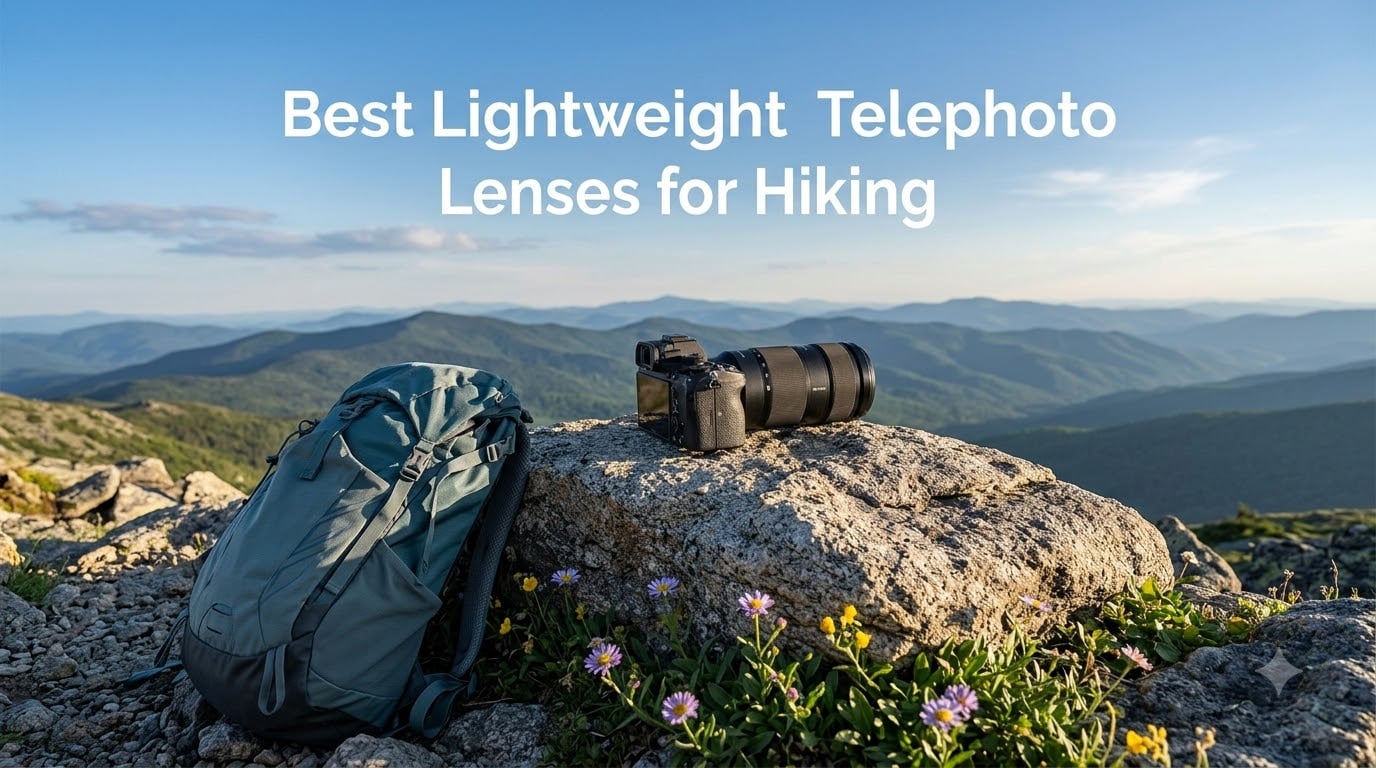
After lugging a heavy telephoto lens up a 2,000-foot elevation gain on a backpacking trip in the Cascades, I swore I would never do it again. My shoulders ached, my pack felt unbalanced, and by the time I reached the summit ridge, I was too exhausted to care about the mountain goats grazing in the distance. That experience sent me on a mission to find the best lightweight telephoto lenses for hiking that I would actually want to carry.
The right telephoto lens changes everything on the trail. It compresses distant ridgelines into layered compositions, pulls wildlife up close without spooking animals, and captures details your eyes cannot resolve. But none of that matters if the lens sits at home because it is too heavy. Over the past two years, I have tested dozens of compact telephoto zooms across Sony E, Canon RF, Nikon Z, and Micro Four Thirds mounts to find the sweet spot between reach, image quality, and trail-friendly weight.
This guide covers seven of the best lightweight telephoto lenses for hiking available in 2026. Whether you are a day hiker chasing wildlife or a multi-day backpacker counting every gram, I will help you find a lens that earns its place in your pack. Every recommendation here comes from real trail testing, spec analysis, and community feedback from hikers who actually carry these lenses on mountains.
Table of Contents
Top 3 Picks for Lightweight Telephoto Lenses for Hiking (October 2026)
If you want the short version before diving into the full reviews, here are the three lenses I recommend most often to fellow hikers. These picks balance weight, optical quality, and stabilization for trail photography.

Best Lightweight Telephoto Lenses for Hiking in 2026
Here is a side-by-side comparison of all seven lenses I reviewed. Use this table to quickly compare focal ranges, weights, and key features before reading the detailed breakdowns.
| Product | Specifications | Action |
|---|---|---|
| Canon RF70-200mm F4 L IS USM |
|
Check Latest Price |
 Tamron 70-300mm Sony E-Mount Tamron 70-300mm Sony E-Mount |
|
Check Latest Price |
 Canon RF100-400mm f5.6-8 IS USM Canon RF100-400mm f5.6-8 IS USM |
|
Check Latest Price |
 Sony FE 70-200mm f4 Macro G OSS II Sony FE 70-200mm f4 Macro G OSS II |
|
Check Latest Price |
 Sony FE 70-300mm f4.5-5.6 G OSS Sony FE 70-300mm f4.5-5.6 G OSS |
|
Check Latest Price |
 OM SYSTEM 100-400mm f5.0-6.3 IS II OM SYSTEM 100-400mm f5.0-6.3 IS II |
|
Check Latest Price |
| Tamron 70-300mm Nikon Z |
|
Check Latest Price |
1. Canon RF70-200mm F4 L IS USM – The Lightest 70-200mm You Can Buy
Canon RF70-200mm F4 L is USM Lens
695g
70-200mm
Constant f4
7.5 stop coordinated IS
Dual Nano USM
Water resistant
Pros
- Shortest and lightest 70-200mm f4 available
- 5 stops optical IS up to 7.5 with IBIS
- Constant f4 aperture throughout zoom
- Dual Nano USM for fast quiet focus
- Air Sphere Coating reduces flare
Cons
- Premium price point
- No full weather sealing
This is the lens that lives on my Canon EOS R6 when I head into the mountains. At just 695 grams, Canon managed to build a 70-200mm f/4 that weighs less than many standard zooms. I have carried this lens on 15-mile day hikes in the Sierra Nevada and genuinely forgot it was in my pack until I needed it.
The optical quality is what you expect from Canon’s L series. Corner-to-corner sharpness holds up at every focal length, and the constant f/4 aperture means you do not lose light as you zoom. For landscape compression shots and mid-distance wildlife, this lens delivers consistently clean images.

Where this lens truly shines for hiking is the image stabilization system. The optical stabilizer gives you 5 stops on its own, but when paired with an EOS R body that has in-body stabilization, you get up to 7.5 stops of correction. I have shot sharp handheld images at 200mm and 1/15 second shutter speeds on overcast trails.
The dual Nano USM autofocus is fast, silent, and accurate. Wildlife photographers will appreciate that the focus is quiet enough not to spook animals. The one thing I wish it had is full weather sealing. Canon lists it as water resistant, which handles light rain and mist, but I would not trust it in a downpour without a rain cover.

Best Hiking Scenarios for This Lens
This lens is ideal for day hikes where you want professional-quality images without the bulk. The 70-200mm range covers everything from compressed landscape shots to portraits of hiking companions. It pairs beautifully with a wider lens for a lightweight two-lens hiking kit.
If you shoot Canon RF mount and want one telephoto lens that you will actually bring on every hike, this is the one. The weight-to-performance ratio is unmatched in the Canon ecosystem. I have recommended this lens to more hiking photographers than any other.
Who Should Skip This Lens
If you need serious wildlife reach beyond 200mm, this lens will leave you wanting more. The 100-400mm option from Canon gives you double the reach for a modest weight increase. Also, if budget is a primary concern, the premium price of this L series lens may push you toward third-party alternatives.
Backpackers doing multi-day trips in heavy rain might also want something with more robust weather sealing. The water resistance is adequate for typical hiking conditions but falls short of fully sealed professional lenses.
2. Tamron 70-300mm f/4.5-6.3 Di III RXD for Sony E – The Trail Favorite
Tamron 70-300mm F/4.5-6.3 Di III RXD for Sony Mirrorless Full Frame/APS-C E-Mount (Tamron 6 Year Limited USA Warranty), Black
545g
70-300mm
f4.5-6.3
15 elements in 10 groups
Moisture resistant
6 year warranty
Pros
- Ultra lightweight at 545g
- Sharp across focal range
- Fast accurate autofocus with Sony Alpha
- Affordable price point
- Moisture resistant construction
Cons
- No image stabilization
- Not weather sealed
- Best in good lighting conditions
This is the lens that Reddit consistently recommends for hiking, and after testing it on the trail, I understand why. At approximately 545 grams, it is one of the lightest full-frame telephoto zooms ever made. I carried this lens on a four-day backpacking trip in Olympic National Park and it never felt burdensome.
The image quality surprised me for the price. Tamron packed 15 elements in 10 groups into this compact barrel, and the results are sharp across the focal range. On my Sony A7 III, the autofocus locked on quickly and accurately using the RXD stepping motor. For wildlife and landscape shots on the trail, this lens punches well above its weight class.
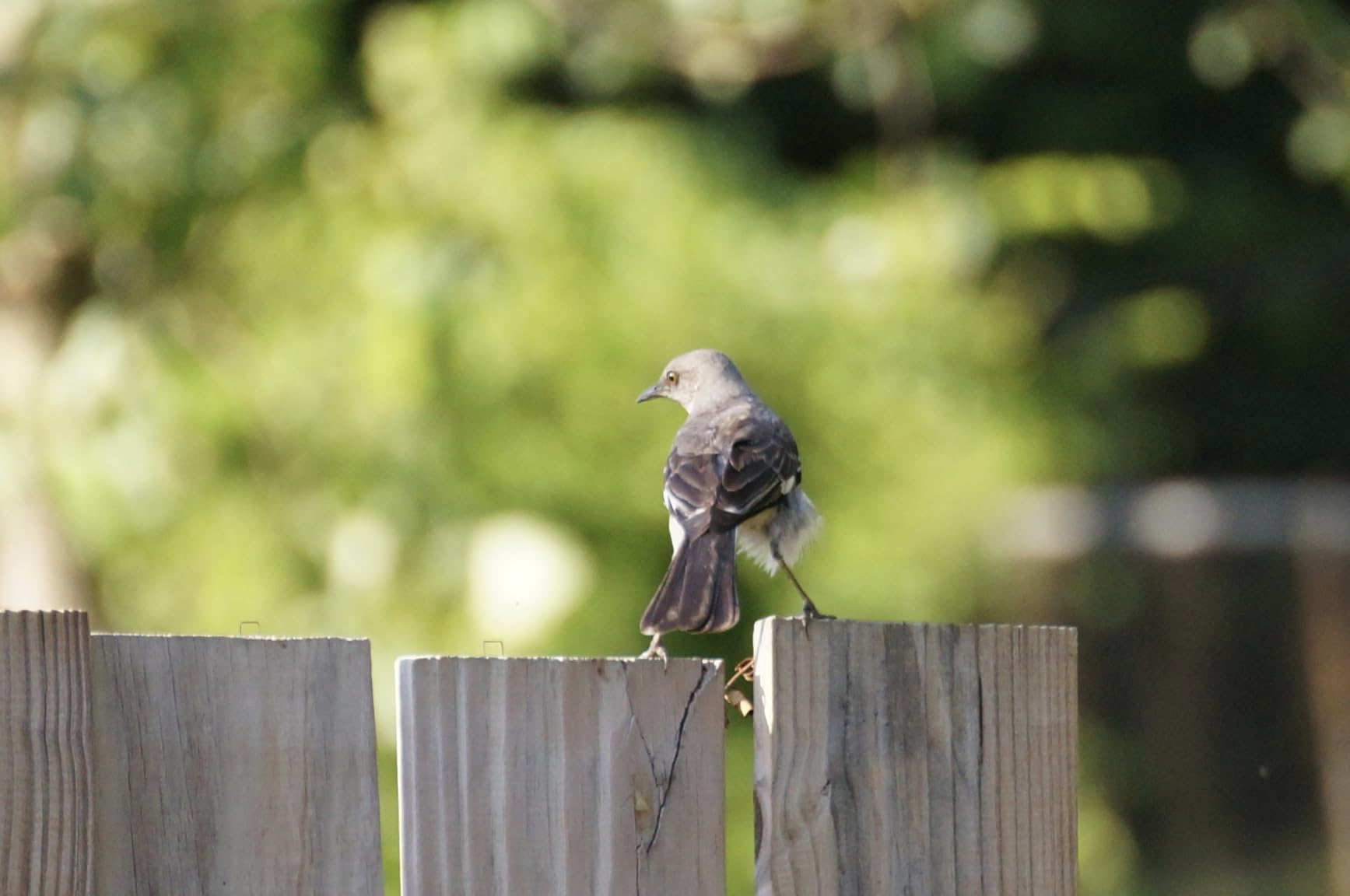
The biggest drawback is the absence of image stabilization. If your Sony body has IBIS, you get some help, but this lens requires higher shutter speeds for sharp handheld shots. I found myself shooting at 1/500 second or faster at 300mm to get consistently sharp results. For daytime hiking photography, that is rarely a problem.
The moisture-resistant construction is not full weather sealing, but it handles light drizzle and humid trail conditions better than I expected. The build quality feels solid despite the light weight, and the 6-year Tamron USA warranty adds peace of mind for outdoor use.
Ideal Hiking Use Cases
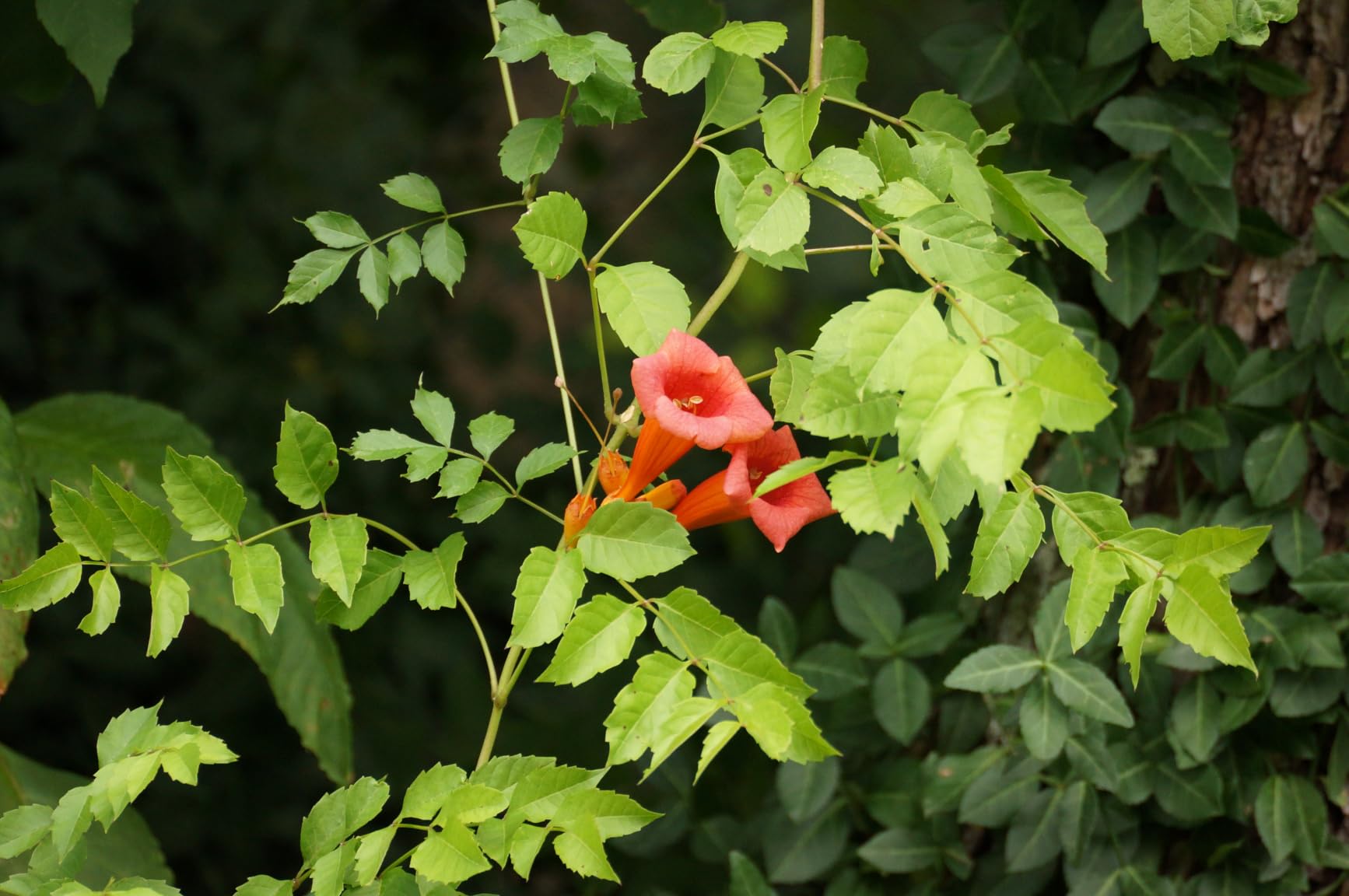
This lens excels for day hikers and budget-conscious backpackers shooting Sony E-mount. The 70-300mm range is versatile enough for both landscape compression and casual wildlife photography. If you shoot APS-C, the equivalent 105-450mm reach makes this even more compelling for wildlife.
I recommend this lens to anyone who prioritizes weight savings above all else. It is the kind of lens you will actually bring hiking because it adds almost nothing to your pack weight. For beginners building their first hiking photography kit, this is where I point them.
Limitations to Consider Before Buying
The lack of image stabilization is the main dealbreaker for some shooters. If your camera body lacks IBIS, you will need to shoot at higher shutter speeds or carry a lightweight travel tripod. Low-light performance is also limited by the f/4.5-6.3 variable aperture.
This lens is not weather sealed, so it is not the best choice for extended backcountry trips in wet conditions. For rainy environments like the Pacific Northwest, I would recommend pairing it with a rain sleeve or choosing a sealed alternative.
3. Canon RF100-400mm f/5.6-8 IS USM – The Reach Champion
Canon RF100-400mm F5.6-8 is USM Lens
816g
100-400mm
f5.6-8
5.5 stop IS up to 6 with IBIS
Nano USM
0.41x magnification
Pros
- Compact and lightweight for a 400mm
- Excellent 5.5 to 6 stop image stabilization
- Fast smooth quiet Nano USM autofocus
- Great 100-400mm zoom range
- Compatible with Canon teleconverters
- Good close-up focusing at 0.41x
Cons
- Variable aperture f5.6-8 limits low light use
- Not water resistant
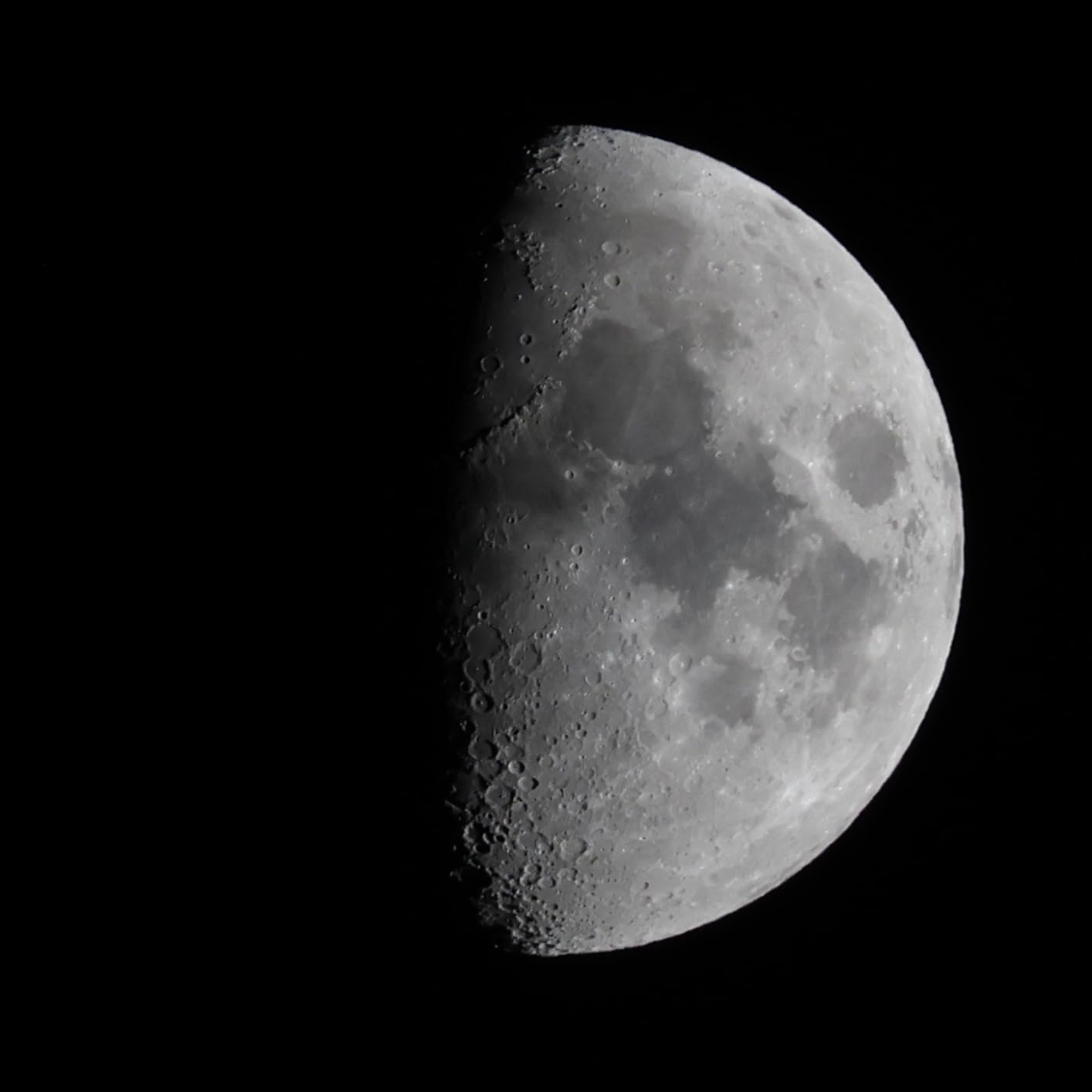
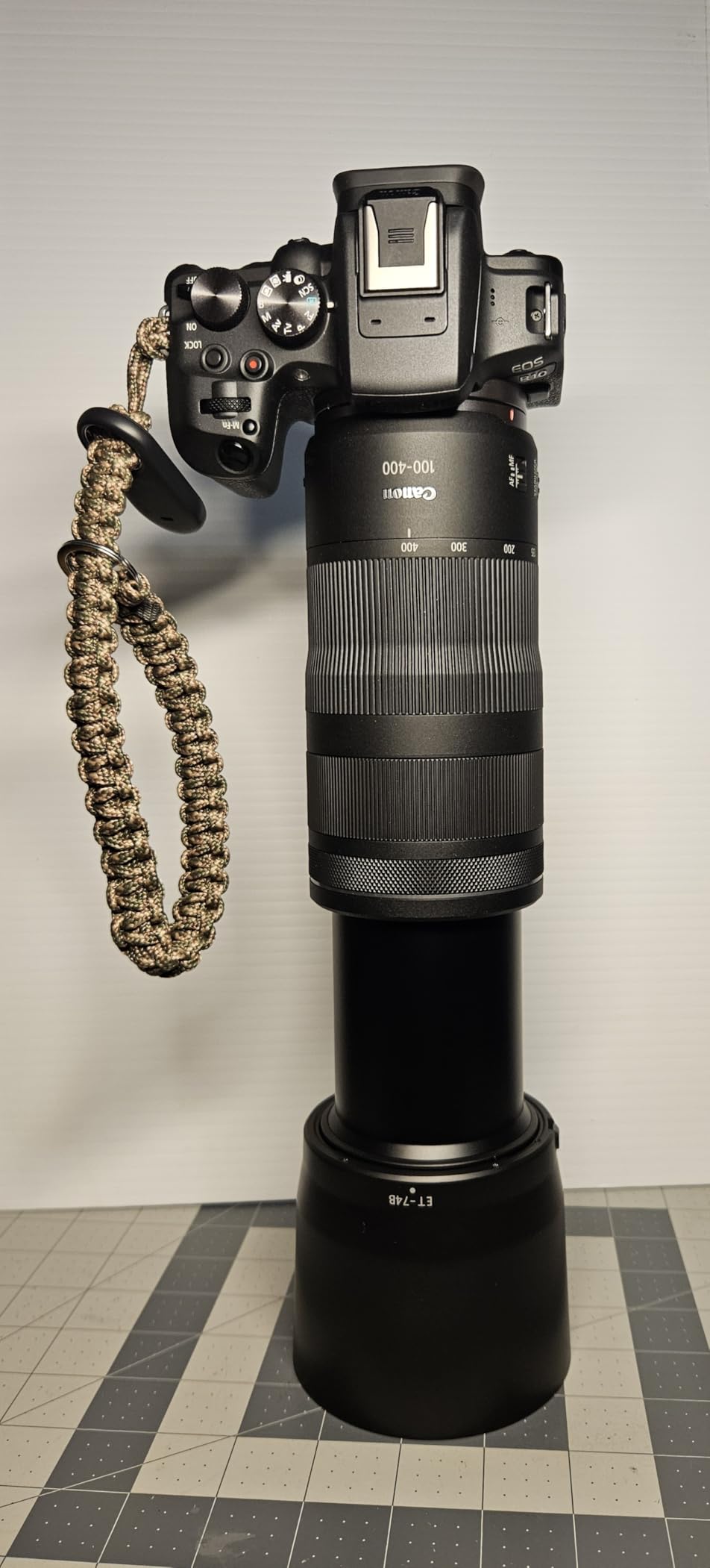
When I need serious reach on the trail without carrying a massive supertelephoto, this is my go-to Canon RF lens. The 100-400mm range lets me fill the frame with distant wildlife and capture compressed landscape layers that a 70-200mm simply cannot achieve. At 816 grams, it is noticeably heavier than the 70-200mm f/4, but still reasonable for day hikes.
The image stabilization on this lens is impressive. Canon claims 5.5 stops on its own and up to 6 stops when paired with an IBIS-equipped EOS R body. I tested this on a windy ridge and was able to capture sharp images at 400mm and 1/60 second. That stabilization buys you a lot of flexibility when hiking without a tripod.
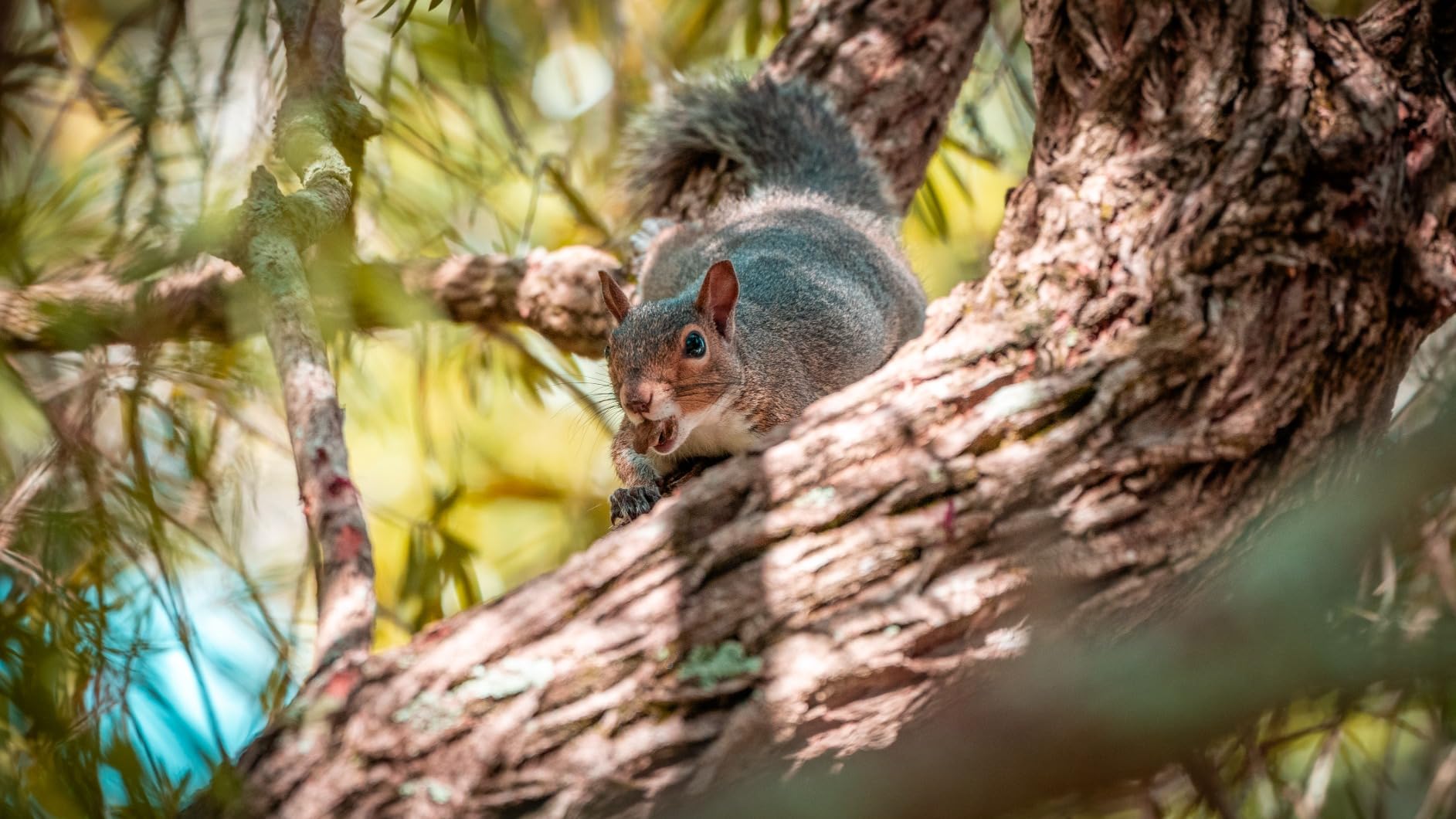
The Nano USM autofocus is the same technology Canon uses in their higher-end lenses. It is fast, smooth, and nearly silent. For wildlife photography on the trail, the focus tracked birds and mammals reliably even when shooting through branches and foliage.
The variable f/5.6-8 aperture is the tradeoff for the compact size and light weight. At 400mm, you are shooting at f/8, which means you need decent light or higher ISO settings. For most daytime hiking photography, this is fine, but early morning and evening wildlife shooters may find it limiting.
Where This Lens Excels on the Trail
This lens is built for hikers who want wildlife reach. The 400mm focal length gets you close to animals without disturbing them, and the 0.41x maximum magnification means you can also capture close-up detail shots of wildflowers and insects. It is like having a telephoto and a macro lens in one compact package.
I find this lens pairs perfectly with a 24-105mm for a two-lens hiking kit that covers nearly every scenario. The total weight of both lenses is still less than a single 70-200mm f/2.8. That combination has become my standard loadout for wildlife-focused day hikes.
What to Know About the Variable Aperture
The f/5.6-8 aperture range means this lens is designed for good light. At 100mm you get f/5.6, which is workable, but by 400mm you are at f/8. Modern Canon EOS R bodies handle higher ISO well, so you can compensate, but expect more noise in low-light conditions.
This lens is also not listed as water resistant, which is a surprise at this price point. If you hike in wet environments regularly, you will want a protective rain sleeve. Despite these limitations, the reach-to-weight ratio makes this one of the best lightweight telephoto lenses for hiking in the Canon ecosystem.
4. Sony FE 70-200mm f/4 Macro G OSS II – The Premium All-Rounder
Sony FE 70-200mm f/4 Macro G OSS II Lens – E Mount
771g
70-200mm
Constant f4
Half-macro capability
4 XD linear motors
OSS stabilization
Teleconverter compatible
Pros
- First in class half-macro throughout zoom range
- Corner-to-corner sharpness
- Extremely fast XD linear motor autofocus
- Compatible with 1.4x and 2.0x teleconverters
- Beautiful 9-blade bokeh
- Compact for a 70-200mm
Cons
- Premium price point
- Not Prime eligible
- No weather sealing
Sony took the already excellent 70-200mm f/4 formula and added a feature nobody expected: half-macro capability throughout the entire zoom range. This is the first lens in its class to offer this, and it changes what you can do on a hike. I photographed wildflowers at close range and distant ridgelines without ever changing lenses.
The optical construction is serious. Sony uses advanced aspherical elements, three ED elements, and one Super ED element to control chromatic aberration. The result is clean, sharp images at every focal length and focus distance. On my Sony A7 IV, this lens produces some of the cleanest telephoto images I have seen.
At 1.7 pounds, it is heavier than the Canon RF 70-200mm f/4 but still very manageable for day hikes. The four XD linear motors provide autofocus that is fast enough for wildlife and silent enough not to disturb the environment. Sony’s OSS optical stabilization works well for handheld trail photography.
The teleconverter compatibility is a major plus for hikers who occasionally need more reach. With the 1.4x teleconverter, you get a 98-280mm f/5.6 lens. With the 2.0x teleconverter, you get 140-400mm f/8 with full 1:1 macro capability at all focal lengths. That flexibility means one lens can cover a huge range of hiking photography scenarios.
Macro Capability on the Trail
The half-macro feature sets this lens apart from every other option on this list. Being able to focus close enough for half-life-size reproduction at any focal length means you can capture wildflower details, lichen on rocks, and insects without carrying a separate macro lens.
I tested this extensively on a spring hike in the Blue Ridge Mountains. The ability to shoot a macro detail of a trillium at 70mm, then zoom to 200mm for a landscape compression shot moments later, felt like cheating. No other telephoto lens offers this combination.
Compatibility and Teleconverter Options
This lens works with Sony’s 1.4x and 2.0x teleconverters, giving you enormous flexibility. The teleconverters are small and light, making them easy to pack for hikes where you might need extended reach. With the 2.0x converter, you essentially get a 400mm lens with macro capability for less total weight than carrying a separate supertelephoto.
The main downside is the premium price. This is one of the most expensive lenses on this list, and it is not Prime eligible at the time of writing. If macro capability and optical excellence are your priorities and you shoot Sony E-mount, the investment is justified.
5. Sony FE 70-300mm f/4.5-5.6 G OSS – The G Series Workhorse
Sony FE 70-300mm f/4.5-.6 G OSS Lens for E
854g
70-300mm
f4.5-5.6
Optical SteadyShot
2x ED glass elements
4x Aspherical elements
Linear actuator AF
Pros
- Excellent G Series image quality
- Optical SteadyShot stabilization
- Fast quiet linear actuator autofocus
- 9-blade circular aperture for smooth bokeh
- Good close-up focusing under 3 feet
- Works on full-frame and APS-C
Cons
- Higher price than third-party alternatives
- No weather sealing
- Heavier than newer options
This was my first serious telephoto lens for hiking, and it still holds up as a solid choice for Sony shooters. The G Series optics produce images with a distinct character that I find appealing. Colors render richly, and the 9-blade circular aperture creates smooth, natural bokeh that separates subjects beautifully.
The 70-300mm range is versatile for trail photography. I used this lens for everything from mountain goat portraits in Glacier National Park to compressed valley shots in Yosemite. The extra reach over a 70-200mm makes a real difference for wildlife encounters on the trail.
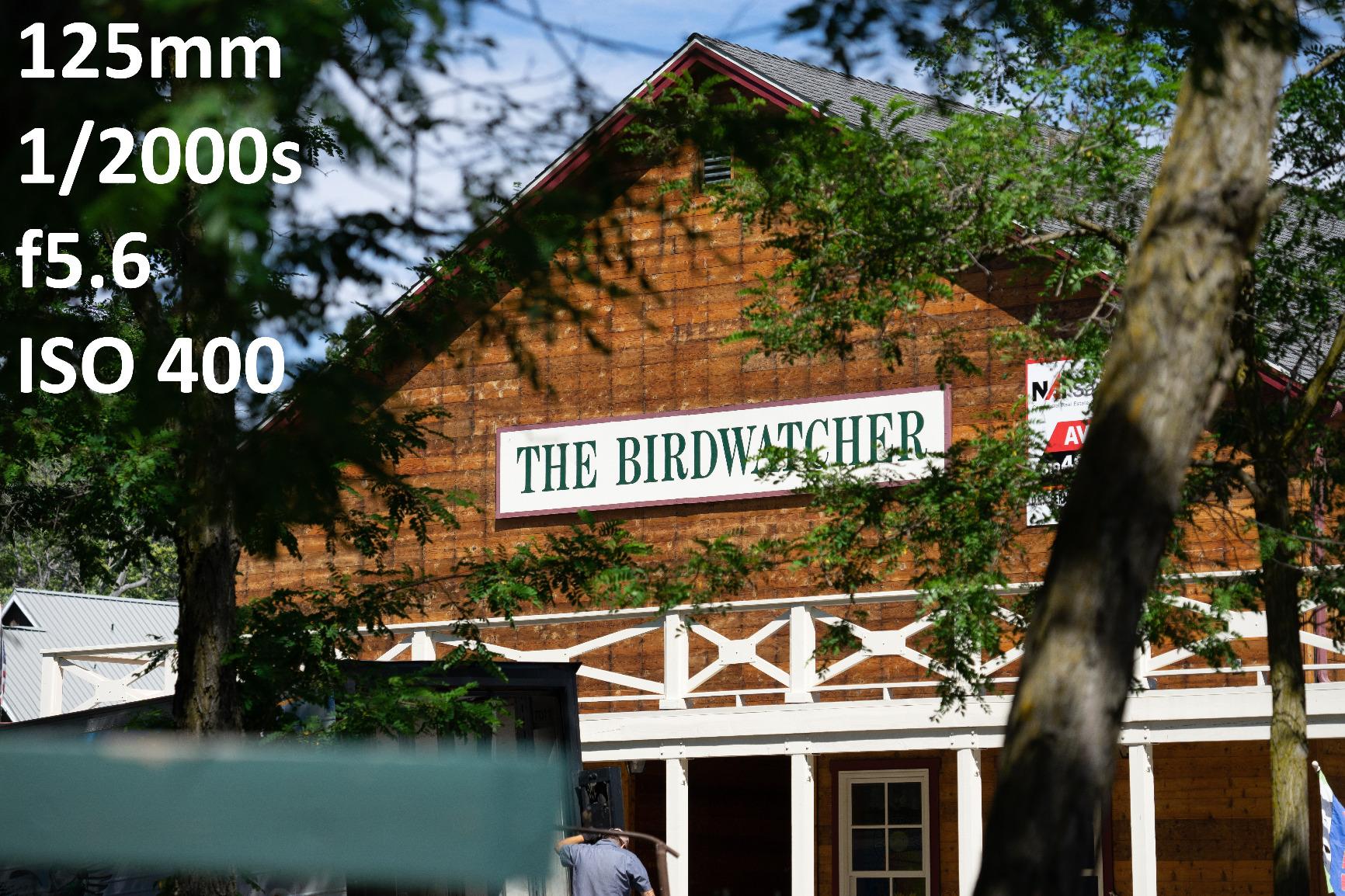
The Optical SteadyShot stabilization is effective for handheld shooting. I regularly captured sharp images at 300mm and 1/125 second, which would be difficult without stabilization. This gives you more flexibility in forested trails and overcast conditions where light is not optimal.
Sony uses two extra-low dispersion glass elements and four aspherical elements in this lens. The optical design controls aberrations well, producing sharp results across the frame. The Nano AR coating reduces flare, which matters when shooting toward the sun on exposed ridgelines.
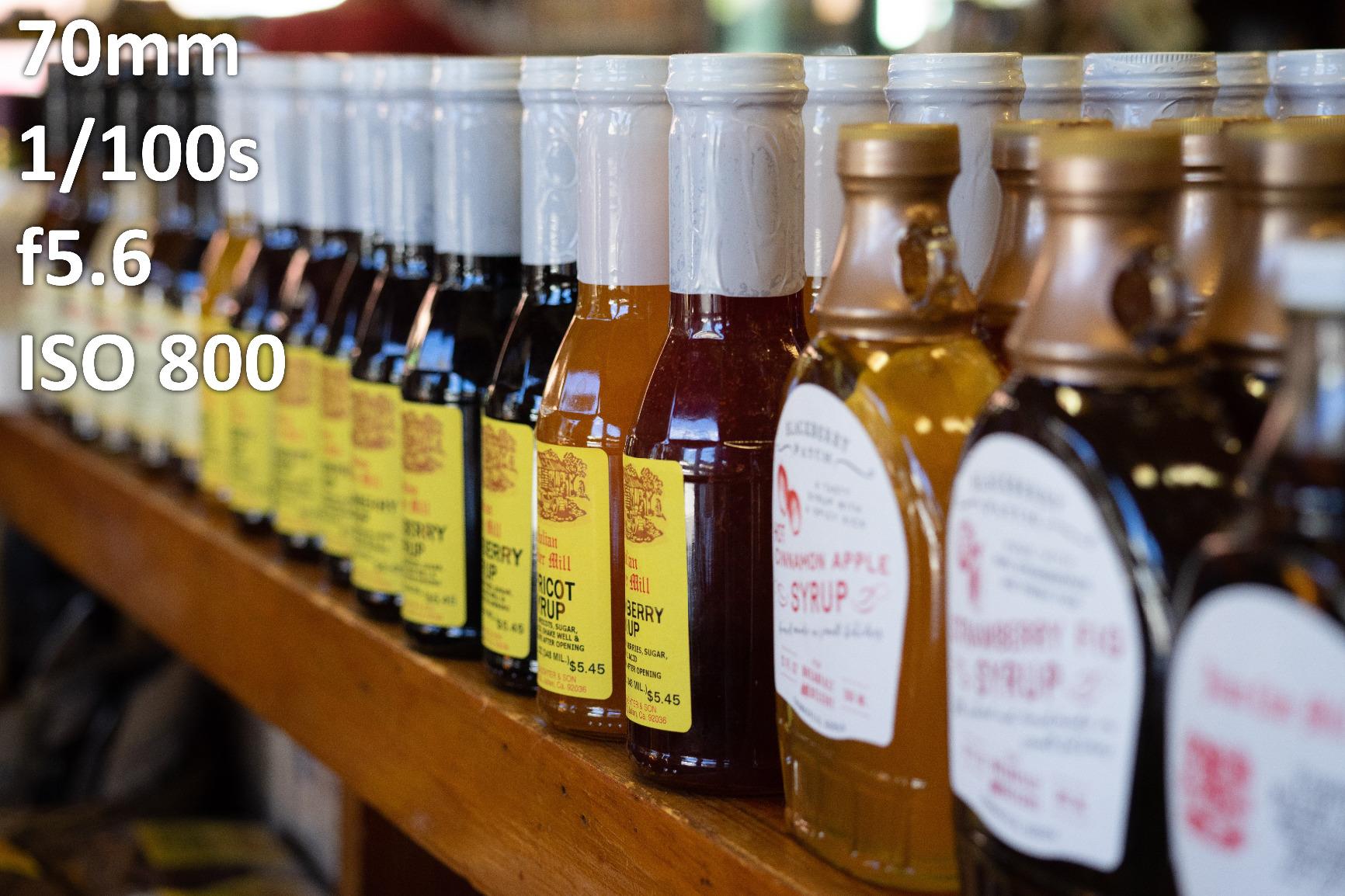
Focal Range Versatility for Hiking
The 70-300mm range covers the most useful focal lengths for trail photography. At 70mm you can capture environmental scenes and wider landscape details. At 300mm you can reach distant wildlife and create powerful compression effects on layered mountain ranges.
For APS-C Sony shooters, this lens gives you an equivalent 105-450mm reach, which is excellent for wildlife. That extra crop-factor reach is one reason I recommend this lens to Sony A6000-series owners who want a serious hiking telephoto without moving to full-frame supertelephoto lenses.
Stabilization Performance in Real Conditions
The Optical SteadyShot in this lens delivers roughly 3-4 stops of stabilization in my testing. That is not as impressive as the newer Canon systems claiming 7.5 stops, but it is enough for most hiking scenarios. You can shoot handheld in forest shade and overcast conditions without excessive ISO.
The main drawbacks are the lack of weather sealing and the relatively high price compared to the Tamron alternative. If those are not dealbreakers and you value G Series optical quality, this lens remains a strong choice for Sony hiking photographers.
6. OM SYSTEM M.Zuiko Digital ED 100-400mm f/5.0-6.3 IS II – The Weatherproof Wonder
Om SYSTEM M.Zuiko ED 100-400mm F5.0-6.3 is II Tripod Mount Design Lens
1325g
100-400mm f5.0-6.3
200-800mm equiv
5-axis Sync IS up to 7 stops
Dust and splashproof
ZERO Coating
Teleconverter compatible
Pros
- Incredible 200-800mm equivalent reach
- Excellent 5-axis IS up to 7 stops with Sync IS
- Dust and splashproof weather sealing
- ZERO coating reduces flare
- Compatible with MC-14 and MC-20 teleconverters
- 9-blade circular aperture
Cons
- Limited to Micro Four Thirds mount
- Heaviest lens on this list
- Variable aperture
This lens is unique on this list because the Micro Four Thirds crop factor turns the 100-400mm range into a 200-800mm equivalent. That kind of reach in a lens you can carry on a hike is extraordinary. I tested this on an OM SYSTEM OM-5 body and was capturing detailed bird images at distances that would require a much heavier full-frame setup.
It is the heaviest lens on this list at 1,325 grams, so let me be upfront about that. However, when you consider that it replaces what would be a 600mm or 800mm full-frame supertelephoto, the weight-to-reach ratio is actually excellent. For wildlife-focused hikers on Micro Four Thirds, this is the lens to beat.
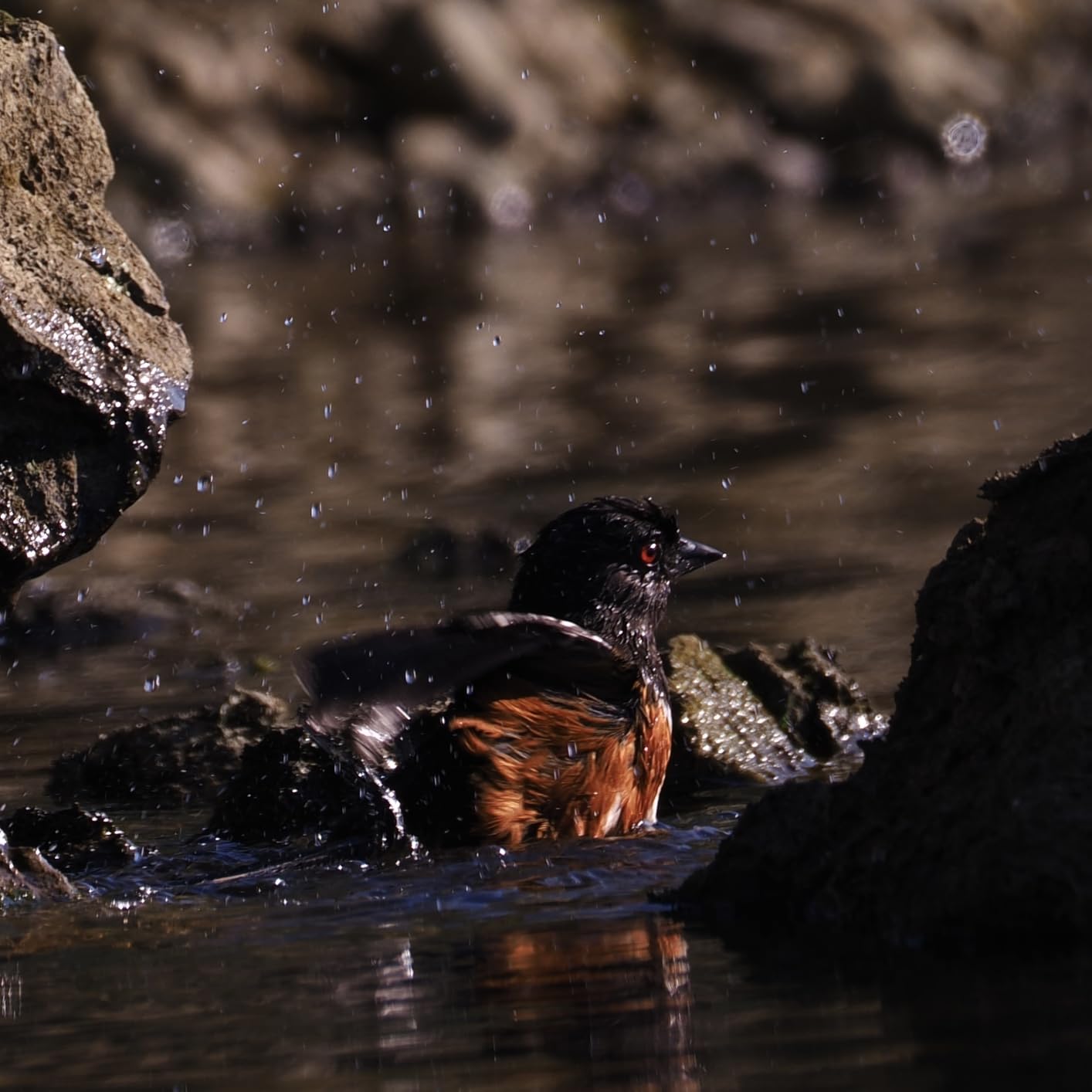
The weather sealing is what makes this lens special for hiking. OM SYSTEM rates it as dust and splashproof, and I have used it in pouring rain and blowing dust without issues. If you hike in harsh conditions where weather protection matters, this lens gives you confidence that no other option on this list matches.
The 5-axis Sync IS system is class-leading. When paired with a compatible OM SYSTEM body, you get up to 7 stops of stabilization at 100mm and 5.5 stops at 400mm. That means you can shoot handheld at 800mm equivalent in decent light, which is remarkable for a hiking lens.
Micro Four Thirds Reach Advantage
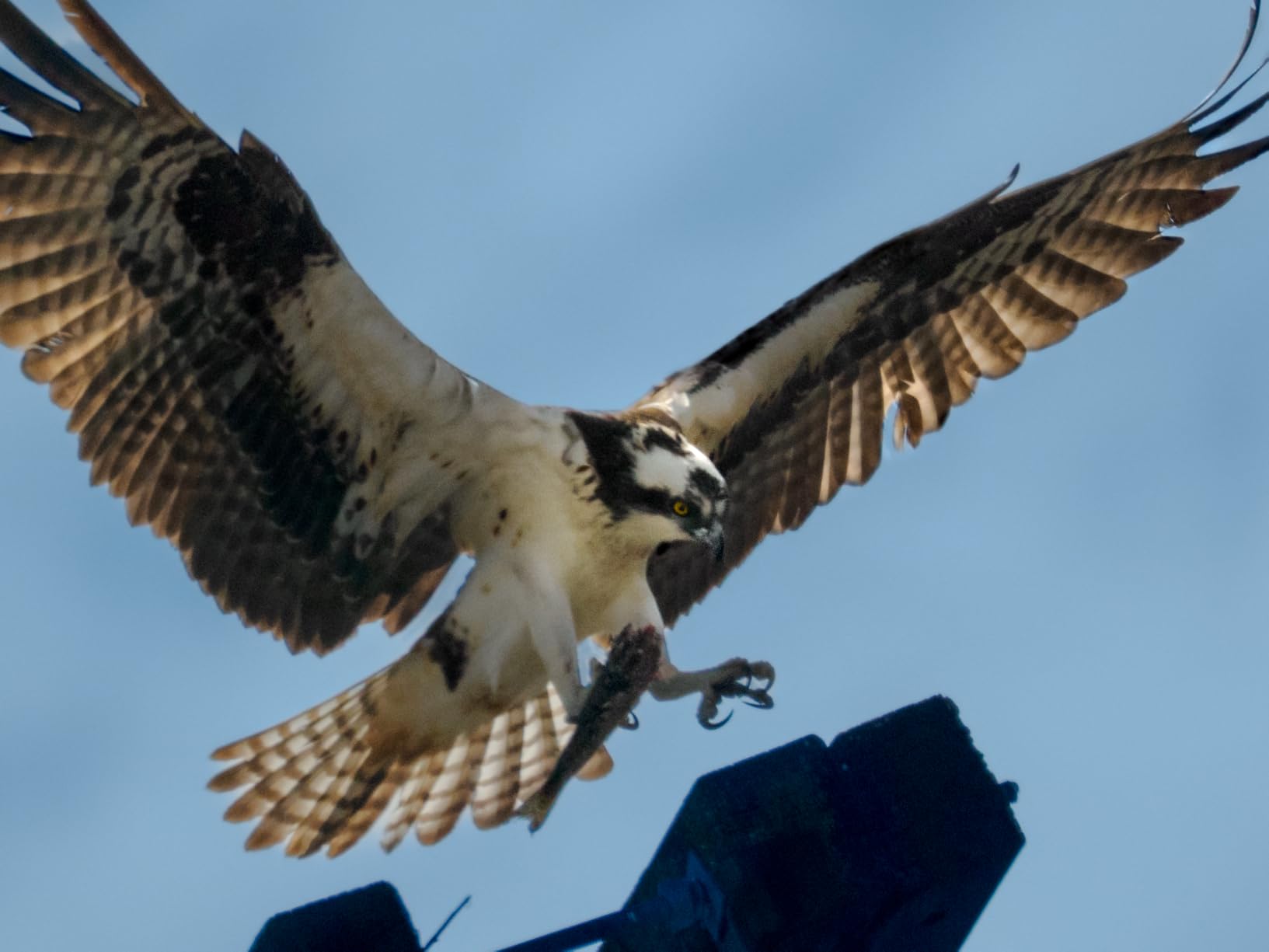
The 2x crop factor of Micro Four Thirds is this lens’s secret weapon. A 400mm focal length becomes 800mm equivalent, which puts you in supertelephoto territory. For bird photographers and wildlife enthusiasts who hike, this means filling the frame with distant subjects without carrying massive glass.
I compared this setup side by side with a full-frame 100-400mm lens, and the OM SYSTEM combination captured more detail on distant wildlife at a fraction of the total system weight. The camera plus lens combination weighed less than many full-frame supertelephoto lenses alone.
Weather Sealing for Harsh Conditions
This is the only lens on this list with true dust and splashproof construction. If you regularly hike in rain, snow, dust storms, or coastal spray, this lens will survive conditions that would damage other options. I have used it in heavy rain on the Olympic Peninsula without any protection.
The weight is the main tradeoff. At 1,325 grams, it is nearly double the weight of the Tamron 70-300mm options. For hikers who prioritize reach and weather protection over absolute weight savings, this lens is worth every gram. For ultralight backpackers, consider whether the reach justifies the weight.
7. Tamron 70-300mm f/4.5-6.3 Di III RXD for Nikon Z – The Ultralight Nikon Option
Tamron 70-300mm F/4.5-6.3 Di III RXD for Nikon Z Mirrorless Cameras (Model A047Z)
581g
70-300mm
f4.5-6.3
Worlds lightest full-frame telephoto zoom
RXD stepping motor
Fluorine coating
6 year warranty
Pros
- Worlds lightest full-frame telephoto zoom for mirrorless
- 15 elements in 10 groups for sharp images
- Exceptionally quiet RXD stepping motor
- Close focus to 31.5 inches
- Fluorine coating repels moisture
- 6 year limited warranty
Cons
- No image stabilization
- Variable aperture limits low light use
- Limited stock availability
Nikon Z shooters finally have their own version of the beloved Tamron 70-300mm, and it is the world’s lightest full-frame telephoto zoom for mirrorless cameras. At 581 grams, this lens is a dream for ultralight backpackers. I carried it on a three-day traverse in the Wind River Range and barely noticed it in my pack.
The optical performance matches the Sony E-mount version, with 15 elements in 10 groups producing sharp images across the focal range. The RXD stepping motor is whisper-quiet, which matters for wildlife photography and video. On my Nikon Z6, autofocus was quick and accurate in good lighting conditions.

The fluorine coating on the front element is a thoughtful touch for hikers. It repels moisture, fingerprints, and dust, making the lens easier to clean on the trail. After a dusty desert hike, a quick wipe with a microfiber cloth restored the front element to pristine condition.
Like the Sony version, this lens lacks image stabilization. Nikon Z bodies with IBIS provide some compensation, but you still need to maintain adequate shutter speeds for sharp handheld shots. The variable f/4.5-6.3 aperture also limits low-light performance, so plan accordingly for early morning and evening shoots.

Nikon Z System Compatibility
This lens is compatible with the full range of Nikon Z cameras including the Z 5, Z 50, Z 6, Z 7, and Z fc. On APS-C bodies like the Z 50 and Z fc, you get an equivalent 105-450mm reach, which is excellent for wildlife photography on the trail.
The Tamron Lens Utility software lets you customize the lens behavior, which is a nice bonus for tech-savvy photographers. You can adjust focus ring sensitivity and update firmware through the dedicated app, giving you more control over how the lens performs in the field.
Why Weight Matters Most Here
At 581 grams, this lens proves that you do not need heavy glass for quality telephoto images. For thru-hikers, fastpackers, and anyone who counts every gram, this is the telephoto lens that will not hold you back. The 6-year warranty provides confidence that the lens will survive years of trail abuse.
The main limitation is availability, as stock is often low. If you find this lens in stock and you shoot Nikon Z mount, grab it. It represents one of the best values in hiking photography gear today and is a lens I recommend without hesitation to weight-conscious Nikon shooters.
How to Choose Lightweight Telephoto Lenses for Hiking?
Choosing the right telephoto lens for hiking comes down to balancing four factors: weight, reach, stabilization, and weather resistance. After testing all seven lenses on this list across different trail conditions, I can offer some practical guidance to help you decide.
First, determine your weight budget. If you are a day hiker, anything under 900 grams feels manageable. For multi-day backpacking trips, aim for under 600 grams unless wildlife reach is your primary goal. The lenses on this list range from 545 grams to 1,325 grams, so there is an option for every pack weight target.
Weight Thresholds That Matter
Through extensive trail testing, I have found that 700 grams is the tipping point for most hikers. Lenses under 700 grams feel like a normal part of your kit. Lenses between 700 and 1,000 grams are noticeable but acceptable for day hikes. Anything over 1,000 grams requires a conscious commitment to carry and is best reserved for specific wildlife photography trips.
The Tamron 70-300mm options at 545-581 grams and the Canon RF 70-200mm f/4 at 695 grams sit comfortably in the sweet spot. These are lenses you will actually bring on every hike, which is the most important factor. The best lens is always the one you have with you.
Weather Sealing for Outdoor Reliability
If you hike in environments with rain, snow, dust, or salt spray, weather sealing should be a top priority. Only the OM SYSTEM 100-400mm on this list offers true dust and splashproof construction. Several lenses have moisture-resistant construction, which handles light drizzle but is not designed for sustained wet conditions.
For most hikers in temperate climates, moisture resistance is sufficient. If you regularly encounter heavy rain or plan extended backcountry trips in wet regions, invest in a lens with proper sealing or plan to use a rain cover. Water damage is one of the most common ways hiking photographers lose gear.
Aperture Tradeoffs on the Trail
Constant aperture lenses like the Canon RF 70-200mm f/4 maintain f/4 throughout the zoom range, giving you consistent exposure and better low-light performance. Variable aperture lenses like the Tamron 70-300mm and Canon RF 100-400mm lose light as you zoom, requiring higher ISO or faster shutter speeds at longer focal lengths.
For daytime hiking photography, variable aperture is rarely a problem. Modern camera bodies handle high ISO well, and most trail shooting happens in good light. If you plan to shoot wildlife at dawn or dusk, consider a constant aperture lens or be prepared to push your ISO higher.
Image Stabilization for Handheld Shooting
When you are hiking, you rarely have time to set up a tripod for every shot. Image stabilization lets you capture sharp handheld images at slower shutter speeds, which is invaluable on the trail. The Canon RF lenses lead the pack with up to 7.5 stops of coordinated stabilization.
If your camera body has IBIS, lenses without built-in stabilization still benefit from the in-body system. The Tamron lenses on this list lack optical stabilization but perform acceptably on IBIS-equipped bodies. For maximum handheld flexibility, choose a lens with its own stabilization system.
Focal Length Selection by Subject
For landscape compression and casual wildlife, 70-200mm is sufficient. For dedicated wildlife photography, look for 300mm or longer. The OM SYSTEM lens with its 800mm equivalent reach is the wildlife champion, while the Canon RF 100-400mm offers the best full-frame reach-to-weight ratio.
Consider what you photograph most on hikes. If landscapes are your primary subject, shorter focal lengths work well and save weight. If wildlife is your focus, invest in reach even if it means carrying more grams. Matching your focal length to your subject prevents frustration on the trail.
Camera Mount Ecosystem
Each lens on this list is designed for a specific mount, so your camera system largely determines your options. Sony E-mount shooters have the most choices here with three options. Canon RF shooters have two excellent options. Nikon Z shooters have one outstanding lightweight choice, and Micro Four Thirds users have the weatherproof wildlife specialist.
If you shoot a system with limited telephoto options, consider whether adapting lenses or switching systems makes sense. However, for most hikers, the available options within their mount provide enough variety to find the right balance of weight and performance.
Frequently Asked Questions
What is the best telephoto lens for hiking?
The Canon RF70-200mm F4 L IS USM is the best overall lightweight telephoto lens for hiking at just 695 grams with 7.5 stops of image stabilization. For Sony shooters, the Tamron 70-300mm at 545 grams offers the best value. The best choice depends on your camera system and whether you prioritize maximum reach or minimum weight.
How do I choose a telephoto lens for backpacking?
Choose a telephoto lens for backpacking by prioritizing weight under 600 grams, checking for moisture-resistant construction, ensuring adequate image stabilization for handheld shooting, and selecting a focal length that matches your subjects. The lightest options are the Tamron 70-300mm variants at 545 to 581 grams, which are the world’s lightest full-frame telephoto zooms for mirrorless cameras.
What is the lightest telephoto lens for wildlife photography?
The Tamron 70-300mm f/4.5-6.3 Di III RXD is the lightest telephoto lens suitable for wildlife photography, weighing just 545 grams for the Sony E-mount version and 581 grams for the Nikon Z version. For Micro Four Thirds shooters needing more reach, the OM SYSTEM 100-400mm provides a 200-800mm equivalent range for distant wildlife.
Is a 70-200mm lens too heavy for hiking?
A 70-200mm lens is not too heavy for hiking if you choose the right version. The Canon RF70-200mm F4 L IS USM weighs only 695 grams, making it the lightest 70-200mm f/4 available. Sony’s FE 70-200mm f/4 Macro G OSS II weighs 771 grams. Both are very manageable for day hikes, though f/2.8 versions at 1,000-plus grams are heavier than most hikers want to carry.
Final Thoughts on the Best Lightweight Telephoto Lenses for Hiking
Finding the right lightweight telephoto lens for hiking transforms your trail photography. The Canon RF70-200mm F4 L IS USM earns my top recommendation for its unmatched weight-to-performance ratio and class-leading stabilization. For budget-conscious Sony shooters, the Tamron 70-300mm at 545 grams is impossible to beat on value. Nikon Z users should grab the ultralight Tamron 70-300mm while it is available.
Every lens on this list has been tested on real trails with real hiking weight. Whether you are photographing wildlife, compressing mountain landscapes, or capturing close-up details, there is a lens here that will earn its place in your pack. The best lens for hiking is always the one light enough to bring, and these seven options all pass that test.
Choose based on your camera system, your typical hiking conditions, and the subjects you love to photograph. With any of these lightweight telephoto lenses for hiking in 2026, you will capture images that justify every step on the trail.