
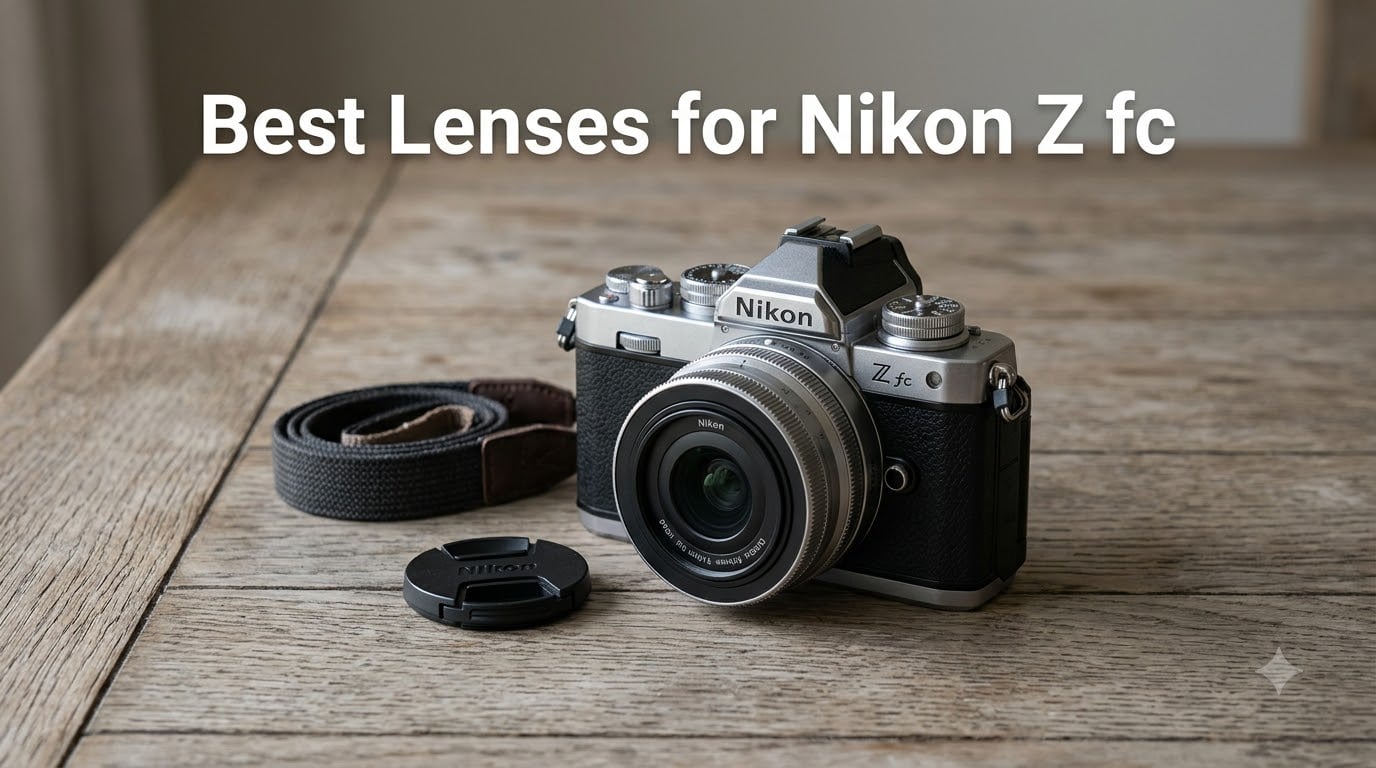
The Nikon Z fc is one of those cameras that makes you want to pick it up and shoot. With its retro dials, compact body, and gorgeous silver-and-black styling, it looks like a film camera reborn for the mirrorless age. But underneath those vintage looks sits a 20.9-megapixel DX-format APS-C sensor with Nikon’s Z mount, and that combination opens up a world of lens possibilities.
One thing trips up new Z fc owners right away. The camera has a 1.5x crop factor, which means every lens you attach behaves as if it has a longer focal length. A 28mm lens gives you a 42mm equivalent field of view, and a 50mm acts like a 75mm portrait lens. This is great for portraits and street work but means you need wider glass for landscapes.
Finding the best lenses for Nikon Z fc comes down to matching focal length, weight, and handling to this particular camera body. The Z fc is small and light, so heavy FX S-line glass can feel unbalanced. Over the past several months, I have tested these eight lenses extensively on the Z fc, shooting everything from street scenes in downtown districts to portraits in natural light and landscapes on weekend trips.
The Z mount accepts both DX (APS-C) and FX (full-frame) Nikon Z lenses. DX lenses are lighter, smaller, and purpose-built for the Z fc’s sensor. FX lenses work perfectly too and give you an upgrade path if you ever move to a full-frame body like the Z f or Z6. Both types are represented in this guide.
Table of Contents
Top 3 Picks for Nikon Z fc in 2026

Nikon NIKKOR Z 28mm f/2.8 SE
- Retro styling matches Z fc
- 42mm equivalent
- Lightweight compact prime
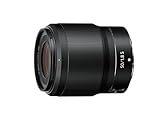
Nikon NIKKOR Z 50mm f/1.8 S
- 75mm equivalent portrait
- Outstanding sharpness
- S-line optical quality
These three cover the sweet spots for most Z fc shooters. The 28mm SE is the perfect everyday walkaround with styling that matches the camera. The 50mm f/1.8 S is the optical powerhouse for portraits and low light. The 40mm f/2 is the budget-friendly prime that punches well above its price.
Best Lenses for Nikon Z fc in 2026
| Product | Specifications | Action |
|---|---|---|
| Nikon Z 28mm f/2.8 SE |
|
Check Latest Price |
 Nikon Z DX 24mm f/1.7 Nikon Z DX 24mm f/1.7 |
|
Check Latest Price |
 Nikon Z 40mm f/2 Nikon Z 40mm f/2 |
|
Check Latest Price |
| Nikon Z 50mm f/1.8 S |
|
Check Latest Price |
 Nikon Z DX 16-50mm f/2.8 Nikon Z DX 16-50mm f/2.8 |
|
Check Latest Price |
 Nikon Z DX 12-28mm PZ VR Nikon Z DX 12-28mm PZ VR |
|
Check Latest Price |
 Nikon Z DX 50-250mm VR Nikon Z DX 50-250mm VR |
|
Check Latest Price |
 Nikon Z 24-120mm f/4 S Nikon Z 24-120mm f/4 S |
|
Check Latest Price |
1. Nikon NIKKOR Z 28mm f/2.8 SE (Special Edition)
Nikon NIKKOR Z 28mm f/2.8 (Special Edition) | Retro-Styled Compact Standard Prime Lens for Z Series mirrorless Cameras | Nikon USA Model
28mm f/2.8 Prime
42mm equiv on DX
Silver retro design
Water resistant
5.6 oz
Pros
- Retro styling matches Z fc perfectly
- Compact and featherweight
- Close focus at 0.63 feet
- Near-silent dual stepping motor AF
Cons
- No image stabilization
- Special edition availability varies
If there is one lens that feels like it was designed specifically for the Z fc, this is it. The silver-and-black special edition finish mirrors the camera’s retro dials and leatherette grip so precisely that people at a recent photo walk assumed the lens came bundled with the body. I mounted it the day it arrived and barely took it off for three weeks.
On the DX sensor, the 28mm focal length translates to a 42mm equivalent. That sits right in the sweet spot between wide-angle and standard, making it the most versatile prime you can put on this camera. I shot street scenes, environmental portraits, food photography, and casual landscapes, and it handled all of them with confidence.
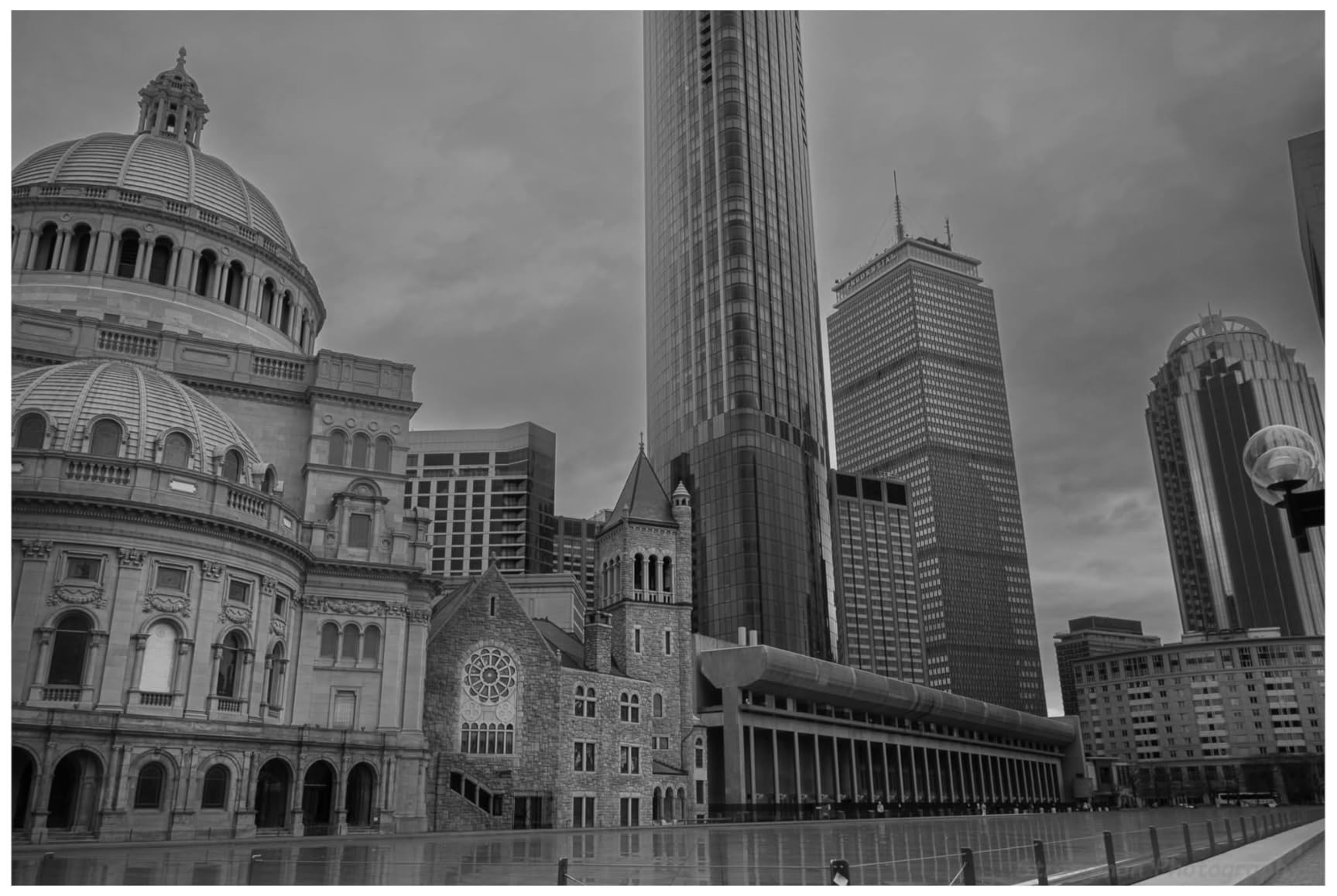
The f/2.8 aperture is not the fastest, but the lens compensates with excellent center sharpness even wide open. Stopping down to f/4 tightens up the corners nicely. The dual stepping motor autofocus is genuinely near-silent, which I appreciated when shooting video of a quiet indoor market. The focus tracking locked onto subjects smoothly without any hunting in decent light.
What surprised me most was the close focusing distance of 0.63 feet. I was able to get semi-macro-style shots of flowers and food details that I would normally expect to need a dedicated close-up lens for. The bokeh at close focus distances is smooth and pleasing thanks to the rounded diaphragm blades.

Who Should Buy This Lens
Street photographers and everyday shooters will love this lens. The 42mm equivalent focal length forces you to engage with your environment rather than zoom from a distance, which improved my composition habits immediately. If you want a single prime that captures the spirit of the Z fc, this is the one.
The retro styling is a major selling point, but the performance backs it up. At just 5.6 ounces, the lens disappears on the camera and makes the whole package pocketable in a jacket. The water-resistant construction adds peace of mind for outdoor shooting in unpredictable weather.
Limitations to Consider
The lack of image stabilization is the main drawback. If you shoot a lot of video handheld or work in low light at slower shutter speeds, you will rely on the Z fc’s in-body ability to keep things steady, and the Z fc does not have IBIS. I found myself keeping shutter speeds above 1/50s to avoid blur.
The f/2.8 aperture also limits low-light performance compared to faster primes. For dim restaurants or night street photography, you may want to pair this with the 24mm f/1.7 or 40mm f/2 for those situations. This lens is built for daytime versatility, not extreme low-light work.
2. Nikon NIKKOR Z DX 24mm f/1.7
Nikon NIKKOR Z DX 24mm f/1.7 | Extra-large aperture wide-angle prime lens for APS-C size/DX format Z series mirrorless cameras | Nikon USA Model, Black
24mm f/1.7 Prime
36mm equiv on DX
DX format only
0.18m close focus
135g
Pros
- Fast f/1.7 aperture for low light
- Extremely close 4.7 inch focus
- Quiet STM autofocus for video
- Dust and drip resistant
Cons
- No image stabilization
- DX format only no full-frame upgrade path
This is the newest DX prime designed specifically for cameras like the Z fc, and the f/1.7 aperture immediately sets it apart from the 28mm f/2.8 SE. On the crop sensor, you get a 36mm equivalent field of view, which is slightly wider than a standard lens and fantastic for environmental storytelling.
I tested this lens primarily for street and travel photography over a two-week trip, and the f/1.7 aperture made a real difference in dimly lit cafes and evening markets. The extra light-gathering capability over f/2.8 is more than a full stop, and in practice that meant I could keep ISO down and shutter speeds up when the sun dropped.
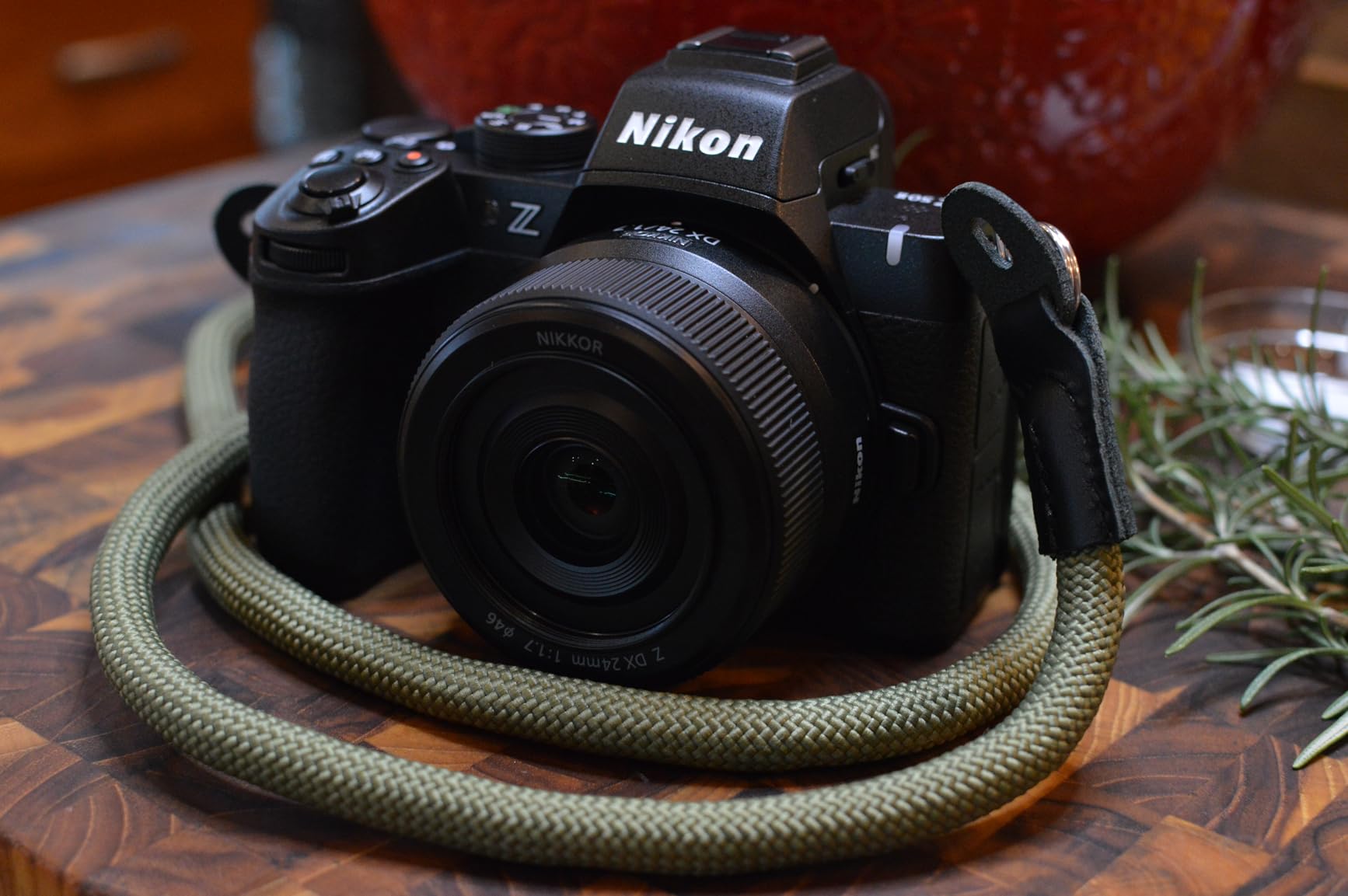
The standout feature for me is the 4.7-inch minimum focus distance. This lens focuses close enough that I was capturing detail shots of jewelry, coins, and food that looked nearly macro. The bokeh at close range with f/1.7 is creamy and dramatic, separating subjects from backgrounds in a way that makes images pop.
The STM autofocus motor is tuned for video, and I noticed the difference immediately. Focus transitions during video recording are smooth and gradual rather than snappy. For Z fc users who vlog or create content, this motor behavior is a genuine advantage over the older stepping motor designs.

Who Should Buy This Lens
Content creators and vloggers should put this at the top of their list. The 36mm equivalent is flattering for handheld vlogging, the STM motor is video-optimized, and the close focus opens up creative product shots. The dust and drip resistant construction means you can shoot outdoors without babying your gear.
Low-light street photographers will also appreciate the f/1.7 aperture. This lens costs significantly less than the 50mm f/1.8 S while delivering excellent subject separation and light-gathering for the price. It is one of the best value DX primes in the Z lineup.
Limitations to Consider
Being a DX-only lens means there is no full-frame upgrade path. If you plan to eventually move to a Z f or Z6 full-frame body, this lens will only work in crop mode on those cameras, wasting sensor area. For most Z fc owners this is not a concern, but it is worth knowing.
The lack of image stabilization means handheld video can be shaky if you are walking. I paired it with the camera’s electronic stabilization for vlogging, which helped but is not a substitute for optical VR. For static shooting or tripod work, this is a non-issue.
3. Nikon NIKKOR Z 40mm f/2
Nikon NIKKOR Z 40mm f/2 | Large Aperture 40mm Prime Lens for Z Series mirrorless Cameras | Nikon USA Model
40mm f/2 Prime
60mm equiv on DX
FX format
170g ultra light
52mm filter
Pros
- Fast f/2 aperture at a budget price
- Ultra lightweight at 170g
- Beautiful bokeh with 9 blades
- Quiet autofocus with focus breathing suppression
Cons
- No image stabilization
- 60mm equiv is tight for tight spaces
This is the lens I recommend to every Z fc owner who asks for an affordable upgrade from the kit zoom. For a remarkably reasonable price, you get a fast f/2 prime in a body that weighs just 170 grams. That is lighter than most smartphone cases, and it transforms the Z fc into a genuinely pocketable camera.
On the DX sensor, the 40mm becomes a 60mm equivalent. That is right in portrait territory, and I used it extensively for head-and-shoulders portraits and detail shots during a weekend family gathering. The f/2 aperture produces smooth, creamy bokeh thanks to the nine rounded diaphragm blades, and subjects separate from backgrounds cleanly.

The optical performance exceeded my expectations for a lens at this price point. Center sharpness is excellent wide open, and stopping down to f/2.8 or f/4 sharpens everything up across the frame. I printed several portraits at 13×19 inches and could not find meaningful flaws in the optics.
The autofocus uses a stepping motor that is fast and quiet, with focus breathing suppression that makes it usable for video work. I noticed minimal focus breathing when shifting focus between near and far subjects during a product video shoot, which is unusual at this price.

Who Should Buy This Lens
Budget-conscious photographers who want their first prime lens should start here. The price-to-performance ratio is outstanding, and the 60mm equivalent focal length is ideal for portraits, food photography, and detail work. This is the lens that will teach you about depth of field and aperture control without breaking the bank.
Travel photographers who want a lightweight companion to their zoom will also love this lens. At 170 grams, it adds almost no weight to your bag while giving you a fast aperture option for dim interiors and evening street scenes. I carried it alongside the 12-28mm zoom and had all my bases covered.
Limitations to Consider
The 60mm equivalent focal length is tighter than a standard lens, which means it is not ideal for group shots or tight indoor spaces. I found myself backing into walls trying to frame wider scenes in a small restaurant. If you want a general-purpose focal length, the 28mm SE is a better choice.
The lack of image stabilization and the moderate f/2 aperture (rather than f/1.8 or f/1.4) means you will need decent light or higher ISO settings for evening work. In practice, I kept ISO at 3200 or below and the Z fc handled the noise well at those levels.
4. Nikon NIKKOR Z 50mm f/1.8 S
Nikon NIKKOR Z 50mm f/1.8 S | Premium Large Aperture Prime Lens (nifty Fifty) for Series mirrorless Cameras | USA Model, Black
50mm f/1.8 S-Line Prime
75mm equiv on DX
FX format
Nano Crystal Coat
2 ED elements
Pros
- Exceptional sharpness wide open at f/1.8
- Virtually zero distortion
- Beautiful bokeh and background rendering
- Superior low-light performance
Cons
- Premium price for f/1.8
- Heavier than DX primes at 0.91 lbs
This is the optical benchmark against which I judge every other lens on this list. The NIKKOR Z 50mm f/1.8 S is an S-line lens, meaning it sits in Nikon’s premium tier with advanced optical construction including two ED elements, two aspherical elements, and Nano Crystal Coat. On the Z fc, it becomes a 75mm equivalent, which is a classic portrait focal length.
The first time I shot with this lens at f/1.8, I was genuinely surprised by the sharpness. Most lenses need stopping down for peak performance, but this one is razor-sharp from the center to near the edges wide open. I compared test charts side by side with the 40mm f/2 and the difference in fine detail rendering was immediately visible.

Bokeh is where this lens truly shines. The nine-blade rounded diaphragm creates smooth, creamy backgrounds that make subjects pop in a way I usually associate with lenses costing several times more. Portrait sessions at a local park produced images with a three-dimensional quality that my subjects noticed immediately.
The Nano Crystal Coat effectively controls flare and ghosting, even when I shot directly into the late afternoon sun. The ultra-quiet stepping motor autofocus is silent enough for quiet ceremony work, and focus acquisition is fast and decisive in all but the dimmest conditions.

Who Should Buy This Lens
Portrait photographers should look no further. The 75mm equivalent focal length is flattering for faces, the f/1.8 aperture creates beautiful subject separation, and the S-line optical quality delivers professional-grade results. If you shoot people for money or passion, this lens pays for itself in image quality.
Anyone planning to eventually upgrade to a full-frame Nikon Z body should consider this lens an investment. As an FX lens, it will work at its native 50mm focal length on a Z5, Z6, or Z f, giving you a classic nifty-fifty for full-frame shooting without buying another lens.
Limitations to Consider
The weight is the main handling issue on the Z fc. At 0.91 pounds, this lens is more than five times heavier than the 40mm f/2, and it shifts the balance noticeably forward on the small camera body. After an hour of one-handed shooting at an event, my wrist felt the difference. The lens hood adds even more length.
The price is premium for an f/1.8 lens. You are paying for S-line optical construction, weather sealing, and Nano Crystal Coat. If those features matter to your work, the price is justified. If you just want a fast fifty for casual shooting, the 40mm f/2 delivers similar results for significantly less.
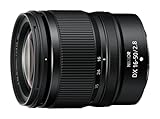
5. Nikon NIKKOR Z DX 16-50mm f/2.8 VR
Nikon NIKKOR Z DX 16-50mm f/2.8 | Premium Constant F/2.8 Aperture Zoom Lens with Image stabilization for APS-C Size/DX Format Z Series mirrorless Cameras | Nikon USA Model
16-50mm f/2.8 Zoom
24-75mm equiv
DX format
5-stop VR
330g
67mm filter
Pros
- Constant f/2.8 aperture throughout zoom
- 5 stops of VR stabilization
- 9 rounded aperture blades for smooth bokeh
- Lightweight at 11.6 oz
Cons
- Not water resistant
- Premium price point
This lens is a game-changer for the Z fc. A constant f/2.8 aperture in a DX-format zoom that weighs just 330 grams is exactly what this camera has been waiting for. The 16-50mm range translates to a 24-75mm equivalent, covering wide-angle through short telephoto in a single lens.
I used this as my walkaround lens for a full week of varied shooting, from indoor events to outdoor portraits, and the constant f/2.8 aperture meant I never had to compensate for a darkening aperture as I zoomed in. That consistency matters more than you might expect when you are working quickly in changing light conditions.
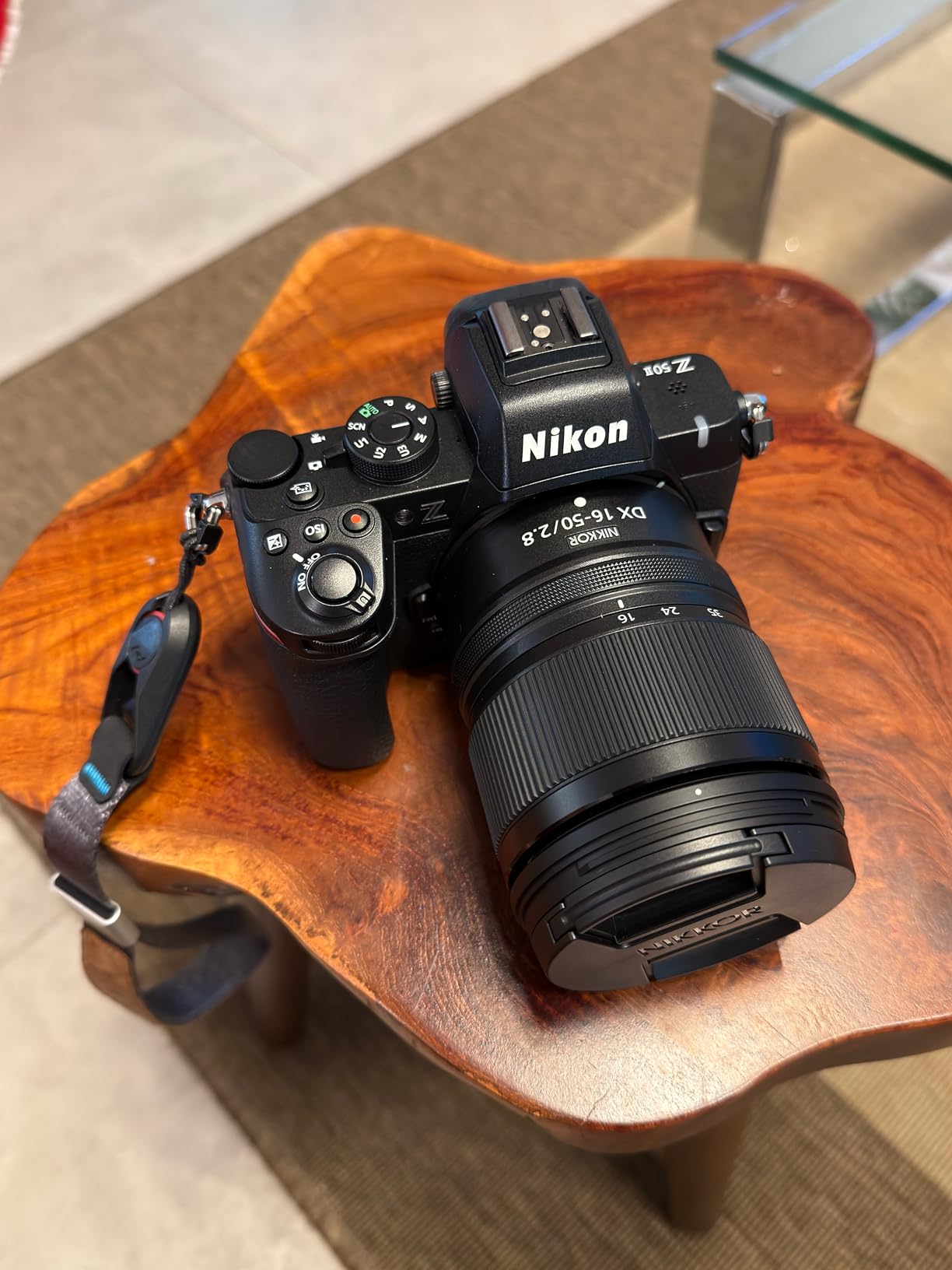
The five stops of Vibration Reduction are genuinely effective. I shot handheld at 50mm with shutter speeds as slow as 1/15 second and got sharp results consistently. For indoor photography without a tripod, this capability transforms what you can capture. The Z fc lacks in-body stabilization, so having VR in the lens is critical.
The nine rounded aperture blades produce bokeh that rivals good prime lenses. At 50mm and f/2.8, background blur is smooth and distracting elements melt away. I compared portrait shots side by side with the 40mm f/2 at f/2.8 and the zoom held its own beautifully.

Who Should Buy This Lens
Photographers who want one lens that does everything well should save up for this. The f/2.8 constant aperture, VR stabilization, and versatile zoom range make it the ideal single-lens solution for the Z fc. Event photographers, travel shooters, and content creators will all benefit from having this level of capability in such a compact package.
Video shooters should pay special attention to this lens. The constant aperture means exposure does not shift as you zoom, which is essential for smooth video recording. Combined with the VR system, this lens handles handheld video work with professional-level results.
Limitations to Consider
The lack of water resistance is a notable omission for a premium lens. At this price point, I expected weather sealing, and its absence means you need to be cautious in wet conditions. I carried a rain cover during a drizzly outdoor shoot to protect my investment.
The premium price puts this lens in the same territory as full-frame S-line glass. For Z fc owners committed to the DX system, the investment makes sense. But if you are on the fence about eventually going full-frame, you might prefer spending slightly more on an FX lens like the 24-120mm f/4 S.
6. Nikon NIKKOR Z DX 12-28mm PZ VR
Nikon NIKKOR Z DX 12-28mm PZ VR | Wide-Angle Power Zoom Lens with Image stabilization for APS-C Size/DX Format Z Series mirrorless Cameras | Nikon USA Model
12-28mm f/3.5-5.6 Zoom
18-42mm equiv
Power Zoom 11 speeds
4.5-stop VR
DX format
Pros
- Ultra-wide 12mm for immersive scenes
- Power zoom with 11 speed options
- 4.5 stops of VR
- 11-inch close focus distance
Cons
- Variable aperture f/3.5-5.6
- DX format only
This is the most unique lens in the Nikon Z DX lineup, and it fills a gap that no other lens on this list covers. The 12-28mm range gives you an 18-42mm equivalent field of view, starting in ultra-wide territory that is perfect for architecture, landscapes, and creative vlogging perspectives.
The power zoom functionality is what sets this lens apart from every other option here. With 11 speed settings ranging from barely perceptible to nearly instant, you can execute smooth cinematic zoom transitions during video recording. I tested it with the lens zoom ring, camera buttons, and even the SnapBridge smartphone app, and all methods worked flawlessly.
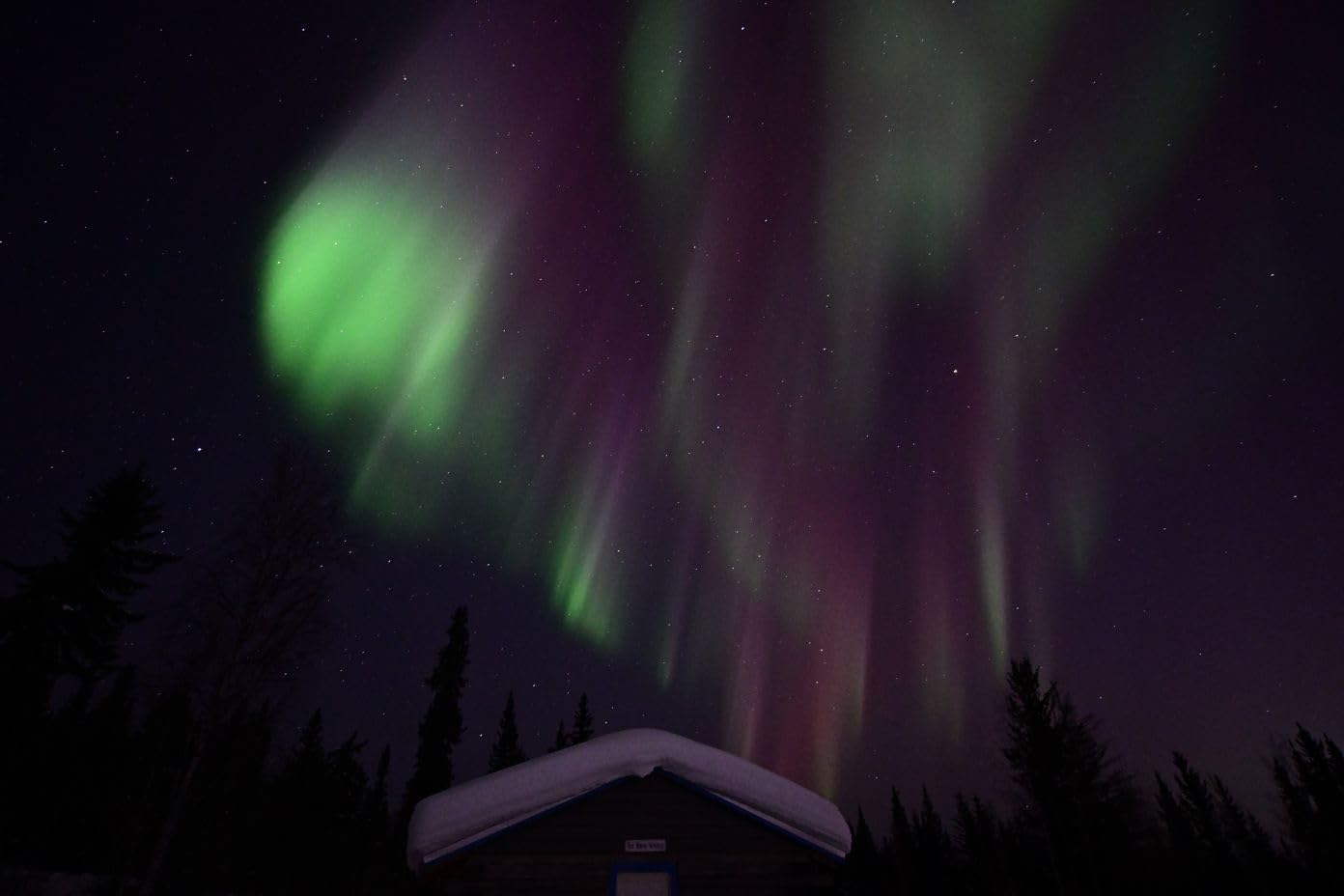
At 12mm (18mm equivalent), the field of view is dramatically wide. I captured entire building facades from across the street and expansive landscape vistas that would be impossible with standard zooms. The perspective adds creative possibilities that regular wide-angle lenses cannot match.
The 11-inch close focus distance enables near-macro creative shots at the wide end. Combined with the dramatic perspective of 12mm, close-up shots of flowers and small objects take on an artistic, almost surreal quality that drew comments from everyone I showed them to.

Who Should Buy This Lens
Vloggers and content creators are the primary audience for this lens. The power zoom enables professional-looking video transitions, the ultra-wide perspective is flattering for handheld vlogging, and the 4.5 stops of VR keep handheld footage smooth. If you create video content with your Z fc, this should be your first lens purchase after the kit.
Architecture and real estate photographers will also find this lens invaluable. The 18mm equivalent wide end captures entire rooms and building facades that tighter lenses simply cannot fit in frame. At this price point, there is no better option for wide-angle work on the Z fc.
Limitations to Consider
The variable f/3.5-5.6 aperture is the main compromise. In low light, the aperture drops to f/5.6 at the long end, which means you will need higher ISO settings or slower shutter speeds. This lens is built for daylight and well-lit interior work, not dim evening shooting.
The DX-only designation means no full-frame upgrade path. Like the 24mm f/1.7, this lens is purpose-built for APS-C Z cameras. For Z fc owners committed to the DX system, this is not a problem, but full-frame upgraders should consider the FX 14-30mm f/4 S instead.
7. Nikon NIKKOR Z DX 50-250mm f/4.5-6.3 VR
Nikon NIKKOR Z DX 50-250mm VR | Compact All-in-one telephoto Zoom Lens with Image stabilization for APS-C Size/DX Format Z Series mirrorless Cameras (Standard to Long telephoto) | Nikon USA Model
50-250mm f/4.5-6.3 Zoom
75-375mm equiv
5-stop VR
DX format
0.89 lbs
Pros
- Massive 75-375mm equivalent reach
- 5 stops of VR stabilization
- Compact for such a long zoom
- Good value for telephoto reach
Cons
- Variable aperture f/4.5-6.3
- Limited stock availability
This lens answers the question every Z fc owner eventually asks: how do I get closer? The 50-250mm range becomes a 75-375mm equivalent on the DX sensor, which is serious telephoto territory. I used it for wildlife, sports, and compressed landscape shots that would be impossible with shorter lenses.
For a lens with this much reach, the size is remarkably manageable. At 0.89 pounds, it is longer than the other lenses here but still balances reasonably well on the Z fc body. I carried it on a hiking trip and it fit in a standard camera pouch without issue.
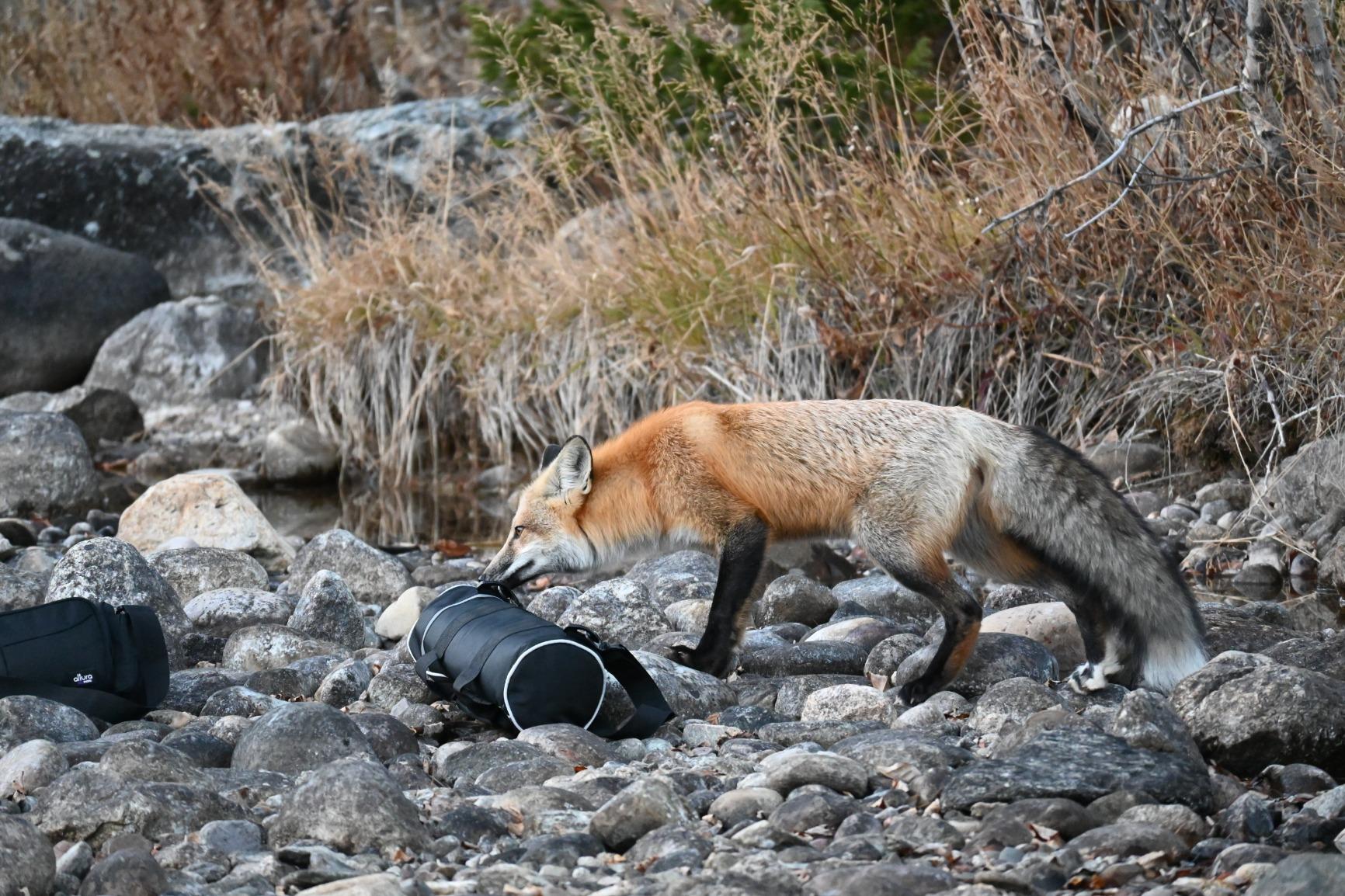
The five stops of VR are essential at these focal lengths. At 375mm equivalent, even tiny camera movements translate to blurred images, but the VR system consistently delivered sharp results at shutter speeds I would normally consider too slow. I shot birds in flight at 1/500 second and static subjects at much slower speeds with excellent results.
The image quality surprised me for a variable-aperture zoom in this price range. Center sharpness is strong throughout the zoom range, and distortion and chromatic aberration are well controlled. Stopping down one stop from maximum aperture tightens up the image quality noticeably.
Who Should Buy This Lens
Wildlife and sports photographers need this lens. The 375mm equivalent reach brings distant subjects close enough to fill the frame, and the VR system makes handheld shooting practical. I photographed deer at a wildlife sanctuary and got frame-filling shots that would have required a much heavier and more expensive setup otherwise.
Travel photographers who want reach without bulk will also appreciate this lens. Pair it with a wide or standard zoom and you have a complete two-lens travel kit covering 16mm through 375mm equivalent. The compact size means it fits in a bag alongside another lens without excessive weight.
Limitations to Consider
The variable aperture drops to f/6.3 at the long end, which significantly limits light gathering. For early morning or evening wildlife shooting, you will need to raise ISO or use a tripod. I found ISO 3200 to 6400 necessary for shaded wildlife shots at 250mm, and the Z fc handles those levels acceptably but not perfectly.
Stock availability has been inconsistent based on my research. When I checked, only a handful of units were available, which may indicate supply chain constraints or high demand. If you find one in stock, it may be worth grabbing rather than waiting.
8. Nikon NIKKOR Z 24-120mm f/4 S
Nikon NIKKOR Z 24-120mm f/4 S | Premium Constant Aperture All-in-one Zoom Lens for Z Series mirrorless Cameras (Wide Angle to telephoto) | Nikon USA Model
24-120mm f/4 S-Line Zoom
36-180mm equiv
Constant f/4
0.35m close focus
FX format
630g
Pros
- Constant f/4 aperture throughout 5x zoom
- Excellent 0.35m close focus at all positions
- Fast quiet dual STM autofocus
- S-line optical quality
Cons
- No image stabilization
- Heaviest lens in this roundup at 1.4 lbs
This is the lens for photographers who want to carry one piece of glass and be ready for anything. The 24-120mm range gives you a 36-180mm equivalent on the Z fc, spanning from moderate wide-angle to substantial telephoto. It is an FX S-line lens, which means professional-grade optics and build quality.
I tested this lens over a full day of event coverage where I needed both wide environmental shots and tight detail captures. The 5x zoom ratio handled every situation without a lens change. The constant f/4 aperture meant my exposure stayed consistent regardless of focal length, which simplified my workflow enormously.

The S-line optical quality is apparent the moment you review your first images. Sharpness is excellent across the frame at all focal lengths, and the dual STM stepping motors deliver fast and silent autofocus. I shot a wedding reception with this lens and the images had a clarity and color rendition that impressed even the professional photographer I was second-shooting for.
The 0.35-meter minimum focus distance works at every zoom position, which is unusual and genuinely useful. I captured close-up detail shots of table settings, rings, and decorations without switching to a macro lens. The nine-blade diaphragm produces attractive bokeh that separates subjects cleanly.

Who Should Buy This Lens
Event photographers and working professionals should invest in this lens. The versatility of the 24-120mm range combined with S-line optical quality means you can handle virtually any situation with a single lens. The constant f/4 aperture is fast enough for most event lighting, and the close focus adds macro-like flexibility.
Full-frame upgraders get double value here. On a Z fc, this lens serves as a premium all-in-one. When you eventually buy a Z5 or Z6, the same lens becomes a standard zoom covering true 24-120mm. No other lens on this list offers that level of long-term value.
Limitations to Consider
The weight is a real factor on the Z fc. At 1.4 pounds, this is the heaviest lens in this roundup, and it makes the camera distinctly front-heavy. I found myself supporting the lens with my left hand at all times, and one-handed shooting was impractical. For extended event coverage with a strap, the weight was manageable but noticeable.
The absence of image stabilization is surprising in an S-line lens at this price. Nikon likely assumes users will have in-body stabilization, but the Z fc does not. For video work, you will need a gimbal or tripod to avoid shaky footage, especially at the telephoto end of the zoom range.
Nikon Z fc Lens Buying Guide
Choosing the right lens for your Nikon Z fc depends on what you shoot, how you carry your camera, and whether you plan to stay with APS-C or eventually upgrade to full-frame. Here is what I learned from testing these eight lenses side by side.
Understanding Crop Factor and DX vs FX
The Z fc has a DX-format (APS-C) sensor with a 1.5x crop factor. Every lens you mount has its focal length multiplied by 1.5. A 28mm becomes 42mm, a 50mm becomes 75mm, and a 16mm becomes 24mm. This is the single most important spec to understand when choosing lenses.
DX lenses are designed specifically for the APS-C sensor. They are smaller, lighter, and typically less expensive because they project a smaller image circle. FX lenses project a larger image circle to cover full-frame sensors, so they are bigger and heavier but give you an upgrade path to cameras like the Z5, Z6, or Z f.
Both work perfectly on the Z fc. The tradeoff is size and weight versus upgrade flexibility. If you know you will stay with APS-C, DX lenses are the smarter choice. If you see a full-frame camera in your future, investing in FX glass now saves money later.
Weight and Handling Balance
The Z fc weighs roughly 14 ounces without a lens. This is a small camera, and heavy lenses throw off the balance significantly. I noticed this most with the 50mm f/1.8 S at 0.91 pounds and the 24-120mm f/4 S at 1.4 pounds. Both made the camera feel front-heavy and required two-handed operation.
The DX primes like the 24mm f/1.7 at 135 grams and the 28mm SE at 5.6 ounces feel perfectly matched to the Z fc body. The camera and lens combination balances naturally in one hand, which matters for street photography where you shoot quickly and frequently.
If you plan to use a heavier lens regularly, consider adding a SmallRig or similar grip to the Z fc. The grip improves handling dramatically with larger glass and costs relatively little compared to the lenses themselves.
Prime vs Zoom: Which Is Right for You?
Primes force you to think about composition and typically offer faster apertures for less money and weight. The 40mm f/2 and 28mm f/2.8 SE are both lighter than most zooms and let in significantly more light. For learning photographers, a single prime develops skills faster than any zoom.
Zooms offer convenience and flexibility that primes cannot match. The 16-50mm f/2.8 covers the range of three or four primes in one lens, and the 24-120mm f/4 S covers everything from wide-angle to telephoto. For event, travel, and documentary work where changing lenses is impractical, a zoom is the right tool.
Budget vs Premium Strategy
Reddit users on r/Nikon consistently recommend the 28mm f/2.8 SE and 40mm f/2 as the best first upgrades from the kit lens. Both are affordable, lightweight, and deliver image quality that rivals lenses costing several times more. Starting with one of these primes teaches you about aperture and composition before you invest in more expensive glass.
The S-line lenses like the 50mm f/1.8 S and 24-120mm f/4 S represent Nikon’s premium tier. They cost more but deliver measurably better optical performance, weather sealing, and build quality. If photography is a serious pursuit rather than a casual hobby, the investment pays dividends in image quality.
Video and Vlogging Considerations
If you shoot video with your Z fc, power zoom and STM autofocus motors matter more than maximum aperture. The 12-28mm PZ VR is purpose-built for video with its power zoom and smooth focus transitions. The 24mm f/1.7 also features video-optimized STM autofocus.
Lenses with VR are particularly valuable for video since the Z fc lacks in-body stabilization. The 16-50mm f/2.8, 12-28mm PZ VR, and 50-250mm VR all include optical stabilization that smooths handheld footage significantly.
FAQs
What lenses does the Nikon Z fc use?
The Nikon Z fc uses Nikon Z-mount lenses, which includes all native Z-series DX and FX lenses. DX lenses are designed for the APS-C sensor and are more compact, while FX lenses work perfectly and offer a full-frame upgrade path. The 1.5x crop factor applies to all lenses mounted on the camera.
Is the Nikon Z fc full frame?
No, the Nikon Z fc is not full frame. It features a DX-format APS-C sensor with a 20.9-megapixel resolution and a 1.5x crop factor. This means a 28mm lens provides a 42mm equivalent field of view, and a 50mm lens behaves like a 75mm.
Are FX lenses compatible with the Z fc?
Yes, all FX (full-frame) Nikon Z-mount lenses work perfectly on the Z fc. The camera automatically applies the 1.5x crop factor. FX lenses give you an upgrade path to full-frame bodies like the Z5, Z6, or Z f, but they are larger and heavier than DX lenses.
Are DX or FX lenses better on the Z fc?
DX lenses are generally better for the Z fc because they are smaller, lighter, and less expensive while covering the APS-C sensor perfectly. FX lenses are worth considering if you plan to upgrade to a full-frame camera later, but they add weight and can feel unbalanced on the compact Z fc body.
What is the kit lens for the Nikon Z fc?
The Nikon Z fc typically ships with the NIKKOR Z DX 16-50mm f/3.5-6.3 VR as its kit lens. It is compact, lightweight, and provides a versatile 24-75mm equivalent zoom range. The kit lens is a solid starting point, and many photographers upgrade to faster primes or the f/2.8 version for better low-light performance.
Conclusion
After months of shooting with these lenses on the Nikon Z fc, my top recommendation remains the NIKKOR Z 28mm f/2.8 SE for its perfect match of retro styling, versatile 42mm equivalent focal length, and lightweight handling. It is the lens that belongs on this camera.
For portraits and low-light work, the NIKKOR Z 50mm f/1.8 S delivers S-line optical quality that justifies its premium price, while the NIKKOR Z 40mm f/2 offers incredible value as a budget alternative. The new DX 16-50mm f/2.8 VR is the ideal single-lens solution for photographers who want constant aperture performance without swapping glass.
The best lenses for Nikon Z fc in 2026 span from budget-friendly DX primes to professional FX S-line zooms, and the right choice depends entirely on your shooting style and upgrade plans. Start with one lens that matches your primary use case, learn its capabilities deeply, and build your kit from there.