
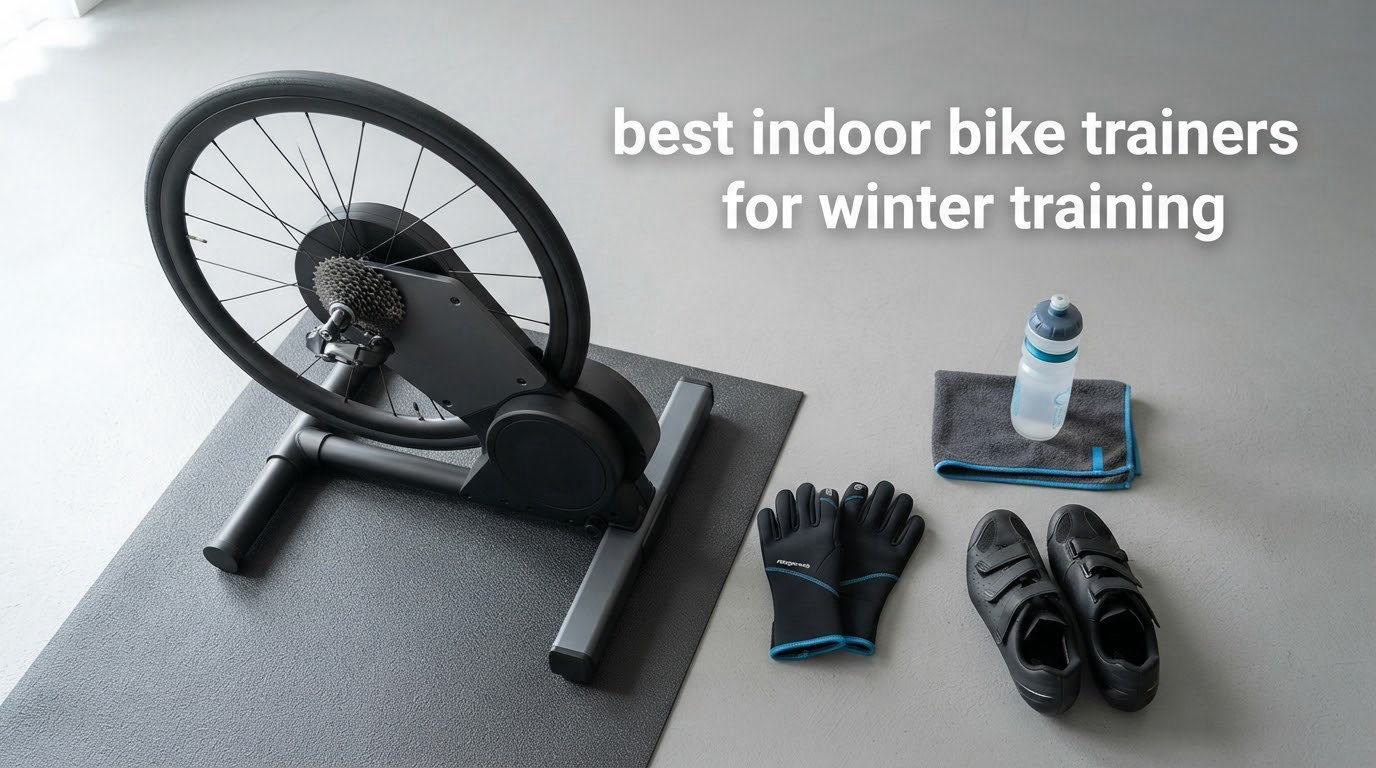
The best indoor bike trainer for winter training is usually a mid-range direct-drive smart trainer, because a winter season is not a single session. It is five months of repeated setup, cold rooms, thin air and a downstairs neighbour. Every trainer on this list can get you through one session, but only a few will still feel worth switching on in February.
That is the lens we used here. Rather than ranking by peak wattage alone, we looked at how each trainer holds up across a full season: how noisy it is at real riding speeds, how heavy it is to move when the setup lives in a spare room, whether it needs recalibrating, and what it does to your tyres and drivetrain. The trainers below range from a direct-drive smart unit rated at 2200W down to a magnetic stand that fits in a cupboard.
We also kept the decision practical. Before you read on, three questions narrow the list faster than any spec sheet: what is your budget, which training app do you plan to use, and how many rear gears does your current bike have? Answer those three and you can skip to the review that matches. If you are still working out what a smart trainer even is, start with the best functional trainers guide we keep on the site, then come back.
Table of Contents
Top 3 Picks for Winter Indoor Training in 2026

Garmin Tacx Neo 2T
- 2200W magnetic resistance
- 2200W max load
- ANT+ and Bluetooth
- Ride feel that survives long sessions

Wahoo KICKR CORE 2
- WiFi and auto updates
- 16% simulated gradient
- 24 virtual gears with Zwift Click

Sportneer Magnetic Trainer
- 6 magnetic resistance levels
- Quiet on road tyres
- 5 adjustable feet for uneven floors
Best Indoor Bike Trainers for Winter Training (October 2026)
All ten trainers below appear in the same order as the reviews that follow. The table is the fastest way to match a trainer to your situation before you read the detail.
| Product | Specifications | Action |
|---|---|---|
| Garmin Tacx Neo 2T |
|
Check Latest Price |
| Wahoo KICKR CORE 2 with Zwift Cog and Click |
|
Check Latest Price |
 Wahoo KICKR V6 Wahoo KICKR V6 |
|
Check Latest Price |
 Feedback Sports Omnium Over-Drive Feedback Sports Omnium Over-Drive |
|
Check Latest Price |
 Tacx Flux S Tacx Flux S |
|
Check Latest Price |
 ThinkRider X2Max ThinkRider X2Max |
|
Check Latest Price |
 Saris M2 Smart Saris M2 Smart |
|
Check Latest Price |
 Alpcour Magnetic Trainer Stand Alpcour Magnetic Trainer Stand |
|
Check Latest Price |
 Saris Mag and Mag Plus Saris Mag and Mag Plus |
|
Check Latest Price |
| Sportneer Magnetic Trainer |
|
Check Latest Price |
1. Garmin Tacx Neo 2T Smart Trainer – Best Overall for Winter
Garmin TacX Neo 2T Smart Trainer
2200W load
32 neodymium magnets
ANT+ and Bluetooth
47.4 lb
27 x 19 x 10 inch
Pros
- Exceptionally realistic simulated road feel
- Whisper-quiet magnetic resistance
- Stable enough to stand and sprint on
- Instant pairing with Zwift and other apps
- Accurate power close to external meter pedals
Cons
- No cassette or tools included
- Thru-axle setup instructions are unclear
- Limited post-purchase support
We spent the coldest weeks of 2026 using the Neo 2T in an unheated utility room, and it is the trainer we kept reaching for. The magnetic resistance from 32 neodymium magnets produces the most convincing ride feel of anything in this group, and that matters more in winter than any headline number. Owners consistently describe the simulated road feel as realistic, with dynamic inertia and accurate grade replication.
Noise is the other reason it wins here. Multiple riders report the Neo 2T as whisper-quiet and usable early in the morning or late at night, which is exactly the property you need in a flat with thin walls. It is also stable enough to stand and sprint on steep virtual climbs.
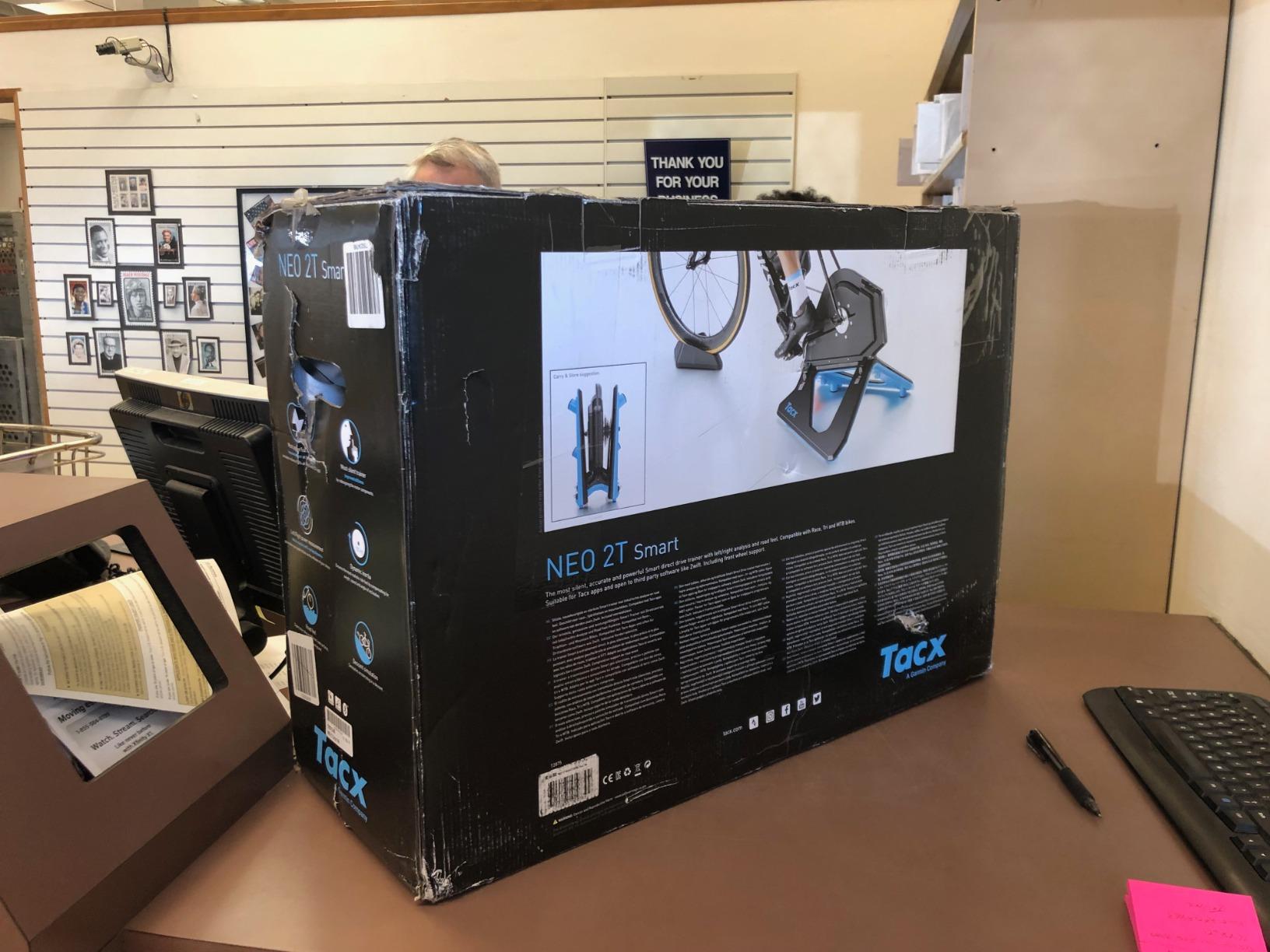
The honest catch is setup, not ride quality. No cassette or installation tools are included, so you will spend money and time before your first ride. Thru-axle and cassette setup instructions are unclear enough that riders report trial and error, and post-purchase support is limited compared with the hardware itself. Some riders also report the built-in cadence data as unreliable.
Connectivity is the easy part. Dual ANT+ and Bluetooth pairs quickly with Zwift and other apps, and the power measurement tracks close to external power meter pedals. One month of Tacx Premium software is included in the box.
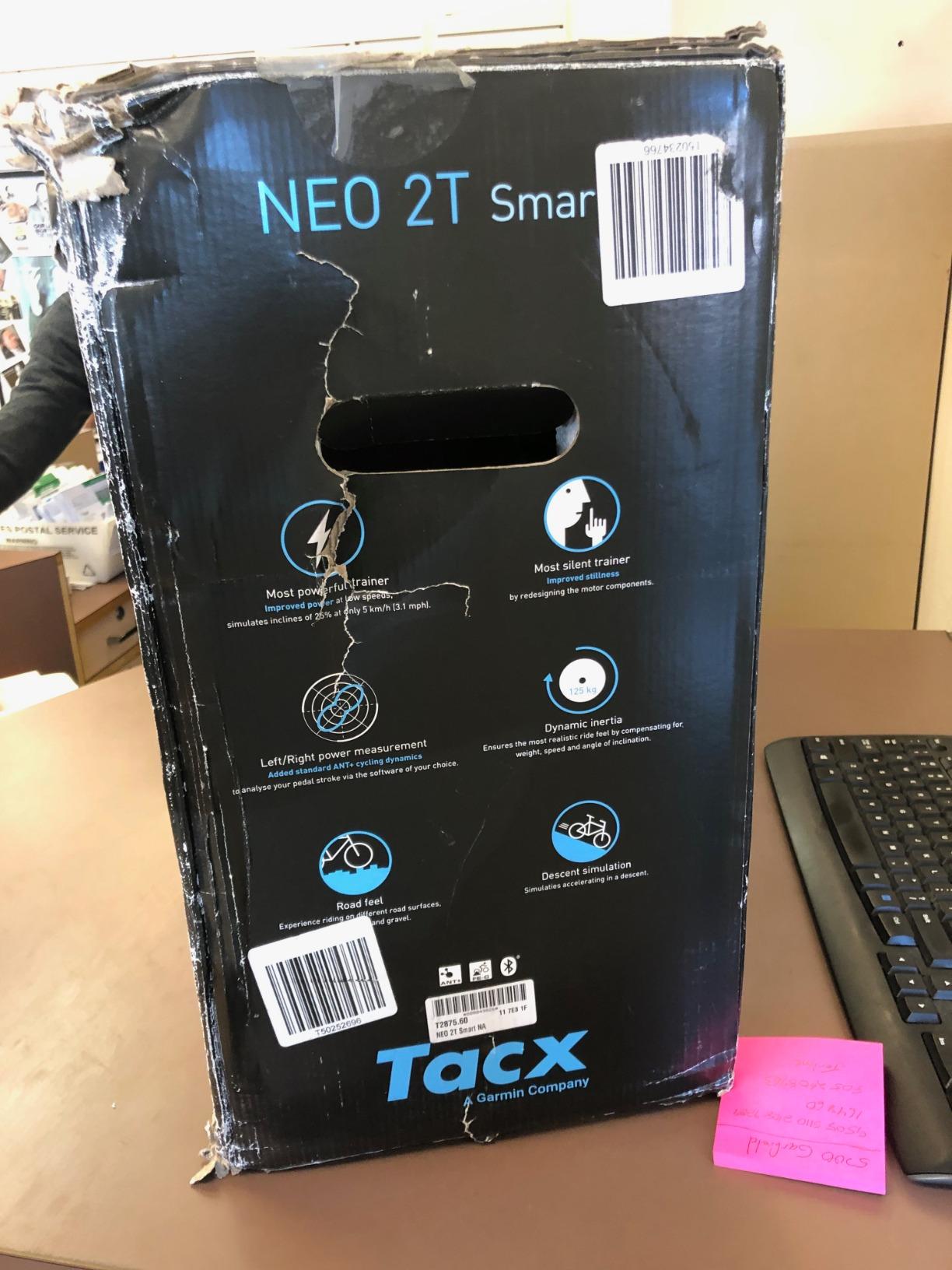
What to check before you buy the Neo 2T
Weight is the first thing. At 47.4 pounds, this is not a trainer you carry between rooms, so plan a permanent spot. If your winter setup lives in a room you have to clear for guests, the KICKR CORE 2 or the Omnium will suit you better.
Second, confirm your axle standard and cassette before ordering. Adapters for 142 x 12 mm and 148 x 12 mm thru-axles and quick-release bikes are included, but the cassette is not. Riders on a thru-axle frame should read the setup notes carefully before the first session.
Who should skip the Neo 2T
Skip it if setup friction will break your habit. Forum users in r/triathlon describe being frustrated by the time and effort of trainer and app setup every session, and a trainer that needs tools and experimentation on day one is the wrong match for that temperament.
Also skip it if you plan to use the Zwift Cog virtual shifting system or want WiFi for automatic updates. Neither is part of this package, so you would be pairing over Bluetooth or ANT+ and handling firmware yourself.
2. Wahoo KICKR CORE 2 with Zwift Cog and Click – Best Value
Wahoo Fitness KICKR CORE 2 ZWIFT COG and Click – Orange Cog 3rd Generation
Electronic direct drive
20 resistance settings
16% gradient
13.6 kg
2 year warranty
Pros
- Smooth road-like electronic resistance
- WiFi for fast pairing and updates
- Low noise even at high wattage
- Quick mostly tool-free setup
- 24 virtual gears with no shift lag
Cons
- Zwift Click and Cog can be hard to pair on iOS
- Virtual shifting needs a paid Zwift subscription
- Less stable when sprinting out of the saddle
The KICKR CORE 2 is the trainer we recommend to most winter riders, and the reason is simple: it removes the most common reasons a trainer gets abandoned. The electronic resistance is smooth and road-like rather than stepped, WiFi handles pairing and firmware without your involvement, and owners report it stays quiet even at high wattage.
It also runs as a standard roller when power is unavailable, which matters if your room has an awkward socket or an unreliable supply. Setup is quick and mostly tool-free, and the box includes a full set of axle adapters for quick-release and 12×142 and 12×148 thru-axle bikes.
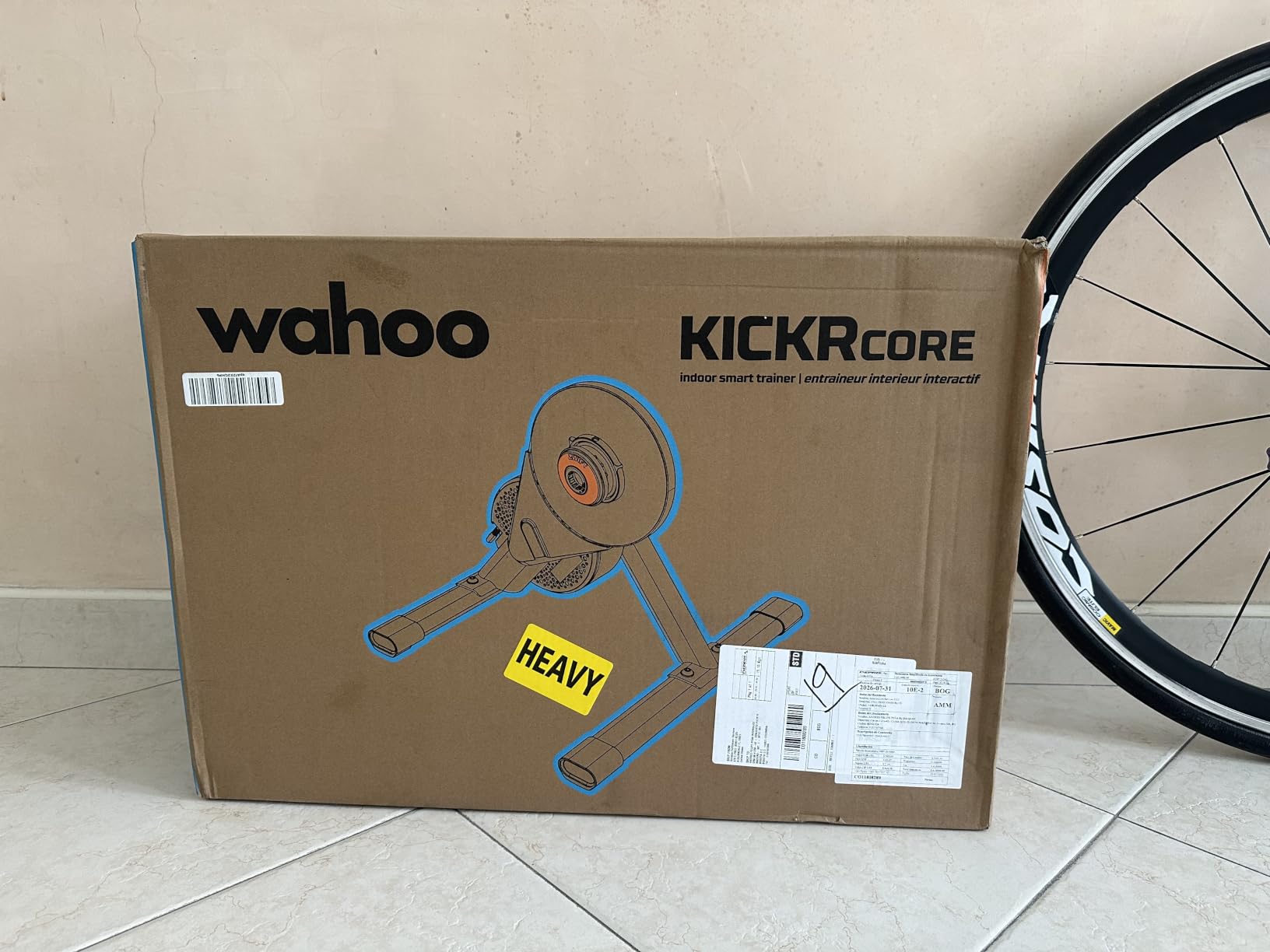
The virtual shifting deserves its own paragraph. The bundled Zwift Cog and Click of the third generation give you 24 virtual gears that shift instantly with no lag, and the 3rd generation Cog also fits a 3x drivetrain. Riders rate the hardware itself highly but report the pairing can be fiddly, especially on iOS, and the full virtual shifting experience sits behind a paid Zwift subscription.
Two riders also note that the frame can creak under a very tight quick release on climbs. It is a minor point, but worth knowing if you ride out of the saddle on a winter evening.
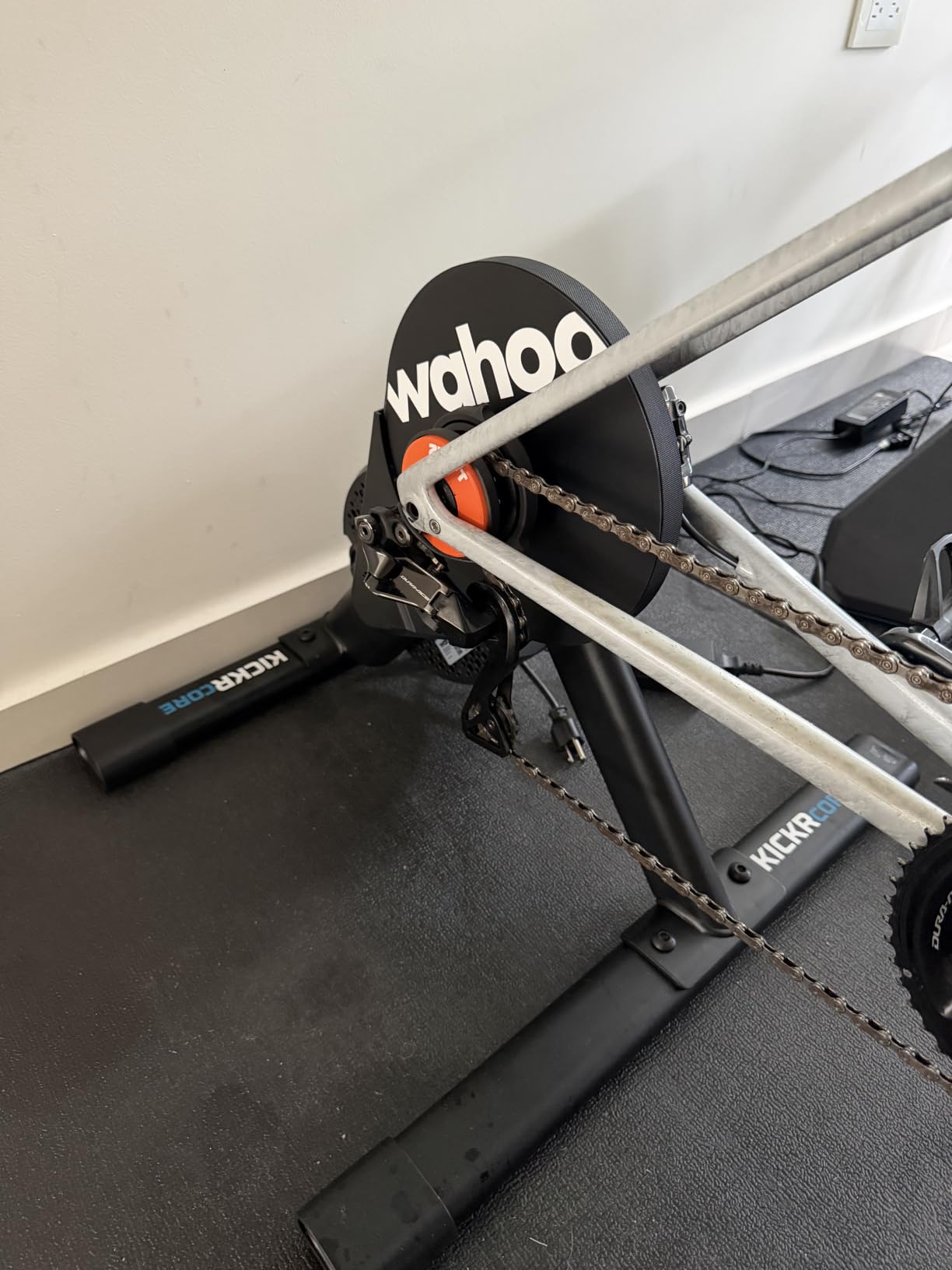
What to check before you buy the KICKR CORE 2
Decide honestly whether you will pay for Zwift. If you ride app-free or use Rouvy instead, the virtual shifting adds cost and pairing hassle for nothing, and the trainer is excellent on its own terms without it.
Then check your stability expectations. Owners report it is less stable than heavier direct-drive trainers when sprinting out of the saddle, so if your winter sessions are mostly intervals with seated pedalling, that trade is easy to accept.
Who should skip the KICKR CORE 2
Skip it if you plan to do repeated out-of-the-saddle sprints on steep simulated climbs. The lower mass than premium direct-drive units is exactly what makes it easy to move between rooms, and that same mass is what you feel under a hard attack.
Skip it if you have no place to put 13.6 kg of equipment. It is half the weight of some premium units but still a two-person lift for some riders, and there is no carry handle on this generation.
3. Wahoo KICKR V6 – Best for Structured Training Blocks
Wahoo KICKR V6 Smart Indoor Trainer
Over 2200W
Plus or minus 1% accuracy
22 kg
2.4 GHz WiFi
1 year warranty
Pros
- Calibration-free power accuracy maintained automatically
- High-inertia flywheel with AXIS feet
- Over 2200W accurate to within 1%
- Stable WiFi connection
- Wide QR and thru-axle support
Cons
- Heavy at 22 kg for moving between rooms
- One-year manufacturer warranty
- Lower review volume than entry rivals
If your winter is one long structured block on TrainerRoad or in Zwift workouts, power fidelity decides whether those sessions work at all. The KICKR V6 delivers over 2200 watts of resistance accurate to within 1%, with a calibration-free measurement system that keeps itself accurate over time rather than needing a manual routine each month.
Ride feel comes from the high-inertia flywheel and the KICKR AXIS feet, which let the trainer move side to side under you the way a bike does outdoors. The connection is a stable 2.4 GHz WiFi link to a computer, tablet or phone, which is where structured training apps benefit most.
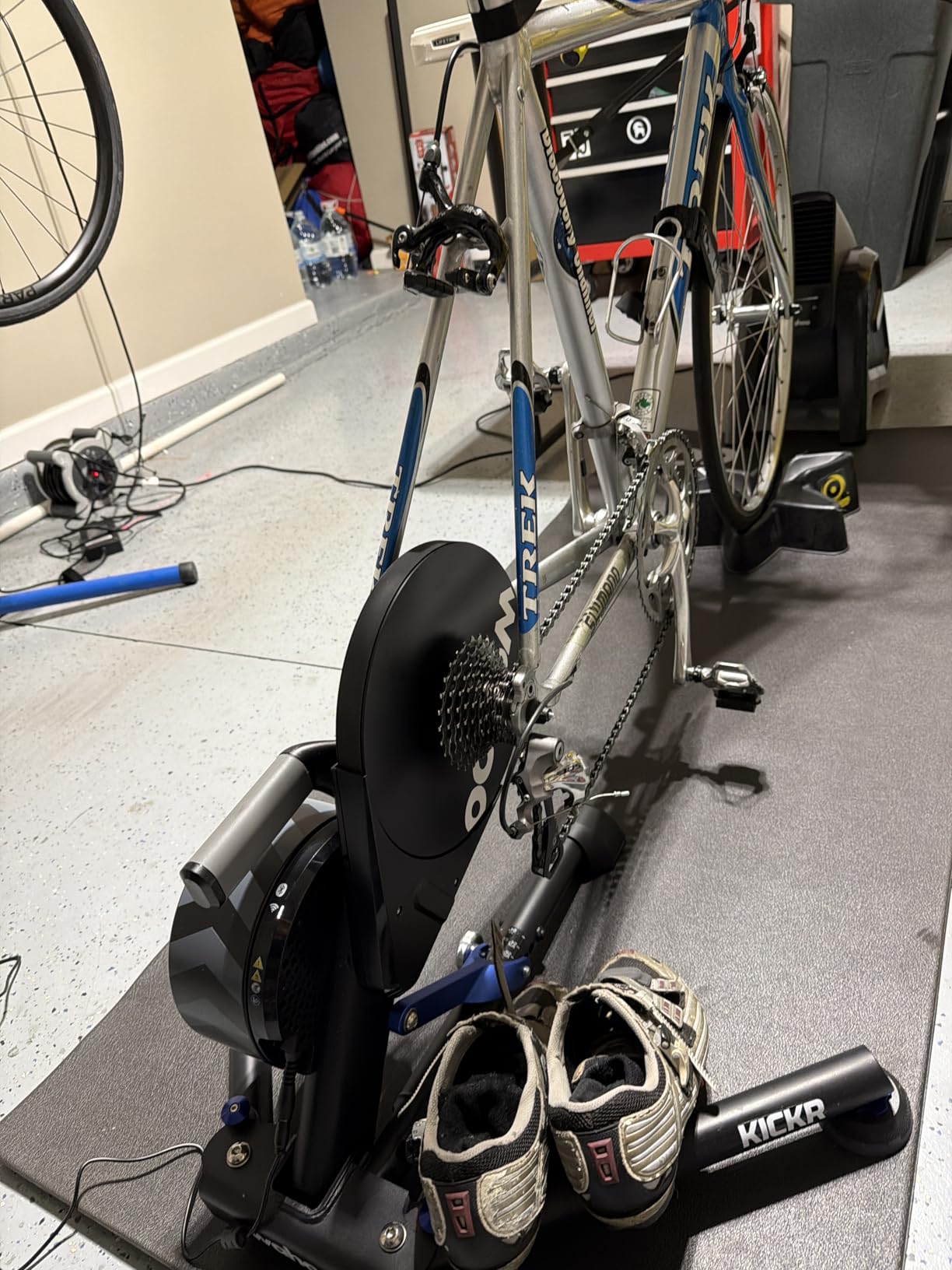
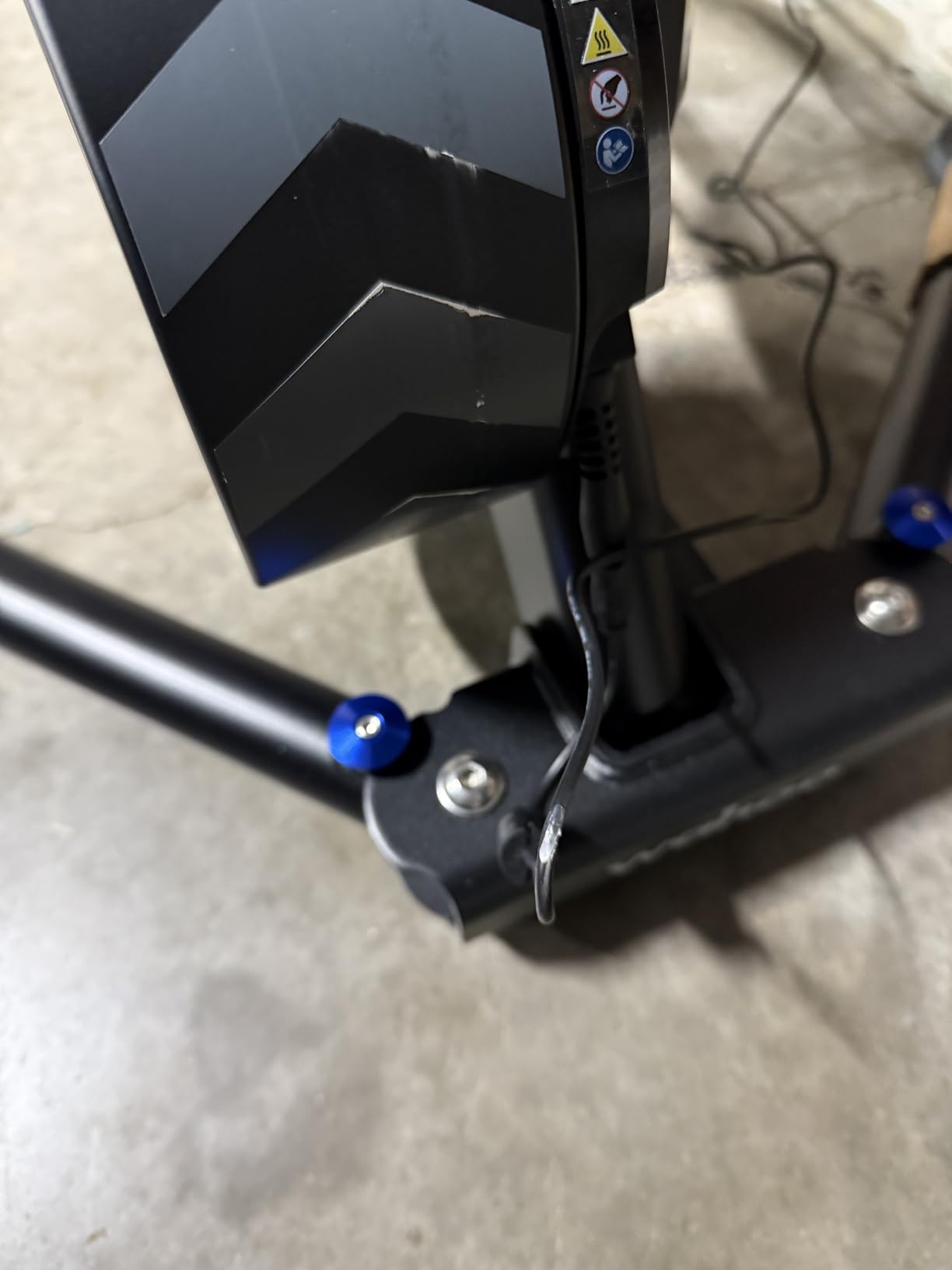
Build quality shows in the details: alloy steel frame, quick-release skewer included, disc brake caliper spacer, 1.8mm cassette spacer, and drive-side and hub adapters covering both 130mm and 135mm quick release and 12×142 and 12×148 thru-axles. The AXIS stiff and easy feet are included too.
The compromise is physical. At 22 kg this is the heaviest unit we recommend for winter use, and it is built for a fixed location. Review volume on this listing is also much lower than the entry-level magnetic trainers, so you are buying on specification and engineering rather than on a decade of owner reports.
What to check before you buy the KICKR V6
Ask whether your sessions are data-driven. If you follow a power plan, follow interval targets in an app, or care about watt-by-watt fidelity, the 1% accuracy and automatic calibration are the reason to step up. If you ride freewheel videos, this accuracy is not something you will notice.
Measure your space first. The boxed dimensions are 71 x 44 x 51 inches and the unit itself is 22 kg, so this belongs in a garage, basement or spare room that is already dedicated to training.
Who should skip the KICKR V6
Skip it if the trainer has to be moved. There is no folding option in the package, and at 22 kg you will be moving the whole unit each time rather than a light frame.
Skip it if the warranty length matters to you. This listing carries a one-year manufacturer warranty, while the KICKR CORE 2 in this roundup carries two years, so the lower-tier model is better protected out of the box.
4. Feedback Sports Omnium Over-Drive – Best for Travel and Quiet Rooms
FEEDBACK SPORTS Omnium Over-Drive Lightweight Bike Trainer with Travel Bag
14 lb
Internal eddy current resistance
Fits 16 to 29 inch wheels
3 year warranty
Travel bag included
Pros
- Silent progressive internal resistance with power
- Exceptionally light at 14 lb
- Folds into the included travel bag
- Fits 16 to 29 inch wheels on QR and thru-axle
- Clearance for disc brakes
Cons
- No app connectivity or recorded power
- Wheel-on design wears tyre tread
- Initial mounting takes practice
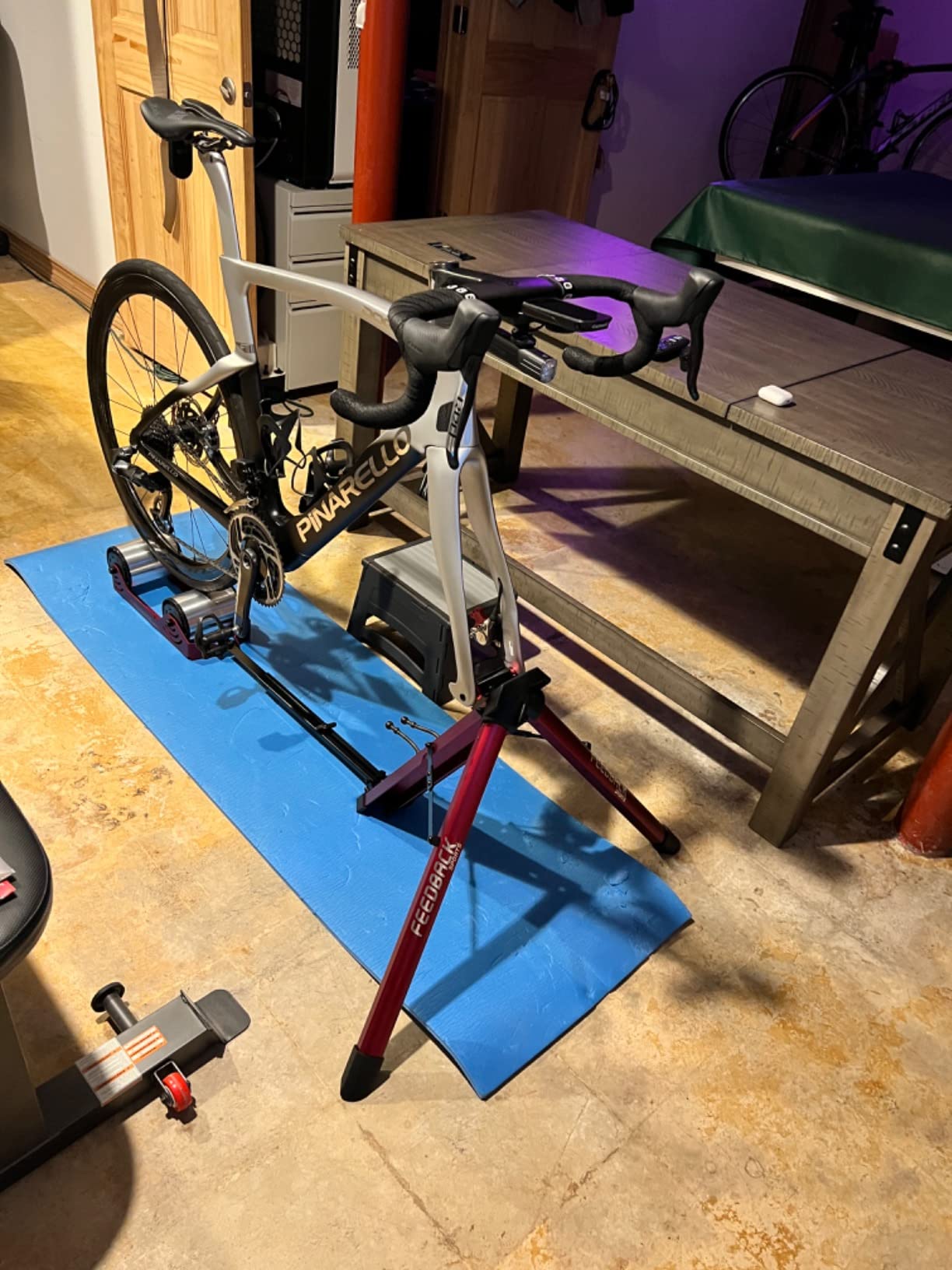
The Omnium answers a winter problem most roundups ignore: what if your setup has to be carried somewhere, or you want a trainer that works in a hotel room during race week. At 14 pounds it folds into the included travel bag, and buyers consistently describe the ride as whisper-quiet with progressive internal resistance that ramps naturally with power.
LIVE RIDE technology gives hands-free dynamic resistance, and the internal eddy current design uses precision-machined 4.25 inch aluminum rollers for smooth, quiet operation. The adjustable sled fits 16 inch to 29 inch wheels with both quick-release and thru-axle support, and there is clearance for postmount and flat-mount disc brakes.
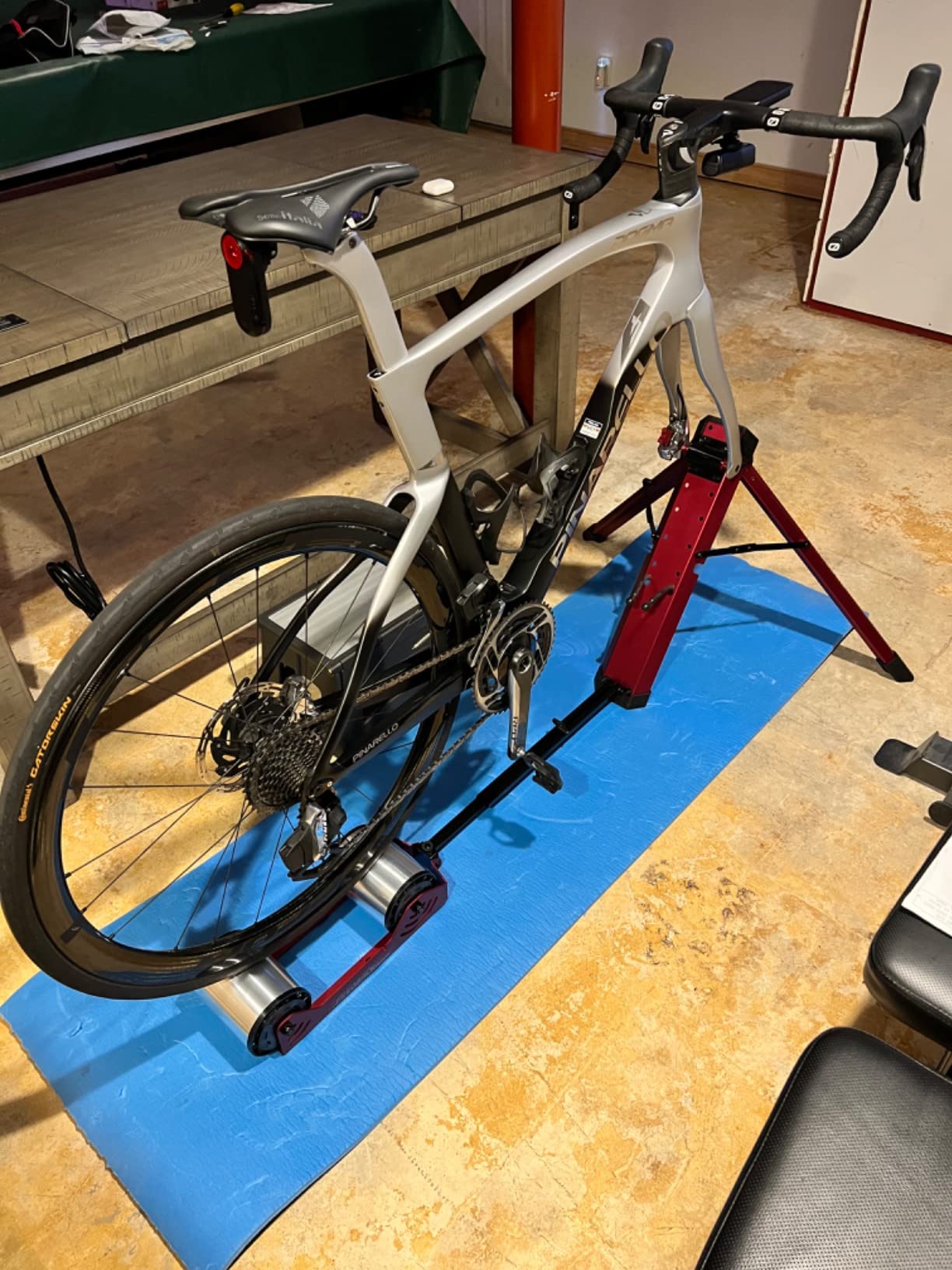
What you give up is connectivity. This is a mechanical trainer, so there is no app pairing, no recorded power and no Zwift riding. It suits steady-state and interval work, and it is stable and secure compared with a bare roller with no balance skill needed.
As a wheel-on design it also wears the rear tyre tread over time, which is the running cost every budget trainer carries. Initial mounting takes practice to get the centre of gravity right, and one owner reported internal drum noise developing after limited use.
What to check before you buy the Omnium
Decide whether a month in a suitcase is part of your winter. If you travel, race away from home or split your season between two houses, the fold-down design and travel bag are the reason to buy this over a heavier direct-drive unit.
Check your wheel size and brake type against the 16 to 29 inch range and the disc brake clearance. Riders on some modern thru-axle or tubeless setups report fit issues, so check your axle standard first.
Who should skip the Omnium
Skip it if your winter plan is virtual racing or structured workouts that need power data. There is no recorded power and no app connectivity, so this trainer takes you through winter miles rather than through Zwift.
Skip it if you want to protect a set of expensive road tyres. Wheel-on use wears tread, and a dedicated turbo tyre is effectively a requirement for a full season of use.
5. Tacx Flux S – Best for Quiet Setups
Tacx Flux S Smart Bike Trainer, Black, Model:T2900S.60
Electromagnetic direct drive
3% power accuracy
1500W sprint resistance
10% gradient
50 lb
Pros
- Direct-drive accuracy within 3%
- Near-silent operation
- Works with Zwift and Tacx apps
- Sturdy frame for standing pedalling
Cons
- Heaviest unit here at 50 lb
- 10% gradient ceiling is dated
- Older generation design with fixed feel
The Flux S is the quietest direct-drive option we would put in a small flat, and that is the winter use case it serves best. Owners rate it as next to silent, with resistance that does not disturb housemates, and the direct-drive electromagnetic unit measures power within 3%.
It works with third-party apps such as Zwift and Tacx, and the frame is sturdy enough to support standing on the pedals for full-out efforts. The metal frame carries a two-year limited warranty, which is reassuring for a purchase you intend to use for years.
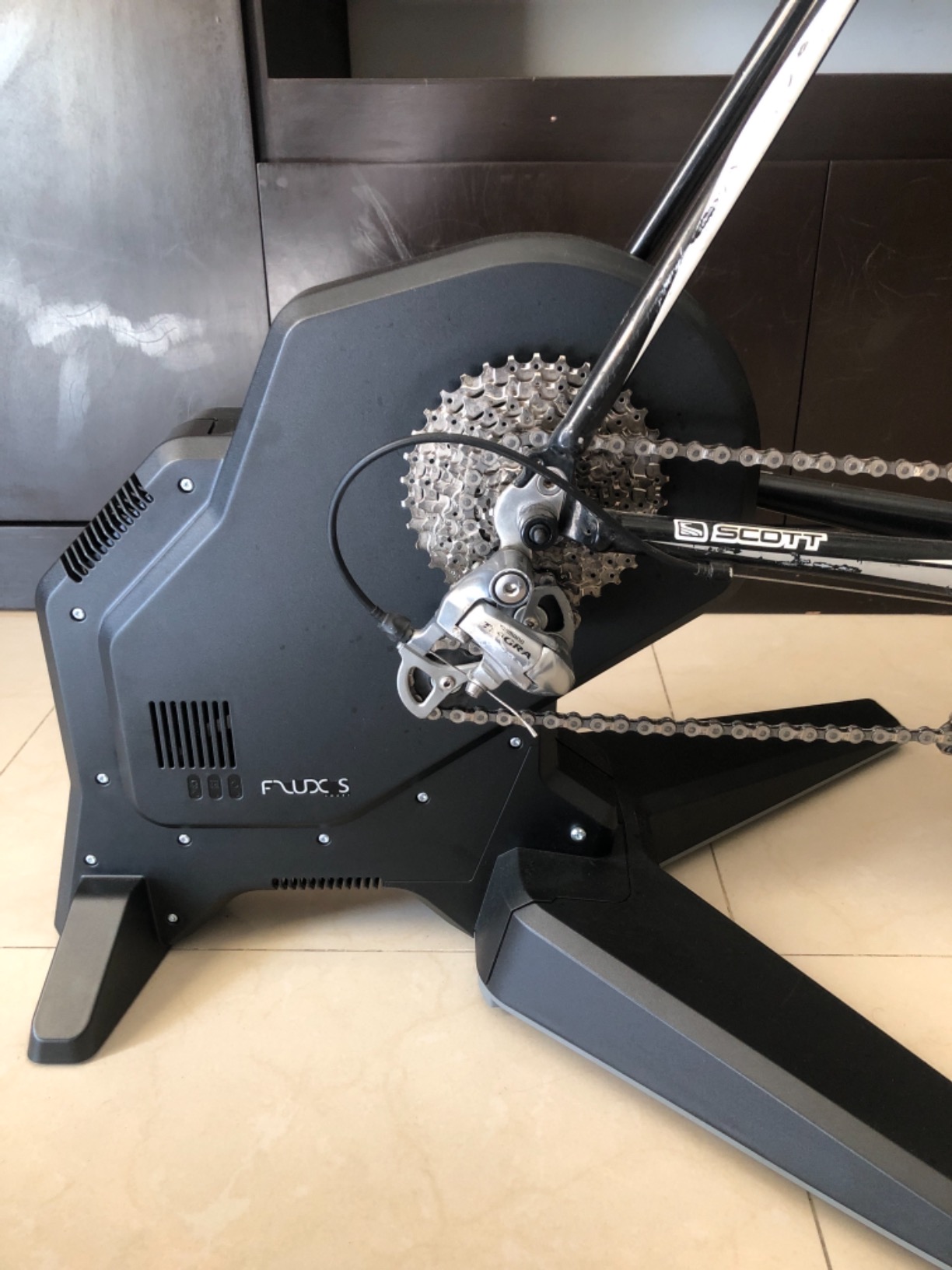
The limits are generational. Incline simulation tops out at 10% with 1500 watts of sprint resistance, so steep virtual climbs will feel shallower than on a current-generation trainer. The fixed, non-adjustable side-to-side feel is the other tell, since newer direct-drive units add motion by design.
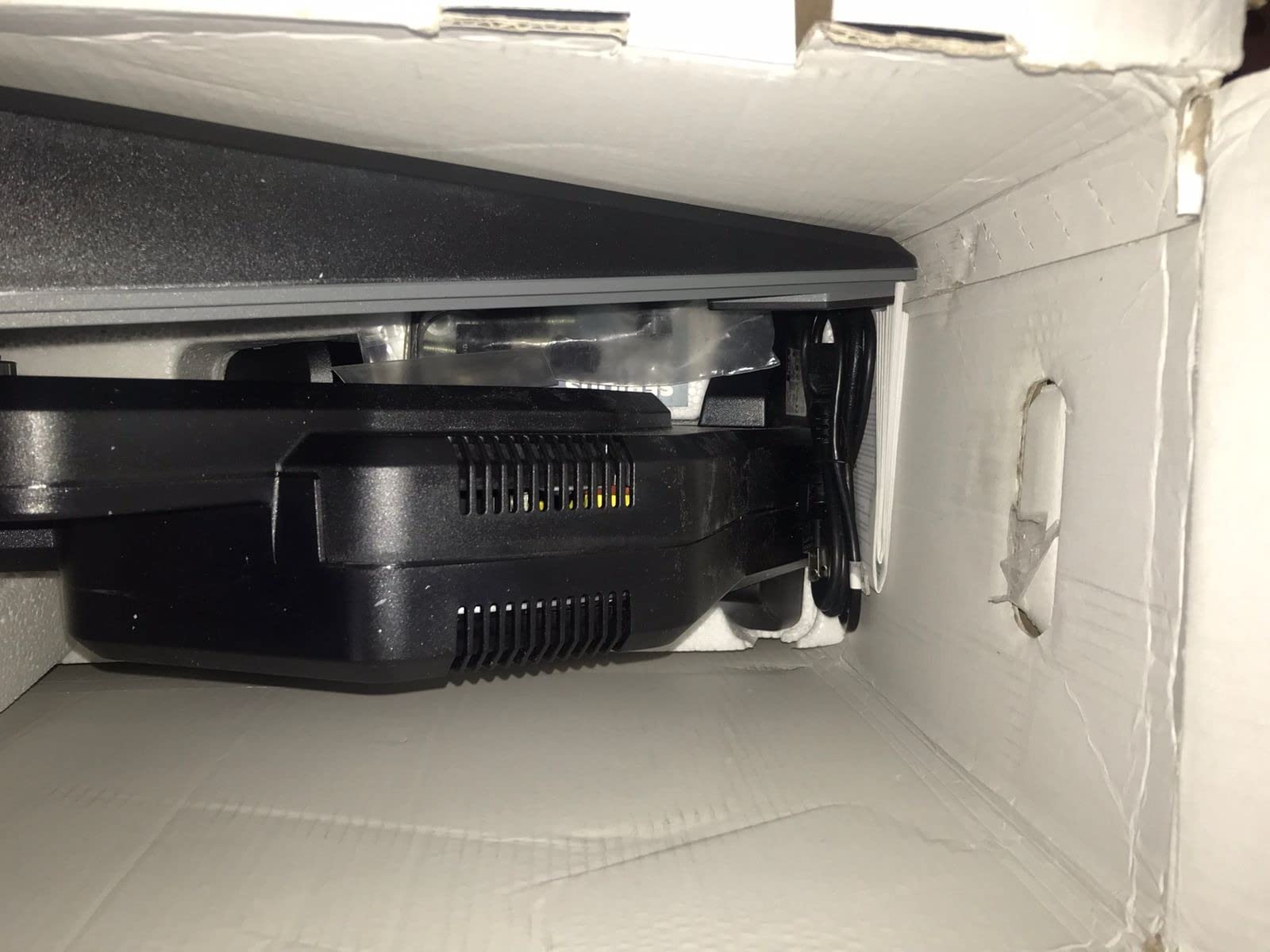
At 50 pounds this is the heaviest trainer in the roundup, and that shapes the whole winter experience. It is a one-spot purchase, not a put-away-when-finished purchase.
What to check before you buy the Flux S
Check how much of your winter riding happens above 10% gradient. Long climbs are where the older design shows its age. If your winter is mostly flat, threshold and recovery work, the ceiling will not be the limiting factor.
Check your floor and your lifting situation. Fifty pounds with no folding option means a fixed location and a real effort every time you move it.
Who should skip the Flux S
Skip it if you are a heavier rider or if you ride above 10% gradient regularly, since the older generation ceiling shows most on steep work. Skip it if you want the newest ride-feel features, because the fixed design has no inbuilt motion or rocker.
Skip it if the noise advantage is your only reason. A quiet magnetic wheel-on trainer is a fraction of the weight and the same order of quietness for steady-state winter miles.
6. ThinkRider X2Max – Best Budget Smart Training
ThinkRider X2Max Smart Bike Trainer,2000w,Simulates 18% Slope,ANT + & BLE
2000W at plus or minus 2%
18% simulated gradient
58dB at 30km/h
BLE and ANT+
1 year warranty
Pros
- 2000W with plus or minus 2% error
- Simulates 18% gradient and auto-matches terrain
- Quiet enough to ride with audio at 58dB
- Easy BLE and ANT+ pairing with Zwift and Rouvy
- Strong value against premium direct-drive
Cons
- Cassette not included
- Shorter legs reduce stability when accelerating
- Companion app is poorly built
The X2Max is the value pick for a rider who wants real smart training features without stepping up to a premium direct-drive price. The DEPT dynamic electromagnetic torque meter produces power up to 2000W within 2% error and simulates an 18% gradient, with auto-matching of in-app terrain grade.
Quiet operation is the standout. The published figure is about 58dB at 30km/h, low enough to ride with music or podcasts, and owners report quick Bluetooth pairing. Dual BLE and ANT+ support covers Zwift, Rouvy and MyWhoosh.
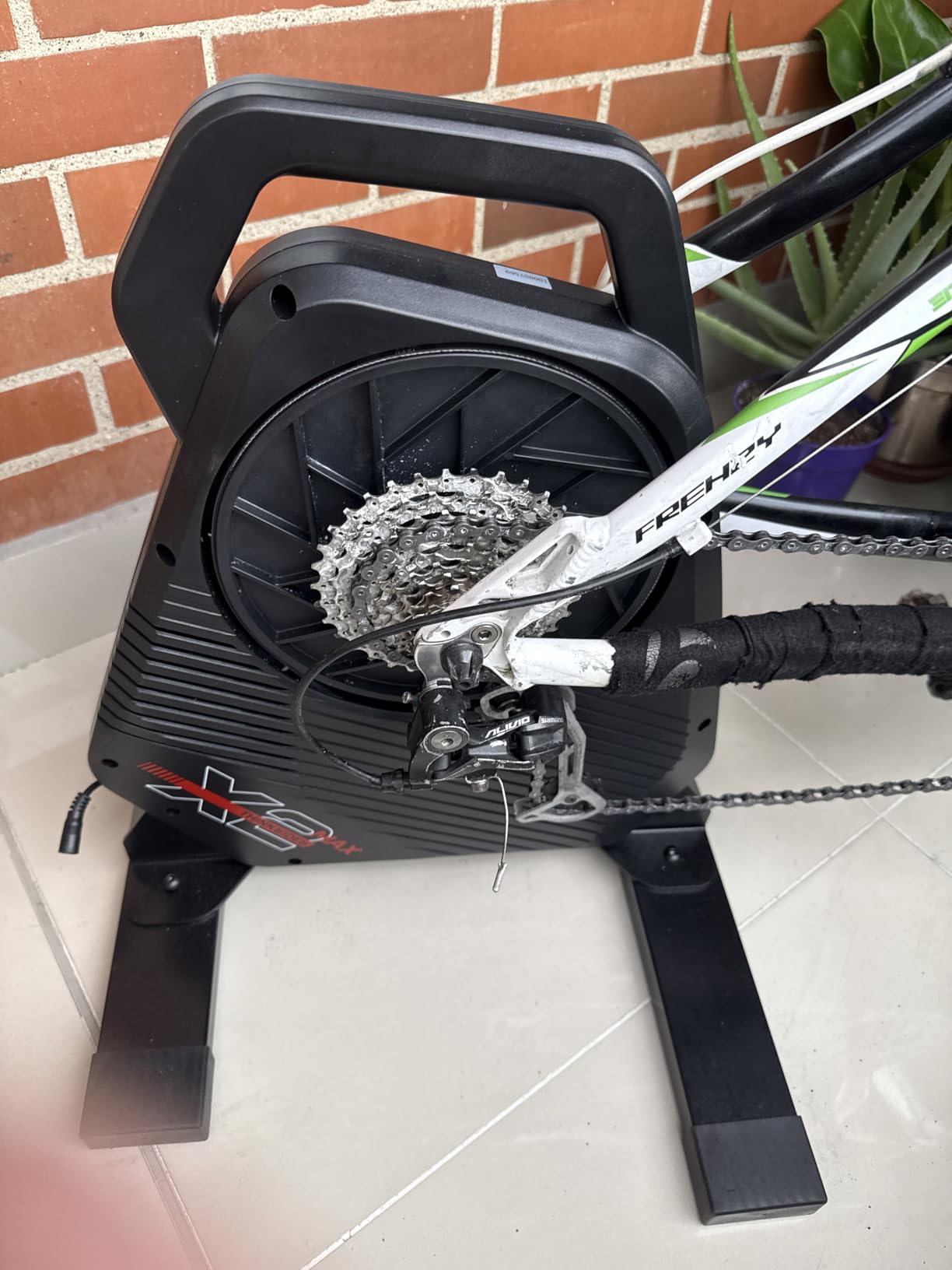
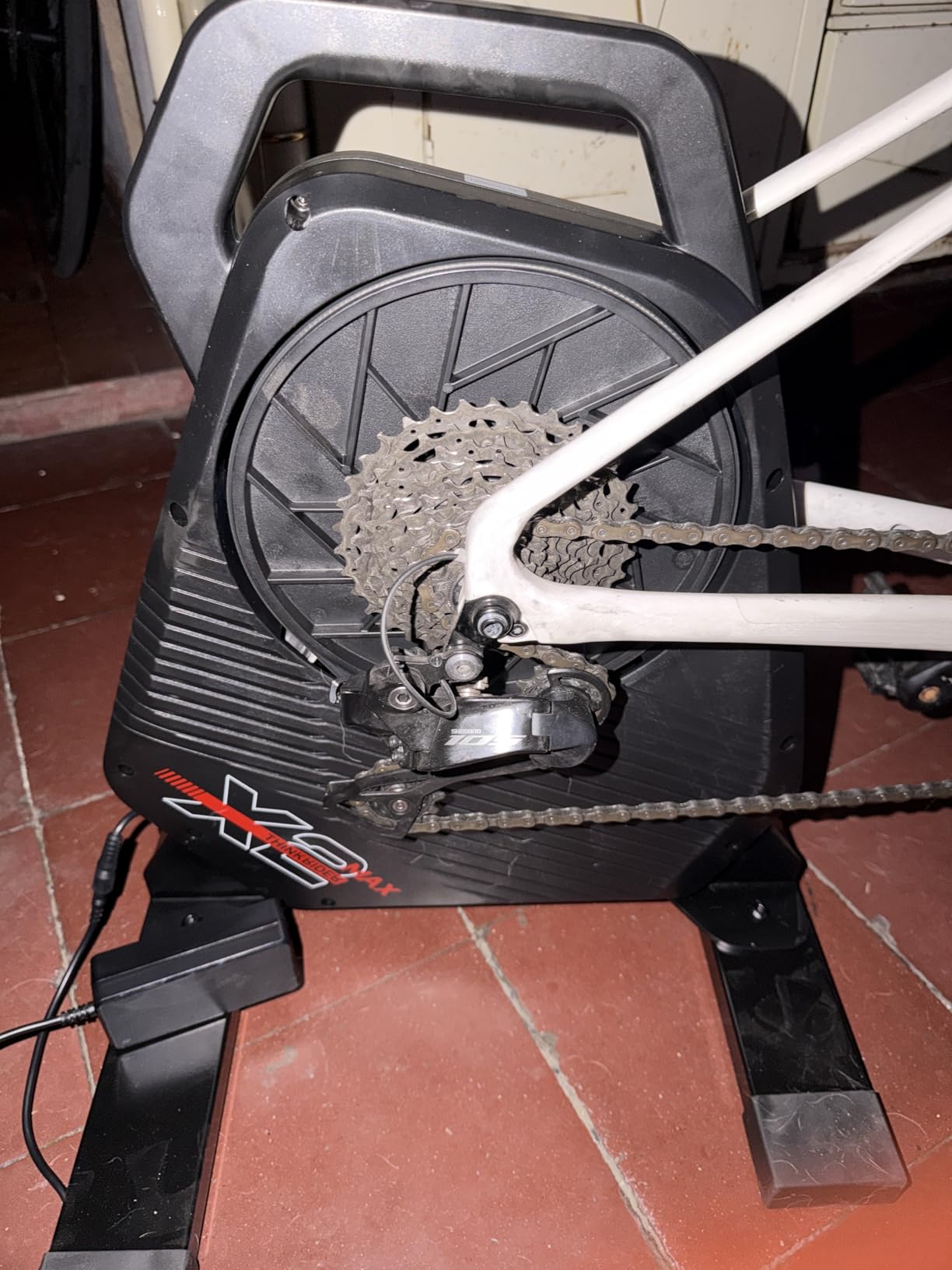
There are costs owners mention repeatedly. The cassette is not included, which adds to the purchase, and the shorter legs make the unit less stable than larger models when you accelerate out of the saddle. Some riders report chain noise they attribute to a hub that may not spin perfectly true.
The companion smartphone app is considered poorly built, and installation instructions are thin on hub spacer placement. The I-beam triangular frame structure handles a 240 pound load on a one-year warranty.
What to check before you buy the X2Max
Budget for the cassette before you start. Owners consistently flag it as a missing item, so the true cost of a smart setup includes it. Check your frame against the supplied adapters at the same time.
Check how much of your winter work is out of the saddle. Seated riding, endurance and gradient sessions are where the 2000W ceiling and 18% simulation shine, and where the shorter-leg stability issue never comes up.
Who should skip the X2Max
Skip it if your winter includes hard standing starts or racing. The stability feedback on shorter legs is the most repeated caveat, and e-racing demands exactly that kind of out-of-saddle work.
Skip it if you rely on manufacturer phone apps. The companion app draws consistent criticism, so plan to control resistance from your training platform rather than from the unit itself.
7. Saris M2 Smart – Best for Quick Bike Swaps
Saris M2 Smart Indoor Bike Trainer, Compatible with Zwift App, Black, Made in the USA
Wheel-on electromagnetic
300 lb load capacity
69dB at 20 mph
Plus or minus 5% accuracy
Limited lifetime warranty
Pros
- No rear wheel removal needed
- Electromagnetic resistance for repeatable workouts
- Dual ANT+ FE-C and Bluetooth
- Zwift certified
- One month of Rouvy included
Cons
- Loudest in the group at 69dB
- Plus or minus 5% accuracy trails direct-drive
- Wheel-on design wears the rear tyre
The M2 is the trainer for a shared household or a partner who also rides. Because it clamps to the rear wheel rather than replacing it, swapping between two bikes takes seconds, and the wheel-on design means no drivetrain work at all at either end of the session.
Resistance is controlled and consistent, and the unit carries dual ANT+ FE-C and Bluetooth with Zwift certification, so it plugs into structured training platforms without fuss. A steel quick-release skewer is included and the alloy steel frame holds up to 300 pounds.
Noise is the honest problem. The measured figure is 69 dB at 20 mph, which is the loudest in this group, and power accuracy of plus or minus 5% trails premium direct-drive trainers. A meaningful share of one-star reviews mention durability complaints, so check the limited lifetime warranty terms for your region before committing.
Wheel-on use also wears the rear tyre over time. A dedicated turbo tyre is close to mandatory if you plan to ride all winter on the same wheel.
What to check before you buy the Saris M2
Count your bikes and your household. If more than one person trains on the same setup, or if you swap between a road bike and a mountain bike regularly, the no-wheel-removal design is the whole point and is hard to replicate elsewhere.
Then check your neighbours. At 69 dB at 20 mph, this is the loudest trainer we tested in this roundup, and it is a poor fit for a flat with a downstairs neighbour who works nights.
Who should skip the Saris M2
Skip it if accuracy drives your training. Plus or minus 5% is enough for general fitness and endurance work, but it is too loose for riders who chase watt-by-watt targets or run power-based plans.
Skip it if noise is your first concern or if you want to protect a single set of road tyres. Budget for a turbo tyre before the first session, and expect tyre replacement within the season.
8. Alpcour Magnetic Trainer Stand – Best for a Hard Top Gear
Alpcour Bike Trainer Stand for Indoor Riding – Portable Foldable Magnetic Stainless Steel Indoor Trainer, Noise Reduction, 6 Resistance Settings & Bag – Stationary Exercise for Road & Mountain Bikes
Magnetic resistance
6 levels
Stainless steel frame
9.34 kg
Fits 26-28 inch and 700c
Pros
- Assembles with a single bolt and a resistance cable
- Folds into the included carry bag
- Handlebar controller changes resistance while riding
- Strong top setting for a magnetic unit
Cons
- Louder than expected with knobby tyres
- Rocker a bit out of the saddle
- Requires swapping the quick-release skewer
The Alpcour is the trainer we recommend for a rider who wants a genuinely hard final gear without spending smart-trainer money. The magnetic flywheel drag technology with built-in noise reduction produces a real workout at the top of six resistance levels, and buyers single that out repeatedly.
Assembly is genuinely easy: one bolt to thread and the resistance cable to unwind. The frame is stainless steel with anti-slip rubber pads, a front wheel riser block is included, and the whole thing folds into a free carry bag for storage or travel.
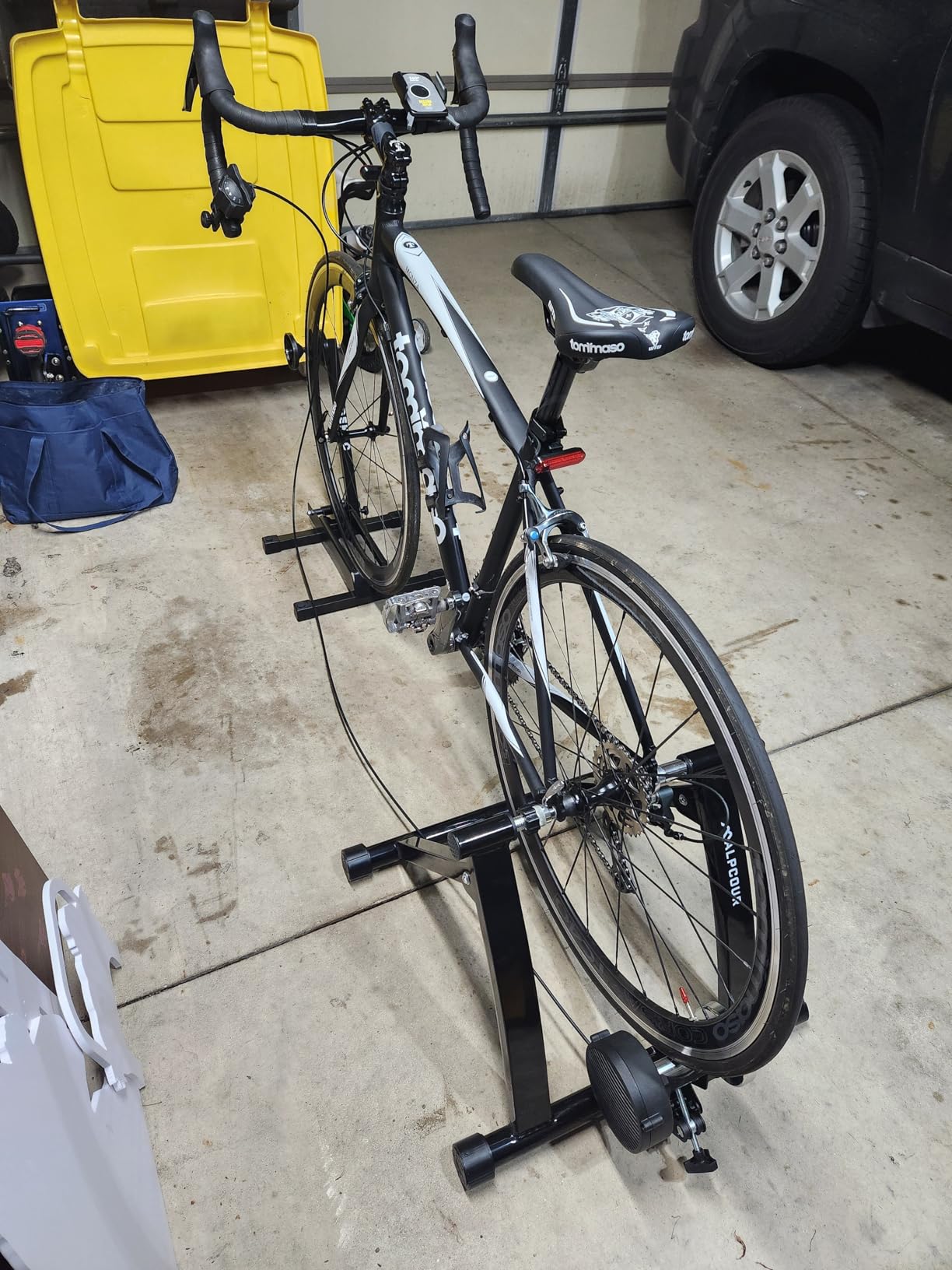
Noise depends almost entirely on your tyres. Buyers fitting smooth road tyres report a quiet, smooth ride, while those on knobby mountain bike tyres report noticeable noise and tread wear. The handlebar-mounted controller lets you change resistance mid-ride without dismounting.
The legs are shorter than ideal, so the unit rocks a little out of the saddle on steep climbs. You also swap the bike’s quick-release skewer for the supplied one, and the handlebar clamp opens only so far, which some riders find awkward to position. The frame fits 26-28 inch and 700c wheels.
What to check before you buy the Alpcour
Check your tyres and your rear wheel. The same stand that is quiet on a slick road tyre can be loud on a knobbly, and the review base on this listing is large enough that the tyre effect is well documented rather than anecdotal.
Check whether seated work is your default. The shorter legs mean the trainer rocks when you stand on steep climbs, so riders whose winter sessions are mostly out-of-the-saddle efforts should look at a wider-base unit instead.
Who should skip the Alpcour
Skip it if you want recorded power or app-based resistance control. There is no connectivity here, so resistance is set by a cable on the handlebar and nothing is recorded for later.
Skip it if you need to hop between bikes without tools, since the quick-release skewer swap adds a step every time. The stainless steel build also weighs 9.34 kg, so it is a carry for one person rather than a carry-anywhere trainer.
9. Saris Mag and Mag Plus – Lightest Option in the Lineup
Saris Magnetic Indoor Bike Trainer, Magnetic Resistance, Compatible with Zwift App
Magnetic resistance
5 levels
7 lb
Fits 120 to 135mm dropouts
Limited lifetime warranty
Pros
- Lightest trainer here at 7 lb
- Smooth frictionless magnetic operation
- Five adjustable resistance levels
- Connects to Zwift and other apps
- Limited lifetime warranty
Cons
- No self-calibration or automatic grade control
- Resistance steps feel uneven
- Wheel-on design wears the tyre
At seven pounds, the Saris Mag is the trainer you can move with one hand, and that single fact changes what a winter trainer can be. It lives in a cupboard, comes out for a session, and goes back. Nothing else in this roundup is as easy to store.
The magnetic operation is smooth and frictionless, with five adjustable resistance levels and app connectivity for Zwift riding at the most basic level. It fits 120mm, 130mm and 135mm dropout spacing, and it is made in the USA.
The limited lifetime warranty is the standout for a budget trainer, and it is the main reason to prefer this over a cheaper unbranded stand. Buyers also note the alloy steel and aluminum construction holds up well for the money.
What limits it is granularity and control. Magnetic resistance here cannot self-calibrate or control grade automatically, and a meaningful share of three-star reviews suggests the resistance steps feel uneven rather than progressive. Wheel-on use still wears the tyre.
What to check before you buy the Saris Mag
Check your dropout spacing first. At 120mm to 135mm, this is a quick-release trainer, and it will not suit a modern thru-axle bike without an adaptor that is not part of the package.
Check how much structure you want from the app. Connectivity here is enough to ride Zwift at the most basic level, but resistance is set manually on the unit, so the app cannot drive your grade.
Who should skip the Saris Mag
Skip it if you ride intervals. With no automatic resistance control and uneven steps between levels, this is a trainer for steady winter miles rather than for structured threshold or sprint work.
Skip it if your bike is thru-axle or if you want power data recorded from the unit itself. Neither is supported here, and adding sensors turns the cost of ownership higher than the trainer saved you.
10. Sportneer Magnetic Trainer – Most Versatile Most Versatile
Sportneer Bike Trainer – Magnetic Indoor Cycling Trainer Stand for 26-28″ & 700C Wheels, 6 Resistance Levels Stationary Bike Stand with Quick Release Lever & Front Wheel Riser Block Black
Magnetic resistance
6 levels
300 lb load capacity
19.3 lb
1 year warranty
Pros
- The most reviewed trainer here by a wide margin
- Six differentiated resistance levels with a bar remote
- Wide axle range for 26-28 inch and 700C
- Five adjustable feet for uneven floors
- Quiet on smooth road tyres
Cons
- Loud with knobby tyres until the roller gap is set
- No use with internal gear hub bikes
- Bearing failures reported after a few hundred miles
Nothing else in this roundup has the owner evidence behind it. Over eight thousand ratings makes the Sportneer the safest possible first indoor bike trainer, because every common complaint and every common fix is already documented publicly rather than something you discover alone in January.
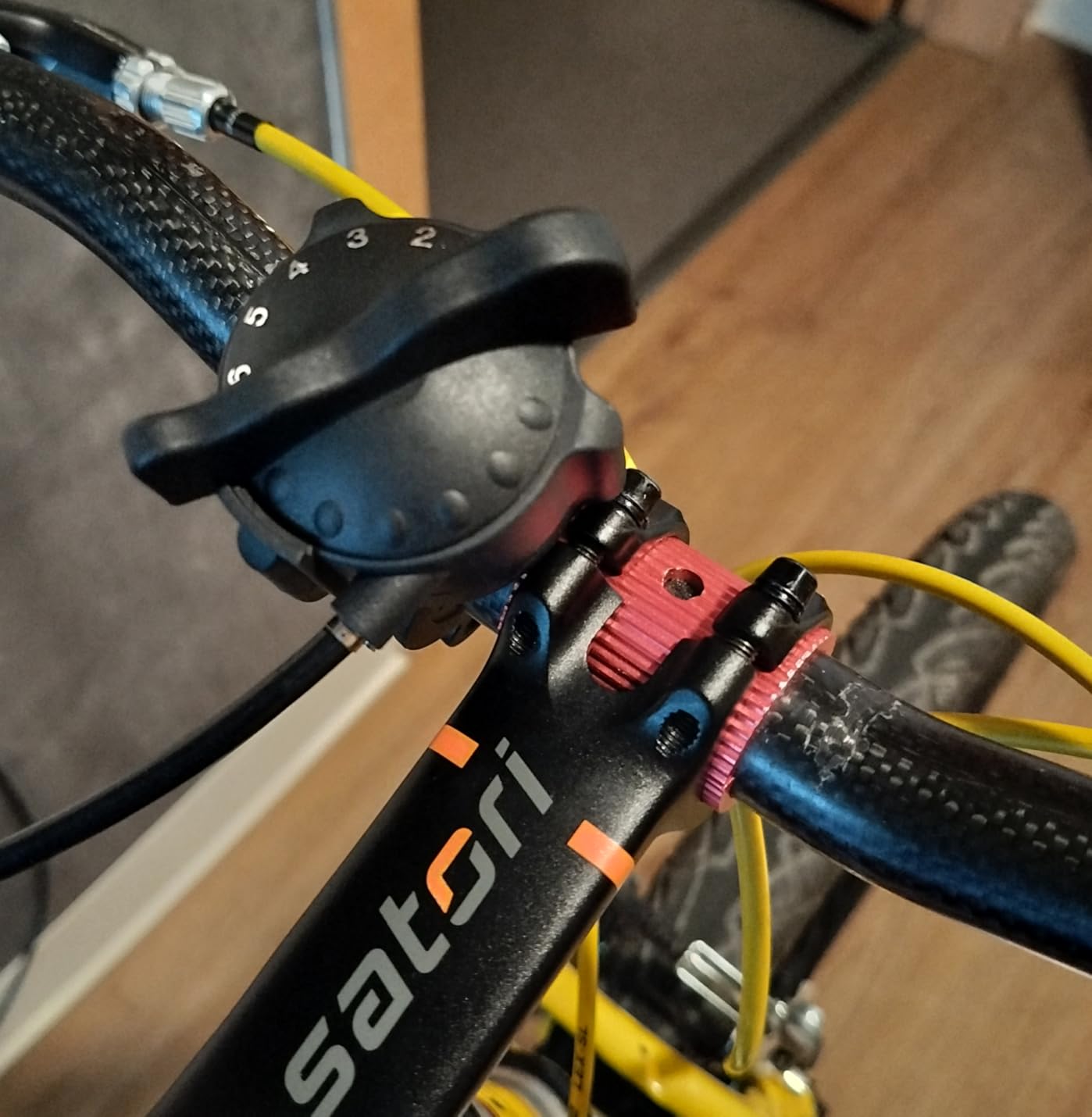
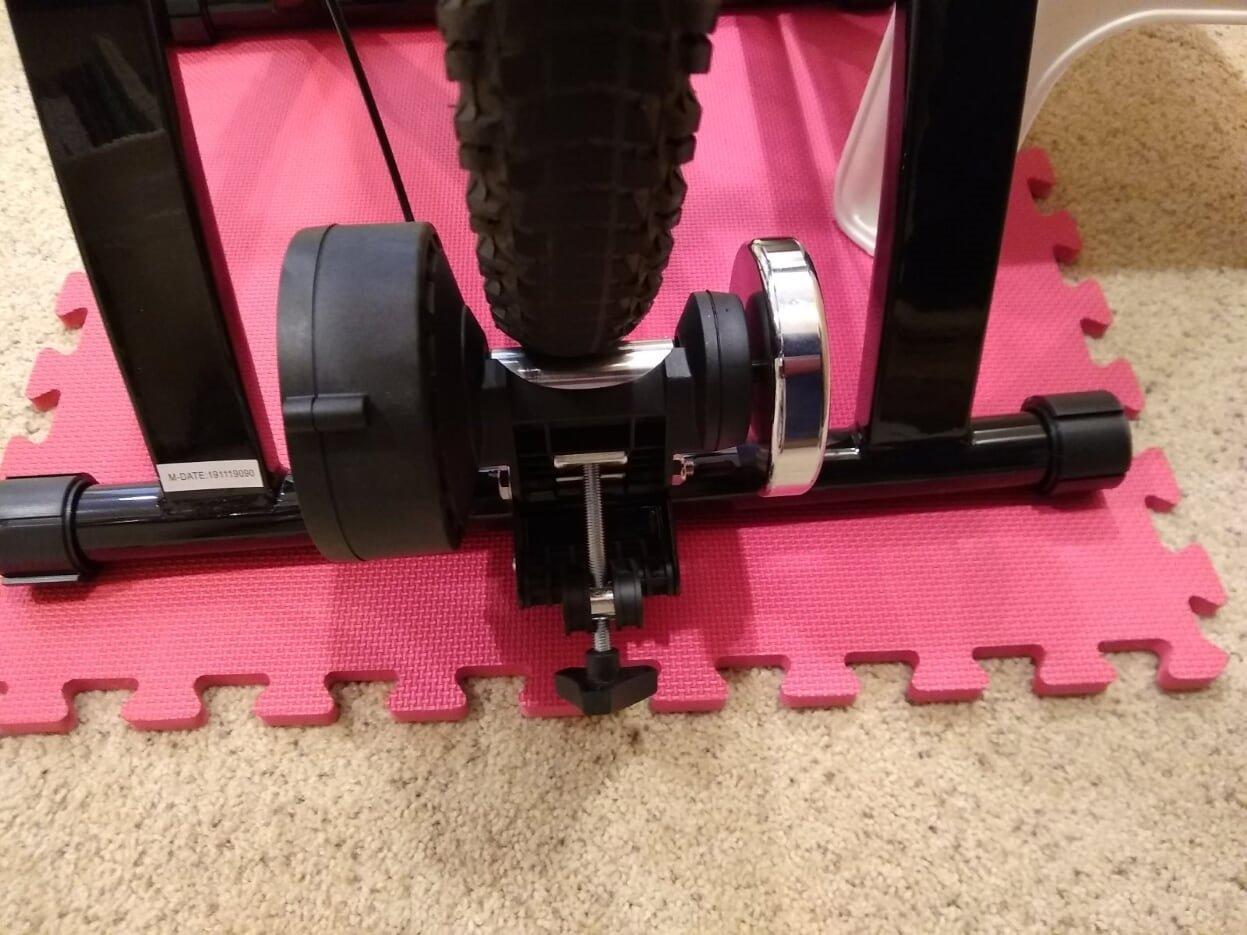
The mechanics are straightforward and well proven. Six clearly differentiated magnetic resistance levels are set with a bar-mounted remote, a press-down lever clamp makes bike release quick once dialled in, and a front wheel riser block is included. The wide base, low centre of gravity and five adjustable anti-slip rubber feet handle uneven floors, which matters in a garage or older house.
Axle coverage is broad: 26-28 inch and 700C wheels with rear axles from 4.92 inches to 6.57 inches. A quick release skewer is included and a thru-axle adapter version is available separately. The load capacity is 300 pounds on alloy steel.
The noise story is again about tyres and setup. Owners report smooth road tyres produce almost no noise beyond light vibration, while knobby tyres are loud until the roller gap is dialled in correctly. Rear holder alignment is fiddly, repeated mounting can stress the derailleur arm, and the trainer cannot be used with internal gear hub bikes.
What to check before you buy the Sportneer
Check your wheel format first, because internal gear hub bikes are excluded and thru-axle bikes need the separate adapter. That single check rules the trainer in or out for a lot of riders, and it takes two minutes with your bike against the packaging.
Plan the roller adjustment. The single most repeated fix across reviews is setting the roller gap correctly, and doing it once in daylight before your first evening session will save you a lot of frustration.
Who should skip the Sportneer
Skip it if you want recorded power or automatic resistance control. This is a magnetic unit with a mechanical remote, so there is no data to feed a training plan and no ERG mode.
Skip it if your winter is mostly out-of-the-saddle sprinting, or if you are sensitive to mounting the bike repeatedly. The fiddly rear holder alignment is a real, if minor, cost when you train every day for five months.
How to Choose an Indoor Bike Trainer for Winter
Choose in this order: trainer type, then power ceiling, then noise and housing, then app compatibility, then bike fit. Working through the sequence in that order prevents the most common mistake, which is buying a high-wattage direct-drive unit for a spare room that cannot take the noise or the storage.
Pick the type before anything else
Direct-drive trainers clamp to the rear dropouts and read power from the cassette rather than the tyre. They are accurate, quiet, app-connected and they need a compatible cassette. Wheel-on trainers press a roller against the rear tyre, keep the wheel on the bike and cost less, but they wear tread and run louder. Friction trainers use a fan or fluid drag and are the simplest option of all.
Rollers are a fourth category, and they are the most portable. A dedicated indoor bike skips the trainer entirely. The winter-specific trade-off is simple: every wheel-on design in this roundup eats a tyre, and every direct-drive design needs a cassette you already own.
Work out how much power you actually need
Match the trainer to your riding rather than to the biggest number available. The ThinkRider X2Max and Wahoo KICKR CORE 2 class trainers deliver around 2000W or slightly less, which covers base mileage, threshold work and moderate intervals for almost all riders. The Tacx Neo 2T and KICKR V6 go past 2200W, which is what racing and repeated sprint work need.
On the other end, magnetic wheel-on trainers top out far lower and change resistance in fixed steps. That is fine for steady winter miles and useless for a programmed interval session.
Use the noise rule for where you live
Measured figures give you a workable rule. The ThinkRider X2Max is documented at about 58dB at 30km/h, and the Saris M2 measures 69 dB at 20 mph. A direct-drive unit on a riser with no fan is quieter than almost any wheel-on design, because the loudest sound on a wheel-on trainer is the tyre itself.
So the apartment rule is straightforward. If you live above someone, prioritise direct drive, add a riser unit so the tyre is not spinning free, and fit the quietest tyre your bike will take. Owners on r/cycling describe direct-drive trainers as effectively silent for their situation, with sweat and heavy breathing being the bigger issue than the machine itself.
Handle cold rooms properly
Most of us set the trainer up in a garage, a spare room or a shed, and winter is exactly when that space is coldest. Let the bike and trainer sit in the room for fifteen minutes before a structured session so the drivetrain, tyre and resistance unit reach a steady state before you judge your power data.
In a heated room you can leave the fan off. In an unheated one, a fan is worth the noise for the first ten minutes, and it keeps sweat moving before you start a hard block. A towel under the bike catches the water that would otherwise run down the frame and into the bearings.
Match the app to the trainer, not the other way round
If you ride Zwift, the KICKR CORE 2 with the Zwift Cog and Click gives you 24 virtual gears with no shift lag, and the 3rd generation Cog also fits a 3x drivetrain. That is the smoothest setup in this roundup for a household with two different gearing setups, because one trainer can serve both bikes.
ERG mode is the other thing to understand before you buy. It means the trainer adjusts resistance to hold you at a set wattage regardless of your cadence, which is what makes a structured workout repeatable. You do not need it for free riding, and every smart trainer here has some version of it. If you ride app-free, it is a feature you will never touch.
Check bike compatibility and warranty terms last
Check the axle standard, the cassette type and the wheel size before you order, because these decide whether the trainer works at all. Most direct-drive units here include adapters for 130mm and 135mm quick release and 12×142 and 12×148 thru-axles. Some cheaper designs, including the Sportneer, exclude internal gear hub bikes.
On warranty, coverage varies widely: two years on the KICKR CORE 2 and the Tacx Flux S, one year on the KICKR V6 and the ThinkRider X2Max, three years on the Feedback Sports Omnium, and limited lifetime terms on both Saris trainers. Check whether your bike maker’s warranty covers trainer use, and keep your receipt for the same reason you would for any component.
Setting Up Your Trainer Before the First Winter Session
Setup friction is the complaint that ends winter training habits, and almost all of it is solved once. Doing this list before you ride means the first session is a workout rather than a troubleshooting exercise.
Level the floor first. The Sportneer in this roundup has five adjustable anti-slip rubber feet, and the wider-base models benefit most from using them. An uneven floor is the main cause of trainers rocking out of the saddle.
Fit a riser unit where the wheel sits. This both raises the front end to a sane height and stops the tyre spinning freely, which is the biggest single noise reduction available to you.
Handle the axle deliberately. For direct-drive units, remove the rear wheel, fit the correct drive-side adapter for your cassette, and replace the skewer or thru-axle. Take the time to check the thru-axle torque on the first ride rather than assuming it.
Fit a turbo tyre on wheel-on trainers. A sacrificial high-pressure tyre protects your road tyres and reduces noise. Plan for its replacement within the season rather than treating it as a one-off cost.
Pair the app before you sweat. Connect over Bluetooth or ANT+ for most units, or WiFi on the Wahoo trainers, and confirm that power data is arriving in the app before the first interval.
Do the one-time calibration or spindown. Higher-end direct-drive units calibrate automatically, but if yours needs a manual routine, run it once on day one so every session afterward reads the same way.
Finally, plan for the bike itself. Over five months of indoor riding, sweat and salt reach the drivetrain and frame, and a floor towel plus a wipe-down after each session costs nothing and keeps corrosion off the bearings. Riders who report the biggest season-long regret are almost always the ones who skipped this part.
Frequently Asked Questions
Is an indoor bike trainer worth it for winter training?
Yes, for most riders. A trainer removes weather, darkness and cold as reasons to skip a session, gives far more repeatable power data than outdoor riding, and makes structured interval work practical. It earns its place fastest if you already have a favourite route or workout you repeat through the dark months.
Are indoor trainers noisy enough to use in an apartment?
Direct-drive trainers are the quiet choice, with measured figures on some models around 58dB. Wheel-on designs run louder because the tyre is the noise source, and the loudest trainer in this roundup measures 69 dB at 20 mph. Add a riser unit, fit a quiet tyre and ride at lower hours if you live above someone.
Direct drive vs wheel-on trainer, which should I buy?
Buy direct drive if you want app data, gradient simulation, low noise and no tyre wear, and accept that you need a compatible cassette. Buy wheel-on if you want the lowest cost, instant bike swaps and a setup in a small storage space, and accept tyre wear and more noise.
Do indoor trainers damage my bike or tyres?
The bike itself takes little damage: rear wheel removal, tyre heat and sweat and salt reaching the drivetrain are the real costs. Wheel-on trainers wear tyre tread noticeably, so fit a turbo tyre. Direct-drive units shift the wear to the cassette and chain, which is easier and cheaper to replace.
What is ERG mode and do I really need it?
ERG mode means the trainer holds a set wattage by adjusting resistance automatically, no matter how hard you push or drop your cadence. It is what makes a structured workout repeatable. You only need it if you follow power targets or training plans, and it is standard on every smart trainer in this roundup.
Can I use any bike on an indoor trainer?
Almost, but not quite. Check your axle standard first, because quick-release dropouts from 120mm to 135mm and thru-axles at 12×142 and 12×148 are the common formats. Internal gear hub bikes are excluded on some budget trainers, and a thru-axle adapter is sometimes sold separately.
Conclusion: Which Indoor Bike Trainer to Buy for Winter
The Garmin Tacx Neo 2T is our pick for winter overall, because quiet magnetic resistance and realistic ride feel are what carry you through the fifth month rather than the first. The Wahoo KICKR CORE 2 with the Zwift Cog and Click is the better choice for most households, and the Sportneer magnetic trainer is the safest way to find out whether you even like training indoors.
Whichever one you pick, buy it before the season starts rather than in the first cold snap. Setup takes an afternoon, and a trainer assembled calmly in 2026 is one you will still switch on in March. If you are also thinking about recording your sessions, our guide to the best cameras for personal trainers covers the practical side of filming indoor work.