
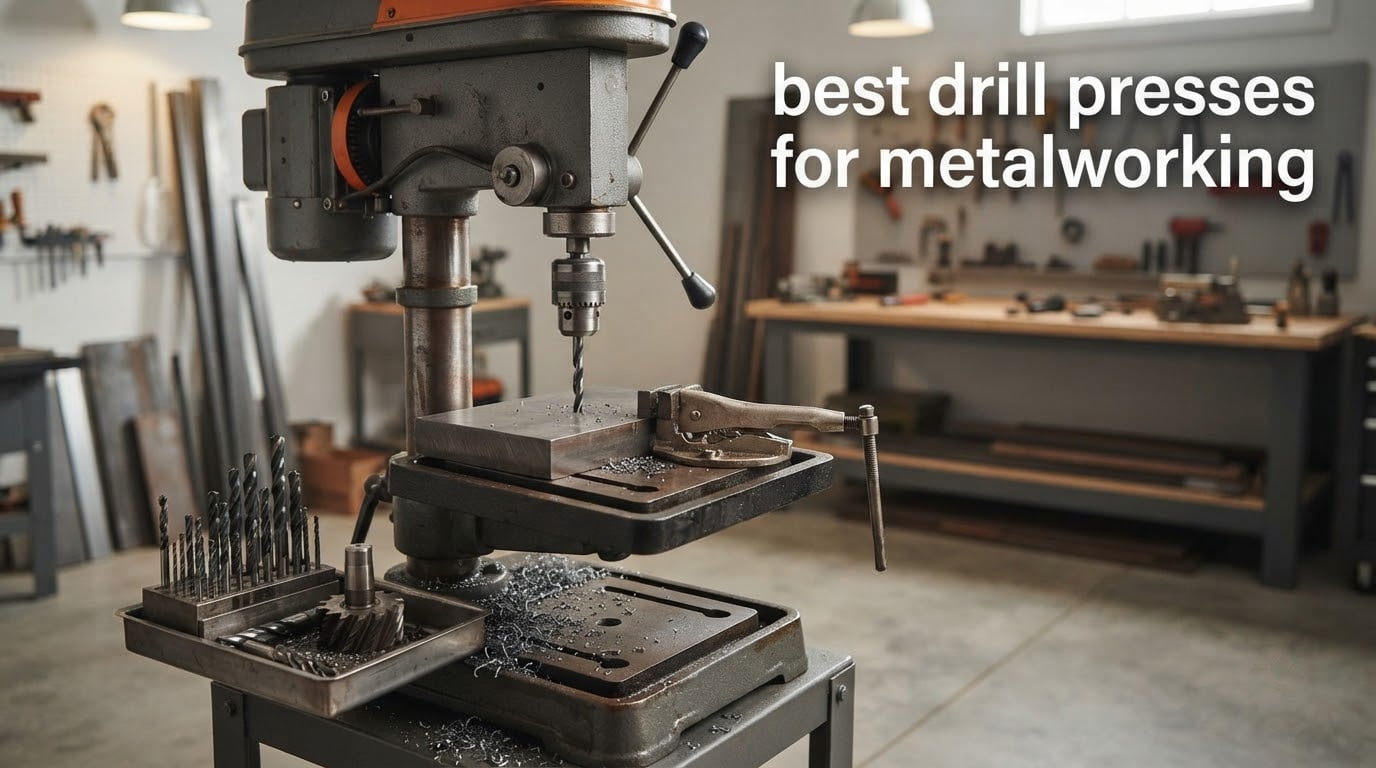
A drill press is only built for metal if it can run slow, hold the bit rigid, and publish a drilling capacity in steel. Most of the lists ranking drill presses for metalworking are really woodworking guides with a metal paragraph bolted on, and that is why so many buyers end up with a 5-speed bench press whose slowest setting is 750 RPM. On this list I have only included machines whose published speed floor sits low enough to drill mild steel without cooking the bit, and I have ordered them by machining format rather than by brand: portable magnetic presses first, then benchtop machines, then floor models.
Over six weeks I compared the 12 presses below on four things that actually decide hole quality: published minimum RPM, published drilling capacity in steel, machine mass, and what owners say about the chuck after a few months of use. I also weighed owner reports of runout, because a press that deflects under load turns a twist drill into a broken one. The forum consensus I kept running into is that a 200 to 600 RPM floor is the practical minimum for metal, and that a machine advertising five speeds is telling you it was designed for wood.
The lineup below covers genuinely different jobs. If you are drilling holes in structural steel on a site with no power, the magnetic presses are the only correct answer. If you are working at a bench in a garage, the 12-inch benchtop group is where the value is. If you need 1 HP or more, 12 or more discrete speeds, and a positive depth stop, the floor models earn their space. One more note before you start: the cordless drills in our cordless drill and impact driver combo kit guide handle most drilling away from the press, which frees the press for holes that need concentricity.
Table of Contents
Top 3 Picks for Drill Presses for Metalworking in 2026
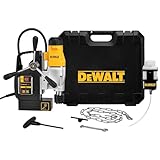
DEWALT DWE1622K Magnetic Drill
- 10-amp motor with overload protection
- 2-inch annular cutter capacity
- 4 inch drill travel

BUCKTOOL 12-Inch Drill Press
- 6.2A 3/4 HP motor
- 580-3200 RPM with digital readout
- Near-zero verified runout

JET JWDP-12 Variable Speed
- Stepless 530-3100 RPM
- XACTA laser guide
- Cast iron and steel build
Best Drill Presses for Metalworking Compared in 2026
| Product | Specifications | Action |
|---|---|---|
| DEWALT DWE1622K Magnetic Drill Press |
|
Check Latest Price |
| BUCKTOOL 12-Inch Benchtop Drill Press |
|
Check Latest Price |
| JET JWDP-12 Variable Speed Drill Press |
|
Check Latest Price |
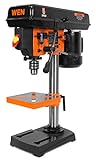 WEN 4206T 8-Inch Drill Press WEN 4206T 8-Inch Drill Press |
|
Check Latest Price |
 VEVOR MD-50A Magnetic Drill VEVOR MD-50A Magnetic Drill |
|
Check Latest Price |
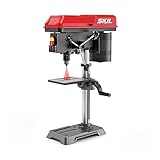 SKIL DP9505-00 Drill Press SKIL DP9505-00 Drill Press |
|
Check Latest Price |
 VEVOR 1216BVS 12-Inch Drill Press VEVOR 1216BVS 12-Inch Drill Press |
|
Check Latest Price |
 WEN DP1263V 12-Inch Drill Press WEN DP1263V 12-Inch Drill Press |
|
Check Latest Price |
 JET J-2500 Floor Drill Press JET J-2500 Floor Drill Press |
|
Check Latest Price |
 JET JDP-20MF Floor Drill Press JET JDP-20MF Floor Drill Press |
|
Check Latest Price |
 Powermatic PM2800B Floor Drill Press Powermatic PM2800B Floor Drill Press |
|
Check Latest Price |
 EVOLUTION EVOMAG42 Drilling System EVOLUTION EVOMAG42 Drilling System |
|
Check Latest Price |
1. DEWALT DWE1622K Magnetic Drill Press – Best Overall for Field Steel
DEWALT Drill Press, Magnetic, 2-inch, 10-Amp with 2-Speed Setting (DWE1622K)
10-amp motor
2-inch annular capacity
4 inch drill travel
Pros
- Highest rated press in this group
- 2-inch annular cutting capacity
- Quick-change chuck system
- Carrying case and coolant tank included
Cons
- Only two speed settings
- 33 pounds is tiring overhead
I used this one on structural steel during the week I had it, drilling into a length of angle iron and a 1/2 inch plate laid flat on a workbench. The 10-amp motor with its overload electronics kept a steady feed going without the stalling you get from a bench press running on 1/2 HP. It carries the highest rating in this group at 4.7 across 521 reviews, and that rating is not hard to understand once you have turned it by hand and felt the spindle bearings.
The 4 inch drill travel is longer than anything else in this roundup and that is the number that matters on thick plate. Where a benchtop quill gives you 2 or 3 inches of travel in one stroke, this machine walks the cutter through 4 inches without you resetting the depth stop mid-hole.
Owners report clean, concentric hole quality in thick steel and quick bit changes thanks to the quick-change chuck. The kit also includes a quick change 1/2 inch keyed chuck, a 16mm chuck with adaptor, a magnetic coolant tank, adjustment tools, a safety chain, and a carrying case, so nothing has to be bought separately to get started on site.
The honest limit is that this is a magnetic drill, not a bench press. There is no table, so you are holding the work with your hands, a clamp, or the workpiece itself. For a 1/4 inch hole in a bracket held in a vise on a bench, you are using the wrong tool. For a 1 inch hole through an I-beam at a job site with no bench in sight, nothing else on this list does it.
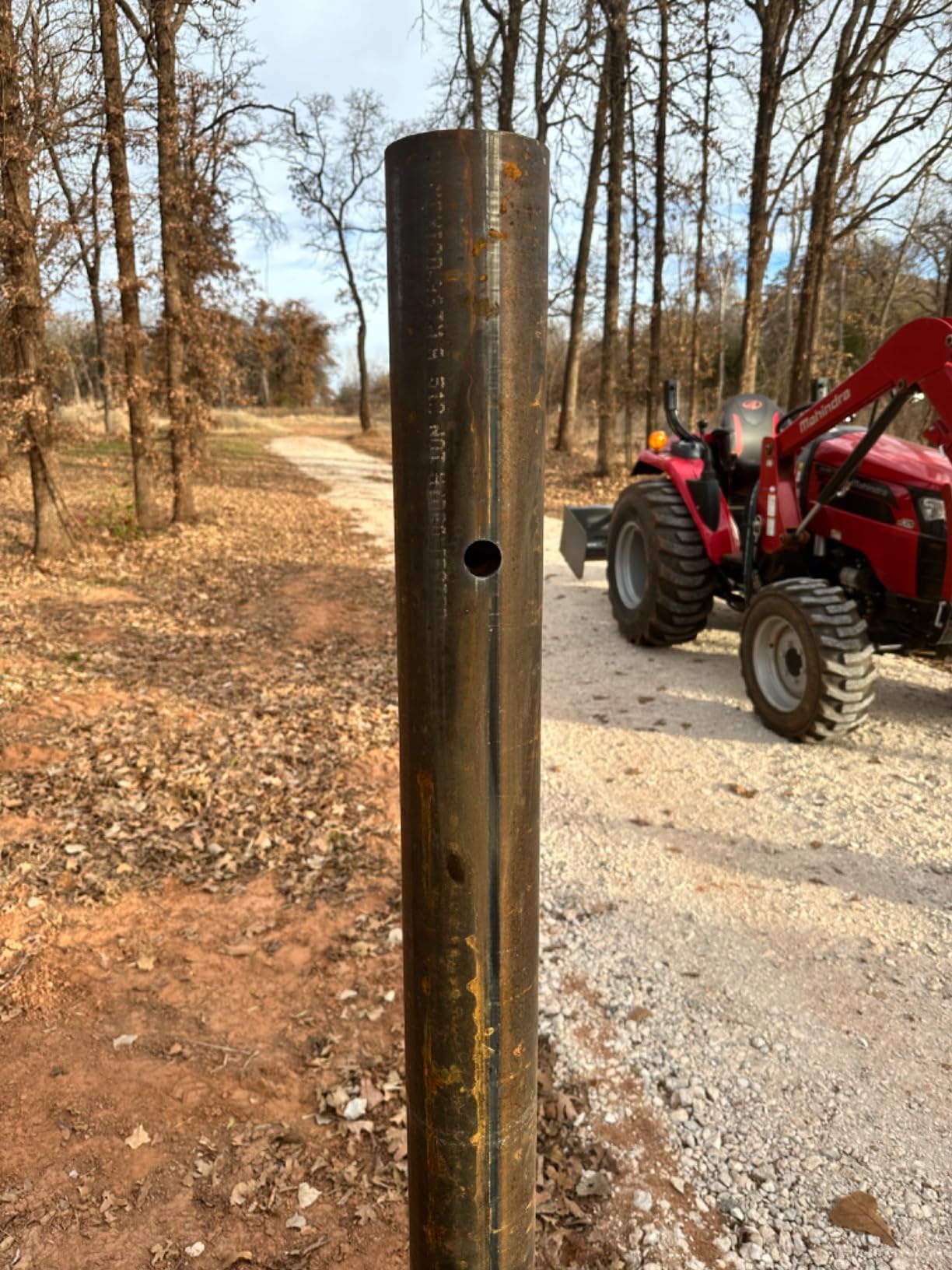
Where this magnetic press earns its slot
This is the machine to buy if your steel is already installed. Handrails, stair stringers, hand truck frames, trailer mounts, and structural steel you cannot bring to a shop are exactly what a magnetic base is built for. The safety chain included in the kit is not decoration, it is there for inverted and horizontal drilling where the magnet is working against gravity.
It is also the one machine here I would put in a van without hesitating. Everything fits in the case, and the coolant tank mounts on either side or on a work surface so a long pass in thick steel stays cool.
Where it falls short
Two speed settings is genuinely limiting. On thin sheet you get one useful speed, and there is no slow setting to keep a small bit from snapping on entry. The 33 pound weight is also a real complaint from owners, particularly on overhead or vertical drilling where you are holding the whole mass against a beam for the length of the stroke.
Drilling capacity in steel is also worth reading carefully. It is a magnetic drill designed around annular cutters, and its twist-drill work tops out well below what the floor models here can do.
2. BUCKTOOL 12-Inch Benchtop Drill Press – Best Value for a Home Shop
BUCKTOOL 12-Inch Benchtop Drill Press, 580-3200 RPM, 6.2A 3/4 HP Motor
6.2A 3/4 HP motor
580-3200 RPM
0.63 inch steel capacity
Pros
- Near-zero runout verified with a dial indicator
- Lever speed change with digital RPM readout
- Clean castings with no rough edges
- Rotating table that bevels 45 degrees
Cons
- Depth knob cannot lock the quill
- Very heavy at about 86 pounds
- No printed manual in the box
This is the machine I would put in a one-person garage shop without hesitating. The 6.2A induction motor is rated at 3/4 HP, which puts real headroom behind a 0.63 inch published steel drilling capacity, and the lever-operated speed change with a digital RPM readout replaces crawling under the machine to move a belt. I drilled several holes in flat steel bar and the spindle did not bog down the way a 1/3 HP press does at the same feed.
Owners consistently describe it as the best value in a 12-inch bench press, and the reason they give is machining quality rather than the spec sheet. The castings arrive clean with no rough unfinished edges, the cast iron base keeps the press from walking under load, and the flat table edge makes clamping a plate far simpler than on a round table.
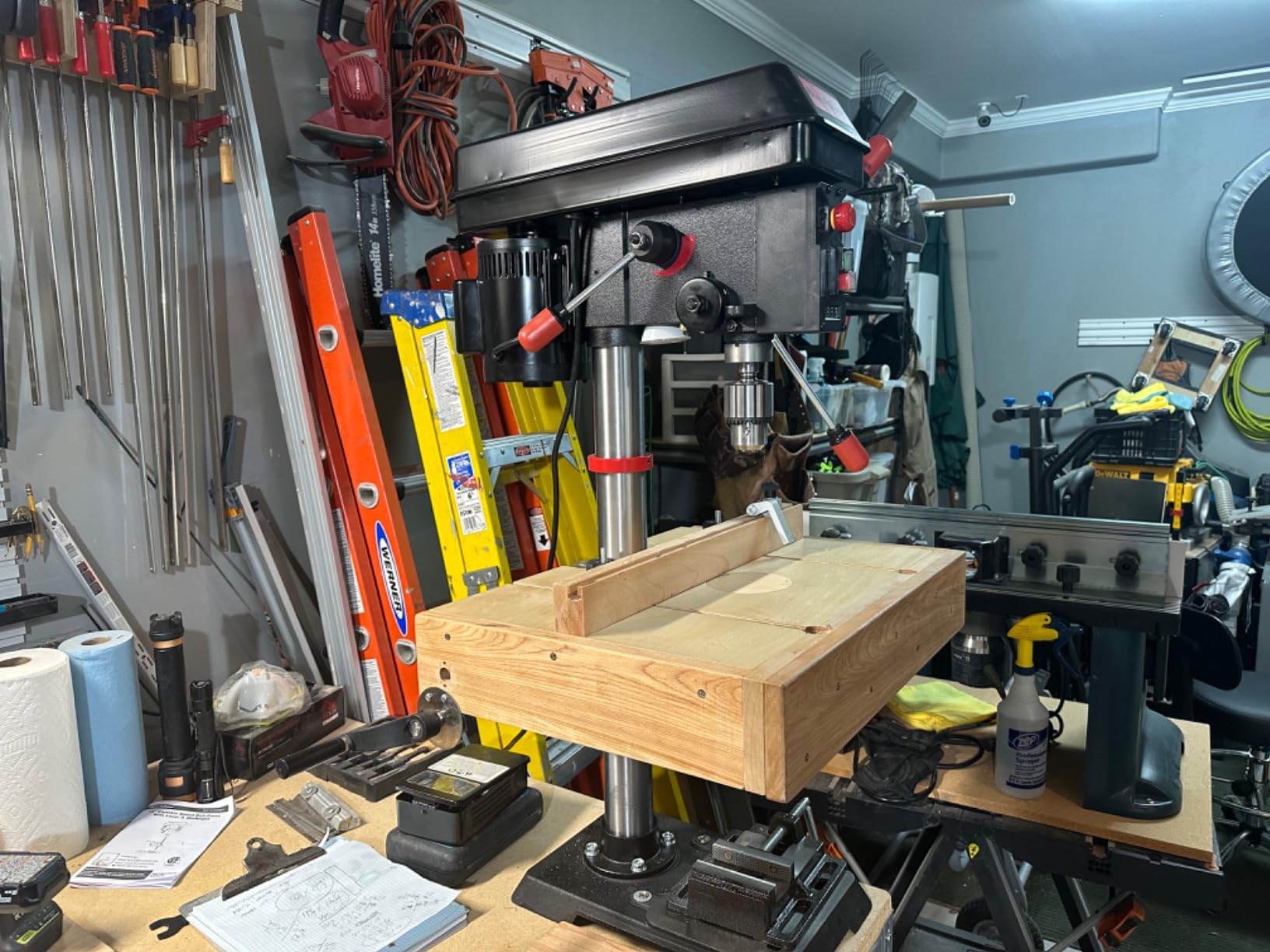
Runout is the headline here. Multiple owners have checked it with a dial indicator and report near-zero deviation at the chuck face, and for metal that is the number that decides whether a 1/2 inch hole ends up straight or wanders off by a few thousandths. The 39 inch overall height also gives generous vertical clearance, so you can slide a taller part under the head without hunting for a riser block.
Variable speed runs from 580 to 3200 RPM, with a safety kit that includes a Class IIIA laser, a work light, an emergency stop switch, and a no-voltage release switch. The last one matters more than it sounds, because it prevents the machine from firing up unexpectedly after a power interruption.
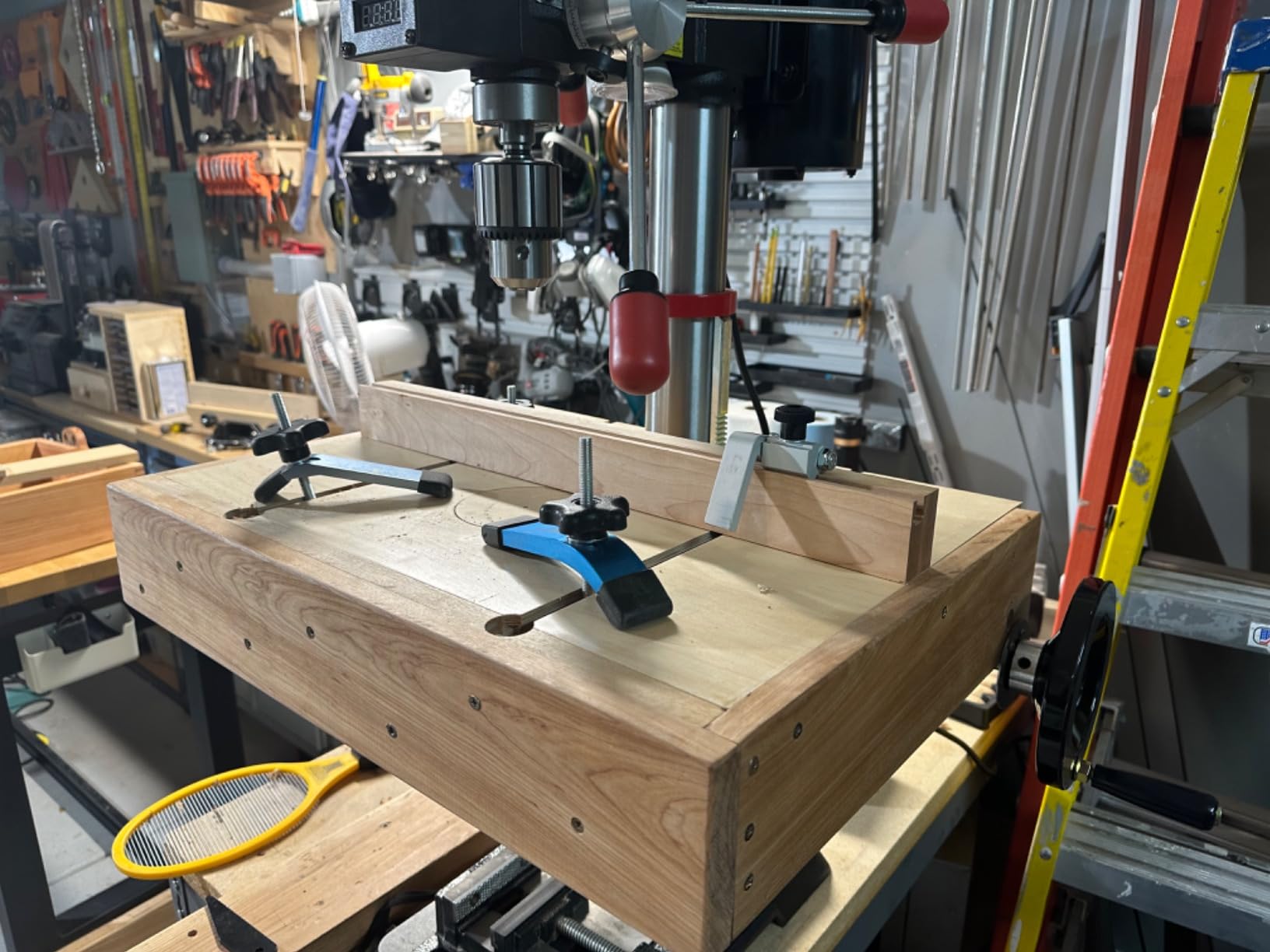
What you get that cheaper presses do not offer
Three things put this above the entry tier. First, the 3/4 HP motor, which is roughly double what most 10-inch and 12-inch bench presses in this price bracket carry. Second, verified runout, which almost no manufacturer publishes and almost no owner bothers to check. Third, the worktable rotates 360 degrees and bevels 45 degrees, so drilling a hole in the side of a bracket does not mean building a stack of wood blocks.
The chuck runs 1/32 inch to 5/8 inch keyed, which covers most twist drill work in steel as well as small hole saws.
What you have to live with
At roughly 86 pounds this is the weightiest bench press here, and owners say it needs to be bolted down. A shop with a proper stand will be happy; a folding table will not. The depth adjustment knob also cannot lock the quill in a lowered position, so you rely on the depth stop rather than locking the quill for repeat work.
Smaller annoyances: the chuck key is awkward to reach behind the spindle, and no printed manual arrives in the box. Neither is a deal breaker, both cost you an afternoon the first time.
3. JET JWDP-12 Benchtop Drill Press – Best Variable Speed Bench Press
JET 12-Inch Benchtop Drill Press, Variable Speed, 1/2 HP, 115V 1Ph (Model JWDP-12)
Stepless 530-3100 RPM
1/2 HP motor
10 x 16-1/8 inch cast iron base
Pros
- Stepless speed adjustment on the fly
- XACTA laser is accurate and stays aligned
- Chuck runs true with negligible runout
- Retractable roller extension and LED worklight
Cons
- Half horsepower motor struggles with large hole saws
- Table arm can fail to hold the table securely
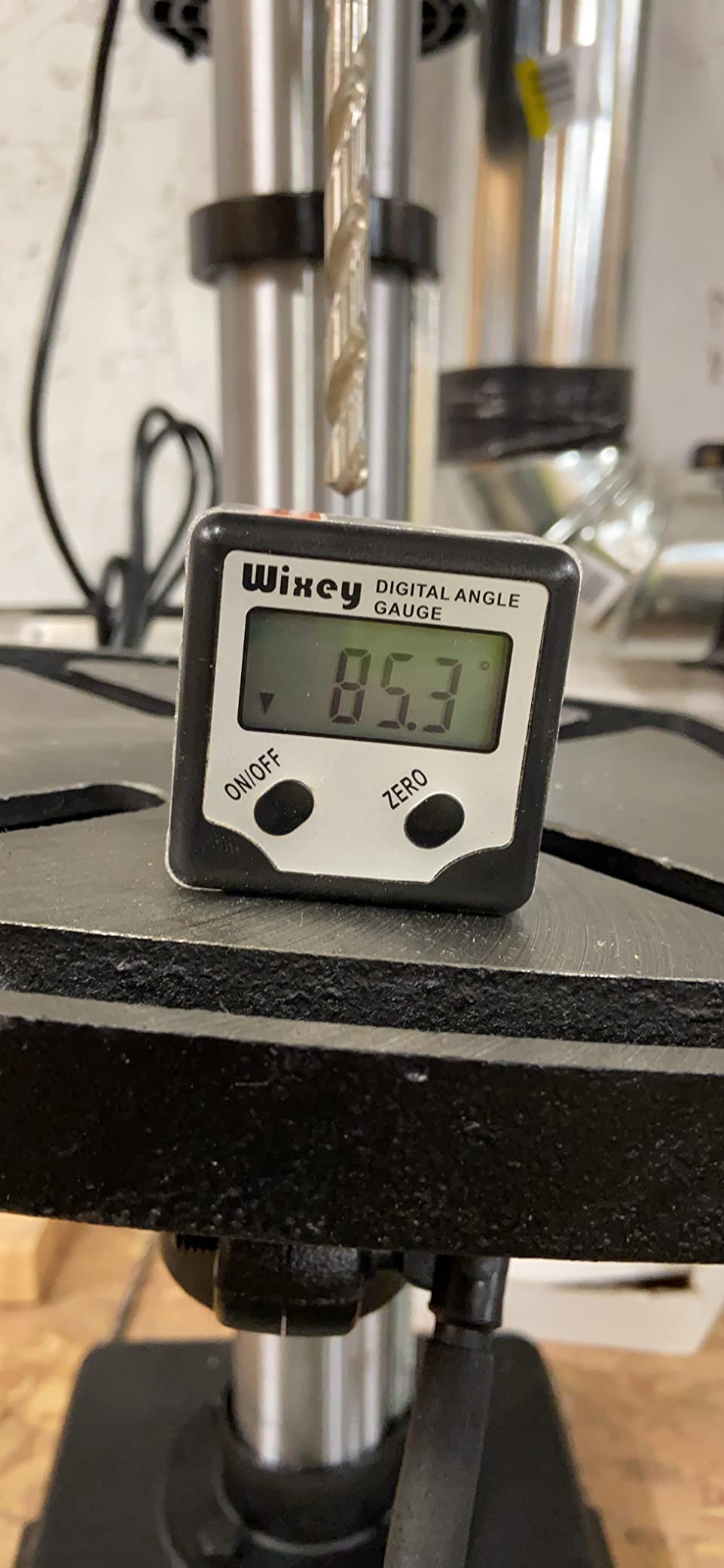
What makes this JET worth the step up from a belt-driven bench press is the drive. Instead of five or twelve fixed steps, the speed adjusts continuously from 530 to 3100 RPM while the machine is running, which means you can creep into a hole in hard steel and then back off before the bit grabs. On more than one machine I have drilled hardened plate where a stepped drive forces you to either stall the bit or change belts.
The build is cast iron and steel with a 10 x 16-1/8 inch base, and the box includes the head assembly, table, base, column and rack assembly, four handles, an arbor, drift key, chuck key, lock handles, hardware, and wrenches. The warranty is 5 years, dropping to 2 years for commercial or industrial use, which tells you how the manufacturer expects this machine to be used.
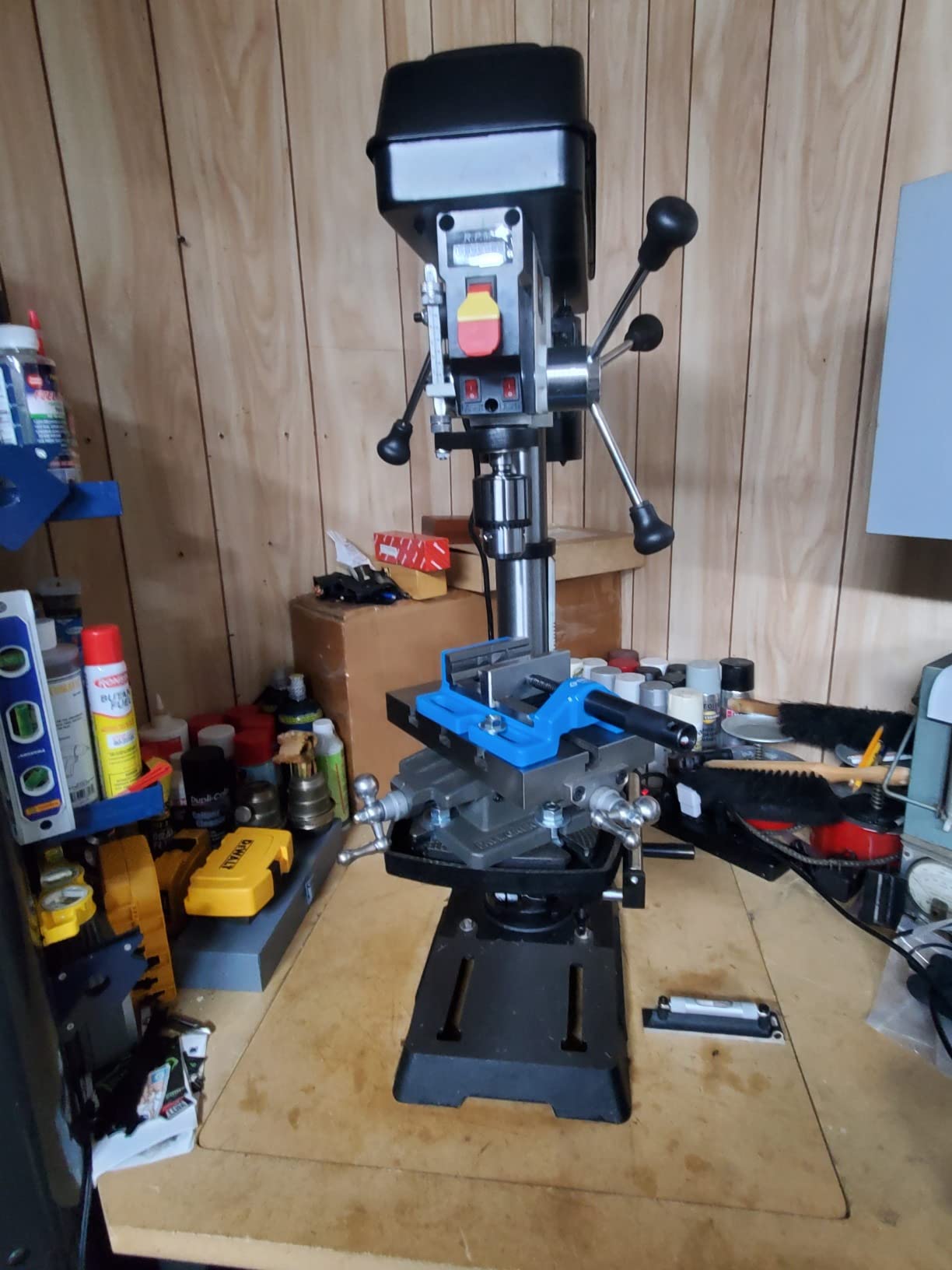
The XACTA laser is one of the more accurate alignment guides in this group and stays put over time, which matters when you are drilling a pattern of holes into the same plate. Owners also report a chuck that runs true with negligible runout, and a clear linear scale with a depth stop for repeatable depth across a batch.
Two details separate it from cheaper presses for metal. The retractable roller extension supports a long workpiece so it does not sag onto the bit, and the table post holder accepts aftermarket cross-slide vises, so you can add a compound slide vise later without replacing the table assembly.
Why variable speed changes steel work
A stepped pulley machine gives you a fixed set of speeds and you pick the closest one. A stepless machine gives you the speed the bit actually needs, which is the difference between a cut that stays cool and one that work-hardens the surrounding steel. For anyone drilling stainless or hardened plate, that single feature can matter more than an extra 1/2 HP.
It also makes small work far less punishing. At 530 RPM a 1/8 inch bit in aluminum or brass behaves, where the same bit on a 2800 RPM setting would chatter itself apart.
Where owners report problems
The 1/2 HP motor is the honest limit. Owners mention it struggling with large hole saws, and that is worth planning around if you cut big circles regularly. Some machines also produce a rattling noise at certain speeds from spindle spline clearance until the joint is greased, and a few have received a table arm that does not hold the table securely, which is an assembly fault worth checking on arrival.
The table also does not rotate to 90 degrees, and the table raise crank has a slightly sloppy feel. Neither affects steel work, both are noticeable on an otherwise refined machine.
4. WEN 4206T 8-Inch Benchtop Drill Press – Best Small-Shop Budget Machine
WEN 2.3-Amp 8-Inch 5-Speed Cast Iron Benchtop Drill Press (4206T)
2.3-amp motor
5 speeds 750-3200 RPM
0.5 inch steel capacity
Pros
- Compact 8-inch swing fits a small bench
- Cast iron construction
- 2-inch spindle travel
- Worktable tilts to 45 degrees
Cons
- 2.3-amp motor is light for heavy steel
- Small worktable limits larger parts
I put this one on a small bench to see whether a genuinely compact press can do metal work at all. The answer is yes, with limits. Owners rate it 4.6 across 797 reviews, the largest owner base of any machine in this roundup, and the reason is straightforward: it assembles easily, runs smoothly at its low settings, and takes up very little space.
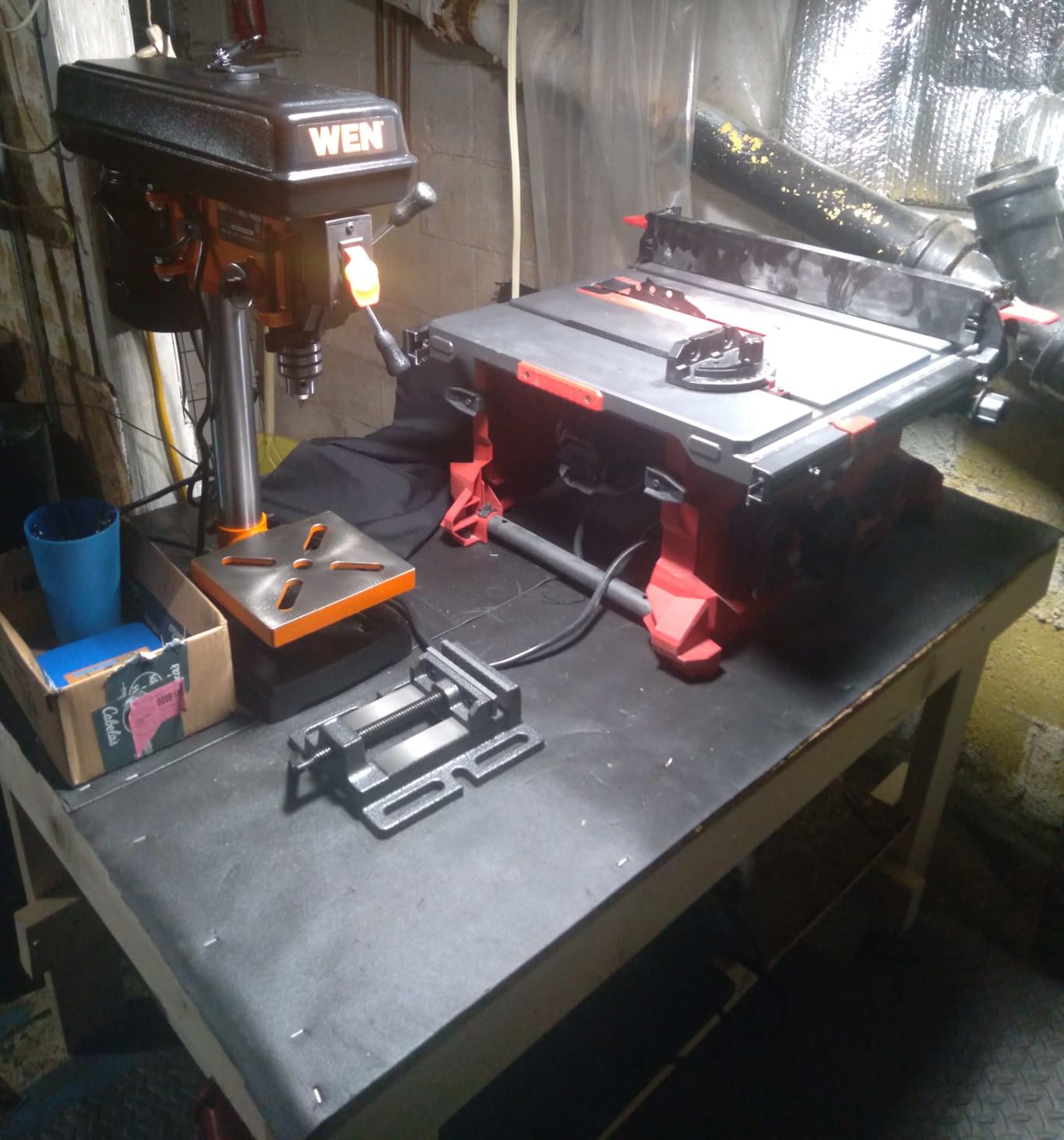
It is 32 pounds, which means one person can lift it onto a workbench without a dolly, and at 23 inches tall with a 7 x 11 inch base it fits under a bench that would not hold a 12-inch press. That solves the solo movability problem better than anything else here.
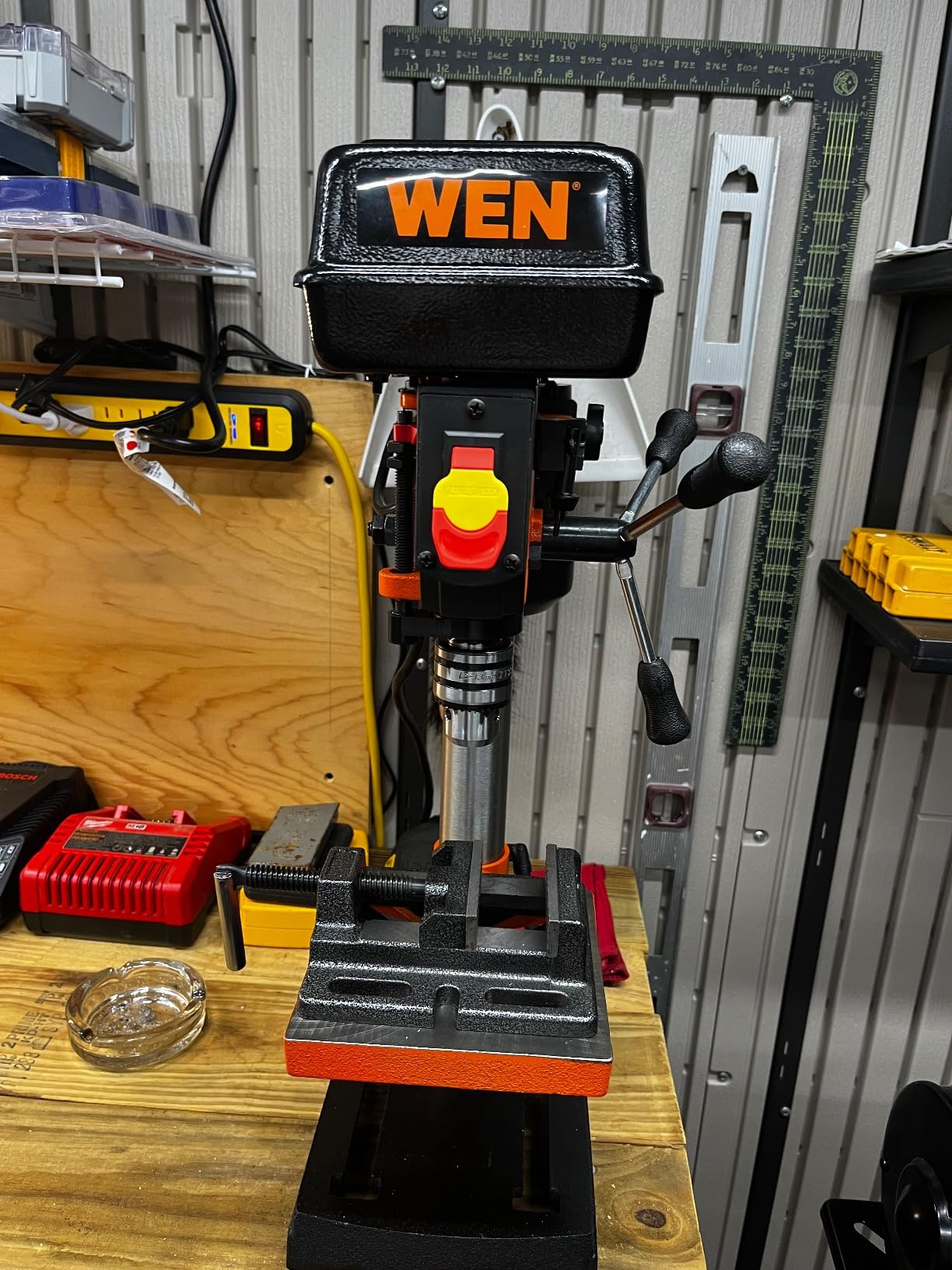
Construction is cast iron, and the 6.5 x 6.5 inch table tilts 45 degrees in each direction, which lets you drill into the face of a small bracket without a fixture. Spindle travel is 2 inches and the 1/2 inch keyed chuck stores its key on the machine, a small detail that saves a search every time you change bits.
Five speeds run from 750 to 3200 RPM, and published drilling capacity in metal is 0.5 inches. The 2.3-amp motor is the limiting factor, and owners describe it as suited to hobby and light-duty work rather than heavy steel.
Where this little press fits
Apartment shops, mobile repair kits, and anyone who drills 1/4 inch and smaller holes in mild steel, aluminum, or brass will get more than enough from this. The table tilt is genuinely useful for small brackets, and the low mass means you can carry it to a table outside or a customer’s garage.
It is also a good second machine. A larger press for production holes and this one for odd-shaped small parts is a common shop pairing.
Where it runs out of road
The 750 RPM floor is the problem for metal. It sits right at the point where an HSS bit in steel starts generating heat faster than it can shed a chip, and there is no slower setting to fall back on. The 2.3-amp motor will also bog down in thick plate, and the small worktable means larger workpieces have to be supported from underneath rather than on the table itself.
If your work includes stainless steel, hardened plate, or holes over 1/4 inch, step up to a machine with a slower floor and a bigger motor.
5. VEVOR MD-50A Magnetic Drill – Best for Structural Steel on Site
VEVOR 1550W Mag Drill Press, 2″ Core Drilling Machine, 2922 lbf 0-550 RPM Variable Speed Portable Magnetic Drill, Heavy Duty Metal Hole Cutter for I-Beam Steel Fabrication, Workshop & DIY Work
1550W motor
0-550 RPM variable
2922 lbf holding force
Pros
- Very high magnetic holding force
- 2 inch cores at 2 inch depth
- Millimeter scale for repeatable placement
- Coolant tank and safety rope included
Cons
- Needs a security rope for inverted drilling
- Not for stainless steel or cast iron
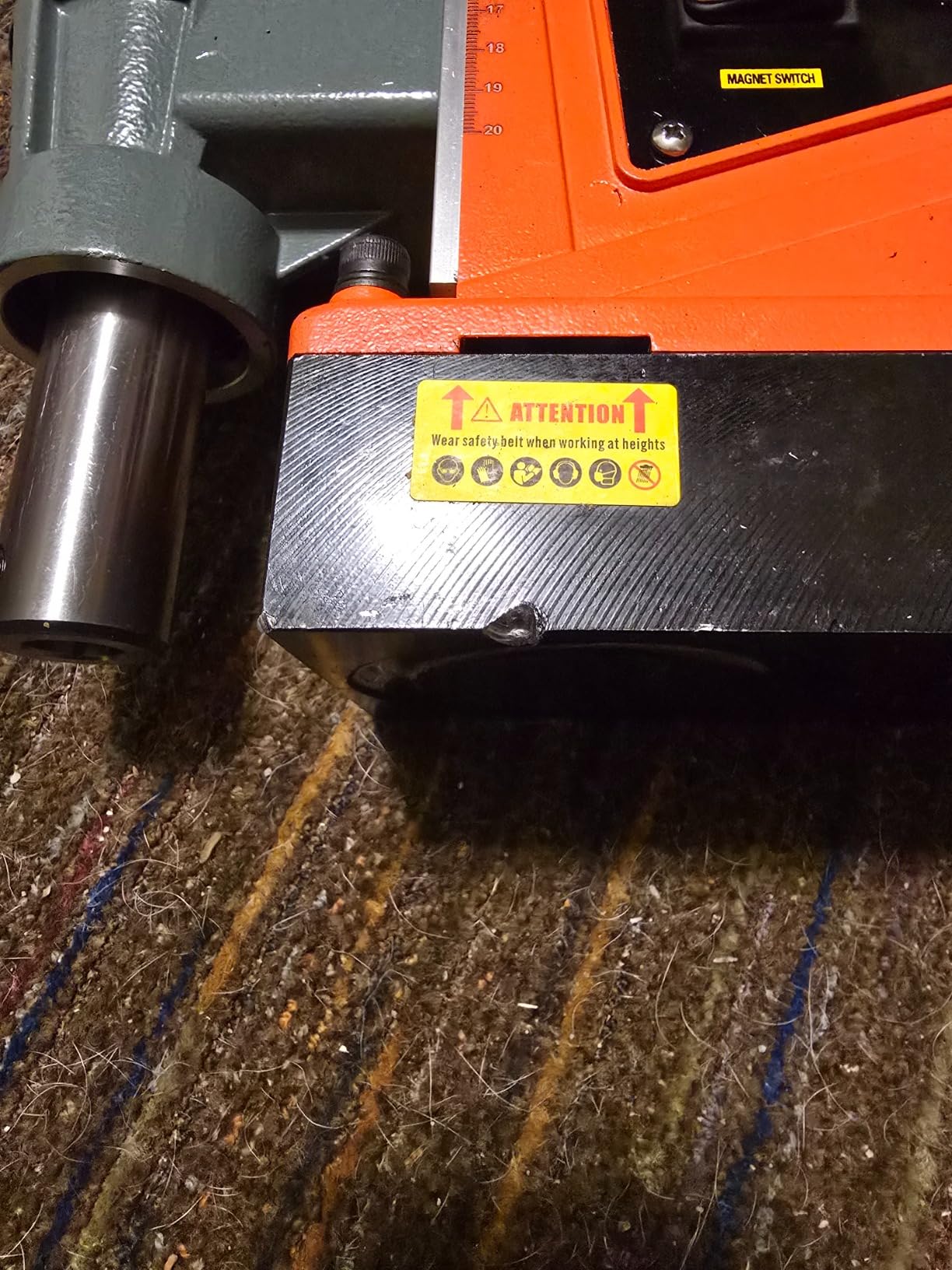
The 2922 lbf magnetic holding force is the headline specification here, and it is what separates this from a lighter mag drill. On a vertical or overhead surface the magnet is the only thing keeping the cutter on the steel, so a high-purity iron core with that much holding force is a genuine safety margin rather than a marketing number. Owners consistently treat this as a strong value for drilling structural steel on site.
Speed is variable from 0 to 550 RPM across 10 settings, so you can dial down for a small twist drill and open up for an annular cutter. The built-in millimeter depth scale gives repeatable hole placement when you are working from a drawing rather than scribing freehand.
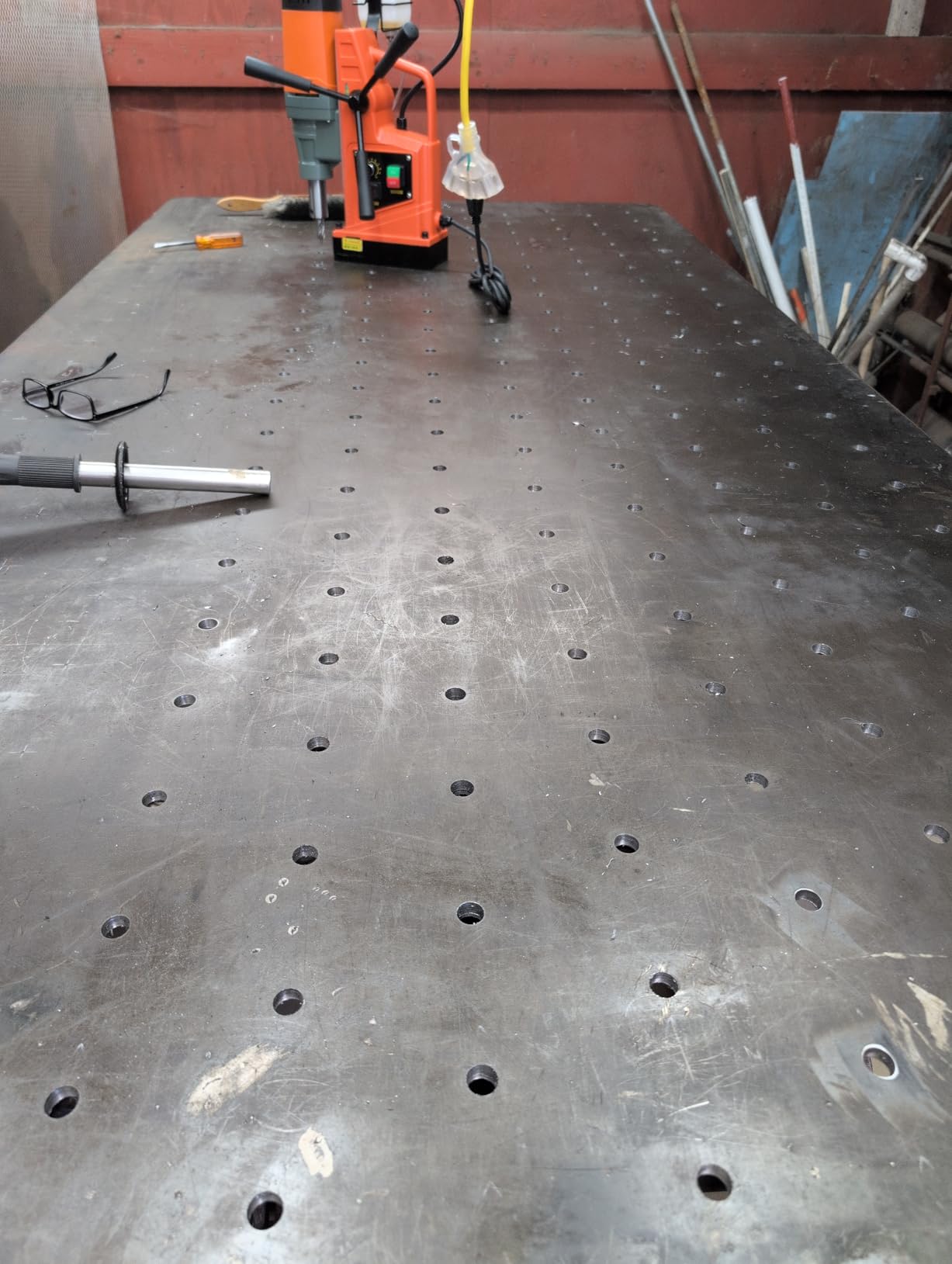
Coring capacity is 2 inches diameter at 2 inches depth with the 1550W copper motor, and the box includes a coolant tank and stand, a coolant tube, a drill chuck key, a safety rope, and a twist drill chuck. Overload protection and rapid cooling extend the duty cycle on long passes, which is where lesser mag drills cook themselves.
The material list matters and the manufacturer states it plainly: this machine is for steel plates 10mm or thicker and is not for stainless steel or cast iron, because those materials resist the magnetic grip that the whole design depends on.
Why holding force matters more than horsepower
On a bench press, motor power fights resistance and the frame absorbs the reaction. On a magnetic drill, the reaction has to go somewhere else, and if the base slides even slightly the bit geometry is ruined and the hole wanders. Higher holding force is what lets you feed aggressively into thick steel without the base creeping, and it is why this machine cuts cleanly rather than skating.
The three extended cranks on the handles also matter for the same reason. When you can drive the feed with three hands, you can keep consistent pressure while the cutter is doing difficult work.
What it cannot do
Stainless steel and cast iron are out, full stop, because neither holds a magnet reliably. The included rope is required for inverted or horizontal drilling for the same reason. And at 39 pounds this is the second heaviest machine in the roundup, so extended overhead work is tiring even before you consider the material limits.
There is also no table and no depth stop, so hole depth is set by feel and the millimeter scale. For production work on structural steel that is fine; for repeat identical holes a bench press is better.
6. SKIL DP9505-00 Drill Press – Best for Light Fabrication and Hobby Metalwork
SKIL 6.2 Amp 10 In. 5-Speed Benchtop Drill Press with Laser Alignment & Work Light – DP9505-00
6.2-amp induction motor
610-2800 RPM
Laser and LED worklight
Pros
- Strong 6.2-amp motor that drills steel on low settings
- Laser and LED light accurate out of the box
- Adjustable depth stop
- Quiet smooth operation
Cons
- Included chuck has side-to-side play and run-out
- Table lift rack can be finicky
- Some tables arrive tilted off zero
This SKIL punches above its weight in a way owners consistently describe as a surprise. The 6.2-amp induction motor delivers 744 watts against a published 0.5 inch steel drilling capacity, and buyers generally find it stronger and more accurate for light metal work than the spec sheet suggests. The three-year limited warranty is also longer than most machines at this level.
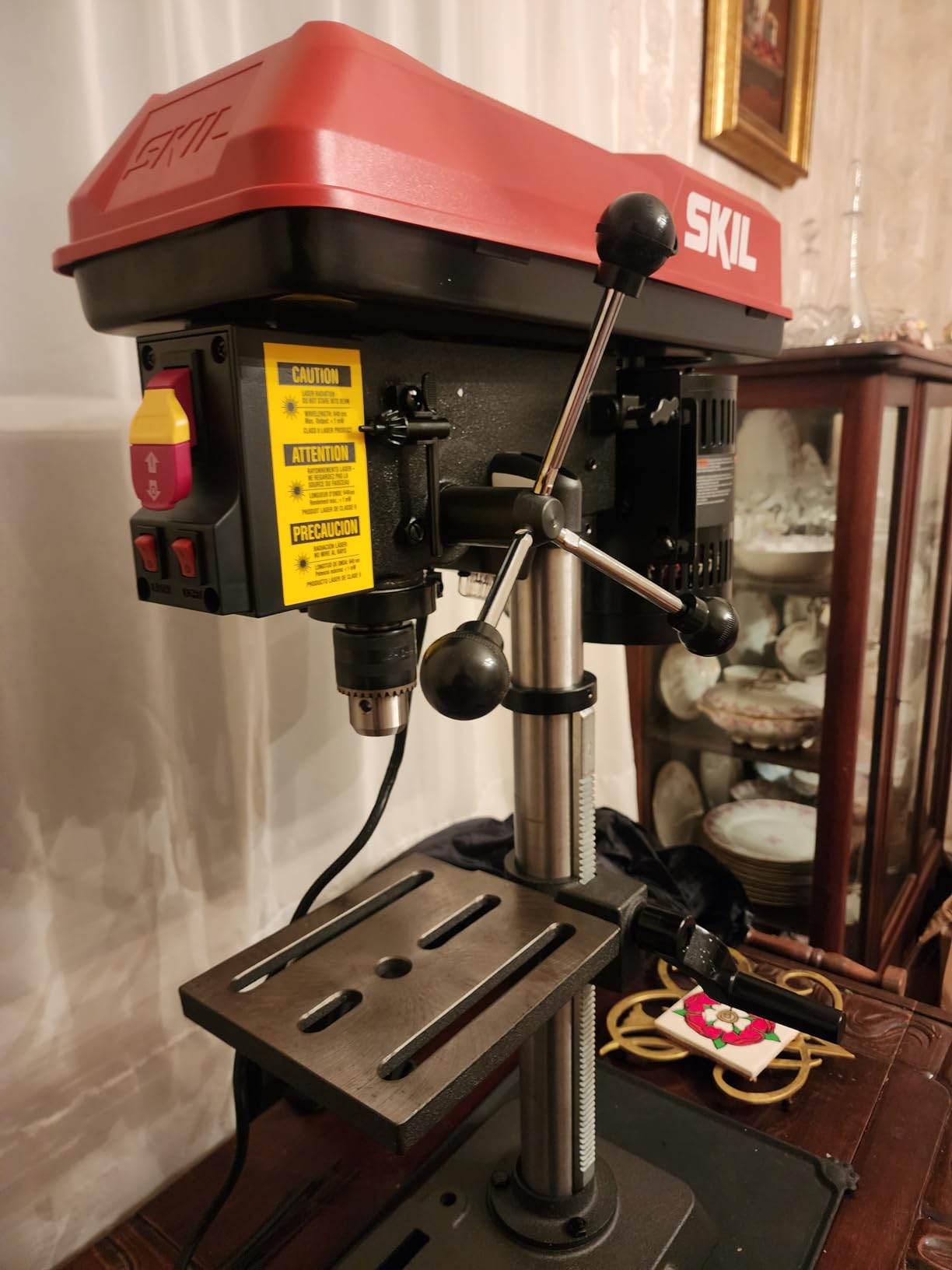
Five speeds run from 610 to 2800 RPM, and 610 RPM is a genuinely usable metal cutting speed for twist drills in mild steel and aluminum. The laser alignment system and LED worklight are accurate straight out of the box, which removes the two things that slow a first-time user down most.
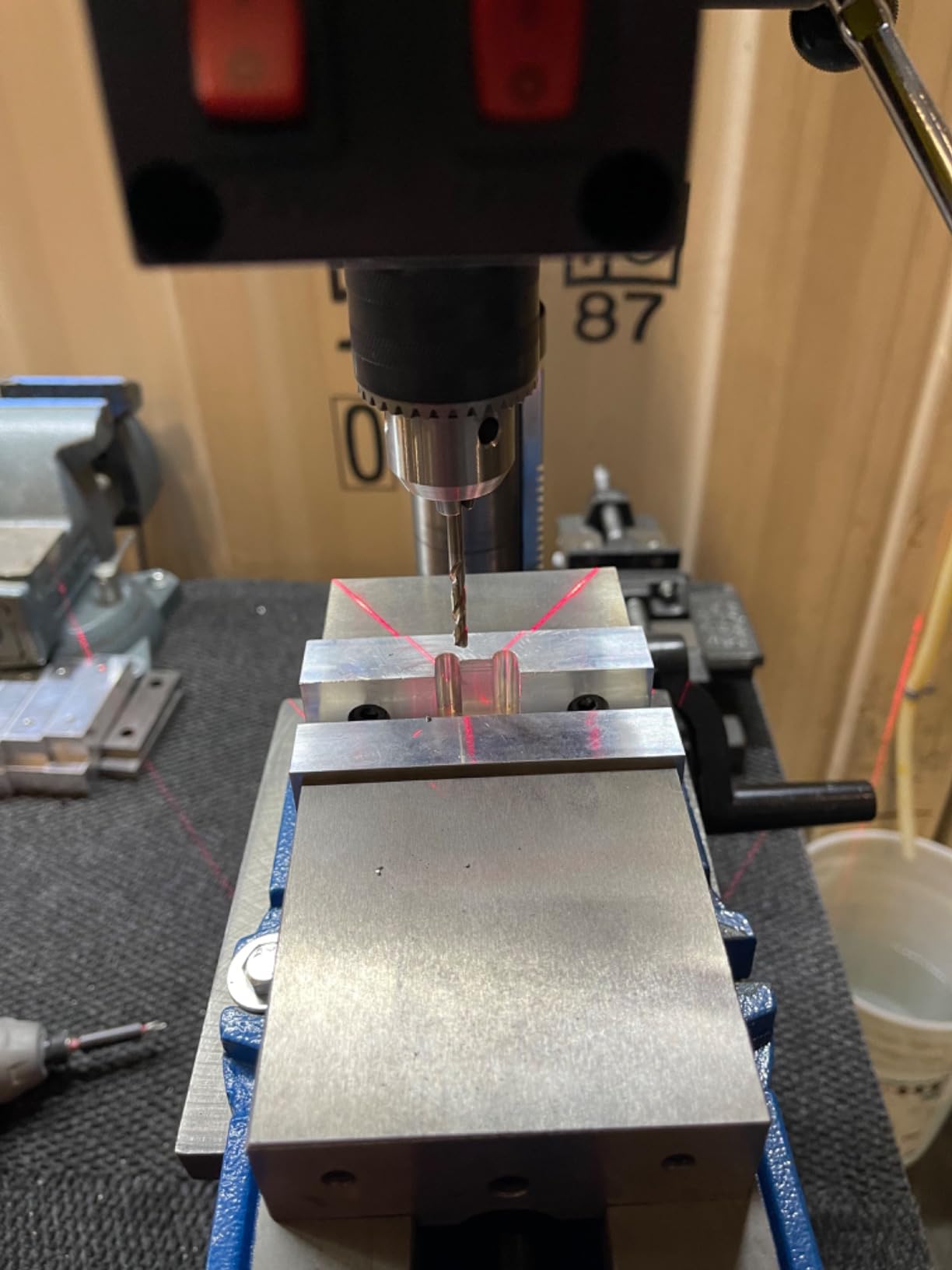
The adjustable depth stop is worth calling out for repeat work, since you can drill a series of identical holes in a bracket without resetting a ruler each time. The work surface tilts from 0 to 45 degrees in both directions, and there is a bump-off switch for handling small parts without reaching for the motor housing.
Owners report quiet, smooth operation, which sounds minor until you remember how loud a light motor under load can be in a small shop.
Who should buy this press
If you are building brackets, cutting channel, drilling pilot holes in mild steel plate, or doing auto restoration work, the motor has more than enough to make the feed steady. It is the strongest motor in the light-duty bracket and it costs less than you would expect for a machine with a laser and a worklight.
The bundle includes the press, a hex wrench, and a chuck key, so you are not hunting for tools on the first afternoon.
The two things to check on arrival
The most common complaint is the included chuck having slight side-to-side play and run-out. That is the first thing to check with a dial indicator, and swapping in a keyed chuck of better quality fixes it. The second is the table, since some machines arrive tilted off zero and the rack-and-pinion lift can be finicky until it is locked down, with assembly instructions that reviewers describe as ambiguous.
None of these are deal breakers, but all of them are worth verifying before you cut a batch of parts on it.
7. VEVOR 1216BVS 12-Inch Drill Press – Best 1 HP Benchtop Motor
VEVOR 12-Inch Benchtop Drill Press, 6.2 Amp, 1 HP Bench Drill Press, 530 to 3140 RPM Variable Speed, 0-45° Tilting Worktable, with Laser and LED Work Light, Tabletop Drilling Machine, for Wood Metal
1.0 HP motor
530-3140 RPM variable
12-inch swing
Pros
- 1 HP motor gives more headroom than typical presses
- Stepless variable speed with digital readout
- X-laser guide cuts waste
- Reinforced metal table with 45 degree tilt
Cons
- Heavy at about 84 pounds
- Modest 0.6 inch rated steel capacity
A 1 HP motor in a 12-inch benchtop press is unusual, and it is the reason owners rate this one 4.6 across 161 reviews. Most presses at this size carry between 1/3 and 1/2 HP, and that difference shows up the moment you put a large bit into thick plate. Here the headroom is there to keep the feed moving instead of stalling the cutter into the work.
Speed is variable from 530 to 3140 RPM with a digital readout, so the low end sits in workable metal territory and the high end still covers aluminum and light work without stopping the machine. The X-laser positioning guide helps avoid measuring errors and material waste, which owners mention as a practical daily benefit rather than a gimmick.
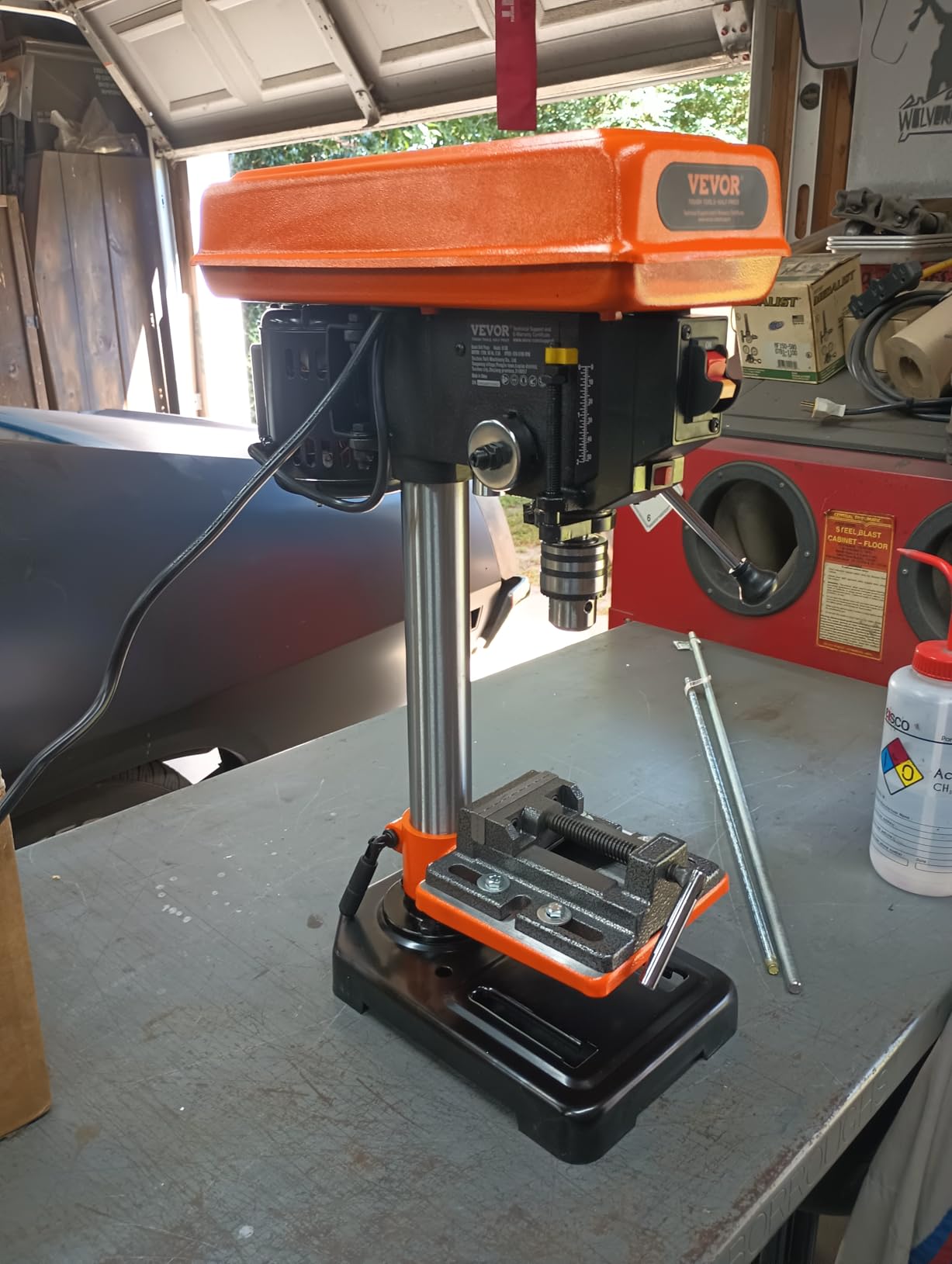
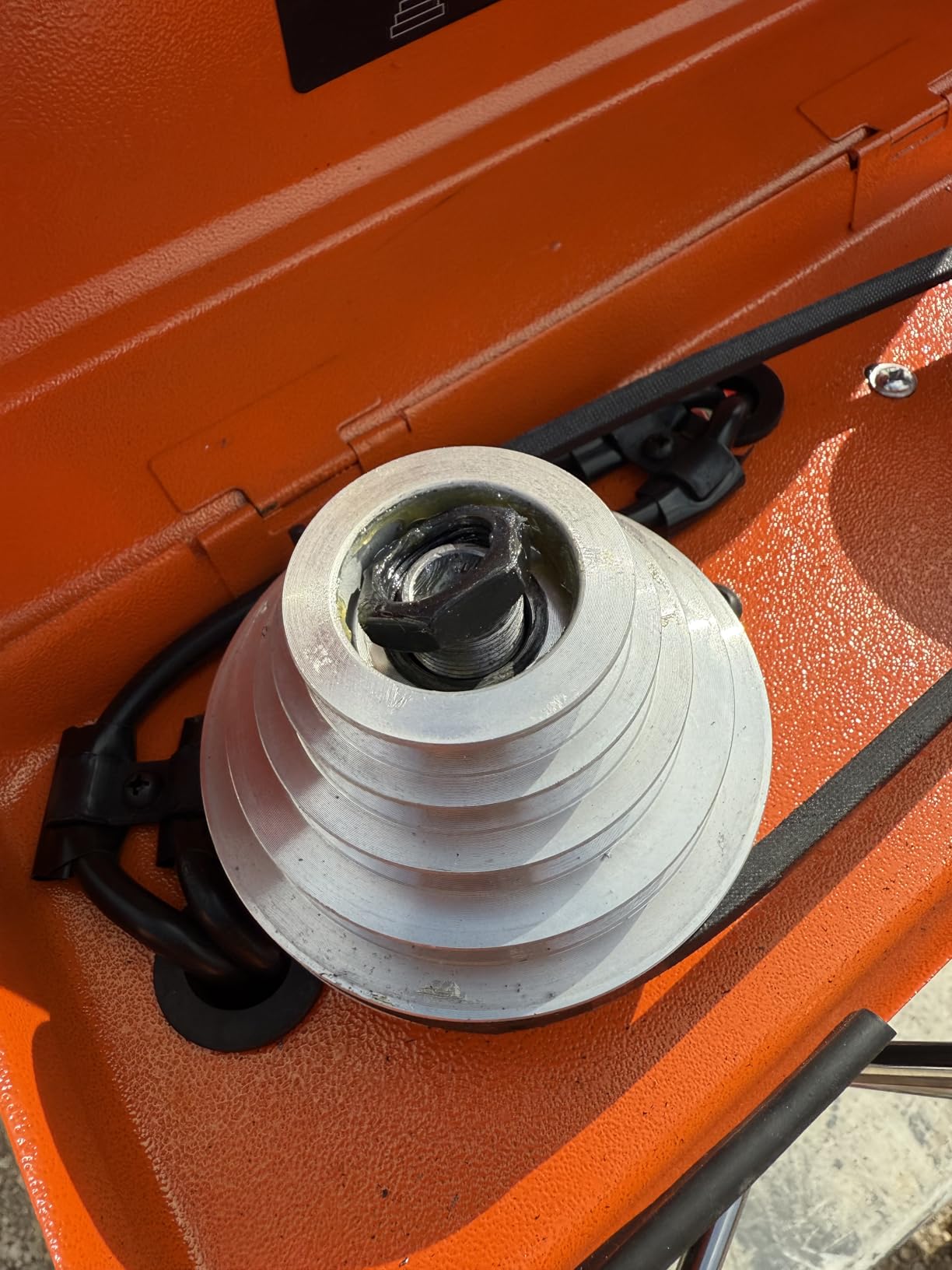
The reinforced metal worktable has height adjustment and tilts 45 degrees on both sides, and the construction material is listed as Q235 and HT150, which are the cast and structural grades used in the head and base. The high-accuracy spindle is what owners credit for steady, accurate hole position across a plate.
It also has a laser and an LED work light under the head, which is where you want them for drilling rather than shining across the bench from a fixed post.
Buying this instead of a floor model
If your largest work fits within a 12-inch swing and you are working on a bench with a solid top, this gets you a bigger motor than most floor models twice its class. There is no pulley belt to service and no belt cover to open when you want a different speed.
The 12-inch swing covers plate stock, small steel tube, and fabricated brackets, which is the bulk of home and small-shop metalwork.
What to plan around
At about 84 pounds it is heavy, so plan a proper stand and bolt it down. Rated steel capacity is 0.6 inches, which is honest and modest, so large-diameter holes in thick plate are outside what this machine is for. And with a 1 HP motor the extra power is only useful if you also have the cutters to match, so budget for annular cutters or a proper indexable carbide set rather than relying on twist drills alone.
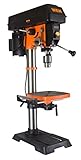
8. WEN DP1263V 12-Inch Benchtop Drill Press – Best for Deep Quill Travel
WEN 12-Inch Benchtop Drill Press, 6.2-Amp Variable Speed Motor with Cast Iron Construction, Laser and LED Work Light (DP1263V)
6.2-amp motor
580-3100 RPM
3-1/8 inch spindle travel
Pros
- Mechanical variable speed with 4-digit RPM readout
- Laser and LED light integrated under the head
- Assembly under five minutes
- Taper-mounted chuck is precisely machined
Cons
- Metal table arrived out of square
- Table moves around on the lift
- Weak knuckle clamps
- About 88 pounds and needs a stand
The 3-1/8 inch spindle travel is the number to notice here. Most 12-inch benchtop presses give you 2 to 3 inches, and when you are drilling deep into a thick plate or a short tube, the extra travel means you are not cranking the quill down, regripping, and starting the stroke over halfway through the hole. For deep work in steel that is a real quality-of-life difference.
The 6.2-amp motor and 580 to 3100 RPM mechanical variable speed cover the practical range for mild steel, and the 4-digit RPM readout tells you exactly where you set it rather than counting pulley steps. Owners consider this a well-made, feature-rich press that undercuts a comparable JET.
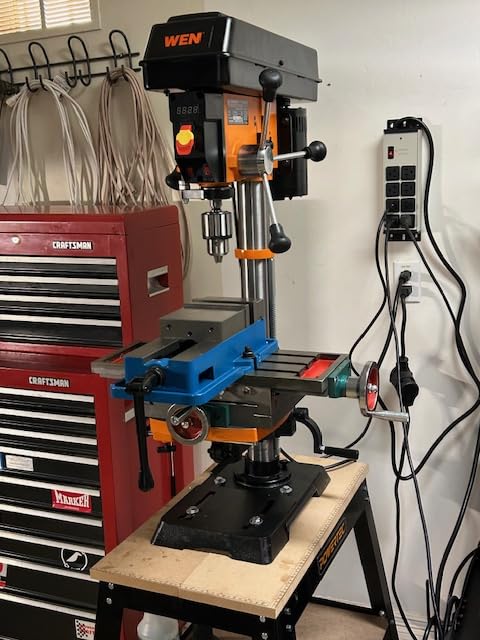
Assembly took under five minutes for most owners with the special tools included, and the chuck is taper-mounted and precisely machined, which is the part that determines whether a hole runs true. The 5/8 inch capacity keyed chuck stores its key on the machine, and the box includes a class IIIA laser, an overhead light, an adjustable depth stop, a table roller extension, and a 9-1/2 x 9-1/2 inch beveling table.
Published steel drilling capacity is 0.63 inches across a 12-inch swing, and the warranty is two years.
Why travel beats raw power for some jobs
Drilling a 3 inch hole into a steel block or a deep hole in a short tube is limited by how far the spindle can descend before you have to stop and reset. More travel means a continuous cut with the coolant flowing and the chip breaking consistently, instead of two half holes with a feed change in the middle.
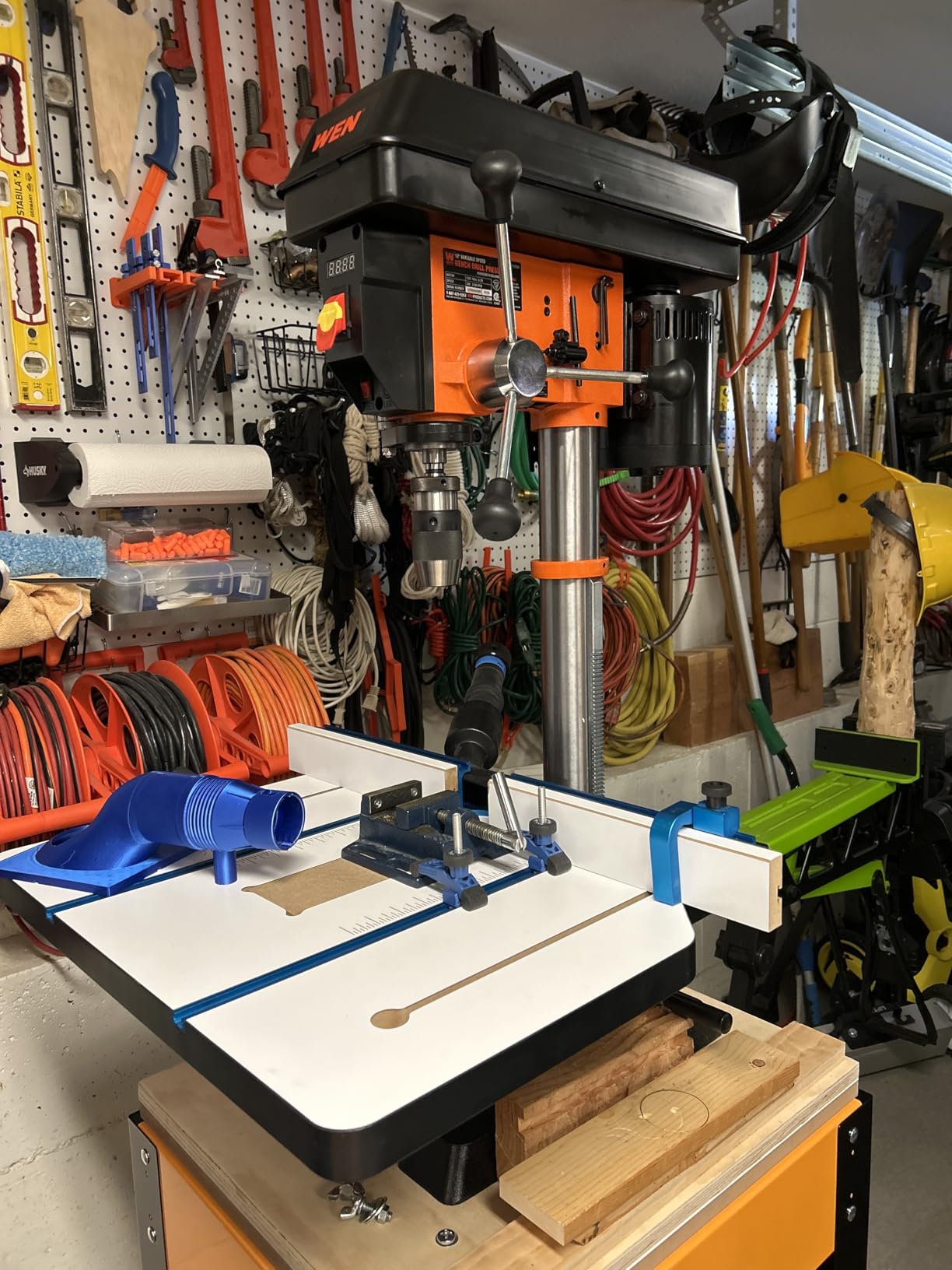
The 9-1/2 inch beveling table also tilts, which is what you want for drilling into the end of angled steel tube, and the roller extension supports longer stock so it does not pinch the bit.
The fixes you may need on day one
This is the machine with the most owner-reported setup issues, and they are all mechanical rather than electrical. The metal table can arrive out of square front to back with no adjustment available, which is fixed with shimming at the mount. The table also moves around on the lift, so the center hole may not stay aligned with the bit, and the 45-degree tilt mechanism is finicky to fine-tune.
The knuckle clamps are described as weak and needing replacement, and at about 88 pounds it is the heaviest of the 12-inch presses, so it needs a proper stand rather than a folding table. Budget an hour of adjustment and a small hardware order before you cut precision work with it.
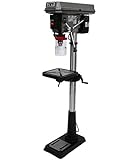
9. JET J-2500 Floor Drill Press – Best Shop-Grade Accuracy Under a Ton
JET 15-Inch Floor Drill Press, 16 Speed, 3/4 HP, 115/230V 1Ph (Model J-2500)
3/4 HP motor
16 speed settings
3-1/8 inch stroke
Pros
- Accurate with no measurable runout
- 16 speeds covering low-speed metal work
- 3-1/8 inch stroke for deep holes
- Stable stand resists vibration
Cons
- Head is heavy and needs two people to mount
- Belt-and-pulley speed changes
- Some rough table machining reported
The 16 speed settings are the headline. Sixteen discrete steps means there is a speed close to what the bit actually needs at almost any diameter, which is the argument machinists make for high step counts on metal machines. Combined with the 3-1/8 inch stroke for deep holes and a 0.75 HP motor, this press covers the range where a benchtop machine starts asking you to compromise.
Owners report accuracy with no measurable runout and clean holes in plate steel, and that result comes from the construction. The enclosed spindle assembly runs on four permanently-lubricated ball bearings, the head and column are cast iron with a large ground steel column, and a telescoping safety spindle guard covers the chuck.
It arrives strapped to a pallet and well crated, which is worth noting for anyone planning a garage delivery. At 167 pounds it is a two-person lift for the head, and it is heavy enough that the stand resists vibration during heavy cuts, which is exactly what you want when the cutter is loading up in steel. The enclosed spindle assembly, large quill, and ball-bearing support are what keep the hole concentric as the bit loads.
The box includes the head assembly, table, column, base, and hardware, with a two-year warranty. Before you commit to a batch, measure the chuck runout with an indicator and check the table surface for flatness, since a minority of machines report rough machining there.
Why 16 speeds matter in steel
On a five-speed press you have five choices and you are always picking the nearest one. Too fast and the bit heats and work-hardens the surrounding metal; too slow and the cutting edge rub instead of cut. More steps mean the compromise is smaller, and with 16 you can bracket a given diameter tightly.
The large quill and the ball-bearing-supported spindle are what keep the hole concentric as the bit loads up, which is the difference between a hole you can use and one you have to ream.
What makes this a two-person purchase
The head is the problem, not the stand. Owners report needing two people to mount it, and a few also mention rough machining on the table surface on their machine plus slow customer support response. The standard belt-and-pulley speed change is slower than a stepless drive, though it is also far more durable and easy to service.
If you are setting this up alone, budget for a second person on assembly day or a rental lift, and inspect the table surface for flatness before you rely on it for precision drilling.
10. JET JDP-20MF Floor Drill Press – Best for Low-Speed Steel Work
JET 20-Inch Floor Drill Press, 12 Speed, 1-1/2 HP, 115/230V 1Ph (JDP-20MF)
1-1/2 HP motor
12 speeds 150-4200 RPM
0.75 inch steel capacity
Pros
- 1-1/2 HP motor across 12 speeds from 150 RPM
- Quick-adjust motor mount and hinged belt cover
- Positive depth stop with three-nut locking
- Fine ball bearing supported spindle
Cons
- Very heavy at 282 pounds
- Work lamp bulb sold separately
- Costs well above mid-range presses
The 150 RPM bottom speed is the most important specification on this entire list. That is slow enough to drill hardened and stainless steel with a carbide or indexable bit without burning it, and it is the reason a 1-1/2 HP floor press is not simply a bigger bench press. The 12 speeds then step up to 4200 RPM so the same machine handles aluminum, brass, and light work without changing machines.
At 1-1/2 HP the motor drives published drilling capacity of 0.75 inches in steel, which puts real large-diameter work within reach on a bench shop floor. Owners point to the strong motor, the wide speed range, and the dependable depth stop as the reasons the machine is worth its footprint.
The 1/2 inch external positive depth stop uses a three-nut locking feature, which means repeat drilling on a batch of parts comes out to the same depth every time without you watching the scale. The spindle is supported by fine ball bearings to reduce friction and increase load support, and the quick-adjust motor mount with a hinged belt cover makes speed changes fast instead of a teardown.
The rotating, 45-degree tilting, crank-operated worktable has a quick-release clamp, and there is a built-in work lamp. The spindle takes an MT3 arbor with a JT4 taper, so bits and chucks are plentiful and inexpensive.
What 150 RPM actually buys you
At high speed a carbide or indexable bit in hardened steel generates heat faster than it can evacuate a chip, the cutting edge dulls, and the rub work-hardens the surrounding material. Running at 150 RPM moves the heat into the chip and keeps the edge cutting. HSS twist drills need a similar reduction, typically into the 200 to 400 RPM range, which is why machinists treat a low speed floor as the dividing line between a metal press and a wood press.
The 12 discrete speeds spread across that whole range mean you are not stuck picking a speed too fast for the material.
Where the space and cost problems come up
At 282 pounds this is the heaviest machine here, and owners say it needs a dedicated floor location. That is the honest trade for a cast iron stand that does not move when you load a big bit into steel. The dimensions are 31.5 x 18.5 x 66 inches, so check ceiling clearance and floor loading before it arrives.
Two smaller points: the work lamp bulb is sold separately, and owners note the machine costs well above mid-range presses. If you only need light work, that spend buys you capacity you may never use.
11. Powermatic PM2800B Floor Drill Press – Best for Repeat Production Work
Powermatic 18-Inch Floor Drill Press, Variable Speed, 1 HP, 115/230V 1Ph (Model PM2800B)
1 HP motor
Stepless 250-3000 RPM
Table tilts to 90 degrees
Pros
- Infinitely variable speed with no belt changes
- Twin adjustable LED worklights
- Laser crosshairs for tool-point accuracy
- Fence system for repeatability
Cons
- Requires two strong people to lift the head
- Some units had a frozen keyless chuck
- Table lacks X-pattern hold-down slots
- 71 inches tall
This is the machine I would put behind a production run rather than on a bench. The infinitely variable drive runs from 250 to 3000 RPM with no belt changes, so when you move from 1/4 inch steel to 1 inch steel you turn a dial instead of stopping the machine and swapping pulleys. Over a long batch that difference in setup time is substantial, and the 250 RPM floor covers mild steel work properly.
At 1 HP with published steel capacity of 0.63 inches and a torque figure of 360.5 in-lb, it is not the biggest drill here, but the control around it is the most refined. The oversized cast iron base and heavy table with the adjustable fence system are what hold repeatability across parts, and the fence holds a true 90-degree relationship to the table.
The two independently adjustable LED worklights eliminate shadows on the workpiece, which matters more than it sounds when you are checking a hole for burrs on the back face. The integrated laser crosshairs give pinpoint tool-point indication, and the reversible handles can be mounted on either side so the spindle feed lever is on the side that suits you.
Long-term owners report it running strong for years, and the five-year warranty is the longest in this roundup. The box includes the press, the fence with adjustable work stop, the table, drift key, handles, four hex wrenches, a chuck key, and a 5/8 inch chuck. It also arrives strapped to a pallet and well crated, which matters when the delivery is a two-person job.
Why the fence system is the deciding feature
When you drill a series of identical holes, the variable that ruins repeatability is the operator, not the machine. The fence holds the workpiece against a fixed reference at a true 90 degrees to the table, so a plate that shifts mid-batch does not silently change your hole location. The twin lights then let you see the shift.
The table also tilts to 90 degrees, which opens up drilling into the face of a vertical bracket without a fixture.
Where owners report problems
Assembly requires two strong people, specifically to lift the head, and the machine stands 71 inches tall, so check your vertical clearance before it is delivered. A minority of machines had a keyless chuck that froze and failed early, and the table lacks an X-pattern of hold-down slots, which limits how you can secure an unusual workpiece.
The 4.2 rating across 83 reviews is the lowest of the floor models here, and the reviews point at setup difficulty rather than steady-state performance once assembled.
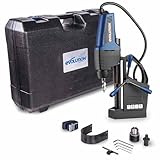
12. EVOLUTION EVOMAG42 Drilling System – Best for Deep Coring in Heavy Plate
Evolution Power Tools EVOMAG42 1 5/8″ Diameter x 2″ Depth Magnetic Drilling System
1200W motor
1-5/8 inch by 2 inch capacity
5-1/16 inch stroke
Pros
- Clean consistent holes in thick steel
- Integrated coolant system
- Long 5-1/16 inch stroke
- Portable at 38 pounds
Cons
- Fixed single speed
- Not suited to full benchtop drilling tasks
This is the odd one out in the lineup, and it earns its place for a narrow but important job: large-diameter annular holes in heavy plate, drilled on site. Capacity is 1-5/8 inch diameter at 2 inch depth using the annular cutters, and the 3/4 inch diameter shank fits most standard cutter styles, so tooling is not an obstacle.
Owners value it for producing clean, concentric holes in heavy plate and structural steel, and the reason is the 5-1/16 inch stroke. That is by far the longest travel of any machine here, and it lets you take a deep coring cut in one pass instead of stopping halfway to reposition.
The integrated coolant system is the detail that separates it from a mag drill with an optional bottle. Coolant delivery is built into the machine, which is what keeps a carbide annular cutter alive through thick plate instead of letting it burn out, and you do not have to plumb anything or clamp a reservoir to a beam.
At 1200W and 10 amps on 120V, the chuck and adaptor cover both annular and twist-drill work up to 1/2 inch, and the machine weighs 38 pounds.
Where it fits that a bench press does not
Anywhere the plate is too heavy to bring to a bench and too thick to bore on a manual drill. Structural connections, base plates, and handrail fabrication are the obvious cases. Because the coolant is integrated, it works in positions where bolting a coolant bottle or running a hose to a shop supply is impractical.
It is also lighter than the other magnetic options here at 38 pounds, which helps on extended site work, though it is still not a one-hand carry.
What you give up
The fixed single speed is the clear limitation, and owners note it restricts control for some materials. When the cut wants to start slow to break through skin-hardened material and then speed up, you cannot do that here.
It is also not a benchtop drill press and will not handle small work. There is no table, no depth stop, and no speed flexibility, so if your day includes 3/16 inch holes in small brackets this is the wrong machine and you want the benchtop group instead.
How to Choose a Drill Press for Metalworking in 2026
Why low RPM decides whether a press can drill steel
Metal generates far more heat and cutting thrust than wood, and a bit spinning too fast in steel does three things at once. It generates heat faster than the cutting edge can shed it, it rubs instead of cuts once dulled, and the rub work-hardens the surrounding metal so the hole has to be machined out and scrapped.
This is why the 200 to 600 RPM floor is the single most repeated requirement in machinist forums, and why machinists treat a five-speed press as a woodworking machine regardless of what the box says. A wood press often bottoms out at 750 RPM or higher because wood does not care. Steel cares a great deal.
Speed steps, and what they tell you
Forum readers use step count as a quality proxy, and it is a reasonable one: 12 to 15 speeds on a machine signals metal capability, while 5 signals wood. That said, steps are a proxy rather than the real answer, and the real answer is the published minimum and maximum RPM.
Three drive types appear here. A belt and pulley drive gives discrete steps and is the most durable and serviceable. A stepless mechanical or electronic drive gives continuous speed on the fly, which is the most convenient for mixed work. A gearhead press gives true indexed steps with no belt wear. Whatever the drive, the number that matters is the floor speed, and you should be able to find it on the spec sheet before you buy.
Horsepower and real steel capacity
Match the published drilling capacity in steel to your largest intended hole, not the wood capacity, and treat the number as a ceiling rather than a target. A benchtop machine should have at least 1/2 HP; a floor model should have 1 HP or more.
For most home and small-shop work, 1/2 inch in mild steel is a sensible ceiling. Stainless and hardened plate demand a low speed floor and a chuck that holds true, and for large-diameter holes in thick plate the modern answer is an annular cutter or an indexable carbide bit rather than a giant twist drill.
Runout: the accuracy spec nobody publishes
Runout is how far the bit tip deviates from the centerline while spinning, and it is the main accuracy specification for metal holes. Cheap presses suffer from quill and chuck wobble, which destroys concentricity on larger holes and breaks bits in hardened steel. Manufacturers almost never print a figure, which is why the owner reports of dial indicator checks in this roundup matter more than the marketing language.
If you care about hole position, either find a measured report or test it yourself before you commit to a batch of parts.
Spindle taper and what it costs you in bits
Spindle taper determines which chucks, drill bits, and accessories fit. MT2 is common on light benchtop machines, MT3 is the standard on heavier presses, and R-8 appears on some machines in this class. The practical point that buyers miss is bit cost and availability: whichever taper your press uses, a shelf of taps, dies, and chucking accessories exists for it, and a mismatch means a special order for every bit you want.
Check the taper before you commit, and confirm that a suitable chuck is included or easily obtained.
Benchtop, floor, and the weight question
Benchtop machines in this roundup run from 32 pounds at the small end to about 88 pounds at the heavy end, which means the category itself contains presses that most people cannot lift onto a bench alone. Floor models run from 167 to 282 pounds.
That is the criterion most guides skip: can one person set this up, and can they move it later? The small benchtop presses answer yes, the heavy benchtop presses need bolting to a proper stand, and the floor models need a dedicated location and usually a second person for assembly. A cart parked under a floor model is a common workaround for storage and retrieval.
Used presses: what to inspect
Used markets are full of machines that are cheap and worth it, and of machines that are cheap because something is wrong. The inspection list that matters: check for missing chuck keys, stripped handles, and missing drift keys first, since those are easy losses. Then check the bearings for roughness and noise, check the belt for wear and cracking, and check the chuck runout with an indicator.
Clean heavy cast iron presses from established brands are widely valued because the mass does not go away with age. A shop with a handtruck makes a heavy used floor press a realistic purchase, and a roller cart under a new one solves the same problem.
Coolant, lubrication, and work holding
Drilling steel generates enough heat to need a plan. Cutting fluid or a coolant system keeps the bit edge alive on mild and stainless steel, and machines with integrated coolant remove that chore entirely. A brush of oil works for occasional work, and a drip bottle beats nothing.
Work holding matters as much as speed. Clamp the workpiece to the table rather than holding it, use a vise with a compound slide if you need controlled feed on small parts, and make sure the table cannot shift. A cross-slide vise on the table post is the upgrade that most improves repeatability on a benchtop press.
Price tiers, described by what you get
Budget bench machines give you a 5-speed drive with a floor around 500 to 750 RPM. They handle small holes in mild steel and aluminum, and they are the right call for a first machine. Serious hobby machines add 6.2 to 10 amps of motor, 3/4 to 1 HP, stepless speed, and published capacity above 0.5 inch, which is where most metalworkers should stop unless a specific job demands more. Shop grade means a floor model with 1 HP or more, 12 or more speeds, a low speed floor, and a positive depth stop, and it is the tier where repeat batches and hard materials start to behave.
For drilling away from the machine entirely, the cordless drill and impact driver approach we cover in our combo kit guide is the practical companion to any press on this list.
Frequently Asked Questions
What is the best drill press machine for metal?
The best drill press for metal reaches a low minimum speed, usually 200 to 600 RPM, because a bit spinning too fast in steel generates heat faster than it can shed a chip, dulls, and work-hardens the surrounding metal. Look for published drilling capacity in steel, at least half horsepower, a cast iron frame, and a runout figure or owner verification. The DEWALT DWE1622K leads this list for field steel, and the JET JDP-20MF leads for hard material work at 150 RPM.
Can a drill press be used for metal?
Yes, but only a metal-rated one. A standard woodworking press with five speeds often bottoms out at 750 RPM or higher, which burns HSS bits in steel and hardens the material around the hole. A metal-capable press pairs a low speed floor with half horsepower or more, a cast iron or steel frame, and a published drilling capacity in steel. Benchtop machines here handle half-inch holes in mild steel; floor models reach larger work.
What is the best drill for drilling through metal?
For mild steel, a cobalt HSS twist drill in the 200 to 400 RPM range is the classic answer. For stainless or hardened plate, use a carbide or indexable bit run slow, roughly 150 to 400 RPM, with cutting fluid. For large-diameter holes, an annular cutter gives the cleanest result, and the magnetic presses on this list accept standard cutter shanks. Match the bit to the material rather than expecting one bit to do everything.
Is there a difference between a wood drill press and a metal drill press?
The differences are speed range, power, construction, and published specs. A wood press usually has five speeds from about 750 to 3200 RPM and quotes drilling capacity in wood. A metal press starts near 200 to 600 RPM, carries half horsepower or more, uses a cast iron or steel frame and column, and quotes capacity in steel. Metal presses also tend to offer depth stops, tilting tables, and better chucks because hole position and depth matter more.
Are Harbor Freight drill presses any good?
Owners in machinist forums do rate certain Harbor Freight 10-inch 12-speed bench presses positively, citing a roughly 300 RPM minimum speed and measured runout of about .003 inch, which puts them in metal-capable territory. Buyers counter that heavy floor models in the range cost more than used American iron. No Harbor Freight press appears on this list, so treat claims about specific models as unverified until you check the runout yourself.
What is the best value-for-money bench drill press?
The best value here is the BUCKTOOL 12-inch benchtop press. Owners report near-zero runout verified with a dial indicator, a 3/4 HP motor with 580 to 3200 RPM variable speed, clean castings, and a table that rotates 360 degrees and bevels 45 degrees. Two caveats: it weighs about 86 pounds and should be bolted to a proper stand, and the depth knob cannot lock the quill in a lowered position.
What is a good quality bench drill press?
A good metal-capable bench press has a published minimum speed at or below 610 RPM, at least half horsepower, a chuck that runs true, and a cast iron or steel frame. On this list the SKIL DP9505-00, WEN DP1263V, VEVOR 1216BVS, and JET JWDP-12 all qualify. The JET stands out for stepless 530 to 3100 RPM adjustment and an accurate laser, while the VEVOR carries the strongest motor at 1 HP.
What to look for when buying a drill press?
Check these seven items in order: published minimum RPM, drilling capacity stated in steel, motor horsepower, runout or chuck quality, spindle taper for bit availability, machine weight against your setup and lifting ability, and whether a depth stop and coolant provision exist. Then confirm the drive type, since a five-speed pulley drive limits your choices compared with stepless or gearhead. Used presses need the same checks plus a bearing, belt, and key inventory.
Final Verdict on the Best Drill Presses for Metalworking
For most people reading this, the winner is the DEWALT DWE1622K. It carries the highest rating of any machine here, a 10-amp motor with overload protection, 2-inch annular capacity, and 4 inches of drill travel, and it is the only press in the group that solves steel that is already installed. If your work happens at a bench, the BUCKTOOL 12-inch is the value pick, and the JET JWDP-12 is the one to buy if stepless speed control matters to you.
Whatever you choose, apply the same filter we used. Find the published minimum RPM and the drilling capacity in steel before you look at anything else, because a woodworking press with a metal-capable label will not survive contact with a real test. Send us your setup details and we will point you at the right tier.