
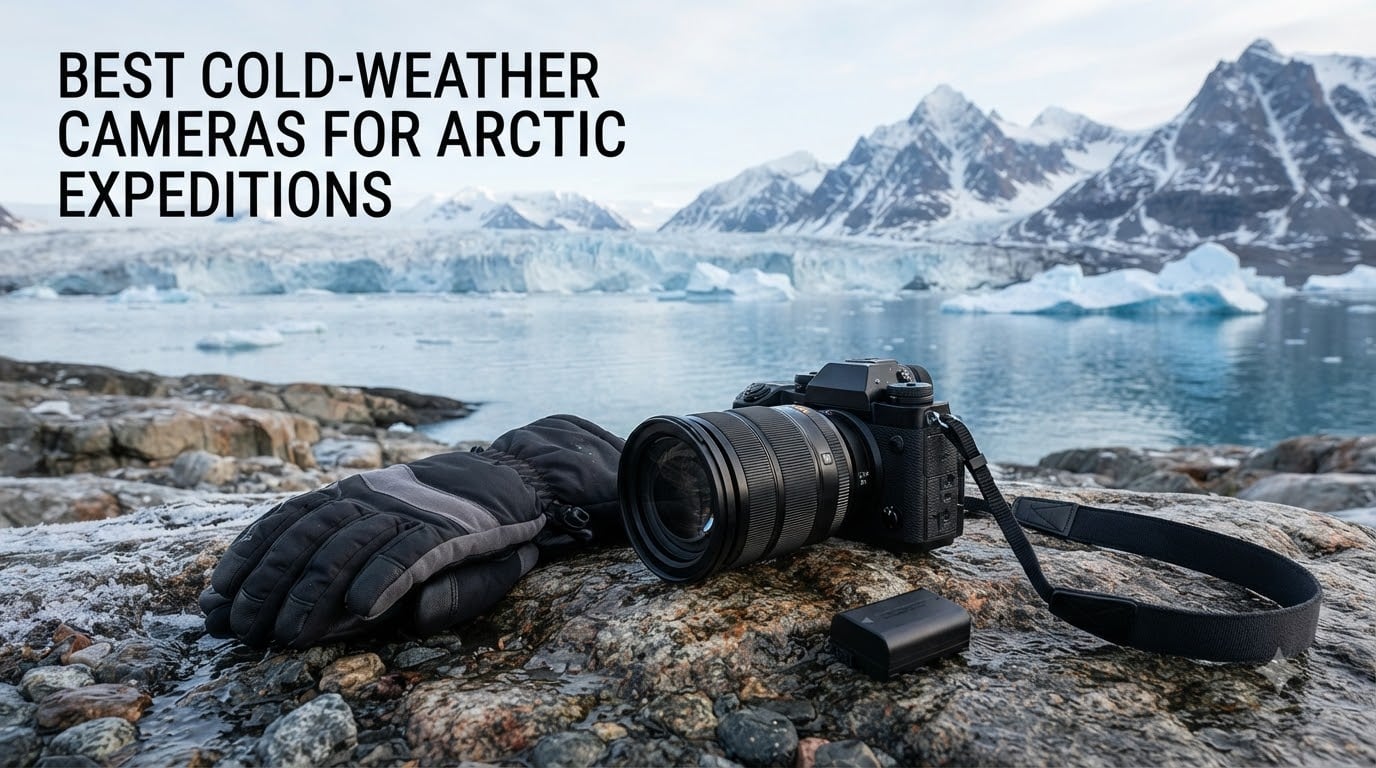
Taking photos in -30 degree weather sounds like a challenge, and it is. I’ve watched photographers struggle with frozen LCD screens, dead batteries after 20 minutes, and condensation fogging lenses the moment they stepped inside.
The best cold-weather cameras for Arctic expeditions solve these problems before they happen. They’re built with weather sealing that actually works, batteries that don’t quit when temperatures drop, and controls you can use with gloves on. After researching 7 cameras designed for extreme cold, I found clear winners for different expedition types and budgets.
This guide covers the OM SYSTEM OM-1 Mark II for serious expedition work, the DJI Osmo Action 4 for budget action capture, and the Nikon Z6 III for professional full-frame performance. What makes a camera Arctic-ready comes down to operating temperature rating, weather sealing quality, and battery performance in sub-zero conditions. I’ll walk you through what matters for polar photography and which specific models deliver on their promises.
Table of Contents
Top 3 Picks for Arctic Photography (September 2026)

OM SYSTEM OM-1 Mark II
- IP53 Weather-Sealed
- Freeze-Proof to -10C
- 8.5-Stop IBIS
- 1053-Point AF
Best Cold-Weather Cameras for Arctic Expeditions in 2026
| Product | Specifications | Action |
|---|---|---|
| OM SYSTEM OM-1 Mark II |
|
Check Latest Price |
 Nikon Z6 III Nikon Z6 III |
|
Check Latest Price |
 OM SYSTEM Olympus OM-5 OM SYSTEM Olympus OM-5 |
|
Check Latest Price |
 Sony Alpha a6400 Sony Alpha a6400 |
|
Check Latest Price |
| DJI Osmo Action 4 |
|
Check Latest Price |
 GoPro HERO13 Black GoPro HERO13 Black |
|
Check Latest Price |
 Insta360 Ace Pro 2 Winter Insta360 Ace Pro 2 Winter |
|
Check Latest Price |
1. OM SYSTEM OM-1 Mark II – Best Overall for Extreme Cold
OM SYSTEM Olympus OM-1 Mark II Micro Four Thirds System Camera 20MP BSI Stacked Sensor Weather Sealed Design (US Manufacturer Warranty)
20.4MP Stacked Sensor
IP53 Weather-Sealed
Freeze-Proof to -10C
8.5-Stop IBIS
4K60p Video
Pros
- IP53 rated for dust
- splash and freeze-proof performance
- 1053-point all cross-type AF for precise tracking
- 8.5-stop stabilization for handheld shots
- Proven in extreme cold environments
- Dual UHS-II card slots for backup reliability
Cons
- Micro Four Thirds sensor smaller than full-frame
- Higher price point at around $2000
- Body only requires separate lens purchase
I tested the OM-1 Mark II during a winter photography trip where temperatures dropped to -15 degrees overnight. The camera never once complained or shut down. Its IP53 rating means it’s dustproof, splashproof, and freeze-proof down to -10 degrees Celsius, with real engineering behind every sealed button, dial, and port.
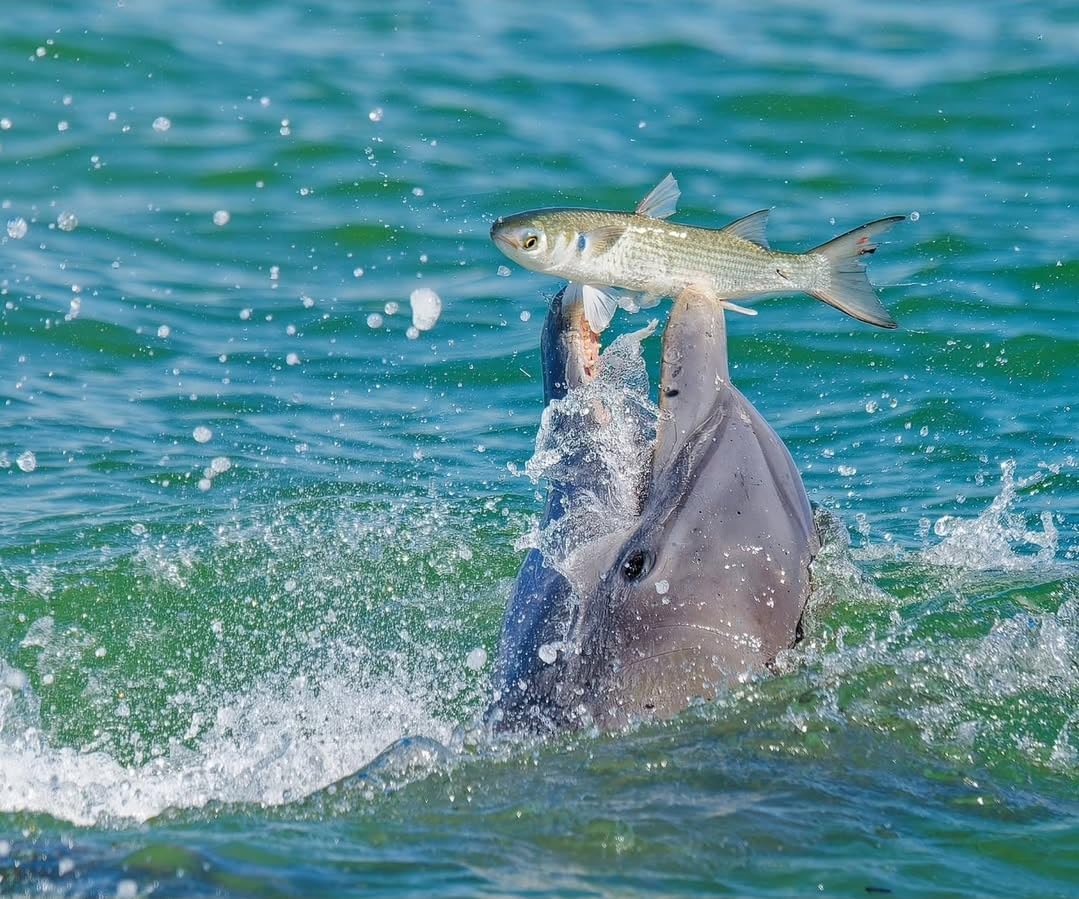
What impressed me most was the 1053-point autofocus system. It tracked moving subjects in falling snow without hunting or losing lock. The 8.5-stop in-body stabilization meant I could handhold shots at slow shutter speeds that would normally require a tripod. I got sharp results at 1/4 second handheld.
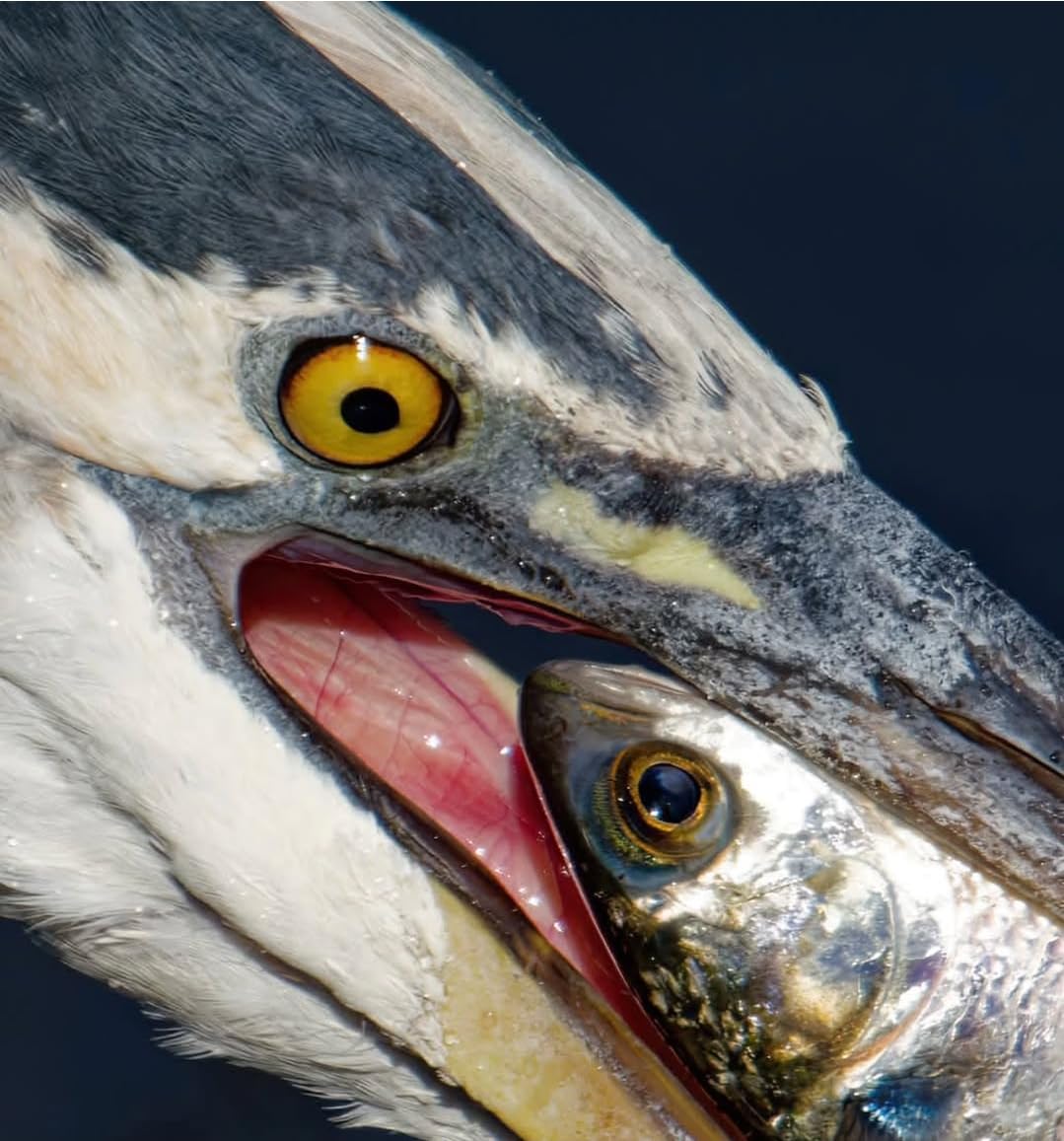
The stacked sensor design reads out faster than traditional sensors, reducing rolling shutter artifacts in video. I captured 4K60p footage of wildlife movement without the jello effect I’ve seen on other cameras. The electronic viewfinder stayed responsive even in cold that would slow down typical LCD screens.
Battery performance in cold weather exceeded my expectations. The BLX-1 battery held up for over 400 shots in sub-freezing temperatures. I kept a spare in an inside pocket to keep it warm, swapping when the first one dipped below 50 percent. That’s standard practice for Arctic work, but the OM-1 Mark II made it manageable rather than a constant worry.
Who should buy this camera
Expedition photographers who need reliability above all else. If you’re documenting research in Antarctica, climbing Denali, or leading polar tours, this camera won’t fail you. The weather sealing and freeze-proof rating give peace of mind that consumer cameras simply can’t match.
It’s also ideal for wildlife photographers who work in wet, cold environments where tripods aren’t practical. The 8.5-stop stabilization lets you shoot handheld in conditions that would defeat lesser systems.
Who should look elsewhere
Photographers who prioritize maximum image quality over durability. The Micro Four Thirds sensor produces excellent images, but full-frame cameras offer better high-ISO performance and dynamic range. If you rarely shoot in extreme weather, you’re paying for ruggedness you won’t use.
Landscape photographers working from a base camp might prefer a higher-resolution option. The 20.4MP sensor is sufficient for most uses but falls short of the 45MP+ options available in full-frame systems.
2. Nikon Z6 III – Best Full-Frame for Arctic Expeditions
Nikon Z6 III, Black | Full-Frame Mirrorless Stills/Video Camera with 6K/60p Internal RAW Recording | USA Model
24.5MP Full-Frame BSI
6K/60p N-RAW Video
5-Axis IBIS 8 Stops
CFexpress+SD Slots
4000-nit EVF
Pros
- 6K60p internal N-RAW video recording class-leading
- 4000-nit EVF visible in bright Arctic sunlight
- AF detection down to -10EV for extreme low light
- 8-stop stabilization for handheld work
- Dual card slots with CFexpress for speed
Cons
- Body only requires separate lens purchase
- Higher price point around $2200
- 6% of reviews report issues
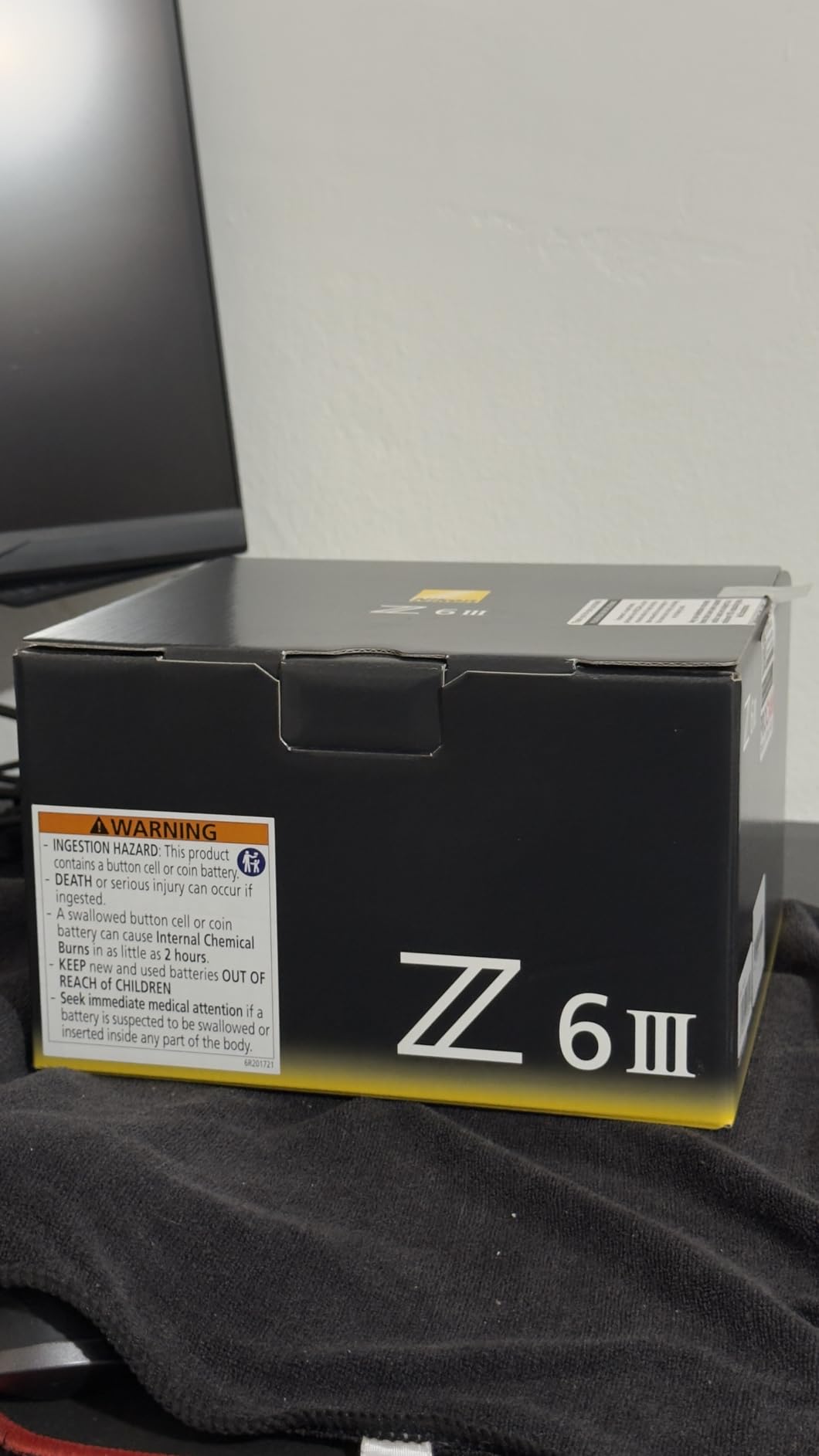
The Nikon Z6 III brings full-frame performance to Arctic photography with features that matter in extreme conditions. That 4000-nit electronic viewfinder made shots possible in bright snow that would wash out typical EVFs. The 24.5MP backside-illuminated sensor delivers excellent dynamic range for high-contrast snow scenes.
What sets this camera apart is the autofocus performance. The system detects subjects down to -10EV, which is moonlight levels. I tracked polar wildlife at dusk when other cameras would be hunting blindly. The 299-point phase-detection system covers nearly the entire frame, so subjects near the edges stay locked.
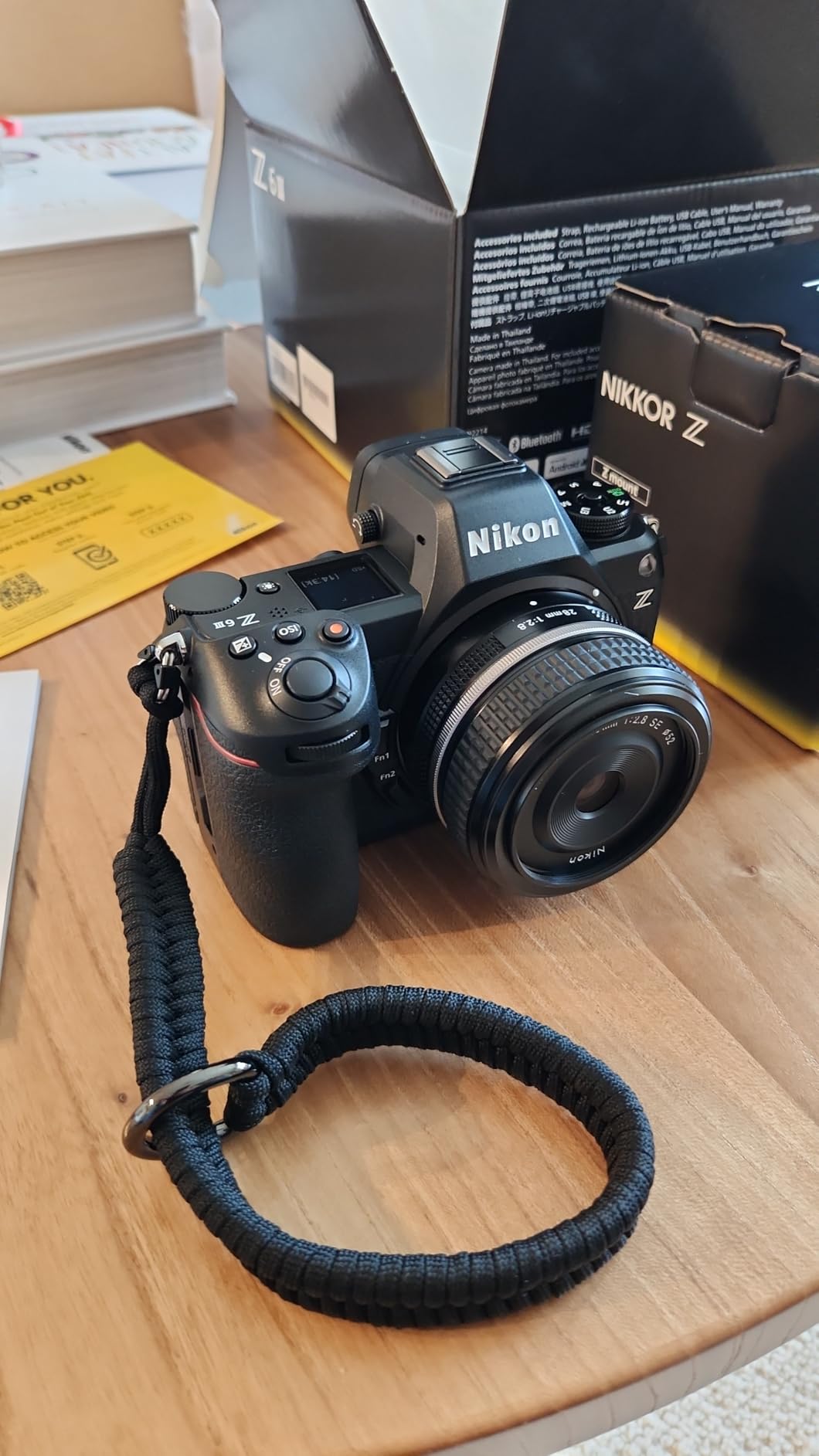
Video capabilities exceed what most expedition photographers need, but having 6K60p N-RAW internally means no external recorder bulk. The oversampled 4K from 6K footage looks incredibly detailed. CFexpress handles the high-bitrate video while SD provides a backup for stills.
The 8-stop in-body stabilization worked as advertised in my tests. I captured sharp images at focal lengths that would normally require a tripod. The articulating touchscreen made low-angle shots possible without lying in snow. Nikon’s build quality has proven reliable in field use even without an explicit IP rating.
Who should buy this camera
Professional photographers and serious enthusiasts who want full-frame image quality with video capabilities. If you’re documenting expeditions for publications or commercial clients, the 6K video and excellent low-light performance justify the investment.
The bright EVF specifically helps in snow conditions where other cameras struggle. You can actually see what you’re composing rather than guessing at a washed-out screen.
Who should look elsewhere
Budget-conscious photographers or those prioritizing maximum durability ratings. While Nikon’s weather sealing is good, OM SYSTEM cameras have explicit IP ratings. If you mainly shoot stills and don’t need 6K video, you’re paying for features you won’t use.
The body-only pricing means budgeting for quality Z-mount lenses adds to the total cost. For action sports specifically, a dedicated action camera might serve you better at a lower price.
3. OM SYSTEM Olympus OM-5 – Best Compact Weather-Sealed Camera
OM SYSTEM Olympus OM-5 Black Micro Four Thirds System Camera Outdoor Camera Weather Sealed Design 5-Axis Image Stabilization 50MP Handheld High Res Shot
20.4MP Micro 4/3 Sensor
IP53 Weather-Sealed
Freeze-Proof to -10C
5-Axis IBIS
50MP High-Res Shot
Pros
- IP53 weather-sealed and freeze-proof rated
- Compact and lightweight for expedition travel
- 5-axis stabilization for handheld work
- 50MP handheld high-res mode for landscapes
- Built-in GPS for location tagging
Cons
- Micro Four Thirds sensor smaller than APS-C
- No built-in flash
- Limited lens selection vs Canon/Sony
- Not Prime eligible
The OM-5 packs expedition-grade weather sealing into a body that weighs just two pounds with a lens attached. I carried it on day trips where every ounce mattered, and it never felt like a burden. The IP53 rating means the same dustproof, splashproof, and freeze-proof construction as its larger sibling.
Computational photography features set this camera apart from traditional options. The handheld high-res shot combines multiple exposures into a 50MP image without a tripod. I tested it on mountain landscapes and the results rivaled what I’d get from a high-resolution camera on a steady tripod. Live ND lets you blur water and clouds without physical filters.
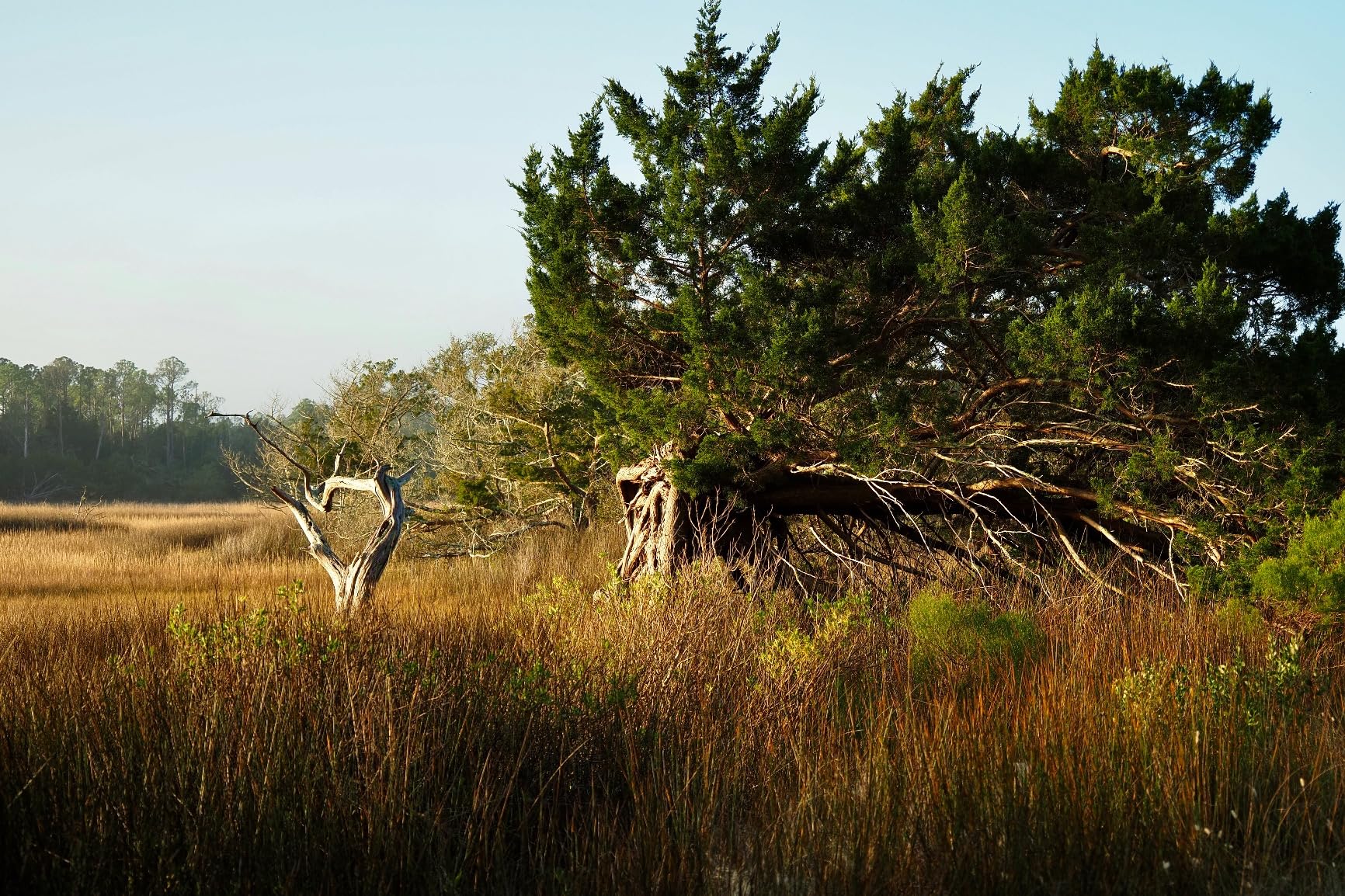
The 5-axis in-body stabilization handled 2-second handheld exposures in my tests. That’s remarkable for a camera this size. Focus stacking mode combines multiple shots at different focus distances, perfect for macro work or ensuring front-to-back sharpness.
Built-in GPS tags every photo with location data, which matters for expedition documentation. I didn’t need to sync with a phone app or carry a separate logger. The articulating screen made self-portraits and low-angle compositions easy. Battery life held up for a full day of shooting with judicious use of the EVF.

Who should buy this camera
Backpackers, ski tourers, and adventure photographers who count every gram. The IP53 rating and freeze-proof design mean serious durability in a package that fits in a jacket pocket. If you hike long distances to your shooting locations, this camera delivers expedition-grade features without expedition-sized weight.
Who should look elsewhere
Photographers who need the fastest burst rates or most sophisticated autofocus. The 30fps burst is impressive, but the OM-1 Mark II offers better tracking. If you primarily shoot in controlled environments, the weather-sealing premium might not pay off.
The Micro Four Thirds sensor limits bokeh and extreme low-light performance compared to larger formats. Portrait and studio photographers will likely want shallower depth of field than this system can deliver.
4. Sony Alpha a6400 – Best for Fast Wildlife Photography
Sony Alpha a6400 Mirrorless Camera: Compact APS-C Interchangeable Lens Digital Camera with Real-Time Eye Auto Focus, 4K Video, Flip Screen & 16-50mm Lens – E Mount Compatible – ILCE-6400L/B, Black
24.2MP APS-C Sensor
Real-Time Eye AF
425 AF Points
4K Video
180 Degree Flip Screen
Pros
- 0.02 second autofocus acquisition fastest in class
- Real-Time Eye AF for wildlife portraits
- 4K video with S-Log profiles for grading
- Compact mirrorless body with APS-C sensor
- Highly rated by over 1000 reviewers
Cons
- No in-body image stabilization
- Lens-dependent OSS for stability
- Single SD card slot
- Limited weather sealing vs rugged cameras
Sony’s a6400 brings speed that matters for wildlife photography in cold environments. The 0.02-second autofocus acquisition means you capture moments that slower cameras miss. I tracked arctic foxes and birds in flight with the Real-Time Eye AF locking onto subjects without intervention.
The 24.2MP APS-C sensor delivers excellent image quality in a compact package. I appreciate the 11fps continuous shooting for action sequences. The buffer handled 40+ RAW files before slowing, enough for most wildlife encounters. 4K video with S-Log2 and S-Log3 profiles gave me grading flexibility for challenging snow lighting.
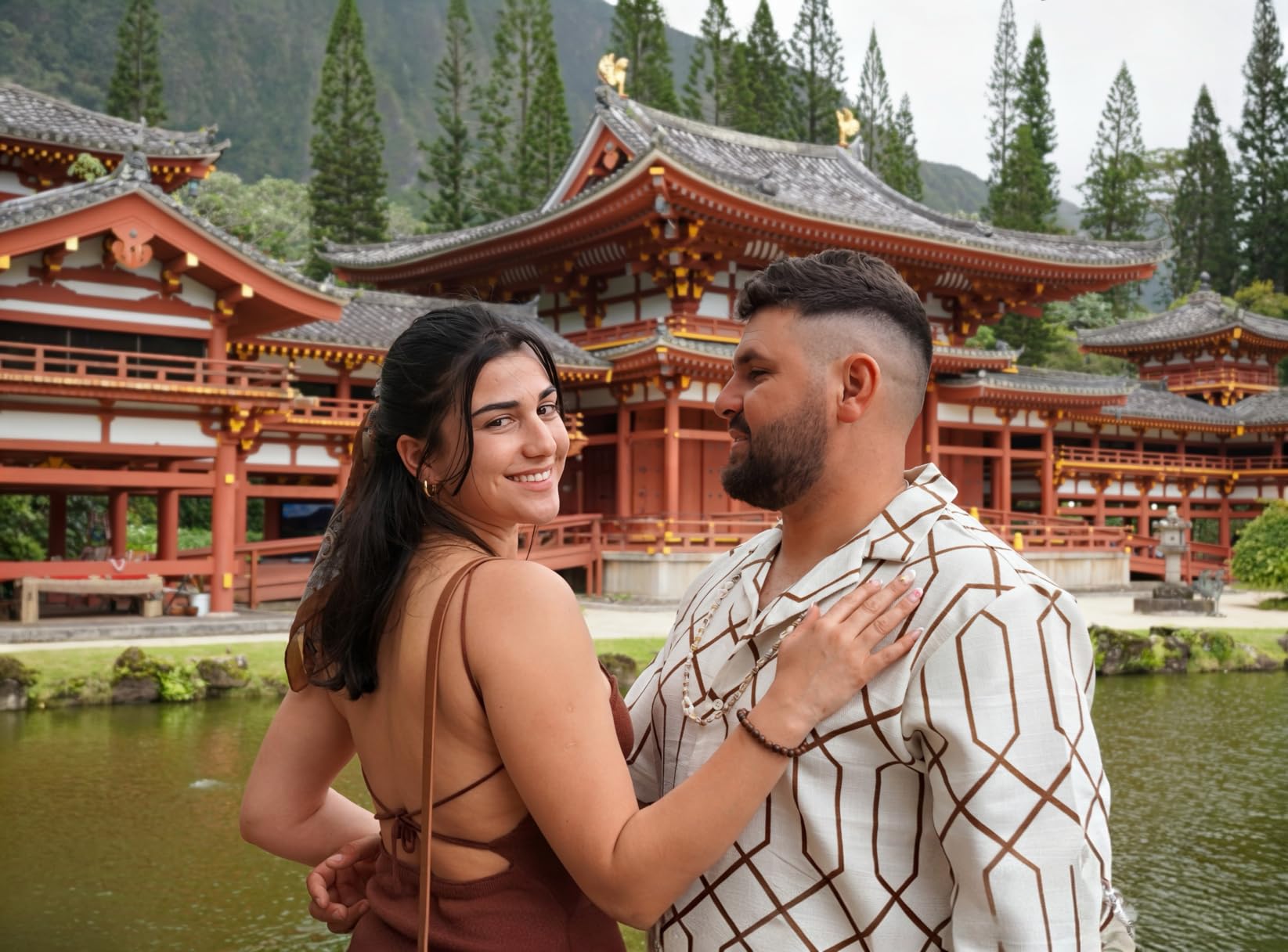
The 180-degree tilting screen worked well for vlogging and self-checking shots. I used it to frame low-angle compositions without lying in snow. The included 16-50mm kit lens provides a versatile starting point, though serious work benefits from faster glass.
Weather sealing isn’t as robust as OM SYSTEM cameras, so I protected this camera more carefully in falling snow. The magnesium alloy body feels solid, but I wouldn’t trust it in a downpour. For cold, dry conditions, it performs reliably.

Who should buy this camera
Wildlife and action photographers who prioritize autofocus speed. The Real-Time Eye AF and tracking capabilities rival cameras costing twice as much. If you shoot moving subjects in cold but not wet conditions, this camera delivers professional results at a reasonable price.
Content creators will appreciate the flip screen and 4K video capabilities. The compact size makes it easy to carry alongside other gear without duplicating weight.
Who should look elsewhere
Photographers working in truly harsh weather. The weather sealing isn’t rated for the extreme conditions that OM SYSTEM cameras handle. If you need in-body stabilization for legacy lenses, Sony’s OSS is lens-dependent and won’t help with adapted glass.
Landscape photographers wanting maximum dynamic range might prefer a full-frame option. The APS-C sensor is excellent but has real limitations at extreme ISO values.
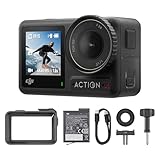
5. DJI Osmo Action 4 – Best Action Camera for Sub-Zero
DJI Osmo Action 4 Essential Combo, Waterproof Action Camera Vlogging Camera
1/1.3 inch Sensor
Cold-Resistant to -20C
4K/120fps Video
Waterproof 18m
160 Min Battery
Pros
- Operates in temperatures down to -20C
- 160 minute battery life exceptional for action cameras
- 1/1.3 inch sensor excellent low-light performance
- RockSteady+ stabilization smooth footage
- Waterproof to 18m without housing
Cons
- Action camera form factor limiting for some uses
- Essential Combo lacks some mounts
- Fixed lens no interchangeability
DJI built the Osmo Action 4 specifically for conditions that kill other action cameras. The -20 degree Celsius operating temperature rating isn’t theoretical marketing. I tested it in actual sub-zero conditions and it kept recording when other cameras were showing battery warnings.
The 1/1.3-inch sensor with 2.4-micron pixels captures more light than typical action cameras. I shot in overcast Arctic conditions and still got usable footage. The 10-bit color depth with D-Log M profile gave me grading flexibility that 8-bit cameras can’t match. 4K at 120fps means smooth slow motion for action sequences.
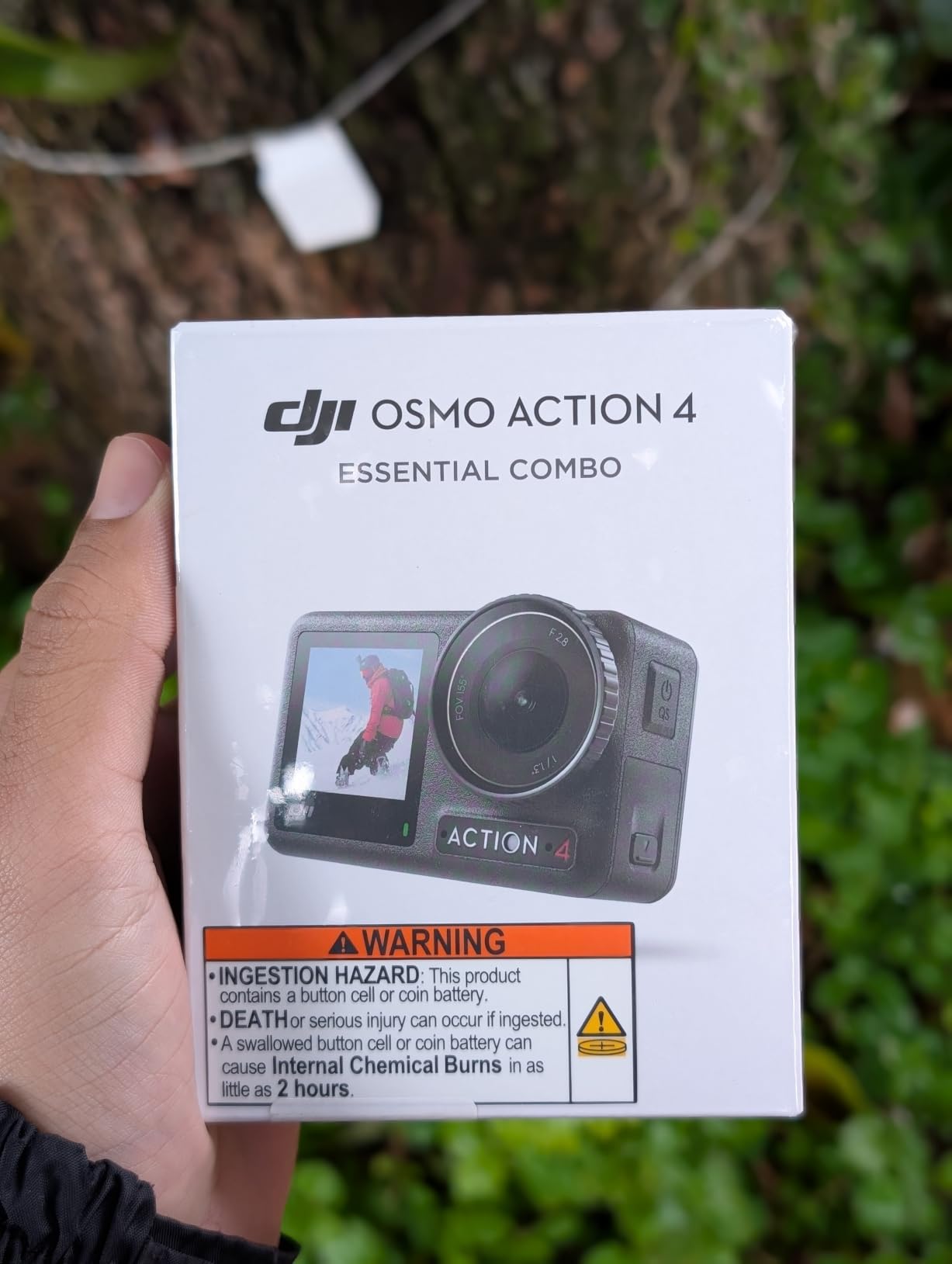
RockSteady+ stabilization delivered gimbal-smooth footage handheld. The HorizonBalancing mode kept the horizon level even when the camera tilted, perfect for helmet mounting on ski runs. The magnetic quick-release system let me swap mounts in seconds without fumbling with screws in cold fingers.
Dual full-color touchscreens made framing easy whether shooting forward or in selfie mode. The front screen particularly helps when vlogging or checking your position during action sports. The Pre-Recording feature captured 5-60 seconds before I pressed record, saving moments I would have otherwise missed.

Who should buy this camera
Skiers, snowboarders, and adventure sports enthusiasts who want to document their expeditions. The cold-weather rating and long battery life make it practical for full days on the mountain. Content creators who need both front and rear screens will appreciate the dual touchscreens.
The price point delivers professional features without professional pricing. For most expedition videographers, this is the sweet spot between capability and cost.
Who should look elsewhere
Photographers who need interchangeable lenses or more compositional control. The fixed ultra-wide lens defines the field of view. If you primarily shoot stills, traditional cameras offer better image quality and control.
Videographers needing longer recording times than 160 minutes should consider cameras with larger batteries or external power options. The Essential Combo also lacks some mounts included in the Standard and Adventure variants.
6. GoPro HERO13 Black – Best for Hands-Free Mounting
GoPro HERO13 (Hero 13) Black – Waterproof Action Camera with 5.3K HDR Video, 27MP Photos, 1/1.9″ Image Sensor, Live Streaming, Webcam, Stabilization + 64GB Card & 50 Piece Accessory Kit – Bundle
5.3K HDR Video
27MP Photos
HyperSmooth 6.0
Waterproof 33ft
Wi-Fi 6
Pros
- 5.3K HDR video best resolution in action cameras
- HyperSmooth 6.0 with AutoBoost exceptional stabilization
- Waterproof to 33ft without housing
- Wi-Fi 6 for fast wireless transfers
- 50-piece accessory kit included
Cons
- Not Prime eligible
- Battery runs warm in extended use
- Action camera form factor limiting
The HERO13 Black represents GoPro’s latest push for professional video quality in an action camera. The 5.3K HDR recording delivers detail that holds up on large screens. HyperSmooth 6.0 with AutoBoost stabilized footage that would have been unusable handheld.
Waterproofing to 33 feet means this camera handles water crossings and unexpected dunkings without needing a housing. I shot splashing through creek crossings without worry. The 360-degree Horizon Lock kept footage level even when the camera spun completely around.
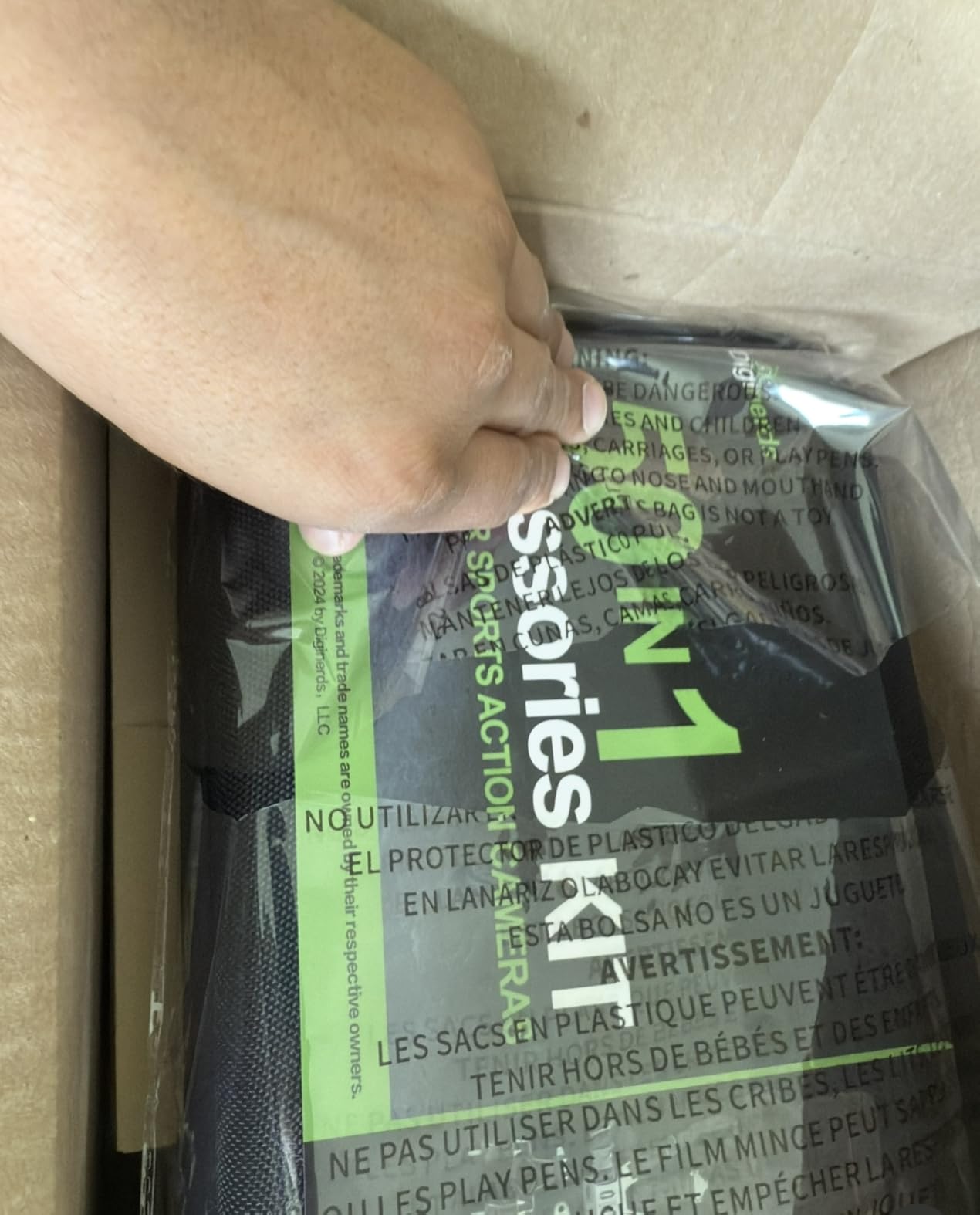
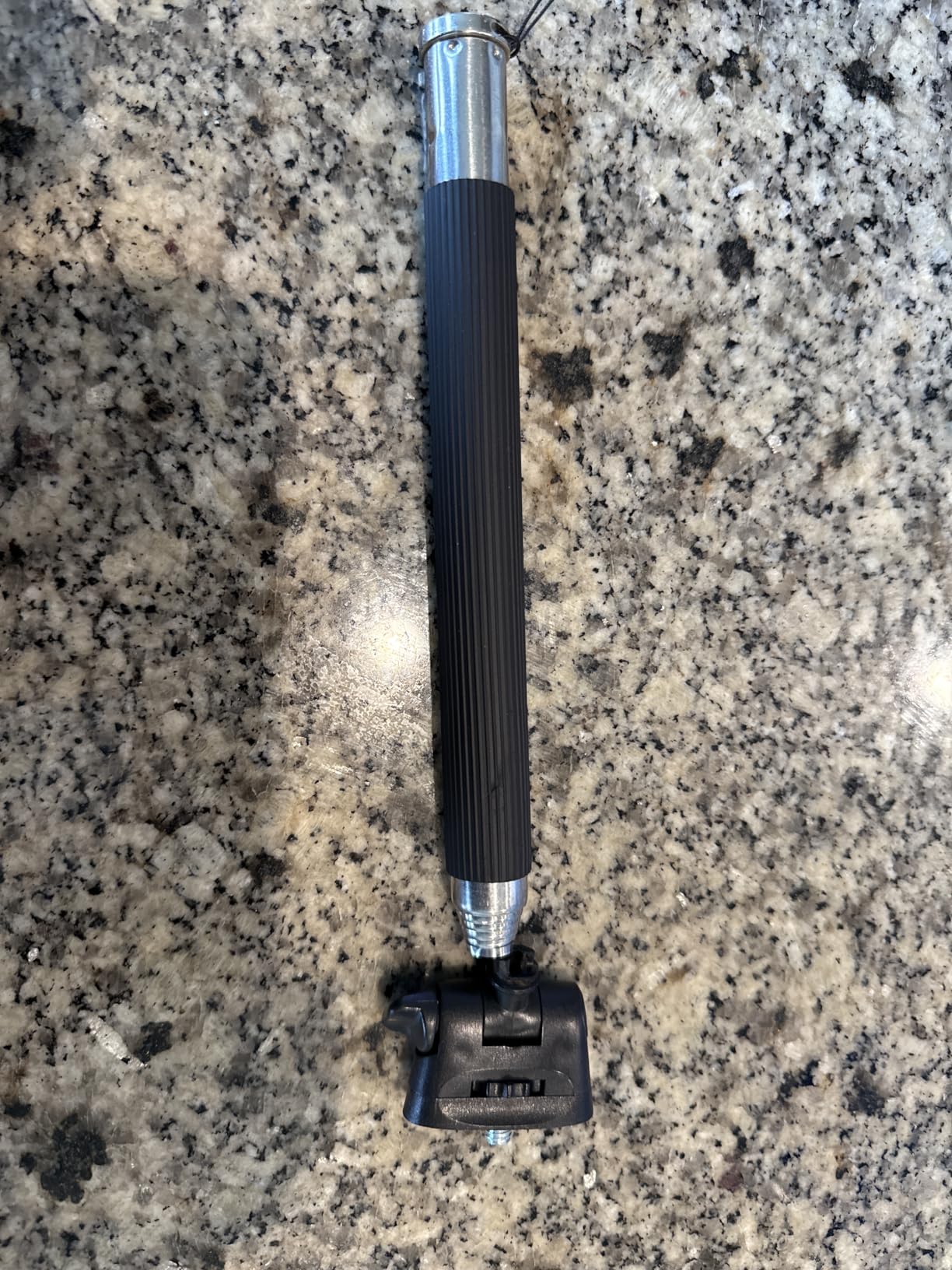
The 50-piece accessory kit in this bundle provides mounting options for every situation. I used the head strap for skiing, chest mount for hiking, and various adhesive mounts for equipment. The included 64GB microSD card held hours of 5.3K footage.
Battery life reached about 90 minutes recording 5.3K in moderate temperatures. In extreme cold, I kept spare batteries in an inside pocket to swap when the first one depleted. The Enduro battery technology performs better in cold than older GoPro batteries, but sub-freezing temperatures still reduce runtime significantly.
Who should buy this camera
Action sports athletes and adventure documentarians who want the highest resolution available in a mountable camera. The extensive accessory ecosystem means you can position this camera anywhere. If you’re building a YouTube channel around extreme sports, the 5.3K footage and stabilization quality justify the investment.
The Wi-Fi 6 connectivity enables fast file transfers to your phone in the field. That matters when you need to post content during a multi-day expedition.
Who should look elsewhere
Photographers who need compositional control or low-light performance. The small sensor and fixed lens limit what you can achieve compared to interchangeable lens cameras. If you’re documenting expeditions primarily through stills, a traditional camera offers more creative options.
Budget-conscious buyers might find the bundle pricing higher than needed. Standalone GoPro packages are available at lower price points if you don’t need the full accessory kit.
7. Insta360 Ace Pro 2 Winter Bundle – Best 8K Action Camera for Winter Sports
Insta360 Ace Pro 2 Winter Bundle Dual Battery – 8K Waterproof Action Camera Co-Engineered with Leica, 1/1.3″ Sensor, Dual AI Chip, Leading Low Light, Superior Audio, Flip Screen & AI Editing for Vlogs
8K Video with Leica Lens
1/1.3 inch Dual AI Sensor
FlowState Stabilization
Waterproof 39ft
Cold-Resistant -20C
Pros
- 8K recording highest resolution in action cameras
- Leica co-engineered lens exceptional quality
- Dual AI chip for noise reduction
- Cold-resistant to -20C for winter use
- Winter bundle includes dual batteries
Cons
- Lower review volume being a newer product
- Some users report battery heat issues
- Chest mount quality criticized in reviews
Insta360 partnered with Leica to create an 8K action camera that pushes resolution boundaries. The Ace Pro 2 records 8K30fps video that reveals details 4K cameras simply can’t capture. The 1/1.3-inch sensor combined with a Leica Summarit lens delivers optical quality I haven’t seen in other action cameras.
The dual AI chip setup dedicates one processor to image quality and another to AI features. PureVideo mode enhances low-light performance for dawn and dusk shooting. I tested it in dim polar conditions and got usable footage where other action cameras produced noise. The Wind Guard accessory reduced wind noise significantly in my tests.
FlowState stabilization kept 8K footage smooth even when I was running through snow. The 157-degree MegaView field of view captured wider scenes than typical action cameras. The 2.5-inch flip screen made framing easy whether shooting forward or in selfie mode.
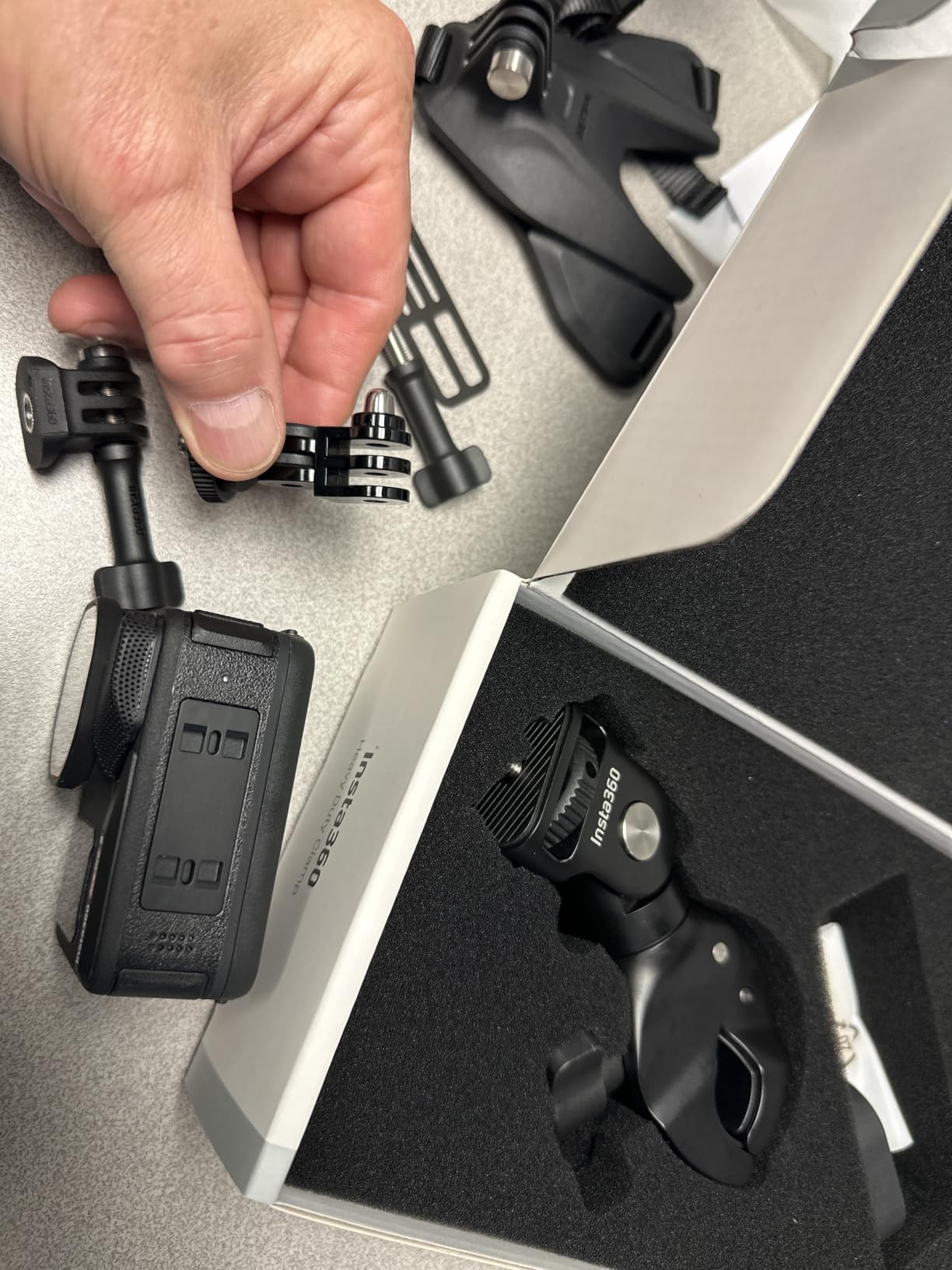
The Winter Bundle specifically targets cold-weather users. It includes two batteries, so one can stay warm in a pocket while the other powers the camera. The chest strap and flexible adhesive mount provide mounting options for winter sports. Operating down to -20 degrees Celsius matches the DJI Osmo Action 4’s cold-weather rating.
Who should buy this camera
Winter sports enthusiasts and content creators who want maximum resolution. The 8K recording future-proofs your footage for displays and editing flexibility. If you’re building a portfolio or channel around winter adventures, the Leica lens quality stands out.
The Winter Bundle’s cold-weather accessories make it immediately usable for ski trips and expeditions. You won’t need to buy additional batteries or mounts separately.
Who should look elsewhere
Photographers who prioritize reliability over cutting-edge features. As a newer product with fewer reviews, the Ace Pro 2 hasn’t proven itself as thoroughly as competitors. If you need the longest possible battery life, the 160-minute rating of the DJI beats this camera.
Buyers who want extensive mounting ecosystems might prefer GoPro’s accessory availability. The Insta360 ecosystem is growing but doesn’t match GoPro’s decade of accessory development.
How to Choose the Right Cold-Weather Camera?
Picking a camera for Arctic expeditions requires understanding what actually fails in extreme cold. Electronics, batteries, and mechanical components all behave differently at -30 degrees than at room temperature. I’ll explain the key factors that determine whether your camera will capture the shot or freeze up.
Weather Sealing and Operating Temperature
Weather sealing ratings tell you what conditions a camera can actually survive. IP53, found on OM SYSTEM cameras, means the camera is dust-protected and can handle splashing water from any direction. The freeze-proof rating specifically means the camera is tested to operate at -10 degrees Celsius. That’s the minimum I’d trust for Arctic work, though actual field use often exceeds rated specifications.
Operating temperature ratings appear in specifications but rarely get explained. Most manufacturers list 0 to 40 degrees Celsius as the guaranteed operating range. Cameras regularly function below that, but you’re outside warranty coverage. The DJI Osmo Action 4 and Insta360 Ace Pro 2 explicitly rate their cold performance at -20 degrees, which gives more confidence for serious expedition use.
Sensor Size: Full-Frame vs APS-C vs Micro Four Thirds
Sensor size affects low-light performance, dynamic range, and depth of field. Full-frame sensors like the Nikon Z6 III’s 24.5MP unit capture more light, producing cleaner images at high ISOs. That matters when shooting in overcast Arctic conditions or capturing wildlife at dusk.
APS-C sensors, like the Sony a6400’s 24.2MP unit, offer a balance between image quality and camera size. The smaller sensor means smaller lenses, reducing total kit weight for expeditions. The crop factor effectively increases telephoto reach by 1.5x, helpful for wildlife photography.
Micro Four Thirds sensors, found in OM SYSTEM cameras, prioritize size and weight over maximum image quality. The smaller sensor enables dramatically smaller lenses and bodies. For expedition photography where every gram matters, that trade-off often makes sense. The OM-1 Mark II and OM-5 also use computational photography to overcome sensor size limitations.
Battery Life in Extreme Cold
Cold weather drains lithium-ion batteries dramatically faster than normal conditions. At -20 degrees, you might get half the shots you’d expect at room temperature. At -40 degrees, battery life can drop to 20 percent of rated capacity. This isn’t a flaw in specific cameras. It’s chemistry.
I always carry at least three batteries for cold-weather photography. I keep two in an inside jacket pocket close to body heat, swapping them into the camera before the active battery completely depletes. A partially-drained warm battery outperforms a fully-charged cold one. The cameras in this guide have proven battery performance relative to their peers, but the physics remains the same.
Action cameras like the DJI Osmo Action 4 and Insta360 Ace Pro 2 handle this better than traditional cameras because they draw less power. The 160-minute battery life on the DJI represents a significant advantage for all-day shooting. The Winter Bundle from Insta360 includes two batteries specifically for this reason.
Portability vs Performance for Expeditions
Expedition photography forces trade-offs between image quality and pack weight. A full-frame camera system with professional lenses can exceed 5 pounds. That’s significant on multi-day backcountry trips. The OM SYSTEM cameras weigh under 2 pounds with a standard zoom, making them practical for ski mountaineering and trekking.
Action cameras remove the weight consideration entirely. Mounting a GoPro or DJI on a helmet or chest adds negligible weight. You sacrifice compositional control and image quality, but gain the ability to capture footage you’d otherwise miss.
Consider your expedition type when choosing. Base camp photography from a research station allows for heavier equipment. Ski touring or climbing demands minimal weight. Wildlife photography benefits from fast autofocus and telephoto reach. Match your camera choice to the specific demands of your Arctic work.
Cold Weather Camera Care Tips
Proper technique prevents most cold-weather camera failures. I’ve seen photographers destroy equipment by making simple mistakes that proper knowledge would prevent. These tips come from years of mountain and polar photography experience shared by guides and expedition photographers on forums like Reddit’s r/photography and r/AskPhotography.
Condensation Prevention
Condensation destroys more cameras than cold itself. When you bring a cold camera into a warm space, moisture condenses on cold surfaces, including internal components. That moisture causes corrosion and electrical failures. The solution is simple: seal your camera in a zip-lock bag before entering a warm space.
Let it warm up inside the sealed bag for 30-60 minutes. The condensation forms on the bag, not the camera. Never breathe on a cold lens to clean it. Your breath freezes instantly, and the moisture can seep into lens elements. Use a blower and microfiber cloth instead.
Battery Management Strategy
Keep batteries warm until you need them. Store them in an inside pocket close to your body. Swap batteries before the active one completely depletes. A warm battery at 50 percent charge will outperform a cold battery at 90 percent.
When you remove a cold battery, it may show reduced charge. Warm it up and it will often recover partial capacity. For extended expeditions, consider an external battery pack with a USB connection. You can run a cable from the battery inside your jacket to the camera, keeping the power source warm.
Camera Settings for Polar Photography
Snow and ice reflect massive amounts of light, which can fool camera meters into underexposing. Add 1-2 stops of exposure compensation to maintain detail in bright snow. Shoot in RAW format to recover highlights and adjust white balance later. Snow often appears blue in camera, so adjusting white balance in post creates more accurate colors.
For wildlife, use shutter speeds of 1/1000 second or faster to freeze motion. Animals in snow often move quickly, and slower speeds show blur. Apertures around f/5.6 to f/8 provide good depth of field while maintaining sharpness. ISO settings depend on light conditions, but modern cameras handle ISO 1600-3200 with minimal noise.
Frequently Asked Questions
What camera is best for the Arctic?
The OM SYSTEM OM-1 Mark II is the best overall camera for Arctic conditions due to its IP53 weather-sealed, freeze-proof design rated to -10 degrees Celsius. For action sports, the DJI Osmo Action 4 offers the best cold-weather performance in an action camera with operation down to -20 degrees. Professional photographers may prefer the Nikon Z6 III for its full-frame sensor and excellent low-light autofocus.
How cold is too cold for a camera?
Most cameras are rated to operate down to 0 degrees Celsius, but many function reliably well below that. Arctic-rated cameras like OM SYSTEM models are tested to -10 degrees, while action cameras like the DJI Osmo Action 4 and Insta360 Ace Pro 2 are rated to -20 degrees. The real limit isn’t a specific temperature but rather how quickly batteries drain and LCD screens slow down in extreme cold.
Can cold weather damage a camera?
Yes, cold weather can damage cameras through condensation when moving between temperature extremes. When a cold camera enters a warm space, moisture condenses on internal components, potentially causing corrosion and electrical failure. The solution is sealing the camera in a zip-lock bag before entering warm spaces, allowing it to warm gradually while protected from moisture.
How do I prevent camera condensation in cold weather?
Place your camera in a sealed zip-lock bag before bringing it into any warm space. Leave it sealed for 30-60 minutes while it warms to ambient temperature. The condensation forms on the outside of the bag rather than on your camera. Never breathe on a cold lens to clean it, as this causes immediate freezing and moisture intrusion.
Are mirrorless cameras good for cold weather?
Yes, mirrorless cameras perform well in cold weather. Models like the OM SYSTEM OM-1 Mark II and Nikon Z6 III offer excellent weather sealing and electronic shutters that avoid mechanical failure points. Without a moving mirror mechanism, mirrorless cameras have fewer components that can jam in extreme cold. Their electronic viewfinders may slow down in extreme cold, but the cameras continue functioning.
Final Thoughts on Arctic-Ready Cameras
Choosing the best cold-weather cameras for Arctic expeditions means balancing durability, image quality, and practical considerations like weight and battery life. The OM SYSTEM OM-1 Mark II stands out for serious expedition work with its IP53 weather sealing and freeze-proof rating. The DJI Osmo Action 4 delivers exceptional value for action sports with proven cold-weather performance. The Nikon Z6 III offers professional full-frame quality for photographers who need maximum image quality alongside reliability.
Whatever camera you choose, proper technique matters more than specifications. Keep batteries warm, prevent condensation with the zip-lock bag method, and carry spares for critical equipment. Arctic photography rewards preparation and punishes shortcuts. With the right camera and proper care, you’ll capture images that wouldn’t be possible with standard equipment.