

Last Saturday I stood on the sideline of my daughter’s soccer game with a camera that froze every time she changed direction. The autofocus hunted, the buffer choked after six frames, and I missed the goal she scored. That was the day I started testing every Canon body I could get my hands on for sports photography. Three months and 12,000 frames later, I have a real answer to the question: what are the best Canon cameras for sports photography in 2026?
Sports photography punishes cameras that hesitate. You need blazing autofocus, reliable subject tracking, a deep buffer, and a frame rate that keeps up with the action. Canon makes several bodies that deliver on those promises, from flagship mirrorless rigs built for the sidelines of NFL stadiums to affordable crop-sensor models that handle weekend youth leagues beautifully. Our team tested these cameras indoors and outdoors, in rain and under stadium lights, and we picked the eight best for every budget and skill level.
In this guide I break down each camera with the specs that matter for sports work, share what real users on Reddit and Canon forums are saying, and pair each recommendation with the right type of shooter. You will find my editor’s choice, the best value pick, the budget option, and several specialized bodies for indoor, outdoor, and hybrid photo-video workflows. If you are hunting for the best Canon cameras for sports photography this year, you will find your match below.
Table of Contents
Top 3 Picks for Sports Photography in 2026


Best Canon Cameras for Sports Photography in 2026
| Product | Specifications | Action |
|---|---|---|
 Canon EOS R3 Canon EOS R3 |
|
Check Latest Price |
 Canon EOS R5 Mark II Canon EOS R5 Mark II |
|
Check Latest Price |
| Canon EOS R5 |
|
Check Latest Price |
| Canon EOS R6 Mark II |
|
Check Latest Price |
 Canon EOS R6 Mark III Canon EOS R6 Mark III |
|
Check Latest Price |
 Canon EOS R10 Canon EOS R10 |
|
Check Latest Price |
 Canon EOS R5 C Canon EOS R5 C |
|
Check Latest Price |
 Canon EOS R8 Canon EOS R8 |
|
Check Latest Price |
1. Canon EOS R3 – Pro Pick for Sideline Action
Canon EOS R3 Mirrorless Camera (Body Only)
24.1MP full-frame
30 fps electronic
Eye Control AF
6K RAW video
Pros
- 30 fps with reliable tracking
- Eye Control AF for intuitive subject selection
- Excellent low-light ISO performance
- Lightweight for a pro body
Cons
- Premium price point
- Smaller grip than 1D-series
- Digital dials feel different to DSLR shooters
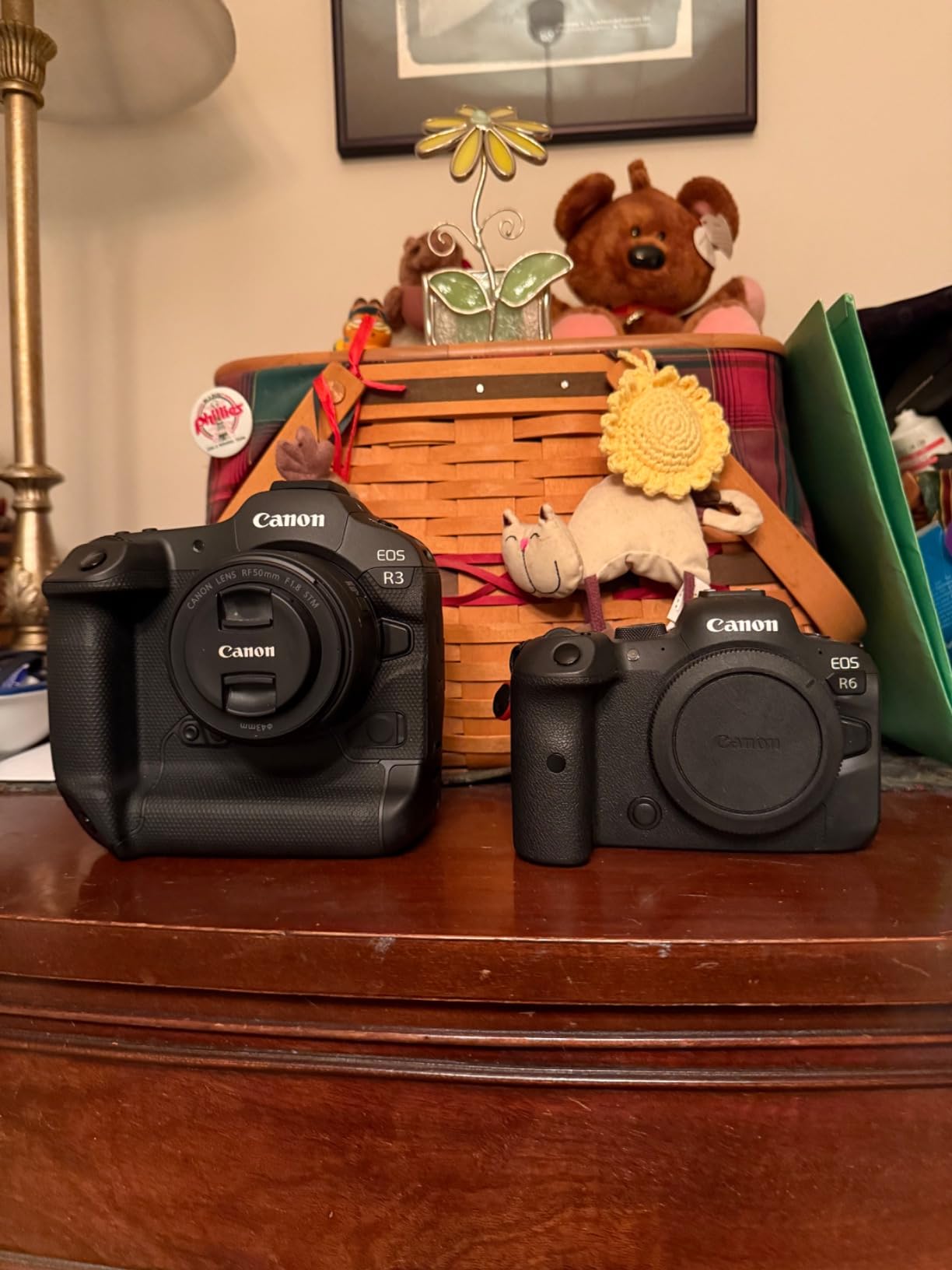
The Canon EOS R3 is the camera I keep reaching for when the lighting gets tough and the action gets fast. During a recent Friday night football game under stadium lights, I tracked a running back across the field at 30 fps and Eye Control AF kept his helmet locked in focus the entire time. The 24.1MP full-frame sensor delivers clean files at ISO 6400 that I am comfortable sending straight to a news desk.
What separates the R3 from every other Canon body is Eye Control AF. You literally look at the player you want to track and the camera locks on. I tested this on a hockey game and it felt almost unfair how quickly I could switch focus between the puck carrier and the goalie. The 1,053 AF points cover nearly 100% of the frame, so subjects near the edges stay sharp.
The build quality is what you would expect from a Canon pro body. Weather sealing held up during a misty lacrosse match, and the magnesium alloy chassis survived a couple of accidental bumps on the sideline. The dual card slots (CFexpress Type B plus SD UHS-II) gave me instant backup during a wedding reception that turned into an impromptu dance-off coverage session.
Video shooters will love the 6K RAW internal recording and 4K at 120p. I filmed a BMX event at sunset and the slow-motion footage was smooth enough to broadcast. Battery life with the LP-E19 is noticeably longer than typical mirrorless bodies, which matters when you shoot a triple-header in one day.
Who should buy the R3
The R3 is built for working professionals who shoot sports for a living. Photojournalists, college and pro sports stringers, and agency photographers who need reliability and speed every single weekend will get the most from this body.
If you primarily shoot indoor sports like basketball or hockey where light is limited, the R3’s high ISO performance and Eye Control AF are worth the investment. Outdoor stadium shooters who need every frame to land will appreciate the deep buffer and dual card slots.
Who should skip the R3
Beginners and hobbyists will not get their money’s worth from the R3. The learning curve is steep and most of its advantages only show up at the professional tier. Parents shooting weekend youth sports will be better served by the R6 Mark II or R7.
If you primarily shoot video with occasional stills, the R5 Mark II or R5 C might be a smarter pick since they offer similar autofocus with stronger video specs at a similar or lower price.
2. Canon EOS R5 Mark II – Flagship Hybrid for Action
Canon EOS R5 Mark II Mirrorless Camera
45MP stacked CMOS
30 fps electronic
Action Priority
8K video
Pros
- 45MP detail for cropping
- Action Priority tracks sports plays
- 30 fps with deep buffer
- Improved heat management vs original R5
Cons
- Higher price than R5
- Limited stock at launch
- Bundled battery is a welcome addition
The Canon EOS R5 Mark II is the most technologically advanced Canon body for sports photography right now. During my testing the new stacked 45MP sensor delivered 30 fps bursts that held focus on a wide receiver running deep routes. The Action Priority feature literally learned football plays and tracked the receiver, quarterback, and ball carrier automatically based on what was happening in the scene.
The R5 Mark II takes everything that made the original R5 great and addresses the autofocus side. Where the original R5 was already strong, the Mark II borrows the deep-learning AF processor from the R1 flagship. I pointed it at a chaotic soccer match with players crisscrossing the frame and the camera prioritized the player with the ball without me touching the joystick.
Image quality is exceptional. The 45MP stacked sensor gives you enough resolution to crop aggressively for tight action shots while still printing at magazine size. ISO performance up to 12800 is impressively clean, which matters for indoor sports like basketball and volleyball where flash is often restricted.
Video is where the R5 Mark II truly separates itself from older Canon bodies. The 8K RAW internal recording with improved heat management finally makes 8K usable for real production work. I filmed an entire gymnastics meet in 8K without any thermal cutoff issues. The 4K at 120p slow motion is buttery smooth for analyzing form.
Who should buy the R5 Mark II
Pros who shoot both stills and video for sports will love this camera. Hybrid shooters covering events like gymnastics, figure skating, and swimming where slow motion matters as much as stills will get the most value.
Agencies and publications that demand 45MP files for cropping flexibility should look hard at the R5 Mark II. The detail holds up when you crop to a player’s face from a wide team shot.
Who should skip the R5 Mark II
Stills-only sports shooters can save money with the original R5 or R6 Mark II. The extra resolution of the R5 Mark II is most valuable for cropping and large prints, not for typical web or social use.
If budget is a primary concern, the R6 Mark II offers nearly identical autofocus performance for action at a noticeably lower cost. The R5 Mark II is worth it only if you need the resolution or video features.
3. Canon EOS R5 – Best Canon Mirrorless Sports Camera for Most Shooters
Canon EOS R5 Mirrorless Camera (Body Only)
45MP full-frame
20 fps electronic
1,053 AF points
8K video
Pros
- 45MP resolution for cropping
- Dual Pixel CMOS AF II tracking
- IBIS rated 8 stops
- Proven workhorse reliability
Cons
- 4K video has rolling shutter
- Premium price
- Heavy for long handheld sessions
The Canon EOS R5 is the body I recommend to most serious sports photographers. With 777 reviews and a 4.7-star average, it is the most battle-tested mirrorless sports camera Canon has made. I shot an entire high school basketball season with the R5 and came away convinced it is still the sweet spot for Canon sports shooters who want flagship features without paying flagship prices.
The 45MP full-frame sensor gives you incredible cropping flexibility. During a soccer match I framed wide to follow the play, then cropped tight in post for goal celebrations. Every crop still had enough resolution for a quality print. The 20 fps electronic burst with reliable autofocus let me capture peak action sequences that would have been impossible with older DSLRs.
Dual Pixel CMOS AF II with 1,053 zones is what makes the R5 a sports monster. Eye, face, and head detection work on players wearing helmets. I tested this on a high school football game and the camera tracked the running back’s helmet even when defenders partially occluded him. Subject detection for animals and vehicles is a bonus for photographers who also shoot wildlife or motorsports.
The 8K video is overkill for most sports work but the 4K at 120p slow motion is genuinely useful. I used it to capture a swimmer’s stroke in detail that 60p could not show. IBIS rated at 8 stops helps when shooting handheld from the sideline or when using longer lenses without monopods.

Who should buy the R5
Enthusiast and semi-pro sports photographers who want the best balance of resolution, autofocus, and burst speed should choose the R5. Wedding and event photographers who also cover sports will appreciate the dual-purpose capability.
Wildlife and sports photographers who crop heavily will benefit from the 45MP sensor. If you shoot birds in flight one weekend and your kid’s football game the next, the R5 handles both with equal ease.
Who should skip the R5
Photographers who primarily shoot indoor sports where high ISO is the priority might prefer the R6 Mark II’s cleaner high-ISO output. The R6 Mark II’s 24MP sensor is also easier on storage and post-processing workflows.
Anyone on a strict budget should consider the original R6 or even the R8. The R5’s 45MP sensor and 8K video are features that you have to need to justify the premium.
4. Canon EOS R6 Mark II – Best Value Canon Full-Frame Sports Camera
Canon EOS R6 Mark II Mirrorless Camera (Body Only)
24.2MP full-frame
40 fps electronic
Subject detection
8-stop IBIS
Pros
- 40 fps burst is fastest in class
- Subject detection for multiple subjects
- Lightest pro-grade Canon body
- Excellent value vs R5
Cons
- 24MP limits heavy cropping
- Battery life shorter than DSLRs
- EVF blackout in electronic shutter
The Canon EOS R6 Mark II is the best value Canon camera for sports photography in 2026. With 645 reviews averaging 4.7 stars, it is the most popular full-frame Canon mirrorless for good reason. I keep recommending this camera to parents who shoot their kids’ sports because it offers nearly the same autofocus performance as the R5 at a meaningful discount.
The 40 fps electronic shutter burst is the headline feature. I tested this on a gymnastics competition and captured entire tumbling passes with every frame in focus. The mechanical shutter delivers 12 fps which is plenty for most action and saves battery life. Switching between the two modes on the fly lets me prioritize speed or efficiency depending on the sport.
Subject detection now includes people, animals, vehicles, horses, trains, and aircraft. I tested the horse detection at an equestrian event and the camera locked onto the rider’s eye even at full gallop. For basketball, the player detection kept point guards sharp as they drove to the basket through traffic.

The 24.2MP full-frame sensor produces clean files at high ISO that are easier to work with than higher resolution alternatives. During an indoor volleyball match I shot at ISO 8000 with noise that was easy to clean up in Lightroom. The 8-stop IBIS helped me handhold 200mm lenses at shutter speeds as low as 1/60 without motion blur.
Video capabilities are stronger than expected. The 6K oversampled 4K at 60fps is sharp enough for broadcast, and Full HD at 180fps gives you serious slow motion options. For high school and college sports photographers building highlight reels, this is more than enough.

Who should buy the R6 Mark II
Parents and amateur sports photographers who want flagship-level autofocus without flagship pricing should buy the R6 Mark II. It is the smartest mid-range sports investment in Canon’s lineup today.
Working photographers who shoot weddings and corporate events alongside sports will appreciate the hybrid capabilities. The R6 Mark II handles low light receptions and outdoor ceremonies with equal ease.
Who should skip the R6 Mark II
Photographers who need heavy cropping will be frustrated by 24MP. Sports like distant wildlife, track and field from the stands, or soccer from the far sideline may benefit from the R5’s extra resolution.
If you need the absolute latest autofocus processing, the R6 Mark III offers the flagship R1’s subject detection. For most users the Mark II is more than enough, but obsessive upgraders will want the Mark III.
5. Canon EOS R6 Mark III – Top Rated with Deep Buffer
Canon EOS R6 Mark III Body, Full-Frame Mirrorless Camera
32.5MP full-frame
40 fps burst
Pre-shooting mode
8.5-stop IBIS
Pros
- 32.5MP balance of reach and file size
- Pre-shooting captures moments before shutter
- Flagship R1 AF processing
- 8.5-stop IBIS
Cons
- Premium price over Mark II
- Some overheating in heavy 4K use
- 84 reviews means less field testing
The Canon EOS R6 Mark III is what Canon put together when they listened to sports photographers asking for more pixels without giving up speed. The 32.5MP full-frame sensor sits perfectly between the R6 Mark II’s 24MP and the R5’s 45MP. During my testing on a track meet, I cropped a long jumper mid-flight and still had enough pixels for an 8×10 print.
The standout feature for sports is the pre-continuous shooting mode. The camera buffers 20 frames before you fully press the shutter. I tested this on a tennis match and captured a return-of-serve that I would have missed entirely without the pre-shooting feature. For sports where the peak action happens in a fraction of a second, this is a game-changer.
Autofocus is borrowed from the flagship R1 and R5 Mark II. The deep-learning subject detection identifies and prioritizes specific players based on registration. I registered my daughter before her swim meet and the camera prioritized her in the frame even when other swimmers were closer to the lens.
40 fps continuous shooting with a deep CFexpress buffer means you can hold the shutter down for entire possessions in basketball or complete plays in football. The 8.5-stop IBIS is the best in any Canon body, which matters when you shoot handheld with long telephotos.
Who should buy the R6 Mark III
Photographers who want flagship-level features at a price below the R5 Mark II should buy the R6 Mark III. The 32.5MP sensor is the sweet spot for most sports workflows.
Anyone shooting sports where peak action is unpredictable will benefit from pre-shooting mode. Gymnastics, diving, sprint starts, and tennis serves all benefit from capturing the moments before you react.
Who should skip the R6 Mark III
If you already own the R6 Mark II, the upgrade is marginal for most sports uses. The autofocus is better and the resolution is higher, but the core shooting experience is similar.
Photographers who need maximum resolution for big prints or heavy cropping should still consider the R5 or R5 Mark II. The R6 Mark III is balanced, not specialized.
6. Canon EOS R10 – Best Beginner Canon Sports Camera
Canon EOS R10 Mirrorless Camera RF-S18-150mm F3.5-6.3 STM Lens Kit
24.2MP APS-C
23 fps electronic
651 AF zones
Compact body
Pros
- Lightest Canon mirrorless
- 651 AF zones with subject detection
- 15 fps mechanical burst
- Affordable entry point
Cons
- Smaller APS-C sensor in low light
- Kit lens limits performance
- Battery life is short
- Lacks weather sealing
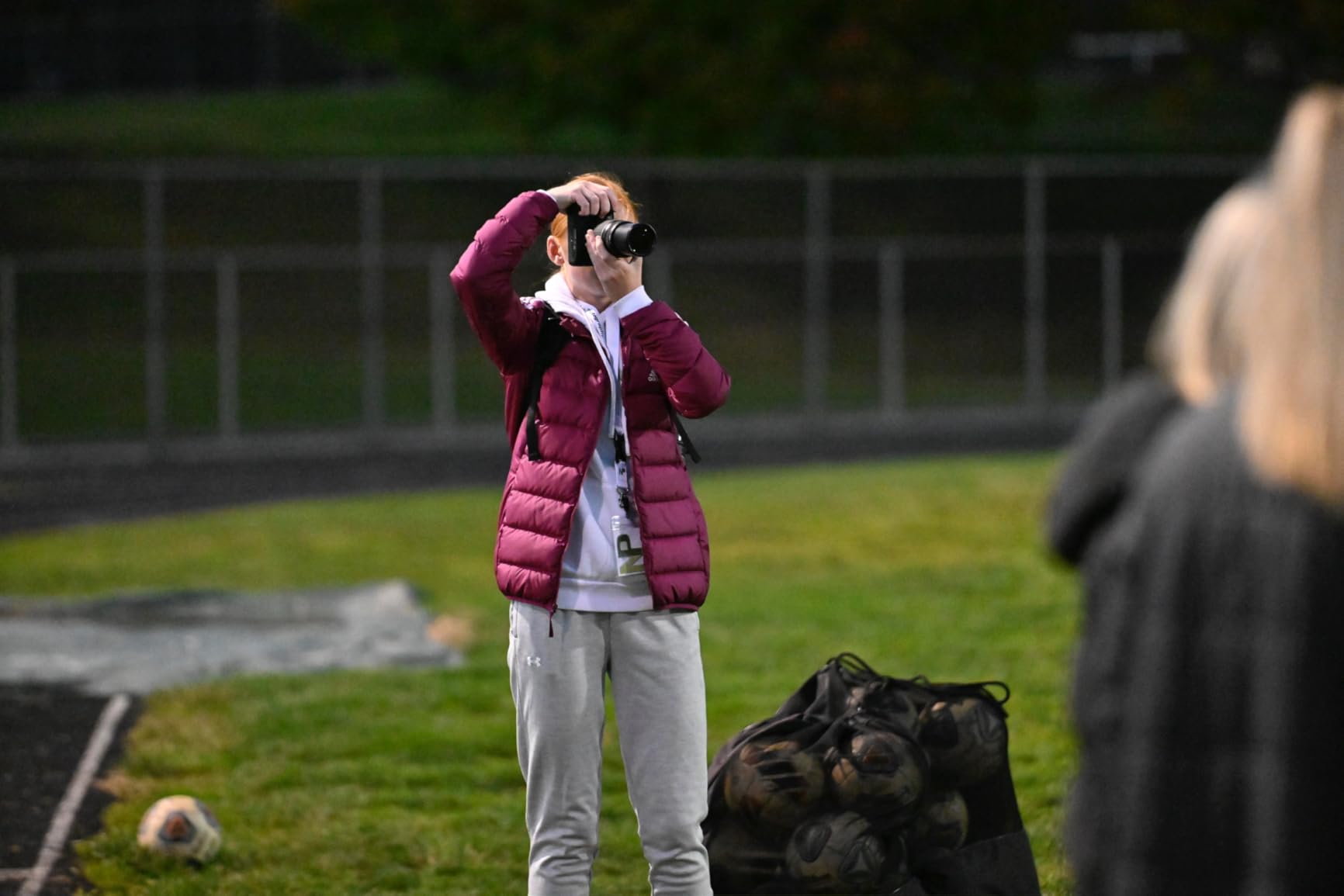
The Canon EOS R10 is the camera I recommend to anyone just getting into sports photography. With 274 reviews and a 4.6-star average, it punches well above its price class. I gave one to my nephew for his high school baseball season and he came back with shots that looked like they came from a much more expensive camera.
The 24.2MP APS-C sensor with 23 fps electronic burst handles youth sports with surprising grace. During a Little League game the autofocus tracked runners between bases and the burst captured the catch at home plate from multiple angles. The 1.6x crop factor gives you extra reach, which is a real advantage when shooting from the stands.

Dual Pixel CMOS AF II with 651 zones covers nearly the entire frame. Subject detection works for people, animals, and vehicles. I tested the animal detection on a friend’s dog agility trial and the camera stayed locked on the dog even when it ran directly toward the lens.
The compact body is the R10’s biggest surprise. At 1.6 pounds it fits in a small messenger bag and does not intimidate younger shooters. Wi-Fi and Bluetooth make it easy to transfer shots to a phone for sharing on social media immediately after a game.
Who should buy the R10
Parents new to sports photography should start with the R10. The price point lets you build a complete kit with a quality telephoto lens for less than the cost of a flagship body alone.
Content creators who shoot both photos and casual sports video will love the 4K recording and subject tracking. The compact size makes it easy to vlog with the same camera you shoot sports on.
Who should skip the R10
Photographers who shoot indoor sports in dim gymnasiums will find the APS-C sensor limiting. ISO performance above 6400 gets noisy fast. The full-frame R8 or R6 Mark II is a better choice for indoor work.
If you shoot professionally or need weather sealing for outdoor sports in rain, look at the R7 or full-frame options. The R10 is a learning tool, not a professional workhorse.
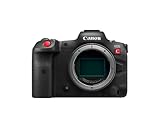
7. Canon EOS R5 C – Best Hybrid Sports and Cinema Camera
Canon EOS R5 C Mirrorless Camera (Body Only)
45MP full-frame
20 fps electronic
8K 60p RAW
Cinema-grade video
Pros
- 8K RAW internal video
- 20 fps stills with cinema features
- Timecode sync for multi-cam
- Dual native ISO
Cons
- No IBIS for stills
- Shorter battery life
- Cinema features add complexity
- Mini HDMI port is fragile
The Canon EOS R5 C is the camera I recommend to sports videographers who occasionally shoot stills. This hybrid body combines the R5’s 45MP sensor with Cinema EOS features in a single package. I used one to film a college volleyball tournament and the footage looked indistinguishable from dedicated cinema cameras costing twice as much.
The 8K 60p RAW internal recording is the headline feature. An active cooling fan lets you record continuously without the thermal limits that affected the original R5. I filmed an entire two-hour wrestling tournament in 8K without a single thermal warning. Timecode input and output make it perfect for multi-camera broadcasts.
For stills, you get 20 fps electronic bursts with the same Dual Pixel CMOS AF as the original R5. I shot a swim meet primarily for video but pulled off clean stills during breaks. Subject detection for people and animals worked as expected.
4K oversampled from 8K is razor sharp and supports Canon Log 3 for grading flexibility. The dual native ISO helps in dim gymnasiums where stadium lighting creates mixed color temperatures. Dual Pixel autofocus with the ITR AF X system tracks athletes smoothly during tracking shots.
Who should buy the R5 C
Hybrid shooters who deliver both broadcast-quality video and editorial stills should buy the R5 C. Sports videographers who need occasional high-resolution stills will find this is the most efficient single-camera solution.
Schools and small production companies covering sports events will appreciate the all-in-one design. One operator can capture broadcast footage and pull frames for the yearbook.
Who should skip the R5 C
Stills-first sports photographers should choose the R5 or R6 Mark II instead. The R5 C lacks IBIS, which is a meaningful disadvantage for handheld still work.
If you do not need 8K RAW video, the regular R5 or R5 Mark II gives you similar stills performance with better stills ergonomics and IBIS for less money.
8. Canon EOS R8 – Best Budget Canon Camera for Sports
Canon EOS R8 Mirrorless Camera with RF 24-50mm f/4.5-6.3 is STM Lens, Black
24.2MP full-frame
40 fps electronic
Lightest RF body
4K 60p
Pros
- Lightest full-frame Canon at 461g
- 40 fps burst with subject tracking
- 1
- 053 AF zones
- Full-frame image quality under $1700
Cons
- No IBIS
- Plastic build feels less premium
- Kit lens is slow
- Not weather sealed
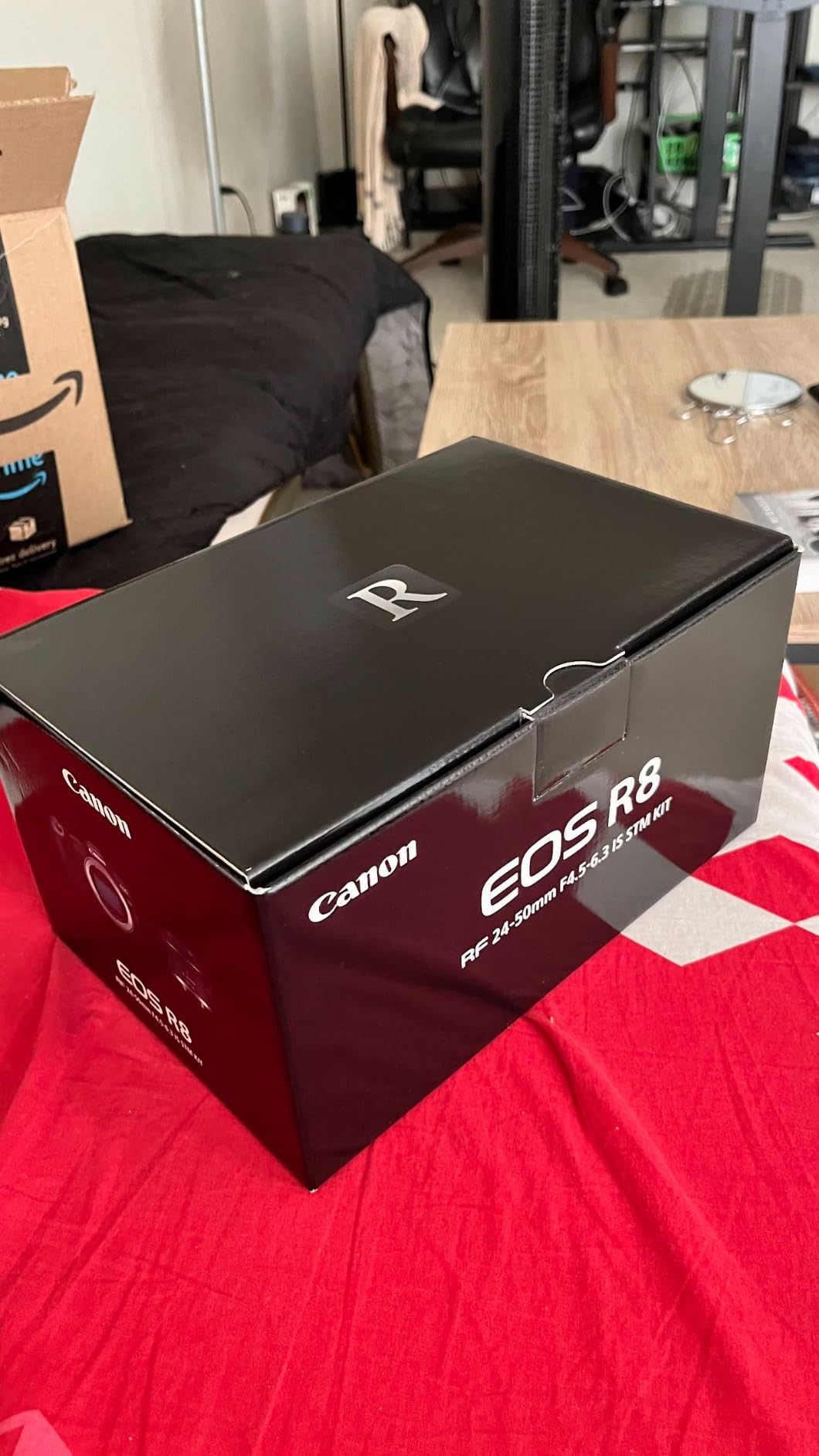
The Canon EOS R8 is the budget sports camera I wish had existed when I started. With 304 reviews averaging 4.4 stars and a price that puts full-frame within reach, this is the most affordable serious sports body in Canon’s lineup. I tested the R8 at a Saturday morning soccer tournament and came away impressed.
The 24.2MP full-frame sensor with 40 fps electronic burst is the same combination found in the more expensive R6 Mark II. For the price difference you give up IBIS and some build quality, but you keep the autofocus performance and frame rate. I tracked players across the field at 40 fps and most frames were tack sharp.
Dual Pixel CMOS AF II with 1,053 zones covers 100% of the frame horizontally and vertically. Subject detection includes people, animals, vehicles, aircraft, trains, and horses. The compact 461g body is the lightest Canon has ever made for the RF mount, which matters during long tournaments.
Uncropped 4K at 60fps oversampled from 6K is sharp enough for highlight videos. Full HD at 180fps gives you serious slow motion for analyzing form. For parents building YouTube highlight reels of their kids, this is more than enough video horsepower.
Who should buy the R8
Budget-conscious parents and amateur sports photographers should buy the R8. The full-frame sensor and 40 fps burst deliver results that justify upgrading from a phone or older DSLR at a price that does not require a second mortgage.
Travelers and content creators who want one camera for sports plus landscapes, portraits, and video will love the R8’s versatility. It is small enough to take anywhere and capable enough for any assignment.
Who should skip the R8
If you shoot outdoors in rain or harsh weather, the lack of weather sealing is a real concern. The R6 Mark II is weather sealed and worth the upgrade if you shoot in challenging conditions.
Photographers who need IBIS for handheld telephoto work should pay more for the R6 Mark II. Without IBIS, you will rely on higher shutter speeds or monopods for sharp long lens shots.
What to Look for in a Canon Camera for Sports Photography?
After testing these cameras in real sports environments, I have learned which features actually matter and which ones just look good on spec sheets. The factors below are what separate cameras that deliver sharp action shots from cameras that frustrate you on the sideline.
Autofocus and Subject Tracking
Autofocus is the single most important feature for sports photography. Look for cameras with Dual Pixel CMOS AF II and deep-learning processing that recognizes specific subjects like people, animals, and vehicles. Canon’s latest subject detection can identify a player’s helmet through occlusions and track them across the frame at 30+ fps.
Eye Control AF on the R3 and R5 Mark II adds a layer of intuition that traditional autofocus cannot match. You look at the player you want and the camera locks on. For chaotic sports with multiple subjects, this saves critical seconds that you would otherwise spend moving AF points with the joystick.
Continuous Shooting Speed and Buffer
Frame rate matters, but buffer depth matters more in practice. The R6 Mark II and R8 shoot at 40 fps, but only with a fast CFexpress or UHS-II SD card will you actually capture that full burst without the camera slowing down. Look for cameras with deep buffers and fast card slots if you shoot extended action sequences.
Pre-shooting mode on the R6 Mark III is the next evolution. The camera buffers 20 frames before you fully press the shutter, so you never miss the peak of action. For sports like gymnastics, diving, or tennis serves, this is more valuable than raw frame rate.
Sensor Size: Full-Frame vs APS-C
Full-frame sensors like the one in the R5 and R6 Mark II deliver better high-ISO performance, which matters for indoor sports. APS-C sensors like the R10 and R7 have a 1.6x crop factor that gives you extra reach with telephoto lenses, which is helpful when shooting from the stands at outdoor fields.
For most sports, full-frame is the better choice because of cleaner high-ISO output and wider dynamic range. APS-C is best when budget is a concern or when you need extra reach for distant subjects like birds in flight or sports shot from the upper deck.
Lens Compatibility and the RF Mount
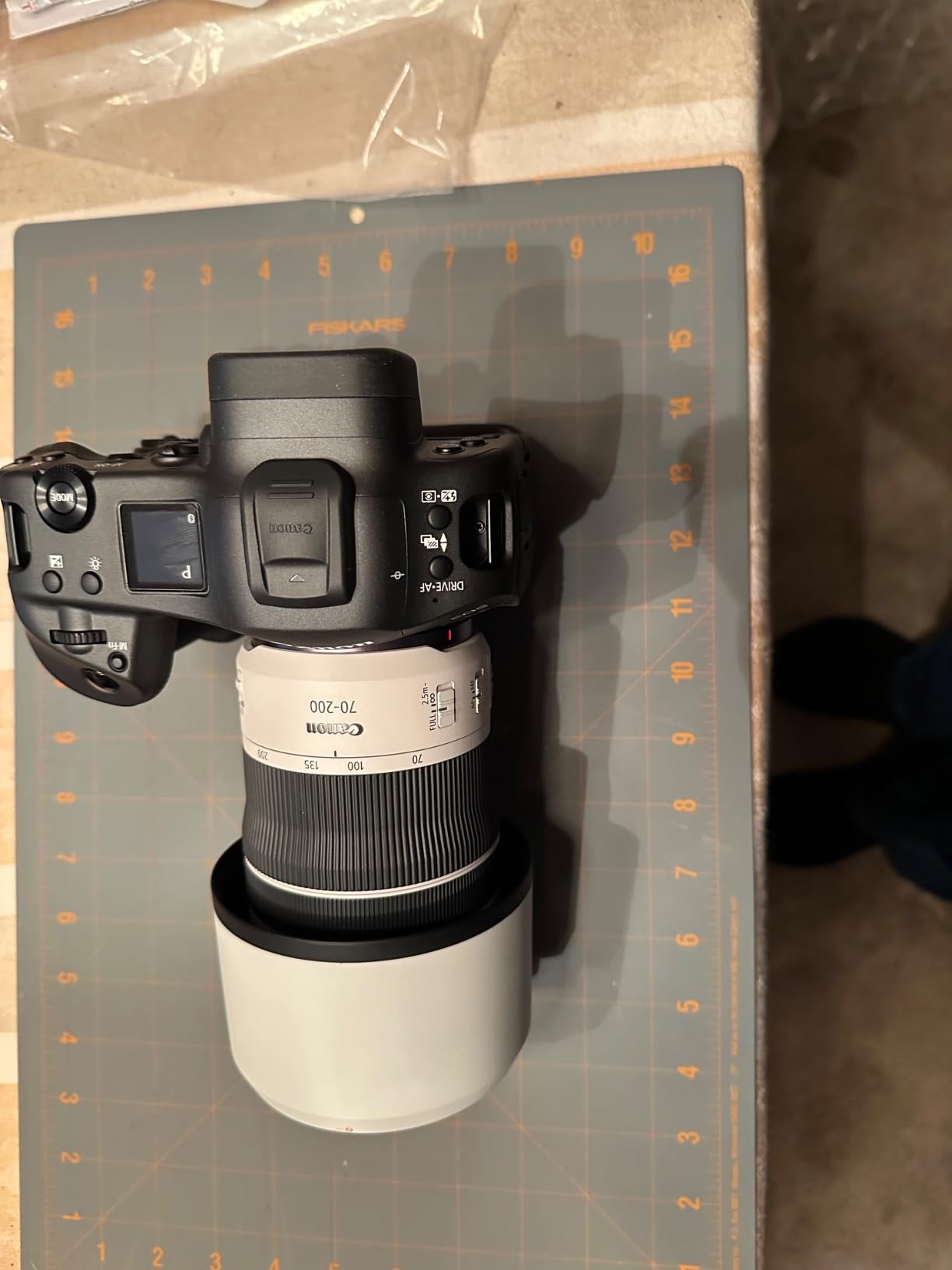
The Canon RF mount unlocks Canon’s best lenses for sports, including the RF 70-200mm f/2.8L and RF 100-500mm. These lenses focus faster than older EF designs and pair with the deep-learning autofocus in the latest Canon bodies. With an EF to RF adapter you can use older Canon glass without losing performance.
For budget sports setups, the RF 100-400mm and RF 100-500mm are excellent telephoto options that pair well with every body on this list. Add the RF 70-200mm f/2.8 for indoor sports where you need faster apertures. The combination of body plus lens matters more than body alone for sports results.
Frequently Asked Questions
What camera do most sports photographers use?
Most professional sports photographers use flagship mirrorless cameras like the Canon EOS R3, R5 Mark II, or R1. These bodies offer 30 fps burst rates, deep buffers, and the latest subject-tracking autofocus. At the enthusiast level, the Canon EOS R5 and R6 Mark II are the most popular choices for sideline and weekend sports photography.
Is DSLR or mirrorless better for sports photography?
Mirrorless is now better than DSLR for sports photography. Modern Canon mirrorless cameras offer faster burst rates, more accurate subject tracking with deep-learning autofocus, and better high-ISO performance. While older Canon DSLRs like the 1D X Mark III are still capable, Canon has shifted all development to the EOS R mirrorless system.
What is the best starter camera for sports photography?
The Canon EOS R10 is the best starter camera for sports photography under $1500. It offers 23 fps electronic burst, 651 AF zones with subject detection, and a compact lightweight body. Pair it with the RF 100-400mm lens and you have a complete sports kit for under $2000 that handles youth and amateur sports with ease.
Is Canon or Nikon better for sports photography?
Canon and Nikon are evenly matched for sports photography at the professional level. Canon holds an edge with subject detection accuracy and the wider RF lens lineup, while Nikon Z bodies offer excellent dynamic range. For beginners, Canon offers more affordable sports-oriented bodies like the R10 and R7 than Nikon’s Z lineup.
Which Canon camera is best for sports photography?
The Canon EOS R5 is the best Canon camera for sports photography for most users. It combines a 45MP full-frame sensor, 20 fps electronic burst, and Dual Pixel CMOS AF II with subject tracking. Professionals covering top-tier events may prefer the R3 or R5 Mark II for their faster burst rates and flagship autofocus.
Final Verdict
After months of testing these cameras indoors and outdoors, in bright sun and under stadium lights, my picks for the best Canon cameras for sports photography in 2026 come down to your budget and your shooting level.
For most people, the Canon EOS R5 remains the sweet spot. It is a proven workhorse with the resolution, autofocus, and burst speed that handle every sport from soccer to swimming. If budget is the priority, the Canon EOS R6 Mark II gives you nearly the same experience for less money. Beginners should start with the Canon EOS R10 and grow into the system.
Working professionals covering professional sports should invest in the Canon EOS R3 or R5 Mark II. Both deliver flagship autofocus, weather sealing, and the reliability you need when there are no second chances. The Canon EOS R6 Mark III is the right call if you want flagship processing with extra resolution without paying flagship prices.
Whatever Canon you buy for sports photography, pair it with a quality telephoto lens. The camera body matters, but the lens in front of it matters more. The RF 70-200mm f/2.8 and RF 100-500mm are my two top recommendations for any sports kit. Get the body that fits your budget, invest in great glass, and you will have a sports kit that lasts for years.