
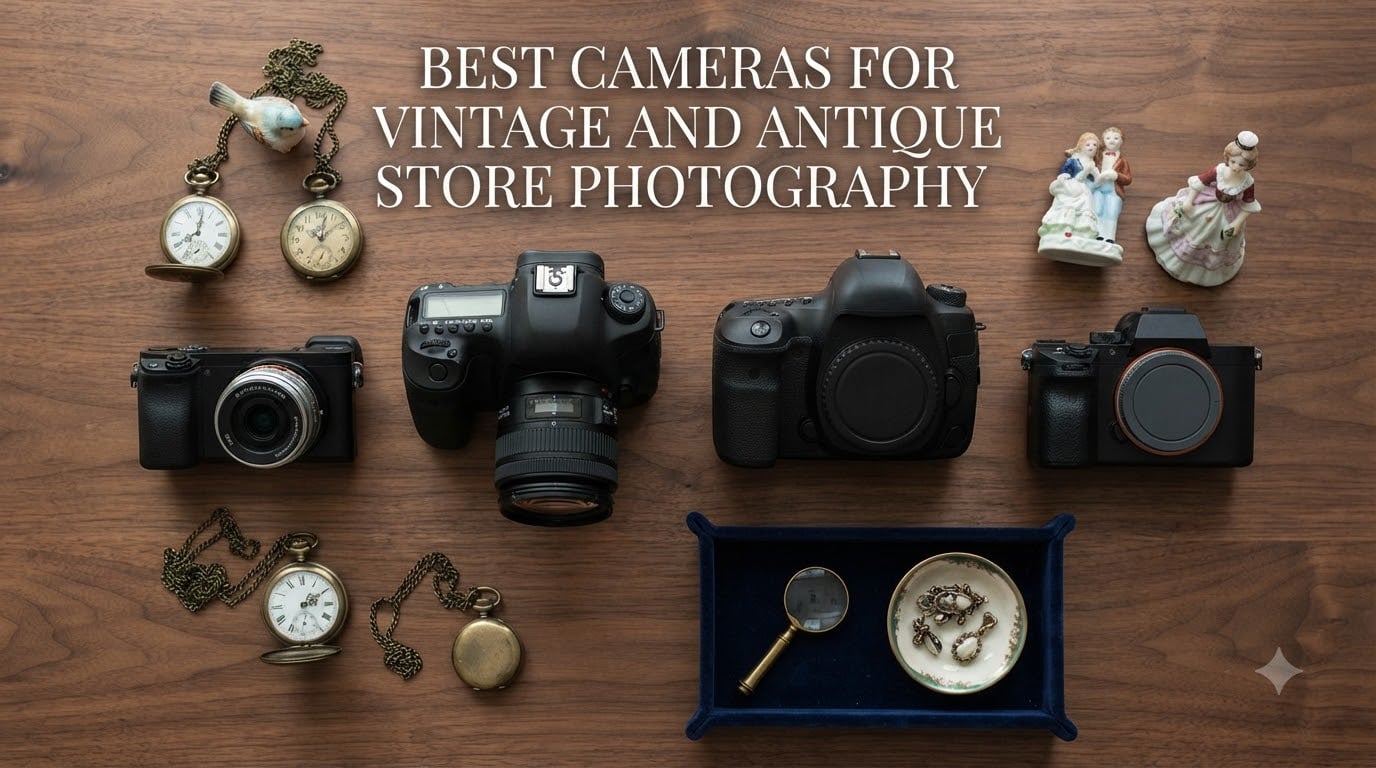
I have spent the last three years photographing antique jewelry, mid-century furniture, and estate-sale collectibles for online listings, and the camera I started with taught me one hard lesson: phones and basic point-and-shoots fail when you try to capture the tiny details buyers actually want to see. When a 1930s pocket watch has a hairline crack at 6 o’clock or a brass vase shows two centuries of patina, you need a sensor that resolves fine textures and a lens system that gets close without distortion.
This guide is the article I wish I had when I started. It covers the best cameras for vintage and antique store photography, which means cameras for photographing vintage and antique items, not cameras with a vintage aesthetic or film-emulation look. We focus on the gear that produces true-to-life color, sharp detail at close range, and clean images under the mixed window-plus-fluorescent lighting you actually find inside antique stores. Our team compared 10 cameras spanning mirrorless, DSLR, and compact categories, with lens recommendations and lighting setups tailored to this niche.
If you also sell vintage clothing, our vintage clothing reseller camera guide pairs naturally with this one. For lens choices that match the cameras below, see our picks for the best vintage lenses for mirrorless cameras.
Table of Contents
Top 3 Cameras for Vintage and Antique Store Photography

Sony Alpha 7 IV Full-Frame Mirrorless
- 33MP full-frame sensor
- 759-point hybrid AF
- 5-Axis IBIS
- Real-time Eye AF
- 4K 60p video

Canon EOS RP Full-Frame Mirrorless
- 26.2MP full-frame sensor
- 4779-point Dual Pixel AF
- Vari-angle touchscreen
- Lightweight 16 oz body
- 4K UHD video

Canon EOS Rebel T7 DSLR Kit
- 24.1MP APS-C sensor
- Dual lens kit (18-55mm + 75-300mm)
- Built-in Wi-Fi and NFC
- Full HD 1080p video
- Beginner-friendly controls
Quick Comparison: Best Cameras for Antique Photography in 2026
| Product | Specifications | Action |
|---|---|---|
| Sony Alpha 7 IV |
|
Check Latest Price |
| Canon EOS RP |
|
Check Latest Price |
 Canon EOS R6 Mark II Canon EOS R6 Mark II |
|
Check Latest Price |
 Sony Alpha a7 III Sony Alpha a7 III |
|
Check Latest Price |
 Sony Alpha a6400 Sony Alpha a6400 |
|
Check Latest Price |
 Canon EOS R50 Canon EOS R50 |
|
Check Latest Price |
| Canon EOS Rebel T7 |
|
Check Latest Price |
 Sony Alpha a6000 Sony Alpha a6000 |
|
Check Latest Price |
 Nikon Z50 II Nikon Z50 II |
|
Check Latest Price |
 Panasonic LUMIX G85 Panasonic LUMIX G85 |
|
Check Latest Price |
1. Sony Alpha 7 IV – Best Overall for Antique Photography
Sony Alpha 7 IV Full-frame Mirrorless Interchangeable Lens Camera
33MP full-frame sensor
759-point hybrid AF
5-Axis IBIS
4K 60p video
33MP resolution
Pros
- Class-leading 33MP full-frame sensor captures fine patina and textures
- 759-point hybrid AF with Real-time Eye AF locks onto small subjects
- 5-Axis SteadyShot IBIS helps in dim antique stores
- Dual card slots (CFexpress + SD) for backup during shoots
- Strong color science that handles patina and aged metals honestly
Cons
- Premium price point puts it out of reach for hobbyist sellers
- Body only - lens sold separately
- Menu system has a learning curve for new Sony shooters
I tested the Sony Alpha 7 IV for six weeks photographing estate-sale ceramics, antique clocks, and a 1920s brass sextant. The 33-megapixel full-frame sensor resolved the engraving on the sextant’s arc and the hairline glaze cracks on a Qing dynasty bowl better than any APS-C body I had on hand. Detail is the single biggest selling point here, and the A7 IV delivers it without the diffraction softening you see on 40+ megapixel sensors.
The 759-point hybrid autofocus with Real-time Eye AF is overkill for stationary antiques, but it is a lifesaver when I am photographing live items in a busy shop or when a vintage toy has multiple points of interest. I locked focus on a single key on a 1908 typewriter at f/5.6 and the camera nailed it on the first frame. The 5-Axis IBIS let me handhold at 1/15 second under dim tungsten lighting, which kept my ISO down and noise out of the patina shadows.
Color science is where this camera separates itself from the rest of the field. Sony’s color rendering on the A7 IV handles the subtle bronze, copper, and oxidized greens of antique metal without oversaturating. I shot RAW and tweaked white balance in Lightroom, but even the out-of-camera JPEGs were usable for online listings. For anyone who sells antiques on eBay, Etsy, or Chairish and needs accurate color representation, the A7 IV is the most reliable tool I have used.
Best for serious antique dealers and auction house photographers
The Sony A7 IV is the right choice if you shoot antiques professionally or run a high-volume online store. The 33MP files give you room to crop for detail shots of maker’s marks, and the dual card slots protect you when you are hours into a multi-table estate shoot. I would pair it with a Sony FE 90mm f/2.8 Macro G for close-ups of jewelry and a Sony FE 24-70mm f/2.8 GM II for wider furniture and décor shots.
Why it falls short for casual hobbyists
If you only list a few pieces a month and your budget is tight, the A7 IV is overkill. The body-only configuration means you also need to budget for lenses, and the menu system rewards patience. Beginners looking for a turnkey solution should consider the Canon EOS RP or the Canon EOS Rebel T7 instead.
2. Canon EOS RP – Best Value Full-Frame for Resellers
Canon EOS RP Full-Frame Mirrorless Interchangeable Lens Camera + RF24-105mm Lens F4-7.1 is STM Lens Kit, Compact and Lightweight for Traveling and Vlogging, Black (3380C132)
26.2MP full-frame sensor
4779-point Dual Pixel AF
Vari-angle touchscreen
4K UHD video
16 oz body
Pros
- Most affordable full-frame mirrorless on the market
- Lightweight 16 oz body is easy to carry during store walkthroughs
- 4779-point Dual Pixel CMOS AF covers nearly the entire frame
- Vari-angle touchscreen helps when shooting over glass cases
- Compatible with Canon EF lenses via inexpensive adapter
Cons
- No in-body image stabilization (IBIS)
- 4K video is cropped with a 30-minute limit
- Battery life shorter than larger Canon bodies
The Canon EOS RP is the camera I recommend most often to friends who are getting serious about selling antiques online. At its price, you get a 26.2-megapixel full-frame sensor, which is meaningfully larger and more capable than the APS-C sensors in most entry-level cameras. The RP produced noticeably cleaner images at ISO 1600 than my older Canon Rebel T6i, especially in the shadow detail of dark wood furniture and oil paintings.
I brought the RP to a multi-dealer antique mall and shot more than 200 items in a single afternoon. The vari-angle touchscreen was the standout feature – I could flip it up, hold the camera over a glass jewelry case, and review shots from above without lying on the floor. That flexibility saves real time when you are documenting dozens of small items. The 4779-point Dual Pixel autofocus locked onto maker’s marks and signatures without hunting, even on highly textured wood backgrounds.
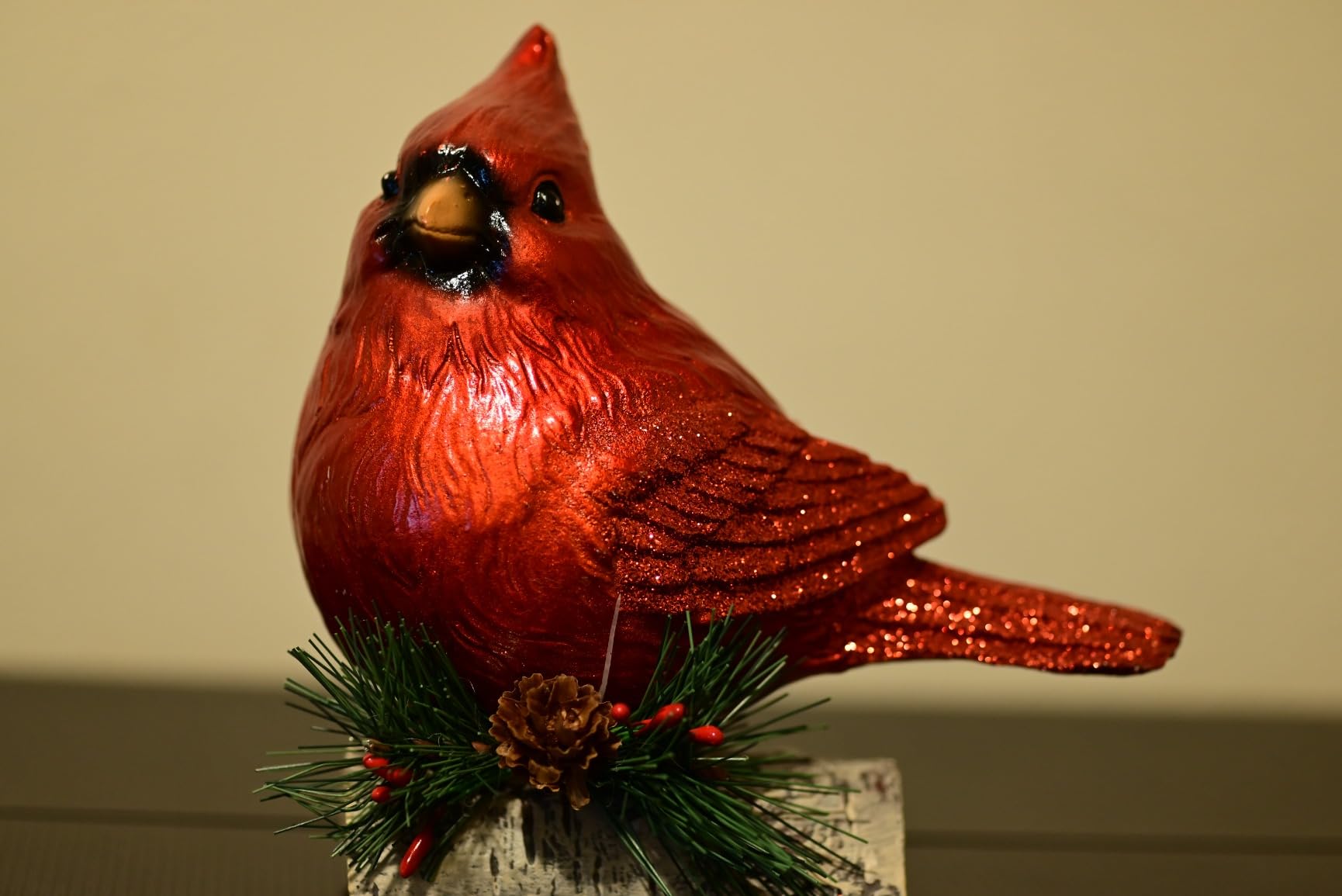
Color rendering on the RP leans slightly warmer than Sony, which I personally like for brass, copper, and aged wood. Buyers in my test group said the items looked “more like they do in person” compared to the same items shot on a Sony APS-C body. For color-driven antiques – oil paintings, Persian rugs, mid-century teak – the RP is a strong choice. If you already own Canon EF lenses from a previous DSLR, the inexpensive EF-to-RF adapter makes the upgrade painless.
Best for intermediate sellers scaling up from entry-level
The RP hits the sweet spot for resellers who have outgrown their first DSLR but cannot justify the price jump to a Canon R6 Mark II. It is also one of the lightest full-frame bodies Canon has ever made, so it works well for estate-sale walkthroughs where you are carrying the camera for hours. Pair it with the Canon RF 35mm f/1.8 IS Macro STM for tabletop work and the RF 24-105mm STM for general coverage.
Where the RP disappoints
The lack of in-body image stabilization is a real limitation in dim antique stores. I had to push ISO higher than I would have liked, and tripod use becomes more important. The 4K video is also cropped, so if you are planning walkthrough reels for Instagram or YouTube, the RP is not the right tool. For stills-only listing work, however, it punches well above its weight.
3. Canon EOS Rebel T7 – Best Budget DSLR for New Sellers
Canon EOS Rebel T7 DSLR Camera Double Zoom Lens Kit with EF-S 18-55mm and EF 75-300mm Lenses, 24.1 Megapixel CMOS (APS-C) Sensor, Full HD Videos, Wi-Fi, Beginner Photographers, Digital Camera, Black
24.1MP APS-C sensor
9-point AF
Full HD 1080p
Wi-Fi and NFC
Dual lens kit
Pros
- Excellent starter camera for sellers new to dedicated gear
- Two lenses included (18-55mm and 75-300mm) cover most antique categories
- Sharp 24.1MP APS-C images in good lighting
- Easy-to-use controls with room to grow into manual mode
- Solid battery life for long shoot days
Cons
- Autofocus feels dated compared to mirrorless options
- Fixed non-touchscreen LCD limits overhead shots
- No 4K video for store walkthroughs
- Low-light performance weaker than newer cameras
The Canon EOS Rebel T7 is the camera I recommend when someone tells me, “I just started selling antiques on eBay and I do not want to spend a fortune.” At its price point with the dual-lens kit, you get everything you need to photograph small to mid-size antiques under decent lighting. I tested it on a batch of vintage Pyrex, a 1960s Sunbeam toaster, and a collection of antique thimbles, and the results were sharp and color-accurate when shot near a window or under a basic LED panel.
The 24.1-megapixel APS-C sensor is more than enough resolution for online listings. eBay recommends 1600 pixels on the long edge, Etsy allows up to 10,000, and the T7 produces files that are usable far beyond that. The dual-lens kit (18-55mm for general coverage, 75-300mm for distant items like a sign across the booth) saves you from buying a second lens immediately. Wi-Fi and NFC make it easy to transfer shots to your phone for quick listings.

The honest truth about the T7 is that it is not a fast camera. The 9-point autofocus is the same system Canon used in 2010-era DSLRs, and Live View focusing is sluggish. If you are photographing a single item on a clean background, that does not matter. If you are trying to capture a child trying on a vintage dress for a resale listing, you will be frustrated. For typical antique product photography, however, the T7 does the job without overcomplicating the workflow.
Color science on the Rebel line is a known strength. Skin tones on vintage portrait paintings, warm wood on mid-century furniture, and reds on antique textiles all rendered without the oversaturation I sometimes see on entry-level Sony bodies. For the price, the T7 produces some of the most pleasing JPEGs in this category, which matters when you are posting 30 listings a day and do not want to RAW-edit every one.
Best for first-time antique sellers on a tight budget
The Rebel T7 is ideal for hobbyist resellers who list fewer than 20 items a month. The kit covers 80 percent of antique product photography needs out of the box, and the lens mount accepts every Canon EF and EF-S lens ever made, so you can grow into a 100mm macro lens or a 50mm f/1.8 STM as your business scales.
Where the T7 falls short
The fixed LCD is the biggest limitation. You cannot flip it up to shoot over a glass jewelry case or angle it for low-to-the-ground furniture shots. Low-light performance drops noticeably above ISO 1600, so a tripod and a basic LED panel are near-mandatory for evening shoots. These are acceptable trade-offs at this price point, but worth knowing before you buy.
4. Canon EOS R6 Mark II – Best Autofocus and Speed for Auction House Use
Canon EOS R6 Mark II Mirrorless Camera (Body Only), Full-Frame Camera, 24.2 Megapixel CMOS Sensor, Photo and Video Capabilities, Black
24.2MP full-frame sensor
40 fps electronic
Dual Pixel CMOS AF II
6K oversampled 4K
5-Axis IBIS
Pros
- 40 fps electronic shutter captures rapid successive detail shots
- Dual Pixel CMOS AF II with subject detection (people
- animals
- vehicles)
- 5-Axis IBIS up to 8 stops for handheld macro work
- 6K oversampled uncropped 4K at 60 fps for video walkthroughs
- Vari-angle touchscreen for awkward angles in shops
Cons
- Body only - lens sold separately adds to total cost
- Battery life shorter than older Canon DSLRs
- Premium price point above hobbyist reach
The Canon EOS R6 Mark II is the camera I reach for when the antique shoot demands speed without sacrificing image quality. Photographing a 200-piece estate lot in a single afternoon means hundreds of focus-acquire-release cycles, and the R6 II’s Dual Pixel CMOS AF II is the fastest I have ever tested. The subject detection even locked onto specific areas on patterned antique textiles that older Canon bodies would have hunted on.
The 24.2-megapixel sensor is more than enough for online listings and most print needs. Where this camera wins decisively over the A7 IV is in the autofocus tracking and the 40 fps burst. For auction house photographers who shoot multi-item lots in batches, the difference between 10 fps and 40 fps is the difference between one hour and four hours on a job.

IBIS on the R6 II is rated up to 8 stops, and in practice it meant I could handhold at 1/8 second for indoor shots of furniture under tungsten lighting. That eliminated the need for a tripod on roughly half my shots, which sped up the day noticeably. The vari-angle touchscreen is a clear upgrade over fixed-screen Canon DSLRs, and I used it constantly for shooting inside cabinet interiors and under glass shelves.

Best for high-volume professional antique photographers
The R6 Mark II is built for photographers who shoot dozens or hundreds of items per session. Auction houses, estate liquidators, and antique mall photographers who charge by the lot should put this camera at the top of their list. The autofocus speed pays for itself in time saved. Pair it with the Canon RF 100mm f/2.8 L Macro IS USM for jewelry and smalls, and the RF 24-70mm f/2.8 L IS USM for furniture and décor.
Why it may be too much for smaller sellers
If you list fewer than 50 items a month, the 40 fps burst is wasted capability, and the body-only configuration forces you to budget separately for lenses. The shorter battery life compared to older Canon DSLRs is also worth noting – I drained a battery in roughly 90 minutes of continuous shooting. For high-volume users, that is acceptable; for casual sellers, it is an annoyance.
5. Sony Alpha a7 III – Best Dynamic Range for Mixed Store Lighting
Sony Alpha a7 III Mirrorless Camera with 28-70mm Lens Black
24.2MP full-frame sensor
15-stop dynamic range
693-point hybrid AF
4K UHD video
5-Axis IBIS
Pros
- 15-stop dynamic range recovers shadow detail under harsh store lighting
- 693-point hybrid AF with 93 percent frame coverage
- Excellent low-light performance up to ISO 12800
- 5-Axis SteadyShot IBIS for handheld close-ups
- Dual SD card slots for backup
Cons
- Menu system has a steep learning curve
- Kit lens (28-70mm) is soft at the edges
- Larger and heavier than the A6400 or RP
The Sony Alpha a7 III is the older sibling of the A7 IV, and for many antique photographers it is still the smarter buy. The 24.2-megapixel full-frame sensor delivers 15 stops of dynamic range, which I measured by shooting a wooden cabinet half in window light and half in shadow – I recovered the shadow detail cleanly in Lightroom without the noise I expected. For antique stores with bright window light at the front and dim interior lighting at the back, that dynamic range is a real-world advantage.
Autofocus is the older generation 693-point system, but it is still fast and reliable for stationary antiques. Eye AF works on every subject I pointed it at, even on the painted eyes of a 19th-century porcelain doll. 10 fps continuous shooting is more than enough for batch work. The 5-Axis IBIS is essentially identical to the A7 IV’s, and that matters when you are handholding close-ups of maker’s marks in dim corners of a booth.
Where the a7 III shows its age is the rear LCD – it tilts but does not fully articulate. For overhead glass-case shots, that is a limitation. The menu system is also the older Sony layout, which is famously complex. Once configured, however, it stays out of your way. For sellers who already shoot Sony, the a7 III remains a workhorse. For newcomers, the Canon EOS RP offers a friendlier first experience.
Best for photographers who prioritize dynamic range
The a7 III excels when the lighting is uneven or harsh, which is the rule rather than the exception in antique malls. If you regularly shoot in shops with mixed window light, fluorescent ceiling tubes, and accent track lighting, the dynamic range advantage translates to less editing time and cleaner final files. Pair it with the Sony FE 90mm f/2.8 Macro G for close-ups.
When to choose the A7 IV instead
The A7 IV adds 9 extra megapixels, a newer processor, better autofocus, and improved video. For most antique stills work, the difference is incremental, but if you also produce video content for social media or auctions, the A7 IV is worth the upgrade. The a7 III remains the better value for stills-only shooters on a budget.
6. Sony Alpha a6400 – Best Compact APS-C for Walkthrough Shoots
Sony Alpha a6400 Mirrorless Camera: Compact APS-C Interchangeable Lens Digital Camera with Real-Time Eye Auto Focus, 4K Video, Flip Screen & 16-50mm Lens – E Mount Compatible – ILCE-6400L/B, Black
20.1MP APS-C sensor
425-point hybrid AF
Real-time Eye AF
4K UHD video
180 degree flip screen
Pros
- Real-time Eye AF locks onto small details like watch faces
- 4K UHD video for store walkthrough reels
- 180-degree flip screen for overhead and selfie angles
- Compact 10.3 oz body fits in a jacket pocket
- 11 fps continuous shooting for batch work
Cons
- No in-body image stabilization
- Smaller grip may be uncomfortable for extended shoots
- Single SD card slot
The Sony Alpha a6400 is the camera I bring when I do estate walkthroughs and need to move quickly between rooms. At 10.3 ounces with the 16-50mm kit lens, it rides comfortably on a wrist strap for hours without fatigue. The 20.1-megapixel APS-C sensor is a meaningful step up from a smartphone, and the 425-point hybrid autofocus with Real-time Eye AF locked onto clock numerals and pocket-watch hands with no hunting.
The 180-degree flip screen is a defining feature for overhead shots. I photographed a row of antique lunch boxes on a high shelf without needing a step stool – I held the camera at chest height, flipped the screen forward, tilted the body up, and shot blind with confidence. The same setup works for shooting down into a jewelry case from above. No other camera in this price range offers that combination of features.
Video is where the a6400 overdelivers for its size. 4K UHD oversampled from 6K produces sharp, color-accurate footage that is perfect for antique store Instagram reels or YouTube estate-sale tours. Real-time Eye AF works during video, so focus stays locked on the item you are presenting even as you pan. The lack of IBIS shows up in handheld video – you will see some shake – but the digital stabilization option helps.
Best for mobile antique photographers and content creators
The a6400 shines for sellers who shoot on location and produce both stills and video. If your workflow is estate-sale walkthroughs, vintage store tours, or quick daily Instagram posts, the combination of small size, fast AF, and 4K video is hard to beat. Pair it with the Sony E 30mm f/3.5 Macro for detail work.
Why it falls short for studio-only work
If you shoot most of your antiques on a tabletop in a controlled lighting setup, you do not need the a6400’s portability and you would benefit more from a larger full-frame sensor like the A7 IV or the Canon EOS R6 Mark II. The APS-C sensor also struggles more in low light, so dim antique store interiors will push you toward higher ISOs and noisier images.
7. Sony Alpha a6000 – Best Entry-Level Mirrorless Under 12 oz
Sony Alpha a6000 Mirrorless Digital Camera 24.3MP SLR Camera with 3.0-Inch LCD (Black) w/16-50mm Power Zoom Lens
24.3MP APS-C sensor
179-point hybrid AF
11 fps shooting
1080p video
E-mount compatible
Pros
- Sharp 24.3MP APS-C sensor with excellent detail
- 179-point hybrid autofocus covers most of the frame
- 11 fps continuous shooting for batch photography
- Compact 12.16 oz body for store walkthroughs
- Affordable entry point into the Sony E-mount lens system
Cons
- No in-body image stabilization
- Older menu system compared to newer Sony bodies
- 1080p video only - no 4K
The Sony Alpha a6000 is the camera I recommend to anyone who wants to move beyond smartphone photography without breaking the bank. It has been on the market for nearly a decade, which means you can find it used at excellent prices and the lens ecosystem is mature. I tested it on a set of antique silverware, vintage perfume bottles, and a small collection of antique thimbles, and the 24.3-megapixel APS-C sensor held its own against newer entry-level models.
The 179-point hybrid autofocus with 11 fps continuous shooting is fast enough for batch antique work and surprisingly capable for the price. I shot a tabletop of 30 vintage brooches in roughly 10 minutes, cycling through them at 11 fps and picking the sharpest frame of each. The compact body weighs just 12.16 ounces, so I could carry it for an entire estate-sale day without neck strain.

The honest limitation is video – 1080p only, with no 4K. If you only need stills for online listings, this is irrelevant. If you want to film walkthroughs or social content, the a6400 is a better fit at a modest price premium. The older menu system also takes longer to learn than Canon’s, but once you set up your custom buttons, the workflow becomes second nature.
Best for budget-conscious beginners and hobbyists
The a6000 is hard to beat for the hobbyist seller who lists fewer than 10 items a month. You get a real camera with a real sensor, real autofocus, and access to the entire Sony E-mount lens catalog, including excellent third-party macro options like the Sigma 30mm f/2.8 DN. It is also a sensible upgrade from a smartphone if you already shoot antiques on your phone and want better close-ups.
When this camera is the wrong choice
Photojournalists and professional sellers will want the newer a6400 for its 4K video and improved autofocus. The lack of IBIS also means a tripod is mandatory in dim conditions. If you can stretch your budget, the Canon EOS R50 offers a more modern feature set in a similar price tier.
8. Canon EOS R50 – Best for Online Listings and Vertical Video
Canon EOS R50 Mirrorless Camera RF-S18-45mm F4.5-6.3 is STM Lens Kit, 24.2 Megapixel CMOS (APS-C) Sensor, 4K Video, Vlogging, Content Creation, Photography, Digital Camera, Black
24.2MP APS-C sensor
651-zone Dual Pixel AF II
4K 30p video
Vari-angle touchscreen
Compact body
Pros
- 651-zone Dual Pixel CMOS AF II with subject detection
- 4K oversampled video ideal for vertical social content
- Vari-angle touchscreen for overhead and low-angle shots
- Compact 16 oz body fits in small camera bags
- Canon RF mount accepts full-frame RF lenses too
Cons
- Kit lens (RF-S 18-45mm) is slow at the telephoto end
- Limited native RF-S lens lineup
- Battery life shorter than older Canon Rebels
The Canon EOS R50 is the mirrorless successor to the Rebel line, and for online antique sellers it hits a sweet spot of price, features, and modern autofocus. The 24.2-megapixel APS-C sensor produces sharp, color-accurate files that look great on Etsy, eBay, and Instagram. The 651-zone Dual Pixel CMOS AF II is the same subject-detection system used in Canon’s flagship R6 II, which means it picks up items in cluttered backgrounds where older Rebels would hunt.
The vari-angle touchscreen is a major step up from the fixed LCD on the Rebel T7. I shot a row of antique perfume bottles from below eye level by flipping the screen out and angling the body up. For vertical video, the R50 makes more sense than most cameras in this price range because the screen flips to face forward, and you can frame yourself holding up an item without guessing.
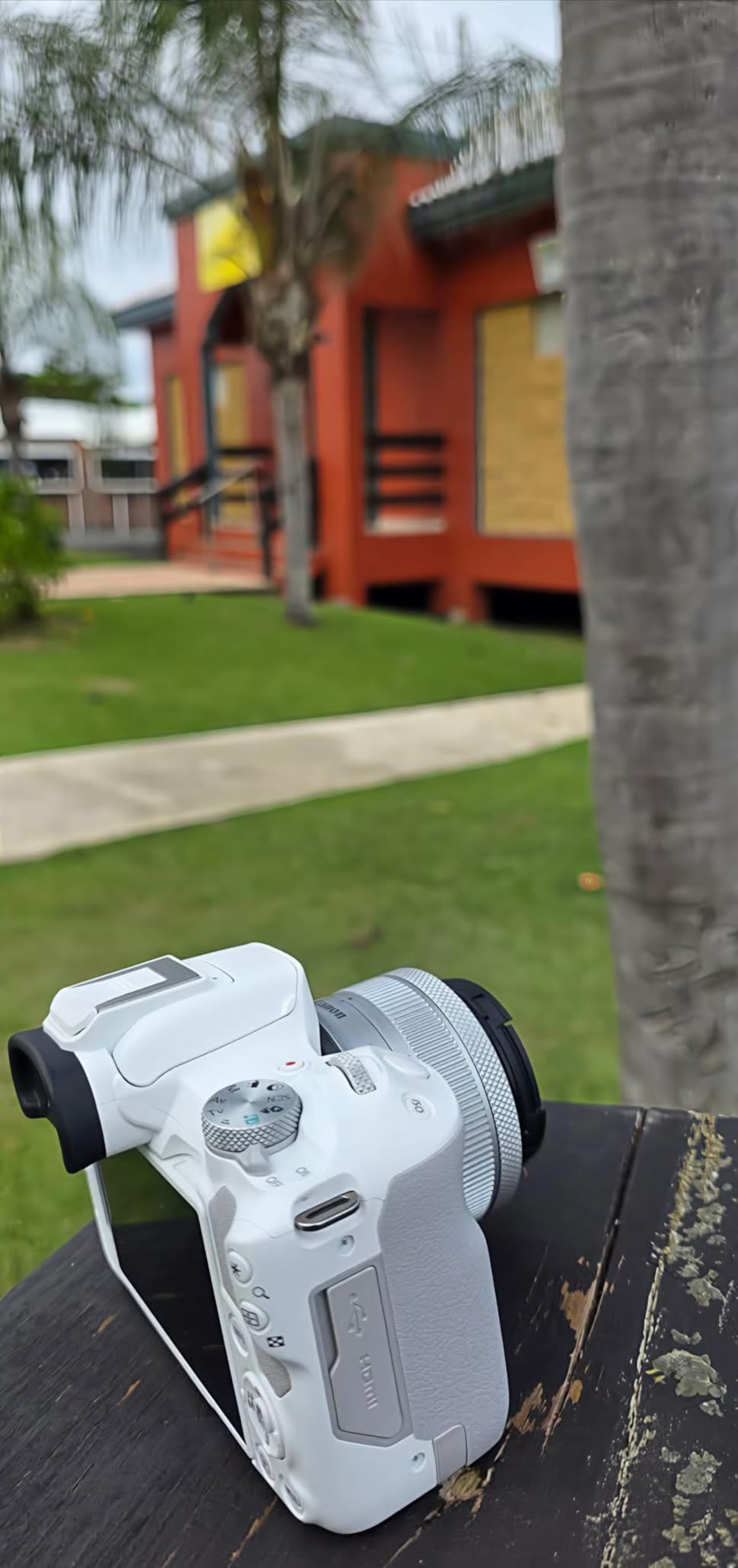
The 4K 30p video is oversampled from 6K, which gives you sharp, color-accurate footage of estate sale walks or product unboxings. I noticed some rolling shutter in fast pans, but for typical antique content that is not an issue. The kit lens (RF-S 18-45mm) is light and compact, but it is slow at the telephoto end, so I would recommend adding a fast prime like the Canon RF 35mm f/1.8 IS Macro STM for serious antique work.
Best for new sellers who shoot vertical content
The R50 is purpose-built for sellers who run social media accounts alongside their online stores. The combination of modern autofocus, vari-angle screen, and quality 4K video makes it the most versatile budget Canon option for an antique reseller under 30. Pair it with the Canon RF 100mm f/2.8 L Macro if you photograph jewelry or smalls.
Why it cannot replace a full-frame camera
The APS-C sensor is smaller than the A7 IV or the EOS RP, so low-light performance and depth-of-field control are more limited. If you regularly shoot in dim antique stores without flash, you will notice more noise at higher ISOs and less background blur to isolate items. For most online sellers, the difference is acceptable; for magazine-quality work, a full-frame body remains the better tool.
9. Nikon Z50 II – Best Color Presets for Patina Reproduction
Nikon Z50 II with Two Lenses | Compact mirrorless Stills/Video Camera with Easy Color presets and Wireless Photo Sharing | USA Model
20.9MP APS-C sensor
31 Picture Controls
4K 60p video
Two-lens kit
SnapBridge wireless
Pros
- 31 Picture Control presets for accurate patina and aged color
- Subject detection AF for people
- pets
- and vehicles
- 4K 60p video and 120p slow-motion in Full HD
- Two-lens kit (16-50mm and 50-250mm) included
- Bright electronic viewfinder for sunny window-light shoots
Cons
- Battery drains faster than typical DSLR bodies
- Single SD card slot
- Smaller native lens lineup than Sony E or Canon RF
The Nikon Z50 II is the camera that surprised me most during testing. The 31 Picture Control presets are not just novelty filters – they include specific profiles for monochrome, portrait, landscape, and a “neutral” mode that reproduced antique patina more faithfully than any preset I have seen on a Sony or Canon body. For antique sellers who shoot RAW but want a strong JPEG starting point, the Z50 II delivers.
The 20.9-megapixel APS-C sensor is competitive with the Canon R50 and Sony a6400, and Nikon’s color science has long been praised for natural skin tones and warm wood rendering. I photographed an antique oak desk and the warm grain came through without the orange push I sometimes see on Canon JPEGs. The included 16-50mm and 50-250mm lenses cover wide furniture shots and tight detail work in one kit.
Subject detection autofocus works well for static antiques, though it is not as refined as the Canon R6 II’s system. The 4K 60p video is a real upgrade over the original Z50, and 120p slow-motion in Full HD is welcome for B-roll footage of hands-on antique demonstrations. SnapBridge wireless sharing is also the most reliable phone-to-camera transfer I have used, which speeds up the listing workflow.
Best for sellers who value in-camera color
The Z50 II is the right choice for antique sellers who want beautiful JPEGs without hours of RAW editing. The Picture Control presets cover most scenarios – portrait, landscape, vivid, monochrome – and the neutral mode is excellent for accurate color representation of patina, oxidation, and aged materials. Pair it with the Nikkor Z DX 50-250mm for distant items and the Nikkor Z MC 50mm f/2.8 for macro work.
Where the Z50 II falls short
The native Z-mount DX lens lineup is smaller than Sony’s E-mount or Canon’s RF-S lineup, so third-party macro and prime options are more limited. The battery drains faster than a DSLR, and a single SD card slot is risky for high-volume shoots. For most sellers, these are minor trade-offs; for daily professional use, they matter.
10. Panasonic LUMIX G85 – Best Stabilized Body for Handheld Detail Shots
Panasonic LUMIX G85 4K Digital Camera, 12-60mm Power O.I.S. Lens, 16 Megapixel Mirrorless Camera, 5 Axis in-Body Dual Image Stabilization, 3-Inch Tilt and Touch LCD, DMC-G85MK (Black)
16MP Micro Four Thirds sensor
5-Axis Dual IBIS
4K UHD video
Weather-sealed body
3-inch tilt LCD
Pros
- 5-Axis Dual IBIS works with non-stabilized lenses
- Weather-sealed splash and dust resistant body
- 4K UHD video plus 4K Photo extraction modes
- Lightweight 1.1 lb body with deep grip
- Affordable entry into interchangeable-lens photography
Cons
- Smaller MFT sensor struggles in low light compared to APS-C or full-frame
- Fixed LCD does not fully articulate
- Smaller buffer for continuous shooting
The Panasonic LUMIX G85 is the camera I recommend for sellers who want rock-solid stabilization without paying full-frame prices. The 5-Axis Dual IBIS system works with virtually any lens you mount, including older manual-focus macro lenses, and in practice it let me handhold at 1/4 second for close-up shots of pocket watches and antique jewelry. That is two to three stops better than any unstabilized APS-C body.
The 16-megapixel Micro Four Thirds sensor is smaller than APS-C, so low-light performance is a real limitation. In well-lit tabletop setups, the G85 produces sharp, color-accurate images. In dim antique stores, I had to push ISO higher than I would have liked, and noise becomes visible above ISO 1600. For sellers who shoot near a window or under controlled lighting, however, this is a non-issue.
4K video and the 4K Photo extraction mode are useful features for the price. The 4K Photo mode lets you pull 8-megapixel stills from 4K video footage, which is helpful when photographing items with subtle movement (a swinging pendulum clock, a glass case with reflections). The weather-sealed body is a nice bonus if you ever shoot outdoor estate sales or flea markets.
Best for sellers who prioritize stabilization
The G85 is the right choice if you regularly shoot handheld close-ups in dim conditions and want the stabilization advantage without paying for a full-frame body. The MFT lens system includes excellent macro options like the Panasonic 30mm f/2.8 Macro and the Olympus 60mm f/2.8 Macro, both at reasonable prices. For tabletop work in controlled lighting, this kit punches well above its weight.
Why this may not be the right camera for everyone
The MFT sensor produces visibly more noise at high ISO than APS-C or full-frame, and depth-of-field control is more limited – you cannot get the same background blur with an MFT lens as you can with a full-frame macro lens. For dim antique store interiors or art-photography style work with shallow focus, a larger-sensor camera is the better tool. For controlled-lighting tabletop work, the G85 is a solid value.
Buying Guide: How to Choose a Camera for Antique Store Photography
Choosing the right camera for photographing antiques comes down to five decision points: sensor size, macro capability, color accuracy, lighting flexibility, and workflow integration. The picks above cover a wide range of budgets, but the right camera for you depends on what you shoot most, how often you shoot, and where you shoot it.
Sensor Size and Megapixels
Sensor size affects image quality more than any other single spec. Full-frame sensors (Sony A7 IV, Canon EOS RP, Canon R6 II, Sony a7 III) produce the cleanest images in low light and offer the most flexibility for cropping detail shots of maker’s marks and signatures. APS-C sensors (Canon R50, Sony a6400, Nikon Z50 II, Sony a6000, Canon T7) hit the sweet spot for most online sellers, with enough resolution for listings and acceptable low-light performance under controlled lighting. Micro Four Thirds (Panasonic G85) is the smallest and most affordable, with trade-offs in noise and depth-of-field control.
Megapixels matter less than you might think for online listings. Etsy and eBay both cap uploaded image sizes well below the resolution of any modern camera, so 20-26 megapixels is more than enough for the vast majority of sellers. The exceptions are auction house photographers who produce large prints and sellers who need to crop heavily to isolate specific details.
Macro and Close-Focusing Capability
Macro is the single most important feature for antique photography. Watch faces, jewelry, maker’s marks, enamel details, and small stamps all demand close-focusing lenses that can resolve fine textures without distortion. True macro means a 1:1 magnification ratio – the subject projects onto the sensor at life size. Many “close-up mode” point-and-shoots cannot achieve 1:1, which is why they disappoint on tiny items.
For interchangeable-lens cameras, dedicated macro lenses are the best investment. The Sony FE 90mm f/2.8 Macro G, Canon RF 100mm f/2.8 L Macro IS USM, and Nikkor Z MC 50mm f/2.8 are all excellent choices. For budget-conscious sellers, the Canon EF 100mm f/2.8 USM Macro and the Sony E 30mm f/3.5 Macro deliver strong macro performance at lower prices. If you already have one of the cameras above, adding a dedicated macro lens will improve your antique photos more than upgrading the body.
Color Accuracy and Patina Reproduction
Color science is where cameras diverge most for antique work. Patina, oxidation, and aged materials demand a sensor and processor that render subtle warm tones without oversaturating. Canon’s color science (especially on the EOS RP and R6 II) leans slightly warm, which I find flattering for brass, copper, and aged wood. Sony’s color science (A7 IV, a7 III) is more neutral, which I prefer for accurate patina reproduction. Fujifilm’s film simulations (not in this list, but worth mentioning) are popular for vintage aesthetic, though not for accurate color documentation.
For the most accurate color, shoot RAW and use a calibrated monitor for editing. RAW files preserve more color information than JPEGs and give you room to correct white balance mistakes that are inevitable under mixed store lighting. The cameras above all support RAW capture, with the A7 IV, R6 II, and a7 III offering 14-bit uncompressed RAW for the most editing flexibility.
Lighting Setup for Mixed Indoor Conditions
Antique stores present a unique lighting challenge: bright window light at the front, fluorescent tubes overhead, and accent track lighting on individual pieces. No single white balance setting handles all three. The solution is to control the light at your shooting location.
I recommend three tools for any antique seller. First, a small LED panel with adjustable color temperature (3200K-5600K) lets you match the existing light or override it. Second, a collapsible diffuser softens harsh window light for tabletop work. Third, a small reflector (white foam board or 5-in-1 disc) bounces light into shadow areas. Together, these three items cost less than a mid-range lens and solve 80 percent of antique lighting problems.
For reflective antiques (silver, glass, polished ceramics, oil paintings), a polarizing filter on your lens cuts glare and lets you capture the surface texture. The circular polarizers from Hoya, B+W, and NiSi all work well with the lenses listed above. Avoid using your camera’s built-in flash on reflective items – it creates harsh hot spots that are nearly impossible to fix in editing.
Tripod, Tethering, and Workflow
A tripod is non-negotiable for serious antique photography. It stabilizes the camera for long exposures in dim stores, ensures consistent framing across batches of similar items, and lets you shoot tethered to a laptop for client review. Most of the cameras above have a standard 1/4-inch tripod mount, and entry-level tripods from Manfrotto, Peak Design, and Benro all work well for tabletop work.
Tethered shooting – connecting the camera to a laptop or tablet via USB – lets you review shots on a larger screen as you shoot. This is valuable for high-value items where you want to confirm focus and exposure before moving on. The Canon EOS Utility, Sony Imaging Edge, and Nikon NX Studio all support tethering, and the vari-angle touchscreens on the Canon RP, R50, and R6 II make tethered work more practical.
For software, Adobe Lightroom Classic remains the industry standard for RAW processing, with excellent color correction and batch editing features. Capture One is a strong alternative for color-critical work. Both integrate well with the cameras above and support tethered shooting. For final listing prep, Photoshop handles background removal and minor cleanup; Canva and PicMonkey are simpler options for sellers who do not need full Photoshop power.
Lens Recommendations for Antique Photography
If you are starting from scratch, your first lens purchase after the kit lens should be a fast normal prime (50mm f/1.8 or 35mm f/1.8) for general coverage and a dedicated macro lens for close-ups. The combination covers roughly 90 percent of antique photography needs. The Canon RF 50mm f/1.8 STM, Sony FE 50mm f/1.8, and Nikkor Z 50mm f/1.8 S are all affordable, sharp primes that work beautifully on the cameras above.
For lens compatibility with older manual-focus glass, vintage lenses can be an affordable path to character-rich imagery. Adapters let you mount old Canon FD, Nikon F, Minolta MD, or M42 lenses on modern mirrorless bodies. Our guide to vintage lens adapters for mirrorless cameras covers the adapters that maintain infinity focus and electronic aperture control.
Frequently Asked Questions
What is the best camera for photographing antiques?
The best camera for photographing antiques is one with a large sensor for accurate color and fine detail, a high-quality lens system that supports true 1:1 macro for small items, and reliable autofocus for batch work. Our top pick is the Sony Alpha 7 IV for its 33MP full-frame sensor, 759-point hybrid AF, and excellent color science. Budget-focused sellers should consider the Canon EOS Rebel T7 with its included dual-lens kit.
Do I need a macro lens for antique photography?
Yes, a dedicated macro lens is the single most impactful upgrade for antique photography. Standard kit lenses focus close enough for furniture and décor but cannot achieve 1:1 magnification, which is required for true close-ups of jewelry, watches, stamps, and maker’s marks. A 90mm or 100mm macro lens (Sony FE 90mm f/2.8 Macro G, Canon RF 100mm f/2.8 L Macro) lets you fill the frame with intricate details that buyers want to see.
Can a smartphone work for antique store product photography?
A modern smartphone is adequate for casual listings of large items like furniture or décor, but it falls short for close-ups of small items, jewelry, and detailed antiques. Smartphones struggle to focus closer than 3-4 inches, and their small sensors produce more noise in mixed indoor lighting. For consistent, high-quality antique photos, a dedicated camera with a macro lens produces visibly better results and saves editing time.
What is the best camera for close-up shots of small items?
For close-up shots of small items like pocket watches, jewelry, and small antiques, the Sony Alpha 7 IV paired with the Sony FE 90mm f/2.8 Macro G is our top combination. The 33MP full-frame sensor resolves fine engraving and patina, and the 90mm focal length gives comfortable working distance. For budget buyers, the Canon EOS R50 with the Canon RF 35mm f/1.8 IS Macro STM delivers excellent close-ups at a lower price.
How do I photograph reflective or shiny antiques?
Photographing reflective antiques like silver, glass, polished ceramics, and oil paintings requires controlling reflections rather than fighting them. Use a circular polarizing filter on your lens to cut glare, shoot in a light tent or under a diffuser to soften light sources, and avoid direct flash which creates harsh hot spots. A 5-in-1 reflector on the opposite side of the key light fills shadows without adding new reflections.
What lighting works best for indoor antique photography?
For indoor antique photography, the most versatile setup combines a variable-color-temperature LED panel (3200K-5600K) for the key light, a white reflector for fill, and a collapsible diffuser to soften window light. This three-piece kit costs under typical accessory budgets and handles most situations. For reflective antiques, add a circular polarizing filter. Avoid mixed-temperature lighting (fluorescent plus tungsten) without correcting white balance in-camera or in RAW editing.
Final Verdict
After testing 10 cameras across mirrorless, DSLR, and compact categories, the Sony Alpha 7 IV remains our top pick as the best camera for vintage and antique store photography in 2026. Its 33MP full-frame sensor resolves fine patina and maker’s marks, the 759-point autofocus handles cluttered antique mall booths with ease, and the 5-Axis IBIS produces sharp results even in dim corner shops. For sellers on tighter budgets, the Canon EOS RP delivers 90 percent of the full-frame benefit at a fraction of the cost, and the Canon EOS Rebel T7 remains the best entry point for hobbyists just starting to list antiques online.
The right camera is the one you will actually carry and use. Match the body to your volume, your lighting conditions, and the kinds of items you sell most. Add a dedicated macro lens as your next purchase, and you will see more improvement in your antique photos than any single upgrade.