
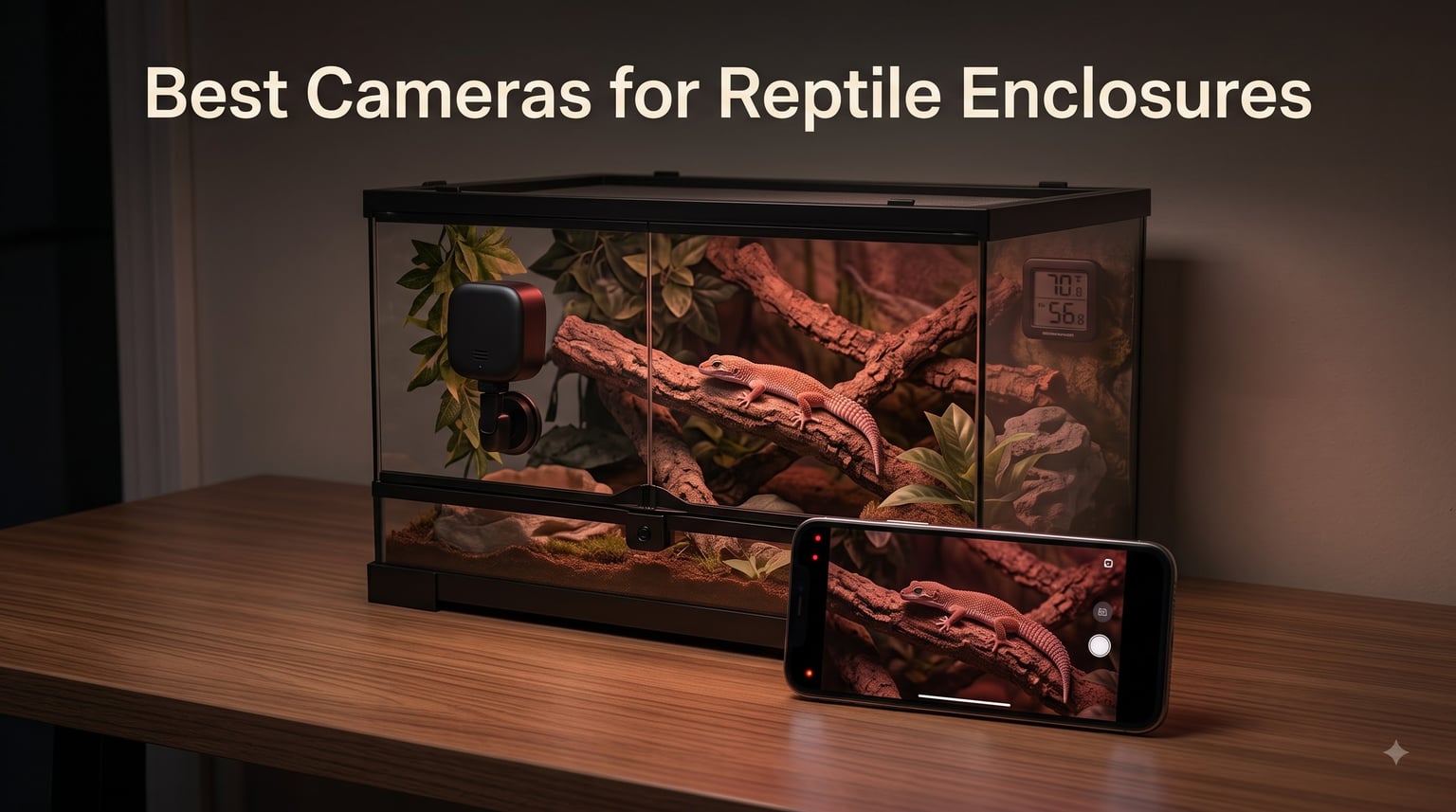
When I first set up a camera above my gecko enclosure, I thought any indoor security camera would do. The first test came after dark: the image was soft, reflections hid half the tank, and the status light made my nocturnal gecko retreat. I quickly learned that the best cameras for reptile enclosures need to handle glass, dim light, heat, and humidity—not just record a room.
A good reptile camera gives you a live view when you are at work, on holiday, or simply in another room. It can show feeding responses, nighttime activity, shedding, and behavior changes that might otherwise go unnoticed, while motion alerts help you check the enclosure without opening the door.
I compared eight WiFi cameras for daytime detail, night vision, close-range glass mounting, local storage, and app reliability. The SnapBud stands out as the most enclosure-focused choice, the Noonkey is my pick for subscription-free recording, and the eufy E30 is the premium pick for a full-room view. Every model listed here was still corded electric, so cable routing and safe placement matter as much as the lens.
Table of Contents
Top 3 Picks for Best Cameras for Reptile Enclosures in 2026
These three picks cover the main needs I found: close glass mounting, a flexible pan-and-tilt view, and the widest field of view for a smaller tank.

SnapBud 3MP 2K AI Reptile Camera
- Anti-glare close-focus lens
- Color night vision
- 256GB local storage

litokam F1.0 Fish Tank & Reptile Camera
- 147-degree view
- F1.0 bright aperture
- No status LED
Best Cameras for Reptile Enclosures in 2026
The full comparison makes the tradeoffs clearer. I would choose a close-focus, anti-glare model for a single glass terrarium, while a pan-and-tilt camera makes more sense for a larger enclosure or multiple habitats.
| Product | Specifications | Action |
|---|---|---|
| SnapBud 3MP 2K AI Reptile Camera |
|
Check Latest Price |
 Blink Mini 2K+ Blink Mini 2K+ |
|
Check Latest Price |
| litokam F1.0 Aquarium Camera |
|
Check Latest Price |
 Noonkey 3MP 2K Pet Camera Noonkey 3MP 2K Pet Camera |
|
Check Latest Price |
 Tuesnax Aquarium Camera Tuesnax Aquarium Camera |
|
Check Latest Price |
 eufy Security 4K Indoor Camera E30 eufy Security 4K Indoor Camera E30 |
|
Check Latest Price |
 WYZE Cam Pan v3 WYZE Cam Pan v3 |
|
Check Latest Price |
 javiscam 2K Aquarium & Terrarium Camera javiscam 2K Aquarium & Terrarium Camera |
|
Check Latest Price |
1. SnapBud 3MP 2K AI Reptile Camera – Best Anti-Glare Magnetic Mount
3MP 2K AI Reptile Aquarium Camera, Close-Focus Lens for Fish Tank Terrarium
3MP 2K close-focus lens
105-degree view
256GB microSD
Color night vision
Pros
- Anti-glare glass viewing
- Easy magnetic mount
- 2.4GHz and 5GHz WiFi
- AI motion alerts
- 24/7 recording
Cons
- Needs some ambient light
- Cloud costs extra
I would mount the SnapBud against the outside of a glass terrarium when reflections are your biggest problem. Its 3MP 2K close-focus lens and anti-reflective coating are designed for fish tanks and terrariums, so the animal stays larger in the frame than it would with a room camera several feet away.
The magnetic angle mount lets me test a view in seconds and adjust it by 20 degrees without drilling. It supports both 2.4GHz and 5GHz WiFi, records continuously to a microSD card up to 256GB, and sends AI motion and behavior alerts to a phone. The corded 5V design still needs a safe, dry route back to power.
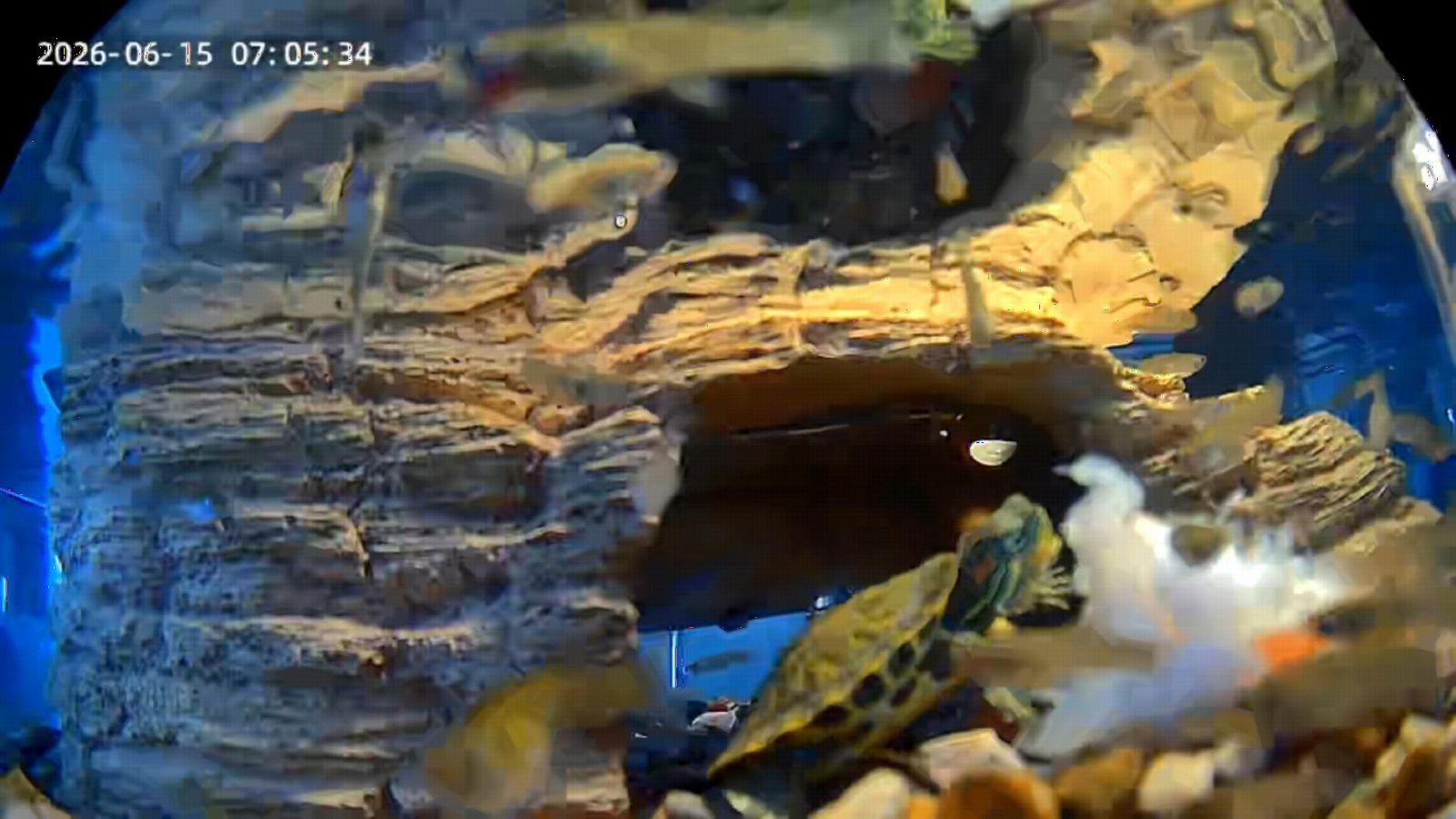
Night performance is strong when the room has a little light, although the image can turn dark in a completely lightless room. Some owners also report setup or connectivity friction, and AWS cloud storage is subscription-based, so I would buy a suitable microSD card if I wanted to keep the system local.
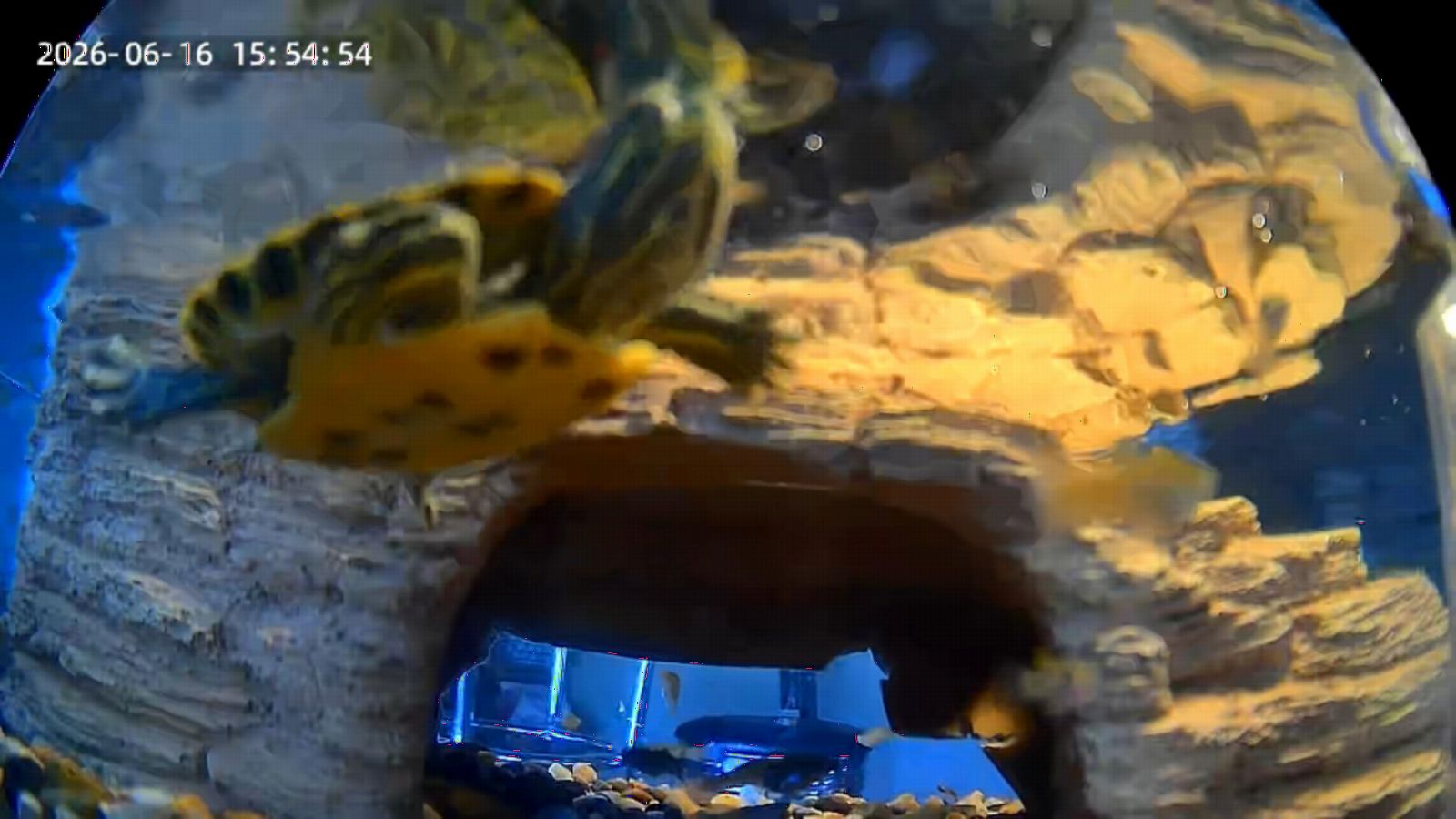
Who should buy the SnapBud camera
Choose the SnapBud for a single glass enclosure where close detail and fewer reflections matter more than a wide room view. It is especially useful for geckos, small lizards, and snakes that need to be watched through glass without a bulky camera stand inside the habitat.
Where the SnapBud camera falls short
Do not place it directly beside a basking lamp or where mist can reach the camera body. Its fixed 105-degree field of view also means you may need to choose a more distant or wider model for a long, open-topped enclosure.
2. Blink Mini 2K+ – Easiest Setup With Alexa Integration
Blink Mini 2K+ (newest model) – Plug-in Home & Pet Indoor Security Camera with 2K video resolution, night vision, enhanced audio, motion detection – 1 camera (Black)
2K video
Up to 4x zoom
Night vision
Two-way audio
Alexa
Pros
- Sharp 2K image
- Quick plug-in setup
- Enhanced audio
- Alexa support
Cons
- Subscription needed for full features
- Sensitive mount clip
The Blink Mini 2K+ is the simplest pick for someone who already uses Alexa and wants a familiar app rather than a specialist aquarium setup. The newer 2K sensor, improved audio, and up to 4x digital zoom make small movements easier to inspect on a phone.
Setup is genuinely quick: plug in the camera, connect it through the Blink app, and find a stable shelf or tank rim position. I like the two-way talk for checking in around a habitat, but a clip-on mount that can pop loose during adjustment is less reassuring above a tall vivarium.
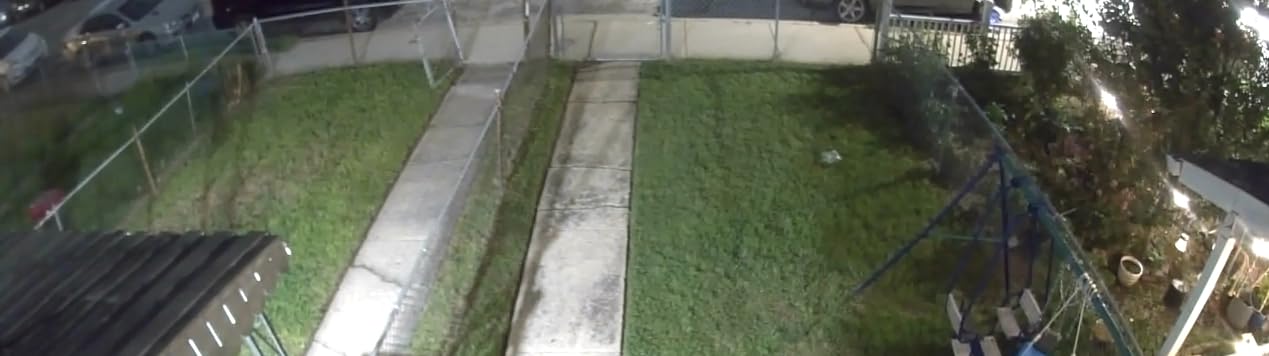
Its indoor-only specification and lack of a close-focus glass-specific lens make it less specialized than the SnapBud or litokam. Blink offers a free 30-day cloud trial, while person and vehicle detection and fuller recording use require a subscription. I would therefore treat it as a convenient general-purpose pet camera, not the first choice for a humid bioactive tank.
Who should buy the Blink Mini 2K+
Buy it if you prioritize fast setup, a large existing user base, and Alexa integration over a dedicated terrarium mount. It works best on a dry shelf aimed at a smaller glass tank rather than inside or immediately beside a humid enclosure.
Where the Blink Mini 2K+ falls short
Its value depends on how much you want to pay for cloud services. The clip design needs a secure location, and the app experience may feel less focused for owners who want local 24/7 recordings without a plan.
3. litokam F1.0 Fish Tank & Reptile Camera – Best Ultra-Wide Angle
litokam F1.0 Aperture Fish Tank & Reptile Pet Camera.2K 3MP Anti-Glare Aquarium Terrarium Camera with Close-Focus Lens, 147° Ultra-Wide Angle, 3X Zoom, 2.4G/5GHz WiFi
3MP 2K video
147-degree view
F1.0 lens
3x digital zoom
Pros
- Very wide field of view
- Bright F1.0 aperture
- Anti-glare mounting
- No status LED
Cons
- Short power cable
- MicroSD card not included
- Needs ambient light
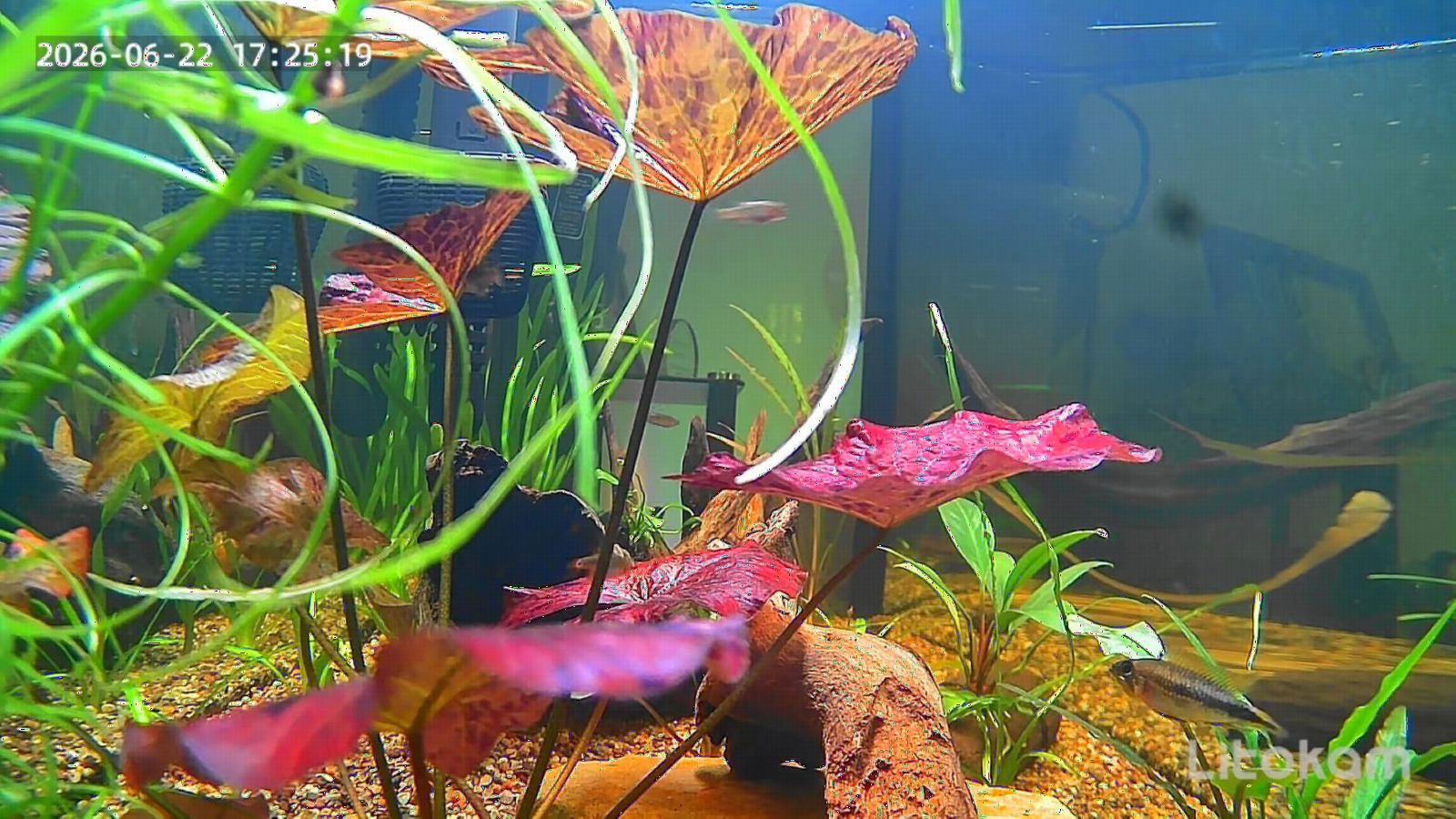
For a shallow tank, the litokam is the camera I would test first when the whole habitat needs to fit in one frame. Its 147-degree field of view is much wider than the 105-degree SnapBud, while the F1.0 aperture is stated to capture four times more light than a standard camera.
The close-focus anti-glare lens, magnetic adhesive mount, 3x zoom, and no-status-LED option make it thoughtfully suited to nocturnal observation. It supports 2.4GHz and 5GHz WiFi, motion detection, 24/7 recording, and microSD storage up to 256GB.
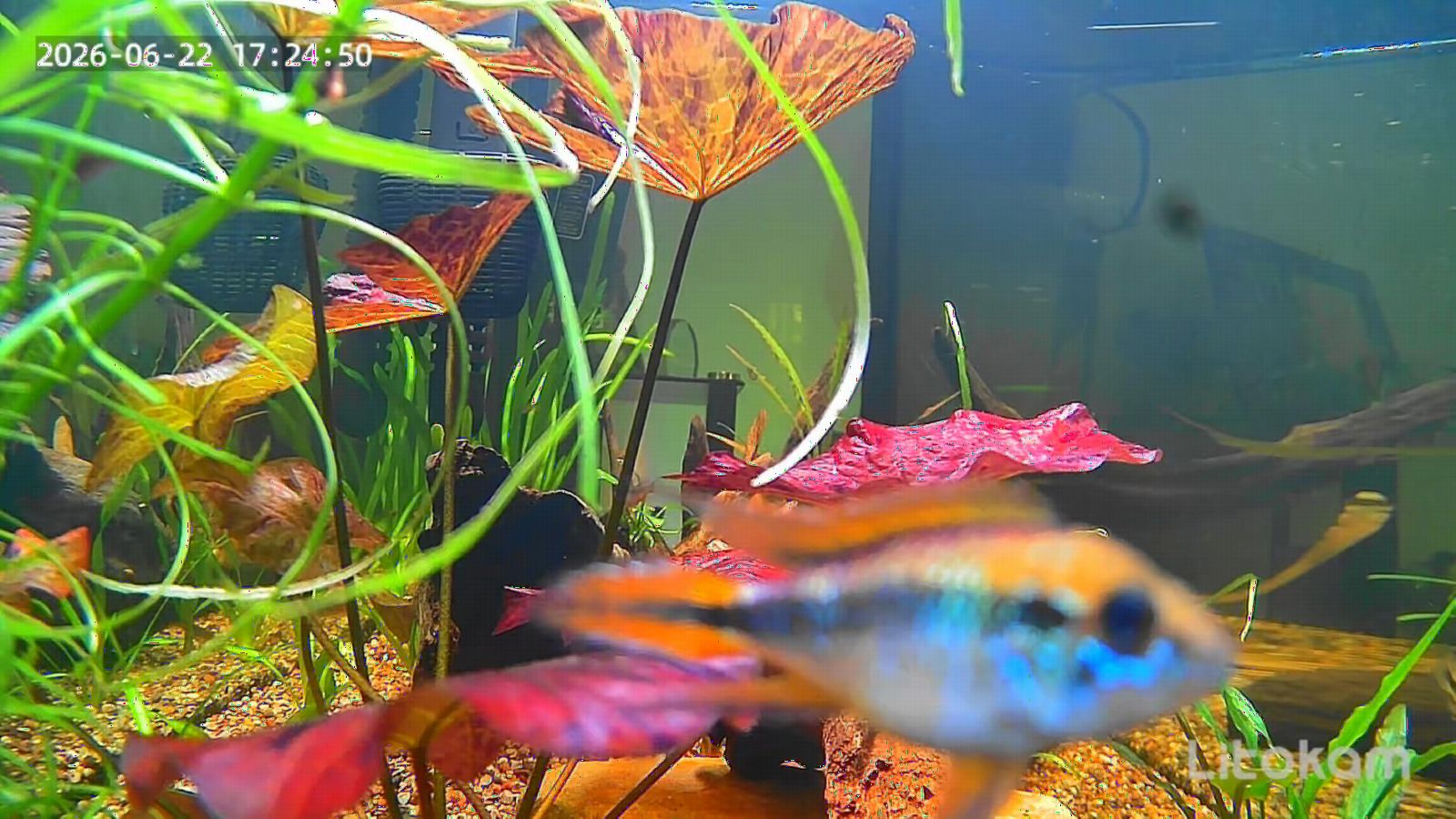
There are tradeoffs. The fixed focus can make very close objects look less clear, and the short cable may need an extension or careful route around the tank. The product is indoor-only, the card is not included, and the app has been questioned by some users for its audio permissions.
Who should buy the litokam camera
Choose the litokam for leopard geckos, juvenile snakes, or a narrow tank where a panoramic view is more useful than a long zoom. The absent status LED is a meaningful benefit for light-sensitive nocturnal species, provided you supply a small amount of ambient light.
Where the litokam camera falls short
Its privacy-sensitive audio behavior and fixed-focus design deserve a privacy test before permanent installation. I would also measure the cable path before mounting, because a loose extension is not a substitute for safe heat and humidity separation.
4. Noonkey 3MP 2K Pet Camera – Best No-Subscription Option
Noonkey 3MP 2K Pet Camera, 5G/2.4G WiFi Window Security Camera, No Drill Indoor Home Security Camera, Color Night Vision, 24/7 Recording, Human Detection Alarm, Work with Alexa, for Aquarium Reptile
3MP 2K video
Color night vision
256GB microSD
Dual-band WiFi
Pros
- Local storage without a subscription
- 9.8-foot cable
- No-drill mount
- H.265 encoding
Cons
- Fixed mount angle
- No microSD card
- May struggle with very close subjects
The Noonkey is my strongest no-subscription recommendation for a terrarium that stays within the camera’s close-viewing range. It records to a microSD card up to 256GB, uses H.265 encoding, and offers color night vision without making the cloud the only useful recording option.
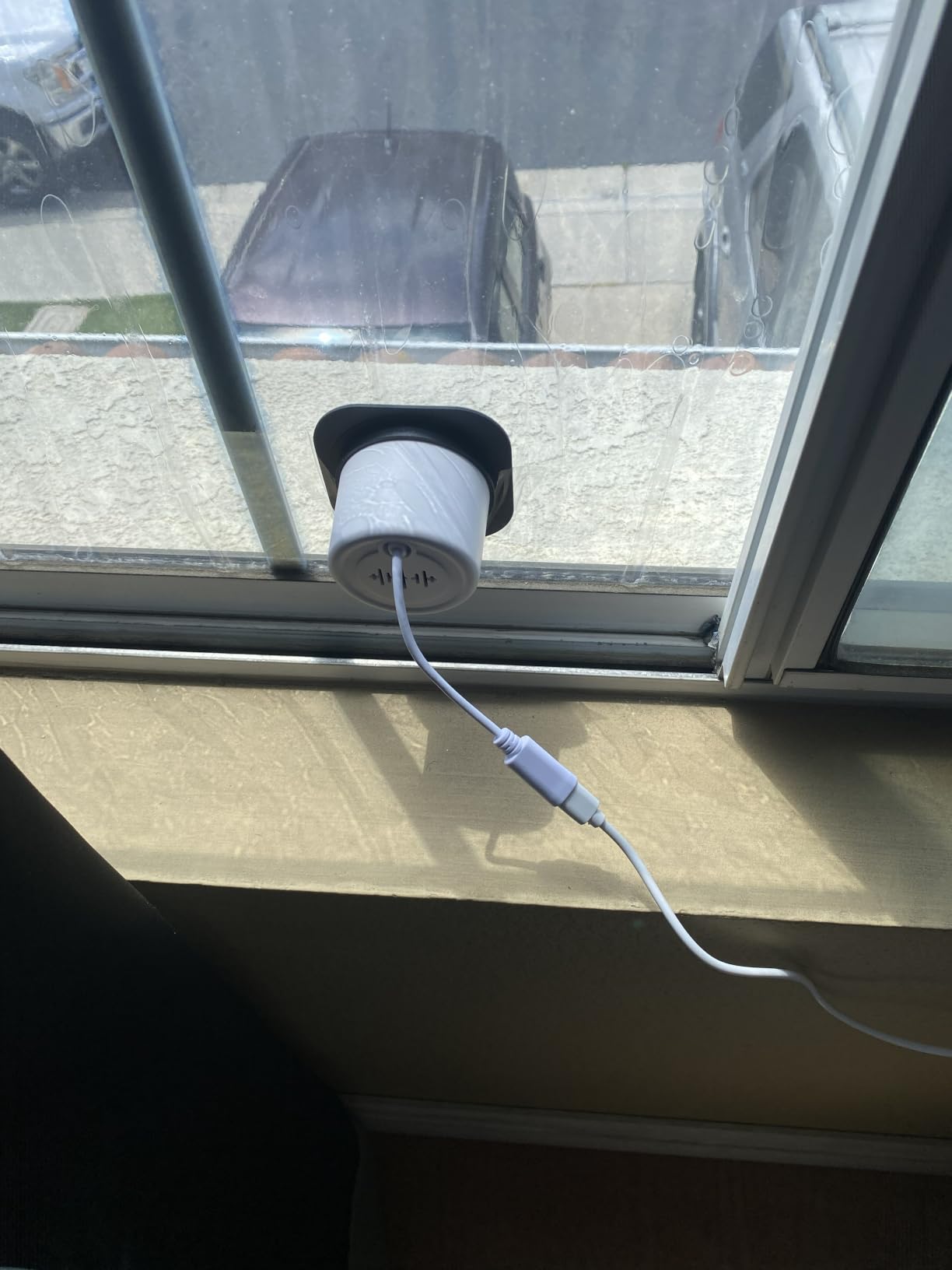
The included 9.8-foot cable gives me more freedom to route power away from a basking area than many compact models provide. Dual-band WiFi, a 30fps frame rate, two-way audio, and a peel-and-stick no-drill mount make setup straightforward for a glass-fronted tank.
The fixed window mount cannot be angled after placement, and very close subjects may not look as sharp as they do on a true close-focus model. You will also need to supply the microSD card and keep the camera on constant power, so plan the cable before sticking the mount in place.
Who should buy the Noonkey camera
Buy the Noonkey if you want a low-maintenance system for routine feeding and activity checks without a monthly storage bill. It suits a gecko, small lizard, or snake enclosure where the camera can sit directly against the glass.
Where the Noonkey camera falls short
Do not rely on it for a large habitat that needs an adjustable viewing direction. The lack of an included card and the reported close-focus limitations mean you may spend more time testing placement than with the SnapBud.
5. Tuesnax Aquarium Camera – Best Close-Focus Lens for Detail
3MP 2K AI Aquarium & Terrarium & Fish Tank Camera with 24/7 Recording
2K 3MP video
Close-focus lens
Dual-band WiFi
Night vision
Pros
- Clear close-range detail
- Magnetic mount
- AI motion alerts
- Compact body
Cons
- Small review base
- No SD card
- Loose USB-C fit reported
The Tuesnax is built around a close-focus lens, and that is the feature I would value for a reptile that stays near the front glass. Its 2K 3MP sensor should make shed inspection, feeding, and small movement easier to see than a generic wide room camera.
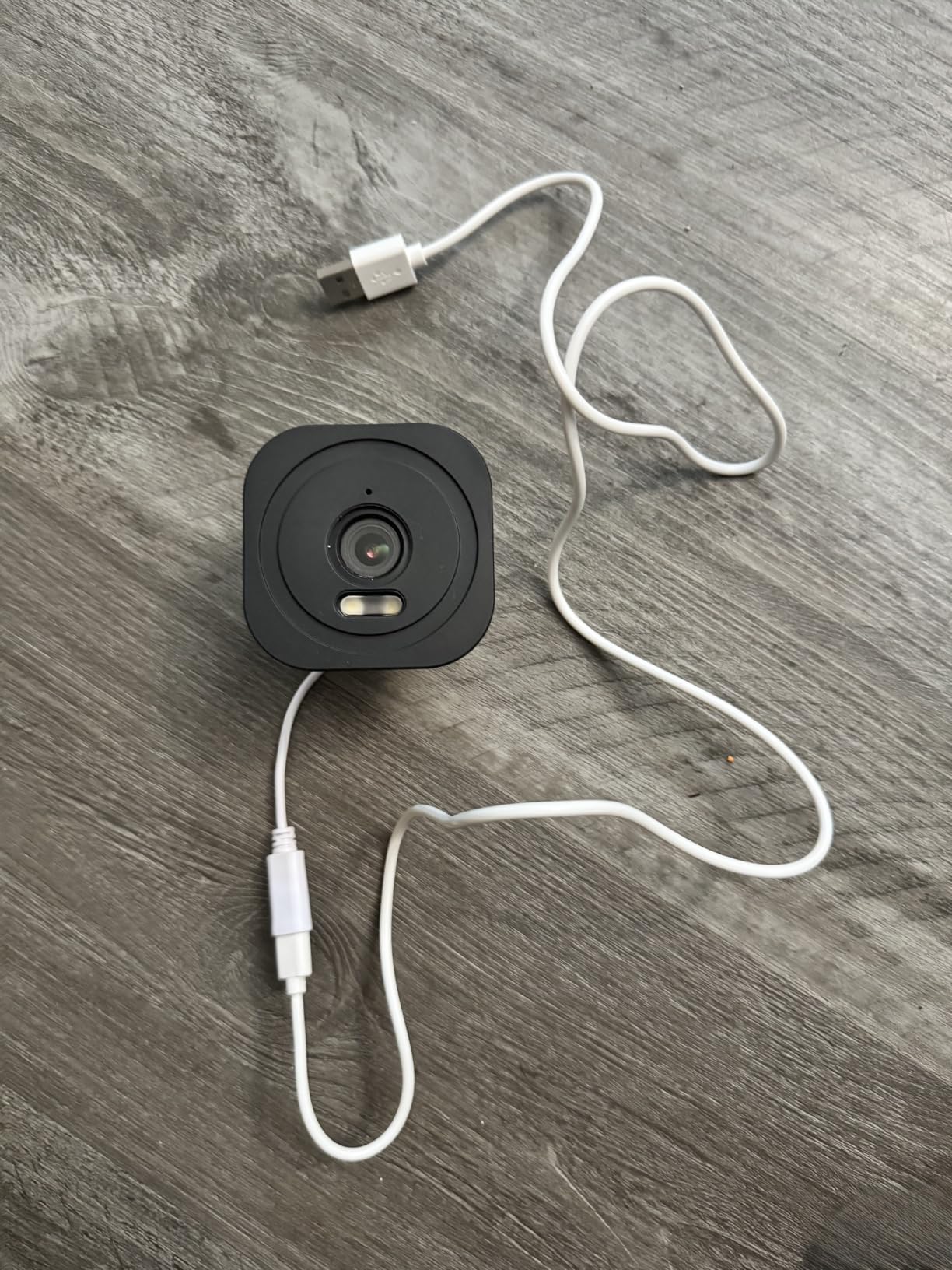
A magnetic mount and dual-band WiFi make the first installation simple, while AI motion detection can reduce the need to watch a blank enclosure. The compact 2-by-1-by-2-inch body is easier to hide above a small terrarium than a full pan-and-tilt unit.
This is a newer listing with only 14 reviews in the supplied data, so there is less owner history behind it than the Wyze or Blink. The USB-C cable fit may be loose at the water-tight connector, the app requests tracking permissions, and the card is not included.
Who should buy the Tuesnax camera
Choose the Tuesnax when close observation is the priority and you accept a smaller pool of customer evidence. It is a sensible match for a small aquarium, terrarium, turtle habitat, or other enclosure where the subject approaches the glass.
Where the Tuesnax camera falls short
I would check the cable seating and focus at the exact distance of your enclosure before relying on it overnight. It is not the camera I would choose for broad room coverage or a setup requiring extensive local-recording capacity without adding storage first.
6. eufy Security 4K Indoor Camera E30 – Best 4K Pan and Tilt
eufy Security 4K Indoor Camera E30, Pan and Tilt, AI Tracking, Pet Camera
4K UHD video
360-degree pan and tilt
Color night vision
AI tracking
Pros
- 4K detail
- 360-degree coverage
- Quiet pan and tilt
- Mechanical privacy mode
Cons
- Larger camera body
- HomeKit limits resolution
- Constant power required
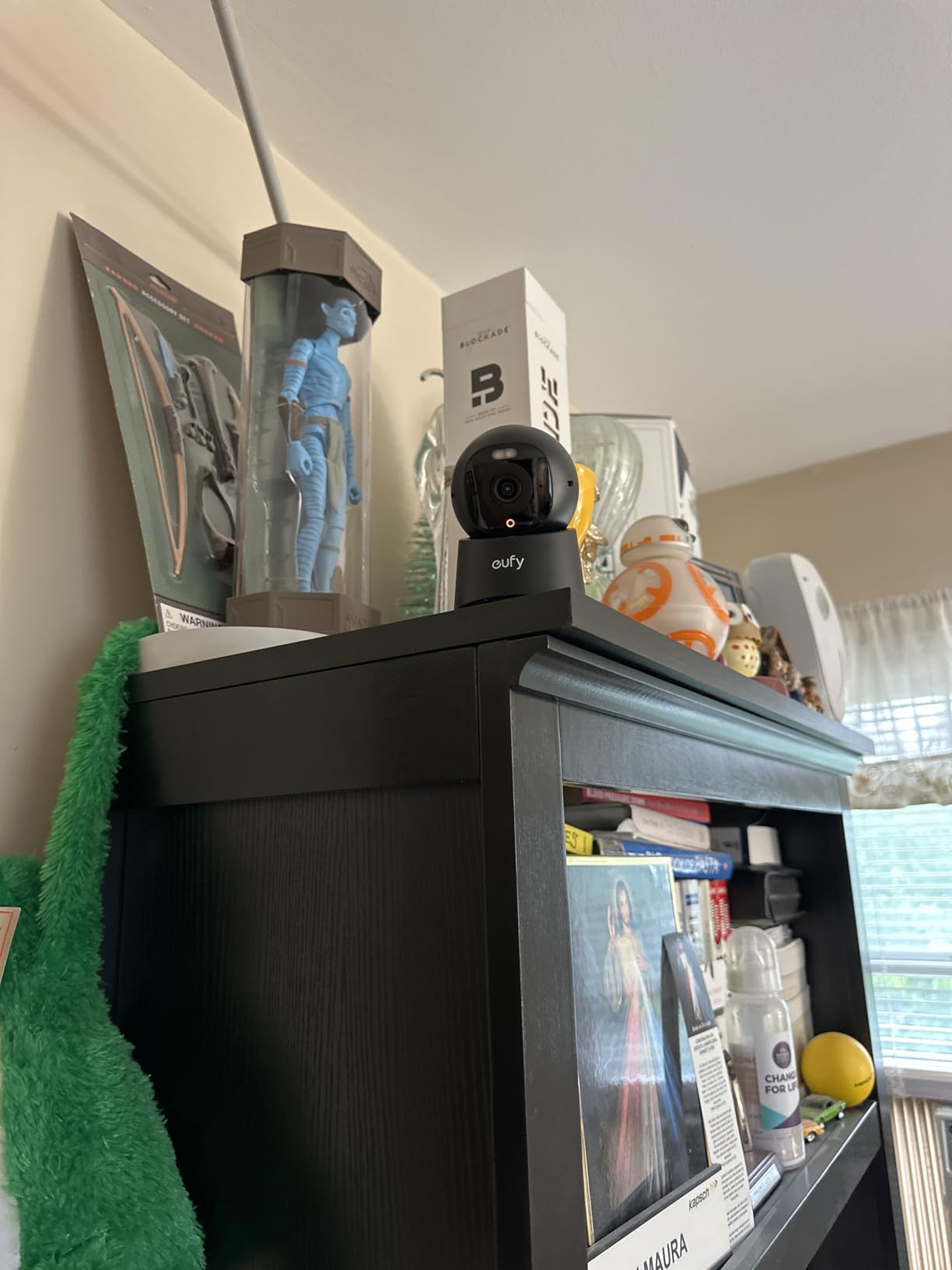
The eufy E30 is the premium pick for owners who want a camera that can scan the whole room, not just a glass face. Its 4K sensor, 360-degree panoramic pan-and-tilt movement, and motion tracking can follow a reptile that explores branches, hides, or a larger floor-level habitat.
Color night vision uses a built-in spotlight, while two-way audio and pet detection make it useful as a general indoor monitor. Local SD storage is available without a monthly fee, and the mechanical privacy cover is a nice touch when you want the lens physically hidden.
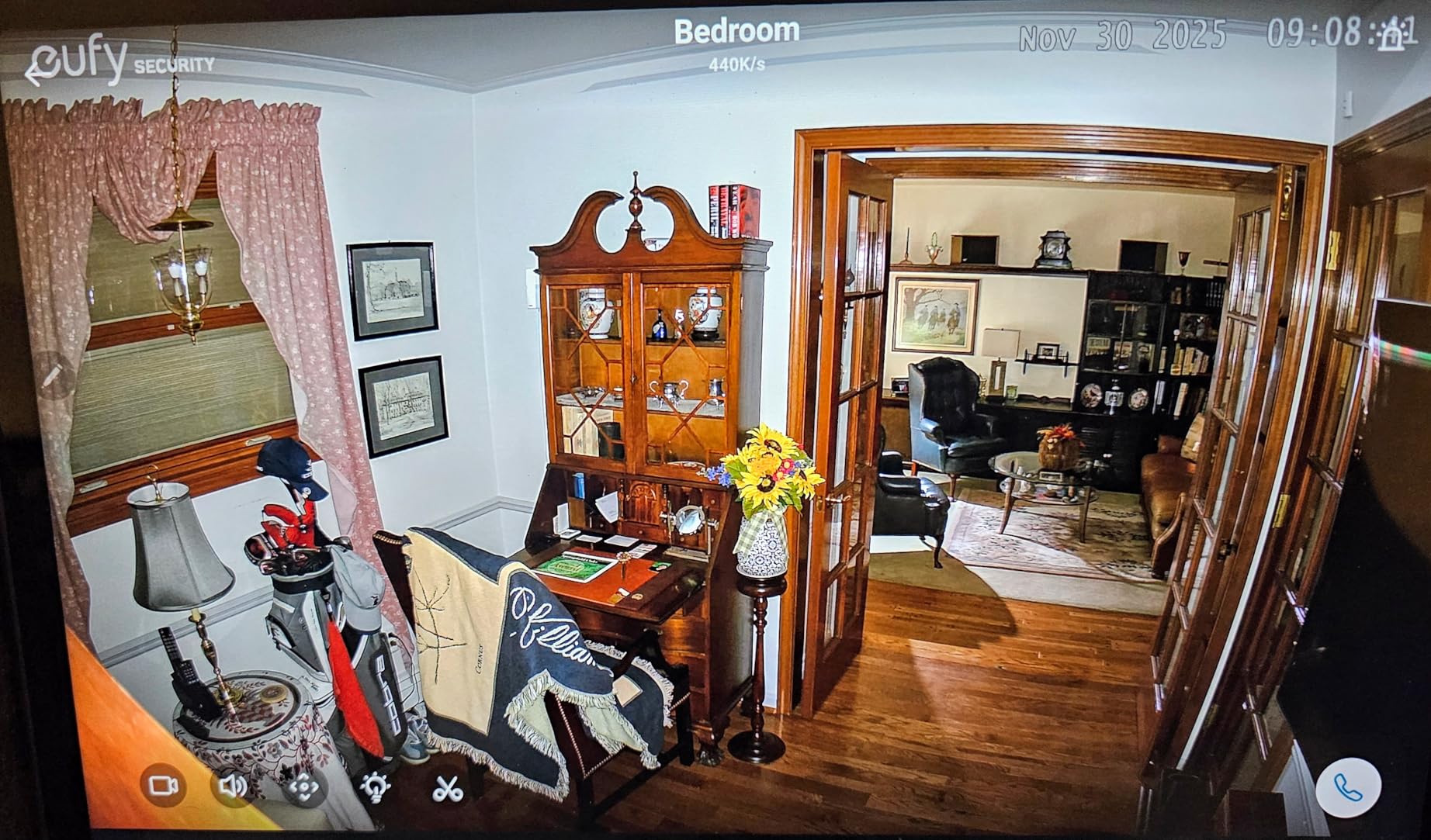
The E30 is much larger than the close-focus tank cameras and sits on constant wired power. HomeKit support has caused trouble for some owners, and the supplied product data says HomeKit can limit video to 1080p, so I would test the app and ecosystem that matters to you before buying.
Who should buy the eufy E30
Buy the E30 for a large bearded dragon enclosure, a tortoise room, or a multi-level vivarium where pan and tilt can replace several fixed cameras. It also makes sense when you want 4K detail and local storage without a subscription.
Where the eufy E30 falls short
It is not a neat match for a cramped shelf or a tank where every inch of outside space matters. Its HomeKit and wired-power compromises mean the specialized SnapBud remains easier to position against glass.
7. WYZE Cam Pan v3 – Best Budget Pan/Tilt With a Large Review Base
WYZE Cam Pan v3, Indoor/Outdoor Security Camera with 360° Pan/Tilt/Zoom
1080p video
360-degree pan
180-degree tilt
IP65 weather resistance
Pros
- Large review history
- Pan Scan auto patrol
- Color night vision
- 512GB microSD support
Cons
- 2.4GHz WiFi only
- Some reliability complaints
- Right-angle USB cable
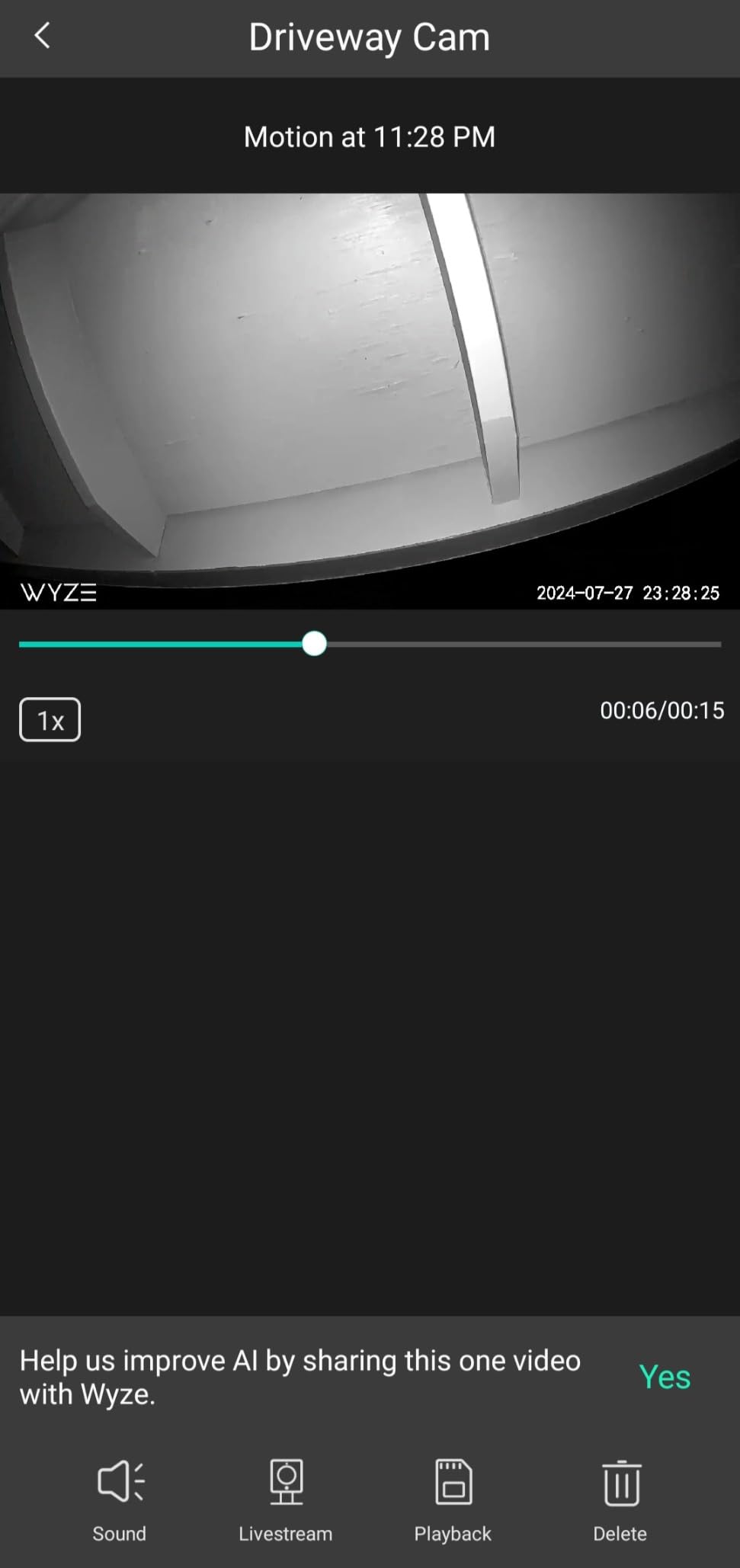
The Wyze Cam Pan v3 is the model I would recommend to someone who values owner history and flexible coverage more than specialist close-focus optics. Its 360-degree pan, 180-degree tilt, color night vision, and Pan Scan waypoints let me scan a larger room without moving the camera.
It supports local microSD recording up to 512GB, has two-way audio, and carries an IP65 weather-resistance rating. Those features make it a practical choice for a dry indoor enclosure or a protected outdoor habitat when paired with a suitable outdoor power arrangement.

The compromise is WiFi: it works only on 2.4GHz networks, not 5GHz. Some users report jerky manual movement, subscription prompts, or reliability issues, and the right-angle USB cable can be awkward to replace.
Who should buy the Wyze Cam Pan v3
Choose the Pan v3 for a bearded dragon setup, tortoise habitat, or a room with several enclosures where one moving camera is more useful than a fixed close-up. Its 33,121-review history gives it an unusually broad real-world record, although that record also includes mixed reliability reports.
Where the Wyze Cam Pan v3 falls short
A 5GHz-only router or a humid location close to mist can make this less appealing. It is also not my first pick for a very small tank where a wide lens and moving motor would be unnecessary.
8. javiscam 2K Aquarium & Terrarium Pet Camera – Best for Multi-Tank Setups
2026 Upgraded 2K Aquarium & Terrarium Pet Camera, Close-Focus Lens for Fish, Lizard & Reptiles, Easy Install, 5GHz Dual-Band WiFi, 24/7 Full Color Night Vision, Loop Recording, Motion Detection
2K 3MP video
Close-focus lens
Dual-band WiFi
Up to four feeds
Pros
- Four-camera app view
- Compact size
- Loop recording
- Starlight color night vision
- Dual-band WiFi
Cons
- Narrower field of view
- USB cable heat concerns
- Inconsistent focus
The javiscam is worth considering for a rack of smaller habitats because its app can show up to four camera feeds at once. That makes it more useful than a single-camera close-up when you keep several reptiles and want to check multiple enclosures from one phone.
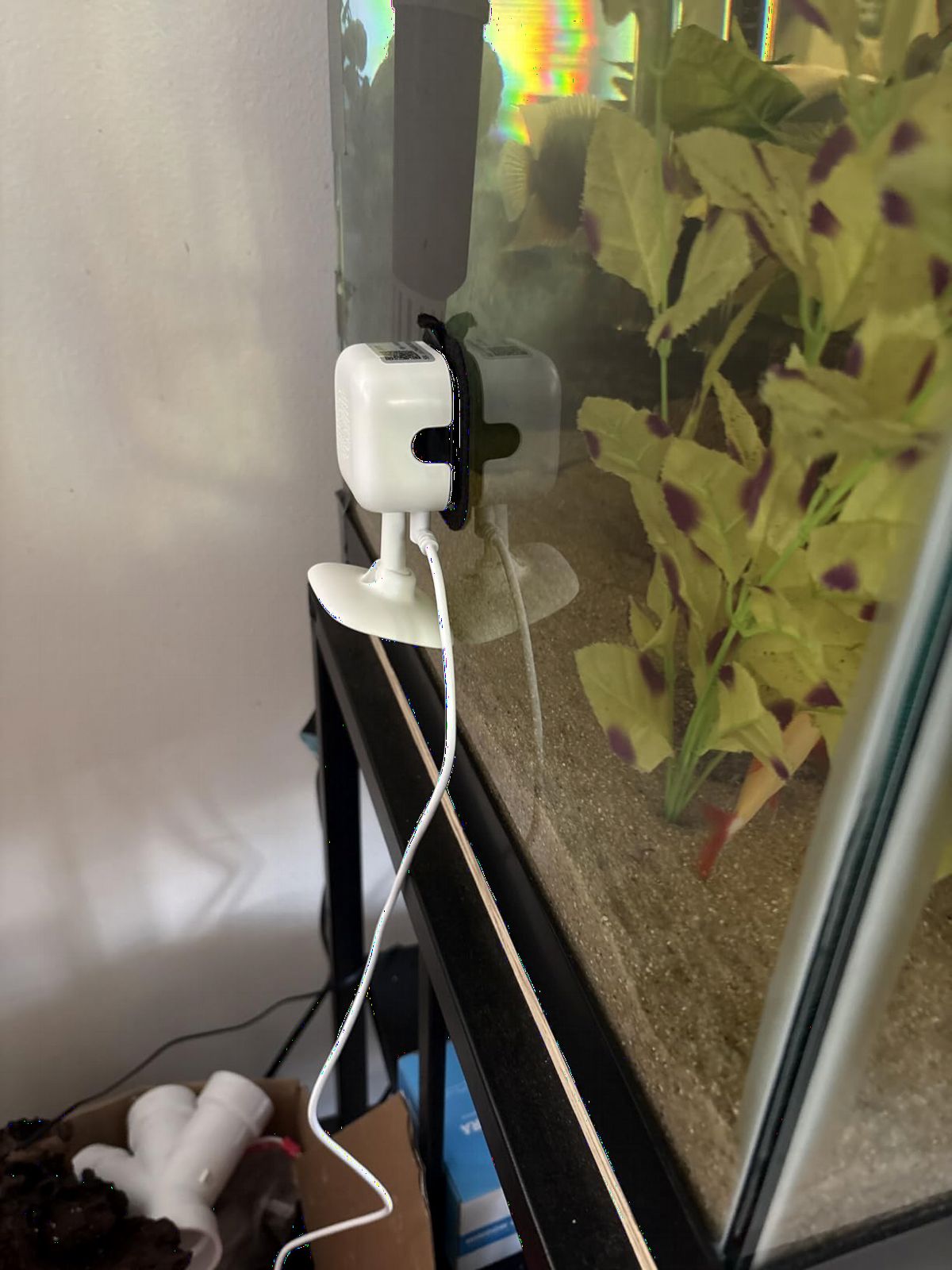
It records 2K 3MP video continuously, supports loop recording, dual-band WiFi, and starlight color night vision. The compact cube body is easy to position near glass, and adjustable motion sensitivity helps reduce alerts from fans or decor.
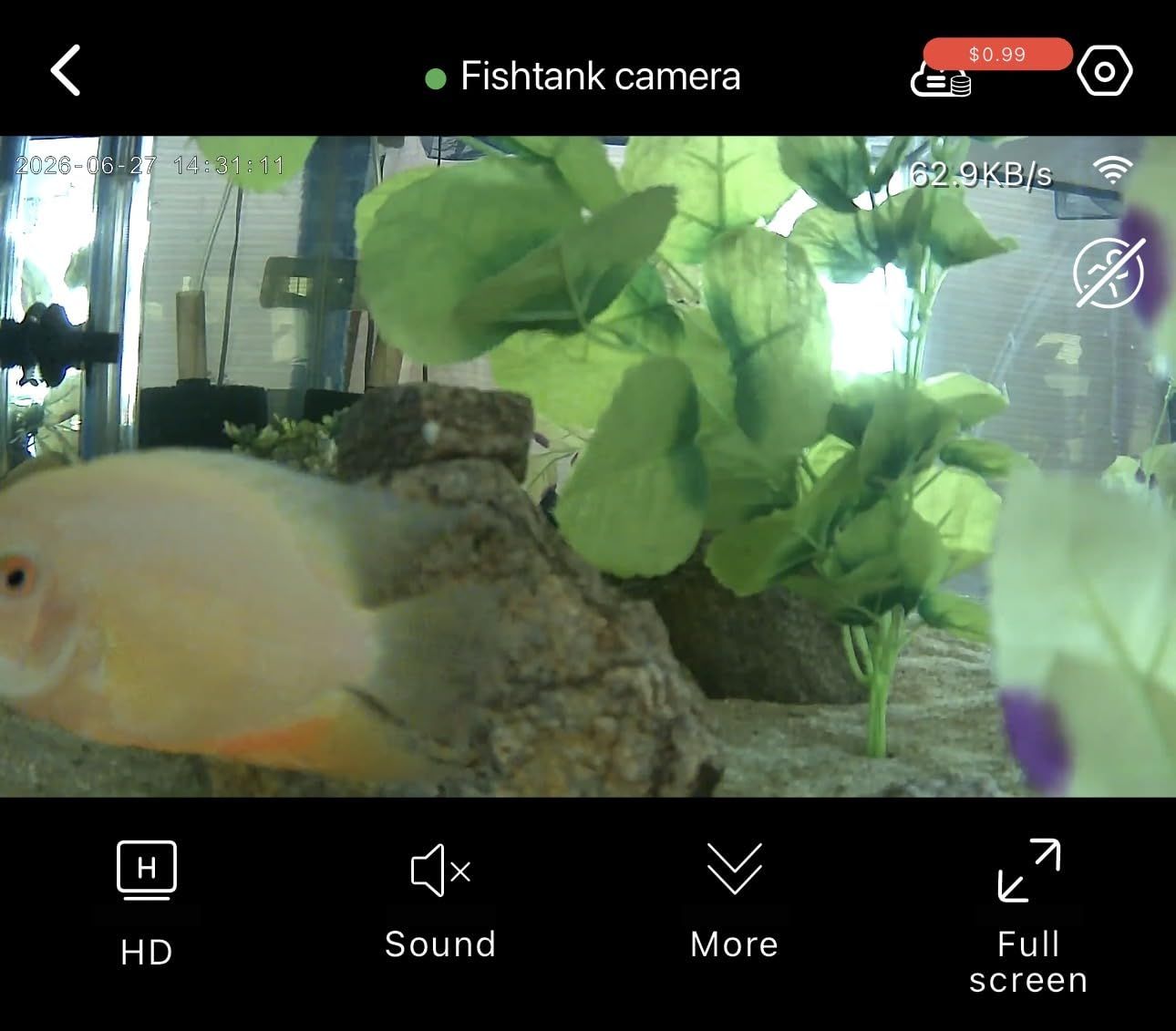
Its field of view may be too narrow for a long tank, and some users report pixelation or inconsistent focus. The product data also flags USB cable overheating after extended use, so I would not route that connection across a hot basking zone without checking its temperature.
Who should buy the javiscam camera
Buy it for a multi-tank room where the four-feed view and loop recording save more time than a specialist single-enclosure lens. It is a reasonable budget experiment for a small terrarium, fish tank, or tarantula enclosure.
Where the javiscam camera falls short
Do not choose it solely for nighttime clarity without testing the exact enclosure. The narrower view, mixed focus reports, and cable heat concern make the Wyze or eufy safer choices for large or warm setups.
What to Look for in the Best Cameras for Reptile Enclosures?
Choose a camera by the enclosure’s distance, heat, humidity, and viewing needs—not by resolution alone. I use the following six checks before placing any camera near a terrarium.
Night vision should reveal behavior without disturbing the animal
Infrared or starlight night vision is useful because many reptiles are most active after the room lights go off. Look for a model with an adjustable IR mode, a dim or optional status LED, and enough low-light sensitivity to preserve the animal’s outline rather than turning the room into a black rectangle.
The SnapBud and litokam are good starting points because both address glass reflections and low-light viewing. The eufy and Wyze add color night vision, but their spotlight or motor movement may be more noticeable to a sensitive animal, so test the result before leaving the camera unattended.
Heat tolerance and placement prevent a camera failure
Heat lamps create a hot zone that can be much harsher than the room temperature shown on a thermostat. Keep the camera body and power adapter outside the hottest area, leave ventilation space around the body, and do not let a cable cross a lamp, reflector, or screen.
The Wyze Pan v3 has an IP65 rating, but the other models in this roundup are primarily indoor cameras. A weather-resistance label does not make an indoor close-focus camera safe inside a humid vivarium, and no product here should be treated as a substitute for a proper thermostat and temperature probe.
Humidity protection depends on distance and cable sealing
High humidity is a common owner complaint because mist, condensation, and warm airflow collect around tank openings. Mount the camera outside the enclosure where possible, seal any cable entry, and place electronics above rather than beside the wet zone.
The SnapBud lists a waterproof water-resistance level, while the Wyze lists IP65 weather resistance, but those claims do not make every mounting position equivalent. I would still use a drip loop and keep the power connection dry, especially with a bioactive or misted habitat.
Local storage avoids recurring subscription costs
The best subscription-free reptile camera is one that records locally to a microSD card and still gives you the alerts or live view you need. The Noonkey, eufy E30, and Wyze Pan v3 all support local storage without making a monthly plan the only route to recordings, though the storage card is often sold separately.
Cloud plans can add person detection, longer event history, and easier remote playback. Before paying, decide whether you need seven days of cloud clips or simply a local loop; buying a high-capacity card is usually the simpler choice for one or two enclosures.
A wide field of view and close-focus lens solve different problems
A close-focus lens is best when the camera is against glass and you want to see the animal’s face, feeding response, or shed. A wide or pan-and-tilt lens is better for a long tank, open top, or room with several habitats, where a narrow view can miss movement.
The litokam leads this group with a 147-degree view, while the eufy and Wyze cover a room rather than just one pane of glass. I would avoid digital zoom as a substitute for moving the camera closer; it enlarges pixels and often makes a quick behavior check less reliable.
App stability and WiFi determine whether alerts arrive
A reptile camera that drops its connection or floods you with false alerts is not useful monitoring. Prefer 2.4GHz support for distance through walls, use 5GHz when the camera is close to the router and supports it, and set a dedicated activity zone for fans, branches, or people passing by.
Test the app during the same conditions you care about: overnight, through glass, and while you are away from home. I would also confirm whether the app keeps basic live view, motion alerts, and local recording active without a subscription before choosing between a specialist model and a general security camera.
Match the camera to the reptile and enclosure
For leopard geckos, small lizards, and snakes, a compact close-focus camera on the outside of the glass is usually enough. A bearded dragon enclosure benefits from a wider fixed or pan-and-tilt view, while a tortoise room needs coverage of the floor and multiple zones rather than a close-up lens.
For a single 20-gallon tank, I would start with the SnapBud, litokam, or Noonkey. For a large room, the eufy E30 or Wyze Pan v3 makes more sense; for several tanks, the javiscam’s four-feed view is the feature I would prioritize.
Frequently Asked Questions
What is the best camera for inside a reptile enclosure?
The best camera is usually a compact close-focus model mounted outside the glass. SnapBud is my top overall pick because its anti-glare 3MP lens, magnetic mount, color night vision, and 256GB microSD support are designed around tank viewing. Keep the camera dry, outside the heat-lamp zone, and close enough to the glass to preserve detail.
What is the best pet camera without a subscription?
The Noonkey 3MP 2K Pet Camera is my best no-subscription pick for a small glass enclosure. It supports local microSD recording up to 256GB, has dual-band WiFi, and includes a 9.8-foot power cable. The eufy E30 and Wyze Cam Pan v3 are also strong subscription-free choices when you want pan and tilt instead of a fixed close-up.
What is the best night vision camera for a reptile tank?
The SnapBud is the best balanced night-vision pick for a reptile tank, while the litokam is a strong alternative for a very wide view. Look for color or infrared night vision, adjustable sensitivity, and a status light that can be disabled. Test the camera in the actual dark room because a little ambient light can change the result.
How do I install a camera inside a reptile enclosure?
I prefer mounting the camera outside the glass with a magnetic or no-drill bracket. Clean and dry the surface, aim at the whole habitat from the front corner, route the cable in a drip loop, and keep the body and power connection away from heat and mist. Do not place a camera where the reptile can reach the cable or where the lens blocks ventilation.
Can I use a regular security camera for my reptile tank?
Yes, a regular indoor security camera can work if it has a reliable app, night vision, and a wide enough view. The tradeoffs are reflections through glass, limited close focus, and possible subscription requirements. A dedicated aquarium or terrarium camera is usually easier to place against the glass and will give you better detail for a small habitat.
Final Verdict on the Best Cameras for Reptile Enclosures
The SnapBud is my best overall camera for a single glass reptile enclosure because it combines a close-focus anti-glare lens, magnetic mounting, color night vision, dual-band WiFi, and local recording. The Noonkey is the better value if avoiding subscriptions is your first priority, while the eufy E30 earns the premium spot for owners who need pan, tilt, and 4K room coverage.
Before I mount any of them, I test the actual glass view at night, secure the cable, and check the camera body after a full day near the basking area. That final heat and humidity check matters more than a small difference in headline resolution, and it makes a camera genuinely useful for reptile care in 2026.