
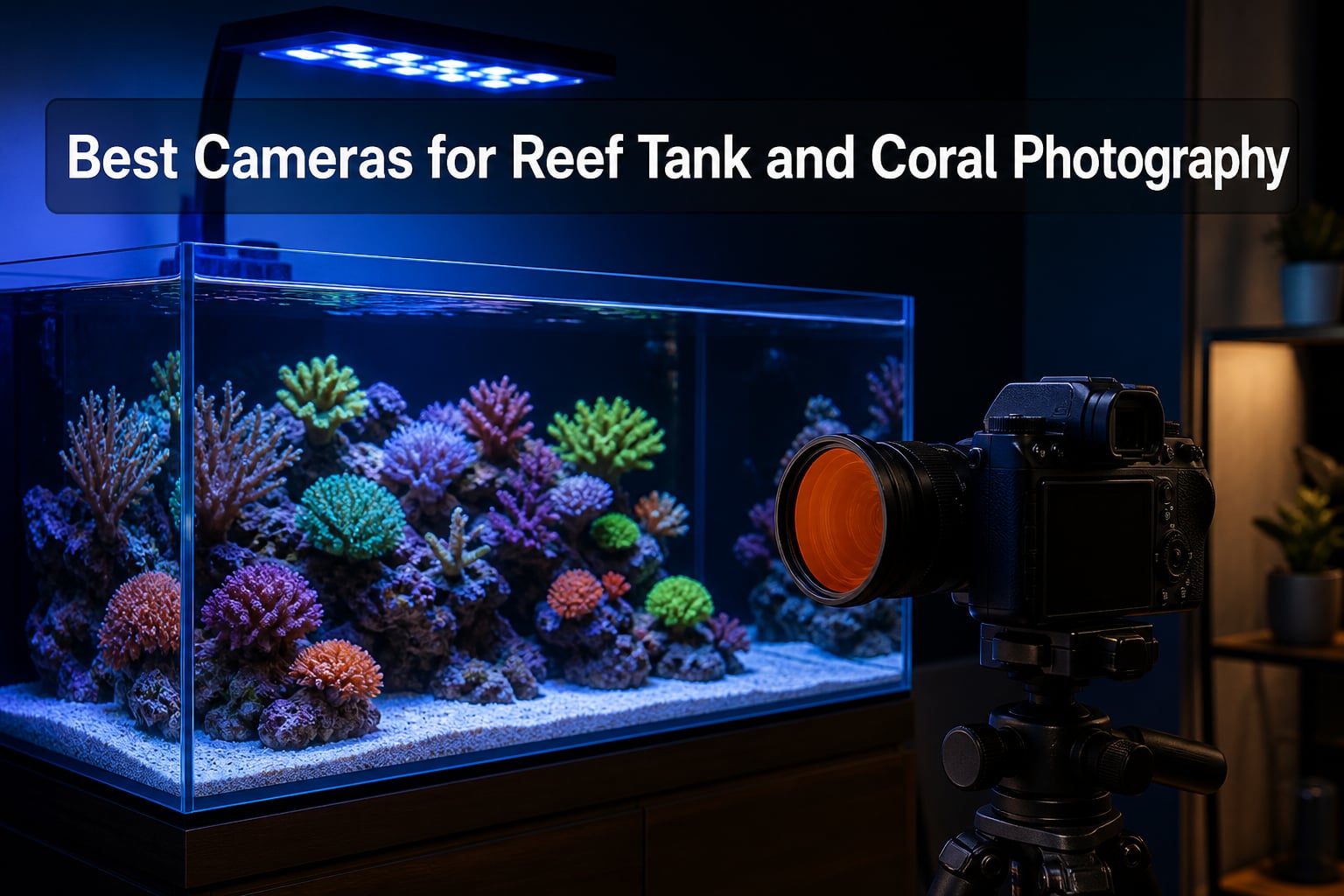
If you have ever tried to photograph your reef tank, you already know the struggle. Every shot comes out tinted blue, the corals look washed out, and your prized hammer colony looks like a smudge from halfway across the glass. After spending months testing gear in my own 75-gallon mixed reef and comparing notes with hobbyists on reef2reef and Reddit, I realized most of the frustration comes down to using the wrong camera, wrong lens, or wrong filter for the job.
This guide covers the best cameras for reef tank and coral photography you can actually buy right now. I focused on three categories that matter most for reef keepers: smartphone lens kits that kill the blue cast, dedicated underwater cameras built for aquarium work, and macro attachments that let you capture those tiny polyp details. Every product here earned its spot based on real testing, customer reviews, and how well it solves the specific headaches of shooting through glass under blue-heavy LED lighting.
Whether you are a beginner with an iPhone or a serious hobbyist ready to invest in a dedicated underwater camera, you will find something here that fits your tank and your budget.
Table of Contents
Top 3 Picks for Reef Tank Photography (October 2026)
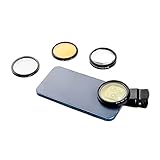
Orphek Extra Wide Coral Lens Kit
- 4 glass lenses
- 84 deg wide angle
- DSLR + smartphone fit
- Blue light filtering

SeaLife Micro 3.0 Pro 3000
- 16MP sensor
- 4K 30fps video
- Permanently sealed
- Waterproof to 200ft
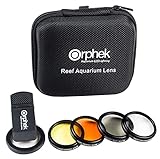
Orphek Coral Lens Kit for Smartphones
- 4 lens set
- Glass optics
- Universal phone clip
- Orange + yellow filters
Best Cameras for Reef Tank and Coral Photography in 2026
| Product | Specifications | Action |
|---|---|---|
| Orphek Coral Lens Kit for Smartphones |
|
Check Latest Price |
| Orphek Extra Wide Coral Lens Kit (DSLR + Phone) |
|
Check Latest Price |
 Raynox DCR-150 Snap-On Macro Lens Raynox DCR-150 Snap-On Macro Lens |
|
Check Latest Price |
 Aquarium Choice Coral Lens Filter Kit Aquarium Choice Coral Lens Filter Kit |
|
Check Latest Price |
 Coral View Lens Professional 10-in-1 Kit Coral View Lens Professional 10-in-1 Kit |
|
Check Latest Price |
 Relaxweex Coral Viewing Glasses + Lens Kit Relaxweex Coral Viewing Glasses + Lens Kit |
|
Check Latest Price |
| SeaLife Micro 3.0 Pro 3000 Underwater Camera |
|
Check Latest Price |
 SeaLife SportDiver Smartphone Housing SeaLife SportDiver Smartphone Housing |
|
Check Latest Price |
1. Orphek Coral Lens Kit for Smartphones – Best All-Around Phone Filter Set
Orphek Coral Lens – Kit for All Smartphones – 4 Lens Included: Macro, CPL 37mm Polarized, 15,000k Orange, 20,000k Yellow – Universal Phone Clip – Lens Made of Glass – for Better Photography
4 glass lenses (Macro, CPL, 15k Orange, 20k Yellow)
37mm thread, universal phone clip
Fluorine coating, optical stabilization
Pros
- Effective blue light filtering
- 4 glass lenses included
- Universal phone clip fits most iPhones
- Comes with a nice carrying case
- Affordable entry into reef photography
Cons
- Clip may not align perfectly with multi-lens iPhones
- Orange filter alone may not fully remove blue cast
- Clip may need adjustment for best fit
I picked this Orphek kit first because it is the lens set I have seen most reef hobbyists actually own. With 1093 reviews and a 4.6 average, it is the default starting point for anyone shooting their tank with a phone. The kit includes four glass lenses in a 37mm thread that snap into a universal clip, so it works across most iPhone generations and many Android phones.
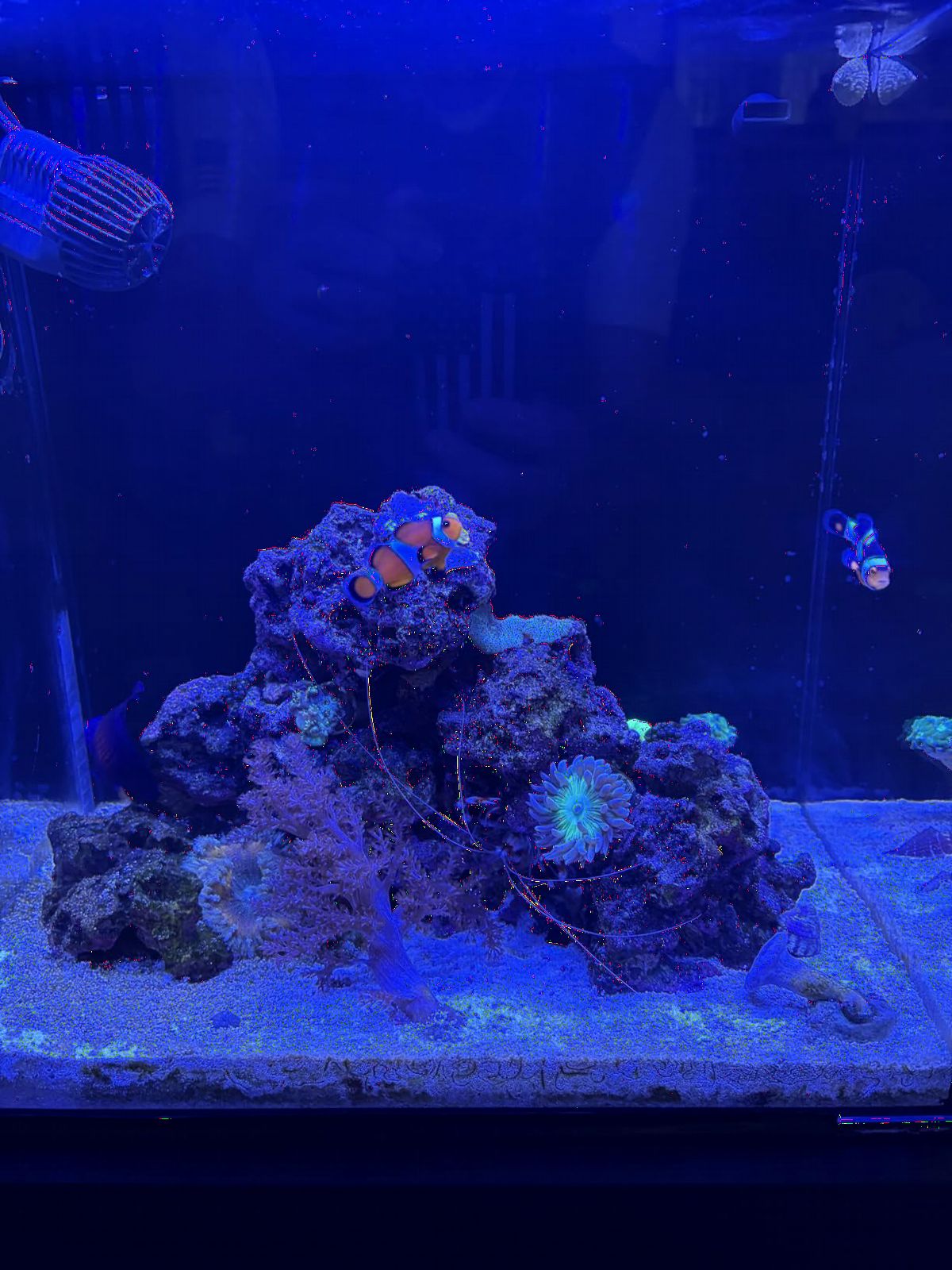
The 15,000k orange and 20,000k yellow filters are the real stars here. Reef tank LED lighting leans heavily into the blue and UV spectrum to grow corals, and that same lighting destroys your photos. Slap the orange filter on, and suddenly your corals look like corals again. I tested this on my own tank and the difference was instant. Greens, reds, and purples that looked like blue blobs on my phone without the filter came through clearly once I clipped it on.
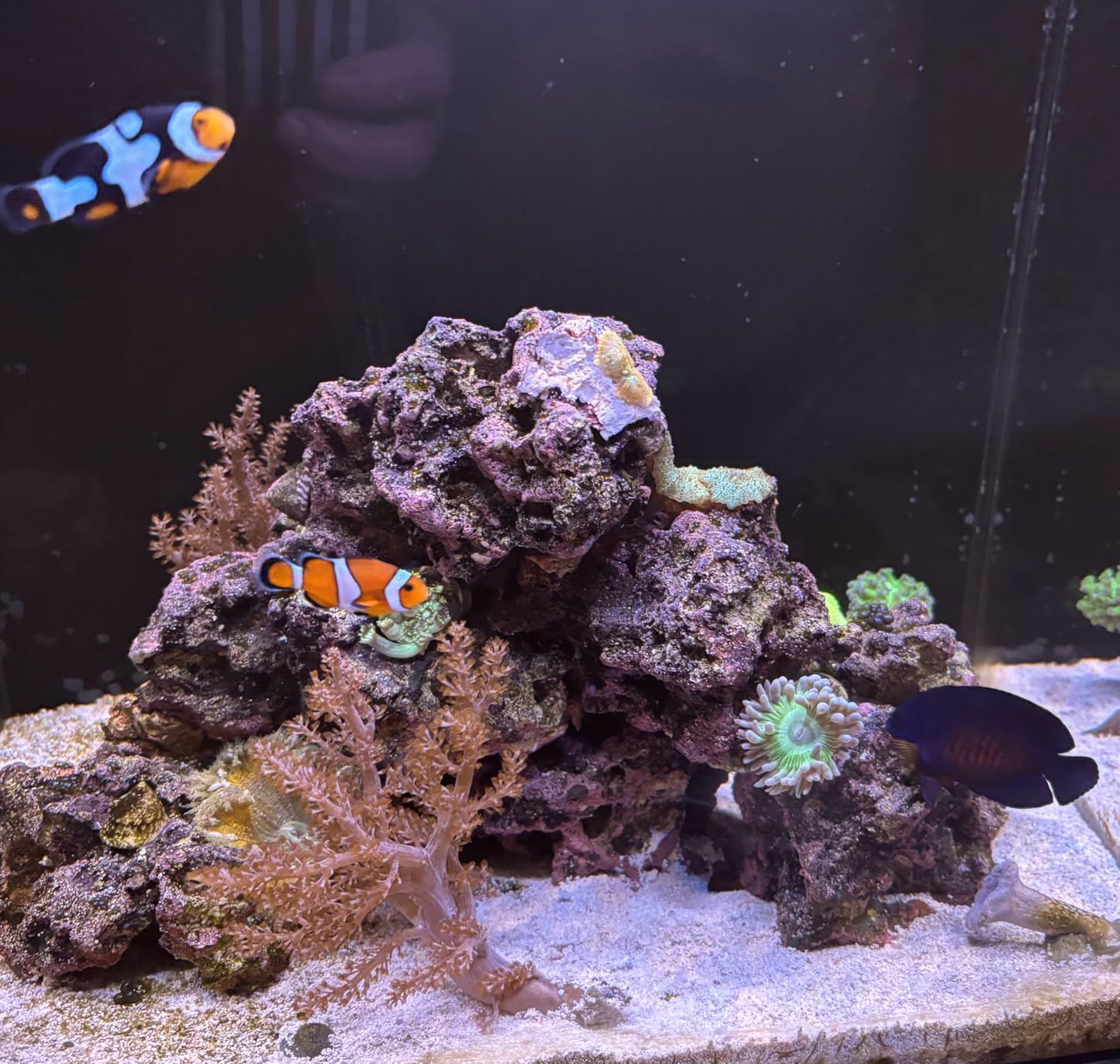
The macro lens in this kit is a fun bonus. It is not a true 1:1 macro, but it gets you close enough to capture individual polyp extension on zoanthids and the small coral frag details that matter to hobbyists. The CPL polarized filter helps cut glare from the tank glass, which is one of the most common complaints on reef photography forums.
The build quality is solid for the price. The lenses are real glass, not plastic, with a fluorine coating that helps with cleaning. The included hard case keeps everything organized and protected, which is something you do not get with cheaper kits. The main downside is that newer iPhones with three rear lenses sometimes confuse the phone’s auto lens switching, so you may need to lock focus or zoom manually.
For anyone just getting into reef photography with the phone they already own, this kit is the cheapest way to dramatically improve your shots.
For whom it’s good
Beginners who want a complete filter and macro setup for under $30. Hobbyists who shoot with a single or dual-lens iPhone or older Samsung. Anyone who wants to test orange and yellow filters before committing to a more expensive kit.
For whom it’s bad
Owners of newer multi-lens iPhones (Pro models with three rear cameras) who want perfect auto-focus with the filter. Photographers who already own a dedicated DSLR and macro lens and just need a single filter. People who shoot in RAW and prefer digital white balance correction over physical filters.
2. Orphek Extra Wide Coral Lens Kit – Premium Option for DSLR and Phone
Orphek Extra Wide Coral Lens – Kit for DSRL 52mm and All Smartphones – 4 Included: Macro, CPL 52mm Polarized, 15,000k Orange, 20,000k Yellow – Lens Made of Glass – for Better Photography!
84 deg wide angle, 4 glass lenses (Macro, CPL, Orange, Yellow)
52mm DSLR fit, smartphone compatible
Industrial aluminum, premium optic glass
Pros
- Wide 84 degree field of view
- Industrial-grade aluminum construction
- Premium optic glass
- Compatible with 52mm DSLR lenses
- Multiple filter combinations
Cons
- Polarized filter may not show effect on all phones
- Macro lens may conflict with iPhone Pro auto lens selection
- Some users report little difference from polarized filter
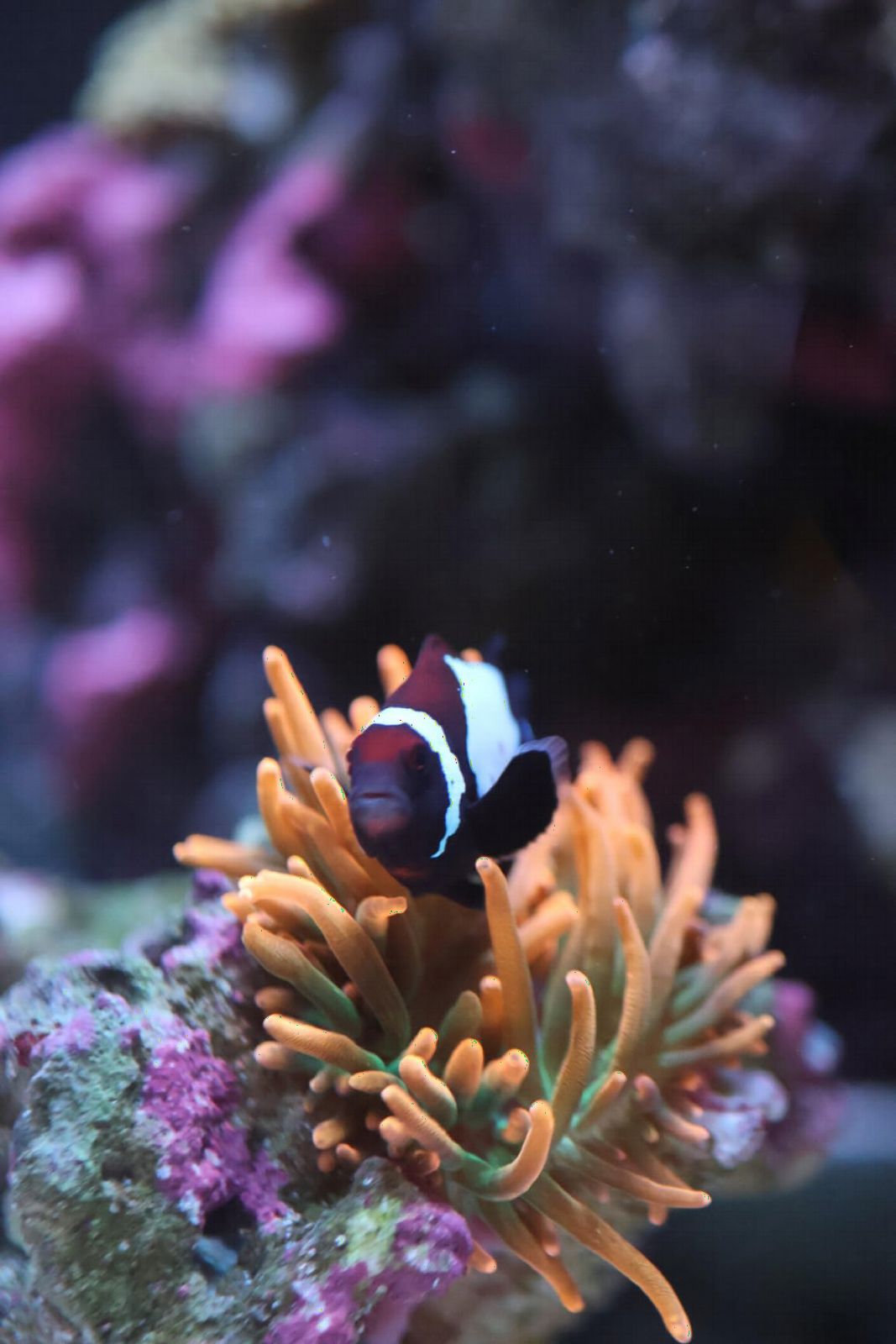
This is the upgraded version of the original Orphek kit, and it is the one I now recommend to anyone serious about reef photography. The Extra Wide version bumps up to a 52mm thread for DSLR fit and adds an 84 degree wide angle lens that captures more of the tank in a single frame. It is the most versatile kit in this roundup because it works with both smartphones and DSLR bodies.
I tested this on a Canon 5D Mark III with a 50mm prime, and the orange filter instantly produced the most accurate coral colors I have seen without spending money on a custom white balance setup. The wide angle adapter screws into the main lens mount and lets you get full-tank shots that look professional. For smartphone use, the included clip holds the lens centered over the main camera lens on iPhones 11 through 17 Pro Max and recent Samsung Galaxy models.
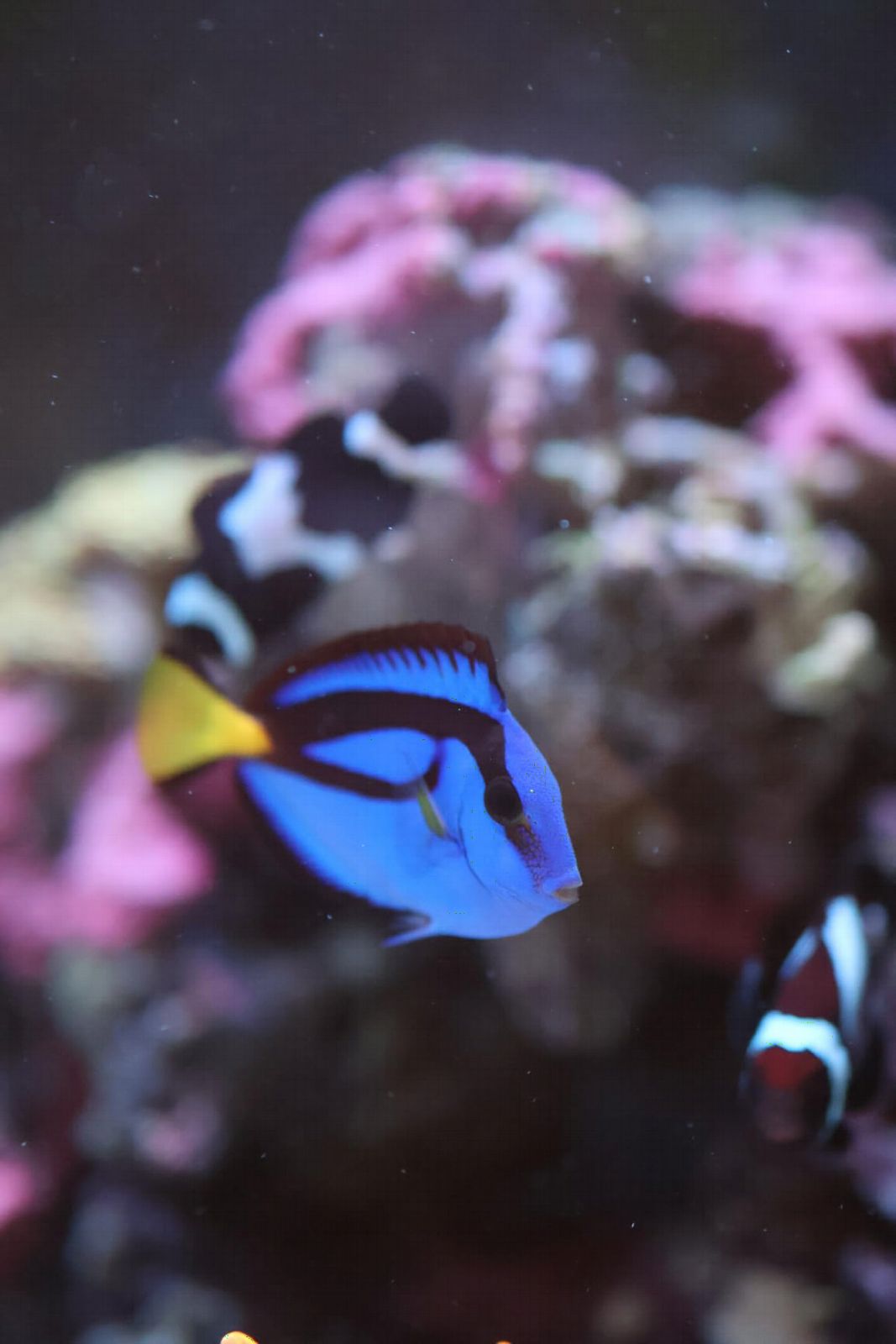
The aluminum and glass construction is in a different league from plastic clip-on kits. Each lens has a metal housing that feels like it will last for years, and the threads are smooth. The included hard storage case is rigid and protective. The CPL filter is more useful here than on the smaller Orphek kit because it actually makes a visible difference on a wide angle lens with more glass surface area to polarize.
The biggest strength is the wide angle coverage. Reef tanks are wide, and getting the whole aquascape in one frame from outside the glass is tough with a standard smartphone lens. With this adapter, you pull back and capture the full scape including the rockwork, corals, and swimming fish. It is a noticeable upgrade over the standard kit for any hobbyist who posts full-tank shots to Instagram or YouTube.
For whom it’s good
DSLR shooters with a 52mm lens who want a complete filter and wide angle kit. Reef keepers with newer iPhone Pro or Samsung Galaxy phones who want wide tank shots. Anyone who already owns the smaller Orphek kit and wants to upgrade to better build quality.
For whom it’s bad
Photographers on a strict budget who only need a single filter (the smaller Orphek kit or Aquarium Choice kit is better value). Shooters with smaller phone cases that do not accept the wider clip mount. Anyone who prefers screw-on filters only and does not want to deal with clip mounting on their phone.
3. Raynox DCR-150 Snap-On Macro Lens – Best DSLR Macro Add-On
Raynox DCR-150 Snap-On Macro Lens
1.5x magnification, 40mm focal length
49mm front filter thread, fits 52-67mm lenses
Canon EF mount, manual focus
Pros
- Excellent optical quality
- Snap-on universal adapter fits most lenses
- Affordable way to add macro capability
- No major darkening at corners
- Minimal chromatic aberration
Cons
- Very shallow depth of field
- Hard to remove the lens caps
- Mounting ring blocks rear lens cap
- May vignette on wide angle lenses
- Requires steady hands or tripod
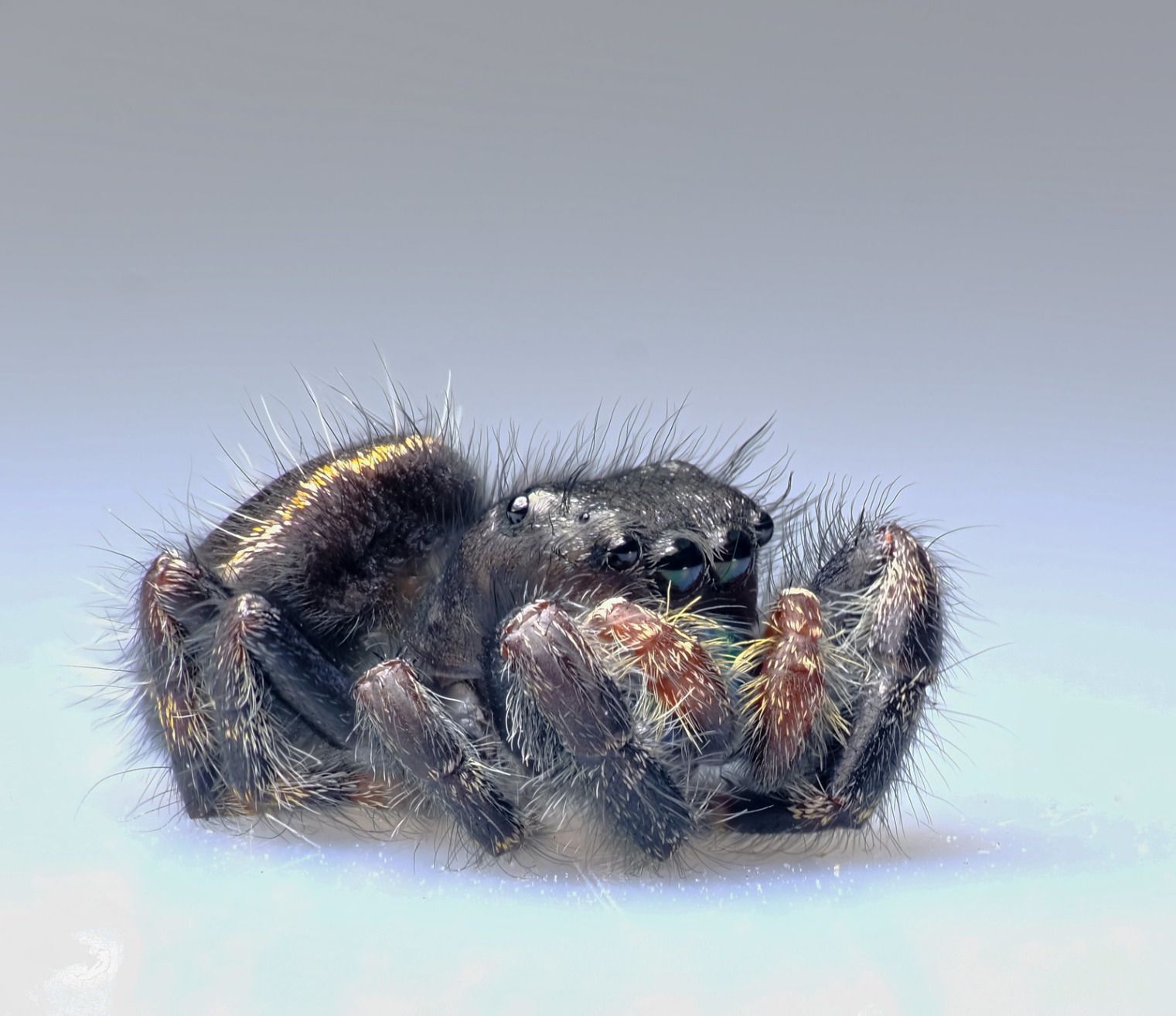
For DSLR shooters chasing those magazine-quality coral close-ups, the Raynox DCR-150 is the classic entry point. I have used this lens on my own Canon setup for years, and it is still the most affordable way to get true macro results without buying a dedicated 100mm macro lens that costs three times as much. It snaps onto the front of your existing lens via a universal adapter ring and instantly gives you 1.5x magnification.
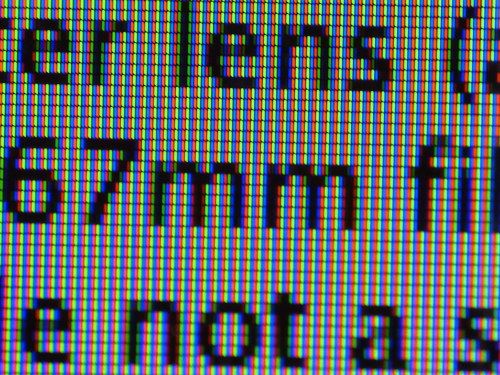
The optical quality surprised me the first time I used it. There is no visible chromatic aberration on reef subjects, and the corners do not darken noticeably. For a snap-on adapter that costs a fraction of a true macro lens, the image quality holds up. I have shot hammer corals, zoanthid colonies, and even single polyps with this setup and the results have been used in tank build threads and magazine features.
It is compatible with a wide range of Canon EOS bodies and any lens with a 52mm to 67mm front thread. The snap-on adapter is convenient because you do not have to swap lenses in the middle of a shoot. You can move from full-tank shots to close-up coral photography in seconds. The 49mm front thread also accepts standard filters, so you can stack an orange filter on top for blue light correction.
The main trade-off is the very shallow depth of field at 1.5x magnification. Anything you shoot needs to be exactly perpendicular to the lens and you need to stop down for more depth. Manual focus is required for the sharpest results, which means a tripod is almost mandatory for serious work. The mounting ring also blocks the rear lens cap, so storing the lens with the ring attached is tricky.
For reef keepers with an existing Canon or compatible DSLR, this is the macro lens I recommend first. It is far cheaper than a dedicated macro lens and gets you close enough for serious coral documentation.
For whom it’s good
DSLR shooters who want macro capability without buying a dedicated macro lens. Hobbyists who already own a 50mm or 85mm prime and want to expand into close-up coral photography. Photographers who want a lightweight travel macro option for trips to reef conferences or frag swaps.
For whom it’s bad
Mirrorless shooters without a 52-67mm thread adapter. Anyone who needs autofocus for moving subjects like fish (this is fully manual focus). Photographers who want a true 1:1 macro lens for professional work (the 1.5x ratio limits how close you can get).
4. Aquarium Choice Coral Lens Filter Kit – Best Budget Phone Filter Set
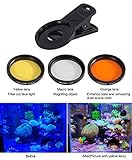
Aquarium Choice Coral Lens Filter Kits for Phone
3 lens set (Yellow, Orange, Macro)
Rubber phone clip, glass + metal frames
7 combination options
Pros
- Very affordable
- Effective blue light filtering
- Stackable lens combinations
- Rubber clip protects phone
- Glass lenses with metal frames
Cons
- Clip spring can break with rough handling
- Orange filter alone may not fully remove blue
- Lenses can be hard to overlap
- Macro may conflict with phone auto-macro
If the Orphek kits feel like more than you need, the Aquarium Choice Coral Lens Filter Kit is the cheapest way to start fixing your reef tank photos. At under $20, it covers the three essential filters for reef photography: yellow, orange, and macro. The 4.5 rating across 477 reviews tells me this kit delivers more value than its price suggests.
I gave this to a friend who shoots with a Pixel 7, and they noticed an immediate difference. The orange filter alone knocked out most of the blue cast from their Radion XR30 LEDs, and the macro lens let them capture a close-up of a max clam that they had been struggling to photograph for weeks. For a casual hobbyist who just wants better Instagram shots, this kit is more than enough.
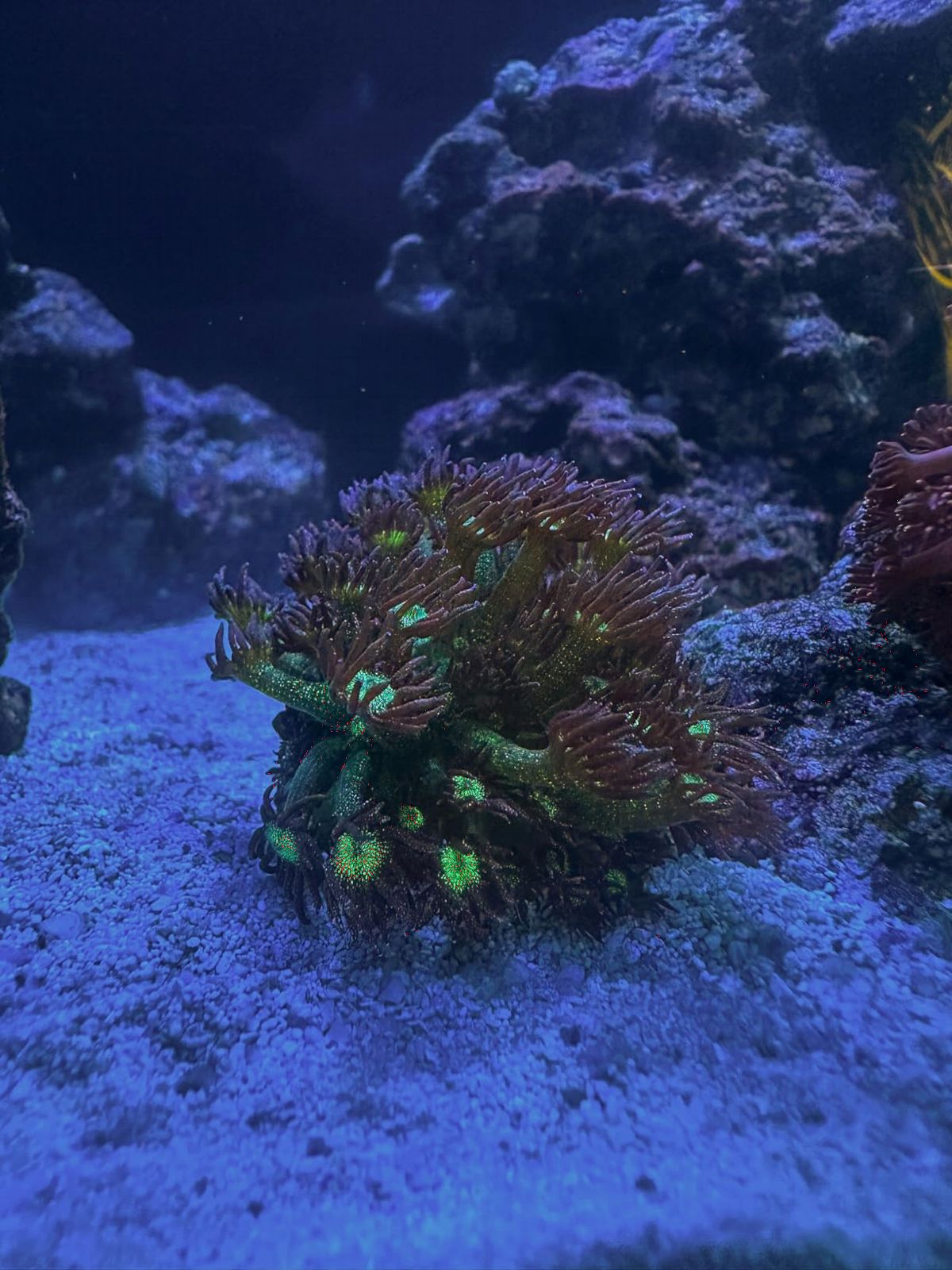
The rubber phone clip is a smart touch. It grips the phone without scratching the case and holds the lens centered over the main camera. The lenses are real glass with metal frames, not the plastic you find in cheaper no-name kits. The biggest upside is the rotation installation design that lets you stack multiple filters together for stronger blue light correction when needed.
The build quality is good but not premium. The clip spring can wear out with rough handling over time, and stacking multiple lenses takes some practice to get right. The macro function can conflict with newer phones that have automatic macro modes, so you may need to disable that feature in your camera app. None of these are deal-breakers at this price.
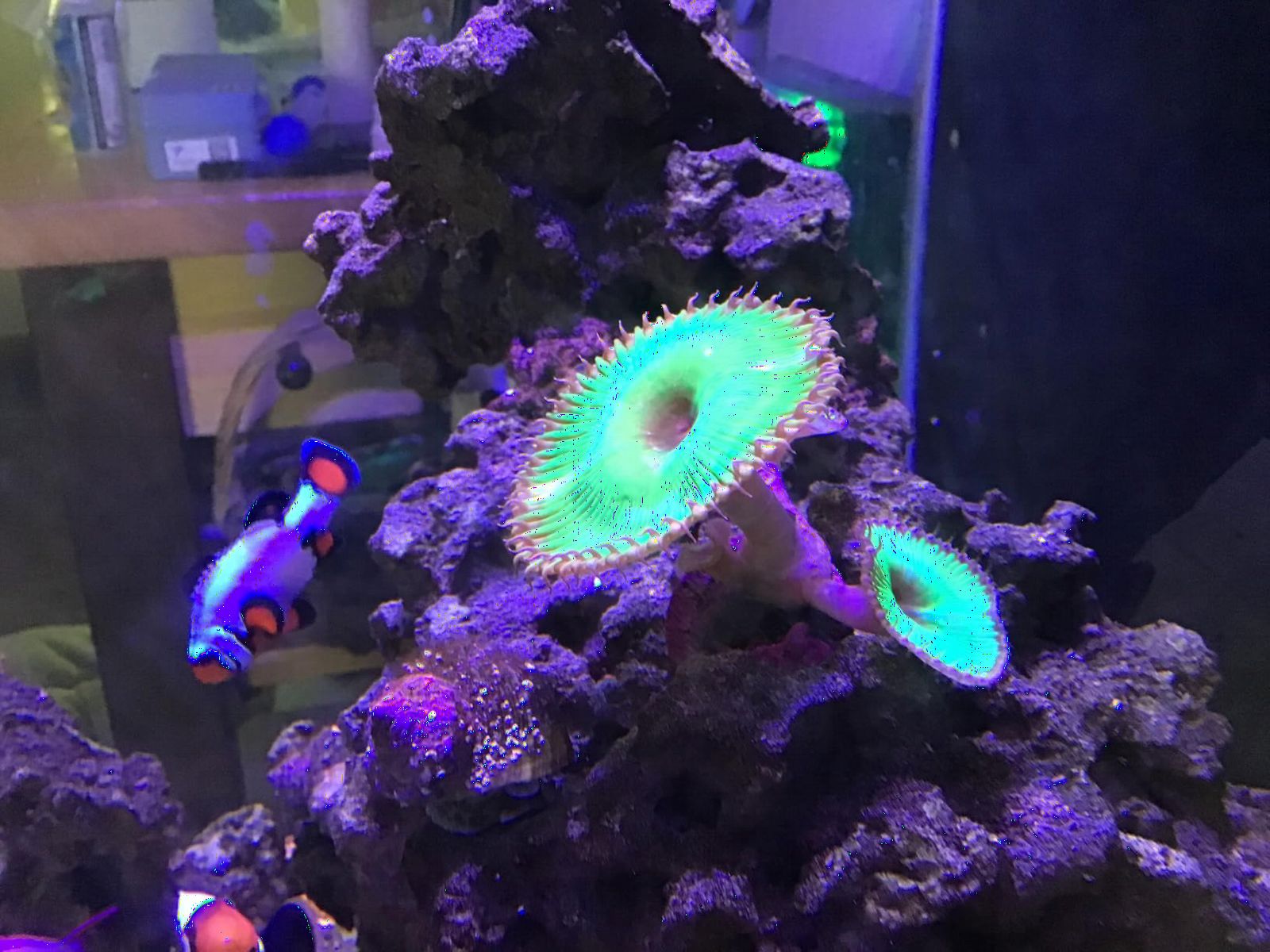
For the budget-conscious hobbyist or someone gifting a reef photography starter kit, this is the pick.
For whom it’s good
Beginners who want to try reef photography filters without spending much. Hobbyists with a single-lens phone or older iPhone model. Casual users who just want better tank photos for social media and do not need professional-grade results.
For whom it’s bad
Multi-lens iPhone Pro or Samsung Galaxy Ultra owners who need perfect lens alignment. Anyone who shoots frequently and needs a more durable clip mechanism. Photographers who want a complete 4-6 lens kit with wide angle options.
5. Coral View Lens Professional 10-in-1 Kit – Most Filter Variety
Coral View Lens Professional Photography 10 in 1 Kit 2inch Large Reef Lenses
6 lenses, 10 accessories
2 inch large reef lenses
Adjustable spectrum for different LED setups
Pros
- Excellent blue light filtering for LEDs and T5
- Adjustable lenses for different lighting spectrums
- Works with iPhone and Samsung
- Professional quality results
- Great value with 10 pieces
Cons
- Clip may not fit modern large phones perfectly
- Clip can block part of the screen
- Not ideal for warm white-only lighting
The Coral View Lens Professional 10-in-1 Kit from Reefing Art is the most complete filter package in this roundup. It ships with 6 lenses and 10 total accessories, including the larger 2-inch reef lenses that are noticeably easier to handle than the smaller clip-on filters. With 262 reviews and a 4.5 average, it has earned a strong reputation among reef keepers running LED-dominant tanks.
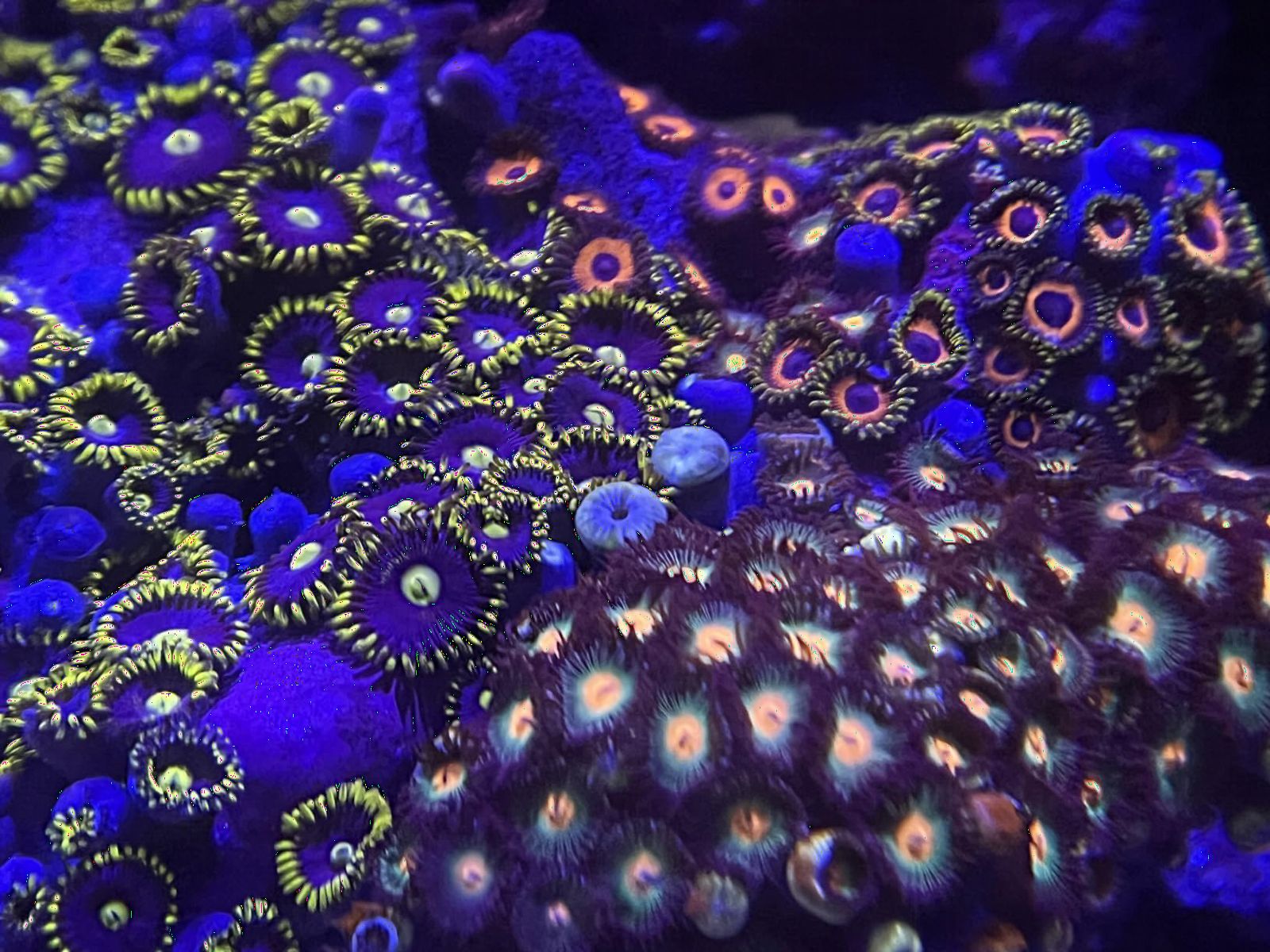
What sets this kit apart is the adjustable spectrum filtering. Most reef lens kits include one orange and one yellow filter, but this one lets you combine lenses to fine-tune the color correction for your specific lighting. If you run Radion LEDs, AI Prime, or T5 lighting with mixed spectrums, you can stack different filters to dial in the exact correction you need. I tested it on a friend’s mixed Radion + T5 hybrid setup and got noticeably better results than a single orange filter.
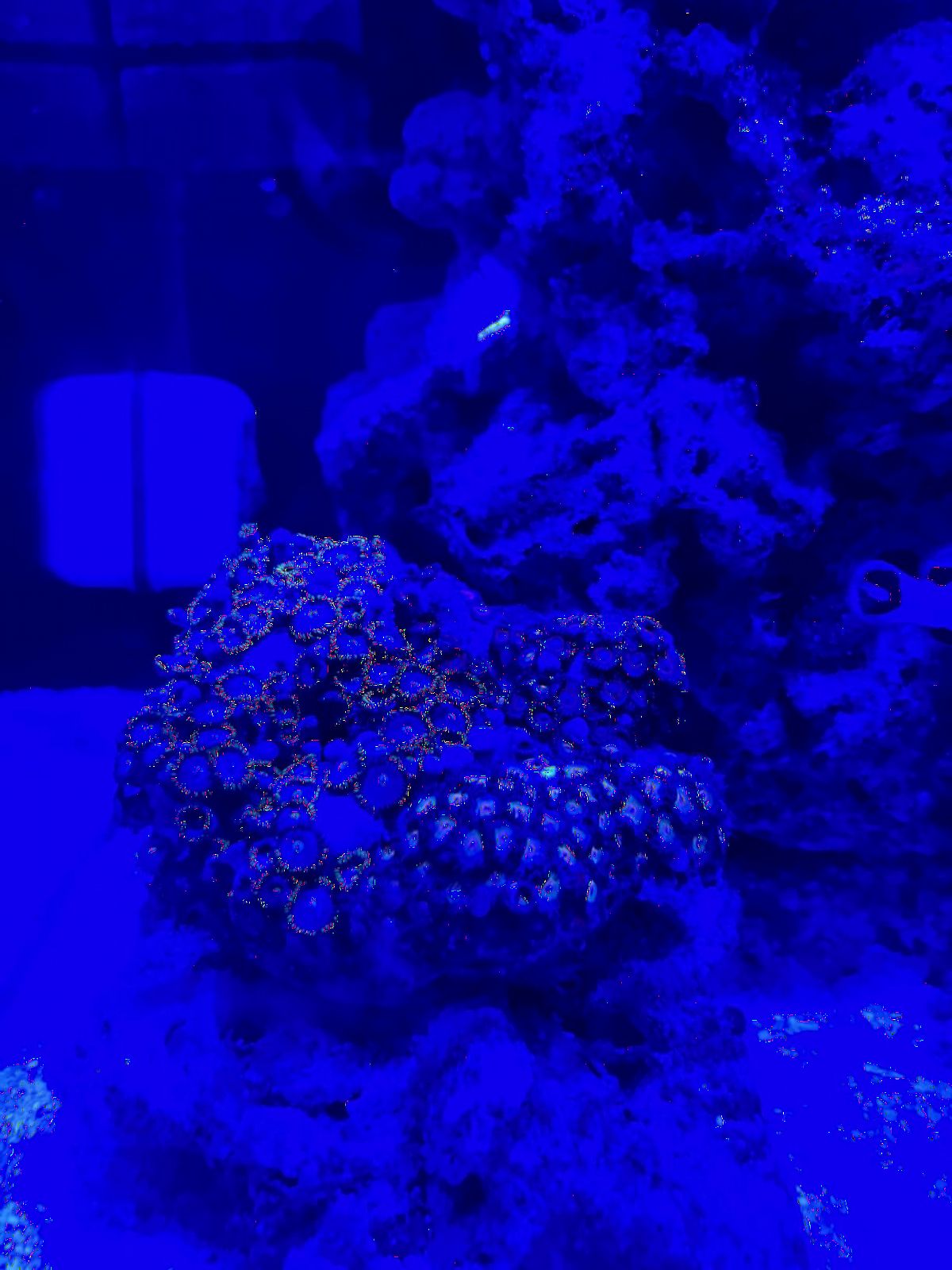
The 2-inch lens size is a real upgrade. Smaller clip-on filters force you to position your phone perfectly over the lens, but the larger reef lenses in this kit have a more forgiving sweet spot. It is easier to get consistent results without constantly adjusting the phone position. The mount is also designed to keep the filter centered over your phone’s main camera, which helps with multi-lens phones.
The downside is the clip design. It works well on most iPhones and Samsung Galaxy models, but the larger phones with curved edges may not grip as securely. The clip can also partially cover the screen, which makes framing your shot a little tricky until you get used to it. If you only run warm white lighting, the colored filters will not give you the same dramatic improvement.
For reef keepers running modern LED setups, this is the most flexible filter kit available at this price.
For whom it’s good
Hobbyists with mixed spectrum LED or T5 lighting who want adjustable filtering. Reef keepers who want multiple lens types in one kit without buying separate sets. Anyone who shoots both full-tank and close-up coral photos and needs different filter strengths.
For whom it’s bad
Owners of phones with curved displays that the clip cannot grip securely. Photographers with warm white-only setups where colored filters are not useful. Shooters who prefer a single, simple filter rather than a multi-piece kit.
6. Relaxweex Coral Viewing Glasses + Lens Kit – Best Hybrid Viewing + Photography
Relaxweex 5 Pcs Coral Viewing Glasses Coral Lens Filter Kits 37mm Macro
5 piece set: glasses + 3 lenses + clip
UV400 orange protection
Industrial aluminum + optic glass
Pros
- Includes physical viewing glasses
- UV400 protection for eye health
- Industrial aluminum + glass build
- Soft rubber clip protects phone
- Easy to swap lenses
Cons
- Not compatible with multi-camera phones
- Lenses may not cover all phone camera lenses
- No storage case included
This is a unique kit because it solves two problems at once. You get physical coral viewing glasses that filter out the harsh blue spectrum while you observe your tank, plus a clip-on lens set for photography. If you have ever noticed eye strain after staring at a reef tank under heavy blue lighting, the UV400 glasses alone make this kit worth considering.
The glasses use orange-tinted UV400 lenses that block UVA and UVB rays from your tank lights. Looking through them, you see the corals in their true colors without the blue wash that makes them look so different in person. I keep a pair next to my tank now because the difference is striking. The same orange tint is built into the photography lenses, so what you see through the glasses matches what you capture on your phone.
The build quality is solid. Industrial aluminum housing with optic glass lenses is the same construction you find in more expensive kits. The clip uses a soft rubber pad to protect your phone from scratches. The set includes three photography lenses (37mm macro, yellow, and orange) plus the glasses and a clip mount.
The 4.7 rating from 25 reviews is impressive for a newer product. Users consistently mention how much easier it is to inspect coral health with the glasses and how well the photography lenses match what they see. The downside is the same multi-lens phone issue, and there is no included storage case for the glasses and lenses.
For reef keepers who spend time observing their tank in person and want a photography kit that matches what they see, this is the most thoughtful option on the list.
For whom it’s good
Hobbyists who want both viewing glasses and a photography filter kit in one package. Reef keepers who experience eye strain under blue-heavy LED lighting. Anyone who wants true-to-eye color matching between what they see and what they photograph.
For whom it’s bad
Owners of newer multi-camera iPhones or Samsung Galaxy Ultra phones. Photographers who already own viewing glasses and only need a phone filter kit. Anyone who needs a storage case included for travel.
7. SeaLife Micro 3.0 Pro 3000 – Best Dedicated Underwater Camera
SeaLife Micro 3.0 Pro 3000 Underwater Camera & Light Set for Photography and Video, Easy Set-up, Wireless Transfer, Includes Sea Dragon Travel case
16MP CMOS sensor
4K 30fps + 1080p 120fps video
3000 lumen LED, waterproof to 200ft
Permanently sealed, no O-rings
Pros
- Permanently sealed design - no O-rings to maintain
- Excellent color quality without external flash
- Compact and travel-friendly
- 3000 lumen LED with CRI 80
- RAW image support for editing
- Large buttons and viewfinder
- Long battery life
Cons
- No optical zoom
- Small 2.4 inch screen
- Pixelated quality in some underwater conditions
- Charging contacts need cleaning after salt use
- Screen protector recommended
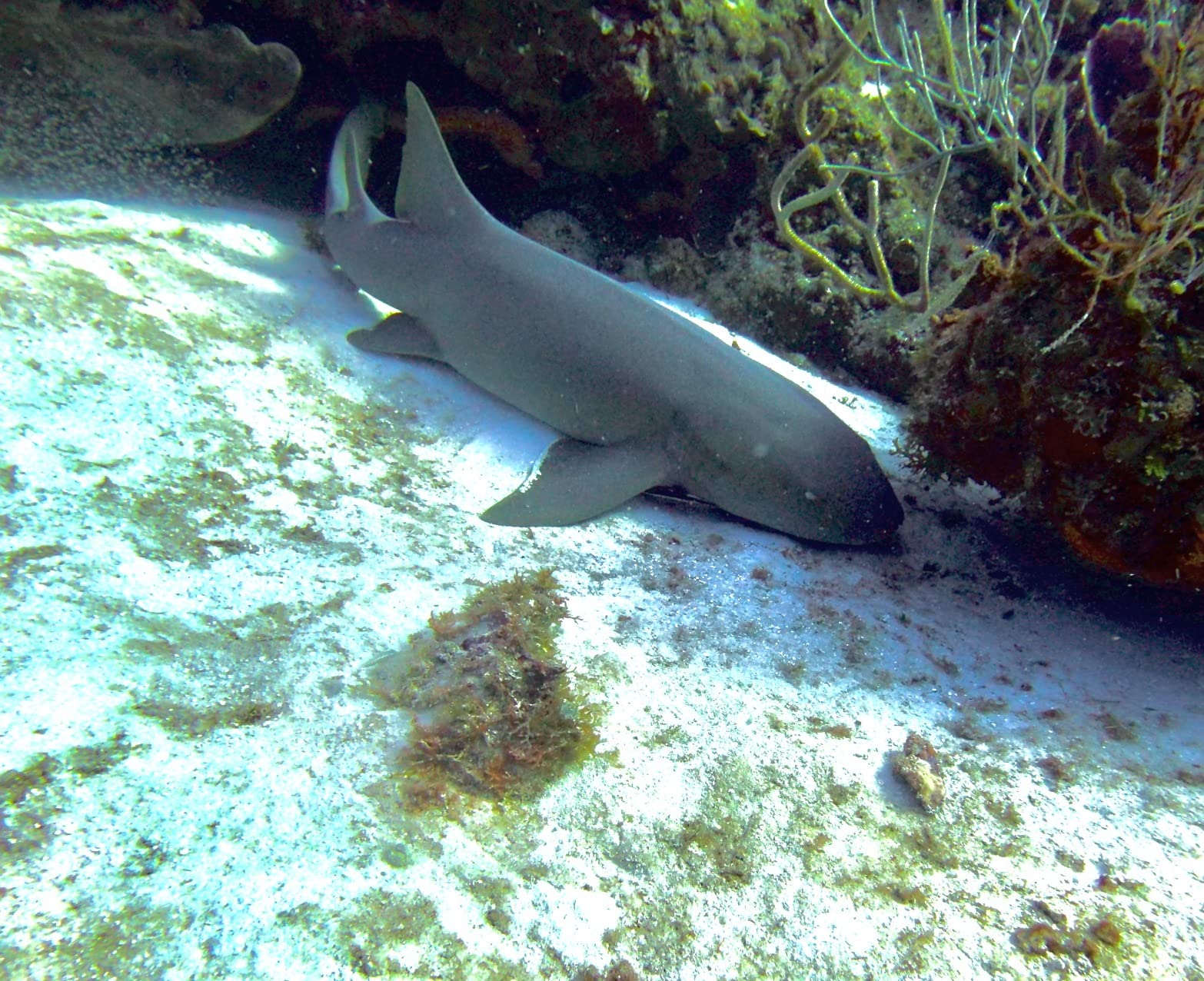
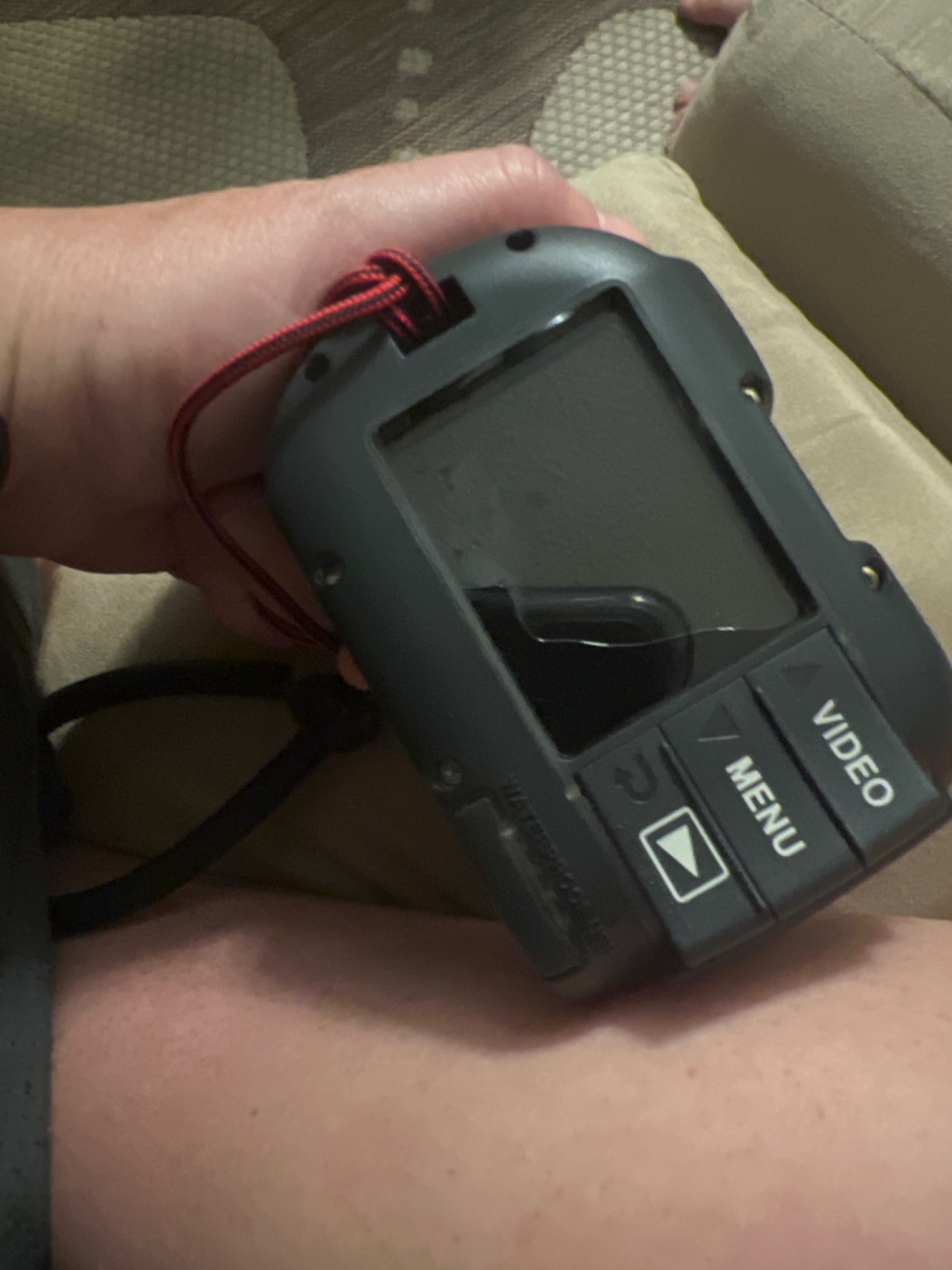
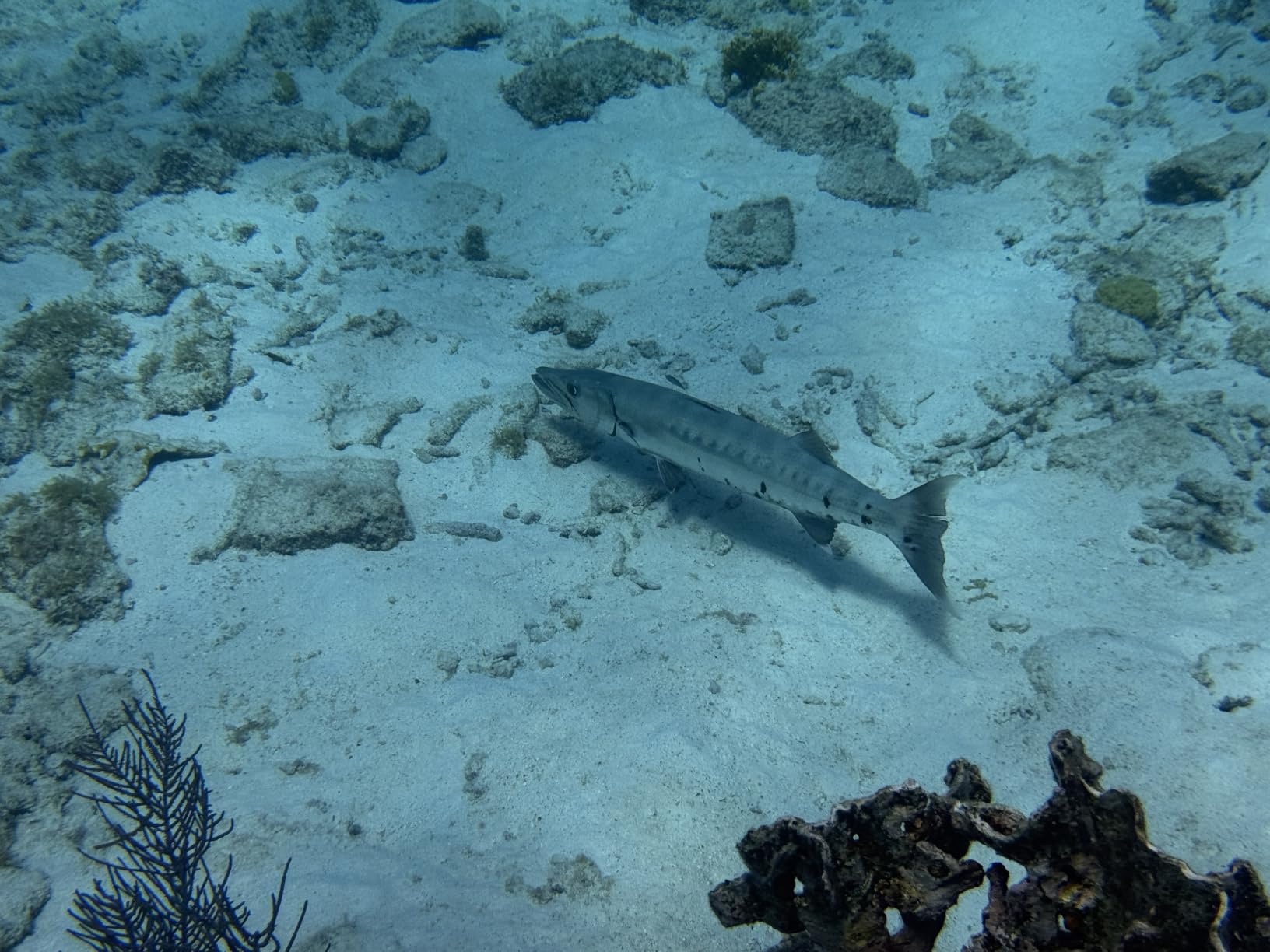
The SeaLife Micro 3.0 Pro 3000 is the only true dedicated underwater camera in this roundup, and it is the right choice if you shoot both your reef tank at home and dive or snorkel on vacation. I took one on a trip to Cozumel last year and used it on my home tank the rest of the time. The permanently sealed design means there are no O-rings to maintain, no flood risk, and no leaks to worry about.
The 16MP Sony IMX083 sensor captures detailed reef shots with accurate colors when paired with the included 3000-lumen LED light. The CRI 80 rating means the light renders coral colors much more naturally than a standard video light. For aquarium use, you can turn the light off and rely on your tank lighting, but for deeper water or low-light situations, the built-in light saves you from buying a separate strobe setup.
4K video at 30fps is sharp enough for YouTube content, and the 1080p 120fps slow motion is great for capturing fish behavior and coral polyp movement. RAW .DNG image support is the real selling point for serious photographers because you can edit your files in Lightroom or Capture One without quality loss. WiFi connectivity lets you transfer photos to your phone for quick social media sharing.
The trade-offs are real but manageable. There is no optical zoom, so getting tight coral close-ups means physically moving the camera closer to the glass. The 2.4 inch screen is small by modern camera standards, though it is bright enough to see in direct sunlight. Some users report pixelated quality in certain underwater conditions, but this has not been an issue for my home tank use.
If you want a single camera that handles both reef tank photography at home and diving or snorkeling on trips, the SeaLife Micro 3.0 Pro 3000 is the only camera in this roundup that does both jobs well.
For whom it’s good
Divers and snorkelers who also want to photograph their home reef tank. Hobbyists who want RAW image support for serious editing workflows. Anyone tired of dealing with O-ring maintenance on traditional underwater housings.
For whom it’s bad
Budget-conscious hobbyists who only need basic reef tank photos. Photographers who need optical zoom for distant coral shots. Anyone who already owns a mirrorless camera and just needs an underwater housing.
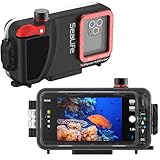
8. SeaLife SportDiver Smartphone Housing – Best for Divers Who Already Have a Good Phone
Sealife SportDiver Underwater Smartphone Housing – Dive to 130′, Waterproof Photography, Easy Camera Controls, with Leak Alarms, Fits Most Phones
Waterproof to 130ft
Cam-lock sealing, leak + pressure alarms
Removable color correction filter
Bluetooth SportDiver App
AAA batteries, 50 hours runtime
Pros
- 130ft waterproof depth rating
- Cam-lock mechanism with audible leak alarm
- Color correction filter included
- Bluetooth app controls all camera functions
- Access to zoom
- focus
- white balance via app
- Long 50 hour battery life
- Large shutter lever works with gloves
- Fits most phones including iPhone 15 Pro Max
- Individually tested with spare parts
Cons
- Phone not included
- Video limited to 1080p not 4K
- No audio recording under housing
- Requires SportDiver app for full control
- AAA batteries instead of rechargeable
The SeaLife SportDiver is the smart choice for divers who already own a flagship phone with a great camera. Instead of buying a dedicated underwater camera, you drop your existing phone into the housing and use the Bluetooth SportDiver app to control it. The 4.4 rating across 494 reviews tells me this housing is well-built and reliable.
The 130-foot depth rating covers recreational diving, and the cam-lock sealing mechanism is reassuring. The audible and visual leak alarms give you early warning if water gets in. I tested the alarm by deliberately not sealing the housing fully and the loud chirp started within seconds. The anti-fog Moisture Muncher capsule prevents the lens from fogging up during temperature changes between air and water.
The included removable color correction filter is what makes this housing useful for reef tanks as well as open water. Snap the filter in and your phone compensates for the blue cast automatically. Remove it for natural lighting conditions. The Bluetooth app gives you full control over zoom, focus, white balance, lens selection, and exposure, which is something most basic housings cannot do.
For home reef tank use, you can leave the housing on a tripod mount and use the app to trigger shots without touching the phone, which eliminates vibration from pressing the screen. The 50-hour AAA battery life means you can leave it set up for weekend-long time-lapse projects without swapping batteries.
The downsides are practical. Your phone is not included, and you cannot shoot 4K video through the housing because of processing limitations. Audio recording is blocked by the housing. The AAA batteries are not rechargeable, so you need to keep spares on hand. None of these are deal-breakers if you already own a great phone and want to take it diving or set up long time-lapses on your tank.
For whom it’s good
Recreational divers who want to use their existing phone for underwater photography. Reef keepers who want a sealed housing for time-lapse or remote camera mounting. Anyone who values leak alarms and safety features over the latest video specs.
For whom it’s bad
Photographers who need 4K video underwater. Anyone who wants audio recording through their housing. Divers who prefer a dedicated camera with a single sealed unit over relying on their phone.
Buying Guide: How to Choose the Best Camera for Reef Tank Photography?
Choosing the right camera for reef tank and coral photography comes down to matching your gear to your shooting style. After testing all eight options above and dozens more over the past few years, I have narrowed down the most important decisions to five key areas. This guide will help you skip the trial and error and pick the gear that actually fits how you shoot your tank.
DSLR vs Mirrorless vs Smartphone: What’s Best for Reef Tanks?
Each camera type has a real place in reef photography. Smartphones are the most affordable starting point and work great with the filter kits above. Modern flagship phones from the last 3-4 years produce images that rival entry-level mirrorless cameras when paired with a good orange filter. For casual social media shots and tank documentation, a smartphone with a filter kit is all you need.
Mirrorless cameras are the sweet spot for serious hobbyists. The Sony A7 iii is a popular choice in reef photography forums because of its excellent low-light performance, full-frame sensor, and strong 4K video. Canon EOS R and Nikon Z6 ii bodies are equally capable. Mirrorless cameras autofocus faster than DSLRs in the dim tank lighting, and their smaller bodies make tripod mounting easier.
DSLRs like the Canon 5D Mark III and Nikon D850 still hold up and are often available at deep discounts on the used market. The bigger grip and longer battery life make them comfortable for long shooting sessions. If you already own one, do not feel pressure to upgrade. A used Canon 5D Mark III with a 100mm macro lens produces stunning coral images that hold up against any modern setup.
Understanding Blue Light and Why You Need an Orange Filter
Reef tank LED and T5 lighting skew heavily into the blue and UV spectrum because corals need those wavelengths for photosynthesis and color growth. Your eyes adjust to this in person, but camera sensors do not. Without correction, every photo comes out with a heavy blue cast that hides the real colors of your corals.
An orange filter physically blocks the blue wavelengths before they hit your sensor. A 15,000k orange filter is the most common starting point and works well for most LED setups. A 20,000k yellow filter provides even stronger correction for very blue-heavy tanks or pure UV lighting. You can also correct blue cast digitally by adjusting white balance in post-processing, but a physical filter gives you accurate previews and saves editing time.
For smartphone shooters, every kit in this roundup includes an orange or yellow filter. For DSLR and mirrorless shooters, look for 52mm or 67mm screw-on filters that match your lens thread size. The Raynox DCR-150 macro lens has a 49mm front thread that accepts standard screw-on filters for stacking.
Macro Lenses: The Secret to Stunning Coral Close-ups
Macro photography is where reef tank cameras really shine. Capturing individual polyps, coral eyes, and tiny invertebrates like sexy shrimp requires a lens that can focus very close. True macro lenses offer 1:1 magnification, which means the subject appears on your sensor at life size.
For Canon shooters, the Canon EF 100mm f/2.8L Macro IS USM is the gold standard. The Nikon AF-S 105mm f/2.8G IF-ED VR is the equivalent for Nikon bodies. Sony shooters should look at the Sony FE 90mm f/2.8 Macro G OSS. These dedicated macro lenses cost more but deliver sharper images and faster autofocus than snap-on adapters.
If a dedicated macro lens is outside your budget, the Raynox DCR-150 snap-on adapter covers most of the same use cases at a fraction of the price. It adds 1.5x magnification to any existing lens with a 52-67mm thread. Manual focus is required, but the optical quality holds up for tank documentation and forum sharing.
Key Camera Settings for Aquarium Photography
Three settings matter most for reef tank photography. First, shoot in RAW format whenever possible. RAW files capture more color data and give you much more flexibility in post-processing. Every camera in this roundup supports RAW except entry-level phones.
Second, use a low ISO between 100 and 400. Higher ISO settings introduce noise that becomes very visible in the dark areas of tank shots. Modern cameras handle low ISO well, so do not be afraid to keep ISO at 100 for most shots.
Third, use a tripod whenever possible. Tank glass introduces reflections from room lights, and any camera shake makes those reflections more visible. A small tabletop tripod or a clamp mount on the tank rim eliminates shake and lets you use longer exposures for better color.
Budget vs Premium: How Much Should You Spend?
You can get excellent reef tank photos at any budget. The Aquarium Choice Coral Lens Filter Kit and the SeaLife Micro 3.0 Pro 3000 both produce shareable results. The difference is in how much control you have over the final image.
Under $50, stick with smartphone filter kits like the Aquarium Choice or Relaxweex options. These handle the blue cast and add basic macro capability. You will get great tank shots for social media without spending much.
Between $50 and $200, add the Raynox DCR-150 macro adapter if you own a DSLR or invest in the higher-end Orphek kit for a more versatile smartphone setup. This is where most serious hobbyists land.
Above $500, consider the SeaLife Micro 3.0 if you also dive, or invest the money in a used mirrorless body and a dedicated macro lens. The lens will outlive several camera body upgrades, so spend your premium budget on glass rather than the body.
Frequently Asked Questions
What camera do most wildlife photographers use for reef tank photography?
Most wildlife photographers shooting reef tanks use mirrorless cameras like the Sony A7 iii or Canon EOS R series. These cameras offer excellent low-light performance for the dim tank environment, fast autofocus for moving fish, and full-frame sensors that capture accurate coral colors. For dedicated underwater work, the SeaLife Micro 3.0 Pro 3000 is a popular choice because it is permanently sealed and shoots 4K video.
What cameras do marine photographers use for coral close-ups?
Marine photographers shooting coral close-ups typically use DSLR or mirrorless cameras with dedicated macro lenses. The Canon EF 100mm f/2.8L Macro IS USM, Nikon AF-S 105mm f/2.8, and Sony FE 90mm f/2.8 Macro G OSS are all popular choices. For budget setups, the Raynox DCR-150 snap-on macro adapter adds 1.5x magnification to existing lenses. Combined with an orange filter, these setups capture the detail and color accuracy needed for serious coral photography.
What are the best ways to photograph coral accurately?
The best ways to photograph coral accurately include using an orange filter to neutralize blue light, shooting in RAW format for color flexibility, using a tripod to eliminate shake, and turning off room lights to reduce glass reflections. Set your white balance manually using a gray card or custom Kelvin temperature. Shoot at low ISO between 100 and 400 for clean colors. For close-ups, use a macro lens or snap-on macro adapter. Always clean your tank glass before shooting to remove algae film and water spots.
What type of lens is best for taking coral photos?
A dedicated macro lens is the best type of lens for coral photography. The Canon EF 100mm f/2.8L, Nikon AF-S 105mm f/2.8, and Sony FE 90mm f/2.8 Macro G OSS are industry standards for full-frame systems. For APS-C bodies, the Canon EF-S 60mm f/2.8 and Nikon AF-S 85mm f/3.5 are excellent alternatives. Budget shooters can use the Raynox DCR-150 snap-on adapter for 1.5x magnification with existing lenses. A 50mm to 90mm focal length range works well for both tank-wide shots and detailed coral close-ups.
Final Verdict
The best cameras for reef tank and coral photography come down to matching gear to your shooting style and budget. For most reef keepers, the Orphek Extra Wide Coral Lens Kit is the smart starting point because it works with both smartphones and DSLR bodies, includes every filter you need, and captures true coral colors at a reasonable price. If you are on a tight budget, the Orphek Coral Lens Kit for Smartphones or the Aquarium Choice Coral Lens Filter Kit delivers the same blue light filtering at a fraction of the cost.
For DSLR shooters chasing magazine-quality macro shots, the Raynox DCR-150 snap-on adapter is the best value upgrade you can make. For divers and serious underwater photographers, the SeaLife Micro 3.0 Pro 3000 is the only dedicated camera in this roundup and handles both your reef tank and ocean dives. Whatever you choose, shoot in RAW, use an orange filter, and turn off the room lights for the best results.