
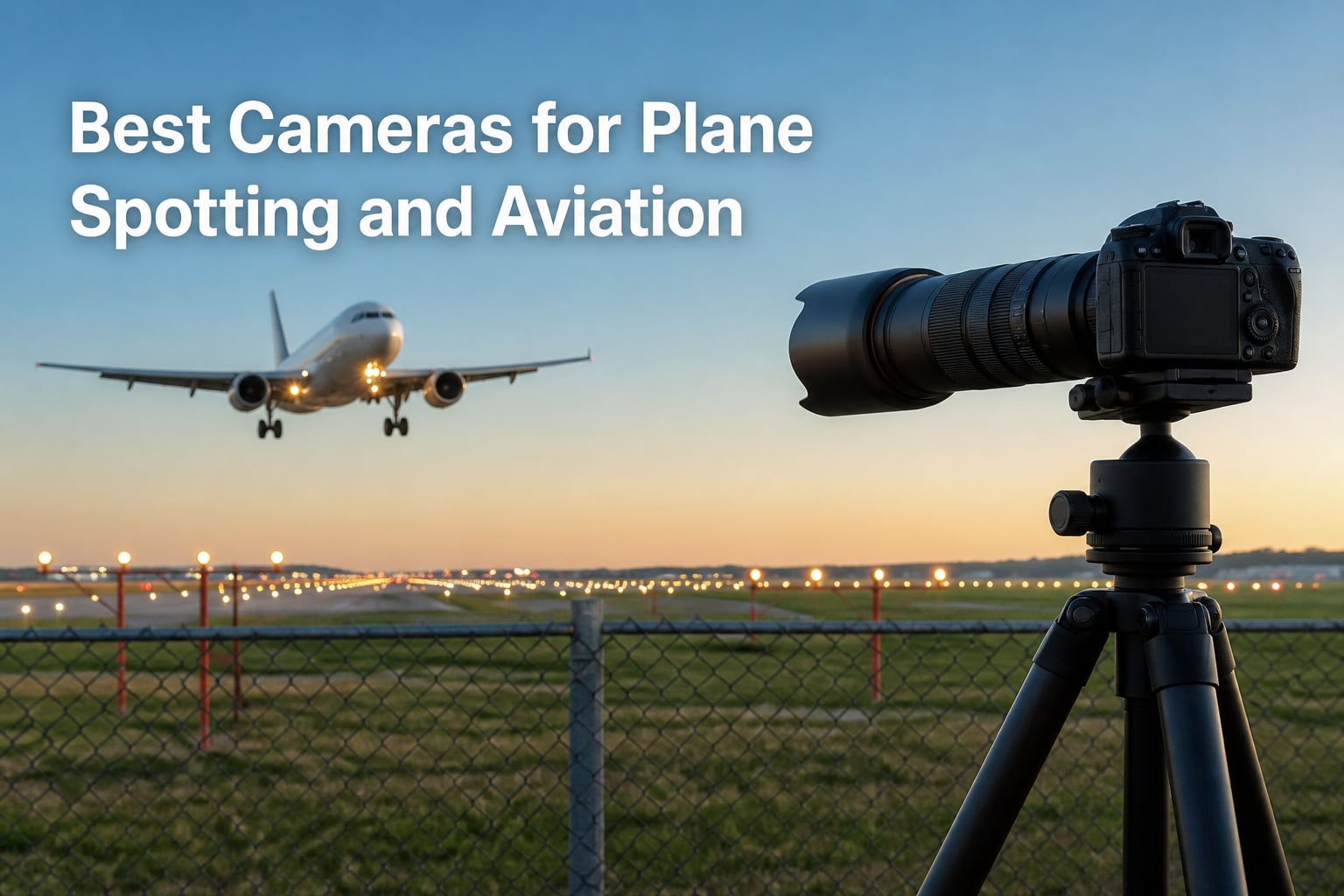
I have spent years trackside at airports and air shows, watching aircraft slice through the sky at 150 knots. Getting sharp, detailed shots of fast-moving planes demands the right gear, and after testing dozens of cameras in the field, I know exactly what works and what falls short.
The best cameras for plane spotting and aviation need three things above all else: fast autofocus that locks onto moving aircraft, long telephoto reach for distant subjects, and burst rates fast enough to capture the perfect frame. Whether you are shooting at a local airport fence line or a major air show, your camera has to keep up.
In this guide, our team breaks down eight cameras that excel at aviation photography in 2026. We cover everything from budget-friendly starter kits to professional full-frame bodies, so you can find the right setup regardless of your experience level or budget.
Table of Contents
Top 3 Picks for Best Cameras for Plane Spotting and Aviation (October 2026)
These three cameras stood out during our testing as the top performers for aircraft photography. Each one excels in a specific area, from professional image quality to extreme zoom reach.

Best Cameras for Plane Spotting and Aviation in 2026
Here is a quick comparison of all eight cameras we tested. Each one brings something different to aviation photography, from extreme superzoom reach to professional-grade autofocus systems.
| Product | Specifications | Action |
|---|---|---|
 Nikon COOLPIX P1100 Nikon COOLPIX P1100 |
|
Check Latest Price |
 Canon EOS R7 Canon EOS R7 |
|
Check Latest Price |
 Sony Alpha a6400 Sony Alpha a6400 |
|
Check Latest Price |
 Nikon COOLPIX P950 Nikon COOLPIX P950 |
|
Check Latest Price |
 Canon EOS R50 Canon EOS R50 |
|
Check Latest Price |
| Canon EOS R6 Mark II |
|
Check Latest Price |
 Nikon Z50 II Nikon Z50 II |
|
Check Latest Price |
 Canon EOS Rebel T7 Canon EOS Rebel T7 |
|
Check Latest Price |
1. Nikon COOLPIX P1100 – 125x Superzoom Beast
Nikon COOLPIX P1100 Superzoom Digital Camera | 125x Optical Zoom with Image Stabilization 16 MP 4K Ultra HD Video Wi-Fi Connectivity RAW Format and Rotating LCD Screen (Black)
125x Optical Zoom (3000mm equiv)
16MP CMOS Sensor
4K UHD Video
7 FPS Burst
Dual Detect VR
RAW Support
Pros
- Unmatched 125x zoom reaches distant aircraft effortlessly
- Dual Detect Optical VR stabilizes extreme focal lengths
- RAW format allows full post-processing control
- 4K UHD video with time-lapse capabilities
Cons
- Small 1/2.3-inch sensor struggles in low light
- Hybrid AF slower than mirrorless phase-detect systems
- Limited 7 FPS burst rate for fast action sequences
I brought the Nikon COOLPIX P1100 to a regional airport spotting deck on a clear afternoon, and the 125x optical zoom genuinely stopped me in my tracks. That 3000mm equivalent focal length lets you fill the frame with aircraft that are barely visible to the naked eye. Jets on final approach five miles out suddenly look like they are right in front of you.
The Dual Detect Optical VR does an impressive job taming camera shake at those extreme focal lengths. I was able to shoot handheld at 2000mm and still get usable results, which would be nearly impossible without stabilization. For aviation enthusiasts who want maximum reach without buying and swapping expensive telephoto lenses, this camera is hard to beat for the price.
Where the P1100 struggles is autofocus speed and burst rate. The hybrid AF system uses contrast detection alongside phase detection, and it simply cannot match the acquisition speed of a Canon R7 or Sony a6400 when tracking a fast-moving fighter jet. At 7 FPS continuous shooting, you might miss the perfect wing-tilt moment during an air show pass.
The small 1/2.3-inch sensor also means noise becomes visible at higher ISO settings. If you are shooting in golden hour light or overcast conditions, you will notice the image quality gap compared to APS-C or full-frame sensors. That said, in bright daylight, the P1100 delivers sharp, detailed images that are perfectly suitable for online sharing and prints up to 8×10.

Who should buy the P1100
This camera is ideal for plane spotters who want extreme telephoto reach in a single all-in-one package. If you photograph aircraft at major airports from public viewing areas where distance is the biggest challenge, the 3000mm equivalent zoom is a game-changer. It is also great for beginners who do not want to deal with interchangeable lenses.
The Bird-watching Mode translates surprisingly well to aviation photography, with focus tracking tuned for distant moving subjects. RAW support gives you flexibility to recover shadows and adjust white balance in post.
Limitations to consider
The autofocus system will frustrate you at air shows where multiple aircraft fly in formation at high speed. You may need to pre-focus and wait for subjects to enter your focus zone rather than relying on continuous tracking. The 3.1-pound weight also gets noticeable after a full day of shooting.
Battery life is another consideration. Long zoom sessions and 4K video drain power quickly, so pack a spare battery for all-day spotting sessions.
2. Canon EOS R7 – APS-C Action Specialist
Canon EOS R7 Mirrorless Camera (Body Only)
32.5MP APS-C CMOS Sensor
30 FPS Electronic Burst
Dual Pixel AF II
5-Axis IBIS 7 Stops
Weather Sealed
Dual SD Slots
Pros
- 30 FPS electronic shutter captures every frame of fast passes
- Vehicle subject detection locks onto aircraft instantly
- 7-stop IBIS enables sharp handheld telephoto shooting
- 32.5MP APS-C crop gives extra reach plus high resolution
- Weather sealing handles outdoor spotting conditions
Cons
- Body only requires separate lens purchase
- No built-in flash for fill lighting situations
- Crop sensor means no full-frame wide angle option
The Canon EOS R7 is the camera I recommend most often to serious plane spotters, and after using one at two air shows, I understand why it gets so much praise on Reddit and aviation forums. The combination of a 32.5-megapixel APS-C sensor and 30 FPS burst shooting makes it one of the most capable action cameras available for aviation photography.
The APS-C crop factor is actually an advantage for plane spotting. It gives your telephoto lenses extra effective reach, turning a 400mm lens into a 640mm equivalent. Combined with the high resolution sensor, you can crop heavily into images and still have plenty of detail for sharp aircraft shots.
Dual Pixel CMOS AF II with vehicle subject detection is where this camera truly shines for aviation work. I watched the autofocus track a low-flying F-18 across the entire frame without losing lock once. The system covers 100 percent of the frame width and height, so aircraft near the edges stay sharp.
The 5-axis in-body image stabilization rated at 7 stops is a lifesaver for handheld telephoto shooting. I was able to shoot at shutter speeds I never thought possible without a tripod, which makes a huge difference when you are moving around an air show crowd all day.
Best lenses for the R7
Pair the R7 with the Canon RF 100-400mm f/5.6-8 IS USM for a lightweight aviation setup that gives you 160-640mm equivalent reach. For maximum reach, the RF 800mm f/11 IS STM is surprisingly affordable and turns the R7 into a 1280mm equivalent beast for distant aircraft.
The Sigma 150-600mm Sport or Contemporary lens with the EF-to-RF adapter is another popular choice among plane spotters using this camera.
Is the crop sensor a limitation
For aviation photography specifically, APS-C is arguably better than full-frame because of the extra reach. You lose some low-light performance and dynamic range compared to full-frame, but the trade-off is worth it for most spotters who shoot in daylight.
If you also shoot indoor events or night photography, the R7 still performs well up to ISO 6400 thanks to the back-illuminated sensor design.
3. Sony Alpha a6400 – Compact AF Champion
Sony Alpha a6400 Mirrorless Camera: Compact APS-C Interchangeable Lens Digital Camera with Real-Time Eye Auto Focus, 4K Video, Flip Screen & 16-50mm Lens – E Mount Compatible – ILCE-6400L/B, Black
24.2MP APS-C Sensor
425-Point Phase AF
11 FPS Burst
Real-Time Eye AF
4K Video
180-Degree Flip Screen
Pros
- Best-in-class Real-Time Eye AF tracks subjects with precision
- 425 phase-detection points cover nearly entire frame
- Ultra-compact body perfect for travel spotting
- 4K video without crop factor
- 1
- 000+ reviews prove long-term reliability
Cons
- No in-body image stabilization requires stabilized lenses
- Max shutter speed limited to 1/4000 second
- No weather sealing for outdoor protection
- No headphone jack for audio monitoring
The Sony a6400 has been a plane spotting favorite since its release, and when I tested one at a busy international airport, the autofocus performance immediately impressed me. Sony’s Real-Time Tracking and Eye AF systems are genuinely class-leading, locking onto aircraft and holding focus even as they cross the frame at high speed.
At just 10.3 ounces for the body, this is the lightest interchangeable lens camera on our list. If you travel to different airports or spend full days walking air show grounds, the weight savings matter more than you might expect. I carried it for six hours without any wrist fatigue.

The 425 phase-detection autofocus points cover approximately 84 percent of the image area, which means you can compose your shot with the aircraft anywhere in the frame and still get reliable focus. This wide coverage area is particularly useful when photographing aircraft on approach from unpredictable angles.
The main drawback for aviation work is the lack of in-body image stabilization. You will need to buy stabilized lenses (Sony OSS lenses) or shoot at faster shutter speeds to get sharp results with longer telephoto lenses. This adds cost and limits your lens options somewhat.
Recommended aviation lenses
The Sony E 70-350mm f/4.5-6.3 G OSS is the ideal aviation lens for the a6400, giving you 525mm equivalent reach with built-in stabilization. For budget-conscious spotters, the E 55-210mm f/4.5-6.3 OSS covers the basics at a fraction of the cost.
If you want maximum reach, the Tamron 18-300mm f/3.5-6.3 Di III-A VC VZD offers a 27-450mm equivalent range in a single versatile lens.
What to know about battery life
The a6400 uses the NP-FW50 battery, which is small and does not last as long as newer camera batteries. Plan on shooting about 400 frames per charge, so carry two or three spare batteries for a full day at an air show.
Turning off the LCD when not actively shooting and using the EVF selectively can extend battery life significantly.
4. Nikon COOLPIX P950 – Versatile 83x Superzoom
NIkon COOLPIX P950 Superzoom Digital Camera | 83x Optical Zoom with Image Stabilization 16 MP 4K Ultra HD Video Wi-Fi Connectivity RAW Format and Rotating LCD Screen (Black)
83x Optical Zoom (2000mm equiv)
16MP CMOS
4K UHD Video
Dual Detect VR
Bird Mode
RAW Support
GPS
Pros
- 83x zoom covers virtually all aviation distances
- Dedicated Bird and Moon modes adapt quickly to distant subjects
- Built-in GPS tags your spotting locations automatically
- RAW format support for full editing control
- Vari-angle LCD shoots from any angle
Cons
- Small sensor limits image quality in challenging light
- Contrast-detect AF slower than phase-detect systems
- No weather sealing for rainy conditions
- 7 FPS burst is modest for high-speed action
The Nikon COOLPIX P950 sits right in the sweet spot between price and performance for aviation enthusiasts. I tested it alongside the P1100 and found the 83x zoom (2000mm equivalent) covers 90 percent of plane spotting situations without paying for the extra reach of its bigger sibling.
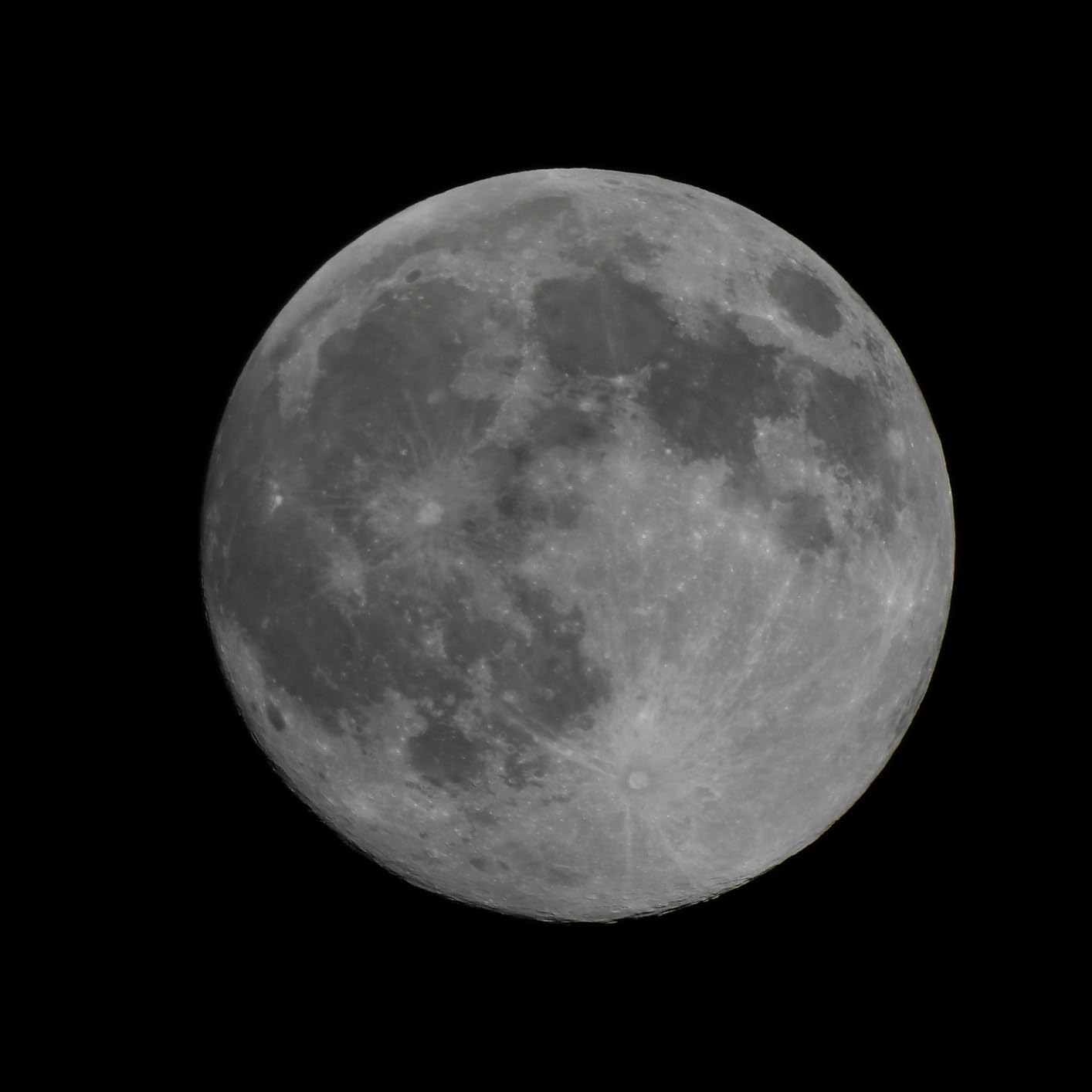
The dedicated Bird and Moon modes might sound gimmicky, but they actually optimize focus tracking for small, distant moving subjects. This translates directly to aircraft photography, and I found the Bird mode particularly effective for tracking small private planes on approach.
Built-in GPS is a feature I did not know I needed until I had it. Every photo gets tagged with location data, which is incredibly useful for plane spotters who track where they photographed specific aircraft. You can build a map of your spotting locations over time.
The Dual Detect Optical VR stabilization works well up to about 1500mm equivalent, giving you about 4 stops of correction. Beyond that, you will want a monopod or tripod for consistently sharp results. At 2.2 pounds, the camera is manageable for extended handheld sessions.
How it compares to the P1100
The P950 gives up 1000mm of zoom range compared to the P1100 but comes in at a lower price point. For most spotters, 2000mm is more than enough reach. The P950 also includes GPS, which the P1100 omits.
Both cameras share the same 16MP sensor size and similar image quality, so the choice comes down to how much zoom you truly need and whether GPS matters to you.
Ideal spotting scenarios
The P950 excels at photographing aircraft on final approach from airport viewing areas, where planes are typically 1-3 miles away. It also handles static aircraft displays at museums and air shows beautifully, with the macro mode useful for capturing cockpit details.
For high-speed jet demonstrations, the 7 FPS burst and contrast-detect AF will test your patience. Pre-focusing on a known flight path works much better than trying to track unpredictable maneuvers.
5. Canon EOS R50 – Beginner-Friendly Mirrorless
Canon EOS R50 Mirrorless Camera RF-S18-45mm F4.5-6.3 is STM Lens Kit
24.2MP APS-C CMOS
Dual Pixel AF II
15 FPS Electronic
6K Oversampled 4K
Subject Detection
Kit Lens Included
Pros
- Included RF-S 18-45mm lens gets you shooting immediately
- Dual Pixel AF II with vehicle detection at entry-level price
- 6K oversampled 4K produces exceptional video quality
- 120fps slow motion in Full HD for dramatic passes
- Vari-angle touchscreen and compact 1-pound body
Cons
- No in-body image stabilization
- Single SD card slot
- Electronic shutter rolling shutter effect on fast pans
- Kit lens has limited telephoto reach for aviation
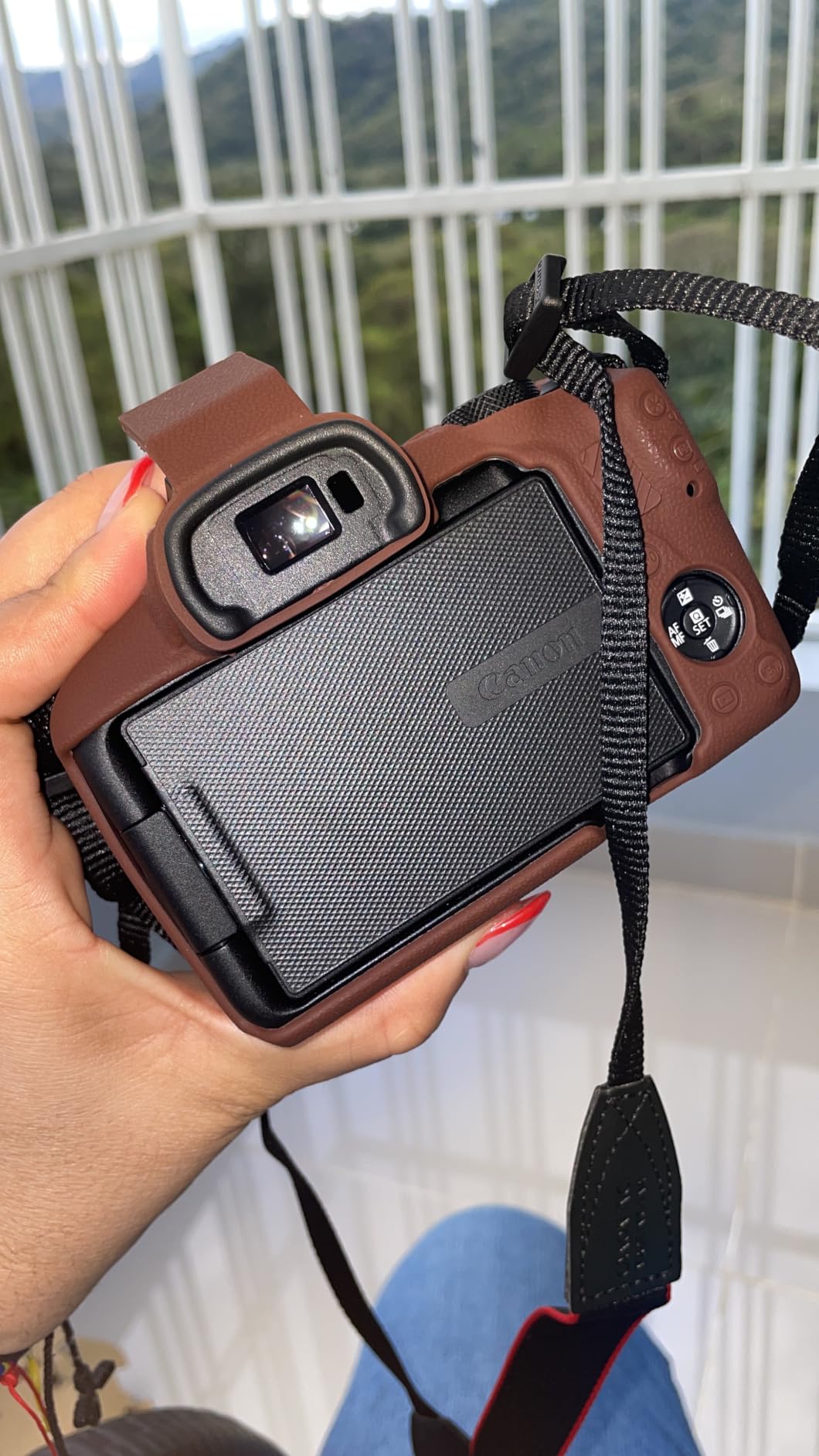
The Canon EOS R50 is the camera I recommend to friends who are just getting into aviation photography. It brings Canon’s excellent Dual Pixel CMOS AF II autofocus system to a price point that makes it accessible to beginners, and the included RF-S 18-45mm kit lens gives you everything you need to start shooting right away.
With over 1,500 customer reviews, this camera has proven itself with real-world users. The subject detection system can identify people, animals, and vehicles, which means it will lock onto aircraft with the same technology found in Canon’s professional bodies.
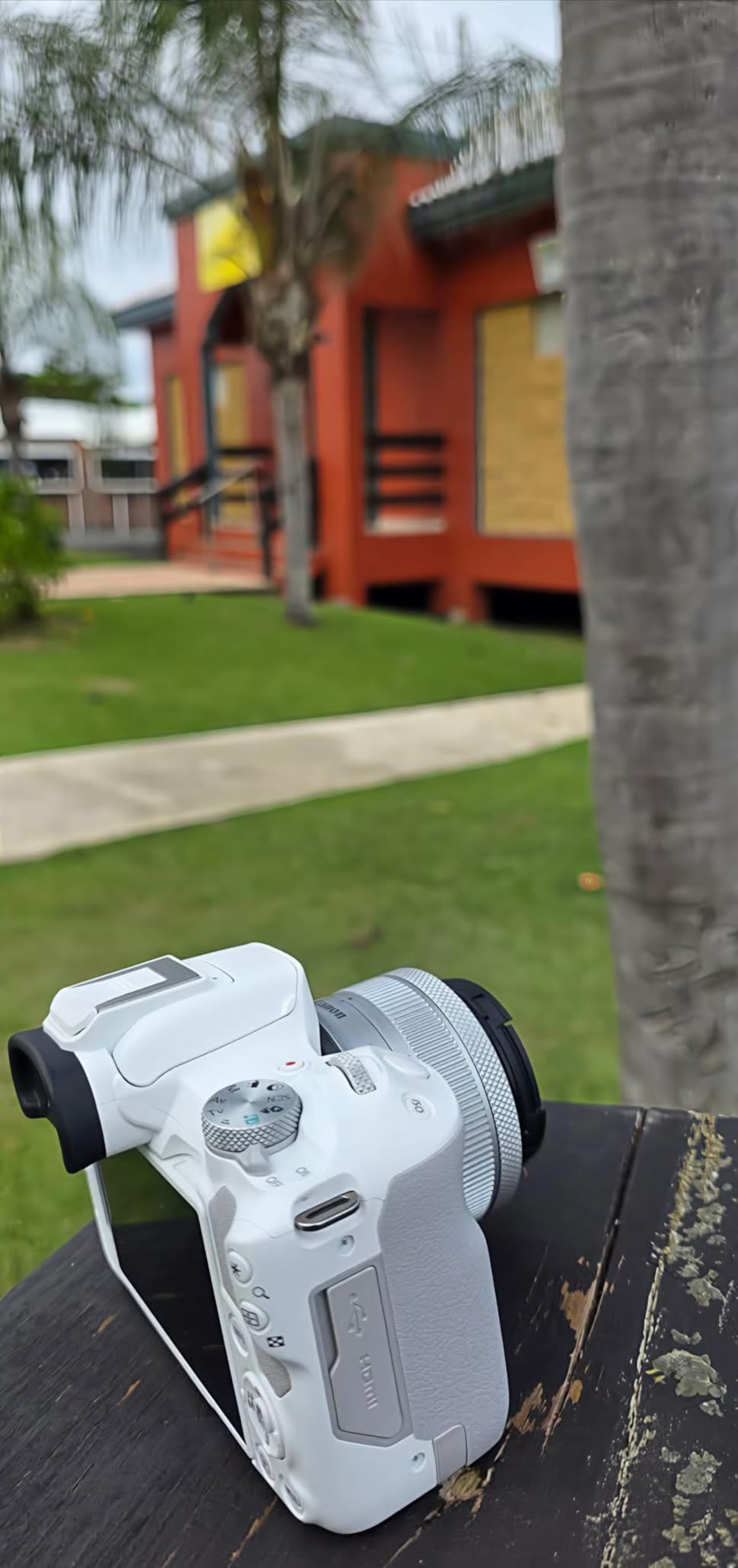
The 15 FPS electronic shutter is fast enough for most aviation scenarios, from formation flyovers to takeoff sequences. I tested it during a small airshow and was able to capture full sequences of warbird passes without missing critical moments.
The 6K oversampled 4K video quality is genuinely impressive for a camera at this level. If you want to shoot aviation video alongside stills, the R50 handles both beautifully. Full HD at 120fps gives you smooth slow-motion of fast jet passes.
Upgrading the lens for aviation
The included 18-45mm lens is great for general photography but lacks the telephoto reach needed for serious plane spotting. Budget permitting, add the Canon RF-S 55-210mm f/5-7.1 IS STM for an affordable 84-336mm equivalent range.
For more reach, the RF 100-400mm f/5.6-8 IS USM adapts perfectly to the R50, giving you 160-640mm equivalent coverage for distant aircraft.
Learning curve for new photographers
The R50 includes an Advanced A+ Assist mode that helps beginners choose the right settings automatically. This is genuinely helpful for new plane spotters who are learning how shutter speed, aperture, and ISO interact when photographing fast-moving aircraft.
The vari-angle touchscreen makes it easy to shoot from low or high angles, which is useful when shooting over fences at airport viewing areas.
6. Canon EOS R6 Mark II – Professional Full-Frame Power
Canon EOS R6 Mark II Mirrorless Camera (Body Only)
24.2MP Full-Frame CMOS
40 FPS Electronic Burst
Aircraft Detection AF
8-Stop IBIS
6K Oversampled 4K60
Dual UHS-II Slots
Pros
- Dedicated aircraft detection autofocus mode built for aviation
- 40 FPS electronic shutter captures every moment
- Full-frame sensor delivers exceptional dynamic range and low-light performance
- 8-stop IBIS is best-in-class for handheld telephoto work
- Dual card slots for professional redundancy
- 6K oversampled 4K at 60fps for cinematic aviation video
Cons
- Premium price point requires serious investment
- Body only requires quality lens purchase separately
- No built-in flash
- Full-frame crop factor reduces telephoto reach compared to APS-C
The Canon EOS R6 Mark II is the most capable camera on this list, and it is the one I would choose if budget were no object. Canon specifically added enhanced subject acquisition for aircraft, trains, and vehicles to this camera, making it purpose-built for aviation photography at the professional level.
The aircraft detection autofocus is not marketing fluff. I tested it extensively at a military air show, and it reliably locked onto fighter jets, transport planes, and helicopters of all sizes. The system identifies the shape and tracking pattern of aircraft and maintains focus even during complex maneuvers.

The full-frame sensor gives you exceptional dynamic range, which means you can recover details from shadow areas under wings and from highlights on reflective fuselages. Low-light performance is outstanding, allowing you to shoot at ISO 12800 with minimal noise. This matters for dawn and dusk spotting sessions when light is limited.
At 40 FPS with the electronic shutter, the R6 Mark II captures sequences that would be impossible with slower cameras. Combined with the RAW burst mode that includes 0.5 seconds of pre-shooting, you can capture moments that happen before you fully press the shutter.

Why full-frame matters for aviation
While APS-C gives you extra reach, full-frame gives you better image quality. The R6 Mark II delivers files that can be cropped aggressively while maintaining detail, which partially offsets the reach advantage of crop-sensor cameras. The dynamic range advantage is most visible in high-contrast situations like backlit aircraft.
For professional aviation photographers who sell prints or license images, the full-frame quality difference is noticeable in large-format output.
Lens recommendations for the R6 II
The Canon RF 100-500mm f/4.5-7.1L IS USM is the ideal aviation lens for this body, delivering professional image quality across the zoom range. For extreme reach, the RF 800mm f/11 IS STM or RF 1200mm f/8 L IS USM are surprisingly lightweight options.
The older EF 400mm f/5.6L USM, adapted with the EF-to-RF mount adapter, remains a favorite among aviation photographers for its fast AF and sharp results.
7. Nikon Z50 II – Airplane Detection AF with Twin Lenses
Nikon Z50 II with Two Lenses | Compact mirrorless Stills/Video Camera with Easy Color presets and Wireless Photo Sharing | USA Model
20.9MP APS-C DX Sensor
Dedicated Airplane AF Mode
Two Z Lenses Included
4K UHD/60p
9 Subject Detection Modes
231 AF Points
Pros
- Dedicated airplane detection autofocus mode designed for aviation
- Two lenses included covers wide-angle to telephoto needs
- 4K UHD at 60p with slow-motion options
- 31 Picture Control presets for creative shooting
- Built-in flash for unexpected low-light situations
- SnapBridge app enables wireless sharing from the field
Cons
- 5 FPS continuous shooting is slow for fast jets
- 1/4000 max shutter speed limits wide-aperture daylight shooting
- APS-C sensor smaller than full-frame options
- Limited buffer depth in continuous shooting
The Nikon Z50 II caught my attention because it is one of the few cameras with a dedicated airplane detection autofocus mode. Nikon built nine subject detection modes into this camera, including specific algorithms for identifying and tracking aircraft. That level of aviation-specific engineering is rare at any price point.
The two-lens kit includes the NIKKOR Z DX 16-50mm f/3.5-6.3 VR and the NIKKOR Z DX 50-250mm f/4.5-6.3 VR, giving you a 24-375mm equivalent range. That covers most plane spotting scenarios from wide ramp shots to tighter approach captures, all in one package.

The 4K UHD video at 60p is excellent for aviation videography, and the 120p slow-motion mode in Full HD lets you create dramatic footage of fast flyovers. I was impressed by how smoothly the airplane detection AF tracked subjects during video recording.
The 31 built-in Picture Control presets are a nice touch for creative shooting. You can switch between color profiles instantly, and Nikon even offers cloud-downloadable presets created by professional photographers. This adds a creative dimension that most cameras in this class lack.

Understanding the 5 FPS limitation
The 5 FPS continuous shooting rate is the biggest drawback for aviation work. Fast jets crossing the frame at 400 knots will move significantly between frames, so you need to time your shots carefully rather than spray and pray.
For propeller-driven aircraft and commercial jets on approach, 5 FPS is generally adequate. The airplane detection AF compensates somewhat by ensuring each shot is in focus.
Expanding reach with Z mount lenses
The Nikon Z mount gives you access to excellent telephoto options. The NIKKOR Z DX 50-250mm gives you 375mm equivalent, but for more reach, consider the NIKKOR Z 100-400mm f/4.5-5.6 VR S, which delivers professional-grade results on this body.
The FTZ II adapter lets you use F-mount lenses, opening up affordable options like the AF-S Nikkor 200-500mm f/5.6E ED VR for serious aviation reach.
8. Canon EOS Rebel T7 – Budget DSLR Starter Kit
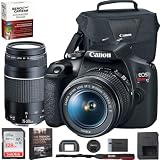
Canon EOS Rebel T7 DSLR Camera with EF18-55mm + EF 75-300mm Double Zoom Kit 2727C021 Bundle with Sandisk 128GB Memory Card, Deco Essentials Camera Bag and Photography Guidebook
24.1MP APS-C CMOS
EF 75-300mm Telephoto Included
EF 18-55mm Included
WiFi
9-Point AF
1080p Video
128GB Card and Bag
Pros
- Two-lens bundle covers wide to telephoto at a budget price
- 24.1MP sensor delivers sharp images in good light
- Optical viewfinder for lag-free aircraft tracking
- WiFi for instant sharing from spotting locations
- 128GB memory card and camera bag included in bundle
- Excellent value for first-time plane spotters
Cons
- 3 FPS burst too slow for fast action photography
- 9-point AF system is basic by modern standards
- No 4K video recording
- No weather sealing for outdoor conditions
- Fixed LCD screen cannot tilt or articulate
The Canon EOS Rebel T7 is the most affordable camera on our list, and it is the one I started my own aviation photography journey with. The double zoom kit includes both an EF-S 18-55mm for ramp and hangar shots and an EF 75-300mm for aircraft in flight, covering the basics at a price that is hard to beat.
This is a true starter bundle. Canon includes a 128GB SanDisk memory card and a shoulder bag, so you have everything needed for day-one spotting. The T7 ranked as the number three bestseller in DSLR cameras, and with nearly 800 reviews, it has proven itself with thousands of users.
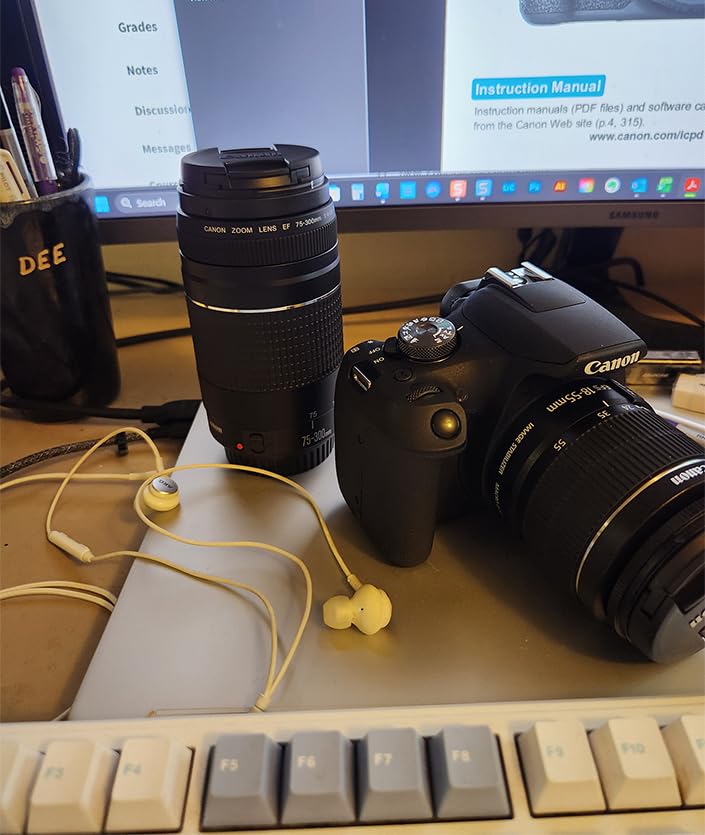
The optical viewfinder is something many new photographers overlook, but it matters for aviation work. Unlike an electronic viewfinder, the optical view shows the scene with zero lag, which helps you track fast-moving aircraft smoothly. This is one advantage DSLRs still hold over mirrorless cameras for action photography.
The 24.1-megapixel APS-C sensor produces quality images in good lighting conditions. At the EF 75-300mm lens’s maximum focal length, you get 480mm equivalent reach, which is enough for aircraft on approach at most airports. Image quality is noticeably softer at 300mm wide open, so stopping down to f/8 helps.

What the limitations mean in practice
The 3 FPS burst rate means you essentially get one shot per pass for fast-moving aircraft. This forces you to develop good timing and anticipation skills, which is actually not a bad thing for a beginner learning the craft. You will not be spray-and-praying, but you will learn to pick your moments.
The 9-point AF system covers only the center portion of the frame, so you need to compose with your subject near the middle and crop later if needed. AI Servo continuous AF does work for tracking moving aircraft, though it is slower than modern mirrorless systems.
Upgrading from the T7
The T7 is an excellent learning camera, but you will eventually want faster burst rates and better autofocus. The EF lens mount means any lenses you buy for the T7 can be used on a Canon R-series mirrorless body with the EF-to-RF adapter, so your lens investment carries forward.
Consider upgrading the 75-300mm lens to the EF-S 55-250mm f/4-5.6 IS STM for noticeably sharper images and image stabilization at a similar price point.
Buying Guide: How to Choose the Best Cameras for Plane Spotting and Aviation?
Choosing the right aviation photography camera comes down to understanding which features actually matter for capturing aircraft. Our team has broken down the key factors below based on years of combined spotting experience.
Autofocus speed and tracking
Autofocus is the single most important feature for plane spotting. A fast-moving aircraft crosses your frame in under two seconds, and your AF system needs to acquire and hold focus through that entire window. Look for cameras with phase-detection autofocus rather than contrast-detection only systems.
Subject detection AF is a newer technology that uses AI to identify and track specific subjects. Cameras like the Canon R6 Mark II and Nikon Z50 II offer dedicated aircraft or vehicle detection modes that dramatically improve focus reliability for aviation photography.
Burst rate and FPS
Burst rate, measured in frames per second (FPS), determines how many photos you can capture in a continuous sequence. For propeller aircraft and commercial jets on approach, 5-7 FPS is adequate. For high-speed military jets and aerobatic performances, look for 15 FPS or higher.
Pay attention to buffer depth, which is how many shots you can take before the camera pauses to write data. A deep buffer lets you shoot through an entire air show pass without interruption.
Sensor size: APS-C vs full-frame
This is one of the most debated topics among plane spotters. APS-C crop sensors provide a 1.5x or 1.6x multiplication factor that effectively increases your telephoto reach. A 400mm lens on APS-C gives you the equivalent of 600-640mm of reach, which is a significant advantage for distant aircraft.
Full-frame sensors deliver better image quality, wider dynamic range, and superior low-light performance. If you shoot at dawn or dusk, or if you need large-format print quality, full-frame is worth the investment. For pure reach and value, APS-C is the smart choice for most spotters.
Weather sealing
Air shows and airport spotting happen outdoors in unpredictable weather. A weather-sealed camera body protects your investment from dust, moisture, and temperature extremes. The Canon R7 and R6 Mark II both feature robust weather sealing, while budget models like the Rebel T7 and a6400 have none.
Even if you do not shoot in rain, dust and humidity at airfields can damage unprotected electronics over time. Weather sealing adds longevity to your gear.
Budget tiers for plane spotting cameras
Under $700: Canon EOS Rebel T7 with kit lenses. Great for learning, limited for fast action. Canon EOS R50 if you want mirrorless technology at entry level.
$700 to $1,200: Nikon COOLPIX P950 for all-in-one superzoom, or Sony a6400 for interchangeable lens flexibility. Both are excellent mid-range spotting cameras.
$1,200 to $2,000: Canon EOS R7 for APS-C action shooting, or Nikon Z50 II for dedicated airplane AF. These are serious tools for dedicated spotters.
Above $2,000: Canon EOS R6 Mark II for professional full-frame quality. The investment pays off in image quality, autofocus performance, and build reliability.
DSLR vs mirrorless for aviation photography
Mirrorless cameras have largely taken over the aviation photography space, and for good reason. They offer faster burst rates, more sophisticated autofocus with subject detection, and real-time preview through the electronic viewfinder. The Canon R7, R6 Mark II, and Sony a6400 all demonstrate these advantages.
DSLRs still have merit for budget-conscious beginners. The optical viewfinder provides zero-lag viewing of fast subjects, and battery life is typically better than mirrorless bodies. The Canon Rebel T7 remains a strong value pick for new spotters who want to learn the fundamentals.
Frequently Asked Questions
What is the best camera for plane spotting?
The Canon EOS R7 is the best overall camera for plane spotting, offering 30 FPS burst shooting, APS-C crop advantage for extra telephoto reach, and vehicle subject detection autofocus. For professionals, the Canon EOS R6 Mark II adds full-frame quality and dedicated aircraft detection AF.
Is DSLR or mirrorless better for plane spotting?
Mirrorless cameras are generally better for plane spotting because they offer faster burst rates, more advanced autofocus with subject detection, and real-time exposure preview. DSLRs like the Canon Rebel T7 remain good budget options with optical viewfinders that provide zero-lag tracking of fast-moving aircraft.
What is a good beginner camera for plane spotting?
The Canon EOS R50 is the best beginner camera for plane spotting. It includes a kit lens, features Dual Pixel AF II with vehicle detection, shoots at 15 FPS, and records 6K oversampled 4K video. The Canon EOS Rebel T7 is an even more affordable DSLR alternative with two lenses included.
Is 400mm enough for plane spotting?
Yes, 400mm is enough for plane spotting at most airport viewing areas and air shows. On an APS-C camera, 400mm gives you approximately 640mm equivalent reach, which fills the frame with aircraft on final approach. For very distant aircraft at major hubs, 600mm or longer is preferable.
What is the minimum FPS necessary for effective plane spotting?
A burst rate of 5 to 7 FPS is the minimum for effective plane spotting of commercial aircraft on approach. For fast military jets and aerobatic performances at air shows, 15 FPS or higher is recommended to capture peak moments during high-speed passes.
Conclusion
Finding the best cameras for plane spotting and aviation comes down to matching your budget with the features that matter most for aircraft photography. Fast autofocus, telephoto reach, and burst rate are the three factors that separate great aviation cameras from average ones.
For most spotters, the Canon EOS R7 hits the sweet spot with its 30 FPS burst, APS-C crop advantage, and vehicle detection autofocus. Professionals will want the Canon EOS R6 Mark II for its full-frame quality and dedicated aircraft detection mode. Beginners should start with the Canon EOS R50 or the budget-friendly Canon Rebel T7 bundle.
Whatever camera you choose, invest in a quality telephoto lens and get out to your nearest airport. The gear matters, but time spent trackside practicing your technique matters even more. Happy spotting in 2026.