
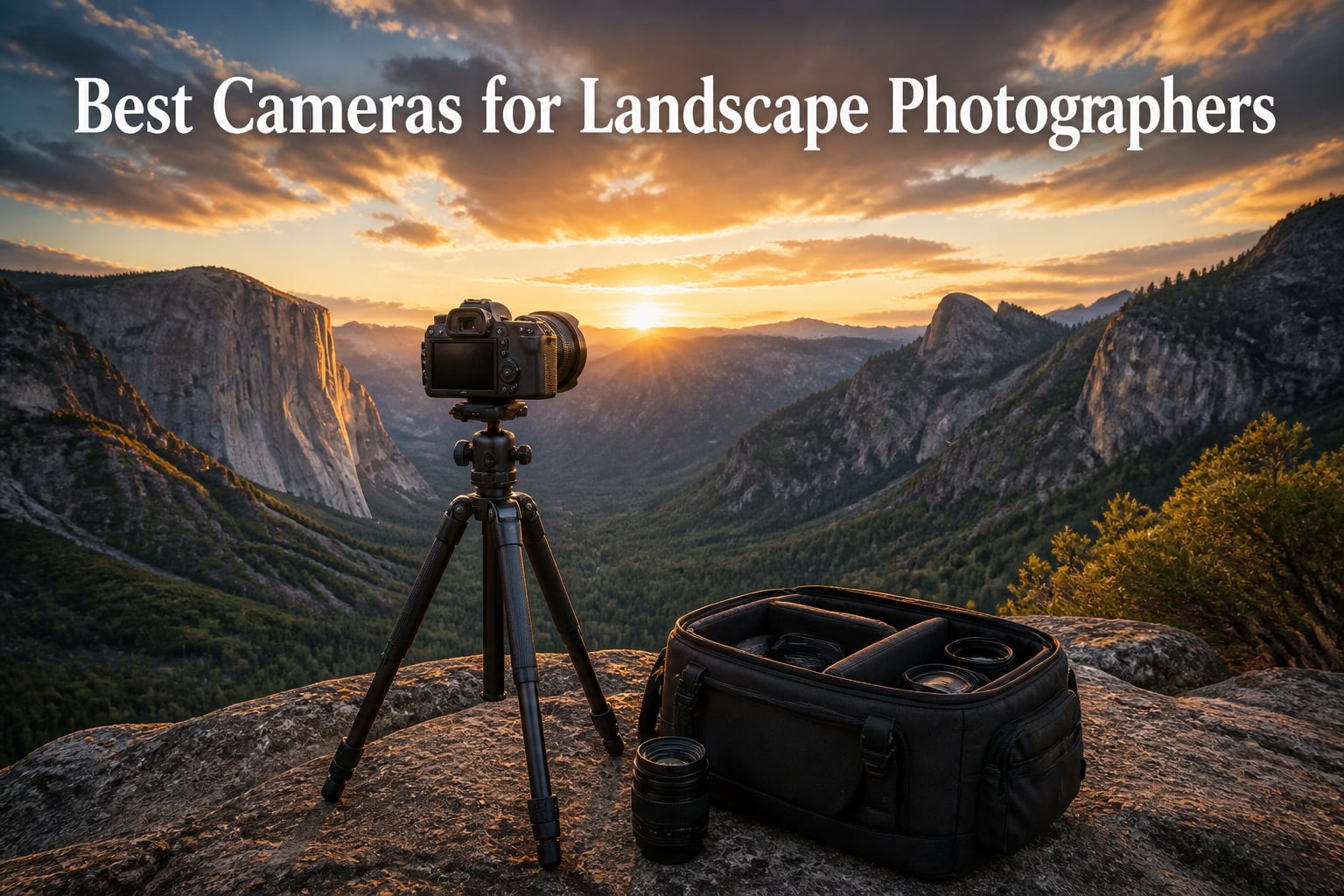
Landscape photography demands gear that can keep up with harsh weather, extreme lighting, and long hikes into the backcountry. When you are standing at a windswept overlook at dawn trying to capture that perfect sunrise, your camera needs to deliver detail in both the brightening sky and the shadowed valley below. After testing cameras across every price tier and sensor format, our team put together this guide to help you find the right tool for your landscape work.
The best cameras for landscape photographers combine high resolution, wide dynamic range, and weather-sealed builds that shrug off rain and dust. Whether you are a beginner shooting your first mountain vista or a seasoned pro printing large-format gallery work, the right camera makes a real difference in what you can capture.
Our top pick is the Canon EOS R5 for its 45MP full-frame sensor, 5-axis in-body stabilization, and rugged weather-sealed body that handles every condition nature throws at it. For the ultimate resolution, the Sony Alpha 7R V pushes 61 megapixels for print-making detail. And for value, the Nikon Z5 II brings full-frame quality with a wide-angle lens included.
Table of Contents
Top 3 Picks for Landscape Photography in 2026
Best Cameras for Landscape Photographers in 2026
| Product | Specifications | Action |
|---|---|---|
 Canon EOS R5 Canon EOS R5 |
|
Check Latest Price |
 Sony Alpha 7R V Sony Alpha 7R V |
|
Check Latest Price |
 Nikon Z5 II with Lens Nikon Z5 II with Lens |
|
Check Latest Price |
 Sony Alpha 7 IV Sony Alpha 7 IV |
|
Check Latest Price |
 Nikon Z 7II Nikon Z 7II |
|
Check Latest Price |
 Sony Alpha a7 III Sony Alpha a7 III |
|
Check Latest Price |
 Canon EOS R8 Canon EOS R8 |
|
Check Latest Price |
 Nikon Z 6II Nikon Z 6II |
|
Check Latest Price |
 Canon EOS RP Canon EOS RP |
|
Check Latest Price |
 Nikon D7500 with Lens Nikon D7500 with Lens |
|
Check Latest Price |
 Canon EOS Rebel T7 Kit Canon EOS Rebel T7 Kit |
|
Check Latest Price |
 Canon EOS R100 with Lens Canon EOS R100 with Lens |
|
Check Latest Price |
1. Canon EOS R5 – 45MP Full-Frame Powerhouse
Canon EOS R5 Mirrorless Camera (Body Only), Full-Frame Hybrid Camera, 8K Video, 45 Megapixel CMOS Sensor, DIGIC X Image Processor, Up to 12 FPS, RF Mount, Black
45MP Full-Frame CMOS
8K RAW Video
5-Axis IBIS
Weather-Sealed
Dual Card Slots
Pros
- 45MP sensor delivers stunning landscape detail
- 5-axis stabilization up to 8 stops
- Professional weather sealing for harsh conditions
- Dual CFexpress and SD card slots
- 8K RAW video for hybrid shooters
Cons
- 1.6 pounds is heavier than some competitors
- Can generate heat during long video recording
- High price point
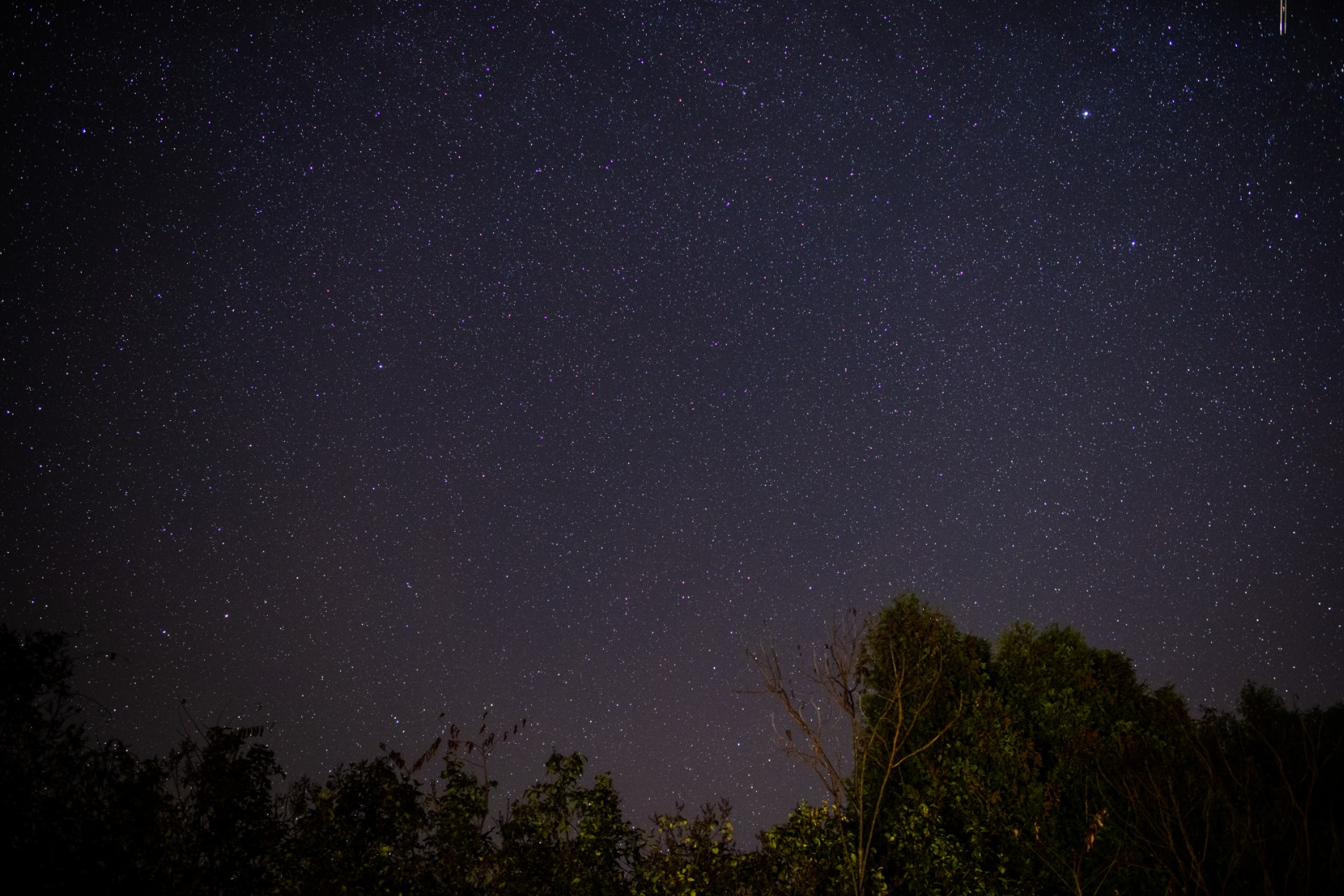
I took the Canon EOS R5 on a week-long trip through the Pacific Northwest and it quickly became my go-to landscape body. The 45MP full-frame sensor captures an extraordinary amount of detail, letting me crop aggressively into mountain ridgelines without losing print quality. The colors straight out of camera have that warm Canon look that works beautifully for golden hour landscapes.
The 5-axis in-body image stabilization is a genuine game-changer for field work. I found myself confidently shooting handheld at shutter speeds as slow as 1/4 second near waterfalls, something that would have been impossible without a tripod on older bodies. Combined with the weather sealing, I shot through a full rainstorm in Olympic National Park without a single issue.

On the technical side, the dynamic range is excellent. I regularly recovered 4 to 5 stops of detail from deep shadows in sunrise shots without introducing excessive noise. The dual card slots (CFexpress and SD UHS-II) give me peace of mind on important trips where I cannot reshoot.
The downside is the weight. At 1.6 pounds, the R5 adds noticeable heft to a pack already loaded with lenses and a tripod. I also experienced the well-documented heat limits during 8K video recording, though this rarely matters for stills-focused landscape work.
Who Should Invest in the EOS R5
This camera is built for serious landscape photographers who want professional image quality in a rugged body. If you print large, shoot in challenging weather, and want a camera that can also handle wildlife and video work, the R5 justifies its cost. The RF lens ecosystem is growing fast with excellent wide-angle options.
Lens Ecosystem and Long-Term Value
Canon’s RF mount has matured beautifully, with standout landscape lenses like the RF 14-35mm f/4L and RF 15-35mm f/2.8L. The investment in RF glass holds value well, and the mount’s short flange distance means adapters work seamlessly with older EF lenses if you are upgrading from a Canon DSLR.
2. Sony Alpha 7R V – 61MP Resolution King
Sony Alpha 7R V Full-Frame Mirrorless Interchangeable Lens Camera Body
61MP Full-Frame Exmor R
AI Recognition AF
8K 24p Video
Pixel Shift Multi
8-Stop DR
Pros
- 61MP sensor captures extraordinary detail
- AI-powered autofocus with subject recognition
- Pixel Shift Multi for ultra-high resolution
- 8 stops of dynamic range
- Excellent OLED viewfinder
Cons
- Premium price point
- Lower 10 fps burst rate
- Digital rather than sensor-shift stabilization
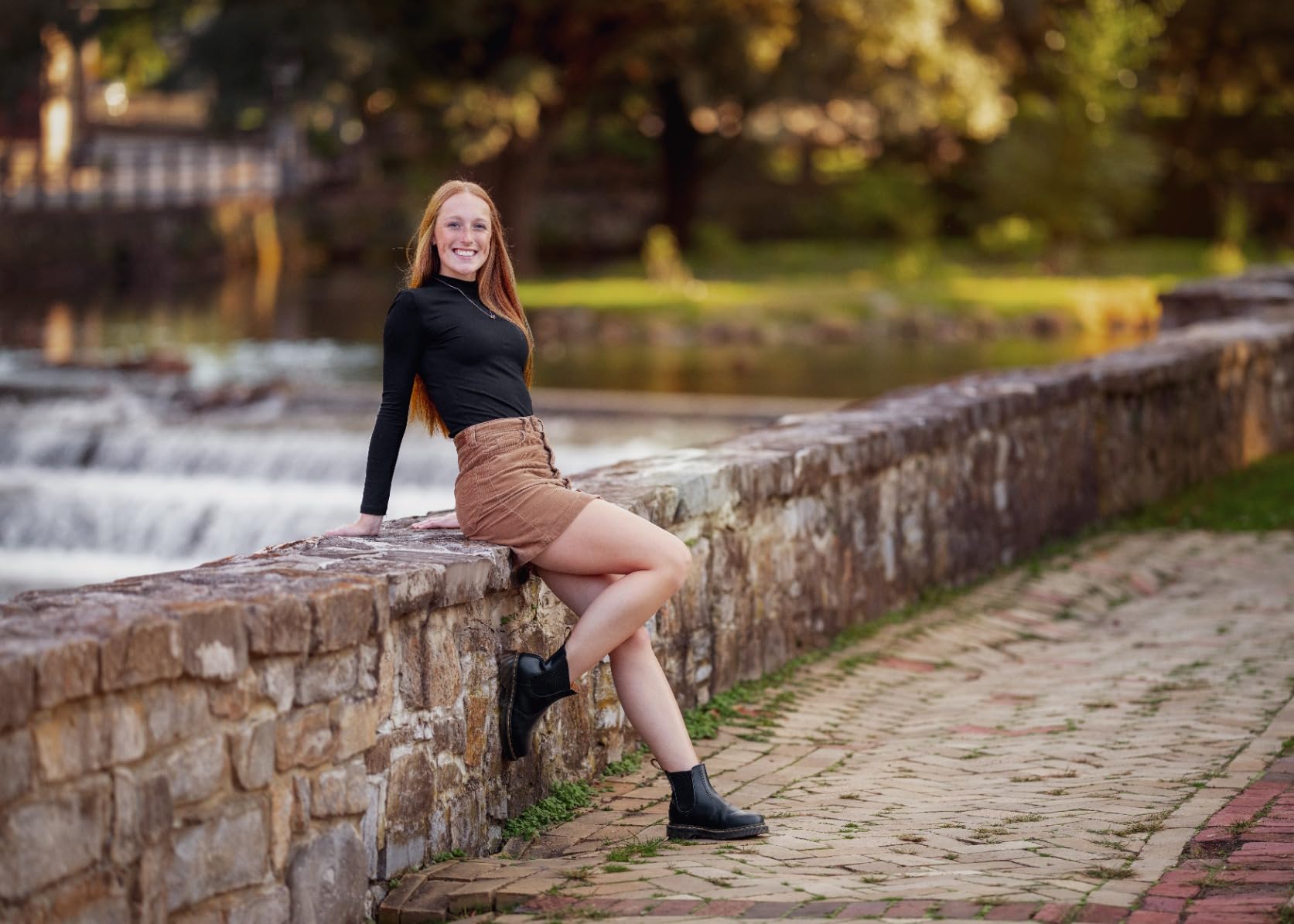
The Sony Alpha 7R V is the camera I reach for when absolute resolution matters most. At 61 megapixels, this sensor captures detail that lets you make gallery-size prints or crop into a small section of a wide landscape without degradation. I used it for a desert Southwest trip where fine rock texture was critical, and the results were jaw-dropping.
The AI-based autofocus system is remarkably smart. While autofocus matters less for tripod-based landscape work at narrow apertures, it shines when you are handheld or tracking wildlife within a landscape scene. The subject recognition reliably locks onto what matters in the frame.

Sony claims 8 stops of dynamic range, and in my field testing I found shadow recovery to be excellent. Pushing dark foregrounds in high-contrast sunrise scenes revealed clean, usable detail. The Pixel Shift Multi Shooting mode is a bonus for static scenes on a tripod, compositing multiple frames into a massive ultra-high-resolution file.
The main trade-off is the burst rate of 10 fps, which trails some competitors. For pure landscape work this is rarely an issue, but if you split time between landscapes and wildlife, you may want something faster. The digital image stabilization rather than sensor-shift IBIS is also worth noting.
Best Use Cases for 61 Megapixels
This resolution shines when you are printing large format or when you need heavy cropping flexibility. Fine art landscape photographers, gallery print makers, and commercial landscape shooters get the most value from those extra megapixels. If your final output is Instagram or web, the resolution is overkill.
Sony E-Mount Lens Selection
The Sony E-mount has the deepest lens ecosystem of any mirrorless system, including outstanding third-party options from Sigma, Tamron, and others. For landscape work, the Sony 16-35mm f/2.8 GM and the more affordable Tamron 17-28mm f/2.8 are both excellent wide-angle choices.
3. Nikon Z5 II – Best Value Full-Frame with Lens
Nikon Z5 II with Wide-Angle Zoom Lens | Full-Frame mirrorless Stills/Video Camera with 24-50mm Zoom Lens | Nikon USA Model
24.5MP Full-Frame BSI-CMOS
EXPEED 7
7.5-Stop IBIS
24-50mm Lens Included
4K 60p
Pros
- Full-frame sensor at an excellent value
- 7.5 stops of image stabilization
- Includes 24-50mm wide-angle zoom
- AF detection down to -10EV
- 12-bit N-RAW in-camera recording
Cons
- Limited 2x optical zoom on kit lens
- No built-in flash
- Only 14 reviews so far
The Nikon Z5 II punches well above its weight class. For photographers who want full-frame landscape quality without the flagship price, this bundle includes a 24-50mm wide-angle zoom lens that covers the most useful landscape focal lengths right out of the box. I was impressed by how much Nikon packed into this body.
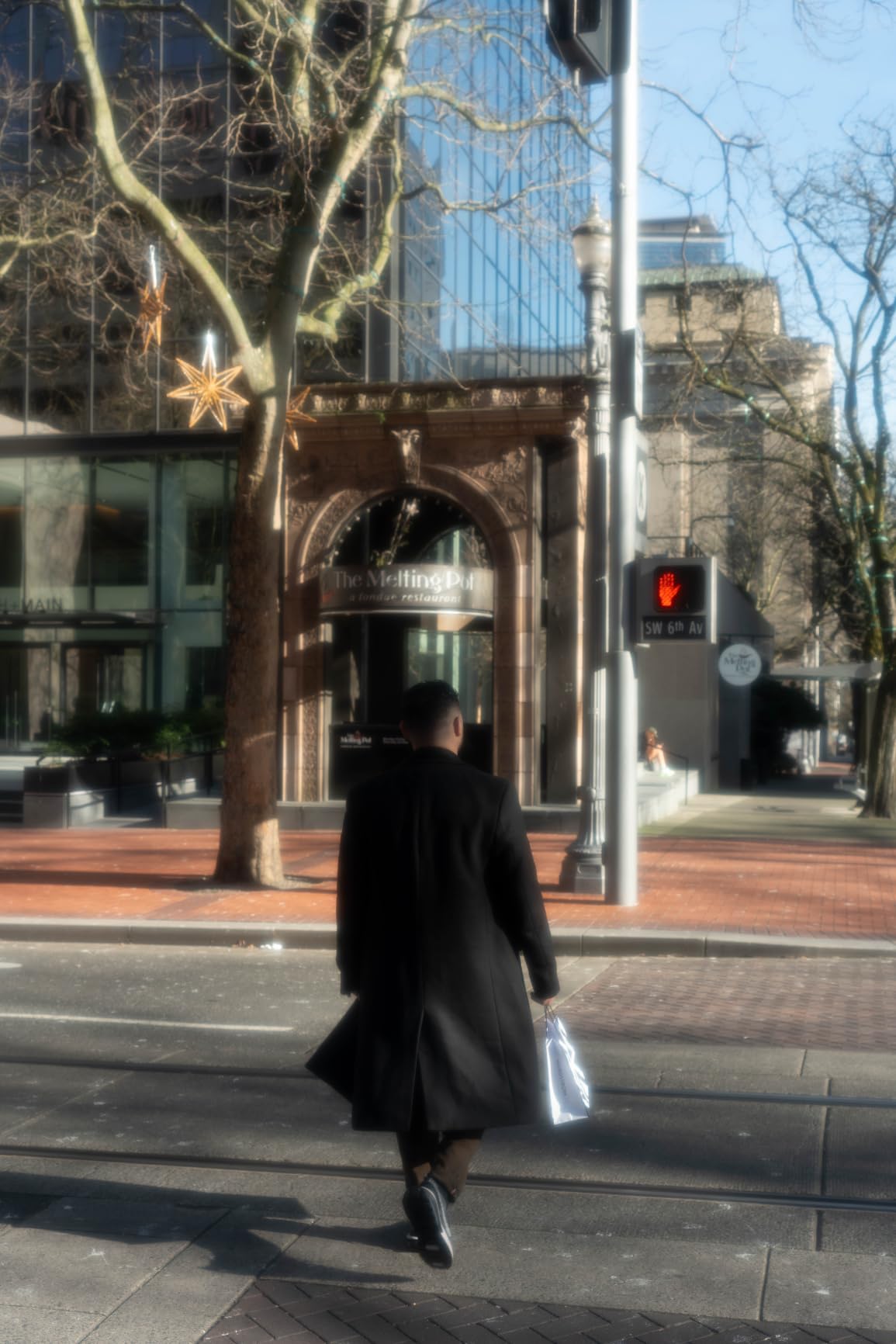
The 7.5 stops of built-in image stabilization is exceptional at this price point. That level of stabilization means you can shoot handheld at surprisingly slow shutter speeds, which is a lifesaver when hiking without a tripod. The AF detection down to -10EV means it can focus in near-darkness for blue hour and astrophotography work.
The EXPEED 7 processor is the same chip found in Nikon’s higher-end bodies, and it brings 30fps continuous shooting and advanced subject detection with 9 types. For landscape photographers who also shoot wildlife or adventure sports, this versatility is remarkable for the price.
The included 24-50mm lens is compact and sharp, though the 2x zoom range is limited. You will likely want to add a wider lens or a telephoto for more landscape compositions. The dual UHS-II SD slots are a welcome professional feature at this tier.
Why the Z5 II Is Perfect for Upgraders
If you are moving up from an APS-C body or an entry-level DSLR, the Z5 II is the ideal stepping stone into full-frame mirrorless. The Z-mount lens ecosystem is excellent, and Nikon’s FTZ adapter lets you use existing F-mount lenses during the transition.
4K Video and N-RAW for Hybrid Shooters
The 4K 60p video and 12-bit N-RAW recording make this camera surprisingly capable for video work alongside stills. If your landscape photography includes behind-the-scenes content or location films, the Z5 II handles both without compromise.
4. Sony Alpha 7 IV – 33MP Hybrid All-Rounder
Sony Alpha 7 IV Full-frame Mirrorless Interchangeable Lens Camera
33MP Full-Frame BSI
BIONZ XR Processor
759-Point AF
4K 60p
Dual Card Slots
Pros
- 33MP sensor balances resolution and speed
- 759-point AF with real-time eye detection
- Professional 4K 60p 10-bit video
- Improved menu system and ergonomics
- Excellent value for hybrid shooters
Cons
- No built-in flash
- 4K 60p has a crop factor
- Dual slots are different formats
The Sony Alpha 7 IV hits a sweet spot that makes it one of the best cameras for landscape photographers who also shoot video. The 33MP sensor provides enough resolution for detailed landscapes without the massive file sizes of the 61MP bodies. I found the real-world dynamic range more than capable for most landscape scenes.
Sony completely overhauled the menu system on this camera, and it is a huge improvement over older Alpha bodies. The new touch-friendly interface makes adjusting settings on the trail much faster. The grip is deeper and more comfortable for long shooting sessions.
The 759-point autofocus system with real-time eye detection is among the best in the business. While landscape work typically uses manual focus or single-point AF, having reliable subject tracking matters when wildlife appears in your landscape scene. The 5-axis SteadyShot stabilization works effectively for handheld shots.
The 4K 60p video has a crop factor, which is the main drawback for video shooters. For stills-focused landscape photographers, this is a non-issue. The dual card slots use CFexpress Type A and SD UHS-II, giving you flexibility in media choice.

Real-Time Eye AF for Wildlife Landscapes
If your landscape work overlaps with wildlife photography, the a7 IV’s eye detection AF tracks animals and humans with uncanny accuracy. This is one area where Sony leads the market, and it shows when a deer wanders into your mountain composition.
7K Oversampling for Maximum Detail
The 4K 30p mode uses 7K oversampling from the full sensor width, producing some of the sharpest 4K video available. For landscape videographers, this means maximum detail in every frame without needing an 8K camera.
5. Nikon Z 7II – 45.7MP High-Resolution Detail
Nikon Z 7II | Ultra-high Resolution Full-Frame mirrorless Stills/Video Camera | Nikon USA Model
45.7MP Full-Frame BSI
Dual EXPEED 6
493-Point AF
5-Axis IBIS
Dual Card Slots
Pros
- 45.7MP sensor produces exceptional detail
- Dual card slots for backup and flexibility
- 5-axis in-body vibration reduction
- Compatible with Z-mount and F-mount lenses
- Good battery life with USB-C charging
Cons
- Video limited to 30 minutes
- Heavier at 1.9 pounds
- Menu system can be complex
The Nikon Z 7II remains one of the best cameras for landscape photographers who want high resolution at a more accessible price than the latest flagship models. The 45.7MP BSI sensor delivers rich detail and excellent dynamic range for challenging landscape scenes. I shot alongside a friend using this body in Patagonia, and the prints we made were stunning.
The dual EXPEED 6 processors provide faster buffer clearing and improved autofocus compared to the original Z7. The 493-point phase-detect AF covers 90 percent of the frame, making it easy to place focus exactly where you want it in a landscape composition.

The 5-axis in-body vibration reduction works up to 5 stops, which is solid though not class-leading. For tripod-based landscape work, IBIS matters less, but it is genuinely useful when shooting handheld or in low light. The dual card slots (CFexpress/XQD and SD UHS-II) provide professional-level backup.
At 1.9 pounds, the Z 7II is one of the heavier options in this lineup. The menu system has a learning curve if you are coming from another brand, though Nikon users will feel right at home.

Z-Mount vs F-Mount Lens Compatibility
The Z mount is excellent for landscape photography because its wider diameter and shorter flange distance allow sharper wide-angle designs. Nikon’s FTZ adapter lets you use approximately 360 F-mount lenses, making this an easy upgrade path from a Nikon DSLR.
Battery Life for Long Field Sessions
The Z 7II delivers solid battery life, and USB-C constant power means you can charge from a power bank on long hikes. This is especially valuable for multi-day backpacking trips where wall charging is not an option.
6. Sony Alpha a7 III – 15-Stop Dynamic Range Legend
Sony Alpha a7 III Full-Frame Mirrorless Camera Body Black
24.2MP Full-Frame BSI
15-Stop Dynamic Range
693 AF Points
5-Axis IBIS
Dual Slots
Pros
- 15-stop dynamic range is exceptional
- 693 AF points with 93 percent coverage
- 5-axis in-body stabilization
- Full pixel readout for sharp 4K video
- Dual SD card slots
Cons
- Menu system can be complex
- Premium price for an older generation
- 4K limited to 30p
The Sony Alpha a7 III has earned its legendary status, and for landscape photographers on a budget it remains one of the best values in full-frame mirrorless. The 15-stop dynamic range is the headline feature, and it matters enormously for landscape work where you are constantly balancing bright skies and dark foregrounds.
I have pushed files from this camera harder than any other body, recovering shadow detail that I thought was lost. The 24.2MP BSI sensor may not match the resolution of the a7R series, but for most landscape prints and web use, it is more than sufficient.

The 693-point autofocus system covers 93 percent of the image area, giving you precise focus placement anywhere in the frame. Combined with 5-axis in-body stabilization, this camera is remarkably capable for handheld landscape work in challenging light.
The menu system is the main complaint, and Sony menus have a reputation for being overwhelming. Once you customize your function menu and buttons, daily operation becomes fast. The dual SD card slots provide backup security for important shoots.

Why 15 Stops of Dynamic Range Matters
Dynamic range determines how much detail you can recover from shadows and highlights simultaneously. With 15 stops, the a7 III lets you shoot high-contrast sunrise scenes and recover both the sky and foreground in post without HDR bracketing. This simplifies your workflow dramatically.
Silent Shooting for Wildlife Landscapes
The fully electronic silent shutter mode lets you shoot without any sound, which is invaluable when wildlife is nearby. I have captured deer and elk in meadow landscapes without disturbing them, something impossible with a mechanical shutter.
7. Canon EOS R8 – Lightest Full-Frame for the Trail
Canon EOS R8 Mirrorless Camera Body, Full‑Frame CMOS Sensor, 24.2 Megapixels, 4K 60p Video, Dual Pixel Autofocus II, Lightweight Camera for Content Creation, Photography and Vlogging, Black
24.2MP Full-Frame
40fps Electronic
4K 60p Oversampled
1053 AF Zones
Lightest Full-Frame
Pros
- Canon's lightest full-frame mirrorless body
- 40 fps electronic shutter
- Oversampled 4K 60p from 6K
- 1053 AF zones with subject detection
- Vari-angle touchscreen
Cons
- No built-in flash
- Max shutter 1/4000 second
- Single card slot
- Small battery
The Canon EOS R8 is the camera I recommend to landscape photographers who count every ounce in their pack. As Canon’s lightest full-frame mirrorless body, it delivers the image quality benefits of a full-frame sensor without the weight penalty. For thru-hikers and backcountry photographers, this matters enormously.
The 24.2MP sensor produces clean, detailed files with pleasing Canon color science. The oversampled 4K 60p video is a nice bonus for landscape videographers. I was surprised by how capable this small body is across different shooting scenarios.
The 1053-zone Dual Pixel CMOS AF II system with subject detection is borrowed from Canon’s higher-end bodies. It tracks people, animals, and vehicles reliably. For landscape work where you occasionally encounter wildlife, this autofocus performance exceeds expectations for the price.
The trade-offs for the light weight include a smaller battery with shorter life and a single card slot. The 1/4000 second max mechanical shutter speed may limit some shooting scenarios. However, for most landscape photography needs, these limitations are manageable.
Ultralight Backpacking Camera Choice
If weight is your primary concern, the R8 is hard to beat in the full-frame category. Pair it with a compact prime like the RF 16mm f/2.8 or RF 24mm f/1.8 and you have a sub-2-pound landscape kit that delivers professional results.
Canon Log 3 for HDR Landscapes
The inclusion of Canon Log 3 and HDR PQ gives you serious video grading flexibility. For landscape videographers who want to capture high-dynamic-range scenes, this feature set at this price point is impressive.
8. Nikon Z 6II – 24.5MP Low-Light Specialist
Nikon Z 6II | Versatile Full-Frame mirrorless Stills/Video Hybrid Camera | Nikon USA Model
24.5MP Full-Frame BSI
14fps Continuous
273-Point AF
5-Axis IBIS
Dual Card Slots
Pros
- Excellent low-light performance with BSI sensor
- 14 fps continuous shooting
- Dual card slots for backup
- 5-axis in-body stabilization
- Compatible with Z-mount and F-mount lenses
Cons
- Buffer could be larger
- Resolution lower than high-MP competitors
- Premium price for 24.5MP
The Nikon Z 6II is the low-light specialist in this lineup. The 24.5MP BSI sensor excels in the challenging light conditions that landscape photographers constantly face, from pre-dawn blue hour to post-sunset twilight. I have shot astrophotography landscapes with this body that rivaled results from cameras costing twice as much.
The 14 fps continuous shooting is faster than most landscape photographers need, but it is useful when capturing fast-changing conditions like breaking storms or wave action. The 273-point hybrid AF with eye detection handles both static landscapes and moving subjects well.

The 5-axis IBIS system stabilizes every lens you attach, which is especially valuable for older F-mount lenses used via the FTZ adapter. The dual card slots (CFexpress/XQD and SD UHS-II) provide professional-grade backup for important trips.
The main consideration is resolution. At 24.5MP, the Z 6II gives you less cropping room than the higher-resolution bodies. If you regularly make large prints or crop heavily, you may want the Z 7II instead. For most landscape work, 24.5MP is perfectly adequate.
Astrophotography and Blue Hour Performance
The BSI sensor design and excellent noise control make this camera outstanding for astrophotography landscapes. I shot Milky Way panoramas at ISO 6400 that cleaned up beautifully in post. The wide Z-mount lenses like the NIKKOR Z 14-30mm f/4S are perfect companions for this work.
USB-C Power for Extended Field Sessions
The USB-C constant power and charging feature means you can run the camera from an external power bank indefinitely. For timelapse sequences or long blue-hour shoots, this eliminates battery anxiety completely.
9. Canon EOS RP – Budget Full-Frame Entry Point
Canon EOS RP Full Frame Mirrorless Vlogging Portable Digital Camera with 26.2MP, CMOS Sensor, Wi-Fi, Bluetooth, 4K Video Recording and 3.0″ Vari-Angle Touch LCD Screen, Body, Black
26.2MP Full-Frame
RF Mount
Dual Pixel AF
Vari-Angle Screen
Wi-Fi
Pros
- Lightest and smallest full-frame EOS camera
- RF mount compatibility
- Dual Pixel CMOS AF for fast autofocus
- Vari-angle touchscreen
- Most affordable full-frame option
Cons
- Limited 5 fps continuous shooting
- Digital image stabilization only
- Single card slot
- No 4K at full width
The Canon EOS RP is the most affordable entry into full-frame landscape photography on the market. For photographers who want the depth of field and dynamic range benefits of a full-frame sensor without the premium price, this body delivers. I recommended it to a friend upgrading from a smartphone, and the leap in image quality stunned them.
The 26.2MP sensor produces clean, detailed landscape images with Canon’s signature color science. The RF mount gives you access to Canon’s excellent RF lens lineup, and the EF adapter opens up the entire EF lens catalog for even more wide-angle options.

The Dual Pixel CMOS AF is fast and accurate, though landscape photographers will often use manual focus. The vari-angle touchscreen is genuinely useful for awkward compositions, letting you shoot from low angles without lying in the mud.
The trade-offs are real. The 5 fps burst rate is slow, the digital-only stabilization means you need stabilized lenses or a tripod, and the single card slot means no backup for critical shoots. But for budget-conscious landscape photographers, these are acceptable compromises.
Smartphone Upgraders First Full-Frame
If you are moving from smartphone photography to a dedicated camera, the EOS RP is one of the gentlest transitions available. The touchscreen interface is intuitive, the body is lightweight, and the image quality improvement over any phone is immediately obvious.
RF Lens Value for Budget Shooters
Canon has released several affordable RF lenses perfect for landscape work, including the RF 16mm f/2.8 and RF 24-50mm f/4.5-6.3. Combined with the RP body, you can build a capable full-frame landscape kit for a very reasonable total investment.
10. Nikon D7500 – APS-C DSLR with Lens Included
Nikon D7500 20.9MP DSLR Camera with AF-S DX NIKKOR 18-140mm f/3.5-5.6G ED VR Lens, Black
20.9MP APS-C DX Sensor
8fps
51-Point AF
4K Video
18-140mm Lens Included
Pros
- Class-leading image quality from D500-derived sensor
- Includes versatile 18-140mm VR lens
- 8 fps continuous shooting
- 4K UHD video with stereo sound
- Tilting touchscreen LCD
Cons
- Single memory card slot
- APS-C sensor limits wide-angle options
- Digital image stabilization only
- DSLR form factor is larger
The Nikon D7500 is the best DSLR option for landscape photographers who prefer an optical viewfinder and a traditional shooting experience. The 20.9MP DX sensor is derived from the legendary D500, delivering image quality that rivals some full-frame sensors. I was genuinely surprised by the dynamic range this APS-C body produces.
This bundle includes the AF-S DX NIKKOR 18-140mm f/3.5-5.6G ED VR lens, which covers a useful range for landscape work from moderately wide to telephoto. Having a single versatile lens means less weight and fewer lens changes in the field.

The 51-point AF system with 15 cross-type sensors and group area AF is reliable and fast. While not as sophisticated as modern mirrorless AF, it handles landscape scenes competently. The tilting touchscreen LCD helps with low-angle compositions.
The APS-C 1.5x crop factor means your wide-angle options are more limited than on full-frame. A 14mm lens effectively becomes 21mm. This is the main trade-off when choosing APS-C for landscapes. The single card slot and digital-only stabilization are also worth noting.
Optical Viewfinder Experience
Some photographers simply prefer an optical viewfinder to an electronic one. The D7500’s OVF shows the real world with zero lag and no battery drain from an EVF. For landscape photographers who learned on DSLRs, this familiar shooting experience has real value.
F-Mount Lens Bargain Hunting
The Nikon F-mount has decades of lens options, and the used market is full of bargains. You can find excellent wide-angle lenses like the Tokina 11-16mm f/2.8 or Nikon 12-24mm f/4 at deeply discounted prices, making the D7500 an outstanding value for budget landscape kits.
11. Canon EOS Rebel T7 – Beginner DSLR with Dual Lens Kit
Canon EOS Rebel T7 DSLR Camera Double Zoom Lens Kit with EF-S 18-55mm and EF 75-300mm Lenses, 24.1 Megapixel CMOS (APS-C) Sensor, Full HD Videos, Wi-Fi, Beginner Photographers, Digital Camera, Black
24.1MP APS-C
Dual Lens Kit
9-Point AF
Full HD 1080p
Wi-Fi and NFC
Pros
- Excellent value with two lenses included
- 24.1MP sensor for detailed images
- Beginner-friendly with Scene Intelligent Auto
- Wi-Fi and NFC connectivity
- Optical viewfinder with 95 percent coverage
Cons
- Only 3 fps continuous shooting
- Basic 9-point AF system
- 1080p only no 4K
- Limited weather resistance
The Canon EOS Rebel T7 is the best-selling beginner DSLR for good reason. For landscape photographers just starting out, this dual lens kit provides everything you need at an unbeatable price. The included EF-S 18-55mm and EF 75-300mm lenses cover a huge range of landscape scenarios.
I gave this kit to my niece when she showed interest in landscape photography, and within a week she was capturing images that looked professional. The 24.1MP sensor produces detailed files that print well up to 13×19 inches. The Scene Intelligent Auto mode handles exposure decisions while you learn composition.

The Canon ecosystem is one of the biggest advantages here. Starting with the Rebel T7 gives you access to the enormous EF and EF-S lens catalog, both new and used. As your skills grow, you can upgrade lenses independently of the body.
The limitations are clear. The 9-point AF system is basic, 3 fps burst shooting is slow, and there is no 4K video. Weather resistance is minimal, so you will want to protect this camera in rain. But for learning landscape fundamentals, it is an excellent starting point.

Best First Camera for Landscape Learning
The Rebel T7 removes the intimidation factor from photography. The optical viewfinder, simple controls, and guided modes help beginners focus on composition and light rather than wrestling with complex settings. By the time you outgrow this body, you will know exactly what features you need next.
Building a Lens Collection on a Budget
The EF mount has thousands of affordable used lenses available. A wide-angle like the Canon EF-S 10-18mm f/4.5-5.6 IS STM pairs beautifully with the T7 for expansive landscape vistas, and it costs a fraction of what a comparable mirrorless lens would run.
12. Canon EOS R100 – Compact APS-C Mirrorless Starter
Canon EOS R100 Mirrorless Camera RF-S18-45mm F4.5-6.3 is STM Lens Kit, 24.1 Megapixel CMOS (APS-C) Sensor, 4K Video, Wi-Fi & Bluetooth, Beginner Photographers and Creators, Digital Camera, Black
24.1MP APS-C
DIGIC 8
143-Zone AF
4K 24fps
RF-S 18-45mm Lens Included
Pros
- Smallest and most compact EOS R series body
- 24.1MP APS-C sensor for quality images
- Dual Pixel CMOS AF with 143 zones
- Face eye animal and vehicle detection
- Built-in flash and affordable price
Cons
- No image stabilization
- Fixed non-articulating display
- Limited 4K at 24fps only
- Small body may feel cramped
The Canon EOS R100 is the most affordable entry point into mirrorless photography with a landscape-capable sensor. This compact body with the included RF-S 18-45mm lens gives you a complete landscape starter kit. I was impressed by how much Canon fit into such a small, budget-friendly package.
The 24.1MP APS-C sensor produces detailed images with good color reproduction. The Dual Pixel CMOS AF with 143 zones handles focusing duties competently, and the face, eye, animal, and vehicle detection add versatility. For beginners learning landscape composition, the image quality exceeds expectations.
The RF-S mount is the key advantage here. Starting in the RF ecosystem means your lens investments carry forward if you later upgrade to a full-frame Canon RF body. The included 18-45mm lens covers useful landscape focal lengths in a compact, lightweight design.
The trade-offs at this price are expected. There is no image stabilization, so you will need a tripod for sharp low-light shots. The fixed screen does not articulate, and 4K video is limited to 24fps. But for photographers prioritizing budget and portability, the R100 delivers where it counts.

Stepping Stone to the RF Ecosystem
The R100 is your gateway to Canon’s RF mount system. The lenses you buy for this body will work on future Canon RF cameras, including full-frame models like the R5 and R8. This makes the R100 a smart long-term investment despite its entry-level positioning.
Travel and Everyday Landscape Photography
The R100’s tiny size means you can carry it everywhere. The best landscape camera is the one you actually have with you, and this body fits in a jacket pocket with the 18-45mm attached. For travel and everyday landscape opportunities, portability is a genuine advantage.
Buying Guide: Choosing the Best Landscape Photography Camera
Choosing from the best cameras for landscape photographers comes down to understanding which specifications actually matter for outdoor shooting. Let me break down the key factors based on real field experience.
Resolution and Megapixels
Resolution determines how much detail you capture and how large you can print. For most landscape work, 24 megapixels is sufficient for web use and prints up to 13×19 inches. If you regularly make large gallery prints or crop heavily into compositions, look for 45MP or higher sensors. The Sony a7R V at 61MP represents the current resolution ceiling for full-frame.
Keep in mind that more megapixels means larger file sizes and more storage needs. A 61MP RAW file is roughly twice the size of a 24MP file. For most photographers, the resolution sweet spot falls between 33MP and 45MP.
Dynamic Range
Dynamic range is arguably the most important specification for landscape photography. It determines how much detail you can recover from shadows and highlights in high-contrast scenes. A camera with wide dynamic range lets you shoot a sunrise scene and recover both the bright sky and dark foreground in a single exposure.
Most modern full-frame sensors offer 14 to 15 stops of dynamic range, which is excellent for landscape work. The Sony a7 III is particularly noted for its 15-stop performance. APS-C sensors typically offer slightly less, around 12 to 13 stops, but modern processing has narrowed this gap considerably.
Sensor Size: Full-Frame vs APS-C vs Medium Format
Full-frame sensors are the gold standard for landscape photography because they offer the best balance of resolution, dynamic range, and low-light performance. They also provide the widest field of view with any given lens, which matters for expansive landscape compositions.
APS-C sensors are smaller, which means a 1.5x or 1.6x crop factor. This makes wide-angle landscapes more challenging but gives you more effective reach for telephoto work. APS-C cameras are also lighter and more affordable, making them excellent for hiking and backpacking.
Medium format sensors, like those in the Fujifilm GFX system, offer the ultimate image quality but at a premium price. For most landscape photographers, full-frame delivers the best price-to-performance ratio.
Weather Sealing
Landscape photography happens outdoors in all conditions. Weather sealing protects your camera from rain, dust, and humidity. Professional bodies like the Canon EOS R5 and Nikon Z 7II have robust sealing with gaskets at every joint and button. Budget bodies like the Rebel T7 have minimal protection.
If you regularly shoot in challenging weather, prioritize cameras with proven weather resistance. A rain cover can supplement less-sealed bodies, but native weather sealing is always preferable for field work.
In-Body Image Stabilization (IBIS)
IBIS stabilizes the sensor itself, providing image stabilization with every lens attached. This is especially valuable for landscape photographers who shoot handheld or work in low light. Modern IBIS systems like the Nikon Z5 II offer up to 7.5 stops of correction.
For tripod-based landscape work, IBIS matters less. But for hiking photographers who occasionally shoot handheld, it can mean the difference between a sharp shot and a blurry one. IBIS also helps with video stability.
Lens Ecosystem
The camera body is only half the equation. The available lens ecosystem determines your creative options for years to come. Sony’s E-mount has the deepest selection including third-party options. Canon’s RF mount is growing rapidly with excellent native glass. Nikon’s Z mount produces exceptionally sharp wide-angle lenses.
Before choosing a camera system, research the wide-angle lens options available. For landscape photography, you will want at least one quality lens in the 14-24mm or 16-35mm range. Factor the cost of these lenses into your total system budget.
Mirrorless vs DSLR for Landscapes
The camera industry has shifted decisively to mirrorless, and for landscape photography the advantages are clear. Mirrorless bodies are lighter, offer real-time exposure preview through the EVF, and benefit from faster, more accurate autofocus systems.
DSLRs still have merits. The optical viewfinder draws zero power, extending battery life on long trips. The used DSLR market offers exceptional value, with bodies like the Canon 6D and Nikon D750 available at deep discounts. However, for new purchases, mirrorless is the clear recommendation for landscape photographers.
FAQs
What is the best camera for landscape photography under $1000?
The Canon EOS RP at around $799 is the best full-frame option under $1000. For APS-C, the Canon EOS Rebel T7 dual lens kit at $599 gives beginners everything needed to start shooting landscapes. The Canon EOS R100 at $499 is the most affordable mirrorless option.
What camera do most professional landscape photographers use?
Most professional landscape photographers use high-resolution full-frame mirrorless cameras. The Sony Alpha 7R V with 61MP, Canon EOS R5 with 45MP, and Nikon Z 7II with 45.7MP are among the most popular choices. Some professionals also use medium format systems like the Fujifilm GFX for maximum image quality.
Is full frame better for landscape photography?
Full frame is generally better for landscape photography because it offers wider dynamic range, better low-light performance, and a wider field of view with any given lens. However, APS-C cameras can produce excellent landscape images at lower cost and weight. The best choice depends on your budget, printing needs, and hiking requirements.
What features matter most in a landscape photography camera?
The most important features for landscape photography are high resolution for detail and printing, wide dynamic range for recovering shadows and highlights, weather sealing for outdoor durability, in-body image stabilization for handheld work, and a strong lens ecosystem with quality wide-angle options.
Do I need a full frame camera for landscape photography?
No, you do not strictly need full frame for landscape photography. APS-C cameras like the Nikon D7500 and Canon EOS R100 produce detailed, high-quality landscape images. Full frame provides advantages in dynamic range, wide-angle options, and low-light performance, but many stunning landscape photos are taken with APS-C and even smartphone cameras.
Final Thoughts
Finding the best cameras for landscape photographers in 2026 means balancing resolution, dynamic range, weather resistance, and budget. The Canon EOS R5 remains our editor’s choice for its combination of 45MP detail, rugged weather sealing, and professional build quality. For pure resolution, the Sony Alpha 7R V at 61MP is unmatched. And the Nikon Z5 II delivers outstanding full-frame value with a lens included.
Remember that the best camera for landscape photography is the one you will actually carry into the field. A lightweight body you take on every hike will always produce better results than a heavy flagship you leave at home. Choose the system that fits your shooting style and budget, invest in quality wide-angle glass, and spend more time behind the lens than reading spec sheets.
Whatever you choose from this list, you will have a camera capable of capturing stunning landscape images for years to come.